
Photo by Tom Fagan
Craftsman homes feel warm and welcoming, often with interesting details, but they can feel cramped compared to modern, open-plan homes. When Howard and Stephanie Natinsky began looking for a home in Bend, they settled on a 1918 Craftsman on a quiet street. The well-cared-for house was 1,500 square feet with a galley kitchen and three small bedrooms. The couple hired architect Thomas Fagan of Studio Mas to remodel the home. He was excited about the prospect of respecting the history while modernizing interior spaces and adding square footage with a contemporary wing.
“Working with historic architecture causes you to do something a little unusual. I like that because it feels more personal,” said Fagan.
The result is a home that’s an intriguing juxtaposition between traditional architecture and modern composition.
Smooth Transition
After years of living in Chicago’s Lincoln Park, the Natinskys liked that the house near Trinity Episcopal Church was within walking distance to the river, multiple parks and downtown.
“We like the pedestrian life,” said Howard, a developer in the Chicago area for more than three decades. They also wanted more light and indoor-outdoor flow.
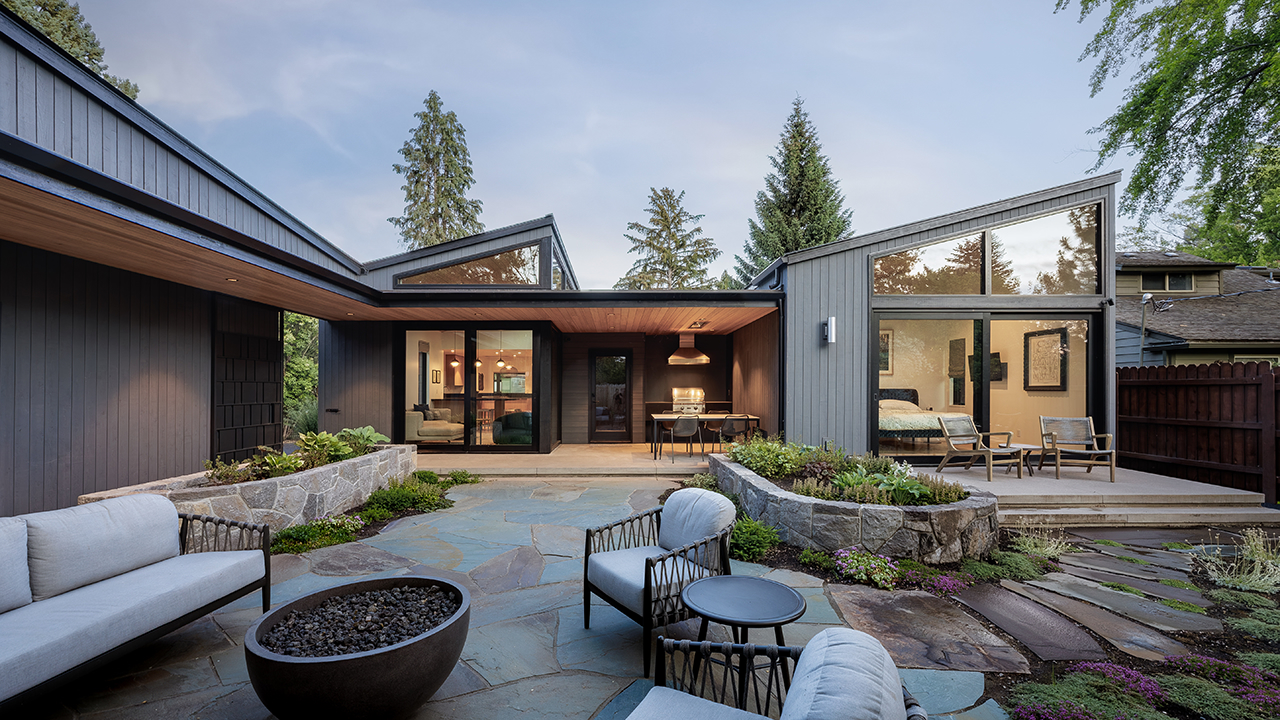
When starting any remodel of a historic structure, it’s important to ensure the structure is sound. This home was built well and featured interesting exterior details, including a basalt foundation with lava-rock column bases. “It made practical sense to continue working with it,” said Fagan. The homeowners chose basalt planters in the front and back to tie in with the original architecture. The home’s shingle and tongue-and-groove cedar siding has a solid stain in a cool, dark gray with a hint of green.
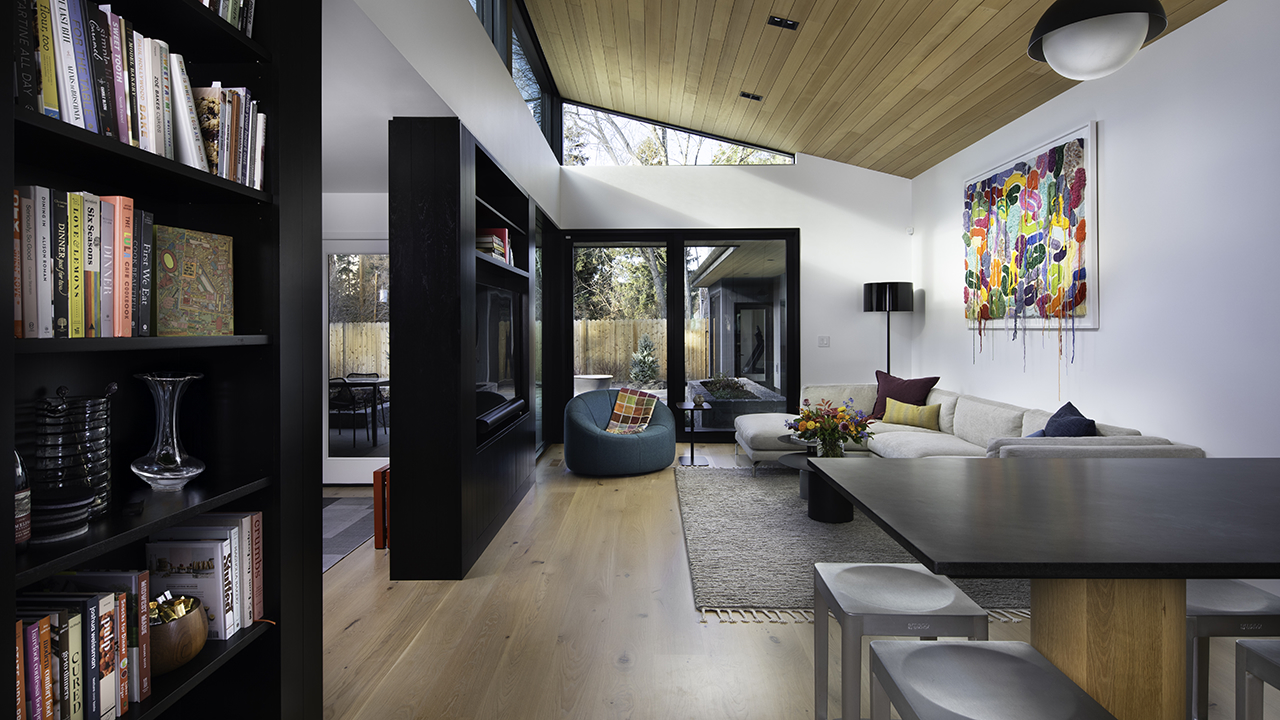
Fagan designed the light-filled addition in the back with tall, slanted ceilings to maximize light. It includes a family room, primary bedroom and bathroom, and a garage with a workout room, creating a courtyard feel in the backyard.
Original interiors were gutted and painted white to tie in with the new part of the house and create a more modern, blank canvas for the Natinskys’ mid-century furniture and colorful collection of fine street art.
Intentional Spaces
“You can make a smaller house live large and comfortably if you’re intentional and careful about how all the spaces are laid out,” said Fagan.
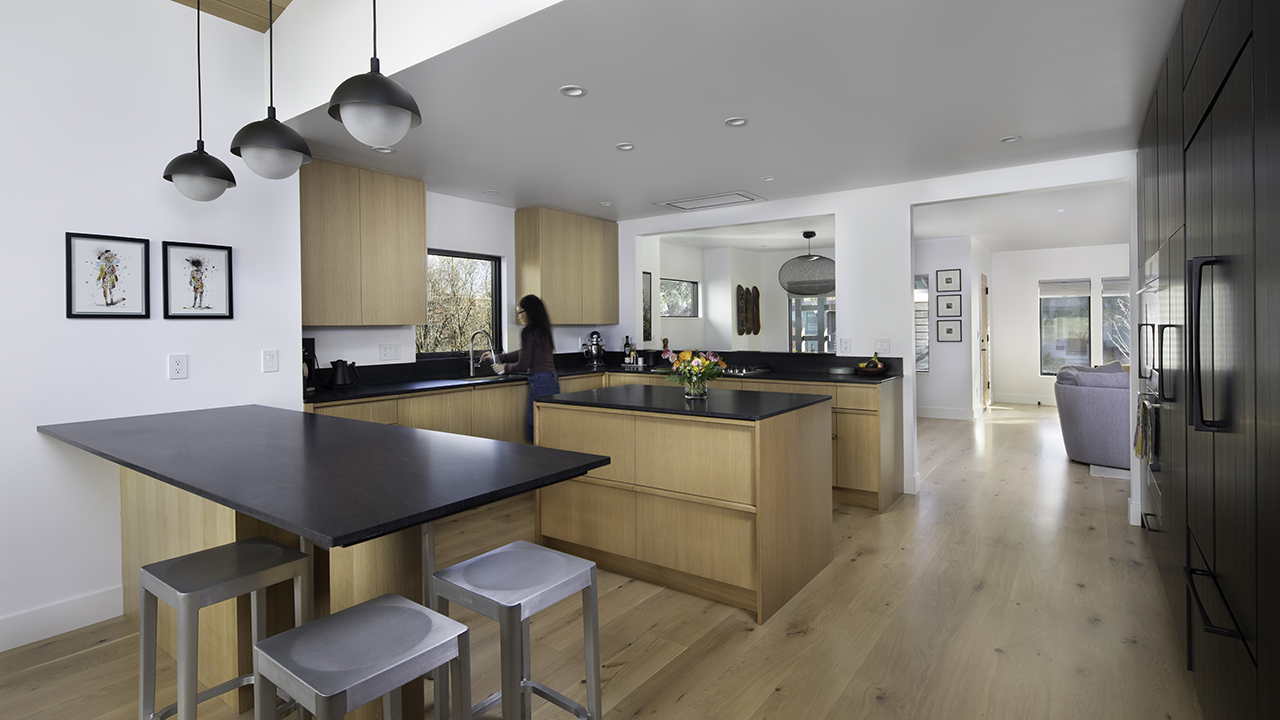
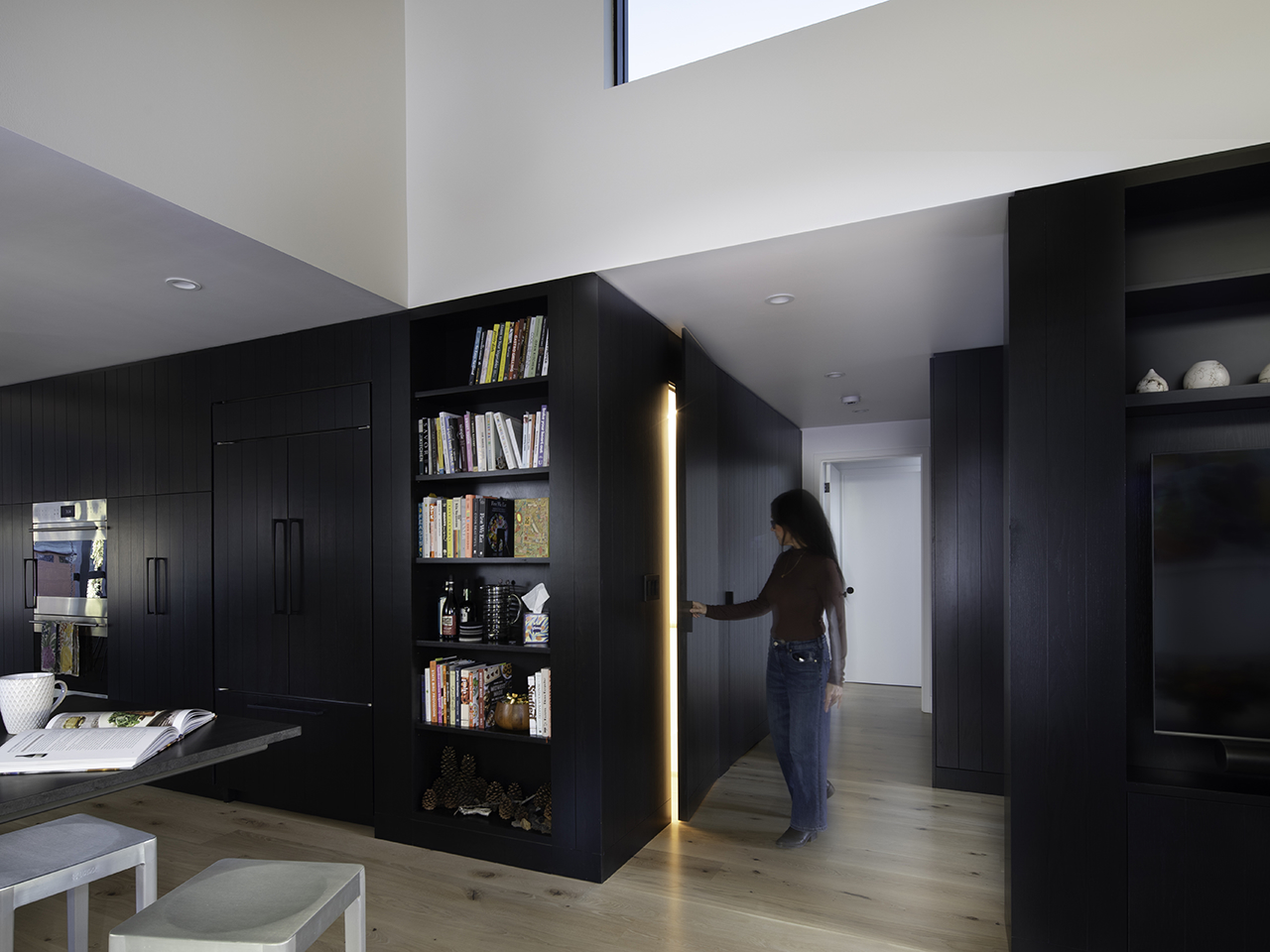
The remodeled kitchen, with rift white oak cabinets and black granite counters, marks the transition from old to new. An ebony-stained wall on one side—with shelves holding a rainbow of cookbooks, cabinets, the refrigerator and wall ovens—contrasts with the lighter oak wood floors and also creates a hallway of sorts.
“We took that dark line from the front to the back so that the rear section of the house kind of ties together, and then it opens up,” said Howard.
The family room—with a high, slanted, wood-paneled ceiling and sliding glass doors—showcases the couple’s preference for modern furniture, featuring an eye-catching dark green Ligne Roset Pumpkin swivel chair and a light gray sectional from Design Within Reach. A brightly colored textile art piece by Chicago artist Lefty Out There (aka Francesco Campanella) is a focal point on one wall.
All In the Details
Other interesting pieces in the Natinsky’s collection include a Robert Rauschenberg print in the guest bedroom and a Shepard Fairey original over the soapstone fireplace in the living room, which also features more sculptural mid-century furnishings, like a vintage oak Knoll coffee table and a Moooi fixture over the dining table.
More thoughtful surprises can be discovered throughout the 2,300-square-foot home, like a powder bathroom behind a peek-a-boo door with inky blue-green tiles and a crackle glaze from Encore Ceramics in Southern Oregon. The kitchen’s light colored oak cabinets have an integrated edge pull. A continuous piece of oak milled into an L shape; it’s a detail that’s clean and modern but nods to Craftsman style.
“Modern architecture can feel cold and sterile, but something doesn’t have to look traditional to introduce a warm, handmade quality,” said Fagan.
Older houses may have quirks, but working with what’s there can create opportunities and spark more creativity.
Architect: Thomas Fagan, Studio Mas Architecture | Interior Designer: Lisa Rhee Rokosh, Brass Tacks | Builder: Copperline Homes | Cabinets: 541 Cabinets | Landscape Design: Cahill Design | Hardscaping: Landscape Elements