In 2017, Tom Carson launched Fuse Design + Build, a residential design studio serving the greater Bend area. Before relocating to Central Oregon in 2010, he had already spent more than two decades honing his architectural design and construction skills, first in New Mexico where he earned a master’s degree in architecture and gained experience in every phase of homebuilding, and later in the San Francisco Bay Area, working with Tekton Architecture, a design-build firm.
Carson’s philosophy is to deliver homes that balance functionality, aesthetics and budget while emphasizing strong design elements and sustainability. He and his team work closely with clients and contractors to guide projects from concept to completion, whether contemporary new builds to more traditional Pacific Northwest styles. Along the way, Fuse has become adept at working with neighborhood associations and design review committees, as well as energy-efficiency standards and, increasingly, firewise practices.
Carson explains the origins of Fuse Design + Build, his design approach and the evolving trends shaping homes in Central Oregon.
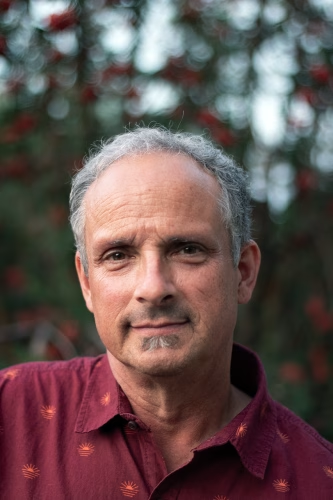 Where does the name Fuse come from?
The name wasn’t instantaneous. It came through a process of elimination. My background is in design-build, and the intent was to continue that here in Bend, fusing design with construction. The build part hasn’t fully materialized yet, but it’s still part of the vision.

What’s the process like when a client comes to you?
It depends on whether it’s a remodel or a new build. For remodels, clients usually come to us with a wish list that’s more programmatic and functional, and typically less clear in terms of aesthetics. We strive to marry the existing conditions with the new, and hopefully elevate everything in the process—it’s a delicate balancing act. We want to meet their needs while also pushing the design beyond their expectations.
For new construction, it’s a bit different. You start with a blank slate, and the site itself becomes critical in shaping the concept. We go through the same process of defining programmatic needs, then hone in on a design that’s both beautiful and functional. We try to start every project with fresh eyes and tailor specific solutions for each client. Depending on the size and complexity, the design timeline can run from six months to more than a year.
How do you involve clients in the design process?
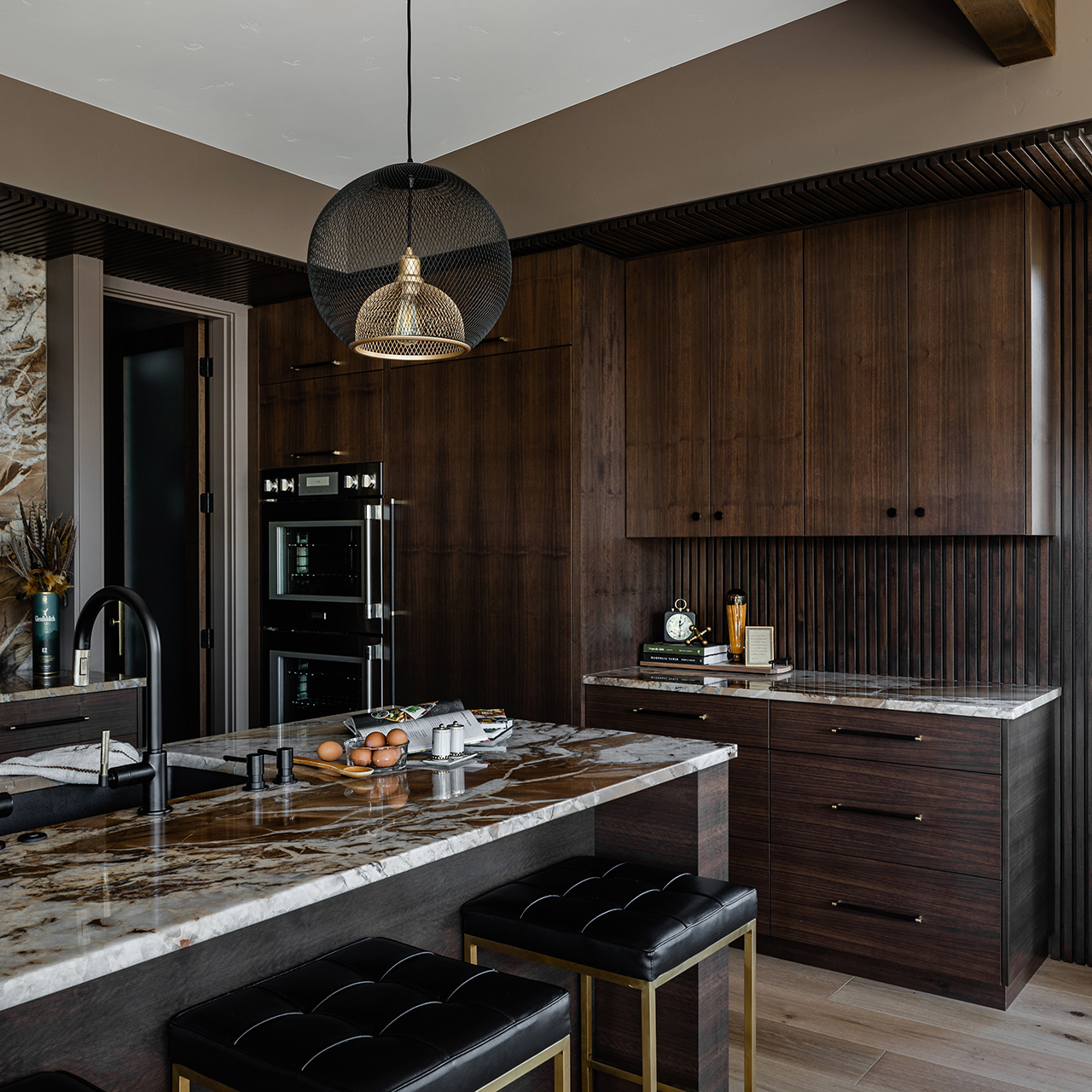
We prefer a lot of client involvement. The more invested they are, the richer the outcome. Many clients are savvy and comfortable making selections for the interiors on their own, but we’re there to guide them through the process. We often collaborate with Element Design Collective—Jane Wirth and Jenn Adams have a great showroom for finishes like tile and stone. We also take clients to places like the Fixture Gallery for plumbing and several other specialty niche studios. We’ll design and select everything from cabinets to paint colors, depending upon the project.
What trends have you seen in Central Oregon design since you moved here?
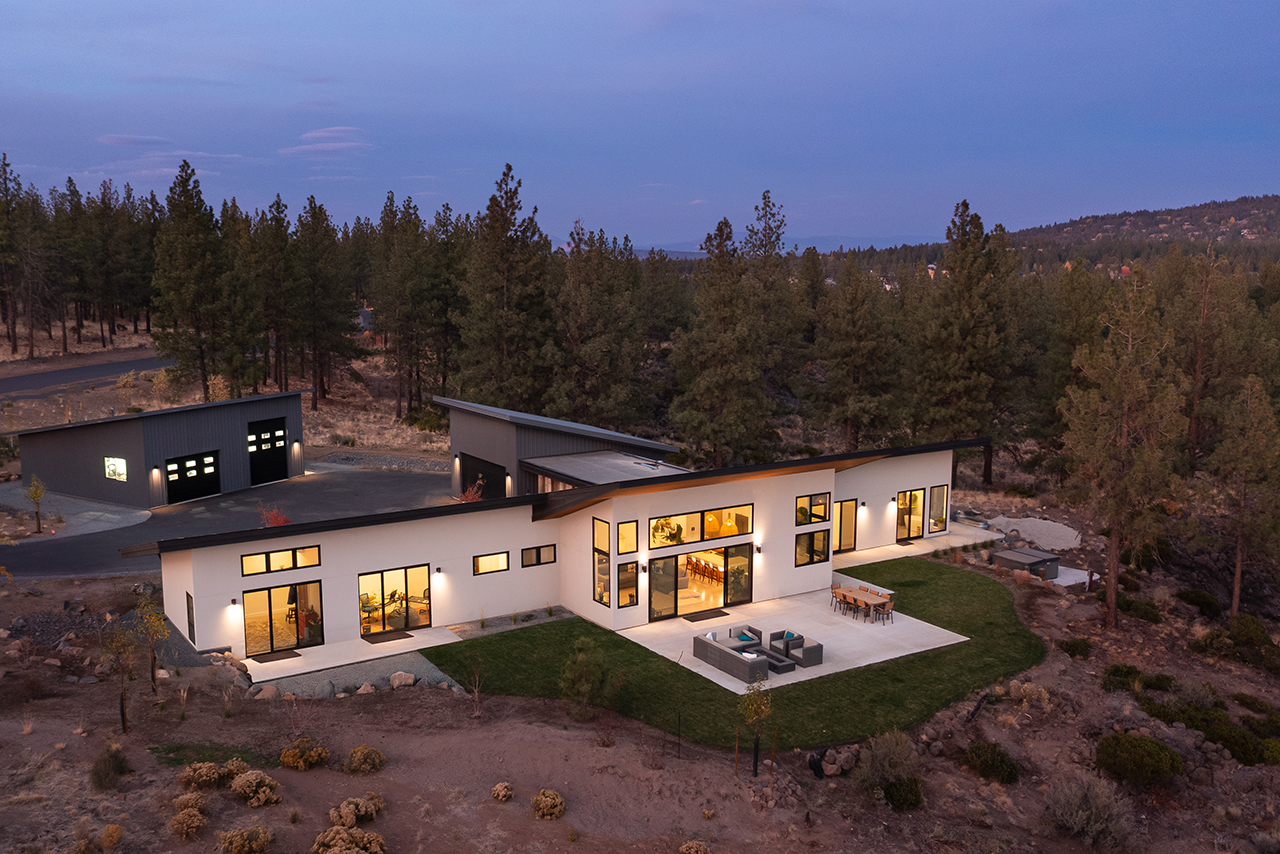
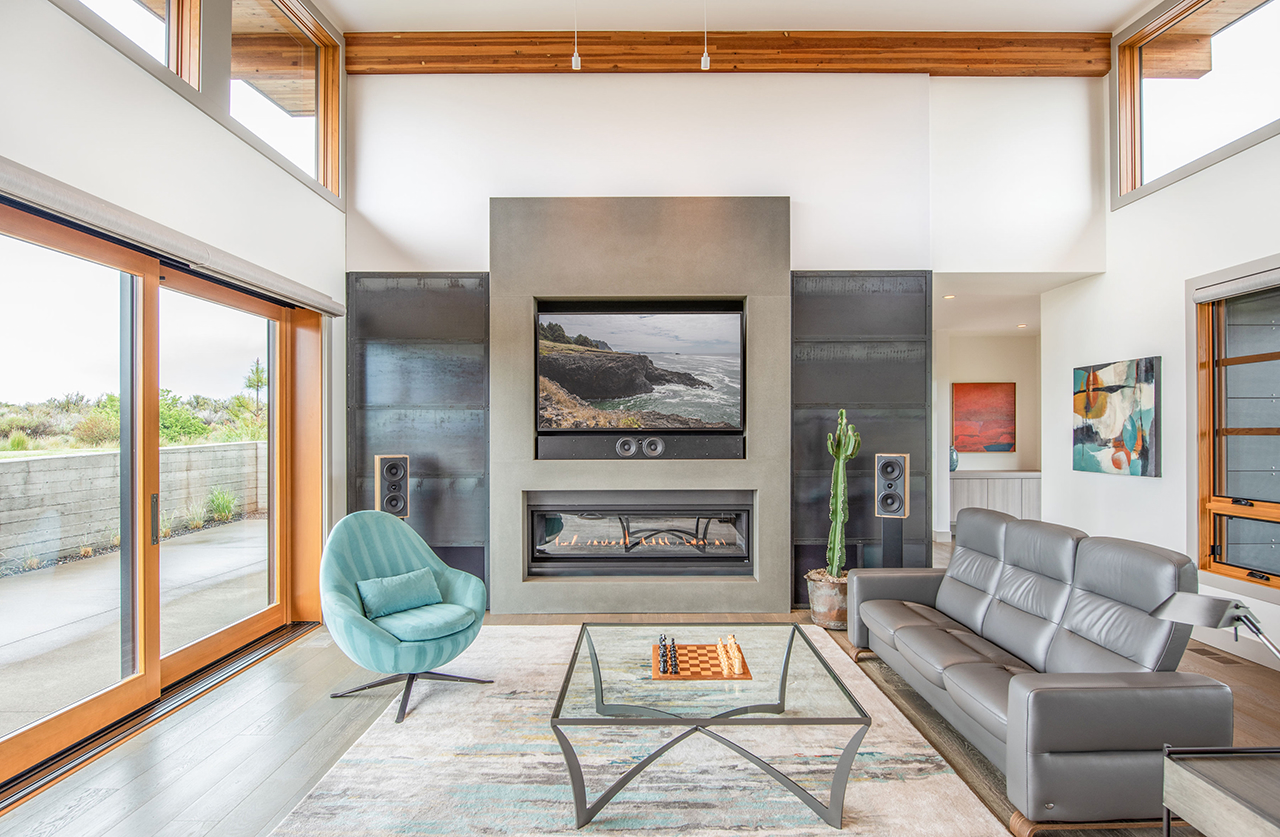
When I arrived in 2010, contemporary design was rare. That’s changed dramatically—now you see much more modern architecture, alongside the traditional Northwest lodge style that’s still popular. Another major shift is the focus on energy efficiency and building performance. Things like triple-pane windows, photovoltaic panels, insulation systems and advanced building envelope methods are increasingly standard. Codes are changing, but clients also want efficiency, and builders are responding with better materials and systems.
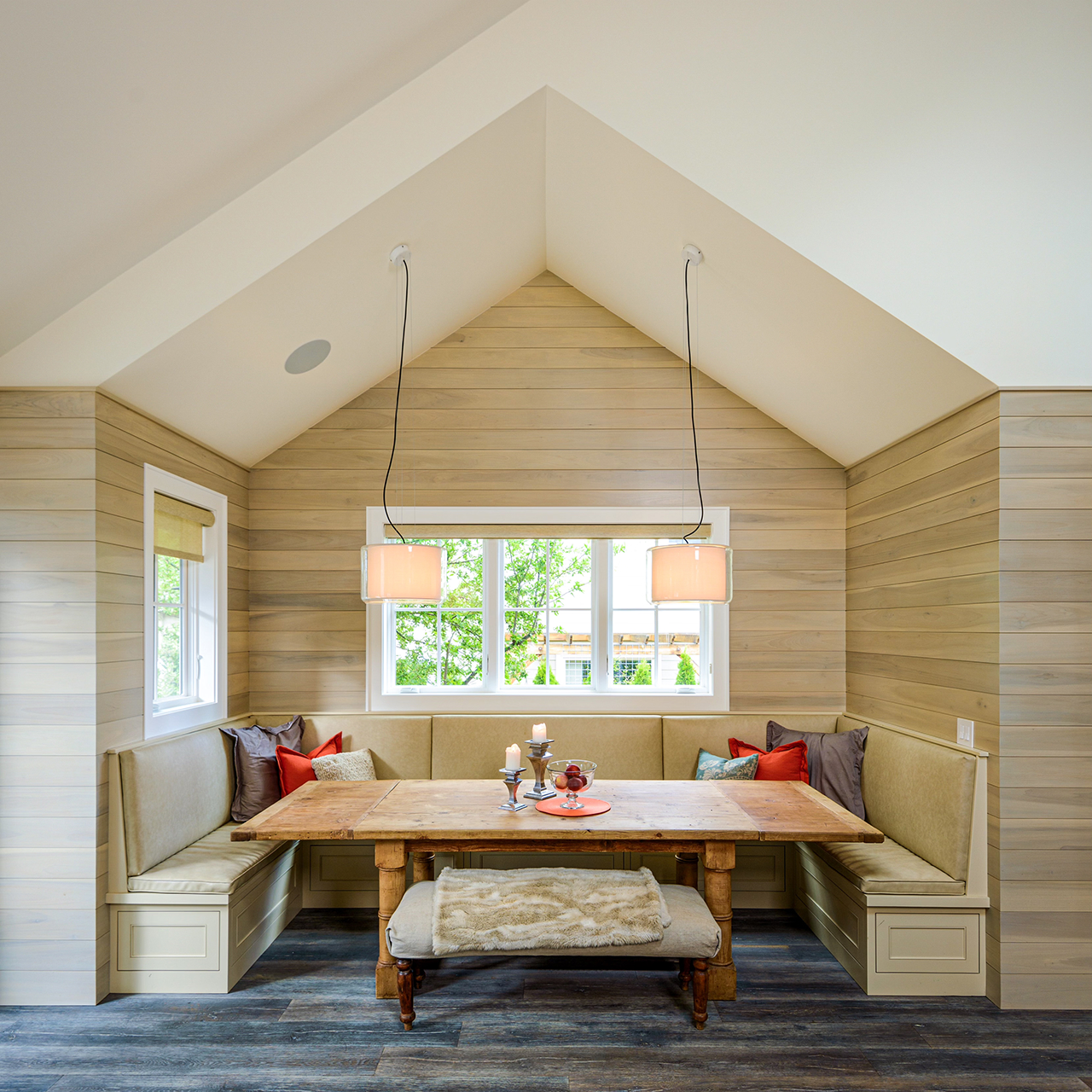
Firewise practices have become a big topic. How is that shaping your work?
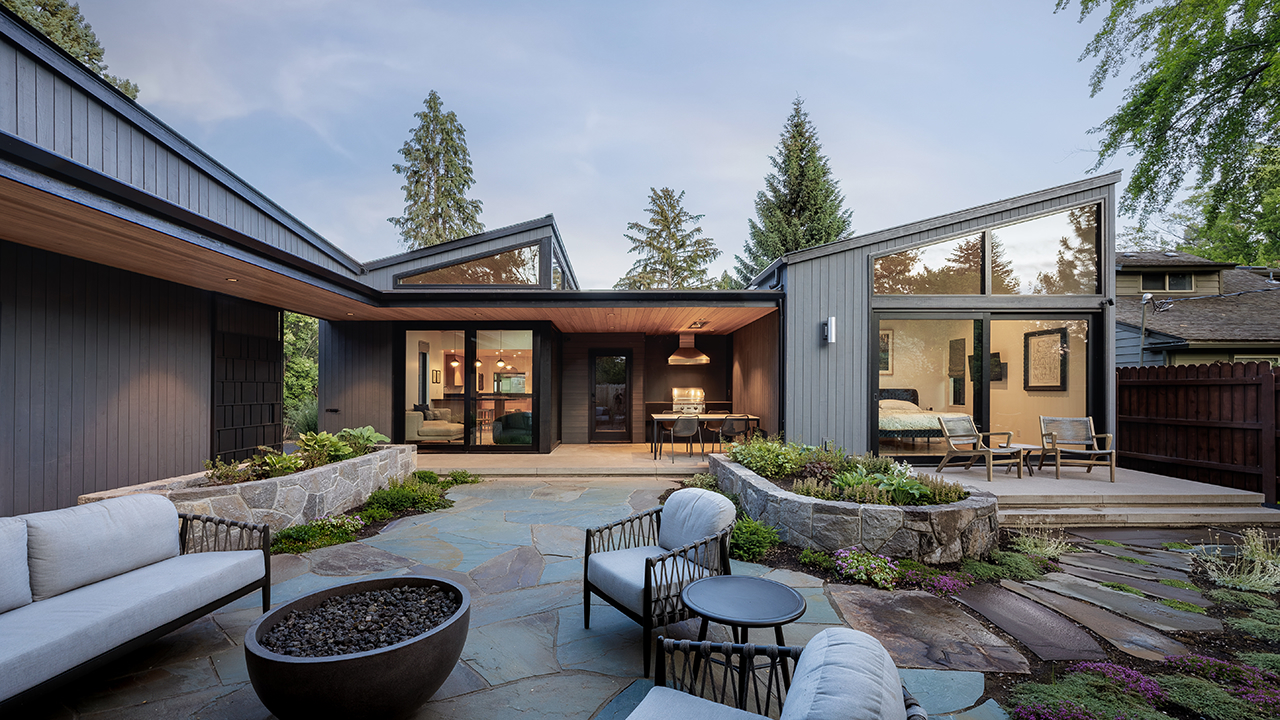
It’s definitely on the table now. Neighborhood architectural review committees and clients are paying closer attention to exterior materials that are fire-resistant, such as metal siding, stucco and cementitious products. Some neighborhoods now require fire-resistant materials and details outright. Landscaping plays a role, too. We often work with Angie Snell of North of South Landscapes, a talented designer who’s excellent at integrating firewise concepts into design. Larger lots make it easier to maintain defensible space, while still having room for a beautiful yard. Smaller lots are challenging the way we have traditionally thought about personal yards and what constitutes beauty and comfort.
Tell us about your team.
I used to be a one-man show for years. Trevor Larsen joined Fuse nearly five years ago and handles the majority of the production work, including 3D modeling. He holds a BA in architecture and possesses a solid design eye. We collaborate closely on every project, and his perspective catches things I might miss. Having that partnership has really strengthened the work Fuse produces.
FUSE Design + Build | 19399 Brookside Way, Bend | fusedesignbuild.com