
At age 15, Sascha Lyon gave himself an ultimatum; he would either get drafted by the Dodgers or the Yankees straight out of high school or he’d become a chef. While most kids his age went to the beach or the movies, Lyon was into cooking. He catered parties, and one in particular changed his future: a party for five-year-olds. “I did pizzas with the kids, but I also prepared a whole spread of appetizers, passed hors d’oeuvres and desserts for the adults.” The owner of famed French restaurant L’Ermitage in Los Angeles happened to be there. She was impressed and introduced him to her chef. Lyon was hired straight away and stepped into his serendipitous career. “The pots and pans were copper,” he said, “It was like walking into the kitchen from Ratatouille.”
From Los Angeles Kitchens to Bend, Oregon
Lyon worked as the entremetier, the station responsible for vegetables, soups and other accompaniments. After a few years, Lyon attended the Culinary Institute of America to formalize his already exceptional training. He then worked with Chef Michel Richard, arguably the greatest French pastry chef in the world, at Citrus in Los Angeles. Richard hobnobbed with celebrity chefs like Wolfgang Puck and threw an 80th birthday party for Julia Child, inviting the world’s highest-regarded chefs to attend. Meanwhile, Lyon was one of the few chefs in the kitchen preparing the meal.

“I was incredibly lucky,” he said. “I got an opportunity at L’Ermitage and, from that point on, I never really chose where I was going to work next.” Lyon went on to cook in kitchens worldwide. However, his weariness of big city life eventually led him to Oregon. Lyon took a job running the kitchen at King Estate Winery in Eugene, where COVID cut his tenure short. With Oregon still on his mind, he applied for the chef position at Five Fusion. Lyon was so overqualified that Fusion’s owners didn’t offer him the job; they offered him the restaurant. Lyon knew it was his chance to remain in Oregon and finally own his own restaurant, so in 2022 he brought his exceptional background, along with a dream team of talent, to Bend. Today, the restaurant is transforming through Lyon’s vision. Every detail, from the new name—Bar Le Cru—to the food to how a guest is greeted, is something Lyon has painstakingly built over the past four years: a kitchen and culture that’s truly excellent and creative, but also considerate and respectful.
French Technique Meets Japanese Cuisine at Bar Le Cru
Noting the peculiarity of a French-trained chef in a Japanese restaurant, Lyon explained that both cultures rely on technique to elevate food. “In [both] French and Japanese cuisine, ingredients and technique are always vying for first place. One cannot exist without the other.” As he worked his way up to becoming the poissonnier, or fish chef, he fell in love with the variety and diversity of seafood. He eventually came to admire the way Japanese restaurants handled their fish. “Most of us eat maybe three or four different land proteins,” he said, “but I could prepare a different fish a different way every day for the rest of my life.”
Rethinking Seafood for Bend Diners
Lyon wants to challenge American cuisine for the average diner. “People in the United States have had a poor relationship with eating fish because what they often had was not prepared particularly well,” said Lyon. “I love cooking fish because it gives me the opportunity to present something a guest may never have experienced before.” He also admittedly enjoys pushing people outside of their culinary comfort zone. “Japanese restaurants bring out the adventure in people. Someone might come in wanting a California roll, and by the end of the meal they’re trying uni.”
Chef Sascha Lyon’s Advice for Home Cooks
Despite Chef Lyon’s vast culinary experiences, he actually draws inspiration from chefs at home. “Hospitality is about making someone feel genuinely cared for,” he said. For the home chefs who want to delight their guests, he shares two very simple pieces of advice: “Cooking at home is about putting something on the table that resonates deeply with you and sharing it with people you care about.” The other piece of advice comes straight from the source: Julia Child once told him to simply “cook what you know.”
Three Recipes from Chef Sascha Lyon to Make at Home
Steelhead Garbure Recipe
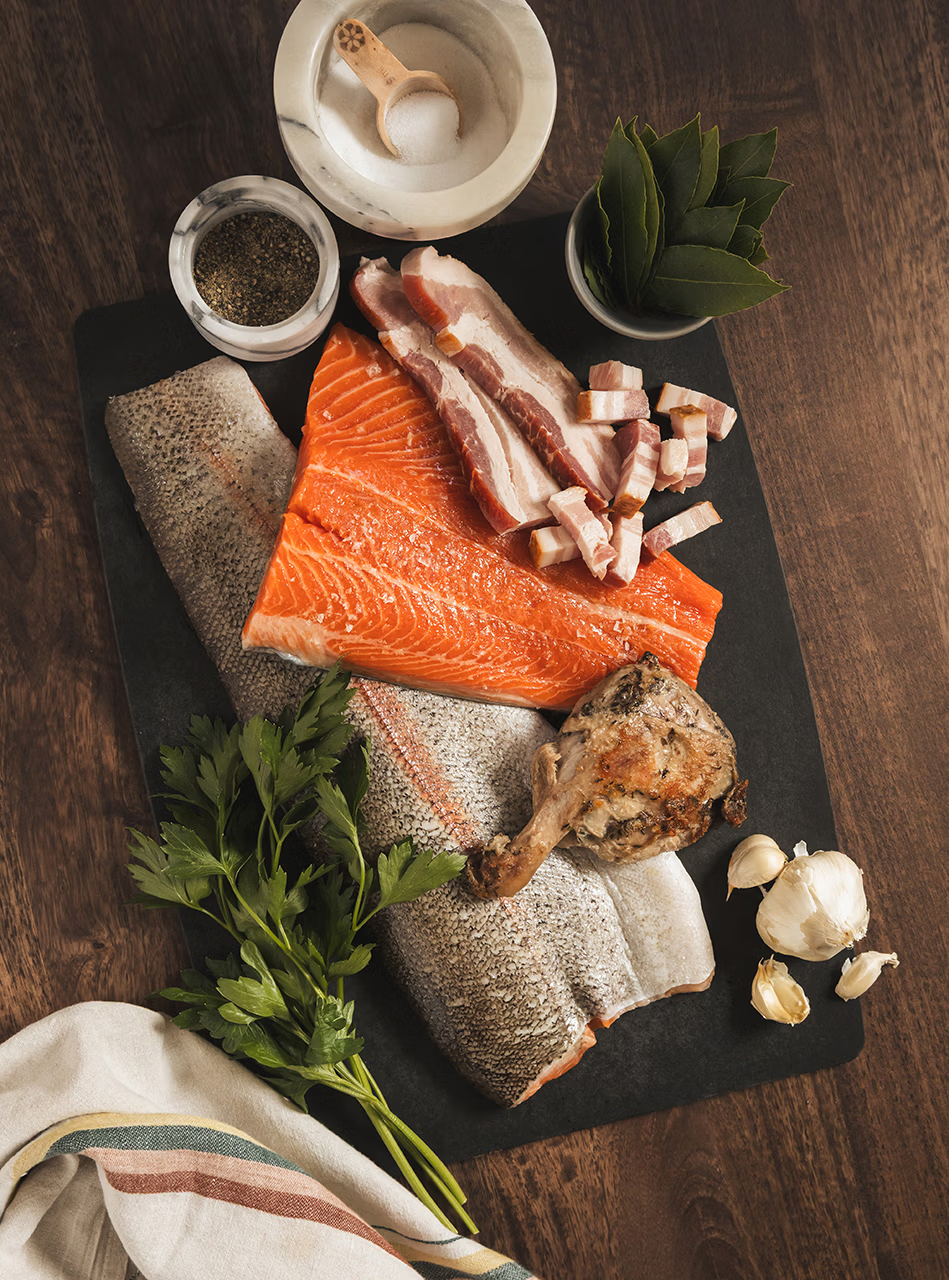
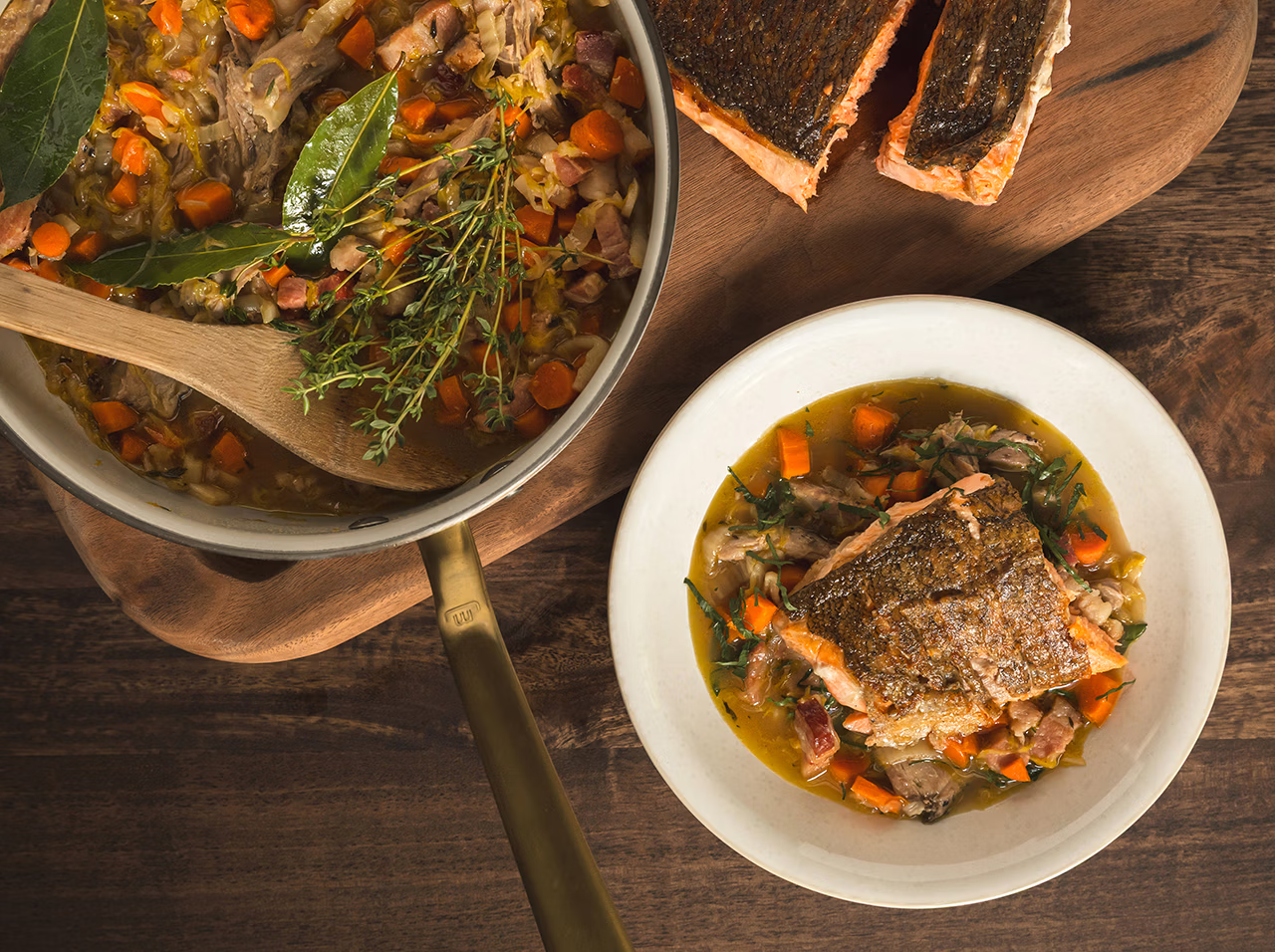
Crisp-skinned steelhead with Savoy cabbage, pork and duck confit | Serves 4
This recipe will probably leave you with some extra garbure. That’s intentional. There are few things better the next day, after the guests have gone home and you have the house to yourself, than a bowl of leftover garbure and a glass of Sancerre.
Garbure
- 4 oz smoked bacon or fresh pork belly, cut into small lardons
- 2 medium yellow onions, medium dice
- 2 medium carrots, medium dice
- 3 to 4 sprigs fresh thyme, left loose
- 6 garlic cloves, sliced relatively thick, about 1/8 inch
- 1 large head Savoy cabbage, about 1 1/2 lbs after trimming, cored and roughly cut into 1 1/2-inch pieces
- 1 cup dry Oregon Chardonnay, preferably unoaked or lightly oaked, closer to Chablis than California Chardonnay
- 1 bay leaf
- 4 cups chicken stock, plus more if needed
- 2 prepared duck confit legs
- 1/4 cup roughly chopped flat-leaf parsley
- Kosher salt
Steelhead
- 4 skin-on steelhead fillets, 5 oz each
- Fine French sea salt
- Olive oil, as needed for cooking
- High-quality, peppery extra-virgin olive oil, for finishing
- Maldon sea salt
Fish substitutions: Arctic char is an excellent alternative to steelhead. Ocean trout also works particularly well.
Instructions
Step 1: Render the pork: Place the bacon or pork belly in a heavy pot or Dutch oven over medium-low heat. Render slowly until it has released its fat and is beginning to become lightly golden. If using fresh pork belly, season lightly with kosher salt. If using smoked bacon, season cautiously since it will already contribute salt.
2. Sweat the vegetables: Add the onions and carrots to the rendered pork and sweat gently over medium-low heat without browning. Season lightly with kosher salt. Add the loose thyme sprigs and let them fry gently in the rendered fat for a minute or two, until fragrant. Add the thickly sliced garlic and continue to sweat gently until softened and aromatic, taking care not to brown it.
3. Add the cabbage: Add the Savoy cabbage, working in batches if necessary. Season lightly with kosher salt as it is added. Cook gently, stirring occasionally, until the cabbage has collapsed considerably and begun to soften. Softening the cabbage in the rendered pork fat before adding liquid develops substantially more flavor than simply simmering raw cabbage in stock.
4. Deglaze with the Chardonnay: Add the Chardonnay and bay leaf and bring to a simmer, scraping the bottom of the pot. Reduce the wine by approximately half before adding the chicken stock.
5. Add the stock and cook under a cartouche. Add the chicken stock and return to a gentle simmer. Place a round of parchment paper cut to approximately the diameter of the pot directly over the surface of the garbure, with a small hole cut in the center to allow steam to escape. This is called a cartouche. It keeps the cabbage gently submerged and promotes even cooking while allowing controlled evaporation. The center vent also prevents the parchment from ballooning as the garbure simmers.
Simmer gently for 30-45 minutes, until the cabbage is completely tender and the broth has developed depth. Taste and adjust with kosher salt. Remove from the heat and pick out and discard the thyme stems and bay leaf. Some thyme leaves will naturally remain in the garbure.
6. Cool and rest: Allow the garbure to cool, cover and refrigerate, preferably overnight. The resting time allows the flavors to become considerably more integrated.
7. Prepare the duck confit: Remove the skin and bones from the duck confit legs and gently pick the meat into natural bite-size pieces. Refrigerate until ready to serve.
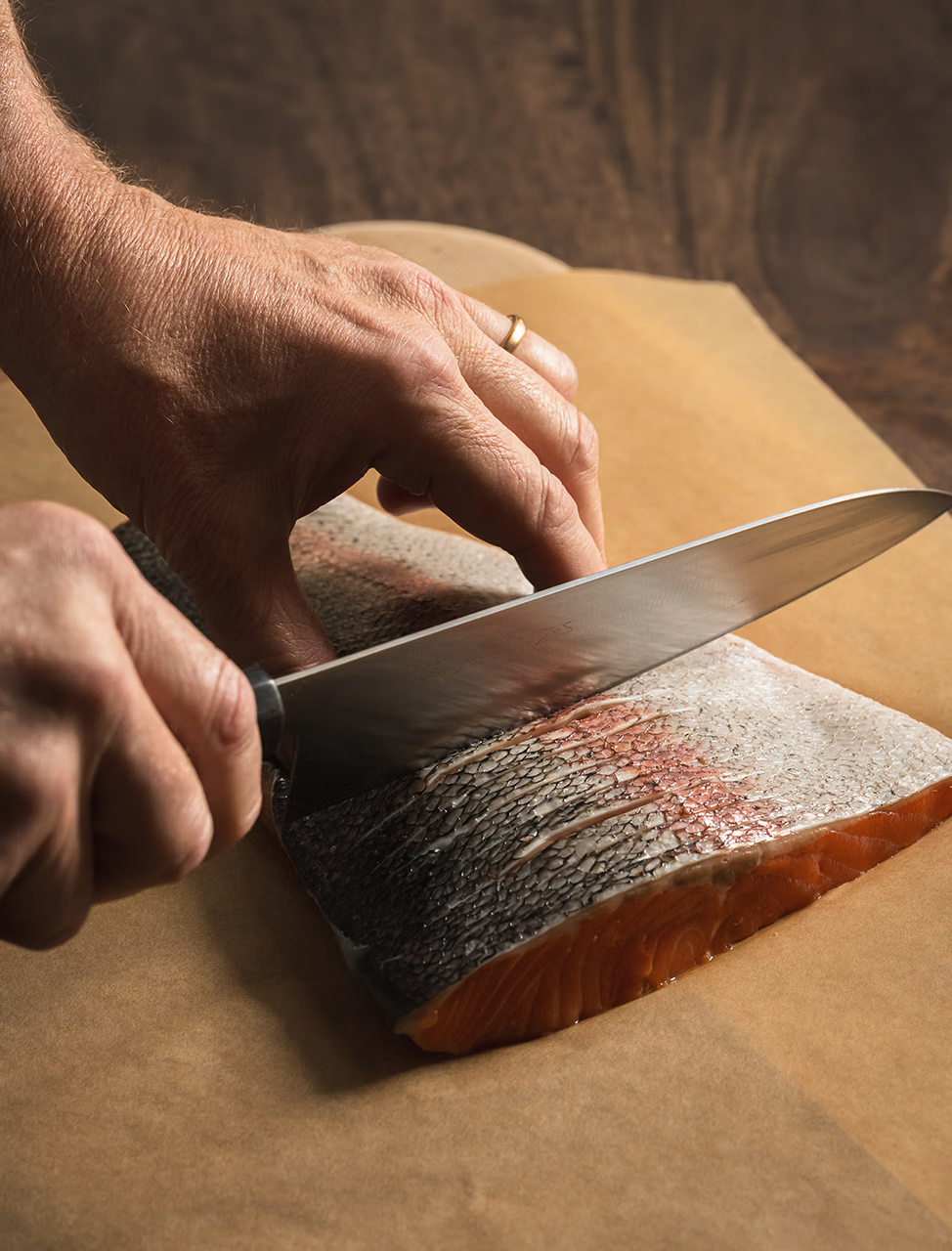
8. Portion the steelhead: Ask your fishmonger for four skin-on steelhead portions of 5 oz (140 g) each, ideally cut from similar areas of the fillet so they cook at approximately the same rate. If buying a whole side, portion it yourself into broad, even pieces rather than unusually thick center cuts. The goal is a generous area of crisp skin with enough flesh beneath it to nestle naturally into the cabbage without dominating the bowl.
9. Reheat the garbure: Reheat the garbure gently over medium-low heat. If necessary, add a little chicken stock to restore a generous, brothy consistency. Taste and adjust with kosher salt. Just before serving, fold in the picked duck confit and chopped flat-leaf parsley. Heat only long enough to warm the duck through, preserving its texture and identity.
10. Cook the steelhead: Pat the fish very dry, especially the skin, and season evenly with fine French sea salt. Place the steelhead skin-side down in a ceramic or good-quality nonstick skillet with a small amount of olive oil. Place a small, flat weight over the fish to keep the skin in full contact with the pan.
Cook over medium to medium-low heat, skin-side down only, until the skin is completely crisp and the fish is almost cooked through, with just a small amount of translucency remaining at the top. Remove the weight, flip the fish and cook the flesh side for approximately 5 seconds. Transfer immediately to a wire rack with paper towel to absorb excess cooking fat and rest briefly.
11. Finish and serve: While the fish rests, ladle the hot garbure into four warm shallow bowls, distributing the cabbage, vegetables, pork and duck with plenty of broth. Place the steelhead over the cabbage, crisp skin facing up, allowing the fish to nestle naturally into the garbure while keeping the skin above the broth. Brush the crisp skin lightly with high-quality, peppery extra-virgin olive oil and finish with Maldon sea salt. Serve immediately.
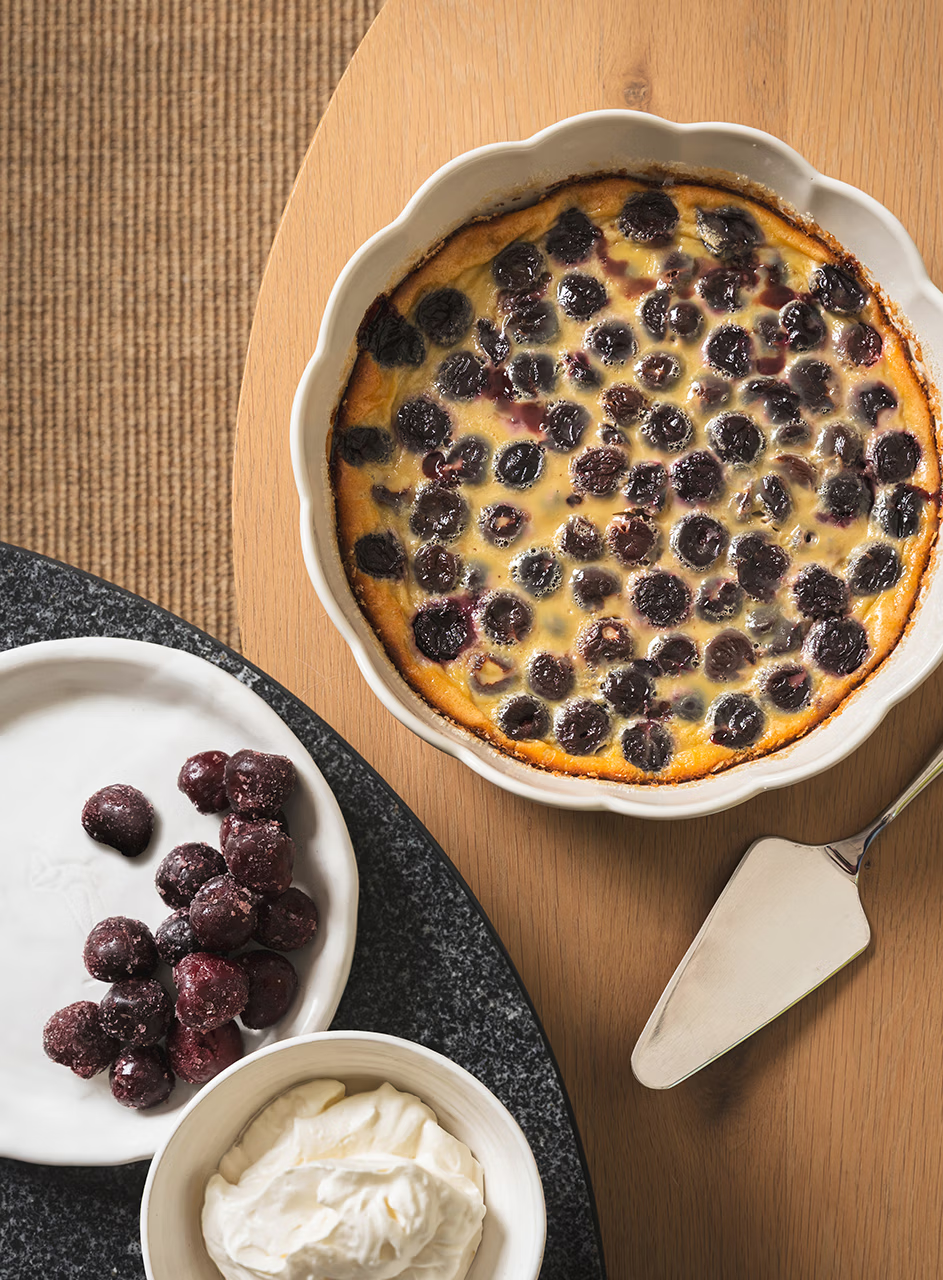
Cherry Calfoutis
Cherry Clafoutis Recipe
Pacific Northwest cherries with overnight custard | Serves 6 to 8
Clafoutis has always been one of my favorite desserts, and for me the classic version is cherry. We get beautiful cherries here in the Pacific Northwest, and I always freeze some specifically for clafoutis. I love being able to pull them out months later and enjoy the abundance of summer all year long.
Cherries
- 1 lb frozen dark sweet cherries
- 1 tablespoon sugar
- 1 tablespoon all-purpose flour
Custard
- 3 large eggs
- 7 tablespoons sugar
- 1/2 cup all-purpose flour
- 1 1/4 cups whole milk
- 2 tablespoons heavy cream, optional
- 1 teaspoon vanilla extract
- Pinch of salt
Optional Aromatic – Choose 1
- 1/2 teaspoon almond extract
- Zest of 1/2 lemon
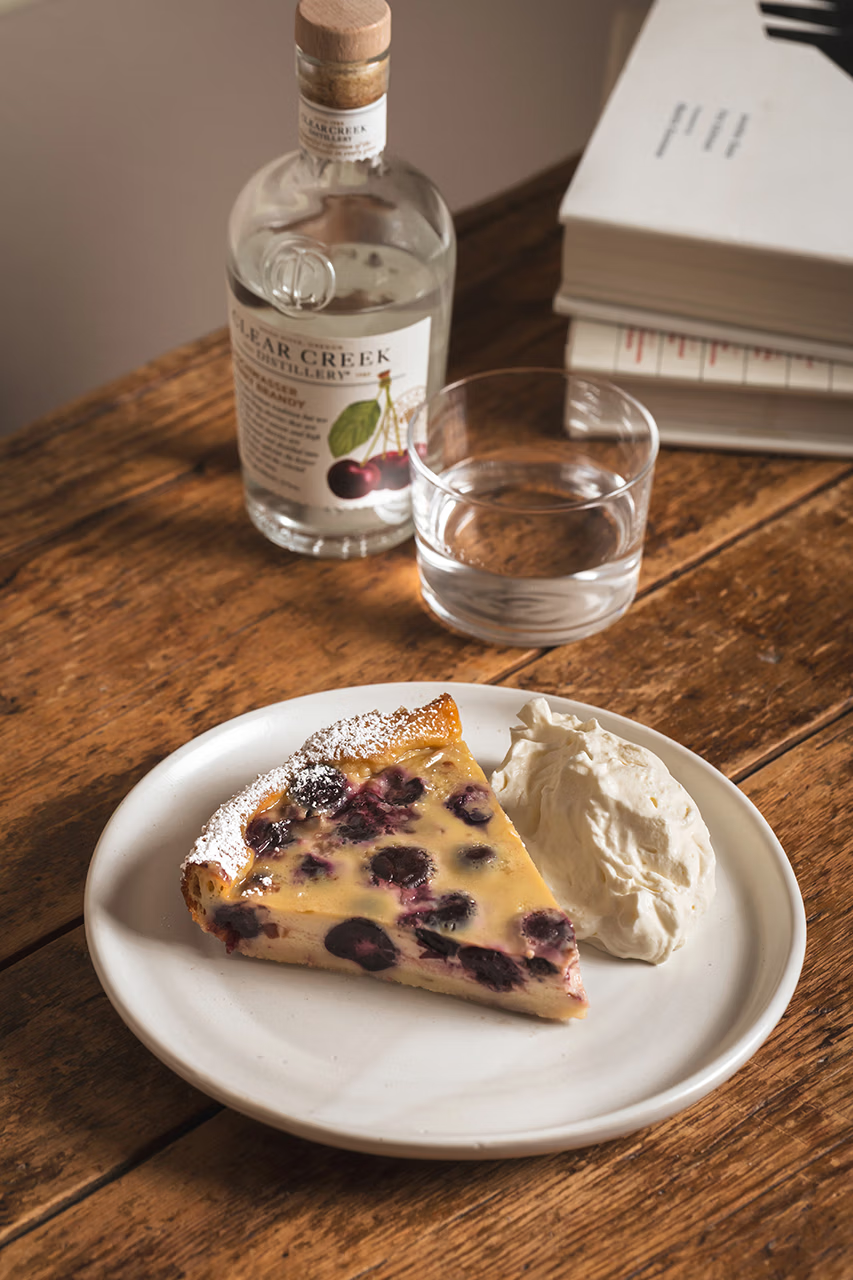
- ½ to 1 teaspoon Clear Creek Cherry Brandy (Hood River, Oregon) available at Newport Market, or Kirsch
For the Dish
- Softened butter
- Sugar for coating
Instructions
Step 1: The night before: Prepare the cherries. Place the frozen cherries in a colander and allow them to thaw and drain. Once mostly thawed, spread them in a single layer on a paper-towel-lined tray or plate, cover loosely and refrigerate overnight. By the next day the cherries should be thoroughly thawed, drained and dry enough to use without rushing the process.
2. The night before: Make the custard: Whisk the eggs and sugar together just until smooth; there is no need to aerate the eggs or whip them until pale. Whisk in the flour until completely incorporated. Gradually add the milk and cream, whisking until smooth. Add the vanilla, salt and your choice of almond extract, lemon zest or Clear Creek Cherry Brandy, or Kirsch, if using. Cover and refrigerate for 12 to 24 hours. The overnight rest allows the flour to fully hydrate and the custard to settle.
3. Prepare the baking dish: Heat the oven to 350°F (175°C). Generously butter a shallow 1.2-1.5 liter (5-6 cup) ceramic or porcelain baking dish and coat lightly with sugar. A 9-inch round or approximately 10 x 7-inch oval dish works well. The finished clafoutis should be roughly 3/4-1 inch deep
4. Prepare the cherries: Remove the custard and cherries from the refrigerator 20-30 minutes before assembling to take off the chill and promote a more even set. Toss the thoroughly drained and dried cherries with 1 tablespoon sugar and 1 tablespoon all-purpose flour, then arrange them evenly across the bottom of the prepared dish.
5. Add the custard: Gently re-whisk the custard just until homogeneous, avoiding unnecessary aeration. Pour evenly over the cherries.
6. Bake: Bake for approximately 38-45 minutes, until lightly golden around the edges and just set through the center. An instant-read thermometer inserted into the center of the custard should register approximately 180°F (82°C). The center should still have a gentle wobble when the dish is moved. Do not wait until it becomes completely firm; the custard will continue to set as it rests.
7. Rest and serve: Allow the clafoutis to rest for 20-30 minutes. Serve slightly warm or at room temperature, spooned directly from the baking dish. A light dusting of powdered sugar is optional.
Notes
Gluten-Free Option
Clafoutis adapts particularly well to gluten-free preparation. For the custard, replace the 60 g all-purpose flour with 35 g cornstarch. For the cherries, replace the tablespoon of flour with 1 tablespoon cornstarch. Everything else – including the overnight rest and baking method – remains the same.
Fresh vs. Frozen Cherries
Fresh cherries are wonderful in season, but frozen cherries aren’t a compromise here. I freeze Pacific Northwest cherries during the summer specifically so I can make clafoutis throughout the year. The overnight thaw-and-drain method means that on the day you’re serving it, the clafoutis can be assembled and in the oven in about 10 minutes without rushing the cherries or introducing excess juice into the custard.
About Refrigerating the Finished Clafoutis
I love clafoutis the day it’s baked, served slightly warm or at room temperature, when the custard is at its softest. But I also really like it after it’s been refrigerated overnight. The texture becomes firmer, smoother and more custard-like, and the cherry flavor settles into the batter. It’s a different result, but an equally good one. If you’re entertaining, either approach works. Bake it earlier in the day and serve at room temperature, or bake it the night before and serve chilled or allow it to come toward room temperature.
Brandade de Morue Recipe
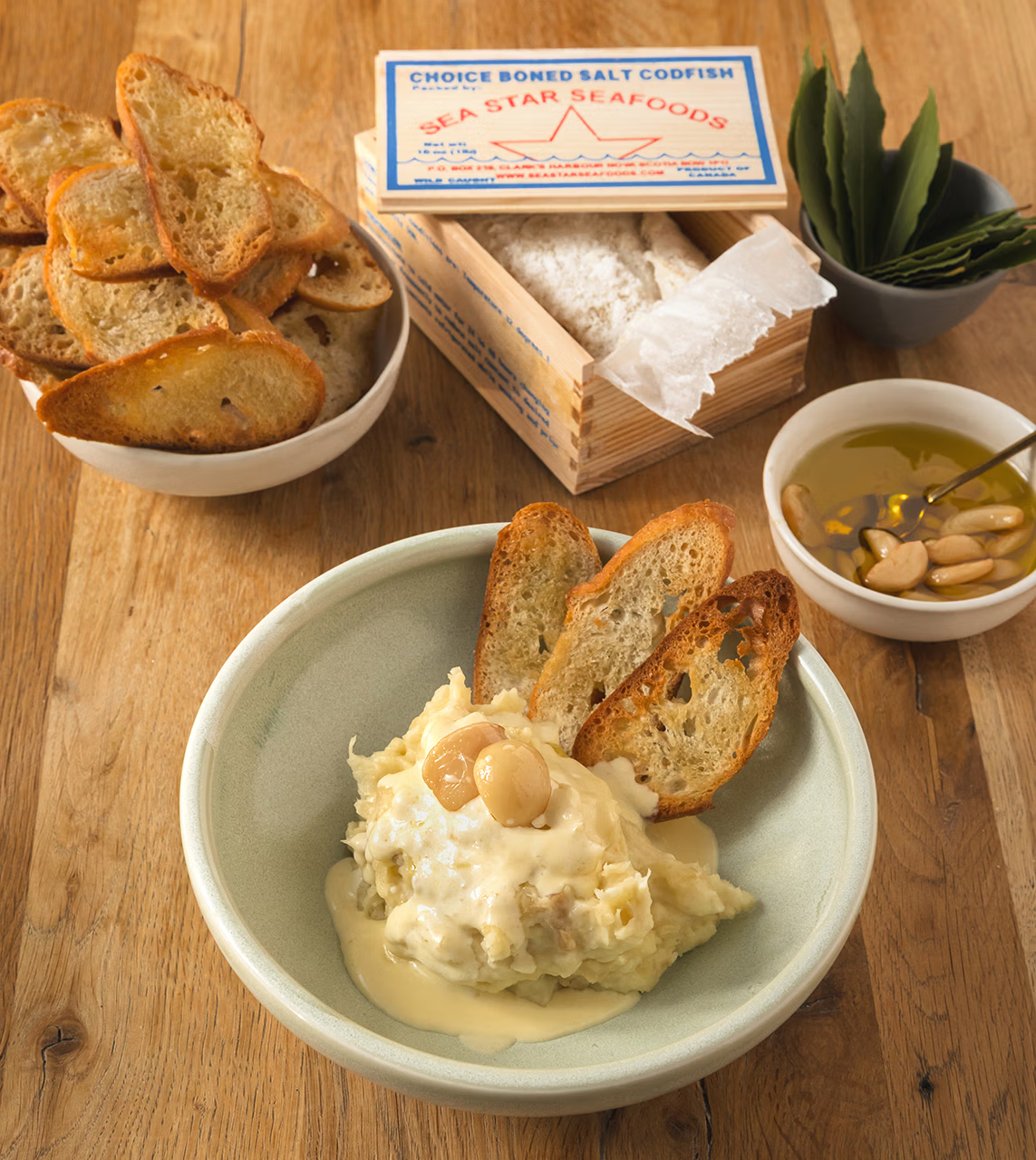
Salt cod brandade with reduced cream, confit garlic and garlic-rubbed baguette croutons | Serves 4 as a first course
Salt Cod
- Salt Cod, available at Sebastian’s Seafood and Specialty Market
- 12 oz salt cod/bacalao, skin and bones removed
- Cold water, for soaking
Garlic Confit & Garlic Oil
- 8 whole garlic cloves, peeled
- 3/4 cup extra-virgin olive oil, plus more if needed to submerge
Brandade
- 12 oz russet potatoes, peeled and cut into large, even pieces
- 4 whole garlic cloves, peeled
- Soaked salt cod
- 1/2 cup heavy cream, warmed, plus additional as needed for reheating
- 1/2 cup reserved garlic-confit olive oil, plus additional as needed
- Kosher salt, only if needed
To Finish
- 3/4 cup (180 ml) heavy cream
- 4 reserved confit garlic cloves
- Freshly ground black pepper, optional, at the table
Baguette Croutons
- 1/2 baguette, sliced 1/4-inch thick on a slight bias
- Extra-virgin olive oil
- 1 fresh garlic clove, peeled and halved
- Kosher or flaky sea salt
Instructions
- Soak the salt cod: Place the salt cod in a container and cover generously with cold water. Refrigerate for 24-36 hours, changing the water several times. Taste a small piece toward the end of soaking. It should remain pleasantly seasoned but no longer taste aggressively salty. Drain well.
- Make the garlic confit: Place the 8 peeled garlic cloves and olive oil in a small saucepan. The garlic should be mostly submerged; add a little more oil if needed. Cook over very low heat until completely tender and lightly golden, about 30-40 minutes. The oil should barely bubble around the cloves rather than fry them. Cool the garlic in the oil. Reserve the oil for the brandade and reheating, and reserve 4 whole confit cloves for serving.
- Cook the potatoes, garlic and cod: Place the russet potatoes and 4 whole garlic cloves in a saucepan and cover generously with cold water. Bring to a gentle simmer. When the potatoes are beginning to become tender, add the soaked salt cod and continue cooking gently until the potatoes are completely tender and the cod flakes easily, about 8-10 minutes more. Drain thoroughly and let everything sit for several minutes so excess steam and moisture can escape.
- Make the brandade: Transfer the hot potatoes, cooked garlic and salt cod to the bowl of a stand mixer fitted with the paddle attachment. Mix on low just until the potatoes begin to break down and the cod flakes and incorporates. With the mixer running on low, gradually add the warm cream and warm garlic-confit oil, alternating between the two, allowing each addition to incorporate before adding more. Stop when the brandade is creamy, cohesive and spoonable, while still retaining a little texture. Do not overmix. Taste before seasoning; depending on the salt cod, additional salt may not be necessary. If making ahead, leave the brandade slightly softer than the desired serving consistency. It will firm considerably as it chills. Alternatively, make the brandade by hand in a warm bowl with a sturdy wooden spoon or spatula.
- Chill and reheat: The brandade may be made one day ahead and refrigerated, covered. Reheat gently, working in a little reserved warm cream and garlic oil as needed to restore a soft, creamy, spoonable consistency. A microwave works particularly well: heat in short intervals, stirring gently between each. It may also be reheated over low heat or in a bowl set over gently simmering water. Sous vide option: Seal the brandade in a heat-safe bag and warm in a 140°F (60°C) water bath, then adjust with warm cream and garlic oil before serving.
- Make the baguette croutons: Heat the oven to 350°F (175°C). Arrange the 1/4-inch baguette slices on a baking sheet and brush lightly with olive oil. Toast until crisp and lightly golden. While still warm, lightly rub each crouton with the cut surface of the fresh garlic clove and season lightly with salt. The thin croutons should be crisp and delicate rather than hard or thick.
- Make the finishing cream: Do this just before serving. Place the 3/4 cup heavy cream in a small saucepan and bring to a gentle simmer. Reduce slowly until thick enough to coat the back of a spoon while remaining fluid enough to pour. Season very lightly with salt only if needed. Reduced cream is prone to breaking when reheated, so make this component fresh for service.
- Serve: Spoon the hot brandade onto four warm plates, forming a generous natural mound rather than shaping it too precisely. Spoon the freshly reduced cream generously over the brandade so that it naps the surface and begins to run gently around it. The presentation should remain pale and creamy – the brandade is not gratineed or browned. Place one whole confit garlic clove on top of each portion and serve immediately with the thin garlic-rubbed baguette croutons alongside. Freshly ground black pepper may be added at the table if desired.