

They’re our true companions and four-legged adventure buddies. They also chew our shoes, escape their leashes and dig up the garden. We love them anyway. But life with a dog would be much easier if only we could speak the same language.
In dog-friendly towns like Bend, canines and humans mix and mingle everywhere, making clear communication essential for the safety of all. What if we could “speak dog” to avoid the frustration of messages lost in translation? Meet four dog whisperers who know how to listen, understand and communicate in the language of interaction to help Bend remain one of the best dog towns in the U.S.A.

Meet the People Who Seem to Speak Canine and Know How to Listen
Leader of the Pack: Charlotte Roy
“No dog left inside.”
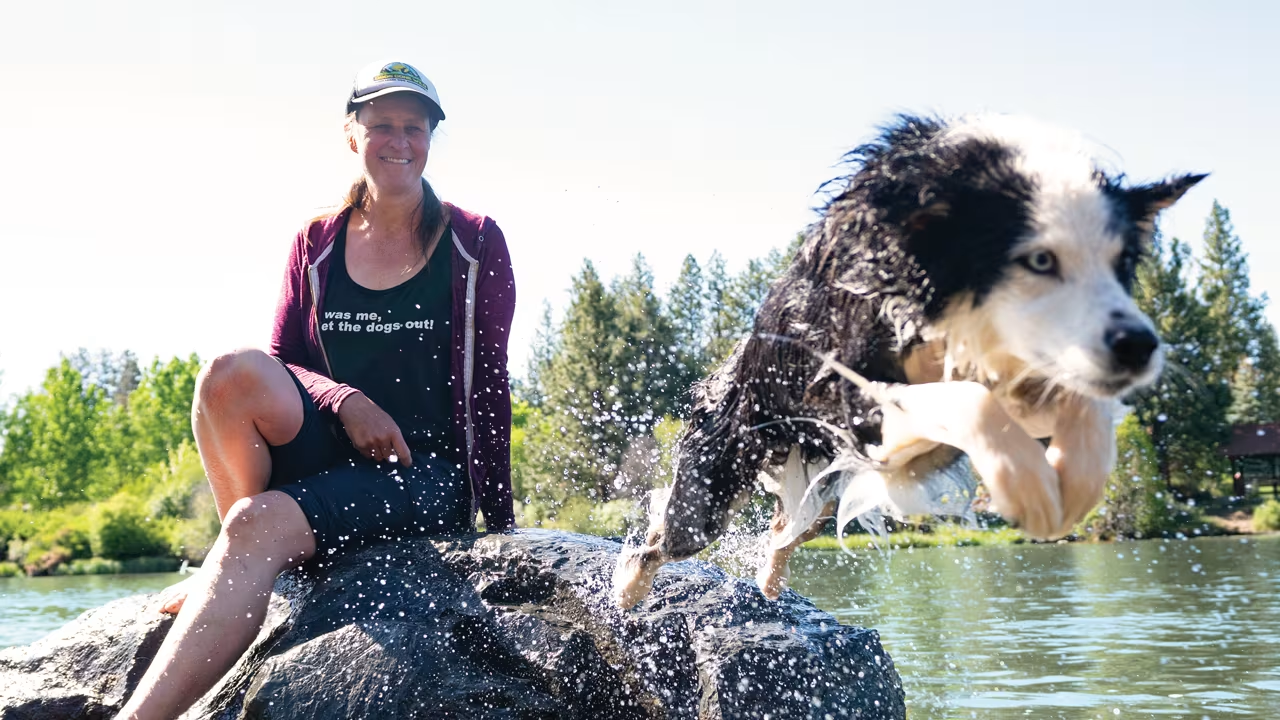
For Charlotte Roy, fluency in dog language includes understanding pack behavior. Long before dogs connected with humans, they thrived in packs for survival. Roy taps into that social structure with every group of dogs she takes out for a Dogs Gone Wild adventure hike.
In 2012, Roy founded her dog exercise business with the motto “No dog left inside, because a tired dog is a happy dog.” Her outings provide the pack experiences that modern dogs crave.
“Walks on a leash are insufficient for many dogs. A pack adventure gives them mental and physical exercise and the socialization they need,” said Roy.
Roy evaluates each of her canine clients to group them into packs that work well together. Each morning, she loads her van with that day’s dogs, then drives to a remote forest destination to run trails, summit buttes and navigate rock structures.
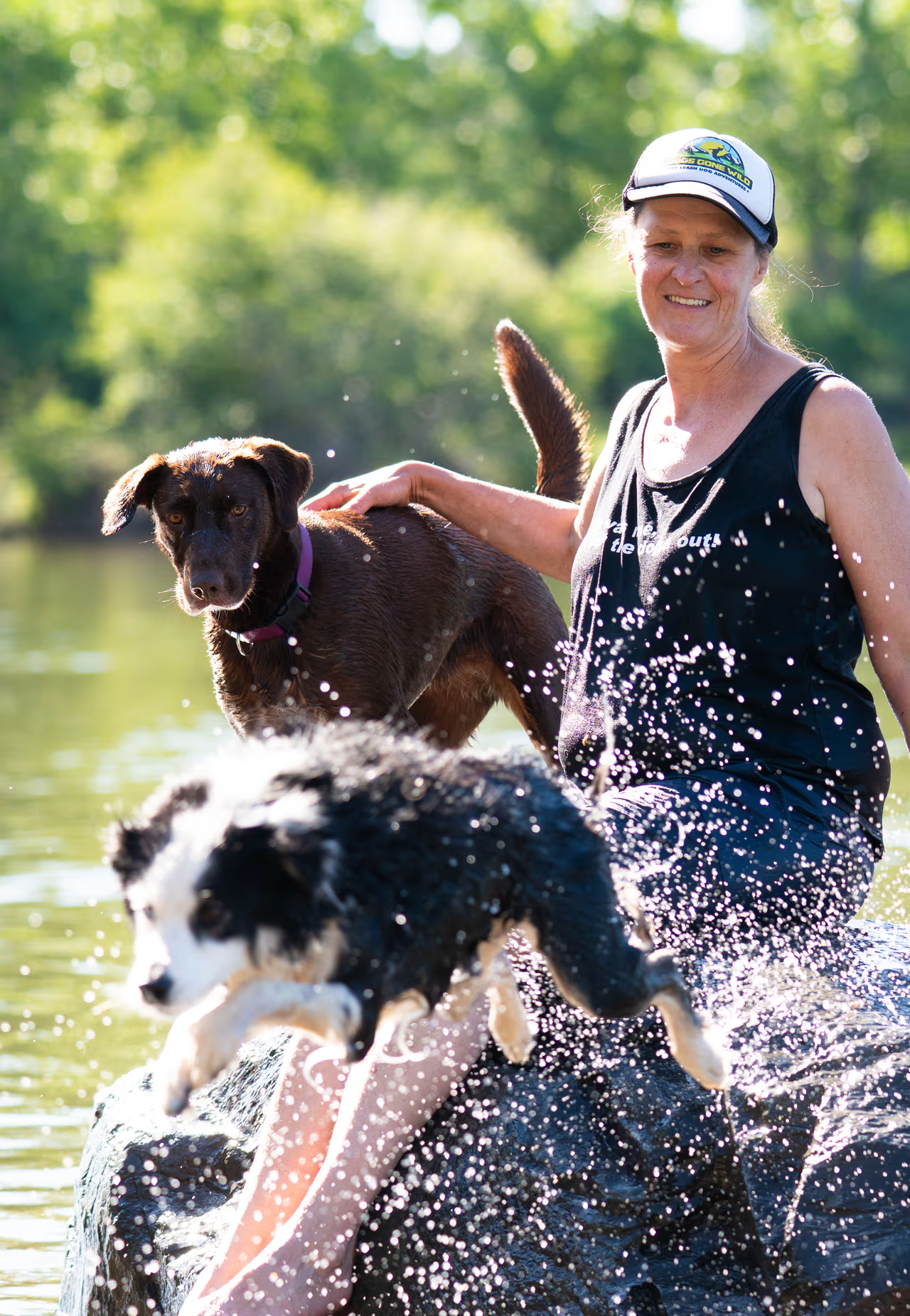
As pack leader, she considers body language as the dogs interact. Are they circling in a friendly way or following too closely? Panting, licking and showing teeth all have meaning. Energetic pups get extra challenges while gentler dogs pace themselves; by the end of the two-hour outing, every dog is tuckered out.
“Dogs want to please, not misbehave. We can help them thrive with opportunities for structured play, sniffing and problem-solving. The result is a well-balanced, good canine citizen,” said Roy. Check out Dogs Gone Wild to read more.

Life Saver: Dog, Nestle with Stryder Doescher
“Sensing medical need.”
When Stryder Doescher started kindergarten in Bend, his dog Keebler came along. Keebler was trained as a medical service dog, able to detect changes in Doescher’s body that might signal a seizure. Keebler stayed at Doescher’s side through most of his school years, a constant companion that allowed him to stay healthy in the classroom.
This year, Doescher graduated from Mountain View High School. He’s training a new service dog named Nestle, who senses when Doescher’s blood pressure or oxygen level drops. Nestle alerts Doescher by licking his hand, well before Doescher feels it himself.
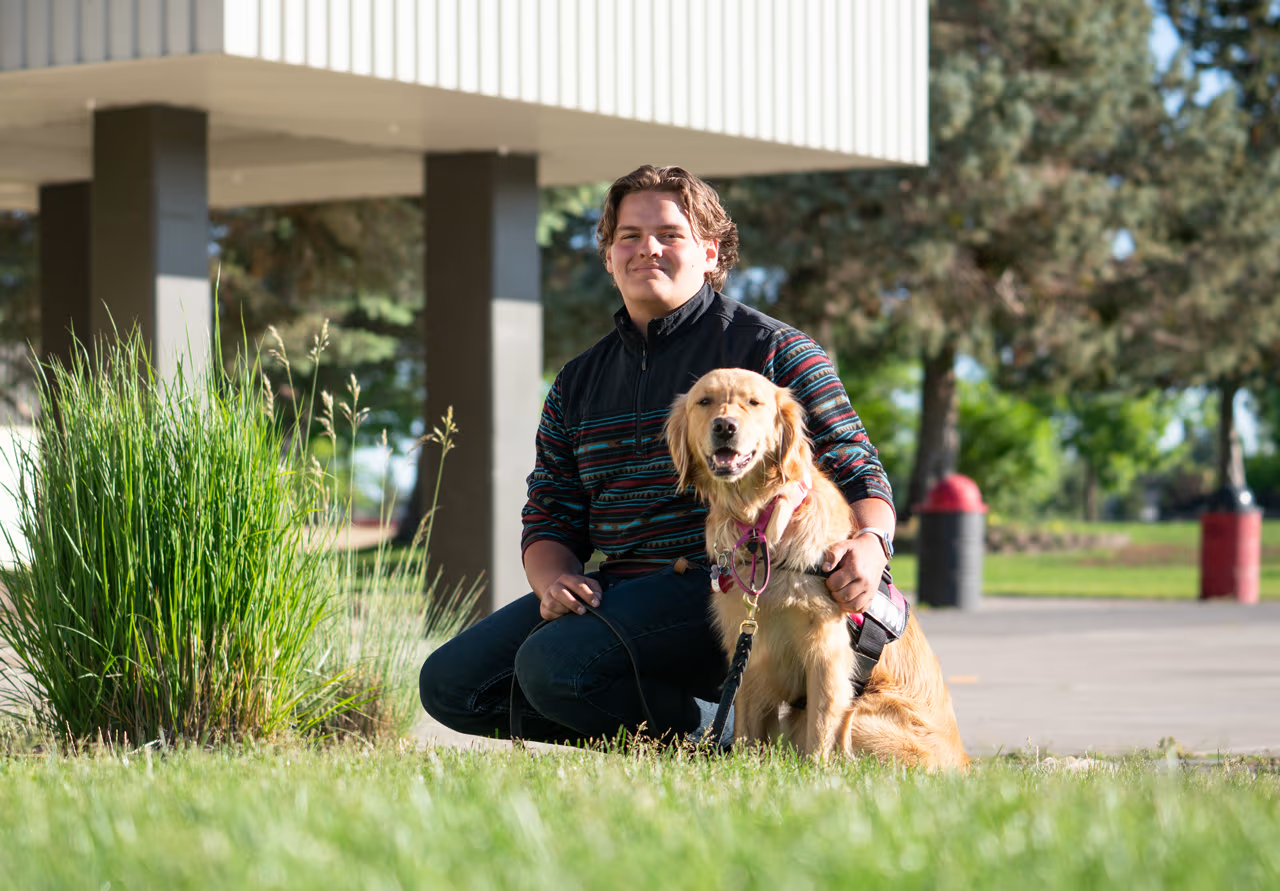
“When we got Nestle, Keebler was still with us and taught her how to alert me. Nestle learns super quickly. We train every day,” said Doescher.
Getting a service dog is a complicated, expensive process, and few dogs can do the job. Training a service dog requires an intense connection between the dog and person. Nestle must stay close to Doescher, alert him to problems and ignore everything else. She can be an energetic, silly pup at home, but Nestle shifts into work mode when her service vest goes on, whether at the grocery store,
school or doctor’s office.
Nestle’s ability to communicate lets Doescher live with less worry about his medical challenges.
“Nestle is always with me. She sleeps with me, drives with me and lets me know if there’s a problem. She’s really my best friend.”
Follow along and continue reading about Nestle and Stryder.

Heroic Listener: Marianne Cox
“Dogs tell you loud and clear when they feel at home.”
Some animal lovers know the language of dogs, and Marianne Cox knows how to listen. While traveling in Mexico she heard the plight of street dogs in particular. Malnourished, unsheltered and fearful, these dogs spoke to her heart. In March of 2017, Cox founded the nonprofit organization Street Dog Hero. Since then, the organization has rescued more than 4,000 dogs.
“Imagine a dog who’s never been given a simple act of kindness. When we bring treats, open hearts and gentle hands, the dogs jump joyfully and seek affection. They are starving for human connection,” said Cox.
Cox’s team also rescues dogs from overcrowded shelters around the United States and from Asian markets. The dogs live with foster families, where they adjust to a life free of trauma. When they are adopted into a permanent home, Cox listens once again.

“Dogs tell you loud and clear when they feel at home,” she said. “They smile, they sleep soundly, their true self shines through. Despite their tough lives, street dogs are surprisingly trusting. They show immense gratitude for small comforts and form strong bonds.”
Yet rescuing dogs is not enough. Street Dog Hero aims to reduce the number of street dogs. They’ve performed more than 11,000 spay and neuter surgeries in Bend and with partner organizations around the world. They also use art and community engagement to teach how to care for and love neglected pups. Because, as Cox believes, the true goal is no dogs wandering the streets. Read more about Street Dog Hero here.

Dog Whisperer: Justin Grant
“Every dog needs a purpose.”
Known as the Dog Whisperer of Bend, Justin Grant trains the most challenging dogs: aggressive barkers, jumpers, nippers or destructive chewers. Before addressing the dog’s unwanted behaviors, Grant teaches the owners to become leaders.
“Every dog needs a purpose. If their leader doesn’t give them a job, they’ll create their own. They’ll follow their instincts to guard, herd or chase, and that causes problems,” said Grant.
Earning respect is the key. “From day one, dogs read your tone of voice and posture. They recognize pushovers. A leader is kind but firm.” The relationship thrives when the dog has a structured routine, knows its job and trusts its person to lead.
Grant demonstrates this leadership with his own dog, a 4-year-old Doberman Pinscher named Oprah. Off leash, she stays relaxed and alert; alongside a bike she runs by his side. In stores, she’ll carry a bag as requested, and Grant continually challenges her with new games and commands.

“Oprah is a good match for me, but not for everyone,” he said. Grant advises potential dog owners to study breed temperaments and to evaluate their own lifestyles. Matching activity levels and personalities is the first step to a positive relationship.
Reinforcing good behavior with rewards is another method of communication. Grant suggests choosing a reward to reflect behavior goals. “I don’t reward Oprah with treats because she’s not food-motivated. We play ball as a reward, which satisfies her desire to chase. But love and affection is always the best reward,” said Grant. Keep up with Oprah and Justin on Instagram.