Bend’s Think Wild Responds to a Growing Need for Wild Animal Rescue and Rehabilitation
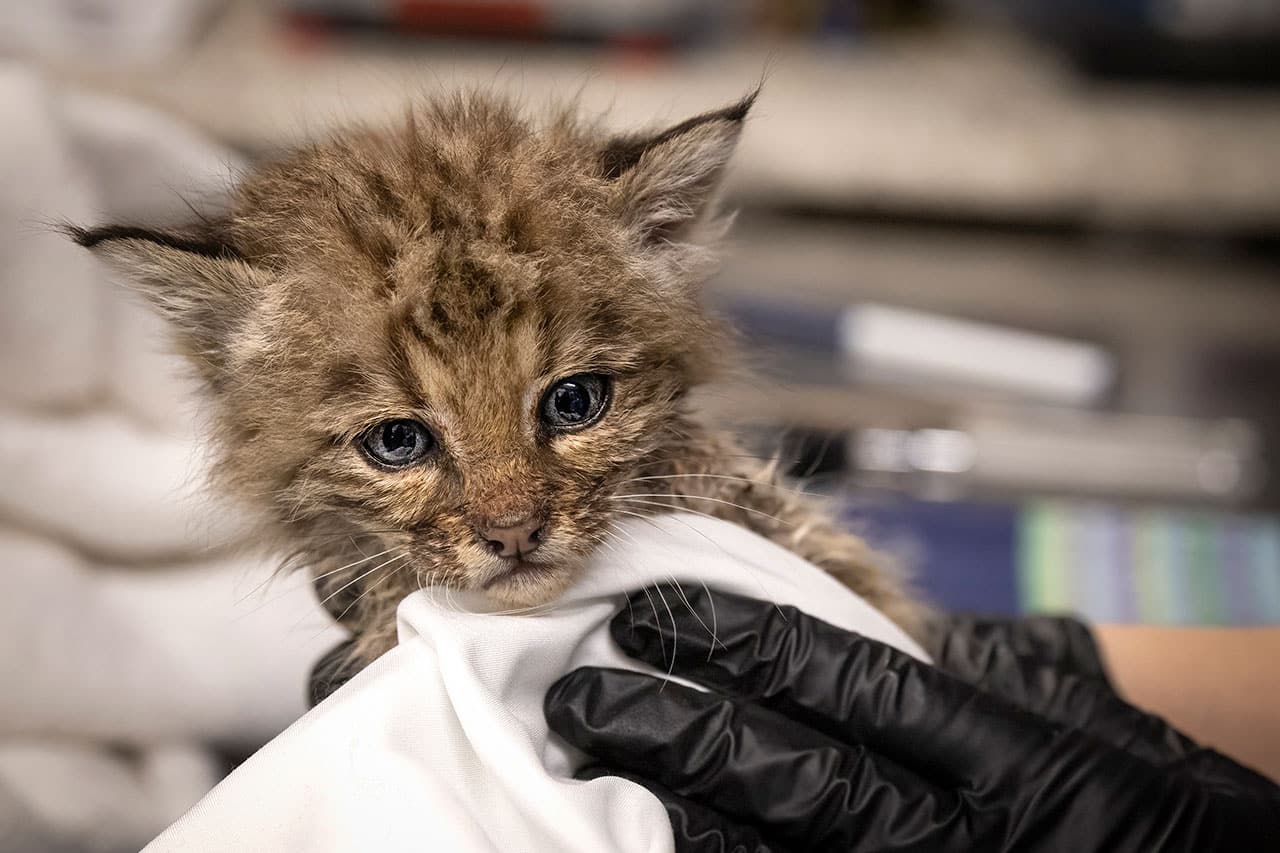
In the middle of a hiking trail at Virginia Meissner Sno-Park last July, an animal rarely seen in daylight was found struggling to survive. The patient—an orphaned northern flying squirrel—was alone, underweight and hypothermic. Estimated to be just a few weeks old, its rescuer brought her to Think Wild for a shot at survival. [Photo above: A baby bobcat is held with care | Photo by Sue Dougherty]
“This species is nocturnal, and the rescuers found her on the trail in the middle of the day,” said Molly Honea, development and communications coordinator for Think Wild. It was the first flying squirrel ever treated by the organization, which was founded in 2016 and opened its wildlife hospital and conservation center on the east side of Bend in 2020. For weeks, the tiny squirrel received round-the-clock care, including time in an incubator and five feedings a day.
Its rehabilitation was handled by Think Wild’s staff of 17, and supported by some of the hundreds of volunteers who help power the nonprofit.
As Central Oregon has grown and development has pushed deeper into forest and high desert habitats, Think Wild’s services have expanded and become increasingly essential. In 2025, the organization fielded about 4,000 calls and cared for approximately 900 injured and orphaned animals. The rising demand reflects both increased human-wildlife encounters and a growing public awareness of where to turn for help when encountering a wild animal in need.
The steady call volume to Think Wild increases during the spring and summer’s baby animal season, when instances of orphaned squirrels, birds and small mammals begin to flood the hotline and hospital. Think Wild employs a full-time veterinarian and several wildlife rehabilitators, allowing the hospital to handle more complex injuries and fragile young patients than ever before.
Growing Populations and Increased Incidents
The organization’s campus is growing to meet that demand. Construction is underway on a new beaver and otter enclosure, and a new education yurt and restroom building are paving the way for more events and public-education opportunities on site.

Many of Think Wild’s patients arrive in the organization’s care because of a human-caused impact, such as a vehicle strike, tree removal or habitat loss, underscoring the importance of Think Wild’s work to help these animals. “We’re all part of the same habitat, and we’re causing a lot of the harm wildlife are experiencing,” Honea said. “There are many things that people disagree on today, but I think most people care about animals, and we can come together to protect them.”
That awareness fuels the organization’s proactive programs. Think Wild’s Wildlife Education team delivers hands-on programming for K–12 students, with a focus on rural and low-income communities, while also engaging the public through bird walks, trivia nights and other events. Through Beaver Works Oregon, the nonprofit restores riparian ecosystems, monitors wildlife and helps mitigate conflicts between landowners and animals. Its Humane Wildlife Services program supports coexistence through nest boxes, bat houses and customized wildlife habitat consultations.
Soon, the public will have an even closer view into that work through a new osprey nest cam expected to go live on the organization’s website this spring, providing an educational window into the wild lives the organization works to protect.
For the young flying squirrel found on the trail last summer, that care ultimately led the animal back to the wild. “We drove right back to the coordinates where she was found to release her,” said Honea, who was present for the squirrel’s return to its natural habitat. After weeks of careful rehabilitation, it ventured out to explore a large dead ponderosa tree, nibbled on lichen and found a crack in the bark to nest in. Read more about Think Wild here.
To report a wildlife encounter or animal in need, call the Think Wild rescue hotline at 541-241-8680.
Visit thinkwildco.org to learn more.
To report a wildlife encounter or animal in need, call the Think Wild rescue hotline at 541-241-8680.
–Written by Teresa Ristow
Protecting Central Oregon Wildlife
Written by Chloe Green
The wild animals that call Central Oregon home are increasingly in need of people to advocate for their well-being and protection as human populations continue to grow. Thankfully, Think Wild, a nonprofit wildlife conservation center in Bend, has been doing exactly that since 2016.
It’s Wildlife Hospital and Conservation Center gives rescued animals of all sizes, from hummingbirds to mule deer, top-notch veterinary care and rehabilitation, with the goal of releasing them back into their natural habitats. In addition, Think Wild has emerged as a regional leader in wildlife protection through community education and conservation efforts. “It is our mission to not only provide the necessary medical care for injured and orphaned native wildlife, but to ultimately reduce the need for wildlife rehabilitation,” said Molly Honea, the organization’s development and communications coordinator.
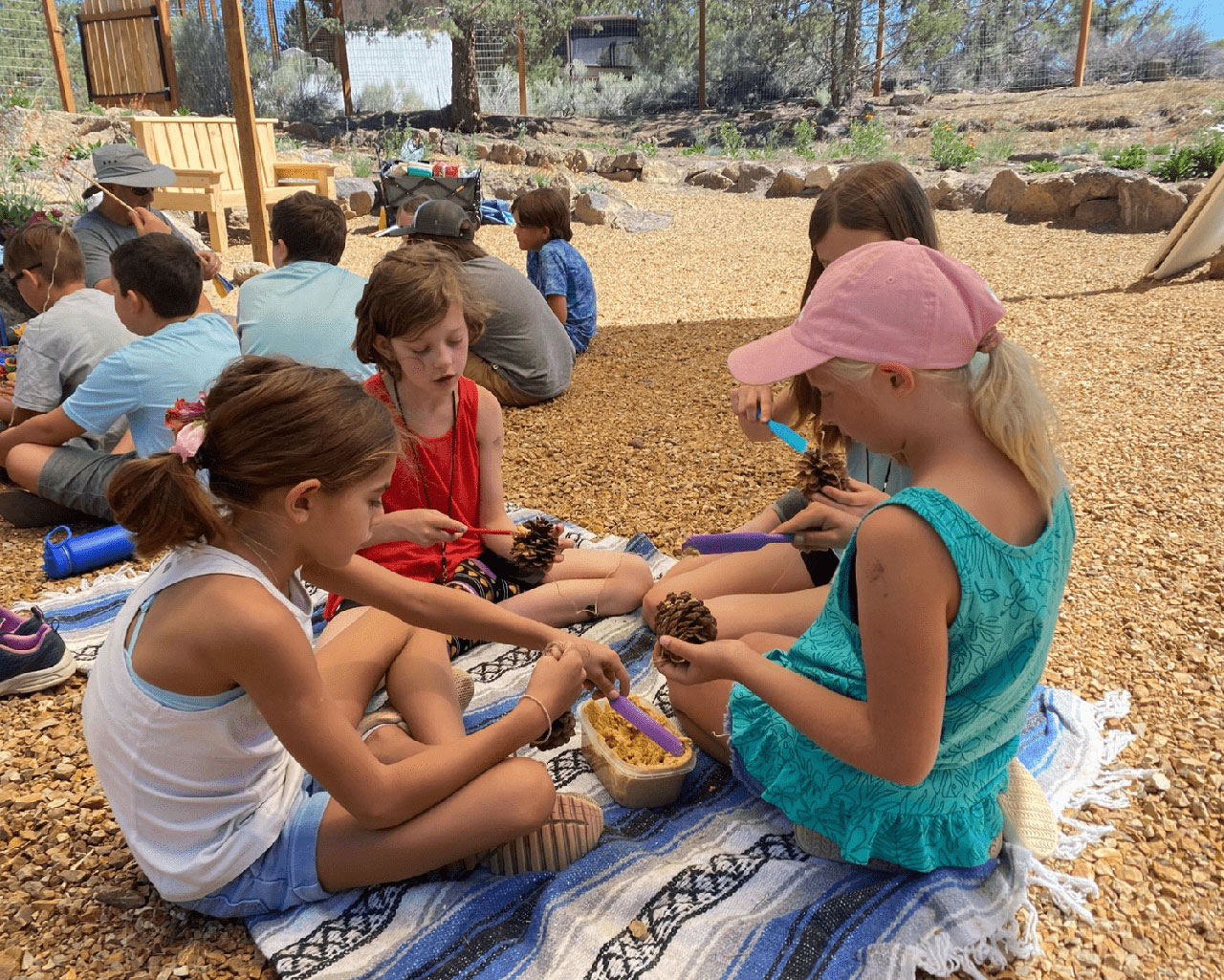
Through educational programming designed for K-12 youth through adults, Think Wild provides insight and information for the Central Oregon community on how to better care for and coexist with the wild animals of Central Oregon. Program offerings include community volunteer days, classroom lessons, workshops, naturalist-guided walks, public events, after-school programs and summer camps.
Additionally, Think Wild’s conservation efforts aim to reduce the overall number of conflicts between humans and animals to nurture positive relationships so that both can live and enjoy Central Oregon for years to come. Instead of a trapping and relocating model, Think Wild works to create sustainable coexistence through habitat improvements, feature installations and infrastructure adjustments. An example of their efforts can be seen in the Beaver Works Oregon project, which builds networks of successful beaver habitats throughout Central and Eastern Oregon’s riparian zones. “A central tenet of our organization is ‘living with wildlife,’ emphasizing humane, long-term and non-lethal strategies for wildlife success,” Honea said. “The more our community learns about our work and how to support wildlife, the better the outcomes for animals and people alike.” Learn more about Think Wild here.
Published March 2021, Written by Noah Nelson
As cities in Oregon continue to develop and expand, the likelihood of animals getting caught in the middle between city and country increases. Human activity increases the rates of injured and orphaned animals and contributes to local species becoming endangered and even extinct. Think Wild was founded as an effort to both save these vulnerable species and educate people about how they can help.
Think Wild is a wildlife hospital and conservation center based in Bend. In its first year, the organization responded to more than 100 calls to take in, rehabilitate and release injured Central Oregon animals. While Think Wild’s goal is to accept any animal in need, operations last year were limited by incomplete construction that made housing large animals impossible.
All operations are overseen by Think Wild’s Executive Director Sally Compton and Director of Wildlife Rehab Pauline Baker, who have both been with the organization since it began in spring of 2020. Together, this dynamic duo works around the clock to make sure that every facet of Think Wild is running smoothly, and with an organization like this, that means that the duo has to take on new and unique challenges all the time.
The story is the same for the organization’s volunteers. Debra Merskin, a professor of media studies at the University of Oregon, said volunteering always keeps her on her feet. “Some days you’re pouring concrete to help finish a new enclosure, and other days you’re bottle-feeding baby squirrels.”
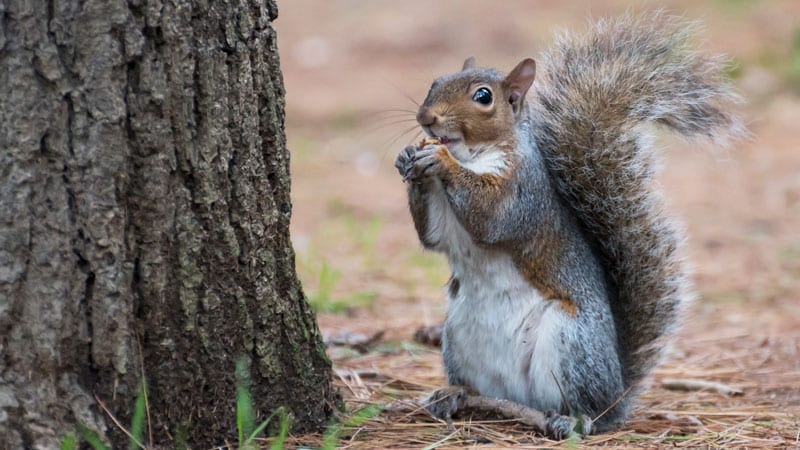
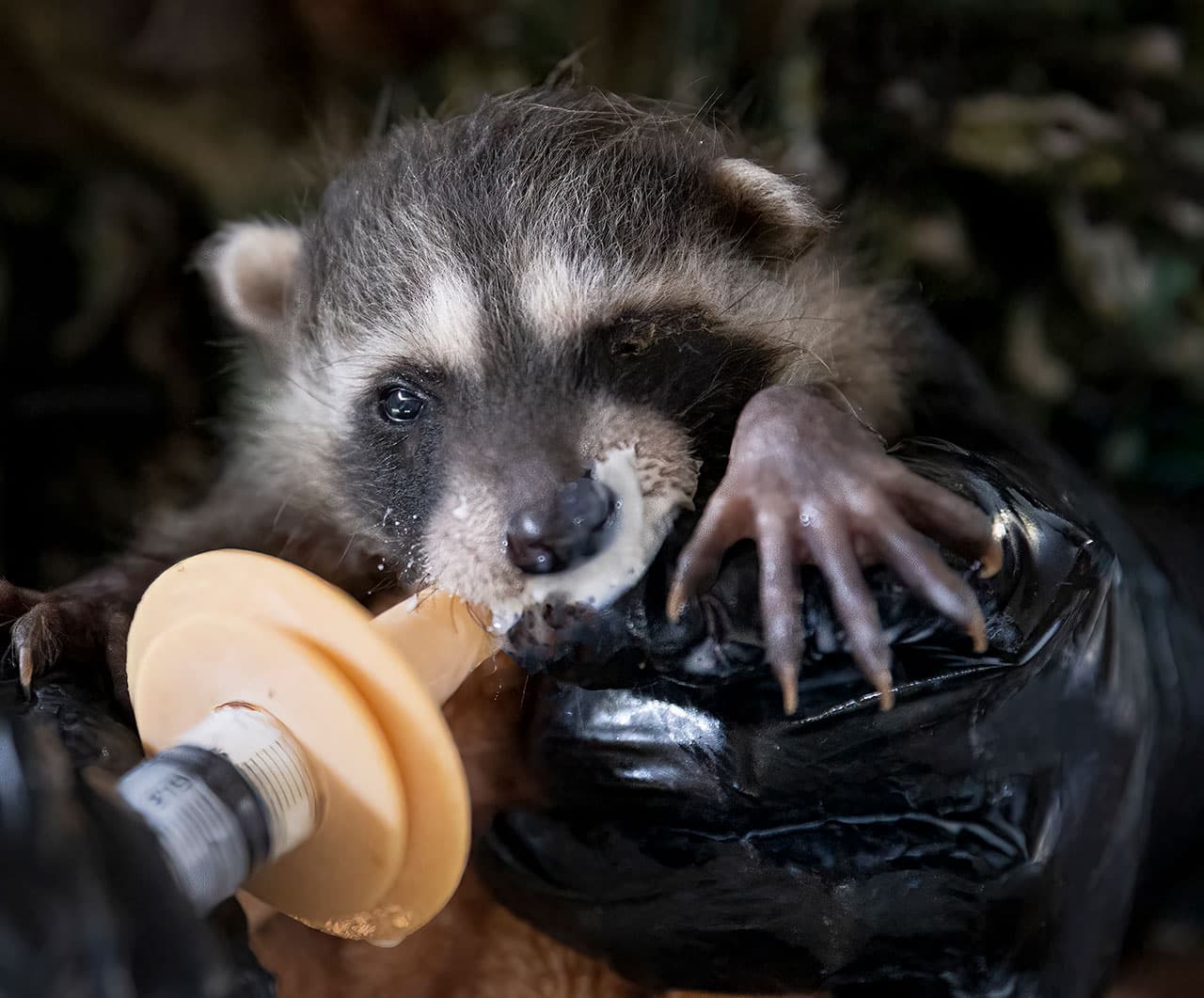
Merskin got involved partly because her research in media studies pertains to how certain animal species are portrayed in popular media, and how these portrayals affect animal rights. She has always been passionate about volunteering her time to help animals, and finds that Think Wild gives volunteers a chance to experience something very impactful. Merskin recalls one such moment when she was bottle-feeding baby squirrels. This task had to be done in a way so that the baby squirrel did not grow any attachment to the person holding the bottle.
“As much as you might want to form a bond with the animals, you cannot forget that the goal is to eventually release them back into the wild. As much as you want to hold that cute baby squirrel and feed them every day, you know that would actually hurt their chances of survival,” Merskin said.
Merskin realized that the best thing that can happen to any animal that gets rehabilitated is to never interact with a human again. She compared animal rehabilitation to parenthood, in that they share the goal of preparing something or someone to become successfully independent.
This responsibility is carried by Compton and Baker as they forge Think Wild into the future. Each is optimistic about what can be achieved this new year. Think Wild will be completing construction on a much larger space that can accommodate different kinds of animals, like birds of prey. They plan to expand educational programs to help prevent the need for animal rehab, and add many new internship positions.
If you find an injured animal, call Think Wild’s animal help hotline at 541-241-8680.
To volunteer, please visit the “Get Involved” tab at thinkwildco.org.