Wildlife Living in and Around Bend and Central Oregon
Not long ago, the Old Mill District was filled with actual mills, the Whitewater Park was simply whitewater, and the homes and businesses of what is now part of Bend’s thriving urban core were few and far between. Yet, despite all the development over the years, the wildlife that calls the area home perseveres and has found ways to adapt and even thrive among the city’s rapidly changing landscape. [Illustrations by Sweet Pea Cole]
Take a stroll along the Deschutes River past Miller’s Landing and it’s not uncommon to see a blue heron wading in the shallows or an osprey building a nest while surfers carve a man-made wave nearby. Launch a paddleboard from Drake Park on Mirror Pond and you may see the evidence of a tree being gnawed down by a resident beaver.
Though the landscape of the city has certainly changed, the fauna of Central Oregon persists and is a testament to the resiliency of nature to adapt and survive. It’s a reminder that we share this world with a vibrant and indomitable natural world, and that despite our pursuits, wildlife will always have pursuits of its own. At the end of the day, the heron will fish, the rock chuck will chuck, and the mule deer will continue to find its way into our gardens and, well, make us pay the flower tax for sharing their space with us.
Great Blue Heron (Ardea Herodias)
A favorite sight for Central Oregonians, the regal great blue heron can be spotted near the Deschutes River along the banks and in the weedy shallows of the Old Mill District. With its long and graceful neck and a wingspan up to 7 feet, this blue-gray feathered phenom is a sight to behold. Those lucky enough to witness its fishing skills may see a show when its lightning-quick reflexes, matched with a precise diving ability, give the blue heron the prowess of even the most skilled Bend angler.
Chipmunk (Tamias Amoenus)
These small, spry creatures, affectionately known as Timber Tigers, are part of the squirrel family and are known for their long black and white stripes that extend across their body and onto their heads. Chipmunks build extensive burrows with multiple rooms, complete with sleeping quarters, food storage and even a separate area for waste. They love to play but are also extremely resourceful. One chipmunk can gather more than 300 pine nuts and seeds across a two-day span, which is enough for the entire winter.
Raccoon (Procyon Lotor)
If a hollow tree isn’t available, common raccoons in Bend live under decks or porches as an adaptation to being townies. Their coloring resembles a mask, fitting for these animals and the creative ways they’ll scavenge for food as a burglar of sorts during nocturnal hunts. Their circuit may include rummaging in trash cans, or searching for unlocked doggy doors to gain access to a pet’s food bowl.
Mule Deer (Odocoileus Hemionus)
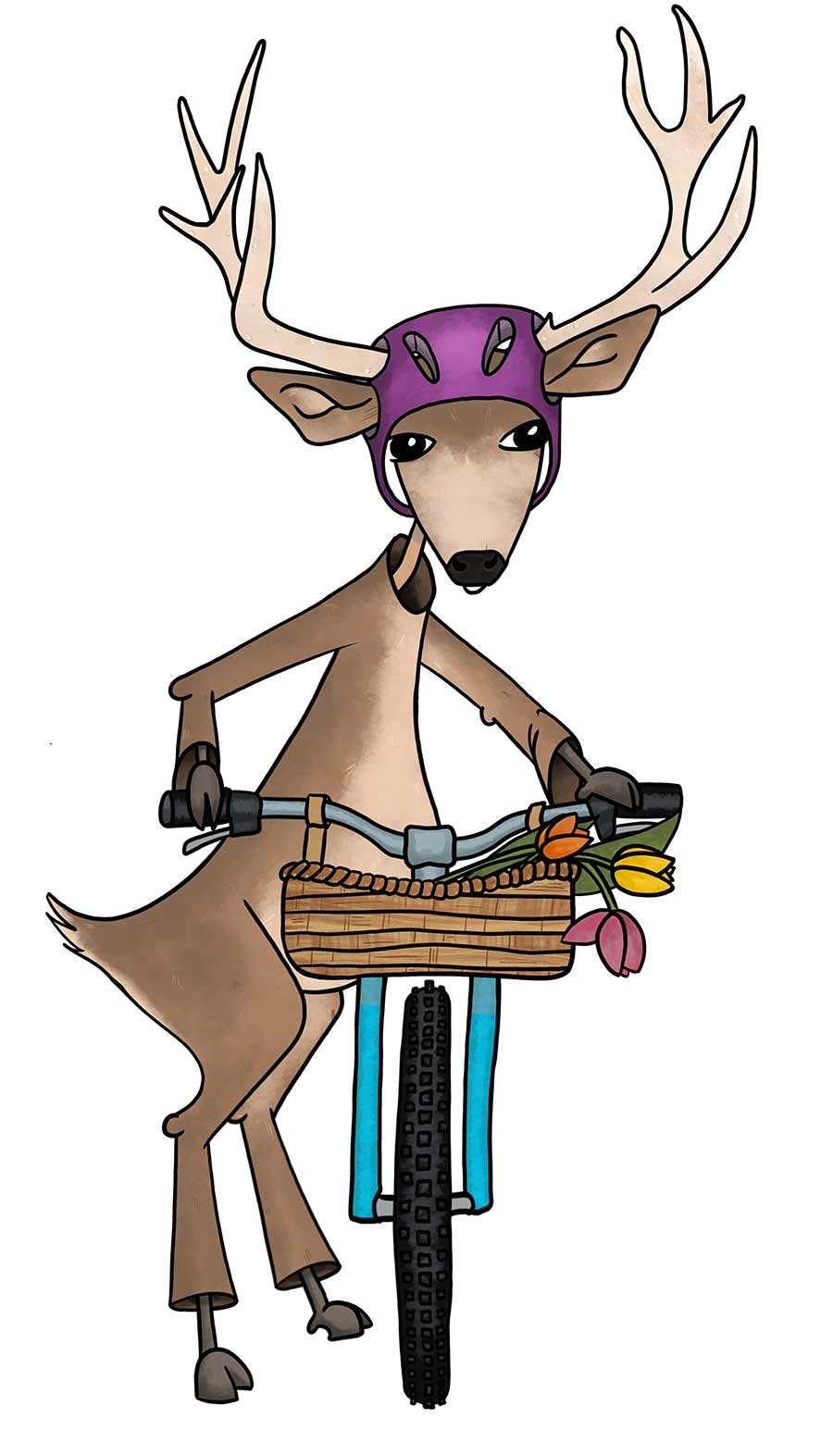
Mule deer are large-eared herbivores that most commonly live in the nearby mountains of Central Oregon. During the fall, as the early snows hit the higher elevations, the white rump and black-tip tailed deer descend on Bend neighborhoods to pillage gardens and flower beds for their food sources. Male mule deer grow impressive antlers they use to compete for mates. With long legs and a mighty spring in their step, mule deer are excellent jumpers and can easily leap 4- to 5-feet high, so very few gardens are safe from their excellent taste for greens.
Hummingbird (Trochilidae)
There is no other bird that flies like a hummingbird: forward, backward, straight up and even upside down. Most common in Central Oregon is the Rufous hummingbird. This tiny redhead covers Central Oregon territories as it visits hundreds of flowers each day, even remembering the location of a feeder from year to year. They’re one of nature’s endurance athletes out of necessity, you would be too if you needed the energy to support wings moving at 60-80 beats per second. The Rufous migrates south from Oregon to South America, a trip that can be several thousands of miles, but your eyes don’t deceive you: one bird remains. The Anna’s hummingbird stays local year-round and can be spotted perched on a branch even in the snow.
Great Horned Owl (Bubo Virginianus)
The great horned owl earns its name with its relative heft. It can weigh more than three pounds and measure up to 22 inches. Often perched in a nest high in a Ponderosa pine, they’re the subject of many a visitor’s camera in Drake Park. Just don’t look for them in the same tree next year as they don’t use the same nest twice. Their wise eyes are also sharp: telescoping vision combined with down-soft feathers for quiet flight means unsuspecting small mammals often don’t hear the raptor swooping in with sharp talons from above.
Get Bend Magazine in Your Inbox
Weekly highlights, local guides, and new stories. Just your email address.
No spam, just weekly highlights. Unsubscribe anytime.
Beaver (Castor Canadensis)
The American beaver is a furry architect that lives in ponds, lakes and rivers in Central Oregon and across North America. These busy creatures are famous for their ability to build dams and lodges using mud, sticks and downed trees—some of which they will take down if they’re not readily available. Their dams create important habitats for other creatures and they also help to control water flow and prevent erosion. These hardworking critters are a vital part of the area’s ecosystems, and their industriousness has earned them the nickname “nature’s engineers.” Today, even the stately Ponderosas of Drake Park aren’t off limits. Evidence of beaver’s work can be seen in wood chips next to the toothsome gnawed base of Drake Park pines.
Canada Goose (Branta Canadensis)
The Canada goose is a large waterfowl famous for its V-shaped flight formation and noisy honking, as well as a large magnitude of droppings where they gather on land. They enjoy a varied diet of grasses, grains and aquatic plants, and live in a variety of habitats, including wetlands, parks and fields. Canada geese build their nests on the ground near water and are monogamous and mate for life. They’re fiercely protective of their young and will aggressively defend their territory if they feel threatened. But despite their sometimes-aggressive behavior, these beautiful birds are as much a part of Bend as Canada.
Rock Chuck (Marmota Flaviventris)
With its round and fuzzy frame, short little legs and a patch of white on its nose, it’s hard not to fall in love with this yellow-bellied marmot. Rock chucks, as most Central Oregonians affectionately call them, are members of the rodent family and live in burrows under rocks, typically on slopes or hills. Rock chucks are herbivores, feeding on grasses, herbs, and flowers and spend roughly 60 percent of their lives hibernating during the winter months. They are social animals and often live in colonies. On bright sunny days, you might catch them warming themselves on the rock wall south of Miller’s Landing Park or near Regal Cinemas at the Old Mill.
Osprey (Pandion Haliaetus)
The osprey is a majestic flier and expert fisher with unique claws—two toes in front and one in the back—for a powerful hunting grasp. A pescatarian at heart, the powerful raptor’s diet consists primarily of fish and it’s known to some as a river hawk as a result. Ospreys are known to be highly protective of their young and build impressive nests high up in trees and or on man-made structures such as the perches and platforms installed near the river by the Bend Park & Recreation District and OTAK, as part of the whitewater project.
Bobcat (Lynx Rufus)
On its hunt for small rodents just before dawn or dusk, the bobcat may be spotted slinking through low brush near forest roads. Though twice the size of a domestic cat, its schedule stays true to its species, alternating between active periods of hunting, nap times and reclusiveness. Solitary by nature, they shy away from humans most of the time, though a sighting this spring prompted a brief lockdown of Summit High School, Pacific Crest Middle School and Miller Elementary in March just to be safe.
River Otter (Lontra Canadensis)
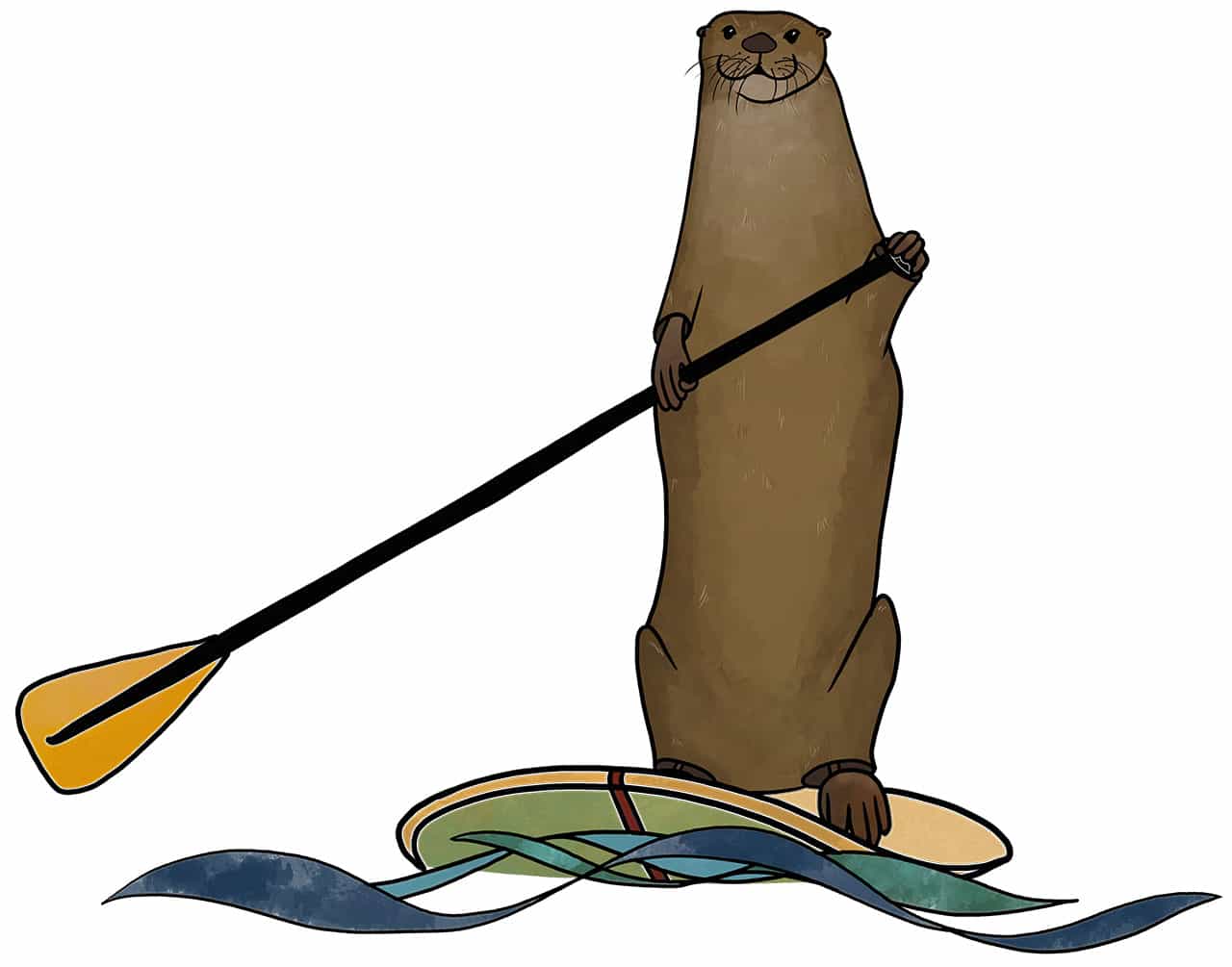
The river otter is a sleek, semi-aquatic creature that can be found along the Deschutes River, most often during early mornings or at dusk. Their long, streamlined bodies and webbed feet make them excellent swimmers, and their thick, waterproof fur keeps them warm in the cold waters. River otters can often be confused with muskrats in the water, which look similar but have a smaller, more rounded body and shorter, rat-like tail.
River otters are opportunistic hunters, feeding on fish and other small animals. They are naturally very social animals and are known for their playfulness. Visitors to the High Desert Museum just south of Bend can watch these wily creatures up close at the Autzen Otter Exhibit.