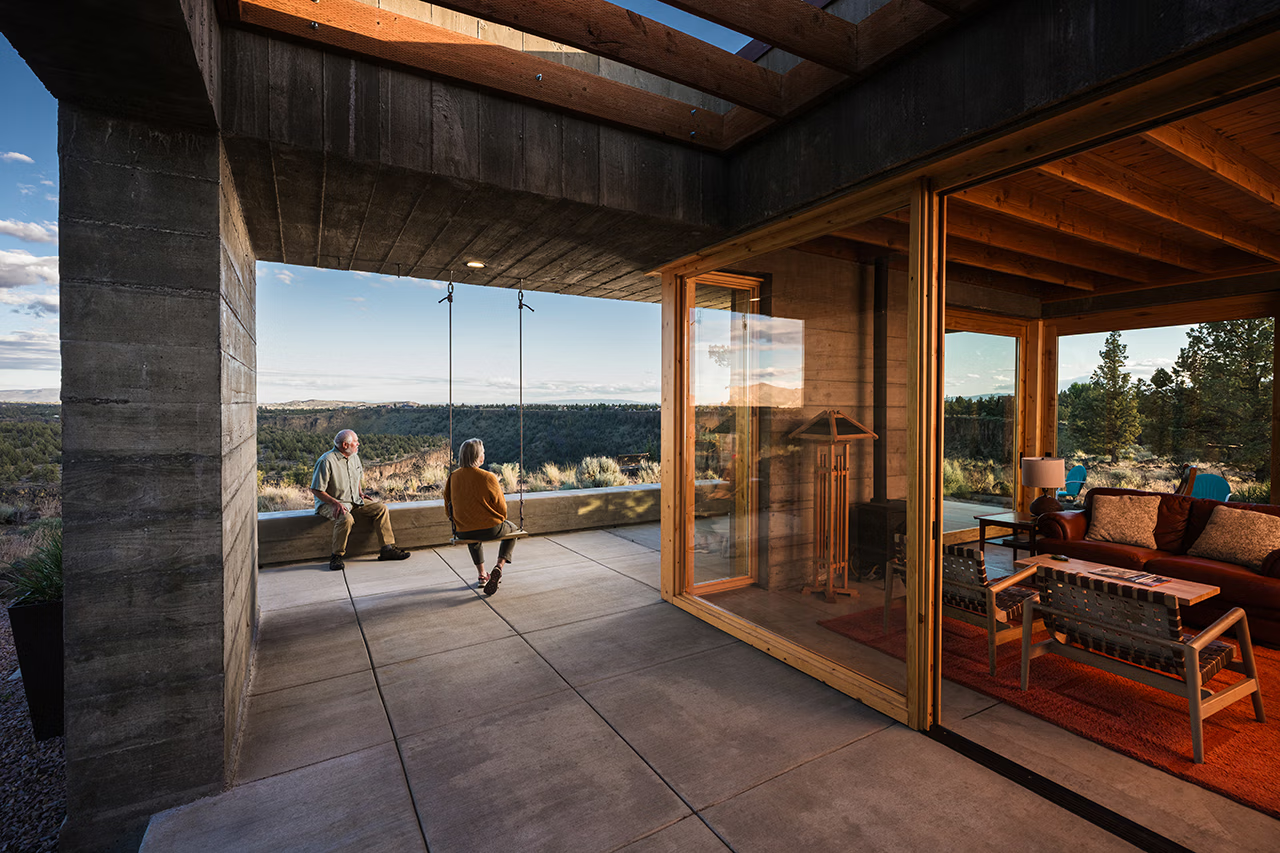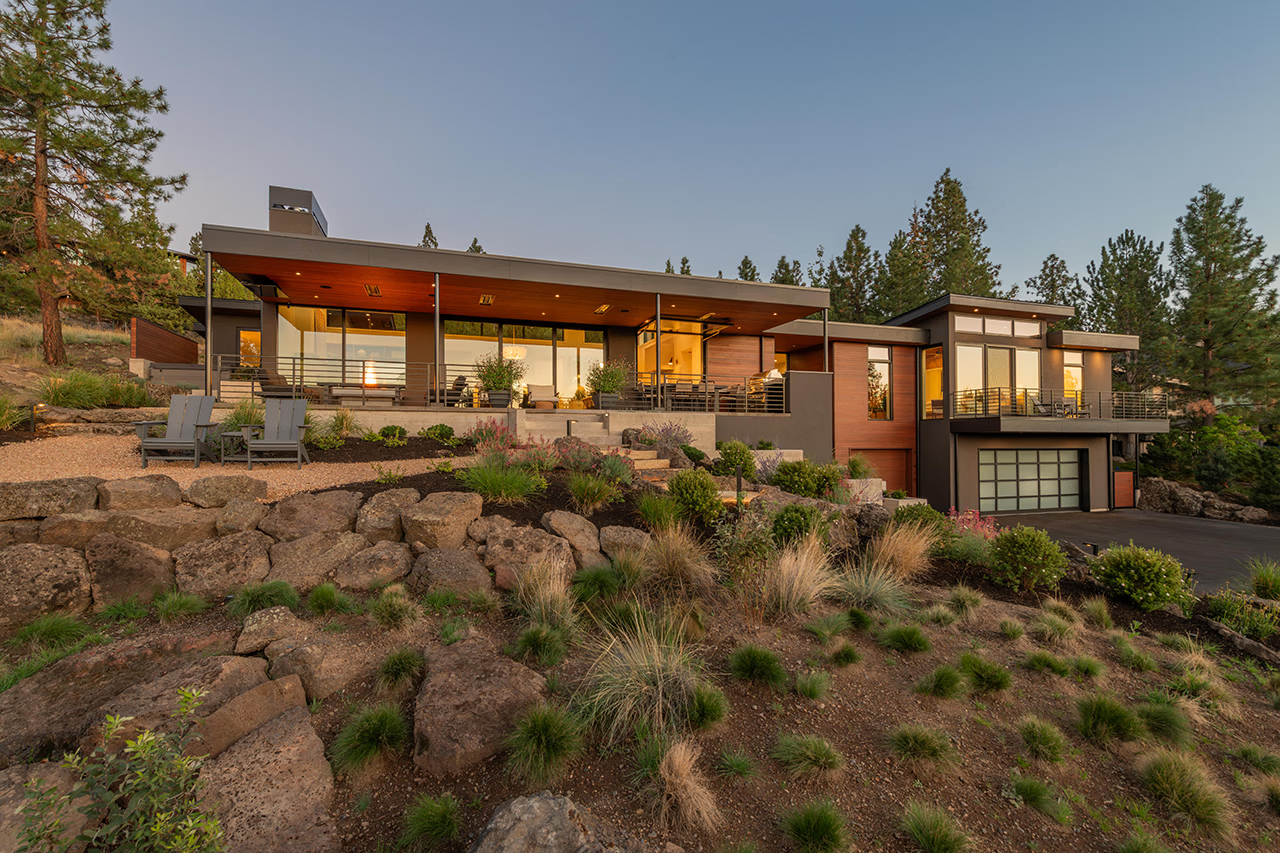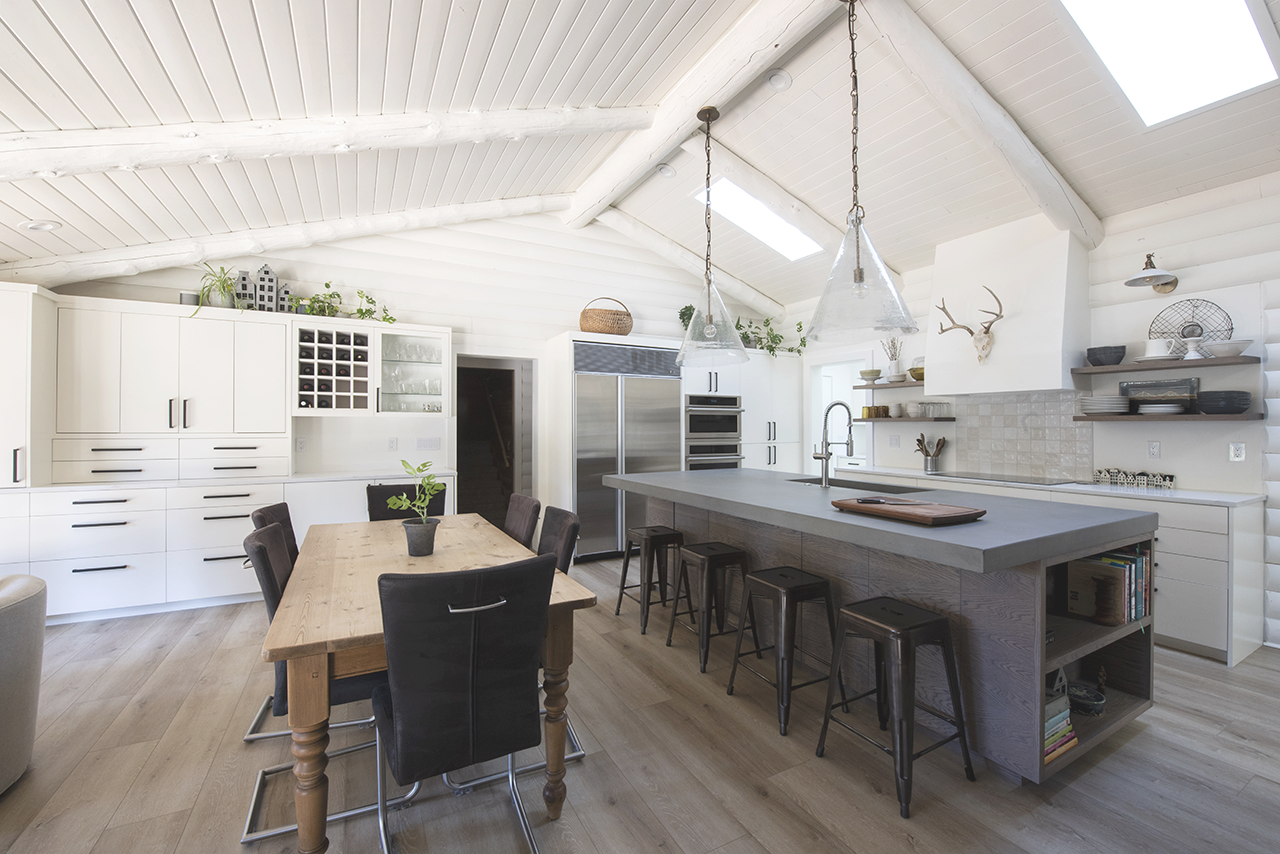
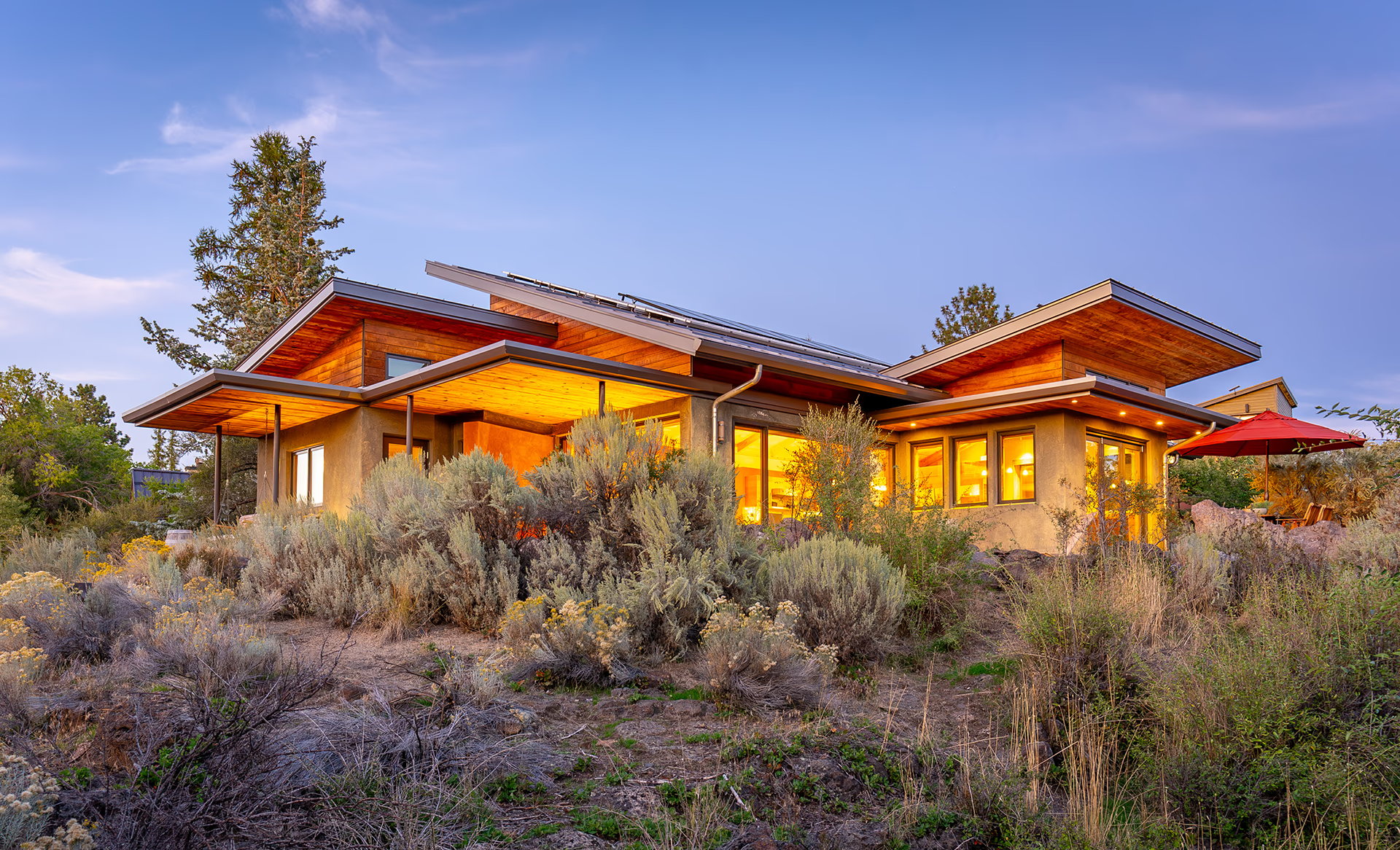
Bend has two of the planet’s most ambitious sustainable and regenerative homes—residences designed to generate their own energy, manage their own water and function within the natural limits of their sites.
Both homes have achieved Living Certification, the highest level from the International Living Future Institute. Worldwide, only six residential properties have reached full Living Certification.
What Living Certification Means
Living Certification requires a building to perform like a regenerative ecosystem.
That means a home must:
- Generate its own energy
- Manage its own water
- Avoid harmful building materials
- Operate within the natural limits of its site
While the better-known LEED certification focuses on efficiency and sustainability, the Living Building Challenge is the “Mount Everest” of green building, said Bend’s Al Tozer, who designed both residences with colleagues Cecile Cuddihy and Jacob Fritz.
Reaching this level demands rigor and commitment “far beyond a typical residence,” according to Andrea Cooper, vice president of the International Living Future Institute.
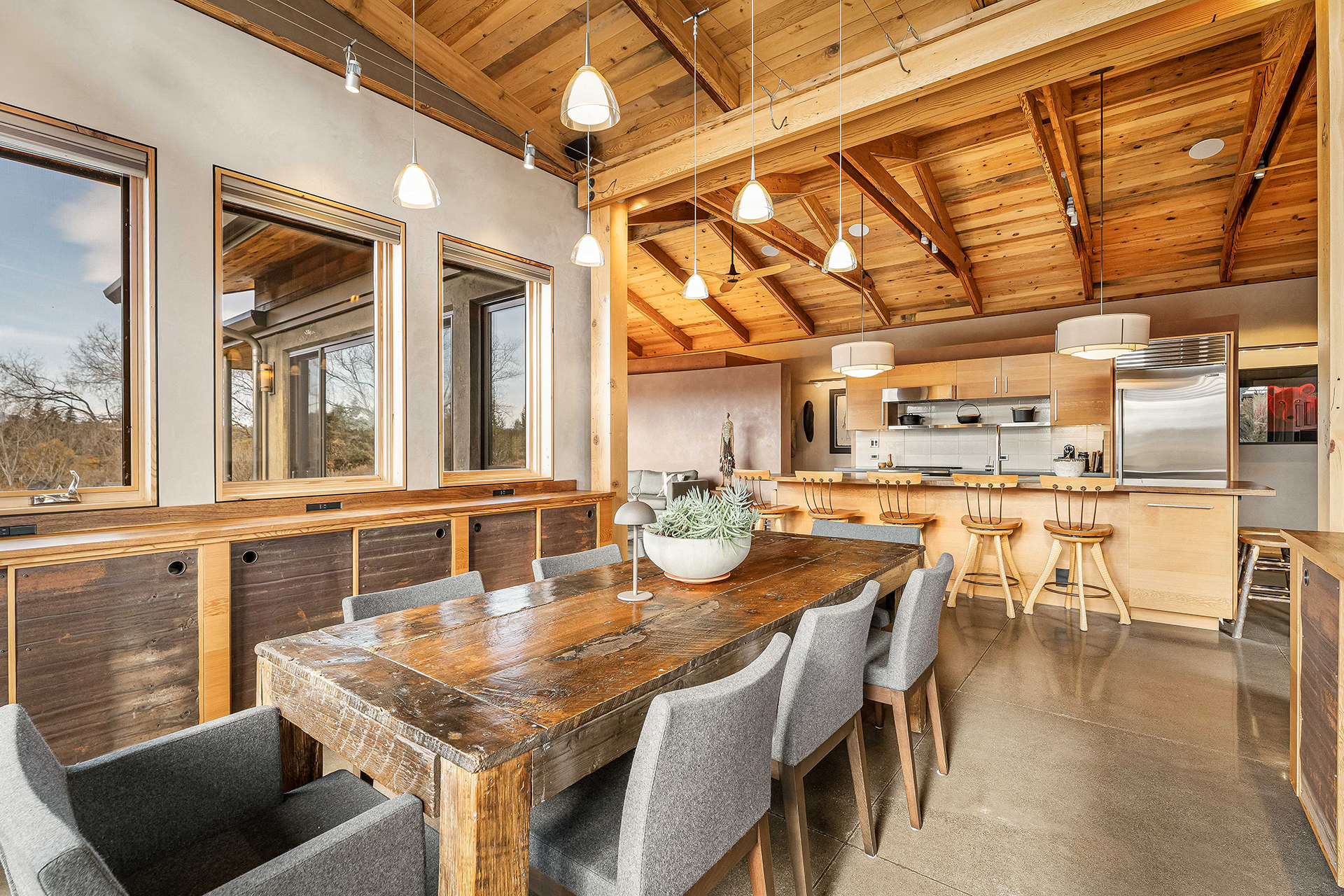
Desert Rain: The First Living Certified Home in the World
“The clear benefit is that we live free of costs for water, energy and gasoline…we can have a beautiful home with luxury features and be regenerative
at the same time.”
In 2016, Desert Rain, a residential compound near Bend’s historic downtown, became the first home in the world to meet all Living Certification requirements.
Developed by Barbara Scott and Thomas Elliott, the project includes three buildings and a 35,000-gallon cistern that supplies the compound’s water.
“We gauged how much water we’d need and built a roofline to capture rain,” Scott said. “We’ve never run out of water.”
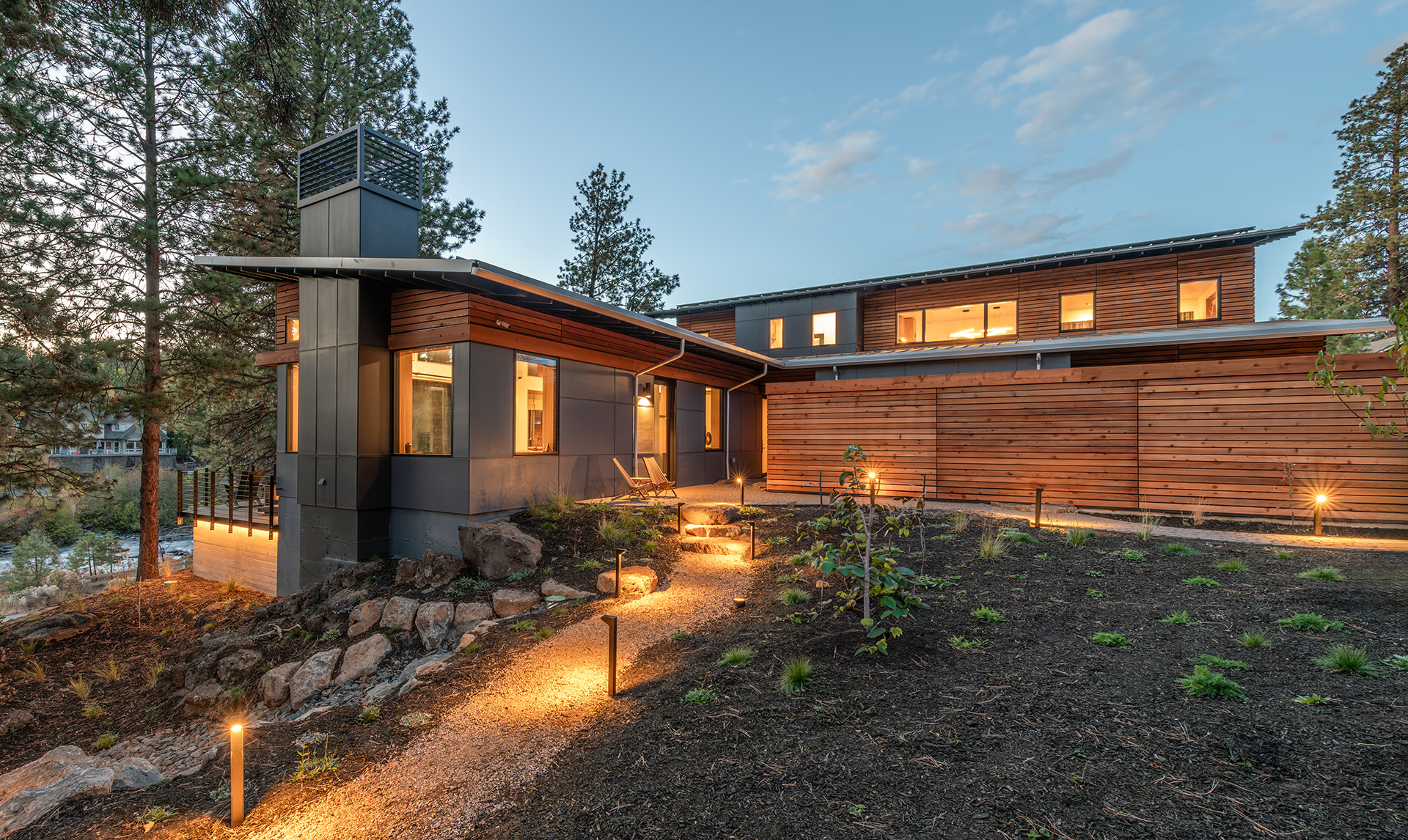
River Sol: Bend’s Second Living Certified Residence
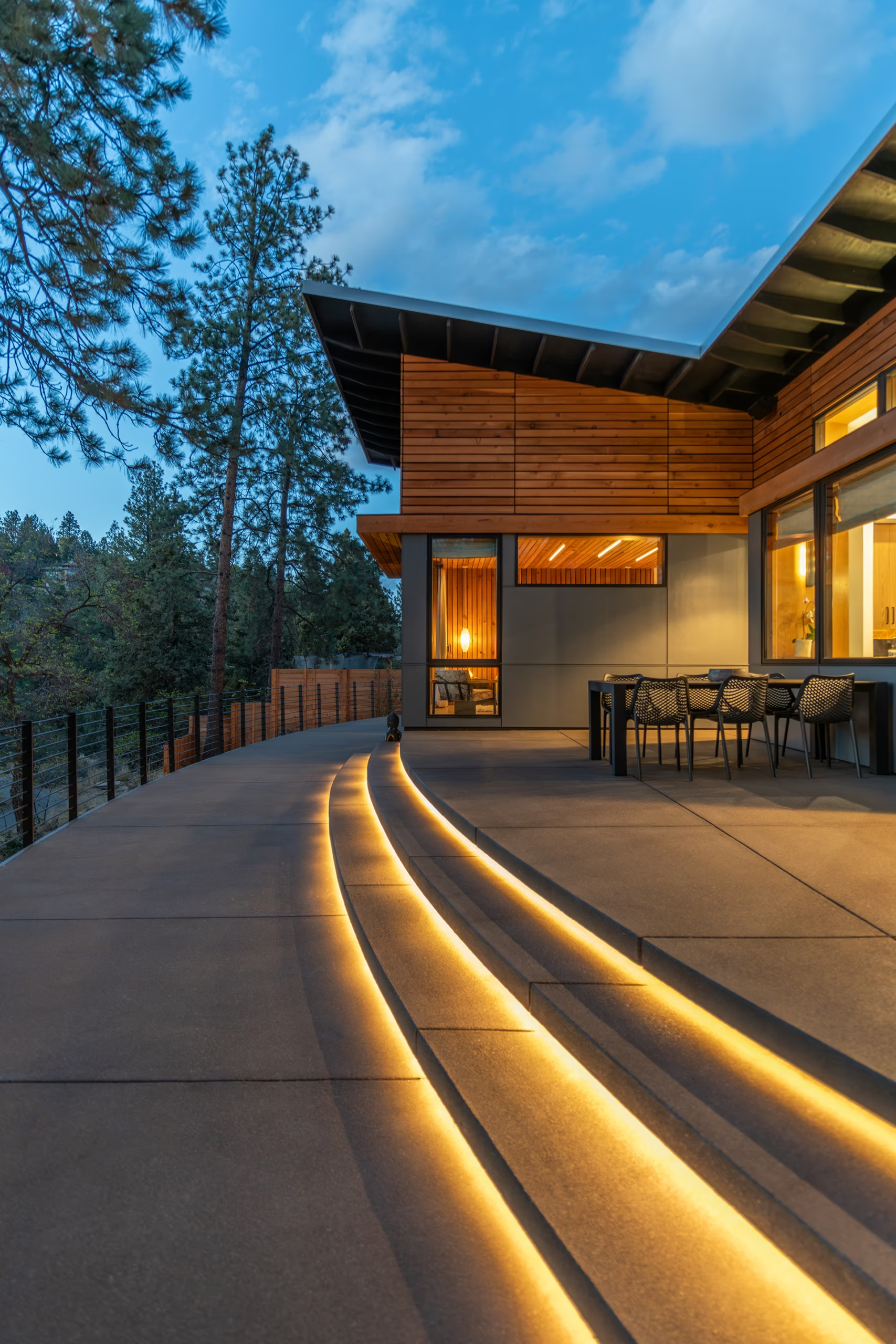
In 2025, a second Bend residence, River Sol, reached the same milestone.
Conceived and owned by Lisa and Scott May, River Sol also uses a self-contained water system. Rainwater is collected in a large underground cistern, then filtered for all household uses.
For a home in Central Oregon, that water system is one of the most difficult parts of certification.
The Biggest Challenge: Water in the High Desert
The net-zero water requirement is one of 20 performance-based “Imperatives” in the Living Building Challenge.
It requires that 100% of a home’s water supply come from captured precipitation.
In Central Oregon, where the region averages 12 inches of annual rainfall, that is a major design challenge.
“In the high desert, we design these homes to operate like cacti,” Tozer said, “storing excess water when it’s available and [relying] on that stored water when it’s not.”
Tozer said the broader intent is to create the right building for the land it will occupy, while honoring and respecting the habitat’s carrying capacity.
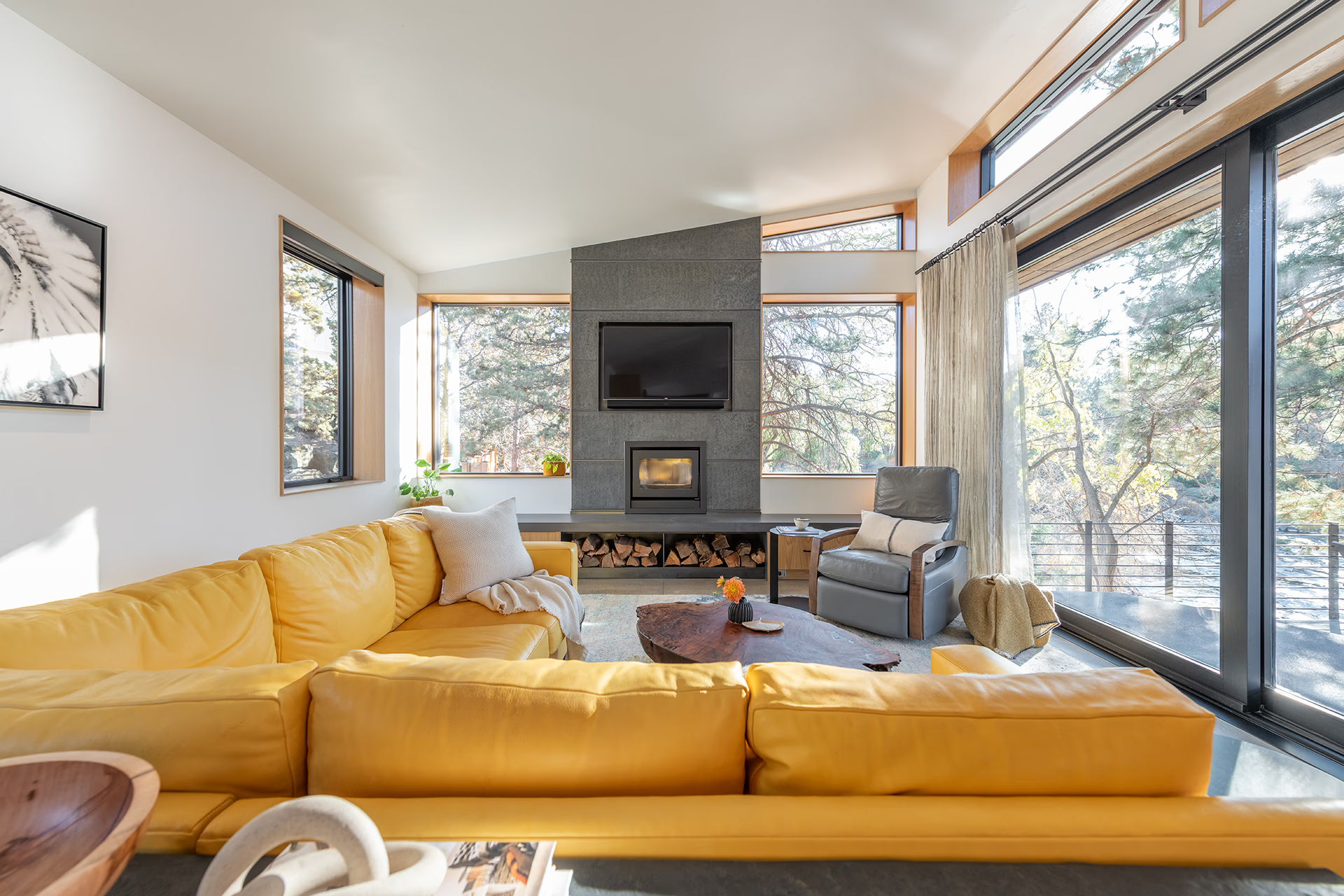
The Materials Challenge
Another difficult requirement is avoiding “red list” building materials.
The red list includes “worst-in-class” chemicals commonly found in building products that are harmful to human health and the environment. Examples include formaldehyde, toxic heavy metals, certain solvents and some wood treatments.
For Living Certified homes, sustainability is not only about how a building performs after it is built. It is also about what the building is made from.
Energy Was Less Restrictive
For River Sol, energy performance proved less restrictive than water or materials.
A solar array sized at roughly 25,000 watts allows the home to generate more energy than it consumes. In its first year, the system produced 118% of the home’s energy needs, with excess electricity returned to the grid.
“We didn’t want to limit our use of luxury lifestyle items such as our infrared sauna and hot tub,” Lisa said. “Instead, we made sure we had enough solar capacity to navigate that energy use.
“The home is engineered so there wouldn’t be lifestyle changes,” she said. “We live in it as anyone would live in a normal home. The clear benefit is that we live free of costs for water, energy and gasoline. Our daily-use vehicle is an EV, charged by solar at our home. We can have a beautiful home with luxury features and be regenerative at the same time.”
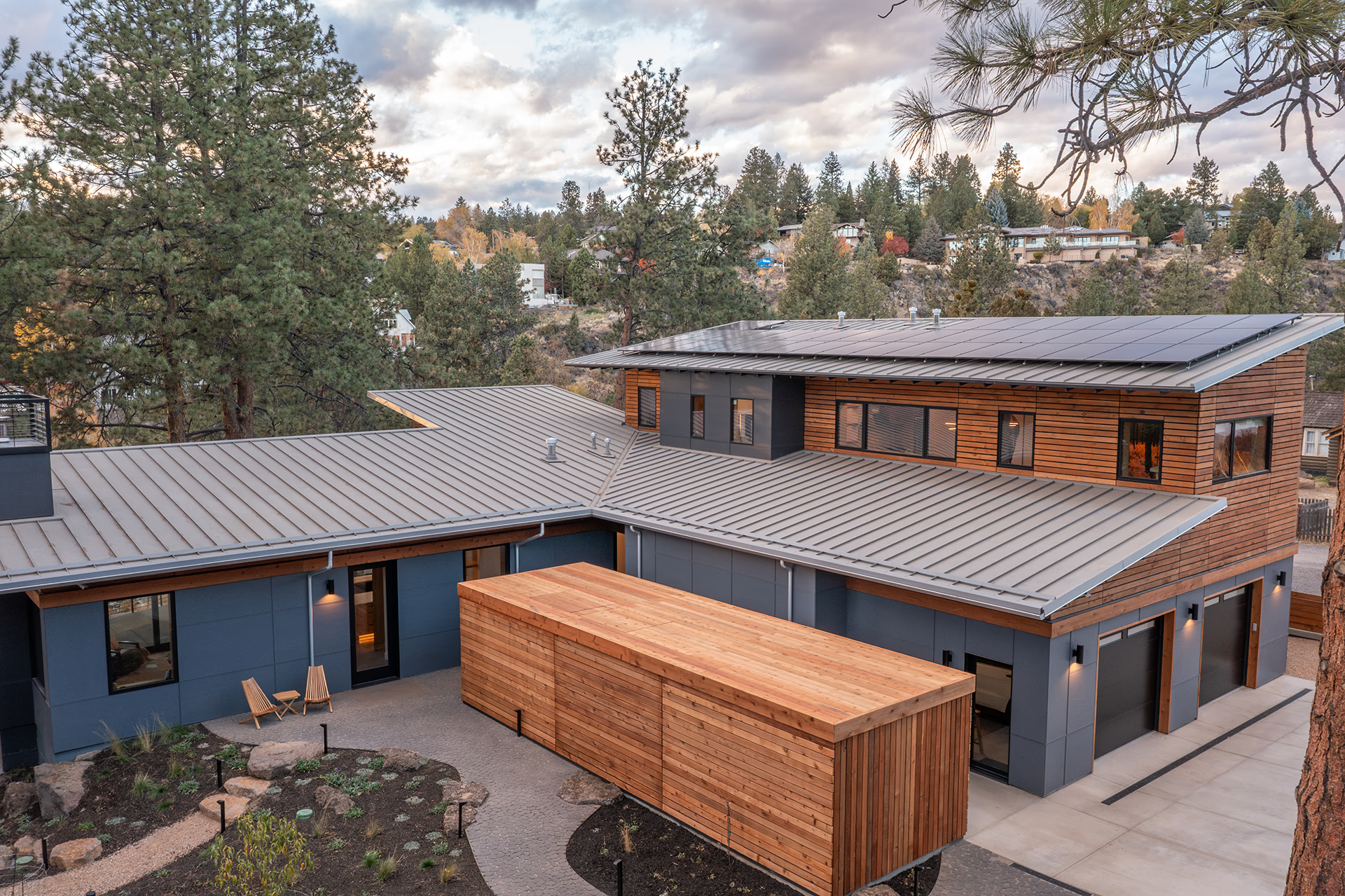
Designing Buildings as Living Systems
Living Future’s mission aligns closely with Tozer’s background in biology and ecology, which has shaped his systems-based approach to architecture.
After opening his firm in 1996, Tozer designed and built his own home on Federal Street using healthy building materials, solar panels and Forest Stewardship Council-certified wood floors—the gold standard for ethical lumber sourcing.
“As my own client, I pushed it as far as I could, becoming among Bend’s most environmentally responsible residences at the time,” he said.
Two decades later, after leading Desert Rain through its certification process, Tozer took an 18-month hiatus from his architecture practice to work in Seattle at the International Living Future Institute.
“My goal was to help other teams create regenerative buildings,” he said. “A living building has to respond to its local environment, and project teams must think about every system—from top to bottom, side to side. It’s an intense holistic approach.”
A Blueprint for What’s Possible
Living Certification may not be realistic for every homeowner.
But Tozer believes these homes show what is possible in the built environment.
“It’s an inspiration for anyone building a home with the planet in mind,” he said. “People may not be able to achieve Living Certification, but it provides a blueprint for regenerative design and demonstrates what’s possible when buildings honor the places where they stand.”
Architectural design: Tozer Design | Builders: Timberline Construction (Desert Rain), James Fagan Construction (River Sol) | Interior design: Tozer Design (Desert Rain), Legum Design (River Sol)