
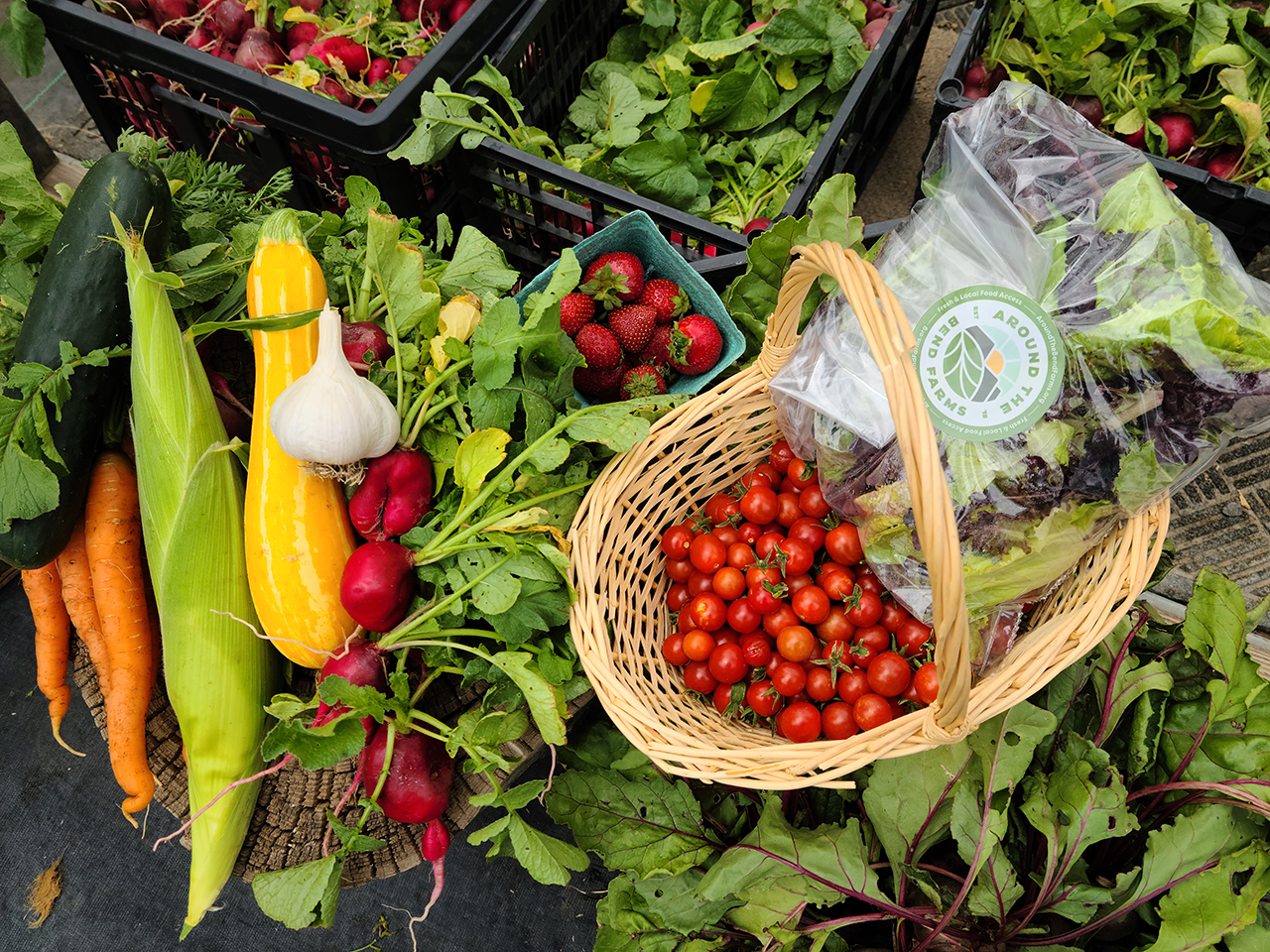
Imagine plump, vine-ripened tomatoes sun-kissed to sweet perfection. Sugar snap peas and yellow corn picked fresh from your garden. Sounds great—until your shovel grinds against rock balls smothered in chalky dirt. Luckily, there is a better way. With a raised bed garden, you can build the perfect environment for all the vegetables you crave without fighting the softball-sized lava rock common to our high desert. Central Oregon is surprisingly excellent for growing many fresh veggies such as corn, potatoes, garlic, onion, and lettuce.
“All of your brassicas (cabbage, cauliflower, broccoli) do really well here,” says Ben Marsh, CEO of Around the Bend Farms, a local nonprofit dedicated to helping people grow and access fresh food.
Marsh, a biology teacher by trade, left teaching in California and moved to Bend in part to help communities grow more of their own food. Around the Bend Farms makes custom raised gardens for individuals and families. They can even manage the garden for busy homeowners who love the idea of a garden but lack the time or knowledge to make it happen. The nonprofit helps with irrigation installation and maintenance, and donates excess produce to local charities.
“If you create the conditions optimal for growth, it’ll happen,” Marsh says. Raised beds do not need a lot of space, and there’s something wonderful about connecting with nature and harvesting what you grow.
Try these five expert recommendations for producing a Central Oregon bounty big enough to share:
1. Begin With a Proper Container
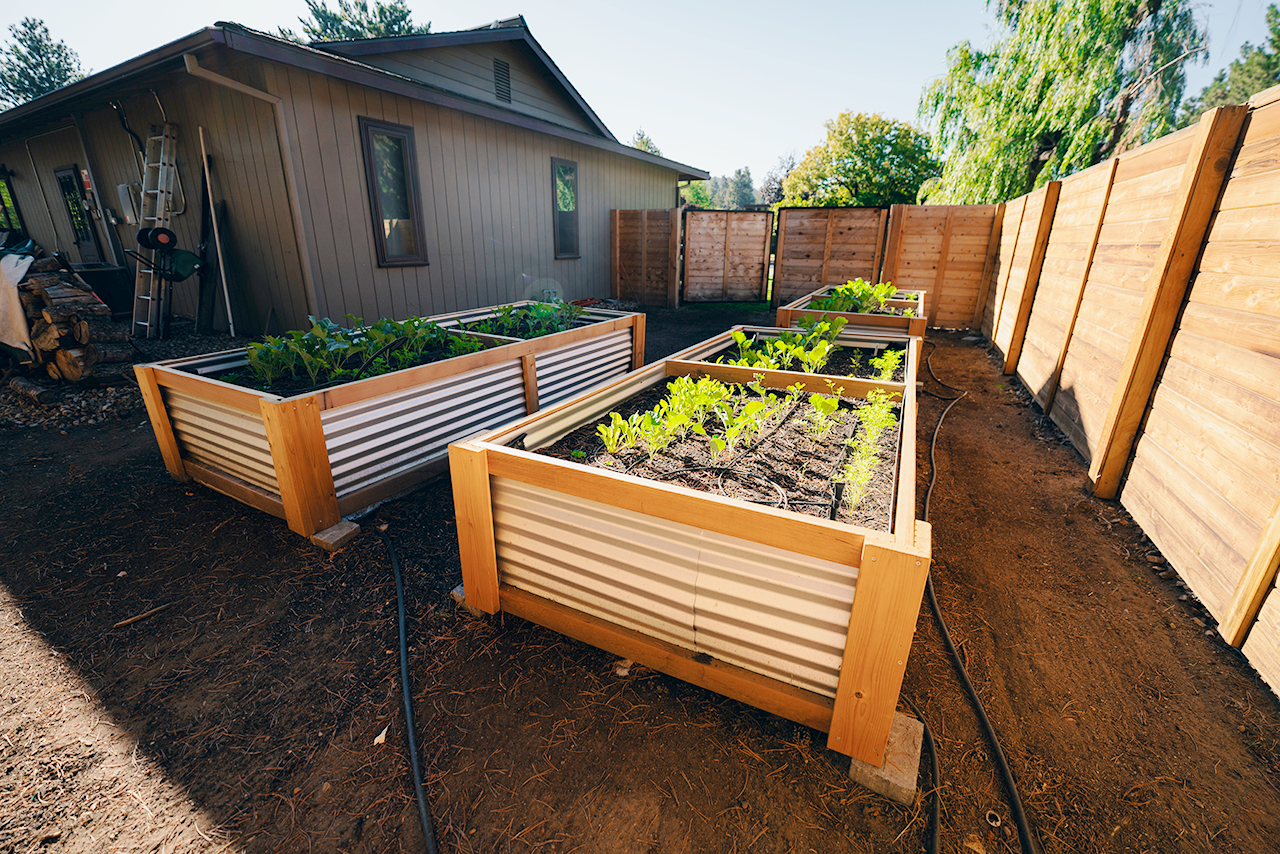
Any number of materials can be used for a raised bed. Though plastic isn’t preferable because it can leach out microplastics over time. Containers can be DIY’d with livestock troughs, pots, and other materials, or purchased online.
Around the Bend Farms typically uses a wooden frame and corrugated siding. The metal helps keep roots warmer for better starts. Whatever material you choose, Marsh recommends making sure it has ample drainage. Soil kept too wet causes root rot and fungal growth.
2. Use Nutrient-Rich Soil
A great compost is like magic, promoting healthier, stronger plants. Around the Bend Farms uses compost from Landsystems Nursery, but local gardeners can also buy nutrient-dense compost directly from the Deschutes County landfill.
3. Keep Water Consistent
Install a drip system or set a regular watering schedule to prevent plants from stressing or drying out in the arid Central Oregon climate. According to Marsh, it is difficult to overwater seedlings if your raised bed has plenty of drainage.
4. Protect Your Veggie Babies
Lots of high desert critters feed on tasty new growth. Marsh admitted his first garden in Central Oregon sat wide open in his front yard and quickly became an all-you-can-eat salad bar for the local deer.
-
For Varmints & Deer: In open areas, fencing or netting your raised beds is the best protection.
-
For Insects: Use neem oil and a row cover—a light-mesh fabric that lets sunlight through but blocks flying insects from hatching offspring on new plants.
-
Companion Planting: Planting basil and marigolds repels insects because the plants emit a scent that bugs find repulsive, similar to how citronella works for mosquitoes.
-
For Frost: When a late spring or early fall frost threatens, a light plastic covering can offer valuable protection, provided it is kept off the foliage.
5. Learn From Local Experts
Central Oregon is full of microclimates. Some spots are sunny, hot, and perfect for tomatoes; others are not. Seed company representatives can share all the secrets to growing in our region.
“We rely on them,” Marsh says. Ask them, and they will tell you how to grow the seed, the best types of seed for our specific climate, and how to navigate particular soil types.
At the end of the day, whether you have a green thumb or you’re green behind the ears, there is always a learning curve in gardening. Marsh suggests building connections with local farmers, seed growers, and fellow gardeners. You’ll always learn the most from those who have been there and grown that.
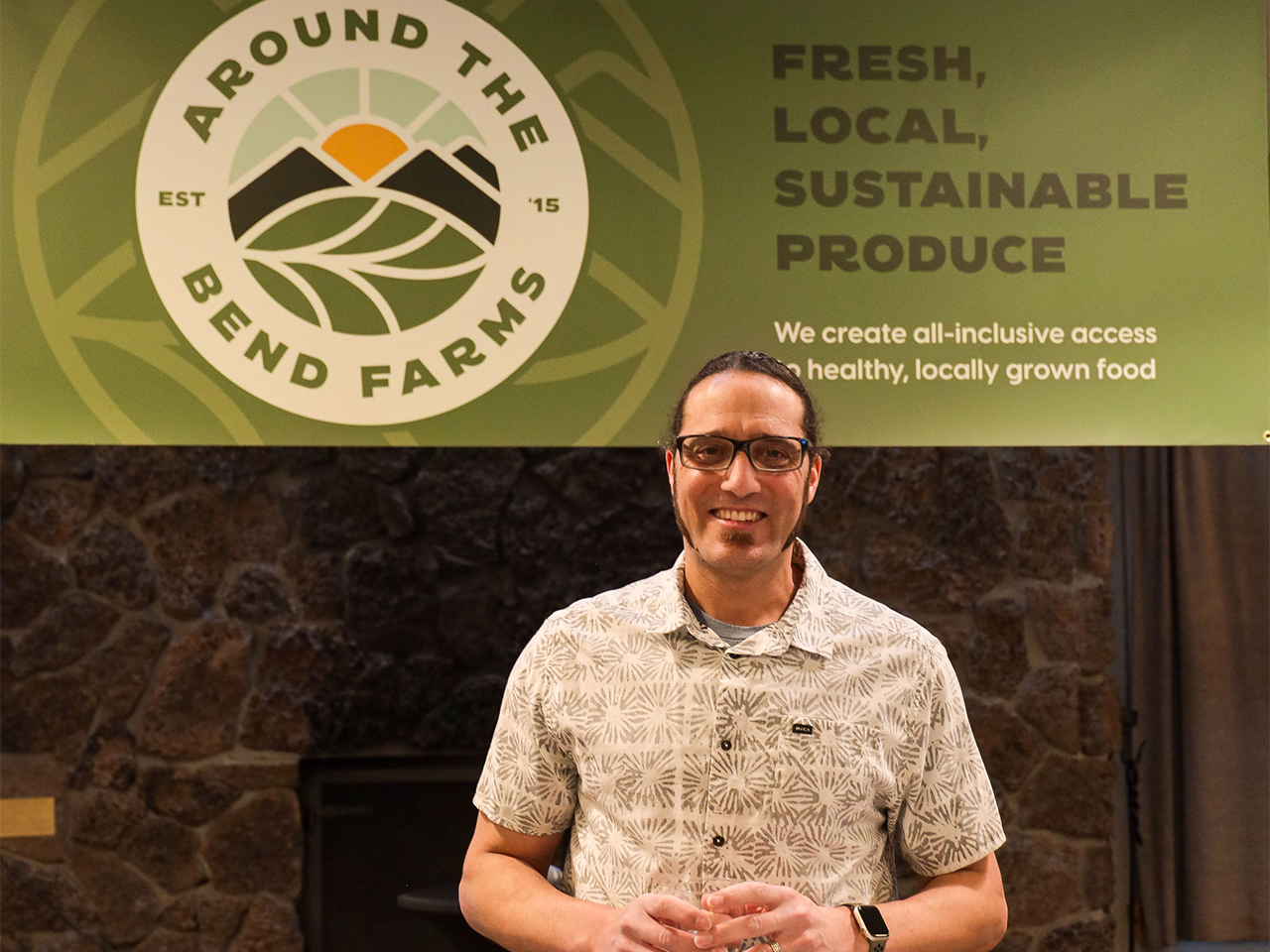
About Around the Bend Farms
The USDA reports that approximately 54 million Americans live in low-income communities with little access to supermarkets or farms. Lack of food access is most prominent in rural areas, and grants to help are dwindling. “If a community wants fresh food, it’s the community that needs to do it,” Marsh said. Around the Bend Farms took a communitarian approach and asked: What if urban communities grow food and share with those who have less? The vision led to building raised gardens locally, helping those who didn’t have time or expertise to maintain the gardens, and then making connections to share the harvest.
Now the nonprofit operates two small farms in Central Oregon that grow food primarily for the Madras and Warm Springs communities. In Bend, locally grown produce from gardens is harvested and donated to the Family Kitchen. Around the Bend offers a CSA, starts for gardens and can consult on building or maintaining raised gardens.