Every autumn, beautiful varieties of flora go unnoticed at nurseries as home gardeners grab quintessential fall icons they’re more familiar with. While maple trees turning fire-engine red, mounds of mums in amber and fuchsia, and golden sunflowers and marigolds are stunning, they are not the only plants that thrive in fall gardens. To help encourage a new look at gardening when the weather turns, local experts share a few of their favorite autumn showstoppers, unexpected gems that shine when the cold air seeps in. All are low maintenance, hardy in Central Oregon and likely to thrive beyond their dramatic fall display.
Colorful Shrubs for Central Oregon Fall Gardens
Spirea
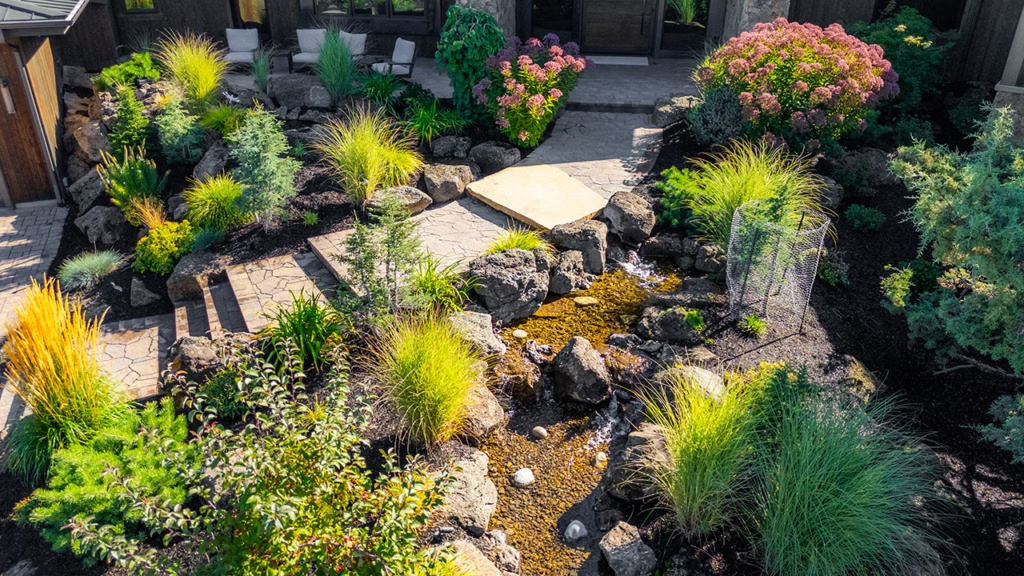
Josh Ashcraft, purchasing manager at Schilling’s Garden Market, highly recommended spireas, a woody shrub in the rose family that burst into clusters of small flowers. “Goldflame and Snowmound are stunning and really pretty for fall color,” he said. Snowmound gets heaps of tiny spring-white flowers that cover entire branches, like snow draping on a tree limb. In the fall, its leaves turn a brilliant orange. Goldflame has vibrant gold leaves and dark, reddish-pink clusters of blooms. Bluebeard, commonly called Blue Mist Spirea, is technically in the mint family but is similar to spirea and sprouts wispy, soft cobalt flowers across it in the fall, giving it an almost ethereal indigo glow. An added bonus: This bush is unappealing to deer.
Blueberry
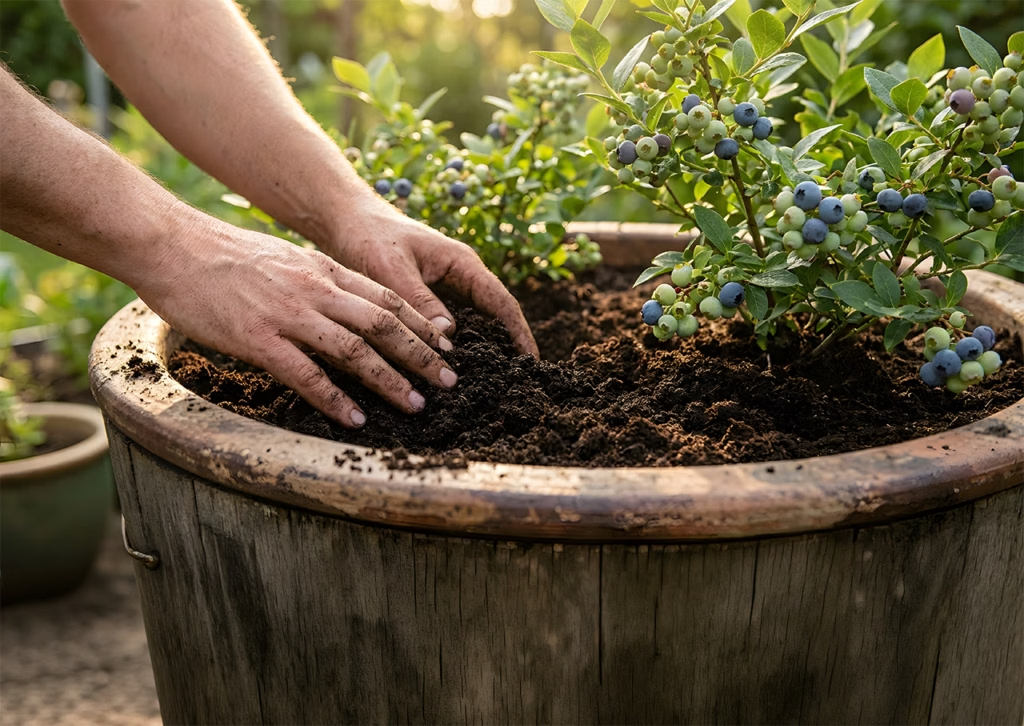
“For something fun and different,” Cindy Jeffers, Landsystems plant manager, recommended trying blueberries. The shrub has dark green, showy leaves, is hardy and can also be grown in a container. Blueberries ripen in summer and can last through September. Pick some for your morning cereal or leave on the plant for a pop of color against the bright gold fall leaves. One important care note to consider is that blueberry bushes need acidic soil, and Central Oregon dirt runs more alkaline. Consider supplementing an acid option when establishing the plants, and the bushes will continue to thrive for many years to come.
Sedum
For a modern drought-tolerant look, try sedum. These succulents typically have thick, round leaves and striking flowers in late summer. Autumn Joy has vibrant green leaves and dark pinkish-red fall blooms that add interest even into winter. Wildfire is particularly sensational, with deep green and burgundy foliage, hot-pink edging, and fiery, crimson fall flowers. Like all succulents, these plants thrive with less water, ideal for dry fall conditions in the high desert.
Fall Color Trees and Shrubs That Thrive in the High Desert
Serviceberry
Coming in both tree and shrub forms, “serviceberries are a straight-up win-win; very drought-tolerant and good to have on your property,” said Ashcraft. Interest year-round includes clusters of white flowers in spring, berries in summer (you can even eat them, and birds love them), and leaves that turn brilliant shades of yellow and orange in the fall. “And when leaves drop,” said Ashcroft, “the structure itself is pretty in the winter.”
Crabapple
Brandywine crabapple delivers incredibly fragrant, rose-like pink flowers in the spring, and its leaves transform into a vibrant salmon and golden orange in the fall. “It’s unusual for a crabapple, but they do really well here,” said Jeffers. The tree can grow to more than 15 feet, offering shade when needed in the summer months, but without being so tall, maintenance is difficult. The smaller Becthell crabapple also puts on a show of fall color and produces small red berries that birds love—though owners should take care to clean up after the berries fall to avoid a mess in the yard.
Chief Joseph Pine
Don’t forget evergreens. “One I highly encourage is Chief Joseph Pine. It’s extremely hardy, and the whole tree turns a brilliant yellow that can stay all winter long,” said Jeffers. Chief Joseph Pine is a slow-growing, compact lodgepole pine that reaches only about 6 feet tall, making it perfect for small yards.
Fall Gardening Tips for Central Oregon Yards
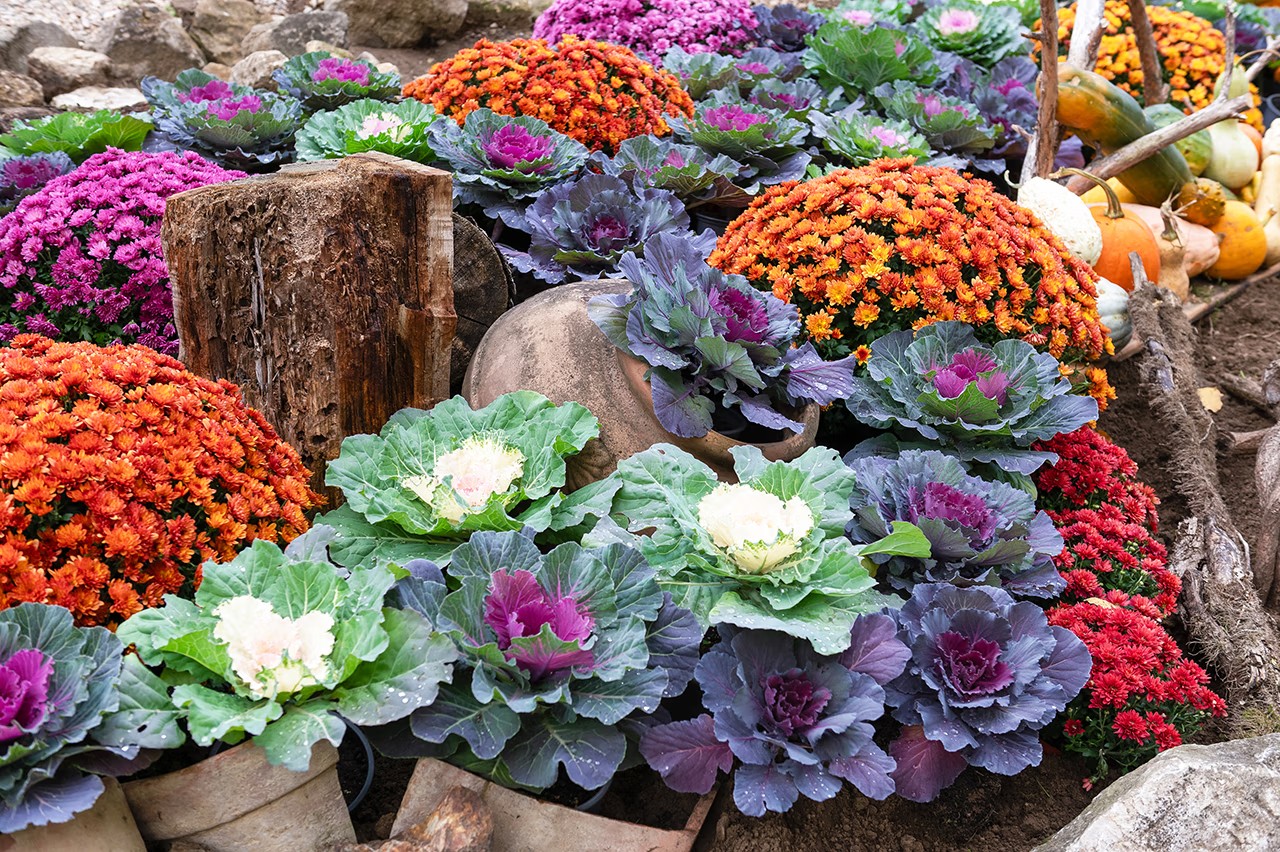
If you’re hoping to extend the life of summer planters, pansies will flower into late fall. Ornamental cabbage, kale, and daisy-like coreopsis or helenium inject shades of purple, coral, and paprika. For a Halloween twist, place Blackhawk in large planters—the tall ornamental grass turns a dark burgundy, almost black. Then, add orange or white pumpkins for decoration.
“Make sure to water,” said Jeffers. When it gets cold, people tend to stop watering, but plants still need moisture. If you’re unsure about how much water to give, local nursery staff are trained in proper care and can help you find the right plant for your climate zone. “That is going to make you more successful in the end,” said Ashcraft.
Think Outside the Patch: 5 Clever Uses for Pumpkins
Pumpkins and squash now come in all shapes, sizes and colors, from dwarf white pumpkins to striped Italian varieties in orange and green. In the spirit of turning over a new leaf, here are five unexpected ways to put pumpkins to work beyond run-of-the-mill decor.
1. Birdfeeders
Cut small pumpkins in half and hollow them out. Drill holes to thread twine or decorative rope, then fill with birdseed and hang.
2. Stacks
Add whimsy to planters or porchscapes by stacking pumpkins in a creative display. Stack three to make a giant candy corn or Halloween ghost.
3. Planters
While not completely unexpected, pumpkin planters take on an entirely new look depending on the plants used. For instance, pair dark grasses and white flowers in a Black and Silver pumpkin. Simply hollow it out, clean it, and let it dry before filling it with soil and plants.
4. Deer Distraction
Deer do love pumpkins. Place cut pumpkins strategically far away from your porch, closer to where deer roam, to lure them away from porch planters.
5. Party Drink Ice Cooler
Hollow out a large pumpkin, fill with ice, and chill bottles of wine, beer, or soda for autumn festivities.