Though children may be young, designing spaces for them can still be sophisticated while fun. Inspiration for the children’s room in a new home came when the client saw an ad featuring an orange, blue and white tile. “She absolutely fell in love with it,” recalled Kim Schroeder, interior designer at Tebbs Design Group in Bend. “I giggled because when you’re doing fun rooms like this, you want some kind of inspiration that can jump start the rest of your design decisions,” she said, adding that the tile really was the basis of the entire room.
Bright spaces
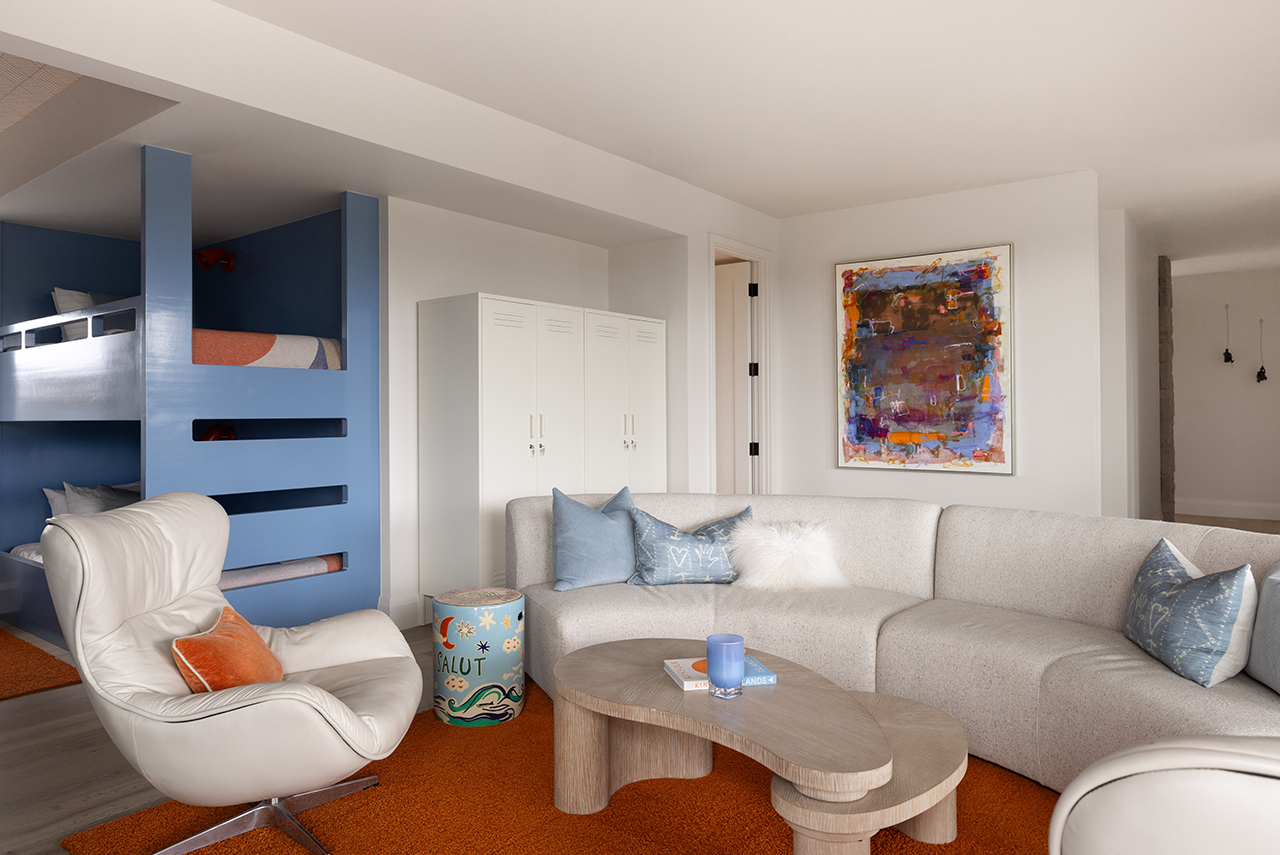
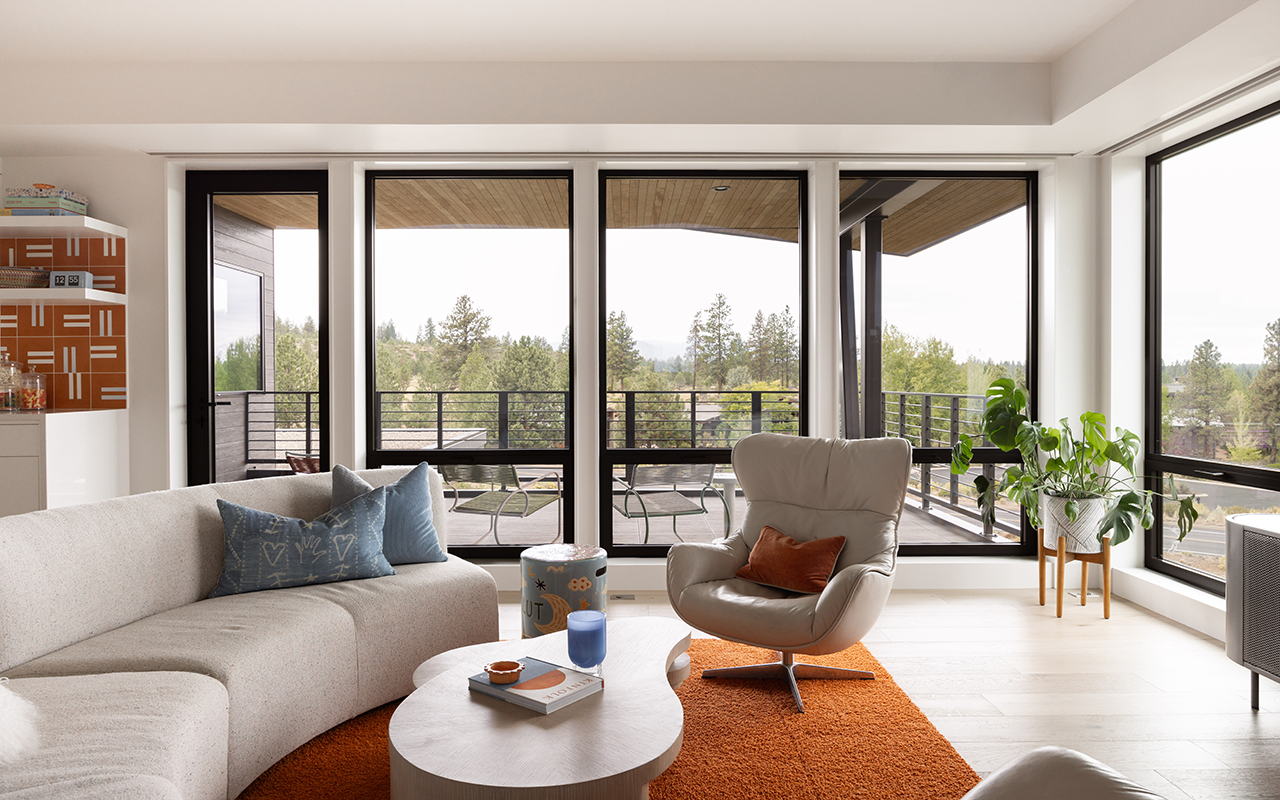
The color white governs the bright space: walls, built-in kitchenette cabinets, bathroom counters and even a sofa and chairs. It’s a choice that can be kept clean, even if play can be messy. Sailor-blue bunk beds pop against the creamy backdrop, while the tiles’ dominant orange sends a strong current of color through the shower, bunkroom wall, and across the kitchen counter backsplash. “The whole room was meant to be light and bright and fun,” said Schroeder.
Despite the playful spirit, durability drove every decision. “When you’re doing a kid’s space, you want materials that are indestructible. There should be a reassuring feeling that a mess can be made, and it won’t a big deal.” The tile is a concrete product from Concrete Collaborative. The curved Lexington Home Brand sofa softens the room’s straight lines and is upholstered in a “performance” fabric. “The construction of performance fabrics is like a carrot versus a radish,” said Schroeder, explaining that the dye color goes all the way through each thread. “You can clean it with bleach and water.” Carpet tiles that snap into place underfoot can be swapped out individually if spills occur. The retro-style Smeg refrigerator in the kitchenette adds a bit of whimsy while giving easy access to drinks and snacks.
Schroeder resisted scaling fixtures down for children. “The difficulty with a kids’ room is children grow up, as do their tastes and preferences. A well-designed room should be able to grow with them,” she said. For example, lowered countertops could mean a costly remodel later. Instead, she advises clients to invest in a strong, timeless foundation and let bedding, pillows and accessories evolve over time.
Bunk Beds for Guests and Kid Sleepovers
When Tebbs Design began planning the custom Tetherow home, the clients made one request that has become increasingly common in Bend: They asked for space for future grandchildren and visiting friends. “It’s very common for people to want a bunk space for future littles,” Schroeder said, “or for when their grown children come back and bring friends. Bend is such a great place to visit.”
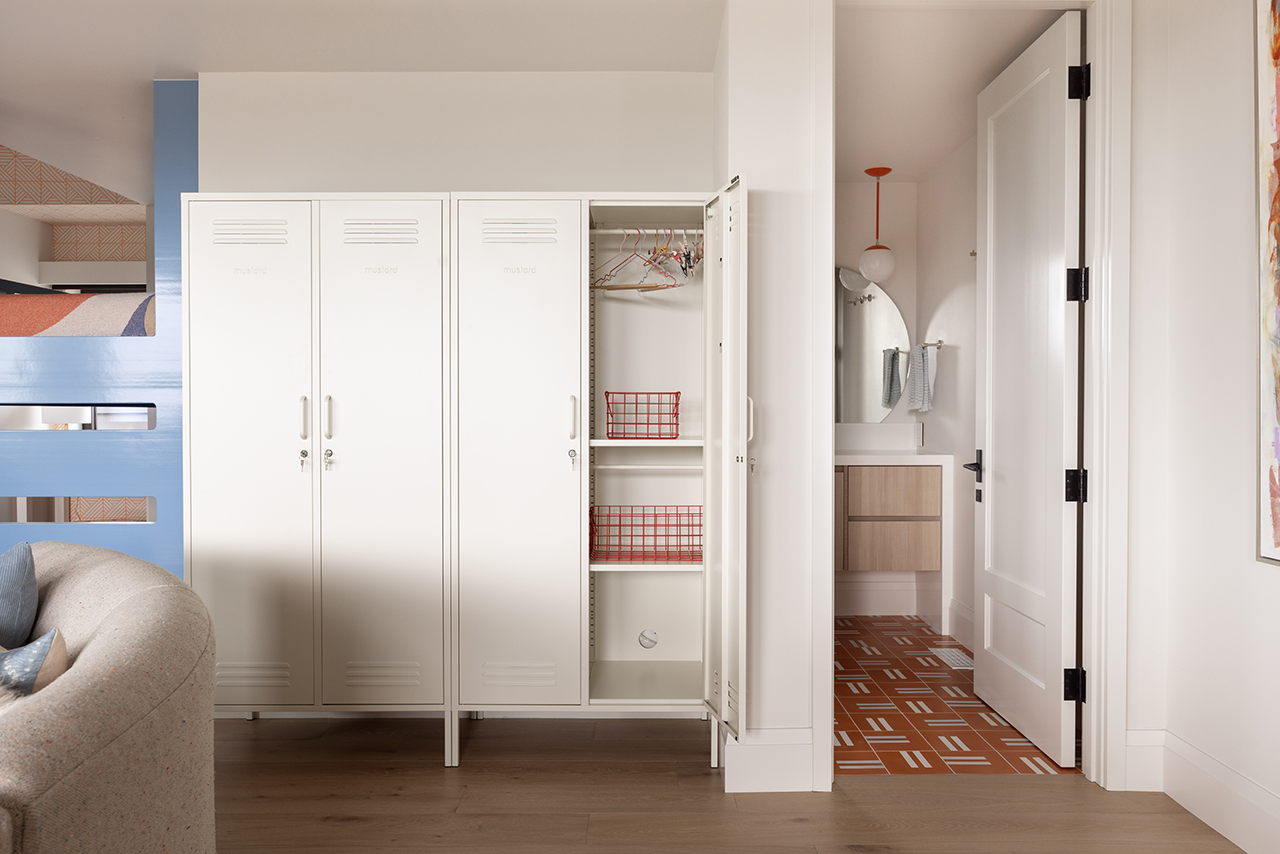
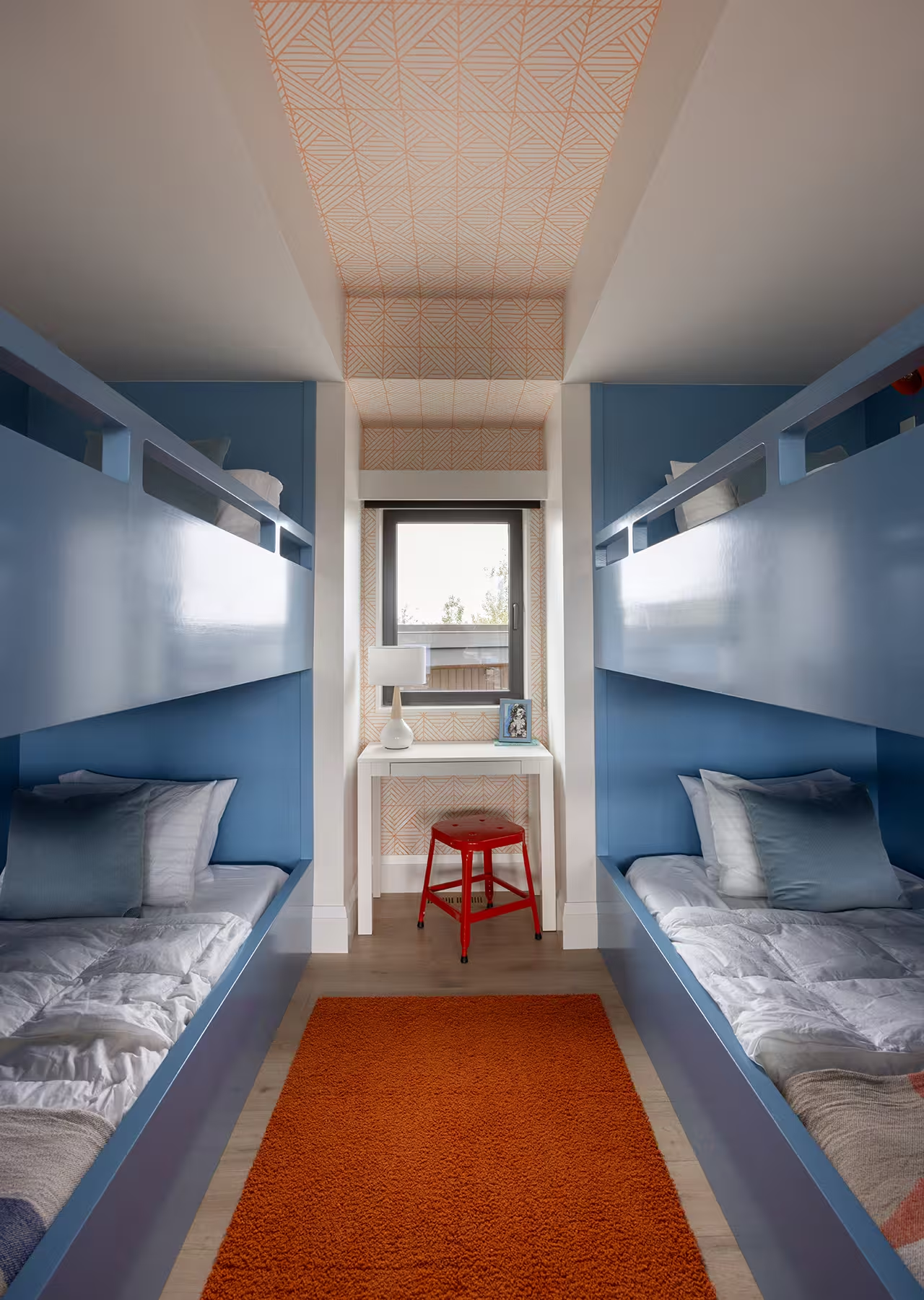
The children’s suite includes four full-size bunk beds facing one another, each with its own reading light and charging station. Schroeder cleverly designed lockers that double as extra storage for duffel bags and shoes.
“Bunk rooms are such a high request,” she said. “I would say probably 70% of our projects have one.” In addition to sleeping multiple people, they are also places to add custom touches, which Schroeder attributes to “a Pinterest craze gone wild.” However, they’re not inexpensive. Built-ins typically require skilled trim carpenters or cabinetmakers, and costs can climb quickly. In this case, the bunks were designed by Schroeder and built by the client’s brother.
The room opens onto a west-facing deck with mountain views, reinforcing its role as a gathering spot. Built-in pocket shades temper afternoon glare, and a pivoting coffee table by Ashley Childers for Global Views adapts easily from coloring station to cocktail perch.
For Schroeder, the lesson in designing a space for young people is simple. “If you see something and it brings you joy, and you feel strongly about it, then it’s a safe decision,” she said. “Find that one piece that really speaks to you. Everything else can build from there.”
Ready to refresh your own space? Explore more Central Oregon interior design inspiration here.