Search results

Beyond IPAs: Central Oregon’s Wild Fermentation Scene

In the high desert of Central Oregon, beer is spoken about in the same way some people talk about religion or the weather—it is an omnipresent, life-affirming force.

We are a region built on the backbone of the IPA, where Boneyard’s RPM has achieved icon status; a place where the scent of Citra hops practically hangs in the air like a mouth-watering fog.

But if you pull your nose out of that West Coast hop obsession for a second and look toward the unfettered fringes, you’ll find a group of liquid alchemists playing a much longer game of wild fermentation.

These brewers have moved away from the “grain to glass in two weeks” hustle. Instead, they are embracing a philosophy rooted in three patient pillars: wood, honey and the most precious ingredient of all—time.
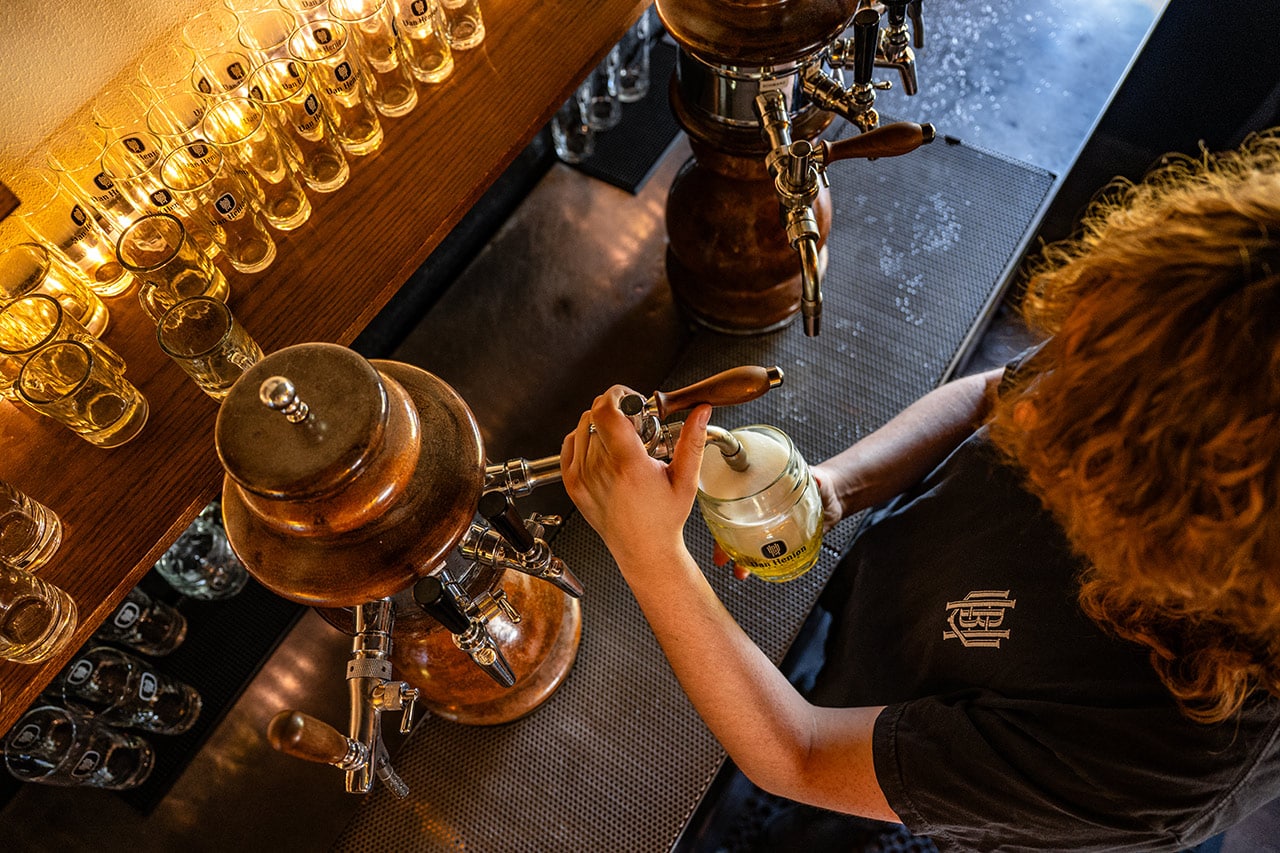
 

Bartender pouring beers at Van Henion Brewing in Bend
Van Henion Brewing by Arian Stevens


What is Wild Fermentation in Beer?

But what is wild fermentation, and what makes a beer brewed with this method so different from your average pint?
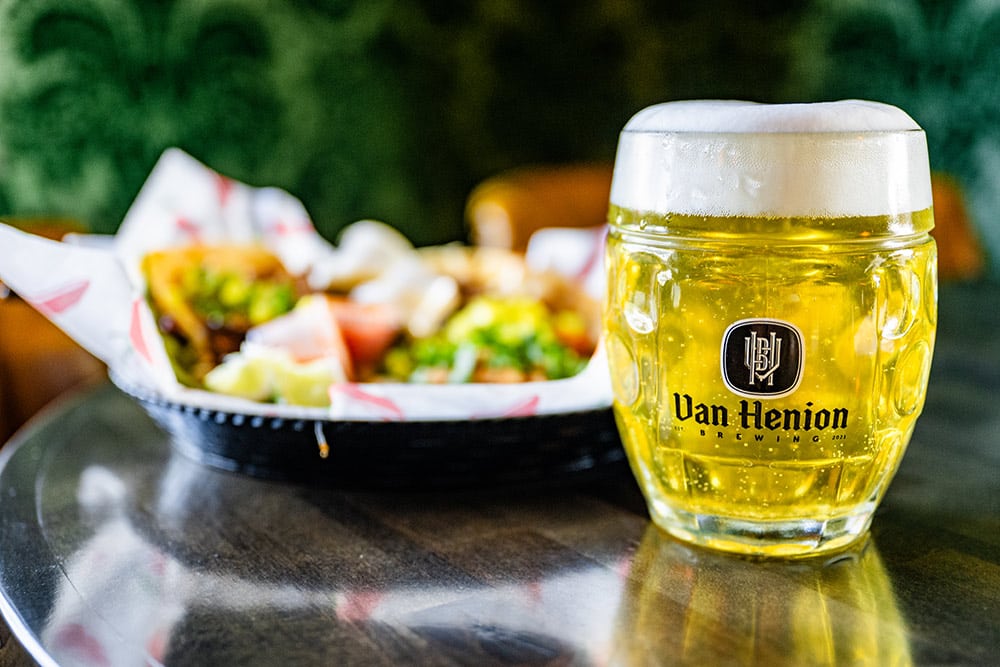
Van Henion Pils in front of some food truck eats
Van Henion Brewery by Arian Stevens

Mark Henion of Van Henion Brewing describes it as a process of introducing diverse bacteria and yeasts, most notably Brettanomyces and Lactobacillus.

“The most traditional method is the Belgian-style lambic,” Henion said. “They brew the wort [unfermented beer] and then leave it in a coolship—a large shallow tank—and open up the windows or vents and let it naturally ferment from the microbes in the air.”
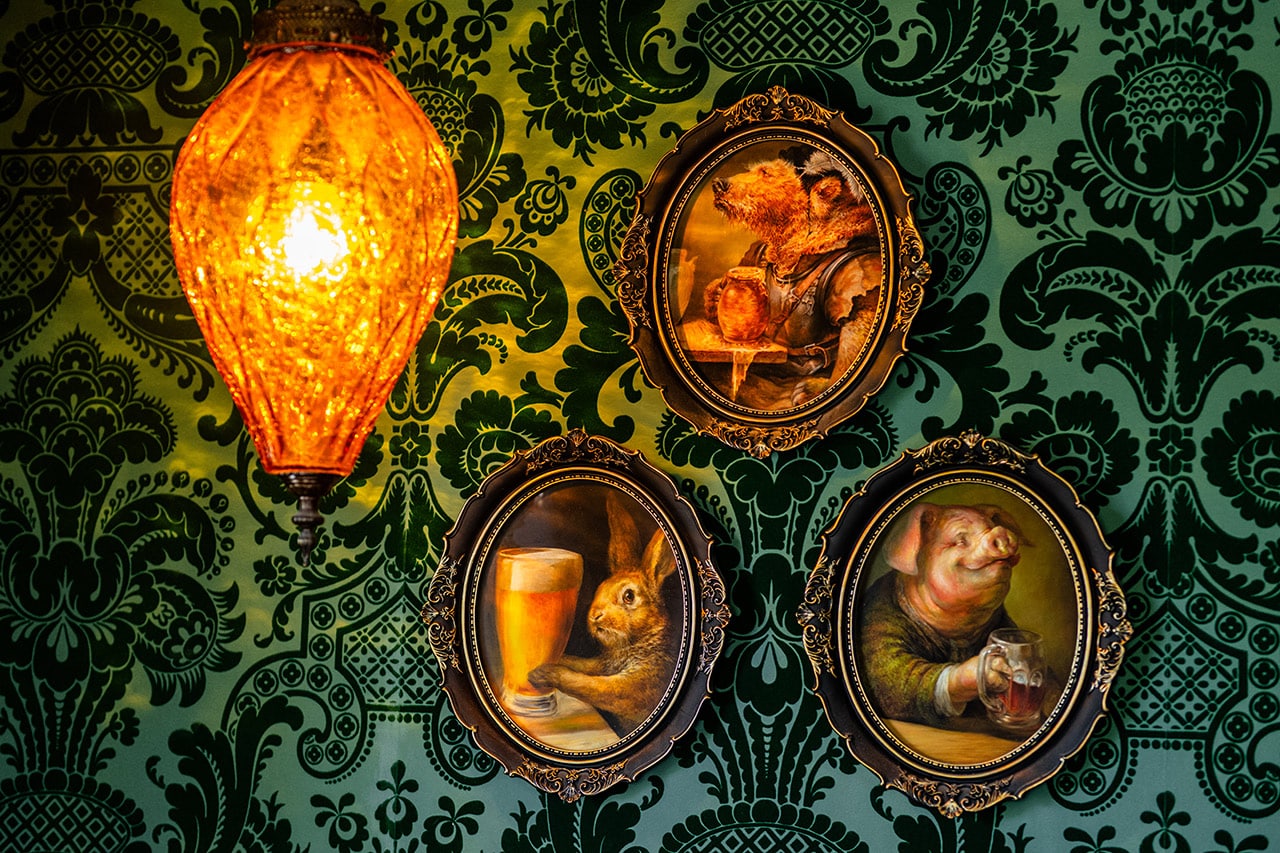
Art on the walls at Van Henion Brewing in Bend
Van Henion Brewing in Bend by Arian Stevens

It is essentially a contract with nature—a philosophical engine where humans must be as non-disruptive as possible while trusting nature’s ecosystem to help craft a small-batch work of alcoholic art.

Paul Arney, founder of The Ale Apothecary, explained the deeper magic of wild fermentation.

“It’s how people knew how to make things before they discovered microorganisms,” Arney said. “In the old days, people knew about fermenting, but they didn’t know how it worked. They’d have a ‘magic stick’ that hung on a wall. They would put it in whatever they’re trying to ferment. Yeast would be living in the wood of that stick and kick off fermentation.”

They did not know it was yeast.

“The whole reason I went with wild fermentation was to make something completely natural—the broth, the raw materials; [It’s] the way that people used to ferment things,” Arney said.
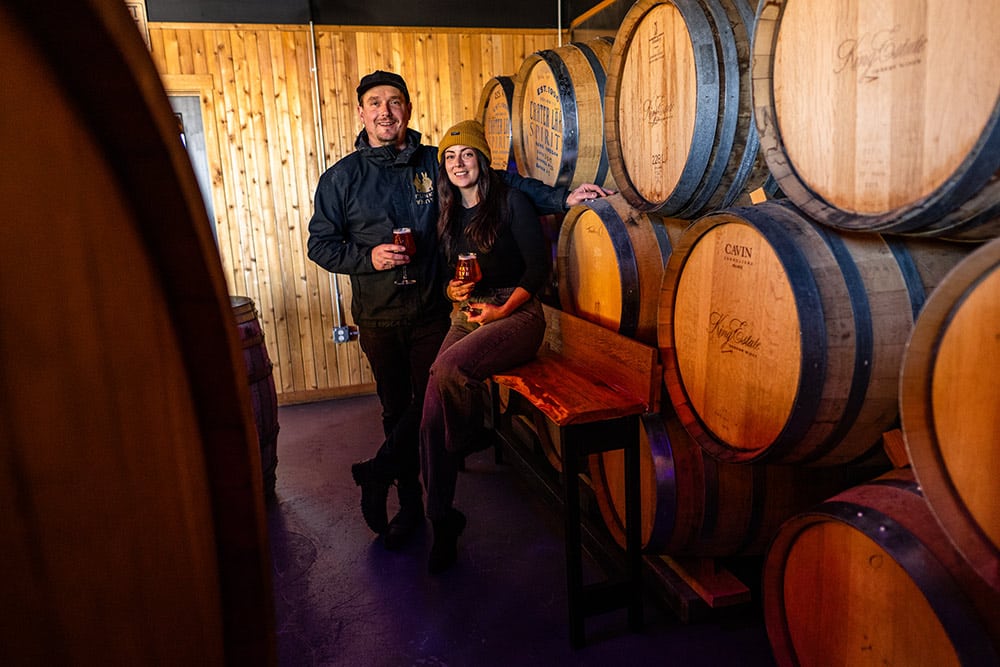
Michael Frith and Danielle Burns of Funky Fauna Artisan Ales
Head brewer, Michael Frith, of Funky Fauna Artisan Ales, with co-owner and wife Danielle Burns, by Arian Stevens

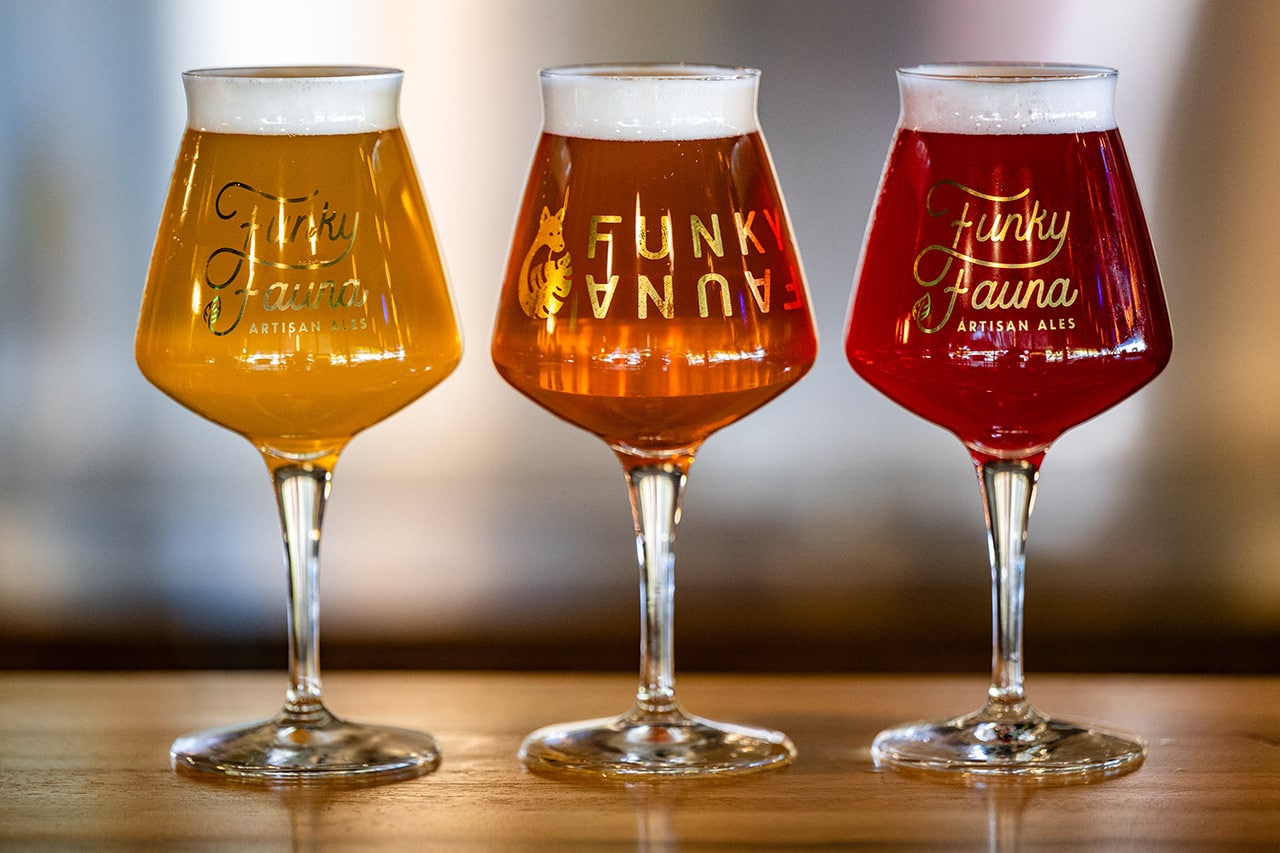
Funky Fauna Artisan Ales and Wild Beer in Bend

Michael Frith, head brewer of Funky Fauna Artisan Ales—which he co-owns with his wife Danielle Burns—is putting the art back in artisan ale one barrel at a time. From catching wild yeast in the clean, crisp air of Sisters to opening their new tasting room in Bend, nothing about Funky Fauna feels—or tastes—by the book.

“There’s a constant microcosm of yeast and bacteria living around us with numerous ways to harvest or culture it,” Frith said. “We use wort and the cold open air to inoculate a wild culture for fermentation.”

One of the easiest comparisons, he said, is a sourdough starter made from flour and water. “If we were to ‘add’ a strain of yeast from a commercial yeast laboratory, I would no longer, personally, consider that wild.”
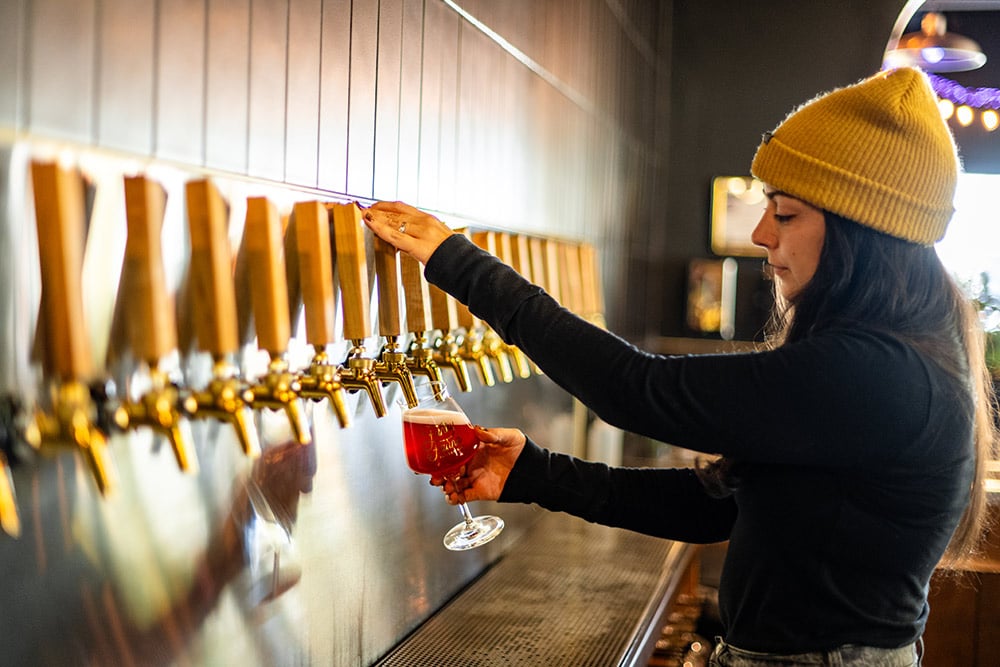
Danielle Burns pouring beers at Funky Fauna Artisan Ales
Funky Fauna Artisan Ales by Arian Stevens

While “bacteria” might sound intimidating, Funky Fauna’s tap list is remarkably approachable, even while tasting unlike a typically fermented beer.

The Sea Plague, a wild oak-aged saison with Oregon seaweed, wasabi root, ginger, lime and sea salt, is deceptively playful—the ginger provides a crisp initial bite while the seaweed offers a savory finish. Dueling Cats, another standout saison brewed with Oregon marionberries and rhubarb, is a tart, light-bodied sipper made for a high-desert summer.
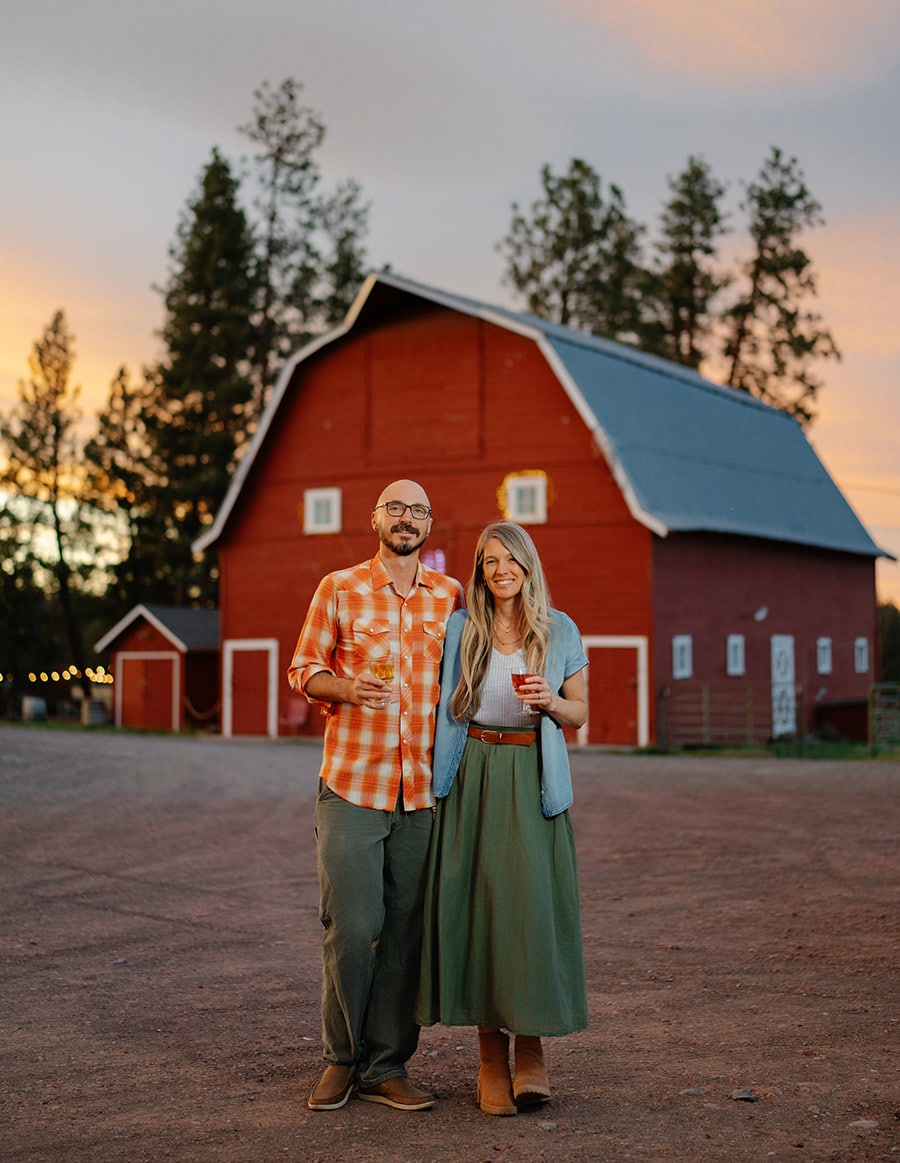
John and Renee Herman owners of Lazy Z Ranch Wines in front of their barn
Lazy Z Ranch Wines by Ely Roberts

Mead Your Maker: Lazy Z Ranch Wines

Wild fermentation is not just for beer. John Herman of Lazy Z Ranch Wines in Sisters uses many of the same principles and philosophies to craft some of the Pacific Northwest’s most distinctive mead while ethically and sustainably producing honey in biodiverse, regenerative bee pastures.

Herman takes his stewardship of the ranch—one of the oldest in Sisters—seriously. He focuses on mead because he believes it is one of the most environmentally sustainable adult beverages on Earth.

“I like to give expression to nature,” Herman said. “I do not come at fermentation wanting to bend it to my will or force it into some fixed flavor profile. I want to accentuate what is already there and present it well. For me, the job is to guide, discover and marvel, not dominate.”
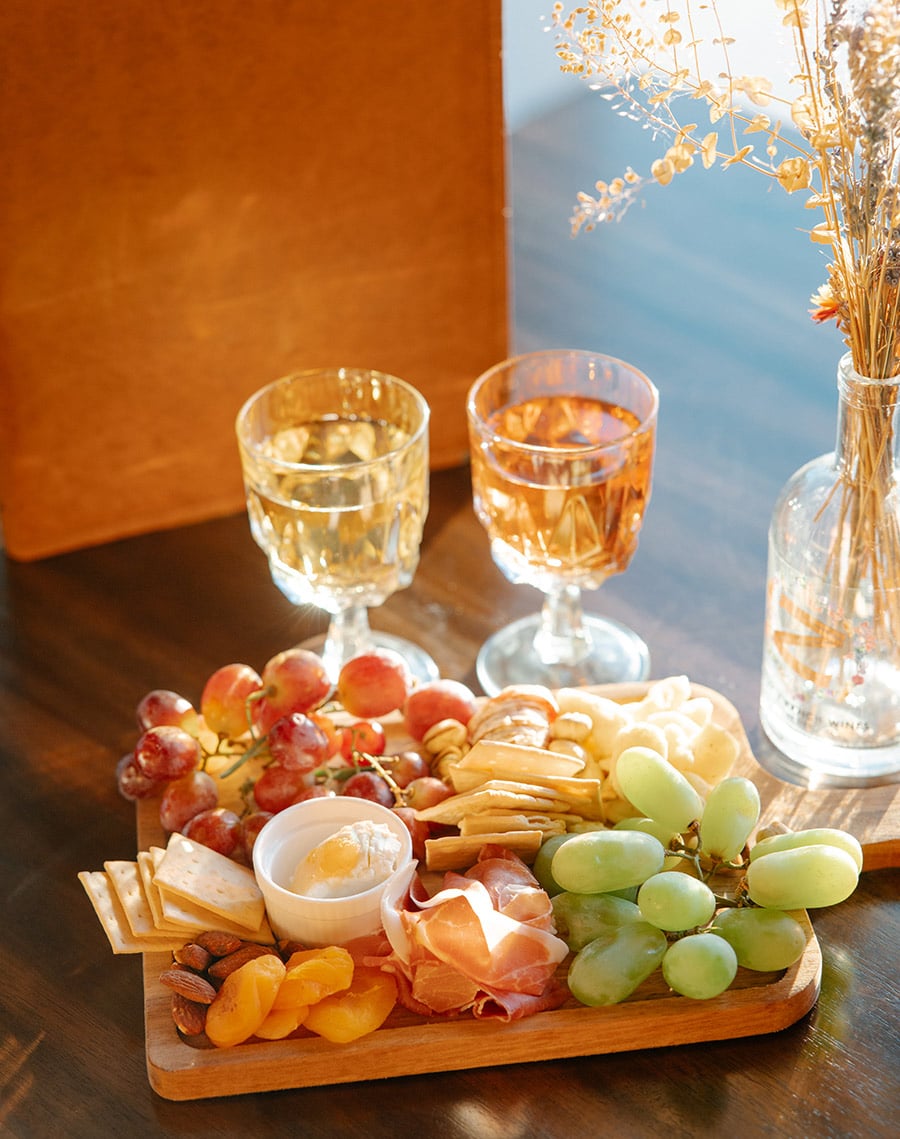
2 glasses of Lazy Z Ranch Mead with a charcuterie Board
Lazy Z Ranch Mead by Ely Roberts

The results are immediately apparent. No two meads taste remotely the same, and gone are the sickly sweet syrups often associated with mead.

The Estate Traditional Style carries vanilla and apple aromas with bright caramel and cardamom flavor that deserves to be savored.
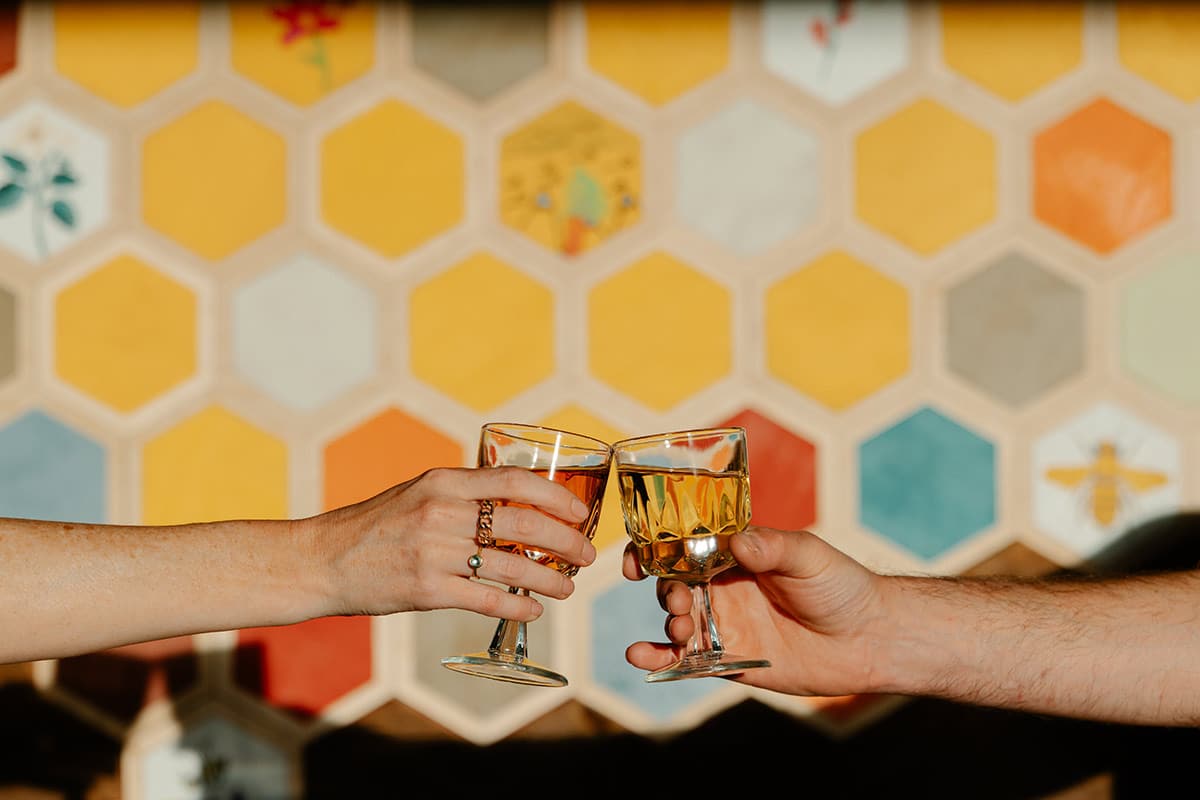
Cheers with mead in front of the Lazy Z Ranch Wines decor
Lazy Z Ranch Mead by Ely Roberts

The Carrot Blossom Traditional Style begins with an earthy, full-bodied depth before swirling into aged rum notes that pair perfectly with a sunset behind the Three Sisters.

Even for those with only a passing interest in mead or wine, Lazy Z Ranch is worth the visit. If not for the views, then for a conversation with Herman about what he hopes people take away from the ranch itself.

“It’s an invitation to leave things better than we found them,” Herman said. “People will see a real working ranch and a farm that is trying to function as a healthier system for land, animals and people. I hope what they take away is not just that they tasted something good, but that this way of farming and making things is possible.”
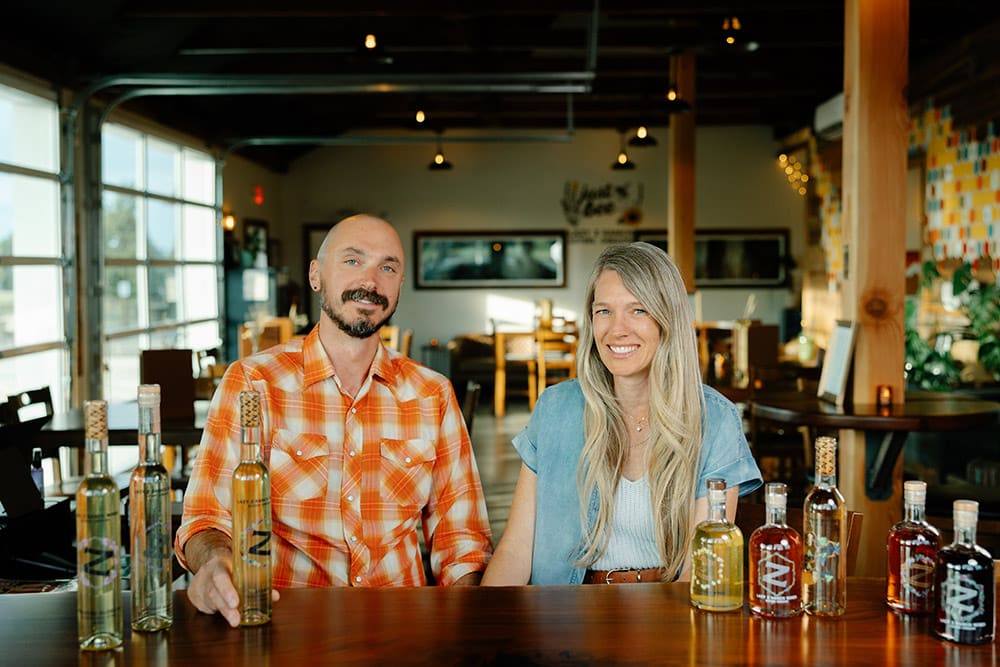
John and Renee Herman inside Lazy Z Ranch Wines
John and Renee Herman, Owners of Lazy Z Ranch Wines by Ely Roberts

Why Wild Fermentation Matters in Central Oregon

It’s easy to stay in our brewery comfort zones. Central Oregon is a delightful wonderland covered in them. That’s why pioneers like Funky Fauna, Lazy Z Ranch and The Ale Apothecary are so vital. They fearlessly buck trends to follow an unfiltered, all-natural bliss.

As Bryon Pyka of Terranaut Brewing notes, the future of the small-batch and craft scene belongs to those who “seek out and latch onto quality, innovation and places where they find a sense of community.”

During a time of short-lived trends, these makers remind us that the most enduring flavors are the ones that arrive wild, unfiltered and funky.

Wild Fermentation Q&A

What is wild fermentation?

Wild fermentation uses naturally occurring yeast and bacteria from the environment rather than relying entirely on commercial yeast strains.

What makes wild beer taste different?

Wild beers often develop tart, funky, earthy or complex flavors because of the diverse microorganisms involved in fermentation and aging.

Is wild fermentation the same as sour beer?

Not always. Many wild beers have tart characteristics, but wild fermentation can also create earthy, floral, savory or fruit-forward flavors without intense sourness.

What is Brettanomyces?

Brettanomyces—often shortened to “Brett”—is a wild yeast strain commonly used in wild ales and saisons. It can create funky, fruity or earthy flavor profiles.

Where can you try wild fermentation in Central Oregon?

Funky Fauna Artisan Ales, The Ale Apothecary and Lazy Z Ranch Wines are among the Central Oregon makers exploring wild fermentation through beer and mead.

What is mead?

Mead is an alcoholic beverage made by fermenting honey with water. It is sometimes referred to as honey wine.
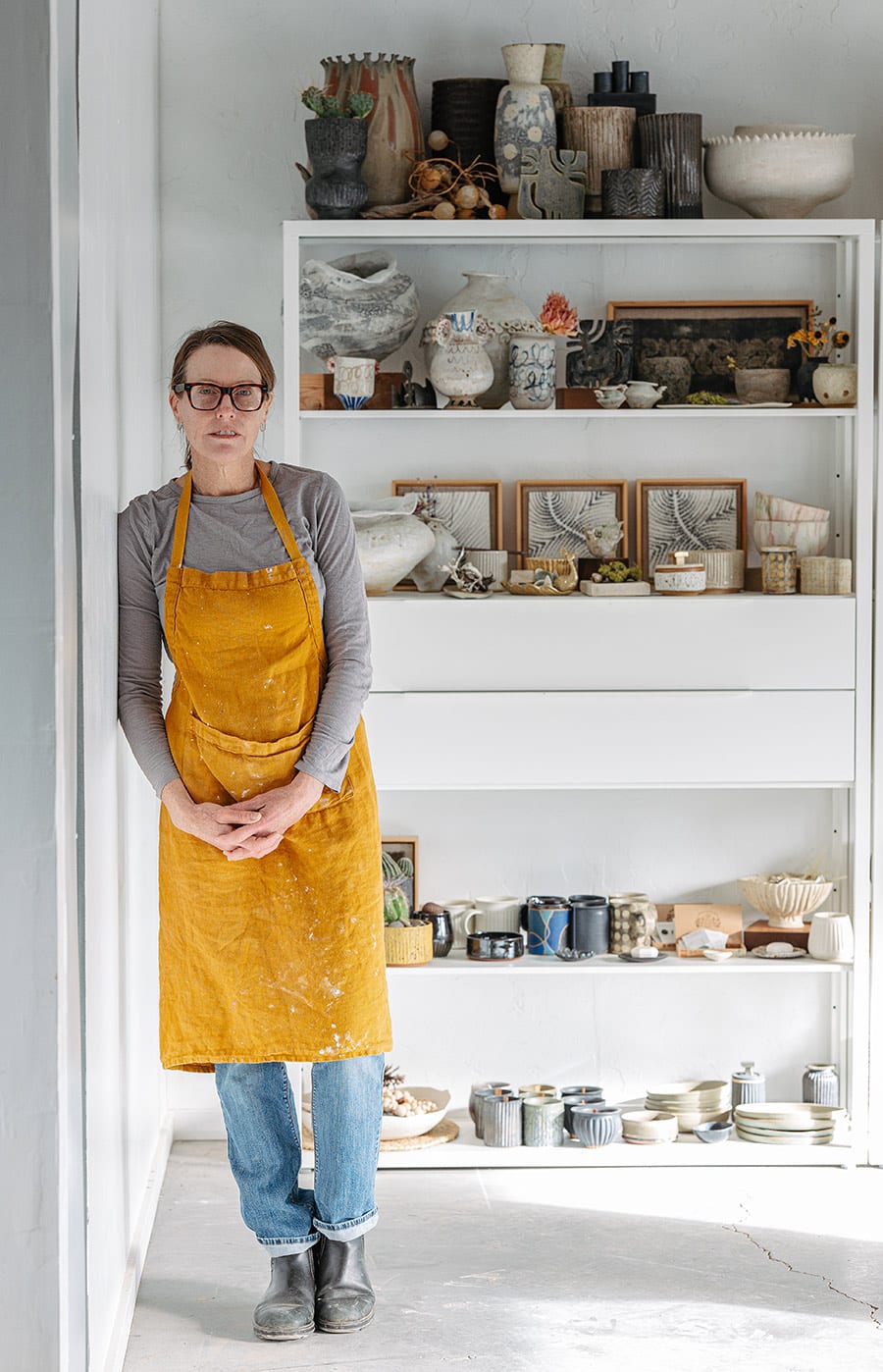
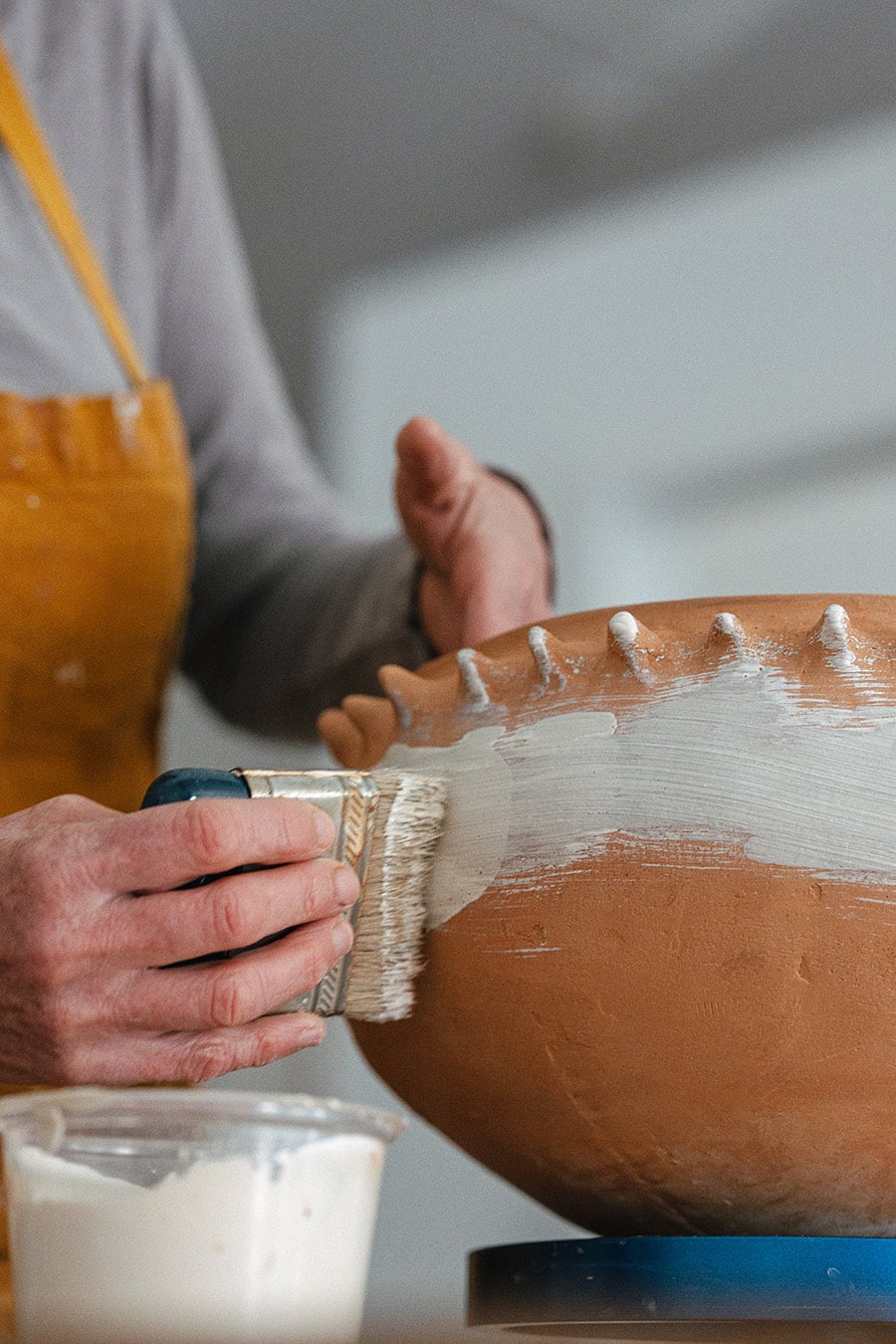
 

Inside HWH Ceramics: Heidi Weiss Hoffman’s Tumalo Pottery Studio

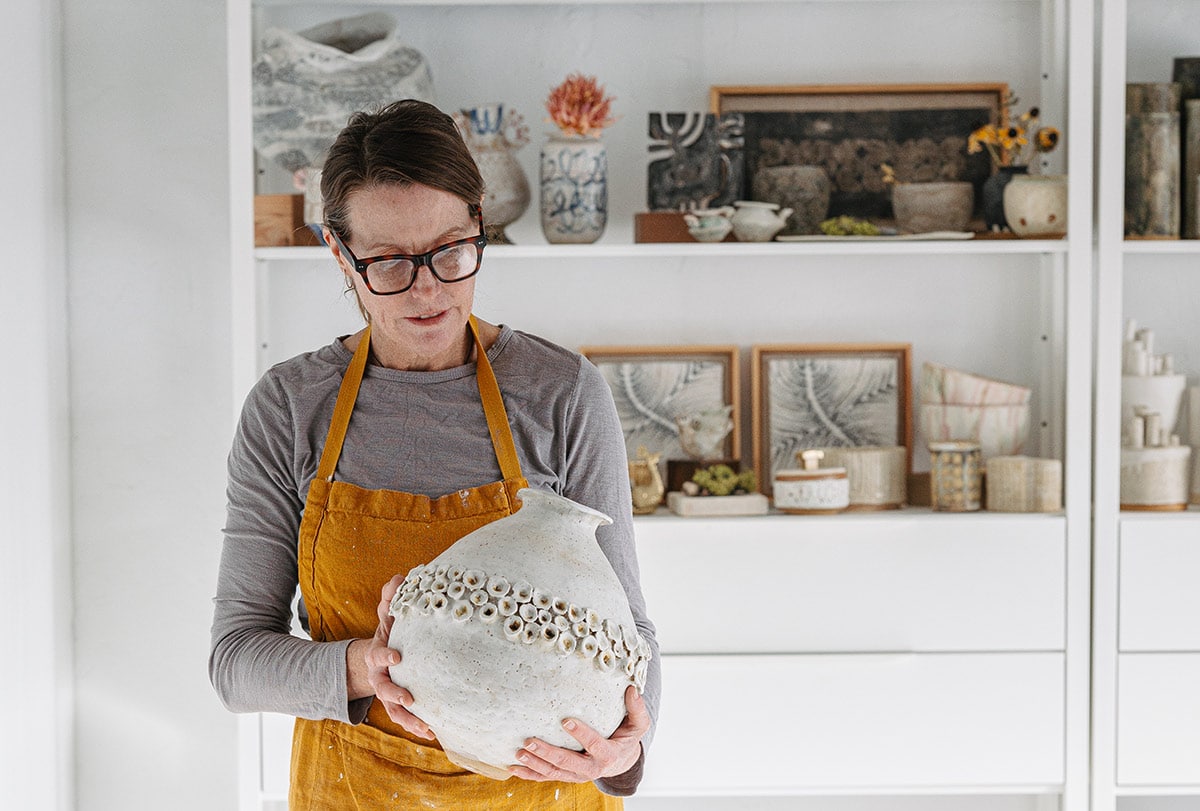
Amid whitewashed walls and shelves lined with clay vessels, wide open surfaces become spaces for discovery at HWH Ceramics in Tumalo.

For ceramicist Heidi Weiss Hoffman, the path to clay began long before pottery. Raised as the daughter of an artisan baker, she learned patience, chemistry and craftsmanship in the kitchen under the guidance of her father, a pastry chef whose career took him to hotels around the world.

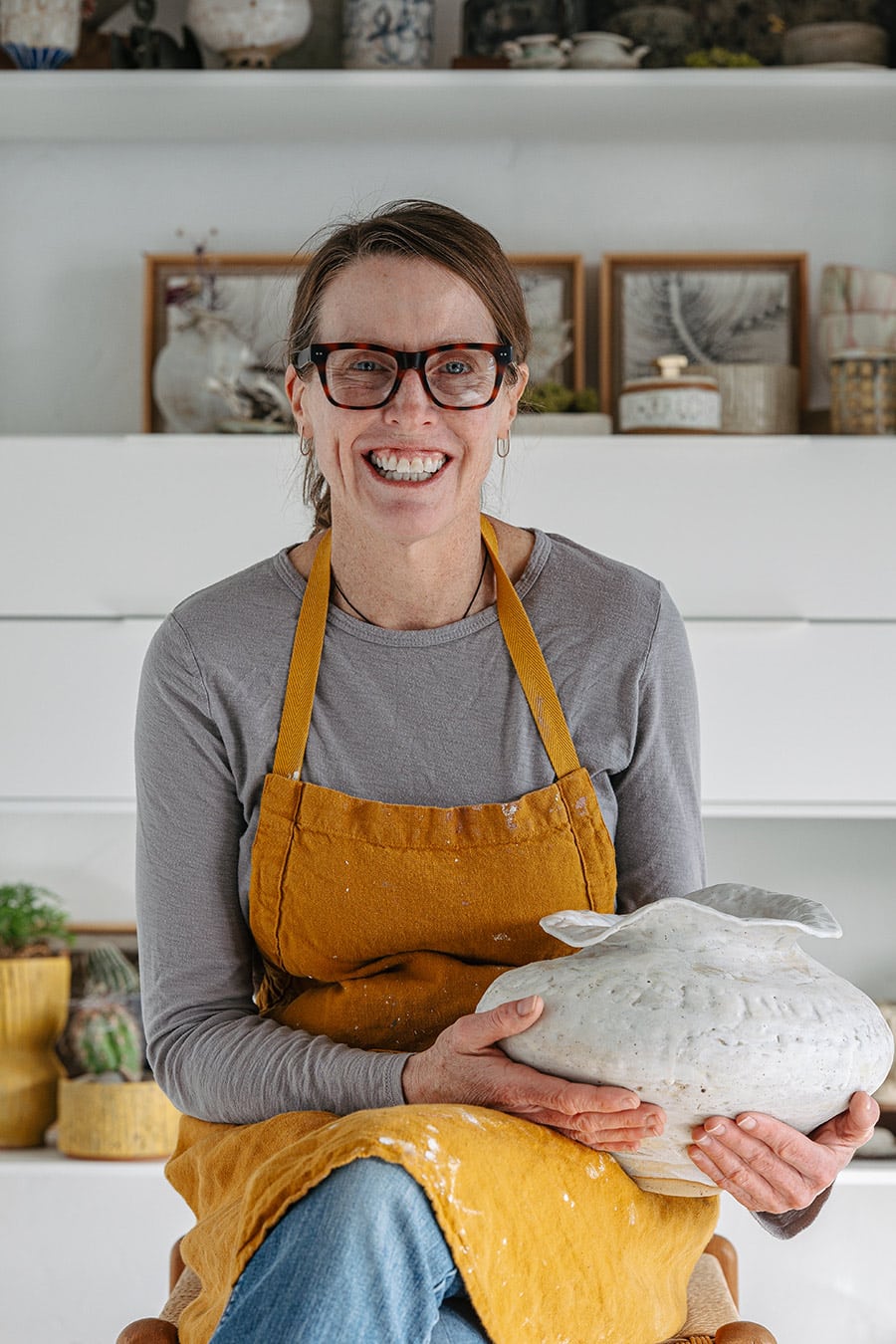
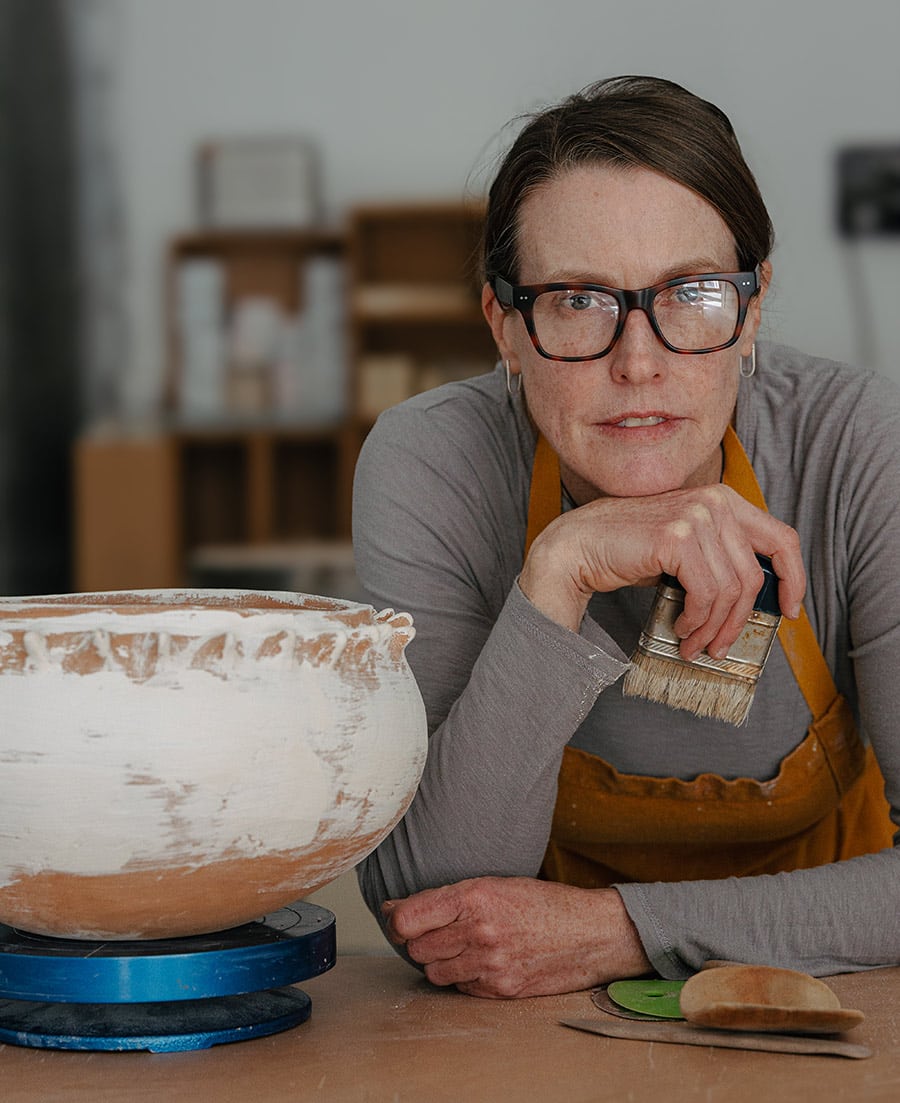
Heidi Weiss Hoffman standing in front of a display of her work

Those early lessons eventually shaped her work as a potter.

After her parents, Hans and Leslie Weiss, opened Hans Restaurant in Bend, Weiss Hoffman spent the next 24 years immersed in every aspect of the restaurant business. Following a continued career in food and beverage, a ceramics course at Central Oregon Community College opened an entirely new creative direction.

Now, through HWH Ceramics, she creates vessels, lamps, wall pieces and kitchenware rooted in experimentation and quiet, organic form.

“The vessel is humankind’s original art form.”

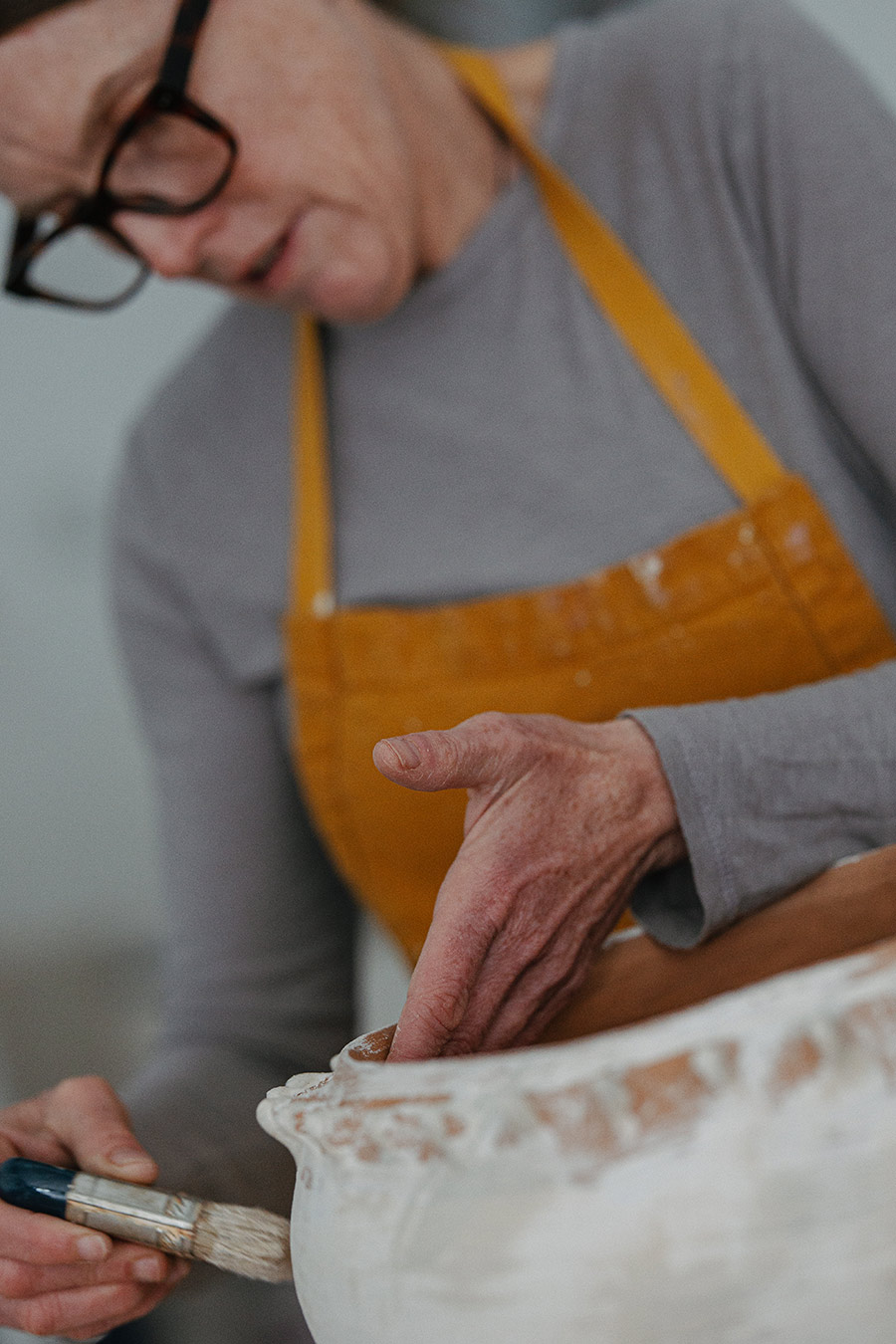
HWH ceramics painting a bowl

A Studio Built Around Process

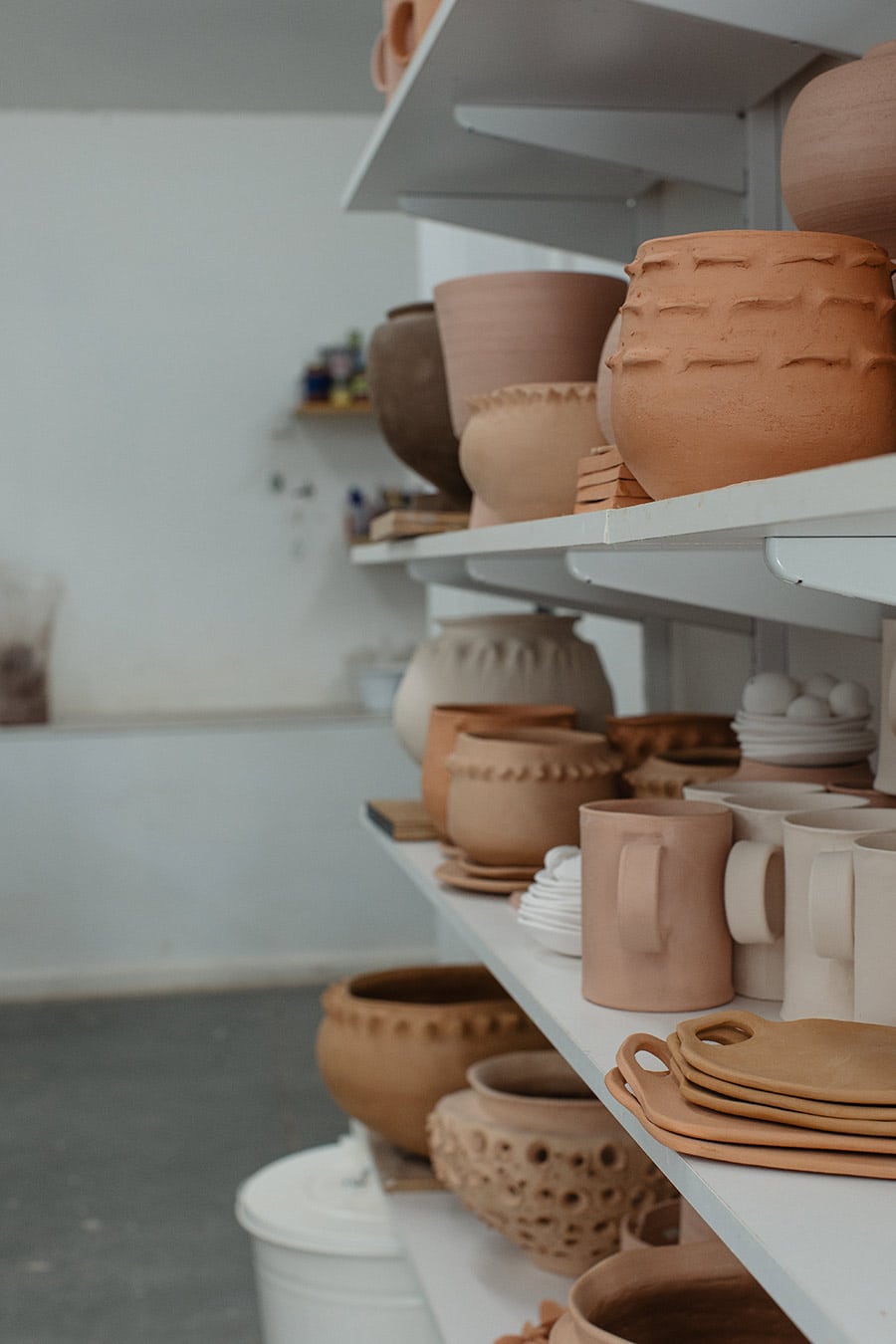
Inside Weiss Hoffman’s studio, slabs of clay rest in corners while kilns fire nearby. Works in every stage of completion fill the space.

Heidi Weiss Hoffman painting a ceramic bowl

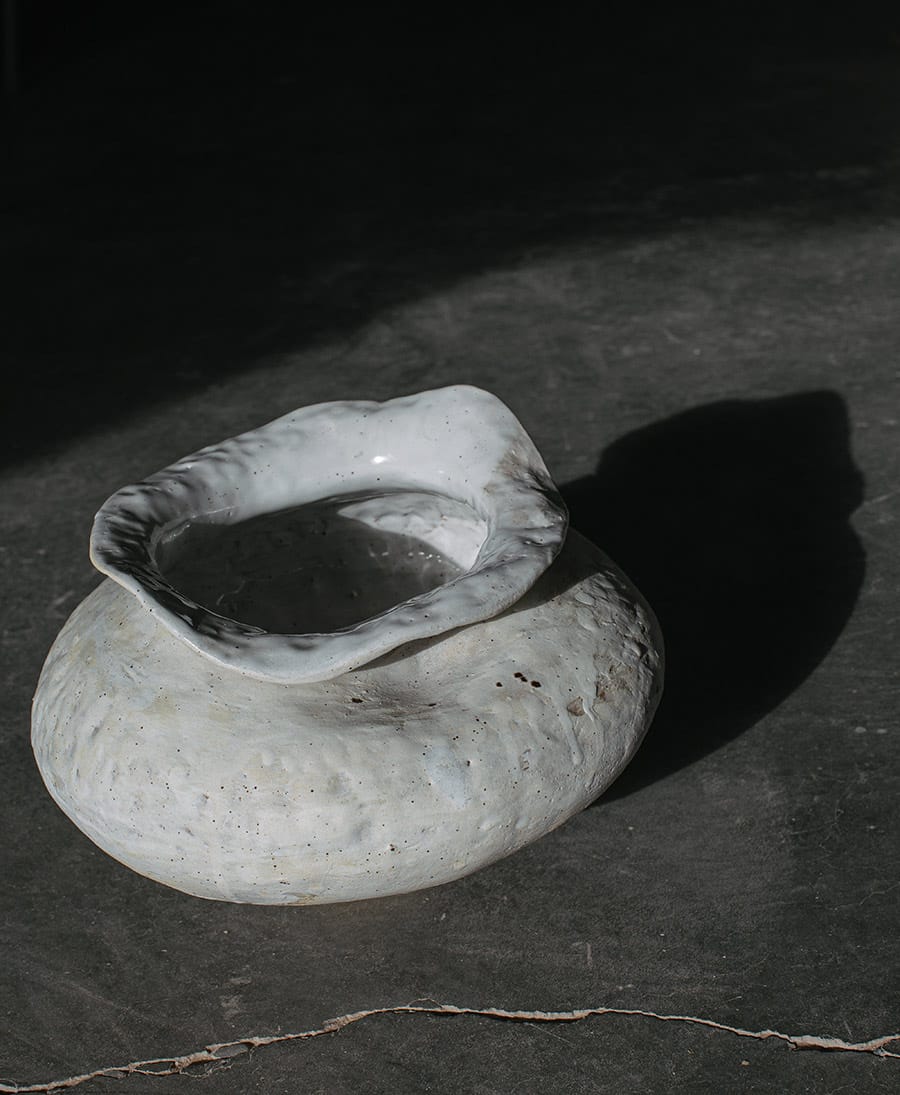
Her pieces often carry earthy palettes, textured surfaces and subtle irregularities that recall mid-century ceramic design while remaining deeply connected to the natural world.

Each object feels intentionally tactile.

Whether crafting kitchenware, garden pots or sculptural decor, Weiss Hoffman leans into forms that invite touch and interaction rather than perfection.

Heidi holding a final piece of art HWH Ceramics

From Wheel Throwing to Hand-Building

Though she began by throwing pottery on the wheel, Weiss Hoffman eventually gravitated toward hand-building and coiling techniques.

“This process is where the meditative space comes into play,” she said. “I can start a piece, and time slips by.”

She describes clay as both unpredictable and freeing.

black and white image of art by HWH Ceramics

“Clay is fickle, but it has this plasticity that allows you to be as free as you want to be,” she said. “It’s so vast—it’s endless.”

The slow pace of ceramics has also reshaped her relationship with control and patience.

“I may have one idea, but by the time it gets done, it’s completely different.”

The transformation from raw earth to finished vessel can take weeks, requiring pauses between stages for drying, firing and refinement.

“I can only build [a piece] so far, then I have to let it rest,” she said. “And I don’t come by patience naturally. It’s frustrating at times, but I love it. It brings me so much joy.”

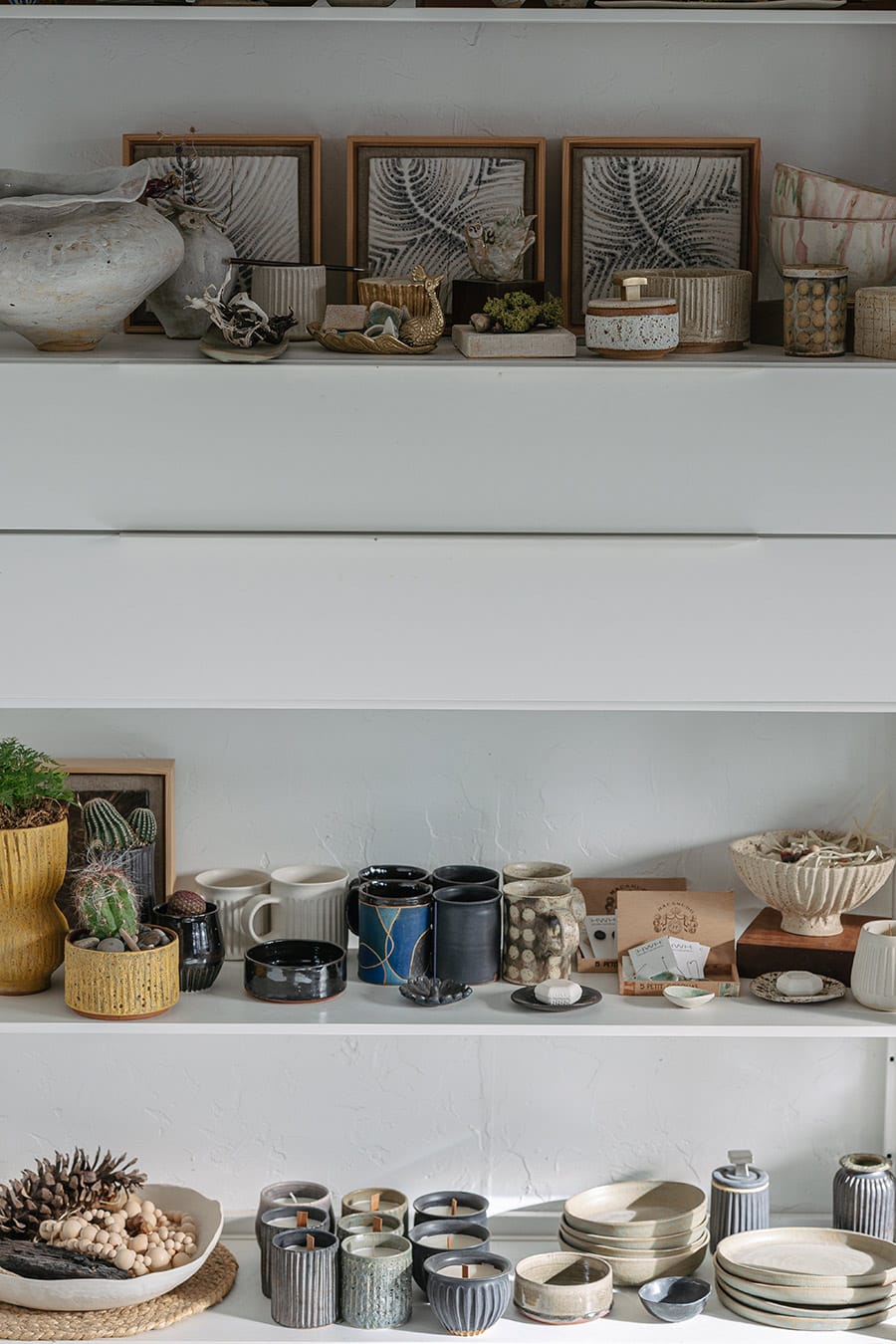
Shelf full of HWH Ceramics works

Learning Through Community

Before becoming a full-time ceramicist, Weiss Hoffman spent three years taking ceramics courses throughout Central Oregon to immerse herself in the local arts community.

She credits instructors and fellow artists—including studio mate Marité Acosta, along with Moe Carolin-Anderson and Erin Hasler—for helping shape her artistic development.

In 2025, Weiss Hoffman served as a juror for Art in the High Desert in recognition of her expertise and growing presence within the regional arts scene.

Portrait of Heidi Weiss Hoffman

Inspiration From Oregon and Beyond

An avid outdoor enthusiast, Weiss Hoffman draws inspiration from Oregon landscapes as well as international travel with her husband, John.

“My brain is constantly looking and asking, how can I apply what I’m seeing to a vessel?” she said.

A large vase in progress sits atop her worktable, textured with deep ocean blues. “I never liked the color blue until I went to Greece,” she said with a laugh.

The places she experiences become part of the visual language of her work.

“I take it all in, and it becomes the fabric of who I am—and hopefully, that translates into my art.”

See more work by HWH Ceramics | Keep reading about our Bend and Central Oregon art scene | Regional Artist Profiles

beautiful art from HWH Ceramics

FAQ

Who is Heidi Weiss Hoffman?

Heidi Weiss Hoffman is a Central Oregon ceramic artist and founder of HWH Ceramics in Tumalo. Her work includes handcrafted vessels, kitchenware, lamps and sculptural ceramics inspired by nature, travel and organic form.

Where is HWH Ceramics located?

HWH Ceramics is based in Tumalo, just outside Bend, Oregon.

What kind of pottery does HWH Ceramics create?

HWH Ceramics creates hand-built ceramic vessels, kitchenware, garden pots, lamps and wall decor with earthy palettes, textured surfaces and organic shapes.

How did Heidi Weiss Hoffman become a ceramic artist?

After decades working in the restaurant and food industry—including 24 years connected to Hans Restaurant in Bend—Weiss Hoffman discovered ceramics through classes at Central Oregon Community College and later transitioned into pottery full-time.

What inspires Heidi Weiss Hoffman’s ceramics?

Her work is inspired by Oregon landscapes, international travel, natural textures and observations from everyday life.

What techniques does Heidi Weiss Hoffman use?

While she began with wheel throwing, Weiss Hoffman primarily focuses on hand-building and coiling techniques in her current work.

What is the style of HWH Ceramics?

Her ceramics feature minimalist, organic forms with subtle irregularities and tactile surfaces that echo mid-century ceramic design and natural landscapes.

Was Heidi Weiss Hoffman involved with Art in the High Desert?

Yes. Weiss Hoffman served as a juror for Art in the High Desert 2025.

Where can I see more of Heidi Weiss Hoffman’s work?

More information about her ceramics and studio can be found at hwhceramics.com.

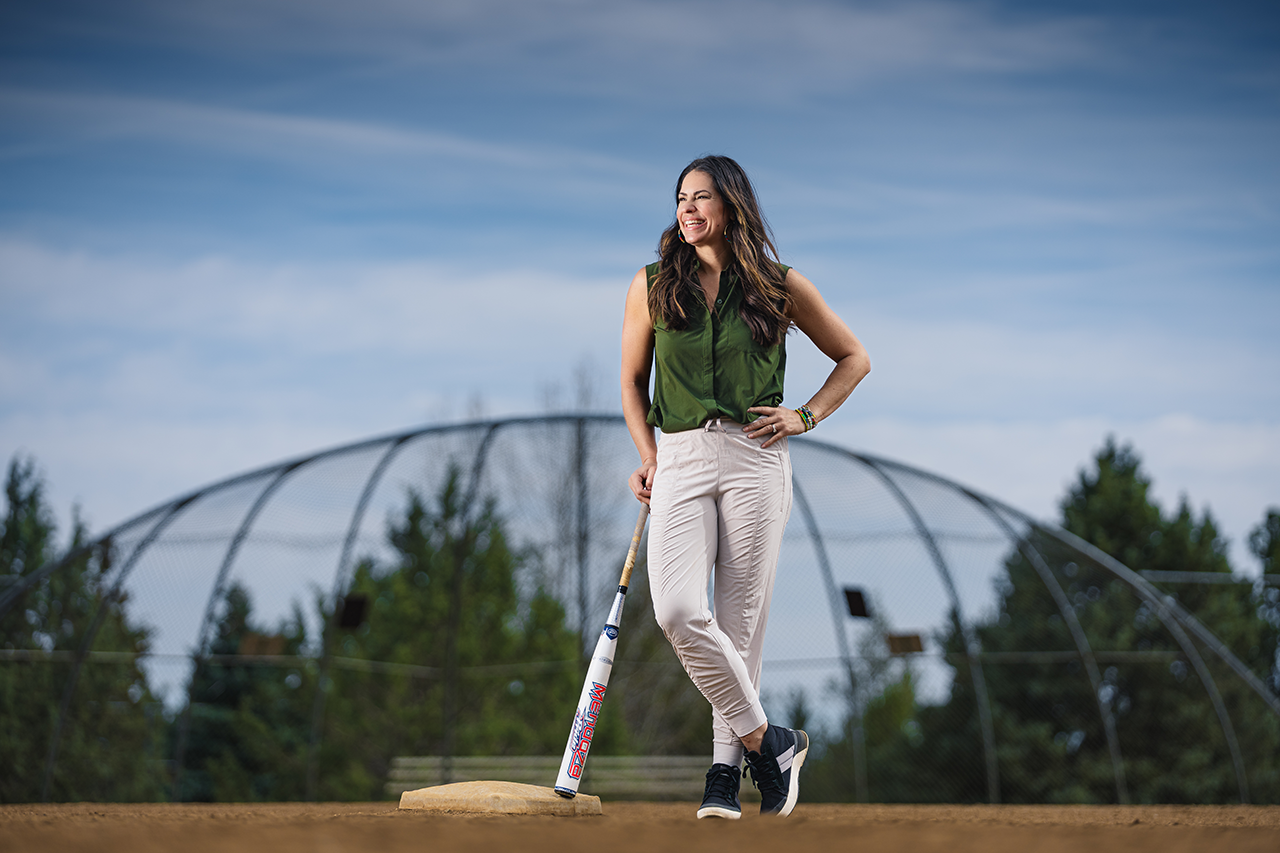
Olympic Gold Medalist Jessica Mendoza’s Leadership in Bend

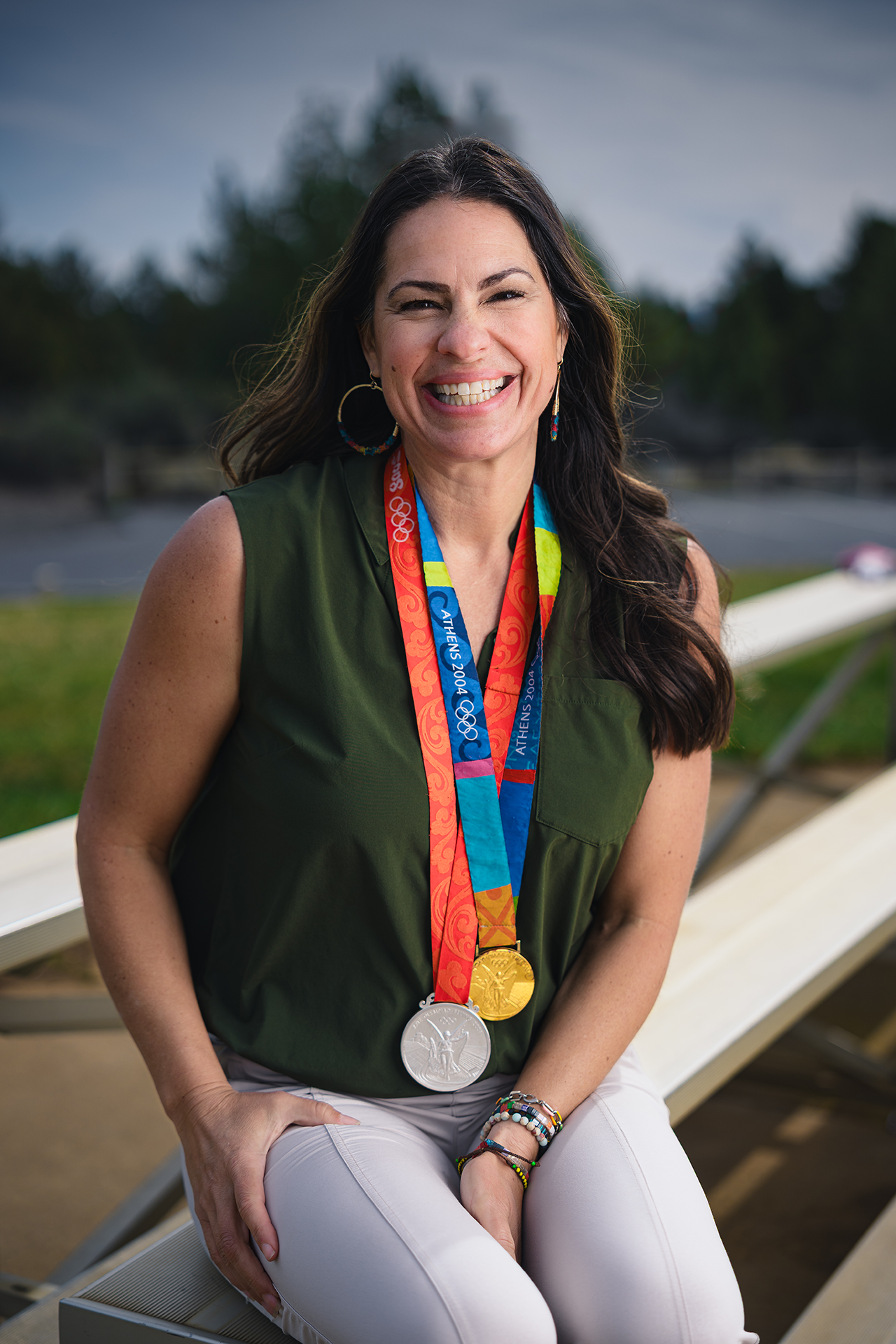
Jessica Mendoza often keeps her Olympic medals in a sock drawer. “I never wear them,” she said. Well, not anymore anyway, she explained. It was different when she won gold with the 2004 U.S. Olympic Softball Team in Athens. “We lived at the Olympic Training Center for a full year,” she recalled. “And you’re training like you’ve never trained before, so when you actually win that gold medal…I took a lot of time to really hold on to that. I don’t think I took it off for two weeks.”

But afterward, Mendoza did what she said a lot of women are trained to do—she downplayed it. “After I won the gold medal, people would be like, ‘Oh, you play softball? Are you good?’ And I’d say, ‘I’m okay.’”

Early Influence and Finding Representation

Growing up in Southern California, it didn’t take long for people to realize Mendoza was far better than okay. She had a penchant for most sports—softball included. “As a Hispanic young girl, there were not a lot of Hispanic female athletes to look up to,” she said. “Softball happened to have one of them, and that was Lisa Fernandez.”

Her love for the game, matched by her dedication to school—“I was always a student first,”she said, led Mendoza to Stanford University. There, she broke several batting records, helped lead her softball team to its first Women’s College World Series, and managed to earn bachelor and master’s degrees along the way.

Her accolades only piled up from there: She earned three WBSC World Championship titles, three World Cup of Softball titles and two Olympic medals—gold in 2004 and silver in 2008.

“I think it’s great to have humility. But at some point, you need to have the balance of confidence when it matters most.”

Jessica Mendoza with her Olympic medals

Amid all of it, she also stepped into advocacy work, serving as president of the Women’s Sports Foundation (WSF) for two years, and launched a broadcasting career at ESPN, where she eventually became the first female analyst for a nationally televised MLB game. In 2019, she was inducted into the National Softball Hall of Fame.

For Mendoza, every opportunity she’s had since Stanford has been completely unexpected and unplanned—but she doesn’t like to think long-term, she explained. “I’m just trying to be present,” she said. “And I’m going to keep getting better. But I’m always going to keep my eyes out for what else I can do.”

The Confidence Shift

While she’s naturally driven and independent, the confidence piece, Mendoza explained, hasn’t always been there. “I feel like humility was important for my grind as an athlete,” she said. “I think it’s great to have humility. But at some point, you need to have the balance of confidence when it matters most.”

It’s a lesson she believes is critical for young women to learn—one driving much of her ongoing advocacy work through WSF and the Sports Diplomacy program with the U.S. Department of State, where she travels internationally to empower young girls through sports.

“I imagine this whole community being created off those who need to find that way to believe in themselves and to get to the next level.”

Why Jessica Mendoza Chose Bend

Since moving to Bend in 2019, Mendoza has already found a version of that community. “The women here—I’d never realized that women like this existed,” she said. “I’ve been influenced by so many [of them]. It’s like we’re all connected in a way that I’d never felt before.”

When she’s not traveling for work, Mendoza, along with her husband, her two boys and their Bernese Mountain Dog, Vader, leans hard into Bend life: hiking at Green Lakes, camping along Cultus Lake, catching live music at Suttle Lodge, eating at Hablo Tacos and spending plenty of time at On Tap, especially during baseball season.

Recently, Mendoza pulled her Olympic medals out again for her son’s school career day, where she’ll let the kids hold them and try them on. “You know, it’s a female that’s on the front of every Olympic medal,” she said. “It’s Nike, the goddess of victory.”

See others who are making a difference in our community | Follow Jessica Mendoza

Where to Find BBQ in Bend, Oregon

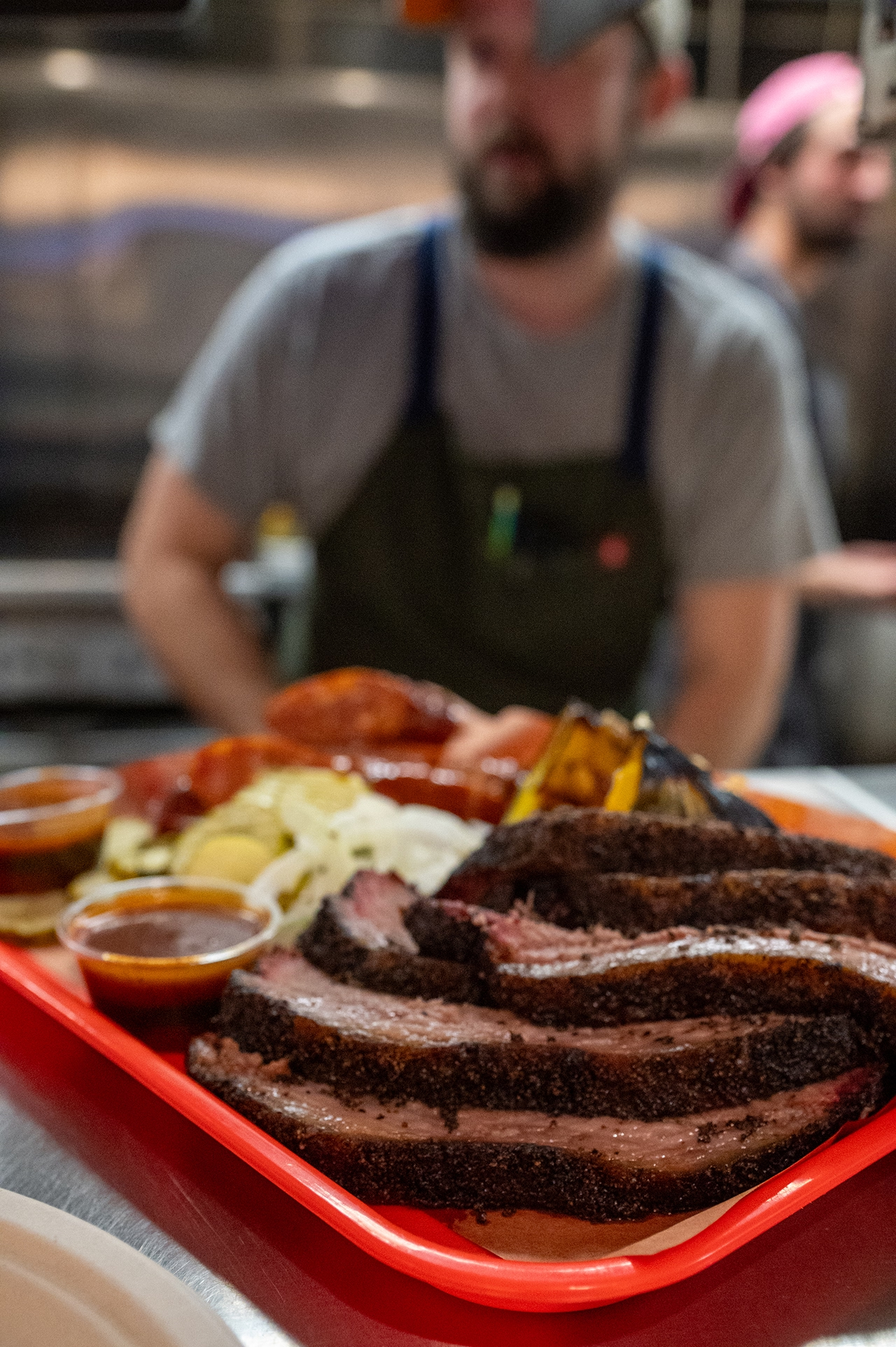
Barbecue is a craft. A ritual. It’s a long game that involves smoke, patience and likely a folding chair. Rooted in region, culture and community, each style of preparation carries its own flavor, technique and friendly rivalries. Call it barbecue, barbeque, BBQ or just ‘cue. It all counts, as long as it’s smoked. Not grilled, not rushed, and definitely not the kind of backyard affair where the smoke comes from lighter fluid and someone’s forgotten the buns. [Photo above courtesy of Flosa’s Barbecue, by Cyr Beckley]

Two main styles dominate the smokers in Central Oregon: the stripped-down steeze of Texas, and the saucy, soul-fed traditions of the South. Sure, sauce always plays a role, but it’s never the whole story. Each style has been honored and reimagined by seasoned pitmasters with something to say, preferably from behind a smoker the size of a small boat.

Flosa's Barbecue
Photo courtesy of Flosa’s Barbecue, by Cyr Beckley

Texas BBQ: Meat, Salt, Smoke, Done

If barbecue had swagger and a pair of cowboy boots, it’d be Texas-style. The approach is bold, straightforward and obsessed with beef—especially brisket. Sliced thick, seasoned with little more than salt and defiance, it’s coaxed over smoke until it yields like butter. Sauce is an afterthought, the meat is meant to hold its own.

That philosophy anchors Flosa’s Barbecue, a roving operation from chef-owners Jordan Grosser and Mark Goodger which treats Central Texas barbecue as a blueprint and a springboard. “We want to be playful all the time,” said Grosser. A permanent home is on the way, but for now, Flosa’s is popping up across Central Oregon with smoke, soul and a few clever surprises. The brisket is textbook perfection, smoked over Oregon oak in a 24-foot Moberg offset smoker until the bark crackles and the inside is so tender a fork feels like overkill. Beef cheeks get a 10-hour smoke-and-bathe treatment in tallow, while pork belly burnt ends are served with a whisper of Szechuan spice. The sweet potato salad isn’t afraid to wander from its picnic-table roots. And the pudding is so satisfying that it earned the nickname “Banana Crack.”

Tucked inside Cross-Eyed Cricket, Hattie’s BBQ keeps things Central Texas pure: smoke in the air, salt on the fingers and meat that barely needs a blade. The team grinds its own sausage, makes its own sauces and rotates fun specials like smoked Loco Moco or adobo ribeye tacos. Prineville’s Renegades BBQ is literally throwing logs on the fire. They use local juniper wood to smoke their meat, turning out brisket, tri-tip and ribs with an unmistakable high desert twang.

Southern BBQ: Low, Slow, Sauce, Soul

Southern barbecue is a patchwork of traditions pulled from porches, pit shacks and Sunday suppers. Pork usually takes the lead, supported by beef, chicken and ribs. If Texas BBQ is the strong, silent type, Southern-style hums a tune while stirring the pot.

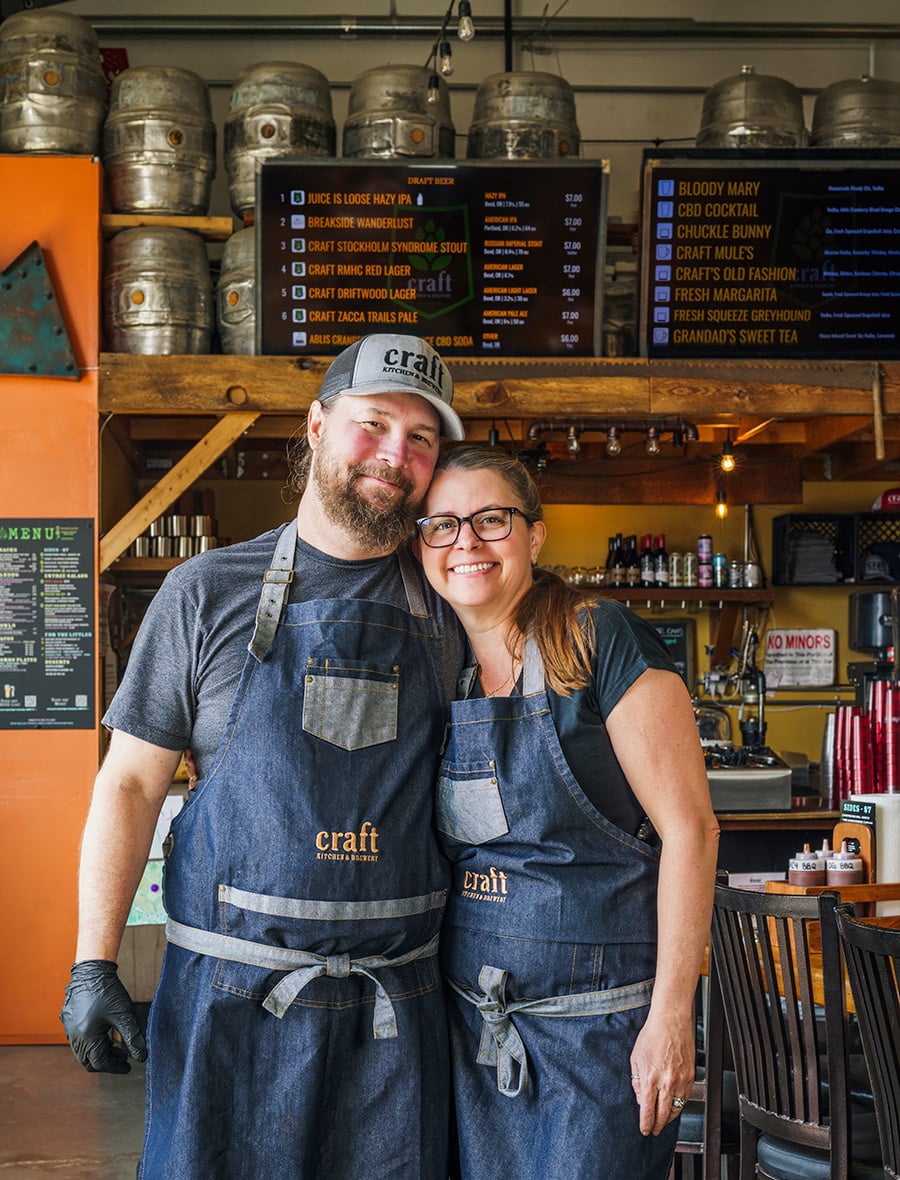
Owners of Craft Kitchen Brewery in Bend Oregon
Photo of the Owners of Craft Kitchen and Brewery, by Tambi Lane

At Craft Kitchen and Brewery, the smoke rises early and stays late. Co-owners Courtney and Mark Stevens built the place piece by piece, fueled by beer and smoke-thick hours. Courtney grew up in Atlanta, where barbecue wasn’t just something you ate, it was something you lived.

“Football, tailgating and barbecue were the holy trinity,” she said. That same spirit is woven through Craft Kitchen’s menu, where standout ingredients do most of the preaching. “Start with the best stuff and let the smoke do its work,” Courtney continued.

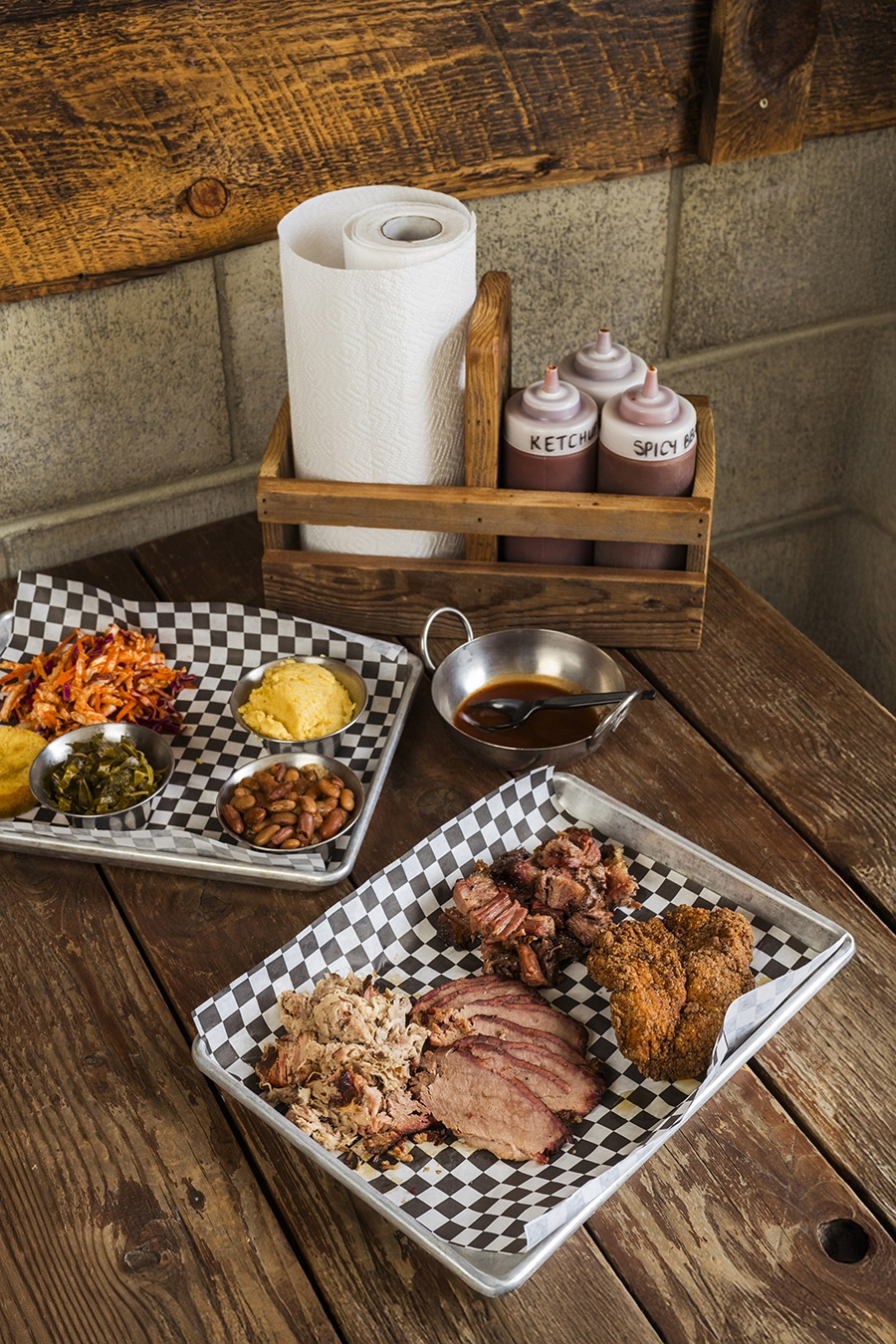
The Southern Pride smoker, packed with orchard wood, hums nearly around the clock. Pulled pork is almost a two-day process. Brisket is seasoned with salt and pepper only. Burnt ends, carved from the crusty, fatty point of the brisket, are fall-apart succulent and gone in the blink of an eye. The vibe leans cozy and communal, with housemade sauces on every table and cold beer, such as Craft’s Driftwood Lager, to complement the ‘cue.

Craft Kitchen and Brewery
Photo of Craft Kitchen and Brewery by Tambi Lane

Baldy’s Barbeque, a longtime local favorite, turns out slow-smoked classics across three locations in Central Oregon. Baby Back Ribs are a fall-off-the-bone specialty, spice rubbed and basted in Baldy’s award-winning sauce. The BBQ Sundae, a layered bowl of mashed potatoes, baked beans, pulled pork, slaw and a drizzle of sauce, is pure comfort food chaos. Curbbq keeps the rules loose, blending barbecue traditions from everywhere worth tasting. Then there’s West Coast BBQ. No strict lanes, just whatever tastes good over smoke. Its brisket grilled cheese is legendary: melted cheese on crunchy sourdough and dipped in a secret-recipe chipotle BBQ sauce.

Barbecue isn’t just a meal. It’s a fire-lit, slow-built, deeply human kind of alchemy. Gone in a few grateful bites and totally worth it. As for picking a side, Texas swagger or saucy Southern soul, let’s just say it’s a delicious problem to have.

New to the BBQ Scene in Bend: Runaround Sue

The creative minds behind Bend’s beloved El Sancho are trading corn tortillas for butcher paper, transforming their former westside taco shop on Galveston Avenue into a permanent sanctuary for smoke and wood. Leaning into the bold, stripped-down steeze of Austin-style Texas barbecue but keeping things playful with a distinct Tex-Mex flair, Runaround Sue is all about the late-night ritual. They feed their top-tier smokers well past midnight, coaxing meats over wood until they hit absolute perfection. The result is textbook brisket that melts like butter, smoky hot links with a serious snap, and a lineup of house-made sides that aren’t afraid to break from tradition. Paired with local draft beers, cold cocktails, and a sun-soaked outdoor patio, this newcomer brings plenty of swagger and deep culinary roots to the Westside. It’s proof that in Bend, the ‘cue scene just keeps getting bigger, bolder, and completely worth the wait. Learn more about Runaround Sue and see their menu here.

When and Where to Fish the Salmonfly Hatch on the Deschutes River

The salmonfly hatch on the Deschutes River is considered the Masters Week of fly fishing. For anglers, it marks a kind of season opener and creates one of the best chances to catch a prized wild redband rainbow trout.

The key is timing. While the hatch can last for weeks overall, a single section of river may peak for only three to five days.

What Is the Salmonfly Hatch?

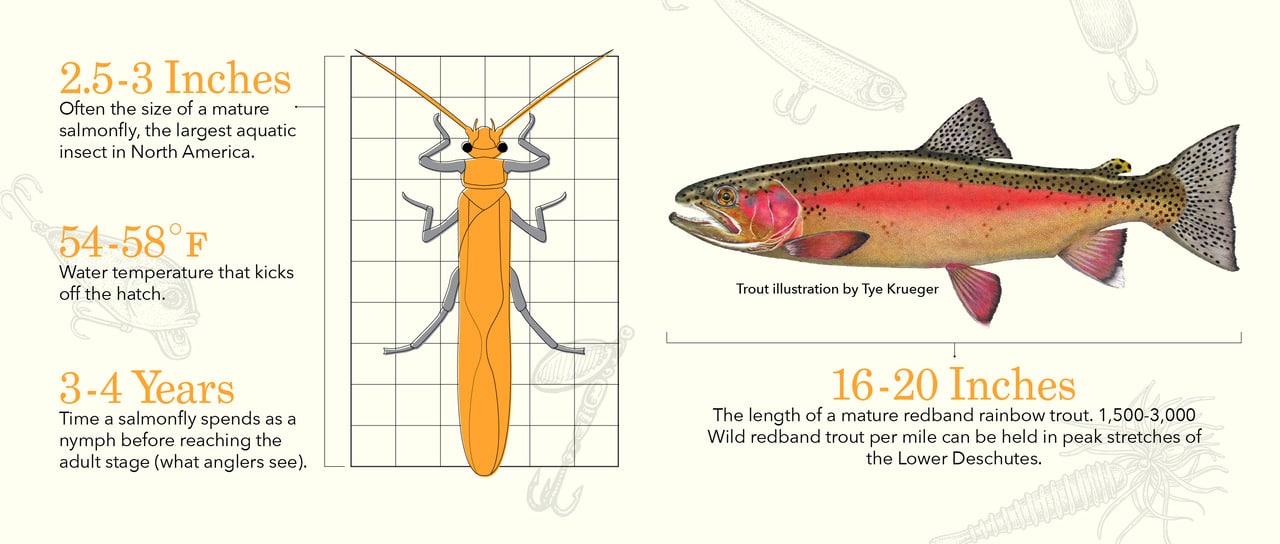
Salmonflies are among the largest aquatic insects in North America, often reaching 2.5 to 3 inches as mature adults.

Before anglers see them on shore, salmonflies spend three to four years as nymphs. When water temperatures reach the right range, the hatch begins—and trout start looking toward the banks.

The Key Number to Watch

The hatch is typically triggered when river temperatures reach 54 to 58 degrees Fahrenheit.

That temperature window matters more than a date on the calendar. Warm weather can accelerate the hatch, while cooler water from Pelton Dam releases can delay it.

Where the Hatch Moves

The salmonfly hatch usually starts downstream and pushes upriver about 2 to 5 miles per day. Use timing to pick your zone, not habit.

Early Hatch: Warm Springs

This is where anglers often start watching first as the hatch begins moving through the Lower Deschutes.

Mid-Hatch: Maupin

Maupin can be a strong mid-hatch zone as the activity progresses upriver.

Late Hatch: Trout Creek and Upstream Sections

As the hatch advances, Trout Creek and upstream sections come into play later in the cycle.

Salmonfly Hatch infographic

How to Time Your Trip

Instead of picking a weekend months in advance, watch the river closely.

What to watch

  • Water temperature: Look for the 54–58°F trigger range.
  • Weather trends: Warm spells can speed up the hatch.
  • Pelton Dam releases: Cooler water can delay hatch timing.
  • Local fly shops: Call or stop in, because online reports often lag behind what is happening on the river.

How to Fish It

Don’t fish too far out. Salmonflies hatch on shore, which means trout are often keyed in closer to the banks. The best water may not be across the river—it may be right in front of you.

Why Anglers Care

Peak stretches of the Lower Deschutes can hold 1,500 to 3,000 wild redband rainbow trout per mile. A mature redband rainbow trout can reach 16 to 20 inches, making the salmonfly hatch one of the most anticipated windows of the fly-fishing season.

Learn more fly fishing tips and tricks from Central Oregon’s top guides. | Fishing Near Bend: Rivers, Seasons and Where to Go

Flux Thermal Lounge Brings a New Hydrothermal Wellness Experience to Bend

Some days call for a reset. Maybe you have had back-to-back meetings, too much screen time, sore legs from training, or simply the kind of day that leaves you wanting to exhale. Flux Thermal Lounge offers a place to do exactly that—with hot soaking pools, cold plunges and a screen-free space built for slowing down. 

The concept is simple. Move between hot and cold water at your own pace. No timers. No rigid protocol. No pressure to optimize every minute. 

Owner Dini Vemuri said Flux was inspired by the feeling many people know well: stepping into warm water after a long day, then feeling reawakened by a plunge into something cold. 

“Flux is inspired by nature,” Vemuri said. “It’s rooted in the experience of natural hot springs and cold alpine lakes.” 

Why Hot and Cold Keeps Gaining Traction 

Contrast therapy—alternating between hot and cold exposure—has become a popular tool for everyone from endurance athletes to busy professionals looking to unwind. 

Warm water not only gives you the feeling of weightlessness, but immersion also supports circulation, eases muscle soreness and supports a much deeper relaxation. Cold water exposure has been linked to improved alertness, mood and post-exercise recovery. Together, the shift between temperatures can leave people feeling both calm and energized.

At Flux, that science is paired with accessibility. Guests do not need to be seasoned plungers or wellness devotees to participate. 

“Our social lounge is at about 55 degrees, which is an approachable cold plunge temperature,” Vemuri said. “Then our private lounges offer colder options for people who want more challenge.” 

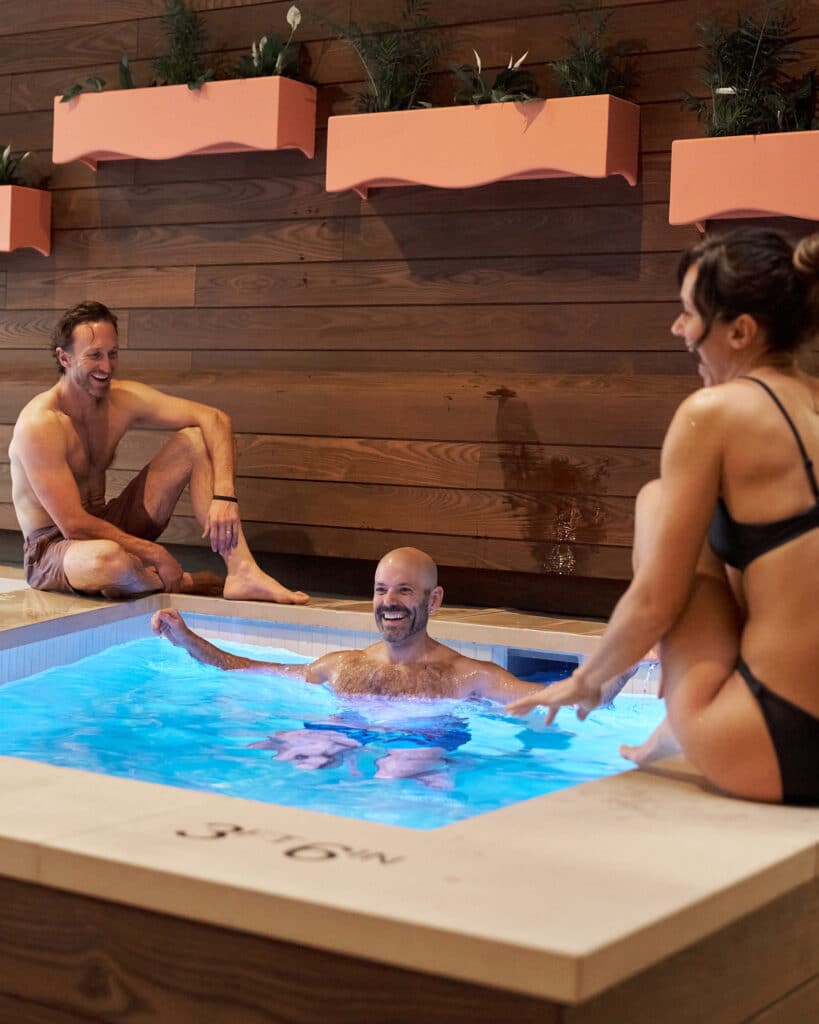
Flux Thermal Lounge was designed as a communal space where guests can relax solo or gather with friends. (Photo by Flux Thermal Lounge)

A Social Space for Recovery 

What sets Flux apart from other recovery concepts is that it is designed to be communal. 

There is a large social lounge with a shared hot tub and plunge pools, plus private lounges for smaller groups. Members receive special access to those private spaces. The entire facility is co-ed and fully ADA accessible. 

It’s closer to a modern bathhouse than a structured recovery circuit. 

That community-first approach reflects Bend itself, where wellness often happens casually, socially and without much fuss. 

“We think recovery is better when well-being is well-rounded, both mental and physical,” said Vemuri. 

What First-Timers Can Expect 

New guests are greeted by staff, given a tour of the space, handed towels and flip-flops, and guided to the lockers and showers before starting their session. From there, the flow is personal: begin in the hot pool, start cold or simply ease into the experience by starting with one or the other. 

There are no clocks on the walls and no phones allowed in the soaking areas. Instead, the goal is to unplug, listen to your body and leave feeling better than when you arrived. 

Reservations are recommended, especially during busy times, though walk-ins are welcome when space allows. Membership options are available for locals who want to make soaking a part of a regular wellness routine.

For a town that values balance, Flux is offering one more way to recharge.

Learn more about Flux Thermal Lounge by visiting them online at flux-lounge.com.

Return of the Cascade Cycling Classic Criterium

What to Know

Mark your calendars, cycling fans! The iconic Cascade Cycling Classic Criterium returns to Bend on June 21, 2026! This classic bicycle race provides a front-row seat to racing with support from community volunteers and the Horner Cycling Foundation. Get ready for a day of exhilarating crit racing for all ages and skill levels, all while supporting the development of junior road cycling in Central Oregon. Don’t miss out on this fantastic event! Keep reading below to learn more.

Event: Cascade Cycling Classic Criterium
Date: June 21, 2026
Location: Downtown Bend
Course: A .7-mile loop using Wall, Bond, Oregon, Minnesota, Lava and Franklin streets
Race types: Junior, masters, professional and community races
Extras: One-mile run and kiddie bike race
Beneficiary: Horner Cycling Foundation’s youth cycling mission

What is Exciting about the Criterium in Bend

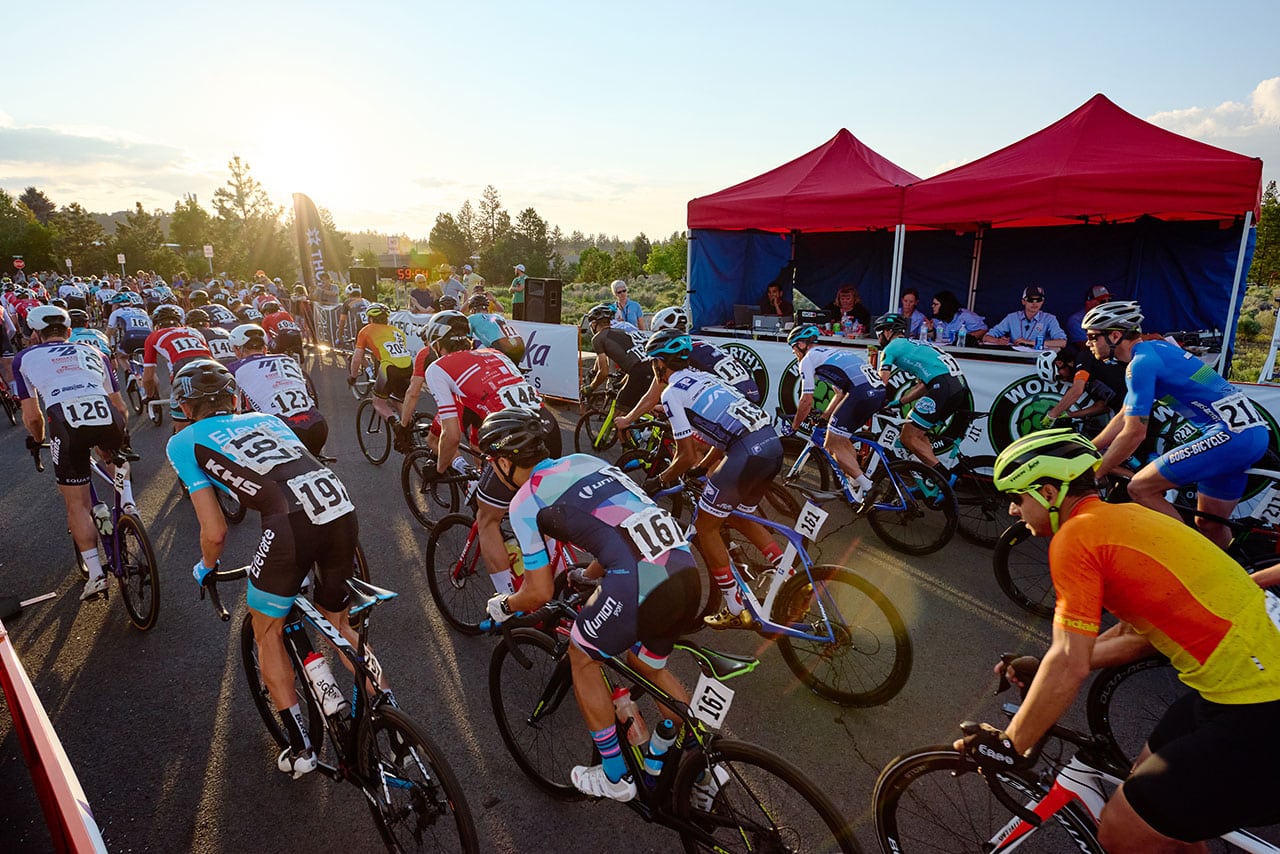
The crowd gathered early, anticipation building as they stood three rows deep to watch for the first cyclists to round the corner. An announcer called out the names of those leading the peloton as they streaked past in a blur of colors. Cheers of encouragement mingled with clanging bells as the athletes vanished for another circuit. Fans look forward to the excitement each year as the fast-paced Cascade Cycling Classic’s Criterium returns to downtown Bend.

Cyclers taking off in a sprint
Photo by Joe Kline

A Historic Race, Reimagined for Today

Started by former professional riders and Bend residents Megan and Chris Horner, the Horner Cycling Foundation has resurrected the most popular stage of the Cascade Cycling Classic. Spanning from the late 1970s to 2019, the event was one of the longest-running stage races in North America, drawing both professional and amateur cyclists to sprint across the scenic roads and streets of Central Oregon for multiple races across successive days. The foundation opted to condense the race from five days to a more manageable single-day race, also known as a criterium.

Why the Race Changed

Molly Cogswell-Kelley, race director and executive director of the Horner Cycling Foundation, explained that the multiday stage race had reached its natural conclusion before the pandemic hit. Additionally, Bend’s rapid growth posed logistical challenges for a summer race, contending with factors such as peak tourism season, ongoing road construction and the ever-present threat of wildfires.

“Bike racing has always been a big part of summers in Bend, especially with the Cascade Classic,” said Megan. “In recent years, bike racing has been missing in Bend, and I think Bend has been missing bike racing.”

“Being able to bring back at least one great stage of the Cascade Classic feels like a huge step.” She added that the criterium was a personal favorite of both hers and Chris’s from their racing days. “We can’t wait to be there when the racing kicks off again.”

The Horners Behind the Return

Chris Horner rode professionally between 1996 and 2019, winning the Tour of Spain in 2013. He also competed in the Tour de France seven times and in the 2012 Summer Olympics in London. He has been a Tour de France commentator for NBC Sports and on his YouTube channel, The Butterfly Effect. Megan spent a decade bike racing in the U.S. and internationally. A former U.S. National Road Racing champion, she has been practicing law since 2011 and is the managing partner of Horner Law, LLP.

The mission of the Horner Foundation is to develop youth cycling in Central Oregon, create opportunities for kids to ride and race bikes, as well as develop a junior road cycling team that is both inclusive and socioeconomically accessible. With a focus on skill development and team building, the Horners hope to foster a life-long love of cycling.

Who Is Racing

The criterium includes multiple racing categories for a range of ages and skill levels.

Race categories include:

  • Junior athletes
  • Masters racers
  • Professional men
  • Professional women
  • Community participants

The event will also serve as the Oregon Bicycle Racing Association’s Criterium State Championship for juniors, ages 10 to 17, and masters, ages 40 and up.

The Professional Cycling Races Downtown Bend

For the professionals, the day culminates with the much-anticipated men’s and women’s races. Riders will race as many laps as possible in a set time; race officials signify the last lap by ringing a loud bell. 

This year’s course still runs along downtown Bend’s two major streets, Wall and Bond. Organizers have also added segments on Oregon, Minnesota, Lava and Franklin streets, creating a .7-mile loop with more turns.

“The course from 2017 was a bit boring, so we added more turns which helps prevent bunching in the field,” Cogswell-Kelley said.

She said riders with strong technique will excel on the new course, especially in the elite races.

Why Spectators Should Go

The criterium is built for watching. Unlike longer road races, this downtown loop brings riders past spectators again and again, making it easy to follow the action even without deep cycling knowledge.

“People who remember the thrilling event know you don’t need to know anything about cycling to get the energy and rush of the event,” Cogswell-Kelley said. “You can’t describe the feeling when the peloton is going by at more than 40 miles per hour.”

Bikers passing by in Cascade Classic
Bikers passing by in Cascade Classic | Joe Kline

The Bigger Mission

The Horner Cycling Foundation’s mission is to develop youth cycling in Central Oregon. The foundation works to create opportunities for kids to ride and race bikes, while building an inclusive and socioeconomically accessible junior road cycling team. Through skill development and team building, the Horners hope to foster a lifelong love of cycling.


Published July 2024

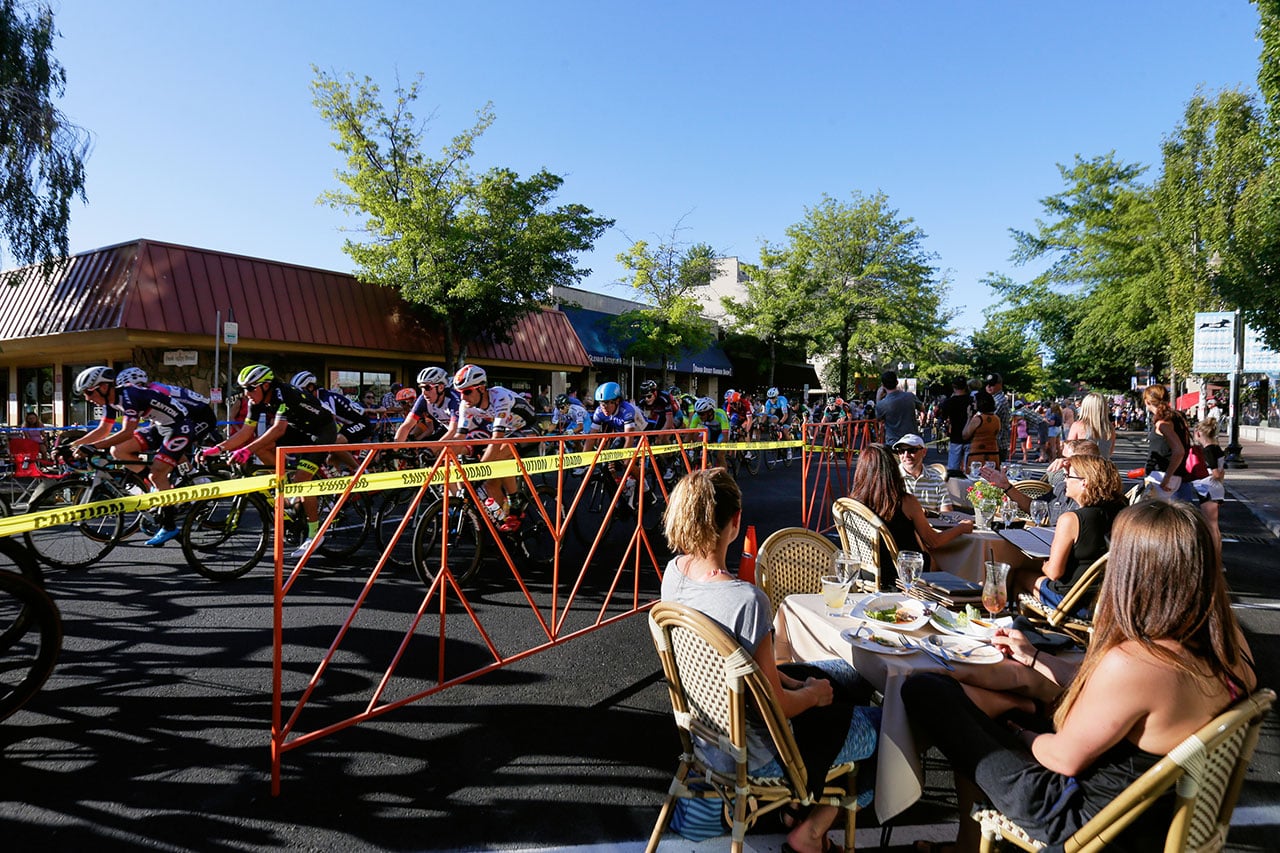
The crowd gathered early, anticipation building as they stood three rows deep to watch for the first cyclists to round the corner. An announcer called out the names of those leading the peloton as they streaked past in a blur of colors. Cheers of encouragement mingled with clanging bells as the athletes vanished for another circuit. Fans look forward to the excitement each year as the fast-paced Cascade Cycling Classic’s Criterium returns to downtown Bend.

Community watching the Cascade Classic and enjoying a meal outside
Photo Joe Kline

Started by former professional riders and Bend residents Megan and Chris Horner, the Horner Cycling Foundation has resurrected the most popular stage of the Cascade Cycling Classic. Spanning from the late 1970s to 2019, the event was one of the longest-running stage races in North America, drawing both professional and amateur cyclists to sprint across the scenic roads and streets of Central Oregon for multiple races across successive days. The foundation opted to condense the race from five days to a more manageable single-day race, also known as a criterium.

Ron Hayman, Gavin Chilcott and Tom Schuler, circa 1987. | Photo courtesy of Bob Woodward

Molly Cogswell-Kelley, race director and executive director of the Horner Cycling Foundation, explained that the multiday stage race had reached its natural conclusion before the pandemic hit. Additionally, Bend’s rapid growth posed logistical challenges for a summer race, contending with factors such as peak tourism season, ongoing road construction and the ever-present threat of wildfires.

“Bike racing has always been a big part of summers in Bend, especially with the Cascade Classic,” said Megan.

“In recent years, bike racing has been missing in Bend, and I think Bend has been missing bike racing.”

“Being able to bring back at least one great stage of the Cascade Classic feels like a huge step.” She added that the criterium was a personal favorite of both hers and Chris’s from their racing days. “We can’t wait to be there when the racing kicks off again.”

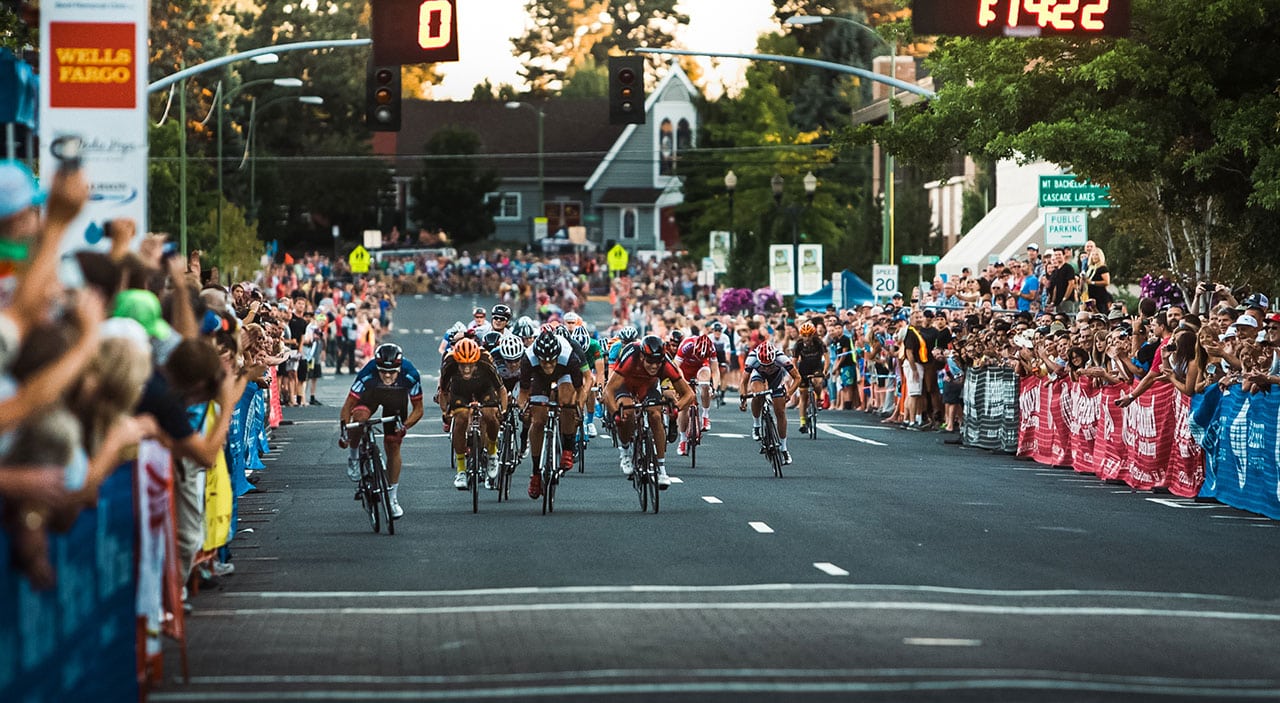
Cyclists sprinting for finish line.
Photo Whit Bazemore

Chris rode professionally between 1996 and 2019, winning the Tour of Spain in 2013. He also competed in the Tour de France seven times and in the 2012 Summer Olympics in London. He has been a Tour de France commentator for NBC Sports and on his YouTube channel, The Butterfly Effect. Megan spent a decade bike racing in the U.S. and internationally. A former U.S. National Road Racing champion, she has been practicing law since 2011 and is the managing partner of Horner Law, LLP.

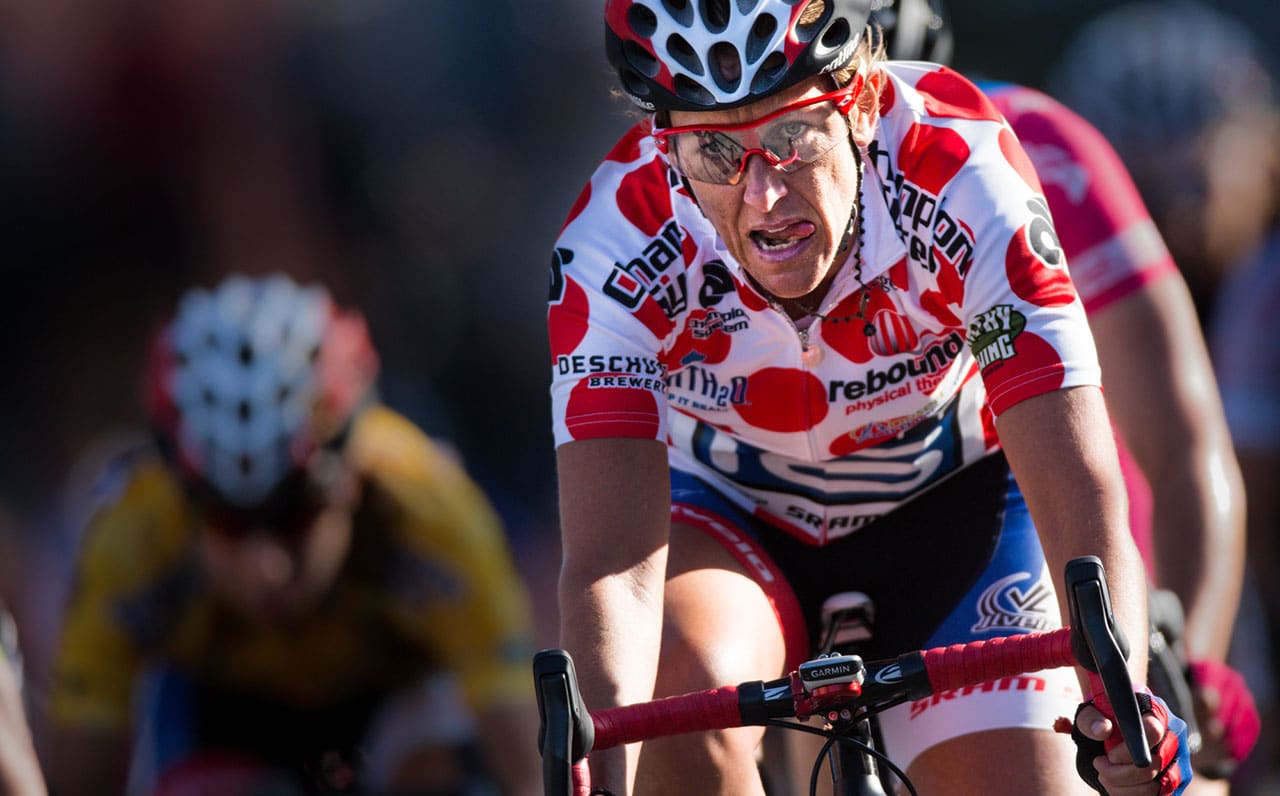
Cyclist working hard in Cascade Classic
Photo by Whit Bazemore

The mission of the Horner Foundation is to develop youth cycling in Central Oregon, create opportunities for kids to ride and race bikes, as well as develop a junior road cycling team that is both inclusive and socioeconomically accessible. With a focus on skill development and team building, the Horners hope to foster a life-long love of cycling.

The criterium offers multiple racing categories, from junior athletes to professionals. The event will serve as the Oregon Bicycle Racing Association’s Criterium State Championship for juniors (ages 10 to 17) and masters (ages 40 and up). Bonuses include a one-mile run and a kiddie bike race.

For the professionals, the day culminates with the much-anticipated men’s and women’s races. Riders will race as many laps as possible in a set time; race officials signify the last lap by ringing a loud bell. This year’s course still runs along downtown’s two major streets–Wall and Bond, but organizers added segments on Oregon, Minnesota, Lava and Franklin streets, making it a .7-mile loop.

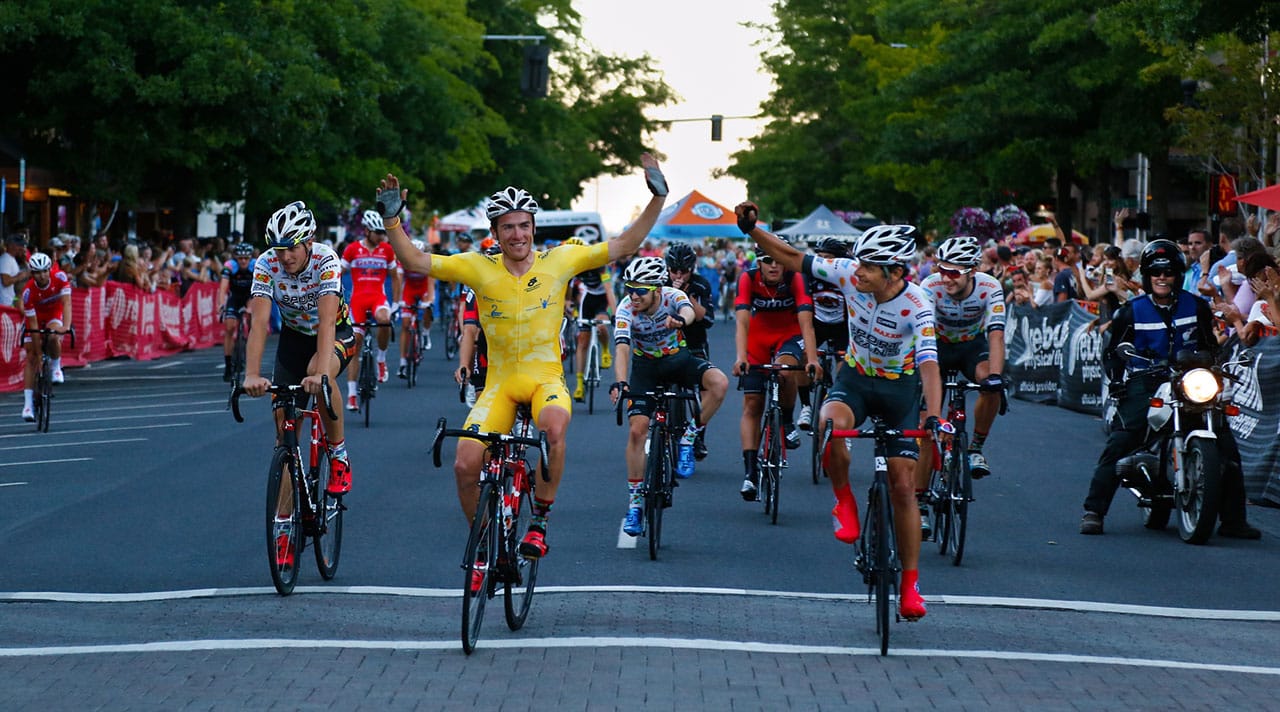
Cascade Classic winner over the finish line
Photo Whit Bazemore
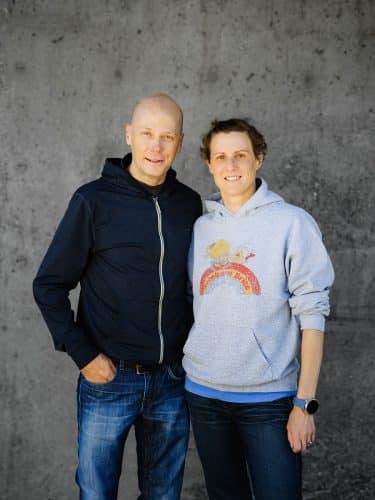
Chris and Megan Horner
Chris and Megan Horner | Photo by Ely Roberts

“The course from 2017 was a bit boring, so we added more turns which helps prevent bunching in the field,” Cogswell-Kelley said. She noted that riders with good technique will excel on the new course, and spectators will have lots of opportunities to see their skills showcased, especially in the elite races.

“People who remember the thrilling event know you don’t need to know anything about cycling to get the energy and rush of the event,” said Cogswell-Kelley. “You can’t describe the feeling when the peloton is going by at more than 40 miles per hour.”

Family Adventures on the Water in Bend

With dozens of lakes and miles of river to explore, Bend has endless adventures on the water that families can enjoy together. In town, families can spend an afternoon floating the Deschutes River or paddling around the Old Mill District. For a bigger adventure, head up Cascades Lakes Highway to one of Bend’s many alpine lakes where you can kayak, canoe and paddleboard all summer long. Businesses in town will rent gear for the hour or the day, and some also provide lessons and excursions that families can enjoy together.

Standup Paddleboarding (SUP)

Standup paddleboarding is more than a passing fad. Easy to learn and fun for families on Bend’s lakes and rivers, paddleboarding is quickly becoming one of the most popular summer activities in the region. The hardest part about paddleboarding is finding (and keeping) your balance, but it doesn’t take long to get the hang of it. In the Old Mill District, Tumalo Creek Kayak and Canoe has paddleboarding lessons for anyone 16 and older. The classes cover basic paddleboarding techniques and safety. Once you’ve honed your skills, you can paddle up and down the calm water like a pro, or take a paddleboard up to a lake for a day.

Tumalo Creek Kayak & Canoe | 541-317-9407
Bend Kayak School | 541-241-6263
Stand on Liquid | 541-639-4596

Whitewater Rafting

Take your river floating to the next level with a rafting trip on the upper Deschutes River. In Bend, Sun Country Tours and Ouzel Outfitters have half-day and all-day trips where families can pick up a paddle and experience some of the West’s best whitewater that the river is known for, including Big Eddy, a series of Class III rapids that never fails to be fun.

Sun Country Tours | 541-382-1709
Ouzel Outfitters | 800-788-7238

Kayaking

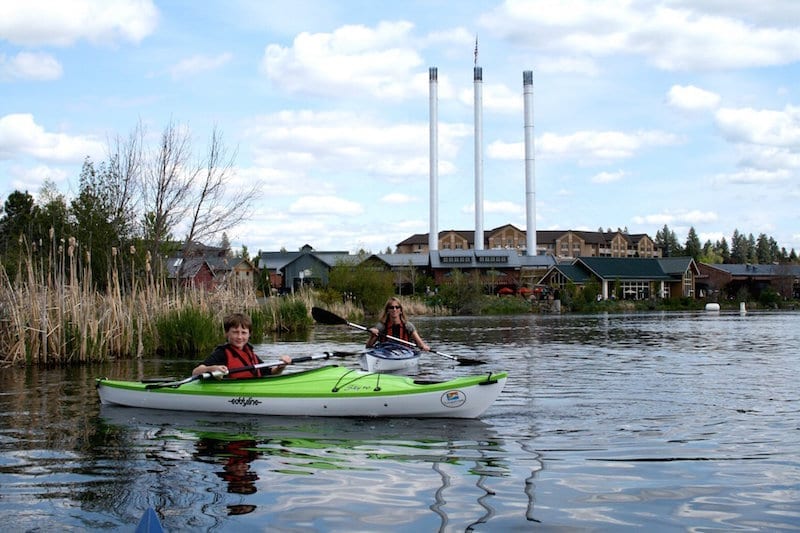
Family kayaking adventure on the Deschutes River in Bend's Old Mill District.
Photo courtesy of Tumalo Creek Kayak & Canoe

Drive around Bend, and you’re bound to see plenty of kayaks stacked on the roofs of cars. In Bend, kayaking is a popular sport because almost anyone can do it. If you’re new to kayaking or want to practice your skills with your family before heading out on your own, both Tumalo Creek and Kayak and Wanderlust Tours provide kayaking and canoeing tours that can be custom made for your family. The tours are guided by outdoor experts, and all gear and transportation is provided.

Wanderlust Tours | 541-389-8359
Tumalo Creek | 541-317-9407

Floating the Deschutes River

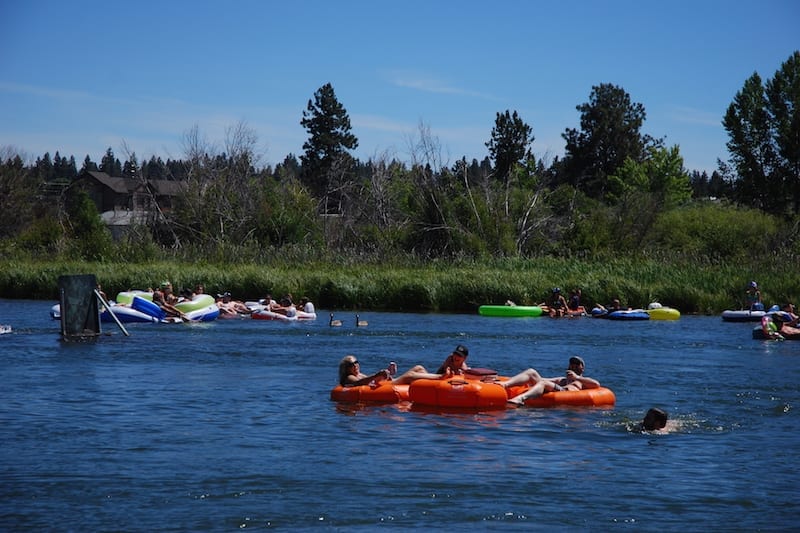
Families floating the Deschutes RIver in Bend, Oregon.
Photo courtesy of Tumalo Creek Kayak & Canoe.

One of the best summer activities in Bend is spending an afternoon floating down the Deschutes River through town. The float begins at Riverbend Park in the Old Mill District and ends at Drake Park downtown. Midway through the float you will have to make a decision to exit or ride the rapids at the Whitewater Park. The rapids are a fun adventure, but Bend Park & Recreation District doesn’t recommended the route for young children or poor swimmers. A shuttle is available from the end of June through the beginning of September and costs $3 per person for the day. The shuttle stops at Riverbend Park, McKay Park and Drake Park. For the shuttle schedule, visit Cascade East Transit Ride the River webpage. While most people opt to bring their own river tubes, quality tubes are available for rent at Farewell Bend Park on the west side of the river near the park district administration building. Nearby Tumalo Creek and Kayak also offers rentals, allowing river goers to essentially float away from the shop, thanks to Tumalo’s riverfront location.

Bend Park & Recreation | 541-389-7665
Tumalo Creek | 541-317-9407

Soul of Central Oregon

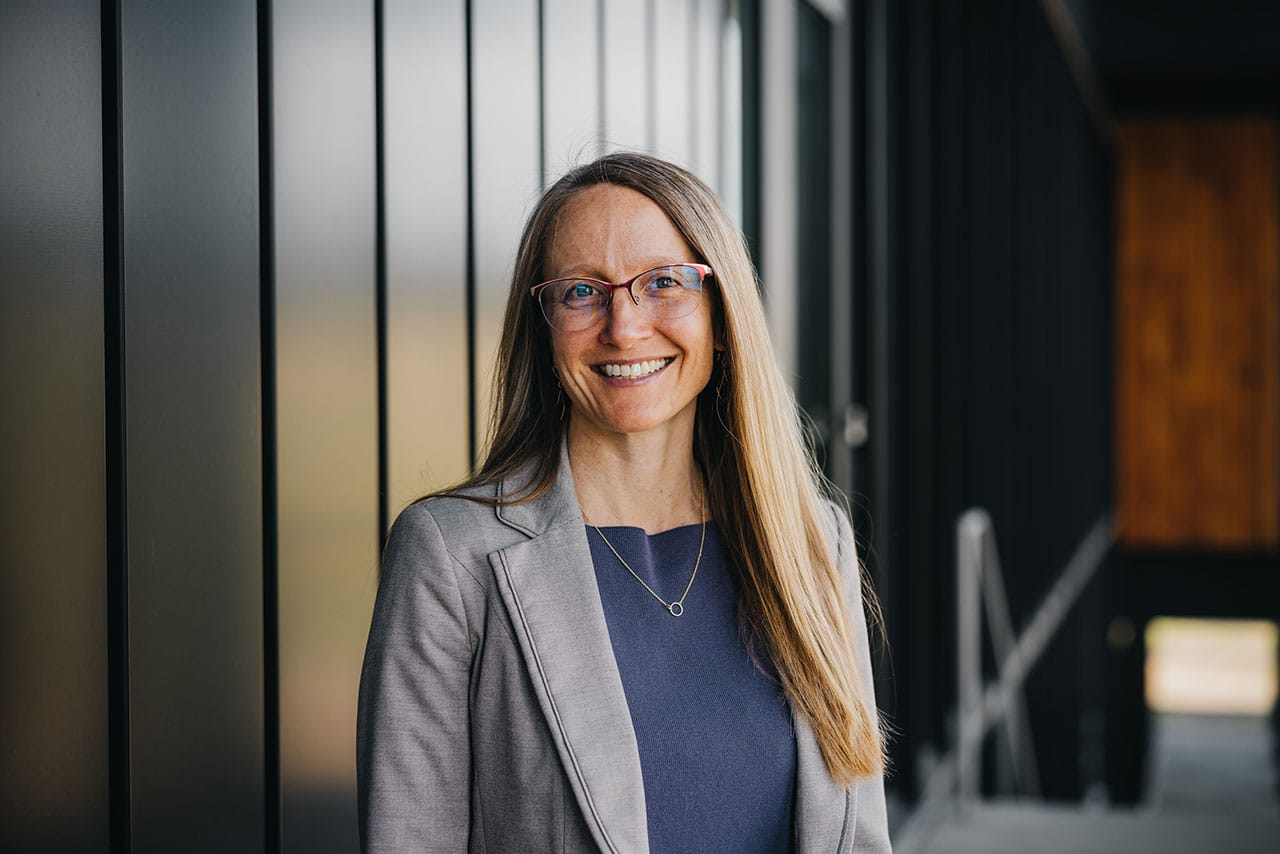
Shannon Lipscomb

Researcher + Children’s Advocate

Driven by community impact, Oregon State University–Cascades developmental scientist Shannon Lipscomb is helping advance how Central Oregon supports children and families facing adversity. As associate dean of research and faculty advancement and professor of human development and family sciences, Lipscomb leads nationally funded work focused on resilience, early learning and trauma-informed practice. Her projects include Roots of Resilience—a program funded by the Institute of Education Sciences, now scaling statewide—as well as studies supported by the National Institutes of Health that examine children’s health, school readiness and environmental exposures. Through OSU-Cascades’ Human Thrive Research Lab and community-engaged projects, her work reflects a deep commitment to equity, early intervention and helping Central Oregon’s children, educators and communities thrive.

shannon lipscomb

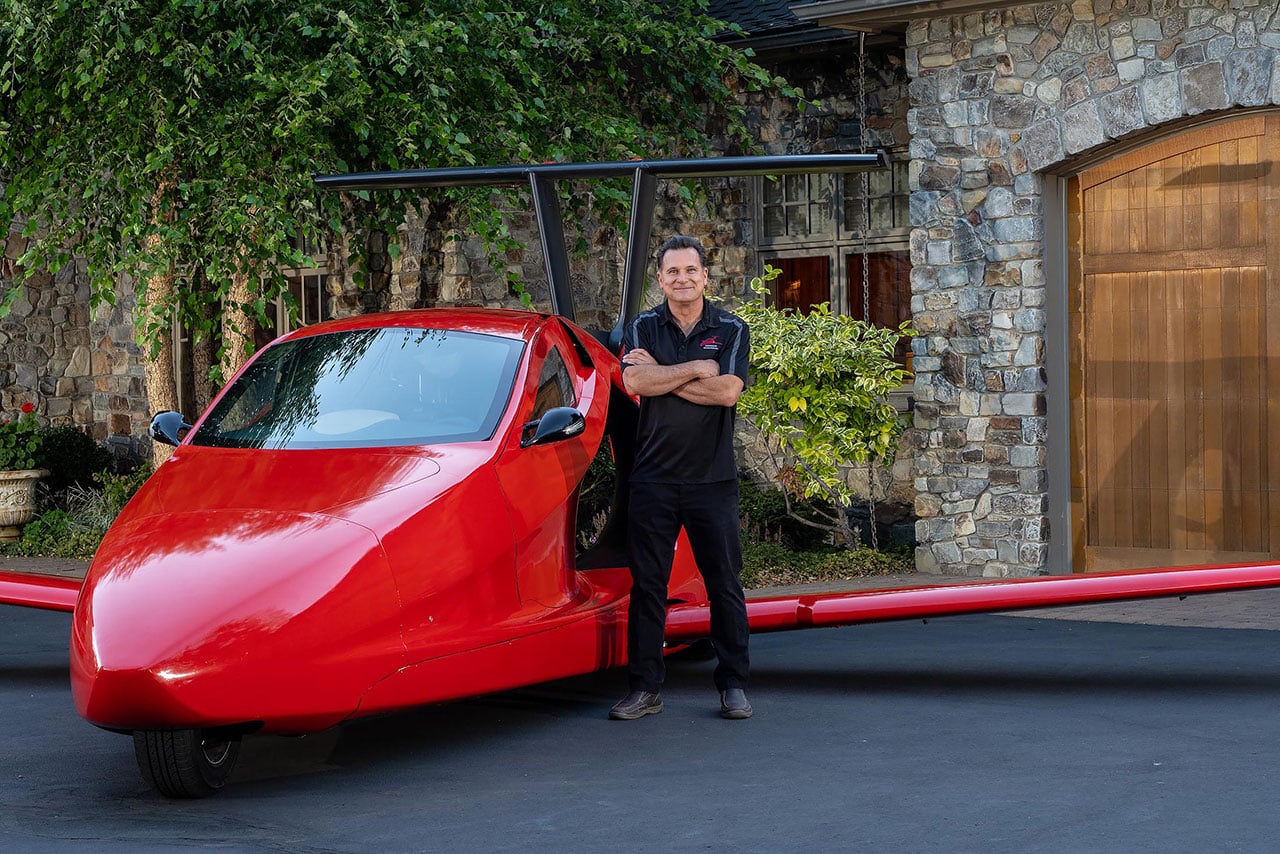
Sam Bousfield

Innovator + Entrepreneur

A lifelong innovator, Sam Bousfield—a Prineville-based aerospace entrepreneur—has spent decades turning cutting-edge ideas into real-world solutions. As the designer and CEO behind the Samson Switchblade flying car, his work is reshaping how we think about regional travel, blending sports-car performance with certified flight in a vehicle that fits in a standard garage. In December 2025, that vision earned national recognition when he received the GSA Global Innovator Award and a U.S. Congressional Medallion at a Capitol Hill ceremony, honoring what lawmakers recognized as the only viable flying car ever produced. Ideas that took flight in Central Oregon are now being brought to a global audience by Bousfield and his company, Samson Sky.

sam bousfield

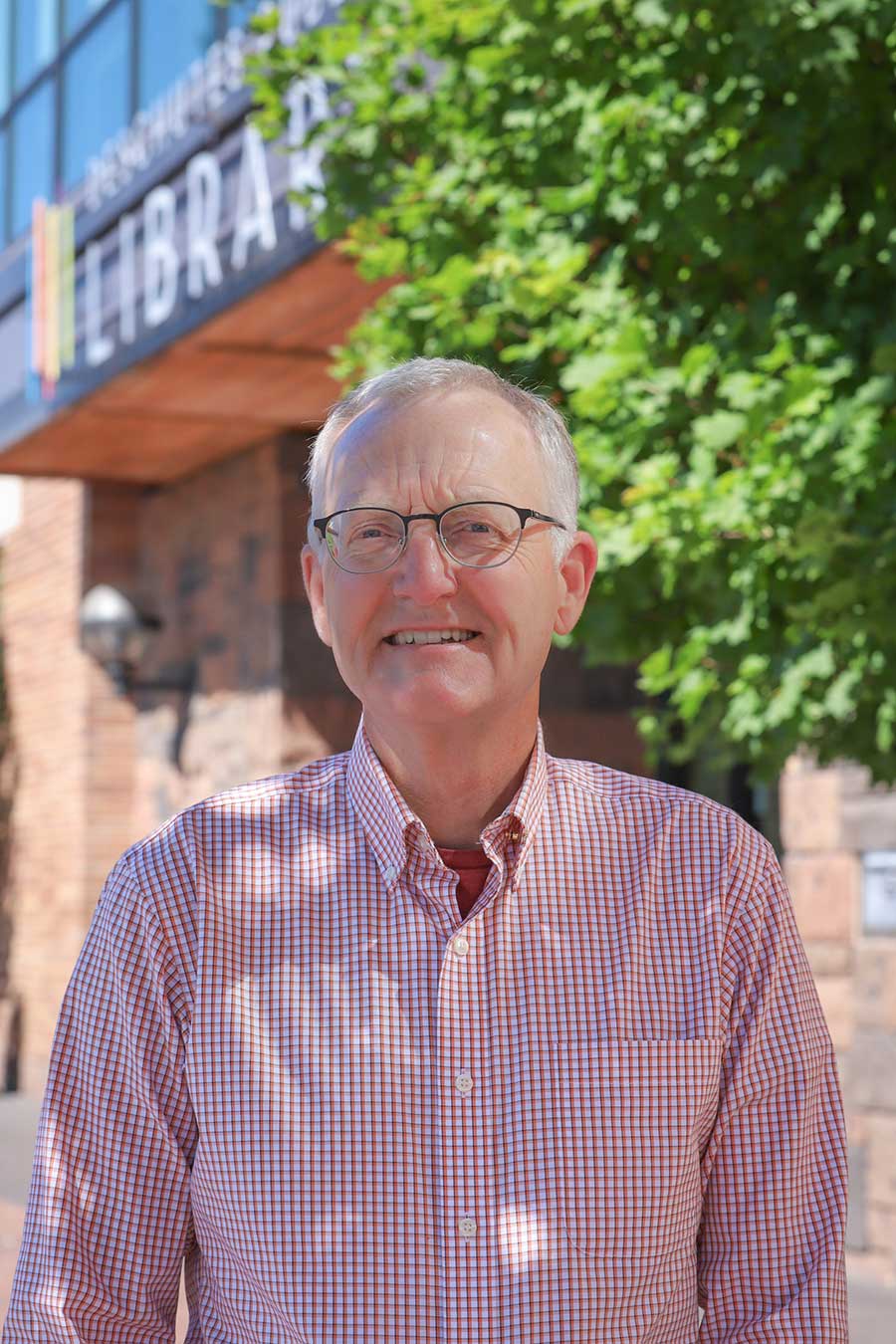
Todd Dunkelberg

Leader + Librarian

A champion for the Central Oregon community, Todd Dunkelberg has shaped how Central Oregonians connect to knowledge and one another. Dedicating 26 years to the Deschutes Public Library system—including more than 16 as library director—his leadership has guided the district through the Great Recession, a global pandemic and major bond-funded expansions, with a focus on keeping libraries open, welcoming and staffed. Beginning his career as a children’s librarian, he brought a deep respect for learning at every age to his work after moving to Central Oregon in 1999. As he prepares to retire in fall 2026, Dunkelberg is helping usher in a landmark moment—the opening of the new 100,000-square-foot Central Library at Stevens Ranch in May. Bright, energy-independent and community-centered, the space reflects the Deschutes Public Library’s enduring vision and the commitment to Central Oregon.

todd dunkelberg

0
    Your Cart
    Your cart is emptyReturn to Shop