As summer approaches, the wilderness around Bend is brimming with hikers eager to summit buttes and mountain peaks clear of winter snow. But why not take a road trip to explore an equally spectacular landscape with lesser-traversed paths and leave some of the crowds behind? Nestled in the Malheur National Forest of Eastern Oregon is one such place—a glacier-carved valley seeming to rise out of nowhere from the surrounding sage brush hills. This postcard-perfect alpine region is known as the Strawberry Mountain Wilderness, named by homesteader Nathan Willis Fisk—one of Oregon’s earliest pioneers—from his simple observation of an abundance of wild strawberries found there.” [Photo by Garrett & Nina, Oregonisforadventure.com]
To access the Strawberry Mountain Wilderness, hikers starting from Bend drive roughly three-and-a-half hours to the parking area at Strawberry Campground. The sojourner is welcomed with stunning views and more than 100 miles of trails showcasing waterfalls, craggy peaks, spring-fed meadows and seven alpine lakes. The appeal of the Strawberry Mountains is perhaps their ability to simultaneously humble and awe visitors with both a grandeur and quiet nature. The landscape here seems more akin to the Canadian Rockies than the Cascade’s high desert peaks—an unexpected delight in what feels like Oregon’s forgotten backcountry.
Strawberry Lake | Photo by Troy McMullin
This wilderness is also a haven for wildlife and wildflowers. California bighorn sheep and mountain goats are frequent visitors on the andesite cliff outcroppings. In early summer, the mountain basins bloom with colorful explosions of a variety of wildflower species. Throughout the hillside meadows, paintbrush, lupine and monkeyflower mingle and dance to create a colorful symphony of bright pinks, deep purples and striking yellows.
Fortunately, Fisk’s namesake observations still hold true as spring-fed meadows feed the fields and ripe huckleberries and strawberries dot the trails in late summer, offering the hiker plenty of sweet trailside treats. The region is also a backpacker’s paradise, offering an ideal setting for a two- or three-day loop to take in one of the few less-touched areas of majestic wilderness east of the Cascade Range.
Here are three hikes that feature some of the most scenic portions of the Strawberry Mountains, all starting from Strawberry Campground. Choose a beginner’s loop, or level up to the Summit.
Strawberry Lake Loop
If a shorter hike is at the top of the list, the trek around Strawberry Lake provides a perfect introduction to the splendor of the area. The trail picks up at the Strawberry Basin Trailhead in the campground day-use parking lot. It begins with a gradual ascent through a thick fir forest before opening up to a dramatic view of glistening Strawberry Lake. The 4-mile loop follows the shoreline before connecting back to the trailhead and gives ample shaded inlets to take in the valley’s breeze, cast your line or enjoy a tranquil picnic lunch. At around the 1.5-mile marker, turn right to take the lesser-traveled path and enjoy the stillness of the lake’s western shores on the return.
Distance: 4-mile loop | Difficulty: Easy | Dog and family friendly
Strawberry Falls | Photo by Christian Murillo
Strawberry Falls and Little Strawberry Lake
At the head of Strawberry Lake is a large grassy meadow and a series of bubbling stream crossings. Look for the sign to the falls branching off to the right and begin the climb. In roughly a mile, feel the mist from 60-foot Strawberry Falls—a welcome treat on a hot summer day. Continue on a long switchback toward the footbridge that traverses the top of the falls. The next fork heads uphill toward the Little Strawberry Lake basin. The babbling Strawberry Creek will follow the trail through the next half-mile section of ponderosa pine forest as glistening Little Strawberry Lake comes into view. Keep watch for mountain goats on the towering cliffs here. There are several secluded sites in which to pitch a tent for overnighting, or head back the same way you came, turning right to explore the other side of the shoreline back toward the falls.
Distance: 6.5 miles out and back | Difficulty: Moderate, but with some challenging sections | Dog and older kid-friendly
Strawberry Mountain | Photo by Christian Murillo
Strawberry Mountain Summit
This trail gains more than 3,000 feet of elevation, so prepare accordingly. At the Strawberry Basin/Little Strawberry Lake Trail Junction is the optional (but recommended) side trip to Little Strawberry Lake, which adds about a mile. From here, the Strawberry Basin trail continues and offers a bird’s-eye view of Strawberry Lake as a kaleidoscope of wildflower meadows come to life. Keep an eye out for the remains of an old cabin, and across the valley to the east, catch a glimpse of Rabbit Ears, a rock formation jutting out of the rocks on the ridgeline. The trail eventually opens up to a drier, more rugged and exposed landscape. Keep right and expect some scree field scrambling here, reminiscent of South Sister’s summit trail (the “one step forward, two steps back” kind). The last 300 feet of the ascent is a series of switchbacks toward the summit’s reward: arguably the best panoramic views of the John Day River valley, the Blue Mountains and the vast Strawberry Mountain Wilderness below. Return the same way for the most scenic descent.
Distance: 13 miles (with optional side trip to Little Strawberry Lake) | Difficulty: Hard | Not recommended for dogs or kids due to narrow trails and drop-offs
Helpful Hiking Tips:
There are small, nonreservable campsites—one at the base of the trailhead, another farther down the road at Slide Creek—to overnight and begin at early light.
Pack a fishing pole. The lakes in the area are stocked with brook and rainbow trout.
A Northwest Forest Pass or interagency pass, such as America the Beautiful, is needed to park at any of the trailheads.
Mosquito spray is highly recommended if exploring in the early summer months.
On trips to Bend for the elite cycling race, the Cascade Cycling Classic, James and Tracy Chao began dreaming of a life in Central Oregon. Coming from San Clemente, California, where space comes at a premium, the couple was attracted to the abundant biking opportunities and open landscapes.
A Contemporary Highlands Family Home Blends Northwest Tradition and Asian-inspired Design
In architect Eric Meglasson, James found a fellow cycling enthusiast and someone who shared his affinity for clean, contemporary design. The Chaos purchased a 10-acre parcel in the Highlands At Broken Top, close enough to walk to NorthWest Crossing but overlooking a meadow with views of the Cascade Range beyond. Meglasson designed a single-story residence nestled next to ponderosa pine trees.
“It is very rooted in the Northwest tradition of using exposed timberwork for the structure,” said Meglasson. “The scale is perfect for family living,” he added.
The home’s exposed glulam roof beam structure is an homage to the region’s timber industry. Asian influences are found in the simplicity of the design and repetition of the roof beam work.
The Chaos, who have a son and two Schnauzers, wanted a large private courtyard to capitalize on the privacy they were lacking in California. They also wanted a comfortable dwelling area for James’ mother who is spending more and more time in Bend, as well as display areas for their art collection.
“We wanted every space to be functional and useful,” said Tracy.
Influence From Down Under
The large courtyard with a gas fire pit is calming and open. With sliding glass doors, the great room—which includes a kitchen with natural soapstone countertops—is bright and stylish.
Fans of mid-century modern design, the Chaos furnished the bungalow they lived in for 17 years in San Clemente with colorful mid-century pieces. In their Bend home, they wanted to do something different. The mid-century-inspired yet modern furniture with darker and more neutral tones is a mix of pieces from Italy, such as the slim walnut dining table, as well as from Room & Board and Design Within Reach.
They stumbled on the work of Australian architect and interior designer Lani Fixler on social media and loved her clean, but not overly cold, aesthetic. “It’s just the small details where she came up with something different,” said James.
In the kitchen, Fixler—who they hired to do the fixed items in the house, such as cabinetry and decorative light fixtures—suggested a tile backsplash overlaid with a white range hood cover. The look is sleek, but soft. The home’s smooth profile wooden cabinets have recessed handles, so everything looks like one piece and clothes don’t snag on a protruding handle.
A Personal Collection
James’ appreciation for art began early. His aunt Flory Chowe was an accomplished artist. Her sculptures, paintings and sketches decorate the home and capture family memories big and small: an ethereal portrait of James’ grandmother and a 1976 sketch of his grandfather and father playing Go, a board game that originated in ancient China. A joint passion, the couple began adding to James’ collection more than 15 years ago. They especially love supporting up-and-coming young artists.
Meglasson designed the L-shaped home to showcase the Chao’s artwork. The main hallway doubles as a gallery with works ranging from surf art by Andy Davis and Jeff Canham to a large painting with tribal motifs and bright colors called “Sacred and Profane” by mural artist Zio Ziegler.
“Initially, what pulled us in was the complexity, but it also made us feel good. Art makes us happy,” said James.
Another captivating work is a narrative wall mural by Oklahoma City-based artist Denise Duong. Done in three pieces, it represents various states of being, from feeling overwhelmed to desiring exploration and septuagenarians eating ice cream, a quirky obsession of the artist.
Throughout the home, other details tell a story about the homeowners and their interests, from black and white vintage cycling photography to a stock print of slender trees turned into wallpaper in the primary bedroom, which Tracy calls her “happy place.”
With a soft and serene color palette and views of nature in every direction, the Chaos finally have the sanctuary they long craved.
From afar, the sky above one of Central Oregon’s model plane clubs can resemble a world-class air show. Century-old biplanes, classic military aircraft, Piper Cubs, private jets and gliders can be seen cruising, speeding, performing aerobatics or engaging in faux-combat. But upon closer inspection, the scale models reveal their true size, and the men with radio controllers dwarf the mini tarmac, smiles stretched across their faces as if they were flying in an open cockpit.
Central Oregon is home to some fine flying conditions and locales, hence the four radio controlled (RC) model airplane clubs that operate here. Ever since the 1970s, enthusiasts have built, flown, crashed and rebuilt model planes on this edge of the high desert. Today, most of the RC pilots are men in or near retirement, some with real flying experience, all elevated by a passion for flight and a sense of camaraderie.
“It’s a broad-spectrum hobby,” said Tom Rainwater, president of the Field of Dreams RC Club in Redmond. “If you’re into building models, you can do [just] that. And if you want to put them together really quick and get out there and fly, you can do that, too.”
Besides events and rendezvous held at public places such as Haystack Reservoir and Schaub Lake, the RC plane clubs in Bend, La Pine, Redmond and Sisters serve as FAA-approved flight zones where (almost) anything goes, as long as it stays under the mandated 400-foot ceiling in the sky. Propeller planes reach speeds of 40 to 50 miles per hour, while electric, ducted fan-propelled planes can blast beyond 130 miles per hour. Distances are kept well within a half mile from the controller.
Motivation for flying RC planes is as varied as the models themselves. Friedhelm Baitis, a member of the Bend Aero Modelers club, flew for 20 years in the U.S. Air Force, including two tours in Vietnam, and later as a commercial pilot, but no longer flies real airplanes. He began flying model planes at the age of 14 and admits he’s still “attracted to the flying game one way or the other.”
Model Planes are a Challenging Hobby
Maneuvering a model plane is harder than it looks. One factor that keeps RC pilots alongside the tarmac year after year. Depth perception, quick reflexes, and remembering that right is left when the plane is flying toward you all equate to a unique set of challenges. “In my opinion, it’s harder to fly a model than a real airplane,” Baitis said. “I think you really do have to concentrate more for a model.”
For Baitis, the endless quest for the perfect landing provides part of the joy of flying models. For Bill Broich, president of the Bend Aero Modelers club, it’s the entire process. “Flying something that I built myself, something that I got as a box of wood and a rolled-up sheet of plans and turned into an airplane that I could fly and control in the air and that’s pretty neat,” he said.
The magic of flight is universal, but model airplanes aren’t just about take-offs, tricks and landings. For Broich and the others, it’s also about community, which is why visitors are always welcome to watch, try their hand at flying or just hear some good stories. “We joke that we spend maybe 10 percent of our time out on the field flying, and the other 90 percent is sitting around talking with everybody,” he said.
“You just go out there and sit in a chair, fly the planes and chat with your buddies,” Rainwater said. “That’s an average day. But it’s a good day.”
In a sport where athletes stand in vertical splits on the back of a cantering horse, courage, teamwork and trust are paramount. An artistic and technical blend of gymnastics, ballet and horsemanship, equestrian vaulting finds its roots in Ancient Roman games and is soon to make its Olympic debut at the 2032 Summer Olympics. In Central Oregon, young athletes train year-round at Hope Mountain Vaulters, one of only three clubs in Oregon and 78 in the United States.
Athletic Artistry at Hope Mountain Vaulters
Combining grace and strength, the performative sport of vaulting involves an athlete executing a series of acrobatic movements while perched on a moving horse. A “lunger” guides the horse with 15 feet of lead rope in a circular walk, trot or canter from the arena’s center throughout the vaulter’s routine. Performed to music, vaulting is judged on a scale of one to 10 for compulsory and artistic elements.
Vivianna Singer (top) & Allison Patron
Led by longtime equestrian and lead lunger Lydia Singer, Hope Mountain Vaulters offers recreational and competitive vaulting programs. “We’re very careful and thoughtful about how we train our horses and vaulters,” Singer explained. Having a horse for a teammate requires a different set of skills than other sports, she added. Care for the horse is woven into the daily practice schedule, and athletes are educated on how to identify a horse’s injuries and ailments. This daily connection is integral to building mutual trust, the foundation of vaulting.
Eleven-year-old national qualifier Emery Mills said, “Our horse, Kitty, always knows what we need. When I’m nervous, she helps me feel calm.”
At Hope Mountain Vaulters, athletes say it’s more than just fun and hard work. “Vaulting has taught me about life,” Emery shared. Riding horses in rodeo-style events since the age of 7, she switched to vaulting in 2020 after a frightening barrel racing experience. Immediately hooked, she’s been dedicated to the sport ever since. “Vaulting got me back in the saddle,” she said. In 2032, Mills will be 19 years old and is working toward a spot in the Brisbane Summer Olympics.
Coached by Hope Mountain’s Julia Walk, 15-year-old canter vaulter Vivianna Singer, is entering the competition season this spring ranked fifth in the nation. Vivianna began vaulting in 2019 and has competed and trained with clubs across the country and in Canada. Her signature move, the “Needle,” earned her a rare perfect 10 in an international competition. Working toward the Junior World Championships, Vivianna, with partner Katherine Midkiff of Serendipity Vaulters in Yamhill, Oregon, won a national title for their pas de deux, an event involving two vaulters performing synchronized movements on the back of one horse, and often lifting each other into the air while the horse circles inside the arena.
Vivianna Singer
Although vaulting appears to be a dangerous pursuit, the intensive training, trust and controlled environment make it safer. Working in a synergistic partnership, the vaulter, lunger and horse are in-tune with each other and adjustments are made if there’s a hint of agitation, Singer explained. Athletes are taught emergency dismounts, and audiences are educated on the etiquette of spectating. “Our horses are chosen for their solid minds,” she said, and arenas—even the soil—are analyzed for safety.
In a sport where athletes as young as 5 years old are perched on a 2,000 pound, 17-hands-tall horse, mental toughness develops naturally—and athletes find ways to combat nerves before entering the arena. Doing the Makarena on the back of her horse is Emery’s tactic, “I get a lot of laughs,” she said. Vivianna focuses on the judges. “I read my horse so I can mirror her,” she explained. “Learning to trust the horse underneath you teaches you how to trust yourself.”
It’s not surprising that a sport reliant on connection fosters a community spirit. “Every club we travel to offers their horses to visiting competitors, along with advice on how to ride them,” Hope Mountain Vaulters volunteer Courtney Eastwood shared. “The vaulting community is all about lifting each other up, safety and respect.”
Offering periodic recitals throughout the year for the public to enjoy, the club also welcomes visitors to watch practice sessions with advanced notice. “Vaulting is so unique. People are really surprised when they see it,” Vivianna said, “It’s a hidden gem.” Read more about Hope Mountain Vaulters.
Beyond the stunning natural beauty of Central Oregon, the region is also known for its vibrant and connected community. To honor and give back to the locals who live, work and play here throughout the year, numerous restaurants and breweries in the area host weekly “Locals’ Nights.” These evenings provide an opportunity for residents to unwind, connect and enjoy exclusive discounts. In this guide, we explore some of the favorite locals’ nights that Central Oregon has to offer, spanning from Bend and Redmond to Prineville.
DAILY
Lady Bird Cultural Society
When: 3-5 pm, daily Full Bar & Specials: Lady Bird is an ode to timeless beauty and a bygone era. Join them beginning at 3:00 pm daily for happy hour and some afternoon delight.
Bend Brewing
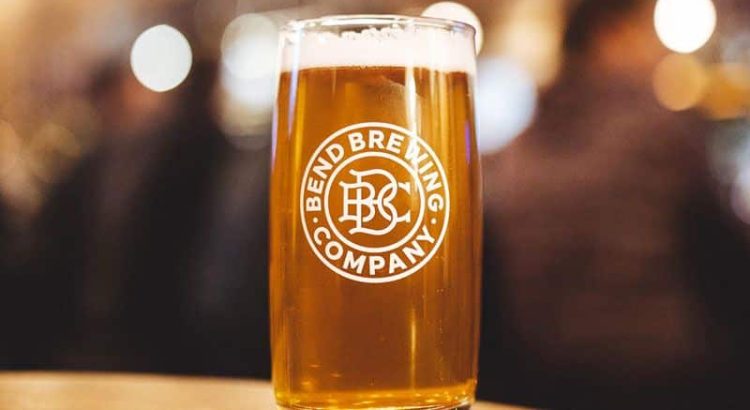
Locals Night at Bend Brewing happens Monday – Thursday each week! Not only do they offer their $15 burger, beer and fries deal, but you can get a second beer for only $4! Shared on January 28, 2025, here.
MONDAYS
Silver Moon Brewing
When: Every Monday, all day
What’s in store: Silver Moon Brewing, nestled just a few streets east of downtown Bend, shows its appreciation for locals every Monday. Gather your crew and enjoy a delightful offer of $3 pints all day long. The fun continues into the evening with free live music by the talented Bluegrass Collective, performing in the Taproom from 7 p.m. to 9 p.m. If you’re in the mood for laughter, take advantage of the free Open Mic Comedy Night in Silver Moon’s Webfoot Garage space from 7 p.m. to 9 p.m.
Deschutes Brewery
When: Every Monday, 4:30 to close
What’s in Store: Deschutes Brewery sets the stage for a memorable Monday night with $5 pints and mouthwatering $10 burgers, including their classic pub burger and a delightful veggie burger. It’s the perfect way to kick off your week.
On Tap
When: Every Monday, all day
What’s in Store: Mondays at On Tap are all about happy hour, featuring $1 off on ALL drinks, ALL day long. It’s the perfect way to brighten up the start of your workweek.
TUESDAYS
Crosscut Warming Hut No. 5
When: Every Tuesday, all day
What’s in store: Crosscut Warming Hut No. 5 warmly welcomes everyone on their “Locals’ Day” every Tuesday. They extend their generosity by offering a friendly $1 discount on all draft products to visitors. You can cozy up in Crosscut’s inviting wood cabin or savor a pint by the fire pits. Either way, you’re sure to be surrounded by great company.
Kobold Brewing
When: Every Tuesday, all day
What’s in Store: Tuesdays at the Redmond location of Kobold Brewing find $1 off pints all day long. (The Bend location is temporarily closed for renovations!) It’s a great opportunity to savor their exceptional brews without breaking the bank.
Bevel Craft Brewing
When: Every Tuesday, all day
What’s in store: Bevel Craft Brewing ensures their “Locals’ Day” is packed full of community and camaraderie. They present $4 Bevel beer, local cider and a $1 discount on wine. Grab your beverage before ordering the perfect snack from one of the onsite food trucks.
Photo by Valarie Doss
Bend Brewing Company
When: Every Tuesday, all day
What’s in Store: Bend Brewing Company welcomes locals with open arms, offering the perfect excuse to savor their exceptional brews at a wallet-friendly price of $4 per beer. Whether you prefer sipping your brew on their expansive lawn, gathered around the inviting fire pits, or cozied up inside you’re sure to have a fun time.
WEDNESDAYS
Wild Ride Brewing
When: Tuesdays and Wednesdays, all day
What’s in store: Wild Ride Brewing, with locations in Redmond and Prineville, extends the tradition of locals’ night to both Tuesdays and Wednesdays. On “Takeout Tuesdays,” you can enjoy 64-oz. growlers for just $9, and “Wild Card Wednesdays” feature $3 pints. With such incredible deals, Wild Ride Brewing ensures that locals have a fantastic time exploring their offerings.
Flights Wine Bar
When: Every Wednesday, all day
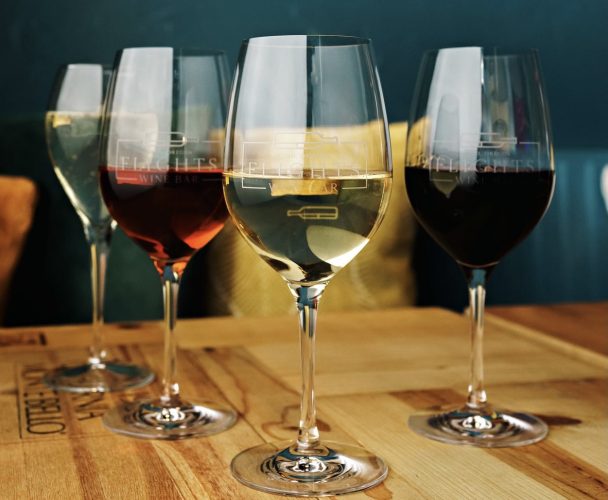
What’s in Store: Locals Night isn’t just for beer lovers, Flights Wine Bar has you covered with Wine Wednesday. Enjoy happy hour all day, with discounts on glasses, beers and appetizers. It’s a delightful way to break up the week and unwind with your favorite beverages.
THURSDAYS
GoodLife Brewing
When: Every Thursday, all day
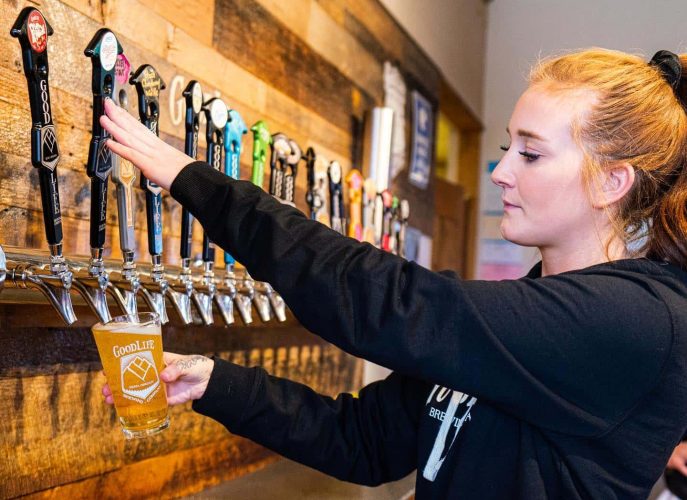
What’s in store: GoodLife Brewing knows how to have a good time and does an excellent job at making locals feel truly special. GoodLife Brewing’s “Locals’ Day” is a Thursday tradition, running from noon to 9 p.m. It features $4 Pint Specials and the unveiling of new beers on tap, offering beer enthusiasts the opportunity to sample fresh brews. GoodLife Brewing’s commitment to the Central Oregon community shines through in these weekly gatherings.
These Central Oregon locals’ nights are an effort to show some love to those who call this region home and to bolster our connected community. Whether you are a connoisseur of craft beer, a fan of cider, or simply someone searching for a warm and welcoming atmosphere, these Central Oregon venues are here to make sure you know that you’re a valued part of the community.
There’s something about an Aperol Spritz that suggests a person has absolutely nowhere to be. That they’ve made peace with the afternoon and ordered another round just to prove it. First poured in Italy in 1919, the cocktail is a low-proof blend of prosecco, soda water and Aperol—a bitter orange aperitivo with a fiercely guarded recipe and a neon-orange hue that glows with main-character energy. It’s long been a symbol of the good kind of lazy, a refreshing salute to effortless leisure.
Beyond the Vine in Redmond captures that same unhurried spirit. The wine bar and bottle shop, opened by Lydia DeRoss in November 2023, is more about vibe than vocabulary. With a soft spot for European varietals and a distaste for pretension, DeRoss turned her wine curiosity into a business model. “Redmond was hungry for the things I was excited about,” she said. While the wine list runs deep, it’s the seasonal spritzes that turn sipping into lingering. Especially one. “The Venetian holds the heartstrings around here,” shared DeRoss.
A riff on the Aperol Spritz, the Venetian swaps prosecco for drier Cava, and Aperol for Cappelletti—a wine-based Italian bitter that keeps its sweetness tucked just beneath the surface. Topped with fragrant desert herbs snipped on-site and a lush slice of blood orange, the spritz is the color of a sunset in full sprawl—fiery, layered and electric. DeRoss affectionately dubs it “summer water,” although locals are determined to sip the Venetian year-round.
There’s no wrong seat at Beyond the Vine, but the patio has its own thing going on—there’s sun above, shade where it counts and planters full of things that smell good in the breeze. A dog’s asleep under the table. Glasses clink, conversations drift and no one seems to care what time it is. That’s kind of the point. Learn more about Beyond the Vine here.
More than a half century ago, women’s work conjured visions of homemakers in aprons or Rosie the Riveter rolling up her sleeves during wartime. Generations of women have fought to open doors to greater opportunities, and their efforts have paid off. With grit and perseverance, women are thriving in careers once dominated by men. For Women’s History Month, the spotlight is on a sampling of Central Oregon professionals who have broken through stereotypes. These women followed their passions, embraced challenges and have elevated the lives of others along the way.
Tracy Williams (left) and Sami Gotschall (right)
Tracy Williams, Bend Municipal Airport Manager
Overseeing the action and safety at an airport is a critical part of aviation and requires specific skills, such as an Accredited Aviation Executive (AAE) certification. Only 20% of AAE-certified airport executives are women, and Central Oregon’s Tracy Williams is among them. Williams served eight years on active duty in Air Force Command and Control, tracking aircraft and weapon systems globally. Along the way, she earned undergraduate and graduate degrees in aeronautics, her pilot’s license, and established herself as a leader in airport management.
“I breathe aviation; I thrive on the fast pace. But I was ready for a balanced life. That’s what brought me to Bend,” said Williams. When Williams accepted the Bend Airport manager position in 2020, she set her sights on raising the regional airport to a higher level of safety and technology with the addition of an air traffic control tower. “Years ago, the Bend Airport was a sleepy operation. We’re not sleeping anymore,” said Williams. The airport has approximately 140,000 takeoffs and landings per year as the third busiest airport in Oregon, and the tower is long overdue. Breaking ground in December 2025, the new 115-foot control tower will add a critical layer of safety for pilots, who currently must talk to each other directly. “Guiding this project to completion feels like a capstone. If I could choose a legacy to leave, it’d be this tower.”
Sami Gotschall, Helicopter Pilot
The first woman to earn a helicopter pilot license was Ann Shaw Carter, in 1947. Since then, helicopter flying has expanded into many sectors, yet the percentage of female pilots has grown slowly, barely nudging past 10% in 2023. Sami Gotschall, of Bend, sees a world of opportunity for more women in aviation.
After completing her training at Leading Edge Aviation in Bend in 2018, Gotschall flew helicopter tours over the Grand Canyon and Hoover Dam and worked as a flight instructor. Then the Camp Fire raged through her childhood hometown of Paradise, California, a disaster that compelled Gotschall to use her skills to fight wildfires. She shifted to aerial firefighting, flying in quick-response firefighters and water buckets in a Bell 407. These days, her work helps prevent wildfires from starting. As a utility flyer, she carries crews and equipment on external long lines into remote areas for power line repairs. It’s precision flying that requires a calm demeanor, persistence and spatial awareness, according to Gotschall.
“I stay on high alert because human beings are attached to the line hanging below me. Getting them to the exact spot takes finesse, a soft approach. Using both hands and feet, and sometimes my head is out the window, I consider the weather, the aerodynamics and the mechanics of the load,” she said. “Getting the linemen back safely at the end of the day is the best reward.”
Trish Connolly, Deputy Fire Chief
Trish Connolly, Deputy Fire Chief
“I never intended to be a groundbreaker. I just wanted to do this work,” said Trish Connolly of Bend Fire Department. In 2020, when Connolly was its first female firefighter, only 2% of career firefighters across the country were women. Today, Connolly serves as deputy chief at Bend Fire and Rescue, and her work lifts the department as a whole. “We have such talented, capable people and an open, caring culture. My goal is to help each [person] work to their highest ability,” said Connolly.
Women now make up only 5% of firefighters nationwide, and Connolly emphasizes the need for more. “Firefighters need physical fitness, but not brute strength. The great majority of emergency calls are medical, and we need a diverse team of responders who can solve problems in different ways,” she said.
One piece of advice she received early in her career has stayed with her. “My mentor reminded me I was hired as a female, so I should lead as a female. Lead as my authentic self. That helped me step into my role and trust myself. I think that advice is something more women should hear—to not be afraid to lead as a woman.”
Julia Sparks, Bike Guru
While Bend’s singletrack hums with female bikers, it’s a different story elsewhere. Nationwide, only one in five mountain bikers is a woman, and even fewer work on bikes or in bike shops. For Julia Sparks, a love of adventure biking runs in her family and drives her business, Chariot Bike. Working as a bike mechanic for more than a decade and inspired by her grandmother, who rode across the country in 1948 on a bicycle named Chariot, Sparks launched the Chariot mobile bike repair van in 2020. After five years of growth, Chariot Bike now fills a storefront stocked with gravel and mountain bikes, bike repair stations, bikepacking gear, community event space, and coming soon: a coffee bar. Sparks has kept the space flexible for DIY repair workshops and other gatherings.
“Without our Bend community, Chariot would not exist,” she said. On her rare days away from work, Sparks follows her grandmother’s example and rides her bike into nature. “Bikes get you outdoors. You forget the rest of the world and recharge,” she said. “I just want more people to get on bikes.”
A woman’s place hasn’t traditionally been in building a home. Today, women make up just 10% of the construction workforce, and the numbers are similar for residential contractors. When Katie Pendleton began her career, she knew there could be obstacles, but she didn’t let that hold her back. She gained valuable experience in commercial building, but had a passion for creating beautiful homes. In 2020, Pendleton launched The Fort, her residential construction business.
Working in construction means constant problem solving and collaboration with architects, subcontractors and clients. For Pendleton, that requires strong relationships. “I never take respect or trust for granted; I earn it through my work,” she said. This year, Pendleton will serve as president of the Central Oregon Builders Association.
While construction has been slow to open doors, the number of women in architecture has steadily increased in number from 20% in 2000 to nearly half of all new architects in 2023. Architect Karen Smuland appreciates the balance between art and science in the field of architecture. As a registered architect with LEED Accredited Professional certification, Smuland weaves sustainability into her designs. “Most of my clients want a fire-wise approach, and lean toward net-zero energy usage through solar panels and responsible design principles,” she said. Smuland’s designs aim to bring the outdoors in, with natural light and intentional views to connect to nature.
Architecture relies on technical knowledge, physics and mathematics, but art is what makes a design special, according to Smuland.
“Feeding that creative spark is important, even when other parts of the work try to take over,” she said.
Michelle Mitchell, Cofounder of Humm Kombucha
Michelle Mitchell, Cofounder of Humm Kombucha
Craft brewing has long been considered a guy’s world, but kombucha breaks that mold. Industry organizations estimate 40% of kombucha companies today are women-owned with female brewers. Bendites Michelle Mitchell and Jamie Danek brought this trend home when they launched their kombucha company during the worst recession of this century.
In 2008, Mitchell and Danek got together for a glass of Mitchell’s homebrewed kombucha. Inspired by its health-boosting probiotic vitality, they began selling gallon jugs of the bubbly, non-alcoholic brew. They never imagined they’d still be making kombucha 16 years later as a national brand, with 160 employees and in 2024 its 100 millionth bottle rolling across the production line.
“It’s always been about making people feel great, internally and externally,” said Mitchell. The pair grew from single jugs to a full-scale brewery by holding true to their core values: healthy business, partnership, quality and optimism. That translates to fastidious quality control, responsible fiscal planning, and building a team that feels like family, according to Mitchell.
As Chief Culture Angel, her unofficial title, Mitchell is responsible for worksite culture and community engagement. “We rely on both hard science and what I call heart science, meaning intuition and creativity to solve problems,” said Mitchell. “And, we have an amazing brewing community in Bend that helped us every step of the way.”
For aspiring entrepreneurs and brewers, Mitchell has some advice. “Ask tons of questions. Gather information. Reach out to collaborate, but trust your gut to bring your idea to light.”
Runners Take it Step by Step to Cross a Finish Line at 26.2 Miles
If finishing a marathon is just putting one foot in front of the other roughly 55,000 times, why don’t more people do it? Fewer than 1% of Americans ever will. Standing at the start line of the Berlin Marathon in September 2024, I asked myself the same question. [Photo above by Martin Sundberg]
Despite having run 11 marathons, I’ve battled plantar fasciitis, hip pain requiring cortisone shots and, at 72 years old, a depleted pool of training partners. As I waited for the race to begin, doubt crept in—could I even make it to the finish?
More Than a Sum of Miles
A marathon is so much more than 26.2 miles. To give the distance some respect, it’s like running from southwest Bend to Sisters—not exactly something to attempt without preparation. But where does training even begin?
MILEAGE: Alli Miles and Colton Gale train regardless of the weather. “A running buddy or group makes training fun and motivating, and keeps you accountable,” said Kari Strang, Summit High School cross-country coach and Bend Marathon co-race director. | Photo by Cody Rheault
Fortunately, Oregon is one of the best places in the country to take the first steps. It ranks fourth in marathon participation per capita, trailing only Massachusetts, Colorado and Vermont. As the birthplace of Nike and home to Eugene’s legendary Hayward Field, Oregon boasts a deep running culture, an outdoor fitness ethos and a relatively mild climate—ideal for long-distance training.
Central Oregon has its own bragging rights as a long-distance running hotspot, with three marathons (Bend, Pacific Crest and Haulin’ Aspen), several ultramarathons and dozens of shorter-distance races. Bend-based running coach and competitive ultramarathoner Ian Sharman sums it up: “This is a big running town for long distances and ultramarathon training. It’s easy to get out the door and run trails.”
For Sharman, understanding why someone wants to run a marathon is key to building the right training plan. Are they aiming simply to finish or looking for a scenic race destination like Bend? Do they prefer a hilly challenge or a fast, flat course? If they’ve conquered half marathons, are they ready to go farther? Or if they’ve run full marathons before, are they chasing a personal best? Regardless of motivation, he said three to six months is what it takes to be ready on race day.
Photos by Cody Rheault
Marathon Training
When it comes to training, few names carry more weight than Hal Higdon, often called the godfather of American running. Author of 36 books, including Marathon: The Ultimate Training Guide, he has completed 111 marathons, with four overall wins and numerous age-group victories. His experience informs his widely used training plans that have helped thousands reach their marathon goals. His 18-week novice program has a 99% finish rate. “It’s very doable,” he said, “and after a runner’s first marathon, we can take them into more advanced training, one that will challenge the best-conditioned runners.”
Colton Gale, manager of FootZone Bend and winner of the Oregon Cascades 100-mile ultra this past August in a record 14 hours and 36 minutes, said that Higdon promotes a sensible walk-run strategy that, over time, shortens the amount of walking time and lengthens the running part.
“It helps promote endurance, grow stamina and patience,” said Gale.
That aligns with a final piece of advice Higdon shared: “Start slow, which applies to everyone from those who have never run a marathon to experienced runners who want to avoid going too fast in the first two miles—they can pick up the pace later. It’s an easy approach that will help anyone get to the finish line.”
Local runners have plenty of support. Summit High School cross-country head coach and Bend Marathon co-race director Kari Strang highlights Central Oregon’s many coaching options, from professional trainers such as Sharman who offer individualized custom plans, to group runs with the Central Oregon Running Klub, FootZone and others. “A running buddy or group makes training fun and motivating, and keeps you accountable,” Strang said. She emphasizes consistency over hard workouts where a runner can’t do anything for days afterward.
A lifelong runner, Strang is passionate about introducing others to the sport and encouraging them to look beyond just logging miles. “People put so much energy into workouts but often overlook the essentials—sleep, nutrition, hydration and cross-training, like strength work,” she said.
Getting the physical elements right is essential, but many long-distance runners will say the mental part is just as crucial.
“We often set limits on ourselves. We’re capable of so much more than that,” said Strang. “Running is a sport that continually pushes you and shows others what you’re made of.”
Ultramarathoner Sharman said that as a coach, he enjoys seeing people who are newer to the sport do something they never thought they could do. “There’s a lot of value in getting into it and embracing the suck. When you’re doing a [long-distance] race, you get exhausted, but it’s a good suffering.”
Photo by Cody Rheault
Marathons Trending Upward
Marathon participation has surged during the past 25 years, peaking in 2013 with more than half a million United States finishers. Numbers dipped for a few years as half-marathons gained popularity and races were canceled or held virtually during COVID-19. Still, major races such as New York, Boston and Chicago marathons now have record applicants. Women make up nearly half of all participants, and the number of runners older than 50 is growing.
First-time marathoners account for 40% of finishers, proving that marathons aren’t just for elite Boston qualifiers. In Central Oregon, runners can easily access scenic trails and roads outside their doors to facilitate training. Many will use local half-marathons for training, such as the Salmon Run (April 19, 2025) or Haulin’ Aspen (August 9, 2025). The Bend Marathon (April 13, 2025) is, “an honest course that has some grit to it,” said co-race director Strang. “We don’t have a lot of people calling it easy, but it gives people bragging rights and is always cool.”
As I approached the Brandenburg Gate, I was reminded of what well-known Running World columnist and motivational speaker John Bingham wrote: “The miracle isn’t that I finished. The miracle is that I had the courage to start.” Crossing the line comes down to experience and digging deep, step by step: I was greeted by my family, marathoners themselves, and I embraced my husband, tears streaming down my face with the sheer joy of completing my 12th, and final, marathon.
How to Run Without Pain
Long-distance running offers many benefits: scenic trails, improved fitness, new friendships and even exotic travel. However, the sport also carries risks, with published studies showing that up to 50% of runners experience lower extremity injuries. Knees are most vulnerable, but issues can arise anywhere from the hips to the feet.
For Bend audiologist Amy Winkler, that risk became a reality after completing dozens of marathons—including the Boston Marathon in 2016— when she was sidelined by persistent heel pain. She underwent surgery in 2020 for Haglund’s deformity, a bony heel growth, and felt strong enough in 2022 to enter the Haulin’ Aspen Half Marathon—until the pain returned.
Rob Hollander, an orthopedic physical therapist and cofounder of Alpine Physical Therapy, attributes most running injuries to overuse.
“If an athlete loads tissue beyond its ability to adapt—running 25 to 60 miles a week without proper rest—injury is likely,” he said. His advice? “If pain affects your ability to run, scale back. Give your body a break.”
Still, race day is a powerful motivator. “Everyone has a goal, whether it’s finishing in the top 10 or completing a first marathon,” Hollander said. “Crossing that finish line is a rad feeling.”
Winkler shifted gears, turning to gravel biking and HIIT classes. Now, she hopes to run the Eugene Half Marathon this year and gradually build back up to 26.2 miles.
Central Oregon’s food truck lots are where relaxed dining meets international flavors and community connection. Whether you’re grabbing a quick lunch, planning a chill night out or looking for a place to take kids or dogs, these spots offer diverse plates for every crowd.
Crux Fermentation Project Lawn | Photo by Tina Paymaster
Bend Food Truck Pods
CRUX Tasting Room
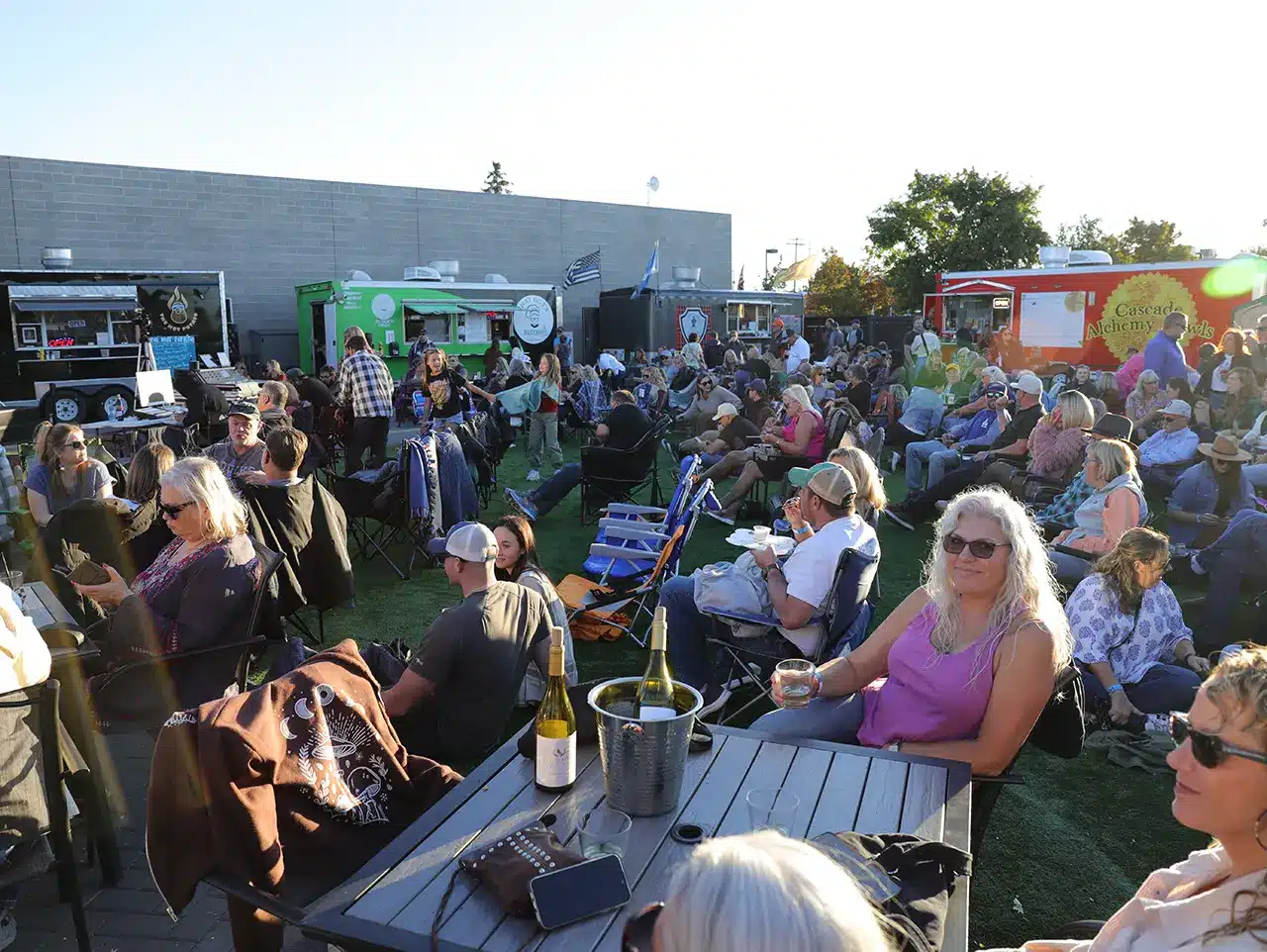
For sunset views of the Cascade Range and laid-back evenings with plenty of space to roam, Crux Fermentation Project is THE gathering spot. It features carts offering tacos, pizza, and more on a sprawling lawn. The amount of space is unique for a food cart lot, so consider their original Bend location when you have a larger crowd or little ones with lots of energy. See the food trucks currently at CRUX Fermentation Project in Bend.
Tacos from El Sancho Food Truck at Crux | Photo by Tina Paymaster
Dogwood at the Pine Shed
Adding to Bend’s vibrant food scene is Dogwood at the Pine Shed, a lively hub that perfectly blends a unique atmosphere with diverse culinary offerings. Beyond its artfully designed interior and creative cocktails, Dogwood hosts a rotating lineup of exceptional food trucks, bringing everything from authentic Dominican flavors and gourmet sandwiches to delicious pizzas and savory crepes. With a focus on community connection, Dogwood offers a dynamic spot for fantastic food, drinks, and a great time, whether you’re relaxing by the fire pit or enjoying live music. Learn more about the food trucks at the Dogwood at the Pine Shed.
The Dominican Food Truck at the Dogwood at the Pine Shed
The Lot
Split off from Galveston Avenue to find The Lot, a Bend staple since 2013 and the first food truck lot in Central Oregon. Seating is centered around a heated bench circle and a small indoor taproom, with carts serving options from burgers to burritos (and trivia nights from November to April). Walk up to the bar for a drink while someone else in your crew hits up the iconic green double-decker bus for some Fricken Faco crispy cod tacos. Discover food trucks at The Lot in Bend.
Midtown Yacht Club | Photo by Marvin Walder
Midtown Yacht Club
Right off NW Fourth Street at Revere Avenue, this neighborhood pod has become a go-to for those seeking food with a side of tongue-in-cheek good nature. This is the spot to buy a captain’s hat or be skipper for an afternoon, even if there’s no boat in sight. The mix of seven trucks features sandwiches, poke, and coffee, with ample seating for groups. Plenty of covered seating and open-air tables make this “club” a certified good time in any weather. Check which Midtown Yacht Club food trucks are currently open.
The Office at Silver Moon
Follow the music, or the music mural, to Silver Moon Brewing’s food cart lot. Grab tacos, po’ boys, or rotating specials to pair with a fresh pint of Silver Moon’s own craft beer. Music lovers are frequently taken aback by the handful of stages and the detailed mural that adorns one of the walls. It’s masterfully packed with faces of countless music legends. Venture inside this venue after grabbing a bite, and you’ll likely catch even more music or stand-up comedy on stage. Keep up with Silver Moon Brewing’s food trucks and live music here.
Photo courtesy of On Tap
On Tap
On the east side of Bend, with a view of Pilot Butte, On Tap offers a lineup of six food trucks and dozens of beers and wines on tap. It’s a popular choice for big groups, especially when you want to eat Himalayan dumplings while someone else opts for fish tacos, and the kids play cornhole. The On Tap website is updated daily with hours and events.
The Patio at 9th Street Village
Part of a creative complex near the DIYcave lot off of SE 9th Street, The Patio surrounds the Bevel Craft Brewing taproom. Its carts serve breakfast burritos, gumbo, and Hawaiian plates alongside coffee and beer. It’s a versatile option for coworking, casual meal, or to try your hand at throwing a frisbee or two at its disc golf basket. Learn more about the food trucks at Bevel Brewing.
Photo courtesy of The Podski
The Podski
Tucked into a lively stretch of NW Arizona Avenue, The Podski is the perfect place to peel off from the busy street scene and sink into a fun community of food, desserts, and drinks. Its loyal following might be attributed to the huge selection of plates (think pierogies, oysters, sushi, vegan entrees, and desserts), or maybe it’s the streaming sports games, the kid- and dog-friendly vibes, or just the welcoming atmosphere. See the food truck lineup at The Podski.
Ponch’s Place
Outside the Veterinary Referral Center of Central Oregon, Ponch’s Place makes a vet visit a little more enjoyable by adding tacos, dumplings, and fresh air. Small but dependable, it’s a relaxed spot that turns a routine trip to the vet into something worth lingering over. Many find this food truck lot a worthy destination, even if you don’t have a pet! Learn more about the food trucks at Ponch’s Place.
Ponch’s Place | Photo by Travis Reill
River’s Place
Across from the eastside’s Forum Shopping Center, River’s Place combines covered seating and entertainment with a mix of carts serving Thai dishes, tacos, sandwiches, and more. You’d be wise to stop by on a Thursday, Saturday, or Sunday when live music plays, and the vibes crank extra high. Or if you’d rather watch a sports game, two of six large screens face the outdoor seating, so you can soak in some fresh air, too. See the current list of food trucks at River’s Place.
SOPA at River’s Place | Photo by CJ Juan
Tumalo Food Truck Pods
The Bite
Right off Highway 20, downtown Tumalo’s The Bite is a laid-back lot perfectly designed for gathering over food, music, or around its fire pit. The carts serve everything from sushi and cheesesteaks to pizza and are open seven days a week. Plus, there’s live music two nights a week and plenty of outdoor seating. See the current food trucks at The Bite in Tumalo.
Sisters Food Truck Pods
The Barn
Located behind Cascade Avenue in downtown Sisters, The Barn encapsulates small-town charm. From a crowd-favorite wood-fired pizza to tasty vegan bites, it welcomes gatherings for every taste. The fenced play area and dog-friendly zones make this a great spot for kids and pups. It’s the type of spot where rolling in from a day of fun on nearby trails just makes sense. Visitors can also grab local beer or wine at the bar. Check out the tap list and full food cart options at The Barn in Sisters.
Redmond Food Truck Pods
1/8th Street Patio at High Desert Music Hall
This casual lot right adjacent to the High Desert Music Hall in downtown Redmond features rotating carts serving family-friendly meals, from donuts and barbecue to Jamaican fare. Whether you’re catching a pre-show meal or looking for an inviting spot to catch up with your people, ⅛ Street Patio is a gem only a few blocks from the SCP Redmond Hotel. See what food trucks are open at the 1/8th Street Patio at High Desert Music Hall.
Live music at the Blacksmith Public House
Blacksmith Public House
Blacksmith is a neighborhood gathering spot on downtown’s Evergreen Avenue with open space and a rotating group of carts serving hearty plates and healthy bowls. It more than meets its goal to be a community and family gathering place. There’s a neighborhood feel at this lot with its trivia nights, karaoke, bingo, and delicious food. Chinese, pizza, or sushi, anyone? Learn more about the food trucks at Blacksmith Public House in Redmond.
General Duffy’s Waterhole
This downtown Redmond spot brings together food carts, live music events, and a big patio with room to let an afternoon or evening unfold. From family-friendly Goody’s treats to barbecue and more, the atmosphere is buzzing with energy. Grab a beer at The Waterhole & Taphouse, take the mic at a karaoke night, or join other hungry music lovers on any concert night. Find out more about the food trucks at General Duffy’s Waterhole.
Otto’s Landing
Near downtown Redmond, Otto’s Landing is part food truck pod and part entertainment hub. Arcade games, pool tables, and two stories of seating are paired with Hawaiian dishes, burgers, and BBQ. Something is always happening here, from rooftop hangs to arcade tournaments. Find out more about Otto’s Landing’s food trucks.
Redmond Food Park
Redmond Food Park
With seven trucks and a fenced play structure, this pod off SW 5th is centrally located and alcohol-free. It’s designed for relaxed, kid-friendly meals. Enjoy the picnic-style dining with Mediterranean and Mexican food, boba drinks, or even a Philly cheesesteak. Find Redmond Food Park carts and hours here.
The Vault Tap House
Connected to Kobold Brewing on the northeast side of Redmond, The Vault is a relaxed space to catch a game, sip a beer, and try food truck staples like sliders (order one breakfast style if you want to try a fried-egg slider) or perfect fish tacos. On the patio, take in Redmond’s downtown scene, or soak in a gathering around the fire. See the current food truck lineup at The Vault Tap House.
Photo courtesy of Visit Redmond
Wild Ride Brewing
One of Redmond’s original food truck pods, Wild Ride offers indoor-outdoor brewery seating and food trucks serving plates filled with killer fish and chips and yakisoba. The international flavors at this lot are exceptional and are offered every day of the week. There’s space for everyone, and watch the calendar for its evenings with live music. Learn more about Wild Ride Brewing’s on-site food trucks.
Comfort food is more than what’s on the plate—it’s an open door, a shared table, the sense of being welcomed and well-fed. A little messy, never too serious. In Bend, a few new spots are spinning this familiar joy into the kind of food that scoots out a chair, sets down a plate and says, “Stay a while.”
‘Wich Doctor Sandwich Co.: All the Good Stuff in One Bite
For Cody and Brenda Gimbel, making a sandwich is more like casting a spell. Cody, a seasoned chef obsessed with flavor fusion, is always chasing the challenge of “How can I turn this into a sandwich?” The result is a menu that feels like a greatest-hits playlist of comfort food. This food truck-turned-sandwich lab on Bend’s west side churns out bold bites such as The Linda, a riff on the Cubano that throws tradition out the window, swapping out the usual pork and ham for applewood-smoked chicken and chili-citrus braised thighs, all slathered in lime aioli, then piled with pickled peppers and Swiss cheese. The wildly popular Cedar Street is inspired by the British cheese-and-pickle classic—only at ‘Wich Doctor, it’s roasted tri-tip, homemade shallot jam, Irish cheddar and a punch of arugula, piled on crusty ciabatta from M’s Bakery.
While ‘Wich Doctor’s foundation menu stays mostly the same, winter brings new warmth to the mix with heartier sides such as poutine and specials like the Black Sheep, featuring tangy black vinegar-braised lamb and local greens. Every sandwich feels like a childhood memory—familiar but full of surprises. “If it doesn’t bring comfort and joy in equal measure, it’s not going on the menu,” said Brenda.
Hasta Que Olvidemos: Bringing Wine and Oysters Down From Their Pedestals
At Hasta Que Olvidemos (“Until We Forget”), co-owners Brian and Ashley Trottier have made it clear: Wine should be for everyone. “It’s supposed to be a drink of the people, not a luxury,” Brian said, and their Napa wines and vermouths—crafted by longtime friend Tim Colla—are served from taps without a single Wine Spectator score in sight. Here, labels don’t matter, but flavor does. It’s wine without the fuss, served up in a space that’s more old-soul hideaway than wine bar—soft candlelight, ‘60s Samba spinning in the background and just enough room to get lost in conversation (and a bit of oyster brine).
Photo by Tambi Lane
The menu takes food from a fancy realm and brings it back down to earth. Fresh Pacific oysters are hand-shucked until closing, mingling on the menu with simple bites like caviar, sardines and olives. Ashley’s spontaneous daily specials, whipped up whenever inspiration strikes, are a lucky find for anyone who happens to wander in. From oysters and champagne to chips, dip and a glass of vermouth, Olvidemos on Bend’s lively Galveston Avenue, is an invitation to come as you are and happily lose track of time.
Photo by Tambi Lane
Americana Burgers: For When You Just Really Want a Burger
At Americana Burgers in Bend’s Podski food truck pod, Joseph and Olivia Franco keep it simple and satisfying. “Food should be affordable for families, not $100 for a meal,” insists Olivia. Their OG burger—two patties smashed into a smoking-hot grill, seared to crispy perfection on one side while the other side stays juicy under a blanket of melty American cheese—is piled with shredded lettuce, caramelized onions and a swipe of secret sauce on a toasted brioche bun. Americana’s fries are already the stuff of legend, often referred to as the best in town. Cooked in lard, they’re served golden and hot for that seductive combo of sizzle and salt.
Photo by Tambi Lane
Americana isn’t a food truck with fancy frills—the food speaks for itself. A burger is just a burger, and that’s the best part. Fans will soon be able to sink their teeth into a perfectly smashed burger at Americana’s new downtown brick-and-mortar location. The restaurant will offer its beloved classics—The OG, The Popper and The BBQ—plus a winter-ready tomato soup that pairs perfectly with a gooey twice-grilled cheese sandwich.
Known for expert craftsmanship and full-service remodeling, Bend’s Surface Kitchen & Bath—a division of Nelson Tile & Stone—specializes in customized kitchen and bath spaces, and recently transformed a 1989 home in the Mountain High community. Company owners Chris and Jennifer Nelson purchased the home to showcase the many products that the company offers through its Surface Kitchen & Bath showroom. Thoughtful updates preserved the home’s original charm while enhancing flow and natural light by opening compartmentalized spaces. Durable materials such as quartz countertops and engineered hardwood add warmth and timeless appeal. The result is a modern yet character-rich home, reflecting the team’s dedication to elevated, functional design.
Q&A with Marketing Manager James Deitz of Surface Kitchen & Bath
How did you approach updating the home’s 1989 layout to enhance functionality while preserving its character?
The original layout of the Edelweiss home, named for its street location, reflects a classic late-1980s design: compartmentalized spaces, low soffits and a lack of natural flow. While the home had great bones, it felt dark and inefficient for modern living. We reimagined the space with an open design concept, removing multiple walls in the kitchen and living areas to create a seamless connection and maximize natural light to make the home feel larger. We also carved out a dedicated office space, addressing a need for a functional workspace. In the primary bath, we removed overhead partitions to highlight the soaring ceilings and skylight. We preserved vaulted ceilings and architectural lines while updating finishes with a neutral, timeless palette.
How is collaboration important to achieving the project’s goals?
We are especially proud of our team’s collaborative efforts. While it wasn’t a traditional client project, our staff took great pride in incorporating many of our own brands, resulting in a beautifully finished home. Chris and Jennifer Nelson were both born and raised in Bend and they knew this neighborhood since its inception in the 1980s. They saw it as a hidden gem with spacious common areas, a golf course lined with towering pines and homes with incredible bones. Updating an original home in Mountain High allowed them to be consistent with the character of the neighborhood while bringing it into the modern era.
What role does natural light and intentional lighting design play in modernizing and elevating the overall feel of a home?
Lighting played a major role in transforming the space. The home initially felt dark, so we prioritized natural and layered lighting to bring warmth and openness. We enhanced existing natural light by opening the floor plan, which allowed light to flow more freely, and emphasized the primary bath skylight to create a spa-like feel. Layered lighting, combined with recessed lighting, pendant fixtures and under-cabinet illumination, led to the perfect balance of ambiance and functionality. Strategic fixture placement ensured workspaces were well-lit, while softer accent lighting enhanced the inviting atmosphere. The result is a home that feels brighter, more expansive and visually striking, elevating the modern and luxurious feel.
How do you incorporate today’s materials while maintaining warmth in a home remodel?
We approached material selection with intentionality to balance contemporary style with comfort. Durable, marblelike quartz countertops provide elegance without the upkeep of real stone. The USA-made Calacatta Miraggio Cove quartz creates a seamless look that complements the home’s warm design. Engineered hardwood offers rich texture and durability, while clean-lined cabinets blend modern efficiency with classic craftsmanship. Neutral tones highlight the natural beauty of the materials for a timeless appeal. By integrating warm and cool elements, we achieved a sophisticated yet inviting aesthetic that enhances the home’s character.
Just 15 minutes from Bend, find Caldera Springs, the Pacific Northwest’s premier residential resort community. Within 1,000 acres of Ponderosa pine forest, Caldera Springs offers a lifestyle shaped by relaxation, nature, and four seasons of adventure. Here, a limited collection of luxury mountain modern homes and nature-steeped homesites allows owners to build their Pacific Northwest legacy—with opportunities for vacation rental income through Sunriver Resort Vacation Properties.
Forestbrook: Mountain-Modern Homes
Discover Forestbrook, a distinctively new way to own at Caldera Springs. Located just steps from Forest House and Forest Park, these mountain-modern vacation homes feature three to four bedrooms, expansive patios with hot tubs, and an attached studio residence with its own entrance, kitchenette, and private bath. The studio can be rented separately or together with the main home, offering rare flexibility for both personal use and income potential.
New Homesites Now Available
Caldera Springs is currently offering homesites in two of its newest enclaves—Preservation and Wild Pine. Preservation offers expansive sites backing directly onto the community’s 220-acre Wildlife Forest Preserve, offering exceptional privacy and a close connection to nature. Select homesites in Preservation also surround the new Preservation Park, a natural gathering space with trails, water features and handcrafted birdhouses.
Wild Pine is the newest collection of forest-immersed homesites in the northeast section of the community, surrounded by tranquil waterways and steps from Forest House, Forest Park, and miles of trails. Select homesites in Wild Pine also offer peaceful water views. Both neighborhoods offer utility lines in place and are ready for immediate build for your dream home in
Build Your Dream Home in Nature-Inspired Settings
For those aspiring to build their dream home, Caldera Springs’ homesites present an idyllic blank canvas amidst the Pacific Northwest’s most breathtaking alpine wilderness. To ensure a seamless process, Caldera Springs collaborates with the region’s top architects, designers, and homebuilders, expertly transforming each owner’s vision into a reality.
Community members Dionne and Craig Lewelling experienced first-hand what it is like to build a custom home at Caldera Springs. After consulting architects, designers, and engineers, they landed on the perfect homesite for their home. “Our homesite has a lot of unique features that give us different ideas each time we go out there,” Craig said. “There’s a lava rock structure that separates the two lots, and also the headwaters of a new lake nearby. It’s just awesome.”
Your Year-Round Pacific Northwest Basecamp
Set across from the Crosswater Golf Course at Sunriver Resort and just a short drive from Mt. Bachelor, Caldera Springs offers four seasons of adventure in every direction—from snow sports to biking, kayaking, and golf. Owners enjoy over 13 miles of scenic paved and soft trails, along with 14.7 acres of lakes, ponds, and streams—perfect for paddling, fishing, and quiet reflection. From rounds on the 9-hole Caldera Links course to snowy days on the slopes, the adventure never ends.
Forest House adds even more to the experience, with a double-racer waterslide, game room, indoor-outdoor dining, and a fitness center. Nearby, Forest Park offers pickleball courts, a sledding hill, creative play areas, and an off-leash dog park. At The Quarry, owners can unwind in an infinity-edge pool and outdoor spa overlooking Obsidian Lake. And at Lake House, the social heart of the community, dining, cocktails, and morning coffee are served up with panoramic views of Mt. Bachelor.
Limited Opportunities Available
Caldera Springs is currently offering a limited release of Forestbrook vacation homes, as well as homesites in the Preservation and Wild Pine neighborhoods. Resale opportunities are also available, including several artfully designed custom homes.
When Norman Building & Design’s client needs an escape from the stress of his high-tech job, he retreats to his custom home theater. With the press of a button, the lights dim, a comfortable chair awaits and one of his favorite movies springs to life on the 120-inch screen. It’s showtime!
The theater, designed by Norman Building & Design (NBD), is part of an award-winning residence near Whychus Creek in Sisters. The room captures the essence of large traditional and classic drive-in theaters with a “starry night” ceiling that evokes a nostalgic, cinematic experience in an intimate setting.
Founded in 1977, NBD is an enduring presence in the Central Oregon home-building market. The theater is part of a 4,875-square-foot home designed and constructed by NBD. It won Central Oregon Builders Association’s 2019 Tour of Homes Best of Show and Best Feature awards in the $2.4 million-plus category.
An Interview with Greg Garrick of Norman Building & Design
You said that people who saw this theater on the 2019 Tour of Homes often mention it to you as a memorable feature. How did the specific design of this theater come about?
When we met with the client in the early design phase, the husband focused on his desire for a true theater room. He had a collection of 2,000 to 3,000 DVDs that he wanted to display–showcasing the covers. He loves all movies, from classic to current releases, but is especially fond of classics such as Casablanca. He wanted to be wholly enveloped in the movie experience, so we designed the space to be relatively small—5 by 16 feet. To make movie selection easy, one wall is lined with glass storage for DVD covers, plus we built additional “hidden” storage in a nodule accessed by a door from the theater. To enhance sound quality, we blunted the corners by creating an octagonal shape, eliminating dead space.
Besides this “extraordinarily comfortable room” as you’ve described, what other amenities are near the theater?
Just outside the theater is a wet bar equipped with a sink, refrigerator, separate wine, beer and cold drinks cooler and other conveniences. Across the hallway is a media room, perfect for entertaining friends and family or simply relaxing on the couch to watch football and favorite shows on the built-in TV.The media room is connected to the outdoor living area and a covered patio for extended enjoyment. Two guest ensuite bedrooms complete this entertainment-focused wing of the home.
How unique is this theater room compared to other theaters you’ve built in new or remodeled homes?
Norman Building & Design has designed and built other theaters before, but none that are dedicated solely to movies. This theater is its own immersive world. During tours, I often let it run on a continuous film loop. Unlike the overwhelming intensity of an IMAX, this theater offers a more enveloping and experiential atmosphere. People would peek in and say, “Wow! I want to go in and watch.” It’s about the experience of being in there, sitting down and being enveloped by the darkness. It makes the viewing all the more powerful.
Greg Garrick
How did the process of designing the theater mimic how Norman Building & Design works with clients?
Every Norman home begins with notepads, sketchbooks and meetings.With the client often away from Central Oregon for his job in San Jose, we’d literally meet him halfway in Mount Shasta at Bistro No. 107. We’d review plans, make observations and I’d carry his input back to our designers. We go the extra mile for our clients.
Norman Building & Design 1016 SW Emkay Drive, Bend
Lauren and Lisa Cassity grew up loving Bend since the ‘80s, coming here with their parents from Hawaii every summer and winter break. Their taste for Central Oregon was shaped by learning to snowboard at Mt. Bachelor, while their culinary sensibilities were formed in Oahu and Southern California before the twin sisters moved to Bend and opened Hook & Plow restaurant in 2023.
Growing up on Oahu, nightly dinner at home reflected local culture, from sashimi to Hawaiian barbecue, and rice at every meal. As teenagers, the sisters’ first jobs were in restaurants.
“Hawaii is such a mixing pot of culture and diversity—[with] all sorts of different styles of food, like Japanese, Filipino, Hawaiian, obviously the fresh fish, all of these different cultures melding together in one location on an island,” said Lisa. “We started being really passionate about food and different cultures early on.”
They earned bachelor’s degrees: marketing for Lisa, finance for Lauren, and headed to the corporate world, but realized it wasn’t for them. They landed in Southern California, managing a little beach bar in the early 2000s, learning everything about running a restaurant. By 2014, they opened the first Hook & Plow in Hermosa Beach, just as the farm-to-table movement was in full bloom. Local restaurants hadn’t yet embraced that ethic, so they focused on it in their new endeavor, serving local seafood, organic farm fare and wine and beer crafted in the area. Two more Hook & Plows, in Manhattan Beach and Redondo Beach, followed.
The Cassitys had always dreamed of living full time in Bend though, and by 2022 they’d both moved to Central Oregon with their families and opened the fourth Hook & Plow. The “hook” part of the dining concept begins with briny, sweet Pacific Northwest oysters, glistening on the half shell with fennel mignonette and tomato ponzu alongside them. A nod to the Cassity’s roots, Hawaiian-style ahi poke is layered artfully with avocado, scallion and cucumber. House-made poke sauce brings a subtle zing; tortilla chips, a complementing crunch.
Grass-fed beef with brussels sprouts
The Menu at Hook & Plow
Entrees such as pan-roasted halibut with delicate bunashimeji mushrooms in dashi broth with house-made ricotta gnocchi, freeze-dried corn and microgreens change with the seasons. Diver scallops are seared and served with risotto al nero—arborio rice with black, buttery squid ink, Calabrian peppers and delicate, parsley-esque chervil.
From the “plow” comes dishes such as grass-fed beef from an Oregon-based cooperative of ranchers. Slices of perfectly grilled steak top potato puree, beneath a rich peppercorn demi-glace and seasonal vegetables such as lemon-garlic Brussels sprouts. Burgers are heightened with sweet onion jam, rich gorgonzola and crunchy, fried shoestring onions, sandwiched between a toasted brioche bun.
Executive Chef Ryan Ohmert brings a passion for making fresh pasta and a style aimed at letting great ingredients shine.
“I’d much rather us do ‘simple-done-well’ than overcomplicate something, making [the menu] unapproachable,” he said.
Creative cocktails follow suit, such as the brown butter old fashioned, which blends bourbon with butter, browned to a smooth nuttiness, and walnut bitters for a cool drink with warm, round flavors. Chilly high desert nights call for a pear hot toddy with Oregon pear-infused vodka, brandy, cinnamon, honey and lemon.
It all happens in an ambiance that Lauren designed using details such as a drape of nautical ropes, blonde wood and round mirrors that suggest portholes. The effect is cozy and beachy, matched with a culinary journey reflecting the Cassitys’ past and present, which the community is pleased to embark on, too.
Chef Ryan Ohmert (left) with Lisa Warren (middle) and Lauren Coplean (right)
The Hook & Plow Bend
210 SW Century Drive, Suite 150, Bend thehookandplow.com
Each year, the Rubbish Renewed Eco Fashion Show graces the Bend stage. Participants create upcycled couture in a celebration of sustainability and innovation, turning trash into treasure. Designs constructed with recycled materials are modeled and auctioned off to support community efforts. On a night when Earth comes first, local talent is the star of the show. [Photo above by Joe Kline, Gear Fix Business Challenge]
Created in 2010 by a group of teachers from Realms Middle and High Schools, the eco-conscious fashion show has grown into a community favorite. The event now features a single runway show with an intermission. The first half showcases younger student designers, adult-designed pieces available for auction and the Business Challenge. The live auction takes place at the end of this first segment. After intermission, the show continues with the Community Garment, older student designs, additional adult pieces not for auction, a continued focus on the Business Challenge and voting. Attendees can enter a raffle to win one of two bikes—a mountain bike and an e-bike. Local restaurants provide food and drinks, making the night a lively celebration of community and fashion.
The fashion show raises more than $20,000 each year for immersive programs at Realms. The funds from the event support the creation of fieldwork and experiences for students outside of the classroom that are not supported by Bend La Pine Schools.
Photo by Joe Kline, Oregon Adaptive Sports Business Challenge
“Coordinated by the efforts of Friends of Realms, a volunteer group of parents and community members, the fundraiser makes possible opportunities ranging from collecting data on Tumalo Creek and climbing at Smith Rock to learning how to play guitar,” said facilitator of creativity and joy Karen Holm. The goal is to align real-life experience with the curriculum to enhance students’ growth.
Photo by Joe Kline, Designers: Delphine Porter and Jadie Witticar
Sneak Peek of the 2025 Event
On May 10, designers, models and community members will gather at The Pavilion in Bend for the 13th annual show. This year’s event will feature two runway shows, educational booths and an eco-market with locally made and sourced goods. Central Oregon food trucks, including The Bob, Big Foot BBQ and The Pizza Cart, will be onsite throughout the evening. Slow Ride Mobile Bar will keep the drinks flowing with locally loved beverages such as Boneyard beer, AVID Cider, cocktails from Crater Lake Distillery, wines from Willamette Valley Vineyards, Humm Kombucha and other nonalcoholic options.
With the tagline, “Transforming Trash and Inspiring Community for a Sustainable Earth,” the Rubbish Renewed organizing committee ‘walks its talk’ by centering the event around conscious practices. Waste stations at the event encourage recycling and composting. Reusable dishware will be used for food and drinks. All signage is made using reclaimed materials. And every item on display in the eco-marketplace will be either re-fashioned, designed to keep trash out of the landfill, or provide interactive education about local resources for living more sustainably.
The 2024 Rubbish Renewed Eco Fashion Show lit up The Pavilion stage with showstopping creations designed by artists from ages 8 to 90 years old. Behind the scenes, hair stylists from Badlands Hair Studio and student makeup artists from Realms High School performed their magic to bring dramatic looks to the runway. Highlighting imagination and ingenuity, the colorful displays of fashion served as a powerful statement about consumption and environmental responsibility, proving that one person’s trash can truly become another’s couture masterpiece. Here’s a snapshot of the 2024 runway hits.
Repurposing an old pillowcase, lids from cat food cans, Coca-Cola bottle tops, sheets of clear plastic from mattresses, bubble wrap and can tabs, Bend High School student Vida Halpern and her sister, Simone Halpren, created an elegant gown that was aptly named“Hold Onto Your Caps.” Their idea was ignited by the amount of unnecessary packaging carelessly thrown into the trash that could be transformed into something beautiful.
With plastic mesh produce bags sourced from the Grass Valley Food Bank, Amity Creek Elementary student Samantha Press designed a whimsical two-piece gown. A rainbow of fairy-like layers comprised the skirt, and fruit and vegetable labels added pops of interest to the coordinating top, creating the flowing garment, “Don’t Mesh with My Dress.”
In a blend of fashion genres, “Camp-torian” was a fusion of science fiction and the Victorian era in a dramatic two-toned gown. Damaged tents and old climbing ropes set the stage for this collaborative past-meets-future design from Gear Fix’s Nico Brilmyer, Kasey Boyd and Ethan Engemann.
Lost ski gloves found their match in the Oregon Adaptive Sports’ entry, “Gloves Off,” by Martha Campbell and Karen Holm. Rescuing Mt. Bachelor’s left-behind gloves and combining them with punctured bicycle tubes, the designers constructed a functional two-piece outfit ready for the trails and slopes in Central Oregon.
A Bend Anesthesiology Group team of two perioperative nurses and two anesthesiologists created “Aeternum,” a dress made of blue wrap commonly used to wrap surgical instruments, to shed light on the issue of medical waste. “Our aim is to highlight ongoing initiatives focused on recycling this material and giving it a new lease on life,” said Dr. Cherie Long. Beyond the catwalk, Long and Dr. Holly Graham are repurposing blue wrap into products such as reusable totes for The Environmental Center’s annual fundraising campaign and for new mothers at the St. Charles Medical Center Family Birthing Center.
With the stroke of a magic wand, “Fairy Rubbish Godmother” floated across the runway in a cloud of pink and purple grace. Gathered from the dump and a local thrift store, artist Carolyn Parker swirled felt scraps, thrifted lamp shades, wood banding, wire, paper flower cutouts, tulle fabric, a salvaged beach sunshade and worn out gym workout tubes into a spectacle worthy of the most fashionable fairy godmother.
Artistry and community spirit reign supreme at the Rubbish Renewed Eco Fashion Show, and the driving mission behind the event can be seen in every detail. It raises awareness about personal waste production in a lighthearted and creative way to motivate its organizers, designers, models, vendors and viewers to adopt sustainable habits that reduce their environmental impact. “The show is electrifying,” said Holm. “It is a sophisticated and playful evening of creativity, ingenuity and accessibility, elevating the community in a collective celebration of conscious living.”
More Designs to See
“THE 2ND REINCARNATION OF EARLY 20TH CENTURY COATS”
Designer: Karen Holm | Model: Michi Sato | Materials: Worn-out early 20th-century braided wool rug, made originally from worn-out wool coats
“My great uncle made braided rugs during the Great Depression and World War 2. Living in Roundup, Montana, the winters were long and cold. He gathered worn-out woolen coats and scraps from family and neighbors, and spent hours deconstructing garments, stripping fabric, and manipulating the newly formed strips into braids. This rug was riddled with holes from 80 years of service. I deconstructed, washed, cut, reversed and resewed strands. Then sewed them into this coat, creating “The 2nd Reincarnation of Early 20th Century Wool Coats.”
BUSINESS CHALLENGE: Bend-Redmond Habitat for Humanity ReStore–“AMPED-UP EVERYDAY HERO”
Designer: DeeDee Johnson | Model: Steve Stevens | Materials: Old speaker wire, chandelier parts, thrift store Halloween cape, thrift store jeans, empty Yerba Mate cans, and pop tops
We drink Yerba Mates. A lot of them. It gives us the energy to do hard things, every day, for affordable housing in our community. We love giving new life to old things and having fun while we do it.
Designer/Model: Olive Morris | Materials: Caprisun pouches, Caprisun straws, thrifted beads, repurposed zipper, repurposed bird netting – Sisters High School
“After being inspired by other artists online, I made a backpack and wallet out of Caprisuns and was immediately interested in creating something bigger. Something as simple as a juice pouch is so quickly used and disregarded, and this piece can help bring to light how much we use without ever noticing our impact.”
BUSINESS CHALLENGE: Lonza Pharma & Biotech –“SCIENCE WEATHERS THE STORM”
Designers: Kari D’Angona, Amy Hansen, Thyia Scott, Nahi Ortiz | Model: Nahi Ortiz | Materials: Deconstructed garments from previous Rubbish Renewal Runway years, more old, stained lab coats, used GC copper tubing, pop can tabs.
This fashion ensemble is inspired by the X-Men character Storm, whose power over the weather and atmosphere is unparalleled. We dyed discarded lab coats black and purple to evoke Storm’s moody elegance, then added pop can tabs scavenged from hundreds of canned beverages and accessorized with copper tubing from gas chromatography equipment, transformed into jewelry. We hope to remind all of the power of science to battle waste, climate change, and more.
Designer/Model: Presley Lester | Materials: Repurposed dress, Repurposed tutu, bubble wrap, thrift store hat, old ornament, magazines rescued from the recycle bin – Pine Ridge Elementary School
“Mother Earth inspired my dress. I hope to visit every place featured on this dress. Fashion has always been my passion!”
Designer/Model: Iris Boettcher | Materials: Repurposed ribbon, rollerblade lace, old newspaper, upcycled jeans – Highland Elementary School
“This lace-up halter top consists of an old pant leg from jeans, with a rollerblade lace-up the front to make a corset effect. Paired with a boring newspaper that we have now made not so boring in a giant frilly tutu. And don’t forget the bright pink bow on the back. I like street style and coquette, and I wanted to find a way to combine the two and share “One man’s trash is another man’s treasure.”
May marks Oregon Wine Month, and there’s no better place to celebrate than in Medford, the vibrant heart of Southern Oregon’s acclaimed wine country. More than just a launching pad, Medford is a destination brimming with award-winning wineries, breathtaking natural landscapes, and a thriving cultural scene to explore. Imagine a weekend where you can sip exquisite, small-batch Tempranillo, stand in awe of the deep blue waters of Crater Lake, and lose yourself in the magic of the renowned Britt Festival – all within easy reach.
Lavender Field at Dos Mariposas
Uncorking the Secret: Rogue Valley Wine Country – Accessible, Affordable, and Ready to Be Discovered
Step away from the crowded tasting rooms and discover the captivating charm of the Rogue Valley wine country, a true gem yet to be fully unveiled on the national stage. Over 80 diverse vineyards and inviting tasting rooms dot the sun-kissed hillsides and picturesque river valleys, creating an intimate and authentic wine-tasting experience.
The unique terroir of the region, characterized by warm days and cool nights, nurtures a flourishing array of varietals. From heavy bodied warm-climate wines like Cabernet Sauvignon, Syrah and Tempranillo to the cooler Pinot Noir, Sauvignon Blanc and Chardonnay—the Rogue Valley has something for everyone! Whether you visit during the spring [Travel Medford’s Spring Bucket List] or the golden hues of fall, you’ll find the ideal atmosphere to savor exceptional wines in a refined and refreshingly approachable setting.
Britt Festival
For wine enthusiasts seeking both quality and value, the Rogue Valley presents an incredibly accessible destination. Affordable tasting fees and the convenient proximity of the Rogue Valley International Medford Airport (MFR) to downtown means you can transition from the tarmac to a tasting room in under 30 minutes! What truly sets this region apart is the welcoming atmosphere. Here, you’re more likely to have a genuine conversation with the passionate winemakers, gaining firsthand insights into their craft and the land that shapes their exceptional wines.
Padigan
Your Passport to Flavor: Savor Southern Oregon – One Event, Endless Discoveries
Want to immerse yourself in the full spectrum of Rogue Valley wines without traversing the entire region? Then mark your calendar for Savor Southern Oregon, your golden ticket to an unparalleled wine experience. Held on June 13th and 14th at the scenic Bigham Knoll just outside Medford, this highly anticipated celebration brings together over 50 of the Rogue Valley’s finest wineries in one vibrant location.
Butterfly Club
Imagine strolling through the event, glass in hand, as you connect directly with the winemakers, learn about the diverse array of wine styles produced in the region, and have the opportunity to curate your collection of newfound favorites to enjoy at home. Whether you’re a seasoned connoisseur or just beginning to explore the world of wine, this fun and informative event offers the perfect gateway to understanding and appreciating Southern Oregon’s thriving wine scene.
Don’t miss this incredible chance to explore Southern Oregon wine’s depth, complexity, and sheer deliciousness – all within one unforgettable weekend. Learn more about the Savor Southern Oregon event.
Beyond the Grape: Medford – Where Wine Meets Adventure and Culture
While the exceptional wines may draw you to Medford, the city offers a rich tapestry of experiences extending far beyond the tasting room. Upon arrival, you’ll discover a dynamic town boasting a vibrant farm-to-table culinary scene, stunning scenic hikes, abundant outdoor recreation opportunities, and a burgeoning cultural landscape.
Begin your day with a delectable chive buttermilk biscuit smothered in savory sausage cream gravy at Over Easy, a local Medford favorite. Afterward, wander through downtown admiring the colorful murals that adorn the walls of Southern Oregon’s largest city and reflect the rich history and diverse stories of the region. Browse the unique offerings of boutique shops like Bumble & Wren and the intriguing finds at Main Antique Mall. For lunch, indulge in the diverse flavors of local food trucks such as Haas Caribbean Craft Kitchen. If time allows, catch a captivating performance at the Collaborative Theatre Project. As evening descends, unwind at The Urban Cork a sophisticated wine bar offering expertly curated flights and an extensive selection of regional pours.
District Mural
Medford’s strategic location serves as an ideal home base for venturing out and exploring Southern Oregon’s iconic destinations. Within a short and scenic drive, you can find yourself at:
Crater Lake National Park: Prepare to be mesmerized by the breathtaking beauty of this expansive natural wonder, the deepest lake in the United States, with its impossibly blue waters and stunning caldera views.
Table Rock and Prescott Park: Discover picturesque landscapes perfect for picnics, with hiking and biking trails catering to all skill levels, offering panoramic views of the Rogue Valley.
The Rogue River: Embark on thrilling jet boat adventures or enjoy peaceful fishing excursions, providing unforgettable ways to connect with the untamed beauty of the region.
The Oregon Shakespeare Festival (OSF) and Britt Music & Arts Festival: Immerse yourself in world-class cultural experiences just minutes away in the charming neighboring towns of Ashland and Jacksonville, drawing international audiences with their exceptional theater and music performances.
Meet the Heart of the Harvest: The Rogue Valley Growers Market
Don’t miss the Rogue Valley Growers Market for a taste of local life and the freshest seasonal offerings. Every Thursday, downtown Medford’s Hawthorne Park transforms into a vibrant hub of local vendors and producers from March through November. Stroll through the charming stalls between 8:30 a.m. and 1:30 p.m. and delight in the colorful array of healthy produce, unique handcrafted items, and thoughtful gifts. It’s a feast for the senses and an excellent opportunity to take a piece of the Rogue Valley’s bounty home with you.
Plan Your Escape: Travel Medford – Your Adventure Awaits
Whether you’re raising a glass to Oregon Wine Month, eagerly anticipating the Savor Southern Oregon celebration, or simply seeking a rejuvenating long weekend getaway, Medford stands ready to be the perfect starting point for your Southern Oregon adventure.
Let Travel Medford be your trusted guide to unlocking all this remarkable region has to offer – from world-class wines and exhilarating outdoor experiences to inspiring art, rich culture, and the unforgettable flavors of the local cuisine. Whatever brings you to our corner of Oregon, Medford is poised to surprise, delight, and leave you with lasting memories at every turn.
Savor your time in the Rogue Valley – we look forward to welcoming you back soon!
As you descend from the main trailhead at Smith Rock State Park outside of Terrebonne, it’s hard not to be impressed by the majesty and beauty of the iconic Central Oregon landmark— the orange-red hues of the vertical rock faces, the tranquil, meandering Crooked River in the foreground and the impressive antics of climbers dangling from sheer rock hundreds of feet above the ground. In fall 2023, a new, wider footbridge was christened and now visitors have a safer and sturdier gateway to the park’s multitude of outdoor activities. Though the park may be best known for its climbing, spring is the perfect time to hike as well, both to beat the throngs of summer visitors and the soaring temperatures. Here are the three trails we recommend for some of the best early-season hiking in the park.
Misery Ridge
Misery may love company, as the adage goes, but for many outdoor enthusiasts in Central Oregon, Type II fun is often the most rewarding, leading to jaw-dropping vistas—as well as an excuse for a post-hike pint. The Misery Ridge Trail is one of the park’s most iconic, and for good reason. The views from the top make the uphill burn worth it, with a panoramic vista of the Cascade Range, including the Three Sisters, Mount Bachelor, Broken Top, Mount Washington, Mount Jefferson, Three Finger Jack and Black Butte, among other Central Oregon geological landmarks. If you have a compact pair of binoculars, bring them along for spotting both wildlife and the high life of sport climbers.
To begin the hike, park at the main trailhead and day-use area near the Welcome Center. Follow pathways north past a picnic shelter to begin the short descent to the river. Before you do, be sure to take in the spectacular view of the south-facing rock formations and the Crooked River at its base. Keen eyes may be able to spot climbers high up along the walls–and if you brought binoculars, this is a fun spot for a quick scan. After the descent, pop out at the newly reconstructed footbridge. Stay straight at the junction after crossing to continue onto the Misery Ridge Trail, which very quickly provides first-hand experience to how it got its name by gaining more than 600 feet of elevation in approximately a half mile. Though punishing, the quick ascent also provides a wonderful excuse to stop and take in the expansive scenery as you catch your breath.
Once on top, the views really begin to open up. On clear days, the volcanic peaks of the Cascades, as far south as Mount Thielsen and Mount McLouglin, are visible all the way north up to Washington’s Mount Rainier. As you skirt along the ridgeline, you soon come head-to-head with one of the park’s more notable climbing routes, Monkey Face. Fortunate timing may offer you a glimpse of climbers as they summit to the top of the 350-foot spire which, indeed, has a striking resemblance to a monkey face. Begin the descent through a series of steep switchbacks down to the Mesa Verde Trail and soon after, the River Trail. From here, it’s an easy and flat 2-mile return along the Crooked River back to the bridge to complete the loop.
Trail length: 3.6 miles round trip Elevation gain: 908 feet Difficulty: Moderate after the initial ascent
Photo by Nate Van Mol
Homestead Trail to Canyon Trail
For those wanting a milder hike, the Homestead Trail stays low along the Crooked River. Park at the far northern end and locate the trail at the apex of the turn-around. Descend a short section of switchbacks to the river and turn left to go toward the center of the park. Within a half mile, you’ll pass by the footbridge. Instead of crossing, keep straight along the southern side of the river onto the Canyon Trail.
This is a wonderful route for both hiking and photography as it offers so many angles of the impressive southern side of the rock formations. Additionally, if you time the hike just right during the morning or evening hours, you’ll be rewarded with a kaleidoscope of changing colors. If you choose to hike the out-and-back Canyon Trail in its entirety, it will take you 1.6 miles to the southern boundary of the park. Turn around here, or to make the hike shorter, simply turn around at any point prior. On the return, you can shorten your hike even more by veering up the Chute to the main parking area and walking along the paved path back to the turn-around.
Trail length: Up to 4.8 miles round trip with multiple options to shorten Elevation gain: 250 feet Difficulty: Easy
Photo by Adam McKibben
River Trail – Summit Trail Loop
The dramatic and varied options of Smith Rock State Park, make it hard to narrow down a visit to just one hike. So why not choose one that takes it all in? Circumnavigate the entire park by connecting the River Trail, Summit Trail, Burma Road and the Wolf Tree Trail for a 7-mile hike of ups, downs and all-arounds. With more than 1,200 feet of elevation, it’s not a loop for the faint of heart. But, for those up for the challenge, the rewards are incredible vistas that the bulk of visitors to the park rarely ever see.
Trail length: 7 miles Elevation gain: 1,253 feet Difficulty: Difficult due to elevation and distance.
Know Before You Go
Day-use parking permits are required at Smith Rock State Park and can be paid via self-service kiosks along the main parking areas (credit and debit cards accepted). Limited camping is available on a first-come, first-served basis beginning March 15. Click to read more OUTDOOR ADVENTURE ARTICLES with us.
A strategy is emerging among businesses wanting to improve the state of the world; the term “nature-positive” refers to a global goal, and Bend could be a forerunner to the movement. “Bend has the potential to be the first city to have a systemic approach to mitigating human impacts on nature and climate, an epicenter for nature-positive strategies,” said Tony Hansen of Bend, director of natural capital at management consulting firm McKinsey & Company. [Photo above by Cody Rheault]
While many climate strategies address the carbon footprint, a nature-positive strategy considers the entire nature footprint. Emissions are one factor, but others include fresh water use, chemical pollution, forest coverage and biodiversity loss from top to bottom of a business’ supply chain. The UN’s Global Biodiversity Framework (GBF), a pathway to halt and reverse dangerous and detrimental human impacts on nature by 2030, outlines these priorities.
Hansen works with corporations and large public bodies to create practical blueprints to enact nature-positive initiatives, and there’s one small business in Central Oregon leading the way.
“Mountain Burger represents the possibility of small businesses becoming nature-positive. It’s exciting to see who might follow suit in Bend,” he said.
Photo by Pete Alport
Mountain Burger’s Nature Positive Strategy
Located in NorthWest Crossing, Mountain Burger is the first in the area to tackle a nature-positive strategy. Local investors and Mountain Burger co-owners Sara and Dan Hobin wanted to act on the climate crisis, which they see affecting Bend in myriad ways. For instance, the summer wildfire smoke caused a 6% drop in tourism in 2024.
“It’s time to think about dependency on natural capital, risk from natural disasters, environmental impact, and what I can do to reduce that impact with my business,” said Dan Hobin, who was previously founder and CEO of Bend software marketing firm G5.
Hobin, who had a climate action plan for Mountain Burger from the beginning, reached out to Hansen to deepen his understanding of how he could enact a nature-positive strategy. Unfortunately, the existing guidance isn’t tailored to small businesses such as Mountain Burger. So Hansen and Hobin brought Tanner Fields into the conversation. Fields, a sustainability consultant based in Bend, scaled the nature-positive model specifically for Mountain Burger.
“For the most part, the model is our brainchild,” said Fields, who once led sustainability initiatives at Mt. Bachelor Ski Resort. “The nature-positive field is new. We are hoping models become templatable, making nature-positive strategies more accessible and easier to implement for small businesses.”
Fields’ work with Mountain Burger resulted in a 14-page assessment detailing Mountain Burger’s nature-related dependencies, impacts, risks and opportunities. Mountain Burger had already integrated an electric griddle, LED light bulbs, motion sensor light switches, renewable energy, natural lighting and a composting and recycling program. However, 85% of its impact was from buying beef alone—the cattle industry is one of the most destructive to nature.
That revelation spurred the creation of a 50/50 burger made up of half grass-fed meat from a regenerative farm and half plant-based ingredients, such as onions, mushroom, shallots and nori.
“We are for meat eaters, plant eaters and everything in between. We don’t shame people; rather encourage them to consider eating less meat,” said Hobin, who notes that sales of the 50/50 burger are increasing as hoped.
The 50/50 burger is an example of what Hansen would call an opportunity that arises from nature-positive strategies: “In our framework, there’s both defense (preventing climate fallout) and offense (creating opportunity). Mountain Burger discovered a unique, marketable product in the 50/50. Customers, employees, and investors are increasingly drawn to businesses that have good environmental practices.”
“I want to prove that you can have a sustainable restaurant with a successful business model,” added Hobin.
Sara and Dan Hobin of Mountain Burger
Sustainability Minded Bend Businesses
While other businesses in Bend don’t specifically apply the nature-positive model, some are moving forward robust sustainability initiatives.
For Hayden Homes Amphitheater in the Old Mill District, it all started when musician Jack Johnson refused to play at venues with single-use water bottles.
“After that, we thought: What else can we do?” said Beau Eastes, marketing director at the Old Mill District. “We started recycling and upcycling more and more items. We take banners from shows that can’t be reused and make them into bags for staff. We collect random screws and nails to be donated.”
During shows, the waste stations, with trash, recycling and compost, are staffed by garbage concierges of sorts, who answer people’s questions about what bin to use. After a show, staff members sort the bins. If they’re attentive, they might find the “Trashy Golden Ticket,” an incentive hidden in one of the receptacles, which they exchange for a prize.
Photo Courtesy of the Old Mill District, by Nate Wyeth | Hayden Homes Amphitheater is one of the greenest venues in the country.
In 2024, the amphitheater’s landfill diversion rate was 87%, or 195,000 pounds of trash. In 2025, it plans to be 90%. This and other initiatives, such as bike parking and compostable tableware, make the amphitheater one of the greenest music venues in the country.
Local breweries are also doing their part. Alongside partnerships with conservation nonprofits, Deschutes Brewery has invested in energy-efficient heating, cooling and lighting on its Bend campus. Worthy Brewing’s nonprofit, Worthy Garden Club, advocates for soil health, native pollinators and dark sky conservation.
“A lot of businesses might think there is nothing they can do,” said Fields. “They might be overwhelmed by the crisis. Some aspects of a nature-positive strategy cost money, which can seem like an obstacle. But everybody can do something. Even little [steps] count. It’s important to show up in any way you can.”
From his home outside Tumalo, with a panoramic view of snowcapped mountain peaks, composer Dave Metzger, arranger and orchestrator of multiple Grammy-winning projects, quietly writes music that connects viewers to a film.
“Sometimes I will play a scene where there’s no music at all for people and then play that scene with music and people’s jaws drop; they haven’t thought about how much of an impact the music has,” said Metzger. He has worked with Disney for 25 years, and his film credits include “Frozen,” “Moana,” and most recently 2024’s “Mufasa: The Lion King,” for which he composed all 100 minutes of the film’s score.
David Metzger’s studio was designed by renowned audio and acoustical engineer, George Augspurger. | Photo by Tim Cotter
The score signals to viewers how to feel: happy, sad, concerned or hopeful. It swells or ebbs during the most impactful moments of a movie and is a big reason why those scenes stick with cinema-goers long after they’ve left the theater.
Originally from Corvallis, Metzger began writing music when he took a choir class at the age of 12. After he saw the first “Star Wars” movie at 16, he dreamed of becoming a film composer. He took music theory classes in college and eventually moved to Los Angeles. However, when he moved back to Oregon with his family in the mid-90s, his career started to thrive.
“Southern California never felt like home to me,” said Metzger. “As soon as we moved back to Oregon, I just felt so much more creative again.”
World Class Studio in Tumalo
After living in Salem for many years, Metzger and his wife, a retired physician, moved to Bend full time in 2021. The region’s mountain views and hikes continue to be constant sources of inspiration. His home studio is a world-class facility, designed by renowned audio and acoustical engineer George Augspurger. The sound diffuser, panels of wood cut at different dimensions and depths, looks like a work of art, but it has the essential purpose of breaking up sound.
Photo by Hannah Turner
In the studio, Metzger is surrounded by instruments, including a 1965 vintage Fender bass guitar he has had since he was 17 years old and an octave mandolin he used for composing the score for Disney’s “Wish,” Metzger’s first lead composer credit. To begin the creative process, Metzger receives “prints,” or 10-minute clips, from the films he’s working on. He watches the scenes several times to get a feel for the tempo. Then Metzger writes a piano guide track in a sequencing program called Cubase that helps him decipher key themes. Like a puzzle, he decides where to place the themes and fill in the rest. When the director has approved of the segment, Metzger travels to Los Angeles or London to record the music with musicians.
“Musicians are expensive, so they sight-read everything. There’s no rehearsal or anything. It’s wild,” said Metzger.
From “The Lion King” on Broadway to “Mufasa”
Metzger’s path to “Mufasa” began decades ago. His first “big break,” as he calls it, was the opportunity to write music for the 1997 action film “Speed 2: Cruise Control.” That’s where he met Mark Mancina, music producer for the Broadway version of “The Lion King.” Metzger orchestrated the musical, making sure the music was adapted for a live theater setting.
When the President of Disney Music, Tom MacDougall, was looking for a composer for “Mufasa,” he knew Metzger would understand how to tie in original themes and create something new. In addition to using some of Hans Zimmer’s music from “The Lion King” movie and writing new material, Metzger helped save the villain track “Bye, Bye,” from the cutting room floor. In one night, Metzger, also a song arranger, used elements from his score, such as the clack of sticks on the rim of a taiko drum and menacing violins to integrate the song into the film more and recall the character Scar’s “Be Prepared.”
Photo by Tim Cotter
Metzger has also arranged some of the most well-known songs in the Disney universe, such as “Let it Go” from “Frozen.”
“I’m proud that on films like ‘Moana’ and ‘Frozen,’ I had an impact on how the songs turned out. The piano part is all there is when I do the song arranging, so everything else you hear is what I bring to it,” he said.
Despite working with people such as Lin Manuel-Miranda, who Metzger says is just as charismatic and kind as he appear, much of his work for years was as an additional composer or ghostwriter. In those roles, he wasn’t necessarily front and center, but that all changed when he got the call to be the composer for the 2023 movie, “Wish.”
“It was like a dream fulfilled, you know, and this movie ‘Mufasa’ was icing on the cake,” he said.
Sundrenched trails beckon high desert adventurers as the days grow longer this time of year. That means you can ski your heart out all morning then hop on a bike in the afternoon, making it a multisport kind of day. Perhaps you simply prefer pedals over poles and just can’t wait until summer to feel the kiss of tires on trails. In that case, dust off those cobwebs from your gravel bike and set out for an early-season cycling adventure. Enjoy a leisurely spin with scenic views or challenge yourself to a bit of lava rock tech mixed in with miles of flowy dirt singletrack. Whether you’re new to adventure cycling or a seasoned vet, there are many places to explore on your gravel steed.
Maston Outer Loop
Located about 20 minutes north of Bend, outside of Tumalo, the Maston Trail System can be accessed from Newcomb Road off Cline Falls Highway. Enjoy the 12-mile outer loop by riding counterclockwise from the parking lot and taking right turns at every major trail intersection. The route features smooth, fast dirt singletrack and a spicy spur out to the river rim on the Rockbar trail, about 2.5 miles in. This technical section with armored rock is sure to tickle the fancy of those looking for a thrill and provides a dazzling view of the Deschutes River winding through the canyon below. Most of the ride is easy to moderate, however the rocky sections are more advanced on a gravel bike. Swooping trails will lead to stunning glimpses of the Cascade Range as you loop back to the trailhead. Extend the adventure by exploring any of the trails within the Maston trail network. Stop into The Bite food truck lot in Tumalo for après nibbles and sips.
Distance: 12 miles, loop Surface: Singletrack dirt trail with technical rock features Difficulty: Moderate to advanced Elevation: +500/-500 feet Parking: Maston Trailhead
Maston Outer Loop | Photo by Katie Sox
Deschutes River Trail
River Run Reach + Awbrey Reach
Meandering along the Deschutes River, this easy-to-access ride offers views of the mountains, overlooks Archie Briggs Canyon, and has plenty of places to stop and enjoy your surroundings. A great choice for those new to gravel biking, the trail features a wide, compacted gravel surface and some short but punchy elevation changes. With lovely options for taking a break along the riverbank by Sawyer Park, the River Run and Awbrey Reach sections of the Deschutes River Trail make for a fun and scenic out-and-back ride. Head north from Pioneer Park, cross the footbridge over the Deschutes, then follow the compacted gravel trail for a sweet little escapade right from town. You’ll want to watch out for flying golf balls as you pass through River’s Edge Golf Course. The trail is popular for walking and biking, so be mindful of other users and share the trail kindly.
Distance: 10.7 miles, out and back Surface: Wide, compacted gravel trail Difficulty: Easy Elevation: +440/-440 feet Parking: Pioneer Park
Horse Butte Coyote Loop
Flowing through desert sagebrush and lava rock outcroppings, this singletrack loop serves up mountain views and a bit of rocky technical riding. On Bend’s eastside, the Horse Butte area is often accessible throughout the year, depending on snowfall and freeze-thaw cycles. Take time to enjoy many moments of awe at expansive vantage points. This loop is rideable in both directions, with the counterclockwise loop beginning on Arnold Ice Cave Trail adjacent to the trailhead parking area. Take a left on Swamp Wells Trail, then hop on Coyote Loop Trail to make your way back to where you started. With an exciting little switchback section, this is a great ride for those looking to challenge their gravel-bike skills. The Horse Butte area offers many miles of trails and route options, as well as gravel and paved roads for those looking for a bigger ride. You could even navigate a road route from town out to the trails, making for a longer, car-free adventure.
Distance: 9.8 miles, loop Surface: Singletrack dirt trail with technical rock features Difficulty: Moderate to advanced Elevation: +649/-649 feet Parking: Horse Butte Trailhead
Know Before You Go
It’s a dreamy time of year to hit the trails, as they’re often less dusty and more hard-packed than later in the season. Weather can change quickly on the high desert, so you’ll want to check the forecast, dress in layers according to the range of temperatures. Be mindful of trail-user etiquette by not riding in muddy conditions. You can find trail maps and GPS info on apps like Ride with GPS and Strava, or websites such as bendtrails.org. Be sure to ride within your skillset and, as with any outdoor foray, know before you go.
In Bend, there is no shortage of adventures to be had. But, not having the proper gear and equipment can stand in the way of getting out and enjoying all Central Oregon has to offer. From snowshoes to ATVs, mountain bikes to ski boats, Bend has rentals to meet every adventure.
Photo by Nate Wyeth
Best Gear for Summer Adventures
Get on the Water!
With the Deschutes River cutting through the middle of town and many lakes within an hour’s drive from Bend, summer happens on the water. Nothing could be more “Bend” than a lazy summer float on the Deschutes River. Tube rentals are easy and affordable with Tumalo Creek. The rental comes with a personal flotation device (PFD), which must be with you while you float and worn if under 12. You can also include a shuttle ride for just $6. Tumalo Creek also rents stand-up paddleboards for two-hour and all-day adventures. Paddleboard rentals come with a paddle, PFD, and rooftop pads and straps. They also rent whitewater rafts, kayaks, and offer lessons.
Maybe you’re planning a long weekend at one of Central Oregon’s many lakes. If you book with nearby Cultus Lake Resort, you can enjoy the water in several ways. Cultus Lake offers ski boat rentals and an additional towing package that allows you to also rent wakeboards, tubes, and kneeboards. Those 18 years and older can also rent jet skis that fit up to two adults and one child. If your idea of a lake day is all about relaxation, check out their pontoon boat rentals.
Summer in Bend means plenty of bike rides. Whether you are hitting the local trails, looking to put in miles on a road bike, or simply cruise the city, there is a bike for you in Bend. Bend has an ample number of bike shops, so you are likely to find a bike to rent even at the busiest times of the season. Bike shops like Project Bike have a large rental fleet covering all riding disciplines. If you need transportation options for your rental, check if your chosen bike shop offers bike racks or tailgate pads for rent.
Make your next camping adventure more comfortable by renting a camper van or motorhome. And with Happy Campers RV Rentals, you’re covered. If you’re looking for a longer getaway, check in about extended road trip rentals.
For the ultimate off-road adventure, check out ATV rentals from Octane Adventures. Rental options are four or eight hours, with no need to tow, since you will meet at the trailhead. Octane Adventures also offers guided tours, which we highly recommend!
If there isn’t too much snow and you can handle the cold, many Bend adventures can be done year-round.
Year-Round Gear Supply
For adventure enthusiasts seeking quality equipment without the sticker shock, Gear Fix and Second Wind Sports Bend are treasure troves just waiting to be explored. Gear Fix specializes in expertly refurbished outdoor equipment, breathing new life into pre-loved items (and your outdoor adventures). Meanwhile, Second Wind Sports Bend offers an impressive selection of consignment gear that lets you outfit yourself for Central Oregon’s outdoor playground without breaking the bank.
Alan Watts at Smith Rock in climbing gear | Photo by Trevor Roemer
Rock Climbing
World-class rock climbing is just a stone’s throw away (pun intended) at Smith Rock State Park. If you are new to the sport, a great place to start and rent equipment is at Bend Rock Gym. To maintain safety standards, the shoes, harnesses, and other climbing gear rented must be used at Bend Rock Gym’s indoor facility.
With standup paddleboarding, kayaking, and river tubes, plenty of fun happens on the surface of the Deschutes River. But, ask any fisherman and they’ll tell you that there is more life happening underneath the water. [More fishing here.] If you’d like to try fishing, find poles, reels, waders, boots, and floats at Bend’s The Patient Angler.
If it is your first time skiing or snowboarding, or you’re just between setups, Mt. Bachelor has you covered. There are two rental shops at the mountain — located at the West Village Lodge and the Sunrise Lodge. Rentals can conveniently be reserved the day of, or scheduled ahead of time. Use gear for a day, lease for the season, or rent for any amount of time in between.
Do you want to pick up gear before heading to the slopes? Check out local shops such as the Powder House on Century Drive. They offer daily and seasonal rentals for everything you need. Stop in or call ahead.
Sprinkled along either side of the Cascade Lakes Highway are a variety of snow parks that are a great launching point for an XC ski or snowshoe adventure. The Virginia Meissner Sno-Park features 40 kilometers of groomed skiing trails. Up the road, Wanoga Sno-Park welcomes Nordic skiers and snowshoers.
Bend has several options for XC ski and snowshoe rentals. Sunnyside Sports is a great stop for XC ski and snowshoe rentals, including sleds for gear or kids!
If you want to get into the competitive side of Nordic skiing, visit the groomed tracks at Mt. Bachelor’s Nordic Center. It has 22 trails and 56 kilometers of track and rents any needed equipment. For those new to the sport, the Nordic Center offers both lessons and clinics.
If the adrenaline rush of downhill skiing and snowboarding isn’t enough, consider renting a snowmobile. Adrenaline Rentals provides a lineup of the top snowmobiles and snowbikes on the market. Sleds are loaded on a trailer and are ready to be hooked up for your adventure.
A full-face, fog-resistant helmet is included in your rental. Adrenaline Rentals also has snowmobiling suits, gloves, and boots available for rent. Other accessories available include a ski/snowboard rack or a pull-behind utility sled.
Brett Pulliam rides at Todd Lake. Photo David Braun
Winter and Fat Tire Biking
Who says you can’t ride bikes because of snow? That person has never heard of fat-tire bikes. The wide tires set at low pressures act as snowshoes, distributing the weight of you and your bike as you pedal across the snow. Groomed fat bike trails can be found at Wanoga Sno-Park.
But fat tire bikes aren’t the only winter pedaling available. When the snow sets on Bend’s infamous westside trails, mountain bikers head east of town to ride the best winter mountain biking trails.
Regardless of the winter riding you’re doing, Bend has many bike shops, such as Pine Mountain Sports, that rent regular mountain bikes and fat tire bikes.
Lisa and Scott May were not looking for a transformational building project when they noticed a “For Sale” sign while walking along the Deschutes River Trail one summer day in 2018. On a whim, they walked up the staircase to see what lay on the elevated property above First Street Rapids Park. With towering ponderosa pines and river views, they immediately felt at home on the land.
“It had a complete stillness to it, which is nurturing and soothing to the mind, body and spirit,” said Lisa.
They bought the property in March 2019, and the ideas immediately began swirling. The Mays didn’t want to build just any house. Both are deeply committed to sustainability: Scott is a food scientist focusing on regenerative food systems, and Lisa is a leadership coach who helps individuals and organizations unlock potential through science-based technologies. They decided to pursue a LEED-certified building concept and then heard about the International Living Future Institute and the Living Building Challenge (LBC). The “Mount Everest” of sustainable architecture, the LBC is the world’s most rigorous and aspirational green building certification with standards such as generating 105% of the energy used on site.
“There is a reason they call it a challenge,” said Lisa. “There were a lot of big hurdles to overcome throughout the process.” The greatest was designing a water system that met the LBC criteria to use only captured water and manage wastewater to meet city and DEQ standards, she described.
The home, which they named River Sol, has stylish and functional bioregional modern architecture specifically adapted to help the structure sustain the elements in Bend. The shed roofs collect rain and snow melt, funneling it into a 15,000-gallon cistern—capturing enough water to use throughout the year.
The choice of architects for the project was easy for the Mays in light of their ambitions. They selected architects Al Tozer and Cecile Cuddihy of Tozer Design. Tozer and Cuddihy designed Desert Rain in Bend, the world’s first residential full Living Certified building. The Mays are in the Living Building Challenge “performance period” where they must occupy and monitor key metrics such as energy and water use for a year. They’ll learn if River Sol earns Living Certification by the end of 2025.
Taking Cues From Nature
From the street, River Sol looks imposing. Creating a tall structure was the only way to position the solar array high enough to reach the sun above the site’s tall trees.
Once inside, the home is warm and inviting. Mimicking a deciduous shade tree, the roof overhangs keep the hot sun from touching the windows or the glass doors in the summer. Natural light filters in from every angle, and operable glass walls and windows let in cool breezes. In the winter, when the sun is lower, light streams inside, warming the concrete slab floors and living spaces.
“River Sol is incredibly well connected to place,” said Tozer. “When you are in the home, you are also outside the home because of the transparency of the walls and that interaction between you and the [outside] environment.”
Interior designers Jeannie Legum, Lisa Arballo and Taelor Lang of Legum Design understood the principles of the Living Building Challenge and used biophilic design—a philosophy that connects people to nature in built environments—to carry a sense of place throughout the home’s interior design. The team chose autumnal tones for the kitchen and main living area, which is anchored by a basalt wrapped fireplace at one end of the space that heats the entire home. The golden yellow kitchen backsplash consists of leaf-patterned tile emulating falling leaves. The tile in the primary bathroom shower recalls a pixelated rushing river. The home’s exterior is clad partly in reclaimed cedar planks from trees affected by the 2020 fires near Detroit Lake. In the primary suite, the wood comes from outdoors onto the ceiling inside and continues vertically down the wall behind the bed.
“It’s like a cozy tree house where you feel immediately connected to nature and relaxed,” said Arballo.
Regenerative Home Finishes
River Sol is made up of two separate dwelling units, and Lisa uses the second unit for her office and retreats. The home’s sweeping patio is tiered like an amphitheater and looks down onto a riparian environment and the First Street Rapids Park.
A showcase for artisans and artists specializing in sustainable furniture and art, every piece in the home tells a story. In the living room, the coffee table is made from a live-edge reclaimed walnut slab. The team from Ecobalanza in Seattle crafted the sectional from organic leather. The bed in the primary suite, a custom design from Modern Honor, features an asymmetrical steel wave base that recalls the river below. A colorful piece of regenerative art by native Bahamian artist Dr. Desiree Cox is not only beautiful; it’s a sensory experience. The viewer sees something new every time they look at the abstract patterns, colors and textures.
Similarly, the home is a living example of how architecture can be beautiful, functional and nourishing.
“This project aligns with everything we believe in,” said Lisa, “and embodies a sustainable way of being.”
Creating an indoor skatepark and community hub for Central Oregon
There’s a skateboarding renaissance on the horizon. Caitlin and Tryg Bjornstad are the visionaries working to transform the seasonal Central Oregon skating scene into a year-round community. With the introduction of the Board House Society—an indoor skating initiative—the Bjornstads, along with their expanding team, are on the hunt for a 15,000-square-foot warehouse to anchor their growing community and house Bend’s only indoor skatepark. In its fundraising and community-growth phase, the Board House Society is rooted in an ethos of support, inclusion and stoke.
A Skating Community
Skaters in town share the woes of skateboarding in Central Oregon. Existing skate parks are exclusively outdoors, affected by weather conditions such as snow and smoke, and are limited to daylight hours.
Jack Clark
A skate community begins when young people are given year-round access to parks, according to Trent Bowman, a community partner with Board House Society and a team member from Bend’s Tactics boardshop. Bowman, who grew up in Southern California, witnessed firsthand how access fostered a withstanding love for skateboarding. After moving to Bend, he noticed kids’ interest in the sport dropping off without a consistent connection to it. He also feels the absence.
“Me and my homies need a place to skate,” Bowman said. “We work at the shop until eight, and then we’re like, ‘Where do we go? It’s dark.’”
Wise to this frustration, the Bjornstads have dedicated themselves to creating a solution: an indoor hub where weather is not a barrier to getting on a board. The Bjornstads are keen on removing other barriers to skating, too. Board House will cater to every age and skill level, from little rippers to skate-moms in the making. The facility has plans for ramps and rails, along with coworking spaces, an art hub with graffiti walls and a space to relax and talk shop.
Skating for All
Accessibility is at the forefront of its mission, with systems for mentorships, affordable rentals and safety gear scholarships. “We want to make it clear that the moment you walk through the door, we’re super psyched that you’re here,” Caitlin said.
The decision to build a welcoming and consistent skate community was made in the summer of 2023, when Tryg was at a crossroads in his professional life. After 25 years of a leadership role in carpentry, where he was able to make positive impacts on company culture, a mandatory transition to remote work left him feeling isolated from the people he uplifted in his work. Plus, he sought a way to contribute to the community.
Tryg turned to his buddy, pro-surfer Garrett McNamara who set the record for surfing the world’s largest wave, and who knows a thing or two about chasing dreams. “He told me to make a list of the things I like to do and a list of the things I don’t like to do,” Tryg said.
Trent Bowman
He found himself staring at two lists he’d drawn up. The first was Tryg’s “good boards” list—snowboards, wakeboards and skateboards. His second list included less inspiration: being “bored.” Tryg chose the first list and from there, passion and purpose came together in the form of Board House Society. “If every day was wonderful, what would that look like?” Tryg said. “If you can create a place that looks like that, then you’ve just created a wonderful life.”
For multiple generations, Johnson Brothers Appliances has been a favorite Bend company for home appliances, evolving with the times while staying true to its family roots. What began as a small business has grown into a locally trusted establishment offering services specific to each customer, with a thoughtful yet modern approach. Over the decades, the third-generation-owned company has expanded its showroom, upgraded technology and brought its warehouse on-site, intending to make the appliance-buying experience increasingly approachable. Whether helping customers find the perfect kitchen setup or exploring the latest innovations in home design, Johnson Brothers Appliances remains dedicated to quality, service and the relationships that have made it a lasting part of the Central Oregon community.
Photo courtesy of Sunrise Construction
Q&A with Dave Johnson, General Manager of Johnson Brothers Appliances
Celebrating 75 years as a local family business is an impressive milestone. How has Johnson Brothers Appliances evolved over the decades while staying true to the values of your grandfather?
Grandpa set the precedent for friendly, personalized service, and each generation has honored that legacy while embracing forward-thinking business practices. We maintain delivery, logistics and service departments to ensure customer needs are met from start to finish. Being local allows us to respond quickly with creative solutions to challenges. Grandpa’s innovative spirit endures, and our employees—many who have been with us for decades—are our greatest asset. We invest in regular factory training to keep them updated on the latest technology, and they take pride in providing friendly and knowledgeable service to our customers.
Tell us how moving to your current location has enhanced the overall customer experience.
Purchasing the Azure Drive building allowed us to enlarge the showroom and bring the warehouse on-site, improving efficiency. We’ve expanded product lines, offering everything from budget-friendly options to luxury appliances. Our showroom creates an intuitive shopping experience where customers can see three- and four-piece kitchen packages displayed together, along with a large selection of top-brand appliances. Technology upgrades, including digital price tags and new computer and phone systems, streamline the process from selection to delivery.
What are the biggest trends in home appliances today compared to past decades?
Today’s appliances are more energy-efficient, quieter and offer greater convenience. Many cooking appliances have pre-programmed settings and can connect to apps, reducing guesswork in meal prep. Features such as steam cooking, air frying and induction cooktops are increasingly popular. Laundry machines are more effective, using less water and electricity, with some that remove pet hair or even combine washer and dryer functions. Smart appliances in every category allow homeowners to check contents, preheat the oven or start appliances remotely. There are new product categories we didn’t have years ago: Built-in coffee makers are a fun luxury and alfresco kitchens have allowed people to enjoy their outdoor spaces while entertaining more efficiently.
How do you help customers balance aesthetics and performance when choosing appliances?
Shopping at a local family business with decades of experience is beneficial. We ask the right questions to understand each customer’s needs and help them find the balance between style and performance within their budget. Some want a seamless, built-in look while others want a statement range or custom vent hood as the kitchen’s focal point. We guide customers toward choices that enhance their space and simplify daily life—whether that’s a quiet dishwasher, a refrigerator with better storage and temperature control or a cooking setup that truly suits their lifestyle.
As a third-generation family business, what do the next 75 years look like for Johnson Brothers?
Manufacturers continue to innovate and improve their products, and it keeps things on our side of the business exciting. Currently, there is a pretty fast turnover in the showroom as new appliances arrive and customers request new product categories. On the business level, we never want to grow stale, so we continue to stay open to better technologies and practices, both in customer service and employee training. The future looks bright, and we are excited to be able to provide friendly service to our community for many years to come.
Johnson Brothers Appliances
571 NE Azure Drive, Bend jbbend.com
Despite its name, California Closets extends its reach far beyond California, and offers services that go beyond basic closet solutions. The franchise has served Oregon and Southwest Washington since 1984 and Bend since 1990. Strong demand led to the opening of a showroom in 2016. Design consultations, manufacturing, installation and warranty services are handled in-house by local employees.
Executive Sales and Design Consultants Charity Riley and Amy Bodi emphasize the company’s focus on whole-home storage, excluding kitchens. “We create custom storage for offices, garages, mudrooms, laundries and unique spaces such as under stairs, wine bars and dry bars,” Bodi said. “We’re a hybrid between furniture and cabinet companies.” The company offers a range of cabinet materials, including woodgrain, solid finishes, high-gloss, matte and decorative elements such as metals, leather composites and glass. Custom-made in Tualatin, the furniture comes with an extensive selection of hardware and lighting, ensuring every job is built-to-order for a truly custom design.
California Closets uses top-quality functional hardware, concealed, soft-close drawer glides and door hinges, details that clients may not see, but can always feel.
Q&A with Amy Bodi and Charity Riley, Executive Sales and Design Consultants
What steps should I expect when starting a project with California Closets?
The first step is a complimentary consultation with a designer. Clients are invited to visit the showroom and bring photos, rough measurements and sources of inspiration while exploring various wall systems and materials on display. For local clients, visiting the home job site can be more effective, allowing us to gather information about their priorities, preferences and needs directly. Depending on the complexity of the space, we may set up our laptops on-site to create a design using a CAD program to generate a 3D rendering. This allows for real-time collaboration on revisions, with the quote adjusting as we make changes. Alternatively, we may use the initial consultation to collect information, design off-site and email a set of preliminary designs.
What can clients expect after the design and budget phase is complete?
We book the installation. Because nothing is prefabricated, installations are scheduled four to eight weeks in advance, depending on the size and complexity of the project. The delay gives homeowners time to prepare the space, such as tearing out existing storage systems, patching and painting walls, checking that outlets and electrical components are in the proper place and even installing flooring.
What storage solutions are locals asking for?
With Central Oregon’s thriving tourism and remote workforce, home office solutions and wall (or Murphy) beds are in high demand. People don’t want to sacrifice an entire room for a guest who stays just a night or two. In smaller homes, wall beds maximize space. Converting a bedroom or integrating an office into an existing area is a practical solution. Another area often needing attention is the garage, which is not just for cars here in Bend, but often storage for bikes, kayaks, paddleboards, ski gear and outdoor toys common in this area. We also love the challenge of finding solutions for small spaces, which are the most impactful for owners.
What are the significant misimpressions that clients come with?
The biggest one is that we’re too expensive. We are very much in alignment with our competitors. We offer clients our showroom, experienced designers, control of their budget, real-time 3D images and local installers. If anything needs attention or adjustment, we send our installers to fix warranty issues.
Another misimpression is that California Closets only does large jobs or spaces. In fact, the smaller and “weirder” the space, the more impactful it is when designed with intention. Anyone can make a large, rectangular space useful, but our products and services are optimized when we have to think outside the box.
One of the most captivating qualities of the Central Oregon wilderness is the ability to access its rugged beauty year-round. In winter, we trade our paddles for poles and our hiking boots for snowshoes as alpine meadows morph into miles of untouched, snow-covered canvases. Almost overnight the deep glacial waters of our region’s nearly 150 high lakes transform into glassy sheets of frozen stillness, reflecting the surrounding peaks that rise behind their shorelines. It is a metamorphosis that unfolds as we witness nature’s spectacular seasonal rhythms.
As the snow begins to fall, a lakeside cabin retreat is a perfect way to experience the blissful comforts of the season and the thrill of wintertime activities. Book a stay at one of these rustic lodges, which are sure to inspire an idyllic getaway for solitude, romance and everything in between.
The Suttle Lodge
Suttle Lake is a gem for all seasons; its picturesque Americana setting feels like a living reenactment of a Norman Rockwell painting. Come winter, the vintage summertime vibe gives way to an enchanted snow-blanketed wonderland. The Suttle Lodge is tucked in the wooded Deschutes National Forest, with lodging options from rustic rooms to deluxe cabins. During your stay, snowshoe the serene 4-mile loop around the lake or take a guided bonfire tour with Wanderlust Tours. Popular Hoodoo Ski Area is just a 15-minute drive away for Nordic, downhill and tubing adventures. After a day of exploring, enjoy a craft cocktail inside the Skip Bar near the roaring fireside hearth. The ambiance mixed with tunes from their local musician series creates a cozy vibe. (Tip: Time a stay for its anticipated Winter Beer Fest in February, a Bavarian-inspired outdoor gathering that brings together Central Oregon’s best trifecta: brews, eats and tunes.)
Suttle Lodge | Photo by Natalie Puls
Elk Lake Lodge
As a treasured favorite among the upper Cascade Lakes, Elk Lake Lodge offers a blissful respite for winter wanderers. The 11-mile stretch from Dutchman Flat Sno-Park to the lodge is accessible only by snowcat, snowmobile or cross-country skiing—so getting there is half the fun. The area surrounding the lake is a back-country recreationist’s dream, boasting more than 100 miles of fresh snow to carve. The lodge requires a two-night minimum for a stay in one of its 13 cabins, so there is plenty of time to embrace the present. Take in the sunrise from the deck as snow-covered ponderosas frame picture-perfect views of nearby Mount Bachelor. In the evening, a storybook winter scene emerges outside each window under the glow of star-filled lights. Settle in with a piping hot bowl of the lodge’s elk chili and a book from the community library.
Elk Lake Lodge
Paulina Lake Lodge
The Newberry Caldera is inaccessible by car in the winter months, and the only way to explore the splendor of this diverse geographic area is a 6-mile trek from the Ten Mile Sno-Park. Nestled in the volcanic crater is pristine Paulina Lake and its accompanying lodge, built in 1929. In its nearly 100 years, Paulina Lake Lodge has offered a “down-home” experience for its guests, with 13 pleasantly modest cabins. Trek around the lake and enjoy expansive views of Paulina Peak or rent a snowmobile onsite to explore the epic 150 miles of groomed trails. For the avid winter cyclist, take a scenic fat bike ride up the main road to neighboring East Lake. Every itinerary should also include a snowshoe outing to nearby frozen Paulina Falls to marvel at its icy curtain of suspended cascading water. Après-ski, enjoy a hearty pint and then retire back to the fire’s warmth of the lodge’s rooms.
Paulina Lake Lodge | Photo by Arian Stevens
Shelter Cove
As the summer bustle quiets at Odell Lake, and the smell of warm earth and juniper gives way to the scent of damp pinecones, Shelter Cove Resort offers a classic winter destination. More than 100 years ago, Shelter Cove was the site of the Cascade Summit train station. Today, it offers 14 cabins and limited RV spots on Odell’s western shore. Book in advance for an intimate stay at the historic cabin, formerly the train engineer’s private residence. Directly from the resort, guests can access a sprawling network of Nordic trails or drive 3 miles to the Willamette Pass ski area for a downhill fix. As evening falls, a blazing communal firepit awaits on the lakeshore—a welcome contrast against the ink-black winter sky. Quell appetites with a wood-fired pizza and reflect on the day’s adventures over roasted s’mores with new friends and old.
Inside her cottage studio, Paige Barnes works with acrylic paint to create colorful canvases that harmonize structure with intuition.
Her backyard workshop is lined by windows that frame an open yard. Dense Central Oregon trees and neighboring rooftops allow Barnes to keep bearings on her surroundings. After more than 20 years in Bend, the OSU-Cascades graduate and mother of three embraced life as a full-time artist just eight years ago. Since then, her pieces—donated, commissioned and displayed throughout Bend—have brought abstract beauty to the community.
Barnes initially studied photography in college, but after taking a one-off painting class, she found it more fun—it satisfied something she craved creatively. “Painting was gratifying and instant. I didn’t have to think so hard about manipulating a camera. My mind just moves quicker than photography requires,” Barnes said.
Inspiration is found everywhere for Barnes, but particularly in the landscapes surrounding her—the boulders along the Deschutes River Trail, the high desert terrain and the lush greenery she occasionally revisits in the Willamette Valley where she grew up. These elements inform her compositions, although they don’t appear literally on the canvas. Barnes’ paintings result from what she observes and become something cohesive but abstract, no longer directly a part of nature.
Morning Ritual
Music also plays a meaningful role in her creative process. Her recent taste for listening to classical melodies while painting has translated to more playful pieces.
Each day in the studio begins with what Barnes calls “mindless sketching,” a warm-up exercise where she draws continuously for about 10 minutes to ground herself. From there, Barnes pivots to her easel, layering paint, pen lines and bold figures, with no preconceived direction of where she wants to take her painting. She typically works on two canvases at a time, allowing ideas and techniques to flow between them. One canvas may serve as the primary focus, while the other becomes an outlet for experiments—a space to clean brushes, test colors and try new techniques. Over time, even these experimental works take on a life of their own.
Melodic Beauty
When frustration inevitably arises on her canvas, Barnes embraces it as a catalyst for transformation. She paints over tight or restrictive elements and leaves traces of earlier layers to build dimension and contrast. “I’m constantly finding the edge, going over it, then finding my way back,” Barnes said. “If I don’t push my work over the edge, then it’s never done.”
When Barnes finishes a piece, she feels deep, even if fleeting, satisfaction that reminds her, “This is why I’m here.” And then she starts all over again.
Barnes’ collaboration with Inspire Bend, the nonprofit branch of retailer furnish., has brought beauty and comfort to community spaces. One of her contributed works, created for the Bear Creek Elementary School teachers’ lounge, moved one teacher to tears with gratitude.
Barnes continues to look forward to the future, when she hopes to work on large, unstretched canvases spanning more than 6 feet in size. For now, she is focusing on consistency in her painting practice, with a goal of three two-hour painting sessions each day.
“I’m not worried about how far I go or how big of a name I have,” Barnes said. “I just want to keep going. I want to be one of those artists still making art at 95.”
Bob Woodward’s adventurous spirit, infectious humor and belief in community helped shape Bend’s identity.
It was early 2001, and I’d just made the decision to move to Bend. Someone told me that I should meet a fellow journalist there, Bob Woodward. I gave him a call, and he invited me to stop by. His wife, Eileen, was outside, greeted me, and directed me to his office, down a couple of steps in their home on Portland Avenue.
I don’t remember how much we talked about our work, which for him included contributing to many publications including Sports Illustrated, covering the Olympics multiple times and running his respected outdoor industry newsletter, SNEWS.
One thing he said, though, struck me: “Bend needs good people.” I was flattered, but more than a compliment — it was the implication that living in Bend is about giving, not just taking — a fresh new concept for someone who grew up in and around New York City. It said so much about how Bob viewed the importance of community. I’d later come to know his singular place in this one — a former mayor of Bend and one of the pioneers of its outdoor recreation scene, but always emphasizing camaraderie and fun — with a vehemence for not taking things too seriously.
It wasn’t on the local Nordic or mountain biking trails which he helped create where I got to know Bob “Woody” better, though. It was at the community theater — where he was instrumental in changing my life. Through doing a play that Bob directed, “Moon Over Buffalo,” a fast-paced, ensemble-driven comedy, I met my husband.
Bob Woodward | Photo by Julia Meglasson
But I’m far from the only one whose life improved because of Bob. His impact through the community is legendary. That Bend “lifestyle” known for drawing growing numbers of people to visit or move to this recreation mecca? Bob pretty much invented it, with no agenda but the sheer love of playing in the outdoors with others who did too, when Bend was a working town winding down from its timber heyday with seemingly endless stretches of forests, rivers and steeps to explore.
Simply look to the trails — including “Woody’s Way” at Mt. Bachelor’s Nordic Center — that he and his band of like-minded merry mountain bikers, Nordic skiers and paddlers pioneered. [Read more about the Phil’s Trail System and how it came to be.] It was a group of Portland Avenue area denizens known as the Klister Korner gang (named for a sticky cross-country ski wax) that drew attention to just how much fun you could have in the backcountry. In the late 1970s, when Bend’s population was less than 18,000, mail addressed simply to “Klister Korner,” would still be delivered to Bob’s house.
“We were exploring all the time, and there was always something new, someplace new to tour. Discovery was the key word, whether it was technique or things to do.”
He’d moved to Bend with Eileen in 1978, two years after they’d visited from the Bay Area and vowed to make Bend their home. As a freelance sportswriter and photographer, he showed the world the fun to be had pedaling through forests and down mountain peaks, careening over waterfalls in a kayak, shushing atop vast, white stretches of snow met by brilliant blue skies and heavenly, puffy clouds.
“There was a real sense of a little community that was building these sports, and it was the key to why it lasted,” Bob said in the same article, when he was 76 and skiing and biking frequently. “We got involved, stayed involved and spread it around. I’m tickled to death that there’s so much interest in Nordic. The only thing that bothers me is that people take it so seriously now. We had the dress-up days and kept a sense of humor about it at all times,” he said. “We’d get serious a few times for races, and the rest of the time was always about the fun and camaraderie. When I raced mountain bikes as the Reverend Lester Polyester and Art Deco, there were people in town who would call me Art — ‘Hey Art, how you doing!’ There was nudging and winking a jaundiced eye for anything too serious — everybody was in on the gag.”
Mark Pearson and Bob Woodward, 1986
He chronicled this and more in his weekly “Saturday Ramble” posts on Facebook, and his infectiously exuberant-yet-cool energy pervaded everything he did, from forming a comedy improv group or launching shows on the community radio station, KPOV. Local artist and DJ Teafly remembered the early days at the station, which was starting up in 2004.
“Bob taught me so much about what community building looks like,” she said. “How simply sharing the things you love with others can build bridges between differences. For Bob and I, our biggest difference was our age, but our sensibilities and humor were the same.”
Her favorite memories of him are how he shared things he loved — mostly jazz. “I would relish finding a CD in my mailbox or on my stoop with a simple note: ‘Tea — I think you’ll really dig this. It’s totally your vibe. — Woody’ ”
He was always right, too. “I always dug whatever he was throwing down,” Teafly said. “He opened up new worlds of music for me and always celebrated my own artistic endeavors. He encouraged me at every step and really made me feel like I was an important part of this wonderful community we call Bend. I will miss him.”
The last time I saw Bob was a chance meeting on an unusually warm, sunny winter day about 10 days before he died, on March 7 — he was doing an outdoor workout. Despite the progression of Parkinson’s disease, the 85-year-old was finishing laps around a quiet, pine-encircled parking lot off Shevlin Park Road, with help from a walker and Eileen.
We were laughing about a comedy sketch that Teafly and I did with his Around the Bend Players troupe in 2006 for the Bend 2030 future visioning project. In it, two women at a coffee shop are talking about skiing “Knott Fun Mountain,” the landfill-turned-ski resort that’s 20,000 feet high.
Right now, it’s hard to imagine a Bend future that doesn’t have Bob Woodward in it. One reassuring thought, though, is that the thousands of people who raced, explored and laughed along with him or those who never met him but will discover the glory of biking or skiing a trail he blazed, will carry his spirit — irreverent, fun and generous — forward. They will pick up on the message that he gave me the day we met: Bend needs good people.
There’s something about waking up to a Bend sunrise that feels like an invitation to dive into the day. When the morning light streamed through wall-to-wall windows in our living room, it cast warm hues of orange and pink across the walls, mirroring the colors of the art hanging in the condo where we were lucky to have a recent stay. Aerie by AvantStay at Discovery Corner, a concept in overnight accommodations for the Discovery West neighborhood, was our editorial office for a couple of days and served as a working staycation. A long table with plenty of seating gave the four of us a place to gather. The front balcony became our favorite spot for morning coffee and watching neighbors in the plaza below starting their days with dog walks and morning phone calls. Meanwhile, the back deck awaited us for evenings worth savoring.
An Art-filled Community Space for Year-Round Gathering
We were perched above Discovery Corner, the lively plaza and retail center that debuted in October 2024. It serves as an open space rich with art, thoughtful design and shops. The plaza’s circular shape naturally encourages gatherings. After a day’s work, we were drawn to the warm glow from a 600-pound steel firepit sculpture anchoring its center and created by Oregon artist JennyEllsworth. It was easy to envision music and conversation taking place there all year round. After warming up by the fire, we started what would be a tour of art throughout the neighborhood. Discovery Corner is adorned by “Mechanical Waves,” a striking mosaic by Bend artist Rochelle Rose-Schueler. Inspired by sound waves and tectonic energy, its flowing design led us along the plaza’s curves, prompting reflection on the forces that have shaped both nature and our community. We felt a deep sense of pride in Bend’s enduring connection to its surrounding landscape—a place where art, science and shared moments come together.
Steps away from the front door of our condo, new businesses like Sparrow Mercado and Put A Cork In It were preparing to open. They provide local bites and sips to fuel adventures, exploring the neighborhood and nearby hikes or bike rides at Phil’s Trail.
Wandering the new Discovery West Labrinyth
For an afternoon break from writing, we wandered the streets of Discovery West, following the bronze medallions along Discovery Walk, each honoring women who have made remarkable contributions throughout history. Standing beside the plaque of Ann Bancroft—the first woman to journey to both the Arctic and Antarctica—I felt a spark of inspiration from her adventurous spirit. Though our tour was more of a neighborhood education than a polar expedition, I shared my own thrilling sense of exploration.
We wove through streets and paths, and soon came upon the newest addition to Discovery West’s commitment to the arts: Discovery West Labyrinth. In partnership with Bend Park and Recreation District, the serene spot is a maze to wander and connect with nature. Designers Lea Good-Harris and Marilyn Larson of Creative Labyrinths created this space for quiet contemplation, with additional funding provided by the Bend Sustainability Fund. Collaborative projects like this welcome the entire community.
The neighborhood’s varied architecture added another layer of fascination to our walk—with examples from Craftsman and farmhouse-style homes, to mid-century and contemporary styles. It’s the kind of place where we felt we could walk for hours (and we did), admiring the art of everyday living. The neighborhood trail network forms a 7-mile loop that connects Discovery Park with the surrounding forested hills.
A Neighborhood Surrounded by Nature and Nearby Restaurants
Our stay with Aerie at Discovery Corner certainly spoiled us with modern luxury, yet the surrounding natural environment reminded us to enjoy the simplest moments. After full workdays and refreshing breaks along the paths outside our front door, we especially appreciated the choice of restaurants close by. At NorthWest Crossing, less than a mile away, we were tempted by fine dining at Rancher Butcher Chef, casual counter service from The Grove Market Hall or Poke Row, and restaurants such as Washington Dining + Cocktails, La Rosa and Mountain Burger. We opted to eat in, wanting to savor our meals in the comfort of our condo’s lovely deck.
The day’s adventures ended with a soak under the stars, my favorite way to take in Central Oregon’s dark sky. With the heat cranked up, the hot tub became our evening sanctuary. When the sun fell and made room for the night sky, it lit up with a different kind of mosaic—a blanket of constellations. Perhaps a cosmic nudge that even in calm moments, anything is possible.
A Distinctly Bend Experience
Discovery Corner is an invitation to out-of-towners, neighborhood residents and Central Oregon locals alike to enjoy community, nature and a lifestyle of connectedness. Aerie offers a one-of-a-kind experience for overnight stays in northwest Bend as the neighborhoods are absent of short-stay vacation rentals. With 20 rental units, you can plan a staycation, work and play like we did, or host friends and family and truly be part of the neighborhood, even if only for a short time.
Our “workdays” ended with a sunrise that seemed to thank us for taking the time to explore Discovery West and Discovery Corner. It was a reminder that we don’t have to go far to be wowed. All we needed to do was step outside, soak in what surrounded us and stay curious—something worth admiring kept reveal itself.
A surge of interest in contrast therapy has made it easy to unleash your inner Viking.
Photo of and by Elif Koyutürk
Frankly, I think they’re bonkers. Some friends and I are seated in a sauna sweating our cheeks-to-cheeks off. It’s a cold, brittle day in Ramsvik, Sweden, and the oven-hot air inside here has that spicy cedar scent. My leg muscles, tight from a morning trail run, now go slack like molasses in the sun.
“You ready?” prods my friend Jim, motioning toward the sauna door.
The sauna sits along a small cove of black, 43-degree seawater, which is a whopping 160 degrees colder than inside the 200-degree sauna. Jim wants to race outside and do a cold plunge. The Vikings themselves knew this kind of hot-cold routine could bring curative, transformative powers. To me, it sounds like torture.
Photo of and by Elif Koyutürk
“I don’t know,” I say. But peer pressure prevails and into the water I go.
You know what happens next. I freak out. The cold crushes my breath into sharp, inefficient gasps. The water drains the heat from me with lethal efficiency. Every brain cell tells me to get out of this, now. I do as Jim says and work to control my breathing. When I do, something odd starts to happen.
I find willpower. Time slows and thoughts go still. I stop reacting to the pain and let my mind feel it out, like a finger drawn on an old stone wall. For a moment, I’m in control.
In less than a minute survival instincts take over and guide me out of the water. Dripping wet in the icy breeze on the dock, I am neither hot nor cold but sharp and alert like never before. I feel like a guy who has learned he can fly.
Photo of and by Elif Koyutürk
Cold Plunge as Therapy
Scandinavians have long embraced the sauna-plunge ritual of vinterbadning, or winter bathing. But now “contrast therapy” is everywhere. In Bend, you could even say it’s having a moment.
Gather Sauna House | Photo by Samantha Henry
Consider this. Gather Sauna House: The original sauna/cold plunge business in Central Oregon is in its third year of a partnership with Bend Park and Recreation District. Its setup at at Riverbend Park allows you to sweat in a wood-fired sauna only steps away from a plunge in the chilly Deschutes River. Founded in 2019, Gather Sauna House will soon add a brick and mortar spot in addition to its seasonal park location. In late December 2024, SweatHouz opened on SW Century Drive with cold plunges and infrared saunas that warm tissues with a deeper heat. ChillWell opened in September 2024 on Olney and Wall streets. Flux Thermal Lounge in the westside Century Center will open in 2025 to provide hot and cold water immersion therapy. Bend’s mobile barrel sauna and cold plunge service, 541 Social Club, found a permanent home at Foundation Health and Fitness in southeast Bend.
Gather Sauna House | Photo by Samantha Henry
Want to build your own? Redmond Spa Stove and Sauna has the heat. For about $15,000, Redmond-based BlueCube will make you a handcrafted tub cooled by commercial chillers.
“People are digging it,” said Bryan Messmer, a former self-described contrast therapy skeptic who tried it, had a wonderful, transformative experience and launched ChillWell. “I thought for sure I was going to see a bunch of yogis and granolas and endurance athletes and biohackers and those kinds of people, but that has not been the case,” Messmer said. “This has been for everyone.”
From the Athletes
For years, athletes everywhere have fought muscle soreness and fatigue with cold therapies while others have sought the mental and physical benefits of cold plunges and breath work championed by people such as surfer Laird Hamilton and Wim Hof—the Dutch “iceman” known for his acts of enduring extreme cold. With this flush of new services in Bend, anyone can book a session and hire an expert to guide them through the experience.
Gather Sauna House | Photo by Samantha Henry
Clayton Reeves, a Mountain View High School grad and an Oregon State Beaver with a bachelor’s degree in exercise sports science, is one of those experts. He returned to Bend after seeing a need for a mobile contrast therapy service. By January 2023 he was rolling around town with a barrel sauna and cold plunge tubs on a trailer that he could set up outside of gyms. He showed up at corporate retreats and marathons. Often people would hire him to do private pop-up events on their neighborhood streets.
“So many people would stop me and be, like, is that wine?” Reeves said. “I’d say, ‘No, it’s performance recovery.’”
His new space at Foundation Health and Fitness is now fully enclosed but the benefits are the same. How hard you train is only as beneficial as how well you can recover, he said. Alternating between hot and cold can speed that up.
For the hot portion of contrast therapy to work best, Reeves said you need an environment that’s at least 170 degrees. That’s when our cells activate a flood of heat-shock proteins that cruise around the body looking for and repairing damaged cells. The heat also ups your heart rate, which ups your blood flow and results in faster repairs. A sauna also stress tests our abilities to sweat, which trains our bodies to cool themselves more efficiently in the future.
Photo of and by Elif Koyutürk
Adding in cold is when things get interesting. Getting into water that’s roughly 40 degrees drastically reduces inflammation throughout the body, slashing pain. Cold-shock proteins whirl to life and pick up the repairs. Feel-good neurochemicals such as dopamine, adrenaline, epinephrine and oxytocin surge into the blood stream giving us a euphoric rush. To warm ourselves back up, our cells incinerate “brown fat,” a healthier fat than the “white fat” that’s great for the brain. The hot-cold combo can leave you in a better mood with less stress and anxiety and more confidence to face new challenges. “Plus I sleep like a baby,” Reeves said.
Photo of and by Elif Koyutürk
Me, too. Not long after I get home from Scandinavia, my wife and friends book a session at Gather Sauna House. I’m tempted to try it again, but ultimately chicken out. My wife struggles to push through the pain, while another friend, Erin Morgan, is hooked. She lights up when I ask her about it a few days later.
“I feel like that yoga shirt that says, ‘I’m just here for the Shavasana,” Morgan laughs. “Bring it on.”
Bend’s Indian eateries will take you on a culinary journey through the subcontinent, from the expansive plains of the North to the sunny tropics of South India. Without leaving Central Oregon, you can try rich curries, hearty flatbreads, fragrant rice dishes and sweet desserts. With a new Indian market in town—the first of its kind in the region—you can even experiment with the rich and varied tastes of India from the comfort of your own kitchen. And contrary to popular belief, Indian food doesn’t have to be spicy. Just ask for the level of heat that suits your palate and dig in.
Papdi Chaat, Anitas Kitchen
Anita’s Kitchen
Located in the parking lot of SE 3rd Street’s Cascade Lodge, Anita’s Kitchen is proof that great things can come in small packages. The food truck opened in July 2021 and quickly gained popularity thanks to a solid menu of rich North Indian homestyle dishes, prepared with love by owner Anita Chopra. Chopra hails from the Punjab region of India—an area known for its rich culinary traditions—and has been passionate about cooking since she was 10 years old. This passion, and her love for feeding others, led Chopra to open the food truck. “It’s the easiest way to connect with customers and give them a taste of my culture,” she said.
The menu at Anita’s features rich North Indian favorites, including dal makhani (black lentils cooked with plenty of butter), palak paneer (spinach and cheese curry) and butter chicken (chicken cooked in a buttery gravy). Chopra also offers a special dish that’s hard to come by outside of India: bhalla papdi chaat. This popular roadside treat—chaat refers to street food snacks in India—features a mélange of spongy lentil fritters and crunchy, cumin-infused crisps doused with slightly sweet plain yogurt and topped with a tangy tamarind sauce. The result is a taste-it-to-believe-it mix of textures and flavors that collectively create an adventure in every bite. See anitaskitchenbend.com.
Masala Dosa, Taj Palace
Taj Palace
If you’ve had Indian food in Bend during the past two decades, the chances are high it came from Taj Palace, the longest-running Indian restaurant in town. Originally located downtown, the local favorite beckoned hungry guests with its sumptuous buffet. In 2022, Taj Palace moved into a larger space on South Highway 97, and the food remains as flavorful as ever.
Most Indian restaurants in the United States—including Taj Palace—serve plenty of North Indian classics such as dal (lentils) and chicken curry. However, Taj Palace also offers South Indian dishes, an homage to owners Nagendramm and Pullareddy “Reddy” Lakireddy’s southern home state of Andhra Pradesh. Must-try South Indian dishes include idlis—fluffy, spongy rice-and-lentil cakes—and masala dosas‚ ultrathin crepes made of lightly fermented rice-and-flour dough and stuffed with a warming—but not too spicy—mashup of fragranced potatoes and onions.
Both idlis and masala dosas are traditionally served with coconut chutney and sambar, a light vegetable and lentil soup. If it’s your first time trying South Indian food, order the Taj Combo and get one masala dosa and two idlis. To sample a little bit of everything, make a beeline to the buffet, which features a changing selection of vegetarian and meat-based curries plus pakoras, rice, naan and sweet treats. See tajpalacebend.us.
Biriyani, Real Taste of India
Real Taste of India
Meet the city’s newest Indian restaurant: Real Taste of India. This gem is tucked into what may seem to be an unlikely location within the Shilo Inn on Bend’s north side. Owners Raja Ram Pundir and Sam Saurabh are cousins from the North Indian state of Haryana who bring years of experience with them, having operated Real Taste of India branches in Roseburg, Medford and Klamath Falls before moving to Bend. Since opening their restaurant in January 2024, they’ve gained a steady customer base, in part because of their massive menu. It features a variety of dishes ranging from shrimp vindaloo to nine types of biriyani, an aromatic rice dish cooked with meat, vegetable or both. However, the hospitality of the owners shines through.
“My father taught us that we’re running this restaurant as a family, so it’s important to treat our customers as family,” said Saurabh.
Real Taste of India isn’t just a restaurant, either. In November 2024, the pair opened Central Oregon’s first Indian market. Although it occupies one corner of the restaurant, the shop stocks a serious collection of Indian goodies, including hard-to-find spice mixes. They have plenty of Indian treats, too, including Parle-G cookies, perfect for dunking in tea, and namkeen, a collective term for savory, crunchy snacks made from dried beans, lentils or peas, and flour. Don’t see what you’re after? There’s plenty more inventory in the back, and Saurabh makes weekly trips to Seattle for stock, so just ask. See realtasteofindiabend.com.
Chaat, Anita’s Kitchen in Bend
On the Side
Add an extra zing to your meal with these tasty additions
Samosa
A quintessential on-the-go snack, and a popular appetizer at Indian restaurants around the world, samosas are triangular savory pastries that are usually stuffed with a mix of peas and potatoes and then deep fried to crisp-on-the-outside, soft-on-the-inside perfection.
Pakora
If you’re a fan of French fries or onion rings, you’re sure to love pakoras, crisp deep-fried fritters breaded with chickpea flour. Spinach, cauliflower and onion pakoras are all popular options—they’re best enjoyed with a piping-hot cup of milky masala chai.
Lassi
India’s answer to the milkshake, a lassi is a rich, yogurt-based drink that makes a great accompaniment to spicy dishes—the cooling effect of the yogurt balances out fiery flavors. Try a mango lassi, flavored with India’s national fruit.
Nonprofits are the winners of Bend’s fundraising game card
Every Sunday morning, there’s a line of people at Silver Moon Brewing’s side door, waiting to indulge in a breakfast cocktail and throw money at a good cause.
This is Not’cho Grandma’s Bingo—six rounds of fun and fundraising games with host Dusty Riley and her partner, Stacia Guzzo, cofounders of YOUNI Movement, a company dedicated to promoting inclusivity and awareness at community events. The duo provides event planning, production and execution. As emcee, Riley brings high energy vibes and a pay-it-forward spirit to each gathering.
Not’cho Grandma’s Bingo started about nine years ago, when Riley was general manager of Silver Moon Brewing and planned the brewpub’s events. “It was a natural arm for Silver Moon to be a hub for the community and to support local nonprofits,” she said.
In 2016, the bingo games raised money for the Deschutes County Sheriff’s Office Search and Rescue foundation each Sunday. The bingo program continued to grow from there, and in 2024, almost 30 nonprofits benefited from the events at Silver Moon Brewing. Riley estimates that more than $2 million has been raised for organizations throughout the region.
Working closely with the featured nonprofit in the weeks leading up to an event, Guzzo and Riley design a program to meet the organization’s goals, from raising money or identifying new donors and volunteers to increasing awareness of a nonprofit’s mission.
“It’s very intentional. You may show up and think, ‘This is crazy chaos!’ But it’s carefully crafted. It might seem like this spontaneously crazy event, but ultimately we’re working for that communal uplift,” Guzzo said. “People in the audience aren’t even aware that we have goals in mind.”
In Oregon, bingo games are governed by the Oregon Department of Justice (DOJ). Nonprofits must apply for a bingo license, and there are restrictions and legal hoops to jump through. Each October, YOUNI Movement opens up its schedule for the coming year to connect with nonprofits. Those interested in participating must meet all Oregon DOJ requirements, and representatives are asked to attend a Q&A. Upcoming beneficiaries include Healing Reins, Saving Grace, Mount Bachelor Ski Patrol and Bend Park and Recreation District. The schedule is full throughout the spring.
Deschutes Children’s Foundation Executive Director Cassi MacQueen is a longtime partner with YOUNI Movement, and the Foundation has fundraised through Not’cho Grandma’s Bingo many times over the years.
“The participatory, high-energy bingo events they run are some of the most fun and effortless fundraising opportunities we’ve ever enjoyed,” MacQueen said. “Being able to invite our supporters for a boisterous event that celebrates community and inclusion while furthering our mission? Yes, please!”
Noting that there is a trifecta that brings these events together, Riley explained how she and Guzzo, Silver Moon Brewing and the nonprofit all share in each other’s goals. “One of them,” Guzzo added, “is that we can inform and introduce the community to even more of the amazing things that are happening in Central Oregon.”
Winter fishing in Central Oregon falls into the Big Risk, Big Reward category. The rewards, which outweigh the risks of cold temperatures and slick footing, center on a Zenlike tranquility of beautiful snow-lined rivers while testing one’s fishing skills against the genetically wired instincts of a fish in the middle of winter.
Trout, like other fish, remain active in winter; however, cold water temperatures slow their metabolism. They still prey on the larval stages of aquatic insects, scuds (small shrimplike crustaceans) and smaller fish. Understanding the river’s biology and a trout’s seasonal dietary preferences are important additions to any angler’s winter tackle box.
Salmonids 101
Not all trout are “trout,” but rather are representative of the salmon family. Rainbow, brown and redband trout, as well as steelhead, are “true trout.” Steelhead differ in that they are a “sea run” form of either rainbow or redband trout, meaning these fish migrate from freshwater to the Pacific Ocean where they live for several years before returning to their birthplace or natal stream to spawn. Kokanee, common in Central Oregon, are a non-anadromous form of sockeye salmon, meaning they do not migrate to the ocean. Brook, lake and bull trout may bear a trout name but they are char, a group of fish defined by a lack of teeth in their upper palate, and they bear various light-colored spots on their dark backs. Another salmonid, the mountain whitefish, is also found throughout Central Oregon.
Winter Fly Fishing Locales
The Metolius River is a spring-fed river with its headwaters in the shadow of Black Butte near Camp Sherman where bull, rainbow and brown trout are found. The river runs north, clear and cold, gliding past the Green Ridge escarpment before reaching Lake Billy Chinook. Spectacular scenery is a bonus to this world-class fishery. Local angler Kacey Davey, a public information officer for the Oregon Department of Transportation, became hooked on fishing for bull trout, known as the “grizzly bear of the fish world,” along the Metolius in winter. She uses big streamers—artificial flies she creates with feathers that imitate small fish.
Winter Fishing, Fall River
Both the Deschutes and Crooked are two tailwater rivers, meaning river flows are dam-controlled. The 9 miles below Bowman Dam on the Crooked has deep pools and pocket water—smooth water above and below a protruding boulder—to fish even during the low flows. Nymphing, lightly weighted artificial flies that sink and drift along the bottom of the river, is the preferred method for trout and mountain whitefish during the cold months, especially in the absence of insect hatches.
The Deschutes River is the premier rainbow trout fishery in Oregon; the Lower Deschutes Back Country Byway, from Maupin to Mack’s Canyon, is more angler friendly than the upper stretches in winter. Fall River is spring fed, resulting in clear and cold water year-round with many downed logs that provide cover for trout.
An Ice Fishing Option
“Diamond Lake is one of the coolest spots to ice fish because everything is right there at the lodge, and it’s a really fun place to take the kids,” said RA Beattie, a filmmaker with Off the Grid Studios, “You can walk right out of the lodge onto the ice.” Ice fishing requires minimal gear: a warm-water rod and reel with lightweight line, a tackle box, some bait and a chair or bucket to sit on. An ice auger bit attached to a power drill can be used for making holes in the ice. Powerbait works well for rainbows or tiger trout, a unique hybrid species named for its tigerlike stripes and aggressive behavior. These catch-and-release fish were stocked in Diamond Lake to prey on invasive bait fish.
Safety Tips
Before heading out, check myODFW’s Recreation Report and Oregon Trip Check online for seasonal closures, license requirements and road conditions. Stop by one of the many fly fishing shops in the region for information and gear. For those new to winter fishing, Beattie recommends hiring a guide to be safe and to enhance the experience.
“There’s no bad weather, only bad clothing,” added Davey. She bundles up in fleece under her chest waders, plus uses toe and hand warmers. She may slip traction cleats over her boots for better grip on slippery river banks, but boots with studs are kinder to the river bottom. Anglers fishing on ice-bound lakes should wear a life vest, too. With some planning and fortitude, there are plenty of opportunities to fish on a winter day in Central Oregon. See myodfw.com.
Mt. Bachelor rises out of the Central Oregon landscape as both a landmark and a playground. Known for its vast terrain, it’s a favorite for skiers and snowboarders in the Pacific Northwest. The mountain offers something for everyone, from beginner-friendly greens to expert runs off the summit, making it a destination worth exploring, whether it’s your first visit or your fiftieth.
“Mt. Bachelor is a stunning dormant volcano with diverse natural terrain and a laid-back atmosphere,” says Gabe Stephens, Marketing Coordinator at Mt. Bachelor. “With 360-degree access to over 4,300 acres, Mt. Bachelor offers a big-mountain skiing and riding experience while maintaining the friendliness and authenticity of a small resort.”
From its breathtaking summit views to the vibrant community that thrives on its slopes, Mt. Bachelor invites adventure, connection and discovery. This guide will help you plan your trip, navigate the mountain, and make the most of your time, whether it’s your first day or your hundredth.
Photo courtesy of Mt. Bachelor
Preparing for Your Day
Planning ahead is key to enjoying Mt. Bachelor. Ticket lines are long during busy weekends and holidays, so buying them online in advance will save you time and stress. Hardcore skiers and snowboarders often opt for season passes to get up to the mountain as often as possible.
For first-time visitors, Stephens recommends downloading the Mt. Bachelor app. “Through the app, you can access our mountain report, trail maps, lift status information, real-time expected wait times at each lift and the local weather forecast,” he says. “You can also share your location with friends, pinpoint your exact GPS location should you need to contact patrol, and track your stats for a chance to win prizes.”
Renting gear or booking lessons? Reserve online before you arrive to ensure you get what you need without the last-minute rush. The same goes for parking—check the resort’s website for updates on availability and shuttle options, especially on powder days when the lots fill up early. And be sure to always check the weather report – here’s our weekly report during the winter season.
Getting to the Mountain
The drive to Mt. Bachelor along Cascade Lakes Highway is as much a part of the experience as the skiing itself. Thick forests and mountain views make for a scenic journey, butwinter roadsdemand attention. Snow tires or chains are strongly recommended, and it’s always a good idea to leave early to avoid any delays.
For a hassle-free option, consider taking the Mt. Bachelor Shuttle from Bend. It’s a stress-free, environmentally friendly way to get to the mountain while skipping the parking challenge.
Navigating the Mountain
You’ve made it to the mountain. Skis or snowboard in hand, ticket in your pocket—now what? What lift do you ride? Which runs do you hit? All valid questions that have a multitude of answers.
“The variety of terrain makes Mt. Bachelor unique,” Stephens shares. “Whether you’re seeking gently sloped beginner zones, terrain parks, open glades, tree runs, or pristine corduroy, there’s something here for every kind of skier and rider.”
Mt. Bachelor’s layout makes it easy to find runs that match your skill level. Beginners often start at Sunrise Base, where the terrain is mellow and inviting. Intermediate skiers tend to favor Cloudchaser, with its mix of open cruisers and tree runs.
Advanced skiers and snowboarders head to Summit Express, where they can take in 360-degree views before dropping into steep, fast terrain. On a powder day, the Northwest Chair is the go-to spot for tree skiing and untouched snow.
Exploring Beyond the Runs
If you’re looking to mix up your day, Mt. Bachelor offers plenty of alternatives. The Nordic Center has 56 kilometers of groomed trails for classic and skate skiing. For something more adventurous, try dog sledding with Alaskan Huskies or join a ranger-led snowshoe tour to learn about the mountain’s volcanic history.
Staying Fueled
Long days on the slopes call for good food. Stephens suggests heading to Pine Marten Lodge for a meal. “If it’s a busy day, get food from Pine Marten Lodge instead of West Village or Sunrise,” he says. “The mid-mountain views are hard to beat, and crowds are generally smaller.”
But if you’re really in the know, there’s one spot that’s worth a bit of a detour: the Nordic Center serves up burritos, and according to Stephens, “They’re the best-kept secret.”
When the lifts close, the fun doesn’t stop. Just 20 miles away in Bend, the craft beer scene is worth exploring, with spots like 10 Barrel Brewing andLifty’soffering local brews and a laid-back vibe.
RendezVan 2024 | Photo by Jon Tapper
Mt. Bachelor also hosts plenty of fun events throughout the season. The RendezVan Festival celebrates van life with live music and food trucks, while the Big Wave Challenge combines snowboarding with surf-inspired competition.
“The community around Mt. Bachelor is deeply connected to a passion for outdoor recreation and a vibrant local culture,” says Stephens. “This culture of supporting outdoor activities is reflected in the resort’s operations.”
RendezVan 2024 | Photo by Jon Tapper
Final Tips
Mt. Bachelor is massive, and it’s easy to overdo it. Dress for the conditions, carry snacks for lift lines and pace yourself so you can enjoy the whole experience.
Whether you’re carving fresh tracks, exploring the Nordic trails or swapping stories over a beer, Mt. Bachelor offers a mix of adventure and community that keeps people coming back. “The resort is known for incredible spring skiing, with more than 1,500 acres of terrain open through Memorial Day Weekend,” Stephens notes. “While most resorts are winding down, Mt. Bachelor offers consistently excellent snow conditions, a packed event schedule, and a large operating footprint through the end of May.”
Your Voice Matters! This is your space to shape what you see here. We’re diving deep into the things you—and we—are curious about: local secrets, travel gems, restaurant must-tries, and beyond. Tell us what you want to know! We’re all ears. [Photo by Johnny Oliver]
Compassionate Canines has Comforted Central Oregon with Therapy Dogs for Almost 25 Years
When Heather Wingate loads up any of her five border terriers for a therapy dog visit in Central Oregon, she’s never quite sure what the experience will bring. Sometimes it’s walking into a room of children and watching her dog Lily zero in on a child who had a rough morning at home. Sometimes it’s a quiet moment with a hospital patient who has received unwelcome news. Many times it is walking through waiting rooms, classrooms or the airport to bring smiles, pets and pleasantries to all types of people. “There is nothing better than teaming up with a dog and sharing the same joy and love they give me with someone else,” said Wingate, who most often does therapy dog visits with her terriers Ozzy, Lily and Bunny, the three of her five dogs that seem to enjoy the work the most.
Wingate and her dogs are one of more than 80 human-dog therapy teams registered with Compassionate Canines, a volunteer-run organization that brings therapy dog teams into many locations across Central Oregon, including, but not limited to local hospitals and medical offices. Founded in 2001 by Mare Peters, the organization facilitates the certification of therapy dog teams, who then volunteer to make local visits where the dogs can interact with the public. This year will be the organization’s 24th serving the community.
Therapy Dogs 101
Different from service dogs or emotional support animals, therapy dogs are trained and certified to provide therapeutic and psychological benefits to the public by allowing people to pet, cuddle and hold them. Dogs can be any breed and need to be calm, confident and friendly in addition to having basic obedience commands down. Successful teams are made up of dogs and people who have a close relationship and good social skills, according to Jennifer Horsman, volunteer coordinator for Compassionate Canines. Horsman said service dogs should be the type who initiate socialization with other people with tails wagging, a soft face, good eye contact and calm behavior.
Compassionate Canines has therapy dogs who visit various settings throughout Central Oregon, including retirement communities, memory care facilities, a cancer center, elementary, middle and high schools, Redmond Municipal Airport and Central Oregon Community College during finals weeks.
Compassion For All
After years of therapy dog visits, many of the volunteers with Compassionate Canines have observed that the dogs often end up comforting people other than the intended recipients. Wingate has come to expect her intuitive 10-year-old border terrier Lily to sense who needs her attention the most. “Lily is pretty empathetic,” said Wingate, recalling a memorable visit to an ICU waiting room. Lily showed little interest in the waiting room occupants and kept staring at the hospital’s program coordinator across the room, who finally bent down to call over the scruffy terrier. As it turns out, that week had been difficult for the woman, who had spent the past few days cleaning out a garage full of her late husband’s things. “Lily ran right over and put her entire body against her,” Wingate said. “Lily definitely knew she needed her more than the family in the ICU did.”
Wingate said it’s experiences like those that remind her why she’s so passionate about therapy dog work and so inspired by the moments of comfort that dogs can provide to people in need. “There is no better feeling than having that kind of purpose in life—I feel it, and I know that all five of my therapy dogs do, too.”
To learn more about Compassionate Canines of Central Oregon, including information about requesting therapy dog visits for events or programs, or pursuing certification for a new therapy dog team, see compassionate-canines.org.
The term multigenerational can have multiple meanings. The McCann House, one of Bend’s most recognizable homes, underwent a Herculean renovation, resulting in a lasting legacy. The family that saved it from demise were the skilled craftspeople who helped restore it and the Historic District, one of Bend’s oldest neighborhoods.
Preserves a Gem of Bend for Future Generations
The imposing four-level house was built in 1916 for Thomas McCann, the vice president and general manager of the Shevlin-Hixon Company. He arrived in Bend from Minnesota, bringing with him a sophisticated sensibility along with his family. David C. Lewis, a renowned Portland architect, was enlisted to bring his signature Georgian Colonial design to the emerging city. After having eight private owners during the 100 years since the mill sold the house into private ownership, along with a sagging roof and decades of deferred maintenance, the house was in need of a benefactor. “It hadn’t been loved,” said Melissa Barnes Dholakia, who along with her husband Sanjay Dholakia, had previously renovated a historic home when they lived in Oakland, California. “Unfortunately, [maintenance] got away,” she said. Sanjay added, for “any rational person,”taking on the project was a bad idea. But with a penchant for historic preservation that runs in the family, and community-mindedness, the Barnes Dholakias were all in.
Photo courtesy of The Deschutes Historical Society
Generations of Family
Melissa fell in love with Bend decades ago as she headed to Whitman College, stopping along the way to backpack the Three Sisters Wilderness and climb at Smith Rock. “Bend is where I’ve come home to for a long time,” she said. She and Sanjay married at Broken Top 26 years ago. Her parents have lived in Bend for more than three decades, and her mother, writer and former journalist Christine Barnes, served on the Bend Landmarks Commission and penned the book Great Lodges of the National Parks as a nod to preservation and design.
Many of the original trees are still on the property. The view from the front of what is now Congress Street.
On the National Register of Historic Places, the McCann House was a center of attention when it went into foreclosure in 2017. Sited on four city lots, developers had their sights on razing the home and building homes or condominiums. Hearing about the intense interest from developers, Sanjay and Melissa were extra motivated to save the property. They bought the home in April of 2018.
Saving the McCann House
“I’d driven by the property hundreds of times,” said Josh Wilhite, principal of Copperline Homes, and the contractor selected to take on the renovation project. “It’s the jewel of Bend,” he said. “Taking an older house and revitalizing it has always been important for these neighborhoods to keep them fresh and vibrant,” he said.
Along with John Kvapil and Kimberly Stroup of DKA Architecture & Design, P.C.— architects who renovated the Tower Theatre—the team included Ani Cahill of Cahill Design, Chris Ferguson of Part & Process, Parker MacDonald of Landscape Elements, Lisa Rokosh of Brass Tacks Design and Doug White of White’s Fine Woodworking. More than 300 “artists, not just craftspeople” took part in restoring the house, Sanjay added.
It took close to three years to finish the project, which had to balance the standards of historic preservation and period aesthetics with contemporary code and livability.
Rebuilt Step by Step
With four levels and 6,890 square feet, the home was built for another era. Formal rooms were for entertaining, with practicalities—including servants’ quarters—hidden behind doors or on the upper levels of the home. During the renovation, the footprint of the home was preserved as were many of the rooms.
“I love different spaces that hold the different parts of your life, like a formal parlor or dining room,” Melissa said.
Architects Kvapil and Stroup helped open up areas, such as the kitchen, to be more usable for a busy family, which includes daughter Maya, 21, son, Kai, 15 and puppy, Oakley. The kitchen was originally anchored by a wood stove and a three-story chimney that extended from the basement to the third floor, previously an unheated servants’ quarters.
The renovation’s design removed the chimney, extending the kitchen through a new breezeway to the garage, added central heat to the upper floor, and finished the lower level of the home. From the top floor down, details were attended to one by one: A clawfoot tub was removed, refurbished and reinstated with period fixtures including paint color and wallpapers to match the era while reflecting the Barnes Dholakias’ more contemporary style.
Rokosh helped bridge the centuries, nodding to the past in places such as the living room where bold-patterned wallpapers evoke the Chinoiserie popular in the early 1900s. Appointments are from many local artists, such as Sheila Dunn, Lisa and Lori Lubbesmeyer, Shelli Walters and Valerie Winterholler. A centerpiece of the home is a Palladian window at the main staircase landing which is visible when first stepping into the home. A signature feature from architect Lewis, the window was important to preserve as the historic heart of the home. Its weight-and-pulley system and single-paned glass, complete with marbled imperfections, are visible reminders of its age. The motif of Palladian arches continues through interior doorways of the first floor and wallpaper selections throughout the house. Less obvious to an onlooker is the meticulous restoration and replication of pristine, first-growth woodwork throughout the house.
To remain true to historic standards, Wilhite and his team examined boards one by one to replace them with highly specialized wood products consistent with wood products of the original construction and not commonly found in wood mills today, even if the boards were to be painted over. “The level of detail in the restoration was that important,” said Melissa.
Designs from the Past and for the Future
The main footprint of the house remained, as did the geometric Chippendale pattern found on the portico, with an 18th-century design that proved to be a challenge to meet both preservation and current safety code. The Barnes Dholakias and Landmarks Commission worked through a careful process to deem the Chippendale pattern significant enough to the project that it remains and is echoed in design in other areas of the home, such as its garden fence.
Sanjay, Melissa, Kai, Maya, Oakley & the late Jesse.
A breezeway was added to seamlessly link the main house with a garage for cars and sports equipment, and also an activity bay for the 1948 Ford tractor Melissa bought at auction from her family’s legacy farm in Missouri.
For the Barnes Dholakia family, history is important but so is the ability to play sports on the front lawn, walk a few blocks to downtown Bend and to be part of a bustling family neighborhood. The renovation of the McCann House has created a legacy for the community.
“Many families have grown up here,” said Melissa. “Everyone has a story about the house. It was an opportunity to keep a piece of history for Bend and bring it back to life. We feel fortunate to be the current stewards.”
Glide down a snowy mountain glistening as brightly as the stars above. Slip into dimly lit enclaves bubbling with banter. Sip smoky-spicey cocktails and nibble eclectic tapas. Seize country-hip-hop-swing moves that connect you to everyone on the dance floor. Even when the sun goes down early, there’s plenty to satisfy everyone late into the night.
Nighttime Is the New Nosh Time
Feel the warmth of Mayan and Mediterranean flavors whisk you away on a frosty January night.
San Simón
[Pictured Above] Alleys take you off the beaten path. After dark, there’s an air of intrigue. What better way to embrace the night? In Tin Pan Alley downtown, feel like a film noir character as you slip into one of the cozy wooden booths outside San Simón, with the chiaroscuro of lights strung above and the flicker of firepit tables. Slyly sip a concoction of freshly squeezed juice, spirit-lifting spirits and liqueurs made by mixologists intent on transporting you to another country in a glass. Nibble charcuterie, cheeses and briny bites of sardine and mussel conservas from Spain.
Linger here or step inside as you let loose your inner Bohemian amid the candlelit brick walls. Should some of your wishes for the evening not yet be fulfilled, consider invoking a favor from the bar’s eponymous Mayan folk deity who smokes, drinks and answers prayers that would make saints blush.
Bar Rio Cocktail
Bar Rio
Imagine burning cacti—warm and prickly—in an image Frida Kahlo might’ve painted. Then sip one: Bar Rio’s burning cacti cocktail is golden brown reposado tequila, peppery, roasted-chile Ancho Reyes liqueur, prickly pear, dark chili-rich simple syrup, lime and a rim encrusted with Tajín (ground dried chili peppers, dehydrated lime and sea salt). Revel in the lovely heat on a winter night.
Order Cuban pork sliders with prosciutto, pickles, spicy mustard, Jack cheese and Calabrian chili oil on a local Curmuffins hoagie, or get comfy with a small plate of lamb merguez sausage and orecchiette pasta, zucchini, basil, tomato, light gorgonzola cream and hazelnut-chorizo crumb. Head to Bar Rio.
Inside Bar RBC Downtown Bend
Bar RBC
Make your way down the long, narrow bar or up the stairs to an intimate, loftlike space that’s perfect for sharing nighttime secrets. Time for a French Kiss—here, it’s a brandy-soaked prune shamelessly stuffed with foie gras—the start of a smooth, oaky-sweet, buttery party on your palate. Pair it with gintonic (as it’s known in Spain), and the housemade tonic’s serious bubbles will make you feel effervescent, too.
Then bring on the ocean. Bite into grilled octopus with the mild heat of piperade and a cilantro-jalapeño-mayonnaise-Parmesan aji verde. Dip salt cod fritters into aioli, and order that second libation.
Going out at night to dance is more than a mere pastime. “On a biological level, dance is something that connects us in a very human way,” according to Alex Reininger, a marine biologist and a dance teacher at Cross-Eyed Cricket Watering Hole where the focus is on fun and line dancing. Lessons out on the floor make line dancing easy for first-timers, whether it’s kicking it to ’90s classic country, hip-hop country or swing. All ages are welcome, no need to bring a partner, and kids’ lessons in the early evening get parents out there, too. Dancing is not only fun and noncompetitive, it’s health-boosting, said Reininger. “If we can find these fun outlets for movement, such as line dancing, you can let loose. You can be a little silly. And when we dance, we’re kind of connected in a nonverbal way. It’s very physical…similar to fish in the school. Dance is a way that we can communicate and express and tap into our creativity and connection as a species.” Dancing also taps into deep cultural roots, she added.
Line Dancing, Cross Eyed Cricket in Bend
The vibe goes south—longitudinally speaking—at a few venues in Bend. At the vaguely equatorial lands of The Flamingo Room, the dance vibes heat up on the last Sunday of every month. Escape to a tropical foliage-packed packed hideaway with creative cocktails, where you can dance an early winter’s night away from 4 p.m. to 7 p.m. Miraculously, you’ll be in bed before the clock strikes nueve.
Nothing lets you feel the heat of Latin culture quite like the tango. Take a lesson and practice your moves Wednesday nights at the (not-so-Latin sounding) Sons of Norway Hall. The weekly sessions called Tango in Bend have gained popularity over the past decade, with teachers Tyler Haas and Emma James. Although the couple is taking a break from the endeavor, the sessions aren’t skipping a beat in 2025 with students trained to step into their role, Haas said.
On the first Thursday of every month, venture underground to The Capitol for Latin dancing that starts at 8 p.m. and goes late. Discover DJs playing a range of Latin genres or live music by BENDiciones Salsa Orchestra. It pays to heed the Flamingo’s call on social media: “What the world needs now is dance, and love, and dance.” Whether you think of yourself as a dancer or not, they encourage people to join in creating good energy—and that’s good for you, too.
Kindled Spirits
Embers swirl, scarlet flames leap and your cheeks glow beside the iron firepits. Raising a glass of rich amber single malt, you take in the toffee-almond buttered popcorn aroma. The powerful warmth and caramel finish envelop you—body, mind and soul. You’re among like-minded members of the Whiskey Club on the spacious patio wrapping around the intimate O’Kane’s at McMenamins Old St. Francis School, the 1936 Catholic school turned brewery. Peruse the members’ Whiskeys in the Shed menu for a rare special release, hard-to-find whiskey or a limited-edition McMenamins library spirit. A quarterly release of small-batch spirits rounds out members-only shenanigans, along with Whiskey Rambles: tastings and small bites with the distillers on tours of the production spaces.
O’Kane’s Fire Pits, McMenamins Downtown Bend
The patio with strings of lights and foliaged arbors attracts dozens imbibing McMenamins creations such as Bamberg Obsession, a 2023 International Beer Awards gold-medal winner. Their Munich Helles lager’s beechwood smoked malt suits the atmosphere perfectly amid the smoldering wood, the bar’s massive, kettle-like Round Oak stove from 1896 and the aroma of cigars, also a throwback (to 2007 when O’Kane’s was grandfathered in before the state ban on smoking in bars).
Firepit studded pubs, such as Crux Fermentation Project and Crosscut Warming Hut No. 5, have popped up since O’Kanes, the OG which opened 20 years ago. Back then, old-school bartender recruits said no one would want to sit outside at night and drink when it’s cold. But they were dead wrong, and it set a trend, said O’Kanes General Manager Freestar Yost.
Hoodoo Nights: Onesies, Thriftys and Tikis
Stars up, skis out. Long known for its nighttime slope action, Hoodoo Ski Resort has more reasons to head up the mountain in Sisters after the sun has slipped below the horizon: family-and-wallet-friendly fun and a romantic option, too. This year brings the new Onesie Wednesdays—don a vintage ’80s ski suit or zip your plush unicorn, hedgehog or Minion pajama over functional gear to ski or ride 9 a.m. to 9 p.m. for $30. The tradition of Thrifty Thursdays continues: wear anything for the first chair through the last at 9 p.m. for $35.
Even in the dark, you can soak up Hoodoo’s locally owned and operated, noncorporate, family-first culture. “We’re not the biggest mountain, we don’t have the most terrain, but what we do have is a ton of heart,” said Jennifer Davis, marketing director at Hoodoo. “We don’t have a lot of rules. We get to be unique individuals, and when you come to Hoodoo, you feel that and…fall in love with us.”
Night skiing Wednesday through Saturday includes Friday Night Lights with live music, bonfires and giveaways. For the first time, the annual Enchanted Nordic Trek will be held on Valentine’s Day this year, with Nordic skiing or snowshoeing on a loop lined with tiki torches. Nibble chocolate-covered strawberries and hit the downhill trails afterward.
Nestled in the bluffs at the Old Mill District is The Eight by Arrowood Development. This collection of eight distinctive townhomes invites clients to live in a design-forward home that celebrates Bend’s future as well as its heritage.
Set near the Deschutes River and the urban energy of Bend’s “second downtown,” The Eight at the Old Mill is a model for contemporary living and an innovative way of designing for urban density, connection and client lifestyle. A quiet U-shaped street creates a micro-community for owners that is both welcoming and energizing. With four 2024 Central Oregon Builder Association Tour of Home awards, including ones for Best of Show, Architecture, Design Feature and Interior Finish, The Eight delivers customizable urban spaces created to adapt to each client’s desires and lifestyle.
Q&A with Femke van Velzen
Femke van Velzen, brand and design director for Arrowood Development
How do projects such as The Eight fill a need to both fit into an environment and also stand out?
We appreciate that the Old Mill District has done such a good job of preserving its vision for this area of Bend. Our goal as developers is to fill a place within that vision while upholding its high standards, which benefits the greater community as well as end users.
Through the site design and the creation of The Eight, we are providing a luxury townhome product that fits the environment and offers clients a unique, elevated living experience. What makes this neighborhood even more special is its overnight rental zoning. Whether clients choose to rent the entire space or just the first-floor lockout ADU, it’s a very attractive investment opportunity in one of Bend’s most sought-after markets.
How did you use elevated design to set The Eight apart?
We like the challenge that pushes the boundaries of how to use materials in exciting ways, but keeps it accessible for people with different tastes and styles. The color palettes in The Eight layer neutrals and textures with a mix of hard and soft materials that create an ideal backdrop for a wide range of furnishing styles. Taupe, warm white and beige tones are combined with “colors of the moment” that deliver an imaginative, memorable visual impact.
We are mindful that, first and foremost, these are spaces where people will live. Our goal is to offer a mix of materials that is really user-friendly and easy to maintain, while creating visual landing spots that evoke an emotion when you step inside.
Tell us more about visual landing spots.
Good design should offer opportunities that spark a conversation. The Eight delivers those moments with features such as handmade Brazilian light fixtures in the main spaces as well as bursts of color and texture delivered through paint and wallpaper. We reimagined how to utilize glass panes, leveraging frosted glass to obscure laundry areas, provide privacy in exterior spaces and skirt interior staircases. We also viewed the exterior as an extension of each home’s floorplan and created four decks that offer year-round covered dining and a place to enjoy the Old Mill’s vibrant environment.
How do site design and selection of materials create a custom space within the environment?
The building envelope offered plenty of space to create eight townhomes laid out in a way that creates its own welcoming destination neighborhood with a distinct look and feel. That atmosphere is supported with ample landscaping for privacy and beauty along with natural stone, wood and iron elements that recall this area’s important place in Bend’s history.
The Eight is intentionally close to the Old Mill District, but residents can choose what they want to let in, mentally. We embraced this mindset by designing indoor-outdoor spaces to maximize their views and experiences. Incorporating multiple decks offers space to relax with the sounds of a concert right outside your door, while large-format windows let in abundant natural light and provide beautiful views indoors as well. Inside and out, our goal was to create a special place that embraces urban living, celebrates the stunning natural surroundings and answers our clients’ desire to realize the ultimate carefree lifestyle.
Arrowood Development 250 NW Franklin Ave. #403, Bend arrowooddev.com
The first homes at Black Butte Ranch have good bones — think midcentury elements such as exposed roof beams and cedar ceilings, but many need updating, and the spaces are tight by today’s standards. A desire for more space led the couple who owned a 1971 cabin, a vacation refuge for their family of four since 2015, on a significant renovation in 2021 to maintain a rustic cabin feel.
“They also wanted to bring it up to date, making it more functional and stylish, while still unique to them,” said architect Brandon Olin who took the house on the Big Meadow Golf Course down to the studs, expanding the footprint to add a primary bedroom, which allowed them to enlarge the living and kitchen areas.
One of Black Butte Ranch’s original homes gets a colorful and personality-filled renovation
The home was refinished inside and out. Olin suggested creating a detached garage and turning the existing garage into more living space. He added on to the front of the house to make the primary bedroom suite. He removed the loft in the main living area to create a great room that isn’t much bigger than the original footprint but feels larger due to a 16-foot-high vaulted ceiling and transom windows showcasing views of trees, the golf course and Black Butte beyond.
The homeowners entrusted designer Allison Clouser of Clouz Houz with interiors from concept to completion. Inspired by the color palette found in Black Butte and Sisters, from chartreuse yellows to deep greens, she worked closely with them to select everything from finishes to artwork and create interiors infused with warmth and personality.
Practical Yet Polished
It’s hard to believe the home’s kitchen was once a tiny galley kitchen with low ceilings. An extension of the main living room, the kitchen has painted cabinets and a large island clad with reclaimed planks in a dark stain and topped with durable quartz. The comfortable Denver Modern bar stools are the family’s preferred place to sit and dine when not entertaining. The green Bedrosians tile catches the light behind the range, which is surrounded by a butcher block countertop, bringing in warmth and rustic vibes. A small but mighty pantry conceals food and small appliances.
The living room furniture is comfortable and functional, a necessity with kids and family members coming in and out of the home. Clouser chose a performance-grade fabric for the sofa and covered the Kravet chairs in durable Pendleton wool. “It doesn’t feel too precious,” said Clouser.
When standing in the room, the eye can’t help but go to the blackened steel fireplace with a built-in shelf for stacking firewood and to the “candelier” above the dining table, a cascading light fixture designed by GLGR (Gallagher) out of Portland and made from beer cans the homeowners collected.
“They love pops of unexpected and whimsy, and they don’t want anything too serious, too stuffy,” said Clouser.
Grown-up Spaces
Olin kept the ceilings high even in the powder bath, which feels elevated yet cabinlike with a classic marble hex pattern floor and western-themed wallpaper by designer Max Humphrey. The primary suite has oak floors by Duchateau, a cedar ceiling to match the original ceilings in the home, black and white photography by Bend photographer Zack Fagin and a sliding glass door opening onto a hot tub and wrap-around patio.
Pops of color can be found throughout, such as the retro orange table lamps from Etsy in the guest bedroom. Beyond a sleek and stylish mud room, in what used to be the garage, lies a bunk room with an elegant built-in bunk bed.
A collaboration among the owners, Clouser and Olin ensured that adults are as comfortable sleeping in the bunkroom as children. It has four queen beds, sconces for reading and outlets for charging devices. Built-in cubbies offer a convenient place for guests to stash clothes and other items. The only room in the house that is carpeted, the bunk room can be a cozy kid area, a family suite or another guest bedroom. Comfortable cubes by BOBO Intriguing Objects add flair.
“We thought through every room. I’m proud that it lives really well,” said Clouser. It may not be the largest home in Black Butte Ranch, but every inch of the modern cabin in the woods is thought out and utilized.
Recreation in Bend might stereotypically look like snowboarders hurling through the air or mountain bikers screaming downhill, but there’s an enthusiastic subset of locals who like to crowd around tabletop board games to laugh, drink, strategize and relax.
These are the gamers. Some love Dungeons and Dragons, Sorry! or Code Names, while others are drawn to Magic: The Gathering, Warhammer or Gin Rummy. These days, gamers of any kind can meet up outside the confines of someone’s living room and stake out a table at dedicated hubs such as Modern Games, a game shop in Bend, and Pangaea Guild Hall, a bar and restaurant in Redmond.
“It seems that the event space and cafe model has been trending in game shops in the post-pandemic era,” said John Stacy, executive director of the Game Manufacturers Association, a national nonprofit trade organization dedicated to advocating for the hobby games industry. “People want to hang out together, and it’s been a useful way for owners to diversify revenue streams.”
Modern Games in Bend
The isolation and dynamics of the pandemic inspired avid gamers Peter Askew and his wife Lindsay to buy Modern Games in The Box Factory between downtown Bend and the Old Mill District in 2022. Peter wanted to realign his life around his values and passions. He quit his management position at a commercial bakery to build this gathering spot for people who wanted a “third space,” a place to relax and hang out outside of work and home.
“There’s something magical about sitting around a table with people to play a game,” said Peter. “It unlocks a special social dynamic. People come to the table without phones in hand and enjoy a connective moment.”
Peter Askew, Owner of Modern Games, Bend, Oregon
That magic could be why the gaming industry is exceeding pre-pandemic growth. “The scope of the $12.4 billion industry is forecast to grow to $20 billion in the next 10 years,” said Stacy. This is a growth industry.”
Peter saw his business grow around 25% in 2024 as he positioned his store as a modern rendition of the traditional game shop. Not only does Modern Games have snacks and beer for sale, the newly designed space has a completely different vibe.
“I’ve been going into game and card shops for 35 years,” said Peter. “Shops all look the same: dark with wobbly folding tables and chairs and stained carpet. At Modern Games, we have skylights, a bay door and custom-made tables and shelving. It’s a welcoming space for everyone. I have no qualms about bringing my 12-year-old daughter to play with whoever is there.”
Most days of the week, there are themed gatherings at Modern Games, with Sunday morning Magic: The Gathering and Wednesday night Wargaming sessions being the most popular. But people are welcome anytime during opening hours to crack open a game and settle in.
Play and Stay Awhile at Pangaea Guild Hall, Redmond
In downtown Redmond, customers are also encouraged to play and hang out at Pangaea Guild Hall, a bar and cafe dedicated to gaming which opened in May 2024. Though Pangaea doesn’t sell games, it has tables for gaming and private game rooms decorated with different themes, including Dungeons and Dragons, Tarot Fortune Telling and a Zen tea room.
“We named it Pangaea after the supercontinent,” said Christopher Trulsen, co-owner, general manager and Dungeon Master of multiple Dungeons & Dragons games. “It’s a space for everyone of all different backgrounds to come together, whether it be business folks looking to hole up with their laptops, families with kids or senior citizens meeting for happy hour.”
Trulsen and his wife Keri had noticed there was no tabletop gaming spot in Redmond. “There were dive bars that would tolerate gaming, but nothing else. The pandemic taught us that humans need face-to-face interaction. People need a place to play and geek out about games together, so we went for it.”
Trulsen left his career in food manufacturing and food science and partnered with his brother, a bartender and bar manager. Every day they offer a different cocktail special, including Cosplay Saturdays—$1 off a drink for anyone dressed up as their favorite game character. Their events aspire to bring the community together, such as a Murder Mystery dinner party series. So pull up a chair, grab an ale, and play through the winter in good company.
Roughly 71 hours and 58 minutes before most adult hockey pickup games in Bend, a ritual ensues. Phone alarms go off, cars pull to the side of the road, ski days and vacations are interrupted. Wi-Fi connections are checked and meetings are put on hold. Many take a deep breath. Some crack their knuckles as they log in to their Bend Park and Recreation District (BPRD) account. The world, for these die-hard hockey players, comes to a stop. They settle in at their computers or focus on their phone as the clock moves forward. When they’re officially 72 hours from game time, registration opens. Sixty seconds later, it’s over. The rosters are full. The unlucky ones—those unfamiliar with the process or who foolishly logged in a minute too late—rattle off a text to their buddiesthat usually begins with “Damn it!” [First image: Adam Oroslan, Bend Rapids Hockey 12U]
“I feel like I spend the whole winter living 72 hours in advance so that I can get signed up,” said Kirsten Romney, a veteran of Bend’s adult hockey D-League. “I do the sign ups for my wife too, so I have this pressure to not let her down. The exhilaration of getting a spot is unbelievable, but the crush of defeat is pretty rough if I don’t get in.”
This ritual will happen dozens of times through early April as the ice season at The Pavilion comes and goes. Because while Bend has been known as a ski town since the 1960s, it’s an ice sports town now, too.
Nixon
Bend Ice
For more than 100 hours each week, Bend’s only full-size sheet of ice is filled with open public skating sessions, adult and youth hockey leagues and lessons, figure skating programs and curling leagues. Today, there are 375 players in BPRD’s adult hockey league and another 80 were on an initial wait list, hoping to get in. A separate lunch league features 60 players and 100 more on a waitlist.
But even more telling about ice sports in Central Oregon: 350 people are registered for learn-to-play and learn-to-skate programs with 150 more on waitlists.
“More and more people are getting interested in hockey. It’s a growing sport,” said Pavilion Manager Clare Gordon. “Our learn-to-play programs are doing really well and more kids are interested. We’re really trying to guide people through that process if they’re interested in playing—to promote growth through fundamentals.”
Outside BPRD’s programs, the Bend Rapids youth hockey program has nearly 125 participants across multiple age levels, and the Bend Ice Figure Skating Club has about two dozen members.
“Every season for the past five or seven years has filled up,” said Aaron Olson, president of Bend Ice, the organization that includes the Bend Rapids, the Bend Curling Club and Bend Ice Figure Skating Club. “The popularity is definitely there…the big struggle is availability for use. We have one rink to run all this programming on.”
Rusty Merritt, an adult-league hockey player and president of Bend Ice Figure Skating Club says the camaraderie among hockey players is “phenomenal. It’s all walks of life—young and old playing together—which I think is special in its own way,” he said. “I think you have a group of people who are really committed to persevering and participating in whatever level they have here, but would enjoy more opportunities to see programs develop and participate at a higher level.”
Left to right: Connor Farron, Michael Coe and Jason Burge
If You Build It, They Will Skate
It wasn’t always like this. In the ‘50s, BPRD flooded part of Juniper Park and Troy Field downtown for public ice skating. In the ‘70s, small ice rinks were built at Seventh Mountain Resort and The Village in Sunriver. The facilities hosted skating lessons and makeshift youth hockey programs, but it was a far cry from the real thing.
Ice sports options were limited until voters narrowly passed a $29 million park district bond measure in 2012 that called for, among other projects, an NHL-sized sheet of ice at a multipurpose pavilion near the Old Mill District. Construction started two years later, and The Pavilion opened for business in 2015. It’s been a frozen frenzy ever since.
Nixon
No Skates Required
“I feel like we’ve seen the excitement over ice sports grow since The Pavilion opened,” rink Manager Gordon said. Merritt said he’s had conversations with people who have moved to Bend because of the rink. One of the biggest attractions at The Pavilion has nothing to do with skating.
Curling enthusiasts say all you need is an interest in the sport and a desire to have fun. Few people grow up with a curling background, so everyone kind of starts at the same level. “It’s a really accommodating sport and a really welcoming sport,” said Billy Duss, the social media manager for the Bend Curling Club, which has nearly 70 members.
Curling is always a hit during the Olympics, and local interest jumps a bit every four years, Duss and Gordon both said. The game is relatively simple: “Get your stone closer to the center of the target circles—called “the house”—than your opponent,” according to the Bend Curling Club’s Curling 101 Facebook page. The club’s website has a ton of useful videos and information to help people get started and learn the game. There’s beer, funny outfits and plenty of camaraderie during every curling event at The Pavilion.
Bend Curling Club
Duss has taken to the ice and curled in a variety of costumes over the years. He’s dressed as a chicken, curled in shorts and a tank top and competed dressed as one of those old-school concession-stand plastic cups. “It’s a quirky sport,” he said. “You can be as serious about it or as social about it as you want and have a great time. I’ve never met a curler who was a jerk.”
The park district runs leagues and learn-to-curl programs, and the Bend Curling Club runs several more. “That speaks to the growth of the sport and the potential of the sport,” Duss said. “There’s a huge interest in the learn-to-curl programs. It’s just hard for The Pavilion to try and balance it all. There’s so much demand—it’s wild how full it is.”
Ava Schoesler, Bend Ice Figure Skating Club
Figure Skaters Glide for Time
Figure skating in Bend is also growing in interest, and the BPRD lesson programs are as tough to get into as the ever-popular and always-full swim lessons. Most currently have a waitlist. Lily Clark started ice skating at the rink in Sunriver when she was 10 years old. Now, the 17-year-old competes regionally and helps coach younger skaters with the Bend Ice Figure Skating Club. “The club has grown so much since I first joined,” she said. “Our new development academy has really brought in so many kids, which is amazing because it’s growing our town’s next generation of skaters.”
Soleil
Ice, Ice Maybe?
About the only thing missing from Bend’s ice sports repertoire is the opportunity for more ice sports programs. Talk to anyone involved in the hockey, figure skating or curling community and the one thing they hope for is a second full-sized sheet of ice that’s open year-round. “So much of this town is seasonal,” Olson said. “To have an opportunity to have a seasonal sport year round, where kids can develop and be more competitive across the state, region and nation will only benefit the region as a whole.”
There’s long been whispers of the possibility of an indoor rink, but nobody’s holding their breath. A new Central Oregon SportsPlex Alliance (COSPA) has recently mobilized and started community discussions on a regional multisport facility with eyes on the Deschutes County Fairgrounds & Expo Center, which is looking at ideas for its next phase of expansion. It’s a massive project that even its organizers say is years, if not decades, from coming to fruition. It’s still very much in the exploratory phase. “It’s never as quick as any of us wants it to be,” said Derek Berry, a Bend resident and president of the alliance.
His 12-year-old daughter is part of the Bend Rapids hockey program and also plays for the Coeur d’Alene Girls Hockey Club. “We need more ice here in Central Oregon, not only for providing more youth opportunities and growing youth sports, but we need more space to meet the needs of all our ice sports, like learn to skate, curling, adult hockey, figure skating and adaptive ice programming,” he said, adding that his daughter practices at 5:30 a.m. due to limited ice time at the rink. Berry believes our region is “closer than we think we are” to adding at least one indoor facility. But it’s not currently in the plans for BPRD.
“The next 10 years are going to be interesting as ice sports continue to grow,” The Pavilion’s Gordon said. “For us, as a parks district, we have to be cognizant of the overall recreation needs and the overall community needs.” And the community needs change when the weather warms up. Come summer, The Pavilion’s sheet of ice transforms into a sports court for roller hockey, skating, basketball and a child care program that’s critical for parents while school’s out.
Before the Melt
As the final skates hit the ice at the Bend Ice spring figure-skating showcase in April, the community celebrates another season of growth and camaraderie. From fierce competition in pickup hockey to the quirky joy of curling and the elegance of figure skating, The Pavilion has created a thriving hub of ice sports. Although ice time remains limited, dreams of a second rink and expanded facilities are alive, fueled by rising demand and unwavering commitment. For now, Bend’s skaters, curlers and hockey players continue to carve out a unique place in this town’s recreational landscape, proving that Central Oregon’s love for ice is more than a seasonal affair—it’s a way of life.
Whether you’re recharging from a morning hike, grabbing a bite between meetings or settling in for a leisurely midday meal, here’s a list of 8 places to enjoy lunch in Bend, Oregon. From indulgent sandwiches and global bites to comforting classics, there’s no shortage of lunch options in Bend. Enjoy! [Photo above of Fix & Repeat, by Tambi Lane]
Jackson Bleu Salad, Jackson’s Corner | Photo by Tina Paymaster
Jackson’s Corner
A longtime neighborhood favorite, Jackson’s Corner excels at turning local ingredients into deliciously fresh meals. At lunch, find a menu that relies heavily on partnerships with local farms and ranches to create everything from bright, herb-laden salads and rich and creamy tomato soup, to brunch-inspired egg dishes and hearty, satisfying sandwiches. It’s casual enough for a post-mountain pit stop but atmospheric enough to want to linger a little longer. For those on the go, order ahead and enjoy a farm-to-table lunch wherever the day takes you.
Spork definitely isn’t interested in playing it safe. With a menu that pulls from Thai, Mexican, and African influences, its menu tempts you out of your comfort zone with great reward. Dishes like the coconut green curry or smokey pork belly are packed with flavor and spice that embodies the chefs’ expertise and varied cultural inspirations. Lunch at Spork brings a little adventure to your day—one that, thankfully, doesn’t involve those long dinner lines. Learn more about Spork and their incredible menu.
Don’t expect to find your typical pad-thai and potstickers at Wild Rose. This family-owned spot serves up delicious, traditional Northern Thai cuisine, offering bold, balanced flavors that have kept all of Central Oregon consistently returning again and again. Lunch here offers smaller portions perfect for sampling in its cozy downtown dining room. The khao soi curry, a rich coconut curry noodle soup is a must-try, along with the incredibly flavorful curry basil noodle dish. For something lighter, opt for the tom kha soup; its balance of citrus and spice makes for a restorative and nourishing meal. Read more about Wild Rose here.
Tucked into the Box Factory, Valentine’s Deli serves up crave-worthy sandwiches that make for the perfect mid-day meal. The menu is straightforward, dependable, and completely dialed in. Whether you’re craving a loaded Italian hoagie or a lighter veggie-forward sando, Valentine’s delivers. Each sandwich is crafted with locally crafted sourdough bread and layered with fresh ingredients, punchy dressings, and flavorful sauces. When you’re simply in the mood for a great sandwich, head here.
A downtown Bend institution, Pizza Mondo is the definition of no-fuss, quality dining. The slices are huge, the crust is crisp, and the toppings are generously applied. It’s everything you want when running around town doing errands or needing something fast on your lunch break. Also, if you’re feeling indulgent, be sure to grab a comforting garlic knot or a perfectly baked brownie. See a sample of Pizza Mondo’s menu, here.
Active Culture offers health-conscious, plant-forward meals close to downtown Bend. Grain bowls, wraps, and hearty soups dominate the menu, alongside fresh smoothies and acai bowls for the perfect midday energy boost. It’s casual and friendly and features a great outdoor playground, making it ideal for families. For an afternoon treat, grab a scoop of the variety of Bonta Gelato available and be sure to snag a refreshment from the massive refrigerator wall. See a sample of the menu found at Active Culture in Bend.
Sparrow Bakery may be known for its famous Ocean Roll, but that’s just the tip of the iceberg. The lunch options, like the Croque Monsieur sandwich or rotating seasonal soups, are equally as excellent. The bakery’s emphasis on quality ingredients and artisanal preparation make for a simple but elevated lunch. Whether you’re grabbing something sweet or savory, Sparrow has something delicious to satisfy your craving.
For a lunch that won’t leave you feeling sluggish, head to Fix & Repeat for a menu chock-full of vegan options. The colorful and nutrient-packed dishes are healthy and definitely don’t skimp on taste. Find a variety of smoothie bowls, sandwiches, grain bowls, and juices that will leave you feeling nourished and ready for the rest of your day. It’s a go-to spot for health-conscious diners looking for a fresh, flavorful meal.
Our heartfelt thanks to everyone who celebrated with us at Bend Magazine‘s 10th Anniversary Party. Sharing this incredible milestone with you, our amazing community, made the night truly unforgettable. Your support and enthusiasm over the past decade mean the world to us and fuel our passion for telling Bend’s stories. Here’s to many more years of celebrating Bend together!
Click through the slideshow below to see who attended or find your photo from the event:
D69A0790
D69A0796
D69A0797
D69A0799
D69A0803
D69A0804
D69A0809
D69A0812
D69A0813
D69A0816
D69A0818
D69A0820
D69A0821
D69A0823
D69A0826
D69A0827
D69A0829
D69A0833
D69A0834
D69A0836
D69A0839
D69A0840
D69A0843
D69A0845
D69A0847
D69A0849
D69A0850
D69A0852
D69A0855
D69A0856
D69A0858
D69A0861
D69A0862
D69A0863
D69A0864
D69A0865
D69A0869
D69A0871
D69A0872
D69A0877
D69A0881
D69A0882
D69A0884
D69A0885
D69A0888
D69A0891
D69A0893
D69A0895
D69A0897
D69A0899
D69A0901
D69A0902
D69A0908
D69A0909
D69A0912
D69A0914
D69A0915
D69A0918
D69A0921
D69A0922
D69A0923
D69A0925
D69A0927
D69A0928
D69A0930
D69A0934
D69A0938
D69A0941
D69A0943
D69A0949
D69A0950
D69A0952
D69A0953
D69A0955
D69A0956
D69A0962
D69A0965
D69A0967
D69A0968
D69A0973
D69A0975
D69A0976
D69A0979
D69A0981
D69A0982
D69A0985
D69A1035
We had the most incredible time at our anniversary party, and we’re still buzzing from the magic of the evening! With more than 200 guests joining us throughout the night, the energy was absolutely electric. Donner Flowers outdid themselves with stunning floral arrangements that transformed the space, while Bowtie Catering delighted everyone with their exquisite bites. Our friends at Crafted Life kept the good times flowing with a fantastic bar (including a craft-beer canoe) and Rose City Distillery provided its specialty spirits. Also, guests enjoyed the musical talent of guitarist Conner Bennett. It was a truly unforgettable celebration.
We were incredibly honored to present Trish Smith with our Soul of Central Oregon Award this year. No one is more deserving than Trish, whose remarkable community leadership has profoundly enhanced the quality of life for all Central Oregonians. Along with her late husband, Bill Smith, she has left an indelible mark by expanding opportunities for cultural enrichment and education, and serving as a steward of the community and the Old Mill District. The Soul of Central Oregon Award not only highlights the powerful effect one individual can have on nurturing a community, but also inspires each of us to make our own unique contributions to this special place we call home. Learn more about Trish Smith and the Soul of Central Oregon Award.
The mountains aren’t just a playground; they’re launchpads for world-class athletes. For Bendites, much of that credit goes to our local resort, Mt. Bachelor. It boasts an insanely long season, 360 degrees of challenging terrain, fun transitions that demand (and develop) expert edge control and, of course, the stellar parks and pipes. But the accessible backcountry must not be overlooked, including nearby Tumalo Mountain and deeper into the Deschutes National Forest. Here, eager skiers and snowboarders find steep slopes and narrow couloirs, plus perfect transitions for catching air. [Photo above credit: Asa Silver | Snowboarder: Kai Huggin
Central Oregon’s Hot Shots and the Next Gen of Rippers
What stands out in Central Oregon is how seamlessly the culture of skiing and snowboarding is enmeshed in young athletes’ lives. Lifelong friendships are forged while sliding on snow. The uppermost possibility of a professional career is right in front of them in the professional snowboarders and skiers on the slopes daily—from Olympians, including Alpine racer Tommy Ford and halfpipe snowboarder Ben Ferguson, to big-mountain icon Sage Cattabriga-Alosa and Youth Olympic Nordic standout Neve Gerard—to name only a few.
This season, the next generation of rippers are making a name for themselves, including skier-turned-adventure-videographer Morgan Tien and budding extreme skier Tyndall Wells. The duo are evolving their racing and jibbing skills honed at Mt. Bachelor into bold feats documenting their alpinism adventures. This is exemplified in their successful two-week tour across the mountains of Kazakhstan resulting in the film, “Tien Shan Dream.” Bode Barrett and brothers Sebastian and Dominic Bowler are freeskiers also pushing boundaries, with the Bowler brothers eyeing the 2025 Winter Olympics representing Brazil. Freeskiers Kainoa Pyle and Tatym Smith and snowboarder Marlo MacMillan are local high schoolers who are already making waves on the USASA Futures Tour circuit. Bend’s next generation isn’t just looking to take its turn, it’s here to set a new standard.
Oh, to be a kid growing up on the slopes of Mt. Bachelor, where young skiers and snowboarders evolve into fearless phenoms. While much credit goes to an abundance of gentle, fall-line groomers, these little rippers also benefit from expert instruction. Kids as young as 3 can learn how to make their first turns with Mt. Bachelor Ski & Ride school. Before long, Dilly Dally Alley and its entry-level natural transition and jumps have them hooked, with longer, faster runs waiting just around the corner. The elite training starts as young as 8 years old in Mt. Bachelor Sports Education Foundation’s (MBSEF) racing, Nordic and freeride programs; It’s a launching pad for taking their skiing and snowboarding to new heights and learning the ropes of competitive racing and freestyle comps. Soon enough, these former groms are catching big air, ripping through halfpipe transitions and carving high-speed turns around the gates.
There’s no shortage of talent in Bend’s youth athlete pool. Among the youngest standouts are snowboarders Milo West, Jack Clark, and brothers Hampton and Cannon Coon, along with freeskiers Rowan Smith and Finley Flanagan. They have all competed at the premiere competition event of the season, the USASA Nationals. Keep an eye on these young rippers–they’re only getting started.
Sip Different: Raising a Glass To Zero-Proof Drinks
Central Oregon loves a good shake-up, and what’s in the cocktail glass is no exception. Zero-proof drinks are no longer the wallflowers of the menu. They’re unapologetically bold, with flavor that doesn’t just show up—it owns the room. These drinks aren’t about what’s missing, they’re about what’s possible. Crafted to celebrate connection and creativity, they ensure no one misses out on life’s moments or wakes up Googling “how to cure a hangover in five minutes.”
High Desert Hideaway: The Dez
By day, Palate coffee fuels Bend’s caffeine faithful. But when the clock strikes five, the space transforms into The Dez, a low-lit, zero-proof cocktail lounge that’s part eclectic hangout, part global escape, part your best friend’s living room. Think candles, world beats and cozy corners. The “Dez Den,” a velvet-draped nook, is perfect for intimate gatherings, while Foxtail Bakery desserts and local charcuterie add a bit of indulgence to the experience.
Mocktails at The Dez, Dessert by Foxtail Bakeshop
Owner Corrine Coxey’s vision started years ago as she filled notebooks with recipes, ideas and dreams that reimagined what “going out for a drink” could mean. At The Dez, there’s no FOMO. Every drink and detail is designed for connection, reminding folks that what matters most isn’t what’s missing — it’s what’s shared. The crowd-favorite Blue Guava Kava Colada is a burst of tropical joy. This mocktail is complete with coconut cream and vibrant blue spirulina, while the Lively Lavender serves sophistication in a coupe with Pentire Coastal Spritz, delicate herbs and a citrus twist. Served hot, the Elderberry Elixir is made from wild-foraged elderberries, ginger and other herbs and spices, and a dusting of cinnamon on the rim.
“We aren’t a sober bar,” Coxey said. “We’ve created a space where meaningful connections thrive — that just happens to not serve alcohol.”
Cool Grandma Energy: Gigi’s
Walking into Gigi’s feels like stepping into a grandma’s house — if she were impossibly cool and swapped the candy dish for Ayurvedic elixirs.
“We wanted to design a space where people feel cared for, where every drink has a story and a purpose,” said owner Emma Thompson, an Ayurvedic practitioner and the creative mind behind Gigi’s.
Tucked inside the Pantry in Bend, this weekend bar is cozy and warm, much like its muse, Thompson’s mother-in-law “Gigi,” whose joyful wisdom inspired the space’s name and energy.
At its heart, Gigi’s is a love letter to Ayurveda, an ancient Indian medical system that balances the body through a deeper understanding of the five elements—earth, fire, water, air and space. Each drink is crafted with these elements in mind, landing somewhere on a spectrum of cooling to heating, grounding to uplifting. The Blushing Babushka, a rosy twist on a White Russian, calms the nerves with vitality-boosting collagen, cardamom, and activated charcoal. With saffron honey, citrus bitters and a subtle hint of Palo Santo, the Oh Beehave delivers all the flavor of a bourbon sour—minus the booze. For something more cozy, the Gam Gam reimagines the Painkiller with housemade chai syrup, coconut milk, pineapple and Anima Mundi Cerebrum, a memory-enhancing herbal tonic. “Our drinks are meant to be a meaningful experience in themselves and are served with a poem to share their origin story,” Thompson reflected.
“Chill” as a Secret Ingredient: Hosmer Bar
Hosmer Bar, located in Bend’s Waypoint Hotel, brings zero-proof drinks to the forefront in a reimagined, inclusive hotel bar experience. Owner Mike Aldridge saw a glaring lack of effort and creativity in alcohol-free options and decided to change the narrative: Every drink at Hosmer Bar begins as zero-proof, with the option to add booze. A subtle flip of the script places nondrinkers at the center, offering cocktails crafted with the same care as their boozy counterparts. “It’s not about what’s left out,” said Aldridge. “A great zero-proof cocktail is all about what you put in.”
Fresh-squeezed juices, housemade syrups and a rotating menu of specials highlight Hosmer Bar’s creativity and bold experimentation. The Cultus Lake Caipirinha is a bright, refreshing mix of strawberry, balsamic reduction, basil and sparkling water, and the Green Lakes Jalapeño Margarita cranks up the heat with muddled jalapeños and zero-proof tequila. For something different (that also feels familiar), the Smoky Old Fashioned features woodchip-smoked zero-proof whiskey with a depth that rivals the real thing.
Hosmer’s centerpiece — a stunning 16-foot epoxy and maple wood bar shaped like its namesake lake — is designed for gathering and connection. The vibe is no fuss, all chill — think lingering with friends, not rushing for last call. Pair a spicy margarita with a Deluxe Boi burger from the MidCity SmashedBurger truck parked outside, and the night feels complete.
More Sip-Worthy Spots
Restaurants and bars across Central Oregon are reimagining what a drink can be. At Lady Bird Cultural Society, prohibition-era cocktails get a zero-proof glow-up with creations like the Never Been to Spain. This mocktail is crafted with alcohol-free gin, cucumber, citrus and DRAM adaptogenic soda, and the Milan Darling, a sparkling blend of Wilderton aperitivo, roasted pineapple, lime and a splash of NA prosecco. Redmond’s Terra Kitchen brings the flair with drinks like the Neruda. It’s a tangy-sweet mix of fresh lime, house grenadine, cinnamon syrup and bubbles. For beer lovers, Crux Fermentation Project’s hop-forward NØ MØ beer lineup includes the River Refresher IPA and Sunset Summit Hazy IPA. Spork spins global inspiration into sippable art with original cocktails like the Thai Kondo. This is a zesty mix of cucumber, lemongrass and mint, and the Spice Queen, made with strong black tea, lemon, Morita chili and other tongue-tingling spices—a punchy reminder that zero-proof is anything but zero flavor.
Never Been to Spain Mocktail at Lady Bird Cultural Society in the Old Mill District
With a knack for rejuvenating interior spaces, Instagram digital creator Mackenzie Craven of Craven Haven and her husband, Kenny, remodeled the primary bedroom of their 1990-built southeast Bend home with a thoughtful, unhurried approach. They purchased the property in 2022, complete with the original carpet still in place—even in the bathroom. “The carpet really grossed us out, so we didn’t actually use the bathroom at first,” she said, laughing. For a year and a half, they focused on updating other rooms in their home until they were ready to tackle the bathroom.
For her 103,000 Instagram followers, Craven shares her renovation journeys—including the primary bath, engaging them with wit and practical advice. She describes herself as a “fast-paced mom chasing slow living plus curated charm that’s part bougie, part budget and 100% real on a 5-acre ‘90s fixer.” She blogs about everything from design trends and shopping finds to cost-saving tips and mood boards.
A Thoughtful Remodel of a 1990s Primary Bath
In the bathroom, the couple focused first on layout and plumbing. “We looked at leveraging the existing footprint while still making it a nice, modern space,” she said. “If you can find a layout that works without moving plumbing, you avoid the expense of paying electricians, plumbers and HVAC specialists to relocate ducts, pipes and other elements.” They removed the old fixtures but kept the existing drainage systems for a new water closet, vanity sink and expanded shower.
They also took a DIY approach throughout the remodel. “I did a ton of the work myself to bring costs down,” she said. “People can always choose to paint or lay tile themselves, which limits how many experts they need to bring in and lets them reserve the budget for hiring specialists where they’re really needed.”
One specialist Craven needed was her friend and interior designer, Kate Hector of Kate Hector Interior Design in Seattle, who helped her rework the layout and maximize the footprint, along with architectural renderings. “Collaborating with Kate on this bathroom really helped me elevate it to something outside our norms,” Craven said. Craven offers what she calls “interior design light” consultations to take some of the stress out of picking elements, “without it being a sign-your-life-away sort of experience hiring a designer.”
The layout involved removing a bulky tub, window and door along one wall—essential to creating a major focal point. Now, a gleaming white freestanding tub draws a person into the space and guides the eye toward the picture window which frames serene views of the family’s pastoral backyard.
In keeping with the home’s mountain modern farmhouse style, Craven strove for consistency with the rest of the home’s aesthetic. For example, a signature of Craven-owned homes is black and white—a design motif found in the children’s bathrooms and other home parts. In the bathroom, it appears on the striped tile floor, a pattern she created. A waterproof plaster known as Concretta lines the shower and walls, echoing the finish of the living room fireplace.
The Cravens also wanted to incorporate natural elements, choosing a wood-clad ceiling for the bathroom to complement the black-and-white tilework. “It’s our way of introducing a natural material we can use in other parts of the house,” she said of their ongoing renovations in other rooms.
Craven wanted the primary bathroom to feel a bit more luxe than the rest of the house, so she mixed materials and finishes, such as aged brass and polished nickel. “I love mixing metals,” she noted. She also upgraded the water closet with moody, floral wallpaper and a sleek black toilet. “These tones appear throughout my home, but this floral pattern feels more grown-up.”
The primary bath continues a process that started with the home’s purchase, merging Craven’s practical, cost-saving approach with a design that creates a harmonious retreat for the couple to enjoy for years to come. See more over at cravenhaven.com or @craven_haven.
On what would have been Bill Healy’s 100th birthday, Mount Bachelor Sports Education Foundation (MBSEF) and Mt. Bachelor celebrate his life and legacy on January 16at the Tower Theatre. The founder of Mt. Bachelor Ski Area, Healy will be honored with a screening of the film, “Bill Healy: A Man Who Loved a Mountain,” a tribute to his pioneering vision and how it transformed Central Oregon’s identity.
At this moment, the future of Mt. Bachelor is in transition while the resort is currently for sale. A new owner will inherit strong local sentiment, grounded in Healy’s commitment to community, but in a changing ski industry. With the proliferation of multi-mountain passes such as Epic and Ikon, there have been economic shifts for the parent companies, Vail Resort and Alterra, among others. Plus, Oregon has a complicated legislation background as one of the few states that nullified the validity of liability releases for resorts in 2014. New Mt. Bachelor owners will have to navigate more than mountain operations.
Stuart Winchester, founder and editor of the Storm Skiing Journal, (found on Spotify) explained at a December City Club forum that it’s not inevitable a large company will purchase the ski area. He added that 75% of United States ski areas remain independently owned, a message that may resonate with a potential local coalition of buyers.
Working to create an entity using a community-based investment model, Ryan Andrews, CFO of Hiatus Homes and member of Mount Bachelor Community Inc., is formulating an effort where profits and decision making remain in the region, ensuring the mountain’s development aligns with community values.
The future owner of Mt. Bachelor will play a role in shaping Central Oregon’s identity, one launched by Bill Healy’s vision and legacy of a world-class ski mountain in Bend’s backyard.
This season marks sixty years since Mt. Bachelor’s visionary founder, Bill Healy, brought a ski dream to life.
On a clear, sunny April day in 1957, Bend furniture store owner Bill Healy and small group of friends skied to the base of what then was Bachelor Butte, gazed up at the snow-covered flanks of the mountain, and said, “This is it!”
A former member of the 10th Mountain Division, one of the only pieces of the U.S. Armed Forces that donned skis and rifles during World War II, Healy was not one to shy away from a challenge.
Healy admitted to local historian Peggy Chessman Lucas that he needed no lengthy research, no snow data reports, no feasibility studies. “I just said to myself, ‘Let’s go for it,’” Healy told Lucas in her book, Mt. Bachelor: Bill Healy’s Dream.
A little over a year after that backcountry foray, Healy’s vision was realized as a Bachelor Butte, renamed Mt. Bachelor, opened December 19, 1958, with one Poma lift and two rope tows for weekends and holidays only. An all-day adult lift ticket cost $3.
Bill Healy
Mt. Bachelor Today
Today, the mountain is the 7th largest ski resort in North America, and offers 12 high-speed lifts serving more than 4,300 acres spread across more than 100 runs for all experience levels. Mt. Bachelor also offers a Nordic center with miles of groomed cross country and snowshoe trails and a variety of year-around activities. This year, Mt. Bachelor Resort will celebrate its sixtieth season, having cemented itself as both an economic and a cultural institution in Central Oregon.
“Bill Healy and his original group of enthusiasts picked a great mountain to start with. Our abundant snow, long season, surfy terrain and world-class tree skiing provide plenty of reasons for attracting visitors from all corners of the map,” said John McLeod, Mt. Bachelor’s president and general manager through February 2023.
A second dynamic that McLeod believes has significantly contributed to Mt. Bachelor’s success is the resort’s partnership with Central Oregon and its passion for winter sports. Especially noteworthy, McLeod said, has been the U.S. Forest Service’s steady support of Healy’s vision by incorporating essentially the whole mountain in Mt. Bachelor’s permit area. The Forest Service leases the land to Mt. Bachelor LLC, a fully owned subsidiary of POWDR Adventure Lifestyle Co., a Utah-based firm that purchased Mt. Bachelor in 2001.
Mt. Bachelor has been a part of Central Oregon’s culture since its inception, playing a huge part in the region’s winter recreation and social fabric. It’s been a gathering place for friends and families and a proving ground for Olympians like downhillers Kiki Cutter, Laurenne Ross, Tommy Ford, and, more recently, snowboarders like Ben Ferguson.
Mt. Bachelor has contributed more than just chairlift rides to powder hounds. It’s also helped cement the region’s reputation as a four-season recreation mecca and a great place to live.
“We recognize our place as a seasonal winter employer, creating jobs at a time when other businesses are cutting back or closing for the winter,” McLeod said.
Healy knew how important the ski resort was to the region’s economy and identity, but he liked to downplay his own role.
Chairlift access began in 1961 with the debut of the “Black Chair” which was later replaced by the Pine Marten Express Lift.
Jim Crowell, long-time Bend historian, author and close friend, said it was Healy’s nature to make light of his motives for developing the resort.
“He used to laughingly tell me that one of the main reasons he pushed for Mt. Bachelor was because the locals who bought furniture on the installment plan couldn’t make payments in the winter,” Crowell recalled. “He said after Mt. Bachelor got going and skiers began coming to Bend, the local economy surged, and with the boom, his accounts receivable started to look a helluva lot better. I think some of this was semi tongue-in-cheek, because he wanted to ski closer to home.”
Not surprisingly, Mt. Bachelor’s sixty-year run has not been without its challenges, including several years of drought, leadership and ownership issues, increased competition and the changing economics of skiing that made it harder to compete with some of the new resorts. 1977, for example, was a particularly bad year when drought essentially closed the mountain from January through March. Healy showed his well-known sense of humor when he told historian Lucas, “After the potato famine and the depression, last winter wasn’t really that bad.”
Healy stepped down in 1988 and passed away in 1993 at the relatively young age of 68 after suffering a number of years with rheumatoid arthritis, and from a neuromuscular ailment not unlike Lou Gehrig’s disease. The legacy Bill Healy left behind endures, read more here at mtbachelor.com.
In a cozy neighborhood above Bend’s First Street Rapids Park, a 3,300-square-foot family home is tucked in, oriented to take advantage of river views and Central Oregon sunshine. Dubbed the River House by its designers, this family home overlooks the Deschutes River, which can be seen and heard from the living room when the sliding floor-to-ceiling glass walls are opened.
Inside a Peaceful, Functional Family Home on the Deschutes River
The design process kicked off in 2020 for the homeowners, who first selected Rea Company Homes as builders, and then began interviewing architects for the project. Central Oregon architect Jim Rozewski was a perfect fit, having already designed a previous home for the exact lot about 20 years prior, when the parents of one of the current owners had considered building on the parcel. The parents planned a cottagelike home but ended up not building it.
“The vision of the current owners was to do something far more contemporary. With changes in building codes, a different design style and different room needs than the original plans, Rozewski started fresh. The plan would maximize space and the indoor-outdoor connection on this rare riverfront lot. “The thing about river home sites is that they aren’t making any more of them,” Rozewski said, “So having the opportunity to work on a project on the river is a real honor.”
Crafting a Home with Heart and Harmony
Rea Company Homes began to bring Rozewski’s plans to life, working closely with Iron Roots Design, which was hired for interior architecture and design. Principal Designer Celeste McGowan began to focus on the home’s interior, space planning for each room and choosing hard and soft finishes—everything from lighting, flooring, tile and cabinetry to furniture, textiles and paint colors. “We consider how each room is going to function,” McGowan said. “The architectural plan set us off on a great track, and then we were able to thoughtfully select materials and furniture pieces and design each unique detail throughout the home.”
Visitors enter the home from a side entrance and head down three stairs to the living room, which is anchored by a floor-to-ceiling fireplace. Its wall is finished with a custom plaster using an ombre effect by Juanita Perdomo of WallsArt, Inc., whose work is featured throughout the home. Bend’s Cement Elegance crafted a floating hearth for fireside seating. The tile behind the built-in shelving carries over into the kitchen, matching the island seating, island countertop, sink and areas surrounding the upper cabinets. McGowan used the repetition of materials to create a cohesive, grounded feeling throughout the space.
The eight-seat family dining table is a custom live-edge solid wood piece designed by McGowan’s husband, Tim McGowan, her counterpart at Iron Roots Design, who offers both design and building services. Nearly two years after the project was completed and the family moved in, the dining room feels cozy and settled, ready for holiday celebrations.
Upstairs, the Pacific Northwest modern design continues, with light and airy spaces and organic, nature-inspired accents. The primary bedroom opens up into a spacious primary bath, with Art Deco-inspired flooring along with sconces and green watercolor tile in the oversized walk-in shower. Off the primary bedroom is a home office and a small deck area, the perfect spaces from which to watch the river flow year-round.
The harmony felt in the design throughout the home is the result of a cohesive interior design plan, something McGowan said comes from hiring an interior designer specifically, which isn’t something all homeowners do when embarking on a new build project. “Your home is one of your largest investments, which makes hiring an interior designer a smart move. It eliminates a lot of the confusion and stress you might otherwise feel during construction. We take care of countless back-end tasks for our clients so that they can actually enjoy the process.”
Back in the home more than 18 months after construction and design wrapped up, McGowan was able to reflect on the project and experience, and reconnect with the homeowners, who she’d worked closely with during the two-year project. “I spent many hours with this family to determine their lifestyle needs and plan their home accordingly,” McGowan said.
“It’s amazing to stay connected with the families we work with because you really get to be a part of their lives.”
Having completed an extensive remodel of one of their homes before (a 1910-built Craftsman), Tyson Gillard and his family set out to find “a light fixer” when they relocated to Bend in 2022. They discovered a 1977 ranch-style home in southeast Bend, full of potential for reshaping into a multigenerational compound. As an architect, general contractor and founder of Life Design Build, Gillard was ideally suited to remodeling the home, which, among other improvements on the property, included gutting the old primary bathroom and modernizing it.
Before
The original bathroom, with its cream-colored walls and bland countertops, lacked character. The remodel was more a transformation to create a spalike ambiance featuring warm, textured, nature-inspired materials that added richness, depth and more natural light. Gillard shared insights into the process and the thoughtful choices he and his family made throughout the remodel.
After
Q&A with Tyson Gillard of Life Design Build
Many ranch-style homes from the ’70s and ’80s have seen minimal updates. What factors make remodeling a home practical, both structurally and financially?
Tyson Gillard
Start by asking if you genuinely love your home and if it has the “good bones” needed for remodeling. We liked our neighborhood, and while our home was dated, it was still fully functional. We tackled the remodel by gutting the old bathroom but kept costs down by building the new shower and sinks in the same place as before and doing some of the work and all the management ourselves. Removing the tub also allowed us to add an enclosed water closet, maximizing space and utility.
Conceptually, what were the driving elements of the remodel?
We designed the space as a spa-like retreat, using nature-inspired materials like a dynamic wood ceiling made of exotic Okoume board and rough-sawn cedar. This ceiling also brings a modern interpretation of a cozy log cabin interior. An extra-large shower with dual heads allows for two-person use. Dark wood accents and the absence of white on any surfaces create a darker, moody and colorfully vibrant space, while natural light floods in through a new skylight and an expanded existing one. Green tiles with salmon-colored variations wrap the room, paired with radiant heated floors for added warmth. A floating concrete vanity by Cement Elegance introduces a sleek, contemporary touch, while new thermal and acoustic insulation prioritizes energy performance and privacy.
Your business, Life Design Build, has offered a full range of services since 2022, from design conceptualization to general contracting. How does this integrated model benefit clients?
Clients’ budgets and desires are rarely aligned, particularly with the recent rise in construction costs post-pandemic. Our model addresses both design and construction costs early in planning, aligning them through our robust design process. This spares clients the hassle of sourcing multiple contractor bids that will likely exceed their budget and the associated extreme disappointment of getting excited about and paying for a design they can’t afford. We aim to establish and manage a realistic budget early and throughout the project’s lifespan, leading to fewer surprises and a smoother overall experience.
With a dedicated team of 16—including three project managers, three designers (myself included), and eight in-house carpenters—Life Design Build also takes on construction-only and design-only projects. However, I tell clients that we provide the most value when we do both, providing continuity of care and communication from start to finish.
Beyond the design-build delivery model, what other aspects might interest clients?
While we have a disposition toward biophilic (nature-inspired) modern design and a passion for sustainable building solutions, a few other aspects of our business are important for clients to know. First and foremost, timely and transparent updates on design, schedule and cost are key to smart decision-making and helping clients have agency in their projects. After all, in the end, it’s their house and money.Second, we pride ourselves on not being a “one-trick pony” and are excited to work with clients with an array or stylistic interests and with any budget level. The variety actually makes our jobs more interesting. Whatever the style or budget, we want to execute it exceptionally well. Like most architects and carpenters, our team takes pride in craftsmanship and elegant detailing.
For those craving a grab-and-go sandwich of a different ilk, James Gage, owner of Kita Café, creates authentic Japanese sandwiches that are a welcome surprise in a lineup of takeaway fare. These sandwiches are built around shokupan — Japanese milk bread. Shokupan isn’t your typical sandwich bread. Each loaf has a golden crust with a snow-white interior, yielding a pillowy yet sturdy texture and hint of sweetness.
It’s this special bread that forms the foundation of Kita Café’s wholesale business, where Gage has mastered the notoriously demanding dough through countless iterations.
“That’s one of our biggest selling points, the fact that we make our own bread,” Gage said, noting how he now mixes the dough by feel rather than using precise measurements.
The visual appeal of Kita Café’s fruit sandwiches is bold and immediate—the precisely cut sandwiches reveal cross-sections of fresh fruit, such as strawberries or mandarin oranges, nestled in a sweet cream and arranged as edible art between slices of the cloudlike shokupan. The bread’s tender composition and sweetness create the perfect canvas for both sweet and savory fillings.
Each sandwich requires complete attention, from hand-selecting and washing individual strawberries to cutting slices of bread by hand. This careful preparation shows in the final sandwiches, whether it’s different varieties of fruit sandwiches, egg salad or chicken katsu resting between two slices of shokupan. Beyond sandwiches, Kita Café’s pick up and go offerings include other Japanese classics such as onigiri (rice balls), chilled somen noodles and castella cake, all made fresh by Gage. These and other seasonal offerings are available at six specialty markets around Bend.
While Gage looks forward to introducing a brick-and-mortar cafe in the future, his current wholesale model has found success in bringing these Japanese tastes to customers on the go, offering a taste of Japan and creating meals that are as beautiful as they are delicious.
With layers of paint, Jake Kenobi creates tableaux that mimic layers of the human psyche—bright glimpses of colorful palm trees and flamingos are juxtaposed with macabre symbols of death.
At his studio in northwest Bend, the artist, who goes by the moniker Spring Break Jake, presents contradictions. Dressed in black from head to toe, his wide grin offers a welcome to his world, one he shares with his young son, Casper, age 2 ½, and his wife, Kait, owner and graphic designer at Midnight Grim. Surrounded by paints and works in progress, Kenobi uses art as a tool for connection with others and the world around him.
Jake Kenobi
Creative from a young age in Minnesota, where he was born and raised, he had an intense bout of depression in high school that led him to express himself through the arts—first music, then graphic design, and ultimately, fine art.
“The depression taught me empathy,” he said. “I realized, ‘What if everyone was going through something?’ I found compassion through art, and it gave me an outlet to share a message.”
In Bend, Kenobi credits a 2019 mural project and his 2021 residency at Scalehouse Collective for the Arts as cornerstones for his work as a full-time artist. Spending eight months painting in the Patricia Clark Studio reinforced the wiring of his brain, he said. Painting full time allowed him to communicate his past experiences.
Scalehouse was an incubator, and his show at the Scalehouse Annex was an emergence from the dark into a new phase. “He has chosen to work with symbolic motifs which not only define an aesthetic, but help him to express himself as an artist,” said Marley Weedman Lorish, operations and programming manager and incoming executive director of Scalehouse.
Now You Must Keep Living
His paintings begin with handmade wood panels prepared with gesso. He adds layers of acrylic paint, incorporating found materials to create spots with a sculptural quality. He equates building depth and three-dimensionality with exploring the layers of his life experiences. A painting may have five to 15 layers of paint, with final top coats of black. The visible colors or white are negative space, and Kenobi creates the outlines of those shapes first, so that they remain portals to the base, much as a glimpse into the psyche.
His work can appear simple, with few elements on each canvas, but each painting has a deeper meaning. The overt subject matter of skulls and tones of darkness belie Kenobi’s deeper thinking of subjects such as neuroscience and philosophy. For Kenobi, the irony of the playful name Spring Break Jake provokes thoughts of how we should celebrate life. The philosophical concept of momento mori, Latin for remembering death, is a theme in his work, he said. Momento mori is a motivation to live, with the understanding that time, and life, are finite. There’s a playfulness to the graphic design work Kenobi has done for companies such as Avid Cider, 10 Barrel and Somewhere That’s Green. Skeletons dance in a series he created for Visit Bend’s Bend Ale Trail as a reminder to live fully while we are still alive.
Last Night Before the Dawn
His new collection, “Night Life,” diverges in its palette from pinks to swaths of yellow, green and grey, and focuses on themes of insomnia and the vulnerability of a human mind that goes without regenerative hours of sleep. The body of work will debut at a solo show, opening June 1 at the Purple Door gallery in Portland.
“I hope to create vulnerability in my paintings by looking inward,” Kenobi said. “Ultimately, I want to create solidarity and compassion around a shared experience,” he added. “Once a piece is done, it’s not about me anymore.”
A slight turn of the throttle thrusts the snowmobile forward. My muscles tense up in an effort to hold on tightly as I race across a snow field with childlike enthusiasm. Below me, a new 2024 Polaris XC 650 matches my adrenaline while the Cascade Range frames an adventure. The wind practically rips through me as I glide atop the snow trying to reach maximum speed before I slow down, shift my weight, and lean into the curve to execute a 180-degree turn and accelerate once again. The conditions place me in a state of Zen as one thought floats in and out of my brain: This is not my grandfather’s snow machine.
In 1959, Canadian entrepreneur Joseph-Armand Bombardier invented the iconic Ski-Doo, complete with wooden skis and a strut-type suspension. Over the next few decades, increased horsepower and improved suspension brought snowmobiles to a wider audience. By the late 1990s, four-stroke engines forged reliability and environmentally conscious practices through fuel efficiency and reduced emissions. But it was 21st-century technology that gave the sport the biggest bump in popularity. Advanced suspension systems improved ride comfort, stability and handling to expand the terrain and conditions that snow machines could safely travel. In addition, GPS navigation systems, Bluetooth connectivity and smart displays enhanced the experience and bring snowmobiles, or sleds, into the modern recreation vernacular.
The day touring the Newberry National Volcanic Monument began early with quick introductions and an important safety check. My tour group and I met at the winter headquarters of Octane Adventures, located at the 10-Mile Sno-Park parking area. The staff fitted us for helmets and checked for correct clothing inside its warm Mongolian Ger (aka yurt) before we headed out to the lined up snowmobiles. Our gang of seven listened intently to the enthusiastic guide, as he methodically spoke about the snowmobile’s workings, how to operate it safely and abide by the rules of the trail, and what we could expect on our four-hour tour.
Our guides began their day several hours earlier as they lit a fire in the yurt, checked the day’s weather report and discussed trail conditions. Next, they pulled out the snow machines, performed safety checks and linked the GPS units for their groups. Last season, Octane Adventures guided roughly 400 tours on trails in the around Paulina Peak.
“In our opinion, the Newberry National Volcanic Monument is one of the most scenic locations you can snowmobile in Central Oregon, or Oregon for that matter,” said Octane Adventures Owner Matt Miller.
Central Oregon’s Snowmobile Playground
Enthusiasts travel from across the world to hop on a snowmobile and experience Central Oregon snowfall on thousands of acres of U.S. Forest Service and Bureau of Land Management land. Some seek the unimproved backcountry while others hit the hundreds of miles of smooth corduroy on groomed trails, including the 150 miles circling Paulina Peak where we would ride that day.
Another popular venue for a winter’s outing is up Century Drive, which inevitably involves trailers and trucks filled with sleds on their way to adventure. For those with their own equipment, Kapka and Edison Butte sno-parks offer great trails on both sides of the highway. Easily accessible Wanoga Sno-Park includes a warming hut in the parking area for riders to discuss their plan for the day or boast about their day’s accomplishments on the more than 180 miles of groomed trails. Central Oregon Adventures leads tours out of Wanoga for those interested. The even more popular Dutchman Flat Sno-Park offers some of the best views in the state as snow riders weave in between the Three Sisters mountains. If you’re looking for an overnight lodge stay, ride the 11 miles down the Cascade Lakes Highway to Elk Lake Resort for accommodations ranging from rustic cabins to luxury mountain vacation home rentals.
The best day with incredible views thanks to our tour with Octane Adventures
Outside of the Bend area, the Three Creeks Sno-Park provides access to the backside of the Three Sisters Wilderness and Tam McArthur Rim.
“Whether you want to visit the frozen waterfalls or obsidian flows, play around in the pumice flats or take a ride to the top of Paulina Peak at nearly 8,000 feet, it offers something for everyone,” explained Miller.
Our crew followed our guide as we weaved in and out of his tracks and peppered snow behind us from bursts of acceleration. Though traveling together, each rider controlled their own destiny of speed and path taken.
Those enjoying the groomed trails can thank local snowmobile clubs that pay for most of the grooming through dues and fundraising events. Statewide, 30 clubs, including locally-based Moon Country Snowbusters and Lodgepole Dodgers Club, promote the sport of snowmobiling, the benefits of environmentalism, and staying safe in the backcountry.
Clubs promote camaraderie between snowmobilers and fellow recreationalists. I have been towed by into the backcountry by enthusiastic snowmobilers to ski both Tam McCarthur Rim and Broken Top Mountain. These local nonprofits also help the Deschutes County Search and Rescue Team find lost snow revelers.
Find cold beer, and fresh fish brought in from the Oregon Coast at Paulina Lake Lodge.
But this excursion was a revved-up opportunity to have fun on sleds. The day includes a dose of adrenaline along with nature’s spectacular beauty and sweeping views from 7,303 feet at the Cinder Hill Viewpoint.
Toward the end of our tour, our guides led us to Paulina Lake Lodge to take advantage of the diverse menu, including fish brought in almost daily from the Oregon Coast. We had a respite in the cozy wood-framed cafe, and took stock of our shared experience. That day proved snowmobiling is more than just 650cc of power on snow; it’s a connection to the wilderness and those who spend the day enjoying it with you.
A Celebration of Culinary Artistry in Central Oregon
Yellowfin Tuna au Poivre
A palate of hues, yellowfin tuna and its crushed fennel seed and peppercorn crust find elegance alongside potato pavé, local huckleberries and brandy-peppercorn sauce.
Chef John Gurnee | Lady Bird Cultural Society Lady Bird Cultural Society is a stylish Prohibition-era dining room serving wood-fired fare and stunning libations.
Oli
Cooked to perfection, seared duck breast finds its complement in colorful mung bean puree, beet puree, quince and sunchoke.
Smoked trout roe-vermouth cream creates a bed for regional rainbow trout topped with gold potato salad and fresh herbs.
Chefs Andres and Ariana Fernandez | Ariana Restaurant Ariana is an intimate fine dining restaurant serving seasonal chef’s tasting menus, featuring locally sourced ingredients in a sophisticated atmosphere.
Citrus, Burrata & Prosciutto Salad
Blood and Cara Cara oranges inspire with layers of burrata, prosciutto, fennel, mint, pomegranate vinaigrette and toasted pistachios.
Tucked into the unassuming Brooks Alley of downtown Bend, Dear Irene elevates a dining experience, quite literally. Three steps up off the alley, an unexpected surprise awaits those who enter its front door. Inside, an expansive bar hums, guests sip on inventive cocktails and savor beautifully plated dishes, surrounded by daring design and statement artwork. The space feels intimate yet alive, a testament to Jonny and Irene Becklund’s vision. “We didn’t move to Bend to blend in,” Jonny said. With Dear Irene, they’ve delivered a sophisticated culinary addition to Bend’s dining scene.
For all its polish, Dear Irene is anything but pretentious. There are no white tablecloths, dress code, or stiff formalities. You could just as easily stroll in after a day on the river, and no one would blink an eye. The Becklunds aren’t interested in the rigidity of fine dining. Instead, they’ve coined their approach as “New American modern dining”—a philosophy that lets Jonny and his team play with global flavors, fueling a fiery, unpredictable menu.
When the couple moved to Bend four years ago, they took their time. Instead of rushing to open, they spent two years getting to know the town and its hospitality scene, figuring out what was missing. “We wanted to share with the Bend community an elevated hospitality experience that’s memorable for all aspects,” shared Jonny. For the Becklunds, that experience begins the moment you walk through the door. The scene is designed to make you feel intrigued right from the start.
The space—formerly the Wall Street Bar—was completely redesigned by the Becklunds who worked with Inspired Spaces and Celeste McGowen with Iron Roots Design. “We intentionally built out the space to feel intimate, vibrant and timelessly elegant,” Jonny said. The result is a rich, indulgent dining room with bold, eye-catching art, leather chairs you can sink into and chandeliers casting a moody light that makes everyone look just a little more interesting. The 14-seat bar is the place to be, whether you’re grabbing an after-work cocktail or settling in for an evening to soak up the scene.
The space comes alive when the restaurant is full, buzzing with what the Becklunds call “the magic moment.” “There’s a mix of guest laughter and lively conversation, upbeat music, the sound of cocktails being shaken at the bar and the clatter of beautiful plates being delivered,” Jonny described. At that moment, Dear Irene feels less like a restaurant and more like a living, breathing entity—pulsing with the joyful energy of people savoring their evening.
And what they’re savoring is anything but ordinary. While Bend’s dining scene is evolving, it still leans on comfort food framed in familiar ways.Dear Irene offers something novel. Jonny’s culinary roots are grounded in his Sicilian grandmother’s kitchen, but his global travels are what have informed his approach. “As I got older, I was lucky enough to travel a lot and meet different chefs who grew up cooking with different flavor profiles than mine,” Jonny said. His style is a fusion of these international techniques and flavors adapted to the seasonal, local ingredients available to him.
Take the whole Greek tai snapper: Vietnamese glaze, crispy shallots, Thai basil, Fresno chili, lemongrass and ginger combine for a dish that feels fresh, bold and international. The Oregon Dungeness crab arancini, is on the other hand. It strikes the perfect balance of familiar comfort with an unexpected twist—delicate crab blended with Arborio rice, Calabrian chili lemon aioli and Parmesan. It’s comfort food at its finest. These creative, boundary-pushing menu items offer something unexpected without going too far. Guests craving simple, local ingredients will also leave satisfied.
And then there’s the bar. In some restaurants, the bar is where you wait until your table is ready. Not here. At Dear Irene, the bar is the centerpiece. “We want to be known not only for our delicious food but also for our carefully curated drinks list.” Jonny shared. And it shows. The house martini, with botanicals and brine, is reason enough to visit, while the smoky, sweet Al Pastor Mezcalita makes you want the night to linger just a little longer.
Along with the beautiful bar comes the bold 21-and-over policy. In a town full of family-friendly eateries, Dear Irene made a deliberate choice to create a refined, adult-centric atmosphere. This is a place designed for conversation, slow meals and cocktails that invite you to stay.
That same intentionality extends to the entire team the Becklunds have assembled. Warm, professional and attentive without being overbearing, the staff embodies the restaurant’s balance of refined yet welcoming service. “We’re not formal or stuffy, but upscale and personable,” Jonny explained. This isn’t a place where you feel rushed or overlooked—regulars return because they know the service will always be just right, the atmosphere always lively and there’s always a new, mouthwatering menu item to try.
As Bend grows and evolves, Dear Irene feels like a reflection of the town’s future. It expands on Bend’s laid-back, casual vibe by offering something more polished. You can dress up, try something new, and still feel at home if you walk in covered in trail dust. So while Dear Irene might carry a hint of cosmopolitan flair, its adventurous spirit is perfectly in step with Bend.
Few foods inspire devotion quite like cheese. We coax people to smile at the mere mention of it. Our refrigerators have a drawer dedicated to it. There’s even scientific proof that eating it lights up the brain’s dopamine centers. So really, when that third helping of mac and cheese is calling, it’s not lack of willpower—it’s basic biology. The line between ‘too much cheese’ and ‘not enough’ is blurry at best. But really, who’s trying to find it? In Central Oregon, our love for cheese is here to stay.
Wild Petals Provisions | Photo by Tina Paymaster
Cheese Heaven, Right This Way
Cheese cases should come with a warning: “Highly addictive.” At Wild Petals Provisions on Brooks Alley in downtown Bend, owner Nancy Chapluk Zadoff has curated a treasure trove of cheeses so tempting that “just one wedge” quickly turns into a full-blown cheese haul. Urdina Blue from the Basque Country, Bio Truffle Gouda from the Netherlands and rosemary-matured Pasamonte Romero from Spain are just a few crowd favorites. But really, the magic lies in that moment when a customer stumbles upon a rare cheese and realizes, “I need this in my life.” A few blocks away, San Simón offers a different kind of cheese experience. Guests build their own charcuterie boards, mixing and matching cheeses, meats and pickled delights. One might find Mitica Manchego from Spain paired with a soppressata from Wisconsin’s Underground Meats or Novak 7 Year Sharp Cheddar cozied up next to San Simón’s famous Castelvetrano olives. It’s a choose-your-own-adventure board for those who believe cheese is the answer, regardless of the question.
Grilled Cheese, But Make It Fancy
Grilled cheese is the ultimate comfort food—warm, gooey and capable of turning any bad day around. This legendary sandwich reaches its full, melty potential at Farmer’s Deli. Chef Justin Halvorsen uses thick-cut Pullman sourdough from Sparrow Bakery and grills it in butter to crispy, golden perfection. Tillamook medium and extra-sharp white cheddar melt into a molten mess, what Halvorson describes as the ultimate “CHZY experience.” The Washington, a crowd favorite stacked with cheddar, smoked bacon, caramelized Walla Walla onions and crisp Washington apples, is like a cozy blanket in sandwich form. “Cooking for others is all about love. You know what else is love? Cheese,” said Halvorsen.
For those seeking Pacific Northwest flair, The Lake House at Caldera Springs in Sunriver offers a wild mushroom and fontina grilled cheese with truffled peppercorn aioli. Big Ed’s sourdough lays the foundation for this savory masterpiece. Throw in a view of Mount Bachelor, and it’s grilled cheese living its best life.
Wild mushroom and fontina grilled cheese | Lake House
Bar RBC takes grilled cheese international at its downtown Bend locale with Chef John Gorham’s Basque-inspired talo—grilled corn flatbread topped with smoky Idiazabal cheese and spicy Chistorra sausage. It’s a simple yet bold almost-a-sandwich Gorham fell in love with at a harvest festival in Rioja. Melted cheese oozes into the sausage, packing every bite with savory depth and a kick that keeps things interesting.
Grilled corn flatbread topped with smoky Idiazabal cheese and spicy Chistorra sausage, RBC downtown Bend | Photo by Tambi Lane
At The Row at Tetherow, grilled cheese takes on a sultry vibe with the aptly named Fromage à Trois. Asiago-crusted sourdough hugs layers of Tillamook cheddar and honey-glazed ham. Butter, the unsung hero of any good grilled cheese, is applied generously for the ultimate crunch factor. And, of course, the Fromage à Trois is served with fire-roasted tomato soup. Because grilled cheese is made for dunking.
When in Doubt, Add More Cheese
There’s no resisting the gravitational pull of a good mac and cheese. At Junior’s Grill on Bend’s southside, the magic is in the mix-and-match madness. Its build-your-own bowl starts with macaroni drenched in creamy cheddar and Monterey Jack sauce, setting the stage for endless flavor experimentation. Customers can go wild with add-ons, such as crispy fried onions, house-smoked pulled pork and cowboy candy (for those who like a little snap with their mac).
Just off SE 9th Street in Bend, Little Red Kitchen takes comfort food to new heights with its cavatappi mac and cheese, available as a side or a full-blown cheesy feast. The rich, creamy sauce clings to the corkscrew-shaped pasta like it’s got nowhere else to be. Add in tender pulled pork and collard greens, and suddenly this dish feels like a warm hug with a dash of Southern charm.
At Brother Jon’s Alehouse in the heart of downtown Bend, mac and cheese comes in three equally irresistible forms. The classic creamy mac is a purist’s dream, while the spicy chicken mac—loaded with grilled chicken, bacon, blue cheese and Frank’s Spicy Buffalo sauce—brings the heat. For those craving something garden-fresh, the pesto mac with grilled chicken, bacon, tomato and Parmesan, adds an herby twist. There’s something for everyone—or, let’s be honest, the perfect excuse to order a mac and cheese flight for one.
Brother Jon’s Alehouse | Photo by Arian Stevens
Because You Didn’t Come This Far to Skip Dessert
No cheese journey is truly complete without a sugary sendoff, and Little Slice of Hell dishes out cheesecake that’s equal parts creamy and unforgettable. Its food trucks have become delicious detours at the Podski lot and Century Commons Taps & Trucks in Sunriver. Originally known as Little Slice of Heaven, the brand got a cheeky makeover after owner Julie Higgins emerged from a battle that reshaped her world. And the cheesecake is still every bit as divine. Crowd favorites such as Marbled Marionberry and Creamy Dreamy Peanut Butter vanish fast. Even the vegan slices have a loyal following, proving that cheesecake can do whatever it wants. As Higgins likes to say, “It’s heavenly—or hellishly—delicious, depending on your perspective.”
Little Slice of Hell Cheesecake | Photo by Tambi Lane
With a 30-year career constructing homes for others—and recently one for his own family—Dave Hall brings fresh insight from experiencing both sides of the business. This dual perspective has added to his knowledge, ultimately benefiting his clients.
He founded DH Builders in 2014. Shortly after, he brought on master carpenter Sean McKinney, who became a key part of the company as part-owner and chief operating officer. Their teamwork is showcased in Central Oregon luxury housing communities, including Broken Top, The Highlands and Crosswater. In 2022, Hall had time to focus on building a home for his family.
An important lesson he learned from building his own home was that it doesn’t have to take 18 months to two years—or longer—to complete if the builder and client have mutual trust. He finished his personal residence in just 11 months.
An interview with Dave Hall of DH Builders
What are the first steps you should take when considering building a home?
Start by doing your homework on what you want in your house, then focus on assembling a team of professionals. Sometimes clients come to us after hiring an architect, and other times it’s the reverse. What matters most is that the builder and architect work well together and that the builder is involved in the design process from the beginning. Interior designers usually join the project later, but bringing one in early can be beneficial—they can help set realistic allowances based on the overall budget.
What features are your clients asking for today?
The trends haven’t shifted much—clients still want wood floors, fireplaces, and modern styles with Northwest Lodge elements. They want durable, industrial finishes like steel and concrete softened by warm wood accents. Granite and quartz remain popular for kitchen islands and engineered quartz slabs for kitchen perimeters. Powder baths are a place where clients often choose something bold or funky. People want to open up to the outside using sliding, stacking or accordion-style doors.
For your own home, what did you choose?
We picked a sunny lot in Bend’s Westgate neighborhood to take advantage of passive solar energy—maximizing warmth in winter and shade in summer. The house features advanced insulation systems, radiant heat over concrete floors and ductless mini-splits for cooling. The house is so efficient, it’s silly. For fire resistance, we opted for stucco and durable fiber cement boards. The entry has a salvaged barnwood cladding that was treated with a fire-resistant clear coat.
Our 2,700-square-foot modern home with shed and flat roofs includes three bedrooms, two-and-a-half baths, and a mud room for all the Central Oregon gear. The primary suite includes a “wet” cedar sauna, hot tub, cold plunge and a “beachy” patio area with real sand.
Tell us about trust issues.
Between 2020 and 2023, during and after COVID-19, the construction frenzy drew an influx of marginal or inexperienced builders, which led to consumer horror stories. These experiences left homeowners hesitant to trust builders, which often slows projects down significantly. I’ve seen builds drag on for two years or more. My wife was so happy that we got exactly what we wanted on a good budget in just 11 months, from the start to move-in date.
DH Builders has refined a system that allows us to build efficiently and handle high-level, complex remodels without delays. Sean’s technical wizardry and problem-solving skills help us move more quickly. Every Monday, he and our project managers outline the week’s plan, followed by a Friday update with what’s coming the next week. After each on-site meeting, we provide detailed follow-up documentation to ensure we’re on the same page as our clients. This communication protocol goes far beyond what most builders do, making the client experience much more enjoyable and relaxing. When clients know how much we care about their project, they often return because we’ve established an element of trust.
These Bendites get your sticks in top shape for a slippery season on snow.
You know the feeling. There you are, cross-country skiing along the first leg of the Tangent Loop at Meissner, when everything goes south. For me, it often happens after that left at the five-point intersection and the long climb toward Swampy begins. Sure, it’s uphill but it’s not that uphill. Suddenly I’m working 20 times harder. My form crumbles and lungs burst. Snowshoers are faster. What a drag.
Dan Simoneau, Powder House | Photo by Ely Roberts
My waning fitness notwithstanding, the culprit is almost always the base of my skis, and my alpine skis aren’t immune. If the bases are damaged or slathered in the wrong wax—or no wax at all—chances of suffering are high.
That’s where the Ski Tune Masters of Bend can help. These folks don’t just drizzle on a layer of all-temperature hot sauce with an old iron in the garage and call it good. Each has taken the craft of unlocking your equipment’s top-notch gliding performance in innovative ways that keep in mind Central Oregon conditions. Their work can improve anyone’s skiing, no matter the level.
Masters of the Glide
Dan Simoneau has been thinking about cross-country skis and how to maximize their glide for pretty much his entire adult life. A three-time Olympic athlete, Simoneau made the U.S. Men’s Ski Team in 1976 before “skate skiing” was even a sport. That discipline didn’t appear at a World Cup until 1985, and Simoneau, who became the second American cross-country skier ever to podium in a World Cup, was there racing at that inaugural event, too. The twist?
“We all skated on classic skis,” he said with a laugh. “Classic poles. Classic boots. There was even a classic track in the way.”
Eric Holmer, The Race Place | Photo by Ely Roberts
Today, Nordic skiing has become much more sophisticated. To get the best glide, Simoneau says what matters most is the ski base and the tiny, strategic cuts that give it “structure.” Skis glide best on a thin layer of water that forms between the base and the surface of the snow, and managing that water for optimum glide is a delicate function influenced by temperatures, water content, the shape of the snow crystals and more. Too much water under the ski will make it sticky; too little water means too much friction. Tweaking the density, length and depth of those cuts can produce a Goldilocks glide.
To do that, Simoneau and his co-workers at the Powder House use a stone grinder, Central Oregon’s only such dedicated machine, to create structure in cross-country bases. Figuring out the ideal structure is where Simoneau really shines. Every winter you can find him out at Meissner testing at least nine pairs of skis, each with a different structure. The result means he can tune your bases to your own skiing habits, including whether you go in the morning or evening, on cold winter days or warm spring ones, or all of the above. (In that case, ask for the universal “S22” grind.) And if you’ve never had your bases ground at all, even one tune up will make a huge difference.
“We’re not testing anywhere else in the world,” Simoneau said. “We know what works here.”
Eric Holmer, The Race Place | Photo by Ely Roberts
The Racer’s Edge
Eric Holmer moved with his parents as a kid to Bend in 1988, when he joined Mt. Bachelor Sports Education Foundation and saw his ski racing career take off. By his late teens and early 20s, Holmer had become one of the top male downhill racers in the country, and his father, Scott, had developed a serious interest in how best to tune skis.
“I remember one time my father started questioning a World Cup technician about the accuracy of his method,” recalled Eric, who runs The Race Place after his father’s retirement. The Race Place was one of the first—if not the first—ski shops in the country dedicated to ski racing. The elder Holmer and the technician started disagreeing and things soured fast. “My father was genuinely curious and wanted to learn,” Eric said.
Between Evergreens | Photo by Ely Roberts
That disagreement led to great things, however, when Scott Holmer invented one of the most celebrated edge-tuning devices shortly after that time. Soon, racers from across the country clamored to get their edges tuned by Scott. Called the Base BEAST, for Best Edge Accuracy Ski Tool, it’s still one of the easiest and most intuitive ways for alpine racers to get the edges they need to win.
The BEAST edge boils down to the angle of the metal edge as it relates to the base of the ski. Racers typically want a 1-degree bevel, which helps the ski onto its edge before grabbing the snow. It’s a minute but critical angle.
“One-degree on an edge that’s at most 2 millimeters thick can ruin your day if it’s not proper,” Eric said.
To get that angle, skiers used to wrap tape around the handle of a file to thicken it up and increase the cutting angle when the handle was placed on the base. It was all very subjective. The BEAST took the guesswork out by using a jig for the file that would produce consistent results every time. Since it was cheap and easily shipped, The BEAST also democratized the ski-tuning process.
“People no longer had to send in their skis, because the shop was the only place that could do it,” Eric said.
Tune-Up on Wheels
For most skiers and snowboarders, the best wax is any wax, but taking your boards to a shop isn’t always convenient—especially if you’re a visitor who’s come to town for a getaway. That’s where Ben Beyer can help. He’s the owner of Between Evergreens, a mobile ski shop that fits inside a Sprinter van that can roll right up to your doorstep.
“I got the idea while living up in Portland where it can take a week to get your skis tuned,” he said. “I was thinking of starting a brick and mortar shop but then thought, what if we did it out of a van?”
Ben Beyer, Between Evergreens | Photo by Ely Roberts
Beyer, now in his 40s, learned the craft working in shops throughout Park City, Utah, before moving to the Pacific Northwest. He and his wife Sarah now own the shop Between Evergreens in NorthWest Crossing which also services bikes, but the van is dedicated to skis and boards. Inside you’ll find a powerful electric generator that can handle the energy waxing irons demand as well as all the tools needed to do other tasks, such as mount new bindings and sharpen edges.
He does more than house calls, too. Look for the van parked at events at Mt. Bachelor or outside of Boneyard Pub from time to time. “You can have dinner and drinks and your skis will be done by the time you leave,” he said.
Shot on location at theHistoric Great Hall at Sunriver Resort
When it comes to the holiday season in songs, a range of artists have lent their talents to covers—from Lady Gaga and Coldplay to Justin Bieber, Diplo and Tyler, the Creator. (For a real treat, listen to Twisted Sister’s rendition of “Oh Come All Ye Faithful.”) But certain chords and refrains from original classics dance in our heads like sugarplum fairies and sound like home. Find gift ideas, songs and the spirit of the season from Bend Magazine to help make your holidays merry
and bright.
Chestnuts Roasting onAn Open Fire
Nat King Cole’s 1946 recording of “The Christmas Song” was inducted into the Grammy Hall of Fame.
Gene Autry’s recording of “Rudolph the Red-Nosed Reindeer” was No. 1 on the Billboard charts in 1949, but the Rankin/Bass stop-motion animation television special from 1964 brought the song (and the Abominable Snow Monster) to life.
Frank Sinatra and Dean Martin both recorded versions of “Let It Snow! Let it Snow! Let It Snow!” ironically written during a 1945 heatwave in Hollywood, California.
It’s no secret that Bend’s summer and winter tourist seasons are big economic drivers; however, the holiday season (from Thanksgiving through the New Year) is a key period for the local economy. According to Visit Bend, Mastercard charges in Bend during the highest lodging occupancy months–July and August– total $37 million each; whereas December, when lodging occupancy rates are near their lowest, charges surpass the peak tourism season at $38 million.
Photo by Ely Roberts
”There’s evidence that local business sustains the economy during the holidays,” said Nicole Ramos, an economist at the Oregon Employment Department focused on regions east of the Cascades.
Ramos noted that employment numbers are highest in the third quarter (July through September), but that the numbers of business entities increase in the fourth quarter (October through December), as does the number of employees being paid; indicating that local businesses pop up around the holidays to meet demand, and wages are higher to compete for a reduced employee pool.
“We’re not just a tourist economy,” said Don Myll, the Bend area director for the nonprofit Economic Development of Central Oregon, known as EDCO. “The holiday season is a ‘tweener’ season (between the big summer and winter tourist seasons), and it’s central for our retailers.”
Over the past 10 years, Bend’s economy has diversified. Tourism numbers have remained relatively stable while the local population has increased, and other industries have taken root and grown. The bioscience, aviation and outdoor products industries, and small tech startups, are having significant economic impact. All the while, small businesses continue to be a Bend hallmark.
“The average number of employees for a Bend company is nine,” said Myll. “Bend has comparatively more small businesses because of its remoteness, but also because of the entrepreneurial spirit. The culture in Bend has lots of energy around encouraging local markets and local businesses.”
Schilling’s Makers Market
Shopping Local
The guiding principle of shopping local is never on display more than during the holiday season. Peruse local art, handmade crafts and artisan products during the magnificent flurry of holiday markets and fairs such as the Bend Moonlight Market, First Friday Market, Holiday Makers Market, Magical Markets of Merriment, Craft-O! Holiday Bazaar and Holiday Spirit Market. See our complete guide to the best holiday markets for 2024, here.
Joe and Melinda Nichols own Schilling’s Garden Market, a plant nursery located on 8.5 acres east of Tumalo. They have tapped into the holiday vibe, selling live holiday trees and locally foraged wreaths. Additionally, on the first weekend in December, they host the Schillling’s Makers Market, which is more of a destination market than an in-and-out affair.
“Families come out to spend the day on our land playing cornhole, listening to live music, compiling gift baskets from local artisans and drinking cider or spiked hot chocolates and boozy holiday cocktails,” said Melinda. “It’s a whole experience.”
The past couple of years, tickets for the market have sold out; they sell a limited amount of parking tickets, per car not per person. So carloads of people, whether it be families or friends looking to shop, fill up the outdoor patio decked with holiday lights, greenery and vendor stalls. “As we close the year and go into winter, our nursery business crawls to a halt,” said Joe Nichols. “The Makers Market is a good financial capstone that provides one last weekend of sales and gives us a way to offer our seasonal employees more work.”
Though pop-up markets abound, steady brick-and-mortar businesses also look to the holiday season to make their target earnings. It’s hard to get more local than Donner Flower Shop on NW Newport Avenue, which has been around since 1911 and is the third-oldest business operating in Bend. Owner Tanja Rodgers left her corporate job five years ago to take over the business from her mother, who ran it for 30 years.
“The holiday season is very important to us. It’s a key part of our annual income,” said Rodgers, who paused the conversation to momentarily help a customer who had shopped at Donner for three decades.
On the day after Halloween, the Donner staff transforms the shop into a whimsical winter wonderland. Over the season, people rely on them for a significant number of custom fresh floral arrangements, and they have a robust selection of high-end artificial trees, fresh wreaths and garlands, gifts and other holiday decor.
“None of us would exist without the locals,” said Joanne Sunnarborg, Downtown Bend Business Association board member and owner of Desperado, a downtown clothing boutique which has operated in Bend for 17 years. “Locals know how important they are to our economy; there is a strong culture of locals supporting locals. December is my best month and that has little to do with tourists. We love them, but they are just the icing on top.”
No passport is required to discover the sweet, rich world of Mexican desserts
Everyone knows Mexico’s savory dishes. Tacos, guacamole, burritos, enchiladas and others are firmly entrenched in the American culinary lexicon. Mexican cakes and pastries, however, remain lesser known, left to discover. Fortunately, Central Oregon’s Mexican bakeries are full of crunchy, flaky, creamy and sweet postres — desserts that transport your palate to a delicious place south of the border. At each of these bakeries, display cases teem with treats — rich, caramel custard and chocolate flan; elaborately decorated cakes, rows of cookies covered in sprinkles or colored pink-and-green to resemble watermelon slices and more. Embark on a sweet journey in Bend’s backyard. No suitcase or plane ticket needed.
Milhojas Thousand-Layer Cake
Colima Market, Bend & Chavez Market, Redmond
Defined by its countless paper-thin layers of flaky pastry with a creamy filling, at Colima Market, milhojas is made with a lemon cream-cheese filling, topped with whipped cream and adorned with intricate flower-shaped mosaics of sliced strawberries, blueberries, kiwi and other fruit. The pastry, with its satisfying crunch and rich cream, is an irresistible combination of flavor and texture, said Yamely Chávez Kennedy, CEO of the family-run market and bakery.
Popular for birthdays and other celebrations in Hispanic communities, the delectable pastry—not unlike a mille-feuille or Napoleon—is one that many Americans likely haven’t tasted, Chavez Kennedy said. It’s sold by the slice, which makes it easy to try, or order a full, rectangular sheet cake, decorated for birthdays or other celebrations.
During the Christmas holiday, tradition reigns with treats such as Rosca de Reyes, or three king’s bread, which celebrates the biblical story of the three kings who followed a star to find the newborn Jesus and bring him gifts. Baked within the sweet, wreath-shaped bread is a little plastic baby figurine symbolizing the Messiah. The desserts are made in the Colima Market bakery and are sold there and at their second location, Chavez Market, Redmond.
Colima Market
228 NW Greenwood Ave., Bend
Chavez Market
2498 S Hwy 97, Redmond
Tres Leches Cake
Panadería y Pastelería El Moy, Bend
This light and airy sponge cake is moist and delicious because it’s soaked overnight in a combination of three milks, or tres leches: evaporated milk, condensed milk and whole milk. It’s topped with piped rows of sweet whipped cream, drizzled with chocolate sauce and crowned with a cherry. Baking it, allowing it to cool, adding the combined milks and decorating it is a 12-hour process, said Alejandra Reyes, co-owner of Panadería y Pastelería El Moy. The result is dessert that will captivate even those who don’t typically indulge in sweets.
As if this tempting confection couldn’t get any better, they make a mocha version too.
Tres leches cake helped Reyes and co-owner Moyses Maldonado start the Bend business, which had its grand opening in August. Reyes had been going door-to-door, selling the cakes and brought a tray of them to the restaurant Hola! The meeting led to inclusion in the first Central Oregon Taco Fest in May, which drew attention to the new endeavor, Reyes said. Stop in for an individual portion or order a full cake to be enjoyed tres times more than expected.
Panadería y Pastelería El Moy
1375 NE 2nd St., Bend
Conchas
La Frontera Bakery, Redmond
This colorful, soft and brioche-like sweet bread is made by scoring the top of the dough so that when baked, it opens into a seashell-shaped creation, hence the name. Concha means shell. At La Frontera Bakery, owner Andoreni Luna Hernandez offers pink, yellow, white and brown versions, perfect with coffee for breakfast or alongside hot chocolate after a day outside in the snow.
At the family-run La Frontera, as well as at each of these bakeries, conchas are sold alongside Mexican cookies and pastries adorned with colorful sprinkles, or puffy, softball-size pillows of brioche rolled in sugar and filled with luscious, fluffy whipped Bavarian cream.
When the snow begins to blanket Central Oregon, there’s no better way to embrace the chill than with a cocktail designed for the season. Whether you’re cozying up indoors or gathered around an outdoor firepit, these winter drinks blend local flavors, bold spirits and a touch of creativity to keep you warm. From spiked hot chocolates to inventive takes on the classic hot toddy, here are the best places to sip your way through the season.
Photo by Arian Stevens
Bar Rio – Naughty & Nice Holiday Cocktails Series
“We’re having some fun with the holiday spirit,” says Amy Draheim of Bar Rio’s holiday menu. The team is rolling out a “Naughty & Nice” cocktail series all December long. On the Nice List, expect comforting flavors and local ingredients, like Thump Coffee, Holm Made Toffee and Glacier Gourmet, perfect for pairing with some falling snow.
Photo by Arian Stevens
The Naughty List, on the other hand, pushes the holiday boundaries with creative mocktails and richer cocktails. Imagine hot cocoa topped with an entire dessert garnish or a bold espresso Negroni designed to power you through the season’s long nights. Pop in all Demember long to see what the team at Bar Rio is mixing up behind the bar.
McMenamins Old St. Francis School – Hot Chocolate Orange
“This drink combines the best of winter’s classic flavors—rich chocolate, bright citrus and a warming spirit,”* says McMenamins’ Justine Goodiel. The Hot Chocolate Orange takes the traditional hot cocoa and gives it a luxurious twist with Cheshire orange liqueur, your choice of High Council Brandy or Hogshead Whiskey and a dollop of whipped cream. “The inspiration came from those oranges we used to find in our Christmas stockings,” Goodiele shares.
The result? A drink that feels nostalgic and indulgent in all the right ways. Whether you’re sharing stories around McMenamins’ fireplaces or relaxing after a holiday shopping spree, this is the kind of drink that makes winter feel magical.
San Simón – Hot Toddy
“Since we opened five years ago, I’ve been proud to say we have the best hot toddy I’ve ever had anywhere,” says Brian Trottier, the owner of San Simón. It’s not just talk—this hot toddy has a cult following, thanks to its fresh, thoughtful ingredients. The base is a ginger-rosemary simple syrup, made in-house by juicing fresh ginger and steeping rosemary in hot water.
Add freshly squeezed lemon juice, hot water and your choice of spirit (rum is the house favorite), and you’ve got a drink that’s both invigorating and soothing. “For mezcal lovers, we add a dash of hibiscus simple syrup, which gives it this subtle floral note that’s really special,”* Trottier explains. And yes, the toddy is reason enough to visit, but the real magic is sipping it outside in one of San Simón’s heated cabins, watching snowflakes fall around you.
Photo by Arian Stevens
Jackalope Grill – Bourbon Fireside
At Jackalope Grill, the Bourbon Fireside cocktail is as comforting as its name suggests. Made with fresh hot apple cider, Basil Hayden Bourbon, a spritz of orange zest and a cinnamon stick, it invites you to slow down and savor the season. “There’s something magical about wrapping your hands around a warm glass and letting the steam rise on a chilly day,” says Laura Bliss of Jackalope Grill.
The bourbon adds depth and warmth, while the orange zest and cinnamon stick give it just enough brightness to feel festive. It’s the kind of drink that doesn’t need any bells and whistles—it’s simple, perfectly executed and best enjoyed with friends after a day in the snow.
Currents at the Riverhouse Lodge – Avalanche
Currents at the Riverhouse Lodge in Bend, Oregon, is offering a signature cocktail called the Avalanche, which combines the boldness of an espresso martini with the creaminess of a White Russian, and adds a local twist with Crater Lake Hazelnut Espresso Vodka. The cocktail is ideal for festive gatherings or a quiet evening by the fire, and can be paired with chair massages to melt away any slope-induced tension. The Avalanche is available starting in January. Read our full feature on this cocktail, here.
Hungry for More? Check out more of what Central Oregon’s dining scene has to offer all year long with our dining guide.
Mention Bend and folks say “beautiful” and “beer.” But there’s another descriptor taking the stage. “Central Oregon is an incubator of instrument building,” said Brad Tisdel, creative director of the Sisters Folk Festival. “People here have an expansive view of music and art as an expression of culture and economic vitality. We have created a very healthy ecosystem.”
For more than three decades, Central Oregon companies and luthiers have created fretted, stringed instruments—works of art played around the world. Some conjecture that Central Oregon has become an incubator for instrument building because of its manageable humidity and temperature, or perhaps it’s proximity to the robust builder scene in Portland and the availability of ideal wood in the Pacific Northwest. Then, there’s Bend’s laid-back, music-centric culture set in nature’s playground.
“Every builder I know appreciates just being around wood,” said Andrew Mowry, a Bend mandolin and archtop guitar builder who spends free time outdoors. “When I see a giant spruce tree, it’s hard not to think of how many instruments could be made out of it.”
While living in Montana, Mowry harvested an Engelmann spruce—a favorite for instrument tops. With undergrad and graduate science degrees, he uses a computer-controlled device to rough-carve his tops. But he’s a scientist who also likes to draw. “The convergence of art and science is one of the draws to lutherie.”
His work is in high demand, as attested by a waiting list of more than three years and clients in Canada and the United Kingdom. That’s without a single dollar spent on marketing. “Hand-made instruments are sold mostly by word of mouth,” he said.
Jayson Bowerman and Susie Zeither’s glass guitar
A Reverence for Wood
It all begins with the wood. Instrument builders hoard it, hunt it and honor it. In essence, it’s the soul of a hand-made instrument.
Bend luthier Butch Boswell thinks about wood incessantly, spending most of the year locked in his Franklin Avenue shop bending, carving and gluing pieces of wood together. At least once a year, he heads off to the Siskiyou Mountains where he harvests old-growth redwood from an abandoned railroad tunnel. “Tunnel 13” is the title of a Mark Knopfler song and the wood used in one of the several Bowell guitars Knopfler owns. The former lead of Dire Straits has collaborated with Boswell on a signature model. The 20 slots sold almost immediately when the model was announced.
Boswell studied engineering in college while learning guitar repair at a music shop. Although he played in several bands, he was more drawn to instruments than performing. He spent 15 years repairing guitars but eventually began building them. About 12 years ago, he relocated from California to Bend, and his reputation soared. Boswells are described by Fretboard Journal as Martin-flavored, “inspired by the classics, but also sporting forward-thinking features.”
What makes a good instrument builder? “Drive and tenacity,” said Boswell. “You must give 150 percent to the work.” Being a luthier is hard on the body, with hours spent hunched over a bench. All the carving, binding, inlaying and finishing require nuclear-level focus. Many materials, tools and operations performed by 21st-century luthiers would be entirely familiar to Stradivari, the 17th-century Italian string-instrument master craftsman. Unusual materials exist: Jayson Bowerman, a former Breedlove luthier, recently made one of the world’s first lap steel-glass guitars with Sister’s fused-glass artist Susie Zeitner.
Andrew Mowry mandolin and archtop guitar builder in Bend, Oregon
Tradition Meets Innovation
In 1990, two Taylor Guitar alumni, Larry Breedlove and Steve Henderson, founded Breedlove in a Tumalo studio. Breedlove’s brother and banjo builder Kim joined them. The three builders carved a niche in an industry dominated by Gibson, Martin and Taylor by combining a distinctive modern design with Pacific Northwest woods, such as myrtlewood, redwood and Port Orford cedar. The operation moved to a new Bend facility in 2008 and encountered financial headwinds, leading to the sale of Breedlove to Tom Bedell, a guitar entrepreneur. Today, Bedell and Breedlove’s two guitar brands are crafted by an almost 40-person team under the corporate entity “Two Old Hippies,” Bedell’s company. More than 1,500 Breedlove and 200 Bedell guitars are made in Bend annually. A luthier working alone would be hard-pressed to make more than a dozen instruments a year.
The two brands are strikingly different: Bedells harken back to another era of guitar building and are, in essence, an “old classic car,” according to Robert (RA) Beattie, marketing and artist relations director. Breedlove, on the other hand, stakes its claim on innovation and sustainability, a kind of “Tesla of the guitar world.” Breedlove pioneered the use of Oregon myrtlewood, which is wavy-patterned and more sustainable than most instrument wood. Company outreach includes donating materials to Sisters High School’s luthier program and annually donating a guitar for the Sisters Folk Festival.
Also in Bend is Weber Mandolins, once part of the Two Old Hippies cohort. Since 2022, former Breedlove luthier Ryan Fish has run the company independently, with a reputation for making top-flight mandolins. If listening to Counting Crows, Trampled by Turtles or blues musician Keb’ Mo’, the bell-like mandolin pickings come from a Weber.
Tom Nechville, Banjos West, Sisters, Oregon
Sisters Joins the Band
The small town of Sisters is another hotbed of instrument building. Thompson Guitars, founded in 2013, is a boutique shop, building about 100 instruments a year. The company was founded by Preston Thompson, a guitar maker who fashioned instruments in the 1930s, the golden era of Martin Guitars. Master luthier Thompson passed away in 2019, but his approach to building continues at his Sisters shop. Thompson devotees include Grammy-award winner Peter Rowan, who bought his first guitar from Thompson in the 1980s, and Billy Strings, a wildly popular contemporary guitarist whose band played the Redmond “Farewell Festival” in July. Molly Tuttle, who won a Grammy for Best Bluegrass Album in 2024, has several Thompson guitars in her collection, including a Thompson Signature model.
Down the street from Thompson Guitars is the retail location of Banjos West owned by Tom Nechville and his partner Linda Leavitt. Nechville, an inventive banjo maker formerly based in Minnesota, recognized kindred musical spirits in Sisters. “Our alternative designs take the best ideas from the past and improve them, for an interesting balance of tradition and innovation,” Nechville said. He found the designs were more readily acceptable in the northwest, making Sisters a natural location for Nechville’s new production facility, Banjo Revolution, which allows him to spend more time on every banjo he creates.
The Billy Strings band embodies the instrument building scene in Sisters: Not only does Billy Strings play a Thompson guitar, but his banjo player Billy Failing picks a Nechville Vintage Eclipse.
CLOCKWISE FROM TOP LEFT: Tom Nechville , Butch Boswell, Jayson Bowerman, Andrew Mowry & Rebecca Urlacher
The Artistry of Lutherie
Rebecca Urlacher is a rarity in the lutherie world. In the early 2000s, she Googled “female luthiers” and found only three women in the field. Urlacher, who moved to Bend in high school and earned a BFA at the University of Oregon, is also rare as a luthier who doesn’t play music. “She’s one of the top 10 builders I’ve encountered,” said Boswell. “She can voice a top like no one else.” Voicing a top involves tapping the wood, carefully listening to the tone and then adjusting its thickness and shape. When Urlacher taps a guitar top, she’s imagining “how that guitar will sing.” she said. Her finger-style guitars are known for their playability, amazing sustain and wide dynamic range.
Urlacher was a decade into a successful career as a porcelain ceramicist when she took a right turn toward guitars. “I saw a picture of a luthier’s shop—all those tools and wood—and said, ‘That’s it.’” Urlacher learned instrument building by reading books, watching videos and interacting with other builders. “You can approach building very scientifically, but I approach it more instinctually.” Her instincts—honed by years of hand-building classy, simple vessels of clay—help her shape magnificent instruments of wood, and she builds only five or six guitars a year, which allows her meticulous focus.
She said she builds guitars for the music. “There’s no greater thing than creating something people play.”
Local Guitar maker, Rebecca Urlacher of Bend Oregon
Anton Yakushev fits in well at Dry Canyon Forge in Bend. His bear-like frame equals the size of hulking machines around him. Five-pound hammers sit at ease in his calloused hands, as do the tongs holding a glowing bar of steel just removed from a 2,300-degree forge. Yakushev does not hesitate as he pounds a shape on the anvil, yet his focused eyes make sure all is right before each strike. In steel sculpture, Yakushev’s braun and artistic grace alloy into finely balanced creative expression.
Neither the acquisition of blacksmithing skills nor his relocation to Bend were quick nor easy. Like one of his sculptures—entirely hand-forged, never cast—Yakushev’s success has relied on perseverance, dedication and long-term vision.
Forging Ahead
Originally from Kolomna, a historic city on the outskirts of Moscow, Yakushev pursued a fine arts degree in the early 2000s. In school, he excelled at drawing and knew he wanted to sculpt, but he hadn’t yet discovered the right medium. A visit to a friend’s forge ended the search. Seeing what could be done with steel, the equilibrium between weight and elegance, Yakushev decided to invest a decade of time learning the craft of blacksmithing so that one day he could make art.
Following a few years spent observing blacksmith artists, and eight more as an apprentice, Yakushev opened his own blacksmith studio in Kolomna. He built handrails and other architectural pieces as he honed his ability further. He started making sculptures, which led to shows in St. Petersburg and Moscow, and to teaching workshops across Europe.
“Star Horse”
In 2018, Yakushev and his wife, Kat, first visited Bend, invited by the Central Oregon Metal Arts Guild (COMAG) to give demonstrations and teach workshops. Yakushev felt appreciated here, not a common feeling he had in Russia, where he said art had to be made according to rules.
“When I was doing demonstrations in America, people who were watching kind of absorbed everything—they wanted to learn, and they were so grateful,” Yakushev said through Kat as interpreter. “And you sense that it’s a very important mission. It’s so wonderful that people are interested. I feel so welcome here.”
In February 2022, the Yakushevs arrived for another trip to the United States. Two days later, Russia invaded Ukraine. Anton, whose mother is Ukrainian, applied for political asylum here and the Yakushevs have been living in Bend ever since.
“The Owl”
Forging Ahead in Central Oregon
Central Oregon has given Yakushev a fresh perspective on life and art. “There’s just a different mood here—I feel safe, and that influences my art,” he said. “I would never make a lamp with a bird in Russia, but now I have several projects about nature. Here, I started to feel more life, and that’s why I’m able to enjoy nature around me, and to show it through my art.”
The Central Oregon and North American metal arts community also benefits from Yakushev’s presence. He’s a member of COMAG, and he continues to teach and share his knowledge. Friend and fellow blacksmith, Joe Elliott, remains impressed by the skills and techniques Yakushev has brought to Bend.
“It’s a new skill set of how to make proportionally correct sculptures out of multiple pieces using traditional joinery,” Elliott said. “That wasn’t here beforehand.”
Elliott owns Dry Canyon Forge and rents space to Yakushev. The two have collaborated with others on projects including a life-size bald eagle, covered with 400 hand-forged feathers, that Yakushev designed for the High Desert Museum. Elliott marvels at Yakushev’s innate ability to capture movement, something often missing in sculptural work.
“1.5” from The Leaves Cover the War Project
“Anton’s work is unique, not only in terms of design but in terms of how he puts things together,” Elliott said. “He uses traditional joinery with contemporary design. It’s a very unusual technique using rivets and collars, as opposed to just welding or casting, and I don’t know of anybody else really doing that.”
Currently, Yakushev is working on a life-size horse that, like his eagle, will require the help of other blacksmiths. He has also taken to jewelry, a testing field for the sculptor. As Yakushev learns to work with silver and gold, and to set stones, he expands his own experience as a metal artist.
“I believe if you like what you’re doing, challenges can help you develop and grow,” Yakushev said. I like [the part] during the process when I say, ‘Okay, this is a challenge, so how can I do it?’ Then, I just keep working.”
Bachelor is open. The road is slick. Don’t be that driver.
When Mt. Bachelor opened on November 15, it was the earliest the lifts had spun since 1998. That means I got a jump start on being cranky.
That has nothing to do with the mountain or Powdr Corp. or the way the Skyliner lot fills up hours before it used to back in the Old Timey times when two hand pulled pints at Deschutes with a burger and a side Caesar cost you $12. No, no. Bachelor is one of my favorite places to ski and I’ve skied in about 20 countries. It’s that damn drive up. And it’s not even the drive, really. It’s the people who can’t just chill out that make me a frosty Ebenezer. You know who they are.
They’re the yahoos who loathe the conga line and inexplicably try to frogger their way up a 20-mile line of cars. They drive too fast for conditions, jamming out to music I hate, and spin off the road in disbelief. (“I wasn’t going fast!”). Most of the time, nothing happens, until it does, and then the rest of us who were at least tolerating doing 45 have to either abort, wait or turn around and go through Sunriver. I hope no one gets hurt but the impatience is enough to make me pop.
The worst of the bunch, in my grumble opinion, are the drivers who are either too inexperienced, too ignorant or too lazy to be prepared. I sorta get it, though, having been “that guy” myself when I first experienced a proper winter, in Montana, when Bush 1 was president. It didn’t take long for me to learn that a two-wheel drive pickup with bald tires isn’t a great way to get to Bridger. So I made other arrangements. That was the first winter I’d ever heard of AWD.
Accidents are accidents and not “on purpose-ents.” We live in a place that attracts a lot of people who may arrive in rental cars or in their little two-wheel drive Westsidemobiles. A lot of locals work their asses off just to afford a pass, let alone a $30,000 Suby. And so they set out on Century Drive with an “it’ll be fine” attitude. Maybe it will. Maybe it won’t. But you have a choice. So, for the love of Ullr, here’s what I’m begging you to do:
Get proper snow tires.
All-season tires are not proper snow tires. Those “mud and snow” tires, the ones that say M+S on them, are not proper snow tires. Get something like what I’m running this year, Nokian Hakkapeliittas, the “granddaddy of all winter tires,” as the guy at Discount Tire said.
At the very least, look for the three peak mountain snowflake on your tires. That means they have been verified by a third party to perform in extreme winter conditions. The tread is good, yes, but the rubber compound remains flexible and grippy in cold temperatures. Nokian Tyres even makes an “ice grip” tire that goes a step further, which is what you’d expect from a Finnish company that invented the snow tire. Don’t think you need them? Your AWD or 4WD does nothing to help you stop or turn. That’s up to your tires.
Studs vs no-studs.
This is like asking, Deschutes or BBC? Everyone will have an opinion and swear theirs is right. The simple answer: Studs are superior when the road is slick as snot or packed in rock hard snow. But that’s it. Most of the time, like 95 percent of Central Oregon winter driving, proper non-studded snow tires are the way to go. They handle better on dry pavement than most studs do, too.
Slow down.(That means you.)
“Most people try to go too fast,” says Michael Johnson, a retired sheriff’s deputy who taught cops how to drive for years. Brake before you enter a curve, he says. Accelerate after you’ve come out of the curve. When coming downhill, downshift. “If you get the tire sliding and you try to turn, the car is going to just go straight,” he says. “Start managing this weight and energy when you can drive in a straight line, before a corner.”
Take a course.
Johnson offers a “Skid Car” training class with hands-on instruction on how to handle skids and slides using a car set atop a special rig that mimics losing traction. Have a young driver who loves to ski in your family? (I do). Best $100 ever spent.
Leave lots of room.
The person in front of you driving way too slow? Maybe it’s a young driver who’s playing it cautious because they worked all summer to save up for their first car and don’t want to smash it. Maybe it’s a visitor. Maybe that person just doesn’t want to risk making everyone else go around through Sunriver. So chill out. Back off. Enjoy the drive. Breathe. (Bend has classes on that.) You’ll get there a whole two minutes later. Who cares?
Take the bus.
I’ve lobbied for years that we need aski train but while we’re waiting for that $10 billion idea we have the $7 Mt. Bachelor bus. Don’t have those snow tires? Take the bus. Don’t feel comfortable driving in the snow? Bus! Want to be a lay-arounder and not a zoom-arounder? Stay home and watch ski movies. I mean, take the bus!
Opening day, I let my daughter skip school. We were giddy as could be until the guy in front me was doing 44 on dry pavement. Still, ever the role model, I backed off. Good thing. My brand new snow tires got a workout near Virginia Meissner, where winter really began.
You know who didn’t have brand new snow tires? The guy in the white SUV who spun out near Swampy and got stuck in a snowbank.
Artist Maija Kellner-Rode Paints Natural Flora Guided by Intuition
In her Gathered Wares studio of Bend’s historic Old Iron Works Art District, artist Maija Kellner-Rode engages in somatic and instinctive artmaking. She channels her reverence for the natural world through colorful and textured paintings, offering captivating imagery that is also a testament to the healing process of life as an artist.
“I live in a world where I’m always surrounding myself with art and art inspiration,” Kellner-Rode said, her world extending beyond studio walls and into the landscapes of Central Oregon. Kellner-Rode is a fine art painter who works with acrylics, oil pastels and graphite to achieve layered, colorful compositions. Her artworks depict rich, leafy botanicals, color-blocked landscapes and abstract interpretations inspired by the outdoors. Based in Bend, Kellner-Rode is the owner and designer of Maija Rebecca Hand Drawn, a local paper goods and design company. In 2023, Scalehouse Gallery’s Patricia Clark Studio residency program provided her with a six-month creative sanctuary where she had the opportunity to play and explore her art.
“The Warmth That Carries Me”
Kellner-Rode’s creativity is in her blood. “I come from a deep line of artists,” she said. Her aunts, Rachel Binah and Bonnie Ora Sherk, have been influential role models to her throughout her life, blending art with activism and environmental stewardship. Kellner-Rode’s family has been immersed in the Bend community for 17 years and has continued their legacy of creativity and civic engagement. Her brother, David, operates Boundless Farmstead, one of the largest vegetable producers in Central Oregon. Three years ago, she relocated from Portland to Bend to be near her family and continue the legacy of art and community contribution.
The nuanced world of shadows is a well of inspiration for Kellner-Rode’s work. A lot of her current pieces can be interpreted as shadows of nature’s flora. “When you look at a plant, there’s this very specific dimensionality, but once it becomes a shadow, it flattens and the shape can become something different entirely… I find shadows to be really mysterious and beautiful,” she said.
“Self Energy”
Intuition guides Kellner-Rode’s process. Sometimes, she inscribes words directly onto the canvas, akin to a journal entry, allowing them to peek through or disappear behind veiling layers of paint. “I don’t plan anything out beforehand. It’s all very of the moment,” Kellner-Rode said. Unwilling to let wet paint interrupt her momentum, she may even employ a hairdryer to prepare a piece for its next layer. Her approach oscillates between diluted pigment for watercolor-like washes and bold, opaque applications to form color blocks, investigating the possibilities of texture and hue in her medium. “It’s like being a kid, going back and allowing myself to play, not having rules and seeing what happens,” she said.
A photo of Kellner-Rode as a toddler hangs in her studio. For her, childhood healing is an undertaking she can permeate with her art–an introspective approach that allows her to explore her personal evolution. When Kellner-Rode channels various stages of her adolescence while creating, as she often does, she becomes her own muse.
Pulling on 13 years of experience mentoring youth—from Portland’s p:ear center for houseless youth to Central Oregon’s Caldera Arts program—she’s now devoting her passion for art to a new venture: the Open Arts Center. This nonprofit, co-founded with Claire Brislin, aims to provide a safe space for middle- and high-school aged youth to explore creativity. “The creative arts are a really powerful tool to engage awareness and understanding,” Kellner-Rode said. The center will offer after-school programming, self-directed learning and community-sourced mentorship opportunities, embodying Kellner-Rode’s vision of art as a catalyst for personal and community wellbeing.
Kellner-Rode’s studio in the Old Iron Works Art District is an intimate, public-facing workspace that she is grateful to call home for her artwork. Synthesizing personal development, social connection and nature’s wisdom, Kellner-Rode is both a student and teacher of art’s capacity for healing. See maijakellnerrode.com, @maijakellnerrode.
There’s a distinguished group of people who don’t need the word “super” in front of “hero,” because their feats of heroism are real. Their origin stories are also more humbling. This heroic group is honored each Veterans Day, a federal holiday on November 11 recognizing United States Armed Forces military veterans.
While all veterans deserve recognition, there are organizations, volunteers, and veterans across the country and in Central Oregon working to honor more military women who have historically received less acknowledgment.
In March 2024, Central Oregon Community College (COCC)hosted“I Am Not Invisible,” a campaign started in 2017 by the U.S. Center for Women Veterans (CWV) to recognize some of the more than two million female veterans who make up 10% of the military population. To date, the CWV project has crossed 50 states to capture more than 3,200 portraits of female veterans, including women of Oregon who shared their stories — especially about lack of recognition and barriers they face to access health care and additional resources.
Meet Local Female Veterans
Inspired by the exhibit, local veterans Debbie Restivo, Kristi Russ and Anita Sergeant audio-recorded their military stories with the Library of Congress Veteran History Project, a program of COCC. The project uses trained volunteers to interview veterans, thereby preserving their stories for an online public audio library.
In their words, Restivo, Russ and Sergeant share their stories.
Debbie Restivo
U.S. Marine, Communication Operator (1990-1994)
“Cherry Point, North Carolina, was my first duty station. Barely a year in, I was sexually assaulted by members of my unit. I felt ruined; there was no command support, not even therapy. I loved serving; I felt a part of something special as a com-operator. The assault and lack of support led to my military departure. Now, I’m a veteran peer support specialist in Bend; I influence all veterans to speak out about sexual assaults and how to find health resources. Providing the support I didn’t have to every veteran brings me solace.”
Kristi Russ
U.S. Coast Guard (2002-2006)
“I was stationed in Alameda, California, and assigned to a drug interdiction ship crew. My unit seized tons of cocaine and detained smugglers attempting U.S. entry, towing or destroying their boats. We had 110 crew members, 10 of whom were females. Our crew was like family, but our expectations from leaders were unequal. When men make mistakes, they were viewed as an individual’s flaw. For females, mistakes were usually seen as a collective gender flaw. I would do it all again. It was an honor serving alongside both men and women who deserve equal recognition.”
Anita Sergeant
U.S. Navy, Aviation Supply Operator (1990-1995)
“I was stationed in Norfolk, Virginia. At only 21, I managed millions of dollars working in administration. During the audits, I was responsible for balancing the budget for mission success and couldn’t be a penny off. Being an African American female adds to the pressure. All female service members were judged as a collective. However, supervisors frequently reminded me that my performance would reflect my gender and race. I’m part of the first generation in my family to serve, and it’s an honor. Every gender and race contributed to our nation’s military legacy.”
Suzette Hibble is doing it to discover who she is beyond a wife and mother. Anna Schmitt is in it to uncover her true self — the one she was before societal roles such as educator defined her. Clint Reinhard loves saying “yes” to new things. Elizabeth Havice does it for fun with friends and heard it could help her attention deficit hyperactivity disorder, too. Luke Warren wants to tap into the fun he had trying acting when he was younger.
They’re all taking a Central Oregon Community College (COCC) continuing education class in improvisational theater, or improv, in which actors have no script but simply make it up as they go along, often based on suggestions from the audience. Although their reasons for joining vary, each participant is drawn to the diverse benefits improv offers. Locally, people are seeking out improv not only as entertainment but for a range of other benefits, from boosting career skills and interpersonal relationships to helping with serious illnesses such as cancer and post-traumatic stress disorder.
Photography by Ely Roberts
The Rules of Improv
Renny Temple, a longtime L.A. actor in television, commercials and improv theater, has been teaching “Improv for Life” at COCC since he moved here in 2018. “I decided to connect the life factor to improv,” he said. “You have hundreds of scenes every day that you call your life,” he described. “You talk to cashiers, you talk to friends, you talk to your boss, you talk to your spouse, your kids, and you don’t have a cue card and you don’t have a teleprompter, and you can use the same rules of improv in your life.”
He named some of the rules of improv: “Take care of the other person—don’t try to be better than anybody, try to make everybody better because of you. Collaborate, don’t be competitive.” People start understanding the concept of how you can take these rules and apply them to their lives, he said. “Pretty soon it starts becoming part of your life, and magic starts to happen when you start cooperating rather than arguing. You start creating things that are better than one person thinking by themselves.”
Temple isn’t alone in recognizing the power of improv in everyday life. At the Bend Institute of Comedy, professional actor-writer-director John Breen emphasized the joy and growth that comes from play. Improv boosts confidence and communication, and the physiological benefits of laughing are scientifically proven, he said. “All of your relationships will improve when you can listen better,” he said. “And, we’re laughing throughout the whole class—we’re having fun.That’s a major part of it. If you stick with it—guaranteed many things will improve in your life.”
Remembering to Play
Simply getting to play is vital, too. “If you forget how to play, life is hard,” Breen said.
For Carol Sternkopf, one of the eight members of the improv performance group The Roundabouts, the aspect of play carried her through treatment for bladder cancer this year.
“It’s pure play. It’s absolute play, and it’s not something a lot of adults get to do,” said Sternkopf, a photographer who learned the craft of improv from Temple and took classes from Breen, too. “[When doing improv] I did not even give cancer a second thought. I was like, I’m here to play.”
Improv is taking other forms locally, too. One example is the monthly show “So You Think You Got Jokes,” at Silver Moon Brewing and elsewhere. There, standup comedians do improv jokes based on audience suggestions collected at the beginning of the show.
John Breen, founder of Bend Institute of Comedy with Ally Hickson.
More improv opportunities are on the horizon as well. Ryan Traughber founded entertainment production company Bend Comedy in 2015, halted it during the pandemic, and will restart Bend Improv Group shows and workshops this year, he said. Learn more at bendcomedy.com.
Meanwhile, on any given weeknight, a local improv class is likely underway, offering lessons for life as well as for laughter. Learn more atbendinstituteofcomedy.com.
The Bend Improv Trio “Harris, Mills & Gibler” is Robert Mills, left, Liam Gibler, right and Nancy Harris, background.
Find an avalanche of flavor at Currents Restaurant & Lounge
It’s almost ski season, and while adventures at Mt. Bachelor may be a highlight of winter, the ultimate reward lies in the après scene. Stealing the spotlight this season is the Avalanche, served at Currents at the Riverhouse Lodge. This seasonal cocktail combines the boldness of an espresso martini with the creaminess of a White Russian—and adds a local twist.
Partnering with Bend’s Crater Lake Spirits, the signature drink reflects the energy and spirit of Central Oregon. The cocktail starts with Crater Lake Hazelnut Espresso Vodka (HEV). Picture the perfect smooth and rich cup of coffee, blended with tasting notes of hazelnut and brown sugar in this locally produced spirit that stands on its own while lending depth and dimension to the espresso-inspired cocktail.
The Avalanche takes Crater Lake HEV and amps up the richness with crème de cacao and Kahlua. Cream evokes snow drifts, and it’s topped with chocolate hazelnut shavings. The result is a drink that’s both energizing and indulgent, ideal for festive gatherings or a quiet evening by the fire.
Starting in January, the Avalanche, or any other happy hour drink, may be coupled with the ultimate post-ski pairing: chair massages to melt away any slope-induced tension. No avalanche training is required, just a desire to unwind in a riverside setting at lower elevation. Read more about Currents at Riverhouse and their mouth-watering menu.
Currents at the Riverhouse Lodge
3075 N Hwy 97, Bend riverhouse.com
4️⃣ Complete the official entry form – it’s how we will contact you if you win:
Good luck!
———– This giveaway has ended. ———–
The giveaway ends on TUESDAY, November 12, 2024, at 11:59 p.m. Winners will be announced on WEDNESDAY, November 13, 2024, and contacted via email and DM. You must reside in the United States to enter this contest. Per Instagram rules, this contest is in no way sponsored, administered, or associated with Instagram. By entering, entrants confirm that they are 18+ years of age, release Instagram of responsibility, and agree to Instagram’s terms of use.
The contest begins on November 5, 2024, and ends on November 12, 2024, at 11:59 p.m. For the complete list of rules, visit our contest policy page.
We all love the phenomenal happy hours offered at many favorite spots throughout Bend. However, Bend isn’t the only town in Central Oregon with renowned drinking and dining deals. From Redmond, Sisters, Terrebonne and beyond, check out our selection of the best Central Oregon happy hour deals in the region.
REDMOND, OREGON
Terra Kitchen at the SPC Hotel
Redmond’s Terra Kitchen at the SPC Hotel offers a plant-forward, Mediterranean-style menu with Pacific Northwest offerings. Terra Kitchen always uses the freshest ingredients, which isn’t too difficult considering that the restaurant sources much of its ingredients from local farms. From salads and pasta to grilled salmon and some of the best pizzas around, this stop has something for everyone.
Terra Kitchen, SCP Hotel, Redmond | Photo by Aubrie LeGault
E BarGrill
Contemporary meets Western in downtown Redmond at E BarGrill. The restaurant and sports bar offers breakfast, lunch and dinner. It opens two hours early on Saturday and Sunday with a special weekend breakfast menu. Their lunch and dinner menus are extensive, with delicious options from various food genres, with a cowboy twist. Burgers, sandwiches, fried halibut, steak, meatloaf, pizza and more – true comfort food. Many of these plates are offered at E BarGrill’s happy hour, or should we say “hours,” three of them, from 3-6 pm daily. It’s $1 off draft beers and $1 off well drinks, which includes a house red and white wine. Saturdays and Sundays from 11 a.m. – 5 p.m. are extra special, with $6 Bloody Marys and Mimosas, and pitchers of beer ranging from $6 – $7. Learn more bout E BarGrill’s Happy Hour.
Opening at 11 a.m. for weekday lunch and dinner, The Hideaway Tavern is one of Redmond’s favorite places to grab a burger, sandwich or other pub favorites. On the weekend, head into The Hideaway starting at 8 a.m. for one of the best breakfasts in town. The menu is inspired by their sister restaurant, The Victorian Cafe in Bend. If it is a happy hour you seek, The Hideaway Tavern has it. From 2 – 5 pm daily, the bar offers fries and other pub offerings, as well as $1 off draft beers, ciders, house wine and cocktails. Cider and beer pitchers are $3 off.
The Feast Food Co. brings local to your table. From vegetables to beef, The Feast Food Co. partners with local farmers and ranchers to ensure your dinner hasn’t traveled far. They also have a menu that often changes to use the freshest local ingredients in season. Many of the same dinner offerings are also featured on The Feast Food Co.’s happy hour from 2-5 p.m. daily, and go until closing time on Mondays. Well drinks are $5, house wine is $8, draft beers are $1 off, and select cans are $4. Learn more about Feast Food Co.’s Happy Hour.
Phenomenal beer and pub food can be found in Sisters, Oregon. While Three Creeks Brew Pub specializes in burgers, they also craft outstanding pizzas, tacos and soups and salads for a lighter offering. They also have daily lunch and dinner specials paired with their rotating beers on tap. Happy hour is from 3-6 p.m., Monday through Friday, and all day on Sunday. Their food menu has some of Three Creeks’ tastiest pub treats for a slim price, with well drinks, house wine and draft beers for $6. Learn more about Three Creeks Brew Pub’s Happy Hour.
Fine dining is located in downtown Sisters at The Depot Cafe. Food and drink ingredients are Mediterranean-inspired and gluten-free focused, while beer, wine and cocktail ingredients are locally sourced.
The Depot Cafe’s happy hour runs from 3 – 5 pm on Tuesday, Thursday, Friday, Saturday, and Sunday. Saturday’s happy hour picks back up at 8 pm and goes until 10 pm, Select beers are $4, well drinks are $6, select wines range from $6–$10 and select cocktails range from $5–$8. Many dishes are also offered from $6–$10.
If you’re looking for authentic Mexican food, head to one of Central Oregon’s best Mexican restaurants in Sisters, Oregon. Javier and Lorena Luna founded Rancho Viejo in 2007, growing the restaurant into what it is today with traditional food, a welcoming atmosphere and phenomenal drinks. Make their table yours.
Happy hour at Rancho Viejo is Monday through Friday, 2 – 5 pm, where most of the Mexican cocktail selection sees a $2 discount. If you only try one drink, make it the house margarita mixed with homemade margarita mix.
If barbeque and gourmet burgers are your thing, look no further than Dillon’s Grill in Prineville. For a generous deal, the Pint Club is the way to go. To become a member of the club, join the Loyalty Program. Signing up for the program is easy, and earning points is even easier. You earn a point for every $1 spent. Points can then be redeemed for cash off your next meal at Dillon’s. It’s a no-brainer. Once you join the Dillon’s Grill Loyalty Program, you can get into the Pint Club, which gives you access to a private Facebook group. There, you can download coupons for your next beer!
Okay, these last two may not be “happy hours,” per se, but we’d be doing you a disservice if we didn’t mention a couple of prominent establishments in Terrebonne. First is Brand 44° North. (Shown, first photo above, by Tambi Lane Photography.) From 7 am – 2 pm daily, grab some of the most exceptional breakfast and brunch treats. You’ll also find a great coffee cocktail if you’re looking for a bit of adventure.
La Catrina Chingona, Terrebonne | Photo by Tambi Lane
The other must-see is the newly founded La Catrina Chingona, which brings fresh Mexican cuisine to the table, paired with a full tequila bar. Fresh food and drinks that can pass as art await.
Our local breweries are an obvious place to start to find the best happy hours in Bend. Here are a few local breweries that offer some solid happy hours.
Deschutes Brewery
Deschutes Brewery
For locals in Bend, “Deschutes Brewery” and “local beer” are synonymous terms. The brewery, which has been around since the 1980s, offers discounts and exclusive beers to members of their Pub Club. The yearly membership offers first dibs on specialty beers throughout the year, discounts at the restaurant, and $3 pints on Wednesdays, along with other perks.
Grab an award-winning craft beer and some great food while overlooking the Deschutes River. Celebrating its 30-year anniversary in 2025, Bend Brewing Company is the second oldest brewery in Bend. At BBC, Local’s Night is every Tuesday from 3 p.m.to close with $4 pints. Enjoy their Smashburger combo (burger, fries, and a pint) for $15 Monday through Thursday.
Keeping this photo in memorandum of Boss Rambler Beer Club that closed in fall 2025 | Photo by Tambi Lane
CRUX Fermentation Project
One of Bend’s not-so-secret hot spots, CRUX Fermentation Project, is a treat once you find it off the beaten path. The renovated transmission repair shop is known for its spacious lawn and one of the best mountain views in town. Stop by Monday through Friday from 2-4 p.m. for $1 off all beers and $2 off shared plates from the in-house menu. With more than 24 taps, picnic tables, firepits, and food carts on site, it makes for a scenic and social happy hour.
Grab a beer, dip in the soaking pool, catch a movie, or stay the weekend atBend’s McMenamins location. Located at the Old St. Francis School in Downtown Bend, McMenamins is a complex of five bars and pubs featuring happy hours Sunday through Thursday from 3-6 p.m. Brewing beer since 1985, McMenamins serves its craft beer, ciders and seltzers, wine, and whiskey. Happy Hour deals include $1 off drinks, $2 off flights and cocktails, and discounted bottles of wine.
While our breweries are a classic choice, Bend’s happy hour scene has hidden gems offering everything from craft brews to cocktails. Here’s a roundup of non-brewery locations where you can enjoy happy hour in Bend, Oregon.
Bangers and Brews
The best way to grab a cheap drink at Bangers and Brews is to follow their social media and turn on notifications. Happy hour sees $2 off beers, $2 tall boys, and discounts on food and is daily from 2-5 p.m., except for all day happy hour on Tuesdays. Thursdays are trivia nights featuring a different brewery each week with $4 beers, with other special events and evenings sprinkled in. As Bangers and Brews would say, “E-B-D-B — eat bangers, drink beers.”
Set in a historic building just steps from Mirror Pond and Drake Park, The Commons has a laid-back vibe with a rotating tap list, wine and local coffee. Swing by any day of the week from 3-5 p.m. for its daily happy hour: $5 drafts (beer and cider) and $2 off wine pours. It’s the perfect window to enjoy drinks with a river view. Learn more about The Commons Cafe & Taproom Happy Hour offerings.
The Deschutes River flows right alongside Currents at the Riverhouse. For riverside dining, there’s no place like it in Bend. The water is so close you can almost touch it. Its happy hour is Monday to Friday from 4-6 p.m. A late-night summer happy hour is Thursday through Saturday, 9-10 p.m. Enjoy $5 beers, discounted cocktails, and 20% off select food.
For some of the best Mexican street food in Bend, look no further than El Sancho. El Sancho has three locations: its original spot on NE Dekalb Avenue, the eatery on Galveston Avenue and a taco truck at Crux Fermentation Project. Visit El Sancho’s taco shops between 3-5 p.m. Monday through Friday for happy hour deals: $3 tacos (no, you can’t eat too many), $1 off beers, and select margaritas for $7.50. Sorry though, the deal pauses for summer.
Happy hour is all day every Wednesday at Flights Wine Bar! If you head there on a different day of the week, you can still enjoy the wine bar’s happy hour menu from 3-5 p.m. Get $2 off 6oz pours, $2 off appetizers, and $1 off draft beer. Learn more about Flights Wine Bar’s Happy Hour offerings.
Fine dining meets the ranching and cowboy lifestyle at Bend’s Hawkeye & Huckleberry. From whole roasted pigs that feed a party to their infamous porterhouse steak, the newly established restaurant and lounge focuses on the best local ingredients. This extends to their happy hour menu from 4-5 p.m. daily, where you can get their Hawkeye Burger for just $10 and add a Coors Light for only $1 more. Or, if you are looking for a beer to match the local cuisine, beers on draft are $5. Learn more about Hawkeye & Huckleberry Lounge’s Happy Hour offerings.
For that perfect fusion of Mexican and Peruvian cuisine, look no further thanHola. With six locations around Central Oregon, you won’t have to look very far! The restaurant has some of Bend’s best margaritas, and fortunately, you can try one at Hola’s happy hour. Margaritas and mojitos are $2 off between 3-6 p.m., and appetizers are $3 off.
Here you can indulge in a triple beef patty or opt for a plant-based Vegan Sweet Potato Burger. Mountain Burger is serving up burgers, bowls, salads, and fries while serving the community at the same time. This year alone, they’ve given over $70,000 to more than 80 different organizations, including local schools. If that isn’t reason enough to have your next meal at Mountain Burger, they also have a great happy hour from 3-5 p.m. daily with low prices on select food, $5 beers on tap, and $3 Rainiers. Learn more about Mountain Burger’s Happy Hour offerings.
At Noi, the daily happy hour is called a Golden Hour, and it’s from 2:30–5:30 p.m. Appetizers and select entrees are discounted, plus it offers rotating wine and beer specials and a cocktail of the night.
Find wraps with a world of flavor at this local favorite that has been at the southwest corner of Galveston and 14th for longer than most of us can remember. Parrilla Grill is the perfect place to grab a burrito, as you head up to Phil’s Trailhead or stop in for its craveable Hefe’s Fish Taco and a $2 PBR.
Set along Mirror Pond in downtown Bend, Pine Tavern is a classic local spot. Head to the bar on weekday afternoons for happy hour, for comfort meals and classic cocktails. Happy Hour is Tuesday to Friday, 2-5 p.m. Drinks include well spirits for $5.75, draft beer specials at $5, house wine for $5.50 and a signature sangria for $6.75. Learn more about Pine Tavern’s Happy Hour offerings.
At NorthWest Crossing, Portello offers a relaxed neighborhood environment and a curated wine list. Cool off inside, or sit on the cozy patio to catch happy hour Tuesday through Saturday, 4-6 p.m., and on Mondays, 4-9 p.m., where select wines pour for about $6. The small plates on special are a draw, but Portello’s mix-and-match flatbread has a loyal following. Learn more about Portello Wine and Spirits’ Happy Hour offerings.
If it is authentic German food you crave, grab your lederhosen and head to Prost! Bend. All sorts of wurst and schnitzels await you, along with some of the best German beer you will find. Happy hour is Monday through Friday, 3-5 p.m. Learn more about Prost’s Happy Hour offerings.
Inside downtown Bend’s Oxford Hotel, ROAM offers globally inspired Modern American plates. With a happy hour that runs twice a day, every day, it’s easy to stop by for cocktails and shareables. Happy Hour runs from 2-5 p.m. and from 9-10 p.m. Buy two small bites or shareables, and get one free. Additionally, enjoy $2 off beer, wine, and craft cocktails. Learn more about ROAM’s Locals Night | See ROAM’s sample menu | Learn more about ROAM’s Happy Hour offerings
Short windows on your favorite happy hours can be an issue. Luckily, happy hours are extended with places like Washington, even on the weekends. Washington’s weekday happy hour goes from 3-5 p.m. and from 2-5 p.m. on Saturday and Sunday. And there’s a lot of food to choose from, like burgers, fries, salads, sliders, not to mention beer, well drinks, and wine. Learn more about Washington Dining & Cocktails Happy Hour offerings.
Creating a Sophisticated Space for Family, Entertaining and Art
The remodel of a home in Broken Top began in 2020 with a straightforward need: a place to park the owners’ camper van. “It morphed from there,” said Michelle Wilson of Lightfoot Architecture & Design. She first met with the clients in the fall of 2020, and what began as a simple project quickly expanded into a major remodel. Three years later, the structure had undergone a highly customized metamorphosis, emerging as a sophisticated home tailored for comfort, entertaining family and friends while showcasing a life’s worth of collected art.
Builder Katie Pendleton, owner of The Fort construction company, said her team initially approached this project “thinking it would be putting lipstick on an already beautiful home in an established neighborhood. [But] we ended up taking out the entire center section of the house.”Over the gutted space, they erected a gable roof at a 90-degree turn from the original roof’s direction. This redesign flooded the space with natural light, enhanced views of the golf course and Mount Bachelor, and established a new heart of the home.
The initial idea to build space for the camper van led to a complete teardown of the garage, which was reconstructed with space for the van, cars and a second story to replace space lost in the rebuilt central part of the home. In the end, nearly every surface of the 5,600-square-foot residence had been touched and improved, including installing new insulation and drywall, updated electrical and lighting controls, plumbing fixtures and a modern HVAC system.
First Impressions: Nailing the “Wow” Factor
The homeowners wanted to create a memorable first impression when guests entered the home, garnering advice from Wilson, Pendleton and interior designer Anne Mastalir, owner of Design Bar. Today, visitors are greeted by a dramatic three-sided fireplace between two vaulted rooms. “They wanted it to feel like Bend, so we incorporated burnt wood, steel and lava rock materials commonly found in the area’s older homes,” Wilson noted.
The entry introduces visitors to the first of many commissioned and collected pieces of art thoughtfully placed throughout the home, including a life-size black and white drawing of the owner’s grandfather’s saddle hanging in the entry. To accommodate lighting for art throughout the house, the clients brought in a lighting designer, Chris Ferguson, founder of Part & Process LLC.
The cohesive design theme continues as the charred wood (also called shou sugi ban) on the dwelling’s outside siding extends into the interior along a wall that conceals a powder room only discovered by pulling a discreet door handle. The wood then wraps around a corner to the wet bar and a wine cellar designed by Vieng Oudom of Sommi Wine Cellars in Portland, with a custom racking system to create the illusion that the 800 bottles are floating in the temperature- and humidity-controlled room. The charred wood continues into the kitchen where Harvest Moon Woodworks built and installed black, handleless cabinets for a sleek, complementary look.
The Kitchen Details
Revolving around the homeowners’ love of cooking, the kitchen layout includes a large island made of two different stones that visually mark areas: one for sitting and chatting and another for food prep and cooking. It merges with the large, open living room, facilitating conversation and camaraderie among people hanging out, gathered around the fireplace or having a cup of coffee.
The extensive use of exposed steel in the remodel–replacing traditional wood beams and supporting the fireplace, island stones, staircase and railings—imbues the home with a distinctive industrial aesthetic. This steel framework contrasts with the walls of glass in the open area. Sliding glass doors lead to a patio with an outdoor kitchen where the owner enjoys making breakfast for guests who appreciate the seamless blend of indoor and outdoor living.
From the patio, it’s possible to reach an in-ground hot tub and private entrance to the primary bedroom suite. The indoor shower opens via a glass door to an outside shower in a unique design. The owners said figuring out how to blend the two and provide privacy challenged the entire design and construction team.
Photo by Ryan Flood
Creative Solutions: Maximize Space and Comfort Upstairs
Over the staircase, five Foscarini Spokes pendant lights guide the way to the second level. An open-railing catwalk offers views of the great room below, keeping residents connected to activity downstairs. The catwalk also leads to a small office with direct views of Mount Bachelor and, in the other direction, to the garage wing.
One notable architectural challenge was maximizing guest sleeping areas upstairs. The corner where two nonmatching roof lines converge and the central house angles toward the garage wing presented both a challenge and an opportunity. To address this, a collaborative effort among the homeowners and the design and build team resulted in two small rooms on either side of the corner, each featuring full-size bunk beds.
“The best design is when you go through the process and create something new and unique,” said Mastalir.
A long hallway greets guests as they approach the space affectionately dubbed “The Big Ass Fun Room.” It is lined with family photos, an unexpected sauna on one side and a series of windows overlooking the driveway on the other. The room is a vibrant blend of sports and travel memorabilia, entertainment platforms and a cleverly concealed gear storage area, making it a quintessential family gathering spot.
In collaboration with a rare, all-female core team, the owners crafted a home that “facilitates connection, love and warmth,” said Mastalir. She noted that the interior space planning led to “one of the only projects I’ve done that looked even better after the clients moved in. They have spectacular taste.” It is a one-of-a-kind space that’s both new and distinctively tailored to the owners, honoring the Broken Top neighborhood and Central Oregon while serving as a welcoming gathering place for all.
Summer may get all the buzz, but fall in Central Oregon is a hidden gem of a season. Aside from being peak hiking and mountain biking season, fall also brings dynamic cultural events and festivals to the high desert. From the internationally renowned Sisters Folk Festival to the BendFilm Festival, Central Oregon is buzzing with events you won’t want to miss. As the leaves change color and the air turns crisp, these gatherings offer a chance to support the community in diverse events steeped in creativity and culture.
Fresh Hops On The Pond 2024 is set to take place on Friday, October 4 from 11 am to 8 pm, featuring live music and fresh hop beer from over 20 different breweries. Enjoy the day outside on the lawn or patio at Bend Brewing Bend Brewing (1019 NW Brooks St.) while sampling the fresh hop beers of the season. The event is open to all ages and pets, making it a family-friendly event. Learn more about Fresh Hops on the Pond.
The 2024 First Interstate Bank Bend Fall Festival is set to be a celebration of the harvest season with art, music, and family-friendly activities. The festival will feature a large-scale recycled art installation, live music, a family play zone, a harvest market, and a business showcase. The festival is made possible through grant funding from the Bend Cultural Tourism Fund. Read more about Bend Fall Fest.
The BendFilm Festival, which celebrated its 20th anniversary in 2023, is again turning Bend into a vibrant hub for independent cinema. During four days, this event draws filmmakers and enthusiasts from across the country to immerse themselves in a carefully curated selection of feature and short films. With more than a thousand film submissions annually and screenings in various local theaters, including a historic downtown cinema, BendFilm is sure to inspire anyone passionate about the arts. Learn more about the festival here.
For more than 40 years, the Harvest Faire has been a cherished Sisters tradition, bringing together diverse artisan vendors and their high-quality handcrafted items to celebrate the changing seasons. Attendees will also enjoy local food and live music. It’s the perfect opportunity to kickstart your holiday shopping with memorable gifts. Head to downtown Sisters and partake in a tradition that celebrates the spirit and artistry of its community. Click here to see more.
The Bend Venture Conference (BVC) is a two-day event uniting entrepreneurs and investors to celebrate Central Oregon’s start-up community. As the Pacific Northwest’s longest-standing angel investment conference, BVC has facilitated over $12 million in investments, catalyzing additional funding. With 500+ attendees, 50 investors and 65 innovative companies across growth, impact and early-stage categories, BVC offers extensive exposure. Attendees enjoy company pitches, networking and insights from emerging entrepreneurs and industry leaders, making it a must-attend event for innovation enthusiasts. More about the Bend Venture Conference.
Bend Design brings together creative minds, thought leaders and action-takers in visual storytelling, AI,, graphic activism, branding and more. This two-day conference offers talks, workshops, films and immersive experiences, encouraging designers to push boundaries and envision the future. Emphasizing the vital role of reality in design, Bend Design unites diverse speakers to highlight design’s transformative power. Attendees will gain insights from various disciplines, leaving with a broader understanding of creative pursuits. Learn more about Bend Design.
It’s the time of year to tune up your “yikes,” “eeks” and primal screams. Halloween is just around the corner and with it comes a ghostly variety of Bend’s favorite haunts.
A starting point to explore Central Oregon’s haunted history is the Ghosts and Legends of Downtown Bend tour, led by mother-daughter mystery writers Jools Sinclair and Meg Muldoon. The two have been writing mysteries and ghost stories about Bend for more than 13 years. While Muldoon focuses on mysteries, having published 30 different titles, Sinclair has penned scarier tales, including a 13-book series of paranormal mysteries in which the main character is a Bend-based ghost whisperer.
Since both are mystery authors, it was an easy transition for the two to create Bend Ghost Tours in 2021. “It gave us an excuse to dig up the real ghost stories of the city and use our storytelling skills to share with local or visiting ghost-hunter enthusiasts,” Sinclair explained. The two offer ghost tours from March to November with multiple offerings daily during the month of October.
Jools Sinclair, center, in blue cap, leads a tour of Bend’s most well-known haunts outside of the Tower Theatre.
They begin on the banks of the Deschutes River with the tragic tale of a visiting presidential candidate who tried to save a boy from drowning in Mirror Pond. “We open with this story and occasionally during our narrative, you hear geese crying out overhead. These cries sometimes sound like people screaming, which never fails to give our guests goosebumps—pun intended,” quipped Muldoon. There are many rumored haunted locations in Bend to explore, whether on a ghost tour or in a visitor’s imagination. For example, the iconic Pine Tavern on Brooks Street is the site of alleged paranormal history, including a particular ghost named “Gretchen.” Muldoon describes the story of a former waitress who started to leave the building after blowing out all the dining room hurricane candles at closing. “When she passed the dining room on her way out, she was shocked to see that every candle was lit again. [The waitress] believed Gretchen, the ghost, was behind this and many other scary times,” Muldoon said.
Down the street from the Pine Tavern is reputedly Bend’s oldest haunted house. Built in 1904 by Bend’s first mayor, Arthur Goodwillie, today it’s the home of Commons Cafe and Taphouse. When things are quiet late in the evening, passersby report hearing eerie sounds and seeing strange lights inside the house. On Wall Street, theatrical tradition at the Tower Theatre calls for a “ghost light” to stay on 24/7. Many theaters have a history of ghost visits, the Tower included, which has had repeated sightings of a long-deceased couple seated together in the empty space.
On Oregon Street, the O’Kane Building (circa 1916) has had multiple reports of unexplained activity involving a elderly man roaming the building all hours of the day and night. Muldoon said tour visitors have captured interesting pictures of unexplained mists, shadows, orbs and faces in their photos. Some believe that the most notorious, rowdy haunt is the former Downing Hotel at 1033 NW Bond Street, now vacant, which is said to host a long-deceased lady in a green velvet dress who continues to roam the halls. She reportedly was the widow of Downing, who committed suicide after learning of his wife’s unfaithfulness.
Why so much interest in the paranormal? Sinclair and Muldoon agree the paranormal offers a window into what lies beyond the grave. “It’s a glimpse into the unknown and reminds us there are still things out there we don’t understand,” Muldoon said.
Goodwillie House, 1904. Today, known as Commons Cafe and Taphouse.
Historical Haunts in Bend
The 15th-annual Historical Haunts of Downtown Bend Walk, October 11-12, is a fundraiser for the Deschutes County Historical Society and Museum and is “mostly historic, with a sprinkling of the paranormal and a whole load of family fun,” said Museum Manager Vanessa Ivey.
Bend Ghost Tour guides, Jools Sinclair and Meg Kehoe.
Especially spooky is the history of the museum building. Built in 1914, it was Bend’s first modern school with central heating and indoor plumbing, and the site of the tragic death of building contractor George Brosterhous. He reportedly fell to his death from the third floor through an open stairway. Ivey explained that many people believe that his ghost now haunts the building. An interview for this story took place in Ivey’s third-floor office at the museum, and as I got up to leave, the chair seat suddenly dropped about six inches, with no help from me. Ivey’s response: “Another George moment!” Learn more about the Ghosts and Legends of Downtown Bend tours here.
From roots on a 100-acre Georgia farm to her current status as an acrylic artist, Michelle Schultz’s journey mirrors the layers and vibrancy of her art. With an approach that unifies ancestral heritage and contemporary femininity, Schultz is not just painting—she’s cultivating an artistic community that includes a global cohort.
An acrylic artist with a home studio in Bend, Schultz specializes in large-scale paintings and has most recently exhibited her work at Scalehouse Gallery. Her expressive pieces often explore themes of the female experience, heritage, nostalgia and spirituality.
These themes are deeply rooted in Schultz’s childhood. As a young girl, she spent a lot of time in her grandmother’s kitchen. “I was surrounded by my aunts with everyone cooking and laughing,” she said. The women gathered to create Lebanese dishes, celebrating their heritage. Schultz’s grandmother was the matriarch who showed her what it looked like to work hard, “She was basically the one who was working the farm,” Schultz recalled. “She was out chopping wood and driving tractors.”
The example set by her grandmother, who was “completely herself” and who embodied ancestral strength, inspires and permeates Schultz’s art today. “She was so honest and spoke her mind, but still had all of the Southern sayings,” Schultz said.
This influence is unmistakable in Schultz’s work, which has developed through her various adventures, including a defining three-year stint in New Zealand. There, she immersed herself in local culture, finding inspiration from Maori tattoos and the country’s supportive art community. “I really got to explore their culture and heritage,” Schultz said, recalling how this era taught her to create community and make a name for herself.
Art school is where Schultz became serious about being an Artist, with a capital A. An assignment with egg tempera—a painting technique that mixes egg yolk with powdered pigment made popular during the Renaissance—influenced her layered approach. “Egg tempera took so many layers to build up, and this has come into my work,” Schultz explained. “It’s almost like building something until it comes alive.”
Her 8-foot-wide piece, “Sistine Feelings,” depicts a snake navigating the canvas, with a baby’s hand latched to an adult’s as the centerpiece. “In the background there are all these patterns that represent my Lebanese heritage,” Schultz pointed out.
Schultz’s painting communicates life’s juxtapositions, revealing resilience and vulnerability. Like many of her pieces, it’s forthcoming about womanhood. The bold and multifaceted messaging is something most impactfully observed in person.
“I go back and forth. Sometimes, I will be so soft. And then I have to let the other side out,” Schultz said of her range. This is pronounced in her painted skateboards, which represent her “freedom and rebellion.”
Her latest collection, “Prisms,” shown at Scalehouse Gallery, was inspired by another kitchen moment; a sun-catching prism reminded her of “the magic in the world through my children and through the ancestry that has been passed down.” For the exhibit, she collaborated with HUE (Hearts Unknown Education) to teach children how to paint their own prisms with watercolor. Their art was then displayed alongside hers at the show.
Schultz describes the process of her art coming alive as capturing souls. “I’m pouring my soul into my work, but then there’s this amazing conversation between the artist and the canvas, and then the viewer and the canvas,” she said. “They bring their own experiences, feelings and emotions—their own life.”
Beyond painting, Schultz expresses herself and uplifts fellow artists through her podcast, “She Who Paints,” a blog, and community spaces such as her Collector’s Circle and Instagram @michelleschultzart. Through these channels, she creates resources and an outlet of expression as “a community and a space for other artists to find inspiration and to keep giving their art to the world–because it would be a sad place without it,” Schultz said.
Get Hooked on a Sport Where Excitement and Teamwork Create Community
Jason Gockel felt the alarm bells ringing in his head. It was early October 2023, and the teacher from Bend Forest School stood atop a bridge in La Pine State Park, peering 30 feet down into the Deschutes River as it slipped past, cool and green. This was his first adventure race—a multisport, human-powered contest that involves navigating between checkpoints often by foot, bike and boat—and the 37 year old had already spent the morning hiking off trail, cycling roads and using only a map and compass to orient his way through the park. Now, to complete a checkpoint, he and his partner, Matthias Ambert, had to rappel off the bridge into the water. But something wasn’t right. The rope was much too short. He’d have to free-fall the last few feet right into the drink.
“I’ve done a lot of climbing, and rappelling off the end of a rope is something you never, ever want to do,” Gockel said. “But that’s what you had to do.”
Photo by Darren Steinbach
Gockel felt the end of the rope eerily slip through his harness as he plunged into the river with all of his clothes on. It took only a few seconds to swim to shore but something far more enduring had washed over him. This first-timer had caught the adventure-racing bug, bad.
“I was totally hooked,” he said. “It was one of the most fun days of my life.”
Since then, in less than a year, Gockel has competed in no fewer than four adventure races, most of them in Central Oregon, which is an excellent venue thanks to an abundance of wild and varied terrain. On October 5 and 6, the La Pine Loop race—the same race that got Gockel started—will unfold for the seventh time. That race also includes a family-friendly version with checkpoints where kids gather materials to make something fun they can keep, for example, charms for a necklace. Other races throughout the year include the Technical Endurance Challenge near Redmond and Smith Rock in April and Sunriver Scramble, a six- to eight-hour race taking place in June.
Photo by Darren Steinbach
In September, some of the best teams in the world compete in Expedition Oregon, a whopping six-day contest that has racers tackling class III rapids, exploring caves, climbing cliffs and mountain biking single-track trails. “We call it America’s Toughest Race,” said Bend resident Jason Magness, who along with his wife, Chelsea, organizes, directs and competes in adventure races throughout Oregon and the world. Together they also manage and participate in their own professional team called Bend Racing, one of the best adventure racing teams on the planet.
Photo by Tim Crowley
Magness and Bend Racing may sound familiar. The team featured prominently in Amazon Prime Video’s 2020 reboot of the highly popular Eco-Challenge series that put adventure racing on the North American map in the 1990s. That new television series, which was hosted by Bear Grylls, saw Magness and three other teammates battle their way across the jungles of Fiji, where they built a make-shift raft out of bamboo to float down a river, sailed a traditional boat between islands and ran and biked for days on end through stifling heat and torrential rain. Mark Burnett, the series producer who also created shows like “The Apprentice,” likened the race to “an expedition with a stop-watch.”
Photo courtesy of BendRacing Media
For newcomers to the sport, such an undertaking would feel like cruel and unusual punishment, but the bite-size races are a great way to give the sport a try in a format that really ups the fun. Magness says adventure racing’s appeal at pretty much any level typically boils down to a person’s willingness to embrace the unknown. You might make a wrong turn. Maybe your bike gets a flat. Perhaps everything goes far more smoothly than ever before and no one even gets a blister.
“No two races are ever alike,” Magness said. “There aren’t a lot of endurance sports out there where you really don’t know what’s ahead.”
Photo courtesy of BendRacing Media
That element of surprise certainly appeals to Gockel but his new hobby taps into something bigger, too—a sense of community. “I love being part of a team and how you can all work together to problem solve while running through the woods or paddling down a river,” he said. “If you want to be competitive, you can be competitive, and if you want to just have fun you can do that, too. Everyone who crosses that finish line has a smile on their face.”
Photo by Tim Crowley
What is an Adventure Race?
Adventure racing takes racers off the road and into the unknown. Think triathlon, but make it wild. Instead of a swim, bike and run, the sports vary race-to-race and adapt to the natural landscape of each event. Teams of two to four athletes navigate miles of wilderness on mountain bikes, in kayaks, on ropes and by foot with no marked course. They work together and reach checkpoints along the way with the help of compasses and maps. For amateur teams, the only prerequisite is a sense of adventure. But to go pro, Bend Racing lists team requirements needs as: navigator, medic, bike mechanic, a captain to make big decisions, a pace counter to keep the team on track and “a stoker” to keep morale high.
Photo by Darren Steinbach
Where to Find a Race:
April 20-21: Technical Endurance Challenge, Redmond and Smith Rock | Features: Day one is an advanced adventure race, but a kid and family- friendly race takes place on day two.
June 1: Sunriver Scramble, Sunriver | Features: Technical sections are suited for professional racers, but there are options to shorten the course and avoid difficult segments.
September 6-14: Expedition Oregon, Columbia River Gorge | Features: A world championship qualifier for experienced teams, this event is for experienced teams and spans six days with extremely technical sections for advanced racers.
October 5-6: La Pine Loop, La Pine State Park | Features: The seven-hour event is for intermediate and experienced endurance athletes. A four-hour course is less technical and best for kids and families.
Words and Photos Bring the Lives of Oregon Athletes into Clear Focus
Some of Ben Kitching’s favorite childhood memories are from camping and road trips to national parks. It was in those places he became enthralled with stories of adventure. He poured through pages of Backpacker Magazine and watched videos of climbing, and got his first taste of the backcountry on a whitewater canoe expedition to Alaska as a Boy Scout. “There were endless possibilities around each turn of the river. I’d never felt more alive in my life,” he said. Exchanging experiences as a collegiate athlete and admission to a prestigious medical school program for his camera, Kitching works as a professional photographer in Central Oregon. His Oregon Outdoor Athlete Project, a multiyear pursuit to create 100 athlete profiles, is a way to find an intersection between his love for the outdoors and his livelihood.
Using stacked images, he uses negative spaces of his photographs to help emphasize the action in a secondary image, resulting in visual storytelling that conveys more about a subject than a traditional environmental portrait. In interviews with his subjects, athletes share their personal stories. “Sports bring out emotion and nature adds another dimension,” Kitching said. “There are so many stories to tell, and I love telling them.”
Learn More about the Oregon Outdoor Athlete Project
The following interviews have been edited from their original format for clarity. Visit oregonoutdoorathleteproject.com to discover more athletes and read their full interviews with Ben Kitching.
Listen to Adam Short’s interview with Ben Kitching on The Circling Podcast at BendMagazine.com/podcast.
From a Few of the Athletes
JT Hartman: Whitewater Kayaker
“The whitewater community is incredibly tight-knit just by the nature of what we do. The bonds that you form with these people, even on an easy chill day on the water, are different. There’s a certain amount of inherent connection and trust that you have to have with somebody to put yourself in these situations and feel ok about the potential outcomes. Struggle really bonds people…[on the river] that point of commitment, realizing that your only option is to continue downstream is in my mind one of the most peaceful moments…Realizing whether you’re afraid or not, you know what needs to happen. You have to put trust in yourself that you’re going to know how to handle the situation and continue. There’s a lot of beauty in that, that comfort with the point of no return. It’s humbling, continuously. You’re not going to win against the river.”
Erica Raggio: Ultrarunner, Climber and Skier
“I still remember the first time I ever ran three miles. I thought it was the greatest thing I could ever accomplish. Then, I just kept running farther and farther. Running became this thing that made me feel independent and powerful. It made me feel strong. It made me love who I was. For a while, I thought a 50k was the hardest thing in the world. It was brutal. It was so hard but, your body adapts if you just keep pushing it. My latest race was a 100 miler I did this year. I felt like I was able to almost unlock a new part of my brain where I was able to acknowledge the pain I was experiencing but not let the pain control me. I think the idea is that you always have more to give than you think you do, whether it be emotionally or physically or mentally. I think your biggest competitor ends up being yourself.”
Wyatt Pace: Waterfall Hunter
“People say, ‘Don’t go chasing waterfalls,’ and they are wrong. For me, it’s all about the adventure and the journey to get there…a whole day of strenuous adventure. It feels like modern day exploration, going to places that don’t exist on your apps, on your maps. There is data out there that suggests there are crazy amounts of falls that haven’t been mapped out yet. There are probably more off-trail waterfalls than the trailed ones. I would say more than half of them aren’t known to the public. The crazy part is discovering and exploring those places. The first couple of steps are always the hardest, looking back [asking] ‘What shenanigans am I about to get into? Is it worth it?’ [But] this is almost my spirituality at this point…being out here, soaking in some negative ions is the closest I come to a higher power.”
Ann Hazelnutt: Climber
“When I found climbing, I was about 16 years old. There is this grit and tenacity that comes with trying something that maybe seems impossible. I think that mentality really transfers to the rest of my life. I think climbing has given me so much confidence. I want to be outside, hearing the birds, just being outside all day. There’s something really special about that. The connection and getting dirty. Understanding that we’re just animals on our own quest. It really puts a lot of the climbing experience into perspective. I just feel like a superhero when I’m climbing slab. I love how creative you can be on it. On top of that, it’s just a mental challenge. It’s scary, that moment where I feel like I believe in myself and something’s possible, it’s just a fun way to learn. It’s just puzzles and it’s your body and it’s playing. It’s being a kid again.”
Anna Soens: Mountain Biker, Skier and Boater
“Skiing has been the most empowering adaptive sport that I found. I can ski anything on this mountain that anyone else can so it’s kind of liberating that way. I can go fast. I can cruise around. I don’t feel disabled when I’m skiing.It’s a challenge. It’s rejuvenating. It’s being able to disconnect and kind of reset. It reminds me to be in the present. I think slowing down is a big piece of it. The non-negotiables that nature gives you are always changing and dynamic. I think that’s what keeps it interesting. You never know how it’s going to go. I’m always pushing myself and trying to find steeper skiing, more technical terrain, and I think there are always ways to push yourself. You value and cherish every time you are out there.”
There’s a lot to love about the crisp, clean air of fall in Central Oregon. But the slow demise of the brightly colored plants and flowers in decorative pots can sting a bit. Instead of dwelling on the loss, rejoice in the changing season and replant those big pots and containers with something seasonally appropriate.
Pick a container: Select a container to reflect or complement your design aesthetic.
The orange, green and brown colors of pumpkins and squash are synonymous with fall, so you can incorporate those colors with seasonal plant selections. For starters, there’s the tried-and-true potted mum. This will add a burst of fall color, and the hardy plant blooms throughout the fall in Central Oregon. Or fill a pot with ornamental cabbage, kale or ornamental grasses. These pretty plants add a pop of deep purple and dark green and can typically survive the high desert’s cool fall days.
TIP: Move plants away from wind to protect them from drying out. | Photo of Schilling’s Garden Market
If you’re looking to step away from planting this fall, access your artistic side by collecting found objects from the garden or hiking trail and arranging them in your pots—whether curly willow branches, moss-covered sticks, dried flowers, lavender or the corn stalks that didn’t thrive in this year’s garden. Whatever you choose, embracing the changing of the seasons will give a fresh look to your front porch or entryway.
As the trees delight us with their orange and yellow autumnal coats, and the air turns crisp, it’s a great time to experience all the favorite seasonal activities in Central Oregon. Visit pumpkin patches to pick a gourd from the vine, sip spice-flavored coffees and hot cocoa, and don your softest, cozy sweater to feel right at home and explore the area’s all fun.
But as you’re out enjoying autumn, don’t forget safety. SAIF, Oregon’s not-for-profit workers compensation company, has tips on staying safe and healthy.
Kevin Kilroy, safety and health supervisor at SAIF, offers safety tips for enjoying some of the best places to visit and things to do this season. Happy fall!
Photo courtesy of Smith Rock Ranch
Visit a Pumpkin Patch
Smith Rock Ranch in Terrebonne offers pumpkins, pony rides, and seats for the whole family to tour the ranch on a zoo train. Load a pumpkin cannon and watch your gourd shoot across fields. If a quiet activity is more your pace, visit a petting zoo or take a ride on a horse-drawn hayride. The theme of the ranch’s highly anticipated corn “maize” changes every year, so take a step inside and see where it leads you. Reward yourself afterward with caramel apples, hot cocoa, elephant ears or a selection of food truck offerings while you listen to local bands.
Tip: Lift Safely and Watch Your Step
Looking for the biggest pumpkin in the patch? Be sure to lift it safely, just as you would a heavy box. Keep the load close to your body by standing in front of the pumpkin with one foot along the side and your feet shoulder-width apart. Keep your chin up and face forward to maintain the natural curve of your lower back as you lift. Flex your knees and avoid deep squatting.
Work From an Inviting Coffee Shop
If you’re working from home, it can get a little too quiet and isolating day after day. Fall is the perfect time to enjoy a community feel, warm drinks and Wi-Fi. Junction Roastery, located at the restored Patrick Building in the heart of Historic Redmond, has the perfect ambience to get work done amid a bit of hustle and bustle aromas of fresh-brewed coffee, teas and indulgent pastries.
Tip: Work Safely
As you work remotely, consider bringing a separate mouse and keyboard to make sure you sit properly, without slouching. If you find that your computer is at too low of an angle, and you’re craning your neck or slouching in your seat in order to see the screen, try to create a more posture-friendly position. Prop the laptop on a notebook or find a higher table to help get your screen closer to eye level. If you plan on frequently working around town, consider investing in a portable laptop riser.
Find a Hobby and Connect with Others
As days become shorter, you may be interested in picking up a hobby. Crocheting and knitting are easy to learn and knitting circles allow you to connect with others. Fancywork Yarn Shop in Bend has classes and events to turn those idle hands into busy, productive tools. If you’re new to the craft, there are plenty of introductory classes, such as Knitting 101, Crochet 101, and First Sweater to get you started in a comfortable environment. For those who are proficient, attend a more advanced class to create comfy and warm Magic Loop felted mittens.
Tip: Reduce Stress
Mental well-being is important whether you’re at home, on vacation or on the job. Stress increases your risk of injury. De-stress by talking to a trusted friend, family member or co-worker. Consider bringing a hobby or craft to work, where you can pick up on the go or on a break. Plus, don’t be surprised if it’s a conversation starter with co-workers!
Attend Fall Events
Another way to connect with others who enjoy working with wool is to attend First Friday at Fancywork Yarn Shop, a free community gathering where people can chat while working on individual projects. First Friday in downtown Bend, Oregon is held the first Friday of each month from 5 p.m. – 8 p.m. where you can visit many downtown Bend businesses to discover local artists, sample food and wine, and explore new experiences.
Tip: Walk Safely
The sun goes down much earlier in the cooler months, so if fall events have you out after dark, be sure you’re dressed properly. Wear reflective clothing or carry a light to ensure you’re visible at a distance. Stay off your phone so you can make eye contact with drivers as you enter a crosswalk. Just because you can see them, doesn’t mean that they can see you.
Drake Park, Downtown Bend, Oregon | Photo by Alex Jordan
Central Oregon offers events for every age and interest, so be sure to get out before the weather turns cold.
As the summer heat wanes and the first hints of autumn appear, athletes in Bend are already gearing up for the winter sports season. The shoulder season, that transitional period before the snow blankets the slopes, is a crucial time for both competitive and recreational athletes alike to hone their skills, build strength and stay sharp. Whether you’re a lift junkie while downhill skiing or snowboarding, love to earn your turns in the backcountry, or prefer the endurance element of Nordic skiing, with a little thought, prep and foresight, you can make the most of this off-season and be ready for opening day.
According to Mandon Welch, a physical therapist at MW Physical Therapy and Sports Performance in Bend, core stability and hip strength are paramount for all winter sports disciplines. “You can’t shoot a cannon off of a canoe,” Welch said, highlighting the importance of a stable core. “Exercises focusing on trunk strength, axial stability and hip strength form the foundation of effective dry-land training. These areas are crucial for generating the force needed in sports like snowboarding and alpine skiing.”
Shevlin Park area | Photo by Arian Stevens
Welch also noted that flexibility, power and plyometric strength are integral components of winter sports conditioning. “Doing exercises that closely mimic the specific demands of each sport without actual snow is key,” he said. “If you can go into the season at a higher fitness level, it will significantly shorten the curve to be ready, making the transition from dry-land to snow that much easier.”
A good pre-season regime also helps to reduce injury among older athletes. “The most common ski injury is ACL ruptures,” he said, while Nordic tends to be mostly overuse injuries. “Keeping good strength across those foundational areas will help reduce that risk,” he added.
Why Cross-Training in the Off Season is Key
In addition to focused gym workouts and training, US Ski Team athlete and three-time Olympian Tommy Ford says he likes to mix it up in the off-season to keep training both interesting and fun. “I’m always trying to find different cross-training opportunities that are helpful,” said Ford. Rock climbing increases core strength and mobility, plus climbing is great for mental focus, explained Ford. “It pushes your limits. You’re tired, you might be exposed high up on a wall—it forces you to stay calm and keep focus to get to the top,” he said.
Smith Rock State Park | Photo by Ben Kitching
Former Summit High School athlete and now U.S. Snowboard Rookie Halfpipe Team member Elijah Pyle mountain bikes to train. “Going fast downhill through the trees is similar to snowboarding in that it forces you to be focused and gets you into that flow state,” he said. Trampoline training is another key element of Pyle’s shoulder-season routine, allowing him to practice tricks in a safer environment. “Trampolining helps you visualize and perfect tricks without the risk of injury on hard snow,” he said.
For Bendite and Montana State University Nordic skier Delaney Jackson, the off-season is all about making gains. “Roller skiing is probably the most beneficial exercise as it closely mimics the movements and techniques used in cross-country skiing,” Jackson said. Using adapted roller skates and ski poles with different tips, roller skiing allows cross-country skiers to skate along roads and paths before the snow falls. “I try to use paved bike paths as much as possible,” said Jackson. “Skyliners is classic for roller skiers, but I try to do a lot in the Tree Farm neighborhood because it’s great for interval training.”
How to Keep Motivated
For any winter sports athlete, another challenge can be staying motivated when conditions don’t allow them to practice. Elijah Pyle explained that to keep his motivation high, he works out with fellow snowboarders and it helps everyone get better.
Mt. Bachelor Downhill Bike Park | Photo courtesy of MBSEF
Pyle also shared that he stays inspired by focusing on the more artistic side of his sport. “Watching old snowboarding movies is a great way to get you inspired,” he said. “Or do some art or [make] music. Sometimes that creative spirit is just as important as the technical ability.”
While not everyone in Central Oregon is a professional athlete, preparation into the shoulder season can pay dividends when the snow begins to fall.
Central Oregon’s agricultural bounty continues to grow, and there’s no better way to experience it than by joining a farm-to-table dinner. You’ll have not only a delicious meal, but also the chance to support the local farmers and ranchers who are leading the local food revolution.
There’s also the chance to connect with your neighbors and the community. Watch for events that support in-season foods and a sense of community around the dinner table, at a grower’s farm location or in your own kitchen or backyard.
Ready to learn where your food is grown? Find a farm-to-table or table-on-a-farm dinner by asking your CSA if there are events on their calendar, or take a peek at Bend’s Locavore Market, a year-round indoor farmer’s market.
Brasada Ranch Farm to Table Dinners
Chardy Parties at Brasada Ranch
Set against the breathtaking backdrop of Brasada Ranch and the Cascade Mountain Range, a Chardy Party combines high notes of wine and down-to- earth foods. Wild Rye Executive Chef Karl Holl and Humble Spirit’s Chef Brett Uniss offers two nights and two experiences. On the first night, find a more casual Ranch-style event with oysters for the shucking, buttermilk fried chicken and summer-fresh green beans and heirloom tomatoes with garden herbs. On the second night, you’ll be treated to a coursed sit-down menu including Dungeness crab and crispy quail among other specialties of the season. Some of Oregon’s most acclaimed producers, Hazelfern, Big Table Farm, Hundred Suns, and Walter Scott, will be bringing plenty of namesake chardonnay to both nights. Take a look at the full menus at Brasada Ranch and/or Brasada Ranch’s full event lineup.
Kick off the Cascade Equinox weekend at an unforgettable farm-to-table, Feast-to-Festival dining experience at the Deschutes County Fairgrounds. Chef John Gurnee of Lady Bird Cultural Society will present a four-course dinner featuring locally sourced ingredients paired with exquisite wines and crafted cocktails from KraftBar. Enjoy live music from Blackstrap Bluegrass Verdon and other musicians as you savor this extraordinary evening to benefit the Waldorf School of Bend.
Terrebonne’s DD Ranch is the setting for a taco-centric farm-to-table dinner featuring seasonal and local produce plus pork, beef, and lamb from the ranch. Catch the views of Smith Rock State Park with the tastes of one of Central Oregon’s best tacos prepared by El Sancho.
Throughout the year, Rainshadow hosts dinners on the farm featuringtheir organic produce and grains and pastured, grass-fed meats. These meals are unique and showcase what the farm is growing and raising that particular week. The property is available to host private events with a lush garden setting and mountain-view backdrop.
Join Terra Kitchen in Redmond for an unforgettable Farm-to-Table Dinner on Wednesday, October 23, 2024! Enjoy a seasonal menu crafted from fresh, local ingredients, with the option to enhance your experience with a wine pairing. Guests will have the opportunity to hear from local farmers, winemakers, and chefs, who will share their stories throughout the evening. Tickets are limited to just 38 people, so reserve your spot today!
Time: 5:30 PM
Tickets: $65 each | $30 for optional wine pairing
Terra Kitchen, SCP Hotel, Redmond
6th Annual Fall Harvest Feast & Fundraiser with Central Oregon Locavore
Save the date for this Halloween-themed masquerade taking place at the enchanting Hanai Community Center in Bend on Friday,October 25th. From costume contests and silent and live auctions featuring locally sourced crafts and concoctions to a hidden speakeasy, tarot readings, and mysterious brews at the Green Witch’s Tea Parlor, this harvest party is going to be a thrilling evening filled with mystery, magic, and mouthwatering delights. Wear your most creative disguises, and come prepared to eat to your heart’s content!
The culinary highlight of the evening will be a multi-course, farm-fresh meal crafted from the finest local produce and high-quality meats sourced from Well Rooted Farms. Renowned local chefs will work their culinary magic to deliver a supernatural dining experience, celebrating the rich seasonal bounty of Central Oregon.
Don’t miss out on this hauntingly good time on Friday,October 25th. Reserve your seat for an extraterrestrial experience, here. For more information, head to centraloregonlocavore.org/fall-harvest-feast/.
4th Annual Faces of Farming Gala, Silent Auction and Farm to Table Feast
When: May 3 Where: Tetherow Resort Price: $85-$95
Learn about local farmers and ranchers, join the silent auction, sip on local wine, beer and cocktails, then settle in for a one-of-a-kind feast from Tetherow’s culinary team at the resort’s event pavilion. The Faces of Farming Gala is a farm-to-table event celebrating the high desert’s champions of local food.
Sanchovore Father’s Day Farm-to-Table Dinner
When: June 16 Where: Anker Farm & Creamery Price: $65-$75
The Sanchovore Father’s Day Farm-to-Table Dinner takes place at Anker Farm & Creamery in Bend and features a farm-to-table produced by Bend’s favorite taco shop, El Sancho. It’s a great way to spend Father’s Day together and have a one-of-a-kind meal.
Rainshadow Organics
When: June 21, July 26, August 23 and September 21 Where: Rainshadow Organics Price: $65
Tour the garden and farm store at Rainshadow Organics in Bend, then settle in for an Instagram-worthy dining experience at the long table. It’s a BYOB event with multiple courses of flavorful dishes made from ingredients grown on the farm.
Brian Malarkey Serves His Own Brand of Refined Rustic Food, With a Touch of Glam
Tumalo, 1983: Nine-year-old Brian Malarkey is riding a skinny-tired 10-speed down a rocky dirt road to school. He’d already cleaned out the horse stalls at the family’s 90-acre cattle ranch and in winter, he’d have broken the ice in the animals’ water troughs. An entrepreneurial kid, he’d earned a small bundle selling Scottish terrier puppies he’d bred and was splurging on taking his family out for a steak dinner—at Beef and Brew. It was the only restaurant more exciting to him than Bend’s first McDonald’s, which opened when he was six.
It wasn’t the Central Oregon experience that draws people here today. “It was down and dirty,” said Malarkey. The first chance he got, he was off—at 17, to Portland, then Seattle, Santa Barbara, L.A., Minneapolis, and San Diego, working his way up from a chef to a serial restaurateur. After selling his first restaurant group for $25 million, he launched a second group with 10 San Diego-based concepts, including the acclaimed Herb & Wood.
Simmering on another burner throughout this time: Television — Food Network shows, Bravo’s “Top Chef,” ABC’s “The Taste,” appearances on “Good Morning America” and “Today.” While the world learned about Malarkey, he learned about the culinary world.
Coming back to Central Oregon a couple of years ago, he saw it anew. “I finally looked around. I was like, oh, my God, this is paradise. It took me a lifetime to realize I was born in paradise. I’ve been running from it my whole life.”
His brother, entrepreneur and business partner James Malarkey, piqued the restaurateur’s interest, telling him about the ways the City of Bend encouraged new businesses with programs such as opportunity zones, that offered tax incentives. The celebrity chef said he never would have considered opening a restaurant in Bend before the pandemic. But watching the success of Rancher Butcher Chef, Bosa and Bos Taurus, he thought the timing might be right. “Those are big, loud, fun restaurants.”
The pair landed on the location of a former eatery and mini-golf center on Century Drive. The name Hawkeye & Huckleberry Lounge popped into Brian’s head, a synthesis of favorites, from ranch raptors and Hawkeye Pierce of TV’s “M*A*S*H,” to his dad’s dog named Huckleberry. Plus, it’s a favorite summer fruit. “And then, of course, the greatest Western of all time, Tombstone,” he said. In the film, Val Kilmer, as gunslinger Doc Holliday, has the memorable line, “I’m your huckleberry.” The brothers let Kilmer be their spirit guide. A larger-than-life, black-and-white poster of Holliday with his trademark line, blazes in pink neon and greets guests at the door of Hawk & Huck, which opened in June.
More than 450 guests packed the grand opening, sipping everything from “rhinestone cowgirl,” concoctions involving vodka, Cocchi, strawberry, apricot, lemon and glitter to Coors Light. Large canvas tents created glamp-styled dining and lounge areas, with faux-shearling and bourbon-colored, tufted velvet swivel chairs. Each tent was named for local towns, with tables big enough to hold an entire stockyard laid out in the form of charcuterie. James wielded a flamethrower for the one-of-a-kind ribbon-cutting, and local band The Shining Dimes played Patsy Cline.
Rhinestone Cowgirl Cocktail
Second-hand guitars and old cowboy hats line the walls, waiting for patrons to grab them, get in the spirit and, of course, post photos on Instagram. A vintage trailer named Dolly, formerly owned by one of the players in the All-American Girls Professional Baseball League, which the movie A League of Their Own is based on, is tucked between the stage and a spacious event room.
Malarkey recruited longtime industry collaborators and chefs Tony Torres and Carlos Anthony to carry out his ranch-to-plate culinary vision in Bend. He roped them in from endeavors in Las Vegas and San Diego respectively, letting them discover their inner cowboys while living at his family’s P-B Hawkeye Ranch. Learning what it takes for cows to go from graze to glaze is eye-opening for Torres and Anthony, self-described urban cowboys, and it’s inspiring them.
For Torres, that means menu items ranging from Oregon beef tartare and ranch aioli with hand-cut chips, lime chili rub, house pickles and roasted poblanos, to P-B Hawkeye Ranch 32-ounce porterhouse steak cooked over Oregon hardwood with a variety of sauces, from bone marrow gravy to horseradish cream. Add Dungeness crab hollandaise or fried oysters for a nod to the coast. Or, order a whole, roasted local pig two days in advance as a feast for eight.
The secret sauce, though, is engaging the entire staff in championing the story of local ranchers through every aspect of the dining experience.
“It doesn’t take a celebrity chef, it takes great people in every area, and that’s what Brian does better than anybody — he empowers you to be great — the best chef, the best bartender, the best restaurant,” said Anthony, who has competed against his mentor on Food Network’s “Superchef Grudge Match.”
Hawkeye & Huckleberry Lounge helps boost the neighborhood as a culinary zone, from The Flamingo Room and Hook & Plow to the old-school Cascade West Grub & Alehouse — Brian Malarkey appreciates them all. “And, the world’s greatest restaurant is right across the street from me — McDonald’s,” he said.
City Projects and Nonprofits Pave the Way for Urban Cycling
ILLUSTRATIONS BY DAVI AUGUSTO, INSPIRED BY JOE KLINE PHOTOGRAPHY
As Bend’s summer wanes, residents and visitors look forward to the cooler temperatures on two wheels. Lycra-clad fitness enthusiasts ride scenic bikeways, kids look forward to riding to school and those simply looking for a calmer commute to work or the grocery store enjoy the less-crowded streets in their search for car-free freedom.
Luckily for cyclists, safety in active transportation has become a high priority for local government and cycling nonprofits during the past decade. Education, advocacy and a city council sympathetic to the needs of cyclists have helped remove many obstacles to urban cycling. Dangerous intersections have morphed into protected areas for all users, miles of new bike lanes have been added and plans to separate bikes from cars are in the works. In short, what has been a bike town based around world-class mountain biking is turning into a complete Oregon cycling mecca on the trails and in the streets.
Transportation Plans Map the Future
Building a safe and connected network of bike routes will mean more options, less congestion and less pollution for everyone—visitors and residents alike, explained Bend City Councilor Ariel Mendez. “Good alternatives to driving benefit even people who drive, because it means fewer cars on the road and less competition for scarce parking.”
After years of research, planning and legwork, 2020 saw the Bend City Council adopt the Transportation System Plan (TSP) to adapt to the community’s growing needs for the next two decades. By balancing the diverse needs of Bend’s differing modes of transportation, the TSP aims to uphold the community’s values and protect what makes the city such a desirable place to live. The Bend Bikeway, or one city-wide cycling network including safe east-west and north-south routes, has become a major aspect in achieving Bend’s transportation goals while prioritizing safety.
As a result of the city’s efforts, residents and visitors are seeing upgrades to city roadways. The Wilson Avenue Corridor Project includes painted and separated bike lanes on both sides of the road. Bend’s first protected intersections with physical barriers separating cyclists, pedestrians and vehicles are popping up around town. Safety advocates are happy to see one at the corner of NW Olney Avenue and NW Wall Street where a bicyclist was struck and killed by a turning FedEx driver in 2017.
Greenways and Nonprofits Lead the Way
Perhaps the first indicator that Bend was moving toward bicycle equity was born in 2019 with the creation of Neighborhood Greenways on NE 6th Street and NW 15th Street. The Neighborhood Greenway project is a national idea to describe a route more comfortable for cyclists and pedestrians than nearby busier streets. The roads are equipped with traffic-calming improvements including lower speed limits and speed bumps, traffic circles aiming to slow drivers and signage indicating increased usage by non-vehicular users. The City of Bend has further prioritized non-vehicular travel and discouraged automobile traffic on the 16 current greenways through the installation of traffic diverters.
Kicking off a movement that has helped shift public and political perceptions on non-car transportation, the 2016 Bend’s Open Streets event featured walkers, cyclists, rollerbladers and wheelchair users inhabiting a road blocked to cars. Local nonprofits Commute Options and Bend Bikes led the event and have continued to work toward safer roads for all. Among Bend Bikes’ current list of desired improvements are a complete bike network and map, and more Neighborhood Greenways and protected bike lanes, in an effort to achieve bike equity.
To bring attention to its goals, Bend Bikes held its Bend Bike Night, co-hosted by the City of Bend earlier this summer at The Grove at NorthWest Crossing. The block party started with a “bike bus” consisting of dozens of riders for “safety in numbers,” who pedaled from Larkspur Park in southeast Bend to The Grove where cycling enthusiasts found bike training, education and community. Included in the bike bus pack were Bend Mayor Melanie Kebler, Bend Mayor Pro-Tem Megan Perkins and Oregon Representative Emerson Levy.
Focusing more on education, Commute Options has been touting the advantages of active transportation since its inception in 1991, originally under the moniker Biking for a Better Community. A cornerstone of its programs lies in the state-sponsored Safe Routes To School (SRTS) program. As its name suggests, SRTS focuses on children being able to safely walk or roll to school, thus alleviating the need to be dropped off and picked up by their parents. Benefits to eliminating car travel include not only children’s health and well-being, but improved air quality and congestion around schools. For its efforts, Commute Options added six elementary schools to the program and saw a 50% increase in participation last year.
The Future of Safety
A path toward safe biking in Bend seems to be on an upward trend with progress on the Midtown Crossings Project along Greenwood Avenue. The Hawthorne Overcrossing project is also underway, with construction slated to begin in 2026. “A big opportunity will be in 2026 when the city updates its Transportation System Plan,” stated Councilor Mendez. “Biking is the priority of safety into transportation planning. [It] will mean more kids walking and biking to school, older adults living healthier, independent lives and a more efficient mobile workforce in Bend.”
For now, the City of Bend, transportation nonprofits and advocacy groups can enjoy their successes as they seek to inform the general public on how creating safer bicycle paths is a benefit to cyclists, pedestrians and drivers.
Lily the Anatolian shepherd lives a full life here in Central Oregon—chasing squirrels through the high desert, riding co-pilot for drives through the mountains and splashing in the cold water of the Deschutes River. It’s a life her dad/owner, Nigel Wade, is proud to offer her. He snaps photos of Lily playing with her friends, a pair of German shorthair pointers named Riley and Maevis; he films her bouncing through snow for her TikTok account, and he posts her milestones on the popular Dogs of Bend Facebook group. “We love living here and exploring together,” said Wade, who fostered and then adopted Lily through Cascade Canine Rescue East and West, or CCREW, in 2018.
Lily the Anatolian Shepherd | Photo by Jill Rosell
What Makes Bend So Dog Friendly?
Before moving to Bend in 2014, Wade said he tried to make life fun for his previous dogs while living in Portland. But he didn’t always feel like the dogs were having the best experiences. “Us dog owners were only able to rush home on our lunches and take our pooches for your typical boring leash walk around your neighborhood or maybe go to a tiny, fenced-in dog park to let them play with other dogs,” Wade said. After arriving in Bend and adopting Lily, Wade began to appreciate the dog utopia that is Central Oregon. “Being a dog parent here in Bend allows us to literally hike along a beautiful river with our dogs legally unleashed. Sniffing so many smells. Chasing chipmunks. Swimming in the river. Climbing rocks. A dog can be so much more of a dog here in Bend.”
Wade is one of thousands of dog owners in Bend, with past estimates suggesting there’s one dog for every three people in the city. As more dogs move in, the dog-friendly services and activities in Bend continue to grow. What does that mean, exactly? Well, it’s everything from dog-friendly menu items at restaurants to doggie acupuncture and mud baths to playgroups and daycare, and even a new dog-friendly beer (it is Bend, after all). Bend is truly a dog town like no other.
Licensed Dogs in the City of Bend: 11,197 | In Deschutes County: 16,882
Where Can Dogs Play in Bend?
When pups arrive at the five-and-a-half-acre Doggieville Ranch, they see far more than a grassy yard for training, dog daycare and boarding. The ranch, 20 miles north of Bend and just west of Redmond, is the archetype of dogs living the good life, with hiking trails, swimming and plenty of room for naps after a long day. Owner Trudy Gardner describes it as a doggie “amusement park,” welcoming a small number of pups each day for training, daycare or overnight boarding. “We wanted to create a wonderful, clean and green environment with water features, structures to play on, space to run and areas where your dog can be alone, if wanted,” said Gardner, who moved from California to Central Oregon in 2016. “I am the epitome of a Bend dog owner. It’s why I moved here,” Gardner said.
More than a Kennel
The facility goes above and beyond a traditional dog kennel, and has seen so much demand from the region’s dog owners that she and co-owner Larry Johnson are opening a second location right in Redmond. “With so many people moving to Redmond and Bend, keeping up with the demand is becoming more and more difficult. This will give us an opportunity to entertain more dogs,” said Gardner, who loves offering pups room to roam and have fun even when their owners are on vacation. “We have so many fun things to do at the ranch because just like kids, dogs get bored,” Gardner said.
Off-Lease Trails
The ability to roam free is one of the best parts about being a dog in Central Oregon, according to members of DogPAC, a local organization that works to expand off-leash access for dogs in the area. The group works with the U.S. Forest Service and the Bend Park and Recreation District to enhance off-leash offerings and push for more off-leash water access. Members helped create and maintain the area’s only off-leash ski and snowshoe trails and helped maintain the Deschutes River Trail and Rim Rock “Good Dog” Trail, both just outside of Bend off Century Drive.
Dog Parks
In addition to miles of off-leash hiking trails in nearby forests, Bend itself is home to eight off-leash dog parks, with a mix of fenced and unfenced options, including some with small-dog areas or water access. Residents in Bend are enthusiastic about having dedicated areas and amenities for dogs and dog owners, according to Julie Brown, communications and community relations manager for the Bend Park and Recreation District. Brown said that during regular community surveys about what the community wants from the district, dog-related offerings are always at the top of the list. “Amenities for dogs and dog owners are always really highly ranked, and so that’s one of the reasons we have prioritized that from our community,” Brown said. In 2022, Bend will debut its ninth off-leash dog park, a section of the planned Alpenglow Community Park in the southeast part of town.
What Should Dog Owners Know Before Visiting Bend?
While dogs are seemingly everywhere in Bend, not everyone is a “dog person,” and many people are afraid, allergic or have other reasons for wanting to keep their distance. Don’t allow dogs, even friendly ones, to run up to strangers.
Dogs should always be on a leash in public, except in designated off-leash areas.Even then, owners should carry a leash and keep dogs within sight and under voice control at all times.
Dog owners must clean up after their dogs. Bags and receptacles are available at most parks and along many trails in town.
If your dog is misbehaving or acting aggressively, immediately remove it from the area and take responsibility for any damage or injury it causes.
Licenses are required for all dogs living in Deschutes County and can be obtained from the county and some veterinary offices once dogs are at least 6 months old and vaccinated for rabies. Puppies in Bend must be through their first cycle of vaccinations before visiting city parks and trails.
Everest | Photo by Christian Murillo
How Does Bend Support Dogs’ Health and Wellness?
When people move to a new place or assess the quality of life in one city versus another, healthcare is often an important topic. And for many dog owners in Central Oregon, the area’s health and wellness offerings for pooches are of utmost importance. It’s another area in which Bend has gone above and beyond, offering top-notch veterinary care and some unique wellness offerings sure to leave any dog thriving, pampered and with a clean bill of health.
Treatments for Serious Conditions
When Heather and Nick Downing-Barrier’s Saint Bernard mix Arwen was diagnosed with osteosarcoma — bone cancer — the family began a process to treat the disease. Arwen’s leg was amputated, and she underwent chemotherapy and physical therapy, all here in Bend. “I follow a lot of other osteosarcoma dogs on Instagram, and not everyone is so fortunate to live in areas that offer all these services,” said Heather Downing-Barrier. Arwen went to Stride Canine Rehabilitation and Fitness Center in southwest Bend, where she used an underwater treadmill and balance disks as part of her therapy. With successful treatment here in town, Arwen’s prognosis improved, and she continues to explore Central Oregon today — often via a paddleboard on a nearby lake.
Alternative Medicine for Dogs
Elsewhere in Bend, dogs are receiving a mix of wellness and healthcare services, including canine acupuncture and chiropractic care, both of which are offered at Sage Veterinary Alternatives. Veterinarian Leslie McIntyre was one of only two providers offering acupuncture when she first moved to Central Oregon in 1990, but today she estimates there are as many as fifteen providers offering the service. McIntyre uses acupuncture and other Chinese medicines to treat everything from arthritis and joint pain to cancer and other chronic diseases. Among McIntyre’s patients are geriatric and injured dogs, as well as hardworking agility pups, mushers and other sporting dogs.
Pampered Pooches
Healthy pooches can get clean and even indulge a bit at many of the grooming facilities in town. At Muddy Paws bath house on Century Drive, owners can drop off Fido for a bath, grooming or more extensive services, such as a canine massage or a mud bath. Dogs can soak in hydrating oils and vitamins for a deep clean or in peppermint and menthol oils to invigorate an athletic or arthritic body. The mud baths can help with shedding and leave the dogs with hydrated skin and a glossy coat, plus they’re massaged in, something that bath-loving dogs enjoy, said owner Kimberly Rafilson.
“They’re getting a little more of that hands-on treatment than they would with a typical bath,” Rafilson said. “It really makes a huge difference with the dog’s coat.” An à la carte menu offers more options for dogs, including a brush out, nail trim and polish or teeth brushing.
Jaxson loves to play in the Deschutes River in Bend, especially if there is a ball involved! | Photo Jill Rosell
Why Has Bend Become a Dog Destination?
Over the years, Bend has earned a dog-friendly reputation, and even accolades. The city was named the most dog-friendly place in the country by Dog Fancy magazine in 2012 and again by Dogster magazine (which merged with Dog Fancy) in 2017. These rankings recognize that Bend is not only a dog-friendly place for locals, but also a destination for those who prefer to travel with their four-legged companions.
Bringing a dog to Bend? Consider staying at the Oxford Hotel downtown, which offers a welcoming pet package for $59 per stay. Dogs are given an appropriately sized pet bed, two travel bowls (one to keep), organic dog treats and a map of local walking trails and parks. The hotel will even take care of the walk for you for an additional fee.
While out and about in Bend, it’s not uncommon to see dogs joining their owners at a growing number of restaurants that offer outdoor dining. At Worthy Brewing on the east side of town, dogs enjoy a spacious, shaded patio and, if they’re lucky, something from the dog menu. For $5, dogs can grab a Diggy Dog Scoop (chicken breast, carrots and cucumber) or an unseasoned burger, known as a Diggy Patty.
Speaking of breweries, some offer brews that support local animal causes, including Cascade Lakes Brewing Co., which debuted its new Pawsitive Pale Ale earlier this year. One dollar from each six-pack sold at locations in Bend and Redmond supports Central Oregon’s BrightSide Animal Shelter. Taking it a step further is 10 Barrel Brewing Company, which earlier this year released Good Sit Pup Ale, a non-alcoholic “beer” which is a glucosamine-enriched malt product safe for dogs to drink. All the net proceeds from the sale of the ale go toward local shelters. If you ask your dog, they’ll tell you the ale is best enjoyed out in the sunshine, at the end of another dog-friendly Central Oregon adventure.
Persistence and purpose define entrepreneur Dominiqe Taylor, founder of the sustainable hair products company Consciously Curly Co. A biology and environmental studies graduate of Southern Utah Polytechnic University, Taylor began her venture into the world of beauty products while working in Zion National Park, where she cooked her meals in the shadow of sandstone cliffs. Taylor’s passion for the natural world and sustainable living inspired her to delve into the ingredients that filled her self-care routine, namely products for her kinky-curly hair. She discovered the majority contained properties both carcinogenic and teeming with ground-water contamination toxins. Taylor became passionate about finding cleaner, more inclusive options that were not packaged in environmentally damaging plastics. When she came up empty-handed, she decided to create her own. Determined to help people feel like their best selves without jeopardizing health or the environment, Taylor’s Consciously Curly Co. (CCC) raises the bar for conscious living.
Your story is inspiring and courageous. Walk us through the creation of your products.
I am very much a learn by trial-and-error type of person. Consequently, my products have been made and remade and remade again. They started as painfully simple kitchen concoctions. While I really liked that they were completely natural, I wasn’t in love with the results. Despite this, my curiosity had peaked, and I found myself absolutely loving the experimentation of it all. I decided to take a formulating course online; I read six different textbooks (cover to cover), followed chemist forums, and tested everything I learned. I started expanding the ingredients I worked with–researching each one thoroughly. The formulations today are more sophisticated than their predecessors, but simple in comparison to the products you find in box stores.
I focus on naturally derived, nontoxic and sustainable ingredients to build the formulations that make up CCC products and packaging. Every decision I make centers around inclusivity and sustainability. I don’t want my products to shout, “I’m just for men” or “I’m just for women.” I want them to exemplify what they are–a sustainable option for any race, gender or identity. I really try to hear my customers and give their suggestions a shot. If enough people ask for something, I’ll try to offer it. Changes in the products I offer are a direct reflection of that.
Your logo “Mycohair: Hair on Shrooms,” is intriguing. How did mushrooms become so integral to your product line?
I have always had a deep interest in mycology and spend a lot of my free time foraging mushrooms, so I was thrilled to discover and experiment with the use of mushrooms in haircare. Each mushroom serves a different purpose, but in short, I use mushrooms in the products because they are incredible alternatives to lab-made ingredients–and they work better!
What makes CCC stand out in the beauty product industry?
Consciously Curly Co. brings the intersectionality of environmentalism and inclusivity to the table. I’m a woman of color in the sustainable beauty industry. That brings a whole different dynamic, and begins to fill a hole that is still majorly lacking. Hair products are a big deal in the black community and the lack of products for textured, curly, oily hair just wasn’t acceptable to me. So I started CCC with an aim to bridge that gap. I used what science knowledge I had, took a dive into the formulating world and got to work.
What are your long term goals for CCC?
I want people to have more access to sustainable, nontoxic products as far as affordability and proximity go. I plan to get my products into thousands of eco-shops nationally and internationally. But CCC will always be a small-run, intentionally-led and integrity-driven company. I don’t plan to be present in major box stores, but I want to have more options than online ordering. I also hope to one day offer bottle take-backs to create a closed system of production and waste, and design recycled bottle pumps and spray nozzles–or inspire a developer to create them.
Being an entrepreneur is challenging, tell us: What continues to inspire your journey?
I’ve learned about the power of integrating your passions into your work and how it fuels you to push through really hard times. I promise myself that when I feel the intuitive push to leap, I will without question. That also helps me settle into less than ideal times, trust the process and appreciate the journey. My passion is to connect people to nature through practical means and relatable ways. Mushrooms not only do amazing things for your hair, they get people curious about them. I think the more curiosity we have about nature, the more we are pulled to it. The more we are pulled to it, the more incentive we have to protect it.
In the thru-hiking community, Oregon gets a bad rap. Nicknamed the Green Tunnel by Pacific Crest Trail hikers, Oregon is known for having repetitive, wooded scenery and hordes of mosquitoes. The bug problem held true, but the five days I spent on trail were anything but boring.
The PCT spans 2,650 miles of wilderness from Mexico to Canada and can be traveled in many months as a thru-hike, but many break it up into smaller section hikes. I would be hiking a miniscule 65 mile section, but the trip seemed daunting and not entirely appealing.
My dad had been dreaming of thru-hiking the entire PCT for years. But, I had never shared his dream. I couldn’t imagine the appeal of hiking every day for months, of sleeping on the ground, eating freeze-dried food and going so long without a shower that you can hardly stand your own stench. When my dad shared photos and stories from his thru-hiking adventures each summer, I would just shake my head and smile in amusement at his overgrown beard, dirt caked legs and dorky trail lingo.
I grew up backpacking in Mount Rainier National Park, and my experience was much closer to glamping than the hardcore expedition that thru-hikers undertake. My sister and I would carry tiny backpacks for our clothes and our parents would sherpa the rest. We’d hike a few miles in, us kids whining and dragging our heels, and my dad hiding gummy worms on the trail to keep us going. We’d camp at a lake or beside a little alpine stream and my sister and I would spend all evening catching frogs. Dinner was always mac and cheese with oreos for dessert. Mornings came with hot chocolate and blueberry bagels.
Until this summer, I was unaccustomed to the type of camping that comes without glitz, glamor and gummy worms, and until a few months ago I was uninterested in learning. But when my dad asked me to join him on trail, I hadn’t seen him in nearly a year and I was missing him and the mountains, so I said “Yes.”
Leading up to the trip I regretted my burst of bravery, but I was too embarrassed to quit, so on the first of July, my dad and I set off from Six Lakes trailhead with 25-pound backpacks weighed down by tents, trail mix and freeze-dried food. For the next few days, I was destined to discover the “hiker trash” lifestyle, a term of endearment in the thru-hiking community and a way of being that my dad proudly subscribes to. I would eat strange meals, wear the same outfit every day and collect a layer of Deet and dirt on my unwashed skin.
Day One: 15 Miles from Six Lakes Trailhead to Elk Lake
On the first day, we bushwhacked over fallen trees and made our way through burn areas. The bugs were thick in the air, and I was failing to find beauty in my stark surroundings. For the first six miles I battled the question that had been in my head all week. “Why am I doing this?” But around noon, when we plopped down to eat lunch on a plot of burnt dirt a few feet off the trail, I noticed the silence for the first time — the perfect, head-clearing silence of the trail. I was accountable to no one and responsible for nothing but putting one foot in front of the other and pitching my tent at the end of the night.
“Don’t you love how quiet it is,” my dad said. “These are my favorite moments of thru-hiking — just sitting in silence and observing things.”
I nodded and took another bite of my peanut butter and banana chip burrito. Even eating felt simpler on the trail. We stopped hiking when we were hungry and ate what we wanted out of our food stuff sacks, cramming our mouths with handfuls of trail mix or glopping heaps of peanut butter into tortillas.
That day we got to know the Green Tunnel and the wildlife that comes with it — mosquitoes. When we stopped to filter water at a small stream crossing the trail, we were ambushed. I had taken off my pack and made myself comfortable on a log when the swarms attacked. Springing up from my seat, I danced around the clearing—pacing and circling just to keep moving. My skin was covered with a thick layer of insect repellant, but my back, bare without my backpack, was vulnerable. In minutes I was covered in angry, red bumps.
As I furiously itched my back on a dead tree, I received my official trail name — a tradition used by thru hikers to identify each other and make the hike a little more fun. From then on I would be Baloo, after the bear from The Jungle Book. I had the song “The Bear Necessities” stuck in my head for the rest of the trip.
We finished hiking that first day with a view of Mount Bachelor as we finally popped out of the trees. After 15 miles on foot, I was cranky, itchy and tired of walking through burned forest. I spent that evening cowering from the bugs in a full suit of rain gear with a mosquito head net, purchased from REI just days before, draped over my face. By 7 p.m., I was in my tent, staring at the nylon ceiling, feeling pathetic and miserable.
Day Two: 13.73 Miles Around the Backside of South Sister to the Backside of Middle Sister
On the first day, I was bored, trudging through a tunnel of trees just a few miles from Cascade Lakes Highway. It felt too close to home, and when I turned my phone off airplane mode that night, I discovered that I still had service. I could feel the tug of emails and tasks nagging at me to get done. But Day Two took us into the wild.
We were into the mountains and off of dry ground as we trekked across snowfields at the base of South Sister. We lost the trail frequently as it disappeared below the snowpack into the forest, and my dad had to redirect us back on track every few minutes with his FarOut GPS app (the lifeline of our trip).
When we grew tired of checking our location on the phone every few minutes, we decided to place full faith in the faint footprints in the snow. When the footprints kept leading us straight back to the trail, we named the owners of the prints “Smart People.” We met the Smart People a few miles later and ended up setting up camp within earshot of them, a certain comfort when you’re in the middle of the woods.
The bugs at campsite number two proved to be even worse than the night before so I retreated to my tent for the evening. Our campsite that night was by far the most scenic, and I pitched my tent without the rain fly so I could peer out at the Three Sisters and The Husband glowing pink as the sun set.
“I honestly don’t remember the last time I had this little to do,” I said as I stared at the mountains. We were far from service and that day I had felt the relief of being truly detached. The only thing on the agenda for the rest of the night was to eat and sleep.
“Isn’t it glorious?” my dad said, and I smiled.
“Yeah, it’s pretty amazing.”
As we prepared dinner that evening, we met Ducky, the only PCT thru hiker I would encounter on my trip. He had followed our tracks to find the trail, leading him right to our tent site. Averaging 30 miles a day, he was soon far ahead of us, and we became his number one fans as we followed his footprints for the rest of the trip.
Day Three: 12.36 Miles Around the Middle and North Sister and Over Opie Dilldock Pass
Night two was freezing, and the trail had transformed into a treacherous ice rink the next morning. Hiking was slow going, and we traversed the snow-covered slopes cautiously. I had forgotten my trekking poles at home so we were sharing my dad’s pair, white-knuckling the handles and kicking our feet into the hill for stability.
“That’s what dads are for,” my dad said when I asked if he was sure he didn’t need both.
We barely laid eyes on the trail all day, and 12 miles felt like 20 with all of the detours and retracing of our steps. Our only solace was our friend Ducky and the footprints he left in the snow for us to follow.
“Look, Ducky prints!” I would call out each time I saw the distinct Duck-like outline of his hiking shoes that we surmised earned him his trail name.
In the afternoon we reached dry ground and began the ascent up Opie Dilldock Pass. The trail faded from a distinct dirt path into a faint groove in a field of craggy lava rocks. Dramatic switchbacks were etched into the steep wall of rock. While I huffed and puffed to the top, the narrow rock canyon opened up to a stunning view of North Sister.
We had been so focused on finding the trail all day I had almost lost sight of the majesty surrounding us. But standing on an endless lava field, the Three Sisters looming grand and quiet above me, I was reminded how small we are on this earth. My problems and stresses shrunk to nothing and it was just so quiet.
When we descended over the other side of the pass, the trail vanished under a snow drift, and my moment of perspective along with it. We followed along the groove of the drift towards the wall of lava ahead, assuming the trail was below us. But when we reached the wall, there was no trace of the trail.
There was only one reasonable route…down. I boot-skied the first snow field, a steep slope with a big cornice at the top. My dad sat and sledded down on nothing but his shorts and skin. At the second snow field, he was complaining about a snow rash, and I had a brilliant idea. My eyes glinted mischievously as I pointed to the foam sleeping pads strapped to our packs. Seconds later we were screaming and sliding on our makeshift sleds.
One more heavy-footed mile of hiking and we made it to our camp, pitching our tents on a hill above a lake with a view of North Sister. That night we slept like the dead, drifting off before the sun set and waking after it rose.
Day Four: 16.7 Miles Across Mckenzie Pass and Past Mount Washington to Big Lake Youth Camp
As we headed out of camp, we came across “Dog Father,” a section hiker from Eugene. He was still in bed, which he told us is because he likes to hike late and sleep in. My dad got a good kick out of that one. Hardly anyone on the trail stays up past the hiker’s midnight of 9 p.m.
That day was the hottest on the trail so far and we were surrounded by black lava rock. When we realized we were nine miles from our next water source, I had less than 10 ounces of water left and my dad didn’t have much more.
“This is the real PCT experience,” my dad said.
Just a mile later we had found a patch of snow and were packing it into a water bladder. Not two minutes later we ran into a day hiker who was happy to fill our bottles with his remaining water supply. Pacific Crest Trail hikers call moments like these Trail Magic, and the people who help them along the way are known as Trail Angels. We had just met our very own angel. We were set.
The next few miles of the hike were impossibly hot as we hobbled over lava rocks on a steep incline. The only signs of life were tiny purple flowers hiding in the rocks. We were either silent or deep in conversation. He told me stories from his childhood and I giggled about how different it was from mine.
Our destination for the night was Big Lake Youth Camp, a place known for its hospitality to thru hikers. When we arrived at the camp’s PCT center we found a full kitchen, bathrooms, cell service and a complimentary dinner. My dad was grateful for the glimpse of civilization, as he would be on trail for the next few days, but I was disappointed by my early reintroduction to the real world.
I wasn’t ready to get off trail, to return to the stresses of real life. I was perfectly content being disconnected in the middle of the woods, so I kept my phone on airplane mode and remained in my happy quiet bubble. The real world would have to wait until tomorrow.
Day Five: 5.12 Miles From Big Lake Youth Camp to Santiam Pass Through Swarms of Mosquitoes
Setting off that morning, the magic of the trail was behind us and a thick swarm of mosquitoes was ahead. We speed-walked the first three miles, but when we lost the bugs our pace slowed and we fell into the same conversation we had been having all week — how much we enjoyed being unplugged and how little we wished to return to real life.
Life had become so simple on the trail. The only thing we had to worry about was walking enough, eating enough and finding a flat piece of ground to pitch our tents at the end of the day. The exhaustion from hiking all day calmed me and the mountains looming above humbled me. I was battered and blistered, but each time my dad told me he was impressed with me I swelled with pride.
As I entered the last bug free stretch of my time on the PCT, I had become nostalgic and was reluctant to leave it all behind. My dad was crying as he hugged me goodbye.
“You could totally do the whole PCT,” he said proudly.
“Only if you do it with me,” I said.
Suggested Gear for a Successful Thru-Hike
Nemo Switchback Ultralight Foam Sleeping Pads are a game changer when it comes to comfort on the trail. Tired of scoping out the perfect spot to sit for lunch? Nemo’s got your back — or more accurately, your butt. Strap one of these pads onto your pack, and suddenly, anywhere is a fine place to dine. Then, at nighttime, it takes on its sleeping pad role to make the ground a comfortable abode.
Sawyer Squeeze Water Filters are a thru-hiker’s most prized possession. Why would you spend precious time pumping water when you could just squeeze? Added bonus: The filter fits perfectly on the mouth of a plastic Smart Water bottle, aka the PCT gold standard for carrying water.
Peak Refuel Freeze-Dried Meals are the ideal end to a big mileage day. Hiker hunger is real, and nothing satisfies a craving for cheeseburgers quite like a hot plastic bag full of rehydrated pasta. After a few days on trail, their Chicken Alfredo could pass as a Michelin star meal.
Altra Lone Peak trail running shoes might look silly on foot, but in terms of luxury, they’re the thru hiker equivalent to Louboutins. Ditch your stereotypical image of a hiker in brown, dusty boots, with trail runners as the new wave of style. These shoes have a durable, spikey tread and are extra wide in the toe box which helps to avoid blisters.
Janji Pace Running Shorts are the ultimate clothing option for my fellow thick-thighed hikers. Chafing is the worst case scenario on long, hot days of hiking, and these shorts have an anti-slide band to prevent it. The side pockets also make for great, easy access phone storage so you can snap a pic on a moment’s notice.
Sea to Summit mosquito head nets are a must for the buggy woods. Worn over a hat, these nets create a safe little bug-free tent for your ears, eyes and mouth so you can at least enjoy the illusion of a bug free hike.
Bend Magazine Tip for Hikers: If you are passing through Sisters, Oregon, make sure to stop at Luckey’s Woodsman. While there, share 1 trail story, and you will receive 1 free drink, plus a Trail Butter (while supplies last). Luckey Woodsman’s mission is to bridge the divide between outdoor recreation and professional food service by offering this trail angel service to any hikers passing by their kitchen in Sisters. How cool is that?!
Set against the panoramic backdrop of the Cascade Range, The Rooftop in Redmond makes you wonder why there aren’t more rooftop bars in Central Oregon. The space atop the SCP Redmond Hotel dazzles with atmosphere, local cuisine and inspired ethos.
Spanning 1,500 square feet, the flex indoor and outdoor space provides guests with intimate seating amidst native gardens with vistas of the Three Sisters, Mount Bachelor, Black Butte and Smith Rock State Park.
According to Tobias Colvin, SCP Redmond’s general manager, “This is the place to visit for amazing sunsets, cuddly couches, glowing fireplaces and perfectly executed after-dinner drinks and desserts—ideal for romantic date nights or aprés-adventure storytelling.”
The menu reflects SCP’s core values of sustainability, community and wellness. Joseph Ortiz, the executive chef at The Rooftop explained, “The menu is influenced by blue zones and Mediterranean-style Pacific Northwest crops featuring fresh ingredients sourced from local farms, foraged from the region’s land as well as SCP Redmond Hotel’s very own rooftop garden.” The result is a plant-forward menu offering nourishing light bites, shareable plates and carefully crafted beverages. Partnerships with local farmers in the high desert community prioritize both diner health and environmental sustainability.
Standout dishes include the grilled watermelon with burrata, a refreshing and flavorful starter evoking the essence of summer. The jackfruit nachos offer bold and hearty flavors crafted from plant-based ingredients for the adventurous palate. The pizzas feature a 72-hour fermented poolish dough for a crust that’s both flavorful and easily digestible. Ortiz added, “Our special sourdough culture has been carefully developed over time with a focus on promoting healthy digestion and a strong immune system.”
The menu’s “hyper-local” ingredients are mentioned often for good reason. “Perennial plantings such as mulberries, strawberries, pears, cilantro, mint, parsley, rosemary and apples thrive in SCP Redmond’s gardens,” Colvin noted. These ingredients aren’t merely garnishes; they play a central role in the cocktail menu as well.
From Garden by the Sea, a snap pea daiquiri with fresh cucumber and snap pea-infused rum, to the Matcha Do About Nothing, incorporating vodka infused with Metolius matcha and honey, each drink offers local flavors that make for bright and effervescent summer patio cocktails. Additionally, The Rooftop offers an array of thoughtful nonalcoholic refreshments, such as the 6 am at the Farmer’s Market, a herbaceous spritzer blending fresh herbs, green tea and house-made celery shrub.
Since its inception, The Rooftop has become a gathering place for Central Oregonians. “It provides a space for the community to gather and celebrate,” Colvin reflected. From hosting weddings to offering a space for locals and travelers alike to unwind and connect, The Rooftop has become a cornerstone of the area — with a bird’s eye view.
With endless opportunities for recreation, nourishing cuisine and a peaceful high desert landscape, Central Oregon is an ideal destination for a wellness-focused getaway in the heart of Oregon. Not sure where to start or how to plan such an escape? Read on for a detailed itinerary for a weekend of relaxing, recharging and soothing the soul.
Day 1
Afternoon
Check-in at SCP Redmond Hotel, the eco-friendly hotel located in Redmond’s quaint downtown. With its warm and earthy design elements inspired by the Central Oregon landscape, you’ll begin to feel at ease the moment you arrive.
For a truly immersive wellness experience, be sure to book a Peaceful Room mindfully designed to enhance relaxation and encourage better sleep. With a meditation pillow, oil diffuser, yoga mat and no electronic screen, it’s the perfect sanctuary for some much-deserved rest and relaxation.
Once settled in, head outdoors to spend the rest of the afternoon soaking up the Central Oregon scenery. The Eagle Crest River Walk is an easy 2.5-mile trail near Redmond that’s perfect for trail running or a leisurely stroll along the river.
Mark McInnis, SCP, SCP Redmond
Evening
When you return, make your way to The Rooftop, the hotel’s rooftop garden for craft cocktails and local bites to toast your arrival. Find yourself surrounded by a serene native garden and panoramic views of the Cascade mountain range. With the best seat in Central Oregon to watch the sunset, it’s guaranteed to be an unforgettable dining experience.
The views are just the beginning; the beautiful cuisine is the true show-stopper. Each cocktail and mocktail features fresh fruits and herbs picked from the rooftop garden and the small plates are crafted with locally sourced ingredients.
Once the sun has set and you feel satiated, retreat to your room for a relaxing evening. Fall asleep soundly, knowing that you’re not only taking care of yourself but also directly supporting organizations making a positive social impact. With each stay at an SCP Hotel, you provide one adolescent with mental health resources, light the home of one family caring for a critically ill child for 24 hours, and plant one tree in an unnaturally deforested area.
Day 2: Morning
Start the morning by elevating your heart rate at SCP Fit in the hotel. The state-of-the-art boutique fitness space is fully equipped with Peloton bikes, TRX machines, and weight racks, available for any hotel guest to use. Once you’ve worked up a sweat, take a quiet moment in the peaceful meditation room to clear your head and set an intention for your day.
Next, head to Provisions Market to fuel up with a plant-forward breakfast. The menu features items such as a bagel breakfast sandwich with eggs from a local farm, french toast with sourdough from a nearby bakery, and oatmeal topped with fresh Oregon berries. Refreshing smoothies and locally roasted coffee are also available.
With a day of activity ahead, grab a salad or sandwich to-go so you can fuel up later in the day. The Mediterranean hummus wrap and crunchy cashew quinoa salad come with high praise.
Once you’ve stocked up, it’s time for some soul-enriching, heart-pumping time in nature. Grab a water bottle and throw on your favorite adventure apparel, we’re heading to Smith Rock State Park.
Afternoon
Located just fifteen minutes from downtown Redmond, Smith Rock is home to scenic hiking trails, rugged canyon landscapes and world-renowned rock climbing. The best way to see everything that this state park offers is by hiking the Misery Ridge loop. This hike is more breathtaking than miserable. The summit provides an insane bird’s eye view of Central Oregon, making it the perfect spot to stop and catch your breath before continuing.
Mark McInnis, SCP, SCP Redmond
Afterward, make your way back to the hotel and take some time to unwind. If you have work that needs to be done, head to SCP Commons, a beautiful coworking space designed to inspire both creativity and productivity.
Once you’re done with work for the day, swing by the Wayfarer Club for tavern-inspired small plates such as Spanish roasted nuts, citrus marinated olives, jackfruit tacos and more. There is also an extensive libations menu to browse through. Check out one of the adventure books laying around and enjoy a cozy afternoon. It’s been a busy day and there’s still a night full of nourishing food and fun waiting for you.
Evening
Dinner at Terra Kitchen, SCP’s plant-forward and locally sourced restaurant is an absolute must. The true farm-to-table dining experience is committed to crafting food that’s good for you, good for the community, good for the planet…and just really, really good. The kitchen’s close partnership with surrounding farms allows it to source the freshest ingredients possible while also supporting the burgeoning local food scene. The seasonally rotating menu draws inspiration from blue zones, Mediterranean cuisine and Pacific Northwest crops, resulting in a fusion of healthy, flavorful and sustainable dishes.
For an appetizer, try the Mushroom Pesto Tartine. It is grilled rye sourdough topped with kale pesto, mushroom duxelles, manchego, Fresno pepper, citrus arugula and hazelnut. For a refreshing salad, try the Terra Summer Salad. It’s full of local leafy greens, burrata, grilled watermelon, sugar snap peas, sunflower seeds and mint, all tossed with a ginger lemon vinaigrette. Check out the libations menu for a wide variety of handcrafted cocktails and mocktails, natural wines, and local beers – guaranteed to enhance your dining experience.
The Farm Vegetable Paella is a delicious first-course option. This dish offers aromatic saffron rice mixed with chorizo-seasoned cauliflower, snap peas, fennel, kale and whipped ricotta-chevre. It’s then topped with harissa-romesco sauce and a piece of grilled bread. The Primavera Pasta is another nutrient-dense and flavorful dish. Linguini is served with tarragon kale pesto, roasted garlic, cured egg yolk, charred broccolini, and garlic scapes.
With the brûlée cheesecake, a handcrafted Medjool and walnut crust filled with marionberry compote, you no longer have to choose between your wellbeing and a mouthwatering dessert.
Day 3: Morning
Before packing your bags, begin your morning with another sweat at SCP Fit or with a moment of gratitude in the meditation room. Enjoy breakfast at Provisions Market and grab some healthy snacks for the road. Leave feeling nourished and refueled, dreaming of the next time you’ll be back.
Central Oregon’s Beach Volleyball Scene Thrives Without a Beach
A couple of days each week during summer, Kendra Gulley and her friends gather before dawn at Bend’s Pine Nursery Park to get in a few touches on one of its five sand volleyball courts. Sure, they’re able to beat the heat by playing so early. But that isn’t the main reason for the pre-work sand sessions.
“If you’re not out there by 5:30 in the morning, you’re not getting a court,” Gulley said.
Other days, just before midnight on the other side of Bend, the group can be found wrapping up league night on the courts at Lifty’s Bar off Southwest Century Drive. Gulley isn’t alone. From sunup to well past sundown, where there’s a sand volleyball court in Central Oregon, players are bumping, setting and spiking.
“It’s a huge, growing sport here,” said Bob Trapnell, a leader of Bend’s adult sand volleyball scene, “and I love the camaraderie we all have.”
How This Differs From Traditional Volleyball
Those who frequent the sand courts say you get more touches on the ball compared to traditional, indoor 6v6 volleyball. And it’s a sport just about everyone can play. You don’t have to show up to the sand with a resume like Olympic sand volleyball teammates Kerri Walsh Jennings or Misty May-Treanor to have fun. (Although you likely will run into players with elite competitive backgrounds. Remember, this is Bend.)
Photo courtesy of Bend Parks and Recreation
Gulley’s immersion in the local sand volleyball scene has happened over the course of the past decade. She’d pop over to the Pine Nursery courts with her dad looking for a game and to meet some new people. “It’s a great community builder,” Gulley said. “I’ve met all my closest friends through the sport of volleyball. As you get older, it’s harder to meet new people. This is a great way to bring people together and stay active.”
How to Get Better at Volleyball
For those looking to sharpen their skills or simply learn the game, Trapnell and others host lesson clinics on Wednesday nights at 5:30 p.m. on the Pine Nursery Park courts. Roughly 150 people out of the 1,100 members of the Bend Beach Volleyball Facebook group regularly schedule games and hitting sessions there.
“The focus is on helping to deepen the talent pool in Bend over time,” Trapnell said. “I love giving back at this stage of my life. There’s so much to offer the different levels of players to enhance their game.”
With more local kids playing competitive beach volleyball, and the continued surge of new residents in the area, Gulley foresees the scene here continuing to grow.
Youth Indoor Volleyball
Youth indoor volleyball is a popular sport for students, beginning in third grade. High school teams and club volleyball programs feed the love for the sport, and sand volleyball is a natural extension. In 2024, boys volleyball was proposed as a new sport to be added to high school sports offerings. As the number of indoor players rises, the number of sand volleyball players follows, creating more opportunities to find competition.
Photo by Steve Heinrichs, courtesy of Visit Central Oregon
This summer, Central Oregon Volleyball Club will host numerous tournaments for its players as well as popular “Friday Night Lights” games on two courts located outside the Cascade Swim Center in Redmond.
The single court at Lifty’s in Bend, which can be reserved for $30 per hour, is booked from opening to closing most days during the summer. On “Free Play Fridays,” players fill the courts for 4v4 matches and Lifty’s hosts tournaments throughout the summer.
“There’s nothing like it in Central Oregon,” Lifty’s owner Chris Justema said, referring to both his bar’s sand court amenity and the sport itself.
“It’s a fun, engaging outdoor sport that’s perfect for all skill levels…it’s just an overall good, healthy outdoor activity.”
An hour remains before sunrise. The city sleeps, but it’s time for “The Mayor” to get to work. Pulling on a wetsuit, booties and gloves, all still damp from an evening session the night before, Lled Smith heads to the Deschutes River as he does every morning. He has totaled more than 1,000 surf sessions and tracks water flow on his website Greenwave Surf Report. When the water is high enough, he’ll ride the ever-in-motion Green Wave, named for the color of a glassy face on the eternally unbroken crest of river water. Smith won’t be solo for long. With the sun comes the half-dozen before-work, early risers.
They give way to a mid-morning crew, then the brunch club before lunch-breakers arrive. The groms come in a steady stream. From pre-dawn until after dark, there’s constant motion at the lineup. You’re never alone at the Green Wave, and for the community of surfers that exists there, they say that’s a good thing.
Lled Smith
All Are Welcome
“There’s a term in Hawaiian, e komo mai meaning ‘all are welcome,’” said Dave Chun, surfboard shaper and owner of Bend Surf. “Here at our wave it’s, ‘Take your turn, be nice, be kind, surf with aloha‘… that’s the Bend way.”
Smith has been there since the early days. “At first it was a ‘Bro Pit,’ a few guys that had been surfing the ditch [canal] before,” Smith said. While a few came with experience surfing a river wave, most did not and that was just as well: Surfing a standing wave is unlike surfing an ocean wave, so years on a point break don’t translate directly, which creates a camaraderie of learning together.
“It’s easier for me to hold someone’s hand,” Smith said, “than to watch them flop.” There’s a democracy in the line up, too, as everyone tests their patience waiting for their 60 seconds to ride, and inevitably does a lot of swimming when they float downriver after a wipeout. A kind of clockwork and social structure exists, one grounded in equanimity.
A welcoming vibe may be attributed in part to availability. The river flows 365 days a year, and when the flow is up, so is the wave. “The water keeps flowing, and the wave keeps coming,” said Austin Fernand, age 22 (first image on this post and shown above) and a two-time member of the U.S. River Surfing Team. He has surfed on rivers all over the world and said the consistency at Bend’s wave is part of what makes it unique. Compare that availability to the ocean, where scarcity creates anxiety, said Chun. There’s also no hierarchy in the lineup; a surfer’s position or the number of years a person has surfed at a local break don’t matter here. “Even if you got flushed down the river, you know your spot and just get back in line,” noted Smith. At the Green Wave, locals are friendly and check their egos before stepping onto an island where the line to take turns recognizes civility and order.
Poppy Smith
Aaron Smith knows a different experience, having surfed in Santa Cruz—a reef break known for its consistent waves and its localism—since he was 8 years old. At Steamer Lane, enforcers were known to keep the lineup in check, sometimes with a dose of grit. Living in Bend for more than 30 years, and an accomplished professional ski racer and cyclist, he questioned whether to introduce his 12-year-old daughter, Poppy, to surfing at the wave. That was six years ago, and the welcoming encouragement from the river surf community for his daughter contributed to Poppy’s love of surfing: “It’s different here,” Aaron said. Poppy calls him, “the ultimate Surf Dad.” Instead of enforcers, the Green Wave has teachers. It’s not uncommon to see Mr. Pipeline himself, Gerry Lopez, humbly lending a hand or offering tips to newcomers.
The minute you put on a wetsuit, you’re welcome as a surfer at a place engineered by wave shaper Ryan Richard, a river recreation specialist for Bend Park & Recreation District.
Gerry Lopez at the Green Wave
Engineered Stoke
Resembling Jason Momoa, Richard is a different kind of Aqua Man. He controls water levels at the Bend Whitewater Park’s three sections—a still-water habitat, the whitewater channel, and a fish ladder, referred to by some as the“kicks and giggles” lane for floaters. With the touch of a screen, Richard molds the surf waves of the whitewater channel remotely from an iPad, adjusting a series of 26 ramps and bladders positioned beneath the flowing water. At the top of the channel, Eddy’s Wave is the most complicated, with an interconnected structure below and frothy chaos above. Richard likens it to a “kayak rodeo hole,” with only skilled whitewater kayakers able to hold on for no more than a few seconds. Next down the channel, the Green Wave is named for the color of a foamless, consistent face of surfable water. At Jason’s Wave, below it, find kayakers, SUP riders or surfers who paddle in and pop up on a board. Each wave is technically a fish ladder, and surfers spending enough time on the water may see a fish swimming below them. But for Richard, his sights are on another species: the Oregon spotted frog, king of the river.
Dave Chun
Richard is charged with keeping the water levels upstream of the Colorado Bridge optimal for the frogs to breed and rear their young. Once the levels are adjusted for the frogs, calls come in from the surfers describing a wave that may need to change: it might be foamy, crumbly or “boney”—a reference to lower water levels exposing ramp structure, a bed of stones or a particular chicken head-shaped rocky hazard below. Conversely, if the flow is strong enough, Richards may get a call to “put in the rib”—a combination of ramp angles that creates a spine in the wave and simulates a bowl.
With spotted frogs on one side of the equation and up to 250,000 floaters during peak summer months on the other, numbers on the Green Wave island can inflate on a summer day, too, with up to 20 surfers lining up for their water time.
A Tragic Turn
Yet, despite its welcoming name and increasing popularity, the Bend Whitewater Park is not without risk. Although masterfully engineered, the wave channel is still within a dynamic and unpredictable river. On April 30, 2022, the power of the water claimed the life of a beloved member of the surfing community. Ben Murphy, 17 years old, passed away while surfing the wave in an event that deeply affected the immediate and extended surf family. Some would never return to the sport, others paused for an extended time in reverence. A memorial on the surf island invokes his spirit, honors him and is seen by every passerby. Murphy’s life and memory bind the community in ways far beyond recreation.
Island Life
Mary Ann Kruz, age 72, has surfed most of her life and is a regular at the wave.
Mary Ann Kruz
“The Green Wave community,” she said, “is one without barriers of economics, race, age or size.” This ethos carries over into the range of boards under the arm or feet of each rider. From bright pink foamies to custom-made river boards, any board is acceptable here. While traditional lengths are four to five feet, Allie Hofmann brings down her 7’6″ board—a length approaching the span of the wave itself. “At the basic level, it’s more about the rider than the board,” said Chun.
Allie Hofmann
Riders start young. The newly founded Central Oregon Surf Team Association (COSTA) high school league will host its first competition at the wave August 17. Called “Grom Con,” it features not only traditional heats, but one designated for riders on anything not classified as a board. “It’s about having fun,” said Chip Conrad, founder of COSTA, explaining how the competition will draw students from Boise and Chelan to face off against Central Oregon surfers.
“Whatever state you’re in, this is the elixir,” said Hofmann. “You can’t help but be soothed by the molecules coming off the water. It’s calming. You have socializing, physical exertion and endorphins—it’s a recipe for joy,” she said. At the Green Wave, there’s always someone there to lend a hand, let you know where your board pops up, and of course to whoop and holler at your success. That’s community. “Having a good day? Surf,” she said. “Having a bad day? Surf. It makes everything better.”
Can summer be put in a bottle? Royal Juice Company hopes so. Local proprietor Samantha Royal makes beneficial, thirst-quenching juice concoctions an essential part of a healthy summer. Royal Juice is now offering turmeric shots and blends of cleansing vegetable, fruit and herbal-infused juices at their new downtown Bend location.
Royal goes beyond the tried-and-true green blends to mix varietal seasonal veggies and tropical fruits with elixirs of herbs, mushrooms, squash, plant extracts and spices. A longtime avid juicer, she simplifies what can be a complicated nutritional science of organic, raw, vegan, herbal mixology by offering convenient modes for imbibing them. Several factors converged in the creation of Royal Juice Company. Royal brought experience combining flavors and “adjusting the palate” from being a sommelier and bartender. She has a naturopathic background as a yoga teacher, mother, doula, a student of alternative medicine, and as a chef with her own cleansing and fasting program.
Try Royal’s dynamic Lemon Basil Hawaiian Juice for an herbal, earthy splash of summer, with its blend of lemon, ginger, basil, pineapple, poppy seed and botanically infused reishi extract. Like all the Royal Juice offerings, the Hawaiian is bold and refreshing botany in a bottle.
Nearly 80% of Royal Juice is made from local produce and 100% of production takes place on a Bend farm, with hydroponics allowing greens to grow through the winter. Embrace those greens with the Get Yo Greens, a blend of cucumber, mint, parsley, cilantro, zucchini, broccoli, lemon, pear, spinach, kale, chard and a bit of peppermint oil. Or for a sweet treat, Strawberry Mint refreshes with strawberry, mint, lime, apple, botanically infused with schisandra berry extract. Nutrition is served.
Biophilic Design Blends Artistry and Nature in This Home on the River
Right in the heart of Bend, where the city hums with concerts in the park, popular restaurants, bars and food trucks, and paddlers haul their watercraft out of the Deschutes River, sits a home that exudes serenity amid the buzz. Ken Krueger and Cherisse Pazan purchased the original 1930s-era home in 2018, drawn to its prime river setting.
“The location is about as good as it gets in Bend,” said Simon Doss, project manager for Copperline Homes. “The old house was beyond repair, and when we dug out the site, it had unbuildable, unstable soils.” The builder razed the house and excavated down five feet, filling it with gravel to prep the site for a new structure.
The contemporary home Krueger and Pazan built testifies to the couple’s respect for the environment while aligning with the city’s goal to minimize urban sprawl by fitting new homes into existing lots. They complied with deep setbacks from the river to protect the riparian zone and wildlife from stormwater runoff, and honored Bend’s development focus on building vertically by creating livable space with a second story.
“The site embraces the river,” Krueger said.
“Living on the river is magical, as is being in a neighborhood where we can walk to restaurants and enjoy music in the park.”
A HOME BATHED IN LIGHT
“Quiet street side, the entry sequence allows for a sense of discovery,” said lead architect Al Tozer of Tozer Design. Visitors move through the front door and narrow hallway entry to emerge in the great room with its floor-to-ceiling glass walls to the river. “It is fun to observe guests traveling through the home, front-to-back, as they become increasingly drawn forward by the panoramic river view beyond,” he explained. The open area, encompassing the kitchen, dining and living rooms, is bathed in natural light.
“In our work, we treat natural light as another building material,”
Tozer said. “Bringing light into the residence is vital for both the architectural design and the performance of the home through the seasons.” In this home, for example, south-facing windows along the staircase boost natural light throughout the winter.
Tozer employed another architectural tenet called biophilic design, which involves connecting building occupants more closely to nature. When the glass accordion doors separating the kitchen from the covered patio are moved aside, the distinction between inside and outside space vanishes.
“Biophilic design guides our work and provides our clients health dividends and a sense of well-being,” Tozer said. The homeowners particularly enjoy the “golden hour” on the patio at sunset when, as they explained, “the light makes the trees and water pretty stunning.”
The seamless connection to the outdoors is further enhanced by a glass-walled partition between the patio and the adjacent living room. Both spaces are warmed by fire: the patio features a firepit for cool evenings when light bounces off Mirror Pond, and the living room has a fireplace for cozy winter evenings.
The fireplace is clad in tile that mimics the color and movement of the river. “Each individual tile was put in place by hand to make that pattern,” said interior designer Lisa Rhee Rokosh of Brass Tacks: Interior Products Planning & Design. Homeowner Pazan elaborated, adding that “the concrete ‘floating’ hearth looks simple and effortless, but was masterfully created by Cement Elegance.”
The kitchen features an unusual element known as “the cloud,” named by the builder because it serves as a second ceiling above the island, replacing a typical hanging vent. Joshua Wilhite, principal and co-founder of Copperline Homes, explained how his clients suggested the idea based on something they’d seen, and the builders found a way to incorporate lighting and an internal venting system while preserving the view. “It added some interest to an otherwise flat ceiling,” he said.
The quartzite island beneath the cloud “is the center of everything,” according to homeowner Krueger, who said they purposely didn’t want a sink in it. “We don’t want to look at dirty dishes.” Instead, the island keeps a sleek profile with an induction stove.
Another standout feature in the kitchen is the cabinetry, made from a combination of white oak and black laminate Fenix–an Italian-designed material made from 60% paper and thermally modified resins, creating an opaque, soft-to-the-touch surface that resists fingerprints.
In the dining room, the homeowners personalized the space by displaying their collection of handmade Glassybaby votive candle holders, a shelf with varied Fiestaware pitchers and a vintage Eames fiberglass shell chair from Krueger’s parents’ home.
The powder room features a back-lit, moonlike mirror on wallpaper–an element designer Rokosh wasn’t sure the homeowners would like, yet it turned into an unexpected and beloved jewel of the home.
PRIVACY WITH A VIEW IN BEND
As residents ascend to the second floor, they enter private quarters customized for sleeping, reading, relaxing, solving puzzles and practicing yoga. The primary suite is over the living room, with the same impressive river views. “Sunrises are spectacular,” said Pazan. The bonus room is appointed with a beverage bar and refrigerator, TV, a hanging wicker chair and a balcony with outdoor furniture facing the river, inviting connection to the outdoors. On the street-facing side of the home is a private, contemplative deck with a hot tub, a rare feature on the second floor. “Due to the small lot and the clients’ desire to maximize space and privacy, the second level provided the best location for a hot tub,” said Wilhite, noting that they were able to engineer the structure to support the extra weight.
The riverside home seamlessly integrates indoor and outdoor spaces, offering a sanctuary that enhances both physical and mental well-being. From observing wildlife, such as beavers, osprey, herons and eagles, to watching people enjoying the river, Krueger and Pazan say the river is the soul of their home.
Dive into an innovative flavor adventure that celebrates the bounty of the land while nourishing body, soul and planet. From organic salads and sustainable steak to vegetarian immunity boosters and a vegan version of a Vietnamese classic, the intersection of culinary creativity and rebellion against the ordinary lies just outside your doorstep.
(Photo of this dish shown above, by Tina Paymaster) It’s worth knowing exactly who Mama Sandy’s Mediterranean Bowl is named for. It’s C.R.A.V.E. co-owner Sandy Egge, who has an extensive background in naturopathic nutrition. The dish, with lemon grilled chicken, house-made, creamy, roasted pine nut hummus, feta-tomato-cucumber salad, arugula and quinoa, exemplifies a menu devoted to terrific taste and great health. People don’t realize how good the dish is for them, said Egge. “It is packed with fresh oregano and thyme, things that are good for your immune system and gut health. Our focus here is, how can we bring forward really good quality food—quality vegetables, quality proteins—in a way that’s different, tasty and delicious.”
Think of the umami and crunchiness of a Bahn Mi sandwich, except it’s vegan—and in a bowl. General Manager Abi Adams created this top-selling dish with roasted cauliflower, spicy sesame sauce, spinach, house-made sriracha-cashew vegan mayo, brown rice, pickled vegetables, daikon radish, cucumber, cilantro, purple kohlrabi and avocado. “Our food is not complicated. We use simple, fresh ingredients, and we try to present them in a beautiful way,” said co-owner Leila Carter. “You eat with your eyes first.” The focus is on healthy locally grown, organic ingredients and house-made sauces and components, such as cashew ricotta pesto and nut butters. “Every time you’re eating vegan, you are helping the planet,” said Carter.
The health mantra “eat the rainbow” is so easy here, just order it! Salud’s Rainbow Salad is a color-packed celebration of organic goodness. Fresh greens, bell pepper, cabbage, cucumber, carrot, tomato, beets and sunflower and sesame seeds are crowned with tender microgreens from Deschutes Produce of Tumalo. The crowd-pleaser has been on the menu since Salud opened in 2013. “It’s huge, it’s just got all the goods on it, and it is probably the most beautiful,” said owner Corrine Coxey. “When I put that down in front of someone, it does look like a rainbow—it’s really amazing.” Delicious dressings range from lemon garlic tahini to garlicky vegan Caesar. The vegan, gluten-free and organic menu includes veggie-packed nori seaweed rolls with ingredients such as basil almond paté, maple-miso-chili dipping sauce and walnut-based “tuna” and cashew cream.
Terrebonne terroir comes into focus with Brand 44’s roasted beet salad, starring vegetables locally grown at Naturally Elevated Farm, a boutique regenerative, organic grower. Arugula, spinach, goat cheese, heirloom tomatoes, pepitas, croutons and basil-lemon vinaigrette complete the dish. “It’s the perfect meal for the patio in summertime,” said restaurant co-owner Danielle Fuller, “and definitely one of our top sellers.” The balance of the menu ranges from egg dishes, house-made pastries and vegan and gluten-free items to the mimosa tower, a 100-ounce decanter of sparkling wine with a spout and glasses filled with gummy bears. “It makes you feel like a kid again, but with a mimosa,” Fuller said.
The Wholesome Bowl here is aptly named, given the satisfying ingredients: organic brown rice, organic black and red beans, cheddar cheese, green cabbage, salsa, avocado, cilantro, seasoning, topped with Active Culture’s OG Sauce. Short for Organic Goodness, the ingredients of this flavorful sauce remain a secret, but its impact is anything but. This protein-packed signature dish is gluten-free, vegetarian, tasty and a best seller. “It’s the bowl we suggest to all our meat-eating skeptics—[to show] that vegetarian food can taste good and leave you feeling full and nourished,” said co-owner Faye Wickland. The eatery makes all of its sauces and dressings daily. Don’t miss its seasonally inspired shake specials, acai bowls and happy hour every Friday.
Every crunchy bite of Jackson’s Blue organic salad not only imparts fantastic flavors, it’s healthy for you and the planet. The freshness of Pacific Northwest apples combines with the richness of candied walnuts, Rogue Creamery blue cheese, a tart-sweet blue cheese vinaigrette and the umami of soy-glazed steak from the ranch, 2T Sustainable of Sisters. The ranchers are on horseback with the cattle daily, guiding their grazing in a way that regenerates and nurtures the land. Chris Hall, who co-owns Jackson’s Corner with his wife, Anna, said it’s always fun to see customers’ surprised looks when the cowboys come in to deliver the beef. Less surprising is how delicious it is elsewhere on the menu, including the steak sandwich, gemelli pasta with Sunday gravy, the ribeye and kids’ meatball skewers.
Peak-bagging? Don’t forget the Grand Tetons—the salad, that is. Approach the bed of guacamole, make your way through black beans, cilantro, cashew cream, nacho sauce, taco-seasoned almond crumble, cherry tomatoes and green onion, then attack the “summit” made of house-made flax-carrot-chive crackers. “They’re really delicious and hearty with our nacho sauce—a spicy cashew sauce,” said manager Lila Klemroth. “They’re fun, deconstructed nachos.” Everything here is vegan, organic and gluten-free, not to mention soy-free, and decadent, too. For instance, the Big Bear gluten-free waffle is topped with whipped almond butter, whipped coconut cream, syrup, banana and candied coconut. “It’s delicious and creamy, but without any of the dairy,” she explained.
Under a towering Douglas fir on the edge of Dark Lake, tucked into the hills west of Sisters, a trio of fifth graders stare intently into a tub of murky lake water. Using a turkey baster and an ice cube tray, they examine tiny critters in the mud. “Leech!” one kid proclaims, and the others nod. It’s macroinvertebrate day at Camp Tamarack’s Outdoor School, where Central Oregon students learn ecology through hands-in-the-dirt experiences.
Along with learning about science, students gain confidence in nature, unplug from technology and have a lot of fun during their three-day stay. Whether they come for Outdoor School or for a summer camp experience, campers absorb a good dose of the Camp Tamarack spirit, captured by the motto that owners Charlie and Michele Anderson infuse into every part of camp: “Live more, every day.”
A Central Oregon Legacy
Camp Tamarack began in 1935, when two Oregonian women, Donna Gill and Lucille Murphy, realized their dream of a horse camp for girls. They leased the forested land around Dark Lake, next to Suttle Lake north of Sisters, and built a camp that revolved around horses and water skills. In an era when few such opportunities existed, Camp Tamarack allowed girls to adventure fearlessly and thrive outdoors.
Since those early years, the camp has stayed true to its core mission: To cultivate passion for the outdoors and confidence to try new adventures. As the newest owners, the Andersons recognized how Camp Tamarack sits at the heart of Central Oregon culture. “So many in our community were campers here. Their experiences shaped who they are—they still feel connected,” said Michele.
In 2013, the Andersons were seeking a location to grow the outdoor camps they’d created to honor the memory of Charlie’s brother, whose silhouette can be seen in the mountains of the Camp Tamarack logo. Tyler Anderson, an outdoor enthusiast and climbing guide, passed away in 2010 while climbing in Peru. “We felt the best way to carry on Ty’s legacy would be to nurture that spark of wonder and love of nature in kids. We started with a few small groups, and it grew from there,” said Charlie.
On their first visit to Camp Tamarack, the Andersons found the place empty and in need of renovation. Charlie and Michele focused on the camp’s potential as the permanent home of Tyler Anderson Youth Camp. Today, camp songs fill the air, campers splash along the lakeshore, and the legacy of adventure and learning continues.
Building a Local Outdoor School and Camp
With Charlie’s background in education and Michele’s experience in accounting and real estate, the Andersons shaped their programming around two guiding ideas. First, to make local outdoor experiences accessible to all kids and second, to create an environment where kids feel safe being themselves, away from technology and immersed in the natural world.
“We want to nurture curiosity, give a taste of adventure and the freedom of the outdoors. Campers might arrive with some anxieties, but a day unplugged in nature and those worries fall away. This camp has always been a place where everyone can be their best selves, learning and trying new things, away from the pressures of society,” said Charlie.
This approach is working. Each spring and fall, more than 2,000 fifth-grade students from 38 schools come for three days of outdoor school—to explore the forest and bond around the campfire. In summer, more than 1,200 campers descend upon Tamarack, choosing camp names for the week, swimming and paddling the lake, making crafts and creating memories. Throughout the year, hundreds of high school students gain leadership and mentoring experiences as volunteers.
As the camp grows, inclusion remains a top priority. The Andersons work with local business partners and organizations, such as Bend Park & Recreation District and The Bend Foundation among others, for grants and scholarships to ensure that outdoor experiences don’t depend on income. “I’m so grateful for the support that’s helped us get here, and now we’re able to give back through Camp Tamarack. This place belongs to the community, and we want every kid to be part of it,” Michele said.
For the Andersons, getting all kids outside is the best way to live more, every day.
In a fitting tribute to a man who has cultivated and shaped the future of Central Oregon for more than five decades, Mike Hollern was awarded the first annual Soul of Central Oregon Award from Oregon Media at its anniversary event held at the Oregon Media headquarters overlooking the Deschutes River. While celebrating nine years of Bend Magazine and 15 years of Oregon Media, the award was launched to recognize people who embody the heart and soul of the community by giving selflessly to make Central Oregon a better place.
A Visionary Who Helped Shape the Region
Hollern was chosen for his leadership as the visionary chairman of Brooks Resources Corporation, where his influence transcended the role of a developer; he became a community architect. His signature projects, from the iconic Black Butte Ranch to the vibrant NorthWest Crossing and Discovery West neighborhoods, have become emblematic of Central Oregon’s charm and livability. Hollern’s impact on Central Oregon extends beyond physical structures; he has cultivated the dynamic spirit that defines the region today.
Throughout his career, Hollern has championed a holistic approach to development, recognizing that thriving communities require more than just houses. Hollern’s vision was fixed on the high desert horizon, and he invested in long-term projects that have shaped the region’s future. He ardently supported education, becoming a driving force behind the establishment of OSU-Cascades. His passion for the arts led to numerous public art initiatives that now enrich the region’s cultural landscape. Moreover, Hollern’s unwavering commitment to sustainable growth has ensured Central Oregon’s natural beauty will be preserved for future generations. He and his wife, Sue Hollern, have served on multiple boards in the community, including Central Oregon Community College, Bend Chamber of Commerce, High Desert Museum and Central Oregon Builders’ Association, among others.
Honoring a Lasting Community Impact
Mike Hollern’s influence and understanding of Central Oregon’s essence made him the ideal recipient of the inaugural Soul of Central Oregon Award. It not only recognizes his past achievements but also celebrates the enduring impact of his work, which will continue to influence and inspire the region for decades to come. The Soul of Central Oregon Award illuminates the impact one individual can have in nurturing community and motivates each of us to make our own unique contributions to this place we call home.
Summer is in full force, which means it’s time to throw a few craft brews in the cooler, pitch a tent or park your van and spend the night in one of the roughly 100 campgrounds across Central Oregon.
Photo by Whitney Whitehouse
If you’re excited to sleep under the stars during the coming months, we’ve put together a guide that breaks down the basics for an epic camping adventure—from finding a site and pampering your pooch to telling spooky stories and keeping warm around a (safe) fire. Here’s everything you need to know for a memorable trip into nature.
Find Your Next Favorite Campsite
Most campgrounds across the Deschutes National Forest and at Oregon State Parks offer reservations on a six-month rolling basis—meaning you can book a site as early as February 1 if planning a trip for August 1. While most choice sites have likely been booked since Valentine’s Day, hope for a more spontaneous camping trip is not lost.
Photo by Whitney Whitehouse
Even if your favorite campground looks full all summer long, be on call for an opening by setting up availability alerts (via ReserveAmerica.com for Oregon State Parks campgrounds or Recreation.gov for Deschutes National Forest campgrounds) that automatically email you when sites become available at your desired destination. For better odds, set your sights on the region’s larger campgrounds (such as Tumalo State Park, which hosts more than 75 sites near Bend)—where the chance of a last-minute cancellation is higher.
As your trip date approaches, look into tighter reservation windows. Some campgrounds within the Deschutes National Forest open a limited number of sites for booking on a 14-day rolling basis; Paulina Lake Campground, within the Newberry National Volcanic Monument, makes five of its 68 sites available two weeks in advance.
If your camp time inches even closer and you haven’t received one of those coveted alerts, see if your preferred campgrounds have set aside some sites on a first-come, first-served basis—and if so, try arriving early on Thursday for your best possible chance at scoring a site. (For example: Four of the nearly four-dozen sites at Lava Lake Campground along the Cascade Lakes Scenic Byway are set aside for last-minute arrivals.)
If you’re a fastidious planner who’d rather have a reservation before packing the car, check some of the region’s rare campgrounds that are not managed by the Deschutes National Forest or Oregon State Parks—they tend to have more availability than you might expect. It’s not unheard of, for instance, to find week-of availability at Creekside Campground near downtown Sisters (which is managed by the city)—assuming you’re not trying to reserve a site during a big event such as Sisters Rodeo. Private campgrounds—including The Camp, an RV park in Bend—tend to fly under the radar and have last-minute availability, as well.
Being a Good Neighbor
If you have campsite neighbors, follow a few simple guidelines to keep everyone happy.
Respect a campground’s “quiet” hours (usually from 10 p.m. to 7 a.m.) by keeping your conversation volume low, turning off the Bluetooth speaker and putting away the guitar. Just before bed, take care to put a campfire all the way out; it should be cool to the touch. And if camping with four-legged friends, respect all leash rules.
Sharing a tent with someone? Practice good tent-iquette by ensuring your headlamp is nearby in case you have to get up in the middle of the night, storing all your gear and clothing on your side of the tent, and trying to limit the amount of noise you make.
Bringing Pups to Camp
Camping is a family-friendly activity—and, in Central Oregon, that means the whole family, including fur babies.
When planning, look for a campground that offers pet-friendly amenities; for instance, The Cove Palisades State Park offers a fenced-in, off-leash dog exercise area. LaPine State Park hosts five dog-friendly log cabins.
As the trip approaches, be sure to pack dog food and a food bowl, a separate bowl for water, at least one towel, a leash, plenty of waste bags, identification tags, bedding, extra water and a pet-specific first-aid kit.
Once at the campsite, note that dogs must typically be leashed at all times, other than in your vehicle, tents, pet-friendly cabins or yurts, bodies of water and in designated off-leash areas. Note leashes should be no more than six feet long.
When the sun sets and it’s time to gather, it helps to have a few ways to kickstart the storytelling.
Not sure where to start? Take a cue from Campfire Stories Card Deck, where 50 cards offer prompts that ask about national park visits, favorite experiences, animal encounters and other revealing topics.
All three books in the Scary Stories to Tell in the Dark series make frightfully good camping companions. In each piece, author Alvin Schwartz draws on urban legends, folklore and other genres to craft stories guaranteed to spook children of all ages.
Get a hootenanny going after packing a copy of Campfire Songs from Hal Leonard’s Strum Together series; the book includes the melody, lyrics and chord diagrams of 70 classic songs for five instruments (such as guitars, ukuleles and banjos). Sing along to notable songs including “You Are My Sunshine,” “Sweet Caroline” and “Hey Jude.”
How to Have Fun Without a Campfire
What happens when you can’t gather around a campfire or cook over an open flame? (Don’t worry, s’mores are still on the menu.)
Wildfires have grown more common in recent years, as have fire bans at campgrounds across the region. These regulations are put in place to keep campers safe and ensure that firefighters are being deployed where the need is greatest. But bans don’t need to spell the end of a memorable night.
If you encounter a campfire ban on your next trip, consider cooking meals with a butane- or propane-powered stove—which is prohibited in only the most extreme circumstances. Look for Coleman’s lineup of two-burner, propane-powered stoves that provide reliable cooktops for most car campers.
You’ll have plenty of options for gathering around a portable, propane-powered firepit after dinner; the small firepit may not keep you quite as warm as a traditional fire—but isn’t typically banned at the lowest levels of fire restrictions, won’t force you to dodge smoke all night, holds up better in damp conditions and requires almost no clean-up before bed. Outland Living is a popular producer of propane-powered firepits, with offerings in a variety of sizes and colors to match your needs and style. Whichever brand or model you go with, take heart: Propane firepits are still warm enough to roast a perfectly gooey s’more.
Gear for a Fun, Cozy Stay
You don’t need to fill your vehicle with gear and gadgets before heading out, but a few helpful items can take your camping trip to the next level.
Part puffy jacket, part sleeping bag, the Poler Napsack is a vibe, whether you’re warming up with camp coffee on early mornings or sharing tall tales at the end of a day.
Embrace your inner mixologist with the shaker set that’s designed specifically for outdoor use. The all-in-one set comes with a twist-to-lock cap that prevents spills, and stainless steel cups offer a camp-friendly alternative to glass.
After a full day of adventures, happy campers sleep deeply without interference of rocks and roots emerging from the ground beneath them. With headquarters in Bend, Luno offers comfy car-camping mattresses for a range of vehicles, from truck beds and vans, to Subarus Jeeps and Teslas. Their upcycled gear line, Project ReRoam, uses fabrics from returned mattresses to make new camping gear.
Portable, Re-Chargeable Lanterns
After stargazing, want to read a book before bed? Portable LED lanterns hook to the top of a tent’s interior, provide plenty of light and won’t blind neighbors. Black Diamond’s Moji R+ Lantern comes with a micro-USB charging port plus a full spectrum of fun colors to accompany impromptu dance parties or howling at the moon.
Out in the wild, culinary disasters can strike as surely as rain: with sandwiches soggy enough to double as sponges, mediocre meals that taste suspiciously like yesterday’s hotdogs and blame flung as freely as snack wrappers. Such gastronomic misadventures are legendary among those who venture into nature. Fortunately, the era of cooler chaos and frayed nerves is giving way to a revolution among the pines as innovative chefs transform Central Oregon’s great outdoors into a grand dining hall. Humble campfire fare can be elevated to sublime feasts, proving that the best tables in town are under a vast sky in the middle of nowhere.
Chef Jackson Higdon of Luckey’s Woodsman Off-Grid Provisions prepares dinner outdoors | Photo by Arian Stevens
Elevated Eats Made Easy by Pacaya
Once upon a smoky campfire, Jason Eckhoff and Chris Arathoon found themselves lamenting the culinary woes of camping with kids—from hastily grabbed convenience food on the way out of town to lackluster meals that sparked more groans than glee. “What if outdoor food was actually good?” they wondered. Not just passable, but mouthwateringly spectacular. From the ashes of mealtime misfires, their company Pacaya was born.
Named for a Guatemalan volcano and just as fiery in its ambitions, Pacaya is redefining what it means to eat well in the wild. No more last-minute dashes to the grocery store or the dreaded realization that the butter sits forgotten on the kitchen counter. Pacaya’s meal kits are the antithesis of traditional camp food. They are meticulously planned and locally sourced, with a dash of international flair. Offerings include flavor-packed hits such as Pork Carnitas Tacos with Guatemalan refried beans or Flatiron Steak paired with Chimichurri sauce. This isn’t roughing it; it’s dining out—way out.
The genius of Pacaya lies in its simplicity and attention to detail. Each meal kit is portioned and packed in a pre-chilled Yeti cooler and weather-proof dry box, turning the wilderness into a makeshift gourmet kitchen. Every component is labeled, organized and accompanied by easy-to-follow instructions, reducing both waste and the common campsite squabbling over who forgot to pack what. Even the culinary novice can prepare a feast under the stars in 20 minutes or less using one pot and one pan.
Pacaya Camp Meals Made Easy | Photo by Alyson Brown
From their famous Easy Clean-up Western Omelette, made with pasture-raised eggs that slide out of the bag perfectly, leaving nothing to clean, to the Walking Tamale that promises mid-day mobility and flavor in every bite, Pacaya has simplified the outdoor dining experience without compromising on taste. “We want you to have fun in the woods instead of stressing over shopping, prepping and cleaning,” said Eckhoff. “Get outside, have an adventure, and leave the meal planning to us.”
Luckey’s Woodsman plating dinner | Photo by Arian Stevens
Taste the Wild with Luckey’s Woodsman
At Luckey’s Woodsman Off-Grid Provisions in Sisters, Jackson Higdon draws on his heritage and love for the outdoors to deliver a menu that bridges Old-World techniques with modern culinary trends. Inspired by his grandparents’ original establishment, Luckey’s Woodsman celebrates the wild abundance of Central Oregon in several aways. He has a brick-and mortar-shop, food truck and hosts events, such as a forager’s dinner where diners gather raw foods he prepares for a feast in the forest.
Luckey’s menu features hearty but healthy dishes that reflect the untamed spirit of the forest. The Lumberjack—a guest favorite—features a 14-hour smoked brisket paired with local greens and woodsman beans, drizzled with pesto and chipotle aioli. Each dish celebrates the region’s natural bounty, crafted from fresh, locally sourced ingredients.
Salmon Dinner Luckey’s Woodsman | Photo by Arian Stevens
For adventurers on the go, Luckey’s offers Camper Kits—conveniently prepared meals just a phone call or email away. Hot kits are designed to be warmed on a stove or over a campfire. Cold boxes are packed with items such as the Wanderlust Wrap, guaranteed to withstand the day’s journey without turning soggy.
Seated Forager’s Dinner in the Woods by Luckey’s Woodsman | Photo by Arian Stevens
As a purveyor of outdoor-inspired cuisine, Higdon insists, “The forest shares its bounty generously; we must honor it.” Deeply ingrained into every slice and simmer, this ethos is a nod to promise that was printed on his grandparents’ original menu over 60 years ago of The Woodsman Way: “To honor all who stand in awe and appreciation of the great outdoors.”
Luckey’s Woodsman dessert | Photo by Arian Stevens
Al Fresco Dining with AlpenGlow Adventure Catering
Dining under a starlit sky, accompanied only by the rustle of leaves and clink of cutlery, is not the stuff of dreams but a daily reality for Robert Dudzik and Erin DeJarnette. The brains behind AlpenGlow Adventure Catering, the duo blends extensive culinary expertise with outdoor logistics prowess, showing Central Oregon that gourmet meals genuinely belong in the wild.
AlpenGlow’s custom cook trailer transports a complete gourmet kitchen into the heart of the wilderness—whether for a romantic dinner for two by a secluded lake or a lavish meal for 60 people in the Alvord Desert. Every meal, prepared over an open flame, is infused with a smokey richness that enhances each bite.
Guests are not just diners but participants in an immersive event that blends gourmet cooking with the rugged charm of Central Oregon. “Our meals are a testament to the beauty and abundance surrounding us,” said Dudzik. “We’re giving people a true taste of the land.” Dining with AlpenGlow might include a Cowboy Cookout with smoke-tinged slow-roasted brisket and Dutch oven delights or an exquisite nine-course affair with fire-roasted duck and an arugula salad with a burnt-orange gastrique. Every meal celebrates flavors sourced directly from more than 30 local farms and ranches. AlpenGlow’s commitment to the “Leave No Trace” philosophy means that the only things they leave behind are satisfied smiles and perhaps a craving for seconds.
Aerial shot of dining table at Luckey’s Woodsman Seated Forager’s Dinner | Photo by Arian Stevens
Without a doubt, we have a lot of outdoor activities to experience in Bend. From hundreds of miles of mountain biking trails to cooling off by floating the Deschutes River, it can seem like recreation in Central Oregon is endless.
That is, until you’ve lived here for a while and feel like you’ve done all that Bend offers. But the truth is, you haven’t discovered the next best thing: exploring trails on an ATV.
Here at Bend Magazine, we try our very best to keep you updated on the happenings around Central Oregon and what to do on any given day, any time of year. So, when Matt Miller and his crew at Octane Adventures invited us out for a day of four-wheeling on some of Central Oregon’s ATV trails, we jumped at the opportunity and thought we’d bring you along for the adventure.
Hitting the Trails with Octane Adventures
Octane Adventures offers a few different trips, both guided and self-guided. After reading rave reviews online, we opted for the guided tour, which we strongly recommend, too. Octane Adventures guides take you to all the best local spots as they know the area like the back of their hands. Access areas and views most people won’t reach even on the most epic hiking days. Propelled on four wheels, see lava flows, serene alpine lakes and views of the Cascade Range. Plus, with our guide leading the way, we didn’t waste time circling the same backroads, missing the best viewpoints, spots to cool off, or secret trails. We could focus on the fun, with no risk of getting lost. Despite maps on smartphones, ATV routes can take riders pretty far out there in areas with little to no cell service.
Octane Adventures offers two different guided tours: If you only have two hours, check out Octane’s High Cascade Scenic Tour. As the name suggests, the High Cascades Scenic Tour will take you deep into Central Oregon’s backroads, to spectacular viewpoints nearly inaccessible by regular vehicles.
If you have more time, consider Octane Adventures’ Black Sands ATV Tour. The Black Sands tour gets deep into Central Oregon’s backcountry, featuring some of the area’s most challenging trails and backroads. Stunning mountain views, lakes, streams, and lava flows await you on this 4-hour ATV experience.
Tours with Octane Adventures take you so close to the Cascade Range that you can nearly reach out and touch the mountains. After winding down pine forest backcountry roads, you come upon some of the most pristine lakes and remarkable geological features, like lava flows and lava tube caves. We watched as bald eagles soared overhead. It is truly unbelievable to know this is right here in our backyard! Bend Magazine’s guided tour with Octane Adventures had us riding up to Little Cache Mountain near Mount Washington for some of the most spectacular 360-degree views we have ever seen.
To say we had fun would be an understatement.
If you have a handle on the area and know where to go, signing up for a self-guided tour is an option. Rental of one of Octane’s side-by-side ATVs, for four- or eight-hour rental options. The price of a four-hour rental was same as the four-hour Black Sands ATV Tour, so we opted to go with a guide to uncover Central Oregon’s secret spots.
How an Octane Adventures Trip Works
Booking a trip through Octane Adventures’ website is super easy. First, choose between the High Cascades, Black Sands, or self-guided trips. Next, select the dates you want to go — Octane Adventures will automatically filter out the days they are fully booked on their calendar. Lastly, after you confirm your booking, you’ll receive a booking confirmation with all the information you need for your ATV adventure.
On the day of your trip, you’ll meet Octane Adventures at their trailhead in Sisters, where they will have their brand new Polaris RZR XP1000 4-seaters waiting for you. And, yes, despite this being a “guided” tour, you and up to three friends will be driving one of these go-anywhere, off-road machines.
Driving the Polaris side-by-side should come naturally, as automatic transmission and power steering make them very similar to the car you showed up in. And don’t be afraid of getting lost, as each side-by-side is equipped with a user-friendly GPS navigation system. That way, you can track where the other vehicles are on the map at all times. Everyone stays together on this excursion.
Before you follow your guide deep into the forest, Octane Adventures goes over a few safety items. You’ll discuss where you are going and get a comprehensive orientation of how to operate the side-by-side. Next, you’ll be fitted for a helmet and goggles, both provided by Octane Adventures. And before the pedal hits the floor, you’ll be shown how to strap into the 3-point harness in your seat properly.
If you want to amp up your safety knowledge, watch the ATV safety and trail etiquette videos, along with a liability release form sent to you beforehand—they’re packed with useful tips, especially if this is your first time operating an ATV.
Pro Tips from the Trail
Use the bathroom before leaving home, there are no facilities in the backcountry.
Pack water, snacks, or lunch (you can rent a cooler from Octane).
Be sure to stay hydrated and fueled to fully enjoy your epic adventure!
Now, you’re ready to ride. See you on the trails!
Explore Winters with Octane, Too
When the temperature drops and snow begins to fall, Octane Adventures trades their side-by-sides for snowmobiles. And while they explore the Cascade Mountains outside of Sisters during the summer, Octane heads south to explore Newberry Crater in the winter.
Octane Adventures offers three different guided snowmobile tours. The first is a two-hour tour of some of the most scenic locations at Newberry Crater. Two hours is added to the second tour option, with a stop at the historic Paulina Lake Lodge for food and drinks (which we highly recommend). The third tour has riders chasing the sunset around Newberry Crater to catch some of the most spectacular golden hour views.
Pro Tip for Weather
Embrace weather of all kinds! Cloudy sunsets can reveal an equally stunning and moody winter landscape. Tours for all four seasons offer remarkable experiences, rain, snow or shine.
Ready for Your Adventure?
Octane Adventures is your ticket to discovering more of Bend. Whether you’re exploring trails in summer or cruising the snow in winter, they offer an adventure like no other. So what are you waiting for? Book your trip and explore the wild side of Central Oregon.
Pools Reopen to Encourage Splashes of Heritage and Community
Water. No other sound or element brings more relief to a Central Oregon summer. The region is rich with lakes and rivers, and since 1962, the waters at Kah-Nee-Ta Hot Springs Resort at Warm Springs Reservation have provided a prime venue for “fun in the sun” in Central Oregon. Closed since 2018, this summer marks the return of the Warm Springs destination, news as reviving and relaxing as the mineral water pools that await.
The benefits of Kah-Nee-Ta reopening its pool and village extend beyond recreation. While the lodge, convention center and golf course remain closed for now, the Warm Springs community, along with Central Oregon residents and visitors alike, can once again enjoy the hot springs resort experience as a bridge between cultures every season of the year.
Running to the Pool | Photo by Edward Heath
Waters Heal and Connect Communities
The Indigenous Warm Springs people, well aware of the healing qualities of hot mineral water released from the earth, have used Kah-Nee-Ta’s hot springs for thousands of years. Member of the Confederated Tribes of Warm Springs and former Oregon poet laureate Elizabeth Woody called the springs, “a healing spot, and it always has been—a welcoming place that has mystique, but also culture.”
“Water is the giver of life,” said Starla Green, a lifelong resident of Warm Springs and descendant of the resort’s namesake. Kah-Nee-Ta was named after Xnitla, a Warm Springs woman who lived, gathered and farmed there after the turn of the 20th century. “[The water of the springs] regenerates you and cleanses not only your physical being, but also your spirit and down to your soul,” Green said. The resort’s new pools and village have been designed to highlight and share the healing qualities and Warm Springs’ traditions around water.
An old postcard inviting people to come swim in the naturally heated swimming pools.
“We’re adding to the wellness [aspect of the resort] by making this a chance to experience the water like you would in a natural hot springs,” said Jim Souers, CEO of the Warm Springs Economic Development Corporation. “The newly reimagined Kah-Nee-Ta offers a world-class soaking experience nestled in the majestic beauty of the region and with access to its rich cultural heritage.”
There are further enhancements as well— all the water for Kah-Nee-Ta will be treated by infusing it with oxygen and ozone, a technology the Japanese have embraced for 70 years, Souers explained. Rich in minerals, the naturally hot water flows into four of the seven pools at Kah-Nee-Ta. The hot-springs pools include an ADA-accessible leisure pool, and two smaller adjacent pools with temperatures up to 102 and to 104 degrees Fahrenheit. Twenty private, six-person hot-spring soaking tubs sit just above the rippling Warm Springs River, creating an even closer connection between place, people and water.
Family is the foundation of Kah-Nee-Ta, both for Warm Springs residents and visitors. The new design provides even more options for all ages: A large pool offers children a place to play water volleyball and basketball, while a lazy river encircles the pool’s deck for those who prefer a slower and more leisurely float. There is a beach-entry kiddie pool with spray features and fountains, a three-leaf-clover hot tub, ice baths, poolside cabanas and plenty of sunbathing areas.
Kah-Nee-Ta Resort | Photo by Edward Heath
More Than a Splash
Beyond recreation, the reopening of the Kah-Nee-Ta pools and village will create jobs, especially seasonal opportunities for Warm Springs youth each summer. Having grown up near the resort and worked there in various roles, Starla Green is now the kitchen manager and co-food and beverage manager for the resort. She also serves on the Warm Springs Community Action Team, a nonprofit dedicated to helping people build economic independence and new businesses in Warm Springs. The Kah-Nee-Ta Village will provide a space where Warm Springs artists can sell their crafts, another added benefit for tribal and nontribal people to deepen the connection between cultures. Additionally, The Museum at Warm Springs and tribal retail stores alongside the Indian Head Casino, such as Tananawit artist’s collective, King Salmon fish and game and Pony Express coffee shop, provide places for visitors to stop, explore and learn more about the Warm Springs community year-round.
Deschutes River | Photo by Edward Heath
Kah-Nee-Ta is also bringing back the long standing tradition of a weekend salmon bake. Charles Jackson, Warm Springs tribal member and Economic Development Corporation board treasurer, described how his first job as a teenager was at Kah-Nee-Ta. He recalled the split salmon roasting on spits beside an open fire, the traditional dancing and the sense of camaraderie. “The salmon bake offers opportunities for visitors to interact with tribal members and get to know us, to get to know each other,” Jackson said. “That’s one of the things that we want to bring back–this regular intercultural communication between people who don’t live here and the people on the reservation.”
Visit and Play
Beyond the hot springs, summer guests to Kah-Nee-Ta can float a three-mile stretch of the river in tubes or kayaks, then take a shuttle ride back to the village. Alongside and above the river, several 5- or 10-mile loop trails access Warm Springs terrain for hikes, walks and bike rides. Horseback rides, along with mini golf, ping pong, frisbee golf, horseshoes and pickleball will also be available at the resort, creating diverse experiences and perspectives.
Photo by Edward Heath
For replenishment and refreshments, a sit-down restaurant and full sports bar serve authentic tribal fare such as river-caught salmon and fry bread, while a full-service spa rounds out the holistic wellness experience. Some guests visit for the day, but overnight options include a 30-room hotel, RV hook-up sites and teepees made by Bend-based Nomadics Tipi makers that include the work of Kris Lawler and Dale Rae Samples. Looking ahead, additional art for teepee canvases will be created by Warm Springs artist Natalie Kirk as part of a recent grant from Visit Central Oregon’s Future Fund.
“The region, as a visitor destination, is really excited to welcome visitors from around the world to experience our tribal community once again,” said Kristine McConnell, vice-president of regional programs for Visit Central Oregon.
Generations of Warm Springs residents and visitors hold cherished memories of Kah-Nee-Ta. With the reopening, these memories can return, aided by the comfort of mineral hot springs, plenty of sunshine and a classic salmon bake. Newcomers, too, will have a chance to make Kah-Nee-Ta a part of their family traditions. Most importantly, perhaps, the new resort allows the Warm Springs community to reintroduce the land and its water, whose beauty and health benefits these tribes know better than anyone.
Old postcard from the ’60s inviting guests to visit Kah-Nee-Ta Resort
The artists at this gallery will update throughout the year as new artists come into rotation.
Summer 2024 Issue:
Dao Hai Phong
Celebrated by Vietnam’s contemporary art scene, Dao Hai Phong is known for his evocative portrayal of Hanoi’s village landscapes. Since 1993, his exhibitions have attracted audiences with vibrant compositions of serene, verdant scenes. Through deliberate layering and texturing, Phong’s effervescent colors depict the tranquil world of his childhood, preserving the cultural geography of his youth amidst modernization. He encourages viewers to explore their own emotional landscapes, establishing a connection between artist and audience that transcends time and culture.
Chas Martin
Hailing from Portland, Chas Martin is guided by probing questions: What if? What else? Why not? These philosophical wonderings guide and infuse his creations. Through sculptures, masks and paintings, Martin delves into the world of dreams and symbols, employing a petroglyph-inspired style to illuminate universal narratives and characters. With innovation as a central pursuit, he continually reinvents his craft, challenging conventions and embracing the mantra, “If you’re not creating problems to solve, you’re not being very creative.” This fusion of playfulness and profundity renders Martin’s body of work a captivating exploration of the liminal space between reality and imagination.
Nguyen Thanh Binh
Nguyen Thanh Binh, a popular contemporary Vietnamese artist, showcases his paintings on a global scale. Drawing inspiration from Japanese Haiku poetry, Binh’s work possesses the poetic simplicity that belies its profound depth. Through the strategic use of negative space, a subdued palette and minimalistic detail, he invites viewers to imbue the canvas with their own narratives and interpretations. Harmonizing Western mediums with Eastern sensibilities, Binh infuses each stroke of oil on canvas with a wealth of memories, emotions and passion.
The artists at this gallery will update throughout the year as new artists come into rotation.
Summer 2024 Issue:
Donald Yatomi
An oil painter from Kalispell, Montana, Donald Yatomi brings the vibrancy of modern urban life to his canvases. With more than 30 years of experience, Yatomi creates work that reflects his fascination with the juxtaposition of bustling cityscapes and moments of serene introspection. Influenced by artists such as Chuck Close and Willem de Kooning, he captures the complexities of urban existence where viewers can contemplate the interplay of human connection and isolation within the urban landscape.
Shar Coulson
Shar Coulson finds her muse in the contrasts and movements of nature, capturing the dynamic relationships between wind and water, flora and fauna. Each of her paintings delves into the contrasting emotions of vulnerability and strength, depicting the delicate balance between fragility and resilience. Through intricate patterns and earthy tones, she creates layers of color which celebrate the connection between humanity and nature. Coulson’s art is a testament to her profound connection to the natural world.