Mackenzie Stabler was nervous. Dressed in a waxed canvas vest with a badger fur collar and a black helmet, she fixed her horse with heavy bags and equipment for the day. The hazel and gold Argentinian hills stretched ahead, daring her forward. Everyone was on edge, horses included, as all prepared to fight through the harsh Patagonian wilderness.
Memories of a friend who left a 600-mile derby in Mongolia with a broken nose and fractured ribs followed Stabler to the event start. By the end of the day, one rider would be retired medically. Of the thirty-five riders who started, five more would follow. “I just want to survive the front part of this race,” she thought as she plunged into the wilds.
A Wild Idea
Stabler, the director of operations for Humm Kombucha, joined the Gaucho Derby as a break from her usual life in Bend. The competition launched this past March 3, with participants racing Patagonian ranch horses 310 miles over ten days through the visceral landscapes of Patagonia to the Argentinian village of El Chalten.
The Derby was created by adventure tour companies The Adventurists and The Equestrianists, which offer long-distance multi-horse races in Mongolia and Patagonia, and are working on bringing races to North America, the Middle East, Africa, Central Asia and Europe.
The race runs on a “horses first, humans second” approach and tests the endurance of the riders, not the horses. Every 30 kilometers (18.6 miles), horses are checked out by veterinarians. Horses are swapped out nearly every day, meaning that participants ride about seven different horses throughout the competition.
Many riders raise money for charity while riding—Stabler chose to support the Central Oregon chapter of Camp Fire, a youth development organization focused on the outdoors.
Carmen Jackson and Stabler trained together with plans to ride the race as a pair. Though they were not together the entire race, here they are pictured about to cross the finish line together. Photo courtesy of The Gaucho Derby, Sarah Farnsworth Photography
A Life Astride
Horses have been a central theme throughout Stabler’s life. When she was five years old, her parents recognized her interest and helped her get involved in traditional equestrian jumping. At nine years old, her family moved frequently—to Hong Kong, Macau, Southern California, Idaho and Washington. “But horses were there throughout,” she said.
Stabler’s first foray into backcountry horse packing came around five years ago. She filled her bags with supplies, strapped them to her horse and headed into the woods. She loved it.
Eventually, she met Stevie and Dylan Delahunt who co-run Intergalactic Equine and train riders for adventure races such as the Gaucho Derby. When Stabler heard about the race, she knew she wanted to do it. The outdoors, the travel, the horses—it was irresistible. “I signed up right away,” Stabler said. “I hardly even researched it. It just combined everything that I love.”
Two months later, however, COVID-19 struck. With the world closed, she focused on training—spending hours riding through the backcountry of Central Oregon with Stevie.
The remoteness of Patagonia meant that medics and a support crew rode days ahead of the competitors, and Stabler would need to rely on herself if need be. Skills with maps and GPS point-to-point navigation were a necessity, as were survival skills. Stabler focused on getting ready for the challenge.
Patagonian Perils
Halfway to the end of the race, another rider’s foot got stuck in a strap as he was dismounting. He flipped with his foot in the air and his head on the ground, right by his horse’s hind leg. A moment later, the horse kicked, connecting gruesomely.
They thought he was dead. Around two minutes passed before he regained consciousness. Stabler held his head and neck in place for twenty minutes as a medic jerry-rigged a neck brace out of a CamelBak. There was no room for error in this race. She recalled, “It made me really reflective on my life in general—just realizing that I have a really good life, and I really like all the people in it.”
A few days later, Stabler and Carmen Jackson, who she had trained with back in Bend, were lost. After getting turned around in some woods, they spent the day looping up and down massive hills with frustration building. Despite the lost time, however, they found themselves laughing about the incident afterward. Though they were competitors, Stabler realized how much she enjoyed the other riders, and how much she wanted to ride with them. “I just wanted to spend time with all of them,” she said. “They all had such cool stories.”
While the lost time cost Stabler and Jackson vital positions in the race to El Chalten, Stabler did finish, and found that simply surviving the wild was an accomplishment. Stabler is back in Bend now, re-immersed in her regular life. If she did the Derby again, the only thing she’d change is to go slower and ensure she fully absorbed everything. “All the smells, all the sights,” she said. “I would touch the dirt and really make sure I was logging in my memory where I was and what was happening.”
Maijken and Jason Gillihan remember waking up one morning in the spring of 2020 at their home in Beaverton and making a decision: they didn’t want to wait any longer to make their dream of living in Central Oregon a reality. Native Oregonians who met in college when they were both summer greeters at an Abercrombie & Fitch, the two weren’t strangers to buying and selling homes and moving around. They’d moved five times the decade before, and when they called their real estate agent that spring, the broker joked that “it was about that time again.”
This move would be different for the Gillihan family, which includes daughter Ashbury, now 9, and son Indy, who just turned 3. Rather than buying another finished home and renovating and decorating to their liking, the Gillihans planned to purchase a lot, and build new. The property they settled on was a two-and-a-half-acre parcel in Squaw Creek Canyon Estates, a small neighborhood along Whychus Creek about 7 miles east of Sisters. “We knew we always wanted to move to acreage and build a white farmhouse,” said Jason, who has a background in design and project management and previously owned his own furniture building and woodworking business in Portland. As part of the move to Central Oregon, Jason had gotten a new job as a senior project manager at Bend-based Sierra James Construction, a position that would allow him excellent access to a team of builders for the family’s new home.
The Gillihans picked out a stock floor plan from Architectural Designs online and worked with Sara Bergby of Bend’s Enclave Architecture on custom modifications, including taller ceilings throughout the home and a twenty-four-foot high great room ceiling, along with the addition of a butler’s pantry adjacent to the kitchen. “I think the changes we worked on together really improved the house and made it into what they needed,” Bergby said. “Everything just feels a little more spacious.”
Construction began in the spring of 2021 and lasted seven months, an impressive feat given pandemic-related delays in the supply chain. As framing began this past summer, the Gillihans contended with peak lumber prices and even a wildfire—the 4,000-acre Grandview Fire in July 2021—threatening the area. But by early December, the family moved into the newly finished, 2,450-square-foot home, Christmas decorations in tow.
The interior of the white farmhouse is thoughtfully designed and decorated, with a fresh and modern feeling. “We love neutrals and lots of texture,” said Maijken (pronounced MIKE-en) who spent ten years as a marketing professional for Nike before starting a new marketing job with LiveWire–Harley Davidson’s electric motorcycle company–earlier this year. The couple worked together on the design of the home, picking out fixtures and appliances, styling furniture and adding décor such as a mixed-media gallery wall that extends up the walls of the office opposite the entryway. “Jason has a really strong design eye, as do I,” Maijken said. “I think design is our love language.”
As visitors enter the Gillihan home, they pass the office on the left, followed by the “kids wing” on the right, with bedrooms for Ashbury and Indy and a bright, white bathroom. Ashbury enjoys looking out her bedroom window to see a family of squirrels that frequent a juniper tree with vibrant green moss on it. The kids’ rooms open up to the great room, anchored by a floor-to-ceiling wood burning fireplace, adorned with Montana moss rock and a reclaimed barnwood mantle. “We wanted the fireplace to bring some of the outside in,” Jason said. To the left of the fireplace is the home’s primary suite, with backyard views. The primary bathroom features a dual vanity on the right, with white oak cabinetry from Harvest Moon Woodworks of Bend. “In my opinion, they’re the most premium cabinet maker in Central Oregon,” Jason said. The bathroom has a corridor in the center, with stalls on the left for a walk-in shower space and toilet space. The walk-in shower with a large fully opening window was a request of Jason’s, who was thrilled to open the window to falling snow during his first shower in the new home. His and hers walk-in closets sit at the end of the bathroom corridor.
Back in the great room, durable luxury vinyl plank flooring extends from the living room into the kitchen, which features more beautiful cabinetry from Harvest Moon Woodworks. Off the kitchen is an opening to the butler’s pantry, which offers kitchen prep space, a sink and a wall of storage filled with dry goods and snacks. There’s no formal dining room, but there are stools along the large kitchen bar, and a cozy dining nook off to the side. “In our last house, we had a formal living room and a formal dining room that just collected dust,” Maijken said. “Here, we use every single space in this house.”
Feeling settled this spring, the Gillihans were wrapping up front porch finishes and dreaming of future plans for landscaping in the backyard, including installing a handmade walnut swing that Jason built with the family name inscribed across the seat. This summer, the family is planning more lake days to Suttle Lake north of Sisters, where Ashbury can break in her new kayak. Back at home, the pull-through driveway in the front yard is becoming a racetrack for the Gillihan children and their neighbors, who love riding bikes. After years of moving between homes, the Gillihans say their new house feels like a long-term fit. Maijken said, “With every house we had before, we did updates and remodeling, but this one is truly built for us and how we live.”
Jake Woodruff knows that roofing may not be the sexiest subject out there, and that a new roof doesn’t usually top a person’s list of “cool” large purchases. Regardless, having a quality-built roof overhead is incredibly important for everyone, from first-time homebuyers, to business owners to lifelong Central Oregonians keeping up with important maintenance on their family homes. That importance of a quality roof is why if given the chance to do it all again, Woodruff would follow his same life path to becoming the owner of a premier Central Oregon roofing company, Northwest Quality Roofing. “If I had known what I know now, I don’t think I would have done anything differently,” Woodruff said.
Jake, Gretchen and Zackery Woodruff
Building a Team
Woodruff joined the roofing industry at age 19, shortly after moving to Bend. He started working for a roofing company, and continued on in the business, honing his skills before moving onto the business side of the industry. He and his wife, Gretchen, started Northwest Quality Roofing in 2009, with a vision for the company that’s built right into the name—quality. “We don’t cut corners,” Woodruff said. “If it takes a whole day longer to do a project, then that’s what we’ll do.” Prioritizing quality is something Woodruff has instilled in his team of about twenty-seven employees, most of whom work in the field as foremen and crew leaders, roofing technicians and roofing apprentices. Woodruff acknowledges that roofing is a demanding job, often involving tiring days in the sun working on installations. He believes it’s the company’s strong values and great benefits that help Northwest Quality Roofing attract and retain quality employees. “We offer more than just a job, it’s really a career,” Woodruff said. ‘We’re fortunate to have an awesome core crew of people who have been with us a long time.”
This June, the company was focused on hiring to fill out its team for the busy summer season. Already on the team is Woodrfuff’s son Zackery, who is on staff as a roofing apprentice. Like his father, Zackery, 21, is starting first to master the manual labor side of the business, learning the ins and outs of materials and installation.
Roofs for All
Northwest Quality Roofing works primarily with residential homeowners, though the company also does new installations and reroofing of commercial buildings. While most customers are looking for traditional asphalt roofing, the company also offers metal roofing, which tends to be more durable and offer a sleeker look, but for a higher price tag. For metal roofing, the company has machinery to cut and seam sheet metal that can be used on-site at projects, helping to lower costs and speed up installation time, Woodruff said. In addition to roofing, the machines can also be used for custom sheet metal features like chimney caps, custom parapet caps and other custom architectural elements. Choosing between roof styles, and knowing when it’s time to replace a roof is something the Northwest Quality Roofing team helps homeowners with regularly.
Giving Back
As a way to give back to the community, Northwest Quality Roofing in 2016 began a contest to give a new roof away to a deserving homeowner in Central Oregon. Each year, the company partners with other community sponsors to gather the materials needed to offer a new roof, and then donates the installation, for a prize valued at $10,000 to $15,000 Residents can nominate themselves or another homeowner each spring in the “Raise the Roof” contest, and then employees select from some of the most deserving candidates to choose a winner. “It’s probably one of the best things we’ve done within this company,” Woodruff said. In early June, Woodruff said a handful of entries had already rolled in for the annual contest, with a winner to be chosen by mid-June. Woodruff said that replacing a roof can be a big-ticket purchase for a homeowner, and not always one they can afford. Being able to provide a roof for free can really be a valuable gift for someone, Woodruff said. “Central Oregon has been super good to myself and my employees and my family as we’ve grown our company,” Woodruff said. “For us to give back like we have, at the end of the day, it’s really the thing that keeps us going.”
When the Market Hall opened in NorthWest Crossing’s new block-wide development, The Grove, in May of 2021, it aimed to bring Bend together for a communal dining experience. Today, The Grove’s Market Hall is home to nine food and drink counters, carts and markets. Large community tables fill the Market Hall’s nearly 14,000 square feet, allowing groups and families to choose from multiple eateries while enjoying a shared experience. Later this summer, The Grove will unveil Ranch Butcher Chef, a modern butcher counter and restaurant, on the main floor of the Market Hall’s neighboring commercial building, Assembly. Here is more to know about the westside’s evolving shared dining space.
Thump Coffee
As one of the early Market Hall occupants, Thump Coffee serves the caffeinated classics and customer favorites found at their Downtown Bend and York Street locations. Although their newest cafe is settled a mere half-mile from their bakery and roastery, Thump recognized the need for more options and convenience for local customers. “We love the foot traffic that comes in and, of course, the beautiful space,” said Anne Juárez, Thump Coffee’s Operations Manager. She added, “It couldn’t be a better spot to build community.”
Customers love Thump’s Madagascar vanilla mochas, house-made chai lattés, and Mexican mochas—just to name a few. Their beans are locally roasted at their York Café, Roastery & Bakery, where baked goods are made fresh daily and delivered daily to the Market Hall. And while Thump takes pride in the quality of their product, “The customers are so fun. We love our neighboring businesses [with whom] we’ve had the pleasure of building relationships,” Juárez shared. Thump is open daily from 6:30 a.m. to 5:30 p.m.
Try: An iced coconut milk chai with a burrito bowl from Bend Breakfast Burrito.
Waypoint
Date night meets après ski (or hike) at Waypoint, the Market Hall’s resident drinking establishment. When Bend Brewing Co.’s owner, Packy Deenihan, noticed the construction of The Grove, he first took note of its unique and modern architecture. After falling in love next with the concept of a dining hall, the idea for Waypoint was born. “We built Waypoint with the vision that it could be a place to bring a date and cozy up in one of our booths or a place where you can come down with the family and keep things ‘Bend casual,’” Deenihan shared.
Waypoint was the first indoor establishment to open at The Grove, with food cart Sunny’s Carello—now Sunny’s Italian Joint—parked outside. With a rotating cocktail menu, Waypoint’s resident mixologists develop new and unique libations three times per year. Additionally, Waypoint has created its own private label for the cocktail lounge, Waypoint Spirits, distilled in Astoria. During peak hours, patrons can skip the bar line for beer, wine and cider from the new Beer Cave, adjacent to the bar counter.
Sunny’s Italian Joint
New name, same fast-casual Italian-inspired eats. For more than two years, Sunny’s Italian Joint operated as a food cart under the name Sunny’s Carrello. After securing a spot at The Grove, they traded the cart for a counter and expanded their hours and menu. Co-owner and Chef Amy Wright has worked with many different cuisines during her 31-year tenure in the restaurant industry, but her heart belongs to Italian fare. “With all of the cuisines I have worked with and cooked with through my career, Italian-inspired food and fresh pasta have always been my favorite to cook,” said Wright, who owns Sunny’s Italian Joint with her partner, Courtney Wright.
The pasta alla vodka sauce is one of the most popular dishes at Sunny’s; followed by the roasted pork pasta, which takes 48 hours to simmer to perfection. All of their pasta—which is handmade in-house—can be made gluten-free, and many dishes are prepared dairy-free. Similarly, all sauces, dressings, desserts, focaccia and pizza
dough are made in-house.
Try: A Kingston Negroni from Waypoint Bar with the new primavera pasta from Sunny’s Italian Joint.
Elly’s Ice Cream
Enter Grove’s Market Hall from its west-facing entrance, and the first thing you’ll notice is the irresistible aroma of freshly made waffle cones wafting through the Market Hall. Creative ice cream concoctions are the specialty at Elly’s Ice Cream: The Grove’s exclusive dessert counter. Owner Elly Sisney recognized a gap in the ice cream market—specifically in her home neighborhood of NorthWest Crossing—and decided to start her own shop.
With specialty sundaes such as the s’mores inspired Gone Glamping and their most popular ice cream flavor, Cookie Monster, Elly’s is more than just an ice cream counter—it’s a sweet tooth destination for children and adults alike. This summer, Elly’s will offer ice cream cakes by pre-order and catering for private events and parties.
Try: A double scoop of toasted coconut ice cream after a curry dish from ThaiPas. Shown here is the Khao Soi Gai Northern Thai coconut curry noodles soup.
Sebastian’s Seafood & Specialty Market
For Sebastian Galletti, the seafood industry has always been a part of life. After spending eleven years working at his family’s multigenerational seafood distribution business, he decided to step out independently. Sebastian’s offers a multitude of high-quality seafood options, including a full-service seafood case, imported specialty items, hand-selected wines, grab-and-go items and a seafood cafe.
Sebastian’s seafood case is likely to impress customers seeking hard-to-find seafood options; it’s often stocked with yellowfin tuna, snow crab, Alaskan sablefish, squid and Chinook salmon, among several other options. Additionally, Sebastian’s prepares in-house ahi poke, ceviche, seafood salads, and fresh dips and sauces. The cafe offers dishes like the popular fish and chips, swordfish sandwiches and fish tacos.
Try: Mahi mahi tacos from Sebastian’s Seafood & Specialty Market with Bend Brewing Co.’s Metolius Golden Ale from Waypoint.
The Grove Market Hall Carts and Counters
Bend Breakfast Burrito
Grab and go breakfast burritos, burrito bowls, salads and sweet treats are at this mobile cart located inside the food court. Open Wednesday through Sunday from 8 a.m. to 12:30 p.m.
Elly’s Ice Cream
Elly’s Ice Cream is a modern ice cream shop with nods to the classics and serving the very best ingredients. Open weekdays 4 p.m. to 9 p.m.; Wednesdays 3 p.m. to 9 p.m.; Weekends 12 p.m. to 9 p.m.
Greenleaf Juice
This plant-based spot features smoothies, açaí bowls, juices, oatmeal and chia bowls, and soups and salads. Open Monday through Friday from 7:30 a.m. to 5:30 p.m.; Saturday and Sunday from 8:30 a.m. to 4:30 p.m.
Left Coast Burger Company
Left Coast is your destination for diner-style burgers with all of the fixings, fries and milkshakes. Open daily from
11 a.m. to 8 p.m.
Sebastian’s Seafood Specialty Market
Your local market for all things seafood with a full-service seafood case, and ready-to-eat takeaway. Monday through Saturday 11 a.m. to 7 p.m.; Sunday 11 a.m. to 6 p.m.
ThAiPAS
Spice-lovers come here for authentic Thai street food served traditionally. Open daily from 11:30 a.m. to 8 p.m.
Thump Coffee
Locally roasted coffee and house-made baked goods. Open daily from 6:30 a.m. to 5:30 p.m.
Waypoint
The second location from Bend Brewing company features BBC craft brews, fresh cocktails, and a curated wine list. Open daily at 3 p.m.
Just a few years ago, Anna Amejko Peterson was loving life as a swimwear designer in sunny Southern California. A graduate of the Fashion Institute of Design & Merchandising—FIDM—she was putting her design eye to use choosing designs, fabrics and styles for a major surfwear brand and traveling the world for work.
But after meeting her future husband during one such trip to Fiji, the trajectory of her life began to shift. Peterson and her husband Dave settled in San Francisco, and she began commuting weekly to Newport Beach for work. Peterson eventually chose to move on from her fifteen-year career in the swimwear industry and start to dream of what was next. It was around this time that the newlyweds set off on a motorcycle trip.
“I read an article about this place called Bend, and nature and outdoor anything has always called my name,” Peterson said. “We were here for two days before we called a real estate agent.” By Halloween of 2019, the Petersons were sitting on the porch of their new Central Oregon home, waiting for the moving van to arrive. “It was the fastest, large life decision we’ve ever made,” Peterson said.
Antique Store Shopping Changed Everything
The couple got busy enjoying the Bend lifestyle and decorating their new home. It was on a visit to an antique store in Redmond when Peterson saw a vintage, rustic wooden bowl with twine pulled through holes along the rim. The item sparked an idea, and Peterson went home to sketch out an art piece on her computer, using her knowledge of design programs from her work in fashion. She envisioned a wooden canvas with holes where yarn would come through—like embroidery or cross-stitch but on wood. Peterson refined her process through trial and error, and began creating nature-inspired designs and patterns, stitching in neutral and earth tones to create large wood and yarn canvases fit to adorn walls. “Friends and family saw it first, and pretty soon people were wanting pieces for their own house and neighbors were commissioning things,” Peterson said. A new business, Amejko Artistry, was born, using Peterson’s maiden name to help brand the company.
The first several months consisted of Peterson refining her process, and building up a collection of pieces to show to stores and showcase at pop-up art markets. Peterson likes to describe the finished pieces as nomadic artwork, though they can also be called fiber art, or mixed media. “I’m inspired by a lot of different global designs, and I have a love of the southwest, geometrics and elements of nature,” she said. “I feel like the word nomadic can kind of go anywhere, and be anything.” The pieces are made of durable, 100 percent wool yarn, stitched in planned patterns onto custom-ordered raw birchwood canvases, which Peterson stains in a variety of shades. Pieces have hundreds, sometimes thousands of holes, carefully drilled to create designs and landscapes.
During Her Early Days in Bend
Peterson remembers walking by a small red barn at the edge of the Old Mill District, and picturing a future in the space. “I remembered walking by that spot and saying out loud, ‘that would be an amazing spot to be if I ever was an artist,’” she said. When she heard the space was available last year, Peterson felt as though all the stars had aligned. Temporary walls were built in the historic barn to hang the Amejko Artistry pieces, and Peterson uses the 20-foot-by 20-foot room as her workspace, allowing passerby to come in and watch her create new pieces and browse those available for sale.
Peterson said the process of starting Amejko Artistry was intimidating, but the reward has been worth it. “At first I didn’t know that I could do it, it was scary,” she said. “But I’ve just been so grateful to meet so many amazing people, and I feel so honored to have my artwork hanging in people’s homes.”
When buying or selling real estate, prospective clients might think they’re working with just a single broker to move the deal forward. While that broker might be the one to answer calls and texts, there’s a team of people who keep things running behind the scenes of a brokerage. Office administrators, finance officers, marketing specialists, principal brokers and those educating and training other brokers are all acting as support staff to keep a brokerage hustling and bustling. For Windermere Central Oregon Real Estate, this support team is a highly skilled group of five women, keeping the company organized, prosperous and cutting-edge as it celebrates fifty years of serving the region.
Left to right: Traci Brown, Jaynee Beck, Carolyn Moor, Natalka Palmer and Sherry Brooks
“The leadership, insights and solid hard work our Windermere women bring to this company every single day is nothing shy of world class,” said Dave Feagans, owner of Windermere Central Oregon Real Estate. Our company could not survive without the combined strength and solidarity of these fascinating women.” Feagans said there are five women in particular who are on staff at Windermere helping to operate and support the company’s five offices across Bend, Redmond, Madras and Sunriver. The women, three of whom are brokers themselves, help serve the company’s ninety brokers with training, organization, transactions, scheduling and other support. They bring a wealth of professional experience to serve others, but each also has their own professional and personal accomplishments, including decades of service to the Central Oregon Association of Realtors, service on association committees and years of charitable service.
Windermere Chief Financial Officer Sherry Brooks is a principal real estate broker who entered the industry with a background in accounting. As part of Windermere’s support staff, Brooks said she’s helped the company remain competitive and relevant, implementing a new accounting system and implementing a paperless transaction system. “We essentially are the stagehands making sure all the behind the scenes things work as they should,” Brooks said of herself and other support staff. Outside of work, she volunteers with Habitat for Humanity, donated her vacation rental to various causes and once hosted Ugandan musicians in her home.
Natalka Palmer brings thirty-one years of experience in the real estate field to her position at Windermere, where she directs education of brokers and assists with technology and marketing. “To be able to pass on all that I have learned over the past thirty-one years to our agents gives me joy,” Palmer said. Palmer serves as a state director and on the Professional Standards Committee for the Central Oregon Association of Realtors.
Office administrator Traci Brown has spent fifteen years in the real estate and property management fields, and supports Windermere’s Redmond office. “I can’t imagine spending my work day anywhere else,” Brown said. Outside of the office, Brown volunteers with Hospice of Redmond, Redmond Area Park and Recreation District and the Redmond School District, as well as participating in Windermere’s own community events.
Jaynee Beck, a managing principal broker for Windermere in Bend and Sunriver, has been in the real estate field for thirty years, and is heavily involved in the Central Oregon real estate industry. She’s the first vice president of the Central Oregon Association of Realtors and plans to serve as president of the group for the second time beginning in 2024. At Windermere, she helps other agents navigate real estate transactions and provide training to newer brokers. “It’s my job to help our agents be successful,” Beck said. “We have great agents, and it’s fun coming to work every day.”
An office administrator with twenty years in the real estate field, Carolyn Moor is a new addition to Windermere, but already making her mark as a member of the company’s support staff. Moor said she’s excited to grow in her role at Windermere and take advantage of the company’s opportunities to give back. “Windermere has really opened my eyes to helping our community in volunteering,” Moor said. “I am so excited to be a part of all the plans they have for the future.”
When the five females who make up the Windermere Central Oregon Real Estate support staff get together, it’s clear the group knows how to work hard, but also have fun. In May, they planned a fun photo shoot with the ladies stacked in boxes and another where they “put their heads together” to support the company. “Real estate is an ever-evolving business, and with that comes a requirement to adapt, pivot and bring creative solutions to meet our brokers’ needs, as well as the needs of their clientele,” Feagans said. “These ladies serve our brokers with integrity and class.”
Coming to the office looks a little different for the employees of Bend’s Epic Insurance Brokers & Consultants (formerly known as Century Insurance). Maybe it’s the two-tap kegerator next to the flatscreen TV or the comfy leather furniture. Or maybe it’s the flex desk arrangement, which allows employees to come and go throughout the week and use any desk they please or settle into a conference room for some quiet work time or a meeting. “We really wanted an environment that was welcoming and flexible, but also fun,” said Jason Epple, a principal who has worked with Century Insurance for twenty-three years.
Epple said that when the pandemic hit, the insurance company’s thirty-ish employees headed home to work remotely. For years, the company had talked about making the office more of a flexible coworking space than a strict office environment that people were required to be at each day, and the reset during the pandemic became the push to make it happen. With a lease ending at the company’s 11,000-square-foot office, they took the opportunity to move into a smaller space on the first floor of The Bulletin building on Southwest Upper Terrace Drive.
The company worked with designer Jennifer Gooding of Domaine Design House to design the new office and with Kellcon Construction to execute the tenant finishes on the space, which prioritizes flexibility and fun. “We loved to be able to transform this company into a more modern style of working,” Gooding said.
“Employees no longer sit at their desks all day. Offices are now a base for a hybrid-style of work—a mix of virtual, collaborative, focused, home-based and on-the-go, and businesses need to design their workspaces to support these different working needs.”
Highlights of the newly designed space include a floor-to-ceiling built-in bar area with two keg taps, fridge and dishwasher on the left and a full bar on the right, with the beverages tucked away behind slide up doors. A flat-screen TV at the center of the bar is best viewed from the barstools around a high-top waterfall table, or from the adjacent leather seating area.
Inside the office, agents and account managers pop in and out, between visiting clients and working from home. Together, the team at Epic provides turnkey insurance solutions for individuals and companies in Bend, throughout the state, and in several neighboring states. Established in the 1990s by a group of agents with more than 100 years of experience at the time, Epic Insurance today is one of the longest-running, locally owned agencies in the region.
“We love what we do and we love being here—and this space has made it really great,” Epple said. “As long as our customers are happy and we’re productive, that’s the key. And we’ve found that we could do it even better while having such flexibility.”
Jim Peterson was thrust into the world of fine art a bit by happenstance, as a 21-year-old looking for a job in Scottsdale, Arizona. “It was just going to be a summer job for me,” said Peterson, who signed on to be a shipping and receiving clerk at an art gallery. As time went on, Peterson came to realize that the couple he was working for were becoming great mentors, teaching him more and more about the business of fine art promotion. “I started to realize I was really consumed by this whole experience—I loved the art business,” Peterson said.
Fast forward twenty years to 2007, and Peterson, while continuing to work at the Scottsdale business, had met his wife, Natalie and together they had two children. With plans to raise their kids in a more temperate climate, the Petersons looked north for a new community to call home. A Seattle native, Jim liked the idea of settling back in the Pacific Northwest, and took a trip with Nathalie to visit Bend. “We came up here initially scouting it out as a place where we might open our own art gallery,” Jim said. On a visit to downtown Bend, they wandered into Mockingbird Gallery, then owned by artist and fine art expert Pamela Claflin. “She was the authority of fine arts in this area, and we wanted her input on whether Bend could support another fine arts gallery,” Jim said. After the trip, the Petersons returned to Arizona and mulled over a future of starting a business in Bend.
“Red One Cent” by Wendy Chidester
As it turns out, the Petersons didn’t have to contemplate the idea of opening their own gallery much longer, as just a few months later Claflin reached out with a proposal to sell the successful art business to the Petersons. The family took a leap of faith and settled into Bend to begin the next chapter of their lives. “We knew we found the right community—this is home,” Jim said.
Fifteen years later, the Petersons have settled into the new gig, working with a variety of artists to keep their offerings fresh and diverse for collectors who visit the space, which sits at the crossroads of Northwest Wall Street and Northwest Minnesota Avenue, truly in the heart of downtown Bend. Today, the gallery represents forty-five artists, five of whom have been with the gallery since before the Petersons took over. “You always have to think about how to keep your collectors excited,” Jim said. ‘When we add an artist, I think the most important thing is adding somebody to the mix that provides our collectors with something new, exciting and stimulating. The new artist should be complementary to the overall package of artists we carry.”
“Kindred Spirits” by Hib Sabin
In another effort to keep collectors excited and expand the style of art the Petersons carry, the couple in 2017 opened a new space for contemporary art. The 800-square-foot contemporary gallery was tucked underground on Oregon Avenue for the first four years in operation, while the owners gauged whether the community and visiting art collectors had the same interest in contemporary art as they did in representational art. After seeing a resounding “yes” from the community, the Petersons moved the contemporary gallery, Peterson Contemporary Art, into a new larger space last July. “We more than tripled our square footage and have tripled our sales since the move,” Jim said. “It very quickly became as popular a gallery as Mockingbird. The response from the community has been overwhelming. People love it.”
The new 2,800-square-foot Peterson Contemporary Art is in the Franklin Crossing Building, another prime downtown location for an artsy space, and a popular stop—along with Mockingbird Gallery—for monthly First Friday Art Walk attendees. “People are getting really excited to celebrate downtown again,” Jim said of the post-pandemic return of the art walks. The art walks are often used as art openings for new artists or new collections, offering a chance for artists to mingle with collectors and the public. Among the crowd could be young appreciators of art, or those who may wander in by happenstance, unknowingly kicking off their own journey into the world of art.
The bug bit early. LB Gossett first started rollerblading as a child, at an indoor skating rink called Skatin’ Jakes in Chattanooga, Tennessee before taking her new hobby outdoors to streets, sidewalks and skate parks. “One of my most vivid memories from my early skating days was when our road had just been freshly paved and my brother took me out around dusk to test it out and teach me how to do crossovers,” said Gossett, who is now a kindergarten teacher at Bend Forest School.
As an adult, Gossett moved to Portland where she continued her skating hobby outside in parking lots, in parking garages, at the Lone Fir Cemetery and along the Springwater Corridor near Oaks Bottom. “Even though the pavement isn’t the smoothest, I much prefer skating outside,” Gossett said. Now a Bendite, Gossett enjoys skating at Pine Nursery Park, where she and other skaters use a 1.25-mile loop maintained by Bend Park and Recreation District. “It is consistent, but it isn’t so small that you get bored after a few laps. After three loops around I usually feel ready for three more in the opposite direction,” said Gossett, who also enjoys skiing, biking and running. “Skating gives me a fun physical outlet that is more exciting than running and takes less prep or planning than some other sports.”
While Gossett’s love of skating has remained steadfast since her elementary years, the popularity of both quad and inline skating has ebbed and flowed since the 1880s when the European invention of roller skates first made its American debut. Popularity with quad skates soared during the roller disco era of the 1970s and 1980s, while inline skating—or rollerblading—saw a peak in the 1990s. In Central Oregon, residents first laced up their skates at a roller rink in a former creamery building known as the Midtown Rock Rink & Roll (now the Midtown Ballroom), a space that served as the area’s roller rink for years.
Today’s skating scene in Central Oregon is more robust, with areas for skating in parks, on paths and at rinks and courts across the region. So many options is a good thing, as the popularity of the sport has surged in the past few years, thanks in part to the pandemic. In early 2020, Google searches for roller skating quadrupled from March to May, and one popular skate manufacturer, Moxi, reported a 1,000 percent increase in sales in March 2020. Whether the sport brings skaters nostalgia or serves as an outlet for exercise or fun, there are plenty of ways to join in and get your skate on.
Roller skating continues to grow in popularity because it’s a fairly easy sport to break into, offers a good workout, can have a social aspect and isn’t too expensive, according to Gossett. “It doesn’t take long to pick back up if you learned at a young age, and it is enjoyable even while you’re learning,” she said. “I’ll also say the low impact is a huge draw because as long as you aren’t doing crazy stunts it’s a smooth way to get your sweat on.”
Gossett enjoys solo skating and social skating. “A great thing about Pine Nursery is that you often see other folks—adults, kids and families—skating around,” she said. “But I also enjoy skating solo a lot, and listening to music while dance-skating to soul, funk or disco when I’m trying to get out of my own funk is great. When it’s a quieter day, Pine Nursery is a nice spot to practice more balance or stopping skills in the more open paved spaces.” There’s always room for challenge and improvement in skating, Gossett feels. “Ideally, I would like to strap on my rollerblades at home and skate anywhere around town, but I’m still building my urban rollerblading confidence.”
A great option in Bend for novice skaters is to join a skate park meetup, like those put together by Community in Bowls, an international organization that works to spread the stoke for skating in skateparks. Local organization co-administrator Willow Fraser has been leading the charge for quad skating in skate parks in Bend since 2017. Through CIB, Fraser organizes monthly meetups at public skateparks with workshops geared toward beginner skaters. Creating a space where everyone feels welcomed and comfortable in a park setting is critical to the cause, she said.
Like every sport, skating has its nuances. While some might say there’s a divide between blading, skateboarding and quads, Fraser said all are welcome at the CIB meetups. “I love skating with all types of skaters and welcome them at any skate session or CIB Bend meetup,” Fraser said. “I myself only quad skate—I tried skateboarding briefly, but my heart is on eight wheels. But some of my favorite skaters to session with are rollerbladers and skateboarders.”
Fraser, a former roller derby skater, currently offers private skate lessons for beginners and intermediates on flats, indoor ramps and outdoor park features. She continues to host CIB Bend roller skate meetups and promote Ladies Night at Bearings Skateboard Academy (open to all women, non-binary and trans skaters on any wheels) and another Ladies Night at SOLSK8S.
As interest in roller sports has fluctuated over the years, local indoor roller rink options have also changed. After Bend’s Midtown Rock Rink & Roll ended its run in midtown, Cascade Indoor Sports offered skating for many years until 2019, when the facility opted to shift its rink into a space for indoor go-karts. This paved the way for The Pavilion in Bend, a winter ice skating rink, to boost its summertime offerings to skaters. “Adding roller activities for the non-ice season has been a great complement for skaters looking for year-round activities,” said Julie Brown, communication and community relations manager for Bend Park and Recreation District. “Over the past couple summers, we’ve seen an increase in registration programs and drop-in times, and we’ve added more for summer 2022, including Friday night roller dance.” From April to September, the Pavilion skatepark features open skate, Friday night roller dance, parent-tot skate and play, pick up roller hockey, and Sunday family skate times. Roller skates, skateboards and scooters are allowed in the skatepark. The Pavilion has also stepped up to become the home court for youth inline roller hockey team, the Bend Bullets, and for roller derby team, the Lava City Rollers.
Oaks Park in Portland is the biggest roller rink west of the Mississippi. In operation since 1905, it’s one of the ten original amusement parks erected in America, coined the Coney Island of the Pacific Northwest.
Many Oregonians recall skating at Oaks Park decades ago, enjoying the old fashioned four-manual Wurlitzer organ, speed skating, couples skating and backwards skating; riding the bumps, the uneven floor on the back wall and requesting top 40 songs at the DJ booth. Oaks Park still operates today with year-round skating as well as other seasonal amusements. oakspark.com.
Where to Skate:
In the past two decades, skate parks have multiplied around the west, including in Central Oregon. Here’s a rundown on skate parks and roller rinks to check out in the region for all skill levels and with varying features.
PONDEROSA SKATEPARK
Features of this southeast Bend park include a 4,000-square-foot skate path with a mini ramp to practice pumping, roll-ins to work up to dropping in, and small quarter pipe and rollers to practice absorbing and producing speed. BENDPARKSANDREC.ORG.
THE PAVILION
An ice rink in the winter, The Pavilion in Bend transitions into a skatepark from April to September, with open skate and family skate times, as well as organized roller hockey leagues and other programs. BENDPARKSANDREC.GOV.
ROCKRIDGE SKATEPARK
This flowy bowl-like park in northeast Bend is great for just rolling around and carving practice. The skatepark is 11,000 square feet in size but can get busy, so try visiting in the early morning if you’re a novice. BENDPARKSANDREC.GOV.
MADRAS BIKE & SKATE PARK
This 10,000-square-foot skate park on the west edge of Madras features a nice, small bowl great for learners. CI.MADRAS.OR.US
REDMOND SKATEPARK
Features include a small mini ramp and banks, as well as bigger features that are really fun once the skater is comfortable, like bowls, a snake run and street features. REDMONDOREGON.GOV.
They say geology is the study of pressure and time. Lucky for the rockhounds in Central Oregon, geological time is on our side.
photo courtesy of prineville chamber
In certain circles, Central Oregon has long been known for rockhounding. Since the pandemic, local rockhounding is on the rise, and for good reason: our region is home to arguably some of the best rocks in the country. From agates to obsidian to the Oregon state rock (the coveted, and very superhero-sounding, Thunder Egg) the area is flush with sought-after rocks. That is, if you know where to look.
First, let’s lay the foundation. Rockhounding is simply a term for the act by which amateur collectors (i.e., those who collect for personal purposes and not for profit) search and gather rocks, fossils and minerals. Rock is composed of one or more minerals— a solid, naturally occurring substance composed of one or more elements. Gemstones, meanwhile, are semi-precious minerals such as diamonds, garnet or opals.
If that all sounds a bit confusing, there are plenty of seasoned rockhounds in the area to help. For beginning collectors and veteran rockhounds alike, a good place to start is the Central Oregon Rock Collectors (CORC), a club of enthusiasts across the region who connect over their shared passion for rocks. Though the club meets only once a month, they have a very active Facebook page where members share tips, ask questions and show off their latest finds.
Glass Buttes is known for great obsidian finds | photo courtesy of prineville chamber
April Anable, vice president of CORC, said the club is an amazing way to learn what rocks are in the area and where to find them. “There’s a vast amount of knowledge in this club,” she said. “In addition to the members, we do field trips once a month which are somewhat guided, so you’ll know exactly what to look for and where.”
Anable said that Bend itself is pretty barren, but an hour east toward the Ochocos or north toward Madras, you’re close to the good spots. “Around Hampton Butte you’ll find petrified wood, and Glass Buttes is unique with all types of obsidian,” she said. “Prineville and the Ochocos have a lot of jasper, petrified wood and agates.”
Membership in the club has grown considerably since the pandemic, and Anable said the group is a diverse one. “The pandemic opened people’s eyes to rockhounding,” she said. “It used to be just the old timers, but we now have more families involved and kids getting into it. The community is pretty awesome.”
Petrified wood found at Bear Creek | photo courtesy of blm – prineville district
Tim Larocco, owner of the CigarBoxRock Lapidary, Bend’s only rock shop, agrees. “It’s pretty exciting to see the younger generations getting into it,” he said. “But the folks with the most knowledge are the ones who have been doing it all their lives,” he said. “There’s a wealth of expertise there and they know all the good spots—it’s priceless.”
In addition to CORC, there are several maps and guidebooks to help point you in the right direction. The Prineville Bureau of Land Management district created a popular Central Oregon rockhounding map, which is available for purchase from the Prineville Chamber, the BLM Prineville District, Deschutes National Forest and the Ochoco National Forest, as well as other locations such as the CigarBoxRock Lapidary. Rockhounding Oregon and Gem Trails of Oregon are two guidebooks that also give a wealth of information, including tools, where to go and what to look for. Collection limits vary by location and material, so be sure to do a little research before you go.
Glass Buttes | photo courtesy of prineville chamber
Once a location is homed in, all you really need is a shovel, bucket and a keen eye. A few other basic tools, most of which can be found around the house or garage, will come in handy as well: a pry bar, a magnifying glass, a spray bottle (helps to clean and identify in the field); safety glasses, work gloves and a magnet for identifying meteorites and other iron-bearing rocks like hematite and magnetite. And of course, keep in mind that unless you are digging at a private dig site (with permission), you will be in the wilderness so the essentials like a map and compass (and a spare tire around Glass Buttes!) are a must. Lastly, remember to always follow the Leave No Trace principles and leave a location better than you found it.
Once you’ve found your rocks, consider purchasing a tumbler for polishing and finishing. Like many activities, once you get hooked you can quickly go down a rabbit hole with gear. “The lapidary side of things is a slippery slope,” CORC’s Anable joked. “You buy one rock tumbler and then all of the sudden you have rock saws and bigger tumblers.” Plan for next year to check out all of the goods, as well as prized rocks, at two local rock and gem shows that are held in the spring in Prineville and Madras.
When it comes down to it, for rockhounds such as Anable, the true joy of rockhounding is the discovery. “For me, it’s like an adult treasure hunt,” she said. “As a kid, you see a pretty rock on the ground, you pick it up. Some of us just never outgrow that.”
It was exhilarating to run on the path once favored by legendary University of Oregon track-and-field star Steve Prefontaine. Pre’s Trail—named for the distance-runner who competed in the 1972 Olympics—has bark-chipped loops ranging from one mile to 10,000 meters; bucolic trails that begin at Eugene’s Alton Baker Park and wind through Douglas fir; and big-leaf maple alongside the Willamette River.
photo Eugene, Cascades & Coast
I was a bit intimidated to run my slow eight miles surrounded by elite athletes in the city nicknamed Tracktown U.S.A. The energy in the area was palpable as employees at hotels, eateries and shops prepared to welcome 2,000 track-and-field athletes from 200 nations who will compete in mid-July at the World Athletics Championships.
The events take place at Hayward Field. More than a century old, the facility got a spectacular facelift in 2020. The new open-air stadium—with nearly 20,000 seats—boasts unobstructed sight lines, comfortable seating and superb acoustics. I explored the space after my run, marveling at the elegantly curved roof and the views of green hillsides all around.
Later, I checked out the interactive historic exhibits in the 4,000-square-foot Hayward Hall, located at the base of the ten-story torch-shaped steel tower which depicts five University track and field icons. I learned more about the University’s athletes and track and field coaches, including Nike co-founder Bill Bowerman.
Hayward Field | photo courtesy of university of oregon
All that running and exploring made me hungry, so I headed over to Lane County Farmers Market—open downtown on Tuesdays and Saturdays—to pick up a basket of strawberries, an orange cardamom pinwheel from Creswell Bakery’s booth and a rajas quesadilla on a homemade tortilla from Delicias Tiki Tiki. I stopped for iced coffee at Italian-themed Perugino and then, finally sated, headed over to 5th Street Public Market.
5th Street Market Alley | photo Eugene, Cascades and Coast
The Market and the newly constructed 5th Street Market Alley offer a thrilling array of boutiques. Athletes can pick up new gear at the Nike Store and Title Nine or across High Street at Run Hub where staff can hook you up with community runs and other events. I browsed for Oregon-themed gifts including a stuffed Sasquatch toy at Made in Oregon and beer-scented candles at Sassy Kitchen and Gifts. I simply had to sample the cocoa bomb whiskey at Heritage Distilling Company and the local Pinot Noir from Pfeiffer Winery’s downtown tasting room.
I opted for a room at The Gordon Hotel, a year-old boutique hotel on the west end of the Alley. Immediately, I was entranced by the lobby ceiling composed of hundreds of illuminated mason jars, and the Art Bar full of paints and markers so guests can exercise their creativity. The works of local artists decorate every hall and room in the hotel; my room featured colorful paintings by Eugene artist Robert Canaga, along with a stunning view of Skinner’s Butte and an incredibly comfortable bed.
Mural in downtown Eugene by Beau Stanton. Part of the 20X21 Mural Project. Photo courtesy of 20×21 Mural ProjectCarlita’s | photo Bella Media
My legs felt the effects of my morning run, so I was happy to head one floor up to Carlita’s, The Gordon’s rooftop bar that specializes in tacos with a Pacific Northwest flair. After a superb margarita and housemade lime tortilla chips with roasted tomato salsa, I headed downstairs to Gordon Tavern for roasted cumin-dusted cauliflower, bucatini pasta with sautéed shrimp and seasonal veggies. Handel’s Ice Cream had just closed for the evening, so I resolved to return for a scoop of caramel latte another day.
The next morning, I grabbed coffee and toast with Oregon berry jam from Magpie Coffeeshop in the Alley and looked up a self-guided tour of Eugene’s 20X21 Mural Project—a citywide public art program that commissioned twenty-two murals from artists all over the world. I headed over to study Afghan artist Shamsia Hassani’s mural of a woman playing a keytar, then finished my walk at nearby Tsunami Books. On display inside the door, I discovered the owner’s recommendation: Bowerman and the Men of Oregon: The Story of Oregon’s Legendary Coach and Nike’s Cofounder.
Editor’s Note: Sadly, Boss Rambler closed in 2025. Please let us know if you know of other locations serving boozy frosés.
Few beverages embody the summer season more than an icy cold slushy. Best slurped down with a big, colorful straw, slushies bring back a bit of childhood nostalgia on hot summer days. Add a little alcohol, and the slushy becomes all grown up, and a favorite choice for warm weather visitors to Bend’s Boss Rambler Beer Club.
“When it’s ninety degrees outside here, it’s definitely a nice thing to help cool you down,” said Kate Molletta, who co-owns Boss Rambler with her husband, Matt Molletta, and brewer Jacob Bansmer. A few months after opening the beer club in 2019, the team rented a small slushy machine to do frosés for Fourth of July. “It was a single barrel machine, and it would sell out quickly, and it would then take an hour to do a new batch,” Kate said. After the holiday, the team invested in a two-barrel machine of their own, and then an additional three-barrel machine to meet the growing demand for the drink. Having five barrels going at the same time allows Boss Rambler to offer up a variety of flavors, including the traditional rosé-based wine slushies, POG (pineapple, orange, guava) rosé and champagne-based varieties such as the margarita-flavored, slush-a-rita. Those who prefer one of Boss Rambler’s award-winning beers can also partake in the fun by adding a slushy beer foam topper to their brew. Slushies come in a festive hurricane-style cocktail glass or in a group-sized pink flamingo bowl to enjoy with friends. For those on the go, slushies are packed up in a zip-top bag that holds a straw, like an “adult Capri Sun,” Kate said. Just remember not to slurp it down too fast, or else—brain freeze.
Boozy Slushy at Home
Pour one bottle of rosé wine into a baking pan or ice cube tray and freeze overnight. The wine will not freeze solid because of the alcohol.
Create strawberry simple syrup by combining 1/2-cup water and 1/2-cup sugar and microwaving until bubbling, about 90 seconds. Stir until the sugar dissolves, add 1 cup freshly chopped strawberries and refrigerate overnight. Strain through mesh strainer.
In a blender, mix the (mostly) frozen wine, 4 tablespoons of the strawberry syrup, 3 tablespoons of lemon juice and blend. Pro tip: Add 1/4-cup vodka for an extra kick.
On a hot summer’s day in Bend, it can seem like the entire town is in the Deschutes River. According to the Bend Park and Recreation District, in recent summers, more than 200,000 river users floated and paddled the river between Memorial Day and Labor Day. For the uninitiated, it can seem intimidating. You see the people in the river, but how did they do that? Here is the how-to and know-how for safety, fun and floating this season.
Safety First!
The river doesn’t come with lifeguards. You are responsible for yourself and your teammates in this adventure. Know that life jackets are required by state law—each boat or paddleboard must carry one per person on board. Boaters and paddleboarders are also required to carry a whistle.
The section of river through town is very friendly for floating, but it’s still a river; there is risk of harm, and the waters can be cold. Pay attention and have a good plan before you set out. Choose solid equipment, such as durable tubes that can be purchased at local retailers and rented at local shops. Wear solid shoes that protect your feet and that you can walk in comfortably. Flip flops can easily fall off and bare feet can be injured by rocks, gravel and hot sidewalks.
Carry a waterproof pouch for your car keys or your phone, and buy a floatable sunglasses strap in case you go for a sudden swim. Finally, remember that alcohol is not allowed in the parks, parking lots or on the river.
Photo by Rosemary Behan / Alamy Stock Photo
Be an Eco-Warrior
We want the river and its ecosystem to be preserved for generations of floaters to come. Please remember that plants and animals live here and depend on us to keep the river clean and unharmed by our presence. Enter and exit the river at designated boat landings and portage paths. Secure your gear to avoid losing personal items into the river, and never dispose of garbage in the river.
Get the Goods
Visit the Tumalo Creek Kayak & Canoe at the main Bend location off Industrial Way to rent standup paddleboards (SUPs), kayaks, canoes and more. Rent a SUP or kayak at Tumalo Creek and Kayak’s location in Riverbend Park. Reservations are highly recommended; same-day tube rentals are walk up only and first-come, first-served.
The Bend Park & Float station, next to The Pavilion on Simpson Avenue and Bradbury Drive, is your center stage for all things floating. Rent a professional-grade tube with up-to-date safety standards, and buy sunscreen and snacks. You’ll find changing rooms and a shuttle connection there, too.
Shuttle It
Parking can be tight all along the river corridor, and maybe hoofing it isn’t what you had in mind for your day’s fun. Try the Ride the River shuttle service! The shuttle starts and ends at Park & Float through Labor Day. Shuttles depart every 15 to 20 minutes from 11 a.m. to 2 p.m. and 4 p.m. to 7 p.m. with $5 round trip advanced tickets available at Tumalo Creek Kayak & Canoe. See their website for reservations. On your reservation date, check in at Park & Float for the wristband valid the entire day.
Photo by David Litschel / Alamy Stock Photo
If you’re planning to walk, the best option is to park across from The Pavilion and split the walk up to one mile before and one mile after your float. Shuttling vehicles isn’t recommended as parking is limited, but is available at Riverbend Park, Farewell Bend Park, Miller’s Landing Park and Park & Float (across from The Pavilion)—one block away from McKay Park and about a one mile walk to Riverbend Park. Mind the new neighborhood parking permit required in the areas by Riverbend Park and Drake Park.
The Bend Whitewater Park
The river between McKay Park on the west side, and Miller’s Landing on the east side, is the site of the state-of-the-art Bend Whitewater Park. The three channels included are: a rolling passageway for floaters, a whitewater channel for experienced paddlers and a nature habitat channel designed to preserve wildlife.
More Parks
Bend Park and Recreation District has eleven riverfront parks including Farewell Bend Park, Riverbend Park, McKay Park, Drake Park, First Street Rapids Park and others. Some parks are better than others for sunbathing, watercraft access, river surfing and other activities. Find a park locator at bendparksandrec.org.
The best way to keep from growing old, according to Tim Casinelli, age 54, is to never lose your love of play. As the general manager of Deschutes Brewery & Public House in downtown Bend, Casinelli’s work days are jam-packed, yet he carves out time for regular doses of playfulness through his favorite sport: bodysurfing. Bodysurfing is more than a fun pastime for Casinelli. He’s been a competitive bodysurfer for almost four decades. Last fall, he won his ninth title of grand champion at the World Bodysurfing Championship in Oceanside, California.
The Purest Form of Surfing
Bodysurfing is exactly what it sounds like: riding waves without using a surfboard or boogie board.
“Bodysurfing is simple and pure. It’s just you in the water; you’re part of the wave. And when you get in the tube, nothing in the world can compare for sheer fun,” said Casinelli.
Bodysurfers often wear fins to swim into a wave more efficiently. Once the wave starts lifting the surfer, they stiffen their whole body to stay planed at the water surface, keeping arms extended to accelerate away from the breaking whitewater. Experienced bodysurfers who find that sweet spot on the wave’s green face add tricks to the ride, flipping and rolling like dolphins playing in the surf.
Casinelli started bodysurfing as a kid in Southern California. His father, a lifeguard, made him learn to bodysurf before he could use a board. “Bodysurfing forces you to become a strong swimmer because you can’t rest on the board. The ocean can be unforgiving, and you have to respect it,” he said. Bodysurfing became a family activity with his father and brother, who also competes. Casinelli learned to read waves, predict how they break and move, and won his first championship title at age 15.
Casinlli trains at the Bend Whitewater Park.
A Lifetime Sport and a Lifestyle Sport
During competitions, each heat of competitors has fifteen minutes in the water to surf the waves. Judges award points for each surfer’s two best rides. The size of the wave, length of ride, the surfer’s position, style and maneuvers are all considered. But for Casinelli, the competitions are just as much about the community as about the points awarded. “The guys in my age group—we’ve got a long history and a lot of camaraderie. We bring out the best in each other,” he said.
“Bodysurfing is both a lifetime sport and a lifestyle sport,” he added. Long-time competitors fill the 60-plus age bracket and stay involved in bodysurfing culture. Over the years Casinelli has taught junior life-saving skills and bodysurfing basics to young newcomers. “Getting new people into the sport is inspiring because that kid energy never goes away. It stays fun,” he said.
Bodysurfing Without an Ocean
Eight years ago, the Deschutes Brewery team reached out to Casinelli with an opportunity to manage the pub and restaurant. Casinelli, along with his wife, Kim, and daughter, Laila, were in San Diego at the time. Until then, most of their lives had been spent along the coast, and leaving the ocean was hard. When your passion is bodysurfing, don’t you need to live near the waves?
Fortunately, the Bend Park and Recreation Department was just finishing construction of the Bend Whitewater Park. Located just below the Colorado Avenue bridge, the project converted an outdated dam into a recreation area with a passage for floating rafters, a natural habitat channel for wildlife, and a whitewater channel with four wave features for kayakers and surfers. This wave park was the key for Casinelli to keep bodysurfing, for training and for fun. He’s a familiar face at the wave park, bobbing and diving through the whitewater with Laila, now age 12, who is carrying on the family tradition of wave riding.
Tim Casinelli is the general manager at the Deschutes Brewery pub in downtown Bend.
Bodysurfing the wave park is harder than in the ocean, explained Casinelli, because you swim upstream against the current. “Training in the river makes ocean waves feel easy. It’s like I have jet pack boosters when I swim with the flow of the wave,” he said.
River bodysurfing may be more difficult, but it’s just as rewarding for Casinelli. “When you swim and surf simply for the joy of it, you feel energized even as it exhausts you. I never feel tired afterward—I feel like I’m floating.”
After the winter months, the arrival of spring with its abundance of strawberries is a sweet entrance to the changing season—and the beginning of fresh fruit pie baking season. Next up are the cherries, appearing in mid-June and sticking around for a month or so of deliciousness. By August, the stone fruit season has arrived and peaches are a-plenty. Which will you bake into a pie this summer? All three, of course.
Strawberry
Is there anything better than the sharp sweetness of the first spring strawberry? Oregon is the #4 growing region for strawberries in the United States, with only California, Florida and North Carolina producing a larger crop each year. The delicate fruit was made for the Willamette Valley, which offers the perfect combination of fertile alluvial soil and pristine mountain water. Many Oregon strawberries have been grown on family farms for generations. These delicious berries first appear in mid-May, last through July, and come in several varietals. All you need to know is every one is delicious—especially in a pie.
For a great Oregon strawberry pie with a chocolate twist, check out this recipe.
Peach
Peaches are native to China, which remains the top producer today. But Oregon does a fine job of growing this tasty fruit too. Come August, head to your favorite farm stand and grab a bushel of this fruit with perfect velvety fuzz-covered skin, bright yellowy orange flesh and juicy flavor. Peach trees typically take about three years to begin producing fruit, and some of the farms in the Willamette Valley planted orchards in the 1970s or earlier. The best peach-producing trees, however, are under twenty years old, and farmers often replant orchards with fresh trees to keep fruit production at its best. Five types of peaches are commonly found in the Willamette Valley: veteran peaches, red haven peaches, blazing star peaches, star fire peaches and vivid peaches. Red havens are a great choice for baking. Slice, bake, eat, yum.
For a delicious, rustic style peach pie, check out this recipe.
Cherry
The unassuming tart cherry has been around since the beginning of time, traveling to Oregon via circumnavigation of the globe. From its beginnings in Asia, the cherry made its way to Europe and was brought to the New World in the 1600s, working across the U.S. slowly but surely to the West Coast. Tart cherries like mild, dry climates, and the Willamette Valley’s favorable weather does just fine. The reasonably short harvest season, from mid-June to mid-July, is your chance to jump on the cherry wagon and get them while they are fresh and sweet. Cherries just might make the prettiest pies, with the rich dark red color calling out for a bite.
For an easy, homemade cherry pie, check out this recipe.
Editor’s Note: This story was originally published in July 2020
3. Fill out the form below so we know how to contact you if you win!
✨BONUS: Take a photo with your new sticker found at either BPE location or on your next delivery order!
✨DEADLINE TO ENTER: Wednesday, July 20, 2022, at 11:59pm PST⠀
✨3 WINNERS SELECTED: All 3 winner will be chosen in total at random. Winner will be selected on Thursday, July 21 and be notified via Instagram Direct Message and/or the email address you share with us. This giveaway is not sponsored or endorsed by Instagram or Facebook.
In a fast-paced world, we often don’t have time to think about where our food is coming from, and going to the grocery store becomes another tick on a list of things to do. However, when we do finally slow down to enjoy a meal among friends or family, there is comfort in knowing the care that goes behind our food’s journey into our home. Food, after all, is built on relationships. Where we get our food from and who we build those connections with should be nearly as important as who we are choosing to share the meal with. This is why Community Supported Agriculture programs—or CSAs—are carving their path through Central Oregon and beyond.
What is a CSA?
CSAs remove the grocery store or third-party distributor as a main source of produce. Instead, there is a direct relationship between the buyer and the farmer. At the beginning of a growing season, a farmer will sell shares of their farm’s production for an agreement of a certain amount of fresh produce—and sometimes dairy, meat or eggs—to the buyer on an established schedule throughout the season. According to Pacific Northwest Community Supported Agriculture, the bond between customer and farmer fosters a mutual understanding of the risks and rewards of contributing to a CSA. This may include unexpected environmental factors at times leading to a smaller amount of produce for a part of the season. On the other hand, the reward is the security of knowing you are receiving fresh, nutritious food with each share.
The Benefits
The benefits of participating in a CSA can be equally advantageous from the perspective of both the farmer as well as the consumer. The money paid towards a share at the beginning of a growing season allows farmers to better prepare for the rest of their season. In turn, customers have access to fresh produce directly from the farm and the security of knowing where their food is coming from.
The value of contributing to a local farm doesn’t stop at the human–level; the impacts of joining a CSA show a ripple-effect throughout the surrounding environment. “[Local farmers] understand how to cultivate soil health, preserve water, and grow fresh food to nourish our community,” said Annie Nichols, agricultural support manager for High Desert Food and Farm Alliance. “You are also reducing the food miles that your food must travel to get to you, in turn decreasing the associated pollution and emissions associated with transportation.”
Finding the Right CSA
With the number of CSAs growing in Central Oregon, it’s important to consider your individual needs when it comes to creating the relationship between a farm and yourself. “Different farms will offer different options in terms of size, delivery method, and what they grow, so I would recommend visiting the farm’s websites to better understand which is the best fit for you. Many CSAs sell out quickly and typically they open for sign ups in February or March,” Nichols said. A number of farms accept Supplemental Nutrition Assistance Program, or SNAP, benefits so that these programs are accessible to the entire community. Additionally, organizations such as the High Desert Food and Farm Alliance, are helping to promote food security and access in Central Oregon. The alliance makes the process of finding a CSA straightforward on its website.
Fresh, Local Food All Year
Just because the growing season comes to an end, doesn’t mean that finding food locally and sustainably needs to.
Year–round, indoor farmers markets such as Central Oregon Locavore also provide the space for farmers to sell food directly to customers. Agricultural Connections Harvest Boxes can be purchased one box at a time or with a weekly subscription.
Farmers markets in town are another way to build on customer–farmer relationships and get early access to fresh food. “The benefit for the vendors [at the Bend Farmers Market] is they have a space to sell directly to consumers,” said Marielle Slater, president of the board of the Bend Farmers Market.
Slater also said that some vendors at the farmers market have their own CSA and even use markets as a location for pickup. This means that, depending on your choice of CSA, you have the option to explore other local resources while picking up your share of produce.
When the frost has thawed and the stoneflies make their debut, it’s go-time in the Lower Deschutes River canyon. This part of north-central Oregon is sleepy in the winter, but wakes up in the late spring as the big bugs emerge from the water. While anglers mark the season change with their annual pilgrimage to the river with the hopes of landing a native redside, there’s a host of other activities to enjoy in this part of the region, from rafting to kayaking to hiking. It’s a magical time of year on the Deschutes River, and this season, this river, and all that they offer may convince you to stick around in the canyon for good.
Near Terrebonne, a half-mile hike to Steelhead Falls is well-worth the trip to see this stunning natural display of geology and gravity. The trail is open year-round, but without many trees or shade, the sandy trail is best trekked before summer heat starts to bear down. You may spot some anglers in the area, but it’s most popular as an easy day-hike that suits the whole family.
Just outside of Maupin, White River Falls is equally stunning and significantly less busy than other waterfalls in the region. Before it became a state park, the falls used to be the power source for mid-century hydroelectric dams. Some of the dam structures remain along the river (though the buildings have been boarded up with “No Trespassing” signs), and it’s worth visiting to see and read about the history of the place. Today, the park is mostly accessible, with paved pathways that lead to a view of the falls and grassy areas with picnic tables. A steep path a little less than a mile long will take visitors down to the river, where they can explore the shallow water and cool off in the local watering hole.
A few tips to make the most of the day: Get started early to get to the trailheads before it gets crowded. These are less traveled than other waterfall hikes in the area, but still draw plenty of people on a weekend. Pack a lunch to eat at the falls or make a plan to visit one of the local restaurants afterward. Apply sunscreen and wear a hat. Though it’s not the peak of the warmer seasons, there are few places to hide from the high desert sun out here.
Rafting & Kayaking & Paddleboarding
Maupin is the last town on the 100-mile stretch of the Lower Deschutes River and the basecamp for river recreation. Local river outfitters are just getting their seasons started by May, and on warm and sunny weekends the river will start to fill with rafters, kayakers and paddleboarders. Book a guided trip from one of the companies in town if you’re new to the sport or looking for a low-impact, high-energy family adventure. They will take care of the entire trip—gear, shuttles, lunch and more—so you can enjoy the day. Outfitters such as All Star Rafting, Deschutes River Adventures, and River Drifters are just a few of the companies in town that cater to families. The most popular full and half-day trips take rafters through the classic rapids and on extra excursions, like the natural rockslides below White River Falls.
Many companies in Maupin also rent gear for those who want to enjoy the river without a guide. Some experience in kayaking or paddleboarding is encouraged, but one of the draws of the Lower Deschutes is that it contains stretches of water that don’t require any technical whitewater skill. Rent gear from one of the local shops, book a shuttle and drive downriver past Sherars Falls to get away from the crowds. Floating from one of the boat ramps down to Macks Canyon, the last takeout on the access road, is a memorable experience. You’ll spot wildlife, practice your paddling skills and see fewer other boats on the water.
Fly Fishing
May is the busiest time of year for fly fishing in this region, because the stonefly hatch draws anglers from around the Pacific Northwest who are addicted to watching big fish bite dry flies on the surface. Trout are eager to feed on large bugs after a winter of measly rations, and anglers take full advantage of the conditions.
If you’re new to the sport, you’ll have much better luck finding fish when you book a guided trip with a local outfitter, who can get you set up, take you to the best spots on the river and help you land a native rainbow trout, named for its striking rouge body. Fly & Field Outfitters in Bend, Fin & Fire in Redmond, Deschutes Angler and Little Creek Outfitters in Maupin, and Fly Fisher’s Place in Sisters all book day and overnight trips. One of the draws of booking with a guide—besides learning from the experts—is to experience the river from a drift boat and to fish the sought-after left bank of the river, which gets much less pressure from anglers. Out of Warm Springs, Littleleaf Guide Service is well-known and guides above Maupin.
Don’t be surprised by the crowds on the river access road in Maupin. There are thirty-two miles of river access available to the public by car, and on weekends in May it will be filled with anglers looking for a place to cast. Stay patient and persistent, and you’ll find some water of your own—and the work is well worth it when you finally land a native redside. Fly fishing can often be about the journey as much as is about the result, but in spring you can have it all. Everything is alive on the river this time of year. Wildflowers and grasses are blooming along the river, ospreys have returned from their winter homes, and a multitude of insects and animals emerge, signaling that the seasons have changed. The confluence of all this just might make a Lower Deschutes believer out of anyone. Read more about preserving the waters of the Deschutes River here.
Overnight Lodging in Maupin
Oasis Cabin Resort
This historic cabin resort was run by the same family for more than fifty years. In the past few years, it’s undergone substantial upgrades by new owners. Book a cabin for a retro-inspired stay and to hear live music on weekends. oasiscabinresort.com
River Run Lodge
This quiet lodge is tucked within walking distance of the river and the best restaurant in town. Small rooms can accommodate couples, and a larger suite can host the whole family. riverrunlodge.net
Imperial River Company
Located on the water, this hotel offers an on-site bar. Sip drinks and enjoy the firepits alongside the meandering river and wave to rafters as they pass by. deschutesriver.com
Rhino Skin Solutions was created in 2015 in Central Oregon for Smith Rock climbers. Developed to help combat the brutal effects of sharp crimps and rough rock, Rhino has evolved into a suite of skincare products for athletes. We sat down with founders Justin and Andi Brown to discuss the company’s niche, challenges and future.
What niche do your products fill?
Rhino makes products that dial in skin needs to maximize friction as well as creating products to help recover after a long day of climbing. We worked with alpine, sport and traditional climbers of all skill levels, skiers, yoga instructors and doctors. We are the only company with a full line of products to tailor your skin to your needs, as well as any rock type, based on our skin humidity testers that key you in to how your skin is reacting. We set out to make a product that prevents splits and cracks, and keeps skin durable. Helping to renew sore and worn skin, muscles and joints is our priority.
What has growth looked like for Rhino?
We started six years ago and invested $5,000. We are self-funded and growing steadily every year, picking up more outlets to carry our products in addition to our business-to-consumer web sales. We are now in about 200 climbing gyms and stores nationwide as well as sold in more than ten countries.
Why Central Oregon for your headquarters?
EDCO and REDI have been extremely valuable resources and the small business community is incredibly supportive. The recreational opportunities are abundant and the lifestyle is second to none. A walk on the river, dinner at a pub and a fun successful peer group make Bend a great location to live. We will be adding a third person to our family in April and can’t think of a better place in the world to raise a kid. Every kid I have met from Bend is compassionate and intelligent. We have to give the community and educational system credit for that.
Why “Rhino”?
We wanted a name that was not specific to climbing and conveyed strength and durability. We had some very generous friends help us with a logo and it just came together perfectly.
What are your best-selling products?
Our flagship product is our 100 percent natural Repair cream, which uses mostly plants with the exception of honey to soothe and heal skin. It contains essential oils as well as magnesium, willow bark and salicylic acid. It’s non-greasy, cooling and anti-inflammatory; It is the best lotion you can buy.
Tell us a story about a challenge that arose for your company and how you responded.
We make everything right here in Redmond, Oregon. We had some sourcing and manufacturing issues which produced less than ideal end products. It’s scary sending out a letter telling people of your failures. However, people appreciated us standing behind our products and it made them love Rhino. Self-investing to grow a business is difficult. Cash flow becomes king and incremental improvements are all you do. It could be less expensive in the long run if we brought on investors, but the process of growth feels good and proving the company at each step is so valuable.
What are your goals for the future?
We plan to be completely solar powered by the end of the year. Our goal is to be in 600 climbing gyms this year and pick up more retailers in other outdoor categories. We also give back to the community, like donating over $20,000 worth of product to nonprofits and community events. This helps customers feel like buying Rhino is helping their community…which it is.
What do you get when you connect a married couple who come from global marketing, design and filmmaking backgrounds at Nike with an award-winning Northwest architect known for sculpture- and landscape-inspired building designs? An artful home drawn from the Central Oregon high desert.
Greg Hoffman, former Nike chief marketing officer, and his wife Kirsten Brady, a former film producer at Nike and now a nonprofit consultant, were looking for an architect to design a home for them in Bend. In doing their research, they found several buildings they admired which shared a common designer, Corey Martin, a principal at Hacker Architects. The company’s portfolio in Central Oregon includes the Unitarian Universalist Fellowship building in northwest Bend and the Lakeside Bistro and pool house at Black Butte Ranch. Both structures are an evolution of Northwest Modern design with walls of glass that transport those on the inside to the desert landscape outside. “We reached out to Corey and asked what a home would look like with similar design elements,” Hoffman said. “We wanted a design that respected the environment and a design language that integrated it into the landscape.”
The result of this creative collaboration is a 4,300 square-foot structure of modern minimalism reminiscent of Japanese homes that blur boundaries between inside and out. “It’s not trying too hard to say, ‘Look at me,’ but rather to fit into the landscape,” Martin said. “It’s sophisticated and at the same time very simple.” Situated in the community of Tetherow, the home is built in three segments that form a “U” shape around a courtyard that serves as the main entry and a place for a moment of Zen, according to Hoffman. Highly polished panels on the ground and fourteen-foot windows reflect sunlight and changing weather patterns that can only be described as spectacular.
An impressionist take on the nearby Sparks Lake overlooks this room.
The front entry leads to a large open space for living, dining and kitchen areas. The front wall faces the resort golf course through floor-to-ceiling glass. The interior spaces are defined by discrete elements, or panels, that look as if they’re slipping past one another. “We framed the views and also blocked other views,” Martin said. Two large exterior rectangles are offset like squares of a checkerboard and connect with a large roof overhang to create a covered outdoor dining and entertainment area. The remaining exterior space opens to a firepit set in large concrete slabs that blend into the natural landscape, which leads toward the golf course and lake.
In a traditional home’s living room, the wood-burning fireplace would be the focal point, but in the Hoffman-Brady home, it is surrounded by windows that carry a person’s gaze upward into a protected courtyard between the open room and master suite with a layer of wood louvers at roof level that let the sky in while creating shadow patterns in the living room and hallway.
Martin’s years as a sculptor influences how he approaches architecture. He designs with a carving versus a building-up process. “We conceptualized a solid form and then removed space from within to create the design,” he said. “The house is seen as having been carved out from within.”
Two wings angle off the main living area—one side contains four bedrooms, including the primary suite with its in-ground whirlpool and a den, while the other wing houses the pantry, mudroom, laundry and garage.
Keeping with the minimalist design, interior cabinets are devoid of handles, and the sleek, horizontal pendant lights over the kitchen island blend with the kitchen’s horizontal cedar back wall. Panels throughout the structure are unembellished and are “seen as discrete elements” Martin said. Countertops in the baths and kitchen are quartz with a thin reveal—the principle being less is more. And unlike more traditional homes, there’s no trim on any wall or door.
Greg and Kirsten posing with their two kids, Rowan and Ayla, and the family’s dogs, Ruby and Rocco.”
Taking cues from the Central Oregon environment, colors throughout the home are earth tone. The dark cedar walls in the interior and exterior siding are inspired by charred tree trunks from wildfires and volcanic eruptions. A natural cedar covers the open room’s ceiling. The kitchen has dark wood and countertops versus “an entirely white kitchen that screams,” Hoffman said. “The color palette and form should reveal the character and personality of the owners.”
Brady selected textural items such as rugs and furniture, and worked with Portland interior designer Hether Dunn to choose interior elements. Furnishings include mid-century modern European pieces that soften and contrast with the home’s angularity. Art is present in every room, including sculptures, paintings, prints and wall hangings by mostly Northwest artists. A painting of Sparks Lake hangs in the entryway, seemingly saying “welcome to Central Oregon” to those who enter.
As the family’s second home, the couple travels back and forth from their primary residence in Portland but would eventually like to spend half their time in Central Oregon, where they love hiking and walking their two dogs, Ruby the Tibetan terrier and Rocco the French bulldog. Their two college-age children are welcome to bring their friends to the home so long as they always use a coaster—dad’s cardinal rule. “Overall, it’s important to always be in an environment that is greater than yourself,” Hoffman said. “What draws people to Central Oregon is being surrounded by geographic wonders. It keeps everything in perspective.”
For most of Cheryl Mill’s life, no one around her talked about adverse life experiences. “It used to be that you didn’t talk about trauma,” she said. “You learned to suck it up.” But in the past several decades, trauma and its impacts on mental and physical health have become much more understood. Research-based books such as The Body Keeps the Score by Bessel van der Kolk M.D. have shed light on how overwhelming experiences affect the development of brain, mind and body awareness, all of which can alter our capacity for love and work.
“We’ve learned that sucking it up doesn’t help,” said Mills, thirty-five-year resident of Bend and co-founder of Haelan House and the Healing Trauma Conference. “Burying trauma actually tends to make things worse. Trauma gets stuck in the body, and comes out as pain, disease, illness, relationship issues and addiction issues.”
The good news to come from this modern body of research is that, just as trauma occurs within the body, so may it be healed. There are many methods for healing trauma—this is the message Mills is determined to spread through Haelan House, a non-profit she founded with fellow Bend resident Susanne Frilot. “Haelan,” from Old English, means “to heal.” The organization presents the Healing Trauma Conference in Bend, in its fourth year this May.
Mills is certified in mindfulness and meditation training. She met a like-minded soul in Frilot, who runs a Meetup called the Bend Wellness Community. In 2018, the two were discussing the concept of ACES, or adverse childhood experiences, which can include sexual or emotional abuse or neglect, food or housing insecurity, witnessing violence and addiction, and more, all of which are now widely acknowledged to impact adult health and stability. “What are we going to do about this?” said Mills. Frilot replied, “Why don’t we do a conference?”
The first Healing Trauma conference was held in 2019 at Mountain View High School. “It was ambitious but successful,” said Mills, recalling twenty-five practitioners who spoke about modalities for healing trauma. The 2020 and 2021 conferences were held virtually, as will be this year’s event. The primary goal is education, beginning with the basics—what is trauma, and how does it affect ourselves and others in our lives? “There are still many misunderstandings about what constitutes trauma. You don’t have to be a war veteran to suffer the effects of trauma,” Mills explained. “Almost everyone suffers some kind of trauma at some point in their lives, and it’s also a very individual experience. The same events won’t affect two people the same way.”
Mills and Frilot wish to share the many healing resources available in our community. “Often when people first realize they have trauma, they think they need to see a counselor or a doctor,” Mills explained. While there is nothing wrong with those classic approaches, doctors and counselors are quite overwhelmed in the era of COVID-19, and trauma research has unveiled dozens of other successful treatment methods. “There are so many effective modalities to releasing and healing trauma,” said Mills, including acupuncture, dance, journaling, yoga, and EMDR (Eye Movement Desensitization Reprocessing). “We want to introduce new healing modalities from the research, and help people understand that trauma can be healed, and that you can heal yourself.”
They say variety is the spice of life, but what happens when you have a variety of spices? You get introduced to a world of flavor, from smokey and sweet to tangy, peppery, floral and every flavor in between. Some innovative Central Oregon businesses are creating unique spice mixes locally, sometimes even featuring ingredients grown on farms just outside of Bend. Read on to learn about five unique spice mixes and how to incorporate them into your cooking.
Smoked Nasturtium Salt from Sakari Farms
Sakari Farms is known for growing Indigenous produce from ancestral seeds that have been passed down for generations, exempt from commercial genetic modification. One of their crops is the nasturtium flower, an edible flower used on salads that produces a floral, spiced and peppery flavor. In the Smoked Nasturtium Salt, the flower is dried before being mixed with a high-quality smoked sea salt. The resulting salt mix can be used in baked goods, savory dishes, ice cream, brines, meat dishes and cheeses.
Bake it: Bake a whole wheel of brie in the oven at 375 degrees for 10 to 15 minutes. Remove from the oven and top with about a tablespoon of blueberry jam, fresh nasturtium petals and a sprinkle of the Smoked Nasturtium Salt to taste. Serve with crackers.
Brush olive oil and sprinkle Park Hill Maple & Spice on to a salmon filet for a delicious, simple meal.
Mt. Baker Chai Seasoning from Savory Spice
Savory Spice is a spice shop located in Bend’s Old Mill District with a huge selection of spice mixes featuring global flavors and ingredients. The Mt. Baker Chai Seasoning is named after Mt. Baker in Washington; a tourist attraction that has a wide appeal, like this spice. This mix is a sweet, earthy and spiced mix that relies on cinnamon as a core ingredient, along with ginger, cardamom, allspice and more. Add to your next baked good for a complex and satisfying flavor.
Mix it: Chai Apple Butter
Peel, chop and core ten large apples. Add half a cup of brown sugar, a squeeze of lemon juice, one teaspoon of vanilla paste, a half teaspoon of salt and five teaspoons of the Mt. Baker Chai Seasoning to a slow cooker with the apples, and cook on high for five to six hours, stirring occasionally. Mash and blend the resulting mix and store your apple butter for up to two weeks in the refrigerator.
Park Hill Maple & Spice from Savory Spice
Also found at Savory Spice in the Old Mill, the Park Hill Maple & Spice mix is a dried maple sugar based mix featuring sweet and peppery notes. This mix is named after the beautiful tree-lined streets of Denver’s Park Hill, which are reminiscent of neighborhoods of old. The core ingredient of this mix, pure maple syrup, is as old-school as its name. This mix is perfect for adding some sweet spice to savory dishes like pork chops and salmon, or for making a sweet glaze for grilling meats.
Glaze it: Mix three tablespoons of your Park Hill Maple & Spice mix with three tablespoons of balsamic vinegar, two tablespoons of whole grain dijon and two teaspoons of olive oil. Mix until the ingredients are fully combined and serve anywhere you’d like. This goes great on chicken, ham, potatoes, roasted veggies, any sort of caprese dish and even as a finisher on pizza.
Founder and Owner of Bend Sauce, Craig Reinhart, came up with the idea for a dry-version of Bend Sauce when he noticed how much chipotle byproduct the sauce was creating. “The sauce is made from whole chipotle, but we strain out the pulp, seeds and skins to keep the product smooth,” Reinhart said. “We knew these parts of the chipotle pepper had tons of flavor, so we began experimenting by dehydrating these byproducts of the sauce.”
Those dehydrated byproducts were turned into a flavorful powder. Twenty-five percent of Cinder Dust is made from that powder, while the other 75 percent is made from the same ingredients as Bend Sauce, just their dry counterparts; vinegar was replaced with vinegar powder, for example.
Cinder Dust is a very versatile addition to any kitchen. Its smokey, sweet and spicy flavor lends well towards Mexican dishes, but can really be used as a meat rub and seasoning on anything; try sprinkling it on popcorn, or using it as a cocktail rimmer.
Sprinkle it:Sauté ground pork, finely diced sweet onion and garlic over medium-high heat with olive oil until the meat is browned, breaking up any chunks you see. As you are cooking the pork, sprinkle in a generous portion of Cinder Dust along with salt. Mix about a cup of sour cream into a bowl with a squeeze of lime juice, some freshly chopped cilantro and Cinder Dust to taste. Add a teaspoon of water at a time to the bowl and mix thoroughly each time until the chipotle crema has reached an ideal consistency. Warm up your corn tortillas, fill them with the sautéed pork, sprinkle on some queso fresco (or any cheese you prefer) and top with a drizzle of your chipotle crema.
Original Bend’s Best BBQ Seasoning & Rub from Cody’s Country Catering
After three generations of barbecuing, a move to Oregon, a rebranding and years of serving up supremely good food, Cody’s Country Catering still uses the same seasoning and rub that they started with. In 2013, Cody’s Country Catering started to sell its spice mix, and it has been very popular ever since. “We were using it on our own food and constantly had people asking us about it, so we said ‘why not?’” said Cody Serbus, the current owner.
The mix itself is a blend of eight spices, but the exact measurements of the ingredients are kept a family secret. Paprika, salt, onion, garlic and parsley all play a role, and the final mix is a sweet and savory,
all-purpose seasoning and rub that goes perfect on tri tip, the restaurant’s staple.
Grill it: Rub your roast head-to-toe in Bend’s Best BBQ Seasoning & Rub one to three days prior to cooking. Prepare your grill for hot direct heat on one side, and indirect heat on the other. Sear the roast for 3-4 minutes per side in direct heat. After searing each side, move the roast to the side without direct heat, fat-side up, maintaining a grill temperature of between 250 and 300 degrees. Cover the grill and cook until the internal temperature reaches between 120 and 140 degrees, depending on preferred doneness. This should take anywhere from twenty to forty minutes. Once the roast reaches the preferred temperature, remove from heat and rest for fifteen minutes. Slice thinly against the grain and enjoy.
Cody’s Country Catering | 900 SE Wilson Ave. #B, Bend | bendcatering.com
Alyson Brown, cocktail creator and flower enthusiast, founded Wild Folk Flower Apothecary in 2017 out of a desire to share her love of flowers—particularly their medicinal, therapeutic and edible elements—with Central Oregon (and beyond). She began to incorporate a floral element into almost every aspect of her daily regimen. “That meant everything from the flowers I brought home from the flower shop to the tea that I drank, skincare I used, the food I ate, and of course, the cocktails that I made,” Brown shared. She shared her floral-infused techniques on Instagram, which led her to write a cocktail recipe book. In the summer of 2021, The Flower Infused Cocktail was published with more than sixty floral cocktail and mocktail recipes. Subtitled “Flowers, with a twist,” Brown’s book also shares methods for creating sugars, simple syrups and infusions using edible flowers. Botanical spirits and garnishes complement these floral libations. The Flower Infused Cocktail can be found in many Central Oregon shops and boutiques, as well as via her website. For a flower cocktail reminiscent of tropical islands and warm weather, try Brown’s riff on a piña colada—the calendulada, infused with a slightly spicy calendula syrup.
Calendulada
6 dashes Angostura bitters
1 oz white rum
1/2 oz overproof rum
1/2 oz Suze (a bitters made from the plant gentian)
3/4 oz lime juice
3/4 oz pineapple juice
1/2 oz cream of coconut
1/2 oz spiced calendula syrup
Slice of pineapple
Dash bitters into the bottom of a glass and fill with ice to the very top. Shake remaining ingredients in a shaker with ice until chilled. Pour into the prepared glass. Garnish with a calendula flower, a pineapple slice and pineapple leaves. The full recipe and description can be found on page 167 of The Flower Infused Cocktail.
We stood thigh-deep in the refreshing water of the Lower Deschutes River, waiting for the next fish to rise. The four of us ladies had decided to unplug from our busy lives for a 50th birthday celebration and found ourselves deep within the rolling canyons somewhere between Trout Creek and Maupin, immersed in the revitalizing beauty and energy of the river.
[rl_gallery id=”25630″]
Over the three-day trip our guides from Deep Canyon Outfitters, Brendan and Dylan, led us to their favorite spots—entirely uncrowded yet abundant with fish. They also taught us the golden rule of fishing—never leave fish to find fish. Our whoops and hollers echoed as we caught red band trout, one after another.
Each evening, we arrived at a fully-prepared camp, thanks to the porter, Nikolai. The birthday celebration dinner started with bacon-wrapped jalapenos as soon as we were onshore, followed by grilled pork with apricot chutney and completed with eclairs and cookies. Pure decadence!
Reflecting on last summer’s trip, we realize it wasn’t the fish caught, the wildlife glimpses or even the pampering of post-river hors d’oeuvres—it was living innocently and carefree with lifelong friends. How lucky we are to have this fisherman’s paradise right in our backyard.
“A river is water in its loveliest form, rivers have life and sound and movement and infinity of variation, rivers are veins of the earth through which the lifeblood returns to the heart.” – Roderick Haig-Brown
When Emily Aygun, owner of Altius Pole Studio, was convinced by a friend to sign up for her first pole dancing class more than fifteen years ago, she nearly never walked through the door. With persuasion from the instructor, Aygun entered the class despite her nerves and found a welcoming and encouraging community that she never knew existed.
Seksé Fit | photo AltiusAerialPhotography
“Pole has shown me that I’m bigger than myself, and my ego is not as important as I need it to be,” said Aygun. “It’s allowed me to appreciate my body for what it could do over what it looked like. I’ve found a lot of self-confidence, self-assurance and faith in myself through discovering pole dance.”
Pole dancing and fitness is a multifaceted sport that includes many ways to use a pole, from choreography and tricks to endurance and fitness. The poles are fixed floor-to-ceiling in wood-floor studios, with the option for spinning or static settings. Seksé Fit, the first dance and pole fitness boutique in Bend, opened in 2019 in the Box Factory and offers mood lighting, vibrant ambiance, and spring cushioned hard-wood floors. Altius Pole Studio, which opened in 2021 off Empire Avenue, lets in bright natural light in a small yet spacious space. Both studios offer a complete variety of pole options with classes catered to beginners to experts.
Altius Pole Studio | AltiusAerialPhotography
Christina Easly (“Biggs”), Kimberly Yannariello (“Roach”), and Kimberly Thurman (“lil’ Kim”), co-founders of Seksé, faced pushback when they first opened their doors—the idea was still risqué to some of the community. “Pole is still tethered to strip clubs, but we’re trying to redefine it and make it more mainstream,” Yannariello said. Given the option of excusing the sexiness of pole dancing or embracing it, they chose to embrace it, breaking down barriers and stereotypes of pole while introducing it as a type of fitness for anyone and everyone, while letting people know it’s okay to feel sexy. “We’re trying to redefine what it means to be sexy,” Easly said. “We’re saying it’s not about how you look, it’s more about how you feel, the things that make you unique and what’s sexy to you as an individual.”
Seksé Fit was created for people who may not have experience dancing but are looking to get in shape without the monotony of training or typical group fitness, Easly said. “We have the total range of people who don’t like going to gyms, haven’t worked out in a long time, and are looking for something fun to do to keep them motivated,” Easly said.
In an introductory pole class, students may learn a few transitions, like a pirouette, adding up to complete a sequence on the pole, along with a warm-up, cool down, and a few tricks. The result is a full-body toning and sculpting workout, increased flexibility and greater mobility, plus cardio throughout the class.
You’ll leave feeling like you’ve found a community and have the support that maybe you’ve not ever found before.
Pole creates a space that permits people to focus on themselves—both Aygun and Easly are mothers and understand the need for an antidote to the demands of parenthood and family. “This is a place to be a grown-up—dress how you want to dress, bring everything to the table and let it go,” Easly said. “Everyone deserves an hour a day to do something good for themselves.” Aygun similarly said the most positive feedback Altius receives is that it’s a place for members to escape the crazy world and focus on themselves for a moment.
The overall sentiment of pole dance and fitness is that working out should be fun. “The more you play, the exercise and the outcome of the exercise is a side effect,” Aygun said. “If your goal is to get fit, why not have fun?”
“Just come in and take that step,” Easly said, adding to show up with a sense of humor and an open mind. “You’ll leave feeling accomplished,” Aygun said. “You’ll leave feeling like you’ve found a community and have the support that maybe you’ve not ever found before. And, it’s just fun.”
Bend is roundabout city! How did this all begin and where are we going?
Whether you call them “whirlymajigs,” “roundyrounds,” “those crazy car circles” or occasionally something less charitable, everyone in Bend is familiar with the roundabout. In the past two decades, roundabouts, also known as traffic circles, have sprung up everywhere throughout the city, with the prospect of even more to come.
The roundabout origin story dates to sixteenth century Europe, when circular junctions for pedestrians as well as horse carriages began to appear, such as the iconic Place de l’Étoile that surrounds the Arc de Triomphe in Paris. The idea stuck and evolved, hopped the globe and ended up in Central Oregon as early as the late 1960s at the Sunriver resort south of Bend, among many other places, as an elegant traffic solution with a proven safety record.
Photo by John Fleming
Inspired by his travels to Europe, Bend resident and Brooks Resources Chairman Mike Hollern first stepped up in 1997 to offer to build the city’s first roundabout at the intersection of Washington Drive and what was then Century Drive and is now Fourteenth Street. Bend’s west side was experiencing major growth-related traffic issues, and Hollern envisioned Europe’s well-tested roundabout concept as a practical answer to Bend’s growing pains. “I’d seen how well roundabouts worked there, and the Century Drive/Washington Center site seemed like an obvious place for one,” Hollern recalled.
What he didn’t expect was a surprisingly contentious “not in my backyard” reaction to the proposal. Widespread concerns included confusion about how to drive through a roundabout, too many merger points, driver speed, cutting through the rounded corners, and pedestrian and bicycle safety. “There was major concern by neighbors, the fire department, truckers and even the school district over the ability of buses to navigate a roundabout,” Hollern said.
Major education initiatives led by Brooks Resources, the City of Bend and the Oregon Department of Transportation, including a particularly successful public meeting, eventually cooled the rhetoric. The messaging stressed the well-documented safety and community benefits of roundabouts compared with traditional traffic-light intersections. Roundabouts, it was communicated, reduce commute time and driver aggregation. The traffic circle also reduces stops, starts and idling, resulting in less gas and diesel emissions, making the option more environmentally friendly. But most impactfully, roundabouts result in significant reductions in the number of both serious and minor traffic accidents compared to intersections, as well as fewer instances of property damage.
Artist: “Cogs” created by Dave Fox | Photo courtesy of Visit Bend
Current City of Bend Engineer Ryan Oster points to several factors behind a roundabout’s inherent safety, which include fewer potential conflict points and reduced speeds, giving drivers and pedestrians more time to react and resulting in a reduction in both crash frequency and crash severity. “Consider the typical accident that could occur at a roundabout,” he said. “It happens between a vehicle already in the roundabout driving at a lower speed, sideswiping a vehicle trying to enter the roundabout. Due to the angles in the roundabout, a more severe head-on or T-collision rarely occurs.” By contrast, he added, “In a traditional intersection, it’s not unusual to see a more severe, high-speed collision.”
Safety won the argument. With concerns and red tape removed, Hollern got the green light in 1999 from both the city and ODOT to build Bend’s first roundabout.
Photo courtesy of Visit Bend
Roundabout Revolution
That first roundabout launched two decades of an extraordinary build-out of roundabouts in Bend. The cost to Brooks Resources and others in a west side consortium for the first roundabout was between $300,000 and $400,000—a bargain compared to the current cost of new roundabouts, which extend into the many millions.
Nevertheless, Bend and its citizens took to the solution. In fact, as residents and planners experienced the well-documented safeties and efficiencies of roundabouts for themselves, the city adopted a “roundabout-first” policy. Oster explained, “We run every intersection through a rigorous evaluation comparing roundabouts with other intersection forms, such as stop signs or signals. Unless there are excessive cost or design issues, our first choice will be to recommend upgrading with a roundabout.”
Roundabouts are often, but not always, the best solution. “A good example of when we elected to maintain an existing signal was at the intersection of Neff Road and Purcell Boulevard near St. Charles Hospital. Given the steepness of Neff at the intersection, we were looking at an extra $2 million to level the intersection. Instead, we simply redesigned the existing signal to accommodate future traffic volumes,” Oster said.
Today, Bend’s roundabout count is forty-two and growing, earning Bend the distinction of having more roundabouts than any city in the state. In fact, Hollern said it is worth noting that there is not a signalized intersection west of the Deschutes River in Bend, thanks to the prolific growth of roundabouts.
Looking ahead, according to Oster, the combination of funding from the recently passed $190 million transportation bond and the city’s current transportation capital program have created the potential for between thirteen and fifteen new roundabouts over the next ten years.
Art: Might of the Work Force by Devin Field | Photo Courtesy of Visit Bend
And Now We Shall Make it Pretty
After the first couple of roundabouts were installed, it didn’t take long for someone to wonder what to do with all that sterile, empty space in the center. Enter the extraordinary work of Art in Public Places, a Bend nonprofit funded by the Bend Foundation that has donated public art throughout the city since 1973. “The short story of AIPP is that a number of community-minded moms, led by Sue Hollern and Jody Ward, wanted to bring art and culture to town,” explained AIPP Project Coordinator Marcelene Trujillo. “We started as a pot show, as in pottery, not weed, and then thought we could do some good things for Bend by placing art in public places,” said Hollern. “It has been a great ride and we feel we have contributed to making Bend a special place.”
Roundabout sculptures quickly became a focal point for AIPP, which collaborated with the Bend Foundation, the City of Bend and several private donors to get the roundabout art project off the ground. Some of the first pieces to appear were “Sunrise Spirit Column” by David Govedare at Mt. Washington Drive and NorthWest Crossing Drive, and “Redsides” by Miles Addison Pepper at Simpson Avenue and Colorado Avenue, installed in 2001 and 2003 respectively.
So popular is this eclectic collection of sculptures that Visit Bend, the city’s tourism promoter, created a self-guided tour brochure featuring more than twenty of the city’s more eye-catching, conversational roundabouts. Consider Frank Borden’s “Rising Phoenix,” more affectionately known to locals as the “Flaming Chicken,” or the family of deer cast in bronze by Joe Halko, playfully titled “Big Ears,” which sometimes sports a Santa hat or face mask. In 2005, Americans for the Arts honored Bend’s collective roundabout art sculptures as among the most innovative approaches to public art in the country.
And there’s more to come. Over the next two years, AIPP, the City of Bend and the Bend Foundation will select artists to create large-scale roundabout sculptures at Powers Road and Brookswood Boulevard, Fifteenth Avenue and Murphy Road, Colorado Avenue and Columbia Streets. Empire Avenue/Butler Market Road/Twenty-seventh Street.
World Record Holders – Not So Much
At forty-two roundabouts and counting, one would think that Bend surely ranks as one of the largest per-capita-concentrations of roundabouts in the country. As for those roundabout visions of grandeur, Bend, sorry—not even close. In Oregon, yes, it’s true that no other community can match Bend’s number. But several states, including nearby Washington and Colorado, can boast communities with seventy-plus roundabouts.
The title for roundabout king of the United States belongs to Carmel, Indiana. With a population just over 100,000 (not that different from Bend), Carmel has more than 140 roundabouts, with over a dozen more to come. Again, not unlike Bend, it took some public persuasion for Carmelites to accept the concept. “When we first started, there was a lot of skepticism,” said Mayor Jim Brainard. “But after people started to drive them—I couldn’t remove one today if I wanted to.” The fight today, he said, is over which neighborhood will get one next.
Go Big or Go Home
Looking back, neither Hollern nor another long-time community leader, Bill Smith, are surprised at how well roundabouts have been received over the years. Smith, who has funded two roundabouts within his Old Mill District development, noted, “with their art, roundabouts give various areas of the community a sense of place—a traffic light can never do that.”
Going forward, Smith encourages the city to continue with its “roundabout-first” approach. “If I have a concern, it would be that the city would think of saving money by not maintaining or building more roundabouts,” he said. “I would like to see the city budget for art in the new roundabouts, and make the art a requirement of the facility, not just an afterthought.”
Safety First
So just how safe are roundabouts compared with traditional traffic-light intersections? City of Bend Engineer Ryan Oster cited numerous local and national studies that show a seventy-two to eighty percent nationwide reduction in personal injury crashes, and a thirty-five to forty-seven percent reduction in all crash types, in roundabouts versus traffic signal intersections.
Here are a couple of Bend roundabouts built within the past five years that have produced striking safety numbers.
Murphy Road and Parrell Road
Previously a two-way-stop controlled intersection. In the five years before the roundabout was installed, the city recorded six crashes resulting in personal injury and one property-damage-only crash. In the five years after the roundabout installation, they recorded just one personal injury crash and one property damage crash.
Reed Market Road and 15th Street
Previously a signalized intersection. The city recorded twenty-six personal injury crashes and sixty-five property damage incidents in the five years prior to the roundabout installation. In the five years after installation, the city saw a dramatic reduction in both types of crashes with only eight personal injury crashes and only sixteen property-damage-only crashes.
Roundabout Etiquette
Want to be a roundabout pro? Here are some etiquette tips to follow…
1. Don’t get distracted by the art. Wait until you’re not driving to assess the meaning of “Phoenix Rising,” pictured here. Was it meant to be a social commentary on the transformation of Bend circa early 2000s? Leave it to pedestrians to sort out.
2. Signal on your way out. As you enter the roundabout, it’s redundant to put on your right blinker because right is the only way you can go—ever. When exiting, however, signal. This is the key feature to keeping traffic flowing and required by Oregon law.
3. Yield to cyclists. Bicyclists can use the sidewalk and the crosswalks, but can also move into traffic at the end of the bike lane, acting as a car until entering the bike lane on their exit.
4. Go with the flow, man. It’s like John Lennon once said, “Turn off your mind, relax and float downstream … ” Except, you definitely don’t want to turn off your mind. You should, however, float downstream (it would be incredibly dangerous to go against the current in this situation). Above all, don’t be an idiot. Go to BENDOREGON.GOV for more tips.
As a Bendite, car camping holds a special place in my heart. Growing up in Bend provides many fond memories of contacting friends, loading up the car and driving until we found a suitable place to sit around a fire and rest our heads. Car camping is more accessible because all you really need is either a car you can convert into a bed, or at least a car that can get you and your tent to the right camping spot; no need for any sewage, water or electrical hook ups for costly RVs, let alone a backpack and lightweight gear for backpacking. This summer, explore Central Oregon and consider spending the night at one of these campgrounds, all located within a ninety-minute drive of Bend.
Skull Hollow Campground
Less than forty minutes north of Bend, just past Terrebonne and Smith Rock, Skull Hollow Campground is a welcoming place with an intimidating name. Skull Hollow is a first-come, first-served campground with seventy standard campsites that each come with a picnic table and a combination fire pit/grill. The campground is located in the high desert landscape near Haystack Reservoir, where campers can boat and swim. The nearby Gray Butte trailhead offers a hiking trail up Gray Butte that can provide panoramic views of the Cascade Range. Head south to Smith Rock State Park for some of the best mountain climbing around. Horseback riding is another popular activity here, with miles of trails to access. Campers beware: Skull Hollow has no drinking water, so come extra-prepared!
Chimney Rock and the Crooked River
Chimney Rock Campground
About forty-five minutes east of Bend and past Prineville, there lies a geological landmark amid a vast landscape of cliffs, canyons and deep ravines. Chimney Rock and Chimney Rock Campground are located near the Crooked River. Chimney Rock Campground offers a relaxing wooded setting among tall and mangled juniper trees, and beneath massive rock formations and cliffs. The campground is open year-round and is equipped with sixteen first-come, first-served campsites along the water. Campers can enjoy river access for fly fishing, bird watching and swimming. Hiking and mountain biking are popular activities for campers here, especially when campers want to check out the nearby Chimney Rock Trailhead.
Lava Lake Campground
With just over forty campsites, some of them right on the water, Lava Lake Campground is a local gem for anglers and nature lovers of all kinds. The campsites are positioned between two lakes: Lava Lake and Little Lava Lake. The lakes are surrounded by a mature pine forest that provides shade during the hotter months. Everything from hiking, mountain biking, swimming and fishing can be found here. The two lakes were made from ancient lava flows that can still be seen as rock formations on the banks of the water, hence the name. The campsites come with the standard picnic table and fire pit/grill combo and are first-come, first-served. Situated in the Deschutes National Forest, this campground provides access to more than 1,600 miles of connecting trails. The campground is less than an hour from Bend, south on Highway 97 and connecting with Lava Lake Road.
Perry South Campground
Located along the Metolius Arm of Lake Billy Chinook, the Perry South Campground within Deschutes National Forest offers easy access to a popular lake without having to deal with a large, crowded campground. A diverse evergreen forest surrounds each of the sixty campsites, which must be reserved in advance. Sites are equipped with drinking water and come with a grill/fire ring. Motorized boating and fishing is popular here, as well as hiking and just enjoying the surrounding nature. Perry South can be reached by driving about an hour and a half north of Bend, past the communities of Culver and Grandview.
Pringle Falls Campground
As the name might suggest, the Pringle Falls Campground provides access to the Pringle Falls section of the Deschutes River. Instead of one big waterfall, Pringle Falls is a series of drops over 800 horizontal feet that create whitewater rapids ranging from class II (novice) to class IV (advanced). Kayaking here is recommended only for experts! There are only seven campsites scattered throughout the campground, providing unmatched space from any camping neighbors. The campsites, six of which can be reserved in advance, are adjacent to the water and provide access for swimming, kayaking and fishing, along with nearby hiking and mountain biking trails. This is a great base camp for visitors looking to spend the day exploring the Newberry National Volcanic Monument and return to a remote car camping location. Much like Skull Hollow, there is no fresh water here, so come prepared with your own drinking water. The campground is about forty minutes south of Bend, outside of La Pine.
East Davis Lake Campground
Last but certainly not least, East Davis Campground is a small but mighty area near the east side of Odell Creek where it enters Davis Lake. The campground offers guests the opportunity to experience the beauty and recreational opportunities of the eastern Cascade Range. A sparse treeline gives way to a tall grass marsh as Odell Creek snakes through. Outdoor enthusiasts from birdwatchers and anglers to mountain bikers and hikers will reminisce about their time spent here. Seventeen single campgrounds and three doubles provide guests some privacy, along with shade from the trees and views of the nearby creek. Each site is available on a first-come, first-served basis, so be ready to drive out early! Visitors can reach East Davis Campground, located outside of Crescent, Oregon, by driving an hour south from Bend.
While returning from the mountains on Century Drive in the past year or so, it’s been hard to miss the roaring fire pit outside Cascade Lakes Brewing Co. The flames shooting into the air are new, positioned near an old gondola car that’s been on display outside the brewpub for years. The brewing company, which includes a brewing facility and pub in Redmond and the Bend restaurant, was sold in 2018 to new local owners eager to rebrand and refresh the image of the longstanding business.
The new owner group includes father and son duo, Bruce Rhine, former Bendite and CEO of Bend’s Accent Optical Technologies, and son Andy Rhine, a Bend High School graduate and chemical engineer, along with business partner Bill Valentine, founder of wealth management firm Valentine Ventures. The group has spent the past few years revamping the business, aiming to retain some of the company’s twenty-eight year history in Central Oregon, while adding some modern spice, such as a lineup of new beers, new décor and food offerings, and those roaring fire pits, summoning in the afternoon après-adventure crowd.
The younger Rhine is heading up operations as general manager and overseeing changes that have included the Bend pub remodel and hiring of a new executive chef and a new brewmaster to reinvigorate the food and beer menus. Inside the SW Chandler Avenue pub, visitors will find a space that’s lighter and brighter, with a more modern ambiance than the brewpub of the past, with tables, booths and cowhide armchairs placed around a cozy fireplace. Old video lottery machines have been removed, but an open upstairs area still offers a pool table and other games for visitors.
On the food side, the new menu is smaller and features a lineup of upscale comfort foods with Southern influence. The offerings can be described as “gastropub” food, which means they’re of a higher quality than the average casual pub, according to Executive Chef Jeff Kelly, who moved to Central Oregon with his wife and two daughters after landing the new position. “It’s gastropub food but at a higher level, and we try to do as much as we can in-house,” Kelly said. “As a chef, I’ve been all up and down the East Coast but really wanted to put down roots somewhere.” Previously from Richmond, Virginia, and Charleston, South Carolina, Kelly brings an impressive culinary background and Southern comfort food influences to the new Cascade Lakes Brewing menu, which features staple dishes like shrimp and grits and a fried chicken sandwich, along with seasonally changing menu items. Among Kelly’s favorites is the cornmeal fried cod sandwich, which is a similar offering to fish and chips but as a sandwich, with creole aioli, and pickled jalapeno and cabbage slaw, served on a potato bun with fries.
As for the brewed offerings, the Rhine family brought in brewmaster Ryan Schmiege to lead the charge. Schmiege spent fifteen years as assistant brewmaster at Deschutes Brewing prior to coming on board, and he has been excited to help revitalize the brewery with many new beers. “The chance to stay in Central Oregon and remain in the craft beer industry was something I really wanted,” Schmiege said. “Cascade Lakes was a really interesting opportunity because of Andy [Rhine] and his family and what they were doing.” Among the new beers Schmiege has introduced are the Lotus Pils, a classic pilsner-style beer using all Lotus hops, and the This IPA, a West Coast India Pale Ale with a big hop presence. “That’s a newer one to the lineup that’s been received really well,” Schmiege said. Another addition is the introduction of barrel-aged beers for the first time, including Midnight Stroll, an imperial stout aged in Oregon Spirits whisky barrels. An IPA aged in barrels from Redmond’s Gompers Distillery gin is also in the works.
In addition to including a suggested beer pairing for each entrée on the menu, the chef and brewmaster have worked together for beer and cuisine pairing events that showcase a number of small plates and complementing beers, something they hope to offer every month or two in the future. The lively atmosphere on display for lunch and dinner Tuesdays through Sundays seems to be working, as the Rhine family has announced plans to open a second Bend brewpub in east Bend, with a groundbreaking planned for later this year.
Cascade Lakes Brewing | 1441 SW Chandler Ave. Suite #100, Bend | 541-388-4998 | cascadelakes.com
It was the mid 1970s when Cary Greenlee took his first job tacking shingles, looking to make some extra money to supplement his efforts as a preacher. He never imagined roofing would turn into a lifelong career and a family business he would one day pass on to his son, Nicholas Greenlee. But nearly fifty years after Cary first learned how to install roofing, he’s built a company around the Greenlee name, earning a reputation as one of Central Oregon’s finest roofing companies, something Nicholas is now carrying on.
Greenlee Roofing was the first certified installer of Tesla solar roofing in Oregon and the only such installer in Central Oregon.Cary & Nicholas Greenlee
From the Ground Up
After getting his start in roofing working in Texas and Montana, Cary moved to Bend in 1993 with intentions to be a preacher and help raise his growing family, which eventually included five biological and six adopted children. While Cary was only looking for enough work to stay busy and support his family, the business started to grow through word of mouth. “I never had any intention of creating a large company, I just wanted enough to pay the bills,” Cary said. “But I was never good at saying no, and it just started growing in spite of my efforts.”
The company specializes in residential roofing and re-roofing, working with local builders and contractors as well as individual homeowners who are building or seeking a roof replacement, which is typically necessary every seventeen-and-a-half years. For the most part, Cary grew the company organically, rarely using advertising or other means of marketing. “We’ve tried to work at having a great reputation, and word-of-mouth is still a big part of how we get new jobs,” Cary said.
What sets the company apart are its strong values and a commitment to always do right by the customer, even if it means losing money on a job, Cary said. “I seriously believe we have the best ratings in Central Oregon and that didn’t happen by accident,” he said. “We work hard at pleasing customers.”
Passing the Torch
Three years ago, Cary decided he was ready to pass the company along to his son and longtime employee, Nicholas. The father and son share the same company values, but have opposite strengths when it comes to running the business. Cary is great with people, but managed most of the company in his head and in big notebooks. Nicholas, on the other hand, has a stronger business sense and drills down farther into the numbers to ensure the business is running smoothly from a financial standpoint. “I’m taking the great reputation that my dad has built and bringing it to the next level,” Nicholas said. Among the modern updates Nicholas has helped oversee are changes to software used by the company, professionally-wrapped vehicles, marketing and more long-term strategizing to ensure the company is successful well into the future.
Nicholas is excited to be in the driver’s seat, but said he’s committed to keeping up the company’s reputation for quality work that they stand behind. “We’ve never had legal issues or [Construction Contractors Board] complaints, and that’s because we come back if there’s a problem with our work, and we stand behind what we’ve done,” Nicholas said. In addition to Nicholas and Cary, many members of the extended Greenlee family are also involved in the company, making it a true family affair.
Forward Thinking
As the company grows and modernizes, one exciting development was Greenlee Roofing in early 2021 becoming an official Tesla solar roof installer—the first in Oregon and only company certified as such in Central Oregon. The Tesla solar roof uses active solar roofing tiles that generate solar power, often replacing as much as ninety-five percent of a home’s annual electrical consumption. Tesla announced plans for the solar roofs about five years ago, and in 2020 started bringing on a limited number of contractors to become certified installers of the new technology. “When we heard rumblings that Tesla was going to be bringing on contractors, we were eager to get involved,” said Hobie Smith, sales and marketing director for Greenlee Roofing. Smith said the company has already installed multiple Tesla solar roofs in Central Oregon, and are pleased to bring this new product to the region.
While the Tesla solar roof is something new and exciting for Greenlee Roofing, the bulk of the company’s work continues to be standard asphalt composition, metal and flat membrane roofs for new projects and re-roofs, and the business is growing about 30 percent each year with work from new and repeat customers. A company with humble beginnings, Greenlee Roofing now has about fifty regular employees, along with thirty or so sub-contractors they work with regularly. Nicholas said the company is able to continue this steady growth because of new and repeat customers who have positive experiences with the team.“We do sell a product, but in the end, we’re dealing with people. And people don’t just care that the product is good, but how they were treated and cared for,” Nicholas said. “We care about the people, and we care about the final product.”
Gearhead. Gear junkie. Gear nut. No matter what you call it, outdoor enthusiasts love their gear. But how much gear is too much gear? Across the clothing industry, it’s estimated that more than 100 billion items of clothing are produced each year across the globe. That’s nearly fourteen items for each person on the planet. Sadly, fewer than one percent of these items are made from recycled garments, and many are discarded without ever being worn. According to a report by the Ellen MacArthur Foundation, over ninety-two tons of textile waste are sent to landfills each year—roughly one garbage truck every second of the day.
Holding area for Patagonia’s repaired gear
Though much of the waste in textiles is produced by fast fashion, the outdoor industry produces its fair share. But the good news for gearheads is there are environmentally friendly ways to still rock more than one puffy. In fact, it’s something many of us were taught in grade school—Reduce, Reuse, Recycle.
It’s this second ‘R’ (reuse) that’s been gaining momentum for several outdoor businesses in Central Oregon. Upcycling, consigning and repairing used outdoor gear is a good business model because—let’s be honest—outdoor gear is expensive and there’s a demand for cheaper quality alternatives. But more than that, it’s a way for people to feel good about making choices to extend the life of outdoor apparel and make an impact on the planet through their purchasing decisions.
Here we profile four local businesses making a difference by giving garments a second chance—and giving some outdoor enthusiasts a first chance in the process.
Rugged Thread
Launching Rugged Thread out of her garage in 2019, Kim Kinney first wanted to remove the stigma to being a seamstress. “There was always such a negative connotation,” she said. “I wanted to bring sewing back as a legitimate skill.”
photo Brian McDonnellKim Kinney and daughter Josie | photo Brian McDonnell
Kinney did that and then some. Rugged Thread now has six full-time employees and is repairing gear for consumers around the country, as well as serving as the repair shop for established outdoor apparel brands such as Burton, Trew Gear and Descente, among others. Kinney said she focused on creating a scalable model through detailed, standardized repair procedures and streamlined processes. “We have in-depth training programs so people can become some of the best technicians in the country,” she said. “This allows us to pay family wages and provide opportunities for people who may have otherwise not had access to those skills.”
Whereas Kim’s passion lies more on the social end, her daughter Josie, the company’s director of development, has her eyes—and heart—set on the environment. “There is an overwhelming need for businesses to reduce the impacts of climate change,” she said. “I’m always inspired to see businesses change from a linear model to a more circular one.”
Josie said Rugged Thread puts this into practice by helping both consumers and brands extend the life of the gear they love and use. To date, she estimates that Rugged Thread has saved around 40,000 pounds from going to the landfill. “People get attached to their gear, and the interesting thing is that if you repair a garment instead of replacing it, it helps with the over extraction of raw materials, overconsumption and over production, which helps to reduce the overall CO2 emissions.” In short, a win for the consumer and the environment.
The Gear Fix
Owner Josh Simms’ passion for the outdoors was ignited as a youth when in sixth grade he attended an outdoor program through the Oregon public school system. The experience was a transformative one and set the foundation for a career in the outdoor industry. In his 20s, Simms worked at Repeat Performance Sports, one of Bend’s earliest gear resellers whose focus was sales of used team sports equipment, such as golf clubs, baseball bats, racquets, etc. While working there, he saw an opportunity to upcycle more apparel and specifically that of outdoor brands. After multiple conversations with the owner, Simms eventually bought the business in 2008 to try his hand.
Ski shop at The Gear Fix
Simms said from the beginning he wanted the business to be about accessibility and getting people into the outdoors. “I wanted other people to be able to see how transformative outdoor experiences could be,” he said. “Gear is a big part of that experience.”
Eventually, Simms changed the name to The Gear Fix, shifted the model to focus more on reselling and repairing outdoor gear, and the strategy worked. Today, The Gear Fix has twenty-five employees, includes a large retail space selling used outdoor gear, a bike shop, ski shop, shoe/boot repair and apparel repair. Since the shift to The Gear Fix in 2014, Simms said the business has upcycled over 800,000 items of outdoor gear and repaired more than 40,000.
Mapping back to Simms’ original goal of getting more people outdoors, The Gear Fix also works with local nonprofits through its give back program, in which consigners can direct the proceeds of their used gear to a 501(3)c. To date, The Gear Fix has donated more than $100,000 and rehomed more than 5,000 items to dozens of community organizations in Central Oregon. The success of the program also spawned a similar partnership and program with Cairn Inc., now part of Outside Media Group, called Gear Up Give Back, which recently received a prestigious Innovation Award at the Outdoor Retailer Show in January 2022 for the roughly $100,000 raised for national nonprofits during the span of 2019 – 2021.
Patagonia Bend
Zipper repair at Patagonia Bend
When store owner Rod Bien partnered with Patagonia to open the first privately held brand store in 2003, he was fully bought in all fronts of the outdoor apparel brand. “We really tried to adopt all the programs that Patagonia had, including Worn Wear when it was introduced,” he said.
Worn Wear originally started as a series of pop ups around the country but the success and reception eventually led to its permanent online launch in 2017. Doing repairs, upcycling into “recrafted” gear (new gear created from used materials) and trade-ins, Worn Wear has quickly grown into a massive operation. So big, in fact, that Patagonia now operates the largest apparel repair facility in North America.
Bien said the program works similarly at the Patagonia Bend store. “If someone’s not using their Patagonia gear, they can bring it in for credit at our shop, or trade it in online at the Patagonia website or the Worn Wear website,” he said. “We average between 100 and 200 units a month that we send back to Patagonia to be given a second life.”
According to Patagonia’s website, purchasing used gear extends a garment’s life by approximately two years, which in turn cuts its combined carbon, waste and water footprint by 82 percent. Bien said that Patagonia is always trying to close the loop. “They’re awesome working with us,” he said. “Anything they can do to help they’ll do it.”
Latitude 44 Sports
Stand on Liquid owner Rob McDonald was looking for a way to keep his employees staffed and busy during the winter months. When he found himself looking for deals on gear to outfit his three competitive ski-racing daughters, he realized the idea was right in front of him.
Left to right: Pat Widmer, Rob McDonald, Trisha Russell, Q Wilson
“Every year, youth need new sizes and new equipment,” he said. “I found myself looking for quality gear every year but needing something less expensive than buying it new.” McDonald said the realization led to expanding Stand on Liquid to include Latitude 44 Sports, a used gear and consignment shop focused specifically on winter gear and apparel.
McDonald said the store prides itself on quality gear that will last for consumers. “We have a slogan: ‘No funk, no junk.’” he said. “The gear must be clean and functional. We want a certain quality.”
He said he’s seen the store and interest grow each season since Latitude 44’s opening in 2018 (Stand on Liquid opened in 2010), and it’s rewarding to extend the life of good gear. “I love my business,” he said. “Helping people make money on their gear and getting more people outdoors is what it’s all about.”
How to Extend the Life of both your gear and the planet
• Fix and repair your gear! And maybe learn a new skill in the process.
• Buy secondhand gear for yourself and your family. Central Oregon has so many options!
• Proper washing and care. Seems simple, but it’s worth saying: your gear will last longer if you follow the instructions on your label.
• Lighter is not always better. Lightweight gear tends to break down faster and need to be replaced faster. Consider the heavier weight garments to make it last.
• Waterproof your Gore-Tex, Tyvek and coated nylons every six to twelve months to make them last longer. A variety of economic waterproofing sprays and washes are available at most outdoor stores.
• Make your voice heard through your wallet by demanding organic cotton, recycled materials, Fair Trade certified products and materials.
The Paulson’s Floor Coverings name may be relatively new to Bend, but the company brings with it 100 years of history as an Oregon-grown family business. Fourth-generation owner Tyler Paulson and fifteen-year employee Johnpaul Morton oversaw the company’s expansion into Bend about three years ago, taking over the former Floor Décor location on Franklin Avenue from retiring owner Marvin Wodtli. “We’d been talking about coming to Bend for years, and the timing finally felt right,” said Morton, who started with Portland-based Paulson’s in 2007 and serves as general manager of the Bend location.
Shopping at Paulson’s is an inviting and fun experience that is less chaotic than at a big box store. Here, customers—which include designers, individual homeowners and builders—are offered a personalized shopping experience, working with a sales professional to explore flooring styles, collect samples to take home and ultimately order products. Paulson’s is well stocked with samples of carpeting, hardwood, luxury vinyl plank, linoleum, sheet vinyl, wall and floor tiles and countertops.
Bend General Manager Johnpaul Morton
Trending Designs
As the company has settled into Bend, the business has benefitted from Bend’s fast-moving building and design industries. “It’s been very busy,” Morton said. “But it would be weird not to be busy in the current climate here in Bend. There’s so much new construction, along with remodeling, additions and restoration work.”
Among the trends piquing the interest of customers today are more patterned carpets using geometric shapes and floral designs, more glossy, handmade, Zellige tile, more interest in waterproof laminate flooring and ongoing interest in light and medium grain hardwood. Paulson’s caters in part to local design professionals, who are welcome to use the showroom’s private design studio to bring in clients to shop.
Paulsons in Portland, circa 1940s
Rich History
Paulson’s has a long history in Oregon, dating back to the early 1920s, when Guy W. Paulson founded the business. Those in the home and design industry will notice the company’s Construction Contractor Board license number, CCB #205, reflecting just how long Paulson’s has been around. As licence numbers are issued in sequence, new companies today have CCB numbers that are six digits long. Four generations of family ownership means Paulson’s has spent decades building relationships and learning the flooring business inside out. “We have good working relationships, which can help us solve problems,” Morton said.
One quality that helps the company stand out is its honest commitment to customer satisfaction, Morton said. While other companies might choose to value profits over all else, the Paulson family empowers employees to make sure customers are happy no matter what. “When you come in here, you’re going to get more individualized, personalized service, and we really care,” Morton said. “We want the customer to be completely satisfied when they’re done.” These values are something the company has carried with it over the past 100 years, according to owner Tyler Paulson. “Our customers are our number one priority,” Paulson said. “We take great pride in having multiple generations of families return to us again and again for their flooring needs. In fact, many of our customers become our friends and we are incredibly grateful for our friendships throughout Central Oregon.”
Giving Back
With the Paulson’s Floor Coverings showroom bordering Northeast Second Street, the business has become familiar with Bend’s houseless population, as many houseless individuals camp in the area. Despite the impact the presence of the houseless population might have on business at the showroom, it’s become a social issue that staff have grown passionate about. Recently, the company used what they know best—flooring—to give back, donating flooring for renovations at Redmond’s new homeless shelter, operated by Bethlehem Inn. “It’s something we’ve become passionate about, trying to bring the community and the city together, hoping to find solutions for the unhoused,” Morton said. “We have tried to be a voice of compassion and reason.”
This year, Paulson’s Floor Coverings is continuing its expansion into Bend with a new warehouse location on Southeast Ninth Street, which will allow them to keep more stock on hand locally. Learn more about Paulson’s Floor Coverings and see everything the business offers with a visit to the Bend showroom.
When empty nesters Jane and John Ross were looking to make the move to Central Oregon from the Willamette Valley, they worked with a realtor to explore what was available in the Sisters area. As they continued their search, the Rosses were introduced to Tom Malace of Malace Homes, a homebuilder with a speculative home going up in nearby Brasada Ranch. The couple fell in love with the home’s layout, and were able to weigh in on design choices later in the process.“It’s everything we would have picked if we had designed the home,” said Jane Ross, describing the single-level home with enough room for the couple, an art room for Jane’s watercolor painting and guest rooms to house their two sons when they visit. Jane uses the 1,300-square-foot garage for training dogs in agility and obedience, and also has a horse boarded at Brasada Ranch.
The Earth Advantage certified, modern ranch-style home features tall ceilings, with 16-foot-wide glass folding doors opening to the outside, a stone fireplace and an expansive outdoor kitchen and firepit. “It’s perfect for us,” said Jane, who along with John moved in last October. The couple said working with Malace has been a great process, and he’s been available along the way to guide them through building phases, answer questions and follow up after they moved in.
Financially Minded
As a finance professional with more than twenty years experience, Malace had become an expert in the process of lending, securing financing for people to build or buy their dream homes back in Michigan. After moving to Bend for the outdoor lifestyle in 2013, and lending to builders, Malace wanted to try the homebuilding process himself, switching to full-time building in 2015. Malace runs a small company that values quality over quantity, building about six to eight new custom and speculative homes each year, including those in Brasada Ranch, in Sisters, and in Bend on Awbrey Butte and in the new Shevlin West development. The company offers a full range of design and build services, including financing assistance, home design, interior design and production. The company employs its own builders, including excavators, framers and carpenters. Malace said he takes pride in working alongside homeowners, listening to their wants and needs and building homes that are functional and beautiful. “I really do try to put an exceptional amount of value into what we build,” he said. Malace’s hard work has been recognized twice by the Central Oregon Builders Association’s Tour of Homes, as a Green Building award winner in 2019 and a Best Kitchen award winner in 2020.
Homebuilder to Friend
In the Shevlin West neighborhood of Bend, Malace is busy working this spring on a home for Chris and Gretchen Jackson and their children, Chloe, 16, and Oliver, 18. The family moved to Bend from Fremont, California and after connecting with Malace, hired him to build a 3,000-square-foot home, a process the Jacksons have been involved with from the start. “I think you have to be super involved, as there’s a lot of decisions, more than we anticipated,” Chris Jackson said. “Tom did a good job of keeping us excited and always moving things forward, but also keeping things realistic. You can tell that he cares.”
Malace has come to know many of his clients on a personal level, sharing with them his love of Central Oregon and hobbies such as alpine skiing, fly-fishing and hiking. “When it comes down to it, most of my clients are friends,” said Malace, who plans to build his own family home down the street from the Jacksons in the near future. “We take people’s dreams for their home, turn them into a reality and a place they can be proud of,” Malace said. “The homes we build become places to make memories, relax, entertain friends and family, and create traditions.”
Giving back to the community is something most people think about and many do, from offering up a Saturday to clean up a park or looking for a service project around the holidays. But some volunteers take things to another level. These volunteers from around Central Oregon have gone the extra mile to support the organizations they work with, and the people they serve.
Amy Sue Matthews | Smith Rock State Park
When Amy Sue Matthews retired from her career as a middle school teacher and moved to Central Oregon full-time in 2016, she quickly discovered Smith Rock State Park and its gorgeous hiking trails, including the 7.5-mile Summit Trail. “The more I started hiking here, the more I fell in love with it,” said Matthews, who in 2019 signed up to be a park Trail Steward, offering first to clean up dog poop, and as time went on, to answer visitor questions, report on trail conditions and help in other ways. She continued to avidly hike the summit trail about twice a week, earning her the nickname “Summit Trail Amy,” from the operators of SmithRock.com, an independent website about Smith Rock for which Matthews serves as an ambassador. When the pandemic caused staffing and volunteer shortages at the park, Matthews offered to staff the park’s Welcome Center, do extra litter pickups and provide a presence on the trails, allowing the park—which sees upwards of a million visitors a year—to continue operating smoothly. “Sometimes people are getting ready to go up Misery Ridge with flip flops and no water, and I try to help people understand what they’re getting into,” Matthews said. Her incredible efforts to support the park earned Matthews a glowing nomination from a ranger for an Oregon State Parks Outstanding Volunteer Award, which she won last year. “She’s a true asset to our agency, our park and our community,” the nomination read. Matthews, who actually moved into a house across the street from the park last year, said the roughly sixteen hours a week she volunteers is just more quality time she gets to spend in the park she loves. “There are a million ways to volunteer, everyone just needs to find their niche and what they’re passionate about,” she said. “I just feel really blessed that it ended up being the perfect fit for me.” Ongoing volunteer opportunities are available at parks throughout Central Oregon, including Smith Rock State Park. See stateparks.oregon.gov.
When Reneé Frausto moved to Redmond from Guadalajara, Mexico three years ago, he realized his English wasn’t as strong as he’d thought. Coworkers recommended he connect with the Latino Community Association of Central Oregon, which offers free English classes. After taking all the classes offered through LCA and through Central Oregon Community College, Frausto’s English improved, making his life and new job at a Redmond restaurant easier. Because he owned a computer systems engineering company back in Mexico, Frausto offered his computer skills to LCA to help others in the Latino community with basic computer literacy. He began teaching a ten-week-long class on basics such as powering up computers and opening programs and windows, and advanced courses on Microsoft Word and Excel. “We try to make the courses fun and keep people interested,” Frausto said. Computer skills can help Frausto’s students search for employment, secure better paying jobs or help them support their children’s schoolwork. “We are trying to give them the tools they need to better themselves,” said Frausto, who left behind a wife and three children in Mexico to make a better living in the United States. He sends home money and hopes to bring them all to Oregon one day. Frausto encourages others in the Latino community to pursue opportunities available to them through organizations like LCA. “There are so many opportunities here that feel far away, but they are not that far,” he said. LCA seeks volunteers for a variety of roles, including office assistants, tutors, fundraising and event support, with need in Bend and throughout Central Oregon.
See latinocommunityassociation.org.
Dr. Cheryl Hadley | Volunteers in Medicine and Deschutes County Health Services
Dr. Cheryl Hadley was eyeing retirement and ski days at Mt. Bachelor when she and her husband moved to Bend seven years ago. She soon signed up to volunteer as a physician with Volunteers in Medicine, an organization that helps the uninsured or medically underserved in Central Oregon access healthcare. Her patients over the past six-and-a-half-years have shown great need, and also great gratitude, something Hadley has enjoyed. “The people want to be there, and they are happy and grateful for the care,” Hadley said. With experience in healthcare and giving back, Hadley and her husband were quick to get involved in Deschutes County’s mass vaccination clinics, beginning in January 2021–she by administering vaccines and her husband by helping with event support—things like traffic flow, parking and paperwork. Hadley took on a couple of shifts a week, and as of this March she’d volunteered nearly 270 hours. The clinics, run by Deschutes County Health Services and supported by groups such as Volunteers in Medicine, were well-run, and a rewarding experience, Hadley said. “As a doctor working in a practice, I could count on my hands the number of times something I did saved someone’s life. But if you vaccinate hundreds of people, statistically you saved lots of lives,” she said. “It was amazing to work in a setting where almost every single day, every shift you worked, someone would thank you for being there.” There are ongoing volunteer opportunities with Volunteers in Medicine and Deschutes County Health Services. See vim-cascades.org or deschutes.org/health.
Kara DiFrancesco grew up skiing on the East Coast, in her home state of Connecticut and on winter break trips to Vermont and New Hampshire. Her regular ski buddies were a pair of brothers—one named Scott with a cognitive disability. “We did everything together as kids,” DiFrancesco said. “Scott did everything that we did, he just did it a little differently.” As an adult, DiFrancesco moved to the West Coast, attending grad school at Oregon State University and living in the Bay Area before landing in Central Oregon. As an environmental consultant, Di Francesco has a flexible schedule, allowing her to become a regular volunteer with Oregon Adaptive Sports, an organization that aims to help all people experience the benefits of outdoor recreation, regardless of ability level. As a winter volunteer with the organization, DiFrancesco is paired with skiers of varying abilities—perhaps a high school student with a cognitive disability, a blind skier also working with a Mt. Bachelor instructor or a skier with a physical disability, learning to use adaptive equipment like a sit ski. “It’s inspirational,” DiFrancesco said. “Everyone involved is so great. It takes a village to make all of this happen.” OAS seeks summer and winter volunteers each year to help with adaptive recreation year-round. Summer volunteer signups typically open in April. See oregonadaptivesports.org.
Aelea Christofferson | Court Appointed Special Advocates
Deciding to volunteer with Court Appointed Special Advocates of Central Oregon, or CASA, was an easy choice for Aelea Christofferson of Bend. She’d once been a social worker, and after meeting her husband Tom Hall and his two children back in 1989, the family adopted two babies out of foster care and another years later as a teenager. After retiring in the mid-2010s and selling the telecom company she owned, Christofferson was ready for something new, and CASA just made sense. “I knew how messy foster care is,” she said. Volunteers with CASA advocate for the best interests of children in the system, who are often moved in and out of various living situations, foster homes and family homes as their parents work to regain custody or as circumstances change over months or years. During that time, a CASA is often the only consistent, stable adult in the child’s life. “What you want most for the kids is to be in a stable home,” said Christofferson, who described the work as difficult and impactful, but also rewarding. “Aelea is an incredible voice for the children that she advocates for,” said Heather Dion, executive director of CASA of Central Oregon. “She often takes on challenging and nuanced cases with multiple children and more complicated legal issues. She isn’t afraid to jump in and make sure that children’s needs are advocated for.” More than seventy children in Central Oregon are currently waiting for a CASA. Volunteers participate in a forty-hour training class before being sworn-in by a circuit court and taking their first case. See casaofcentraloregon.org.
Natalie Evers & Bella | Big Brothers Big Sisters of Central Oregon
Bend native Natalie Evers spent ten years away from Bend after high school, but upon returning to Central Oregon two years ago, she knew becoming a mentor was something she wanted to do. “I have always wanted to do Big Brothers Big Sisters because I know the mentors in my own life have made a huge impact on me,” said Evers, taking a break between playground sessions with 8-year-old Bella at Larkspur Park in March. Bella and Evers were matched together in early 2021 and while Evers isn’t one of the organization’s longest volunteers, her commitment to Bella and to bringing new volunteers into the program has impressed organization leaders. “When Natalie became a Big Sister she then made referrals for three others to join the program because she believes in the program,” said Jenn Davis, program director for Big Brothers Big Sisters of Central Oregon. “Bella has really grown through their time together.” On a play break at the park, Evers is quick to explain the value of the mentorship for Bella and for herself. “It brings a lot of joy and light to my life,” Evers said. “I think I get as much or more out of it as she does.” Nearly thirty “littles” are on the the waitlist for Big Brother Big Sisters of Central Oregon, and the organization has a particular need for mentors in rural areas, those interested in mentoring LGBTQ youth, mentors with experience working with people with disabilities and mentors of color. “Bigs” volunteer about six to twelve hours a month. See bbbsco.org.
Gary Meyer was dreaming of fat biking on snowy trails even before fat bikes became a commercially available product around 2009. He’d been an avid mountain biker since moving to Bend in the early 2000s and over time became more involved in trail-building and maintenance efforts in the area. Easing into retirement from his career as a visual effects engineer for films including Star Wars, Meyer had a dream of engineering something new—winter fat biking trails in Central Oregon. He approached the nonprofit Central Oregon Trails Alliance in the early 2010s with a plan. With COTA’s support, Meyer led the charge to create a pair of designated and groomed loop trails for fat biking at Wanoga Sno-Park. The efforts involved trail mapping, clearing of vegetation, signage and winter grooming. Meyer and a team of others keep the trails groomed each winter, and Meyer also volunteers to manage COTA’s online volunteer log and other administrative tasks as well as sitting on the organization’s trails committee and joining trail work crews year-round. In 2021, Meyer volunteered more than 800 hours with COTA. “Giving to the community brings me joy and satisfaction, and there’s no place I’d rather be than out in the forest,” said Meyer, who encourages others in the biking community to get involved, too. “Even if you only come out for one work party a year, it’s a great benefit to maintain the longevity of the trails.” More than 2,500 people are registered with a Meetup group that lists upcoming trail work events in Central Oregon, and new volunteers are always welcome. See cotamtb.com.
3 Fresh Ideas to Spruce up Your Cookout with Local Ingredients
When the clouds clear up, the sun shines and spring weather finally graces Central Oregon, friends and families around the region will be firing up their grills. This spring, consider grilling up some of these awesome local ingredients, taking inspiration from the recipes here.
THE PROTEIN: Chicken
A crowd-pleaser for any age and picky palates, grilled chicken is a tried and true classic that will undoubtedly be seen on grills across town. As versatile as it is delicious, grilled chicken can be the centerpiece on a cookout plate, seasoned and slathered in BBQ sauce, or tossed into a salad for a savory protein boost.
Locally, there are plenty of great options for fresh and all natural poultry. Great American Egg is an aptly-named poultry farm near Powell Butte supplying factory-free eggs and meat to Central Oregon. HolmesStead Ranch is just nine miles east of Bend down Highway 20 and offers chicken, as well as pork, goat and turkey; all raised free-range and antibiotic/hormone free.
Soak in the Flavor
A quick marinade can bring out tons of flavor and juiciness from grilled chicken. Remember to marinade for a minimum of thirty minutes, and don’t be afraid to get creative!
Start with a base such as olive oil, salt and pepper and build on flavors from there.
For Mexican flare, add fresh sliced jalapeno or serrano peppers, cilantro, lime juice, garlic and cumin.
For an Asian-style flavor, try using chili or sesame oil instead of olive oil, and add soy sauce, ginger, garlic and chili paste.
THE FRUIT: Peaches
Throwing fruit on a hot grill might sound odd, but try grilled peaches and your perspective is likely to change. The heat from the grill can intensify the natural sugars and help them caramelize, similar to grilling onions. The result is a sweeter, softer and slightly smokier flavor that can be enjoyed on its own, tossed in a sundae or parfait, or added to a vibrant salad.
For tasty Oregon-grown peaches, try Thomas Orchards, which has produced high-quality fruit on a family run farm since 1947, just outside of Kimberly, Oregon. Cody Orchards, also family run, has served fresh fruit just outside of Hood River since 2006.
All Dressed Up
To offset the sweet, caramelized peaches, try using a darker, slightly bitter salad green
such as arugula.
A soft and creamy goat cheese can go well with the sweetness while offering a rich flavor, while a harder and bolder feta or blue cheese can add a stronger flavor and texture.
For more texture, try adding candied pecans or walnuts for sweetness or roasted pumpkin seeds or hemp hearts for a more savory taste.
For dressing, try either a sweet or citrus vinaigrette, and avoid heavy, dairy-based dressings like ranch or blue cheese.
THE VEGETABLE: Artichokes
A savory appetizer that’s also visually appealing, artichokes are often neglected when it comes to spring grilling, but that’s worth reconsidering. Grilled artichokes can be a bit tricky for new chefs, but with the simple addition of salt, lemon juice and butter, home cooks can turn an artichoke into a dish that’ll have people talking.
Artichokes unfortunately don’t tend to grow too well in our Central Oregon climate. However, the Oregon Coast offers much more favorable growing conditions for artichokes. If you want to purchase as locally as possible, consider trying out Bear Creek Artichokes, a small farm on the highway between Lincoln City and Tillamook.
Prep Work
Try steaming a batch of artichokes for about twenty minutes before throwing them on the grill. Artichokes require a very moist cooking method, otherwise they will dry out. Once the steaming process is done, put them on the grill for five to ten minutes; just long enough to get some grill lines.
Mayo Aioli: Serve the final product with a mayo-based aioli. Try mixing one-third a cup each of mayo and greek yogurt into a bowl with garlic, lemon juice and salt and pepper to taste. Enjoy!
Setting your home up to be more eco-friendly doesn’t have to feel daunting. You may already have the items and tools you need at home to live a more sustainable lifestyle. Beyond the products, it’s often just a matter of picking up good habits to promote sustainability.
So, what’s the “secret recipe” for starting sustainable practices at home? “Be realistic about developing new habits and take the time to set yourself up for success,” said Udara Abeysekera, program manager of the Rethink Waste Project at The Environmental Center in Bend. Abeysekera suggests committing to one or two habits a month and adding on as you master each one. There are products that can help us in our sustainability journey, but it’s important to be intentional about what we buy: like if finding a nice soap dish encourages us to stop buying plastic pump soap for good. “Think creatively about how you can use what you already have, instead of rushing out to make eco-friendly swaps. Before you know it, you’ll be a sustainability pro and ready to take your commitment to sustainability out into the world.”
Cut Food Waste
When you get home from the grocery store or farmers market, take the time to properly store your food to keep fruits, veggies and more fresh longer, helping you prevent food waste, Abeysekera suggests. The Oregon State University Extension Office offers great reminders in its food storage guide. Store cut fruits and veggies in the fridge and keep milk, eggs and butter in the coldest part of the fridge, usually toward the back or closest to the freezer. Learn which foods do better with breathable or airtight packaging.
Cool Composting
While the goal is to prevent waste in the first place, food waste does happen. Abeysekera recommends composting wasted food in a backyard pile, trying a worm bin or opting into yard debris service with the City of Bend, which allows compostable food scraps. Keep a small compost container inside so you don’t have to run out to the backyard every time you have an apple core or carrot tops to dispose of. Bamboozle’s Bamboo Composting Bin is a beautiful option for your kitchen countertop. Made of biodegradable and durable bamboo fibers, the bin has a breathable lid, odor-blocking filter and comes in four fun colors.
Build Sustainably
If you’re thinking big, considering a home improvement project or working on a new build, one Bend-based company offers thoughtful options when it comes to choosing flooring, countertops, stoves and more for your home. Brilliant Materials considers how products are sourced, their durability and energy use, offering alternative options such as countertops made of paperstone, recycled glass and recycled quartz as well as natural cork flooring and more.
Recycle Right
Hoping an item is recyclable and tossing it in the recycle bin instead of learning the collection service’s recycling requirements and following them can actually end up sending more to the landfill. If too many non-recyclables are mixed into your recycle bin, it can be considered contaminated and put in the landfill pile. Abeysekera said that items like cartons, frozen food packaging and to-go coffee cups are usually made of cardboard that is lined with plastic, wax, foil and other materials that help keep that packaging from falling apart. These materials are unable to be separated back out in our recycling systems, meaning they must go in the trash.
Easy on the Heat
Using hot water takes energy and water, not just when you’re taking a shower or running a bath, but when you’re running appliances like your washer and dishwasher too. Use cold cycles whenever possible and don’t use the heated dry cycle on your dishwasher. Instead, consider opening the dishwasher door to allow the dishes to air dry.
Soapy Swaps
For the bathroom, swapping to bar soap versus bottled soap can cut down on packaging. “Make the switch from bottled hand soap to locally handmade, zero waste or low-package bar soap,” Abeysekera said. A self-draining soap dish is not only an eye-catching addition to your bathroom countertop, it helps make using bar soap convenient and mess-free.
The goal of creating a spa-like bathroom is to feel enticed into a serene atmosphere, to be pampered and to leave renewed. The difference between an ordinary bathroom and a spa-like space hinges on both design and detail. For some, the anticipation of stepping into a freshly remodeled steam shower might transform the experience from average to extraordinary. For others, a bamboo bath mat and a lush houseplant might be enough to boost the charm.
While bathrooms are a necessity for modern living, all are not created equal. Here are a few ideas for turning an ordinary bathroom into a revitalizing space.
Creating Ambiance
It’s no secret that people flock to Central Oregon seeking the beauty of the outdoors. Connecting the outdoors with the indoors is one way to create a spa-like atmosphere, according to architectural and interior designer Kirsti Wolfe of Kirsti Wolfe Designs in Bend. Wolfe has thirty years of experience in transforming ordinary bathrooms into zen sanctuaries. She makes a point in her design work to examine and accommodate for all the senses. Iridescent glass shower tiles might offer visual and tactile satisfaction, while a Japanese soaking tub provides the feel of a hot spring. “A simple fountain or water feature can add that sound quality of nature,” Wolfe said.
When going for the spa-like feel, it’s essential to sweep out things that make a space feel busy in order to inspire peace. For starters, minimize objects in sight. Shoot for clean lines and large tile slabs to avoid a grid of grungy grout lines.
Wet rooms are a relatively new bathroom design trend that may be intensive to create, but worth every ounce of effort. A wet room creates an all-inclusive, waterproof area for a shower and/or bathtub. These areas are visually appealing, allow for easy accessibility and can add value to a home. To make a wet room both beautiful and functional, don’t skimp on the waterproofing. Include a comfortable bench in the shower, and consider heated floor tiles outside the wet room to avoid a chilly slap back to reality when exiting the wet area.
In both wet rooms and areas of traditional bathrooms, there is a growing desire for large format tiles, Julber said. “It used to be exciting to have a twelve-by-twenty-four-inch-tile, but now there are twenty-four by thirty-six or twenty-four by forty-eight inch tiles—the less grout lines you have, the less grout lines you have dirt in,” she said.
Inviting Lighting
Light is one of the key factors in turning a room referred to in the past as a “water closet” into a spa-like oasis. Optimize natural light by any means necessary. If installing skylights or expanding the current window dimensions are possibilities—do it. Improving both natural and vanity lighting in bathrooms is something Patricia Julber, owner and design director of Bend’s Complements Home Interiors, implores her clients to do. Tantalizing touches such as a small chandelier, visible from the bathtub, have also become a popular addition.
Julber also noted chromotherapy as an emerging technology for showers—utilizing colored lighting, adjustable via smart device, to affect mood, physical tension and even mental health. At the very least, it’s nice to have an option for dimmable lighting and adjustable color. The last thing anyone wants are added wrinkles from squinting into harsh lighting.
Lighting: Opt for bulbs labeled “soft” and “warm” and neutral fixtures. | Photo by Kayla McKenzie
Getting Steamy
Space permitting, a sauna might offer the greatest return on investment in terms of health and wellness, and it certainly evokes the feeling of being at the spa. In addition to being a luxurious addition to a home, according to a study shared by Harvard, sauna use might actually prolong your life, too. The study showed that regular sauna use by middle-aged men in Finland reduced the rates of death by 24 to 40 percent, depending on how many times a week the sauna was used over an average time period of twenty years. What better excuse can there be to bring a sauna into your high desert home?
Aside from the traditional wet or dry sauna, infrared saunas are becoming more popular for their ease of installation and acclaimed health benefits. For those who are not ready to pull the trigger on a sauna, a steam shower is a great compromise. “People love a steam shower when they’re coming down off the mountain. They’re cold and chilled to the bone—it’s wonderful,” Julber said.
Little Spa Details
With accessories, use the wisdom of iconic architect Ludwig Mies Van Der Rohe, who said “Less is more.” Moving products into reusable, label-free containers makes for less visual input and more serenity, while voice or touch-activated faucets add functional luxury without demanding additional space.
Last but not least, regardless of budget—including a bidet is another great bathroom accessory. After the toilet paper shortages of the past couple years, this accessory can offer peace of mind well into the future. Overall, creating a spa-like bathroom is something that will pay off on a daily basis. No reservations necessary, no time-limit, and no compromise in comfort or happiness.
Wet Room: The open design of a wet room is sure to bring a feeling of spa-like luxury to a bathroom. | Photo by Analicia Herrmann
For Deborah Adams, clinical operations director of Partners in Care, the new Hospice House is an opportunity to advocate for her staff who have done incredible work in an aging building with a less-than-optimal environment for today’s standards. At the open house of the new building, watching the faces of the team of physicians and registered nurses of Partners in Care looking at the building they’ll soon provide patient care in was a memorable experience for Adams.
photo courtesy of ALSC Architecture
“It’s a once-in-a-lifetime opportunity for most to have an experience of having been part of creating a building like this and watching it open,” said Adams.
The Only Specialty Hospital in Oregon East of the Cascades
Hospice House is the only specialty hospital in Oregon east of the Cascades, and there are only three in the entire state. Partners in Care serves a 10,000 square-mile region of Central Oregon, offering hospice, palliative care, home health, transitions and grief support in addition to the Hospice House, where end-of-life care is given. Patients that come to Hospice House receive 24/7 care by a nurse, are seen by the in-house physician daily and have access to a fully stocked pharmacy.
“Hospice House comes into play when a patient is at home being cared for by our team on hospice care and something happens where maybe they have a pain management need or symptoms that can’t be adequately or fully addressed in a home setting,” said Marlene Carlson, director of development and communications. “The patient can come in here to have those symptoms managed. Sometimes they go home again after they’re able to, and sometimes they pass away here at Hospice House.”
The New Hospice House
The new Hospice House, located next door to the original Hospice House on the eastside of Bend near the hospital, features twelve rooms in a homelike environment that feels like an oasis of tranquility and peace. The modern design includes a great room with a fireplace, an activity room, a full-service commercial kitchen and kitchenette, a medicine room and a beautiful chapel complete with a sound bowl—all surrounded by the comforting elements of earth, air, fire and water.
“I like to stand in my favorite spot here [in the heart of the patient area] and look up and down the two wings—six rooms on each wing with curved hallways designed to be calming, pleasing, homelike and accessible—very functional, but also just very attractive,” said Carlson. “Considering this could be a high-stress time of somebody’s life, you want to do everything you can to meet those needs.”
Each room is named for a unique feature of Central Oregon landscape and has artwork reflecting the landscape on the walls. All patient rooms have large windows that let in abundant natural light and can be opened to bring in fresh air, also giving views of a rock garden just outside. In addition to state-of-art technology, the rooms have personal touches including a donated handmade quilt, a lantern welcoming visitors to the room, and ample visiting space with a private bathroom. The rooms were designed by architects experienced with hospice homes and a working group team from Partners in Care who met with the current Hospice House for recommendations.
Partners in Care provides an important service to the community, and it was time for an upgrade. “Our old building was, well, old. It was a lovely building that was a community effort over about twenty years ago, and it was almost out of date the minute we moved in,” said Adams. “There are a lot of features for providing optimal patient care that are standard of care now that were missing, and with only six beds and the growth in this area, we were looking to the future.”
The new 14,600 square-foot Hospice House cost $12 million. Partners in Care’s reserve, accumulated over the years, covered half the cost, and the community raised the other six million. Many donations came from locals who had a personal hospice experience and the medical community, including grants from St. Charles Health and Summit Health.
The new Hospice House anticipates opening its doors to patients soon, with continued patient care at the current Hospice House until then.
“We’ve always been centered on the patient and their family, and now it’s going to be an enhanced experience for them—more space to spread out, more amenities, and we’ll be able to serve more respite patients who have often been on a waiting list because we’ve had such a small facility,” said Carlson. “We’ll serve more people, serve them better and be seen by the whole region as an asset.”
For more information, or to volunteer or donate, visit partnersbend.org.
When the Craven family zeroed in on a nearly half-acre lot to buy in Tetherow in the fall of 2019, it was empty, save for a couple of mature ponderosa pine trees near the center. Other buyers and builders might have seen the trees—required to stay put as part of the lot sale—as a challenge, but it was one that Mackenzie Craven and her husband Kenny were up for. The Cravens had settled in Kenny’s hometown of Bend in the early 2010s after meeting in college out of state. They lived in a home in NorthWest Crossing, and another in the Shevlin Park area before finding a lot in Tetherow and purchasing it with plans for a new build.
Mackenzie, a former marketing professional, had taken up an interest in interior design, chronicling the couple’s DIY home updates in their first Bend homes on Instagram under the name Craven Haven (@craven_haven), and even going viral for a bathroom remodel project. When it came time to plan out the Tetherow home, Mackenzie put her refined design eye to work. “I don’t have a background in interior design, but it’s just a passion of mine,” she said. “I have a pretty strong sense of what I like.” So while Kenny stayed busy with work as general manager of Bend’s Big Country RV dealership, Mackenzie took the lead on the new home project, while also pregnant with the couple’s third child. Along the way, she continued sharing her insights into design and motherhood on Instagram.
High ceilings, black framed windows and a few classic archway details work together in harmony inside the Craven home.
The couple knew of a contractor they wanted to work with, David Burnham of Burnham Building Company, and had connected with architect Adam Peterson of Muddy River Design to begin the process of designing the home. The two pine trees in the center of the lot became the starting point, with an outdoor courtyard envisioned around the trees, and the house wrapping around the courtyard, with the central outdoor area visible from nearly every room inside. “Being able to see that courtyard was a big priority,” Mackenzie said. “We had to keep the trees and that definitely limited things, but it gave us a place to start.” The courtyard has an outdoor fireplace, which is double-sided, also serving as the focal point of the living room inside.
The 3,245-square-foot home features four bedrooms and three-and-a-half baths, a suitable size for the young family, which includes the boys—4-year-old Hart and 2-and-a-half-year-old Smith—and 1-year-old girl, Merritt. Downstairs is the primary bedroom, which features a pair of walk-in closets, one of which is currently set up as an indoor exercise area. The connected bathroom includes a glass door to enter the wet room, which has both a shower area and tub within it, with all the walls covered in vibrant, emerald green tile. The tile is zellige, a unique style that is handmade in Morocco. Mackenzie said that the tile and other green highlights, along with a mostly black and white color palette throughout the home, help to evoke an organic style that blends in nicely with the nature seen outside. Opposite the main bedroom is another small bedroom that the Cravens first used as a nursery for Merritt and are now converting into an office.
The white oak kitchen island is a common gathering area for the family of five.
The heart of the home is most definitely the kitchen, centrally located and anchored by an oversized island and row of barstools and highchairs to accommodate the kids. “Everyone just always ends up in the kitchen,” Mackenzie said. “My kids are there 24/7, eating their meals or drawing.” Highlights of the kitchen include custom cabinetry by Brian’s Cabinets, a black and gold Hallman range appliance and the glass and metal shelving units on either side of the stove that look as though they could be custom built, but were actually a shopping find of Mackenzie’s that happened to work out perfectly.
Upstairs at the Craven home is the kid zone, with two kids bedrooms, a bathroom and second living area perfect for cartoons and playtime.
It’s been about a year since the Cravens moved into their new house, and while there are still a few smaller design updates and projects on their to-do list, the space is proving to be functional and homey for the family of five. A few family-friendly musts decided on during the process included indestructible luxury vinyl plank flooring instead of hardwood, and performance fabrics on the furniture for easy cleanup of kid messes, such as crayon marks and chocolate milk spills.
An outdoor seating area shares a double-sided fireplace also anchoring the living room indoors.
When not at home, and between preschool, kids activities and errands, the Cravens sometimes squeeze in family outings to favorite Bend spots like the west side Bangers and Brews. “Anywhere with a soft pretzel is a win with my kids,” Mackenzie said. In the summer, camping trips or visits to the family cabin at Odell Lake are often on the agenda.
A decade after landing in Bend and finally settling into their Tetherow home, Mackenzie said she feels grateful for the opportunity to call such a beautiful place home. “People here are so friendly, and it’s really cool to be raising my kids in a place with so much access to outdoor activities.” Mackenzie said she isn’t sure if the newly completed build will be the family’s forever home, but it’s a perfect space for now. “It’s not really the house that makes the home, it’s the people.” In the meantime, she plans to continue sharing on Instagram, chronicling design updates and family life inside the Craven Haven.
Layers of bedding and a soft, plush rug make for an inviting main bedroom.
Alife-long resident of Bend, artist Valerie Winterholler is rooted in the landscapes of Central Oregon. She was born here, and except for college in Ashland and a stint in Durango, Colorado—where her time was spent as a self-proclaimed “dirtbag skier”—Winterholler has put Bend’s mountains, forests and deserts at the center of her life and art.
Sculpture was her passion while earning an art degree at Southern Oregon University. After college, she lived in a tiny one-bedroom apartment in Durango, sharing it with roommates, where she found that she didn’t have space to weld, mix concrete and shape metal for the large pieces she liked to create. “I started doing tiny watercolors—dragonflies and butterflies. That’s what you do as a twenty-five-year-old,” she said, laughing.
She returned to her hometown in 1997, got married and found jobs in the recreation field, working at Mt. Bachelor and Sun Country Tours, where she photographed rafters on the Deschutes River. She has cross-country skied all her life, and also snowboards, mountain bikes, hikes, stand-up-paddleboards and wanders the backcountry. She owns and manages an apartment complex in northwest Bend that doubles as an office and studio.
In 2003, she attended Art in the Mountains, a contemporary painters’ workshop that kick-started her painting career. “I realized that this (fine art painting) is what I want to do,” she recalled. Soon after, she had her first solo show at Magnolia, a used clothing store, where she sold all her paintings during a First Friday Art Walk.
Today, at 50, Winterholler is well-ensconced in the Northwest art community and has shown work as a solo artist as well as in group shows in galleries around Oregon and California. She’s one of the top selling artists at the Peterson Contemporary Art gallery, which recently expanded into a large space in downtown Bend and represents artists from around the Northwest.
Her early works were influenced by several artists, including American painter Richard Diebenkorn, whose mid-20th century abstract expressionist and figurative paintings earned him worldwide acclaim. “I was blown away,” she said of a Diebenkorn exhibit she saw at the San Francisco Museum of Modern Art.
In particular, she appreciated Diebenkorn’s delineation of space, which evoked a perspective of landscapes viewed from an airplane. Winterholler’s early works explored an aerial perspective of the earth: “the weight of things, the pull of lines and atmosphere,” she said. “The perspective was more 2D than 3D, like looking through a microscope.”
In recent years, her abstract work entices viewers into atmospheric landscapes that glow with earth tones, often punctuated with spikes of red, black and gold. She jokes that she needs to put away the color blue, which, along with white, shows up in most of her work. Today’s favorite color is an acrylic called “parchment,” a greenish off-white “that looks good with everything,” she said, lamenting that it only comes in small tubes.
She starts with wood panels with a Masonite back and clay surface, sized from 24- by 36-inches to 48- by 60 inches, and uses a household paint brush to layer the base colors, which she’ll wash back and then layer in again and again, watching to see what colors release themselves in the drying and burnishing process. “It’s intentionally accidental, and sometimes magic happens,” she said.
“Her style feels open and airy and invites people into the setting of what she’s laid out,” said Jeanne Giordano of New York City, who bought a Winterholler painting last summer while visiting Bend. “The painting has a distinguished horizon line that made me feel immersed in water. It was very reflective and peaceful. I love her sense of color with all sorts of variations on a neutral background.”
The piece is hanging in Giordano’s second home in Portland; she’d been looking for something special, by an Oregon artist, to hang there. “It really fit the bill. I love looking at it.”
Winterholler spends about three-quarters of her time painting and one-fourth running her rental property. And then there’s her free time, where her passion for the outdoors converges with her love of expressing herself through art. “My work is the record of my experiences and the mark of my place in the world,” she said.
While shopping for a new stove, refrigerator or mattress isn’t something people do every day, choosing the right one is a decision bound to impact a shopper’s daily life for years to come. And whether the purchase is a high-priced range poised to be a statement piece for an entire kitchen, or a compact pizza oven to fire up in the backyard, the shopping experience and selection process is key for ensuring the right product ends up at home. Enter Johnson Brothers Appliances, an independent Central Oregon appliance dealer that’s quietly commanded a chunk of the appliance market in the region for more than seven decades. The company has a rich family history that’s stood the test of time, economic downturns and shifting trends, and today is growing and thriving along with the region’s booming building industry.
History in the Making
The Johnson Brothers Appliances story dates back to 1950, when Vernon and Charcelene Johnson first founded a home products store as an extension of Vernon’s general contracting business. At the time, Vernon was a home builder, eventually constructing dozens of homes in the Bend area, including many on the hilly portion of west Bend that includes NW Portland Avenue and NW Vicksburg Avenue. In the early days, the new home products store was called The Home Center, and carried things like carpeting and paint in addition to appliances, according to Vernon’s grandson, Dave Johnson. “He started the business as a supplier for things he needed to build houses,” Dave said. The business eventually came to specialize in home appliances and televisions, serving the tri-county area of Deschutes, Crook and Jefferson counties.
The company has always been a family affair, with Vernon’s son, Bob Johnson serving as a longtime employee and eventual general manager, Vernon’s daughter Charcie Madsen managing accounting and Bob’s wife, Marsha Johnson, managing advertising and administrative functions. As children, Bob’s sons Dave and Brian were often found at the business, then located at Northeast First Street and Franklin Avenue. “As a little guy, grandpa would pay me to break down boxes, and in high school as soon as I got my driver’s license I started doing deliveries and service calls.” Dave said. In 1980, Vernon changed the store’s name to Johnson Brothers as an homage to his two young grandsons. Bob took over the store in 2000, and after his untimely death in a car accident in 2015, his sons stepped in to take over ownership and operations. “Having something like this to step into has been an incredible opportunity, and I love building on the hard work that dad and grandpa did over the years” said Dave, who retired from a twenty-year career in the Air Force to return to Bend and become general manager of the business. “I really enjoy the challenges of small business. It’s a different mission than we had in the Air Force, but it comes with daily challenges, risk and reward.” Dave’s brother Brian stepped down from his career as a pastor to provide leadership in logistics, finance and personnel for the business.
Into the Showroom
The Johnson family’s hard work building the family appliance business is best seen at its showroom on Azure Drive, near U.S. Highway 20 and just east of Pilot Butte, a location the company has called home since the 1990s. Inside, customers will find one of the largest inventories of appliances and home essentials in Central Oregon. Inventory includes large cooking, laundry and refrigeration appliances, vacuums, smaller tabletop appliances, mattresses and appliances for outdoor kitchens and grilling. The 30,000-square-foot showroom offers a chance for customers to browse through aisles of appliances and products while learning more from a small sales team with a combined 200 years of experience in the appliance industry.
While in the past, a larger percentage of the company’s sales were tied to builders, the business model has shifted to cater to a more equal mix of contractors and individual buyers who are building, remodeling or reinvesting in their homes, Dave said. During the pandemic, people’s discretionary spending shifted from travel and experiences to investing within their homes, something that brought many new customers into the showroom. “We’ve definitely seen more of that retail traffic,” Dave said. “At one time appliances used to be more of a luxury, but today they’re more of a necessity. Being able to fill that need is rewarding.”
Tracking Trends
The sales team at Johnson Brothers is uniquely positioned to keep up with the latest in appliance and home design trends, gathering input from customers and appliance manufacturers as styles change. One newer trend is more high-tech appliances offering “smart” features, such as refrigerators with cameras inside that can be viewed remotely—convenient when a person is at the grocery store racking their brain to remember what they’re running low on. New refrigerator technology today can also help with food waste in the United States, by using humidity, temperature and airtight compartments to keep food fresh longer. “Manufacturers have really refined the refrigeration process to do it as efficiently as they can,” Dave said. “Storing food at home, if you apply a scientific approach to it, can optimize the preservation of food.”
Elsewhere in the kitchen, new trends in ovens and ranges have included luxury statement range pieces, sometimes in bold colors, that can become the focal point of a kitchen. High-performance, six-burner ranges with all the bells and whistles or vintage-inspired dual cooktops with ovens and warming doors below can fetch top dollar prices in the name of both function and design aesthetic.
Another trend in the appliance world is the addition of more small appliances and accessories based around function and fun. At Johnson Brothers, shoppers can find wine dispensers that scan a wine bottle label to optimize the temperature at which to store the wine, preserving it for 120 days after opening. A connected app allows oenophiles to see what their wine-loving friends currently have pouring. Another product on hand at the showroom is a compact and portable outdoor pizza oven, a great addition to a Central Oregon backyard kitchen, or for transporting to the mountain for the ultimate tailgating setup. “It’s a very well made product, but it’s not crazy expensive like some outdoor kitchen components are,” Dave said.
Experience and Expertise
Over the decades, the company has earned the trust of many shoppers in Central Oregon, including homeowners, local builders and design professionals. “An advantage of a small business is you can build relationships over time,” Dave said.
One customer Johnson Brothers has gained business from is Bend designer Kerri Rossi, who exclusively sources appliances for her clients from the company. “People have appliances for several decades. If you’re going to be spending money on something, and you’re going to be using it daily, you want to trust who you’re purchasing through,” said Rossi, principal for KRM Interior Design and co-owner of Element Design Collective. Rossi said she works with a salesperson who has been with the company for more than thirty years. “It feels like she’s family,” said Rossi, who appreciates the product education she gets from Johnson Brothers and ongoing support even after a purchase is complete. “Things can go wrong with appliances. Other appliance companies will tell you to call a one-eight-hundred number and figure it out. [Johnson Brothers] will walk you through the process, explain warranties and help you if you’re having questions or concerns.”
Whether a homeowner picks out their appliances on their own or works with a designer like Rossi, Johnson Brothers coordinates ordering the product or locating it in the showroom or warehouse, delivery and installation. In many cases, they also manage servicing of their appliances, or coordinating service through a manufacturer. A team of about thirty employees at Johnson Brothers are split between sales, delivery, service and administration, each playing a role in the success of every transaction. To see what the team is up to today and browse the company’s impressive selection of appliances and home products, stop by the showroom, open Mondays through Saturdays each week.
Rue McKenrick has spent much of his life relying on his own two feet to take him places, a decision that has led to great accomplishments, but also challenges. As a hiker, backpacker and cyclist, McKenrick has traveled the country extensively. Most notably, he’s hiked all three of the country’s major thru-hikes—the Appalachian Trail, Pacific Crest Trail and Continental Divide Trail—a feat only about 525 people have accomplished. Back home in Bend, where he’s lived since 2010, he travels around town without a car, walking and biking everywhere.
On the Ritter Range in the Sierra Nevadas of California, 1,000 miles into a scouting journey | photo Marie-Soleil Desautels
McKenrick’s journeys, while rewarding, haven’t always been easy. He’s pushed his body to extremes while backpacking, with overtraining sending him into the early stages of organ failure. He’s been knocked unconscious by a tree falling on him while he slept and been lifted several inches off the ground in a roadside tornado, he said. He’s hiked with broken bones and countless internal ailments, battled extreme thirst and cramps in the desert and been left to refuel himself on only gas station snacks for days at a time. And in Bend, his decision to walk and bike everywhere has led to five collisions with cars and a cycling crash that caused a traumatic brain injury.
Yet, McKenrick still walks everywhere, still cycles, and for the past two-and-a-half years, has dedicated his life to his latest thru-hike expedition—the scouting, route-planning and establishment of the new American Perimeter Trail. It’s something McKenrick has dreamed of creating for years—a massive thru hike established not just for recreation, but as a means of conserving the land for generations to come. “I’m not creating the next great thru hike, I’m creating America’s next biggest volunteer and conservation project through this thru hiking,” McKenrick said.
Minnesota; At the summit of Mount Whitney, California
After years of dreaming, McKenrick took off from Bend in July 2019, hiking continuously for thousands of miles over the next fifteen months in an effort to establish the trail’s route. As he hiked, McKenrick began to pick up steam with online supporters, including Leilah Grace, a Pennsylvania physical therapist who initially reached out to help McKenrick with a back injury he posted about on social media. “There was this little voice in my head saying, this guy needs some help,” said Grace, who began helping McKenrick with social media posting and today serves as vice president of the American Perimeter Trail Conference, a nonprofit established in 2020 as a way to give McKenrick’s dream “some legs,” she said. “When I first learned about it, I thought it was just really, really cool and interesting,” said Grace, who volunteers her time with the APT Conference. “I was hooked on this idea of having a hiking trail that you could get on anywhere in the country… But now it’s the conservation piece that has hit home for me—it’s not just a trail, it’s about preserving the land that’s around the trail.”
McKenrick’s nightly homework, identifying possible routes for the next day in the North Dakota Badlands
While overtraining during his fifteen-month expedition did a number on McKenrick’s body and sent him home twice in late 2020 and again in 2021, he’s committed to closing the full perimeter loop this year. When finished, the American Perimeter Trail will roughly trace the perimeter of the contiguous United States, starting and ending in Bend. Establishing the trail means pinpointing the route mile by mile, identifying suitable public lands and in some cases pursuing easements, followed by physical trail building in some areas, done in partnership with groups such as AmeriCorps. While few people are likely to hike the entire perimeter trail, they may choose to hike pieces of it, and establishing the route and conserving the land is beneficial for public recreation and for the environment. “It’s about leaving this place better than you found it,” McKenrick said. “And I think time is of the essence.”
While out scouting the 12,000- to 14,000-mile trail, McKenrick is weaving together networks of forest roads and existing trails, using a compass and paper maps to track his progress each night and make notes about the route. “People see the compass and map, and they think I’m crazy,” said McKenrick, who doesn’t rely on GPS navigation and isn’t fussy about which type of gear or brands of equipment he uses. “The most important piece of gear you can have is an open heart,” he said.
The American Perimeter Trail Conference nonprofit is based here in Bend, but draws support from across the country, with the majority of the organization’s founding members coming from outside the area, including many from McKenrick’s hometown in Pennsylvania, along the Appalachian Trail. Supporters can become members of the organization, with regular donations helping to support the conference’s effort to formally establish and build the new trail.
Hiking in Clausen Springs, North Dakota
This spring or summer, McKenrick plans to head back out to close the loop on the first full scouting mission of the APT, connecting the last piece of the trail in Washington and then heading south back to Bend for a summertime celebration.
Looking up isn’t usually one’s first instinct as you walk into a room, unless you’ve just entered the Sistine Chapel. But ceilings in homes are getting more attention as designers take what they call “the fifth wall” to new heights.
For decades the ceiling was under-appreciated. Sure there may have been crown molding, but most ceilings were left white, without much more thought. Today, ceilings are no longer viewed as just a way to hide insulation, wires or attics. In fact, some industrial modern lofts actually embrace ceilings that expose these mechanical pieces. Other ceilings are being elevated to add personality to a room and to draw the eye upwards.
Creating more visually appealing ceilings can make a small room look larger, or make a cavernous space look cozier. Ceilings also speak to a house’s character, whether that’s playing up an ultra-modern design or old-world charm.
Three dimensional designs are classic, from the modern tray ceilings to old world coffered ceilings, to the rough-hewn exposed beams. These geometric designs tend to draw the eye upwards.
The growing popularity of tray designs in a ceiling can hold a light fixture or a simple fan and frame it, giving the room an overall pop. Tray ceilings can be elaborate to simple in design. They are also known as an inverted or recessed ceiling, which features a section that is several inches to several feet higher than the center section, which creates a focal point.
You’ve heard of painting an accent wall, why not an accent ceiling? It doesn’t have to be expensive to add personality to a ceiling. Something as simple as a coat of contrasting paint can change the atmosphere of a room. For example, in a child’s bedroom, you could paint that ceiling black or dark blue, and attach adhesive glow-in-the dark star stickers, to create a night sky.
Other fun painting projects on ceilings could include stripes or polka dots. Perhaps, if you have lots of patience, you might erect a scaffold to lie down on while you paint your own masterpiece on the ceiling, much like Michelangelo did painting the Sistine Chapel.
Designers also point out that tin ceiling tiles and mirrored tile ceilings are another way to add personality to a room, without a huge structural cost. The shine and light from the mirrors or the tin is an easy way to add some glittery reflection in a darker room that has little natural light.
What’s old, is new again. New modern designs of wallpaper are making a resurgence, and with the newer pre-pasted wallpaper, hanging has never been easier. The fresh designs on modern wallpapers can give a dramatic ceiling to any bedroom or hallway, and it’s faster than lying on your back painting your masterpiece.
To create a warmer space, or bring down a ceiling, some designers suggest hanging billowing drapery or fabric across the ceiling, giving texture, color and movement above.
If it’s personality that you seek in your home, the fifth wall is not to be ignored or forgotten. Whether it’s something cosmetic like painting, or structural like a tray ceiling, remember a ceiling will have a lot more character if it’s not plain white.
This article was originally published in Bend Home + Design – Fall 2019.
Redmond’s Cabin Creek Furniture and Design Breathes New Life into Reclaimed Wood
Don’t be surprised if one day you come across Missy and Brent Taylor wandering around in the woods gathering old pieces of ponderosa pine or old-growth juniper. The pair, owners of Redmond-based Cabin Creek Furniture and Design, have been creating unique pieces of furniture since 1997. “We begin by foraging old and left-behind wood from the forest with permits, or from private property with permission,” said Brent Taylor. Four to six weeks later, the wood has been crafted into log furniture and custom home décor pieces.
Reclaimed: This remarkable seven-foot-square dining table was made out of 100-year-old carriage house flooring boards salvaged from the 2018 Paradise, California fire. | Photo Grace Pulver
“My father was a wood-shop teacher, and I began working with wood at a young age,” said Brent. “I was always drawn to rustic, log-style furniture and would study the different types of joinery and design.” A recent Cabin Creek project began as nearly petrified two-hundred-year-old oak floorboards, weathered and reclaimed from outside an old mill. These were upcycled into several statement pieces of furniture. Another recent project, pictured above, began when the Taylors got their hands on one-hundred-year-old flooring boards from a carriage house, salvaged from the remains of the 2018 Paradise, California fire. Missy and Brent crafted the reclaimed wood into a remarkable, one-of-a-kind, seven-foot-square dining table, accompanied by nine custom lodge chairs and a bench, also crafted from the same reclaimed wood.
In addition to dining tables, Cabin Creek creates built-in bunk beds, custom bed frames and headboards. The Taylors sell their work at the Sisters and NorthWest Crossing farmers markets, in season, where they display smaller pieces of furniture and art, such as elevated dog feeders, small stools and benches, picture frames, free-standing coat trees and their very popular hanging wall trees.
One of the Taylors’ favorite kinds of projects are custom—truly custom, using wood that clients bring to them that has some special meaning. Transforming lumber that means something to a family into works of art they can treasure for generations to come is very satisfying, says Brent. “I continue to learn, enjoy and create one-of-a-kind pieces.”
The Mueggenburg Group was founded in Germany eighty years ago to trade herbs and spices around the globe. In 2014, the company set up a North American branch in Culver, Oregon. More than 700 different botanical products pass through the warehouse for processing and distribution annually. Bend Magazine sat down with CEO Nils Mueggenburg to learn about the global business of botanicals.
Rose Petals India, Oregon Grape Root Cascadia, Marigold Egypt
Tell us about your company and background.
We are a fourth-generation, family-owned and -operated business which supplies dried raw botanical and spice ingredients to the tea, food, homeopathic and nutraceutical industries. These ingredients include roots, barks, leaves, berries and gums. With over eighty years of trading herbs globally, we have established long lasting partnerships with companies and farms around the world to provide high quality organic and non-organic herbs. In addition to our facility in Culver, we currently have operations in Germany, Poland, and Appalachia. The Mueggenburg Group is managed by Dirk Mueggenburg and his two sons, Jan and Nils.
Tell us a little about the business of botanicals.
Although the herbs and spice industry has changed significantly over the years, one thing has stayed the same: family. Family operations are responsible for most harvests—whether it’s a family farm that grows echinacea and valerian on their land, or a family practice to harvest slippery elm bark in the woods for extra income each spring. The harvests are then purchased by companies like ours, who then prepare the products for the global market.
Once received, we analyze the products for pesticides, heavy metals, and any dangerous pathogens, and determine what industry this material is best suited for. Next we process the product accordingly—usually by cutting, sifting, and/or powdering. We heat-treat material to ensure dangerous pathogens are killed and the product is safe for consumption. Once we have completed this processing right here in Culver, the botanical product will be shipped to our customers.
Why did you choose Culver?
This farm was owned by an old family friend whose tea company went out of business. We realized the farm had good potential to be our new North American branch and purchased it. It was a regular farm with mills and warehousing space. In the last couple years, we’ve transformed the facility from a traditional farm to a food-grade botanical warehousing and manufacturing operation. Currently we process and handle approximately one million pounds of herbs and botanicals at our Culver location annually.
Luis Haro, warehouse and production manager and Nils Mueggenburg, CEO.
What is grown onsite at Mueggenburg Farms?
On our humble ten acres of certified organic farmland, we are growing alfalfa and goldenseal. Alfalfa is known to grow well in the area, but in 2021 our alfalfa fell through due to the drought, as the little water we had went to our new project—goldenseal.Last year we started a cultivation of goldenseal, an endangered species which must be artificially propagated and certified by the Department of Fish and Wildlife to be exported overseas. It’s a long-term project to keep a sustainable supply of this item for our partners.
What are products you import or collect domestically and what are they used for?
Domestically, we get Oregon Grape root and Cascara Sagrada bark out of the Cascades. Oregon Grape is used for its anti-bacterial properties and Cascara Sagrada is commonly used in laxatives. Out of Appalachia we harvest items such as Slippery Elm Bark, used in teas, as well as black cohosh root which is commonly used in women’s health products. From South America we import botanicals such as pau d’arco bark, guarana seeds, and sarsaparilla root. Through our sister companies in Europe, we regularly import immune boosters, such as elderberry and echinacea, but also items like valerian root, licorice, passionflower, and juniper berries. Occasionally we’ll also import kava kava root from Fiji, green tea from China, or even yohimbe bark from Cameroon.
Who are your clients? How do they differ?
Our clientele varies greatly: tea companies, extract manufacturers, breweries and distilleries, pet food manufacturers, dietary supplement companies, herb and spice shops, homeopathic companies, skin care companies, flavor companies, as well as pharmaceutical companies. One of our core strengths is flexibility, as we can offer various cut sizes of the same product.
What are some industry challenges?
One of the big challenges we face is increased standardization. The consumer side of the industry requires consistent, standardized product. But the supply side is the exact opposite—nature will give us good crops and bad crops; strong oil content and weak oil content; strong assays one year and weak the next. It’s difficult to navigate at times, which is why supplier relationships are crucial to maintain. Our harvesters and growers are the first to know what the harvest will be like, and the more we communicate, the better we can prepare ourselves and our customers for inevitable fluctuations.
Your products are natural plants that largely rely on Mother Nature. What global climate change impacts are you and your partners experiencing?
Increased unpredictable weather leads to unpredictable crops, which causes price fluctuations and uncertainty. In other words, it makes prices go up when we are less sure about a harvest.
We saw several Oregon growers last year completely cease their growing operations due to the drought, which was quite sad to see. There’s not much we can do when something like this happens, and the unfortunate result is just a decrease in confidence in that growing region. It’s hard to imagine that in ten years’ time things will be better. Climate change was absolutely a contributing factor to why we have pivoted our primary operations from a farm to a manufacturing operation.
What are your goals and plans for future?
The new manufacturing facility has allowed for significant increase in productivity which will allow us to offer our milling services to third parties. Also known as “toll work,” customers can send us their product and we can cut, blend, and powder it for them.
Additionally, we’re looking to expand our small-volume side of the business. Currently our volumes we offer start at around fifty pounds which is too large for many small businesses who may just need one to five pounds of a product. We’re hoping this can help grow our business while also getting us more involved with other Central Oregon businesses. And who knows, maybe we’ll make some friends along the way!
Dull. Drab. Dark. For some, these can be the emotions and feelings evoked in a space without plants. Those magical, green, life-sustaining organisms give off a wonderful feeling and can be so much more than just an afterthought sitting on windowsills. Plants can add color to any room; they can add subtle details that accent a room or they can be statement pieces that wow guests.
In Bend, the dry climate is one of the biggest obstacles for many houseplants, yet it is possible to implement plants effectively and functionally within a home’s design. “It’s just another element of design, like how you would use color to create a feeling in the room,” said Janessa Reynolds, owner of FigLeaf Plant Shop in downtown Bend. “It just really creates this more interactive, alive feeling in a room.”
Light the Way
The first step to implementing plants into your design is to take stock of the space with an eye toward lighting. “Really take your lighting and your home into account before you buy your plants,” said Erin Hasler, owner of Root Adorned, a home goods store in Bend’s NorthWest Crossing packed with plants. “So make sure you know where you have room for them, what direction your windows face, what kind of light they’re going to get each day.”
Once you do this, you can bring that information to a plant shop and they can help you find specific plants that will thrive.
Tackling Desert Air
Bend’s dryness is one of the biggest battles for keeping plants alive here since most houseplants come from tropical climates such as Florida. Buying a room humidifier or regularly misting plants can be a great way to combat this. Create humidity for plants by filling a tray with rocks and water then placing a plant pot on top of the rocks. The water will evaporate throughout the day and create a microenvironment around the plant, said John Kish, owner of Somewhere That’s Green, another plant shop in Bend.
Branching Out
Whether subtly incorporated into open shelving or taking command of a credenza, plants are sure to elevate a room’s design.
Dryness can also be balanced by placing plants in bathrooms and kitchens. The humidity created through shower steam or a pot of boiling spaghetti can help replace some of that missing moisture. “It just adds tons of freshness and makes it feel clean and bright and kind of fresh, which is what we want in those areas of the homes,” Reynolds said. She highly recommended ferns, calatheas or any other moisture-loving plants.
Lighting, however, can be tricky in these rooms. The marbled or frosted glass common in bathrooms cuts down on light particles and makes it difficult to sustain plant life. Choosing plants that do well in indirect light can help. Additionally, having a skylight can help plants receive the kind of light they need while also benefiting from the increased humidity.
In bathrooms, plants can serve as a focal point and help create a relaxing environment.“If you have a really nice bathtub setup, I think having a really nice large focal point like a tree is really cool, and adds a really nice weight of naturalness in something that is usually filled with porcelain and glass and plastic,” Kish said. “I’ve also seen a couple bathrooms with a lot of hanging plants, and that’s also really cool,” he said. “Aesthetically, it just looks really relaxing with lots of vines and you just make your own garden oasis.”
In kitchens, plants can serve as a tabletop centerpiece or liven up an area used for entertaining. “Having one or two countertop plants is really great for entertaining,” Kish said, “because it’s kind of a natural centerpiece that continues to keep living.”
Adding to the Aesthetic
Depending on a home’s existing design style, various types of plants can complement color schemes, furniture and textiles already in the room. For modern homes with lots of glass tables and metal accents, terrariums or using glass pots could be a great fit. Snake plants or euphorbias with their clean, straight lines “work really beautifully in a modern home,” Hasler said. For rustic homes, she recommended more traditional plants such as the classic fiddle leaf fig or traditional ficuses. For bohemian homes, Reynolds recommended playful plants like philodendrons, pothos, or schefflera. Using wicker baskets can help create a more bohemian feeling as well, even for more dramatic plants such as fig trees.
High density housing—no way. Modern homes of purely glass and steel—nuh uh. Traffic tie ups, congestion at popular restaurants and parks—forget it. This is Brasada Ranch, where cattle and sheep once roamed and density is measured in junipers, sage and the star-capped night.
Located on 1,800 acres on the flank of Powell Butte in Crook County, the developers had something else in mind when they created Brasada Ranch back in 2005. The window and door company Jeld-Wen envisioned Brasada as a luxury residential resort built around environmental sustainability standards. In 2010, the company sold the resort to Northview Hotel Group, which repositioned it as a destination sanctuary in the desert to complement the residential community.
Then and now, Brasada Ranch pays homage to its Western roots, natural landscape and dizzying views of the Cascade Mountains. From the Ranch House Restaurant to the Equestrian Club and welcoming archway, every structure incorporates those features. The established Design Review Guidelines ensure that the architecture of each home forms part of the cohesive whole.
Like the rest of Central Oregon, the community has experienced an active housing market, catalyzed by the pandemic, according to D. Alan Cornelius, director of real estate at Brasada Ranch. “In March 2020, I was thinking of battening down the hatches, believing the pandemic would cease real estate activity,” he said. “Instead, the opposite happened, and real estate exploded.” As evidence, he cites sales last year of $61 million in residential lots and homes at Brasada Ranch. He said the average turnaround for homes and homesites is less than thirty days if priced relative to the market. Lots swing from $200,000 to $600,000, and homes typically sell in the $1.5 to $3.5 million range.
The master plan permits a maximum of 750 home sites. Currently, the ranch has 273 finished homes with fifty-four under construction and another twenty-four in design review. Roughly 450 people live on the ranch while another 150 own a second home there. “Most people when they come to Central Oregon are looking for the expansiveness this area naturally provides,” Cornelius said. “Brasada wanted to capitalize on that and give people room to breathe.” Lot sizes range from a half-acre to two acres, with roomy setbacks and no so-called zero-lot lines common in high density housing in other parts of Central Oregon. “We’re never going to have homes next to one another,” he said.
Feeder markets for home sales have consistently been Portland, Seattle and the Bay Area. “The pandemic had people realizing they need to slow down and enjoy more time with the kids in this wilderness expanse that is Central Oregon,” Cornelius said. “Brasada is a basecamp with a sixty-mile radius of all types of outdoor experiences.”
Trading hustle and bustle for life among the junipers
Not all residents come from outside the area. Jerry Jackson, who was born and raised in Bend, and his wife Kim, were ready to sell their home on Awbrey Butte. They planned to downsize and build or remodel a home that could accommodate an adult son with muscular dystrophy.
“We couldn’t find a lot in Bend, and existing houses were so close together,” Jerry said. They connected with a friend who was building a home in Brasada. “We looked at the plans and got excited,” he recalled. “It was perfect for us—no steps, and it had accessible hallways and an accessible bedroom.”
The family moved into the home in July 2018. “After forty years in Bend, I was over the hustle and bustle of Bend and tons of traffic on the west side,” Kim said. “People asked why we’d want to live among the junipers, but we’ve found they have a special beauty, and the desert is home to bobcats, coyotes, deer, rabbits, hawks and other wildlife.” The Jackson’s home, like all others at the ranch, has a commanding view of the Cascades, and is consistent with the native color palette and Western Ranch architectural theme. The property is LEED gold and Earth Advantage certified for energy efficiencies and environmental sustainability.
Instead of feeling isolated, the couple discovered a strong sense of community where residents often meet at the pool or for bike rides and hikes, book groups and nights around a firepit listening to live music at one of the restaurants.
The resort part of Brasada features sixty-five cabins and eight suites for nightly rental, indoor-outdoor pools, a spa, a golf course, horseback riding, fishing ponds, a dog park and an athletic center. In other words, it’s a perfect playground for grandkids, friends and family to visit. Plus, residents have access to members-only parts of the resort. “We had no expectations when we moved out here,” Jerry said. “Every day is like being on vacation. It’s an incredible place to live.”
What better season than spring to clean, spruce up and reimagine the kitchen? Expect to see kitchens (and rooms throughout the house) showcasing more of the color green—on walls, cabinets, accessories and tile. Speaking of tile, keep an eye out for more textured and natural stone varieties and fewer grout lines. Innovative technology is making its way into new appliances large and small, with features aimed at making our lives easier. The kitchen is a central gathering place in the homes of many, and a wonderful space to experiment with the latest and greatest in home design trends.
Uniquie Lighting
In addition to pendant lights and chandeliers, contemporary track lighting is proving a popular way to brighten up the kitchen.
Massive Islands
The oversized island in this Central Oregon home is a perfect gathering spot in the kitchen, which many refer to as the “heart of the home.” Islands serve double duty as eating areas and spaces for non-dining activities, such as workspaces and kids activity areas.
Live Plants
It’s easier to remember to water the plants when they live close to the kitchen sink. Resilient succulents, edible herbs and soothing aloe vera are all good choices.
The color green is trending in design for 2022, with Behr, Sherwin-Williams and Benjamin Moore (“Essex Green,” pictured) all choosing shades of green as color of the year. Green pairs well with neutrals as paint for walls or cabinetry, as a tile or in greenery throughout the house.
Natural Stone
Tiles with natural texture and variation, including Moroccan zellige tile are trending for walls, floors and backsplashes.
Touchscreen Toaster
Revolution InstaGLO R180 2-Slice High Speed
It’s about time toasters had a high-tech makeover. The first-ever touchscreen toaster uses sensors to precisely prepare toast, with a custom process considering specific bread type. Enjoy perfectly browned and crisped toast in a fraction of the time compared to traditional heating coil toasters.
De’Longhi Dinamica Plus Fully Automatic Coffee Maker & Espresso Machine
Take at-home barista skills to the next level with a espresso machine that can be controlled via phone app. Prepare sixteen barista-style beverages with the touch of the button, and save personalized recipes for perfect coffee every day.
It’s a food processor, blender and juice extractor in one, designed to save time and cut down on countertop clutter. Mix, chop, blend and juice with ease with this powerful small appliance, equipped with a 500-watt motor.
When it comes time to name a new startup, business owners look for something easy to identify and spell, check for originality, and often, look for names that reflect their personal experiences and the things that have inspired them to become entrepreneurs. For those starting a business in Bend, naming often involves taking a look around at the community—drawing inspiration from places like the Deschutes River, the Cascade Mountains, the volcanic landscape and the native plants and animals. For some emerging companies, the most logical choice is naming their venture after their home—Bend. Adding “Bend’’ to a business name is nothing new, from long standing establishments such as Bend Brewing Co. (opened in 1995) or Bend Burger Company (opened in 2008) to newer businesses such as Bend Sauce (launched in 2019), which all pay homage to Bend with their company names. Here’s a look at some of the businesses that wear the Bend name proudly.
Bend Soap Company
What started as a quest to help their son get relief from eczema a decade ago turned into a family soap and skincare business for Dwight and Marilee Johnson. Bend Soap’s first product was a simple, goat’s milk soap using milk from their family farm. It helped their son’s skin and inspired the Johnsons to pursue a business. When it came time to naming the new company, they wanted something simple and traditional, Marilee said. “We’re old school and homegrown in so many ways,” she said. “Many establishments in the past would name their companies simply after their location. Since we are here in Bend, it just made sense to give a nod to our roots, mimicking that vintage way of life.” The company has since grown into a multi-million dollar business, with sales across the country of soaps, lotions and more, all bearing the “Bend” name. “We hope the fact that we have built a lifestyle brand and remained a constant in people’s lives, gives credibility to the Bend community,” Marilee said. “We hope it’s something the Bend locals can be proud of. We see folks sending the Bend Soap products all over the country to their loved ones, and being proud that it is made here in their hometown.”
Bend Soap Company | 63257 Nels Anderson Road, #110 | bendsoap.com
Bend Sauce
When dining at The Victorian Café one summer weekend in 2019, Craig Reinhart found himself wishing the restaurant offered a rich chipotle sauce. “That same day, we went to Newport Avenue Market and bought the best ingredients to play with, including organic chipotles from New Mexico and Jacobsen Salt from the Oregon Coast and created Bend Sauce,” Reinhart said. The decision to name the product Bend Sauce was instantaneous after making the first batch and realizing the name was available, Reinhart said. “We love Bend, Oregon and knew that as our brand grew, we would plant a special image in the mind and bellies of all who tried it,” Reinhart said. “I’m sure we sell more Bend Sauce in Central Oregon because of our name. Nationally, the sauce has to stand on its own and as it grows we hope our success reflects Bend positively.”
Bend Sauce | 212 NE Revere Avenue, Bend | bendsauce.com
Bend Cider Co.
After attending college to become a wildlife biologist, Kelly Roark moved to Bend to start his new career. When he couldn’t find a job in the field, he opted to stay anyway, spending time with friends and trying out a new hobby of making fresh-pressed hard cider. “This all started because he loved Bend so much,” said Roark’s wife, Tammy Roark. “He gave up his career essentially because of this calling to be in Bend.” What started as a hobby and part of a quest to live sustainably slowly morphed into a bootleg cider business as the popularity of Kelly’s homemade libations took off. When it came time to officially launch the business in 2019, the Roarks tossed around a few name ideas. They wanted a name that represented their values and beliefs and reminded them of why they were here in Bend in the first place. “We wanted something that people could remember and something that was simple—like if they tried something on draft, the name was recognizable,” Tammy said. The couple decided on Bend Cider Co., and aimed to build a brand that reflects the best parts of Bend. “People have a fondness of Bend—whether it’s from coming on their family vacation here or the memories they’ve made in Bend, there’s just a nostalgic feeling to the name,” Tammy said. “We decided if we were going to name it that, we wanted a brand that really represented Bend.”
Bend Cider Co. | 64649 Wharton Avenue, Bend | bendcider.com
Bend Brewing
While co-owner Packy Deenihan wasn’t the original founder of Bend Brewing Co. (he and his father purchased the downtown brewery six years ago) he acknowledges the obvious appeal of naming the spot after the city. As for whether the Bend-centric name brings the brewery and restaurant more business? “It certainly doesn’t hurt,” Deenihan said. “I think if you’re visiting Bend and plan to check out a brewery or two, coming to Bend Brewing is a pretty obvious choice. That said, our goal is to make BBC their favorite brewery during their time in Bend and when they go home they tell their friends.” Deenihan said one perk that’s likely related to the name of the brewery is the popularity of merchandise they sell. “We are always surprised at how many people buy our apparel,” he said. While it’s fun to be named after Bend and attract some visitors because of it, Deenihan said the business is also really proud of its local following. “It’s not really because
of our name why they keep coming back—it’s the great beer, food, service and atmosphere.”
Bend Brewing | 1019 NW Brooks Street, Bend | bendbrewing.com
Bend Burger Company
When owners Jon and Kristy Hayes opened Bend Burger Company in downtown Bend in 2008, they asked friend Ramona Newman to help get the front of the house running for the new business, named after the town. She agreed to come on board for the first six months, but thirteen years later, she’s still proudly serving as manager. Newman said that while the name Bend Burger Company probably attracts some customers, she believes it’s more likely the fresh, high-quality burgers and word-of-mouth that have led to the restaurant’s success. “I definitely think that the name Bend represents who we are and we do have a great reputation,” Newman said. “But I also believe it has more to do with our product than the name.” Originally opened downtown in 2008, the company later opened locations in Redmond (Redmond Burger Company) and a second Bend Burger Company on Third Street in Bend, and closed the downtown spot to focus on the two others. Menu items also highlight some of Central Oregon’s most popular locations, with burgers like The Bend Burger, Pole Pedal Paddle Burger, Broken Top Burger and other choices like the Newport Avenue Salad and the Paulina Peak Chicken Sandwich.
Bend Burger Company | 1939 NE 3rd Street, Bend | bendburger.com
Handmade Bend
Fine art ceramics company Handmade Bend was conceived in early 2017, when couple turned business partners Kim Tallent and Michael Knapek left behind their high-pressure careers in hopes of starting a new artistically driven business. The duo dreamed up the new venture, utilizing Knapek’s skills in fine art, mold making and bronze casting and Tallent’s expertise as a photographer and business administrator to create nature-inspired pieces including sculpted ceramic vases, mugs and bowls. When it came time to name the company, Tallent and Knapek wanted to emphasize the time and care put into each product. “The ‘handmade’ part seemed to fit naturally,” Tallent said. “Next, we focused on what inspired the business. The beauty in and around Bend was the inspiration for the first works, making Bend the next logical part of the name…and thus, ‘Handmade Bend’ was born.”
Spring running season in Central Oregon marks the return of longer days and mild temperatures. It’s the perfect time to knock out some cobwebs after the winter offseason. From riverfront paths to rugged singletrack, these races offer something for every type of runner, from competitive athletes to those racing for the first time. And with supportive local crowds making each race feel special, this season is when Bend, Oregon’s running community truly comes alive. Whether you are looking to start training for something epic or simply seeking a fun afternoon, spring will have no shortage of races to choose from in Central Oregon. [Photo above by Glenn Tachiyama]
Photo by Cody Rheault
Lucky Leprechaun 5k and 10k
March 12
This festive St. Patrick’s Day-themed event includes options for every participant, from a 5K run/walk to a 10K run (you can walk too), and even a free kids’ “Lil’ Leprechaun” dash for younger participants. Held in downtown Sisters, with start and finish at Luckey’s Woodsman, the race encourages everyone to don their best green gear. After crossing the finish line, participants can enjoy live music, an Irish-themed party with food and drink specials, and a Best Dressed Lucky Leprechaun costume contest with prizes. All finishers earn medals or beads, and those who register early are guaranteed fun swag. With strollers and leashed dogs welcome, the event blends fitness, community fun, and festive cheer in a scenic small-town setting.
“It’s a nice event for people who aren’t super serious but want to get out in the community,” said race director Kelly Bither. There will also be a Best-Dressed Lucky Leprechaun contest and a free beer non-alchoholic beverage for each participant. Learn more about the Lucky Leprechaun 5k and 10k in Sisters Oregon.
Photo by Mark Stockcamp
Bend Marathon and Half Marathon
April 12
The Bend Marathon & Half Marathon will take place on April 12, 2026, offering a full marathon, half marathon, 10K, and 5K. Runners enjoy scenic courses that wind through Bend’s neighborhoods, along the Deschutes River, and into ponderosa forests. There’s a vibrant finish-line atmosphere with live music, vendors, and refreshments celebrating everyone who crosses the finish line, plus a free kids’ run.
“There’s something about that human element and that true connectedness that you get when you are out doing something challenging together,” said Kari Strang, a Bend Marathon race director. For many who join in, this is a signature spring race that blends beauty, challenge, and local vibes. Learn more about the Bend Marathon and Half Marathon.
Photo by Brian Becker
Peterson Ridge Rumble, Sisters
April 12
A trail event that supports local running programs and trail-building efforts in the Sisters community, Courses wind through beautiful forests and ridge lines, The Peterson Ridge Rumble offers options from 20 miles, marathon, and 40 miles over varied terrain and with stunning ridge views. Many runners even bring their dogs. The Rumble, organized by Sean Meissner, is both cheaper and more easygoing than most races this length. Total elevation gain for the forty-miler is about 2,700 feet while the twenty-miler is about 1,000 feet, which contributes to a fast course. Instead of finisher shirts, runners will receive a pair of finisher socks, and enjoy showers and food after the race.
With a course that meanders along the scenic paths of the Deschutes River, the Salmon Run is perfect for runners of all abilities seeking a spring kickoff race. Featuring a half marathon, 10K and 5K, the courses combine paved sidewalks and gentle trails. And as one of Central Oregon’s long standing, running traditions, it attracts both local runners and visitors each year. “The Salmon Run is the oldest continuous race in Bend,” said Aaron Switzer, a producer for the race. “Of all the races,” he said, “I think it’s one of the best ones to showcase Bend.” While the half marathon is usually the most popular event, Switzer said, the Salmon Run 10k is a very popular early-season race for those looking to shed their winter layers and work up to the half marathon distance.
The event finishes in Riverbend Park with a lively post-race atmosphere of food, music, and celebration. With cool April weather and beautiful river scenery, it’s a refreshing start to the racing season.
This women-focused event is designed to celebrate runners of all abilities in a supportive, empowering and welcoming environment. The race offers 5K, 10K, and half-marathon distances. It is low-key and ideal for both first-time runners and seasoned athletes. Choose to run with friends, sisters, or training groups, and make the event into a celebration of the season and the warmer weather on its way. Finish-line festivities include food, drinks, and an afterparty worth running all those miles for. Learn more about the Happy Girls Run in Bend.
Trevor Mayfield wanted to try something new. The owner and distiller of Badlands Distillery considered opening up a brewery before landing on a distillery, and considered Bend before choosing La Pine. The result is a restaurant, whiskey bar and food truck combo, based around a “non-typical distillery” that began with a commitment to high-quality distilling and an emphasis on using real ingredients that push boundaries while never cutting corners.
“I saw that Bend was already full of breweries, but I thought that we were lacking in quality local distilleries,” said Mayfield. “That realization plus the greater regulations and red tape you have to cut through to make a business in Bend pushed us out towards La Pine, where they were lacking the entire brewing, distilling and food truck scene.”
Located just off the main highway that cuts through La Pine just thirty minutes south of Bend, Badlands Distillery recently unveiled a new tasting room, restaurant and retail space that includes plenty of patio space for summer drinks, room for kids to run around and even a stage on which local musicians can perform. The building was originally a Mexican restaurant that had packed the interior with as many tables and booths as possible. Part of the renovations included a new black and grey color scheme for the entire building, as well as efforts to clear up the interior to add more space. Many touches add a rustic feel, like cow skulls on the wall, black metal accents, and tabletops made from cross sections of large trees.
While Badlands is officially a restaurant, bar and retailer, Mayfield sticks to his roots as a former Bendistillery employee and lifelong homebrewer, and maintains that the distillery is still his top priority. “When it comes down to it, we make some of the highest quality liquor around. Some people ask us why we only produce four liquors while some Bend distilleries have twenty or thirty to try,” Mayfield said. “Then I just ask back ‘well, did you like any of them?’ and the answer is almost always a hesitant ‘kind of.’”
Badlands’ bagel sandwich paired with a whiskey cocktail
While Badlands currently only distills four liquors–cucumber gin, plum & sloe berry vodka, wine cask vodka and double-barrel rye whiskey–Mayfield prides himself on only producing at a very high quality with fresh, local ingredients.
“Some other distilleries will make one vodka, and then just add some artificial flavor or concentrate to create different varieties, and we don’t do that here. The cucumber gin uses only peeled and natural cucumbers to achieve that flavor. The plum vodka uses tons of real plums, nothing fake, ever,” Mayfield said. “People who are really into tasting these liquors will always tell the difference.” From the commitment to never adding sugar, artificial flavor or color, to the use of high quality water from the Newberry Caldera Springs, every step of Mayfield’s distilling process is drenched in quality and attention to detail.
Junior’s Grill mac and cheese
While distilling is number one, Badlands has brought to La Pine a trend often seen in Bend: a central location serving food and drinks that hosts both food trucks and musicians. On the menus, Badlands offers standard fare from coffee and warm bagels to sandwiches and salads. Looking for something else? Check out Junior’s Grill, a mac and cheese focused food truck that has BBQ inspirations, parked just outside. In collaboration with Badlands, the BBQ sauce they use on their pulled pork is made with their double-barrel rye whiskey.
“We saw how successful and fun the food truck pods in Bend were, and wanted to bring that to La Pine. In the summer this place is amazing. You see people getting lunch, grabbing a cocktail made with our liquor and heading out to the patio to enjoy some live music and let the kids run around. We want this to be a place for everyone,” Mayfield said.
Vowing to never cut corners, Mayfield has plans to expand the distilling operation into the future to accommodate growing sales and the potential for new liquors to be added to the menu. As an added bonus, Badlands Distillery is working on getting new food trucks to park at their lot. When the weather warms up, expect to see a full lineup of local musicians playing on the patio.
Badlands Artisan Distillery & Bistro | 51500 US-97, La Pine | badistillery.com
Deeply rooted in Northern Europe as a place for community gathering, socializing, healing, and even birthing over thousands of years, traditional saunas have evolved into an often out-of-reach luxury in the Western world. Halina Kowalski-Thompson is breaking through these limitations to bring Gather Sauna House to Central Oregonians using authentic fundamentals—connection to loved ones, community, nature and self. [Photo by Jayde Silbernagel]
Gather Sauna House is a mobile Baltic style wood-fired sauna, thoughtfully handcrafted by Kowalski-Thompson’s husband, Dorian Thompson, and made from locally-sourced juniper and other sustainable materials. The sauna is on wheels, for greater accessibility and also with the intention of relocating to different bodies of water and nature to employ the cold therapy aspect that often goes in tandem with a sauna.
With a background in mental health, Kowalski-Thompson’s passion for sauna stems from her own Baltic roots and from its benefits, particularly those of the hot/cool contrast therapy she promotes.
“I have always loved studying different ways of healing, and I have a voracious appetite for learning different cultural ways that people have healed throughout time,” she said.
The Hot Cool Contrast
The hot/cool contrast therapy essentially acts as a pump for your lymphatic system, clearing out toxins while spreading around white blood cells and increasing immunity, Kowalski-Thompson said. She also listed off other benefits including improvements in cardiovascular health, metabolism, growth hormone pathways and athletic performance. It can cause a release of melatonin for improved sleep, can reduce the risk of dementia, and has positive effects on pain. Kowalski-Thompson also said sauna can mimic exercise, helping to reduce cortisol, lose weight and release endorphins.
Photo by Amber Holm
The Coyote Den
With the guided direction of Kowalski-Thompson, I sought to gain a few of these benefits in my first hot/cold session at the Coyote Den in Tumalo, where Gather Sauna House is often parked. In the sauna, I found myself completely disconnected from the outside world throughout the heating to hot cycle. Ten or fifteen minutes later—I lost track of time—I headed out into the snowy winter weather. Against all logic, I dumped a bucket of cold water over my head for the cold cycle and immediately felt an indescribable feeling of clarity and euphoria. During the rest and rehydrate cycle, I sat comfortably in a wet bathing suit in twenty-degree temps before heading back into the solitude and warmth of the sauna to repeat the cycle. I headed home feeling reset and revitalized by three rounds of hot to cold.
For a similar experience, guests can book a ninety-minute private session in the Covid-safe, sanitized sauna with up to four others at one of Gather Sauna House’s pop-up community events. The sessions include a knowledgeable sauna guide who will teach the traditional sauna methods, tend the fire, set up the cooling station, and provide complimentary herbal infused water, locally-sourced rehydrating tea, and house-made signature sauna body cream. Guests can also opt for a private, overnight experience where they can create their personal wellness retreat in the privacy of their home or selected location. The sauna is delivered and set up for use with a tutorial of best practices.
Kowalski-Thompson’s creation of Gather Sauna House came at perfect timing for the mobile sauna movement that has swept over the United States and Europe.
“It’s so well-timed because the things that sauna can impact are really the issues of our time, the physical and mental health issues that we’re dealing with. There’s a reason it’s survived as a basic healing practice. It’s been overlooked for all these years,” said Kowalski-Thompson.
Kowalski-Thompson’s vision is to create Gather Sauna House into a space for the community to feel held and supported. “I feel like on some level there’s magic in this, and I not only wanna pursue it for myself, but I want to share it,” she said. “I want to share this healing mechanism.”
“Quintessentially Central Oregon” is just one way to describe Outdoor Ukulele—a local company making stringed instruments that can weather any kind of wild.
Outdoor Ukuleles have sailed the Arctic Ocean, paddled down the Amazon River, hiked the Pacific Crest Trail and climbed Mt. Kilimanjaro. They are not only waterproof and indestructible, they have a remarkably rich tone rivaling that of wooden instruments and are, according to musicians, a dream to play. Plus, they are simultaneously playful and works of art, with colors drawn from beer and saké bottles: Deschutes Brewery brown, Japanese saké blue and Stella Artois green.
Ukulele color inspirations drawn from Deschutes Brewery brown and Stella Artois green
Outdoor Ukulele, the only company making composite polycarbonate instruments through injection molding, is the brainchild of Bend residents Scott and Jennifer Seelye. In the early 2000s, these native Oregonians built the world’s largest online skateboard retailer (Nowadays). After selling that company, Scott watched a CNBC story and learned that 90 percent of all ukuleles were being made overseas. Lightbulb moment! Their next manufacturing venture was born with a typical Bend twist: instruments for the outdoors.
The company’s tale is one for the entrepreneurial textbooks. Making polycarbonate instruments through injection molding—something that hadn’t been done before—was a vexing challenge requiring Scott’s inventiveness and patience. “We lost a year working with one manufacturer trying to get it right,” Scott said.
Early days also found Scott tweaking the design. “I had to balance technology with tradition,” Scott said. “While the software indicated a square neck would be stronger, most performers wanted a round one.” Buyers from different cultures had preferences, too. While Americans didn’t want solid-friction tuners, the Japanese preferred them. Today, the company uses custom-made precision tuners.
Finishing touches are added to the instruments.
Today the instruments are molded at 600 degrees Fahrenheit under 420 tons of pressure by a manufacturer in Albany, Oregon. The materials—polycarbonate reinforced with carbon fiber strands—give the instruments a natural grain structure that greatly increases strength and acoustics. The instruments are assembled, customized and shipped from Outdoor Ukuleles’ offices in northwest Bend.
Outdoor Ukulele makes soprano and tenor ukuleles and also banjo ukuleles (or “banjoleles”), an instrument popular in the 1920s. A sleek, black guitar was added to the company’s lineup eighteen months ago. During the first year of the pandemic, when all the world was looking for something new to do at home, sales at Outdoor Ukulele doubled. Twenty thousand of the Seelyes’ instruments have been sold since 2015.
“We’ve very lucky to have something of a cult following now,” says Scott.
Scott Seelye
Several modifications and advances now create instruments that sell all over the world. “The dealer’s store in Beijing looks like Tiffany’s,” said Scott. Ukuleles are especially popular in China and Japan, he surmises, because of residents’ smaller homes. About 1.2 million ukuleles are sold in North America each year—and about 2,500 of them ship from Outdoor Ukulele.
The indestructible nature of the instruments makes them popular for children, and Outdoor Ukuleles are used for music education in schools across the country, including Bend. When the roof on the gym at Bend’s Kenwood Elementary collapsed in 2017, video showed that the Outdoor Ukuleles survived. “They were lifted right out of the wreckage, still on the holder, completely intact,” Scott said with a laugh.
Scott and Jennifer are the definition of “makers”—those who use their hands and their wits to make beautiful products. Jennifer, a passionate knitter, is also developing a vineyard, orchard, olive grove and farm in the Willamette Valley. Ironically, neither are musicians, which Scott feels is an asset. “We are not bound by tradition or playing habits.”
Outdoor Ukelele: 543 York Drive, Suite 140, Bend | 541-392-9937 | outdoorukulele.com
Most avid mountain bikers from Bend probably know nearby popular routes such as Phil’s Trail like the back of their hand. As great as these tried-and-true trails are, it never hurts to add some variety to your life and try something new. The Madras East Hills Trail System is Central Oregon’s newest and potentially most unique trail system, offering downhill-adrenaline and uphill climbs just an hour’s drive from Bend.
The organization managing the trail system, the Central Oregon Trail Alliance, got involved back in 2019 after Brennan Morrow, who is now the Madras Representative for COTA, moved to Madras and noticed a lack of nearby mountain biking trails. Morrow approached the city about the land known as the East Hills, which is owned by the city of Madras and other private entities. “The city was excited to create a trail system to support healthy living in Madras,” Morrow said.
With approval from the land owners, COTA got to work on a trail system that breaks away from the norm in Central Oregon. While most trails in the region exist on federal land like the Deschutes and Ochoco National Forests, and therefore have restrictions on what can be built on the trail, the Madras East Hills Trail System is privately owned and is exempt from these restrictions.
Photo Kim McCarrel
Fuel Up in Madras
After a day on the saddle, take some time to explore the city of Madras and refuel for the next big ride. Madras Brewing offers pub fare featuring ingredients from nearby farms and craft brews made locally in Central Oregon. Known for authentic home cooking and burritos the size of your head, Pepe’s Mexican Restaurant is your stop for vibrant flavors and refreshing drinks.
This means that not only are class 1 ebikes allowed on the trail (ebikes with a capped top speed of 20 mph), but the trails themselves are covered in manmade features. “The East Hills offers many types of trails for all users from beginners to advanced riders. We have berms, drops, jumps, and excellent wood features,” Morrow said. The unique nature of the trails has contributed to their popularity among local mountain bikers. Most trails around Bend on federal land can have features, but they must be built into the natural environment and typically incorporate logs or rocks. It’s the sheer amount of manmade and constructed features that makes the East Hills so special.
All together, mountain bikers have around fourteen miles of trails to explore, while horseback riders have six miles of trails for themselves. Along the way, bikers can test their skills with jumps of varying sizes, drops, tall, well constructed berms, paved corners and tons of wooden features to ride on. The passion and effort put into these trails is clear, and any biker enjoying the trails will notice that.
While you’re in Madras, don’t miss your chance to take your bike and pedal down the Madras Mountain Views Scenic Bikeway, a thirty-mile stretch of paved road, suitable for most riders year-round. The bikeway showcases some amazing high desert landscapes and passes through the towns of Madras, Culver and Metolius. Take some time to soak in the views at the many overlooks above Cove Palisades State Park and Lake Billy Chinook.
The new trail system has helped put Madras on the map, and is a pretty popular spot on the weekends. Morrow remarked that many people use their weekend to travel out to Madras from Redmond, Bend, Portland and farther, because the East Hills have become a Central Oregon mountain biking destination. These trails are accessible year-round but have varying conditions, depending on the time of year. Dry summers call for lighter, dustier dirt while winters pack the dirt densely and sometimes reveal some mud on the trails.
The East Hills Trails are accessible near Juniper Hill Park on East Ashwood Road. From the trailhead, bikers have three trails to choose from that all splinter off into several other sections, providing bikers tons of unique combinations to keep their riding fresh. With trail names like Gut Punch, Leap of Faith and Valley of the Bones, bikers should expect a day of fast-paced, intense downhill action.
Fat, airy snowflakes gently fall on the high desert just east of Bend on a cold, brisk January day. The silent world resembles a pristine Central Oregon snow globe with freshly dusted junipers and sagebrush. The silence is quickly broken, however, as a dozen children rush out into the landscape, filling the air with shouts, laughter and gleeful squeals. School is now in session for the first and second grade students at Bend Forest School (BFS). Read on as we introduce some of the non-traditional alternative schools in Central Oregon.
Bend Forest School is one of a growing number of non-traditional schools on the rise in Central Oregon, catering to the demands of families looking for a different model of education for their child. According to the BFS website, the inclusive nature-immersion play-based early education program aims to educate and connect children to nature through interest-led, unstructured play outside, creating healthy and confident children who find joy and ownership in their own learning.
Founder and Executive Director Rae Alberg said she has seen outdoor education grow in popularity over the past five years but has seen an even sharper increase since the pandemic. “Bend is filled with people who love the outdoors and know the value that a connection to nature provides,” said Alberg. “In four short years, we’ve seen demand grow exponentially, and this year we’ll be adding third through fifth grades to our program in the fall.”
From reducing anxiety and depression to improving cardiovascular fitness, the positive mental and physical health benefits of nature are well documented. Alberg believes this directly applies to education in nature as well. “Being outdoors is not only fun for the child, but it also supports emotional, behavioral and intellectual development,” she said. “Kids really develop a sense of self in addition to the connection to the world around them.”
While Alberg acknowledges tuition can be an obstacle for many parents, she said the school recently created a foundation to help. “We provide scholarships for those who fit within the criteria and next fall we’ll be implementing a sliding tuition scale,” she said. “Creating a more equitable program is very important to BFS.”
Rachel and Josh Kelley’s daughter has attended BFS since pre-school and is now in the first grade. The parents say one of the biggest benefits of learning outside is that their daughter has a chance to be a kid for as long as possible. “I didn’t want her to have the stress that can come with being in a traditional classroom for six-plus hours a day at such a young age,” said Rachel. “We have always seen that she is her happiest when she is outside. With the small class sizes and the one-on-one teacher support, she has all the tools she needs to be a confident learner, not be afraid to ask questions or make mistakes, and she’s eager to go to school each day.”
Forging a New Path
Another school integrating nature-based learning as part of its curriculum is Forge, a fourth through twelfth grade private school that aims to better prepare youth to enter the adult world. Co-founders Jackie and Todd LaFrenz created Forge’s curriculum after decades of educational experience, much of it in Central Oregon, and based their new school on three principles: self-discovery, nature and culture.
photo courtesy of Forge
“As teachers, we are most inspired about discovering a child’s passions, gifts and possibilities,” said Jackie LaFrenz. “Even the best schools—and school districts—are still run according to an industrial-age model focused on standards, where there is little time, space or investment in that pursuit. We are creating a model that is all about unlocking a child’s vast potential and guiding him/her to build a more meaningful and impactful life.We want our students to have a strong sense of self, know their place in the world and feel as if they can do or be anything they aspire to.”
photo courtesy of Forge
Calling itself “earth centric in a digital world,” Forge offers students an impressive Innovation Lab that would make most R&D departments jealous, with equipment ranging from 3D printers, laser cutters, robotic components and kits to sewing, woodworking and shop tools alongside the traditional computer workstations. According to Todd LaFrenz, Forge hopes to bridge technology and the environment to create better leaders for the future. “It’s not enough to equip our students with the latest in digital tools,” he said. “The leaders of tomorrow will be ambidextrous—as versed in the environmental as they are in the technological. This kind of dynamic balance, where kids are immersed in nature, while learning advanced technologies, yields leaders that can connect dots and cross bridges.”
During the pandemic’s rise in the spring of 2020, education was turned on its head when schools closed their doors and students went virtual with their classes. Once classes returned to in-person in the fall, some families opted to continue at home but via a different pathway—homeschool. Homeschooling can take on several forms and factors, from the idea of “unschooling,” which lets the students choose their own path of learning through an unstructured format, to a more traditional curriculum-based approach simply with more control on what to learn and when.
Lauren and Benjamin Edwards of Redmond have been homeschooling their children on and off for more than a decade. According to Lauren, the initial decision to homeschool was primarily due to bullying and the learning environment for their first son. “His ADHD made it difficult in the classroom so we wanted to try a more individualized approach,” she said. “He acted out in a lot of ways that other kids didn’t understand. We wanted to take him out of those negative situations.”
Edwards said her experiences within the public school system also made her realize the gaps her children were missing. “One of the reasons I love homeschooling is because we’ve been able to take on a more classical approach to learning,” she said. Going broader and deeper on subjects such as personal finance and home economics help the kids to be more self-sufficient and independent, according to Edwards.
According to the High Desert Education Service District (ESD), the number of families registering to homeschool children in Central Oregon shot up over 500 percent during the pandemic to more than a thousand registered home school students in the 2020/2021 school year.
While High Desert ESD Home school Coordinator Jamie Benton says numbers have since dropped for the current school year, they remain well above pre-pandemic levels. Benton also speculates that many of the students who have transitioned back into the public school system may still be at home, taking advantage of the several new at-home virtual learning environments offered by Bend La-Pine Schools.
Though reasons vary by household, Benton said one reason for the return to public school could be cost. “Home schooling can be difficult and expensive since parents pay the tuition and provide the curriculum,” she said. From books and materials to online memberships and field trips, costs of homeschooling can quickly add up—not to mention that at least one parent must devote much of their time to schooling their children rather than working for pay. “Going virtual at a public school helps to solve that,” Benton said.
Bend-La Pine Schools offers a range of online learning programs for students and families, from structured and teacher supported to fully independent and family supported. Programs can be tailored for lifestyles and needs, whether a family travels or a child is neurodivergent and needs an environment that a school cannot provide. Online learning programs are offered from kindergarten through the twelfth grade and can be full-time, supplementary or in addition to on-site classroom work. Like all public schools, registration is free and open to all students residing in the district boundaries.
Choice (Options) Among the Traditional
Cost aside, for most families, home schooling or virtual programs may not work regardless due to single-parent households or when both parents work outside the home. Fortunately, there are non-traditional options with the Bend-La Pine Schools at on site locations as well.
Bend-La Pine currently offers six “choice option” schools, or programs with non-traditional learning pedagogies, as well as five schools that are combination choice/neighborhood schools. Parents of high school students have two possibilities amongst the choice option schools with Realms and Bend-Tech Academy at Marshall High School. The latter offers students programs focused on STEM, engineering, construction technologies, business marketing and entrepreneurship and health occupations. Meanwhile, Realms High School was an expansion from the successful middle school magnet program and is an EL Education model based on the same approach and philosophy, which is a focus on challenge, teamwork, service and compassion, and an active inquiry-based learning.
Bend-La Pine Schools Deputy Superintendent Lora Nordquist said the breadth of choices caters to the diversity of learning styles. “Choice options are important to our students because they help provide alternative approaches to learning that may be more effective for some students,” she said.
At Highland Magnet at Kenwood School, students learn through the Scottish Storyline Method, where children create a setting, become characters and overcome obstacles as the story unfolds. Parents Erika and Robert Sommer feel Highland’s unique approach completely immerses their two daughters in learning. “They come home and can articulate facts and concepts that amaze me for their ages,” said Erika. “It’s not about memorizing facts; it’s about putting themselves into a situation.”
Sommer says the “sneaky” approach to the Storyline Method is an advantage in getting kids engaged and invested. She gave the example of one daughter’s experience with a surfing storyline that focused on geography, science and art through an immersive experience. “They don’t pull out their social studies book or science book,” she said. “They are given a ‘plane ticket,’ teachers act as airport personnel and they ‘board’ a plane to Indonesia.”
The Spanish Dual Immersion program is a research-based two-way immersion program model that pairs native English-speaking students with native Spanish-speaking students and follows the same curriculum as the traditional classroom. The difference, however, is that beginning in kindergarten, 80 percent of the classes are taught in Spanish. As students get older, more and more English is taught until fifth grade when it’s half English, half Spanish. According to Bend-La Pine’s website, “bilingual skills are shown to increase critical thinking, creativity and problem-solving.” With a balanced class of both native English and Spanish speakers, children are taught their regular school subjects in both languages, and often outperform their monolingual peers in both languages over time.
Beau Eastes, whose daughter attends the sixth grade at High Desert Middle School and has been in the program since kindergarten at Bear Creek, said their experience has been a very positive one. “Obviously you go in for the fluency in both languages,” he said. “But the biggest benefit is the cultural part of the program.”
Eastes, whose family is white and native English-speaking, noted that in a town like Bend that is often cited for its lack of diversity, the dual immersion program immerses children in it. “The program really breaks down cultural barriers,” he said. “The norm of the entire education model is diversity. Because of who she goes to school with, because of her friends and teachers, she’s got a better understanding of Latin American culture. For us, bridging that cultural gap is the coolest thing.”
For children who are native Spanish-speakers, the program offers the chance to receive an education in their first language, removing language barriers that can make learning any number of subjects more difficult, while simultaneously improving their English skills.
Jasmin Tebbs, who teaches second grade in the dual immersion program at Bear Creek and who identifies as Hispanic, said, “The beauty of being able to learn in your native tongue validates the home language and creates a sense of self confidence that’s not historically been granted to Spanish-speaking children. Research has shown that Hispanic children who are in a dual language program who are educated in their native tongue perform far better than Hispanic children in traditional classrooms.” Aside from improved classroom performance, the dual immersion program grants Spanish-speaking parents the opportunity to play an active role in their children’s education. “Being able to communicate with your children’s teacher and understand the language of their schoolwork might sound like a basic necessity, but many Hispanic parents have not had that privilege. Dual immersion breaks that barrier and more.”
The Luck of the Draw (and District)
If there’s a drawback to Bend-La Pine’s choice option schools, simply put, it’s that it’s difficult for most families to get in. The programs are popular, which means they are also highly competitive, based on a lottery system, and one must have a bit of luck on their side to pull the winning ticket. Though Bend-La Pine doesn’t publish application numbers, Assistant Director of Communications Alandra Johnson said it depends on the program and school.
For the Sommer children at Highland Elementary, it was the luck of the Scots for their oldest daughter. “As soon as we moved to Bend and were starting to research schools, Highland was always at the top of people’s list,” said Erika. “We nervously entered the lottery as it seemed like we could have easily messed up our submission. I remember receiving the letter via snail mail and opening it and exclaiming ‘Oh my gosh, she got in!’”
Maple bars oozing with custard. Pink glazed rings with sprinkles, Homer Simpson style. Cinnamon twists and rolls heavy with frosting. Got your mouth watering yet? Donuts are a classic comfort treat, but they’re not just for breakfast anymore. A fresh batch of Central Oregon bakers are taking donuts to the next level of dessert decadence, just right for special events or for everyday indulgence.
Sweetheart Donuts of Bend’s famous ring donuts with sprinkles.
Celebrating with Donuts
When Shelbi Bloc added a breakfast pastry to her menu at Too Sweet Cakes, her boutique bakery in Bend, she knew no ordinary donut would fit. She developed her own croissant donut, a tall, flaky, melt-in-your-mouth ring dusted with sugar and dripping with glaze. The buttery dough is folded 100 times, to create steamy pockets that keep the layers airy and light.
It’s no wonder her creation transcended the breakfast crowd and landed in special occasions. “Donuts are so popular for weddings and events because these days people seek the familiar. Donuts remind us of home and of childhood—and they’re even better when they are really special,” said Bloc.
Lavender almond, vanilla sprinkle, cherry chip, maple, and chocolate croissant donuts at Too Sweet Cakes.
Since launching Too Sweet Cakes in 2018, Bloc has opened locations in Lake Oswego, Oregon, and Scottsdale, Arizona. Black Rock Coffee shops throughout Oregon also carry her pastries.
Gourmet Flavors
From top to bottom: birthday cake: vanilla cake with vanilla glaze and sprinkles; Aztec: chocolate cake with spiced chocolate glaze and sugar; churro: vanilla cake with cinnamon and sugar; Elvis: banana cake with peanut butter glaze, strawberry jam and bacon crumbles.
At Chalk to Flour, a cottage bakery in Bend, owner Kristina Serhan agrees that the gourmet donuts trend stems from cravings for comfort food, beautifully crafted. Serhan began with a high-protein donut that reflected her passion for CrossFit training. Currently she focuses on mini- and full-size cake donuts that are baked, not fried. “The minis are just right for baby showers or any event needing a little delicious treat,” said Serhan.
Serhan bakes desserts to order, and sometimes the requested flavors are surprising. She recently created an Elvis-themed donut modeled after his favorite sandwich: banana and bacon, with peanut butter and jelly. And her own current favorite? “Definitely the Aztec chocolate donut—the spice glaze has cinnamon, chipotle and cayenne. Just enough kick to complement the sweet,” she said.
Twists on the Classics
Traditional donuts range from glossy, yeast-leavened pillows of dough to dense cake donuts covered in sprinkles to fritters cobbled together with fruit. At The Dough Nut, a Bend take-out donut shop with midtown and westside locations, owners Kirk and Sidonie Heppler offer all the classics, plus add a few unique twists. “We have fun with toppings and seasonal flavors, like pumpkin chai in winter and strawberry shortcake in summer, but we make our signature donuts year-round,” said Heppler.
Clockwise: cake with chocolate sprinkles, Oreo, cake with peanut topping, cake with colored sprinkles, salted caramel, blueberry sprinkle.
Heppler’s favorite is their PB&J donut, jam-filled and topped with peanut butter frosting. Another signature combo is the French toast donut: a raised donut drenched in an egg wash, grilled, and drizzled with maple glaze. For a more substantial snack, they slice the French toast donut, add ham and swiss, and grill it again for a Monte Cristo sandwich.
Occasionally, the Hepplers team up with other Bend establishments. Their donuts are the foundation for J-Dub’s breakfast sandwiches, and they’ve collaborated with a local brewery on stout-infused donut holes. Homespun recipes mean the donuts are made from scratch with no trans-fats or corn syrup.
A Wickiup Junction apple fritter for two, but we won’t tell if you don’t share.
Extra-Large
At Wickiup Junction in LaPine, roadtrippers stop to fuel their vehicles while filling their bellies with supersized handmade donuts. Sarah Maurer, the pastry baker, arrives at 2:30 each morning to begin the lengthy proofing process.
She keeps an eye on the weather—humidity and temperatures impact how yeast behaves, and she’s looking for maximum rise. By 6 a.m. she begins frying what she describes as “all-day donuts, meant for sharing.”
The display case soon fills with apple fritters and cinnamon rolls the size of dinner plates, bear claws and donut rings big enough for two…and then come the bacon maple bars. Maurer drops hot grilled bacon bits into the maple glaze, melting into the topping. “My favorite part is hearing people’s reactions when I bring out a full tray of these bars,” said Maurer.
Just a Nibble
For donut lovers who crave just a bite, Grandma B’s Mini-treats in Redmond fills a unique niche. Emily Brattan, owner and baker, uses her own recipes to re-create pastries she loved as a child, such as powdered mini-donuts, whoopie pies and Pop-Tarts. “A mini-treat is a small commitment—it’s just enough to feel good about,” said Bratton.
Grandma B’s mini-donuts in powdered sugar, vanilla with lemon glaze, cinnamon and sugar, and vanilla with chocolate glaze flavors.
Her version of the Pop-Tart folds a crunchy buttermilk crust around traditional fillings like strawberry, brown sugar, and s’mores. Grandma B’s Mini-treats are available at the Honey & Pine Coffee kiosk in Redmond, or by special custom order.
Donuts for the People
Donut fans in Bend never need to travel far to get their fix. On the north end of town, in the Bend River Promenade, Delish Donuts stands out for their generous donut toppings and their old-fashioned buttermilk bar, shaped to dunk in coffee (see on page 130). And at Sweetheart Donuts, an easy stop centrally located on Business 97, every box
of donuts should include a Big Foot, their Bismarck-style donut shaped like a Sasquatch footprint.
Old fashioned, cruller, donut holes and the cherry tiger tail twist from Richard’s Donuts.
Fan Fave
Ask any long-time Bendite where to find great donuts, and they’ll surely mention Richard’s Donuts Bend’s longest-running donut shop. “We’re pretty traditional with our donuts and how we make them,” said Joy Khamphanh. Her parents, Thong and Kham Khamphanh, own and operate the business, and Joy manages the shop. It’s no surprise the shop has thrived for more than two decades: the atmosphere is inviting, the donuts are consistently delicious (Khamphanh’s favorite is the cherry tiger-tail twist) and the owners love their customers. “Making the donuts is fun, but for my mom it’s all about the customers. She knows all the families who come in, and has watched kids grow up. This community means a lot to her,” said Khamphanh.
Because bringing a little sweetness into customers’ lives is what the donut business is all about.
We arrived in the waning sunlight of an early spring day, pulling up in front of a classic historic schoolhouse perched on a steep hillside overlooking the Columbia River Gorge. My husband and I had just driven across the river from Hood River, where we’d stopped for a beer at pFriem Family Brewers and to watch the windsurfers at play in the chilly March waters. The creaky double doors of the former schoolhouse—recently transformed into the Society Hotel Bingen—welcomed us in to a warm and inviting library and common room, outfitted with old books and comfortable couches, just as the train rolled past outside along the waterfront, letting forth its old-timey whistle as if on cue.
When the founders of The Society Hotel, located in a renovated historic building in Portland’s Chinatown, went looking for a second location, they were in search of more than a pretty place. “We were looking for a story—a place with a history that a design could latch on to, and not just a destination that would be all new,” explained co-owner Matt Siegel, as he gave us a tour of the second Society Hotel, which opened in spring of 2019.
The team found the story they were looking for in Bingen, Washington—a small, formerly industrial town just over the river from Hood River, Oregon. There sat an 80-year-old schoolhouse, built by the Civilian Conservation Corps and still boasting great charms and solid bones. The 7500-square-foot building served as the school for Bingen and White Salmon, Washington, from 1938 until the 1970s. In the 1980s, it became a hostel and inn to serve the burgeoning windsurfer crowds who had begun to descend on the area for the famous winds of the Columbia Gorge.
Photo Natalie Gildersleeve
The Society team acquired the property and got to work. The schoolhouse and equally historic gym were restored; adjacent, a brand-new structure of adjoining cabins and a state-of-the-art luxury spa were built. “We got to restore and build new,” said Seigel, adding that there were “elements of cuteness” that the team wanted to keep—blackboards set into walls, antique lockers for belongings and wooden bleachers in the gym. Alongside every charming historical element was placed a modern touch.
Photo Alex Hoxie
The result is a campus of amenities both old and new, a meandering maze of spaces to explore and relax in, both indoors and out, over a weekend stay. The lobby doubling as a living room boasts a cozy fireplace, wall art made into a guide to local adventures, crafted cocktails and fresh-made pastries and meals, and a vast collection of classic books acquired from a former college. Art accents throughout the property are old classroom posters, touting the tenets of the ABCs to the solar system. The gym is a classic open space perfect for weddings, gatherings, or shooting a few hoops. The sanctuary is an aesthetically amazing subterranean dome, a circular architectural feat built partly underground with carefully designed acoustics and a soft bamboo floor, where events from yoga classes to dance parties take place. The lodgings include, on the high end, individual cabins with full kitchens, views of the Columbia River and picnic tables and hammocks outside. On the affordable end, guests book a bed in the most luxurious bunk room they’ve ever laid eyes on, complete with bunks outfitted with charging stations for electronics, cubbies for personal belongings, reading lights and thick privacy curtains—all for under $50 a night.
The Spa at Society Hotel at Bingen
It is the spa at the heart of the Society Hotel at Bingen that draws the visitor in again and again, wedging itself into memory until the next visit. A beautiful structure of wood and glass sits in the center of the cabin ring, built around an indoor saltwater soaking pool, an outdoor hot pool, a cold plunge pool and a cedar sauna.
Seigel had insisted that I try the cold plunge, no matter how unappealing an experience it might seem; he even suggested that I might find it weirdly addictive. Kept at a chilly 54 degrees, the cold plunge is said to promote health and well-being; the idea being that when submerged in cold, the blood pours to the inner organs, resulting in an invigorating, stimulating sensation throughout the body. [Read writer Katryna Vecella’s own experience with cold/hot treatment in our Wellness story on page 55].
photo courtesy We Are PDX
In the interest of scientific inquiry and journalistic integrity, I gave it a whirl. The shock of submerging brought to mind memories of being the kid brave enough to dive into an alpine lake in late spring; the seconds ticked by ever-so-slowly as the cold sunk in and I tried to count to ten; and then came my ever-so-quick return to open air and ultra-speedy journey to the sauna, where the dry heat and cedar scents soothed and warmed me to the bone. After the sauna, I took a soak in the outdoor heated pool, where the fresh air of the Columbia Gorge smelled of early spring and the sun was setting downriver.
I had to admit that I felt amazing. So, the next morning, I did it all over again.
About White Salmon, Washington
White Salmon, Washington is a mile uphill from Bingen and offers a majority of the services that support the Society Hotel Bingen. Grab a seat on the upper outdoor deck at Everybody’s Brewing for a view of Mount Hood and a pint. Catch live music on Mondays. North Shore Café is the spot for tasty breakfasts and a juice bar that pulls from plenty of local produce. The Book Peddler is piled to the ceiling with the titles you seek, both classic and new. The White Salmon River is popular with white water kayakers, and the White Salmon River Valley is dotted withwineries. Take a scenic drive and sip on local syrah and grenache.
Ah, spring. The days last longer, the sun hangs higher, and the winter storms that bully our mountains are finally starting to chill. After a big day of play it’s time to kick back with refreshments, friends and a little entertainment, too. Want to up your own tailgating game? Learn from these Central Oregonians who take après outdoor gatherings to a championship level.
Keepers of the Mobile Lounge
Nadine Ruth and the Chix on Stix
If you head up to Mount Bachelor on a warm spring day and see some ladies with flashy tie-dyed scarves dangling off the backs of their helmets, you should bow in awe before these “Chix” and then ask to follow them to their boisterous hang-out for lunch, the PALL.
“That’s the parking lot lunch lounge,” says Nadine Ruth, the 75-year-old “fearless leader” of the Sunriver-based Chix on Stix. “We’re just a group of very active women.”
The Chix on Stix clique goes back to at least 2005 when about a dozen women, nearly all of them retired and over 50, got together once a week for a day of skiing. Since then, the group has expanded to nearly sixty women, many of whom meet on Thursdays at ski racks outside the Sunrise Lodge. They’ll split up for the morning by ability and then meet back at the parking lot where Ruth’s pick-up truck acts as the gathering spot.
You can find her rig quite easily as she built a collapsible warming hut in the back of her truck using about $100 worth of PVC piping and sheets of heavy, clear plastic she picked up at Joann Fabrics. A portable propane fire pit keeps the space toasty while carpets make the bed less slippery in ski boots. If you’re still not sure, look for the words, Chix on Stix, emblazoned on the side.
Typically, everyone just brings their own lunch, but birthdays are cause for celebration. For Ruth’s seventy-fourth birthday last March, someone brought a barbecue and s’mores and fired up the tunes for dancing. “We all share a love for being outside and skiing,” she says. “I don’t ever want to give that up, which is why I have a new knee.”
The Master of Entertainment
Cameron Halmrast
If you head up to Benson Sno Park near Hoodoo Ski Area off Santiam Pass on a Friday or a Saturday night, chances are high you’ll find a crew of hard-bitten skiers and snowboarders sitting around watching a movie outside. There’ll be a fire going and maybe even a tuning bench set in the snow, complete with a hot iron to wax your boards. And is that a pot roast you’re smelling? Why, yes, it just might be.
Cameron Halmrast and his friends have their post-ski situation dialed. The 36-year-old web developer manager for Springfield-based Richardson, a performance headwear company, started skiing at Willamette Pass before switching to Hoodoo, where he has held a season pass for years. Being up there almost every weekend allowed him to quickly fall in with employees and friends who “post up” at Benson. “We don’t plan,” he says. “We’ll just connect with one another once we’re up there.”
Together they’ve created the ultimate place to recharge. Halmrast scored a $5,000 Panasonic projector for less than $100 at a sale in Eugene. With additional help from an Amazon Fire Stick, his phone and a 360-degree speaker, Halmrast can project ski flicks onto a 120-inch screen he brings along for immersive, al fresco entertainment. They’ll play bocce ball and build a fire. To refuel after a hard day of running laps off the Big Green Machine lift, Halmrast breaks out an Instant Pot to whip up meals like jambalaya, huevos rancheros and even a roast. Another friend went so far as to bring a smoker up there to finish it off. “The only issue was having the silverware to cut it,” he says.
Halmrast jokes the only thing they’re missing is the kitchen sink. “I’m just trying to bring some of the fun,” he says.
The Guy with the Coolest Rig
Jeff Harris
You’ve probably seen it parked against the snowbank at the Sunrise middle lot at Mount Bachelor and wondered: Is that a spaceship that crashed into a Ford? A James Bond villain vehicle? A steampunk’s fever dream? Nope, it’s Jeff Harris’ custom late-1960s vintage camper, the rig so many people naturally gravitate to when the day is done.
“My three design words are submarine, UFO and log cabin,” says Harris, 33, who teaches skiing and snowboarding at Mt. Bachelor. “I’m just really drawn to that ‘60s deco style because it’s fun and unique. I think I’ve built pretty much one of the only ones like this anywhere.”
Harris has spent years and untold thousands of dollars rebuilding and customizing the cab-over camper using the dilapidated husk of a Avion-brand frame he found for $1,600 on Craigslist. He knows what he’s doing. He first moved to Bend a few years ago to work on restoring vintage Airstreams for a small company in town and once even converted one of the classically retro silver tubes into a two-chair hair salon for a client in California. With his own rig, he’s installed steel plate countertops, a futon and floating, movable tables that can become a ski tuning bench. There’s a thirty-two-inch Smart TV up over the cab and LED lights that cast a cozy glow across his powder boards stored inside. An open floor plan means he can stretch out. “Even with people hanging out in here, it isn’t cramped,” he says.
Harris often takes his rig down to Wanoga Sno Park where the scene can get rowdy with snowmobilers tailgating after ripping around in the woods. Other times you’ll find him at Kapka Butte (“more mellow”) or even in Bend near the Old Mill when concerts are in town. “I can pump out some sound,” he says. “I mean, everybody is attracted to the thing. It’s pretty awesome.”
The Trailhead Champ
Tobias Scott Carleton
You bought a portable fire pit. You’ve got your gravity chairs and a folding table that’s perfect for holding an infrared, no-flare-up grill. Maybe you even have some battery-powered Christmas lights for extra ambiance when the sun dips low. But does your set-up include a portable wood-fired sauna? Tobias Scott Carleton’s sure does.
“I’ve always really enjoyed building stuff like saunas and hot tubs,” says the 25-year-old Central Oregon Community College student. “The ability to have a sauna I can bring around to places, it’s awesome.”
Carleton got his skills serving in the Coast Guard as a damage control guy who specialized in welding, plumbing and carpentry. He spent about forty hours building the sauna out of cedar fence wood mounted in the back of a trailer converted from a cheap truck bed he found online. Inside he added benches for six people with built-in firewood storage, a porthole window for watching the snow fall, string lights and a small wood stove that hunters might use in a warming tent. Metal tubing and flanges connect the interior of the stove to the exterior of the trailer to suck in fresh air that gets the fire roaring. “I also didn’t want to be competing with the fire for oxygen.”
“The stove gets ripping to the point it glows red,” he says, adding that a pot of water with eucalyptus oil atop the stove adds the vapor.
You can find Carleton at any number of the local trailheads where he loves to cast off on long mountain bike rides or at scenic viewpoints along Tumalo Creek. Last fall, scores of grateful kayakers piled into it at Benham Falls, where about sixty paddlers had gathered on a freezing day for an informal race to raise money for kayaker Alex Kollar, 28, who went missing on the Deschutes River in October.
Chances are good you may see two of these saunas floating around Bend soon, too. “I’m selling this one to build another one,” he says. “I’m always looking for my next project.”
Food for Thought
The thing that separates memorable tailgating sessions from the mediocre really boils down to one thing: food. Burgers and dogs are great—especially if you make your own kraut!—but try these easy, make-ahead treats that you can heat and serve out of a pot.
Chicken and dumplings: Thick and
gut-warming, add a splash of extra veggie or chicken broth to the pot before warming.
Jambalaya: Shrimp, sausage, chicken, ham: all the food groups in one delicious bowl; add a splash of broth to the pot before reheating. Serve over rice or with tortillas.
Chili: Because, chili.
Chicken Tikka Masala: Make it in an Instant Pot at home. Reheats beautifully.
Tortilla Soup: Don’t forget to garnish with fresh cilantro, diced onions, radishes and avocado.
Saucy grits: This is actually quite easy to make on site, requiring about 20 minutes of simmering. Spoon into bowls; let guests add hot sauce, black beans, radishes, butter, cheese, avocado and green onion. A splash of chicken broth or milk prevents pastiness. Serve with naan warmed over your wood fire pit.
Ramen: Technically, a two-pot endeavor but very easy and guaranteed to impress. Make the broth ahead of time and reheat when needed; cook noodles in a separate pot. Use tongs to dish wet noodles into a bowl, add paper thin slices of raw steak, bok choy, mushrooms and green onions to bowl; ladle piping hot broth over noodles and serve immediately. Let guests add their own chili oil, sesame oil, and shichimi togarashi, the Japanese seven-spice condiment that adds some kick. Savory Spice in the Old Mill sells it.
Katie Daisy started her life in a whimsical home surrounded by nature in the small town of Lindenwood, Illinois. Her mom carried art supplies in her purse and encouraged her daughter’s creativity, leaving Daisy with childhood memories like drawing on the back of restaurant placemats and exploring her mom’s wildflower gardens. “It was all sort of a fairy tale,” Daisy said. It wasn’t until high school that the creative teen took her first art class. For her final portfolio project, Daisy created black and white Tim Burton-esque greeting cards and had them printed at a local shop. Seeing her art on a finished product sparked something in Daisy, and she envisioned a life in which creating art could be a career.
Daisy set out to attend art school, applying to just one—the Minneapolis College of Art and Design. Her parents encouraged her to attend a state school with a lower price tag, so when Daisy was accepted into MCAD, she would attend completely on student loans. “We didn’t have any money growing up,” Daisy said. “But my folks have always really believed in me.” Daisy majored in illustration, taking classes in hand lettering, typography and eventually product design, a course that helped Daisy narrow in her vision for the future. She realized her art could be on not only cards and prints, but on anything, from aprons and mugs to shirts and décor.
Photo by Karen Eland
After graduation, Daisy was encouraged to seek out a steady illustration position with an established company, which she almost did. Instead, in 2008, Daisy started an online shop on an up-and-coming platform for handmade and vintage goods called Etsy, which at the time had about 200,000 sellers. “I kind of got in there at the exact right time,” said Daisy, who owes much of her success to the website, which today has more than 5.2 million sellers and facilitates billions of dollars in sales annually. An early work of Daisy’s went viral on a couple mommy blogs, helping her shop, “thewheatfield” take off.
In the early days, Daisy did everything herself, including printing her work on an Epson printer at home and making frequent trips to the post office. Self-employed and able to travel, Daisy explored the United States, living in Asheville, North Carolina and Austin, Texas before landing in Portland. It was there she overheard people in a bar talking about Bend. Intrigued, Daisy did an online search for housing in Bend, typing in keywords like “clawfoot bathtub” and “exposed brick walls.” When an available listing in downtown Bend popped up, Daisy knew it would be her new home. “Bend has just been so welcoming,” Daisy said. “I’ve made the best group of friends ever, and I’ve never had such a close community of artists.”
Once settled in Bend, Daisy continued to grow her Etsy store, and soon began catching the attention of art directors from big brands like American Greetings and Hallmark. Today, many brands work with Daisy to license illustrations to use on particular products (such as greeting cards) for a set amount of time. These arrangements offer more exposure for Daisy’s art and a revenue stream outside Etsy, while allowing the artist to retain control of just how her illustrations are used.
With her Etsy store thriving, Daisy in 2016 published her first book, an illustrated field guide about nature called How to be a Wildflower. “It’s all about wanderlust and inspiration and finding yourself within the natural elements of the world,” said Daisy, who was working on the book while pregnant with her son Finn, now 7. The book became a New York Times bestseller. In 2021, Daisy released a companion book, How to be a Moonflower, exploring the mystery and magic of nighttime. Daisy said the book was fittingly created during a darker time in her life, which included a health scare and divorce. “It was the darkest year I’ve ever had, but I birthed a book out it, which is cool,” she said.
Photo by Right In Her Image Photography
In the fall, Daisy was busy with some new projects, including a “Greetings From” mural series with fellow artist Karen Eland in partnership with Visit Central Oregon. Nearly fourteen years after starting her online shop, Daisy is grateful for the success she’s seen and proud that she’s able to support herself and family through her artwork. One day, Daisy hopes to open a small brick-and-mortar art shop and studio for the public to visit. For now, she works out of her own whimsical cottage on the outskirts of Bend near Tumalo. The inside is filled with antiques and murals of animals and nature and outside is a lush flower garden, much like the one Daisy remembers from her childhood.
Katie Daisy’s books and artwork are available locally at ju-bee-lee, The Workhouse, Dudley’s and Roundabout Books, as well as online at thewheatfield.etsy.com. Learn more about Daisy at katiedaisy.com.
Sydney Cejka and Christine De Carlo met in New York City in 2016, when both were attending school to become physician’s assistants. The two met during their first semester and bonded over the challenges of a grueling school program. “We would stay up until 2 in the morning chugging energy drinks to wake up at 8 a.m. and take an exam, then sit through lectures all day,” Cejka said. “Our free time and money was slim, so getting through this I think showed us we could do anything together.”
Cejka grew up in Richland, Washington and De Carlo always thought of herself as a “PNW gal in a concrete jungle” so after graduation in January 2019, they left the city and headed west. While they settled in Washington, the couple took their wedding as an opportunity to show friends and family one of their favorite Pacific Northwest vacation destinations—Central Oregon. Growing up, Cejka took spring break trips with her family to Sunriver, skiing on Mount Bachelor and spending time with family friends, and as adults, the region became a favorite destination for her and De Carlo. “What’s not to love about Bend,” Cejka said. “Year-round activities, the food scene and Christine’s favorite, the breweries.”
The couple chose Central Oregon’s Long Hollow Ranch as the location for their destination wedding, using the wedding weekend as an opportunity to introduce guests to some of the couple’s favorite places. Pre-wedding activities included visits to Bend’s Silver Moon Brewing and Spider City Brewing, and a hike with the brides at Smith Rock State Park.
The ceremony and reception took place on the grounds surrounding the 100-year-old barn at the ranch in Sisters, offering a rustic and romantic backdrop for the evening. The couple said “I do” under towering pine trees before enjoying dinner from El Sancho and then hitting the dance floor. Many guests were shuttled to and from the party from Mount Bachelor Village Resort on Bend’s west end. “Being surrounded by our favorite people was the best thing. Our family and friends drove in from all over the country, and their love and commitment didn’t go unnoticed,” Cejka said. “Central Oregon is great. The hikes, breweries, restaurants and everything Bend has to offer is very much a part of who we are and what we value.” With the ceremony behind them, the couple started the process of changing both their last names to De Cejka. “We wanted to honor the idea of us coming together and beginning our new life together, so we settled on combining our two last names into one.”
Wedding Team
Venue: Long Hollow Ranch | Photographer: Victoria Carlson | Florals: Floral Designs by Alicia | Dresses: a&bè | Hair + Makeup: Makeup by Mandy, Shantae Knorr | Rentals: Curated Events, Aspen & Pine Co. | Transportation: Northwest Navigator, Cascade Towncar | Officiant: Ally Crha | DJ: Hillary with Bend Event Sound | Catering: El Sancho | Cake + Dessert: Morrison Cakes
Nestled between the towering Cascade mountains and the high desert, Sunriver Resort is the most idyllic setting for a dream ceremony and reception. Looking out on a brilliant purple-hued sunset and never-ending mountain views, couples will realize they’ve found the perfect place to start their lives together. Surrounded by flowing streams and a forest of fragrant pines, couples and their guests will always remember the magic and romance of Sunriver Resort.
Where to Say “I Do”
Sunriver Resort offers a variety of spaces for ceremonies and receptions that can accommodate the most intimate to the most extravagant parties. Choose from many captivating outdoor venues with towering Ponderosa pines and aspen trees situated alongside “Little Sun River,” a tributary of the Deschutes River. Look out to Mount Bachelor and the Cascade mountain range as a perfect backdrop. The most iconic indoor venue is the historic Great Hall which offers dramatic hand-peeled timber, high-beam ceilings, two floors of event space with massive river-rock fireplaces on each level, and a gorgeous floating spiral staircase.
Accommodations
Sunriver Resort truly offers the northwest’s widest range of guest accommodations. From rental homes, condos, and cabins to luxury honeymoon suites—the resort even offers pet-friendly accommodations so no one gets left behind. Stay for a night or stay for a week, Sunriver has the perfect accommodations to call home before, during and after the ceremony.
photo Victoria Carlson
Catering
Sunriver Resort offers two packages for wedding catering—the Sunriver Signature Package and Sunriver Sunset Package—both showcasing Pacific Northwest flavor and flare. Packages can be served as plated meals or buffet style, if preferred. Included with the packages,
the resort offers champagne and cider toasts as well as cake cutting and serving. The resort also offers a full bar with professional service.
Activities
With year-round, world-class recreation, natural beauty and Pacific Northwest ambiance, Sunriver Resort is a premier destination resort. Hike and bike on more than 40 miles of trails, paddle the scenic Deschutes River, play at a Golf Digest top 100 course, indulge at Sage Springs Spa, go horseback riding at the stables, swim at the Cove Aquatic Center and in the wintertime, drive twenty-five minutes to Mt. Bachelor ski area for some skiing or snowboarding fun. Sunriver Resort offers adventure for everyone year-round.
Arriving at Black Butte Ranch can feel like an escape from reality. Slip away from the usual and experience a wedding of a different pace. Just northwest of the idyllic Western town of Sisters, Black Butte Ranch is nestled within Deschutes National Forest. For those who dream of escaping to luxurious cabins, waking up to mountains greeting your gaze and saying “I do” beneath the rustling of aspen leaves, look no further than Black Butte Ranch.
Where to say “I do”
Black Butte Ranch’s outdoor wedding venue provides a one-of-a-kind experience in the fresh, mountain air. Get married by a cluster of aspen trees with Phalarope Lake in the background and panoramic views of the Three Sisters, Broken Top and Mount Washington. Receptions take place on the lodge deck, which in the summer is surrounded by petunia flowers. Extra indoor space works well for buffet food service, a gift or cake table, or for weddings with a mix of an indoor and outdoor reception. Engagement parties, bridal showers, rehearsal dinners and luncheons are also welcome on-site.
Photo by Julianne Brasher
Accommodations
Guests can settle into the ranch at one of 120 vacation rentals. The various on-site lodging options can accommodate families and groups, with some rentals having up to six bedrooms. Ranch amenities and vacation rentals are all connected by 18 miles of walking and biking paths within the resort, keeping guests in close proximity to one another. On-site amenities include a full-service day spa, indoor and outdoor pools and a fitness center.
Catering
Culinary experts and banquet staff cater weddings at the ranch, with couples able to browse through a catering menu to make selections and customizations. Menu options bring a farm-to-table experience, with many seasonal and local ingredients incorporated. Meals can be served plated, family style or as a buffet, with menu options such as alder planked hot smoked salmon filets, charcuterie displays with locally cured meats or marionberry crisp dessert with vanilla bean ice cream.
Activities
Guests will find plenty of ways to fill their downtime at Black Butte Ranch. Nearby trails are great for hiking and mountain biking and there are two award-winning golf courses and a putting course on-site. For the ultimate country experience, the ranch offers horseback riding, one of the best ways to explore all 1,800 acres of the property.
With a unique style that is both rustic and refined, Tetherow beckons back to Central Oregon’s rural roots while still providing a luxurious experience for those who visit. Indulge in tasty Pacific Northwest dining, wine flights, group yoga and pampering before the big day, or get playful with a round of golf on a world-class course or poolside relaxation before or after the ceremony.
photo Gina Paulson
Where to Say “I Do”
The resort offers two main options for wedding ceremonies—the event pavilion or the event lawn, both offering sweeping views of the Cascade Range and a golden hour sunset with excellent lighting and views for photos. The pavilion features retractable glass doors and a variety of room configurations for events of different sizes, with the Newberry-Zaal Ballroom the showpiece room of the pavilion. Tetherow’s outdoor space is a manicured lawn below the clubhouse with views of Deschutes National Forest and the golf fairways below. Alternatively, couples can opt to reserve one of the vacation rentals for a more private, elopement style wedding and an intimate gathering.
Accommodations
Tetherow has room for all with around forty vacation homes available for reservation, all equipped with full kitchens, fireplaces, private hot tubs and patio areas. These rentals are offered in sizes ranging from one to five bedrooms, creating a range of experiences. The resort also has fifty hotel rooms available for reservation, all offering a variety of views and amenities. All lodging options on site are only a five minute walk from the main event spaces.
photo Gina Paulson
Catering
Proudly utilizing local purveyors whenever possible, the dishes created by the catering team at Tetherow are local, fresh and delicious. Try appetizers like Wagyu sirloin tartare or smoked salmon mousse, or entrees such as salisbury steak with Cascade natural beef and Oregon mushroom demi glaze. Champagne toasts are available along with a full service bar option, serving up drinks like the Fireberry, a special ginger cocktail recipe unique to Tetherow.
Activities
Guests can plan for an adventurous stay at Tetherow, with golf on-site, mountain biking and hiking trails adjacent to the resort and the mountains just up the road on Century Drive. Shuttle service is available for trips into town or stay at the resort to enjoy Tetherow Sport with a gym, fitness classes, on-call massage therapists, saunas and steam rooms, as well as hot tubs, a pool and cabana for rent.
Voted the No. 1 wedding venue in the state by Oregon Bride magazine each year since 2016, Brasada Ranch is a sought-after year-round destination for an indoor or outdoor wedding. Set in the high desert with mountain silhouettes in the distance, Brasada offers great views, several venue options and a wedding team prepared to plan and execute an unforgettable day.
photo Gallivan Photo
Where to Say “I Do”
Brasada Ranch offers seven options for wedding locations, with areas suited for small, intimate ceremonies or large gatherings. The Barn is a beautiful, Western-style outpost offering an indoor/outdoor reception venue and a spacious grass terrace great for large outdoor weddings. Dining and dancing can each take place indoors or outdoors, with options to customize the rustic space. The Range, Brasada’s farm-to-table restaurant, is another great venue for ceremonies and receptions. The Range Lawn offers gorgeous mountain views, and the restaurant is set up with a full bar and multiple fire pits. Trestle Pond is another mid-size venue option for an outdoor ceremony, with great wedding photo opportunities. The nearby Trestle Bridge is another unique venue on the ranch, great for a cocktail hour or intimate reception space. Recent venue additions include the Cascade Events Lawn, with nearby pool, hot tub and firepit, and The Studio, a 1,500-square-foot space with high ceilings and three stylish garage doors that open to a covered terrace with outdoor bar, heaters and shade options.
Accommodations
Ample lodging options at the ranch make it easy for all guests to stay together. The Ranch House suites are centrally located and for adults only, while the one- to four-bedroom Sage Canyon Cabins are great for families or groups of friends.
photo Gallivan Photo
Catering
Brasada offers a farm-to-table wedding menu and custom wedding cakes. Catering menus can be customized for wedding receptions, bridal luncheons and rehearsal dinners, with a lengthy menu of options available for hors d’oeuvres and
family-style dinner options, choices for dessert bar, smores
bar and late-night snack options.
photo Gallivan Photo
Activities
Members of the wedding party and guests alike can indulge at Spa Brasada, a full-service spa offering massages, facial treatments and nails. Heated pools and spas on site offer relaxation and a chance to enjoy high desert sunshine, while
The Athletic Club offers complimentary fitness classes including Pilates and yoga. Go for 18 holes at Brasada Canyons, or for horse lovers, explore 900 acres of trail riding and adventure on Mustangs, Draft-Cross and Western Pleasure horses.
Last October, dedicated ski enthusiasts were hiking areas of Mt. Bachelor blanketed in the first snowfall of the season, posting photos on social media and spreading stoke for the upcoming winter. Around the same time, Central Oregon skiers and snowboarders were sounding off in a petition calling out the latest business decision of Mt. Bachelor ski area and its parent company, POWDR, following the announcement of a new Fast Tracks product that lets skiers cut lines at the resort for a fee starting at $49 per day. This juxtaposition of excitement and love for skiing coupled with an anger toward resort operating decisions has become commonplace at ski areas throughout the country, often fueled by rising lift ticket prices and a perception that profits are the only thing on the minds of ski area operators. “Recent changes to our once little mountain town have been challenging for many, but the affordability, crowds, COVID and access to the mountain have become unbearable for many,” said Dan Cochrane, a Bend local who started a petition directed at Mt. Bachelor against the Fast Tracks product. “Since POWDR Corp has taken over, it has become clear that profit over people is the new motto.”
While lift ticket prices at U.S. resorts have risen substantially in the past decade, ski area operators in Central Oregon insist there’s more to the story than just a desire to hike up prices to make money. Running a ski resort involves expensive lift infrastructure and vehicle fleets to maintain, a seasonal workforce to hire and train and the responsibility of operating a playground for inherently risky activities, opening a door for liability and litigation not seen in many other businesses. Throw in an iffy weather forecast, the looming impacts of climate change and a passionate customer base, and ski areas operators have quite the challenge in front of them.
Yes, lift ticket prices are going up, but the same isn’t necessarily true for season passes at our local resorts—Mt. Bachelor and Hoodoo Ski Area—which treat these annual passes as a “locals product,” keeping access more affordable for frequent skiers. Mt. Bachelor CEO John McLeod said that since 1999, two years before Bachelor was acquired by POWDR, until today, the season pass price has only risen 11 percent. “If you look at the season pass as a kind of ‘locals’ product and our day ticket as a ‘tourist’ product, you can easily see that our pricing strategy has heavily benefited the local community over the long term,” McLeod said. A product like Fast Tracks, while infuriating to many locals, can actually help mitigate rising costs and keep season passes more affordable, according to McLeod. “To the extent that this is a successful product, the revenue it generates will allow us to continue to minimize price increases on our mainstream products as we work to deal with inflation in our cost structure,” he said. While the pricing strategy at Bachelor is about profitability, it’s tied to keeping the resort viable in the long term, McLeod explained. “[It’s] about balancing our costs and maintaining a level of profitability that ensures we will be around for the long run while providing funds for the long-term growth and development of the resort,” he said.
A Perfect Storm for Central Oregon Ski Areas
Heated discussions over ticket prices are just one of many challenging aspects of running a ski area today, according to Jordan Elliott, president of the Pacific Northwest Ski Areas Association, a nonprofit trade association representing the business interests of winter sports destinations. Elliott said that as ski areas wait for adequate snowfall to open (as Bachelor and Hoodoo both did this December) they’re expected to be ready to roll on a moment’s notice. “Even before the snow settles, you need your full vehicle fleet, your mountain operations crews, ski and ride school instructors, rentals and retail staff, restaurants, they all need to be fully staffed, trained and ready for a mountain full of guests,” Elliott said. “If the snow doesn’t come, then the guests don’t come, but much of the expense is still there.” For this season in particular, ski areas have also taken note of the state of the labor market, getting creative in recruiting efforts but still struggling with hiring in some departments, such as food and beverage.
When ski areas are able to open for the season is dependent almost entirely on Mother Nature, with climate change bringing more uncertainty to the industry. “Climate change is one topic that I used to say was on the forefront of everyone’s minds,” Elliott said. “Now I would say that climate adaptation is integrated into nearly every level of business decision making. It’s part of most ski areas’ DNA at this point.” This means not only big-ticket investments in snowmaking equipment, but also an industry shift toward the use of more fuel-efficient vehicles and utilities, doing business with others who prioritize climate stewardship and ongoing advocacy work.
Another looming issue ski area operators wrestle with is litigation from on-mountain incidents. “Skiing and snowboarding are adventurous activities that take place in a natural environment and involve risk,” McLeod said. “Litigation against ski areas for all manner of incidents is on the rise and driving constantly increasing insurance and liability costs which ultimately have an impact on our season pass and ticket pricing.”
Photo courtesy of Mt. Bachelor
With the ongoing challenges of running a ski area amplified by the COVID-19 pandemic over the past two seasons, Mt. Bachelor leaders opted to enroll management staff in Dare to Lead, a training program from leadership researcher Brené Brown that centers around how to face uncertainty and risk as leaders and to lead with courage. “After the pandemic hit, we knew we would need more management skills than ever to help us work through the challenges ahead, including dealing compassionately with many new and unforeseen employee situations,” McLeod said. “Working through this last year and a half with the team at Mt. Bachelor with the open and honest approach we learned from Dare to Lead was one of the toughest and most fulfilling periods in many of our careers.”
Looking to the future, ski areas including Mt. Bachelor will continue to balance a profit model that allows for infrastructure improvements, addressing the impacts of climate change and answering to a passionate population of outdoor enthusiasts ready to hit the slopes. And while more than 13,000 of those skiing devotees have shown their passion by signing a petition against Mt. Bachelor’s latest revenue-boosting move, Fast Tracks, the ski area is moving forward with the product. While the frustration among some skiers is sure to linger into the start of the season, it’s likely not enough to hamper a busy winter in Central Oregon. Despite the challenges of the industry, the growing popularity of outdoor recreation gives ski area leaders confidence as they predict the future of the business. “Outdoor recreation in all forms is in high demand,” McLeod said. “Meaning…our business is positioned well for the future from a demand perspective, and the people who work in it are pros who love what they do. Those are some good ingredients to work with.”
Bend-based company Metolius Tea brewed into existence in 2010, when founder Amy Stahl began mixing potions based on her love of fine tea and plant medicine. Bend Magazine sat down with her to talk about challenge and growth, the search for amazing chai, and her desire to place equal value in both what her company does as well as how they do it.
Tell us about Metolius Tea’s beginnings.
My journey started in the study of plant medicine. At first, my teas were “book” designs: teas that, based on my research, might cure a headache or ease a stomach cramp. A teahouse downtown graciously let me build their apothecary menu, giving me the opportunity to interact with hundreds of customers as they were drinking my tea. I quickly realized my teas needed one more important quality to be effective: they should taste good! That’s when I flipped my priorities: I made teas to taste lovely. The medicinal and functional qualities of the plants still informed my designs, but they acted as the underlying architecture.
What makes Metolius Tea special?
There are companies who blend tea on cheap leaves with fake flavoring, and there are companies who source high end, pure teas, but few companies blend with beautiful, high-end leaves and avoid synthetic flavorings like we do. That’s what made us special when we started. Now I believe we are also special for creating a remarkably kind company culture and developing organized and responsive customer service. As I’ve grown as a company owner, I’ve placed equal value in what we do and how we do it.
Share a major turning point for your company.
I really found myself as a teamaker the day I designed our earl grey. At the time, I enjoyed drinking high quality, single estate black teas, and I enjoyed bergamot flavored earl grey, but I noticed the conspicuous absence of a well-crafted, quality earl grey. Since I couldn’t find it, I made it: hand-picked leaf and bud black tea, bergamot essential oil, Madagascar vanilla bean and bright, beautiful bachelor’s buttons—all farm direct from small production farmers. In 2017, we reached another pivotal milestone. I could not find a chai that I loved, even though cardamom and ginger are my favorite flavors. I spent one crazed-year designing our chai. I filled a pink notebook with hundreds of drafts, research on solubility, chemistry and aromatics, and drawings of processes. In my final months of refining the recipe, Palate Coffee became our first chai customer. Chai now represents over 65 percent of our business and we sell it to hundreds of coffee shops across the country.
How did you name your company?
My first company name was “Lovely Goat Plant Medicine.” When I approached Tetherow Resort about serving my tea in their restaurant, the owner, Chris van der Velde (who would one day introduce me to my husband and officiate our wedding) communicated to me in a series of Dutch swear words that I had better change the name if I wanted my tea at Tetherow. So, I came up with a new name. Water is essential to tea. I used to drive to Sisters once a week to bring tea to Sisters Coffee Company and Angeline’s Bakery. I would keep on driving to the Metolius River, where I’d go jogging along the river, making wishes, being with the grand old ponderosas, cataloging the medicinal plants along the river’s edge—rose, Oregon grape, elder. While I did just change the name so Chris would buy my tea, Metolius has come, like a river, to represent both where we came from and where we are going. While we have stayed “plant-forward,” true to our organic roots, we have grown into a company with viable goals to enrich our world with our work and through our products.
How much tea per year does Metolius currently sell?
We are about 90 percent wholesale facing with approximately 300 wholesale accounts across the country, and we do some direct retail sales through our website, MetoliusTea.com. It’s kind of crazy to think about. Ten years ago I was living in odd little backyard places around town—yurts and tree houses and such—and I had my mason jar collections of locally wildcrafted plants. Now, as I look out the window of my tea factory, I see my team unloading three pallets of organic Peruvian ginger that we will brew in our chai.
What have been your most significant challenges over the years?
It’s been full of challenges: losing confidence as I came to terms with my limitations, then gaining confidence as I came to terms with my strengths and how to leverage them. Waiting. I know we are making real progress year over year, but it isn’t flashy like a time lapse in a movie set to a single song. It is stable: uncomfortably, painstakingly real-time growth, accompanied by the requisite untamable queue of emails, meetings and details that feel miles away from my plant passion origins.
What do the next ten years hold?
This year we are launching a not-for-profit line of teas to be initially sold through our wholesale customers, with 100 percent of the profits going to schools and nonprofits in tea growing regions. I want to find more people who are doing environmental and social justice work in tea-growing regions. If we can partner with them and leverage what they are doing, that would be my dream come true.
photo cindy apple Photography | Live Work Play Architecture | Skyline Carpentry
Compact, functional and highly customizable—Accessory Dwelling Units, or ADUs, are popping up in more backyards across Bend. But what are they exactly? Commonly referred to as backyard cottages, in-law apartments or granny flats, ADUs are secondary living spaces built on the property of a single-family home. In Bend, an ADU may be up to 800 square feet of detached, attached or even repurposed space such as a garage or attic, so long as it has a separate kitchen, bathroom and sleeping area. With popularity on the rise in recent years, these small-sized projects involve complex local regulations that require careful planning and efficient design to maximize space. With a little research and planning, an ADU can add functional space to a property and be a fun design project.
Small dwellings, big demand
photo cindy apple Photography | Live Work Play Architecture | Skyline Carpentry
Over the past twenty years, the ADU trend has boomed in Bend. According to the City of Bend Community Development Department, 702 ADU applications have been approved since 2001, with 516 occurring in the past five years after the city eased permit restrictions in 2016. “The city has made strides to make it an easier process, but there is still a lot of pre-construction planning,” said Hank Hill, owner of Bend Craftsman Company. “One of the biggest misunderstandings with ADUs is people think they can just throw one up in their backyard–they don’t understand the application process, city requirements and fees involved.”
Still, the appeal of an ADU lies in its multifunctionality. Whether an ADU is used for rental income, family housing, a home office or workout space, Hill said local interest increases each year. “As ADUs get more popular we are seeing a lot more inquiries, despite how involved and expensive they can be,” Hill said. “Sometimes it doesn’t make financial sense, sometimes it’s more of a necessity because they are building it for a family member. There’s definitely a market for people who want them no matter what, and I think the demand will continue to rise because it’s a creative way for people to maximize return on their property.”
Size-wise design
Architect and design Neil Kelly
After homeowners persevere through the detailed ADU permit process, the next step is to design a minimal structure that meets all the requirements. “The first thing is to determine the footprint, where the house is on the lot, and know what space you have. Secondly, ask ‘Is it allowed?’ Then you have to fit a bathroom, bedroom, kitchen, dining and living area all in one,” said Kathleen Donohue, a design consultant for Neil Kelly remodeling firm.
Discussing a recent ADU project in Bend, Donohue
described tactics for designing in a compact way. Exterior
factors to consider include: location (some neighborhoods and historic districts have special requirements), parking spaces and whether the unit might cast a shadow on a neighbor’s
property—potentially interfering with solar panels. Inside, she said open elements such as vaulted ceilings, half walls and strategically placed windows can help make a space feel bigger. “You try to add as much natural light as possible but you also don’t want to be looking out on the main house—or the hot tub—so we locate windows high up on the wall,” she said, laughing. “I like it, because it’s a puzzle, thinking about every little inch and how to achieve the most multifunctionality. I like walking through a project after it’s finished thinking ‘I could live here,’ and keeping things simple; it can be a lot of fun.”
photo of Courtyard DADU Eirik Johnson | ROBERT HUTCHISON ARCHITECTURE
In Bend and beyond
Despite high costs and extensive approval criteria, ADUs are here to stay; recent legislation is expected to make ADUs easier to build in Bend and across Deschutes County. In November,
the City of Bend adopted House Bill 2001 amendments, with changes that make ADUs easier to develop. The
updated code includes streamlined review processes and design standards that allow for denser “middle housing” in more neighborhoods citywide.
Tucked In: Orienting andetached ADU around a north-facing courtyard can provide privacy from the street, while large windows and glass doors bring in light.
Outside of Bend, Oregon Governor Kate Brown signed Senate Bill 391 into law last June, granting counties the right to allow ADUs in rural residential areas, subject to certain restrictions. However, according to Tanya Saltzman, senior planner for Deschutes County Community Development, enacting the new law locally will take time, as the county cannot pass local legislation until state-level criteria are completed after June 2022. “The Planning Division has been receiving a lot of inquiries and staff has been conducting outreach to communicate the timeline,” Saltzman said. “There are a lot of factors involved with ADUs—both as the county develops the code and individual property owners go through the process, but our goal will be to make it as clear as possible for property owners once the code is in place.”
While planning his summer gardening season last year, John Kiesler of Redmond found himself wanting to get a head start growing his warm weather produce, such as tomatoes, squash and pepper plants, but was finding Central Oregon’s climate a bit difficult. Cold weather and frost can stop these types of plants from growing, even as late in the year as June, shortening a gardener’s season quite a bit. To combat this, Kiesler last June invested in a new backyard greenhouse from NW Green Panels, a company in Terrebonne. With the greenhouse in place, Kiesler was able to successfully grow those warm weather plants, and he is looking ahead to another extended growing season this year.
photo stock.adobe.com/Rawpixel.com
Any avid gardener in Central Oregon can benefit from adding a greenhouse. Options include prefabricated greenhouses and greenhouse kits that can be purchased and set up on most properties, or custom, DIY greenhouses offering a deeper level of specialization for each gardener. In either case, gardeners can choose a greenhouse to match the needs of the local climate, available backyard space and the types of plants grown. “Greenhouses, especially in Central Oregon, are vital for getting a good harvest from your home garden,” said Kody Turner, the customer service and sales manager at NW Green Panels in Terrebonne. “Greenhouse gardens will grow faster and produce more because of the steady temperatures and diffused sunlight.”
In general, greenhouses can add a level of consistency to a gardener’s growing season; something that can be highly sought after in climates like Central Oregon where it isn’t too uncommon to see snow in the morning and sunny skies in the afternoon in the spring and fall, or warm days with very cool nights in the summer. “In Central Oregon, we tend to get quite a bit of sun, even in the winter. When it’s freezing outside, but the sun’s still shining, we’ve had our greenhouses reach temperatures of around 70 to 80 degrees,” Turner said.
photo Jennifer Gulizia | The Flowering Farmhouse, thefloweringfarmhouse.com
Ashley Joyce, founder and lead gardener of Bend Urban Gardens, said that a gardener should evaluate their personal needs before purchasing a greenhouse. Typically, gardeners who focus on growing short-season, cold-tolerant plants like beets, carrots and some dark leafy greens might not benefit too much from a greenhouse. However, gardeners who choose to grow other types of plants, especially heat-loving varieties like squash, tomatoes, peppers and cucumbers, would benefit from a greenhouse that keeps the rather unpredictable Central Oregon frost away. “We often use June 1 as our last frost date, but in reality, we don’t really have a reliable last frost date,” Joyce said. “This makes growing vegetables in our region more challenging than in most other regions of Oregon and requires high desert gardeners to be prepared to protect their cold sensitive plants.”
The draw of a greenhouse in Central Oregon is clear, as they protect frost-vulnerable plants from dying in the extreme cold, but what are the benefits of constructing a DIY greenhouse? According to Joyce, the benefits include general personalization for a gardener’s personal needs. For example, a custom DIY greenhouse can use restored materials to decrease a gardener’s carbon footprint, and it can be constructed in ways that fit small or oddly shaped backyards. Joyce’s personal greenhouse was constructed to account for the amount of snow in the region, to make sure it would never collapse under the load.
photo Jennifer Gulizia | The Flowering Farmhouse, thefloweringfarmhouse.com
With so many benefits, it is no surprise that greenhouse sales have been steadily increasing over the past few years. According to Turner, 2020 was a big year for greenhouses for a few reasons. “We saw an uptick in new gardeners, because they were spending much more time at home and finally had time to grow a garden. Also, it seems that many people want to be self-sufficient and grow their own food. Our customers want to eat healthy and not rely on grocery stores.”
Kiesler’s greenhouse out in Redmond is made entirely of cedar wood cut and stained by NW Green Panels. The structure ended up being eight feet wide and twelve feet long at the base with benches and shelves on either side to maximize the possible growing space. “Due to the frost that can be in Redmond until the middle of June, I can get a head start on my tomatoes, squash and pepper plants, and then transplant them to an outdoor garden when the cold weather has passed,” Kiesler said.
Whether the goal is to get a head start on this year’s growing season or have the flexibility to extend the season longer, a greenhouse can be a reliable way to manage Central Oregon’s unpredictable climate. Winter is the perfect time to start planning this structure, likely to become a high desert gardener’s most important backyard asset.
Oregon gardener Jennifer Gulizia’s backyard greenhouse was built using panels from NW Green Panels in Central Oregon. See what’s she growing by visiting @thefloweringfarmhouse on Instagram.
There is no denying that the street taco craze has hit Central Oregon. All across the region, chefs can be found serving up tacos, often adding personal touches such as lightly crisping the shell, incorporating cheese or a slaw of some sort, and using meats and salsas more familiar to the American palate. However, when someone wants to find an authentic taco, where can they go? And what exactly makes a taco authentic or not? Read on to learn about three Mexican eateries that keep old traditions alive, and discover what makes authentic Mexican food, authentic.
The Basics
The word “taco” comes from the old Nahuatl word tlahco which means “half or in the middle,’’ referring to the way Aztecs wrapped veggies, meats and spices in tortillas. It is believed that these early tacos actually evolved from the diet of the Olmec, also known as La Cultura Madre. This society created many practices still found in Mexico today, including the creation of masa for tortillas.
“The most authentic piece of a taco is a handmade tortilla,” said Hansel Chavez, who co-owns the El Taquero food truck with his fiance, Hanna Cain. “That’s the base it’s all built on. It’s a key piece of our tacos that we can’t do without.” This sentiment is shared by the owners of the other two authentic eateries featured here, Omar Florez and Crystal Jimenez of the Alebrije Oaxaca food truck and Rosalba Villicana of La Frontera.
Each also said this: an authentic and traditional taco has a handmade tortilla (corn, not flour), meat, freshly chopped onion and cilantro, a squeeze of lime and a dash of a hot, homemade salsa.
What is the final word on authenticity? Consumer response. Each owner said that when a customer comes from Mexico, whether they lived there or just traveled there, and reports that one of these restaurant’s tacos tastes exactly like the ones served in Mexico, the chef knows she or he has done it right.
Carnitas at La Frontera
Rosalba Villicana prepares the masa and salsas fresh daily. “I was born in Michoacán. When you’re little in Mexico, they teach you how to cook, and I always loved it,” said Villicana, who was taught to cook by her aunt and her mother, although most of the recipes served at La Frontera are her own creation.
Villicana said that carnitas are a staple dish in Michoacán, and her recipe remains extremely similar to the carnitas tacos that she ate growing up. Similar to American pulled pork, carnitas start with a fatty pork shoulder slow-cooked for a minimum of two hours, usually longer. The pork fat slowly cooks out into a liquid that helps the meat fry, and adds a deeply rich and savory flavor to the meat, which ends up being incredibly juicy, while still being crispy.
Sticking to her roots, Villicana portions the carnitas onto a handmade tortilla and tops them with onion, cilantro, lime and some of her supremely spicy salsas. “Salsa needs to be spicy, very spicy,” she remarked, with a laugh.
La Frontera | 2330 South Highway 97, #8873, Redmond
Quesotacos at El Taquero
The quesotaco proves that authenticity is a tough thing to define. The quesotaco proves that authenticity is a tough thing to define. “It’s not what most people consider authentic, but it was also created in Tijuana using authentic ingredients,” said Chavez. “A lot of our older Mexican clientele don’t see that as a real taco at first because of the cheese, but when they try it and recognize the authentic flavors in the meat, salsas and tortilla, they usually change their minds.”
Making the quesotaco begins early in the morning to prepare the birria. The recipe belongs to Chavez’s mother, who always makes the stew by heart with no steps or measurements written down. Twelve different spices, peppers and veggies are blended together to create the consomé broth that the diezmillo or chuck steak cooks in for a minimum of four hours.
The resulting meat is incredibly tender, and is removed from the stew to be placed in a handmade tortilla with Oaxacan cheese, onions and cilantro. The taco is then grilled on a flat top with a bit of the consomé to aid in the frying process. The end product is a crispy shell filled with cheese and meat that seem to melt together and encapsulate the onion and cilantro. Try them with a cup of consomé for dipping and some of Chavez’s mother’s salsa for a kick.
Serving cuisine specifically from the state of Oaxaca in Mexico, Alebrije Oaxaca specializes in dishes like mole enchiladas, memelitas and of course, tacos. One of the owners, Omar Florez, was born and raised in Oaxaca and strives to bring to Central Oregon the same flavors he grew up with by using recipes that come straight from Oaxaca.
Adobada translates to “marinated” in English, but pork adobada typically follows a loose recipe. Cuts of pork shoulder are left to marinate in a red chile sauce with notes of citrus and vinegar for hours, before the meat is dropped onto a searingly hot grill and quickly cooked to a crisp. The resulting meat is crispy on the outside with a tender and juicy interior with just enough fat to add a rich flavor, like bacon. You can probably guess what goes on this authentic taco: cilantro, onion and lime with a splash of hot salsa, all held together on a handmade tortilla.
A common theme found in these authentic Mexican tacos is this: instead of trying to add new touches to each dish, Mexican food strives to take simple ingredients, as fresh and as high quality as possible, and make the most out of them by sticking with traditional cooking methods and recipes that have been passed down for generations.
Chavez said, “It is important to us to keep these traditions alive, because not too many people do that anymore.”
We asked, and you delivered. The fourth annual Bend Magazine Readers Choice awards are in, and let us just start by saying, thank you. Bend is fueled by passionate individuals who strive every day to make this cool mountain town even cooler by breaking out of the box and trying new things. In a year that was anything but easy for local businesses, our community never faltered. Central Oregonians of every creed and background stepped up to support the innovators and the hard workers that make this place so special. Here is our chance to recognize some of your favorites, voted for by you in our Readers Choice contest.
Four categories. 199 contenders. Two weeks of voting. 39,161 votes. Thirty-one winners. Most votes in a single category: best breakfast. Followed in total vote counts by best bakery/dessert, best brewery, best coffee and best burger. Most hotly contested category: best brewery. An active town like this needs the fuel to adventure, and that explains why we get so excited about food and beverages, namely craft beer. But that’s not all—the best places for toys, bikes, fly fishing gear, hair styling and items for our four-legged friends can be found in these pages, and more. Read on to see which places Bendites named their favorite, and be sure to support all of the local businesses that provide our community with so much.
Jason Neel has seen many sides of the homebuilding industry since he first walked onto a Central Oregon construction site in 1991 to ask for a job. He’s been a framer who worked his way up to a general contractor and was a partner in a homebuilding company developing subdivisions in the early 2000s. In the past decade, Neel has chosen to zero in his company’s focus on fewer homes, built with the highest attention to detail and a start-to-finish process that often happens alongside future homeowners. Through his company, JD Neel Construction, Neel leverages his thirty years of experience working in the Central Oregon construction industry, passing along the benefits to clients.
It starts with a conversation
The process of building a new home with JD Neel Construction begins with an initial meeting between a prospective homeowner and the company. “It starts with a conversation,” Neel said. The company works with designers and a realtor from the beginning to evaluate a site and plan a home that makes the most sense for the land. Together they consider ways to maximize views, sunlight and how the house will take shape on the lot. “We’ve been designing houses per lot,” said Rob Davis, a broker with Harcourts The Garner Group. “We don’t have a playbook, if you will. We take our designers out to the lot and talk about what we want to capture, whether it’s views, the river or something else.” As the home comes together, Neel and Davis work closely with the future homeowners to walk them through various selections for the home and ensure they stay within their budget. For speculative builds, the team starts with a plan they believe will appeal to the masses in terms of design and style. If a pre-sale happens before the home is finished, the new homeowner can weigh in on the finishing touches. Neel said that having worked in Central Oregon for so long means he and his team have built up relationships over the years with contractors, others in the industry and homeowners. “It’s somewhat of a small circle,” Neel said. “And we’re still a small enough town where reputation and quality matters.”
Developing Redtail Ridge
A lifelong resident of Central Oregon, Neel has watched firsthand as the region has changed and grown over the years, taking seriously his company’s role in building quality homes that are part of the community. In the fall, JD Neel Construction was busy raising walls on multiple homes in the quickly developing Redtail Ridge subdivision on the southwest end of Redmond. Through a partnership with the developer, the company has built many of the homes in the subdivision, including the very first house in the neighborhood. “We built the first house out here, and we plan to build the last,” Neel said. The neighborhood boasts gorgeous mountain views while being within close proximity to Redmond and just twenty minutes from downtown Bend. Many of the homes in the subdivision sell for upwards of $800,000 or more, with some offered for more than $900,000. “We’re at the top of Redmond’s price point, but it’s been nonstop for sales out here,” said Neel, chatting from his on-site office at a jobsite in Redtail Ridge in mid-October. “I think this is Redmond’s finest neighborhood, from the mountain views to the quality of all the homes out here. We have a lot of interested buyers.” Neel, who grew up in Redmond and still lives there, enjoys adding new high-quality homes to the market, even if he struggles a bit with watching Central Oregon grow so fast. “We love the little town that we grew up in and aren’t going anywhere,” he said. Neel said one thing he loves about his work is being able to visit a neighborhood years after completing a project and know that the homes his team built have helped to build a community. “I like being able to see your work when it’s done, and come back five or ten years later and realize you’ve helped create whole streets and neighborhoods.”
Venturing into Discovery West
Looking toward the future, JD Neel Construction plans to focus its efforts on building homes in the Discovery West neighborhood of northwest Bend, a new project from the developers of NorthWest Crossing. JD Neel Construction finished its first home in Discovery West in 2021, and is one of nineteen builders who will work in the new development. Neel is proud of how that first build turned out, earning an Energy Performance Score of 7 and helping the company earn the accolade of Earth Advantage Builder of the Month last summer. “We did a lot of cool modern technology in this house, and the buyers came along partway through the build process and were great to work with,” Neel said. The company in October had already started three more homes in Discovery West with more on the way, aiming to build the homes to be energy efficient, with solar panels, adding Aerobarrier product after drywall to reduce any remaining air leaks in the home and other features. “We’re definitely a lot more efficient than your average home being built today,” Neel said. The company hopes to stay involved with Discovery West as the neighborhood is built out. “The project as a whole we’re excited to be involved in, and we’re hoping to be there for the duration of the project,” Neel said. “Discovery West will be our main production area for a while, and then we’ll see what comes from there.”
Building community
What sets JD Neel Construction apart from other builders is the company’s commitment to building relationships—whether that’s between Neel and his staff, the company and other contractors or with the homeowners they serve. Neel directly employs a small staff of three or four employees, some of whom have been with him for more than twenty years. “I recognize that it takes a great support team to be successful,” Neel said. When it comes to working with contractors, Neel does his best to partner with other local companies whenever possible. “We like to support local,” he said. The staff at JD Neel Construction and their contractors work together to build relationships with future homeowners throughout the process of a home build. “I always want to make sure our buyers are getting what they want, for the best value,” Neel said. After working with JD Neel Construction for the past seven years as a broker, Davis agreed that Neel’s strength is his focused approach to each client and each project. “He’s willing to sit down with the buyer, talk about what their needs are, what their likes and dislikes are, and then put it on paper and build it,” Davis said. “Jason’s attitude is very forthcoming. He wants the buyers to really be involved, which is nice, and refreshing.”
New owners with their own vision for a long successful Bend business have taken over Area Rug Connection, a more than twenty-year-old, 9,000-square-foot rug store located on the southeast end of Second Street. Jenny and Greg Lanker purchased Area Rug Connection in early July and have since expanded the store’s offerings to include a full range of home décor. Jenny describes the updated selection as including furniture, lighting, home accessories, and of course, lots of rugs.
The rug inventory offered by Area Rug Connection is designed to suit the needs of any and all clients, with styles ranging from traditional and Tibetan to contemporary and textural varieties. There are high-end, handmade rugs for luxury buyers, as well as machine-made varieties that can fit any budget. The expert buying team curates a huge, constantly growing selection for people to browse. The store also offers the ability to order custom rugs that can fit any room and style.
The couple prioritizes integrity and client satisfaction above all else. And the experienced team on the warehouse floor offers industry expertise and friendly, low-pressure support when clients need it. Their number one priority is helping the customer find the right rug or home décor piece, while helping them avoid mistakes and buyer’s remorse. To aid clients in avoiding the wrong rug, Area Rug Connection offers the “Check it Out” program. Customers are welcome to take rugs home for a test drive before deciding on a purchase. Evaluating a rug, or several, in your home can be invaluable when it comes to finding something that truly fits your space. As purchasing a rug can be a large investment, this is one way the team ensures customers are confident with what they select.
The Area Rug Connection also offers solutions for the long term care and maintenance of rugs. Expert cleaning and repair services are available to all, regardless of the purchase location of the rug. The store proudly plays a role in preserving these woven heirlooms.
Envisioning the future of Area Rug Connection, the Lankers hope to create a friendly, comfortable place where customers can browse and where interior designers can welcome clients. The team imagines a one-stop shop serving design inspiration and the type of pieces that define a home’s style.
Through a newly updated website, customers will have access to the showroom floor from the comfort of their home. And while the Lankers agree that nothing beats the in-person experience, Area Rug Connection’s digital store is designed to be as interactive as possible, providing the best experience for all customers, including the virtual ones.
Since 2018, when Darrin Hollyman started his own firm and won the Central Oregon Builders Association (COBA) Home Designer of the Year award, he’s been rolling out Hollyman-designed homes in upscale communities across the high desert–from Caldera Springs to Black Butte Ranch to Tetherow. A significant portion of his work is centered around Brasada Ranch, where he designed 25 homes, with three more projects currently ready for the design review process.
One of the recently finished homes in Brasada is a stately Western ranch house that he says meets Brasada’s design guidelines to a “t,” but also caters to the practical needs of residents. In the community’s characteristic style, the house has exposed wooden beams and rafters, gable roof forms, shed dormers, deep roof overhangs and materials of stone and wood, often sourced from Central Oregon. Originally designed for a professional chef and an outdoor furniture sales representative, the residence has a spacious and well-equipped kitchen, a butler’s pantry and patios for outdoor dining and entertaining.
Q&A
An interview with Darrin Hollyman, owner, hollyman design
How do you balance the needs of your out-of-town clients with your commitment to the local community?
I design for many clients in Portland, Seattle, San Francisco and other cities around the country. I recently designed a log home in Vandevert Ranch, but more commonly my clients ask for lodge-style, Modern-Mountain and Modern-Farmhouse homes. I move in the direction that architecture is going. I bring it back to the local level by ensuring that the architecture is consistent with a particular neighborhood’s character and supporting the local community by using local builders and subcontractors.
Can you share the story behind the Western ranch house in Brasada and how it came to be completed?
I designed a two-story, 3,225-square-foot home with another 740 square feet of covered outdoor living space for the original owners, a chef and an outdoor furniture sales rep. They sold the lot and architectural plans before beginning the project. A Portland builder bought the plans and started construction but deviated from the original design, ruining the flow of the home. The current owners asked me to restore the original design, and Baxter Builders completed the home in 2023.
What are some of the interesting details about the residence?
The house features significantly more glass than a typical Western-style ranch house. One can see through the entire house from the covered outdoor kitchen on the back patio to the other outdoor patio with mountain views. We installed large windows, including corner windows, to enhance natural light. The exterior showcases both vertical and horizontal cedar siding, along with stone and locally sourced materials whenever possible.
The kitchen is designed for a chef, with a butler’s pantry that seamlessly extends from the kitchen without a wall or door. A sink on the island allows for food preparation while entertaining guests simultaneously. The range is vented with a metal hood, flanked by two windows. Overall, the kitchen features numerous built-in amenities and a smooth flow with the rest of the home.
As an award-winning designer with many years of experience under his belt, Hollyman’s reward remains the same–designing homes that owners love. “Our mission at hollyman design is to unleash creativity in architecture, crafting the best living spaces with seamless flow and striking exterior geometry,” he said. “We aim to provide high-end custom home designs that exceed the expectations of homeowners. Through our innovative approach and attention to detail, we strive to elevate the standard of modern living.”
Darrin Hollyman’s interest in architecture began way back in elementary school, when his family’s home was destroyed in a fire. His parents were looking at rebuilding the structure, and brought home plan books, which sparked the interest of young Hollyman, who was in sixth grade. While those plans never came to fruition, Hollyman remained interested in home design, and between high school and college took a job framing houses in his hometown of Florence on the Oregon coast.After attending college in Arizona to earn an associate’s degree in architectural design, Hollyman returned to Oregon, where he began working for an architect in Florence, followed by a structural engineer in Eugene, soaking up more industry knowledge each year.
When he finally landed in Central Oregon, Hollyman settled in with a local design/build firm to hone his craft as an architectural designer over the next two decades. In 2017, with a wealth of knowledge under his belt, Hollyman opted to step out on his own, forming his new company, hollyman design.
Deliberate Design
For Hollyman, home design begins with a methodical look at the land the home will sit on, taking careful stock of rock formations, site grade, desired views, orientation of the sun and more. “The goal is to walk softly, and make sure that the home looks like it’s part of the environment,” Hollyman said. When clients put their trust in Hollyman, they’ll reap the reward of a home designed to maximize the lot’s views and incorporate existing natural features on the site, aspects that must be considered at the very beginning of the home design process. “ I think what Darrin’s really good at is his eye for placement,” said Troy Kaiser, owner of Kaiser Home Builders, a company that has constructed a handful of homes designed by Hollyman. “We have great views here, and he’ll rotate the home to focus on some of those specific mountain views. He’s good at placement to capture the best views or a specific focal point. That’s definitely his expertise.”
As the intricacies of the design come together, Hollyman works to ensure spaces meet the needs and desires of the future home’s owners, while also using his own talents and experience to put together an efficient and livable floor plan. “I think he does a really nice job of the layout of the house and how it all comes together,” Kaiser said. “Whether that’s an open floor plan, or something with more privacy that some people want. He’s really good about capturing that vision.”
Architectural Variety
Hollyman spent the first part of his career designing mostly homes of a similar style to one another—contemporary craftsman or lodge-style homes. After starting his own company, Hollyman gained the freedom to continue designing luxury Craftsman homes but also explore new styles, including modern and ranch-style architecture. The ranch style is something Hollyman has been able to explore in the resort community of Brasada Ranch, where several homes he designed are under construction now. Hollyman also serves as the consulting building designer for the Powell Butte resort, ensuring that new construction in Brasada follows neighborhood design guidelines and the development keeps its authentic style as a ranch resort. “I really enjoy designing out there and like the architecture,” Hollyman said. “They’re more of estate ranches, so the homes look a bit more broken up. They’re more fun, because there’s a little bit more dynamic to the architecture itself.”
As Hollyman has branched out in his design styles, longtime industry colleagues have been alongside to watch, including Kerri Rossi, principal for KRM Interior Design and co-owner of Element Design Collective, who has worked in collaboration with Hollyman for more than twenty years. “It’s almost like we grew up together in this industry,” Rossi said. “We worked together at another company, but when we each went out on our own, we just bloomed. It’s allowed him to become more creative, and I’ve been blown away at his designs.” In recognition of Hollyman’s knack for home design, he was awarded Home Designer of the Year by the Central Oregon Builders Association in 2018.
Trending Layouts
Part of Hollyman’s work is keeping up with the latest in home design trends. One thing he’s seen is the return of butler’s pantries—separate areas used for the majority of food prep, away from the rest of the kitchen, which becomes more of a “showcase kitchen.” These transitional spaces were historically used by butlers as a food preparation area, as well as a place to store and polish up china and other dishes. Today’s butler pantries offer a way to keep the clutter and mess of food preparation outside of the kitchen, which can be reserved for entertaining. “These spaces are definitely seeing a comeback, and we’re not seeing so many corner pantries anymore,” Hollyman said. Other floorplan trends include more flex rooms for children or grandchildren and bonus rooms over garages. Home offices are also more common, and Hollyman sees them as a standard addition to most homes, especially with Central Oregon’s high number of remote workers.Passion and Performance
Clients who work with Hollyman can expect an expertly designed home maximizing Central Oregon’s beautiful views, according to builders familiar with his work. “He’s a hard worker, and he’s always available to us,” said Brody Baxter, owner of Baxter Builders. “He does a really good job of providing a really livable and pleasing layout. All of his designs have a good flow to them, and take advantage of all the views. Because of that, they always feel bigger.”
Hollyman’s work tackling challenges that arise during building is also something that sets him apart. “Anytime I call Darrin, he’s always available, and he’s a problem solver. No project ever goes perfectly, but it’s about how you resolve the issues,” Kaiser said. At the end of each project that Hollyman has designed, Kaiser said he’s been amazed at the finished product. “Every time I do one of his projects, I think it’s beautiful and a well-thought-out floor plan,” he said. “I feel lucky to be able to work on his homes.”
A tour of Mike and Cindi O’Neil’s home offers treats for the eyes—mountain and desert landscapes—and for the body—warmth, comfort, bountiful natural light and rooms that flow easily from one to the next. But hidden within the walls, windows, roof and floors are planet-saving features.
photo grace pulver
This award-winning contemporary house is green—meaning that it’s packed with energy efficiencies from LED lighting to a ductless mini-split heating system and solar panels. These and other features add up to a net-zero home that produces as much energy as it consumes over the course of a year.
As owners of SolAire Homebuilders, the O’Neils have helped nearly 400 clients create high-efficiency, healthy custom homes since 1995. “Our clients enjoy homes that are more energy efficient than their neighbors’ homes,” Cindi said.
When it was time to build their own “forever home,” as Cindi puts it, they hired Bend architect Neal Huston to design a house in the countryside near Sisters. The site had few trees, allowing for unimpeded views of Broken Top and the Three Sisters and endless blue skies.
photo courtesy of SolAire Homebuilders
The 2,800-square-foot home has vaulted ceilings over the living room, dining room and kitchen, four bedrooms (two are used as offices) and two baths on a single level with ADA universal design features. They also have two outdoor living areas which together offer a grill, sitting alcove, a mobile firepit and a chiminea.
The O’Neils drew on their backgrounds to ensure that the home’s energy needs would be sustainable over the years, relying heavily on Central Oregon’s sunny climate. Mike now has 45 years in construction, and Cindi’s work as an ecologist strongly influenced her desire to build their business and residence around green practices.
Completed in 2020, the home was on the Central Oregon Builders Association Tour of Homes in 2021. An Earth-Advantage Platinum certified home, it won the Green Building Award in the $500,000 to $999,000 category. It also won the Best Kitchen and Best Value Awards in the $975,100 to $1 million category.
Airtight living
Central Oregon’s famed year-round sunlight can be tricky to manage. Taking advantage of a southwest orientation, the
O’Neil home recruits passive sunlight through expansive, high-efficiency windows on the view side.
photo courtesy of SolAire Homebuilders
But as longtime residents of the high desert know, the sun can also be punishing on a home. To mitigate sun exposure, the couple extended the eaves for shade and installed exterior solar shades that block 95 percent of heat from crossing into the building. In wintertime, the shades remain up to harness the sun’s abundant warmth.
The couple also created a nearly airtight dwelling by paying special attention to walls, doors, attics and ceilings where typical homes leak heat and air. The exterior walls are 10-inches thick and filled with blown-in fiberglass. Rafters and ceilings are super-insulated with foam and loose fill fiberglass.
To eliminate major heat loss through ducting in forced-air heating systems, they installed a whisper-quiet heat pump outside and wall cassettes, or “mini-splits,” inside. Whereas forced-air systems consume a lot of electricity to heat or cool outside air, heat pumps reduce electrical needs with technology that requires only heating or cooling air from the inside. “It’s a cool technology,” Cindi said. “The efficiency of a heat pump is astounding, and you don’t have to bring in outside air to get the comfort level down to a set temperature.”
photo courtesy of SolAire Homebuilders
Airtight homes also require that stale air be ventilated out. Two devices, an energy recovery ventilator, or ERV, and a HEPA filter help maintain indoor air quality. These companion pieces draw fresh air into the HEPA filter, which removes dust, pollen, pollutants and wildfire smoke, and then expel stale or smoky air to the outside.
Most of the electrical needs for the O’Neil home are handled within the system. The roof-top solar array provides power during the day, but in the morning before the sun rises, and in the evening as it sets, a Tesla Powerwall kicks in as a backup. When the Tesla runs out, the home pulls from the local power grid, Central Electric Cooperative. Winter grid usage is offset by excess electricity generated from solar panels in summer, which goes back into the grid. Hence, the net zero designation. Net zero also shields homeowners from inflation because whatever they buy on the grid is reimbursed by their contributions to the grid.
Aesthetics balanced with efficiencies
Inhabitants of energy efficient homes must balance their aesthetic desires with health-minded compromises. For example, carpet is a no-go in most green dwellings because it produces VOCs (volatile organic compounds) and collects dirt that sullies the air. The O’Neils chose engineered white oak flooring and porcelain tiles for most of the home but couldn’t resist adding a bit of carpet in their closets. And because bare feet love a warm floor, the couple installed radiant heat in the bathrooms.
The gourmet kitchen combines energy efficiencies with modern design, featuring a large quartz-topped island with bar stools. “We’re often in the kitchen together,” Cindi said. “We call Mike the sous chef. At SolAire, he’s the builder. At home, the kitchen is my territory, and I get to be the boss there,” she said and laughed.
photo courtesy of SolAire Homebuilders
Cabinets are white oak and don’t off-gas VOCs. The kitchen faucets as well as bathroom shower heads are Waterwise to conserve water. Appliances are high end, Energy-Star rated, and a walk-in pantry is large enough to stock a couple of weeks’ worth of groceries—a handy feature when living in the country.
“It’s a joy to live in. It feels sometimes like I don’t need to go outside because of the way Neal Huston designed the views,” Cindi said.
The couple is committed to intentional and thoughtful design to create high-efficiency, healthy homes. “The built environment consumes 25 percent of the nation’s energy,” Cindi said. “Why don’t we reduce the dependence on carbon? Every home has a roof to support solar panels. Every builder has a choice on whether they super-insulate and build a home to reduce energy demand going into the future.”
“We’re concerned about the world and what we’re leaving our grandchildren,” Mike added. “Building sustainable homes that last 200 years will improve the environment for future generations.”
In an adrenaline-fueled community like Bend, talented and passionate skiers run rampant. Every four years when the winter Olympics arrive, a few hometown athletes step into the spotlight to compete at the highest level. For all of Bend’s Olympians—past, present and future—the Olympics mean years of grueling training through every kind of weather, building support from a wide community network and keeping a laser focus on the end goal. What stokes their fire and makes it all worthwhile? Bend’s top winter athletes, fierce competitors all, share their Olympic journeys.
Tommy Ford / photo REUTERS / Alamy Stock Photo
Finding Balance: Laurenne Ross and Tommy Ford
Every athlete experiences unforgettable moments in their career. For Laurenne Ross, one of those moments took place at the starting gates of an Olympic downhill racecourse, on a mountain near Sochi, Russia. “It was a quiet like I’d never experienced. Race starts are usually chaotic and noisy, but this was pure silence—like I was all alone in this magical, silent bubble,” said Ross.
Laurenne Ross
For Ross, that memory stands in contrast to another unforgettable Olympic moment: joining the entire Team USA for the opening ceremonies. “The ceremonies were crazy cool. Walking in together, not just skiers but with bobsledders and hockey players—made me realize I was part of something bigger. Especially because skiing is an individual sport, it was a powerful moment,” she said.
Ross grew up skiing on Mt. Bachelor. At age 14 she got serious about ski racing on the Mt. Bachelor Ski Education Foundation (MBSEF) team. Now at age 32, she is a veteran of several World Championship and World Cup races, as well as two Olympic Games, including the 2014 Sochi games and the 2018 games held in PyeongChang, South Korea. She’s retiring from ski racing this year—a bittersweet decision. Stepping back from ski racing allows her to focus on other lifelong passions and find a deeper perspective on ski racing.
“No matter how many medals you win, they’ll never be enough if you don’t find joy in the process. We tend to judge our success by the wins, but ultimately skiing is about passion and flow, finding joy outside in the mountains with your community,” she reflected.
Bend skier Tommy Ford has also competed in two Olympics, including the 2010 games in British Columbia and the 2018 games in PyeongChang. He sees the Olympics as more than a set of races. “The community of athletes that come together is something found nowhere else. But the games in PyeongChang did more than that—they sparked talks between South and North Korea, bringing those countries together,” said Ford.
Ford launched into ski racing with MBSEF at age seven, joined the US Alpine Ski Team at age 20, and now at age 32 is among the best giant slalom (GS) racers in the world. Following the South Korea games, Ford earned three podium finishes during the 2019-2020 season at World Cup GS races in Colorado, Italy and Japan. Ford’s subsequent season was cut short after a serious crash at the World Cup GS race in Switzerland, in January 2021.
Since that time, Ford has channeled his determination and energy into recovering from injuries left from that crash. “It’s been almost a year of rehab for knee strength, hand movement and functional neurology. I’m chipping away at it and feeling stronger—hoping to get back on the snow in the next few weeks,” said Ford.
Will Ford be able to race this season? It’s a question he can’t answer yet. Like every skier shooting for a chance to compete in Beijing, earning a spot on the US Olympic alpine team depends on the race results from the whole season, and on current rankings with the International Ski Federation (FIS). Final determinations are often made in late January, just weeks before the Olympic games begin.
For now, Ford is focusing on building strength and balance. He credits Bend’s strong culture of outdoor pursuits for the wealth of sports injury experts in Central Oregon. Guided by therapists and health professionals at Rebound Physical Therapy, Boss Sports Performance, Tumalo Wellness and Desert Lotus, Ford expects to shift from recovery back to race training.
“I’m taking on more training day by day but keep listening to my body. I’m not thinking too far ahead,” said Ford.
Be the Last to Leave: Hunter Hess
Hunter Hess
Ask any avid halfpipe fan about Hunter Hess, and you’ll probably hear about his signature trick: the triple cork 1,620-degree. This past July, Hess was the first halfpipe skier to land this trick, which involves four and a half full rotations.
At age 23, Hess has been a member of the US Ski Team for almost six years. He’s on the freeski team, which includes halfpipe and slopestyle skiers. Growing up in Bend, he was surrounded by ski culture—watching ski films at the Tower Theater and making Mt. Bachelor’s terrain park his playground. “I fell in love with freeskiing long before it was an Olympic sport,” he said.
Hess has already stood on the podium at the Genting Snow Park, site of the Beijing Olympic freeski competition. That was in 2018, when he placed third at the China World Cup. Returning to Beijing as part of the Olympic team would feel different, according to Hess. “The Olympics let you show the world what you can do. For me, it’s not just representing my country, but the community I come from—my family and coaches that got me here,” he said.
Community support is critical for competitive skiers, but persistence and dedication are the keys, said Hess. “It’s weird to even call it work because skiing is so enjoyable. But for halfpipe, there’s no chairlift. We hike back up after every run, again and again. In bad weather, when you’re tired, you have to outlive everyone else if you want to progress. That means start early and be the last to leave.”
Ski Fast and Have Fun: Ravi Drugan
Three weeks after the closing ceremonies for the traditional Olympics, the competition fires up again with the Paralympic Winter Games, the top-tier event for athletes with disabilities. The 2022 Beijing Paralympics will be the largest to date, with more than 700 athletes competing in 78 medal events. Alpine racing events include downhill, slalom, giant slalom and super-G, held on the same courses used in the Olympic games.
Ravi Drugan
Ravi Drugan, age 32, has been a member of the US Paralympic National Team for three seasons, and trains year-round with the team. This year, he’ll compete in the slalom and super-G races in Beijing. “Being on this team is an honor, and the Paralympics take it to a new level. But just like every other race, I plan to ski as fast as I possibly can and hopefully have a lot of fun with it,” he said.
As a sit skier, Drugan uses a high-performance DynAccess monoski, which clicks into the same binding and ski that a stand-up skier would use. While most international ski racers focus on one discipline, Drugan mixes it up. In addition to downhill events, he competes in Monoski X at the X Games in Aspen—winning a bronze in 2015. Monoski X is a skier-cross event with four sit-ski racers on the course at a time, navigating rolling jumps and banked turns.
“I’m a freeskier at heart, but I do love the finesse and challenge of alpine racing. There is no better way to judge yourself than to be up against the best skiers in the world, racing the exact same course with dictated turns. You have to get comfortable with pushing your skiing right to the edge,” said Drugan.
Drugan now lives in Bend, but he grew up in Eugene. At age 14 he survived being hit by a train but lost both legs above the knees from the injuries. Five years later, he learned to monoski at Hoodoo Mountain, with the help of Oregon Adaptive Sports (OAS). “Without OAS, I wouldn’t be the skier that I am; I wouldn’t be here today. They’ve been my biggest supporters, and I’ll always support them in return,” he said.
Visualize Success: Dominic & Sebastian Bowler
Dominic & Sebastian Bowler | photo Joe Kline
“I like to picture walking through the Olympic village, skis over my shoulder, surrounded by people from all over the world,” said Dominic Bowler. Dominic and his brother, Sebastian, plan to compete in Beijing this February. Instead of skiing with the US team, they’ll be skiing for Brazil—their mother is Brazilian, and the brothers hold dual citizenship. Both brothers juggle ski training with academics: Dominic, age 20, is a student at Sierra Nevada College, and Sebastian, age 17, is a senior at Summit High School in Bend.
The Bowler brothers grew up in Bend, skiing at Mt. Bachelor. “Like most Bend kids, we learned to love skiing jumps in Dilly Dally Alley,” said Dominic. From there they progressed to terrain parks and began training with MBSEF.
Both skiers prefer slopestyle, but to fill team allocations one of them will compete in halfpipe. Each event has unique challenges, said Sebastian. They’ve trained far less in the halfpipe, but every halfpipe is structurally similar. Slopestyle courses are each unique. “Skiers get a four-hour window to learn that course and plan where to fit in tricks,” he explained.
Rather than feeling competitive with each other’s successes, the brothers agree that learning together made them both better skiers. When one learned a new trick, he’d teach the other. “We’d break the trick down into parts, then build it back up step by step,” explained Dominic. “There’s no one I like to ski with more than my brother,” he added.
Sebastian Bowler | photo courtesy of Gilson Skis
Breaking down a spinning aerial trick into parts is just part of the freeskiing equation—developing spatial awareness for landing is critical. For Sebastian, it’s a matter of repetition. “The more time you spend in the air, spinning, the better you get at finding that neutral position. You learn the time you have before landing. Sometimes falling is the best teacher because you’ll do it differently next time,” he said.
Dominic practices aerial combinations by playing them over in his mind. “I’ll look at high points around me, like a rooftop, and visualize what tricks I could do off that point, and mentally replay them before I fall asleep at night,” he said.
Dominic Bowler | photo courtesy of mt. bachelor
The Long and Winding Trail: Aspiring Nordic Olympians
For some Olympic skiers, the dream propels them forward. Others take it day by day, training for the love of the sport, not sure where their efforts might lead.
Maddie Carney may be young, but she has a crystal-clear vision of her goals. She puts herself squarely in the camp of future Olympians who start with the dream of standing on that podium. “I believe that if you work hard for a dream, you can get places. And the Olympics is the place for the best skiers in the world,” said Carney.
Maddie Carney | photo matthew lasala
Carney, age 12, is part of the MBSEF Nordic program. Inspired by US Nordic Team skier Jesse Diggins, Carney is already known as the kid who goes hardest at every training and every race. She plans to cover her bedroom wall with race numbers until she too can compete at the highest level. Like the women of the US Nordic team, Carney and her teammates balance the intensity of the sport with a lighthearted tradition: they swipe glitter over their cheeks before every competition. “I like the team spirit, but mostly I like to go as fast and as far as I can. It’s just the way I am wired,” she said.
While Carney is just growing into the world of cross-country racing, skier Cole Shockey is entering his final season of high school competitions. For him, the Olympic games represent the highest possible achievement. “It’s not just the global audience. It’s the history and heritage of the games. No other platform has that—not the World Cups or World Championships,” he said.
Cole Shockey
He’s built an impressive resume of ski racing achievements over the years, but he doesn’t dwell on Olympic dreams. He’s focusing on the next step: advancing to a university with the right combination of academics and Nordic racing opportunities. In the meantime, he is training with specific goals in mind: capping off his high school racing career at the US Nationals Race at Soldier Hollow in Utah, the Junior Nationals in Minneapolis and potentially the Nordic Nations Championship in Norway.
Shockey has learned to expect the unexpected in cross-country racing. He lost one race when his pole snapped, and another when the temperature dropped twenty degrees, rendering his ski wax all wrong. But he thrives on the challenge of a sport that demands a trifecta of stamina, technique and a high threshold for pain.
“The person who wins the race is the one who keeps going up that hill when it hurts. You have to believe that the pain doesn’t matter, but the end result does matter. It’s about being the best skier I can be, every day. Maybe that can take me to the Olympic level. But I’m focusing on what I do today,” he said.
Last summer, alpinist Graham Zimmerman attempted a new route on K2, the second-highest mountain on earth. At 7,000 meters of the 8,600-meter Himalayan mountain, historically, everything would be frozen. Instead, Zimmerman experienced temperatures at 53 degrees Fahrenheit, weather you may expect on a bluebird spring ski day at Mt. Bachelor.
“What I came home with was a story as to how these mountains are heating up,” said Zimmerman, a Bend local using his outdoor experiences to advocate for climate policy. He is a self-proclaimed “imperfect advocate” and a climb captain for Protect Our Winters, or POW, a nonprofit organization helping people protect the places they love from climate change. To be a perfect advocate, he acknowledges, would mean giving up the activities he loves, but those are also the activities which make him care about the outdoors in the first place—skiing, climbing and creating global connections. “When we talk about imperfect advocacy, it’s me utilizing a story that I took from going on a trip that had a pretty big carbon cost and using that to talk about climate,” Zimmerman said.
photo Shannon McDowell
As climate change becomes one of the most significant issues of our time, POW is turning outdoor enthusiasts into climate advocates. The organization acts as a guide, providing tools for advocates to use their voices to create systematic change. “If we can shift ourselves into a greener economy with more efficient travel, electronic vehicles and the green energy grid, then we can actually do these things that are the reason for giving a damn about climate and landscapes in the first place,” Zimmerman said.
To make these changes, people need to engage with the political system, get involved locally, and look at our elected officials to understand their stance on climate and vote accordingly, Zimmerman said. We also need to raise our voices and share our personal climate stories.
“We all have stories, particularly people who are spending a lot of time outside,” Zimmerman said. “Anybody in Bend has stories about how their livelihoods, their recreation and their love of landscape are being affected by climate, and that’s one of the most powerful tools we have for breaking down partisan divides and meeting our fellow citizens of this country and this world where they’re at and where we’re at. Think about those stories, think about how you tell them, about how you utilize them to create connection and drive action because they are super potent.”
POW aims to achieve carbon neutrality by 2050 by embracing renewable energy, electric transportation, carbon pricing policies and preventing fuel extraction from public lands. These changes will come from incentivizing a clean energy future, making climate a top policy priority and shifting our nation’s attitude around climate change. Become a member of the POW Central Oregon Alliance to get involved with outreach, events and alliance recruitment.
When Jamie Nesbitt first moved to Bend from the Bay Area in 2015, he was surprised to discover no LGBTQ+ event at Mt. Bachelor, as he’d seen at other ski resorts over the years.
Unlike those who may have idly wondered the same thing, Nesbitt did something about it. Nesbitt, the president and one of the founders of OUT Central Oregon, and his partner reached out to Mt. Bachelor in 2017 to see whether the mountain might support such an event. “I said, ‘We’re not asking for anything, just a rainbow flag and a table,” Nesbitt remembered. “Their response was amazing.”
From that phone call, Winter PrideFest was born. The event started in 2018 with discount lift tickets, $200 of Nesbitt and his partner’s personal money, and a theory—that there was a desire for a visible celebration of the LGBTQ+ community in the great outdoors. Now in its fourth year, the March celebration has garnered thousands of dollars in grant money and grown into a multiday event with a variety of gatherings and parties expected to bring more than 1,200 people to Bend.
“When Jamie first called, his concept of starting a small and welcoming winter event that would celebrate and encourage the participation of the LBGQT+ community within winter sports fit so well with the vibrant, open arms of Bend, Mt. Bachelor, and Oregon outdoors,” said Reese Thedford, Mt. Bachelor’s director of sales. “There was no doubt of the need for such a celebration and that we wanted to be part of its success and growth.”
Turns out, Mt. Bachelor staff had long discussed hosting an event tailored to the gay community but weren’t sure who to contact to get the ball rolling. “That really set a lot of the foundation for OUT Central Oregon’s mission—visibility,” Nesbitt said. “Clearly there are a large number of LGBTQ+ people here, but where are they? So our mission is inclusivity, of course, but it’s also about visibility.”
Photo courtesy of out central oregon
In Winter PrideFest’s first year, Nesbitt was relieved Mt. Bachelor wouldn’t require the usual 20 people for the group ticket discount. He needn’t have worried—upwards of 150 people showed up. It’s only grown from there.
City Councilor Barb Campbell heard about Winter PrideFest and suggested OUT Central Oregon apply for a grant from the Bend Cultural Tourism Fund. Nesbitt and other group members had two weeks to write it, asked for $10,000, and got every penny. Bend companies have been involved in making the program a success as well. Blackstrap creates custom-designed gaiters for PrideFest participants, Seventh Mountain Resort has been a welcoming host from the start, Silver Moon Brewing and Immersion Brewing have both served as brewery partners, and other bars and businesses around the region have happily partnered with OUT Central Oregon and Winter PrideFest.
In return, the Winter PrideFest has consistently over-delivered on just how popular its events will be. In 2019, Nesbitt said he expected about 300 people at Immersion for the opening event—and 450 crowded the brewery.
For the 2020 event, OUT Central Oregon was again awarded a grant, this time for $17,500.
The cultural grants have allowed OUT Central Oregon to get the word out about the event, and to expand its offerings. In addition to skiing at Mt. Bachelor, other events include Wigs, an ice-skating event at Seventh Mountain Resort, as well as dance parties, Sunday brunches, movie screenings, a drag tubing event and a panel on LGBTQ+ visibility in athletics.
Among those OUT Central Oregon asked to be on the panel was Wyn Wiley, an environmentalist drag queen who uses the drag name Pattie Gonia and who aims for inclusivity and equity in the outdoors. “For the queer community, the traditional narrative is to run to big cities for acceptance, when really there’s a lot of beauty in going in the other direction and running into the forest,” Pattie Gonia said. “But the truth of the matter is, a lot of queer people don’t feel safe outdoors. It’s a very cis, white, straight-dominated space with a lot of homophobic people in it.”
photo Brenda Berry
Their trip to Winter PrideFest was illuminating. “I was literally like, ‘I have never heard of Bend, Oregon in my life. What is this?’ But I’m all about it. I love queer people in rural spaces and mountain towns, so let’s do this.”
Pattie Gonia liked Bend so much, in fact, that she moved here in March 2021. And now that she’s here, she wants to see some big moves from Bendites. “My critique of Bend then and now is that it is a place that needs to embrace equity, embrace diversity every single way,” she said. “It’s so segregated, so lacking in true inclusion work, and we really need to celebrate people and organizations—not just OUT Central Oregon but all the organizations that are working to increase opportunities both in the city and outdoors for marginalized groups, and I think we have a long way to go.”
To that end, Pattie Gonia’s work with Winter PrideFest is not done. And she encourages allies to step up, join in and make Bend a more inclusive, comfortable place for everyone. “Allyship is not a noun, it’s not a title or a badge you get to put on yourself,” she said. “It’s a verb. It requires action, getting uncomfortable, showing up with the capital and resources you have to give. Allies are always welcome. This is not a space that we’re trying to make that is exclusively queer. We want to see you there! Show up at community events like Winter PrideFest. Come out. Show up. You are invited.”
The event in March will be bigger and better than ever, thanks to another marketing grant and an eager public ready for events after 2021’s hiatus. In addition to the ski days at Mt. Bachelor (complete with a DJ spinning on the snow), 2022 Winter PrideFest will again feature a sports panel, as well as ice-skating, a dance party and opening social, small happy hours, movie screenings and other events that celebrate the outdoors, the LGBTQ+ community, and encourage equity and inclusivity.
photo courtesy of out central oregon
“We didn’t want it to be a Whistler party, these events that have been around for 20 to 25 years at big mountains. Oftentimes they’re marketed only to men, and they’re just party, party, party,” Nesbitt said, laughing. “A guy in a speedo on the chairlift is not the vibe we want, and it never was.”
What Nesbitt and OUT Central Oregon really want is to practice inclusivity—beyond the LGBTQ+ community to everyone, especially those who are marginalized. They’re putting their money where their mouth is, offering scholarships to Mt. Bachelor’s Ski/Ride in 5 and partnering with organizations like Vámonos Outside (connecting the Latinx community to the outdoors) and The Father’s Group (building community by overcoming racial discrimination) to encourage more inclusion.
“This is for everyone. This is not just for the LGBTQ community,” Nesbitt said. “We are taking pride in beautiful Central Oregon and our mountains, and we feel we’re celebrating all of that with Winter PrideFest.”
The world of snowsports progresses quickly. Every few years, gear, equipment and mountain culture have a way of reinventing themselves. Terrain parks have transformed in only a few decades. Starting as a counterculture pursuit for snowboard-rebels who carried around shovels and dug their own snow features while avoiding ski patrol, terrain parks are now an infrastructural, mainstream activity with accessibility for all daring enough to try something new.
Once a rarity, today riders and skiers can find a terrain park at most ski areas in the country. Entire crews are sculpting artificial features daily—jumps, berms, rails, rollers and walls—for skiers and riders to attempt tricks, from spins and grabs to flips and grinds, and also catch air. Terrain parks range from small, more progressive and learning-based to large, expert parks with features comparable to the ones seen in the X Games.
Terrain parks are not only more prevalent, but they’re also becoming a priority for mountain resorts. Leading this shift is Woodward, a global action sports experiential company owned by POWDR, the parent company of Mt. Bachelor Resort. Since 2019, Woodward has elevated the terrain park experience at Mt. Bachelor to be one of the highlights of the mountain’s already playground-like terrain.
Photo courtesy of Mt. Bachelor
With more than fifteen dedicated Woodward parks at Mt. Bachelor, ranging from the Start Park to a halfpipe and slopestyle performance venue in West Village, kids and adults alike are empowered to emulate their inner Shaun White on the slopes. Woodward parks are designed intentionally for intuitive progression, allowing skiers and riders—from beginners to experts—to naturally discover their own skill and style, making growth more fun and safer.
The mountain remains fresh and exciting thanks to the hard work of park crew members, who use their creativity to change the layout of each park many times throughout the season. “There is so much variety for all ability levels in our Woodward Mountain Parks that each crew member probably has their own favorite build,” said Dustin Smith, senior slopes manager. “Some love transition features and some are all about rails; everyone’s got their own thing. I personally like Peace Park as I find so much variety in line choices in that terrain park.”
Peace Park—designed in collaboration with Danny Davis (Grand Prix Winner, X Games Gold Medalist and a U.S. Olympic Snowboard athlete) and the Mt. Bachelor terrain park team—uses natural terrain that reinvents freestyle terrain with a focus on transition, creativity, flow and fun. The name comes from Davis’s belief that people doing what they love in the outdoors freely and creatively were as close to peace as one can come.
Despite the inclusivity of terrain parks nowadays, getting in the lineup, calling your drop-in, and taking that first move with all eyes on you can still be quite challenging. “I would focus on features that don’t intimidate you; maybe it’s a small snow hip or roller jump,” Smith said. “Whatever you think will help you gain more board or ski awareness with practice over time. Keep practicing and progressing as you become more comfortable on snow.”
Photo Jill Rosell
Check out the features you’d like to try and watch others prior to hitting them. Also, consider signing up for a park-specific lesson and learn from an experienced instructor who knows the mountain and parks.
Skiers and riders can enjoy all that Mt. Bachelor has to offer by being respectful out on the slopes. “Be friendly, respect staff across the resort, and be stoked to be out there,” Smith said. “If you have questions or want to connect, stop by and talk to the Woodward Terrain Park crew as there are crews out daily keeping the parks tuned. Skiers and riders should be sure to call your drops and don’t stop on top of any feature, stay clear of landing zones, and always be Park Smart.”
Restrictions: The package must be reserved by phone at (541) 549-5900. Two-night stay valid Sunday – Thursdays. Cannot be combined with any other packages/specials. Not valid on any holidays.
The contest begins on January 1, 2022, at 12:00 AM and ends on January 16, 2022, at 11:59 PM PST. For the complete list of rules, visit our contest policy page.
Activity is abuzz in Sunriver, where the first significant housing development in nearly fifteen years is underway. Ground broke on a new neighborhood within the 1,000-acre Caldera Springs community in mid-November, with future homeowners already showing interest and a flurry of more than forty homesite sales out of the gate.
The new Mirror Rock neighborhood is part of the Caldera Springs Eastern Expansion and features unique homesites with water views, natural volcanic rock outcroppings and locations bordering 220 acres of permanently protected land called the Wildlife Forest Preserve. Mirror Rock is part of a 600-acre expansion of Caldera Springs, a thriving resort community adjacent to Sunriver Resort, under development by the owners and operators of the resort. “Caldera Springs is a family-centric community where owners value the strong connection to nature, the high quality of architecture and the abundance of amenities,” said Krista Miller, general manager of Caldera Springs. “The community builds upon the appeal of Sunriver, but does it in an intimate, upscale way.” The expansion will ultimately include 340 new homes, vacation rental properties and community amenities that will add to the experiential, family-centric resort destination. Homesites start in the mid-$300,000s and range from just under a half-acre to over one acre in size.
Close to it all, amenity rich
Sunriver is a stunning and carefully planned community with incredible proximity to outdoor recreation, something near and dear to Central Oregonians. The community as a whole has drawn repeat visitors for decades, some of whom choose to make their vacation destination a permanent home or more frequent travel destination by purchasing property there. While most Bend natives and visitors alike are familiar with Sunriver, Caldera Springs is still a somewhat new addition to the community—development began in 2005—and continues to fly under the radar as a place to visit, or consider for buying a primary or second home. Situated 20 miles from Mount Bachelor and 20 miles from downtown Bend, endless opportunities await.
This expansion of Caldera Springs now underway includes many planned amenities, boosting the appeal for potential new homeowners. “Having an amenity-rich community has always been a top priority for us,” Miller said. “We envisioned the amenities at Caldera Springs to be a complement to all of the great options available in Sunriver, while adding exclusive experiences for our owners and vacation rental guests.” Community additions include a new pool with water slide (this is in addition to the existing Quarry Pool), new fitness center and family game room. A park featuring pickleball courts, climbing and play structures inspired by nature and small and large dog parks will be added, along with miles of paved and soft trails that will connect with Sunriver’s existing 40+ miles of paved pathways. “Unique to Caldera Springs, and coveted by owners and guests, is the abundant access we provide to the outdoor playground around us,” Miller said. “The community is ideal for just about any outdoor activity, be it golf, fly fishing, biking, paddleboarding, tennis, pickleball, swimming, fitness, sledding, cross country skiing and more.” Homeowners and vacation rental guests are also given access to popular Sunriver Resort facilities including The Lodge, along with membership opportunities at Crosswater Golf Course and Sage Springs Club & Spa.
Another perk of ownership in Sunriver is the community’s vacation rental program, which allows owners to easily rent out properties at times when they’re not in use. “Many of our homeowners appreciate the opportunity they have to participate in our vacation rental program,” Miller said. “This gives them the opportunity for a separate revenue stream at times when they are not using their home. Our on-site property management team gives owners peace of mind that their home is well cared for and the exclusive access to Caldera Springs and Sunriver Resort amenities ensures their property is a top pick for vacationers.”
Nature at the forefront
It’s no secret that the great outdoors is what draws people to Central Oregon. If our outdoor spaces remain protected and well taken care of, nature will also be the constant that keeps us enamored with the region as our communities change and grow. The team behind the development at Caldera Springs understands this, and has incorporated environmental stewardship into community planning. The 220-acre Wildlife Forest Preserve offers protected wildlife habitat that will be held in perpetuity, benefiting the region’s flora and fauna, including elk, deer, birds and other native plants and wildlife. In addition to the preserve, the new Mirror Rock neighborhood also includes its own lake, park and 180 acres of common open space. Combined, these areas offer 400 acres of land that will remain undeveloped, allowing mature Ponderosa pines to grow uninhibited and encourage mountain wildlife to roam freely. Rock outcroppings left behind by once active volcanoes dot the land near new development, becoming a visual highlight of new homesites. Trails and streams weave around these rock formations, keeping the landscape looking natural and authentic. The connection between the development of Caldera Springs and the land has been thoughtfully considered, aiming to keep the area beautiful and wild for generations to come.
Home at last
Caldera Springs is of the purest and most beautiful new developments in Central Oregon, and the first area to break ground on new activity in nearly 15 years. Demand for these homesites is high, with buyers showing interest from around the Pacific Northwest. As part of the first limited offering of homesites in mid-November, forty-two parcels were sold for a combined $18 million. Those looking to solidify their family’s space in this incredible community would be wise to move quickly as the area undergoes this period of expansion. “We’ve been really pleased with the initial response to the new homesites in the Mirror Rock neighborhood,” said Michael Diven, managing broker at Sunriver Realty. “These lots each offer unique characteristics and natural beauty. Pair that with the many amenities of Caldera Springs, and buyers are seeing a neighborhood that is truly different from others in Central Oregon.” Caldera Springs is a one-of-a-kind community, part of one of Central Oregon’s top resorts. It’s a place for a legacy home, where generations can come to enjoy four seasons of adventure near Mount Bachelor’s eastern slope. See where life can take you while enjoying luxury resort amenities, family-friendly fun and incredible hospitality, within a sun-drenched alpine climate.
We recently asked you where to shop locally this holiday season 2021, and you nominated over 115 locally-owned stores! Now that is some serious Bend LOVE! Following your recommendations we went shopping and purchased $25 gift cards to each of the top four mentioned shops. We are now giving them away all week long on our Instagram page. Click here to see the original post on our Instagram page for the full list of nominees. Below are the top 13 mentioned shops:
Patrick Trowbridge and his wife Karrie own twenty-four acres on a pumice butte with 360-degree views from Mount Bachelor to Mount Jefferson, Lava and Pilot buttes to the Ochoco Mountains, and Awbrey Butte to Smith Rock. It’s a unique property in Deschutes River Woods, an area not generally recognized for its views. Patrick said it was “the de facto neighborhood park” before they acquired the property in 2012.
A quarter-mile south of Bend’s city limits, Deschutes River Woods, or “DRW,” was developed in the early 1960s as an unincorporated part of Deschutes County. Its main entry points are from Brookswood Avenue in southwest Bend and the Baker Road exit off south Highway 97.
In the past, it was known as a place where Bend’s working class could buy larger parcels of almost an acre in an unmanicured environment and with no design requirements. People built homes pursuant to their own desires and tastes, leading to a diversity of home styles and types. In the early days, the east boundary along the railroad and Highway 97 attracted a rough crowd, and the community over the years earned a reputation for run-down properties.
As Central Oregon grew in recent decades, DRW gradually improved its status as a livable place for families close to Bend but far enough out to retain its original character with large lots, dense pine forests and privacy. Apartment complexes, condos and other high-density housing is almost nonexistent in this rural development. The 2020 census showed a population of 5,532 people.
The Trowbridge’s family story illustrates how far this neighborhood has come in just the past decade. The couple moved to Bend in 2000 from Valley Forge, Pennsylvania, and spent ten years in downtown Bend, where they could walk to most places. In 2010, they wanted more space. As a broker with Knightsbridge International Real Estate, Patrick saw opportunity in the oft-forgotten DRW neighborhood. The family bought a 5.6-acre property for $204,000 and renovated it while getting a feel for the area. (They sold the house three years later for $425,000, and it sold again this past December for $1.1 million.) “We met people out here and really liked it,” he said. “The neighbors are down to earth.”
Photo by Graham Lott
“DRW used to have a bad rap, but I think it’s changed now,” said Leslie Graff, another resident who, along with her husband Dan, bought a lot with a manufactured home in 2000 and have been steadily improving the property. “We almost bought a teeny, tiny fixer-upper house off Franklin Avenue (in Bend’s core) with a postage stamp of a yard on a very busy street,” she recalled. “We’ve always been thankful we decided on DRW. We’ve seen a lot of change in the twenty-two years that we’ve lived here. We’re in a good pocket with the greatest neighbors. It feels like we’re living in the country, and yet we’re just a hop, skip and a jump away from the city.”
The area still has buildable lots, but the supply is dwindling, according to Trowbridge. Recent sales show a mix of new but primarily older homes where values are on pace with the rest of Central Oregon’s hot real estate market. A home built in 2004 on the Graffs’ quiet, dirt road sold in 2017 for $370,000 and is now listed for $749,000. Realtor.com shows the median price for a sold home was $525,000 in September, with thirty-one listed homes ranging in price from $329,900 to $2 million.
The western edge of DRW is bounded by the Deschutes River where homes with low-bank frontage are valued in the $1- to $2-million range and look across the river to Lava Island Falls and Meadow Camp. “People are starting to realize that parts of DRW offer gorgeous home sites,” Trowbridge said.
Google Maps reveals one of the more unusual aspects of the neighborhood—ancient lava flows that comprise an impenetrable southern border. Several main streets dead end at the lava flows that form part of Newberry Volcanic National Monument. Although there are no parks in DRW, residents can access trails that lead to Lava Butte within the national monument.
Alker Family Farm
Several businesses operate out of DRW, including the Alker Family Farm, a small-scale organic vegetable farm, Bend Pine Nursery, High Desert Mulching, Motokidz Motorsports, a dog groomer and boarder, an upholstery shop and others, along with a private Christian school and two churches. Riverwoods Country Store near the Baker Road exit and C. E. Lovejoy’s Market off Brookswood are the nearest convenience and grocery stores.
Deschutes River Woods today is a community in transition, where you can find a jumble of RVs, jalopies and tractors in some yards, farm animals and gardens in others, gated driveways, quiet streets with little traffic, parents who walk kids home from their bus stops, and most residents loving the rural environment where they and their pets have room to roam.
Agile fingers twist and turn, patiently weaving beauty from simple string and corn husks. It’s Kelli Palmer’s way of tapping into ancient traditions, helping to keep them alive.
“People say corn husk weaving is a dying art, but I’m trying to get the art back,” Palmer said as she laid bundles of hemp and rayon raffia on my dining room table. A bowl for water kept the corn husk wet and pliable. Palmer is an enrolled member of the Confederated Tribes of Warm Springs, which includes the Wasco, Warm Springs and Paiute peoples, and is also part Shoshone, Hoopa and Yakima. At 12, she attended a tribal culture camp and learned basic basketry but set it aside for years. In her mid-20s, she attended another basket making class that ignited her love of the art form.
She sought one of the region’s most skilled teachers, her mother Eraina Palmer, but the elder Palmer encouraged her daughter to learn from other people. “Mom inspired me to keep going, but I wanted her to teach me. One day, when I knew she was teaching my uncle, I ‘snuck’ into her home. I hadn’t been invited but just happened to stop by,” she laughed. “I was 30, a few years after my divorce and still searching for something to make myself whole.”
Her mother relented and mentored her daughter until Palmer became a master basket weaver herself. While the title honors and respects the artist, she feels unworthy, even at 45. “I’m still perfecting my work,” she said. Still, her reputation grew and another master basket weaver, Pat Courtney-Gold, convinced Palmer to teach. She has taught corn husk basketry at workshops around the Northwest, at the High Desert Museum and Central Oregon Community College.
photo visit central oregon
At my table, Palmer regarded traditional corn husk hats called putlapas, originally used as women’s head coverings during longhouse religious ceremonies and contemporarily used at pow wow dances. She also brought flat corn husk baskets, once used to store dried roots, fish and meats and now prized as purses and decorative regalia for horses.
Palmer demonstrates the three-step, false embroidery technique on a partially completed basket. It’s so complicated that she holds my fingers and hand in hers, and in about two minutes, I manage to complete one stitch. At this rate, I could finish a small flat basket in roughly the time it took her uncle to finish his basket—about 15 years.
Even in Palmer’s hands, a putlapa takes anywhere from two months when she doesn’t have a job to a year when she’s working full time. Beyond twining, the hats are patterned, which requires a complex grid for most practitioners. But Palmer no longer needs to graph her designs. “I go with whatever strikes my fancy,” she said, which may include a traditional pattern like the Wasco deer or more contemporary motifs. An Idaho basket collector commissioned several putlapas from Palmer, which enabled her to stay at home during the pandemic. Back at work now, she finds time to teach because “lots of people want to learn, even if it is hard,” she said. “I encourage people to keep going until they find their rhythm.”
Getting into her rhythm means contemplating herself, finding her zen. “I do this because it makes me happy and keeps me calm.”
Rachel D’Antona thought she had it all. The founder and original artist behind Bend’s Hikerbooty, an artist duo specializing in illustrations of public lands, wasn’t always drawing maps and art of trail systems. A 2010 grad from the Savannah College of Art and Design with a degree in interior design and construction technology, she was working her “dream job” as a drafter and project manager for a nonprofit in Louisville, Kentucky. Years into the position, she’d racked up more 16-hour work days than preferred, and was questioning her career choice. “I just knew there had to be something more for me out there,” she said.
photo submitted by Hikerbooty
On a whim in 2015, D’Antona decided to head west, suspend her career and hike the Pacific Crest Trail in its entirety from Mexico to Canada. From April to October, she hiked through California, Oregon and Washington and had a life changing experience.
While on the trail in Oregon, D’Antona had a medical mishap that landed her in Bend during Brewfest. “The Les Schwab Amphitheater was packed, people were floating the river, and I thought to myself, ‘what a magic little town,’” she said. Upon finishing the PCT, she would move to that magical town in 2016 and begin her own business, based on her experience on the trail.
“After completing the PCT, I wanted something to remember the experience. I thought a map would be perfect, but nothing I could find captured why the PCT was so important. No map I found mentioned all the trail angels and amazing stops that made the hike special,” said D’Antona.
photo submitted by Hikerbooty
As a result, D’Antona drew up her first map of the PCT, posted it to social media, and the rest is history. “That first map I posted took off more than I expected it to, I had people telling me they’d like to purchase something similar, and Hikerbooty grew from there,” she said.
Now, D’Antona works with Brian McGregor, who joined Hikerbooty in 2018 as a visual artist specializing in illustration and watercolor, and the duo collaborate on a multitude of projects that highlight the beauty of America’s public lands.
photo submitted by Hikerbooty
“Working with Brian makes me feel a little like I’m in college again,” D’Antona said. “It’s fun to bounce ideas around and hype each other up.”
The name, Hikerbooty, stands out for obvious reasons. “I could have picked something mundane and boring, but I wanted the name to mean something,” D’Antona said. She goes on to explain that Hikerbooty can mean a few things. To some, it can be a reminder of the treasure-memories and experiences-that are found on the trail. To others, it is a reminder of a certain tradition in the hiking community where, upon summiting a peak, hikers take a barebutt photo. “It’s a camaraderie thing, among hikers. A reminder that you just worked your butt off,” she said.
While the name is a lighthearted reminder to never take oneself too seriously, the mission behind Hikerbooty is a serious one: as the population of Central Oregon continues to grow, more and more people are in need of education on how to properly take care of and respect public lands. The mission of Hikerbooty is to draw people into these public lands so that they can enjoy them, but then also take on the responsibility of advocating for the same lands. “It’s really about doing your part! If you’re going to take the time to use and enjoy public lands, it only makes sense that you should care about their preservation,” D’Antona said. “People have life altering experiences in nature all the time, and we should all want to keep our public lands safe for future generations to enjoy as we have.”
For the future of Hikerbooty, D’Antona is optimistic. “For now we’ll have to keep things to the United States, but I’d love to offer a public lands map of each state, and I eventually want to make a book of my artwork surrounding Oregon’s public lands, full of fun facts and anecdotes. I’d like it if someone could pick up that book and realize that exploring the outdoors isn’t so intimidating.”
Find Hikerbooty art in Bend at The Bend Store, Wild Roots Coffee and Powderhouse, or see hikerbooty.com.
Whether you are a local or a visitor to Central Oregon, it’s a treat to go to the Sunriver Resort lodge for a drink or a meal. Built in 1969, the iconic building has been updated over the years, but the bones of the beautiful structure remain the same. Head up the stairs to the Twisted River Tavern—the bar offers great westerly views of the winter sky. After a day of hitting the slopes, trekking trails or sledding down hills, warm up with a hot drink in front of the tavern’s large rock fireplace. Try the S’mores Hot Cocoa—it’s a grown-up take on the favorite childhood treat. Steaming hot cocoa is poured over housemade marshmallow-infused vodka and hazelnut liqueur. Garnished with whipped cream and a sprinkle of graham cracker dust, it’s a perfect drink to celebrate the winter holiday season. Just twenty minutes from Mt. Bachelor and even closer to good snowshoeing and cross-country skiing trails, the cozy lodge at Sunriver Resort is an ideal spot to recharge after a day outside, and to plan your next adventure.
photo courtesy of Sunriver Resort
S’mores Hot Cocoa
1 ½ oz. marshmallow vodka (infuse your own or buy it)
¾ oz. Frangelico hazelnut liqueur
Hot cocoa
Whipped cream
Graham cracker dust
Add marshmallow vodka and Frangelico to an eight-ounce mug. Fill remaining mug with steaming hot cocoa. Top with whipped cream and graham cracker dust.
After careers in beverage sales, wine distribution and brand marketing, Duane and Dina Barker planted wine grapes on their land east of Bend. In 2017, the couple took their first harvest to a winemaker. Today, Lava Terrace Cellars is a thriving, award-winning winery. Duane Barker answered Bend Magazine’s questions about the naysayers, the challenges and the medals won along the journey.
Duane and Dina Barker
Tell us about your background and how you ended up in Bend.
I grew up in Carmichael, California, where I worked summers helping my dad on his Coca Cola sales route. By the age of 23, I was a Coca Cola branch manager. Wine distribution and sales during Oregon’s early wine industry days followed. Coca Cola of Bend brought me to Central Oregon, where I met and married Dina, and we started Brilliance in Branding in 2015.
How did you decide to launch Lava Terrace Cellars?
We already had a garden, chickens and a few cows, so the next thing to complete our sustainable farming would be a vineyard. We love to enjoy wine with a meal, especially one using ingredients grown on our five-acres in Bend. We were ready to start a new business. What makes us a great team is we both have the MacGyver mindset, allowing us to successfully work together to meet whatever challenges we encounter. Managing a vineyard takes a great deal of homework, ingenuity and sometimes spur of the moment decisions.
How did you choose which wine grapes to plant?
We researched what varieties would grow at 3,400’ elevation and survive Central Oregon’s cold winters. We wanted grape varietals with a later bud break and an early harvest. Our property was mostly sagebrush, lava rocks with incredible outcroppings and unusable slopes. We had to engineer stakes into the ground, using the lava rocks as stake posts. Everything we have done is a labor of love. It takes patience and tenacity to grow grapes—about five years from when the vines are planted to when they produce high-quality fruit to make commercial wine. In 2017, we took our first harvest to a winemaker. Today, our wines are produced in Bend at Elixir Winery.
What have been your most significant challenges and rewards?
The rewards are opening a bottle of our wine and enjoying it with friends and family, and when someone tastes our wine for the first time and shares how much they love it. It’s fun watching someone who has never heard of La Crescent, Marechal Foch or Marquette be wary and then seeing how much they enjoy it.
Every farmer worries about dealing with whatever Mother Nature throws their way. We have learned ways to protect our vines and grapes that allow them to thrive. We have a frost protection system for nights when it drops below freezing during May and June, and we are creating a canopy system to take advantage of warm days. Harvesting the grapes and seeing the winemaking process begin brings us a huge sigh of relief, and harvest is a time
of celebration.
Tell us about your varietals.
We grow cold-hardy hybrid grapes that thrive in Central Oregon’s climate. The hybrid grapes are created by crossing two or more of the French varietal species with Native American grape species. The grapes we grow are disease resistant, have shorter growing seasons and require less water. What is great is that powdery mildew is almost never a problem here on Central Oregon’s high desert.
The white varietals we grow are La Crescent and Brianna, and the red varietals are Marquette, Marechal Foch and Crimson Pearl. The Brianna is related to Muscat and can be dry or sweet in style with flavors ranging from grapefruit to pineapple. We plan to use our Brianna to create a sparkling wine. Maréchal Foch makes a deeply red wine with earthy characters as well as some jammy, dark-fruit flavors.
Which is your favorite?
We really enjoy pairing wine with food, so if we are having fish, pork or lamb dishes, we will pair it with our La Crescent or if we are having beef, pork or curry dishes, we will have our Marechal Foch, which is also awesome with chocolate desserts. Our Marquette goes well with a pasta, stew, beef, lamb or spicy recipe.
Tell us about the awards for your wine.
In 2020, we entered our first two wine competitions resulting in six medals and international recognition. At the 2020 Sunset International Wine Competition, Lava Terrace Cellars received silver medals for its 2017 Barrel Aged Marechal Foch and 2018 La Crescent. The 2020 San Francisco International Wine Competition awarded silver medals for its 2018 Reserve – One Barrel Marechal Foch and 2019 Marquette, and bronze medals for its 2018 and 2019 La Crescent.
There were many naysayers who said wine grapes couldn’t be grown in Central Oregon. The recognition is a celebration of proving them incorrect. We believe this is just the beginning for not only our success, but for our fellow vineyard and winery owners in Central Oregon. The Central Oregon Winegrowers Association supports and celebrates one another’s successes. Receiving awards both inspires and motivates us to continue to grow high-quality grapes to make outstanding wines. We have learned a great deal about growing grapes and making wine in Bend in the last nine years, and we are happy to share what we know with anyone.
Oregon has 19 AVAs (American Viticultural Area) but none in Central Oregon. Do you expect us to get our own wine-growing region designation?
Lava Terrace Cellars is a member of the Central Oregon Winegrowers along with several vineyards and wineries including Faith, Hope and Charity and Redside Ranch. The goal is to eventually establish an AVA. Several wineries think Marquette may be the signature grape for Central Oregon, like pinot noir is for the Willamette Valley.
What does the future hold?
We plan to complete the necessary steps to open our tasting room in 2022, with plans for some fun events to introduce more people to our wines. We are adding baby-doll sheep to the vineyard to oversee weed management. Wine aficionados can order our wine from lavaterracecellars.com, which we can deliver locally in Deschutes, Jefferson and Crook County. The wines can also be purchased at many local shops around Central Oregon.
Avisit to downtown Bend’s Smith Rock Records is an experience rife with nostalgia as customers step into a space packed with new and used vinyl albums, CDs and cassette tapes. Vintage music posters, memorabilia and tapestries decorate the walls, the smell of incense cloaks the air and music softly plays over the surround sound system. The store sits in the O’Kane building, a two-story structure built in 1916 and placed on the National Register of Historic Places in the 1980s—all appropriate to the throw-back feel of this classic destination.
While a trip to the record store might seem like a thing of the past for many, vinyl sales have actually skyrocketed across the U.S. in the past couple of years, thanks in part to shifting habits during the pandemic and a growing number of music lovers preferring analog formats to listen to their favorite tunes. The spike in interest and sales has been a boon for stores like the one in Bend, which in 2020 changed owners and rebranded under a new name, Smith Rock Records.
Less than two years ago, the future was uncertain for Bend’s Ranch Records, as the downtown record store was known, in business since 1996. Then-owner John Schroeder had been eyeing retirement for a couple of years, and with rumors of pandemic shutdowns looming last February, he briefly considered calling it quits on the store. Luckily for Schroeder and audiophiles around the region, another music lover was more than ready to step in. “I had no apprehension in taking it over,” said Patrick Smith, a Central Oregon native with a long history in the local music scene. Smith, who also does sound production for concerts, had discussed buying the store from Schroeder in the past, and pandemic or not, he was still interested. Schroeder began to show him the ropes, and by the summer, Smith was officially the new owner.
Smith thanks his mom for introducing him at a young age to music, which has been an important part of his life ever since. “The radio was constantly going when I was growing up,” said Smith, who grew up in Bend and Redmond. “And she gave me some of her 45s when I was real little.” After college in Eugene and stints in Seattle and Portland, Smith returned to Central Oregon, where he has helped with a sound and audio production company and been sales manager at audio equipment store Stereo Planet, among other jobs. As someone who appreciates music in its richest forms, including vinyl and CDs, Smith understands why the formats are making a comeback. “Hardcore music folks, they never stepped away from the record,” he said. “Records sound a lot more realistic. When someone hits a cymbal, it sounds like a cymbal.”
After taking over the store last June, Smith renamed it Smith Rock Records—which includes his own last name, the word “rock,” and is a nod to Smith Rock, a favorite climbing destination for Smith, who lives between Redmond and Terrebonne. While some loyal customers questioned the name change, Smith was quick to explain that Bend has been home to record stores of many names over the past few decades. In the early 1980s there was Great American Record and Plant, which split into Great American Record for music and Stereo Plant for audio equipment (today it’s called Stereo Planet). When Great American Record left town in 1982, Schroeder managed a store called Rising Run Records that popped up in its place. That store’s name later changed to Paramount Records and after it eventually closed in the early 1990s, Schroeder and a partner opened Ranch Records. While Smith has kept the “Ranch Records” illuminated sign in the window of Smith Rock Records for old times’ sake, he’s reorganized the shop to make it more inviting to customers and made other upgrades, such as adding concert-quality trusses with stage lighting on the walls and adding wheels to displays to easily rearrange the space. Smith hopes to begin hosting events like album singings, acoustic shows and small concerts as soon as this winter.
Business has been steady through the pandemic, Smith said, with lines forming outside during times when the store capacity was limited. The holidays last year saw lots of gift-buyers and there were plenty of tourists over the summer, in addition to locals, he said. “The pandemic has helped quite a bit. People were just in the vinyl-buying mood and people really needed music,” Smith said. In 2020, vinyl sales across the country grew to 27.5 million records, rising thirty percent from 2019 and outpacing CD sales for the first time in thirty-four years. While Smith can’t predict the future of the record industry, he said he expects more classic record collections to surface in the coming years as the Baby Boom generation ages and passes on their belongings, boosting used inventory for shops like his. At the same time, artists today are producing more vinyl when they release albums, expanding new inventory for record stores. In the first half of 2021 alone, 19.2 million new records were sold.
Check out the latest inventory and see what the vinyl resurgence is all about at Smith Rock Records, 117 NW Oregon Avenue in Bend, or visit facebook.com/smithrockrecords for store updates.
‘Tis the season to dust off those hand-written recipe cards and recreate the aromas and flavors of fond holiday memories. At the end of a long day serving up dishes to paying customers, local chefs unbutton their coats and hang up their aprons for some well-deserved time with family. As quickly as they’re home, their toque is back on to whip up dishes for a new set of clientele—those who may be more apt to give critique, but also help out a little, in the kitchen. Local Bend chefs shared some of their favorite holiday meals with us—dishes they make at home, and if we’re lucky, may share at their restaurants this festive season.
Considerate Dining
A quick note before continuing on to four amazing dishes from some of our favorite local chefs. The last year-plus has been an unprecedented time for restaurants, during which understaffing and long lines have become daily occurrences. When we reached out to local chefs and owners this season for holiday dish recommendations, many were busy hurdling labor shortages and managing shifting COVID-19 guidelines. Let’s all do our best at being gracious, patient guests. Kindness and generosity should be our go-to approach when dining out this season—and every season.
Strata
Brian Walczyk, Chef at Washington
On Christmas morning as a kid, Brian Walczyk’s mom would make strata, a baked casserole made with bread, eggs, cheese, and any other ingredients you may have on hand. “Christmas day for me was always the most anticipated day of the year so I’ve always associated strata with family being together and winter break,” said Brian Walczyk.
Now, Walczyk makes strata for his son and continues to instill the importance of enjoying the fun of a free day spent with family. “Growing up, my mom would make one with bacon and one with just cheese because my sister didn’t eat meat,” said Walczyk. “What I make now is with lacinato kale, Italian sausage, reggiano, mozzarella, and jack cheese.”
This dish is ideal for the relentless pace of the holidays as you can use leftover bread and have the meal prepped the night before while still wowing your guests with gourmet breakfast. Keep a lookout for Washington’s brunch menu around the holidays, as this Walczyk tradition is sure to make an appearance.
Eggnog
Cliff Eslinger, Executive Chef of 900 Wall
Cliff Eslinger knows the start of the holiday season has arrived when the leaves begin to change, the town quiets down, and he and his wife, Sara, make the first batch of eggnog in October. “Eggnog ties to the downshift of summer and the start of the best months to live in Central Oregon,” said Eslinger.
The recipe is simple: mix egg yolks and sugar, whisk in the milk and cream and finish by adding brandy and dark rum. Eslinger recommends leaving the ingredients in a glass receptacle and letting them sit in a cooler for at least a week and up to a month, shaking every other day. Time removes the harsh mouthfeel taste, leaving only the sweet cream flavor with a hint of spice. Finish this holiday classic with freshly grated nutmeg and a small spoonful of whipped cream. Find eggnog along with other seasonal dishes at 900 Wall this holiday season.
Lamb Osso Bucco
Thad Lodge, Owner of Marcello’s Cucina Italiana
When Marcello’s Cucina Italiana closes for the day during the busy holiday season, owner Thad Lodge enjoys sharing the afternoon with his family. He slow roasts and braises lamb for the traditional northern Italian dish lamb osso bucco. “The hours of slow roasting and braising the lamb offers a great opportunity to sip on wine and spend time enjoying company,” said Lodge.
Lodge’s version of the dish is made with root vegetable stew, red wine, garlic, carrots, celery and mushrooms. He typically serves the dish with local chanterelles but recommends simply finding the best in-season mushrooms. “Another part you can get creative with is, traditionally you do the dish over polenta, but it’s also fantastic over any type of pasta or even mashed potatoes,” said Lodge. “It’s fun to play with.”
Lamb osso bucco will be served at Marcello’s Cucina Italiana in Sunriver this holiday season.
Stuffed Baby Pumpkin
Jamar Adams, Chef at Solomon’s at Tetherow
Jamar Adams has created a beautiful and delicious fall dish with a baby stuffed pumpkin. Adams roasts the baby pumpkin then stuffs it with festive flavors of hazelnut and cranberries and trumpet mushrooms to create vegetarian “meatiness.” The dish is topped with chimichurri and lemon tahini.
The plate is a creative twist on the flavors of his grandma’s holiday cooking, which Adams ate growing up, along with a twist on a long-time friend’s acorn squash dish. “My grandma used to always do a pumpkin stuffing that had a lot of similar ingredients so that’s where the stuffing part of the pumpkin comes from,” said Adams. “The similar flavors remind me of that.”
The dish is always an option for a special meal through the fall and is a great vegetarian option to serve for holiday festivities. Solomon’s will be hosting a four-course pre-set Thanksgiving dinner on November 25 with the stuffed baby pumpkin as a vegan main course.
ENTER TO WIN $1,500 IN PRIZES FROM
THE OLD MILL DISTRICT!
Nowhere epitomizes Bend’s transformation from a sleepy lumber town to a world-class destination like the Old Mill District.
Once home to two of the largest ponderosa pine sawmill operations on the planet, the Old Mill District now showcases restaurants, shops, art galleries and boutique fitness studios nestled alongside the Deschutes River.
The winter months are truly magical in the Old Mill District. That’s why we have partnered with our friends at the Old Mill District to bring you an exclusive Holiday Giveaway. One winner will be randomly chosen.
Prizes include:
Saxon’s Fine Jewelers: Bujukan bracelet from Gabriel and Co.
Va Piano: 2019 Chelle Den Millie Vineyard Sauvignon Blanc and 2017 Scooteney Vineyard Cabernet Sauvignon
Evoke Winery: 2017 Orgasmic Cabernet Sauvignon
Savory Spice: Bloody Mary and popcorn gift sets
Anthony’s gift cards
Tumalo Creek: Four full-day kayak/canoe/SUP rentals
Wild Child: Holiday gift package that includes books, baby blanket, and toys
Lush: Holiday gift box
Sisters Coffee: Customized Hydro Flasks and whole bean coffee
Old Mill District gift cards
The contest begins on November 1, 2021 at 12:00 a.m. and ends on November 21 at 11:59 p.m. For the complete list of rules, visit our contest policy page.
Let’s be honest with ourselves. Sometimes winter outdoors in Central Oregon can be a lot. Cold temperatures, short days and sketchy roads. While on many days we can rally with the best of ‘em and get out there, some days we just wanna spend more time in our backyard than in the backcountry. Here, Bend Magazine has a few recommendations to beat those winter blues without even needing to wear a jacket.
Fun in Bend for the Whole Family
Cold weather can be hard for parents and kids alike. From that elusive lost mitten to the rigors of layering, winter adds complexity and time—unless, of course, you opt for some fun indoors. For families in Central Oregon, there are a plethora of options. Sun Mountain Fun Center is a one-stop shop with an arcade, bowling, bumper cars, laser tag and even augmented reality games. For those looking for something with a little more bounce, Mountain Air Trampoline Park is equipped with 26 large trampolines enclosed by two angled trampoline walls.A basketball and dodgeball enclosure provides an area for those in need of a little competition, and the ValoJump experience combines a video screen with jumping for interactive exercise and gaming that can be played between multiple people.
Fun in Bend for the Young at Heart
Coyote Bar, downtown Bend
Kick up your heels at The Coyote, a country bar with free line-dancing lessons daily at 5:30 p.m., a mechanical bull, and a family-friendly menu for lunch and dinner. Children are welcome until 8 p.m.Corey’s Bar and Grill has an approachable, laid-back vibe for karaoke that happens on Thursday and Sunday nights. It’s a guaranteed good time whether you’re crooning Sinatra or sitting in the back singing along.
Vámonos Outside at Bend Rock Gym
For Lovers of the Classics
Sometimes there’s no reason to mess with a good thing. Your grandparents went bowling, your parents went bowling and we still want to go bowling for some friendly competition in retro-styled rental shoes. Lava Lanes has been a staple in the shadow of Pilot Butte for decades for an afternoon or evening playing toward the pins. If classic literature is more your lane, Central Oregon is fortunate enough to have multiple independent bookstores to while away hours on a wintry day. Dudley’s Bookshop in downtown Bend has an extensive selection of fiction, outdoor and just about every other genre under the sun, along with a long list of curated recommendations from store owner and book connoisseur Tom Beans. In Sisters, visit Paulina Springs Books for a wide selection of both adult and kids’ books. The store also hosts near-weekly author events, in-person and virtually. Put all the reading to a test at Astro Lounge, in downtown Bend, which hosts the area’s longest running trivia night every Tuesday night.
For the (Non-Winter) Sports Buffs in Bend
If you love sports, but just don’t love the cold, there are options to sweat indoors. To start, fans of everybody’s favorite new sport, pickleball, play at Pickleball Zone Bend (PZB). With eight individual courts, the four-year-old facility offers memberships as well as drop-in play, along with lessons and camps. Also rent a court and stay for bites and brews after at Ballers & Brews on Bend’s east side. At K1 Speed Bend, drivers can race high-speed electric go-karts in a challenging indoor course. Off a track and on a bike, at StarCyclein NorthWest Crossing, cardio fans supply their own power. The workout feels a bit like a strength-building party, with its low light and high-energy music.
Finally, for rock-climbing hounds looking to keep their skills sharp in the wintertime, check out Bend Rock Gym. The area’s original climbing gym, it hosts three separate gyms under one roof that beckons climbers with more than two-hundred climbing routes and nearly as many bouldering problems.
Wesley Heredia Vámonos Outside at BIPOC Climbing Night at the Bend Rock Gym
For Those Who Want a Little Screen Time
Looking to level up a cold winter day? Look no farther than Vector Volcano—a perfect mix of old-school arcade nostalgia and new-school vibes (with craft beer on tap). This downtown Bend video arcade has favorites from the ’70s, ’80s and ’90s. Fans of the big screen visit McMenamins Old St. Francis School, a converted 1936 Catholic schoolhouse with multiple pubs, restaurant, soaking pool and a fun, couch-filled theater with a full menu from the adjacent pub. The Tin Pan Theater is a 28-seat venue that shows finely curated independent films from around the world. Now that’s cozy indeed.
Around Bend, people hear the term “backcountry” thrown around pretty often. Backcountry skiing, backcountry snowmobiling, backcountry snowshoeing… you get the idea. Bend’s backcountry is alive and well, with more people choosing to explore these areas than ever before. While breaking into the backcountry can be intimidating for beginners, backcountry enthusiasts swear by the experience and say that the freedom and the sense of exploration is unparalleled. Ready to get started? [Photo above by Adam McKibbin]
What is the Backcountry
A backcountry area is any area of wilderness that is sparsely populated, and undeveloped; this means fewer people, but also fewer resources, should someone need something like food, equipment or medical attention. Locally, there are three main backcountry areas that athletes, explorers and adrenaline junkies frequent: Tumalo Mountain, Three Sisters Wilderness, and Tam McArthur Rim.
“Those are the most popular backcountry areas around Bend,” said Zoë Roy, a development director on the board of directors with the Central Oregon Avalanche Center. “Splitboarding, ski touring and snowmobiling are the most popular activities, but snowshoeing and cross country skiing can be added as well.”
Photo by Jules Jimreivat
Skip the Resort
These popular backcountry activities can be accomplished in areas that are more developed and safer, like a ski resort, but to Roy and other backcountry enthusiasts, that doesn’t matter so much. The backcountry provides athletes more independence, a cheaper day-to-day cost, and way fewer face-to-face interaction with strangers. “The backcountry is an amazing alternative to resort skiing because there are fewer crowds and once you have the equipment, it’s free,” Roy said. “The backcountry is peaceful, beautiful and quiet, which I think more and more people are appreciating.”
Barry Wicks, the sports marketing director at Kona Bicycles, head consultant at Hella Sweet Ink, professional mountain biker and avid backcountry skier, echoes these statements. “I started skiing when I was 2, mostly terrorizing the mountain in what we referred to as the ‘Flying Wedge,’” Wicks said. After taking a skiing hiatus post-high school to focus on racing mountain bikes, Wicks got back into skiing when he moved to Bend in 2010. “I was pretty tired of riding chair lifts, and skiing in the backcountry gave me all the sensations I was familiar with and loved from riding mountain bikes: freedom, a sense of adventure and exploration, and escape from the crowds.”
Ok, I’m In! Where Do I Stay?
As exciting as the backcountry might sound, there are some barriers for people wanting to join in the action. Finding lodging can be one of these barriers, but it can also create another excuse for adventure. Tent camping in the backcountry, especially during winter, should be undertaken only by experienced individuals with the proper equipment. Temperatures at night can drop below freezing and into the negatives, so staying warm and bundled up is essential and will require gear tested and approved for extremely low temperatures. The safest way to camp overnight is in a camper or RV, staying at one of the nearby Sno-Parks. Kapka and Wanoga Sno-Park. Both offer overnight RV camping, and both provide access to the backcountry via skiing and snowmobiling trails. Renting a cabin is also a great alternative, with several options available locally.
Photo by Christian Murillo
Nordic ski huts are available in the Three Sisters Wilderness area, and there’s even a guided, multi-day ski tour that has guests staying in the huts. Yurts are available for private rentals as well, in the same area. A bit closer to Bend but still near the action, the winter cabin rentals at Elk Lake resort offer a bit of mountain luxury to any backcountry experience.
However, the most popular choice of lodging is your own bed. Many backcountry enthusiasts opt to start their day in their own home and hit the sno parks early, around 5 a.m, then drive back home before nightfall to avoid the hassle of winter lodging. Out-of-towners should consider renting a spot for the weekend in Bend, Redmond or Sunriver.
Photo byAdam McKibben
Safety First Always
It is crucial to remember that backcountry sports have little to no safety net. Crashing on skis and injuring yourself on Mt. Bachelor property will get you an express ticket to the bottom of the mountain via mountain rescue and a snowmobile. Injuries in the backcountry don’t have the luxury of a quick rescue, and that is why it is so important that backcountry athletes have experience in their sport and an understanding of their own limits.
Skiing at a resort means the runs have been groomed, tested, and ranked by difficulty. The backcountry won’t have that, so athletes must determine what is safe and what isn’t, on their own.
The biggest safety concern in the backcountry is avalanches, especially when using a snowmobile. “More people are using snowmobiles to get farther and faster into the backcountry,” Roy said. “This is awesome, but also important to remember that snowmobiles can travel in avalanche terrain and sometimes they break down. Be prepared for both scenarios!”
This writer remembers backcountry snowmobiling growing up in Bend, and dozens of times where it felt like we spent more time digging the snowmobiles out of deep powder than we did riding them. Lesson learned, backcountry athletes always need to be prepared to get themselves out of a bind, especially avalanches; we would never leave the house without a shovel, a handsaw, food, water, extra layers and medical supplies.
“It’s so important that people are heading into the backcountry with the correct avalanche equipment,” Roy said. “It’s one thing to carry an avalanche beacon, shovel and probe, it’s a whole different thing to know how to use them. Education is just as important!”
Photo by Lane Pearson
On safety, Wicks said, “I’ve taken avalanche classes, spent time with backcountry wizards, and I try hard to be a student of the mountains, paying attention all the time to changing conditions, terrain and weather.” Wicks also recalls a moment where an avalanche took a member of his skiing party, and quick action led to a rescue without incident. “Being in the backcountry can be scary, but it does not have to be,” Wicks said. “Wise decision making and conservative choices can help mitigate risk, but I always have the mindset that anything can happen at any time, and I try to be ready for any eventuality as best I can.”
Three Sisters Backcountry, Oregon Ski Guides and Central Oregon Community College all offer multi-day avalanche education courses. Central Oregon Avalanche Center hosts free, monthly refresher classes that are a good place to brush up on, or begin, your education.
As a helicopter pilot with Leading Edge Aviation in Bend, Nicole Orlich relies on high-tech weather forecasting every day. Aviation-specific platforms provide crucial atmospheric details for safe flying: she checks HEMS (helicopter and emergency medical services) to view low-level conditions in small areas, and Foreflight, an aviation app, to get weather briefings for her planned routes.
But Orlich’s advice to others for predicting storms is simpler, requiring no fancy technology: “Go outside and look up,” she said. “Weather apps and radars are important, but they’re not enough. Pay attention to how weather systems look and feel.” In that way, Orlich has developed a necessary instinct for weather that can change midflight.
While Nicole seeks out the calmest flight path between storms, her brother also keeps watch on the skies—in search of snow. Andrew Orlich flies closer to the ground than his sister, skiing in the backcountry or at Mt. Bachelor, where he is well known for his aerial maneuvers. Growing up in Central Oregon’s rugged climate taught them both to anticipate blustery weather, even on bluebird days.
Andrew bases his ski plans on weather cues from the jet stream, pressure systems and snow accumulation.
“Winds from the north bring cold air; wind direction tells me which slopes might load with snow. Low pressure systems bring precipitation, and temperature projections tell me how to layer for the day. Then I make an educated guess about how conditions might change, so I can pivot if needed and still have an awesome experience,” said Andrew.
Andrew Orlich
Few Bend locals delve into meteorology as deeply as the Orlich siblings, yet life in Bend revolves around the weather, from the tourist economy to the water supply to whether we ski on velvet or crust. Working behind the scenes are skilled experts who track the storms, interpret the data and layer science with gut instinct. These are the storm forecasters—the unsung heroes of winter.
LOCAL FORECASTING IN BEND
Many forecasters are life-long weather enthusiasts. For Katie Zuñiga, meteorology is a recently discovered passion. As a KTVZ journalist, she’s moved from producing to anchoring the news, but working with local legend Bob Shaw on weather reports was the spark that ignited her love of meteorology. “I get energized by learning the science behind the storms—how high-and low-pressure systems translate into snow and wind. I love sharing that science with others,” said Zuñiga.
“Weather reporting is unique because it’s unscripted. We never use a prompter for the forecast,” said Zuñiga. On a typical day, she studies the weather synopsis from the National Weather Service (NWS) station in Pendleton. Then she’ll compare multiple forecast models and review satellite and radar images, pulling significant elements from each layer of information. “Sometimes models don’t agree. Identifying the most likely outcome comes from deductive reasoning and experience,” said Zuñiga.
Storm forecasting in Bend holds two unique challenges, Zuñiga explained, and both are related to the geography of Central Oregon. The first challenge is a lack of radar information. The NWS operates weather radars in Portland, Medford and Pendleton. The radars send waves upward at an angle. By the time the radio waves reach Bend, they are miles overhead. “We get high-level radar information, but a lot happens between the ground and the radar image,” said Zuñiga.
Katie Zuñiga
The second major challenge is caused by the ground itself—that is, the changing elevation and ground angles. “Mountain regions have so many microclimates. Creating one forecast is a struggle,” said Zuñiga. Despite the variability, all KTVZ forecasts rely on data from the Redmond Airport, the nearest NWS certified weather station. “When I predict a two-inch snowfall, I know some spots will get a dusting and some way more. Precipitation and temperatures vary wildly from Warm Springs to LaPine—even across town. But we are committed to using only measurements verified by the NWS,” said Zuñiga.
PENDLETON TO BEND: THE NATIONAL WEATHER SERVICE
Meteorologists normally fall into two camps, according to Ed Townsend. There are forecasters who interpret and communicate current weather events, and there are researchers who develop new forecasting tools and technology. As the Science and Operations Officer at NWS Pendleton, Townsend gets to do both. He keeps one foot in operations—developing and defining forecasts—and the other foot in emerging science, leveraging new research into their daily work.
Pendleton may be more than 200 miles from Bend, but information from this office forms the foundation of every local forecast. Remote tracking of winter storms is more accurate than ever, according to Townsend, thanks to the latest generation of radar and satellites. “The advancements are staggering. High-resolution satellite snapshots map the movement of atmospheric rivers like the Pineapple Express, and our upgraded radars distinguish precipitation as rain, snow, or something in between,” said Townsend. Satellite images are especially important in places like Bend, where radar coverage is weak.
The recipe for Cascade winter storms involves three ingredients: a surge of moist air, mountain topography to lift the air, and freezing temperatures to support crystal formation. Add some atmospheric instability and voila! Bendites are in for fresh snow. Predicting whether the storms show up as howling blizzards or snow-globe-style powder dumps—that is where digital analysis and human instinct intersect, said Townsend. “Ultimately, our human strengths lie in recognizing patterns and extracting the critical pieces from big data,” he added.
Do the NWS models predict a ski-friendly winter season this year? Townsend is moderately optimistic.
“There are no guarantees, but the odds are tilted toward a weak La Niña pattern,” said Townsend.
Annual snowfall in the Cascades averages over 400 inches during a La Niña cycle. A bountiful snowpack impacts more than winter recreation: it’s critical for replenishing ground water and reservoirs throughout Central Oregon. After several years of below-average snowfall, much of the Cascades’ eastern slopes are experiencing serious drought.
As Townsend explained, climate change and meteorology are related sciences, but distinctly different in their scale and timeframes. The NWS Pendleton team stays focused on their core mission: analyzing current weather events and trends from the Cascades to the Wallowas, and providing solid forecasting data to support weather-related decisions made at a local level.
photo richard bacon
WINTER EXTREMES ONA VOLCANO
Understanding winter storms at Mt. Bachelor ski resort means adding a few key terms to the weather vocabulary: tree wells, wind slabs, freezing rime and storm recovery.
Dustin Balderach, Snow Safety Supervisor and head forecaster at Mt. Bachelor, keeps those terms in mind as he monitors storm events and snowfall throughout the ski season. Along with the ski patrol and management team, Balderach is constantly translating the forecast into potential impact on operations: Which lifts can run? What areas can open? Where are the avalanche risks?
“This 9000-foot volcano is the first obstacle to interrupt weather systems coming from the Pacific, so we get the full force of those winds. Combine that with our northern latitude, perfect for supercooling moist air into freezing rime, and you get gnarly, challenging mountain conditions,” said Balderach.
In addition to their own weather stations, Mt. Bachelor contracts with a private forecasting company for daily reports. They also rely on the University of Washington School of Atmospheric Sciences for models that predict snowfall intensity, and charts that graphically intersect freezing level with windspeed and direction.
Yet according to Balderach, nothing replaces real-time reports from ski patrollers with seasons of experience on the mountain. Mt. Bachelor storms follow predictable patterns. Each chairlift has a microclimate: Northwest experiences the brunt of incoming storms, with the harshest winds and rime. The intensity softens as storms wrap eastward around the mountain. Ski runs accessed by the easternmost chairlift, Cloudchaser, often feel protected on storm days…until the lift pops above the tree line, fully exposed to gale force winds. And Summit? “There are days the anemometer is frozen solid. And days it’s like skiing inside a ping pong ball, no visibility. But when we can open it, Summit is the most special place, with amazing views and ski runs in every direction,” said Balderach.
Along with the thrill of fresh powder, multi-day snowstorms bring hazards for skiers. Ski patrollers check for unsafe cornices, wind slabs that could collapse and slopes with avalanche danger. Tree wells are more difficult to mitigate. These hazards form when the lower branches of pine trees prevent snow from packing around the trunk. Skiers can easily fall into the pockets of loose snow and become stuck. Skiing with a partner and avoiding tree well areas are the best ways to stay safe.
FORECASTING FOR BACKCOUNTRY ADVENTURES
Backcountry skiers like Andrew Orlich, who forgo the ease of a chairlift, need to understand both weather and avalanche risks before they venture into backcountry terrain. The Central Oregon Avalanche Center (COAC) is dedicated to educating the backcountry community about how to stay safe.
Aaron Hartz works as a forecaster for COAC, in addition to teaching avalanche safety classes and managing his business, Hartz Science Explorations. For Hartz, the snowpack tells a story; the snow layers reveal the history of that season’s weather events. One rainy day can create an unstable layer that lasts for months. Avalanche forecasting requires awareness of the entire snow season. Building the forecasts is like solving a puzzle, fitting together weather information to create a full picture.
Central Oregon’s freeze-thaw cycles reduce avalanche danger by creating snow layers that stick together, but avalanches do happen. “Any snowstorm dropping ten inches or more is concerning, as are strong winds that push snow into huge slabs or cornices,” said Hartz.
The COAC weather station on Moon Mountain sends basic-but-important measurements to their website by modem. Any backcountry adventurer can check real-time temperature, wind speed, relative humidity and air pressure before they venture out. Hartz advises that weather analysis shouldn’t stop there.
“Keep asking yourself throughout the day if conditions are what you prepared for,” he said. “Is visibility or snowfall changing? Do I need to adjust my route or timeframe?”
Peter Murphy
WEATHER ON THE ROAD
Monitoring the weather is always partially about safety, maybe in no area more than when it comes to car travel. “We are in the business of keeping roads open. That’s why we’re here. If a road is closed, know that there is a good reason why,” said Peter Murphy, Public Information Officer for Oregon Department of Transportation (ODOT) in Central Oregon. Murphy is responsible for sending out emergency road alerts to first responders, news stations and county road managers.
Murphy’s team bases decisions on NWS Pendleton’s daily conference call, and stays in close contact with plow drivers and emergency responders. Because Bend is a travel destination, they monitor both sides of the Cascades, plus weather along the Columbia gorge, explained Murphy. “Certain spots on roads to and from Bend are known for a classic combo of high winds and ice buildup, like the gorge or mountain passes,” he said.
The best way to avoid winter road hazards is to use ODOT’s TripCheck.com, an online resource for road conditions and closures. Taking a moment before hitting the road lets drivers preview road conditions through live webcams and check the interactive state map for road closures and snow hazards where traction tires are needed.
This winter, when you think about the weather, perhaps you’ll think a little bit more like a scientist—or at least remember to thank a scientist for the forecast you consider. When in doubt, simply go outside and look up.
Central Oregon Veterans Outreach was founded in 2005 by members of the Vietnam Veterans of America Chapter #820 in Bend. They had a vision of an organization that could support veterans of every generation and followed through by interacting with the local homeless camps around Central Oregon. “This group’s first focus was to get these homeless veterans off the streets, fed and warmed up,” said COVO’s executive officer JW Terry, a thirty-year Navy veteran and lifetime member of Chapter #820. “While those original vets have drifted apart, I know they are all proud of what COVO has become.”
photo Lesley Zacharias
Connecting with local homeless populations evolved into the homeless outreach program, which reaches both vets and non-vets. “A lot of people don’t know, but around 50 percent of the people we assist are non-veterans,” Terry said.
“We still sometimes get people who say ‘this donation has to go to a veteran’ and things like that, and for those people, we have ways of making sure that specific donations go to certain places,” Terry said. “But over the years we’ve learned to not turn away anyone who needs our help.”
COVO regularly does outreach into homeless communities to build trusting relationships. This can be tough, as unfortunately in some instances, individuals have been seen taking advantage of these populations by inappropriately taking pictures and videos of them. “A lot of people don’t really understand that that tent is someone’s home,” said Ron Moore, a veteran who spent seven years living homeless who now works as an outreach specialist for COVO. “You can’t just go shoving a camera in someone’s home and expect them to be okay with it.”
Once trust is established, COVO evaluates each client on a case-by-case basis to match them with the right program. COVO offers food, tents and clothing, as well as other programs that promote finding affordable housing, stable jobs, medical assistance and support along the way. Specifically for veterans, COVO offers healthcare, as well as supportive services for veteran’s families. “That transition can be a hard one,” said Moore. “Without support along the way, it can be possible for someone, even with an apartment and a job, to fall back into homelessness.”
The employees at COVO, many of whom are veterans who have experienced homelessness, wish members of the community understood that this is a complex issue. They outlined factors such as high medical bills, mental health issues, addiction, social isolation, high housing costs, low wages, and more as causes that can contribute to homelessness. During the pandemic, these factors hit communities harder than ever.
The future of COVO is a bright one, full of collaboration with NeighborImpact and the City of Bend. Terry said that in the ideal future, COVO wouldn’t exist, but he’s sure it will. “We’re still dealing with issues the Romans dealt with thousands of years ago,” Terry said. “These issues aren’t going to go away anytime soon. But, neither are we.”
For information on how to get involved, visitcovo-us.org.
Central Oregon is known nationally for outdoor recreation, and that’s in part because of the amazing skiing around here. However, years before BachelorButte became a resort destination and people flocked to Bend for our snow, back when skiing was still considered a new sport in the United States, local clubs and residents tried their hand at skiing some other local spots. These old ski hills may have been lost to time, but a local historian is digging their stories back up.
The 1965 Junior Olympics were held on Pilot Butte. Pictured is the ski jump competition, with spectators and fellow competitors watching from the sidelines.
Steven Stenkamp, a former firefighter and Bend city mayor turned local historian, has become an expert on lost ski areas. Through his independent research, he has found four forgotten ski areas near Bend: Overturf Butte, Skyliners McKenzie Pass, Skyliners Tumalo Creek and our very own Pilot Butte.
“A lot of the history we’re talking about here wasn’t written down, so much of it is largely unknown,” Stenkamp said. “I’m really happy to help share that history and keep it alive.”
To understand how Central Oregon grew as a ski destination requires an understanding of a certain old Bend club. The Skyliners Club, a group of
like-minded individuals who enjoyed outdoor recreation, was formed in 1927. The group’s first goal? Find a permanent and organized area for winter recreation, such as skiing, ice skating and old-school toboggan sledding.
The Bend Skyliners at the original McKenzie Pass ski area jump site in 1930
“The Skyliners selected a spot seven miles west of the town of Sisters on Forest Service land, next to the original path of the Oregon Skyline Trail,” Stenkamp said. “Construction of a small lodge, a toboggan run and ski jump were completed in time for a December 1928 opening.” The lodge was expanded only a year later to accommodate for the popularity of the site, where skiing competitions regularly saw jumps of over 100 feet.
However, due to a combination of factors such as non-plowed roads, the distance from Bend and the somewhat inconsistent snowfall on the hill, the Skyliners would look for a new spot by 1934, killing the McKenzie Pass ski area by 1935. They moved up to Tumalo Creek, to a fledgling ski area that had first been established with an ice-skating rink in 1933. Over the years, the Skyliners worked to upgrade the hill, adding in lights for night skiing, a lodge, warming hut, a ski jump and even two rope tows to help skiers up the hill. “Before the rope tows, people really had to work to ski,” Stenkamp said. “You really had to want it, to hike those hills over and over.” The hill at Tumalo Creek remained popular until 1958 when Mt. Bachelor officially opened its ski runs.
While the Skyliners Club was doing their thing, other Bend residents were trying to figure out more places to hit the slopes. Overturf Butte began as a toboggan hill in the 1920s, but it wasn’t long before skiers showed up. Eventually, the hill was upgraded with lights for night-time activities, but the toboggan hill proved to be a bit too steep and led to more than a few hospitalizations. Similar to the original Skyliners Hill west of Sisters, Overturf ski area died out due to the opening of the Skyliners Hill near Tumalo Creek.
By 1935, the Skyliners had moved their ski area and jump to Skyliner Hill near Tumalo Creek.
In 1962, members of the community expressed their interest in reopening Overturf Butte as a local ski area, but decided to develop Pilot Butte instead when the landowners at Overturf refused. The proposed development included a nearly-too-large ski jump fit with a rope tow, artificial snow and lights that would be open all season long for years to come. However, fundraisers fell short as Mt. Bachelor grew in popularity, and the partial funds were instead used for a temporary ski jump and snow machines on the north side of Pilot Butte, above what is now Pilot Butte Middle School, used only for the 1965 Junior Olympics.
“The first jumper had too much speed and ended up in the sagebrush at the bottom of the hill,” Stenkamp said. “The winner of the jump competition was also the smallest competitor; four-foot eight-inch Jerry Martin from Minneapolis, Minnesota.”
Despite the success of the 1965 Junior Olympics, which had 2,500 people in attendance, Pilot Butte and the other smaller hills just couldn’t compete with Mt. Bachelor. Aside from the new resort eroding the other hills’ popularity, the smaller hills also dealt with more inconsistent snowfall and unplowed roads that made access more difficult. As Mt. Bachelor grew and gained resources, it began to plow roads, offer ski lifts, lodges, classes, competitions and more; all of these amenities were too good to pass up, and other hills were left high and dry, mostly forgotten to history.
That is, until Stenkamp uncovered their past. Thanks to the work of historians like Stenkamp, we can look back and remember the legacy of our community, when people came together for the love of snow. These early hills tell tales of perseverance that directly contributed to the huge popularity of Central Oregon as a winter recreation destination. Any avid skiers, snowboarders and more have these early developments, and the people who pioneered them, to thank for their modern passion.
Have you ever dreamed of being a forest ranger or a fire lookout? Even if you never made that career happen, you can play make-believe with this popular winter activity: rent a forest lookout or ranger cabin for an overnight adventure. Because of remote locations, road closures and plenty of snow, these winter wonderland sites are sometimes only accessed by cross-country skiing, snowshoeing, or snowmobiling. Scoring this particular night in the woods requires some advanced planning, but a little perseverance on Recreation.gov can result in awesome rewards, such as beautiful winter vistas, brilliant night-skies, a warm winter shelter and a truly unique winter experience.
Some of the structures are still used as fire lookouts or for seasonal staff during the fire season, but off-season, the lookouts and cabins are available to rent because of the Federal Lands Recreation Enhancement Act. Collected fees go into preservation of these historic structures, which would otherwise be decommissioned and possibly torn down. Each rental offers different amenities such as propane stoves, stocked kitchens, solar-powered lights and woodstoves, so peruse each site online to know before you go.
Here are a few of the fire lookout and forest cabin rentals to add to your bucket list.
photo Elena Pressprich
Hager Mountain Lookout
Perched atop Hager Mountain at 7,195 feet, the Hager Mountain Lookout is used during the summer as a fire lookout and in the winter as a rental. Located in the Fremont-Winema National Forest 15 miles south of Silver Lake, the six-to-eight-million-year-old volcanic dome is known for its summer wildflower blooms and inviting solitude. In winter, the trail to the lookout follows the closed road; the four-mile-long stair-master ascent for skiers or snowshoers gains 2,200 feet. The summit’s viewshed is spectacular, stretching from Mount Shasta north to Mount Hood and east across the Basin and Range. The indigenous Klamath People called the peak “Chock-chock-lisk-se,” which translates to “bald faced rock,” a reference to the rocky summit and another early name for the peak—Bald Mountain. Early settlers also called the peak Hagerhorst Mountain after a local pioneer rancher from the Silver Lake Valley; that name has been shortened to Hager Mountain. No matter the name, be prepared to be blown away by the brilliance of the night sky.
Fivemile Butte Lookout
Twenty miles west of Dufur (almost rhymes with obscure—as in the middle of nowhere), this 14- by 14-foot lookout is perched atop a 40-foot-tall tower in the southeast corner of the Mount Hood National Forest. Accessible in winter by ski, snowshoe, or snowmobile, on a clear day, one can view numerous Cascade peaks from Mount Rainier to the Three Sisters and south to Mount Thielsen. Two trails loop to the cabin and though their distances seem short, three and four miles respectively, the ascent can still be a challenge due to weather. A 1960s-era lookout, Fivemile Butte has received several upgrades inside. Outside is a metal catwalk with a pulley system to lower and raise supplies such as firewood from the ground-level woodshed up to the lookout. The only downside is that the outhouse is at ground level.
Ochoco Ranger Cabin
Located along Ochoco Creek in the Ochoco Mountains east of Prineville, this ranger cabin was built in 1940 and has had several upgrades. The two-story house has the luxury of indoor plumbing that the lookout rentals lack. Nestled amongst towering ponderosa pines, the cabin offers excellent opportunities to explore Big Summit Prairie and winter trails originating from the Walton Lake Sno-Park. Skiers, snowshoers, sledders, and snowmobilers will all find terrain and trails that suits their passions. After a fun day exploring the snow and surrounding forests, the warmth of the cabin allows for folks to stretch out in the living room or snooze in one of the several bedrooms. Don’t be surprised if your party is serenaded by howling coyotes or hooting owls at night.
Hall House, Fish Lake Remount Depot, photo Bill Sullivan
Fish Lake Remount Depot
This Willamette National Forest site, located at Fish Lake near McKenzie Pass, brings history to life. Indigenous peoples used the area to hunt, fish, and forage for plants and berries for thousands of years before fur trappers and settlers began exploring the area or following the Santiam Wagon Road over the Cascades to the Willamette Valley. A way station at the site housed overnight travelers and, once the area became part of the National Forest system, rangers and mule packers. Today, the depot’s Commissary Cabin and Hall House, both constructed in 1924, are two rentals available in winter. Renters can take advantage of trails right out their front door or visit seven different sno-parks within a 20-minute drive. Numerous marked Nordic ski, snowshoe, and snowmobile trails offer miles of winter fun through deep forests and open meadows. A group of retired Forest Service personnel formed Friends of the Fish Lake to help preserve this historical treasure and keep alive the echoes of freighters, indigenous peoples, and pioneers who passed through this region.
photo Tyler Roemer
Clear Lake Cabin Lookout
This tower cabin sits on Clear Lake Butte, a 4,454-foot gently sloped hillside covered with fir trees, on the south side of Mt. Hood. Overlooking Clear Lake and Timothy Lake in the distance, views are readily on hand, as is fishing, hiking and wildlife viewing nearby. One of three Forest Service watchtowers on Mount Hood, Clear Lake Cabin is still used to spot fires during summertime each year. Originally 100 feet tall when it was built in 1932, the tower was replaced with the current 40-foot building in 1962. The cabin is atop a 40-foot tower and is surrounded by a wooden catwalk. The 14-by-14 room is furnished with a small bed, a wood stove and a propane cook stove. The lookout can only be accessed by skiing, snowmobiling or snowshoeing four miles from a parking area at the Skyline Sno-Park.
In the best of circumstances, the road to homeownership can be complex, and the day the keys are finally handed over can be life changing. In more challenging circumstances, it’s hard to put into words what it means. “It’s night and day,” said Eryn Sisson, who moved into her new home on Bend’s west side in late July. “We feel safe and sound and secure and spoiled.” Sisson and her son Paxton are the proud new owners of a two-bedroom, two-bath home in northwest Bend, in a mini neighborhood full of other new homeowners. The single mother and her son are just some of the faces of the latest Bend-Redmond Habitat for Humanity development, an eleven-home neighborhood off Northwest Juniper Street. For Sisson, the opportunity to buy a home through Habitat for Humanity couldn’t have come at a better time.
photo Lesley Zacharias
Road to home
Sisson and now 11-year-old Paxton learned in March 2020, just a couple of weeks before the pandemic set in, that their northeast Bend rental was under foreclosure. They’d paid the rent each month, but the owner hadn’t kept up with the mortgage, and the bank was ready to step in. While Sisson scrambled to find another rental, a friend reminded her of Habitat for Humanity. She’d applied in the past, but never had quite the right qualifications to move forward. In order to pursue homeownership with Habitat for Humanity, applicants must fall into a specific income range, making more than what would qualify them for any public assistance, but less than seventy-five percent of the area’s median income when applying. Applicants must also have a solid credit score, have a steady work history, agree to 150 hours of volunteer work and help pay closing costs. Once they move in, they’re expected to pay a mortgage that matches thirty-three percent of their income at the time they enter the program. “It’s a massive commitment,” Sisson said. “And meant for people who are living way below their means.” Sisson has spent the past seven years as a paralegal, and with a steady work history and just the right circumstances, this time she was approved.
Photo Lesley Zacharias
The next eighteen months were kind of a blur. Sisson and her son spent time volunteering at the ReStore, Habitat for Humanity’s secondhand store for home goods and tools. When construction started on their future home, they also pitched in on Saturdays, helping to literally raise the walls of the residence. Sisson learned about homeownership and budgeting through online classes and Zoom meetings organized by Habitat. In the meantime, Sisson continued her full-time job and Paxton stayed busy with remote schooling while the two lived in a temporary rental.
Eventually, near the end of the process, Sisson and her son visited a park in Bend where they were introduced to many of their future neighbors. Many have shared stories of overcoming hardships, but together Sisson envisions they’ll become a tight-knit group of neighbors who support each other and recognize how significant the opportunity of homeownership is for them. “I can’t even explain it, we are so grateful,” she said. “And we deserve this, and I think every family in the neighborhood deserves this.”
Overwhelming need
In Central Oregon, Sisson and her son are one of many families struggling with the region’s lack of affordable housing, according to Robin Cooper Engle, vice president of resource development for Bend-Redmond Habitat for Humanity. The local organization, which is affiliated with the greater Habitat for Humanity but operated and funded independently, tries to plan a few years ahead on inventory of homes, but even with dozens of homes in the pipeline, the need is far greater, Cooper Engle said. “There are a lot more applicants than we can serve,” she said. Habitat works with local cities, foundations, businesses and private donors to raise money for land and construction, and generates money from the ReStore, but the organization is always seeking more funds to keep up with demand. In the case of the west Bend development, the undeveloped land was donated to the organization, and Habitat will own and lease the land to the new homeowners, with an agreement that if the homeowners wish to sell, they must sell back to Habitat to ensure the home ends up in the hands of another applicant. “It’s just really about serving people with housing,” Cooper Engle said.
Cooper Engle and her daughter Carly went through the Habitat program themselves eleven years ago, when Cooper Engle was a single mother and Carly was three years old. The experience gives Cooper Engle a unique perspective and deep appreciation for the organization she works for. “Giving people an opportunity for homeownership is so transformational,” she said.
photo Lesley Zacharias
Moving in
Sisson and Paxton moved into their new two-story home in late July. It’s 1,200 square feet (including a garage) and is just the right amount of space for the duo. Paxton, a sixth-grader at Pacific Crest Middle School, settled into the downstairs bedroom, and his mom moved in upstairs, taking advantage of a small walk-in closet and her own upstairs bathroom with a tub. The home has white cabinetry, light finishes and neutral walls, allowing Sisson to customize the space and add her own pops of color, which she quickly started doing late this summer. Just before they moved in, the home was staged with furniture from the ReStore for showings as part of the Central Oregon Builders Association Tour of Homes. When the family of two began moving in, they were gifted a beautiful coral couch from the staging, and Sisson designed the rest of the living room around it. It’s a comfortable sitting piece that’s well enjoyed by the family’s two cats—one-year-old Watson, and Pua, who was adopted this summer.
photo Dry Sky Photography
While the family was still settling in this September, Sisson was quick to share what they’re enjoying about the home so far. “It’s bright, and it’s happy and it’s everything we ever wanted or needed,” she said. Together, she and Paxton love cooking—they’ve recently been making Asian dumplings—and Paxton is planning a tinkering space in the garage to work on projects. Paxton loves spending time outside the home, on his pogo stick, playing basketball or biking around. Sisson also just got a bike, a pink cruiser, which will be great for transportation around town. “I haven’t used my vehicle hardly at all since I’ve been here,” Sisson said. “We’ve just been walking everywhere.”
Finally moved in and able to reflect on their journey over the past year and a half, Sisson gets teary eyed thinking about how much has changed, and what their future looks like in their new home. “We’re going to build our life here—and we get to figure out what that looks like, inside these walls.”
coba tour of homes
In July, the home was on display as part of the Central Oregon Builders Association Tour of Homes. It earned the tour’s Green Building award for homes valued at less than $500,000 and was awarded best feature for homes valued between $380,000 and $400,000 for being a net zero residence. The home is outfitted with solar panels and energy-efficient heating and cooling.
Resources
Builder: Bend-Redmond Habitat for Humanity
Architecture and Design: Wooster Design Inspirations
Photo courtesy of the history channel and A+E Networks®
If you consider yourself outdoorsy and haven’t caught an episode of the History Channel’s Alone reality TV series yet, which you can watch on Netflix and Hulu, you’re behind on your studies. The premise of the show is simple but stressful; ten people get dropped off at separate sites deep in the wilderness with ten items of their choosing, with instructions to survive for as long as they can or until a medical team says they must quit. What these bushmasters do to find food, stay warm and not go absolutely mental in the supreme solitude makes your Three Sisters through-hike look like a staycation at Loge.
Given Central Oregon’s outdoorsy cred, it is only fitting that someone from the area actually made it onto the series. About this time two years ago, Joel van der Loon, a survival skills teacher living in Sisters, was in the middle of season seven, holed up on a remote corner of Canada’s Great Slave Lake in the subarctic trying to live on his own for 100 days, which was the longest any contestant on the show had ever done up to that point. The prize for doing so? $1 million.
Cast members of Alone crafted their own shelters by hand using few tools and the natural materials available to them. Photo courtesy of the history channel and A+E Networks®
“I was just elated to be out there, like a kid in a candy store,” says van der Loon, now 36. “It was this amazing opportunity to combine all of my skills in this area that sees very little human presence with this fantastic safety blanket. If anything goes wrong, you can push a button and someone comes and picks you up.”
Adventure is nothing new to van der Loon, who approaches nature and bushcraft with an almost spiritual connection to ancient cultures. He grew up bouncing between a small sugar cane community in South Africa and off-the-grid in the Tanzanian bush before moving to Sisters via California four years ago. Learning how to survive in the wild as our distant ancestors did has been a passion of his since he was at least five years old. That’s when his grandfather, Desmond, gave him a bow from the San Bushmen of the Kalahari Desert that ignited a curious spark.
Joel teaching a class of school kids winter survival skills at on the Los Coyotes reservation of the Cahuilla and Cupeño tribes. Photo courtesy of the history channel and A+E Networks®
I was just elated to be out there, like a kid in a candy store. It was this amazing opportunity to combine all of my skills in this area that sees very little human presence with this fantastic safety blanket. If anything goes wrong, you can push abutton and someone comes and picks you up.
That spark turned into an inferno later when his father, John, a cave diver who survived being lost at sea, separated from his mother, Michele, a professional bodybuilder, and built a home in the African bush. To keep the wild animals off the property, his father hired Maasai guards who began to teach van der Loon how to hunt, track, start a fire and other survival skills.
“I was just fascinated by them,” he says.
Joel lives in Sisters with his wife, Leah, and their four-year-old son, pictured here on a Central Oregon morel mushroom hunt. “Mushroom foraging is a great way to get kids engaged in the forest.” Photo courtesy of Joel van der Loon
For three years van der Loon ran a full-time survival school in California—he still teaches once a month while working as a heating and cooling technician—but it wasn’t until 2017 that Hollywood noticed his skills. Producers at Discovery Channel tapped him to be a participant on a show called Bushcraft Build-Off, whereby he and two friends had to build a boat using only an axe, a chisel and the natural materials in their immediate surroundings. “It was a great experience but not a survival experience,” he says. “I mean, we got fed.”
That wasn’t the case on Alone. A friend of his, Dave Nessia, had appeared in season three of the show and recommended van der Loon as a candidate for a future season. van der Loon jumped at the chance. Of the thousands of people who applied, he was one of dozen to make the shortlist and one of ten to actually participate.
Van der Loon had no idea where he would be sent until about a month before filming began. In preparation, he packed on as much body fat as he could. Participants were then randomly assigned sites around Great Slave Lake and given a very brief helicopter tour of the area. Crews staying at a fishing lodge in the region would physically come out to check on him every ten days, and he had mandatory morning and evening check-ins via a satellite device. Otherwise, he was there alone and filming the experience himself with broadcast-quality camera gear he had to lug around everywhere he went. “A pain in the butt,” he said.
The show is strangely addicting. Throughout the course of it we watch van der Loon build a shelter straight out of eight-year-old boy dreams. We see him catch a surprising number of fish. And then we watch on tenterhooks when a wolverine, well…let’s give
away no spoilers here.
Oregon State Highway 58 climbs over the forested slopes of the central Cascade Mountains from the east side logging town of Crescent to Willamette Pass before descending along the Middle Fork of the Willamette River to Eugene. The road passes sparkling Diamond Peak, an 8,774-foot mountain that dominates the southern skyline, Crescent and Odell lakes, Salt Creek Falls, and the Willamette Pass Ski Area. For a winter retreat, the Willamette Pass area has it all: sno-parks from which to Nordic ski or snowshoe, snowmobile trails, a ski resort, overnight lodging and restaurants, plus a whole lot of wild places.
My wife and I spent a mid-week winter retreat at the Odell Lake Lodge and Resort. Built in 1903, making it one of the oldest lodges in Oregon, the lodge is located on the southeast end of the lake adjacent to the lake’s outlet. This cozy and laid-back resort offers rustic cabins with kitchens and gas heat, as well as rooms upstairs in the main lodge, which is what we chose. Downstairs is the Fireside Room, a communal space for enjoying the wood-fire warmth or sharing stories with fellow travelers on a cold winter night. The restaurant offers indoor and outdoor dining (during the summer) serving delicious breakfast, lunch and dinner meals, as well as dessert specialties: marionberry cobbler or mud pie.
Our days were spent visiting nearby sno-parks where we strapped on snowshoes or Nordic skis to explore miles of marked trails. Back at the lodge, we enjoyed after-dinner strolls along the lake’s edge. In the Willamette forests, we found beautiful and rugged scenery, spectacular views, dense forests and uncrowded trails.
Gold Lake Sno-Park Shelter | Photo agefotostock/Alamy Stock Photo
Gold Lake Sno-Park
Nearly seven miles west of the resort along Highway 58 is the Gold Lake Sno-Park, a hub for many ski and snowshoe trails. At the sno-park, the Willamette Backcountry Ski Patrol volunteers operate out of a warming hut, providing information and rescue services. The volunteers shared great trail and history tips, including filling us in on early settler William H. Odell, for whom the lake was named.
On our first morning, we crossed back over the highway from the sno-park and struck out on snowshoes for Gold Lake. We passed through dark forests of Douglas fir, western hemlock, subalpine fir, and western white pine, all laden with fresh snow from the night before. The occasional “whump” of snow hitting the ground reminded us to beware of overburdened branches overhead. Blue diamonds marked the route and we enjoyed breaking trail to the lake and some side trails to the Marilyn Lakes, as well as having lunch in the three-sided Gold Lake Shelter, built in the 1940s, as snow continued to fall.
Pengra Pass
The next day, we returned to the Gold Lake Sno-Park and this time put on our Nordic skis and headed south towards Pengra Pass and Eagle Rock, an overlook of Odell Lake along the Pacific Crest Trail. Pengra Pass honors B.J. Pengra, a 19th-century pioneer who promoted Willamette Pass as a military road and railroad route across the Cascades.
Though the trail intersections were well signed, we had to pay close attention to few-and-far-between trail markers. “We ain’t in the Deschutes anymore, Toto,” became a refrain regarding the difference between the Willamette and Deschutes national forests in terms of trail signage.
Although a low-cloud ceiling covered the high peaks as we reached the pass, we were graced with outstanding views of Odell Lake in a short while. Our snowy descent through the hemlock and fir forest resembled the slash marks of Zorro rather than the graceful curves of a calligrapher’s pen. I made a note to myself: stick with snowshoes.
Salt Creek Falls | Photo Greg Vaughn/Alamy Stock Photo
Salt Creek Falls
We began our final morning by driving about eleven miles west of Odell to the Salt Creek Falls Sno-Park. We hadn’t done much research into the falls, but we’d heard they were impressive; that turned out to be an understatement.
On snowshoes, we followed the closed road from the sno-park to the summer parking area and overlook. Salt Creek, which is also the outflow from Gold Lake, weaves through the forest on its way to the confluence with the Middle Fork of the Willamette River. At the overlook, the creek plunges nearly 300 feet over a lip of basalt. The scene was both beautiful and surreal at the same time.
Originally, we had planned to continue on our snowshoes to do the Diamond Falls loop, but the recent snowfall and road conditions made us rethink our time and our drive back to Bend. We opted to save this loop for another day, along with trails to Fuji Mountain, Fawn Lake, and Maiden Peak—an excuse to return.
For our next trip, perhaps we will try staying at Shelter Cove Resort, Crescent Lake Lodge or the Willamette Pass Inn, excellent options for overnight accommodations in the area. Nearby Manley’s Tavern, located in Crescent Junction along Highway 58, looks a little funky from the outside but the staff is friendly, and the tavern is known for its delicious fried chicken dinner. A little farther away from Willamette Pass is the town of Oakridge, about thirty miles west of Odell Lake, where visitors find more choices for lodging or eating, such as the Westfir Lodge or the 3 Legged Crane Pub and Brewhouse, as well as Ray’s grocery store. Oakridge, once called the Shangri-la of the Cascades, also describes itself in winter as “above the fog line and below the snow line.”
For folks in Eugene, the Willamette Pass winter wonderland is an easy jaunt up Highway 58. For Bendites, it’s a bit more of a trek, but one worth making.
Editor’s note: The names of some individuals have been changed for privacy and identity protection.
Like hundreds of other Central Oregon parents, Anthony Harper drops his 9-year-old son off at the bus stop and then leaves to go about his busy day with Zoom calls, chores and errands. Unlike most parents, however, Anthony is homeless. For the past four years, he and his son have split time between shelters and their small RV in various locations in and around Central Oregon where they can feel safe and seek refuge.
illustartion by punnarong/iStock Photo
Anthony is one of a growing population of homeless in Central Oregon. According to the most recent Point in Time count (PIT), an initiative that counts the homeless population on a single night in winter, the number of homeless has grown in Deschutes County to 1,098 individuals—an alarming 13 percent increase from the previous year. Pair that with another 12 percent increase the previous year, and the city has seen a whopping 25 percent increase since 2019. These figures are likely low as well, according to Bend City Counselor Megan Perkins. “It’s not perfect. They take numbers on one night and there are a lot of people that are not reached,” she said. “The likelihood is that it’s much larger.”
The growth is visible. The number of pitched tents appears to have grown exponentially in the area over the past few years, with ramshackle camps sprouting up in vacant lots, deserted streets and on/off ramps around the city. Just outside of town, along areas such as China Hat Road, dilapidated RVs and trailers dot the forest roads where houseless individuals are living out of their vehicles. The numbers of tent camps and vehicles are difficult to estimate, but Anthony Harper says he’s seen the forest roads transform over the past few years. “It used to be you’d have to walk a good distance to find anyone,” he said. “Now, you’re surrounded by people.”
Our Neighbors without Walls
According to Colleen Thomas, Deschutes County Homeless Services Coordinator and Chair of the Homeless Leadership Coalition, which serves Deschutes, Crook and Jefferson counties along with the Confederated Tribes of Warm Springs, homelessness is very individualized as everyone has their own reasons for being homeless. “I’d be lying if I said there weren’t individuals in our community who do not struggle with either mental illness or substance abuse,” she said. “It’s a large percentage of the homeless population. Chronic homelessness and mental health or substance abuse go hand in hand.”
However, Thomas is also quick to debunk several stereotypes of the homeless, including that many are transient or just passing through town. On the contrary, most of the individuals are our former neighbors and classmates, according to Thomas. “Eighty percent of the people surveyed from the most recent point in time (PIT) count were last stably housed in Oregon,” she said. “When we look at chronic homelessness, it’s individuals who have been in our community for years.” Additionally, many individuals who are homeless are employed. “We hear a lot where community members think there are jobs available and wonder why they don’t work, but the reality is that many already do have jobs,” she said. “But ‘affordable housing’ does not always address what people can really afford, nor does it account for wait lists and other variables.”
Anthony Harper has experienced this himself. A Bend resident off and on since 1999, he previously worked as a skilled machine operator and prior to that had a photography business working with clients such as Hoodoo Ski Area. Due to financial struggles and unforeseen hardships, however, he was not able to keep up and eventually was forced to move into the RV. “I made close to $40,000 but still couldn’t find housing,” he said. “People don’t understand. You need rental history; you need IDs and letters of recommendation. You need insurance. And where do you wait while you’re on a wait list?” Eventually, after losing hundreds of dollars in application fees and getting nowhere, Harper says he gave up and turned back to the RV. Since COVID, he’s gone back to school full time and will be graduating from OSU this winter. Upon graduation, Harper says he’s done with Central Oregon. “Once I graduate, we’re out of here,” he said.
illustartion by punnarong/iStock Photo
The Need for More Services
Affordable housing and financial struggles are primary reasons for many individuals being homeless, but Bend City Counselor Megan Perkins says the lack of services is a close second. “There are not enough treatment programs in Bend, not enough beds in the shelters and not enough mental health programs,” she said.
John Lodise, the Director of Emergency Services at Shepherd’s House, which provides emergency services for men, women and children in Bend and Redmond, said the demand for shelter continues to rise. “We now have more capacity than ever before but we continue to see more requests coming in to meet that demand,” he said. Lodise noted that this past winter, between Thanksgiving and March, 371 individuals utilized the Bend Shepherd’s House shelter and 106 stayed overnight at the Redmond facility.
Colleen Thomas agrees that more effort needs to be put toward service providers and acknowledges the current gap between policy and funding and actual execution. “Elected officials can throw money and policy at the issues all day long, but we need to think more about how we can support these projects with staffing and boots on the ground,” she said. “All of our service providers are at capacity and stretched thin.”
Shepherd House’s Lodise says the real challenge is with staffing and figuring out what is required to effectively provide the services needed to the homeless on the streets. “How many folks does it take to work alongside these individuals [in camps]?” he said. “We don’t know the answer to this, but it’s a lot. It’s hard work, and you have to find people who are committed to doing the work, which is difficult.”
The strong growth of the homeless population has forced the city to take notice and it has responded in several ways. According to the homelessness page on the city website, “The City of Bend is working with public agencies and community partners to support homelessness solutions for our community. This includes finding ways to keep people in their homes, provide temporary transitional housing and increasing the availability of affordable housing.”
Closing the Gap
Realizing the gap that exists between the policymakers and the service providers doing the work, the city established the Emergency Homelessness Task Force (EHTF), which began convening in early summer 2021. The group currently consists of a mix of government employees from the City of Bend and Redmond, the county and fifteen service provider liaisons. According to a City of Bend website, the group was established “to bring the most informed minds on houselessness together to inform both the city and the county on collaborative opportunities with countywide resources and to develop actions toward ending houselessness in Deschutes County including interim actions to address real-time needs.”
City of Bend Counselor Megan Perkins serves as the council liaison on the EHTF, and said she hopes the combination of government and service providers will bring a more unified front to the fight against homelessness. “One of the things we didn’t want to do was just barrel ahead without getting input from the people doing the work,” she said. “These are the people that respond most to the homeless in the community.”
Carolyn Eagan, who serves as the City of Bend’s Recovery Strategy & Impact Officer and EHTF member, said the task force is first prioritizing three main areas: creating authorized encampments, or managed camps, within the city of Bend, developing permanent supportive housing and formalizing emergency protocols to keep people safer during extreme weather events.
Eagan heads up the subcommittee to find a more permanent location for the managed camps. “We need these immediate authorized encampments,” she said. “The current camps are not safe places for individuals to camp.” Eagan said the target is to launch one camp before the winter season sets in to serve as a pilot, take the learnings and then apply those learnings to one-to-two additional managed camps. She said the camps would cost approximately $350,000 to $400,000 per year to run, which does not include the additional services by those on the ground. The city has $1.5 million in funds slated for the initiative while the county has $750,000 earmarked, with potential for an additional $750,000.
Eagan stressed that the solution is meant to be temporary until more permanent, affordable housing is built. Until then, the managed camps will provide a stable address for individuals. “It’s easy to become disenfranchised when you lose your home because you lose your address and everything attached to it,” she said. “But if we can find a semi-permanent location and give them an address, we can get them an ID, get them back on OHP [Oregon Health Plan] and get them treatment if needed. There’s a lot of concrete value in having an authorized encampment that’s properly managed.”
Permanent supportive housing (PSH) is the second priority being worked on concurrently by the group. Colleen Sinski, program manager at Central Oregon FUSE, a non-profit established to address frequent users of health care and law enforcement, is leading the initiative and subgroup for the task force. In a recent EHTF meeting, Sinski stated the goal is to “combine affordable housing with on-site services—health care access, substance abuse treatment, community programs—to meet the needs of folks who are the most vulnerable in the community.” She stressed the need for long-term funding for the project for it to work. “It’s not just funding the operations,” she said, “but how do we have 10 to 15 years of secure funding so that the residents have the support they need to be successful over the long term,” Sinski said funds would be pulled from dozens of sources and the group recently put out an RFP for consulting and development.
The third priority is developing and formalizing the emergency protocols to address real-time needs for the homeless during heat waves, fire season, cold and inclement weather, and other unforeseen or unpredictable circumstances. “What are we doing when the smoke or the heat don’t go away?” said EHTF member Carolyn Eagan. “We need to be formalizing this process to provide relief for folks that don’t have a place to go.”
According to the city webwsite, the EHTF has an aggressive timeline and hopes to have strategy and plans in place to begin executing the initiatives in winter. Eagan said the group is making strides but still has a long road ahead. “We’re making progress,” she said. “It’s been the easy progress so far, but the next few months are going to be the difficult progress.”
Still, the group is feeling optimistic. Deschutes County behavioral health homeless services coordinator and EHTF member Colleen Thomas said she feels Bend is finally going in the right direction. “I’ve been doing this work for a long time, and when we talk about homelessness and addressing it, there’s usually a buzz around the winter months or the holidays, and then it usually fizzles out,” she said. “But now it’s not fading anymore. The community is opening their eyes to the problem.” Thomas said she believes part of it is the shift in elected officials who are now looking to create solutions. “It’s a bumpy road, and there’s always room for improvement, but we’re heading in the right direction.”
illustartion by punnarong/iStock Photo
How to Help
While the city and service providers strategize for both short-and long-term solutions, citizens can also lend a hand—or in some cases, just a smile. “Just greet someone and smile,” said Anthony Harper. “Even though we might not smile back it doesn’t mean we hate you. We’re just having a hard time.”
Colleen Thomas said the easiest and most impactful action the community can make is to treat all individuals with dignity and respect. “It seems very basic but it goes a long way,” she said. “The second thing people can do is educate themselves on the topic and the resources. And lastly, volunteer—serve meals, educate, advocate; help in any way.”
The weather might be cooler, but some trails typically remain snow-free and just right for an easy hike. Unlike some other winter activities, a walk in the woods doesn’t require expensive equipment or expert skills, especially if you choose one of these trails the whole family can enjoy. Check the weather, bundle up, and head out for a morning or afternoon of early winter fun for all generations.
Shevlin Park Loop Trail
Start at: Shevlin Park parking
Marking its 100-year anniversary as a Bend park in 2021, Shevlin Park is a nearly 1,000-acre area offering a number of trails. Depending on recent snowfall, winter hikers may face only a little mud or packed snow. Choose an accessible stroll on the paved road or a number of single-track trails, including Shevlin Park Loop Trail, a 4.7-mile jaunt that’s perfect for taking at your own pace. In winter, bring shoes you don’t mind getting muddy. Expect forested high desert scenery, glimpses of Tumalo Creek, quaint foot bridges and frosted or snow-capped trees.
Deschutes River Trail Through Old Mill District
Start at: Riverbend Park or old mill district
The Deschutes River Trail covers a dozen miles through Bend. The paved stretch hugs the river through the Old Mill District and is a great way to get family members of all ability levels outside. With proximity to shops and restaurants, you can even promise hot chocolate. This trail provides a surprising amount of wildlife and nature viewing right in town. While many species of birds live and nest in the riparian zone, look carefully and you may even see beavers and river otters swimming, or bald eagles and ospreys soaring overhead. A pedestrian and bike-only bridge connected to the trail parallels SW Columbia Street and overlooks Bend Whitewater Park, where you’re likely to see brave souls surfing and kayaking even in winter.
Big Pine Loop
Start at: La Pine State Park Big pine trailhead
At 0.7 miles, the Big Pine Loop trail south of Bend near La Pine is a great hike for all skill levels that offers beautiful views of big pines, just as the name implies, plus sights of the Deschutes River. Layer up for a walk around the loop to breathe in the fresh scent of ponderosa pine and pause a moment at two special spots on the trail. First, McGregor Memorial Viewpoint where there is a gorgeous bend in the Deschutes River, and second, the affectionately named “Big Red,” a 500-year-old, 29-foot-diameter beauty that’s one of the world’s largest ponderosa pines. It’s a sight to behold.


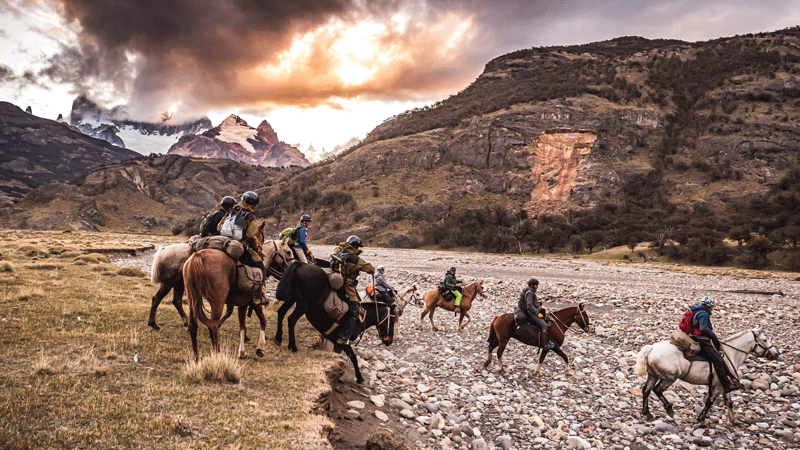
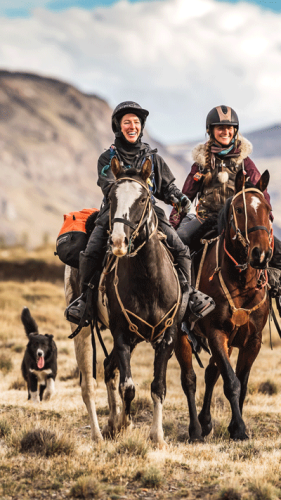
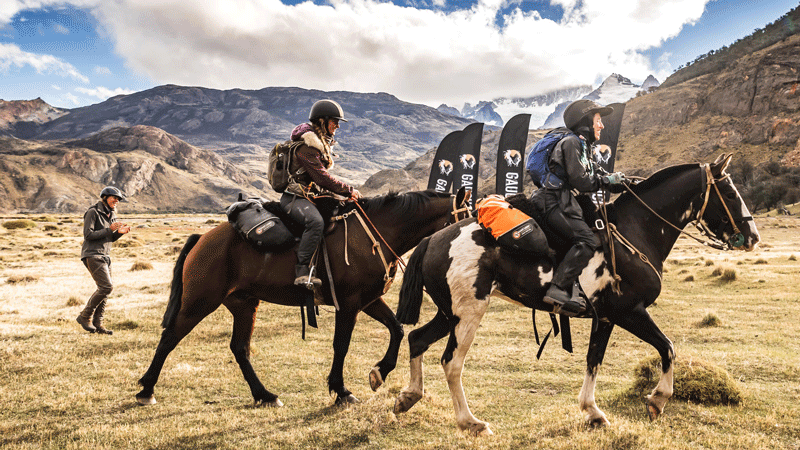
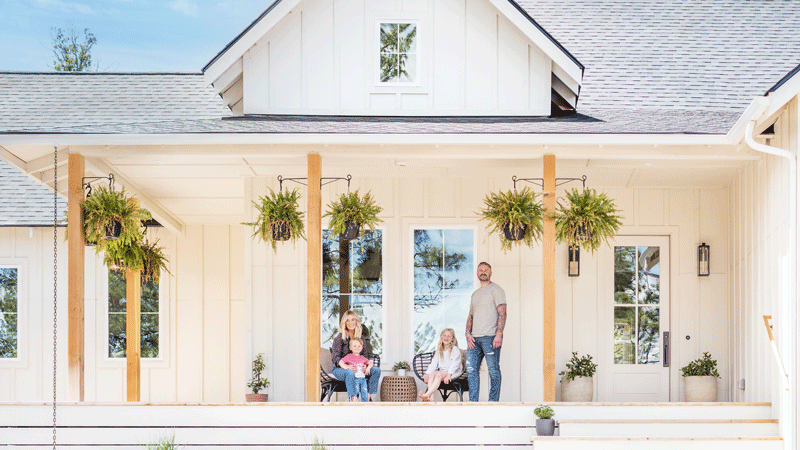
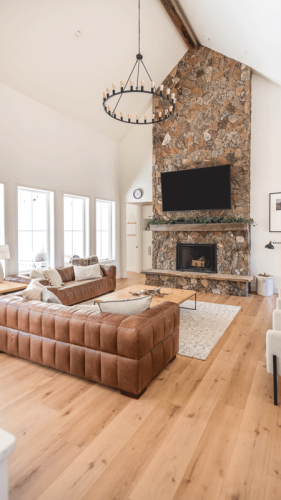


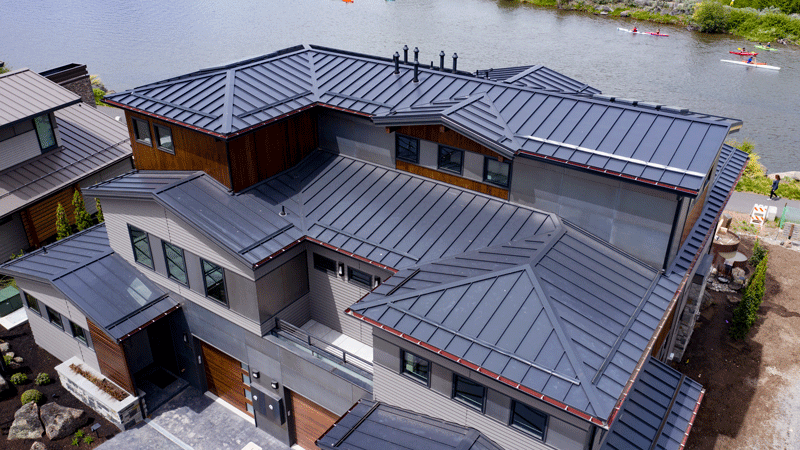
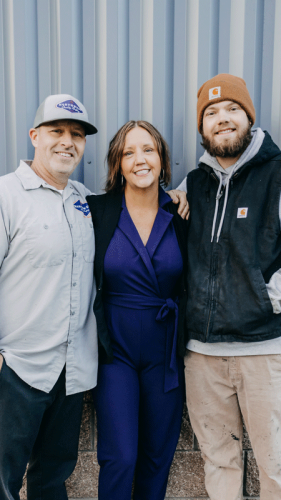
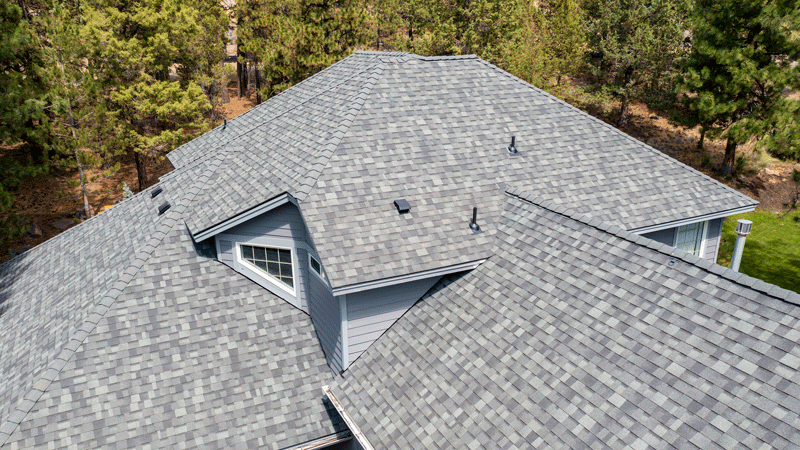
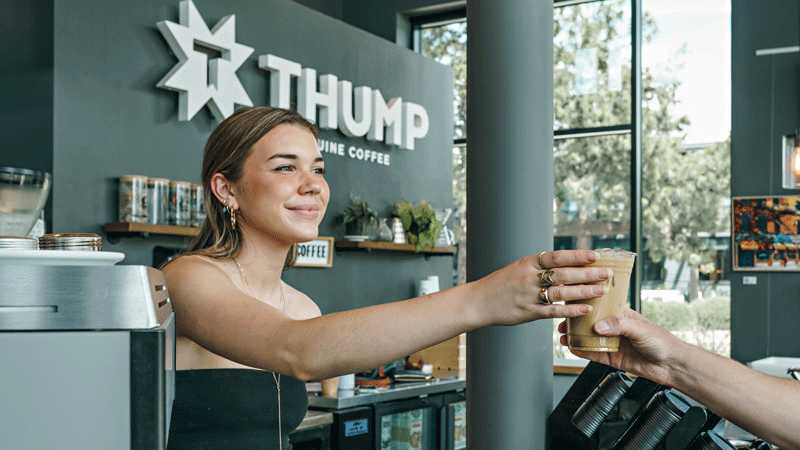
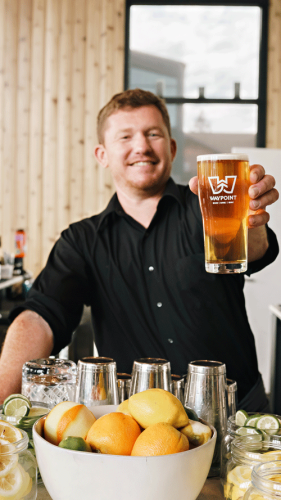


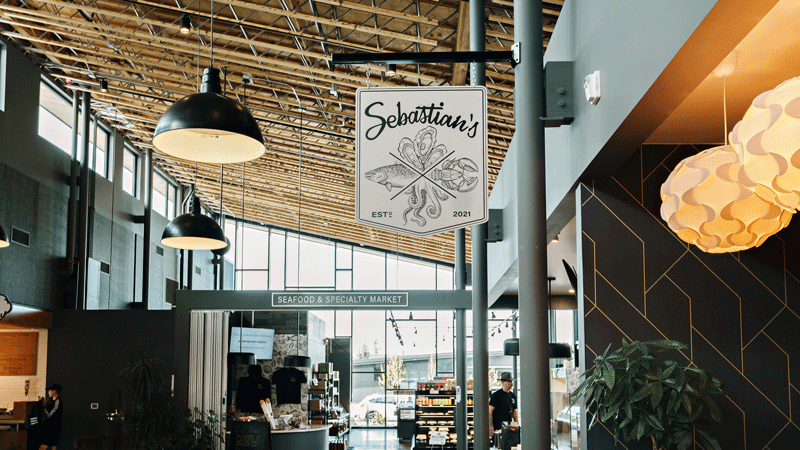
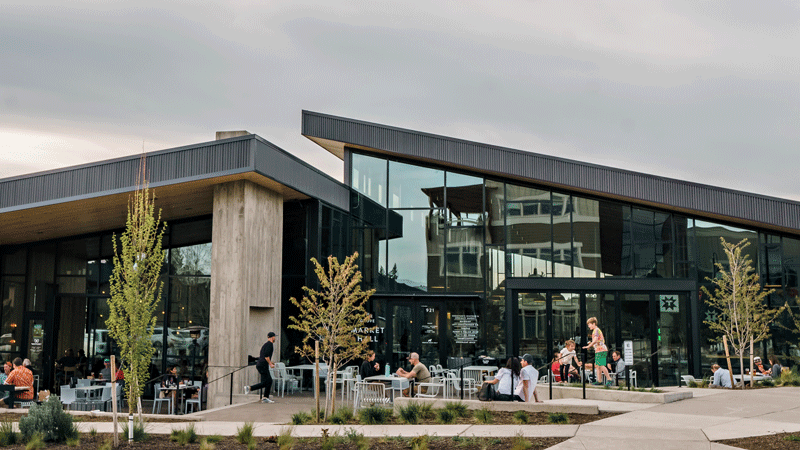
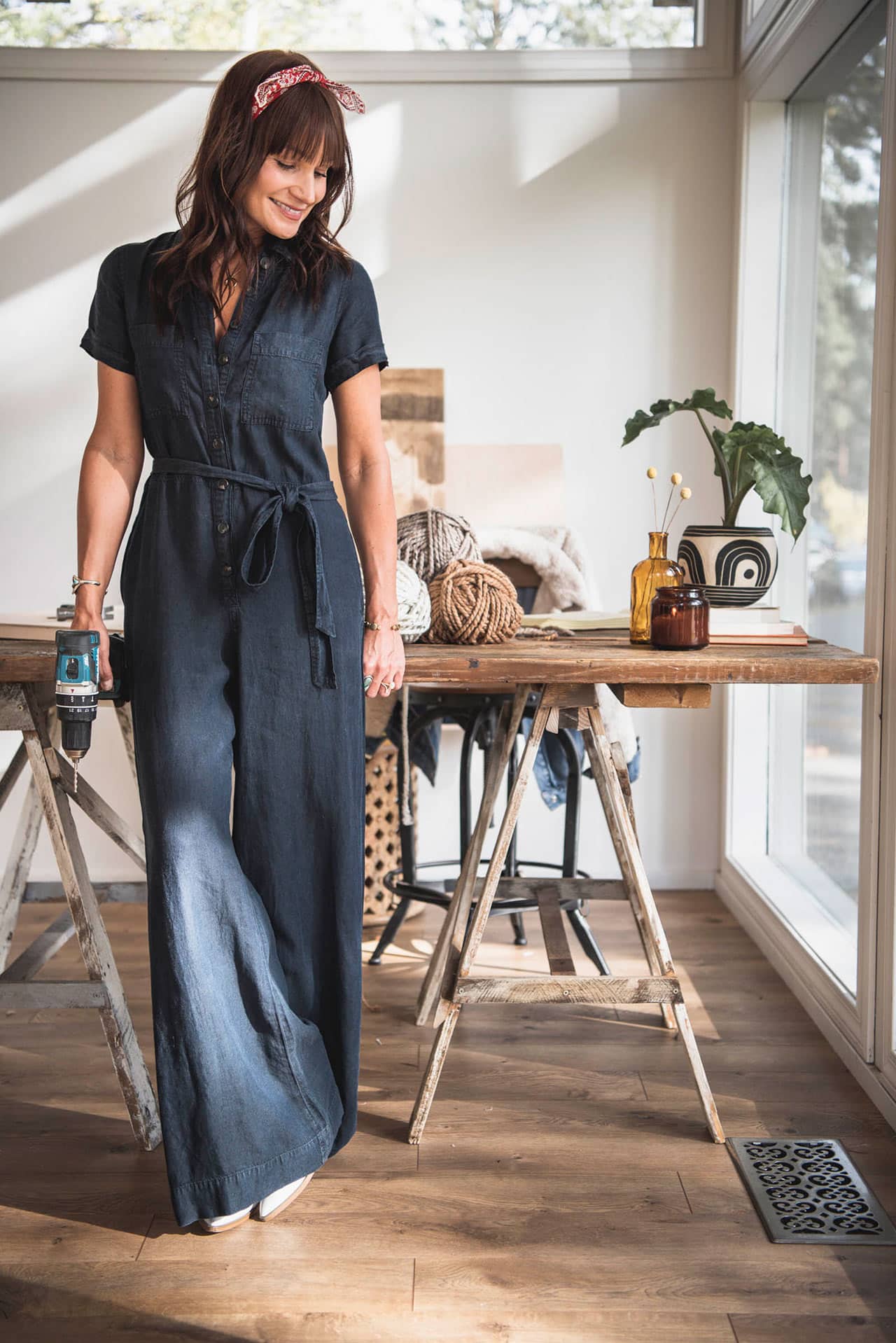

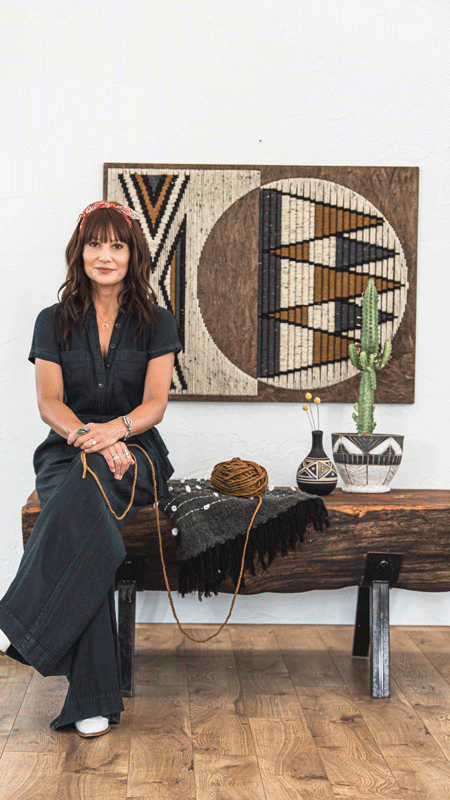
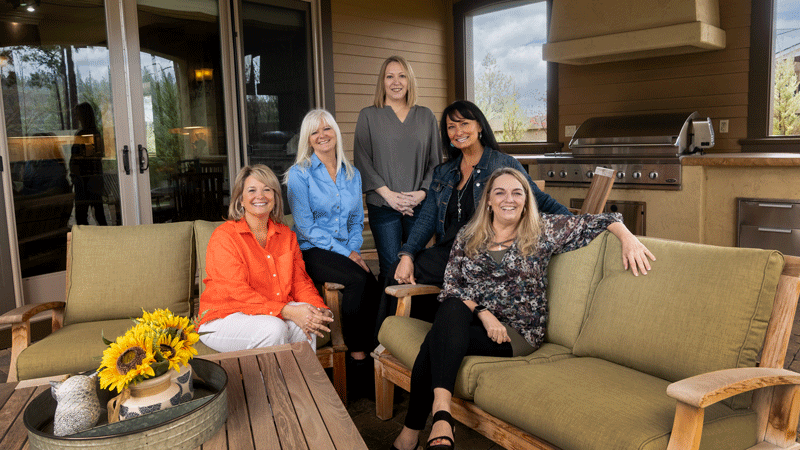


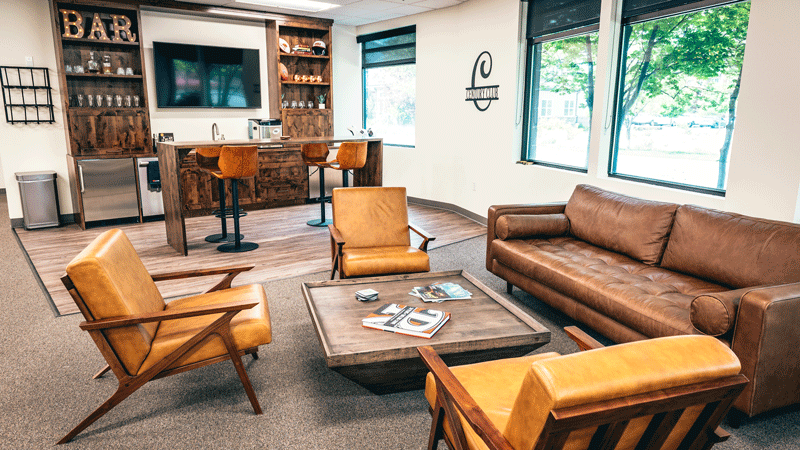

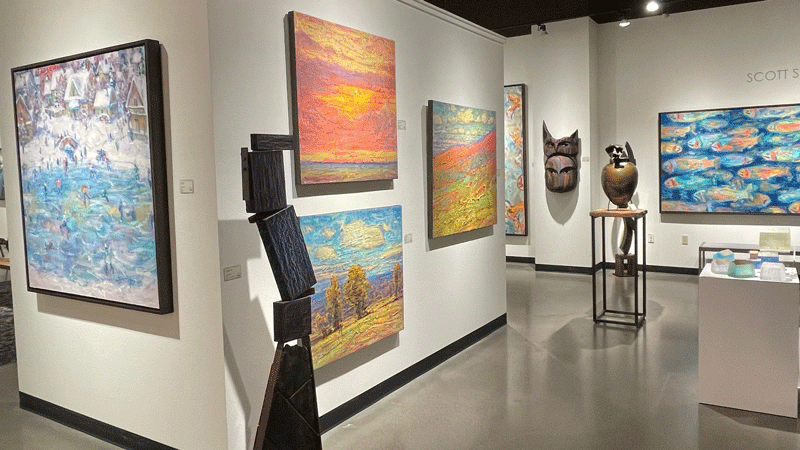


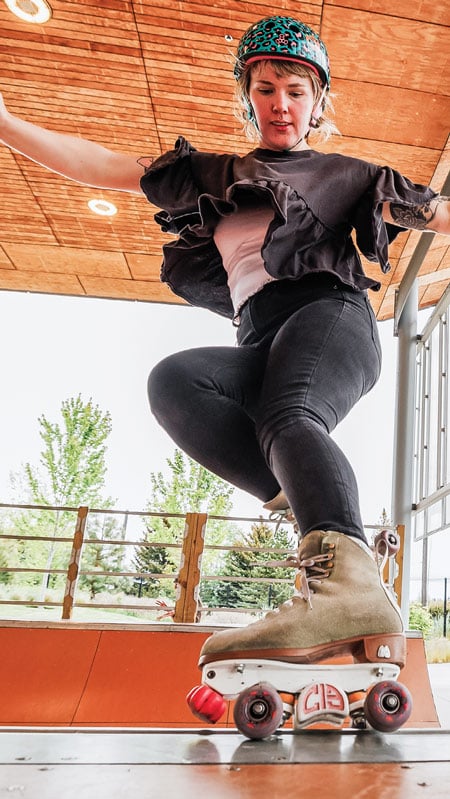
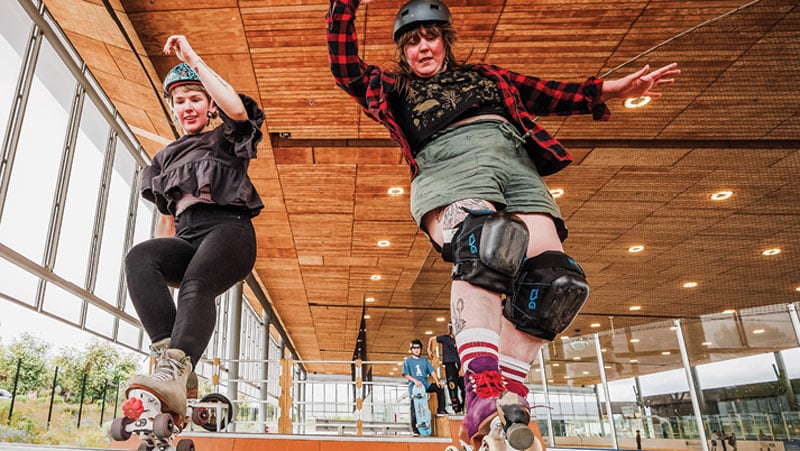


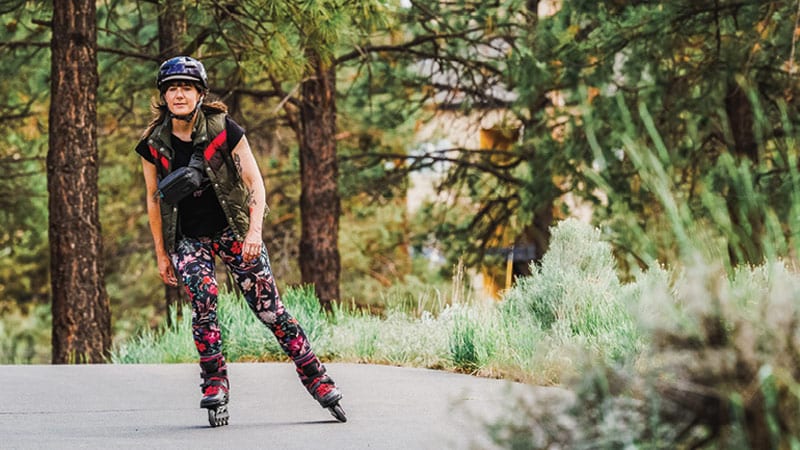
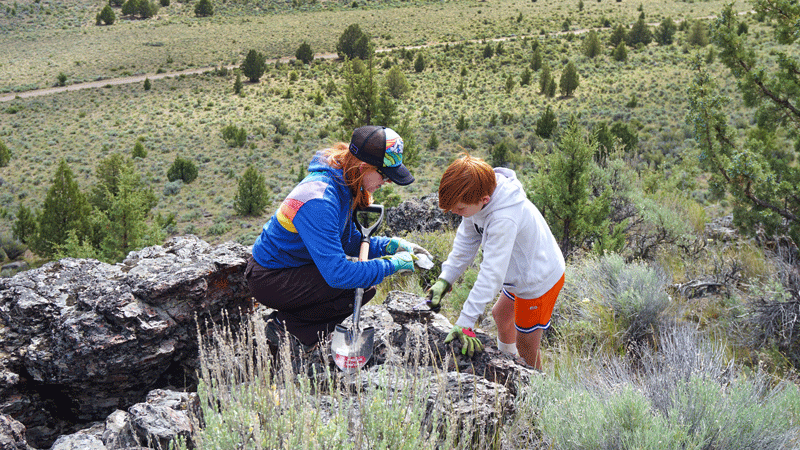
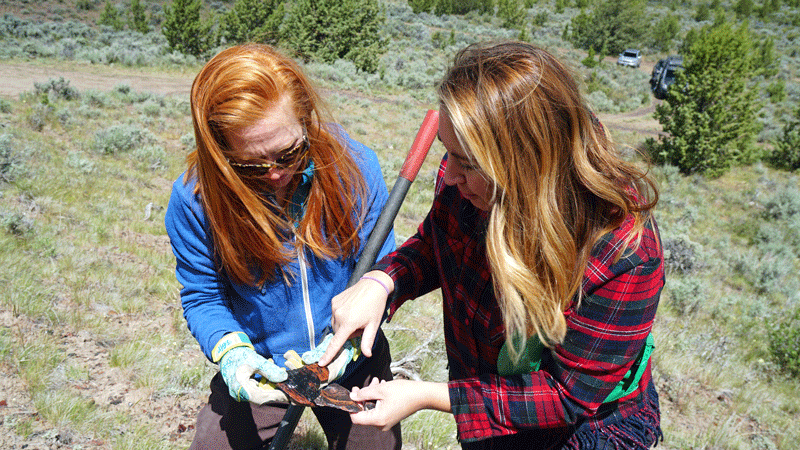
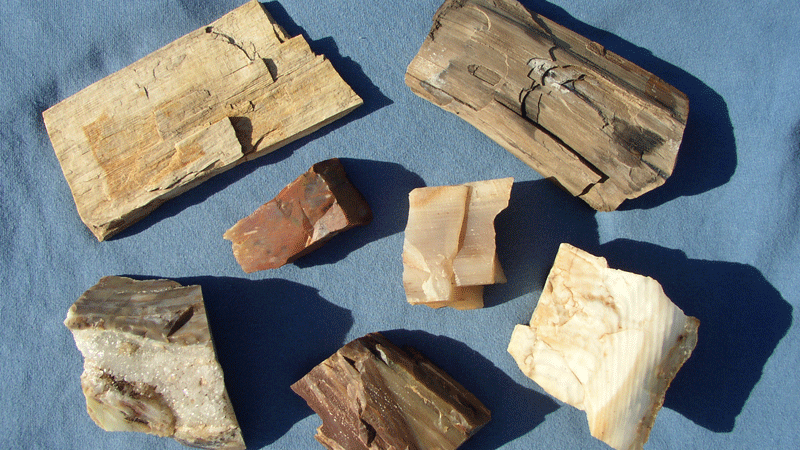
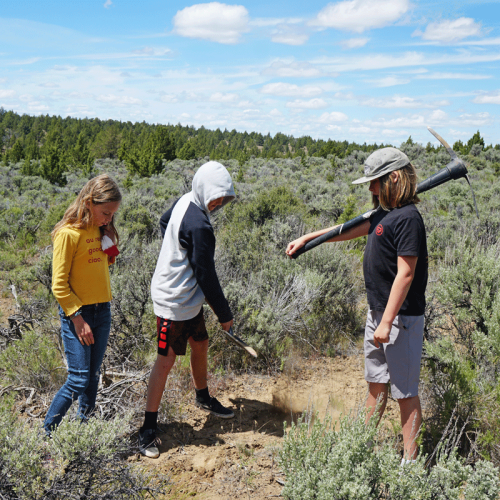

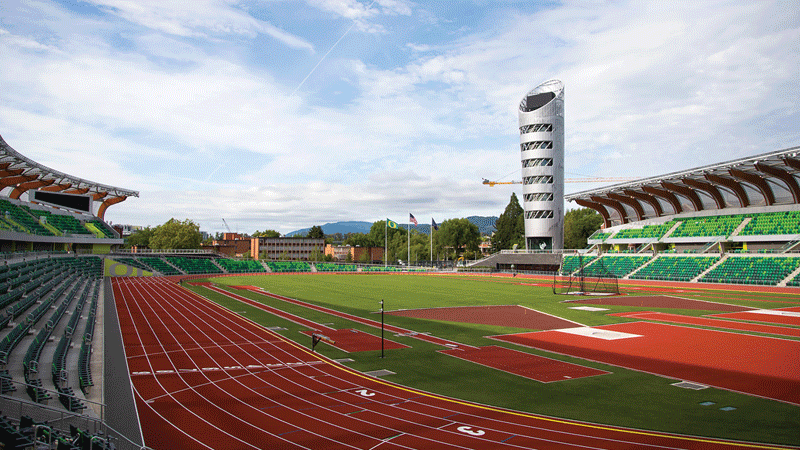
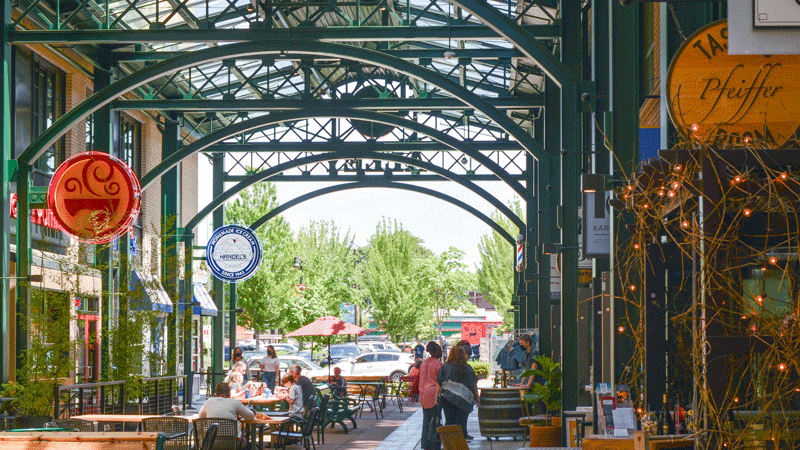
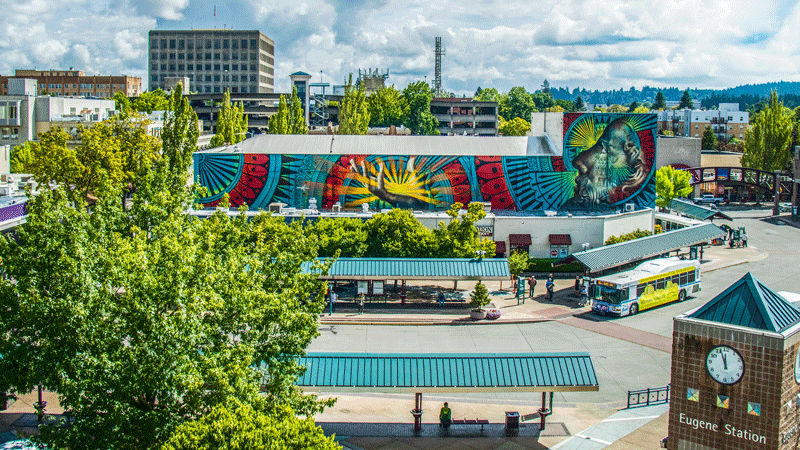


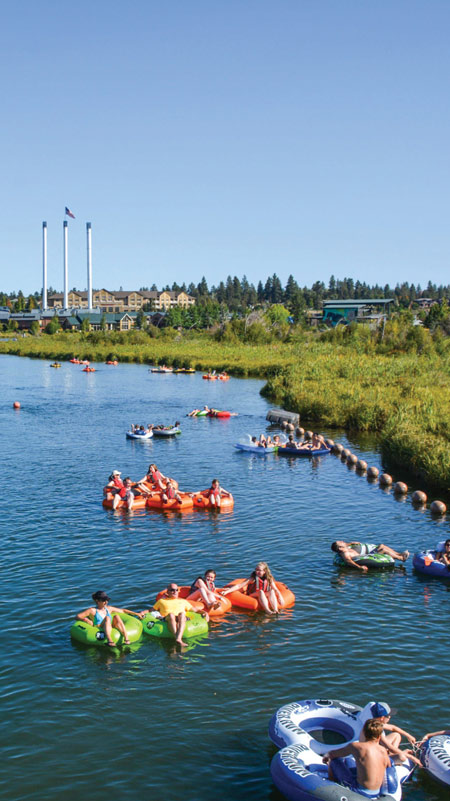
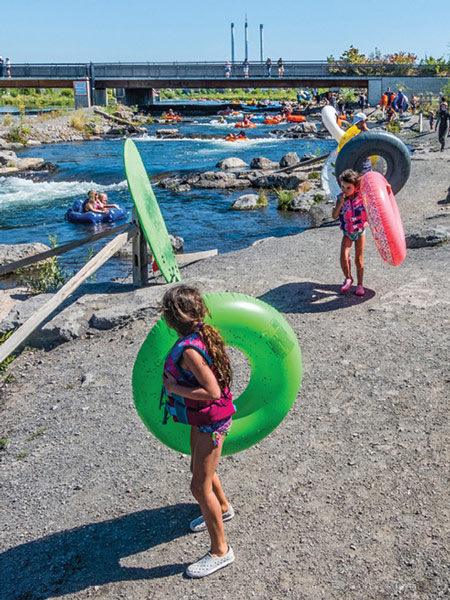
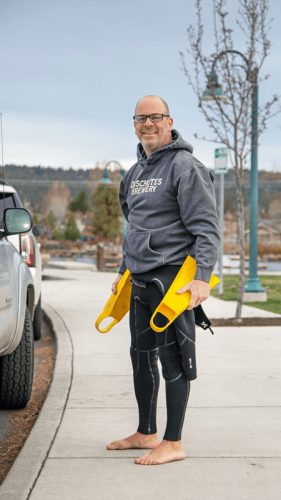
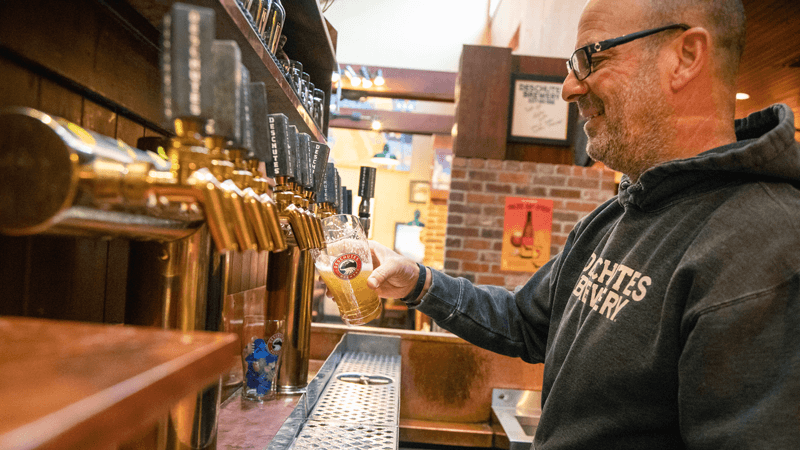




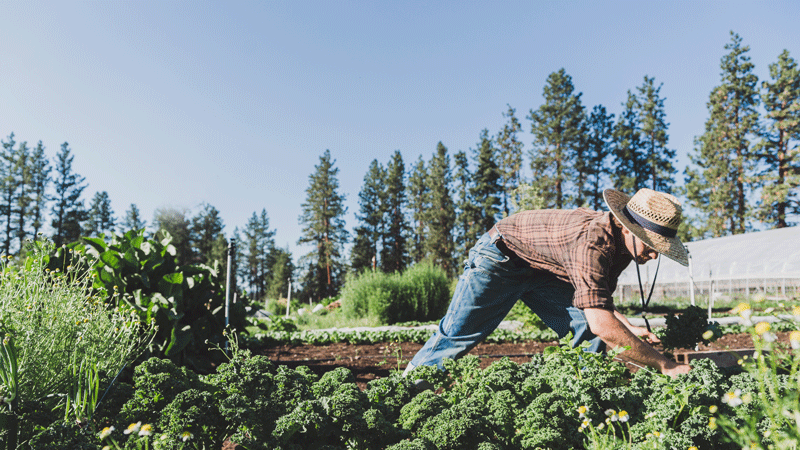

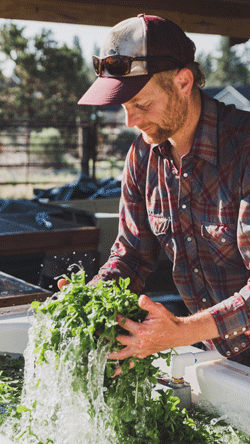
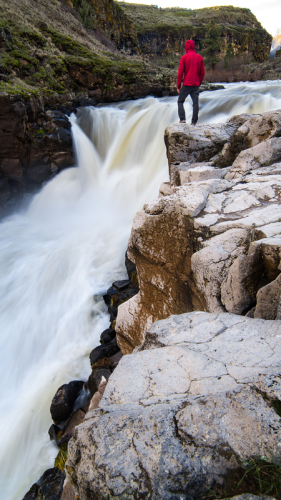

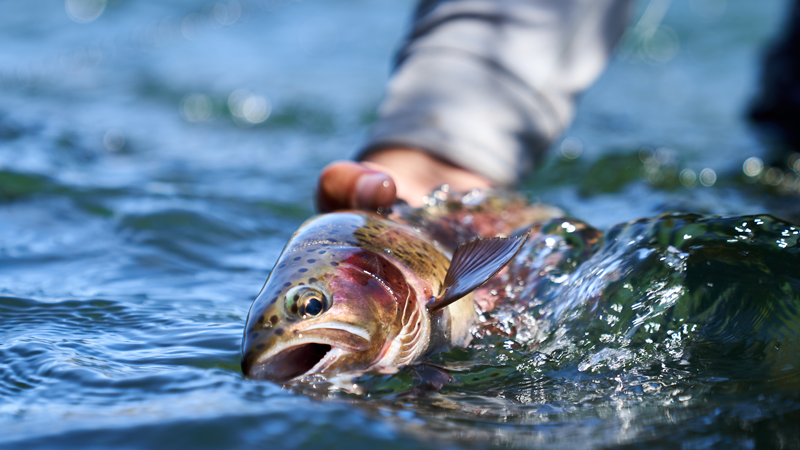
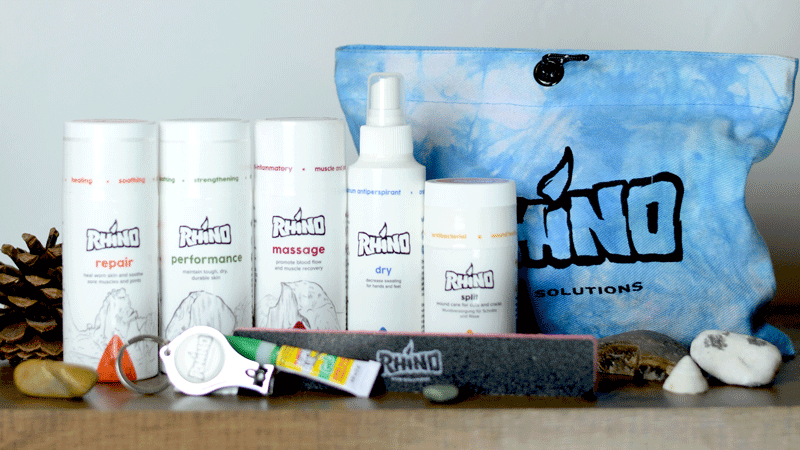
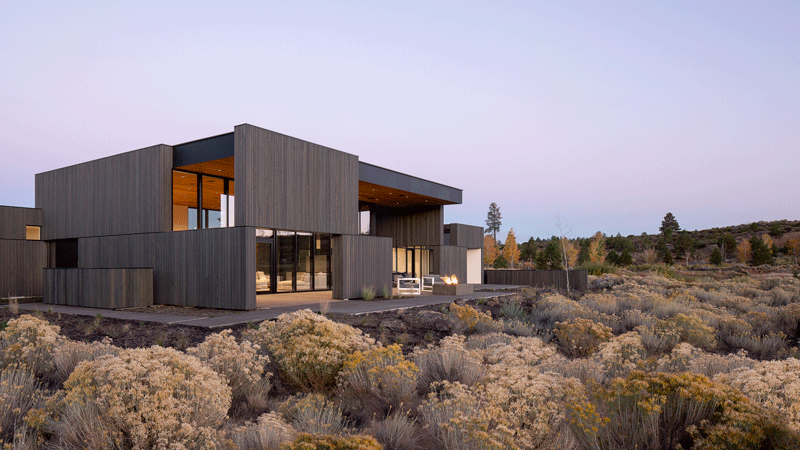
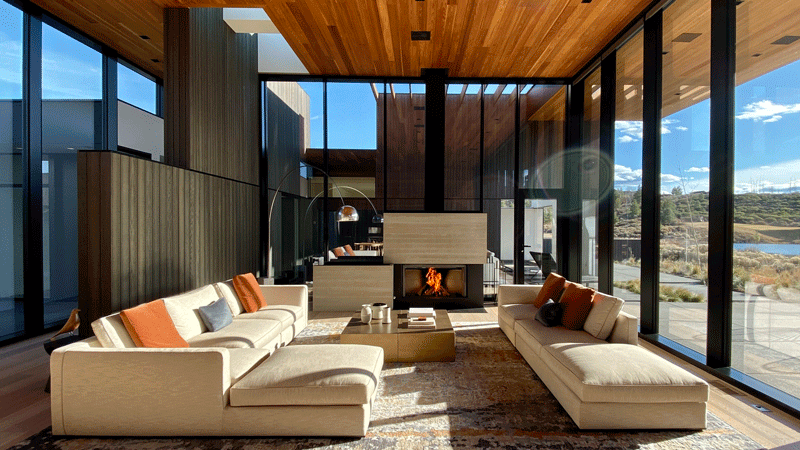
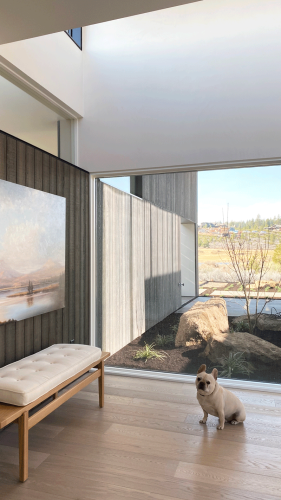
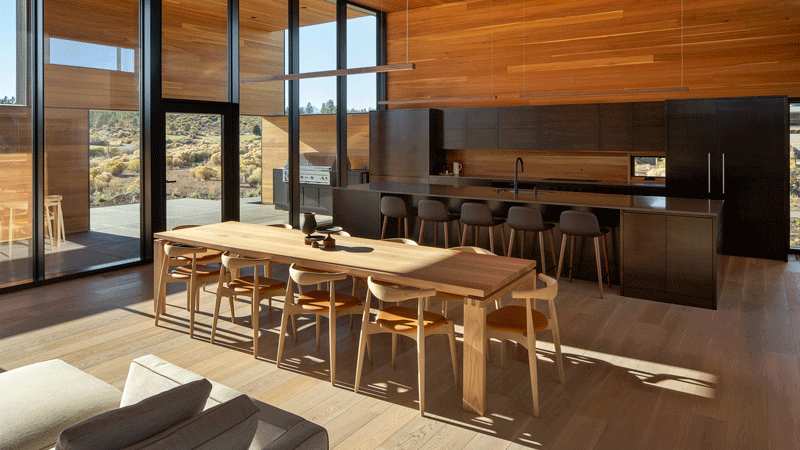
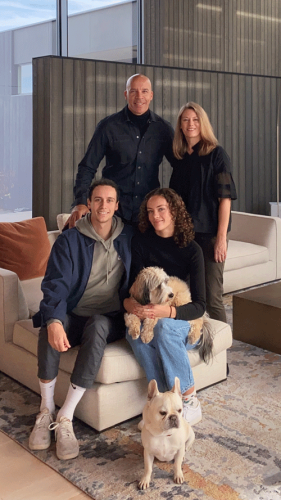









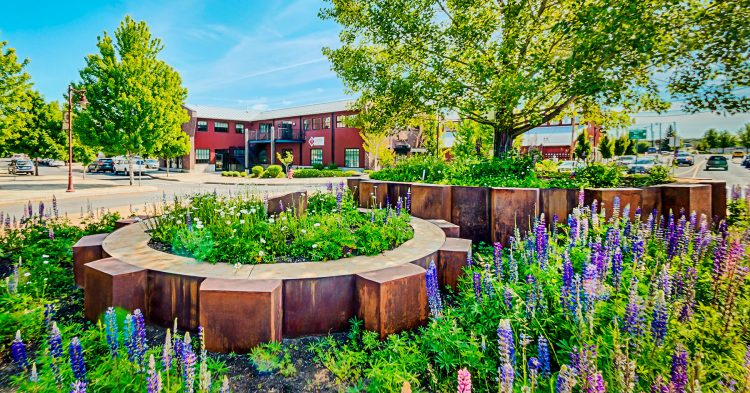
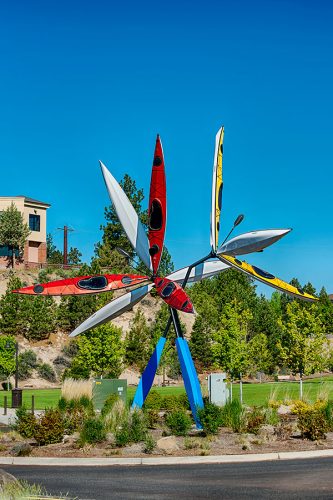
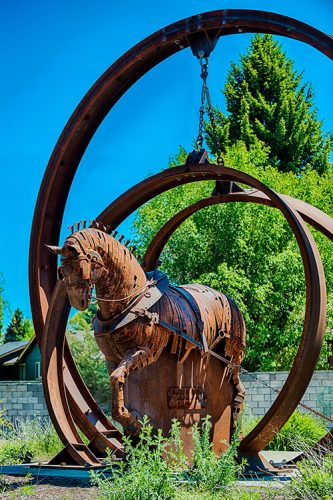
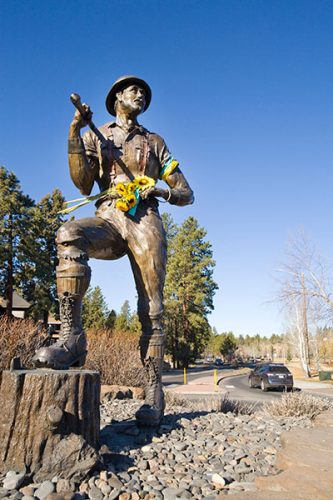

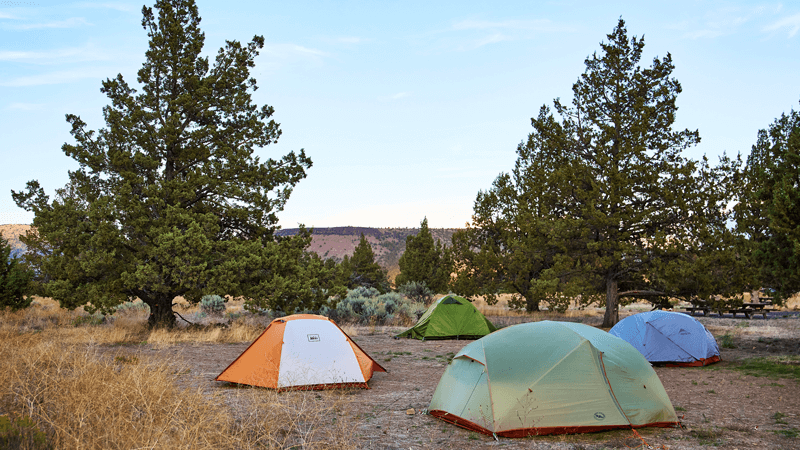
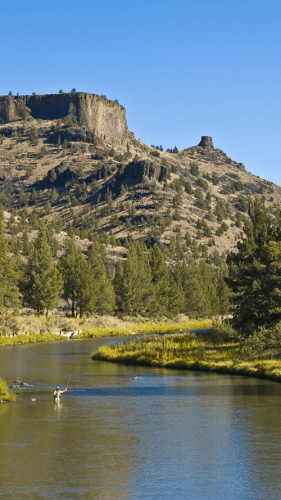
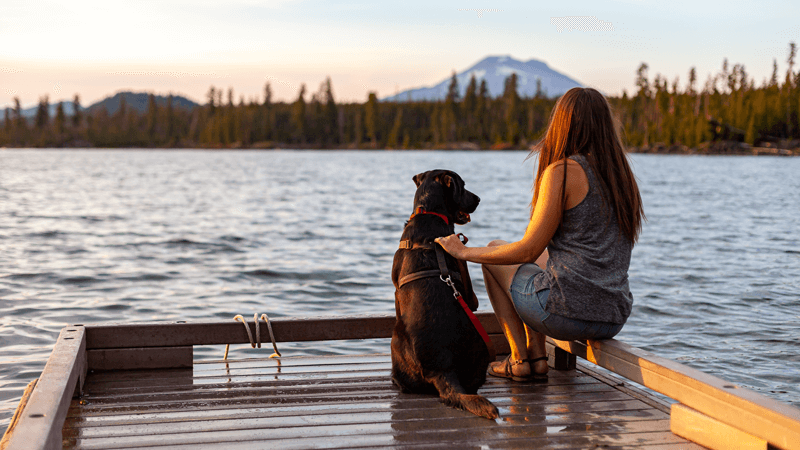
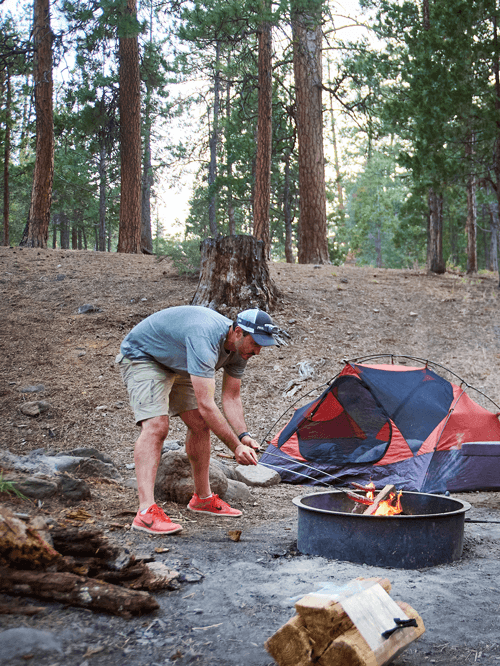
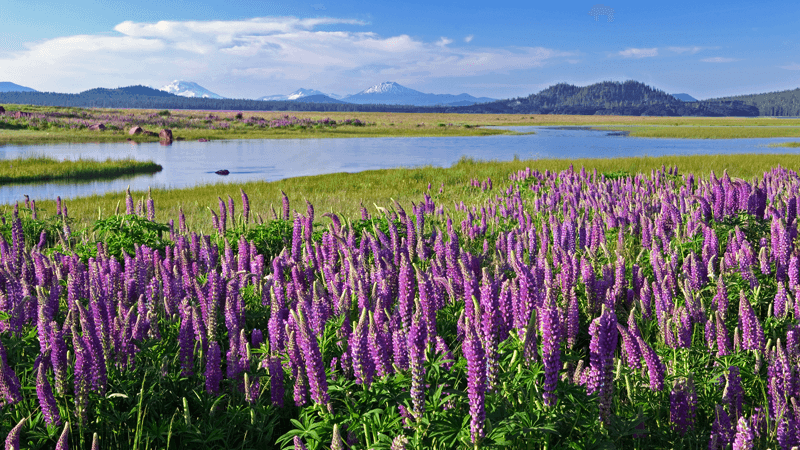
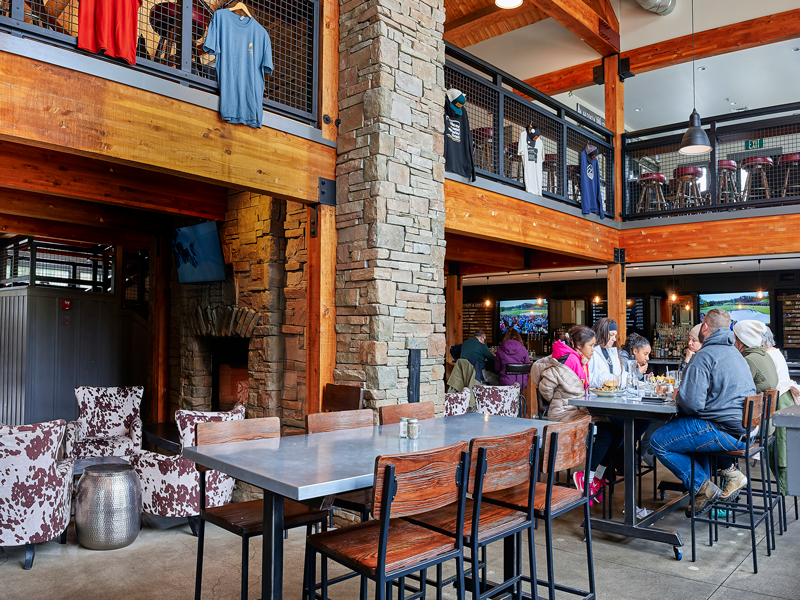

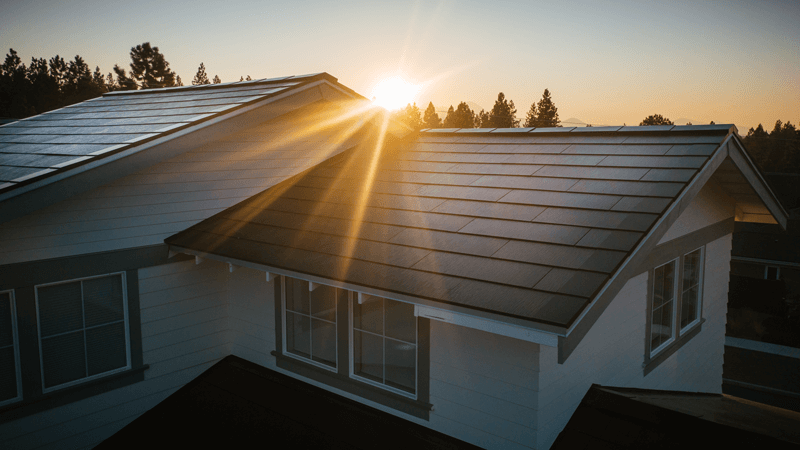
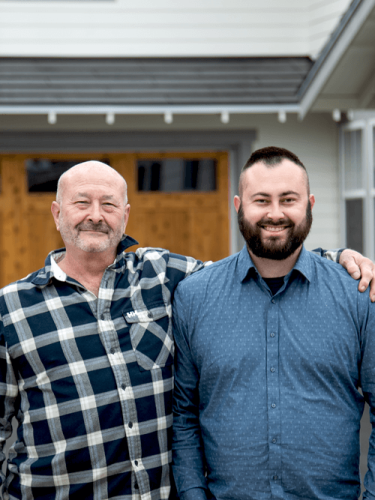
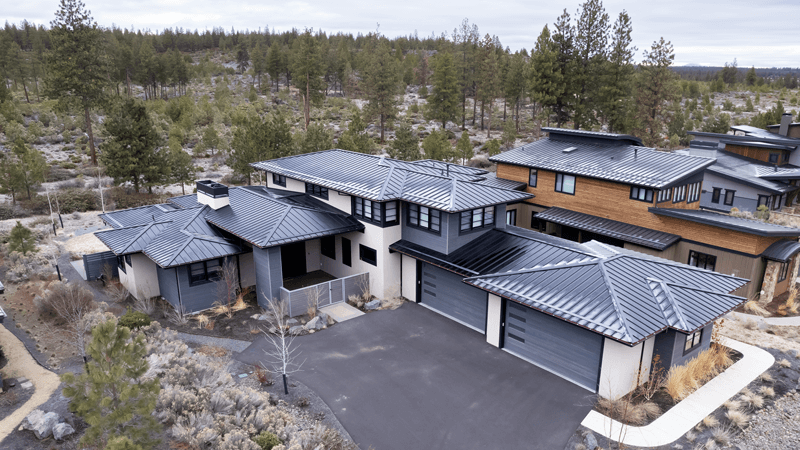
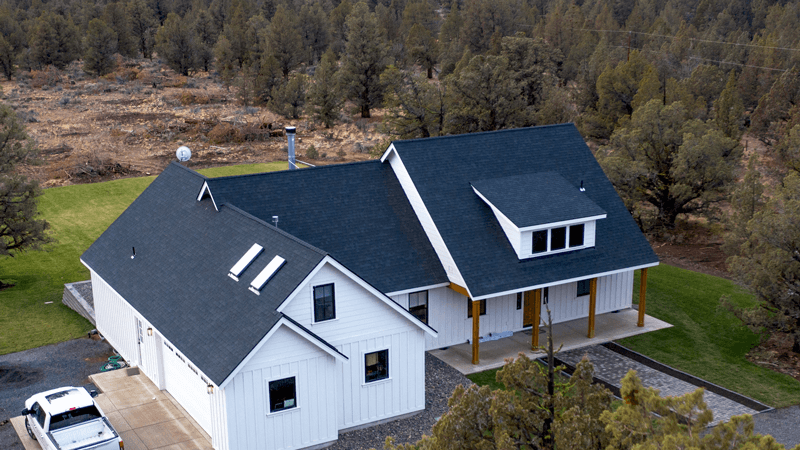
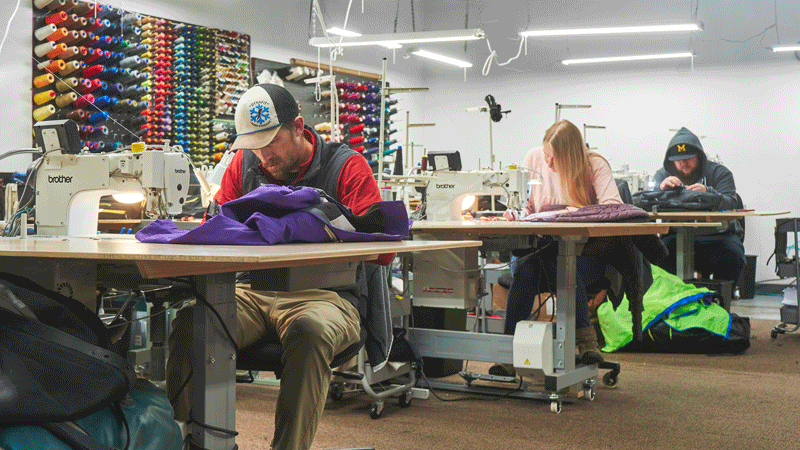
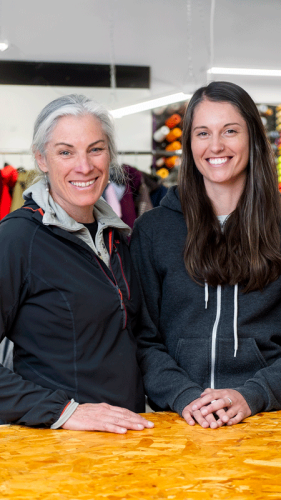
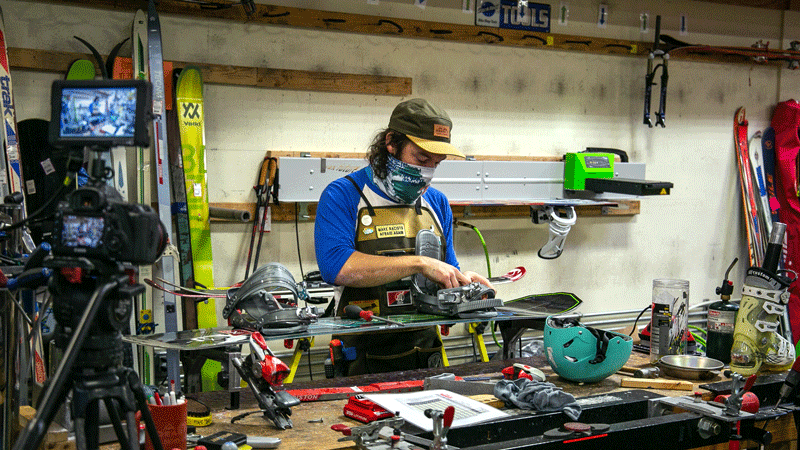
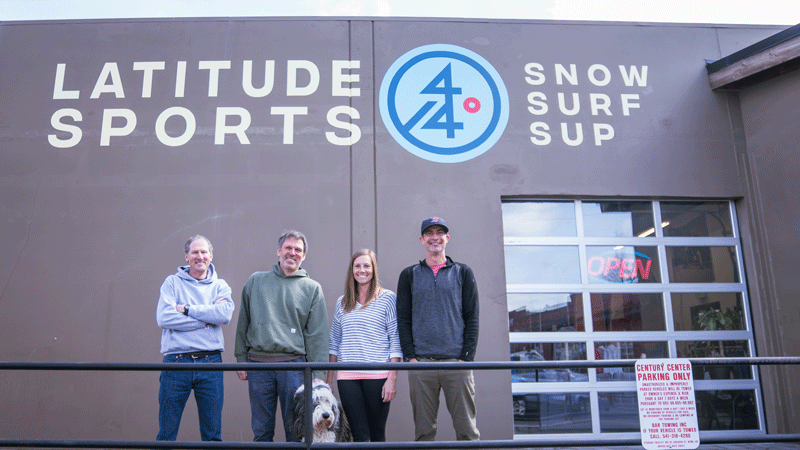
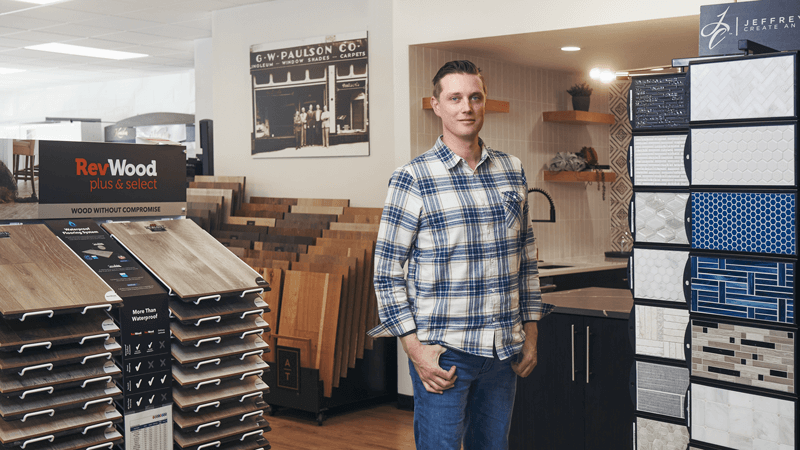
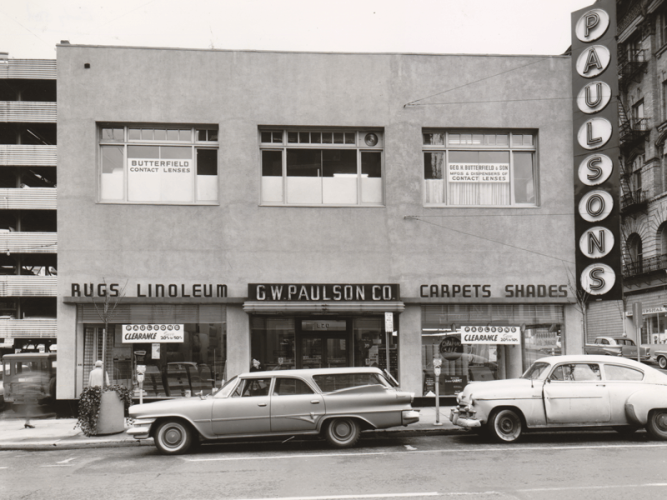
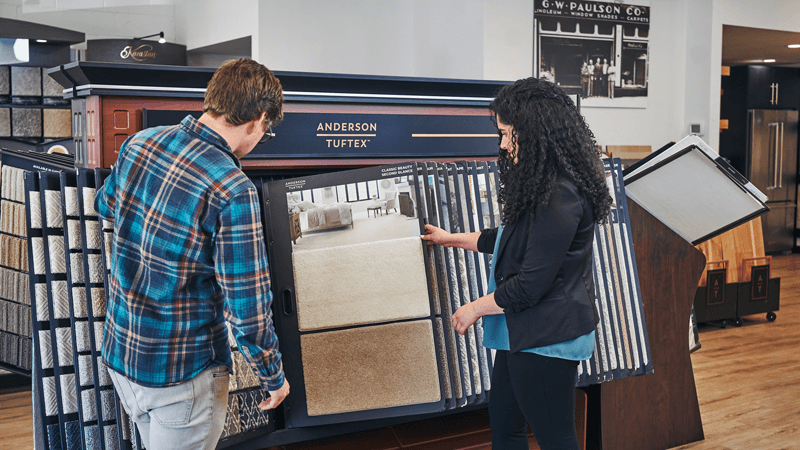
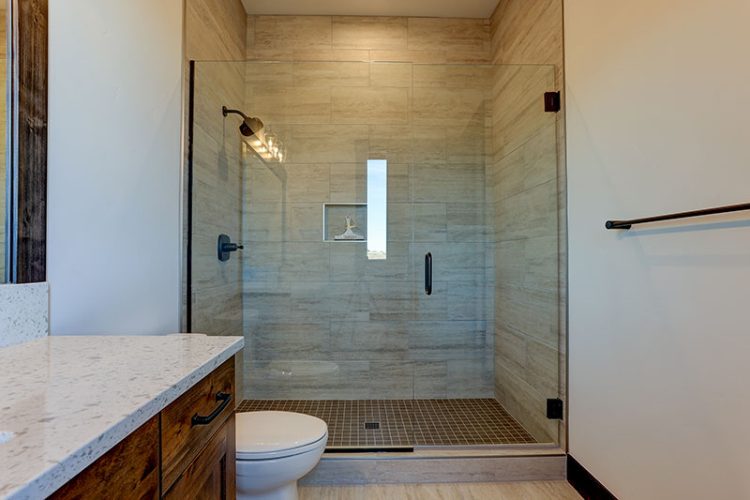
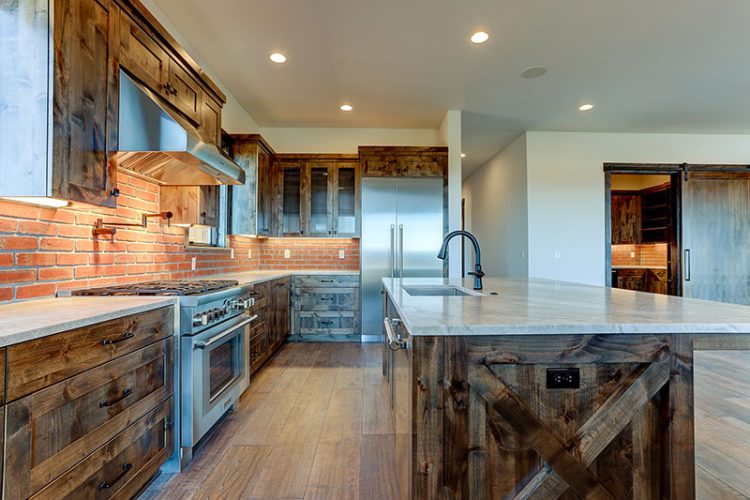
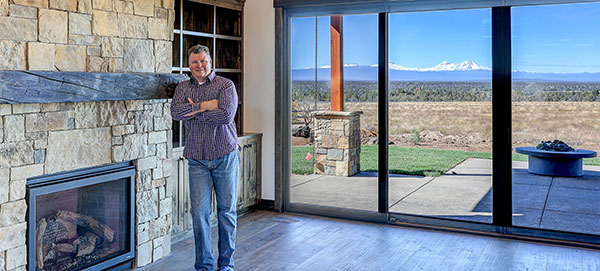
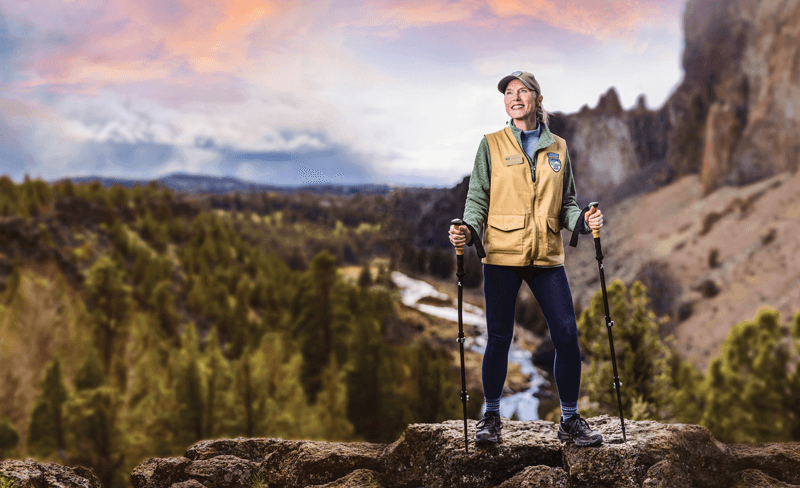

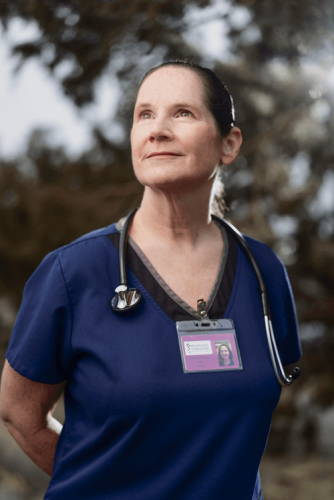
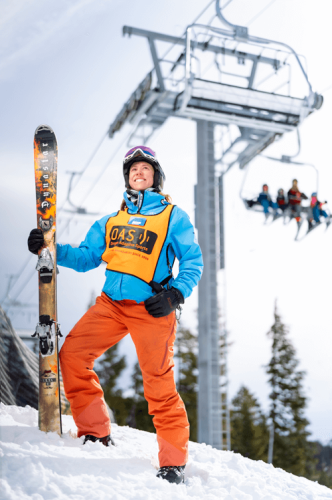
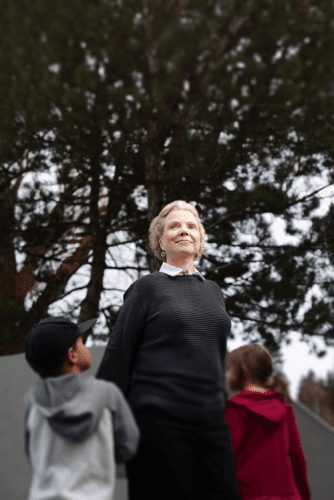

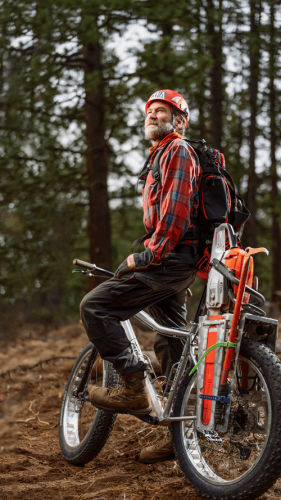










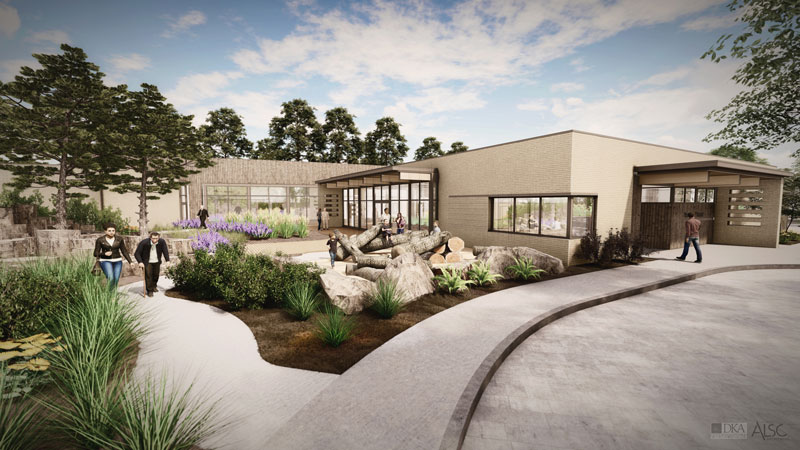
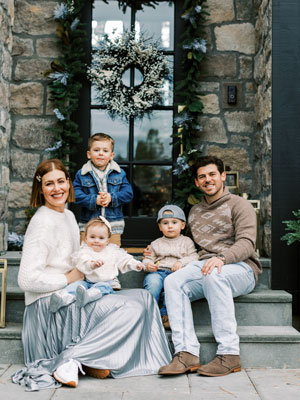
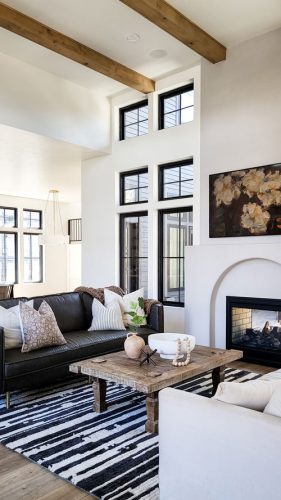
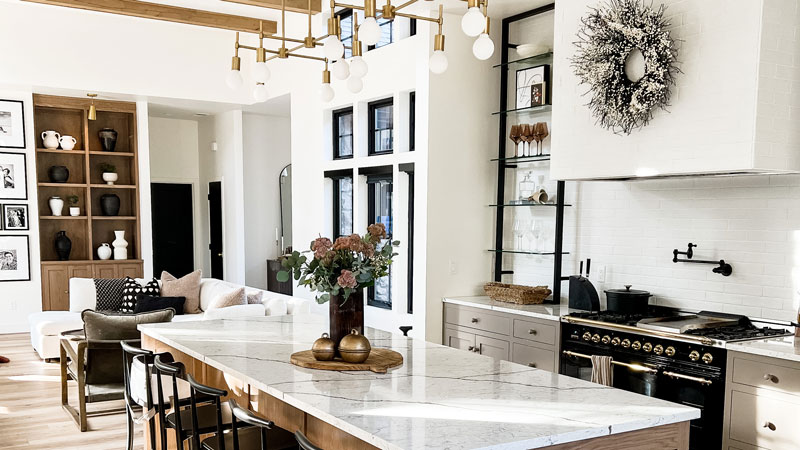
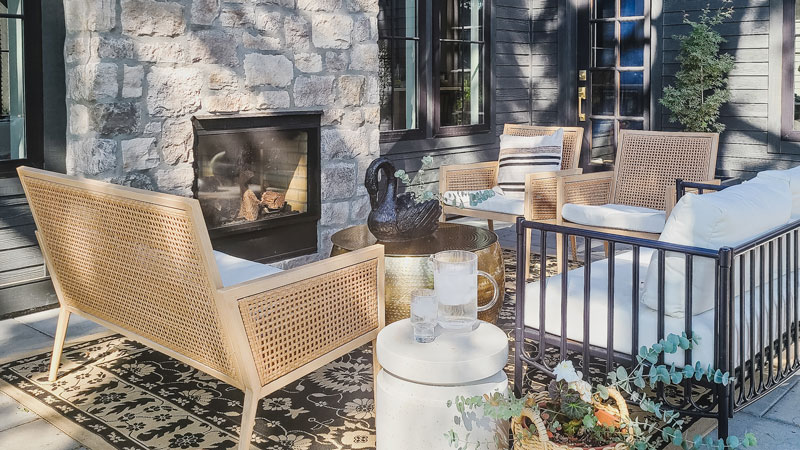
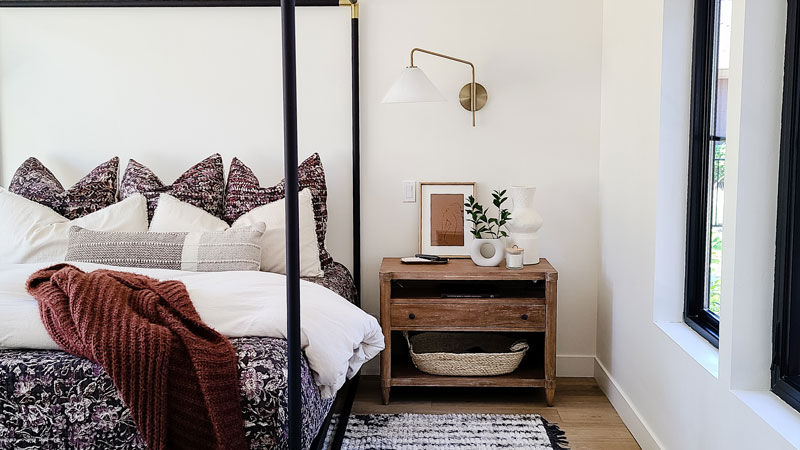


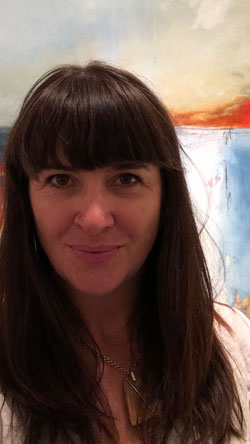
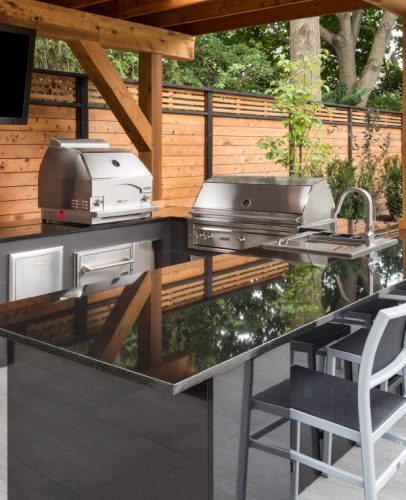

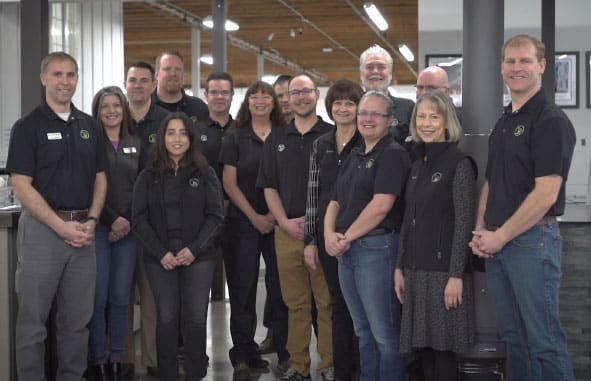
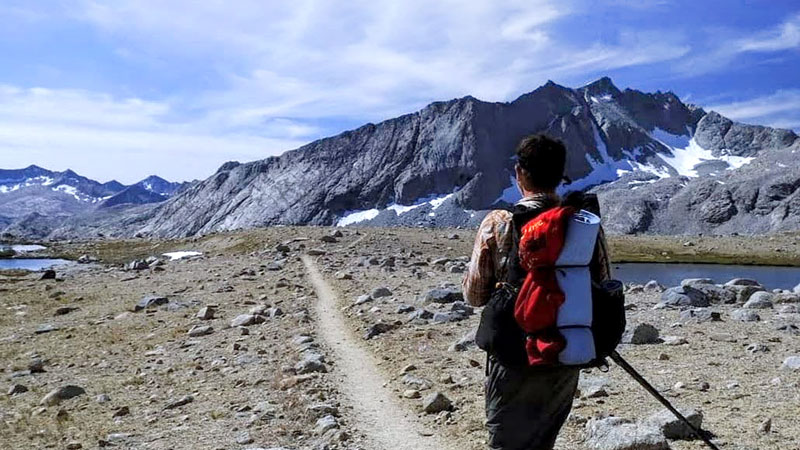

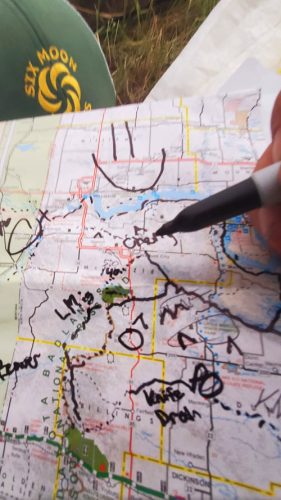
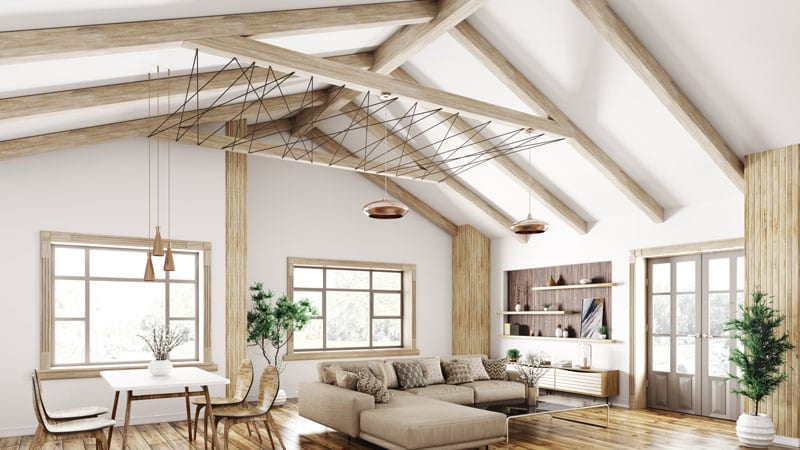

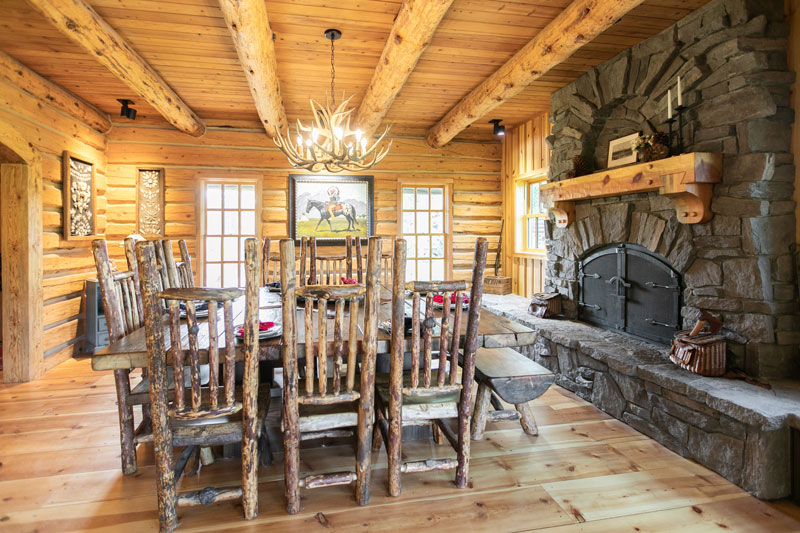

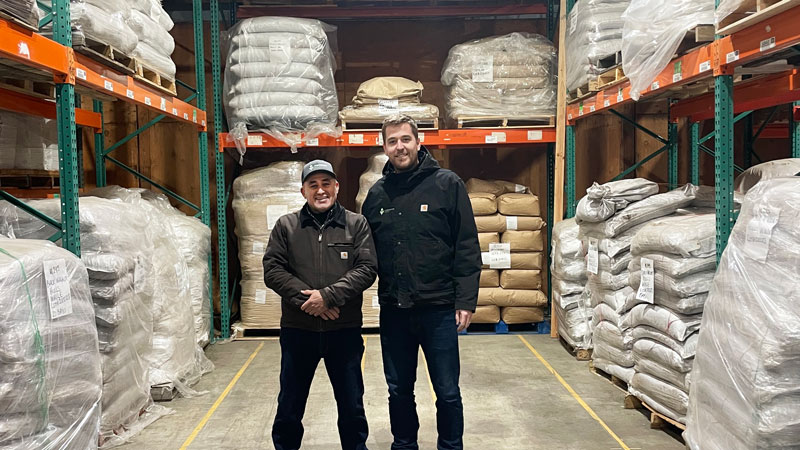
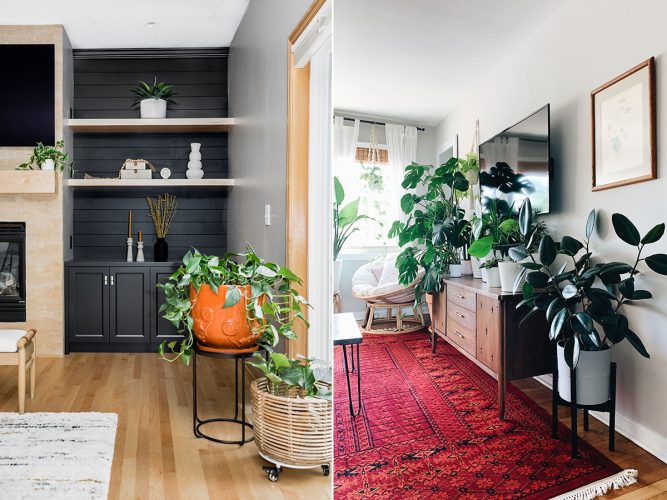
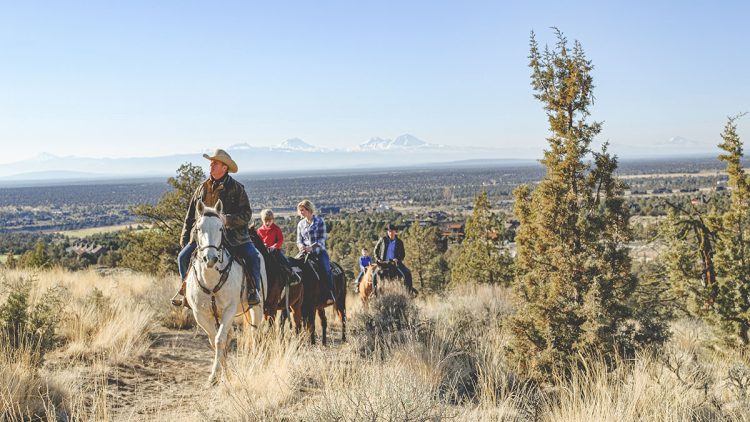
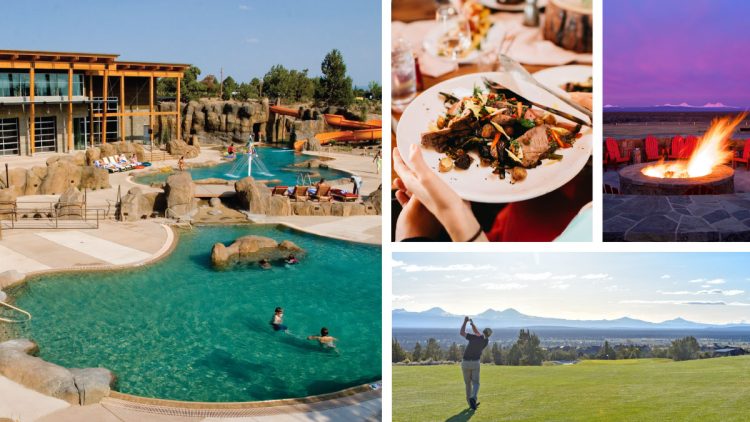
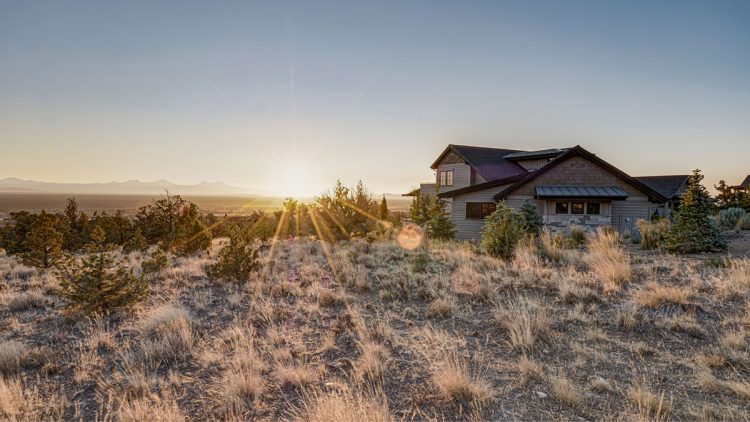
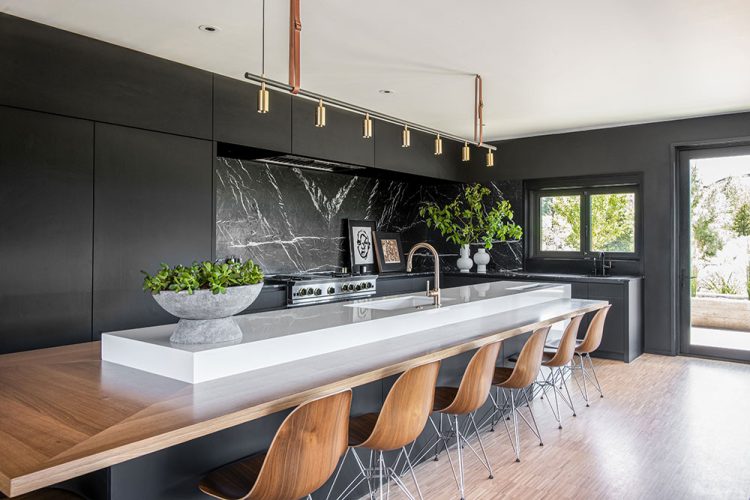
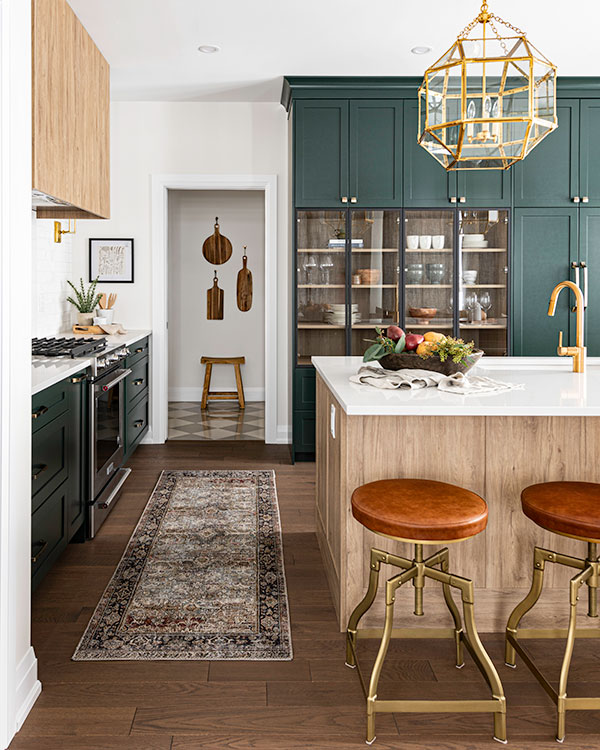



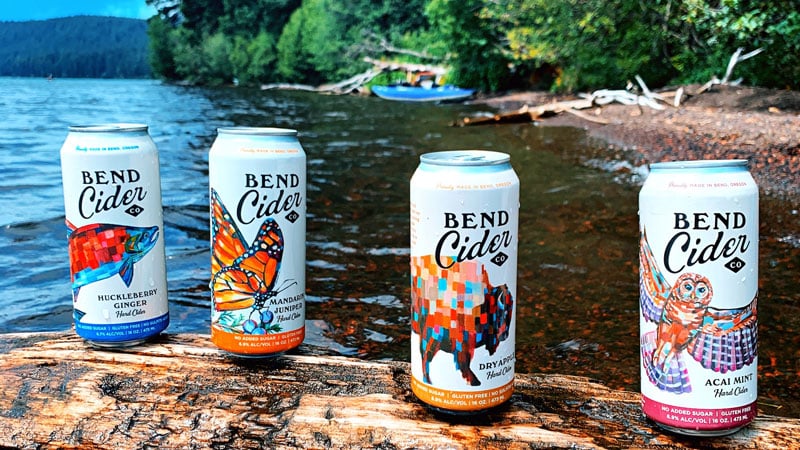
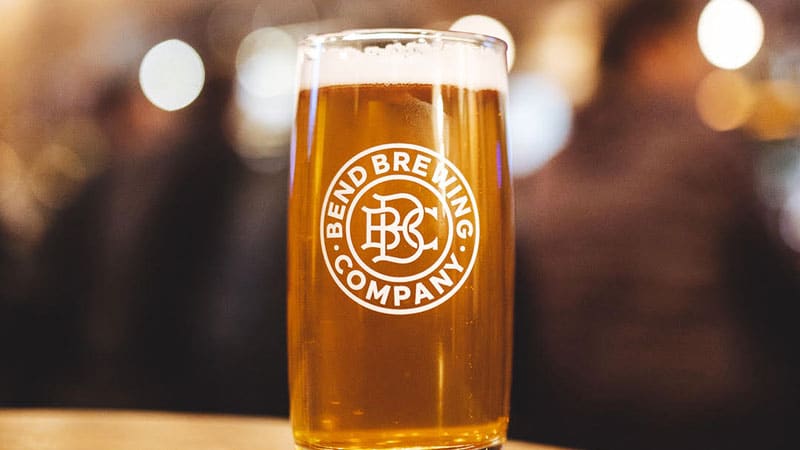


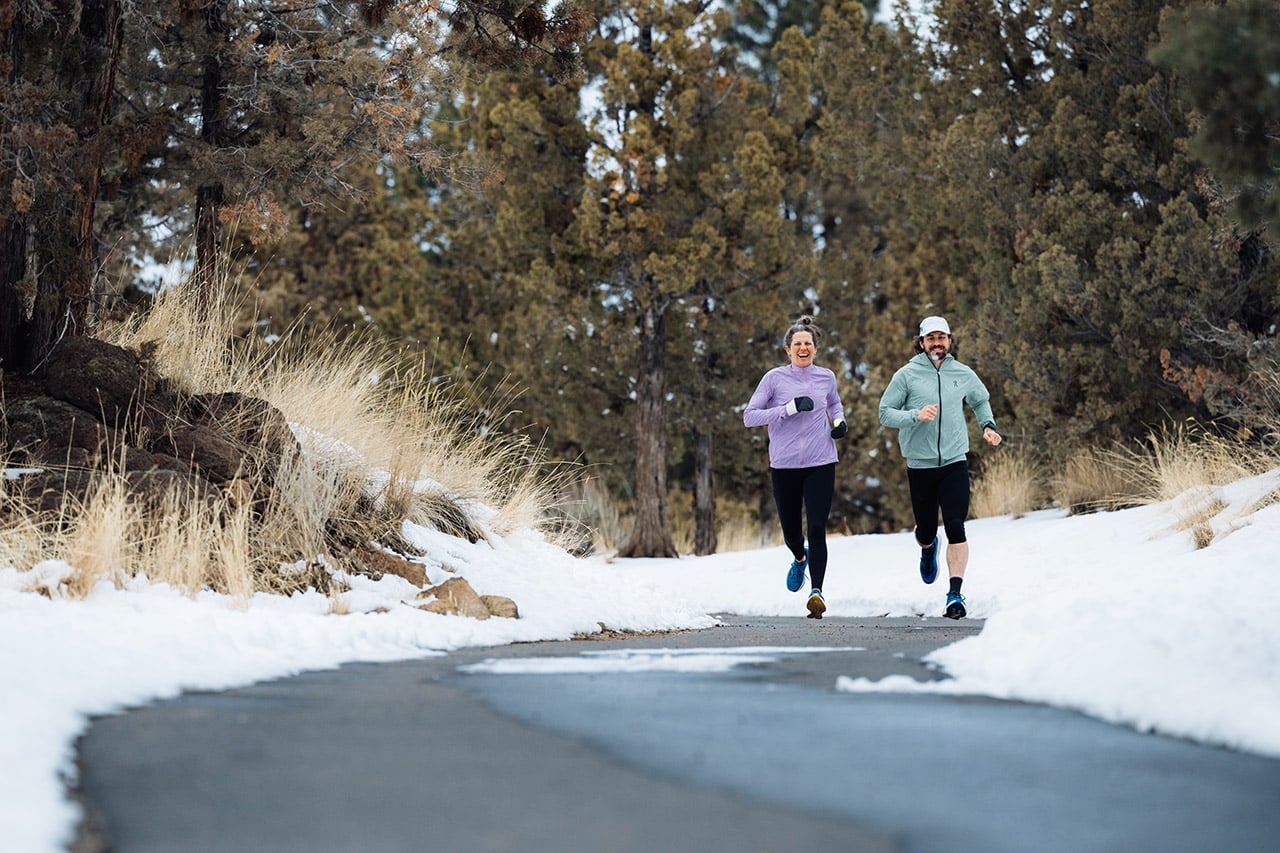
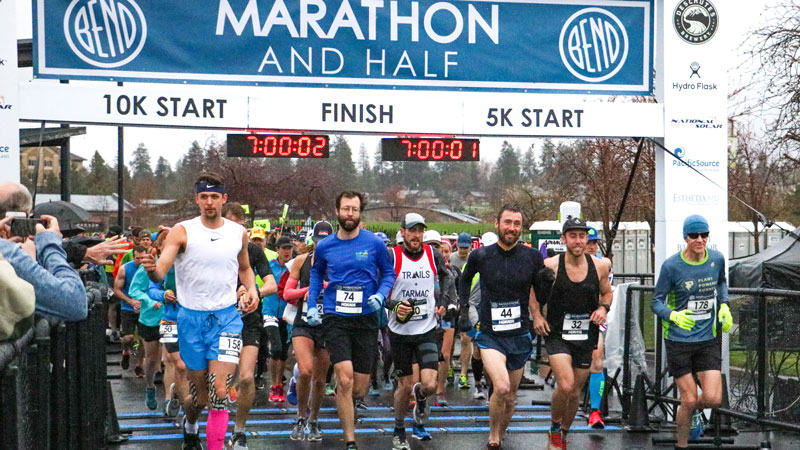


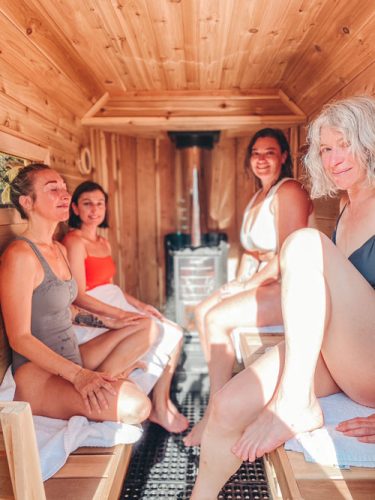


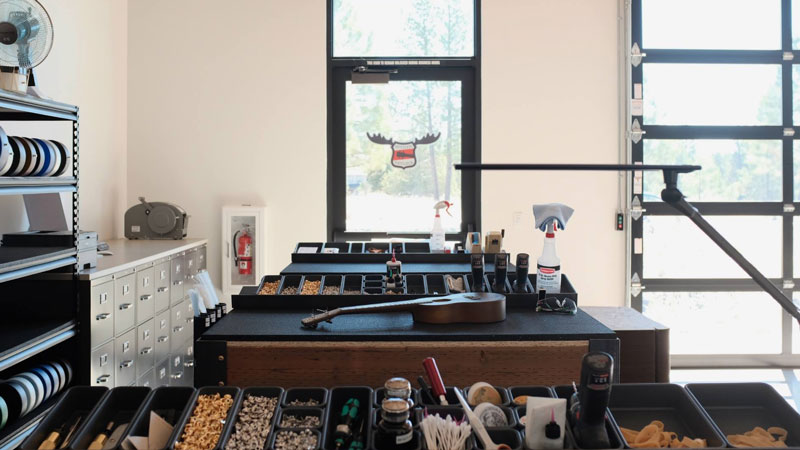
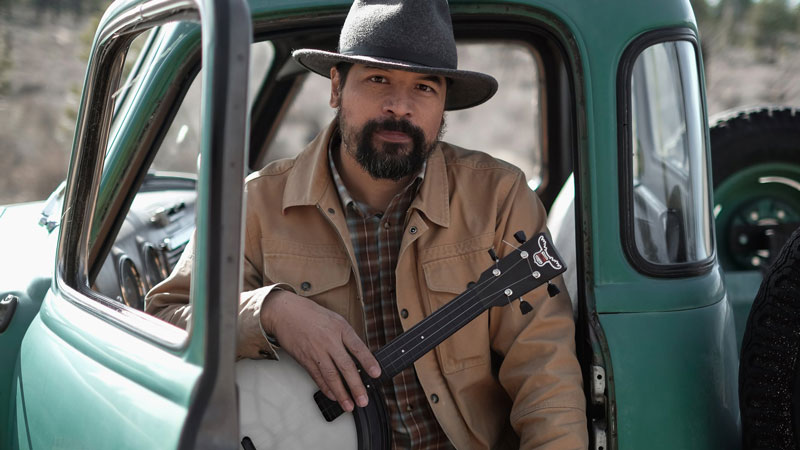
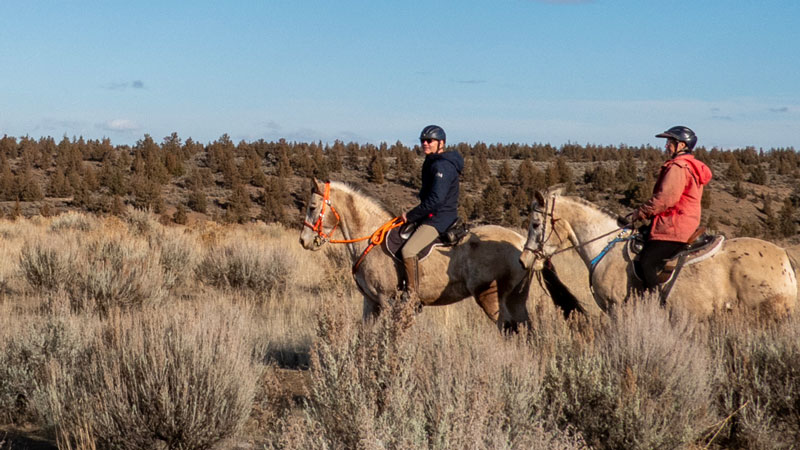
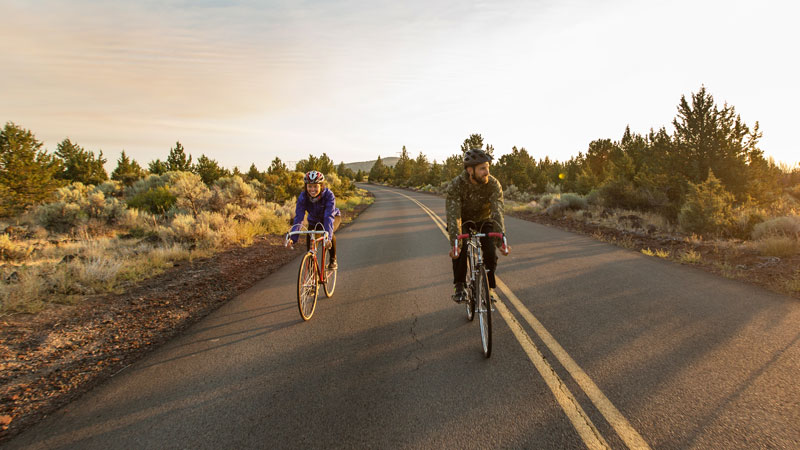
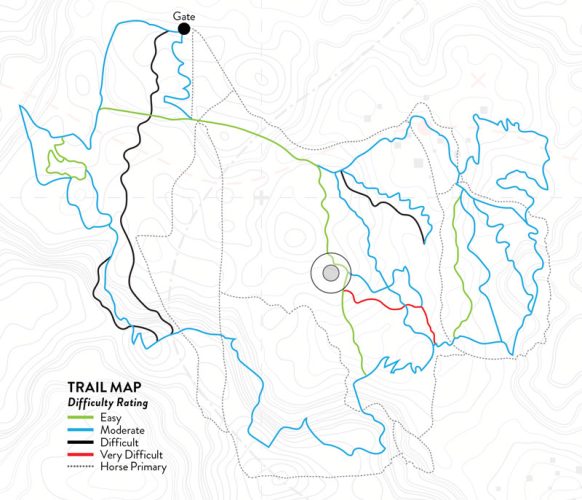
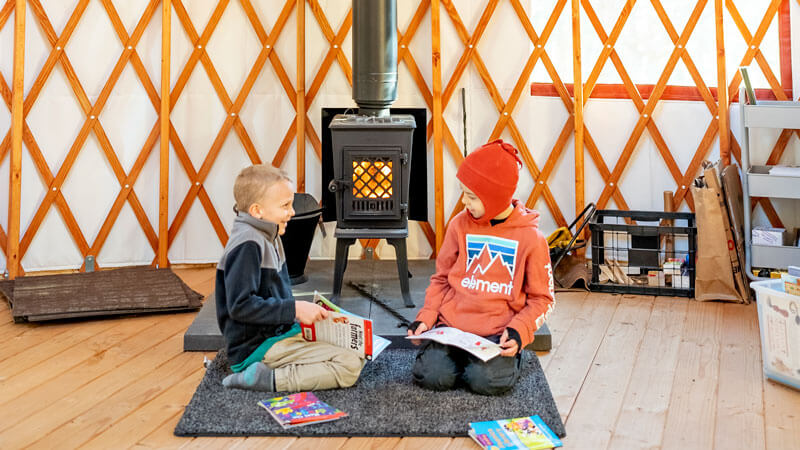
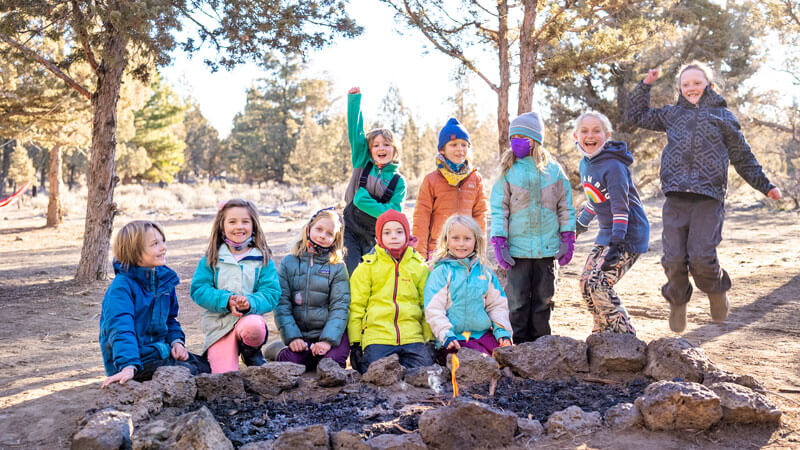
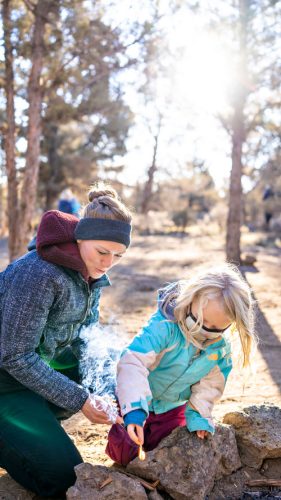
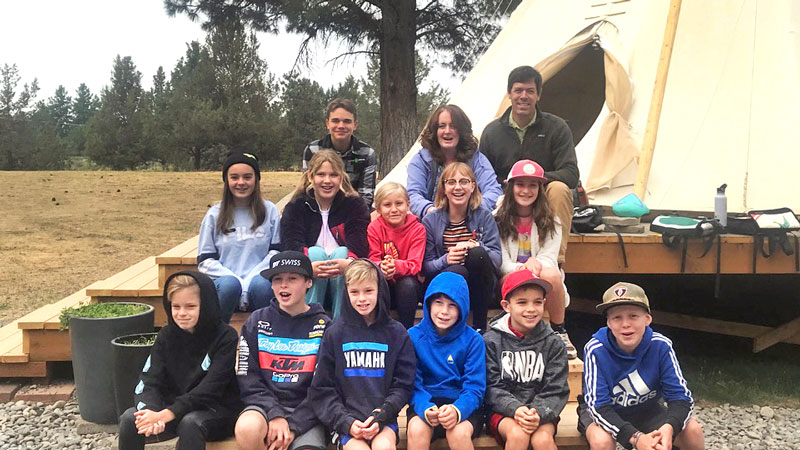
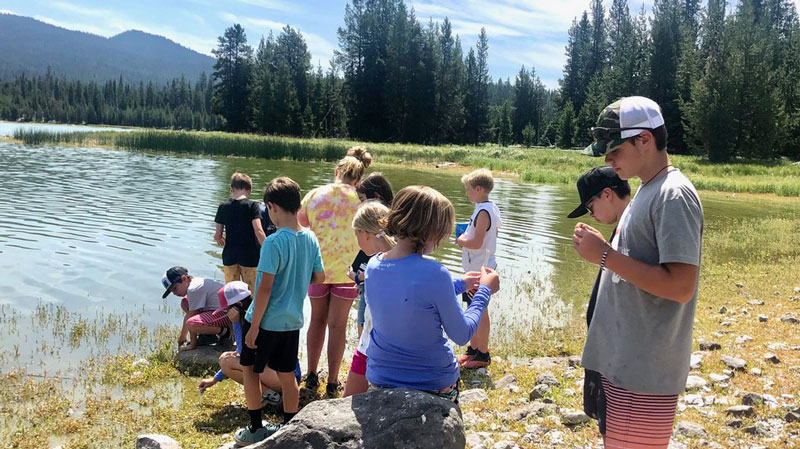

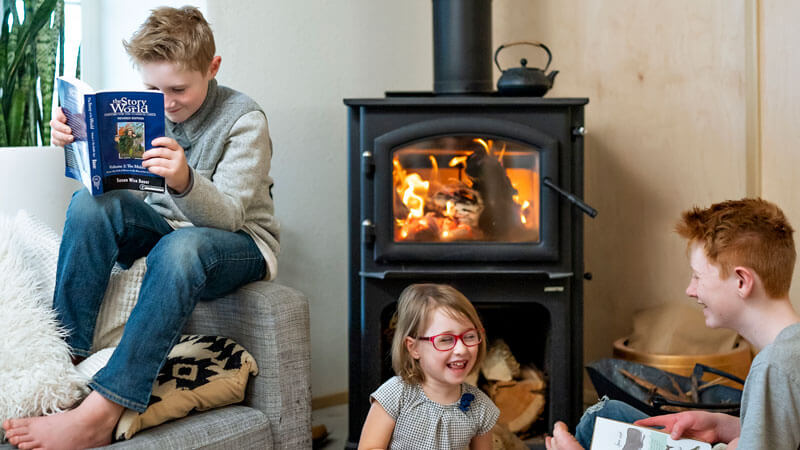
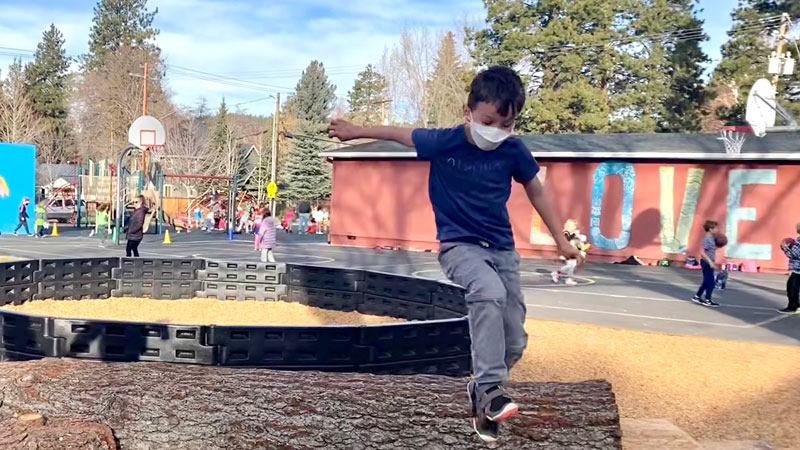








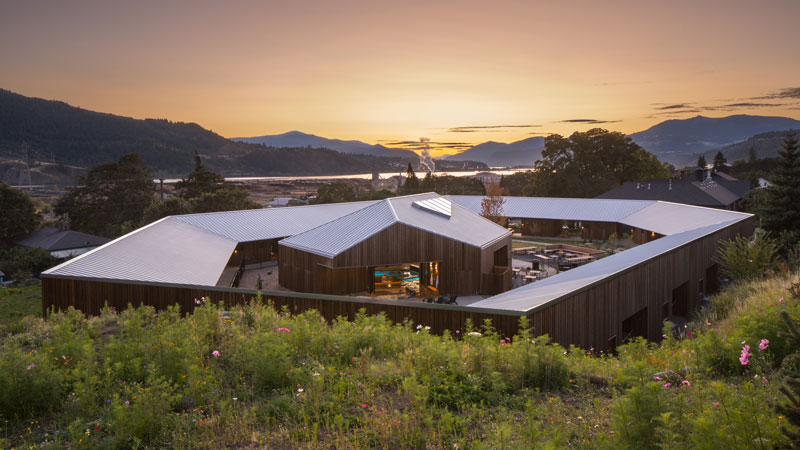
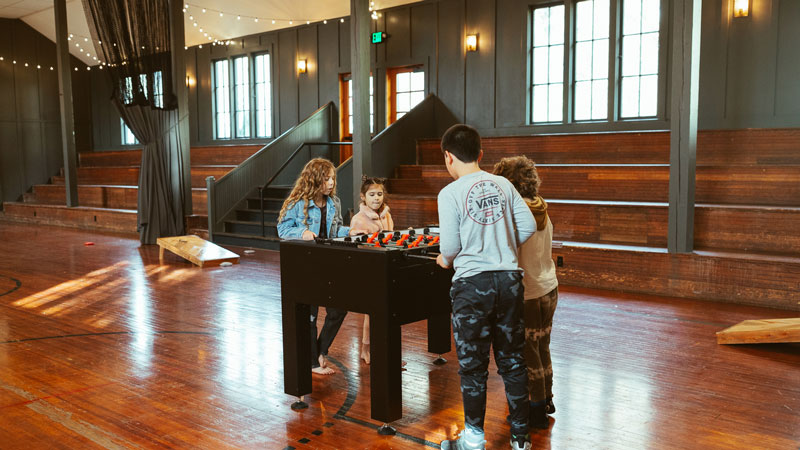
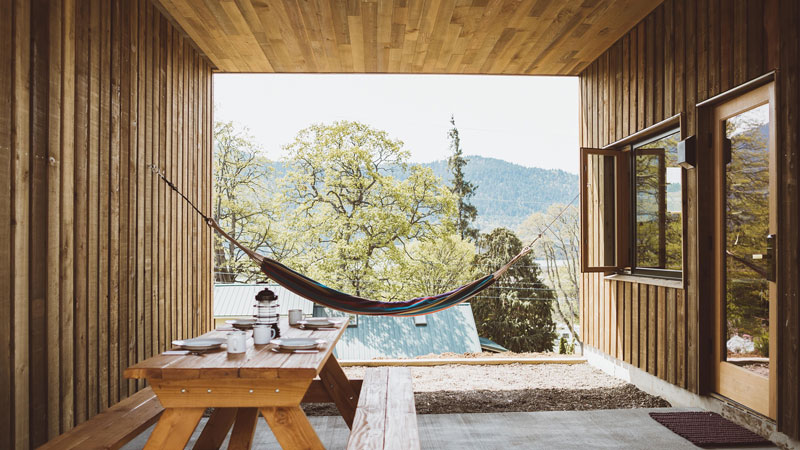
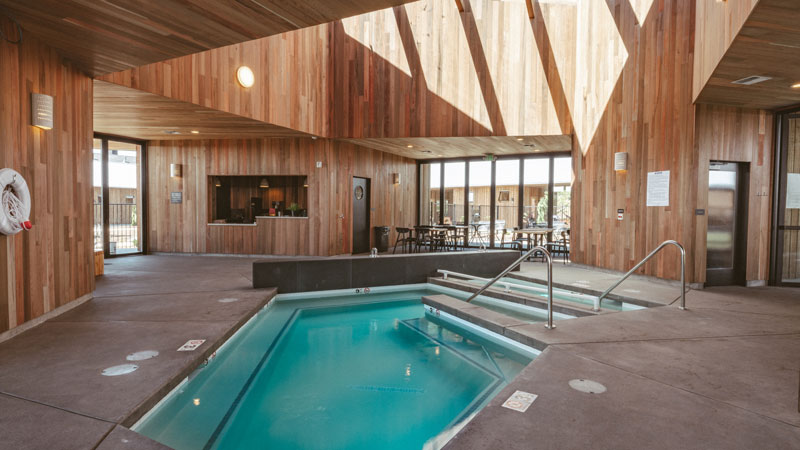
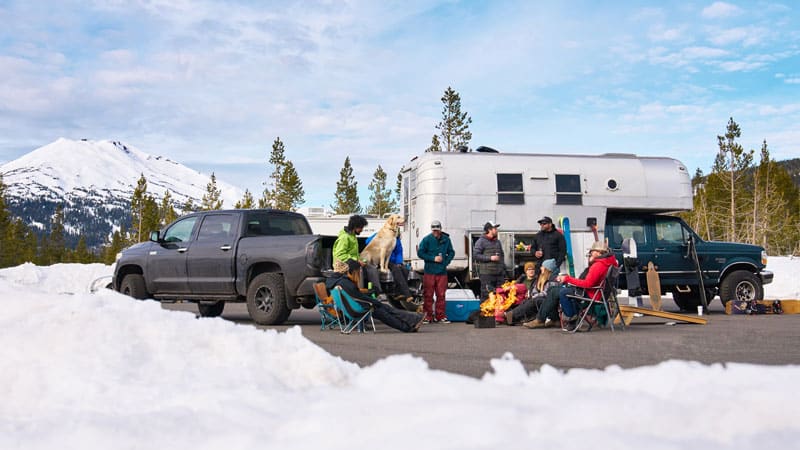
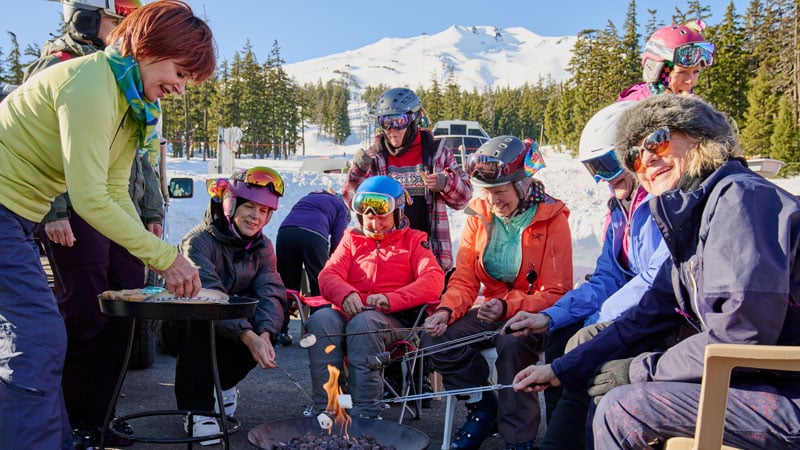
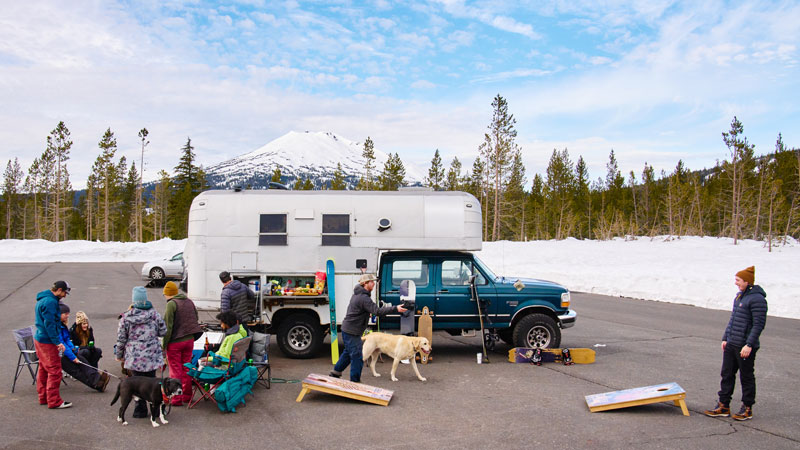
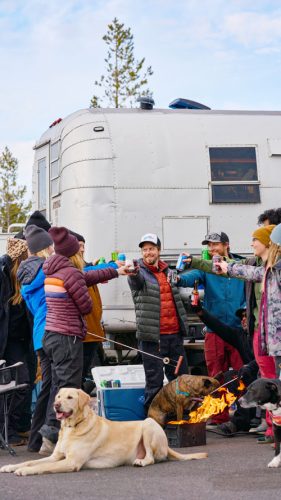
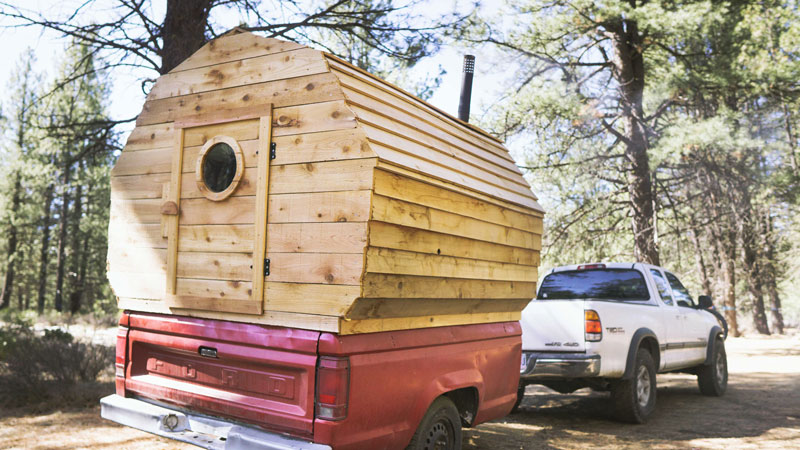


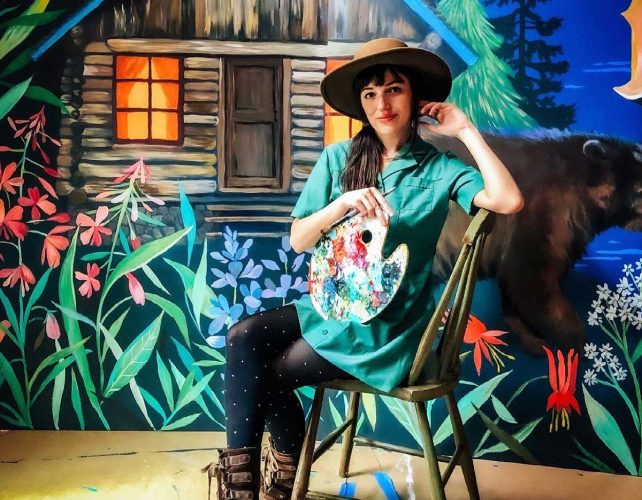
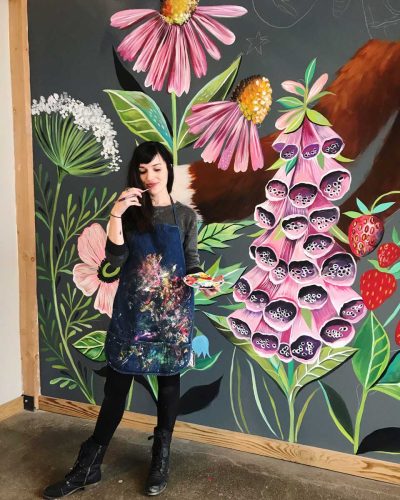

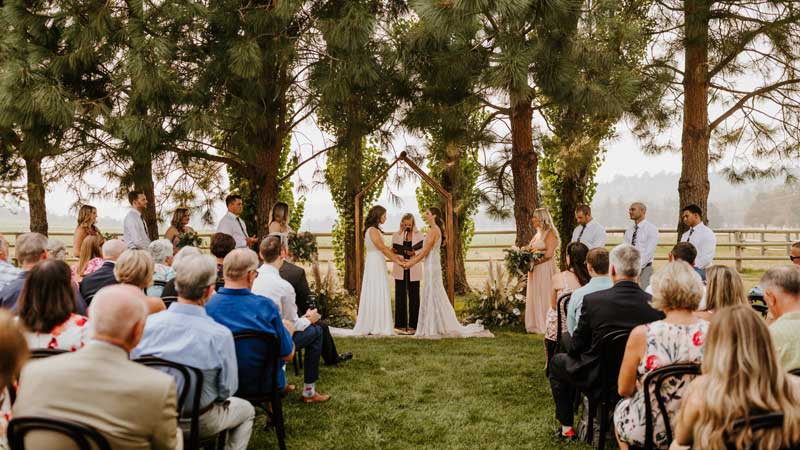

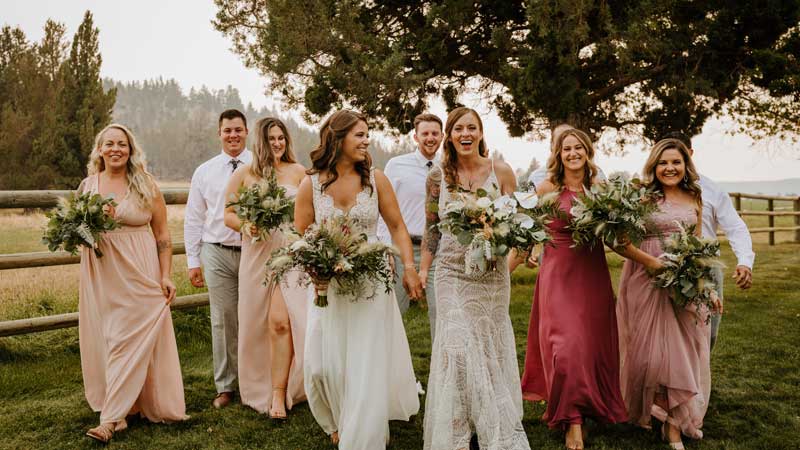
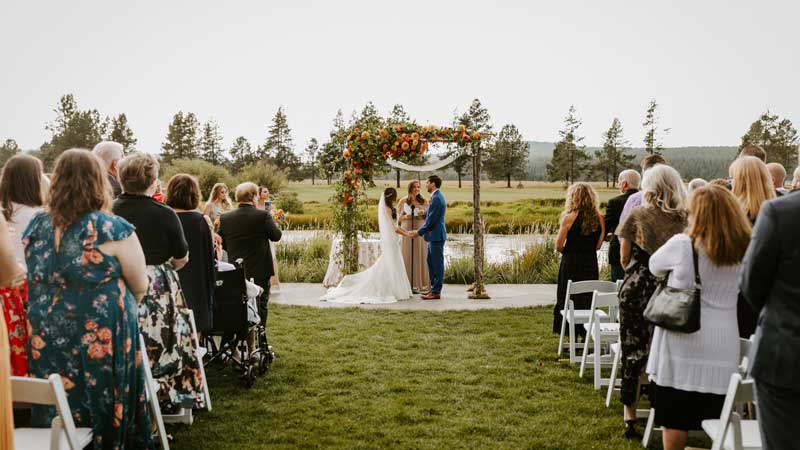
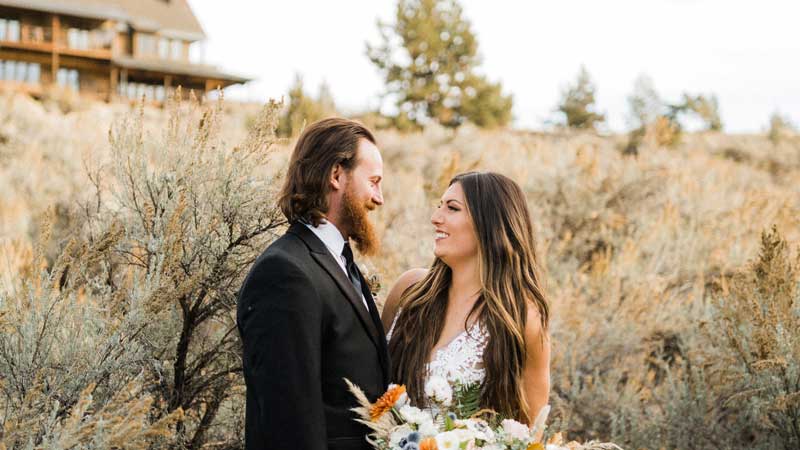
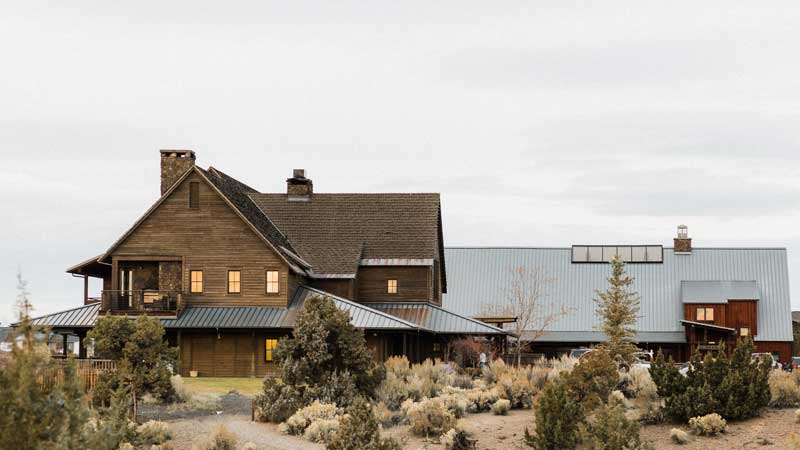

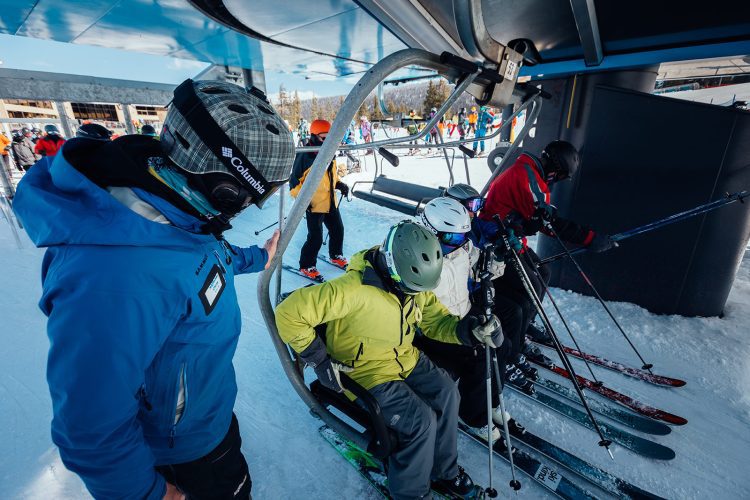
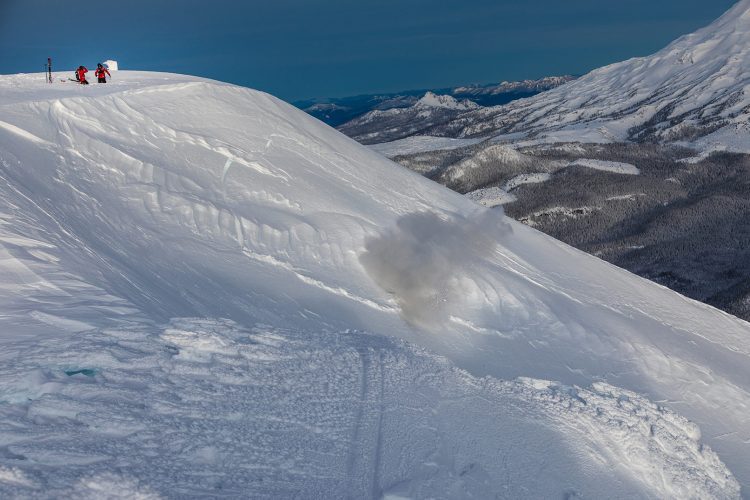
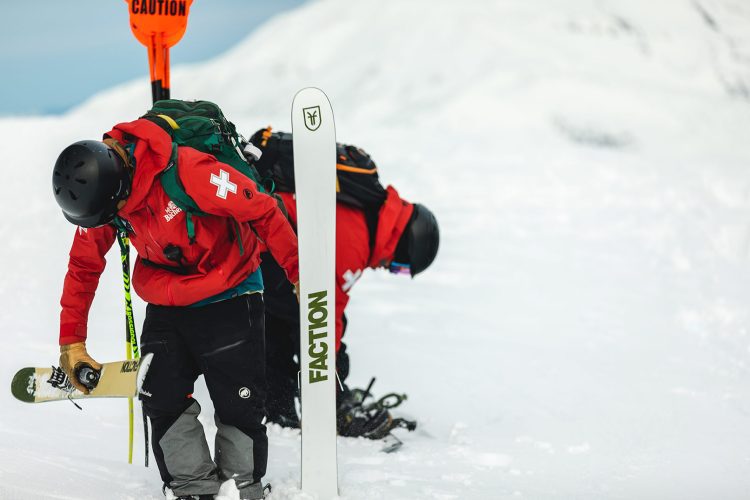

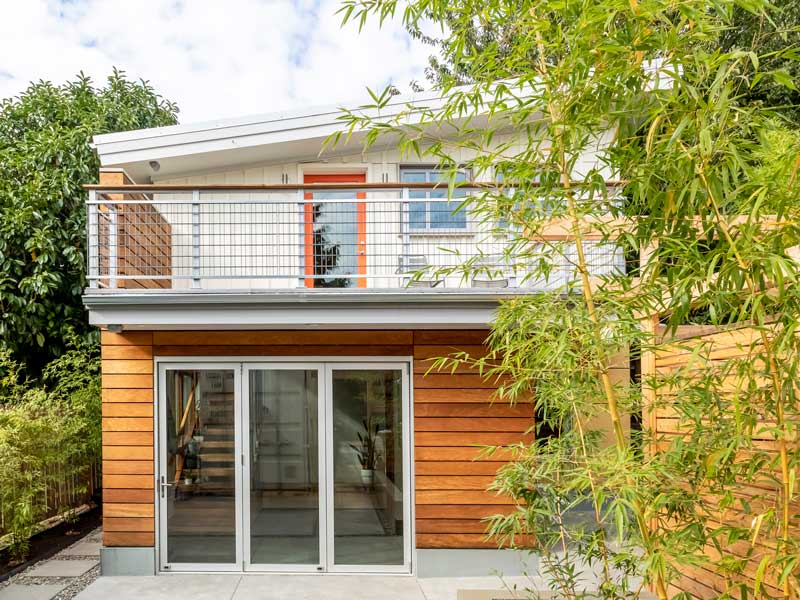
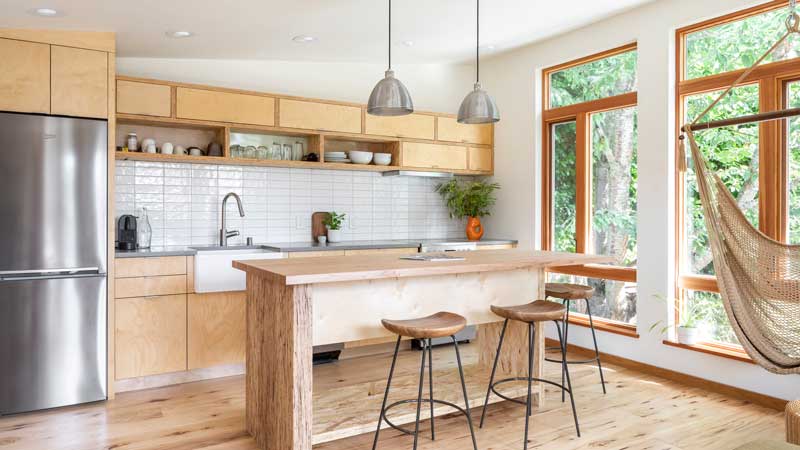
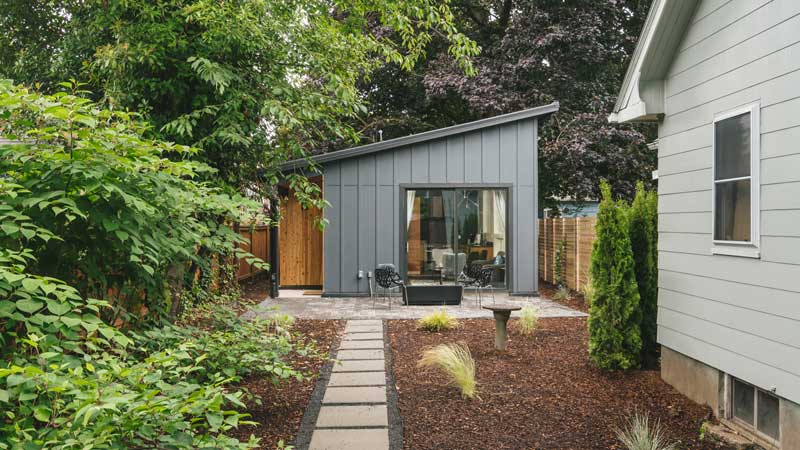
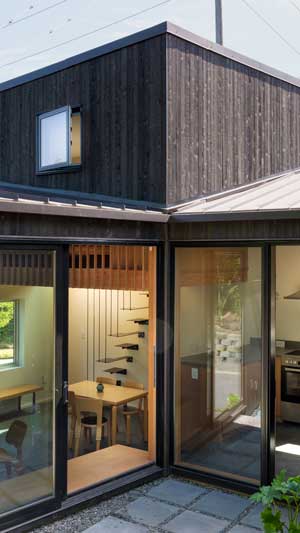


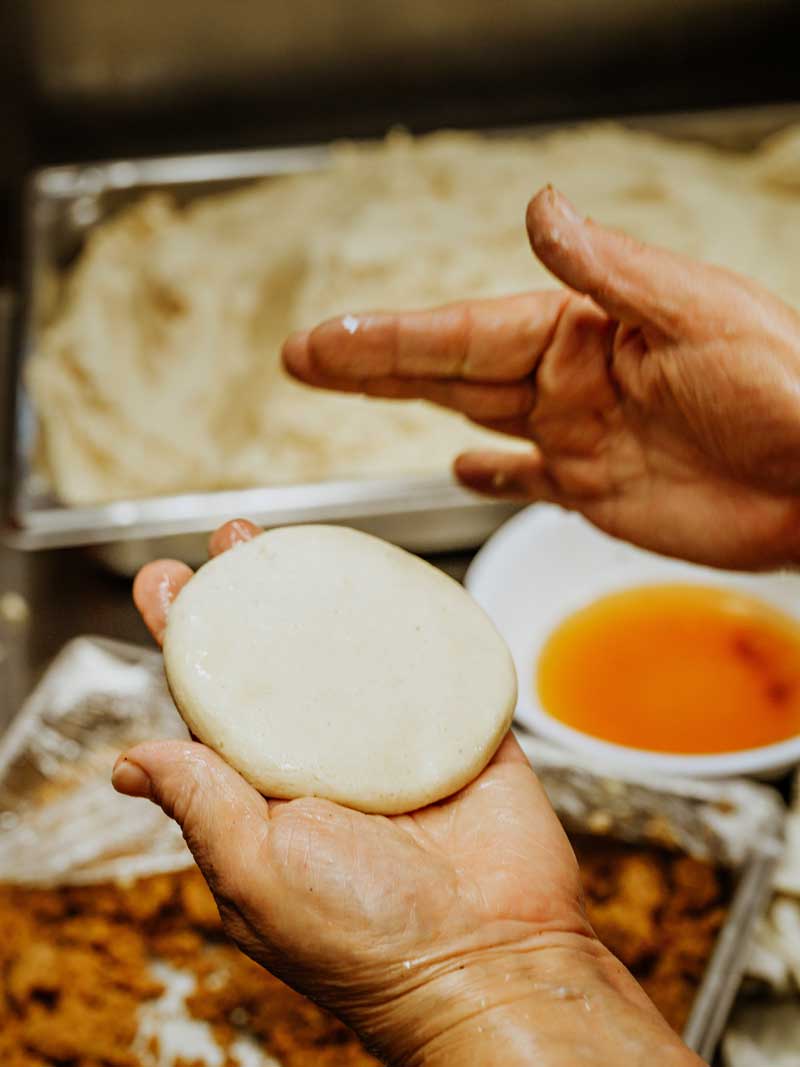





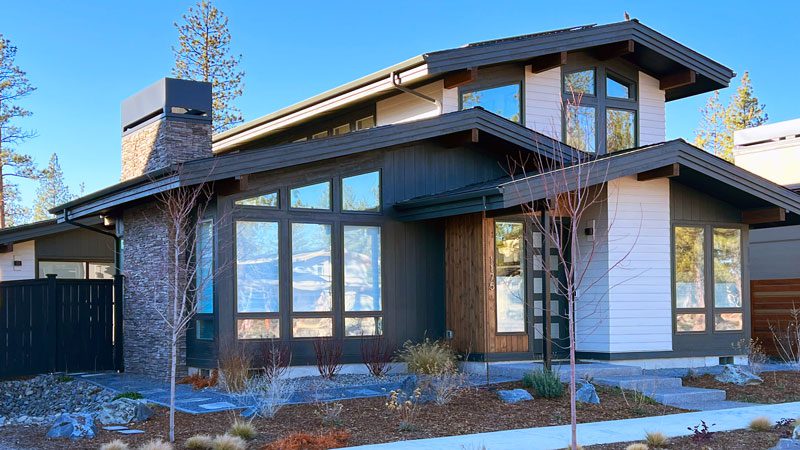
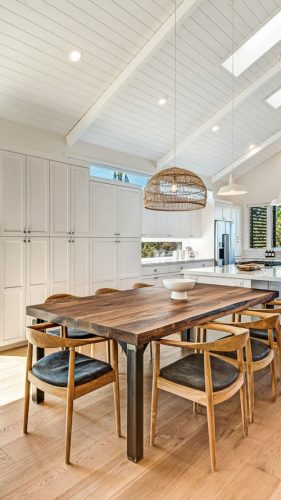
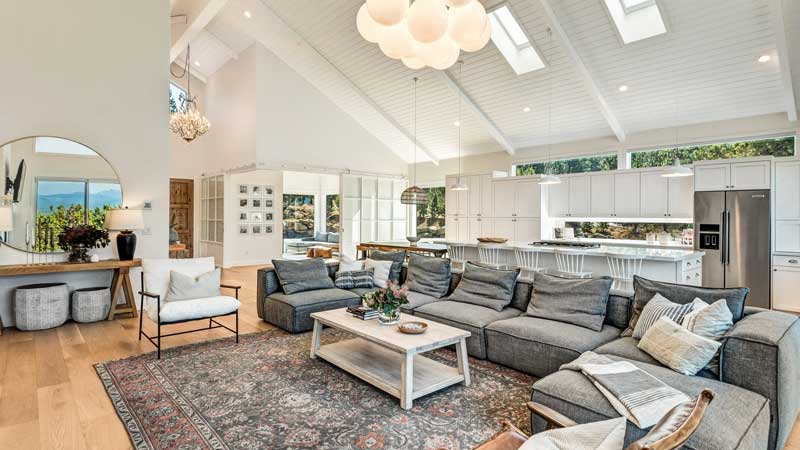
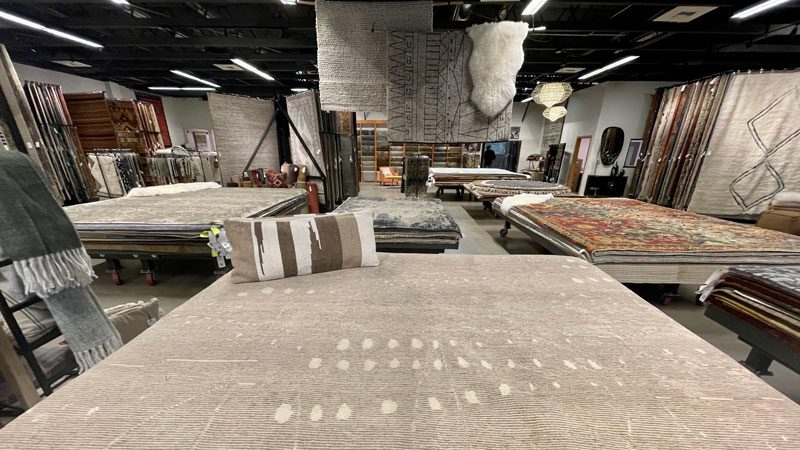
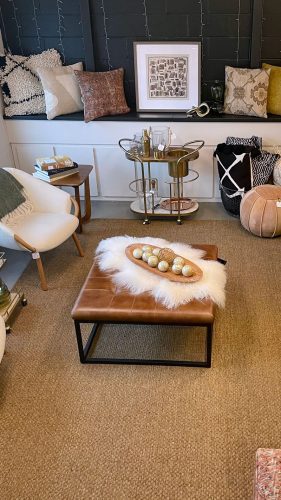
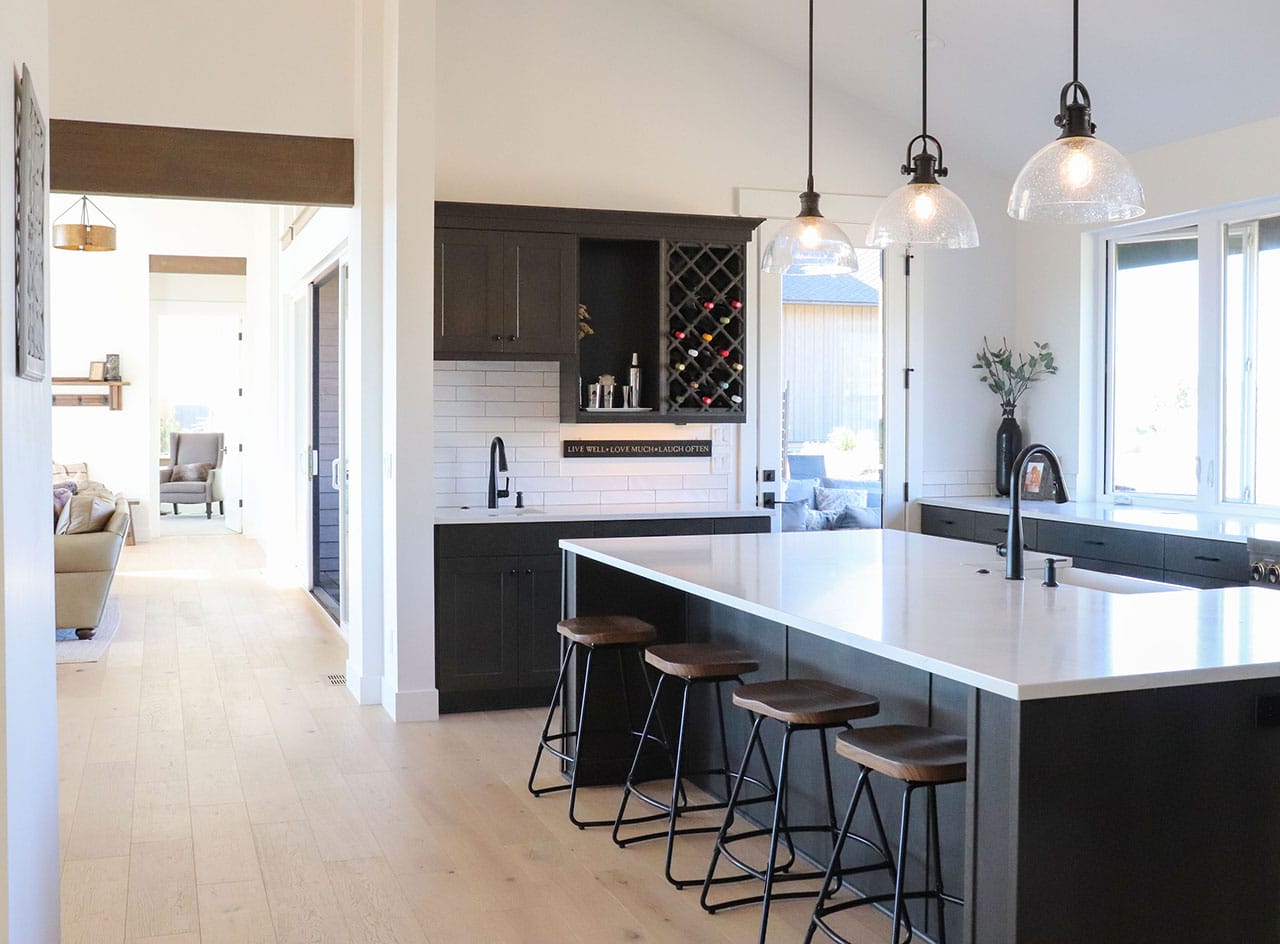
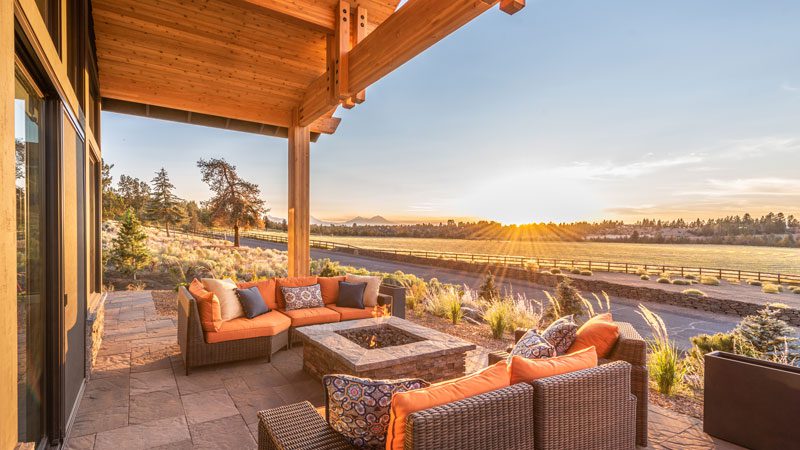
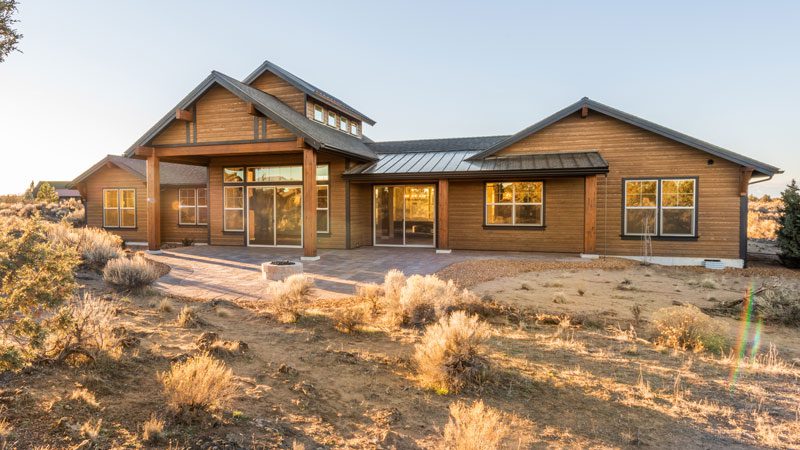
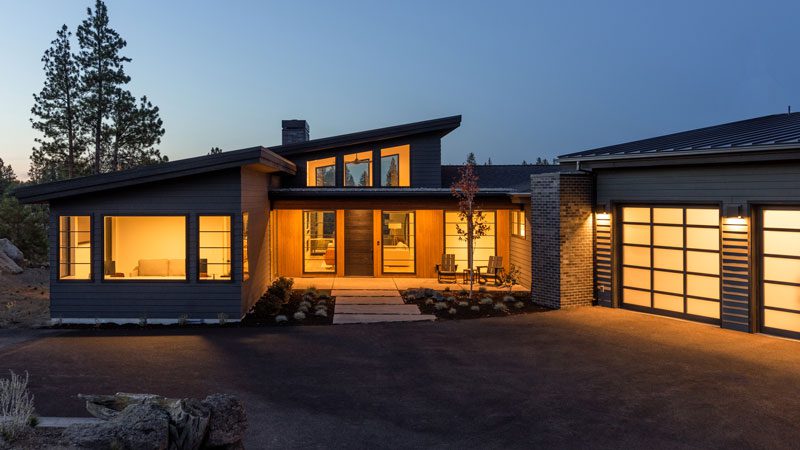
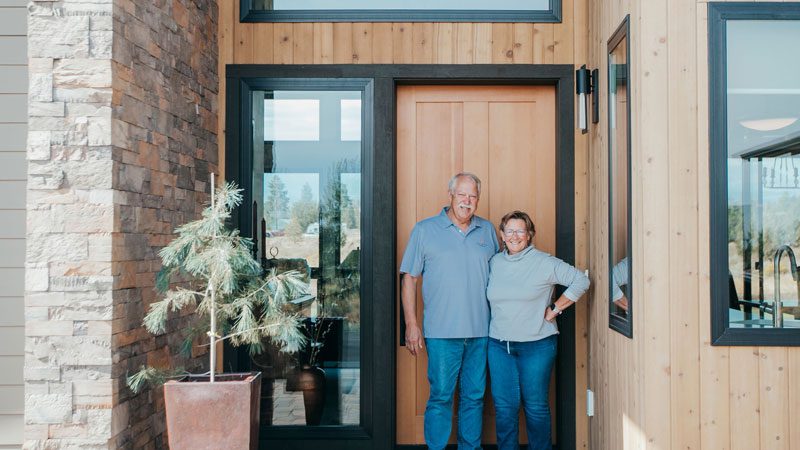
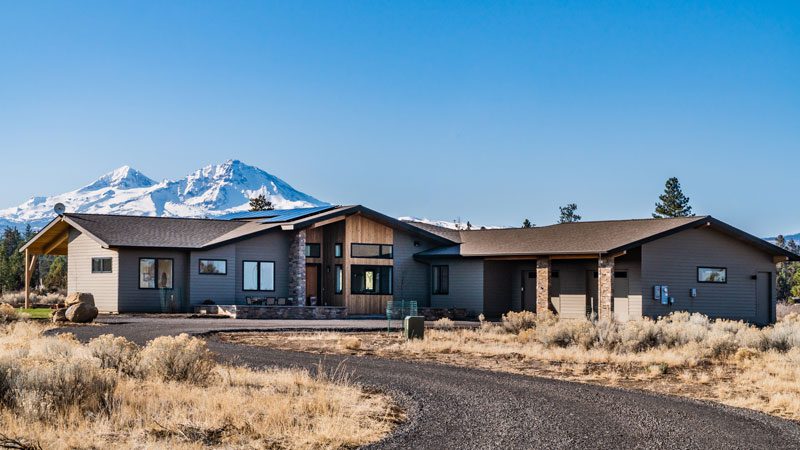
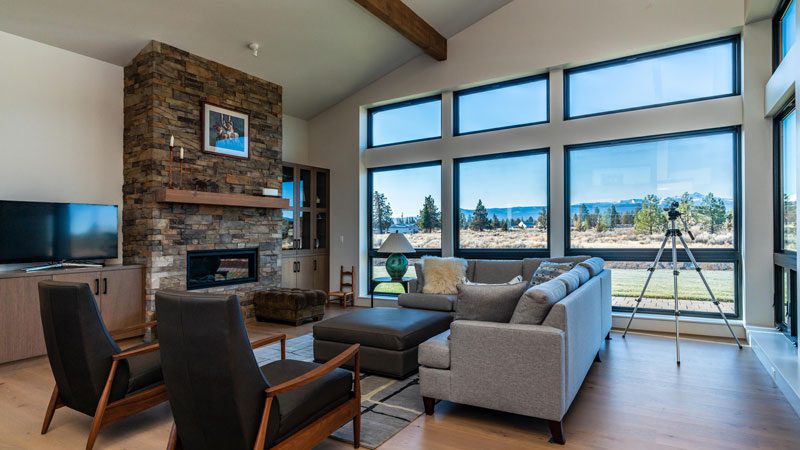
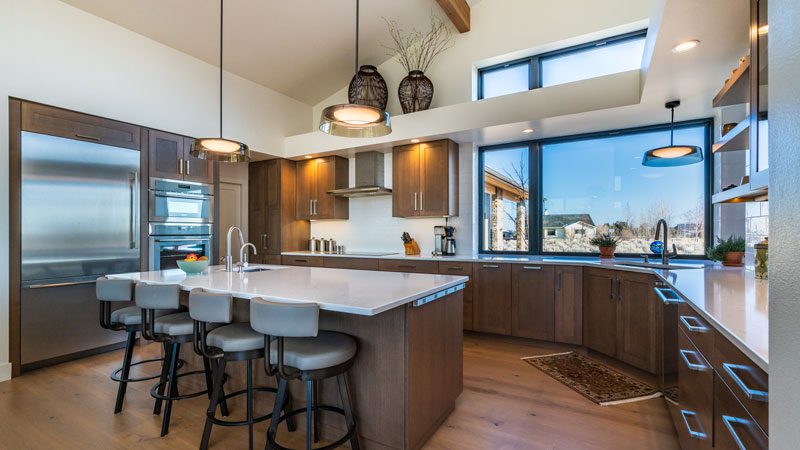
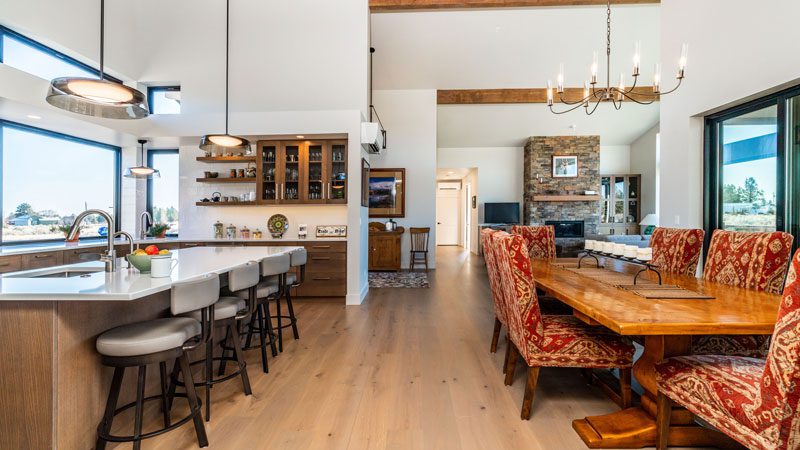

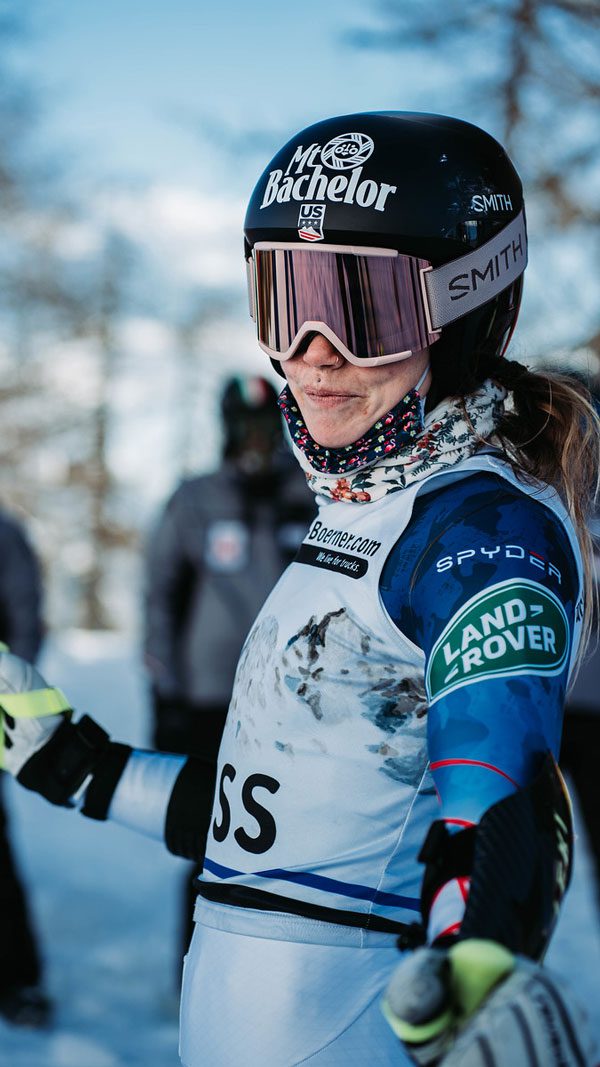



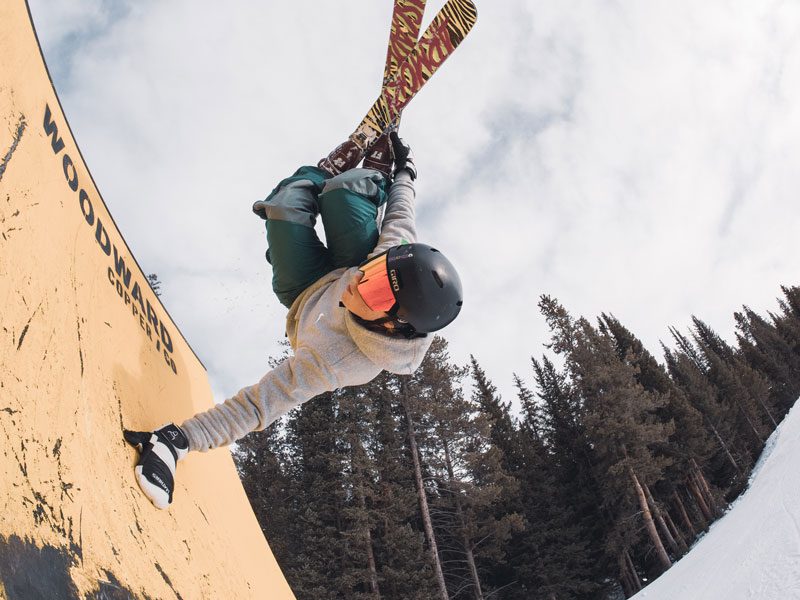

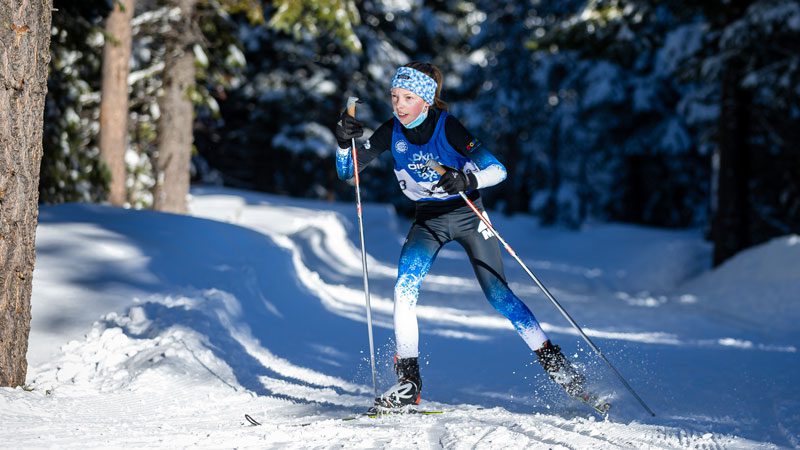

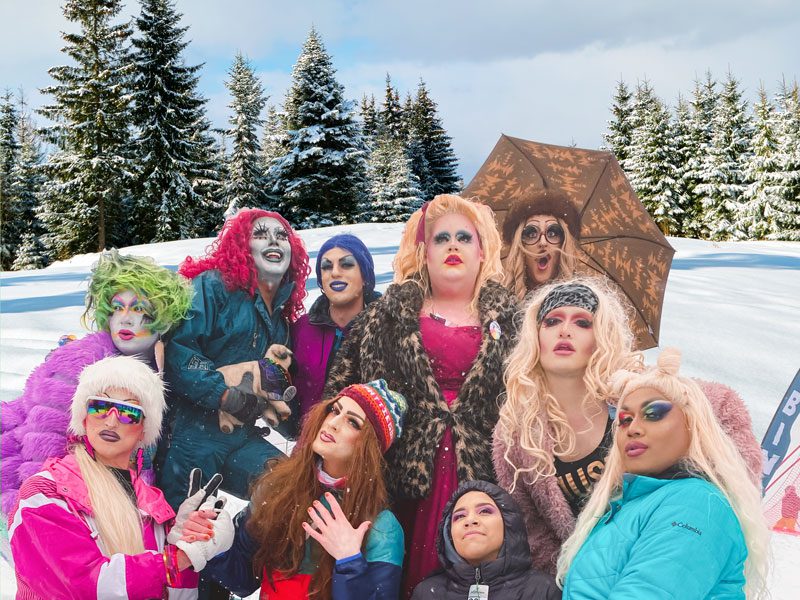
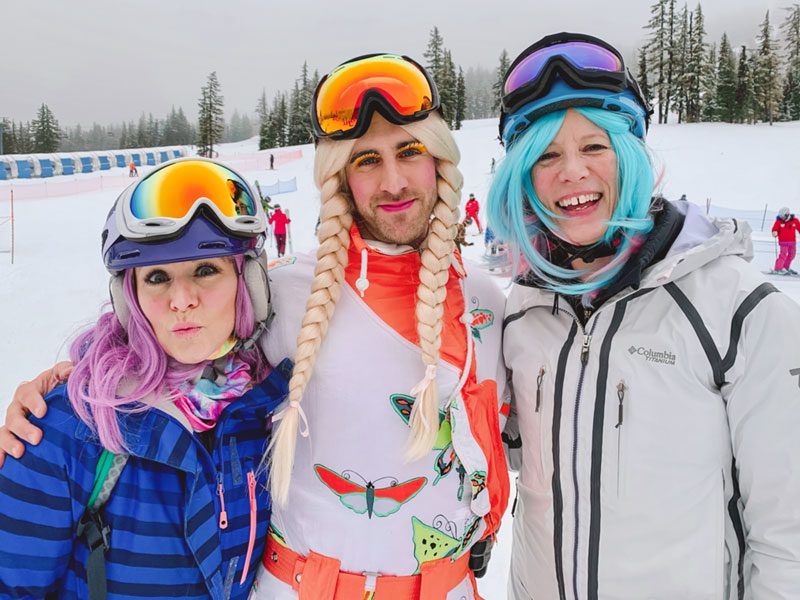


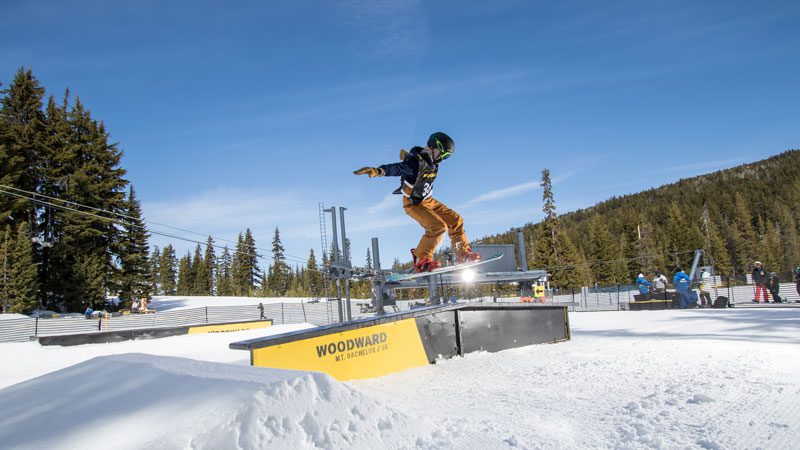
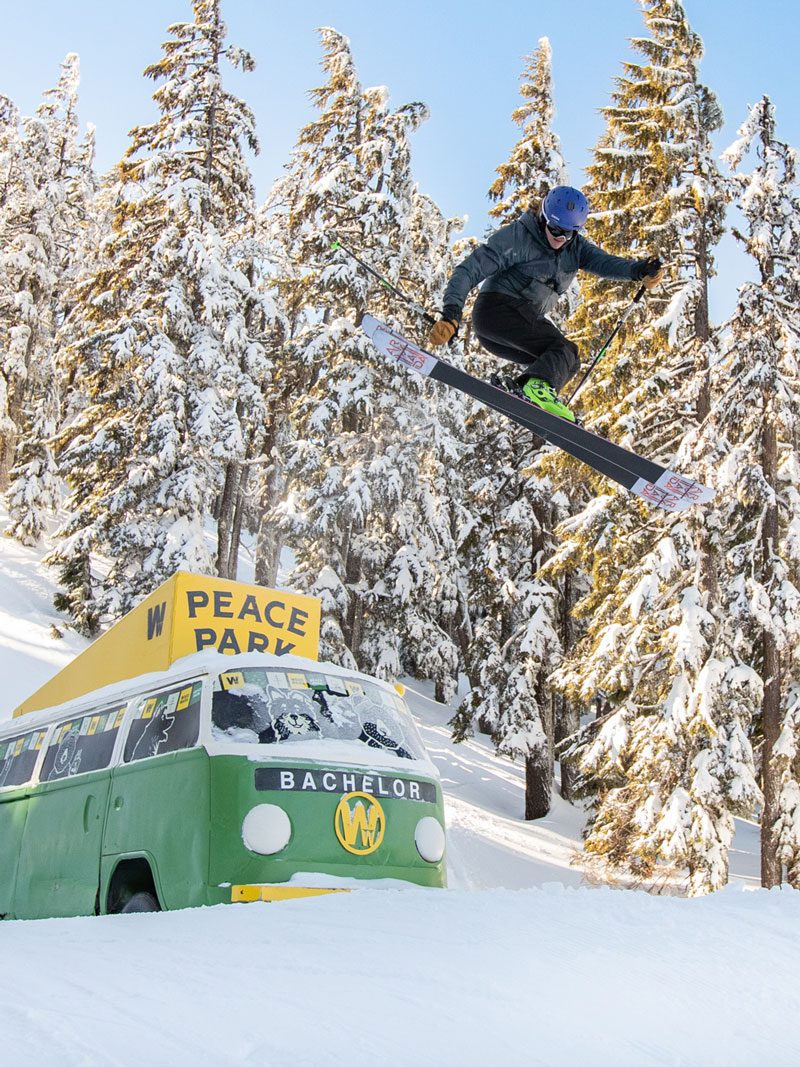
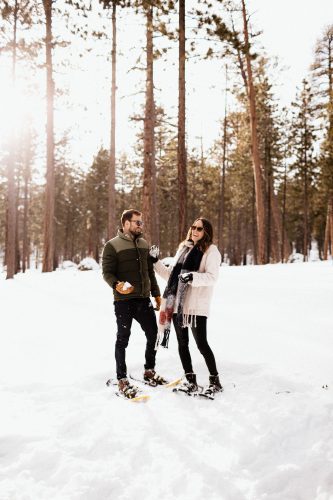
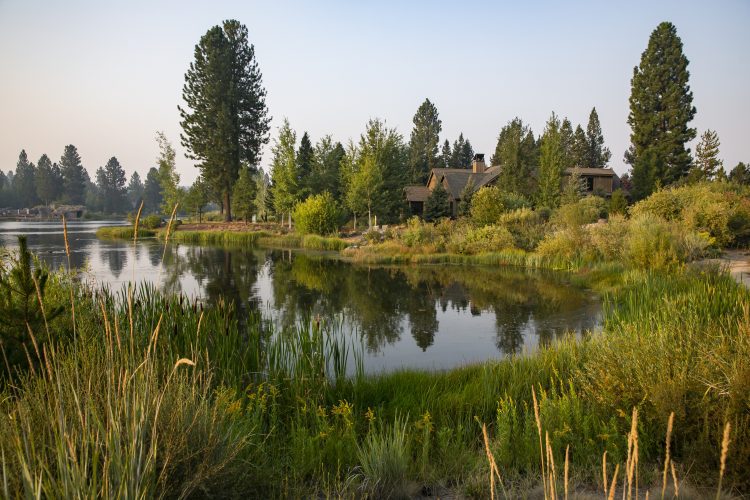
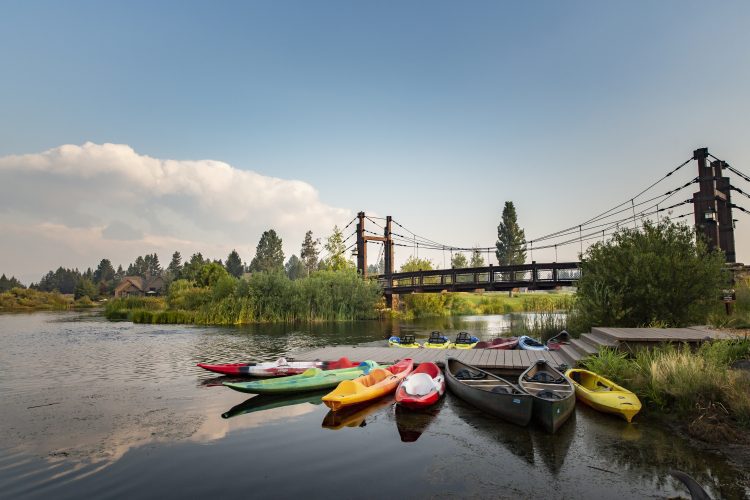
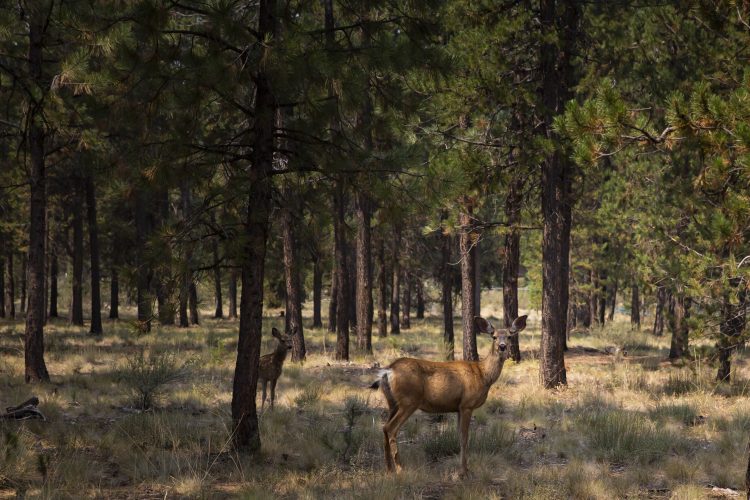
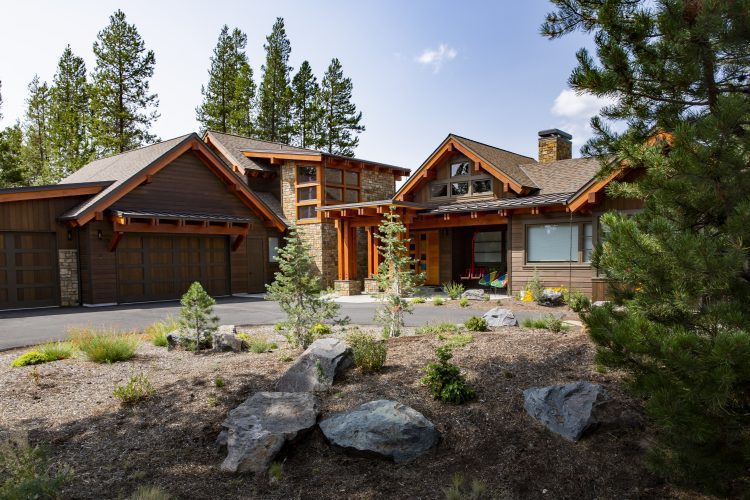
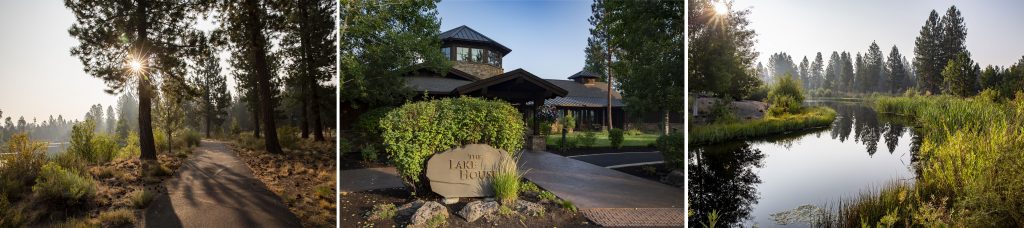

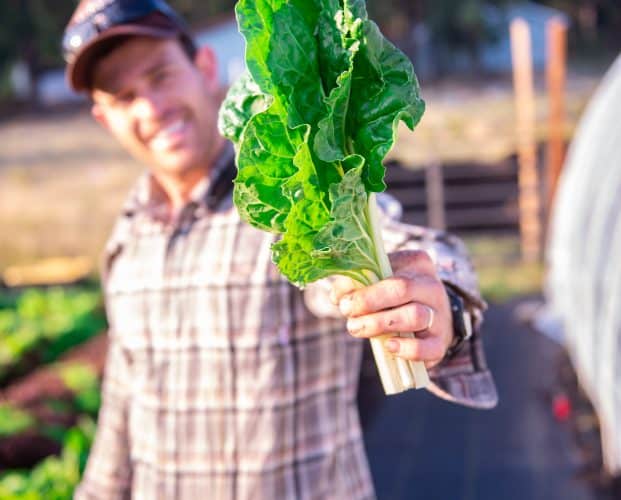
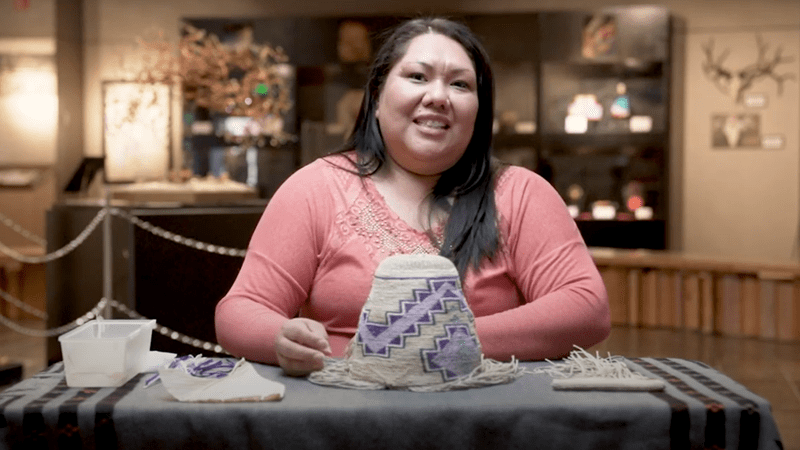
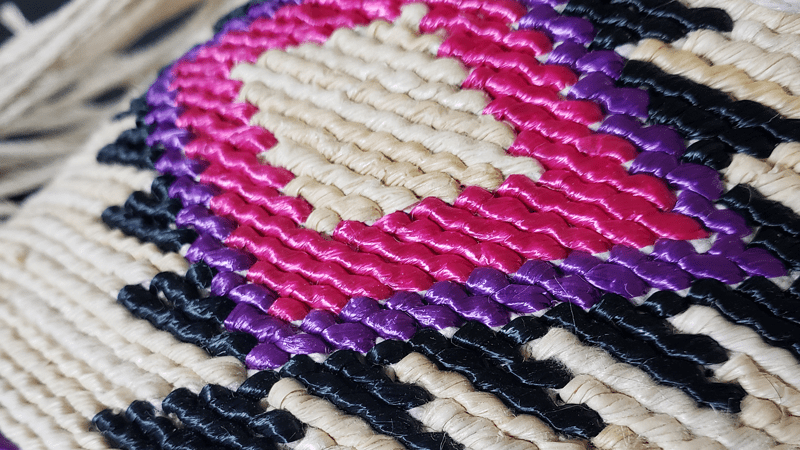




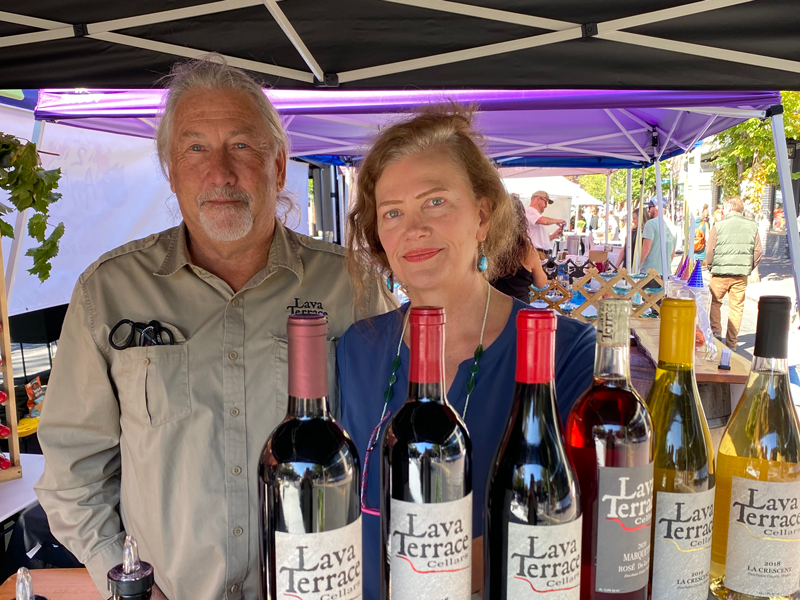
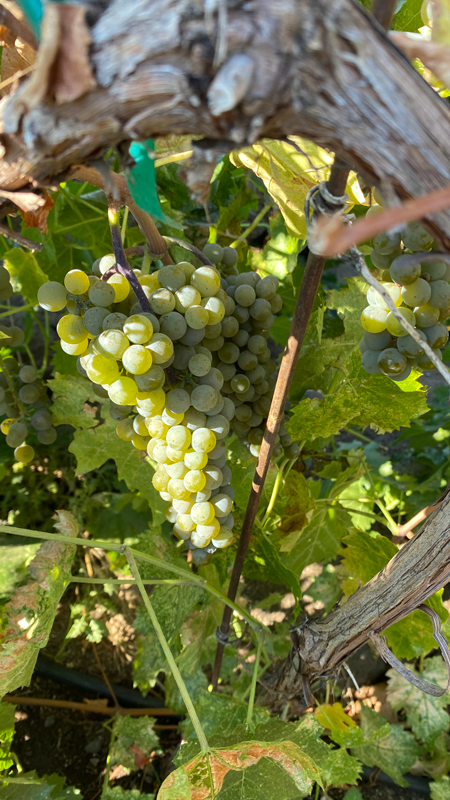
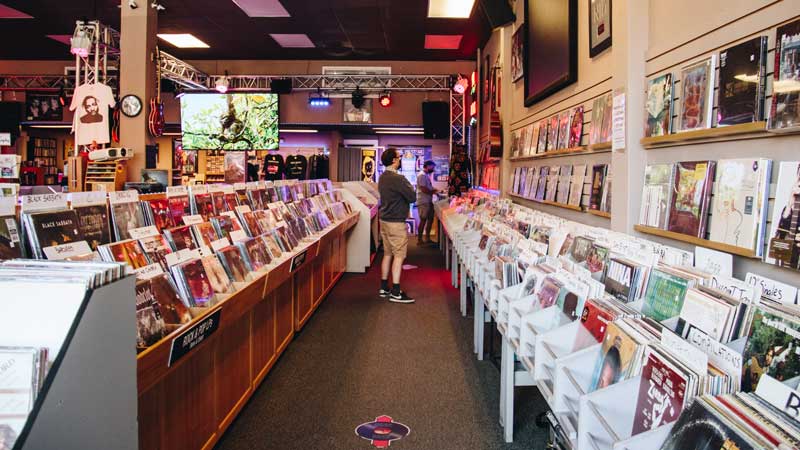
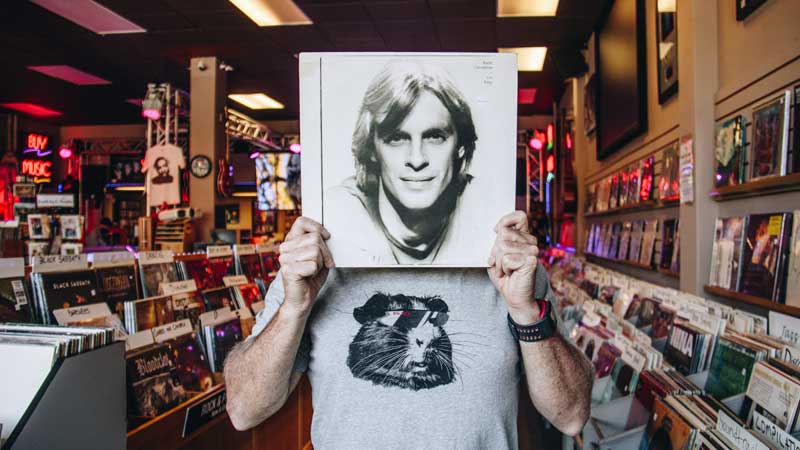




 Stuffed Baby Pumpkin