It’s time to rethink the humble laundry room, where, let’s face it—we spend more time with our washers and dryers than we like to admit. American families do, on average, 300 or more loads of laundry each year. With our seemingly unending washing chore at hand, it’s never too late to design a new laundry room or do a remodel. Going from drab and boring to dynamic and bold in a utilitarian room can perhaps bring some joy to our usually thankless chore.
Plan first, launder later
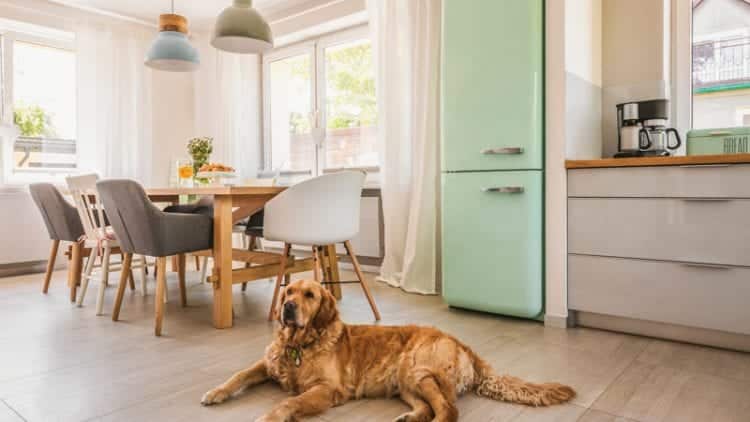
When examining your laundry room, think what you need and want it to be. Is the laundry room also part of a mud room, or the dog’s room? If your laundry room serves more than one purpose, remember it doesn’t have to be a catch all for piles of shoes or dog toys. Organized storage will be key, especially if your laundry room is a multi-purpose area.
There is no standard room size or layout for a laundry room. Some laundry areas in homes are relegated to closet spaces, basements or even garages. But no matter the space, when revamping the laundry area, ask yourself how often you do laundry—is it once a week, or every day? Do you want your laundry room to be a place where you also fold and iron your clothes? Some things to consider in revamping your laundry room include deciding whether you need counterspace, a rod for hanging clothes on hangers, drying racks or a built-in ironing cabinet.
Designer Veronica Solomon, Casa Vilora Interiors, Photographer Colleen Scott
Consider the space
In a survey by the National Association of Home Builders, ninety-one percent of buyers said they want a dedicated laundry room. Within that laundry room, most home buyers say they want a deep sink, shelving, cupboards and counterspace.
If your laundry area is limited in space, front-loading washer and dryer sets that can be stacked are useful. Front-loading washers can also allow a counter space to be built over the top, whereas a top-loading washer won’t have that option.
Should you decide to add countertops or you’re changing existing ones, remember that durability is key. Look for a countertop material that won’t be damaged if detergents or bleach is spilled on it.
Light and bright
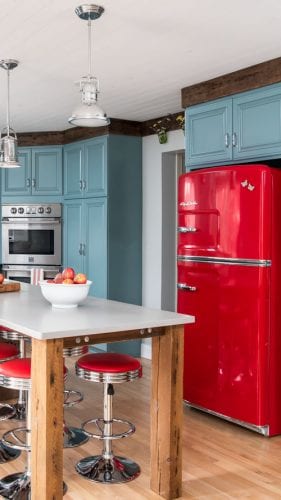
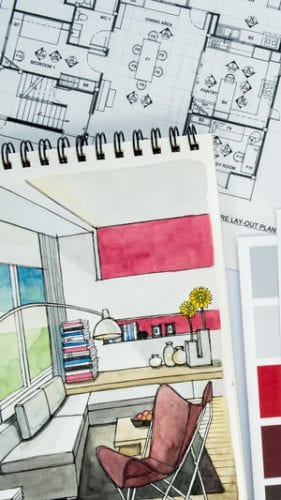
If a large laundry room is out of your budget, don’t despair, designers say simply adding pops of color in your humble washing room can go a long way. You can draw inspiration for your laundry room with a bright coat of paint, or wallpaper that comes in a variety of patterns from whimsical floral designs to sophisticated stripes.
Why not think out of the box, and put a small crystal chandelier in your laundry room? There are no hard and fast rules here; if it makes you smile and feel good about doing a chore, then it’s a “yes.” Get creative and show your personality.
Ideally, natural light is always a plus for a utilitarian room, but if you have fluorescent bulbs in your laundry space, take them down now, and find some nice light fixtures that give plenty of soft light to your working area. It will make a big difference not only in your mood, but also give your workspace a more calming feel, something everyone needs when doing a load of laundry.
Less is more
Photo everthinedesigns.com
Because the laundry room is often the smallest room in the house, it’s essential to declutter it. Clutter will only make the space look and feel smaller. Something as simple as having your laundry soap pods or liquids in clear glass containers or attractive bottles instead of original store-bought packaging can keep your supplies close at hand, while looking nice, neat and organized.
Just a few cosmetic changes in the laundry room can bring a whole new look and style to even the tiniest spaces. Creating workspaces that are hardworking, but still attractive may change your whole attitude about doing laundry.
Dewayne Hornbeak launched Epoch Ascent in 2015, bringing his background as a U.S. Marine and his work with the State Department in high-threat protection to creating a sport-specific training facility. Today, Hornbeak trains competitive athletes, tactical athletes such as firefighters and law enforcement professionals and “everyday folks” who just like to push hard. Bend Magazine sat down with him to learn more about elite training, adaptation in the COVID-era and the “mad scientist” part of his work.
What led you to create Epoch Ascent?
My biggest inspiration has been Gym Jones out of Salt Lake City, Utah, founded by former alpinist Mark Twight, who trained the actors for the 2007 movie “300”. After reading about Twight’s climbing exploits, I developed my own interest in starting a gym with the understanding that it’s not just for people who want to go and do aimless workouts. I wanted to build a facility and training model that was purposeful, planned and sport-specific minus anything that was accidental, random or unnecessary. I set out to develop a training methodology where preparation for outside performance was paramount and closely mirrored various aspects of real life (hardship, integrity, courage, adaptation, failure and perseverance).
Who is your typical client athlete?
The common thread binding my clients is a want; they all want to be immersed in a “no social hour” culture of hard work, calculated stress and consistent adaptation. One of my main wheelhouses is mountain athletics which includes local and visiting climbers, skiers, downhill riders, backcountry hunters and endurance athletes. Another is “tactical athletes,” which includes fire/rescue, law enforcement, mountain/ski rescue, and individuals wanting to prepare for military special operations. Not everyone who wants to train here has to be an accomplished mountain sports or tactical athlete. They do have to be willing to commit, to go the distance and push hard alongside their peers who have a similar understanding.
What are your strengths as a trainer and as a motivator?
I feel that I’m good at being an enabler that understands there are many different paths for each individual to reach that next level. One thing I’ve learned in twenty years as a coach, mentor and team-builder is the significance of helping others progress and with that I constantly strive to offer the greatest training to each member I take on. I accomplish this through teaching, succeeding (and sometimes falling short), experimentation, listening, being restlessly ambitious, leading by example and by constantly expanding my base of knowledge.
What do you love about the work you do?
I love the “mad scientist” aspect of what I do. Similar to my experiences as a father, I’m afforded opportunities to be a motivator, myth buster, educator and a psychic mind reader all in the same day, and sometimes even within the same hour-long training session. Every time someone walks into my gym I know they are going to present me with another puzzle that we get to work through, whether I have four weeks to get them ready, or a year. It’s not like we can adjust one piece of that puzzle and all is well, oh no. We not only have to work on the physiological aspect of training, but also their foundational nutrition, their post workout recovery and their mental toughness.
What is the biggest challenge you face in your work?
I often meet athletes (mainly on the mountain and field sports side of the house) that make the mistake of training for their sport by only doing their sport. This works to some degree for a while, and then things like injuries, boredom and an overall lack of “adequate stimuli” leads to stagnation in their progress. The challenge I face is altering the preconceived notion that training in the gym space only leads to being heavier and as a result, less capable. On the contrary, appropriate programming and training in the gym increases an athlete’s power output, resistance to fatigue, and a durability making them far less likely to get injured and reduces down time if they are.
Can you share a recent satisfying success story or two?
One of my athletes that I’d consider a “success story” is Janessa Bork, a local Mt. Bachelor athlete and owner of ViVi Designs Co. She’s been training with me for a couple of years now and placed first at the Gerry Lopez Big Wave Challenge against some very tough competition. She also won the Women’s Masters Division, and has won a number of the local banked slalom contests. Another of my athletes is Aaron Tiegs, one of the head instructors at Clarks University here in Bend and an up and coming top competitor on the Brazilian Jiu Jitsu scene. He won his last two UFC fight pass fights quickly and confidently.
How have you had to adapt to COVID-19?
It’s been an endurance challenge for the mind, and I’d be lying if I didn’t say that the impact has been anything less than significant. We saw a drop of about 50 percent of the members within the first couple of months alone. The shutdowns had me moving quickly to implement new plans in order to stay afloat despite not receiving a loan, a grant or having any of my business expenses like rent waived.
I turned to remote programming in order to keep the members I still had supplied with training they could do from home. Everyone was caught off guard, so very few had any chance to stock up on home training equipment before everything started selling out. As a solution, much of the remote programming was written so that members could train with items on-hand or no equipment at all.
When we were able to return to in-gym training not much changed as far as 1-to-1 training goes. I already maintain “social distance” as a professional courtesy, even before COVID, and the need to go hands-on with a client or athlete is pretty rare.
What’s next?
As a part of Epoch’s post-COVID contingency plan, we now have an online library with just over fifty programs with the intention of adding a few hundred more. This library covers training for those interested in mountain sports, tactical and general fitness preparation. Epoch’s programs are also purpose built for a whole spectrum of individuals from those with access to a commercial gym to those that have little to no training equipment.
Why is Bend, Oregon your choice location?
It’s beautiful here with plenty of mountains to climb and backcountry to get lost in. I’ve lived in big complex cities like Vancouver, Canada, Osaka, Japan, and more recently Seattle, and found the simplicity of Bend to be good change of pace and safe place to start a family. No frills here, just plenty of trails, mountains and desert for outside activities.
Only in the darkness can you see the light. Such is the thinking behind the International Dark Sky Places program, which educates communities about responsibly curbing light pollution to protect and preserve the night sky. The program was created by the International Dark Sky Association (IDA), which recently recognized its first two certified Dark Sky Places in Oregon. Luckily enough, both just happen to be right outside of Bend.
But whether certified or not, Central Oregon has ample opportunity for any Bendite to find their spot. So, bundle up, mark your calendars for the next meteor shower (hint: the Quadrantids peak in early January) and read on for four of our favorite spots to catch a glimpse of the stars this winter.
Oregon Observatory, photo courtesy of Sunriver Nature Center and Conservancy
Guided Astronomy by the Experts
Designated as the state’s first International Dark Sky Place by IDA, the Oregon Observatory in Sunriver boasts the largest fleet of publicly accessible telescopes in the country. Visitors can attend one-hour viewing sessions throughout the week with staff astronomers who are ready to assist and educate. $20 per person; reservations required. For a full schedule and details, see snco.org/events.
Prineville Reservoir State Park, photo by Dawn Davis
DIY Stargazing
Prineville Reservoir State Park was named Oregon’s second Dark Sky Place and the first Oregon state park to receive the title in Spring 2021. To earn the designation, park staff replaced harsh outdoor lighting with softer yellow and red lights to minimize light pollution around facilities. Those in the know can bring their own gear to day-use or overnight camping locations and simply point their eyes up to be amazed. Find information at stateparks.oregon.gov.
Worthy Hopservatory, photo by Richard Bacon
IPAs and the Milky Way
Aptly named the Hopservatory, the Worthy Garden Club Observatory aims to inspire visitors to take care of the planet by showcasing its beauty. Conveniently located inside the brewery, the Hopservatory allows astronomy buffs to grab dinner and beers beforehand and see the stars through a telecsope for a nightcap. A $5 donation is suggested to enter. Open Thursday, Friday and Saturday evenings from 7 to 9 p.m. on a first-come basis. No reservations are required (and no beer allowed near the telescopes). Learn more at worthygardenclub.com/hopservatory.
Stars while on the Move
For those who simply can’t sit still long enough to look at the stars, why not do it while moving? Some of the best winter stargazing happens away from it all in the wilderness. Grab the skinny skis and cross-country your way through the national forest at one of several sno-parks along the Cascade Lakes Scenic Highway. Mainstays such as Virginia Meissner Sno-Park can be busy during daylight hours but thin to a fraction of the crowd at night. As a bonus, between star-filled laps, you can warm yourself by the fire in one of the wood-stocked warming huts. Free. See meissnernordic.org.
Winter, spring, summer or fall—a simple wreath says a lot. Wreaths announce the changing of seasons, celebrate everyday occasions and connect us to nature as well as each other.
A custom deeply rooted in history, from ancient crowns to advent, these classic decorations convey an ongoing spirit of hope and welcome that is not limited to Christmastime. You don’t need a holiday to hang a wreath on your door—or fancy materials for that matter. Though traditional designs consist of evergreen boughs, wreaths can be crafted from just about anything. Whether foraged, dried or freshly planted, here is our round-up of wreath inspirations to help you keep the welcome coming.
Gather Round
In contrast to modern throwaway culture, wreaths were born out of not throwing things away; gathering nearby natural materials to make your own wreath is easier than you might think and the fun is in the finding. Cuttings from a recent pruning project or pinecones foraged from a family hike are all you need to make personalized pieces and add elegance to your home.
To get started, research DIY wreath instructions online or at a local garden center, then let the gathering begin. For boughs, Central Oregon boasts evergreen options galore including cedar, fir, juniper, pine and spruce. Next, search out accents such as cones and sprigs of mountain ash, wax currant, snowberry or whatever is in season. At home, clip excess branches from your backyard or rework a holiday wreath by adding new trimmings. When hiking, Deschutes National Forest offers a free use permit which allows harvesting small quantities of common plants for personal use.
Photo Jillian Guyette
Dried and True
Want to get away from the “holiday” look? Try going dried. Weatherproof with a farmhouse feel, wreaths made from dried or preserved plants allow for a variety of year-round flora, transition easily between seasons and can even be reused year after year. Discover non-native varieties like dried eucalyptus and magnolia leaves in décor stores as well as online or plan ahead to pick and preserve your own.
In spring and summer, save blooms gleaned from your garden or favorite farmers market—from grasses and aromatic herbs like sage or lavender to flowers and naturals such as moss and tumbleweed. Come colder months, try collecting fall leaves, Indian corn or stems of brightly colored winter berries that pop against bare branches. Save space for your collections by creating a simple drying rack out of dowels or screens hung from the ceiling.
Photo by Stamp and Co. Photography at Erie Way Flowers for Rochester Brainery, Rachel Hermansen Celebrate Succulents
Fill in a soil or moss-based living wreath form with plants, grow on a flat surface for one to two weeks, then position or hang in a properly lit place.
Circle of Life
For a truly fresh take, grow a new tradition with a living wreath. A miniature garden without the groundwork, living wreaths are long-lasting and surprisingly simple to assemble. What’s more, they change over time, becoming more beautiful as plants mature.
Liven up your wreath game by planting annuals like kitchen herbs, pansies, impatiens and ivies, or try out the easy and ever-popular succulent wreath. Pretty and perfect for Bend’s high desert climate, succulents love sunshine, are slow growing and require only periodic watering—many varieties can even withstand snowy temperatures. If you’re not sure what to plant, ask the experts; your local florist or nursery staff can help you make smart selections based on the sunlight and watering needs of plants and how different species hold up over time.
Editors Note: This article was originally published January, 2021
On blustery Sunday evenings from November through February, most folks tuck into their cozy homes to wind down the weekend. That’s not the case for Bend locals Shawn and Joe Anzaldo. They’ll be bundling up and heading out to the Pavilion, Bend’s sole ice rink, to join a group of hardy souls with brooms over their shoulders, grippy-soled shoes on their feet and huge smiles on their faces. These are the curlers, and Sunday evening is league night.
“Yep, it’s cold. Freezing, literally. Sometimes the games go late, and the scoring is complicated. But it’s so dang fun—and I love being part of this team,” Shawn said.
What draws people to this sport? It’s accessible—anyone can play. The slo-mo glide of the rock across the ice is mesmerizing, and the final scoring is unpredictable until the last push. And on dark, cold winter nights, curling league at the Pavilion can be the hottest spot in town.
The game has been refined since its origins in Scotland hundreds of years ago—think woolen tweeds swapped for puffy jackets and frozen ponds for covered ice rinks—but its heart remains the same: a team sport that is simple to learn but difficult to master, a serious competition with room for laughs and silliness, and a way to actively gather with friends and embrace the cold dark winter.
Curling is a 500-year-old Scottish pastime that can be described as a winter version of shuffleboard. History suggests it began in the 16th century when a Scottish monk and his cousin began sliding stones across a frozen pond. That friendly competition grew into a team sport that spread across winter-loving cultures from the Netherlands and Scandinavia to Canada. Since the Pavilion opened five years ago, it’s taken hold in Bend, as well.
Modern curling involves two teams of four players who take turns sending stones, carved from Scottish granite, down a narrow sheet of ice, 146 feet in length. One player delivers the stone with a graceful, lunging push, sending it gliding toward the target. Two players then use specialized brooms to furiously scrub the ice ahead of the moving stone, to guide its path. The skip, or team caption, stands behind the target calling out instructions for the sweeper: “Scrub hard! Let it curl! Off!” The strategy lies in guiding the stone to land within the target—and to knock opponents’ stones out of play. All points go to the team with the stone closest to the button, the center of the target.
As outdoor temperatures drop in early November, the Bend Park and Recreation District begins preparing the Pavilion’s ice for skating, hockey and curling. Four permanent curling lanes stretch the length of the rink, with concentric rings (the “house”) embedded in the ice at the lanes’ ends. Meanwhile, hopeful curlers wait for the park district’s curling league registration to begin.
“Registration for teams opened at 8 a.m. this year, and we had twenty teams signed up by 8:05,” said Joel Lee, program coordinator at the Pavilion. Forty teams can participate in the Sunday evening league. The district has added a Wednesday brunch league and drop-in “Learn to Curl” clinics on Friday mornings. All gear for league games is provided—stones, brooms, grippers and sliders (see sidebar).
Lee credits the welcoming, laid-back atmosphere for the sport’s popularity in Bend. “Curling is not like most team sports because it’s new for almost everyone. Experienced players love to help, and people learn quickly that it’s just as fun as it looks,” Lee said.
The Anzaldos have played for several years on the Miller Lumber Legs team, with skip Charlie Miller. The camaraderie keeps this tight-knit crew coming back for another season. Each player goes by a nickname, and Miller keeps them entertained and connected with game recaps that highlight moments big and small. All the teams find ways to keep it fun—some wear matching hats or outfits. “We see a lot of plaid and wigs,” said Lee and laughed.
On Saturday evenings throughout the winter, the Bend Curling Club takes over the Pavilion. This group of curling enthusiasts works with the district to support the sport. They arrive early to set up equipment and spray water droplets on the lanes to pebble the surface. The sessions begin with instructions for newcomers, covering everything from how to avoid falling to proper lunging form. And then the games begin, with a bit more intensity and competitive strategies than seen in the Sunday leagues.
Many club members have past experience with curling. Instructor Janice Robbins remembers curling as a child in New England. “We didn’t have real stones. We filled tea kettles with water to push across frozen ponds all winter,” she said. Another curling club member, Roma Larsson, joined soon after relocating to Bend from Canada. “I played quite a bit in Canada, so I was thrilled to find a curling group here in Bend,” she said. Some members, like Jason Burge, just fell in love with the game and the community that surrounds it.
Burge serves as the curling chairperson for Bend Ice, the community organization for ice sports in Bend. His love of curling began as a spectator, watching the Olympic games and learning the strategies that give curling it’s nickname, “chess on ice.” As a player, he’s drawn to the social side as much as the competitions. “It’s a gentleperson’s sport. We all help each other, even if we risk losing an advantage,” Burge said. “Plus, there’s broomstacking (a post-game gathering) after the games—winners buy the beer!” he added. Bend Curling Club members also travel to regional competitions, often in Portland and Salt Lake City.
The Bend Park and Recreation District and Bend Curling Club have adapted the curling rules as needed to prevent the spread of COVID-19. Curling is one sport that is particularly suited for COVID-prevention guidelines. This year, teams use one sweeper at a time instead of two. Players stand apart, and the four lanes start the games on alternate ends. The open walls of the Pavilion keep fresh air circulating, and as Burge noted, “It’s not so bad wearing a mask when we’re playing in cold temperatures anyway.”
Bend Curling Club has doubled its roster to sixty members since its inception in 2016. They plan to keep reaching out to local athletes of all ages and abilities and generating support for additional ice space in Bend. Learn more about the club at bendice.org or the Bend Ice Curling Facebook page, and check out BPRD curling opportunities at bendparksandrec.org. Then get your rock, your broom and go for it!
Two dollars was all it took to create one of the most enduring legacies in Bend’s ski history. Paul Hosmer, the newsletter editor for Brooks-Scanlon Lumber Company, claimed the cash prize after suggesting the winning name—Skyliners. Founded in 1927, the club and its name still carry weight in the community.
The founding of Skyliners harkens back to the late twenties. “Friluftsliv,” or outdoor living, was one of the cornerstones of Skyliners’ mission. The founders of the ski club were new arrivals to the U.S.; Norwegians Kris Kostol, Nels Skjersaa and Nils Wulfsberg, and the lone Swede, Emil Nordeen, were brought up in societies which valued the outdoor lifestyle.
The ski club grew out of a rescue mission in the Three Sisters mountain range after a devastating Labor Day snowstorm stranded two young mountain climbers in the area. The four Scandinavians joined other rescue organizations and made several high-profile climbs on the North and Middle Sister in blinding snowstorms in search of the lost youths.
During the cold nights at the Frog Lake staging area, the mountaineers retreated to campfires. They discussed how to create rescue organizations with skilled outdoor enthusiasts. Energized, Wulfsberg, Kostol, Skjersaa and Nordeen returned to Bend with an idea.
Wulfsberg was a recent Oslo University graduate, whereas his colleagues Kostol, Skjersaa and Nordeen had basic educations, albeit a lot of street smarts. As one of Wulfsberg’s friends described his impact, “He flashed through Bend like a meteorite and influenced the town.”
Beyond the rescue part of the club’s mission, Wulfsberg realized a ski club would extend the tourist season into winter and bring money into the local economy.
Eloquently (and prophetically) describing his vision, Wulfsberg said, “If Bend becomes a center for winter sports, with annual ski carnivals, with contests attracting attention over all Oregon and neighboring states, with winter resorts in the close neighborhood, it will mean that the name of Bend will be brought before large crowds on the days of contests and before tourists throughout the winter.”
The Four Musketeers of the Cascade Mountains: Chris Kostol, Nels Skjersaa, Nils Wulfsberg, and Emil Nordeen.
It was sweet music to the members of the Bend Chamber of Commerce, and they willingly signed on to the idea.
In line with the Scandinavian tradition of using winter sports to promote healthy living, Wulfsberg continued, “Nothing is more invigorating than fresh, cold winter air—air which brings the blood into circulation, stimulating energy, courage and initiative.”
By December 1927, the club had a name. It was time to build a winter headquarters. The club decided on a spot on the Old McKenzie Pass, eight miles from Sisters, just east of the current snow gate.
The Skyliners became a force to be reckoned within the up-and-coming Pacific Northwest ski community. Nordeen won the famed Klamath race, a 42-mile cross-country race from Fort Klamath to Crater Lake and back; Skjersaa was named on the all-American cross-country ski team when the National Ski Association published its ranking for 1931; and Kostol became a sought-after ski official. Unfortunately, Wulfsberg died shortly after leaving Bend in 1928.
At the end of January 1930, Skyliners announced plans to hold a ski tournament at their McKenzie Pass headquarters, the first such event in Central Oregon. The day of the carnival, 2,000 spectators crowded the winter playground. Skyliners had held up their end of the bargain with area merchants.
But Skyliners was much more than just a ski club. It ended up being an important social gathering place for the mill workers—a place to blow off steam after a Monday through Saturday work week at the Brooks-Scanlon or Shevlin-Hixon mills. In the socially stratified Bend, Skyliners was an outlier. The club was decidedly a social leveler. Mill workers, mill officials, and Bend businessmen could be seen skiing and ski jumping together.
In the 1930s and 1940s, Skyliners athletes competed against skiing greats such as Ole Tverdahl, Henry Sotvedt and Leif Flak of the Seattle Ski Club; Hjalmar Hvam and John Elvrum of Cascade Ski Club in Portland; and Nordahl Kahldahl, Tom Mobraaten and Hermod Bakke of Leavenworth Ski Club. The Central Oregon ski club held their own against the big city athletes.
After the McKenzie Pass headquarters proved too limited for the club, the Skyliners built a new winter sports complex at Tumalo Creek, inaugurated in early 1938. It offered all the amenities needed for large competitions and featured classic Nordic skiing facilities—two large ski jumps as well as expansive cross-country trails. Adapting to changing trends, Skyliners included areas for both downhill and slalom.
Members of Skyliners at their winter headquarters at McKenzie Pass. The original lodge was expanded several times to make room for an expanding membership.
The ski club weathered the Great Depression. Ahead of its ten-year anniversary and the first competition at Skyliners’ new playground, Nordeen wrote a letter to the editor of The Bend Bulletin, published in December 1937.
“Ten years have now elapsed since the cornerstones were laid. The club often seemed on a none too solid foundation. It teetered and swayed dangerously; an impending crash often loomed in the background. But now the Skyliners playground is about to be completed.”
By then, the founding members had largely stopped racing and a new cadre of skiers and ski jumpers took their place. Olaf Skjersaa, Bert Hagen, Sam and Phil Peoples, Tom Larson, Cliff Blann and Gene Gillis carried on the tradition of Skyliners.
World War II put the ski club on hiatus when the younger generation was called into service. When Bill Healy decided to build a new ski area in 1958, the members of the Skyliners knew the best place around—Bachelor Butte, a place which we now know as Mount Bachelor. Skyliners made their final move.
Under the tutelage of Head Ski Coach Frank Cammack, the club developed a new generation of skiers. Kiki Cutter, Karen Skjersaa, Sherry Blann, Mark Ford and Mike Lafferty competed at national and international tournaments.
Skyliners finally merged with Mount Bachelor Ski Education Foundation in 1986. But the club left an indelible mark on skiing in Central Oregon. The annual Skyliners Ski Swap introduces the name to future skiers and the Great Nordeen Ski Race in early January or February, depending on the snowpack, took its name from one of the founders of the ski club.
And don’t be surprised if you meet a skier who proudly announces he or she is a former member of Skyliners. There are still plenty of them around in Bend.
From the top of the Hodag Chair, the Cascade peaks and alpine forests roll to the north, catching the last light of day in shades of pink. Your skis are lined up and you’re ready to go. It’s the last run of the day, so you better make it count, but it helps to know the fun is far from over. Just down the hill is the little cabin in the woods you rented to stay in tonight with your friends. Fire, food, conversation, a great night’s sleep under dark and starry skies, followed by another full day of skiing to look forward to tomorrow.
There is something about a weekend getaway that requires less than an hour’s drive that feels like getting away with something. You’re away from home and all of its responsibilities, but you’ve been spared the onerous travel of a longer drive or air travel. The trip goes by in a blink of an eye and the weekend starts earlier. Maybe, if you’ve planned well, your overnight destination puts you that much closer to the fun and adventure you seek.
That’s the case with a retreat to the Sisters/Camp Sherman area for a ski weekend at Hoodoo. There are a number of terrific lodging options here in the woods at the base of the Cascades, and the snowy slopes and speedy lifts are just up the hill.
Hoodoo is one of Oregon’s oldest ski areas, dating back to 1938. Perched atop Hoodoo Butte, a volcanic cinder cone on the top of the Santiam Pass, Hoodoo’s five ski lifts sit on the northeast and northwest sides of the butte. Eight hundred acres of terrain, thirty-four runs and a terrain park with rails, tabletops and jumps provide plenty of options for skiers and boarders.
Hoodoo has the reputation of being a bit more family friendly, and affordable, than some of its Oregon ski area cousins—“cheaper, deeper and steeper,” they like to say. The ski slopes are on a big, rounded butte, with lots of wide-open terrain. The backside of the hill boasts deep and challenging powder, the front side offers finely groomed runs. A major draw is the night skiing. Wednesday through Sunday nights, zoom down twenty-three lit runs until 9 p.m. There’s nothing quite like skiing under a starry sky and a rising moon—another perk that’s not available at every ski area in the West.
Not a skier? The Autobahn Tubing Park on adjacent Hayrick Butte will keep you speeding downhill all day. Hoodoo has plenty of Nordic skiing trails, too. There’s no lodging here, though you can RV camp in the parking lot. Or, stay at one of these lodging destinations located just to the east.
Black Butte Ranch
photo kate thomas keown
Fifty years old last year, Black Butte Ranch is a beloved year-round vacation destination for Pacific Northwest families. Come winter, it’s a great basecamp for Hoodoo ski adventures. Located west of Sisters, BBR is a mere 13 miles from Hoodoo. Choose a ski lodging package wherein you stay two nights in a full-service accommodation and receive two lift tickets for free. Black Butte offers a wide array of lodging options from condos to large houses, several restaurants on site, and a spa and recreation center with a spacious hot tub for those post-ski soaks.
FivePine Lodge
photo courtesy five pine lodge
Sisters’ luxury lodging getaway offers romantic cabins tucked in the forest, on a campus including a brewery, athletic club, movie theater, spa and restaurant. Stay at FivePine Lodge this winter two consecutive nights midweek (Sunday – Thursday) in any cabin or upper lodge suite and receive two adult lift tickets to Hoodoo. Twenty-two miles from Hoodoo, FivePine offers proximity to the slopes as well as all of the amenities of the town of Sisters, including dining, shopping and the chance to hit the famous Sisters Bakery before your day on the slopes.
Suttle Lodge
photo buddy mays
Suttle Lodge sits on scenic Suttle Lake at the base of the Cascade Range. The resort offers both deluxe and rustic cabin retreat experiences as well as dining and a bar onsite. Overnight ski and stay packages start at $99 and include one adult ski pass and one house-beverage voucher at their Skip Bar. Suttle Lake is just nine miles from Hoodoo—rise with the sun and reach the slopes first from this classic lodging destination.
photo Austin Shepard
Lake Creek Lodge
Lake Creek Lodge is a collection of cabins on a meandering creek under a canopy of trees in one of Oregon’s coziest, old-time communities, Camp Sherman. Dine just a few minutes away in Camp Sherman or bring a feast to cook up in your own cabin, as each has a full kitchen. Located sixteen miles from Hoodoo, Lake Creek Lodge is a peaceful and quiet retreat after your day of skiing. Don’t miss a game of foosball or pool in the lodge.
Oregon Adaptive Sports was born twenty-three years ago, when members of the Central Oregon skiing community sought to create opportunities for members of the community with disabilities. Today, OAS, led by Executive Director Pat Addabbo, carries on that legacy by providing opportunities to people with disabilities in both summer and winter sports, such as skiing, mountain biking, rock climbing and others.
In an outdoor mecca like Bend, there are boundless ways to enjoy nature. It just makes sense that OAS would focus on sharing Bend’s natural bounty, because there is so much to share. Through OAS, athletes can rent the adaptive equipment they need for a huge discount, and they get to train with a volunteer in their respective sport.
The mission to bring a love of sports and the outdoors to people with disabilities is one that is driven by passion and personal experience. Addabbo’s first experience with adaptive sports happened when he was in college. He recalls a ropes course that was accessible to people with varying disabilities, partly because people with disabilities were included in the planning process. This experience showed Addabbo that with effort, inclusion was not just a vague possibility, but an achievable reality.
This mindset drives Addabbo to this day. “When you approach things with the right mindset, access to the outdoors can be the key to a healthy and thriving life,” Addabbo said.
Julie Hackbarth and George Hamilton on the snow.
Two people who have benefited greatly from OAS and their services are George Hamilton and Julie Hackbarth. Hamilton spent 20 years with the Air Force before retiring and picking up skiing. Hackbarth is a winter volunteer who works with Hamilton and skis with him on a tether system. This means that when Hamilton uses his sit down bi-ski, Hackbarth is tethered behind him to help control his speed.
Hamilton has a brain injury that makes him a wheelchair user as well as impairing his hearing and eyesight. He recalls his time before OAS when the mountain seemed less accessible. “I was the world’s biggest lodge-sitter, and I simply did not want to sit anymore,” he said.
Hackbarth’s passion for adaptive sports comes from high school where she was part of a program that paired her with students who had disabilities to help them around campus. Her teacher gave her a list of things that her partner could and could not do, and that did not sit well with her. “People with disabilities can do a lot more than what most people expect of them,” she said.
Together, Hamilton and Hackbarth have created an incredible bond through years of skiing together. Hamilton even claims the only time his wife won’t worry about him is when he’s with Hackbarth.
The adaptive part of OAS is so much more than just finding the right piece of equipment for an affordable rate. Volunteers constantly adapt their coaching style to best fit the needs of their athlete. “I have so much confidence when I’m out with Julie, and I’m grateful because it has truly changed and improved me,” Hamilton said. “There is nothing I could tell you about what we do together that isn’t special.”
Speaking to Hackbarth, Hamilton said, “You have empowered me, and OAS was a huge part of it. Your encouragement has helped me reach out and go after more than I thought was possible.”
To Hackbarth, the joy of volunteering for OAS comes from seeing someone achieve something they worked so hard for; something they may have previously thought impossible. “You go out there and want to give back, but the experience makes you so happy that you feel like you got just as much out of it as they did,” Hackbarth said.
The work OAS does is made possible by the community. Generous donors as well as more than 250 annual volunteers make life changing experiences like Hamilton’s come to life. OAS continues to support the Bend community by providing these opportunities and increasing accessibility to this outdoor paradise, one person at a time.
In a span of just ten days, Blackstrap Industries owner Abe Shehadeh pivoted his business from making facemasks, headwear and neck gaiters for the ski, snow and action sports industry to addressing the COVID-19 pandemic head-on with the manufacture of facemasks for public safety. Like most business decisions, it wasn’t an easy one at first.
“It started with employees suggesting we make masks, but I didn’t want to capitalize on the pandemic,” Shehadeh said. “But we kept getting more and more requests because nobody anywhere had them. Then we started seeing the disposable surgical masks everywhere—on the streets, sidewalks, in trash cans; that’s when we decided to pivot.”
Shehadeh and Blackstrap saw an opportunity to cut down on the waste of disposable masks by producing facemasks that could be washed and reused. This endeavor paired nicely with the company’s existing Waste-Zero program, the goal of which is to upcycle fabric scraps into new gear for consumers. “We were able to push our own green initiatives while providing good quality masks for people who needed them,” Shehadeh said. “With our Civil Mask program, we’ve saved roughly 77,000 pounds of fabric from going into a landfill. It’s truly a win-win all around.”
Another mandatory for Blackstrap was the implementation of a giveback program associated with the facemasks. With every mask sold, the company would give one to someone in need. “Close to 65,000 masks were donated and delivered, which is just shy of $1 million MSRP,” said Jim Sanco, brand manager at Blackstrap. “As a facemask company, it was the right thing to do. We needed to be able to walk the talk.”
Owner Abe Shehadeh
The list of beneficiaries is a long one at more than 300 businesses around the country, with nearly one-third of them located in Central Oregon. Businesses range from medical facilities like the St. Charles hospital system and Mosaic Medical to city government including the Bend Police Department and Bend Park and Recreation. In addition to donations, the company also offered larger quantities at or below wholesale costs to benefit existing programs designed to keep the community safe.
One such program was the Masks for Children Project, a partnership between Central Oregon Pediatric Associates, PacificSource and the Central Oregon Health Council. Designed to help reduce the spread of disease in hopes of getting kids back in school, parents back to work, and the community back to thriving, 15,000 masks are being distributed free to children during COPA visits, as well as through a number of local nonprofit organizations. “The Blackstrap masks are terrific, and kids love them, so they’re more likely to keep them on,” said COPA CEO Wade Miller.
Blackstrap, whose corporate office is headquartered in Bend, manufactures entirely in the United States with its factories in Los Angeles. It was this domestic production that allowed the company to move so quickly. “We’ve been in the industry for ten years,” Shehadeh said. “We know fabrics, we know quality and we’re 100 percent American made so we knew we could pull it off in a rapid timeline.”
The colorful and fun patterns were a hit with the public and the Civil Mask sales skyrocketed. More machines were bought and factory production more than tripled in size. Staffing was ramped up and employees more than doubled to fifty people between the Bend and Los Angeles locations. “When everyone was closing doors and laying off employees we were hiring,” Shehadeh said. “I’m happy that in a town with a strong service industry, we were able to hire people who had recently lost their jobs due to COVID. That’s something we’re all very proud of.”
At the height of summer, public safety mask production comprised nearly 80 percent of Blackstrap’s business. In a six month period, the company was producing between 25,000 and 50,000 units per day, distributing throughout Central Oregon and across the country. Additionally, these new products opened doors for the businesses that were previously closed.
Blackstrap masks in use at Bend Rock Gym
“Through the pandemic, we went from being in fifty REI stores around the country to all stores, as well as into all 862 Dick’s Sporting Goods stores,” Shehadeh said. “The Civil Masks have allowed these retailers to see the value of our brand and what we can bring to this category, which has translated into additional SKUs in additional doors.”
That also translated to sales. In the second half of 2020, sales grew over 700 percent from the previous six months, shattering records along the way. Now with the manufacturing expansion and operations infrastructure solidly in place, Blackstrap is once again focused on its prime business season. “We’re 90 percent back to our normal production schedule and ready for winter,” Shehadeh said.
The company plans to keep producing masks for public safety as long as they’re needed, though hopes the demand will lessen as more and more people keep wearing them. “We started out making these for people in need,” Shehadeh said. “But the ultimate goal is to be part of the solution and contribute to stopping the spread of this so that eventually, we’ll no longer need to wear masks.”
Until then, Blackstrap facemasks are available online at bsbrand.com and at retailers around Central Oregon.
Courtney Equall was walking her boxer Rudy on their regular stroll through their Three Rivers neighborhood two years ago this spring, when she spotted a rare “for sale” sign. While her own home was only a few hundred yards away, the listed property was right on the Deschutes River, and she was intrigued. She called her husband Nate Equall with a kind of crazy idea, and he immediately started running the numbers to see if they might be able to buy it. “We called the realtor, and I think we looked at it the next morning,” Nate said.
It took a few months to close the deal, because the couple had to sell their current home to get the next, but by late summer the property was theirs. It was “a real fixer” Courtney said, and hardly move-in ready—a 1984 build with mostly original features, old worn carpet and a dark, cramped kitchen right off the entrance. The couple would have their work cut out for them. But a project like this wasn’t intimidating for the Equalls. In fact, it would be their third go-around fixing up a house themselves, and this time they’d have their largest audience yet. Because as the couple planned to renovate their new 1,400-square-foot home into a bright, open, space, they’d have their 136,000 Instagram followers watching along the way.
Growing a following
It had all started when the Equalls moved from Portland to Texas in 2014 for Nate’s job in advertising. As they started working on DIY home projects, family back home encouraged Courtney to start a blog to share their progress. She set up girlandgrey.com to post photos and updates. “Girl” was for their daughter, Nolan, now 11, and Grey is their first son, now 9. They’ve since had a second son, Urban, now 4.
In 2017, the couple moved home to Oregon, this time to the Three Rivers area, and continued to share their DIY projects on the blog and Instagram account. They were amassing followers along the way and attracting the interest of companies such as The Home Depot and Sherwin Williams that wanted to collaborate and connect with the @girlandgrey audience. When it came time to move into house number three on the Deschutes River, they had a captive and eager following ready to cheer them on.
One Room Challenge
If not for their online friends, things may not have moved as quickly in the new home after the Equalls got the keys. But, they had signed on with Better Homes and Gardens to be a featured participant in the One Room Challenge, a six-week project to renovate one room in your home. The couple chose the kitchen as their project space, and started tearing things apart days after moving in. They would have to balance the renovation work with their regular lives—Nate working remotely as the director of advertising for an investment research firm and Courtney, who holds a master’s in education, helping raise the couple’s three kids. As they had in their first Three Rivers house, they enlisted the help of Courtney’s father, Jeff Price, who taught Nate most of what he knows about carpentry over the years. They ripped out dated cupboards from the 1980s to open up the space, removed the drop ceiling and swapped one small window for three large black-framed windows that look out onto the street. They added sage-green cupboards, a countertop-to-ceiling white tile backsplash behind the oven and fresh new hardwood floors, which extend throughout the main floor. “We just wanted it to be bright and open, with Northwest vibes,” Courtney said. It was a close call, but the couple completed the kitchen project in the six weeks of allotted time for the One Room Challenge.
Day by day DIY
As the chaos of the kitchen project faded away, the Equalls were on to the next thing, and then the next. They transformed their downstairs bathroom, adding sleek black and white tile on the floors, an all-white tiled shower-bath combo and a new sink and vanity. The resulting space is clean and modern, but still incorporates Courtney’s boho-inspired style with hanging plants, and one of her many repurposed art pieces thrifted from Goodwill on the shelves above the toilet. After the bathroom came the entryway, followed by a backyard firepit and then a refresh of the laundry room, complete with new open shelving and fun polka dot wallpaper behind the appliances.
Between all the smaller projects, Nate was busy outside on something much bigger—repainting the entire exterior of the house and swapping windows and the front door. Thanks to the @girlandgrey following, the couple collaborated with Sherwin Williams to get paint in exchange for documenting the process. While they initially thought they had a shade of black in mind, it was actually the Instagram audience who ultimately chose another called “Tricorn Black.” “I take a lot of polls when I’m choosing something like tile or color, and everyone loved that color,” Courtney said.
Perpetual projects
While the Equall’s Three Rivers home looks like a finished product in many of the photos they post today, experienced DIY-ers like them are always looking to what’s next. They have an upstairs bathroom that still exudes vintage vibes, and there’s a house addition they hope to tear down and rebuild in a couple of years. As they go, the couple will turn to their online following for support and feedback. “I feel like it’s my biggest passion,” said Courtney of her love of design and sharing it with others. “It’s the most fun thing in the world. It’s like this whole group of people out there that feel like my buddies.”
While six years ago in Texas, big renovation projects sounded like scary undertakings, the couple say they’ve gotten more confident with every project. “Anyone can do it. You learn a lot as you go,” Courtney said. “I think if it’s something you want to do, go for it.”
For fans of Italian cuisine, biting into a forkful of pasta cooked, sauced and paired to perfection is one of life’s simple joys.
Bend and Central Oregon are spoiled for choice when it comes to downright delicious pasta dishes by local restaurateurs. Winter is the perfect time to indulge in a plate of pasta cooked by the experts when you need a break after a week of cooking or to make your date night that much more special. Local chefs and restaurant owners show off their favorites here—dishes that entice newcomers and keep locals coming back again and again for more. Dine in or take out—it’s noodle time!
Trattoria Sbandati
Asked to choose a favorite dish to share, Trattoria Sbandati’s chef Juri Sbandati said the decision would come down to “sharing the memory of a landscape or the memory of a person, both nostalgic and intimate.” Sbandati chose pappardelle alla chiantigiana, highlighting the memory of the Tuscan landscape.
“I close my eyes and I see happy pigs roaming in the Tuscan countryside, rolling hills, red wine flowing through a land that was made what it is today by the hard work of stubborn people,” said Sbandati, who was born in Florence, Italy.
To make the dish a “small, humble tribute to that land, terra,” and his fellow Tuscans, Sbandati said, the pappardelle, a wide, ribbon-like pasta, must be made by hand. To start, Sbandati stir fries together extra virgin olive oil and chopped leeks, then adds sausage from Primal Cuts Market, fennel and plenty of Chianti wine. In the end, paired with the pappardelle, the result is a spicy, shiny tomato sauce with pieces of sausage, topped with parmigiano reggiano cheese.
Brickhouse
As executive chef at Brickhouse’s locations in both Bend and Redmond, Sharon Fabiana has honed the restaurant’s seafood pasta featuring an alfredo sauce over years’ time. The fettuccine dish includes jumbo prawns, fresh sea scallops, Alaskan-caught salmon and halibut when it’s in season (from about the middle or end of February all the way to around the second week of November), sourcing West Coast seafood whenever possible. Serving fresh seafood with cheese isn’t classic in Italian cuisine, Fabiana explained, but because of just the right balance of cheese used in the dish—it includes an eight-month aged parmigiano reggiano—it’s been a hit at Brickhouse.
“I wanted to do something a little different. I thought something more rich and powerful would work well,” Fabiana said. “Sometimes I like to step outside the box. That’s what makes a chef a chef—anyone can probably make a recipe, it’s about choosing to infuse flavors.”
The pasta is highly popular and often requested on what are Brickhouse’s busiest nights of the year: New Year’s Eve and Valentine’s Day.
Marcello’s Cucina Italiana
Though the kitchen’s recipe has surely been tweaked over time, linguini puttanesca has been served at Marcello’s Cucina Italiana in Sunriver since it opened forty years ago, according to Thad Lodge, owner, who has been part of the ownership for the past fifteen years. When guests order the savory seafood dish, they may ask after the flavors it features or which wine it pairs best with. The interesting bit that doesn’t always come up? The origins of the dish’s name.
“Puttanesca” in Italian is said to roughly translate to “lady of the night”—or what we might more bluntly call “prostitute.” Lodge tells it like this: “at the establishments where men would frequent in the past, they would often have a seafood stew cooking.” Over time, the stew and the term for the ladies who often served it became one in the same.
In most cases, puttanesca dishes use a red sauce, often with anchovy, but at Marcello’s it’s a little different, as they’ve added their own spin to the Italian classic, Lodge said. They toss linguini in a light basil pesto white wine sauce with jumbo prawns, sea scallops, wild salmon, artichoke, mushrooms, capers and diced tomatoes.
She was going to stab her doctor, but she wrote a book instead: that’s the hook for Prozac Monologues: A voice from the edge, a memoir released last fall from Sisters author Willa Goodfellow and She Writes Press.
Prozac Monologues is really two books. One is the raw stream-of-consciousness monologues Goodfellow wrote over the course of three weeks in Costa Rica in 2005 after she decided to quit taking Prozac. The second part, acting as a sort of epilogue after each monologue, provides the medical history and context for Goodfellow’s state, and offers resources for those who may be struggling with bipolar disorder. The result is something completely original.
According to the National Alliance of Mental Illness, 2.8 percent of the population is diagnosed with bipolar disorder; 83 percent of those cases are classified as severe. Bipolar disorder is often misdiagnosed as depression, and for years Goodfellow, an Episcopal priest, tried a slew of medications that offered some relief, but mostly dangerous side effects. “Bipolar disorder is not diagnosed and not treated appropriately for an average of 7.5 years,” according to a 2006 study cited in the book.
Goodfellow manages to strike the right balance in a tone that is serious and moving in nature but also comedic and witty, which makes the difficult moments of the book easier to swallow. One irony is that in the manic writing episodes there are snippets of great writing and clever insights. For example, “In short, it’s hard to know whether depression is a problem of distorted thinking or the consequence of clarity.” Or while recounting a hike in Costa Rica, “Forget your camera. You can’t capture an experience on film. While you are trying to preserve the moment, inevitably you fail to experience part of the moment.” And, “Depression is so depressing. And you can’t get help unless you talk about it. And if you talk about it, you get more depressed.” Each essay gains in clarity, direction and coherent thoughts as the Prozac works its way out of Goodfellow’s system.
Goodfellow was raised as a Roman Catholic but became an Episcopalian in college. She graduated from Reed College and has a master’s degree from the Yale Divinity School. She has a blog where she offers reflections on mental illness and critiques contemporary writing about mental health. Though she never had formal ambitions to write professionally, being a priest and writing sermons and her blog each week honed her writing skills, creating a form that feels conversational and friendly while offering important insights into mental health.
“When I first was writing this, all the memoirs of depression were so depressing,” she said. “Humor is a communication strategy. I can go as dark as I want. When I turn [my experience] into a joke, non-suicidal people don’t dial 911, and suicidal people hear me. They know that I see them and they see me.”
For some, the monologues may be difficult to parse. But read closely and see a thread that’s one of the most illuminating parts of the book. In the editing process, the bulk of the monologues were kept intact, to let the writing speak for itself. “I didn’t want to lose the hypomanic sense of it,” Goodfellow said. “That’s one of things that people with bipolar can do. We can find connections in things that don’t look connected.”
While her book tour has been moved online, Goodfellow continues to work on new writing projects. These days—when anxieties are high from COVID-19, climate change and political instability—Goodfellow said she is grateful to have meaningful work to do.
“In any circumstance, we need to find the thing that gives our life meaning. Putting together puzzles fills the time if it’s going to be short term. Over the long term, what is it that I can do that matters? So this is what I’m doing.”
Prozac Monologues can be purchased online at local bookstores and indiebound.org. Find more of Goodfellow’s writing at prozacmonologues.com.
There is an old adage, “If you can walk, you can snowshoe.” This bodes well for a popular winter activity that, truly, the whole family can share. Entry into the world of snowshoeing requires little more than some general fitness, minimal equipment and a desire to explore Central Oregon’s winter wonderland. “If you’re asking, how can I get outside on the snow, inexpensively, safely and easily, snowshoeing is the answer,” said Henry Abel, of the Pine Mountain Sports community outreach staff.
Brief History of the Shoe
Thousands of years ago our Neolithic ancestors traversed across snowy landscapes in search of game or shelter. Tired of post-holing through the snow, some archaic individual came up with the idea of binding slabs of wood or thick bark to his or her feet with leather. The oldest known snowshoe was found by an Italian cartographer in 2003 while mapping the Gurgler Eisjoch glacier at an elevation of 10,280 feet in the Dolomites. The oval-shaped, birch wood frame still had pieces of natural cordage attached and carbon-dating placed the snowshoe’s age at around 5,800 years old.
From there, snowshoe evolution has led us to ergonomic ‘shoes made of lightweight materials such as tubular aluminum frames, neoprene or plastic decking, and easy-to-use bindings. Heck, you can even get snowshoes sporting a Michelin tire tread.
So, if you’re thinking about taking down those vintage wooden Alaskan snowshoes with the rawhide webbing hanging above the fireplace mantle, don’t do it. They are cumbersome and challenging to wear—great for the historic Alaskans, maybe, but these days we can do a lot better.
What to Wear
Similar to hiking, snowshoeing offers an outdoor aerobic workout. “I tell my beginner groups that on a good day, snowshoeing is twice as hard as hiking,” said Leslie Olsen, outdoor recreation leader for Bend Park & Recreation District. “It’s a great way to get in a workout while seeing a beautiful landscape.” As with any outdoor activity, Olsen encourages folks to be prepared and know their limits. “Being prepared is like wearing a seat belt. You’re glad to have it on the one time you need it.” Dress in layers to add or subtract clothes and utilize microfleece and non-cotton clothing for its insulating value and comfort. Waterproof boots, pants and a shell also offer protection from the elements.
“You’re probably going to start out cold then warm up quickly,” added Abel of Pine Mountain, so having a daypack to stuff extra clothes into, along with some water and snacks, is a good idea.
There is an old adage, “If you can walk, you can snowshoe.” This bodes well for a popular winter activity that, truly, the whole family can share. Entry into the world of snowshoeing requires little more than some general fitness, minimal equipment and a desire to explore Central Oregon’s winter wonderland. “If you’re asking, how can I get outside on the snow, inexpensively, safely and easily, snowshoeing is the answer,” said Henry Abel, of the Pine Mountain Sports community outreach staff.
photo Alex Jordan
I’m In. Where do I begin?
The beauty of snowshoeing is that as long as there is enough snow, you can literally go anywhere: city parks, neighborhoods or up to the mountains.
We can all thank Jim Davis (1926-2014), a doctor who retired in Bend, for establishing snowshoe trails at sno-parks along the Cascade Lakes Highway starting in the early 2000s. “In the winter, Jim would take his map and compass to avoid snowshoeing on the ski trails,” said Fred DeCook, retired Bend resident who, along with others, helped Davis set up the initial trails. “He started to find that people were following his tracks, so Jim went to the Forest Service and asked if he could put in some dedicated snowshoe trails.” With the Forest Service’s OK, Davis and his group of volunteers flagged routes that the Forest Service would then vet and approve as a trail. After approval, the crew installed trail markers—blue diamonds with a snowshoer icon—with aluminum nails. Today, Central Oregon Nordic Club volunteers provide stewardship along 23.5 miles of snowshoe trails in cooperation with the Forest Service.
Virginia Meissner Sno–Park
photo Richard Bacon
Located 15 miles from Bend along the Cascades Lake Highway, this sno-park was named in honor of Virginia Meissner, a long-time Central Oregon resident who taught cross-country skiing and introduced many people to the outdoor wonders of the area. Originally known as the Tangent area, this is the first sno-park winter enthusiasts encounter on the road to Mount Bachelor.
The Ponderosa Loop is 3 miles long and follows the rolling terrain through ponderosa and grand fir forests to the Meissner warming shelter, which is a perfect spot to enjoy a snack or lunch or to howl at the full moon.
Swampy Lakes Sno-Park
A few miles above Meissner Sno-Park is Swampy Lakes Sno-Park. Often less crowded than Meissner, this area offers two great snowshoe destinations: Swampy Lakes Shelter and the Nordeen Shelter, named after local legendary ski pioneer Emil Nordeen (1890-1986).
The Swampy Lakes loop starts at the trailhead sign and travels west towards Swampy Lakes. This trail has rolling terrain, passes through mixed conifers, and leads to the new Swampy Shelter which was built in 2016 (the old one was leaning too far left, seriously). The Porcupine Loop is 3.5 miles long, and if you’re up for a cardio burn, take the Telemark Butte alternate route on your return trip for a 4.25-mile-long loop.
The Nordeen Shelter trail also begins at the trailhead and heads east through lodgepole pine stands and open meadows before ending at the shelter. Part out-and-back, part loop, the 4.75-mile-long trail is relatively level most of the way. There are views of the rocky face of Paulina Peak in Newberry Volcanic National Monument from the shelter.
Edison Sno-Park
photo Alex Jordan
This sno-park includes some “electric” routes such as the Direct Current Trail, Tesla Trail, Light Bulb Loop and High Voltage Trail. “The Edison area is my favorite because dogs are allowed and there are a lot of rock formations the trail winds around,” DeCook said. Located along U.S. Forest Road 45, there are several options to tie trails together to visit both the Edison and AC/DC Shelter (for alternating and direct current, not the band). The longer Tesla Loop to the Edison Shelter is 5 miles and the Short Loop to the Edison Shelter is 3 miles long.
Tumalo Falls / photo Richard Bacon
Todd Lake
Two trailheads lead to Todd Lake. Many snowshoers prefer starting at the Mt. Bachelor Nordic Center and, after obtaining a free corridor pass, ‘shoeing down the Common Corridor instead of parking at the Dutchman Flat Sno-Park and navigating through snowmobile traffic. The trail to Todd Lake traverses through a magnificent old growth mountain hemlock forest. After a fresh snow, some of the younger trees sport headdresses of snow which give them a gnome-like appearance. After descending to Todd Meadow, the trail winds along the outlet for Todd Lake which, depending upon snow depth, may have a fluted appearance as the creek becomes entrenched within walls of snow. Expect visiting Canada jays to swoop in on any unprotected sandwich or snack. Loop is 3.75 miles.
Skyliner Sno–Park
This sno-park is located 19 miles from Bend along Skyliner Road and offers a couple of options to reach Tumalo Falls. To make the 6.0-mile loop, follow the Tumalo Creek trail to the falls and return via the closed road or just snowshoe out and back on the closed Tumalo Falls Road. The 100-foot-high Tumalo Falls may be framed by ice as it plunges over a basalt ledge.
photo Brad Bailey
Pro Tips
• A sno-park permit is required November 1 to April 30 for parking at a sno-park. Annual or day pass options are available, and the pass helps support plowing and restrooms.
• Sno-parks on the north side of the Cascade Lakes Highway are closed to dogs but sno-parks on the south side are open to dogs.
• Obtain a free corridor trail pass at the Mt. Bachelor Nordic Center for the Common Corridor and remember to stay off the groomed trails.
• Be prepared. Bring the ten essentials, extra batteries for your headlamp if snowshoeing at night, and always let someone know where you are headed.
• Zip your cellphone pocket closed before creating a snow angel.
• Phone batteries may lose charge in the cold, so consider bringing the waterproof/tearproof Bend Area Trails map by Adventure Maps as a backup, or as a primary for us old schoolers out there.
The Pine Tavern is one of the oldest restaurants in Bend, and a favorite during the winter holidays. After a morning of shopping downtown, I always take my niece there for lunch—just like my mom took me, and her mom took her. The wood-paneled walls are decked in festive greenery and sparkly white lights, families dress up a little bit more than Bend casual, and in the dining room you can stare at the old Ponderosa pine trees growing up through the roof and classic Bend photos on the wall and remember those who came before you who stared at those trees and photos, too. It’s a special place.
I asked bar manager Lucas Neff what people like to order on cold winter days and his answer was simple—the Pine Tavern Hot Toddy. “When people come in during the winter, they want to warm up,” he said. So he created a twist on the whiskey toddy—using green chartreuse liquor to give it more of an herbaceous note than medicinal. Green chartreuse is made from hundreds of herbs, plants and flowers by French monks who have been making the liqueur since 1737. “The herbal flavor really works with the citrus and sweetness of both the honey and orgeat,” Neff said. Add spicy bourbon, hot water and a cinnamon stick, and you can bring a little of that Pine Tavern magic home. – Sara Freedman
Pine Tavern Hot Toddy
1.75 ounces of Easy Rider bourbon (Hood River Distillers)
1 teaspoon green chartreuse
.5 ounce lemon juice
1 Tablespoon honey
2 teaspoons orgeat
Add all ingredients to glass, add hot water and stir. Garnish with lemon wheel, cinnamon stick and star anise.
Local businesses and shops sell a variety of goods made by artisan makers from the region and beyond. When you’re holiday shopping this year, skip the big box stores and give the gift of Central Oregon. Whether you’re looking for local spirits, the latest gear for adventure-hounds or handmade sweet treats, these gifts will delight everyone on your list.
Yozamp in front of his mural at Miyagi Ramen. Wardrobe courtesy of Revival Vintage Bend, pants belong to artist, necklace courtesy of Planet Homeslice.
Richard James Yozamp pours another layer of house paint over a dead tree limb embedded in a concrete bucket in his garage studio. When finished, the sculpture will be part of his collection of “Bucket Trees” that he will place around town for people to enjoy and take home for free. “Everyone understands twigs,” said the Bend native, who recently returned to Central Oregon after immersing himself in street art in Southern California and apprenticing with masters in silk-screen T-shirts and pop-art prints.
The 2007 Summit High School graduate headed to Montana State University planning to major in art, but disliked the art school and switched instead to a business and marketing degree. He didn’t give up his dream of becoming an artist, though. “I painted abstracts by pouring paint onto a canvas in the party room of my fraternity,” he recalled. “I had eight large paintings and recruited eight sorority sisters to use their hair dryers to finish them in time for the student art show. I priced them cheap. They sold out quickly.”
After college, he moved to Ocean Beach, California, in 2012, surfing every day and working at James Gang T-shirt shop learning silk screening, color theory, photoshop and design. While there, he heard that Shane Bowden, a neo expressionist pop artist, was looking for an assistant. The Australian’s bold, vibrant and often provocative prints reminiscent of Andy Warhol and Robert Rauschenberg had a following in the art world. At one point, Bowden owned galleries in the United States, Canada and Asia.
“I went to meet him at his La Jolla gallery, and he told me, ‘You’re starting Monday morning. You’d better be ready,’” Yozamp recalled.
“I get there, and he tells me to make a four-by-four-foot silk screen of a Chanel (perfume) bottle. That’s an industrial size. I worked for him for four years, pumping out art, as many as 136 silk-screen paintings in one day. Until then, I didn’t know you could make a living doing art.
“He mentored me, and after a year of hardcore boot camp, I was painting forty to fifty hours a week,” he said. “I started selling my own work in galleries as a ‘ghost painter’ under his name and brand. At 25, I was making really good money and managing his whole operation and opened up eight galleries for him.”
When Bowden went to Italy in 2017 and didn’t return, Yozamp locked up the galleries. “I looked for work for several months, sold my own work and did small gigs,” he said. “I was directionless, but with the foundation Shane gave me, I was ready to become my own artist.”
Getting Started
His dad, Jim Yozamp, found him a job in marketing and sales in Bend in 2018. The younger Yozamp gave corporate life his full attention until he realized it wasn’t for him. “I was ready to get back into the studio and get creative,” he said. “The art followed me to Bend, and I got an order from Krave and Kulture, a high-end fashion and curated pop-art business in Palm Springs, for sixty paintings under my own signature.”
In addition to the Bucket Tree sculptures of dried bushes and dead branches, his studio had several large canvases ready for painting, made of heavy material he buys at Joann fabric store. “I love going to Joann’s and using my 50 percent off coupons,” he said and laughed. Although he’s mostly done silk-screened paintings in the past, he’s more focused now on hand painting his subject matter, which often includes mountains or trails he hikes in Central Oregon.
Yozamp also brought home a love of contemporary street art and mural painting. “I ran around San Diego at 2 a.m., zip tying cardboard cutouts to different parts of buildings, fences and street signs—about 100 different pieces at a time and a new series every week or two,” he said. “The subject matter included babies doing adult things, like reading the LA Times, drinking Starbucks or texting and driving a child’s Mercedes SUV electric toy car.”
Since returning to Bend, he’s painted murals at Bo’s Falafel Bar and Miyagi Ramen, and is in talks for other commissioned, large-scale public murals around Bend in 2021. He’s also had shows at Outside In equipment store, Dump City Dumplings and Revolvr Menswear.
Yozamp in front of the Bo’s Falafel Bar mural he painted
At 31, Yozamp is a fresh face on the local art scene. Expect to see more of his work around town. Visit him by searching @yozamp on Instagram. Yozamp’s newest exhibit, including classic views of Central Oregon Cascade lakes and mountains in natural fibers, will hang at Found Natural Goods opening December 4 and running through the month.
The best tasting meal you serve at home might be something you create personally in your own kitchen. Or it might be fixed by professionals who have worked at the Food Network or cooked alongside Jacques Pépin and Bobby Flay. With a call to Bend’s Ingredient Studio, either is possible.
Candy Argondizza and Marite Acosta
Ingredient Studio is the culinary brainchild of Candy Argondizza and Marité Acosta, an accomplished pair of female chefs who moved to Bend from New York City in 2017, after years of visiting Central Oregon. Together the couple offers in (your) home cooking lessons, cooking parties and private chef services, guaranteeing delicious meals served at your own table whenever you book them, or gift their services to a friend or family member.
“When we moved here, we saw an opportunity to do what we love,” Argondizza said. “I’ve been cooking for years and teaching, and to combine the two into our own business was exciting.” Ingredient Studio’s services are tailored to each customer and can cover specific cuisine or skill building for chefs with varying abilities. “We really like to cater it to each person’s experiences or interests, and that I think makes it unique,” Acosta said. “The education goes beyond just the cooking. The idea really is to tailor it, and give them skills beyond the stove.”
Perfect chicken
Both Argondizza and Acosta have a lifelong passion for cooking, and their own paths converged more than twenty-three years ago in New York City, long before they’d ever visited Central Oregon. Both culinary professionals at the time, they were introduced by a mutual acquaintance—their gym trainer. After meeting, they continued to live the city life and build upon their impressive resumes in the culinary world.
Acosta spent her time working at the Food Network and Cooking Channel, where she focused on recipe testing and development, often helping with important behind-the-scenes decision making and information gathering. “On Iron Chef America I was stationed in a control room that looked down over the set and would call out anything that was going on using any number of the unique ingredients that the chefs were working with,” she said. “The producers then feed that information to the host, Alton Brown, who would immediately incorporate the ingredient and some details or history about it to the audience.”
Meanwhile, Argondizza was busy leading kitchens in highly regarded New York restaurants, working alongside some of the industry’s best chefs, including Bobby Flay, Jacques Pépin, Alice Waters, Dan Barber and David Chang. In 2000, she took a role teaching at the International Culinary Center, where she served as Vice President of Culinary & Pastry Arts for seventeen years. She was named Culinary Teacher of the Year by the prestigious International Association of Culinary Professionals and has mentored students and instructors alike.
“Our world was all culinary all day back in New York,” said Acosta, who explained that after years of coming from New York to Central Oregon to visit friends, the couple had fallen in love with the area, and by 2017 were ready for a cross-country move to make it their home. “We loved our lives in New York City, but we were ready for another chapter and a better work-life balance,” Argondizza said.
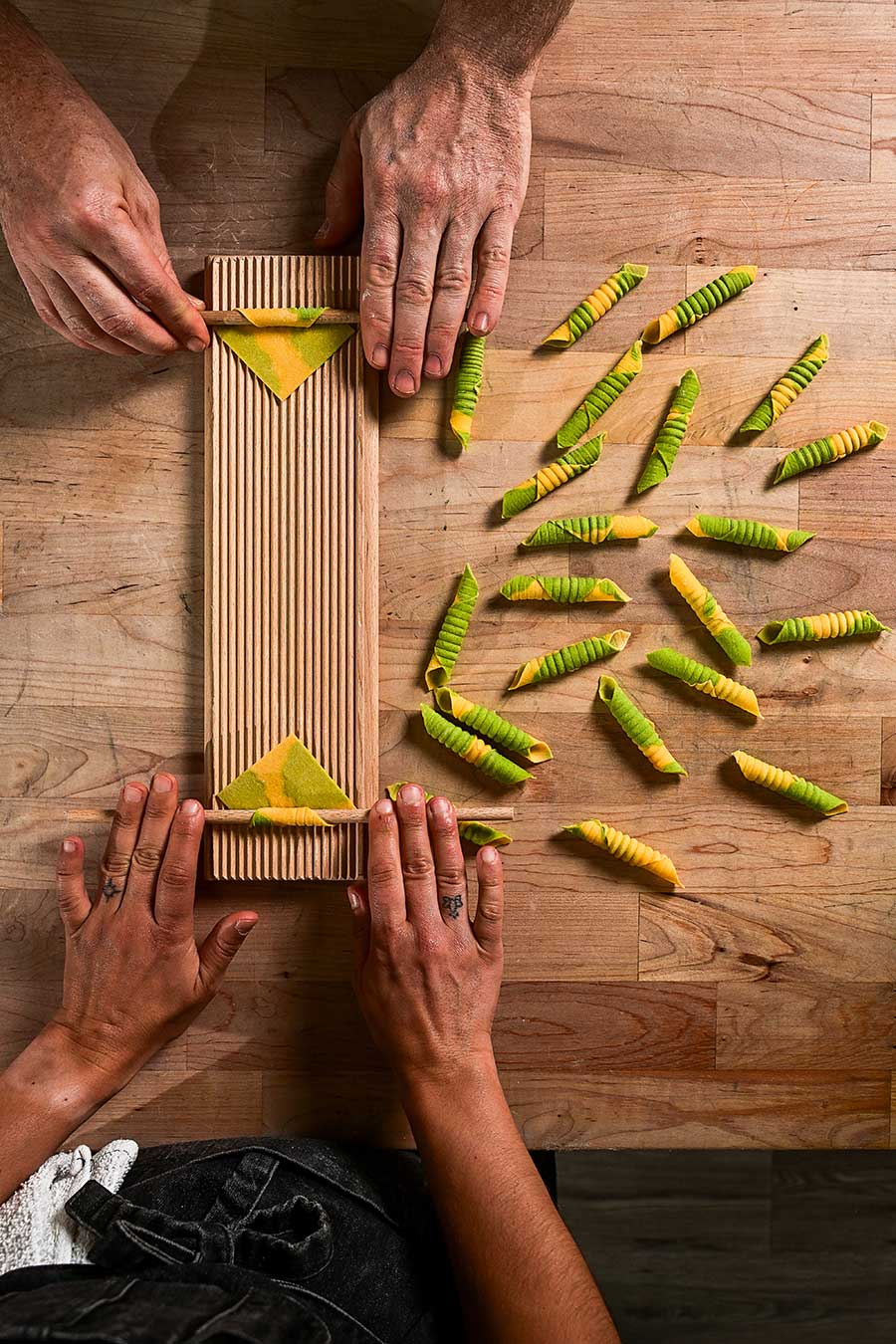
Candy teaches a lesson in gnocchi making
After moving, they quickly got to work launching Ingredient Studio, with plans to offer lessons, personal chef services and a hybrid option, where customers participate in a portion of the cooking and then let the chefs take over. The services are personalized, and after a lesson, Argondizza and Acosta make themselves available in the future to answer cooking questions. “We let them know they now have access to asking us any question any time, going forward,” Acosta said.
Business has been steady over the past three years, and although things slowed down with the pandemic, the duo hopes to keep busy through the holidays with private chef services and small lessons. They also have plans to again offer larger cooking parties in the future. Ingredient Studio also offers gift certificates, and Argondizza and Acosta said a lesson or series of lessons makes a great gift for the chef in someone’s life. “It’s an experience, but it’s also a life skill,” Acosta said. The lessons are appropriate for just about anyone, from parents and children to aspiring chefs, to those just looking to improve technique or perfect a certain type of cuisine. There’s really no downside to gifting someone the experience of becoming a better cook. Because, as Argondizza said, “it’s the gift that keeps on giving.”
The owner of Bend’s whimsical new plant shop, Somewhere That’s Green, has had a passion for plants blossoming since he was a child growing up in Philomath, a small town near Corvallis. In elementary school, John Kish planted seeds and brought his own crosspollinated plants in for show and tell. In high school, he bonded with a plant science teacher and dove headfirst into a project restoring the region’s prairie ecosystem. And in college at Oregon State University, he worked on a project fighting the gall virus from harming grapevines while studying sustainable and ecological horticulture.
By the time he was 21, Kish’s love of plants was playing out in New York City, where he was busy keeping 5,000 holiday poinsettia plants thriving at Rockefeller Center. “I was the interior landscaper, there to install and maintain the plants,” Kish said. But it wasn’t plant life that brought Kish to the city—he was part of a demanding Broadway conservatory nurturing another passion, theater. When his 18-hour days with instructors and classmates were done, he would hurry over to Rockefeller Plaza to begin tending to the plants. Long days balancing horticulture and theater until 1 a.m. didn’t last, and soon Kish was working at bars and coffee shops, with horticulture as only a hobby.
After a few years in the city, Kish traveled to Ecuador with a group called Dramatic Adventure Theater. He would get to see the Amazon, while visiting an impoverished village, running a theater production during the visit and re-awakening his love of nature. “Seeing the Amazon was always a dream of mine,” Kish said.” After the trip, he was ready to return to Oregon.
Kish bounced between Bend and Portland over the next few years, getting involved in theater, including at Cascades Theatrical Company in Bend and by starting his own production company, Topsoil Theatrics. Meanwhile, a dream of someday opening his own plant business was quickly becoming more vivid. Things started modestly—he acquired plants and sold them at pop-up shops within other stores, starting at Revolvr during a First Friday in late 2018, and expanding with markets and coffee shops. By last summer he had moved into Bend’s DIYcave makerspace with the budding business, Somewhere That’s Green, a name from a song in Little Shop of Horrors. Kish’s Topsoil Theatrics had a production of the musical slated for May, but the pandemic shut things down two weeks into rehearsals.
With theater on hold, Kish focused on selling plants, and amid COVID-19 his customer base was quickly expanding. He launched a plant gifting program called “Purposeful Plants” allowing customers to gift plants for delivery to others in town, and planned a fun drag-queen-themed live class on repotting plants, acting as his alter-ego, Fertile Liza. This summer, with the plant business outgrowing DIYcave, Kish took an opportunity to move into a space on Powerhouse Drive in the Old Mill District. In a ten-day span, Kish along with Matt Marson (Kish’s fiancé and new co-owner), Kish’s father and others quickly revamped the space, building shelves for pottery and moving in more than 500 species of plants. By early July, they were open for business in the new location.
The new shop is cozy and imaginative, packed with plants large and small and a wall of pottery from local ceramicists, including Cook’s Pottery in La Pine. Tote bags bear Kish’s favorite plant, the giant rhubarb, which he also sports a tattoo of on his left forearm. The shop stocks four main plant varieties: topicals, arids including succulents and cactus, aquatics and air plants (no soil).
From left to right Matt, John and Dan of Somewhere thats Green share a joke in the shop. The shop has 4 employees making the comraderie strong and the laughs plenty.
When customers purchase a new plant from Somewhere That’s Green, they’re also buying insight from Kish, Marson and two other staff members, Daniel Young and Jonathan Stockman. Staff will help repot plants into ceramic containers, drill drainage holes and offer to help in the future if the plant ever struggles. “We want you to be successful,” Kish said. In addition to selling plants, Kish is a plant consultant of sorts, making in-home visits to assess lighting and space, and offering recommendations for which plants would thrive in Central Oregon homes.
As new customers trickle in daily, Kish is feeling grateful for the shop’s word-of-mouth success and the future. Ongoing workshops are planned (only some are taught in drag), as well as plant swaps and the possibility of other events aimed at bringing people together around their passion for plants. “Plants bring peace and growth,” said Kish, who is quick to tout the benefits of getting your hands dirty and tending to a plant, watching it grow. “There’s something really rewarding about it.”
Friday, Nov. 13 marks this year’s World Kindness Day. This day is meant to remind people to choose kindness whenever possible, and in the end, make the world a happier place. Middle school students from the Bend-La Pine School District have taken the reins of leadership in the campaign to spread kindness to their community.
“Kindness is a wonderful and inclusive thing and we hope to see that grow in our community,” said Nikolette, an eighth-grader from Cascade Middle School. “I want to be part of this positivity, to live in a community that is filled with kindness and that has the courage to be kind.”
This message is echoed by Nikolette’s classmates, as well as other students across several schools who are all spearheading this year’s kindness campaign. Many local organizations are participating in the campaign, including the Bend Park and Recreation District, Central Oregon Community College, St. Charles Health System and Oregon State University-Cascades.
The city of Bend itself is taking part in the campaign, with Mayor Sally Russell speaking on the importance of spreading kindness in the community.
“A little gesture of kindness—warm words of support or gratitude—might just help others in our community who are having a tough day feel like someone cares,” Russell said. “As a caring community we can get through these unprecedented times together. We can show support for each other by making kindness a priority. A little kindness goes a long way.”
A little kindness does in fact go a long way, and that statement is backed up by the U.S. Department of Education, which claims that “students who learn in positive learning environments that are safe, supportive and engaging are more likely to improve academically, participate more fully in the classroom and develop skills that will help them be successful in school and in life.”
Organizers suggest that the next time you get the chance, celebrate this holiday by spreading some cheer. Consider bringing someone coffee in the morning, or maybe break the ice in an online meeting and help the new people feel comfortable and welcome. On Nov. 13 in particular, organizers are encouraging others to wear a cardigan to represent the kindness spread by the late Mr. Rogers.
However you choose to be kind, consider documenting the act and posting to social media accounts with #ChooseKindnessCO, so anyone who sees it might be encouraged to spread kindness in their own life, too.
Learn more about the Choose Kindness campaign here.
In the new 50th anniversary book Black Butte Ranch: There is a Place, author Kathryn Graves Yoder’s love for the resort located north of Sisters spills over to readers. Through essays about the ranch’s history, natural beauty, residents and the people who’ve kept the ranch running, Yoder’s affection extends into a reverence for the land Black Butte Ranch was built on, which of course has a history far older than the resort’s 1970 opening date.
In the eighty-eight-page coffee table book, rich photos accompany the essays to portray Black Butte Ranch as the people who hold it close know it. There is a constant nod to legacy within the book, as many homes, experiences and memories are passed down between generations at Black Butte Ranch. And yet the book, like the ranch, welcomes newcomers to explore, too.
Yoder, a Sisters resident, herself holds tight ties to the ranch’s beginning. Her father, the late Robert “Bob” Muir Graves, a landscape architect who specialized in golf courses, designed Big Meadow at Black Butte Ranch, which is why Yoder’s mother, Mimi Graves, wrote the book’s introduction. “I was able to, from the time I was a little kid, watch the ranch evolve,” Yoder said. “A large portion of it was considered a swamp, which the Brooks Resources folks very thoughtfully transformed.”
Within the book, Yoder highlights how the Brooks Resources Corporation, which acquired and developed the area into Black Butte Ranch, was in many ways ahead of its time in its approach to construction. Tying into the book’s legacy motif are themes of stewardship, land management and a deep appreciation for nature.
Yoder’s first essay details the history of the ranch and the land, from its geologic beginnings, to the first people who called it home, the Northern Paiute nation. It was important to Yoder to tell the history of the land going back to its first inhabitants. In the book we hear from Wilson Wewa, a leading authority on Northern Paiute oral history, a Warm Springs elder and great-great grandson of Chief Paulina, for whom Paulina Springs and other local landmarks are named. “It’s a history that needs to be acknowledged and respected,” Yoder said.
In its modern history, Black Butte Ranch was often regarded as a hidden gem. Yoder spoke with the Brooks Resources team who started the ranch including Bob Harrison, Mike Hollern and Bill Smith, uncovering how the ranch’s first marketing campaign led by Smith took advantage of that “hidden gem” idea. Instead of focusing their spending on big advertising campaigns, the corporation invested in the ranch and relied a lot on word of mouth.
“The phrase Bill used is that ‘we just focused on celebrating the generosity of place,’” Yoder said. “The place just speaks for itself. There’s such a generosity of beauty.”
There’s a significant generosity of the ranch within the larger community, too, Yoder said. In addition to being the City of Sisters’ largest employer, Black Butte Ranch makes donations to organizations like Sisters School District each year. “Everybody that I interviewed had such a deep connection to the place, and they do a lot of volunteering to keep it clean and healthy and accessible for everyone,” Yoder said. “It’s a place that’s very welcoming.”
On the day of Yoder’s interview with Bend Magazine, she was heading to the ranch later that day, in honor of what would have been her father’s 90th birthday. She and her family planned to lunch at Robert’s Pub, named for her dad.
“It’s very … I still catch my breath when I turn around and look at Black Butte and the Cascade Range there,” Yoder said.
The essence of what makes Black Butte Ranch special, as captured within the book, will appeal not only to ranch residents but to history enthusiasts, nature lovers and explorers searching for a vacation destination. This coffee table book is a wonderful holiday gift.
Black Butte Ranch: There is a Place, essays by Kathryn Graves Yoder, is available for sale at Paulina Springs Books, Black Butte Ranch and online at blackbutteranchstore.com
As the holidays roll around, even those who live in contemporary dwellings may be dreaming of a Dickens Christmas with pine boughs on a wood fireplace mantle and a Santa’s sleigh and eight not-so-tiny reindeer in the front yard.
In Bend’s historic downtown neighborhood, it’s easy to imagine celebrating an old-fashioned holiday in homes constructed by the city’s elite between 1910 and 1954 in Craftsman bungalow, Colonial, English cottage and Tudor styles. With Drake Park and the Deschutes River as a communal gathering spot, the old section of town was and remains a center stage for holiday festivities like the Bend Christmas Parade and Jingle Bell Run (both canceled this year due to the coronavirus) and the community tree lighting ceremony.
Since Charlene and Ned Dempsey became residents of the Drake Park Neighborhood Historic District, they’ve created their own holiday traditions in the English Tudor home they bought in 1995 on Riverside Boulevard. One of a few Tudors in the city, it was built in 1926 by Bend’s first eye doctor, Fred Lieuallen, and remained in his family for the next seventy years. The home embodied typical Tudor features such as two stories under steeply pitched roofs, a light-colored stucco exterior with dark trim and windows with small panes of glass; the interior included arched doorways and lathe and plaster walls.
Ned and Charlene Dempsey
“We had been hoping to find something along the river, especially near the pond,” Ned said. “We felt fortunate to acquire the older Tudor even though we would be looking at much needed TLC and upgrades.”
Acquiring a local treasure
Both Dempseys possessed skills necessary to restore and upgrade the original structure. Ned is a civil and environmental engineer who moved to Central Oregon in 1973, designing infrastructure on Black Butte Ranch and later Bend’s first wastewater system. In 1974, he founded Century West Engineering and built it into a regional engineering company with offices in Washington, Idaho, Nevada and California. He sold the company to the employees in 2014.
Charlene worked in the hospitality industry as a corporate travel planner and traveled extensively throughout the Pacific Rim and East Coast of the United States. She left that job to obtain a degree in interior design from the Art Institute of Portland and worked for years helping clients re-do their own homes, and was also the lead designer on the 2004 Tower Theatre renovation.
Until they bought the Tudor, the couple, who married in 1984, split time between Bend’s Awbrey Butte and Portland’s Marine Drive where they had a houseboat, and navigated the Columbia River in Charlene’s classic 1949 Chris Craft 19-foot wood runabout. “Moving away from the water to live in the desert was a real challenge,” Charlene recalled. “I was always looking for something on the river.”
And the makeover began
The couple moved into the 2,400-square-foot Tudor a few months after they purchased it. “We loved it despite its having had no renovations or repairs since it was built,” Charlene said. “We especially loved the Moorish-style four-center arch doorways throughout.”
The renovation focused on maintaining the style and integrity of the house. They kept the floor plan largely intact, including individual rooms instead of opening the kitchen, dining and living rooms into one large space. “We find that company like to roam into the various rooms, especially the wine cellar. The individual rooms also allow space for eclectic collections from our travel,” she said referring to the forty-eight countries they’ve visited over the years.
They began the makeover with the arduous task of cleaning and stripping away years of neglect. “We were somewhat dazed,” Charlene remembered. “We removed curtains and carpets that had absorbed years of cigarette smoke.” They faced weeks of scraping many layers of oil-painted wallpaper from every wall in the house. With his engineering background, Ned spearheaded upgrades in electrical wiring, heating systems, plumbing and insulation.
A holiday table in the wine cellar staged by Donner Flower and including the Dempsey’s favorite red holiday dishes.
They removed a useless Model A garage and built a retaining wall off the alley to stem water seepage into the basement from the sloped lot. A wrought-iron gate welcomes visitors to a private courtyard filled with heirloom roses from the original owner and a riot of perennials and seasonal flowers lovingly tended by Charlene.
They added a sunroom (aka greenhouse) where the former garage stood and cut a wall in the stucco to make a doorway to the kitchen. The exterior wall of the sunroom incorporates a keepsake stone that Ned salvaged from the Pilot Butte Inn after its demolition in 1973. The glass-sided sunroom also opens into the garden sanctuary with high ivy-covered walls, the couple’s favorite space. Charlene has a particular affinity for Italy and says the carefree style of the garden is more Italian than English.
Other changes included removal of a breakfast nook to create a powder room downstairs and enlarging the size of the master bedroom and bath upstairs by taking out a child’s nursery.
A bonus they hadn’t planned when they bought the home: the two-foot thick stone foundation walls could double as a wine cellar, with a constant temperature perfect for storing their favorite Oregon pinot noir and pinot gris, and Italian reds. “The addition of the wine room in the basement has its own special draw for occasional entertaining,” Ned noted. They converted a Moorish-style door into a table for setting out hors d’oeuvres and sometimes a light holiday meal.
Now in their twenty-fifth year in the home, the Dempseys love walking to nearby restaurants and shops, and through the neighborhood. “I like the energy of downtown,” Ned said.
At the holidays, they cook a turkey and set a table complete with Waterford crystal goblets brought back from trips to Ireland and cherished Christmas dishes. And in the afterglow of an evening well spent, the reflection of twinkling holiday lights on the Deschutes River are the perfect nightcap.
Missing in action, or MIA. It’s a military designation many of us know in meaning but may have never considered in impact. The reality is that for families and friends of service members missing in action, there’s often no closure to provide solace about the lost loved one.
Of the 81,900 Americans missing in action, more than 72,000 are missing from World War II. As this year marks the 75th anniversary of the end of World War II, many of the spouses, siblings and friends of those MIA service members are now gone.
But that grief—and the hope for resolution—are often carried on from generation to generation, explained Derek Abbey, a Bend resident and president and CEO of Project Recover. Project Recover is a nonprofit dedicated to finding and repatriating Americans missing in action since World War II.
Project Recover seeks to provide what many family members and loved ones of Americans MIA need most: answers. “It starts with research,” Abbey said. “We do continuous research year-round, and we’ve established a database. We have more than 500 cases associated with about 3,000 Americans.”
Oregon still has 977 service members missing in action, including sixteen individuals from Bend alone. Central Oregon has contributed greatly to the military, said Abbey, who himself served twenty-three years in the United States Marine Corps. Project Recover has conducted missions from World War II to Desert Storm, in eighteen different countries around the world.
Derek Abbey, Project Recover CEO
Each year, Project Recover decides which missions to carry out. A lead historian on staff with Project Recover is the catalyst for the organization’s work. By analyzing historical records, reports and more, he can begin identifying potential missions, many of which take place underwater.
Project Recover often tries to focus on regions associated with multiple MIAs to increase the likelihood of success, but sometimes its missions focus on one person. Once Project Recover identifies a site for a mission, they thoroughly document the area with archaeologists, Abbey said. “We gather anything and everything we can, any report, any witness statement,” Abbey said. “We really develop a relationship with the person who we’re searching for.”
When remains are recovered, they’re repatriated to the United States, usually first to Hawaii or Nebraska where the U.S. Department of Defense’s labs are located to identify found remains and artifacts. “When you witness the repatriation of the MIA to these families, it’s indescribable,” Abbey said.
In American culture, it’s common to hold a memorial or funeral to honor a lost loved one. When someone is MIA, their family is left without that. Instead they’re stuck waiting, and wondering, and there are even often stories passed down about how a loved one missing in action went on living somewhere out there, Abbey explained.
There is a sense of resolution for loved ones once the details of the MIA, sometimes shrouded in myth, are laid to rest. Questions are answered. “People may think they can’t have an impact, I used to think that way, but they can,” Abbey said. “We are having a tangible impact on returning missing Americans home.”
Since its start as a small grassroots effort in 1993, Project Recover has located more than 150 MIAs. “Ultimately it has a healing impact on us as a nation, as we participated in these wars as a collective,” Abbey said. “These individuals sacrificed when they fought and lost their lives. It’s amazing to see the impact it has on these communities for them to be returned home. It’s exactly what our nation needs right now. Something to come together over.”
Two months and a thousand miles from Oregon, Travis Ehrenstrom and his wife Courtney Bruguier leaned against the front grill of their RV and stared at the dark green bushes contrasting the bright red rocks of Colorado’s Mesa Verde National Park. As the wind blew steadily out of the canyon and through the vista parking area, the weary travelers came to a realization: the RV life was more than just driving lonely highways, hiking far off trails and drinking craft beers. Though this epiphany had snuck up on them, the pair had officially accepted a road warrior lifestyle in tune with those who traveled alongside them and, in this case, the ancestral pueblo people who had walked this very place 4,000 years before them. “Learning about the history of our country and the land before we were even a country was extremely fulfilling,” explained a nostalgic Ehrenstrom. “Each day’s new experiences made each month seem like a year.”
Ehrenstrom near Silverton, Colorado
In April of 2019, Pacific Northwest singer-songwriter Ehrenstrom left the comfortable confines of his Bend, Oregon, life to find the common attributes of all Americans and translate those discoveries through song. Though he enjoyed crafting his Americana sound with his eponymous band back home, he couldn’t escape the desire of truly knowing what it meant to be an American. So, he and his wife traded their home for Rosie, a 2014 Winnebago Trend RV, and boarded their five-ton future with two small dogs and a cat.
Their trip was decidedly the envy of most of his friends, but it was not without a few bumps in the road. The pair had recently turned 30, sold their northeast Bend home, and made up their minds to downsize their belongings to fit in their silver and black embodiment of freedom—the motorhome which Ehrenstrom forgot to plug in to charge the night before they left.
At Capital Reef National Park with Rosie, the RV
Once on the road, life became a little less rocky. Armed with a Cannon OM guitar, a Breedlove mandolin, a 12-key midi keyboard and small recording workstation, Ehrenstrom got to work in chronicling the country through writing a song for each visited state, or “Our Creative States,” as the project is known.
“As the journey progressed, I became aware that these songs were evolving into not only snapshots of other people in other lands, but reflections of myself in these places,” Ehrenstrom said.
By criss-crossing the country, Ehrenstrom absorbed America’s stories and weaved them into his songs’ lyrics and melodies. While traversing up and down California’s Pacific coastline, he wrote in the song “Bombay Beach Club,” “freedom is a funny thing, the more you lose the more you gain.”
Some experiences—such as pickin’ bluegrass mandolin on a North Carolina hillside or late-night Louisiana creole lessons—strengthened Ehrenstrom’s musicianship, while others gave him a deeper understanding of our country’s history that is sure to surface in his songwriting for years to come. His journey found him debating immigration policies with folks in West Texas and visiting with the ghosts of blues pioneer Robert Johnson and civil rights icon Medgar Evers in Mississippi.
Ehrenstrom and Bruguier at Graceland in Memphis, Tennessee
While walking the hallowed grounds of South Carolina’s Fort Sumter, battle site of the American Civil War’s beginning, Ehrenstrom wrote in “Beginning of the Day,” “in the last of the storm that stands before me, when the scars from a war begin to fade, the only direction isn’t forward, but you know even then it’s to change.”
“Where we are from and where we go shapes us,” explained Ehrenstrom. “Seeing people’s connection to their surroundings reminded me of my own appreciation of Central Oregon’s mountains, lakes and rivers. The journey through this vast country is one that I will be forever grateful to have as a memory.”
After a year on the road, Ehrenstrom and Bruguier cut their travels short to welcome their first child into their family, but plan on visiting the twelve states they missed once the country welcomes travel again. Until then, Ehrenstrom is slowly releasing his songs through his Patreon website and recently created a magazine of song lyrics and photos from the first part of their trip. You can catch the Travis Ehrenstrom Band as well as Ehrenstrom performing solo throughout the Pacific Northwest as live music slowly becomes mainstream again.
In Oregon, no two hot springs are truly alike. Some sit surrounded by old-growth forests, like something from a fairytale, while others are the cornerstones of rural resorts in the far reaches of the state. Millions of years of geothermal activity under our state’s surface made our beloved hot springs possible, and those steaming pools are today a destination for visitors looking to rest and refresh. With winter on the way, here are four of our favorite hot spring adventures for stripping down and warming up within a morning’s drive of Bend.
Terwilliger (Cougar) Hot Springs
Perhaps the most popular hot springs in all of Oregon, Terwilliger Hot Springs sits just shy of two hours west of Bend in the heart of the Cascade Range nestled in a secluded canyon of Willamette National Forest. A quick, quarter-mile-long trail cuts through an old-growth forest before arriving at the magical site. Six pools are arranged in a step ladder-like fashion, with temperatures ranging from 85°F in the lowest pool to 112°F in the topmost pool. The temperature variance and the number of pools make Terwilliger a popular stop for groups of all sizes.
Also known as Cougar Hot Springs, the pools at Terwilliger are a cascade of geothermal pools where time slows and relaxation is key. The natural pools are just a short stroll from the trailhead and are regularly maintained by volunteers. The top pool is the warmest, and the others gradually cool. Bring a towel and bathing suit (or go au naturel). After a soak, explore the surrounding Willamette Valley’s hiking trails, waterfalls and trails. Note: Nudity is not permitted within eyesight of nearby Forest Road 19 (Aufderheide Drive). The pools are only open from sunrise to sunset, and are closed 8 a.m. to noon on Thursdays for cleaning. Forest Road 19 is not maintained in winter and may be covered in snow and ice after inclement weather.
If You Go: Forest Road 19, Rainbow | 541-822-3381 | fs.usda.gov
Photo by Nate Wyeth
Umpqua Hot Springs
Oregon’s most Instagrammed hot springs? That title likely goes to Umpqua Hot Springs, perched 150 feet above the North Umpqua River roughly two hours southwest of Bend. Soakers must endure a steep 0.3-mile-long hike before arriving at the popular pools, which jut out from a rock face and are supplied with water that ranges from 100ºF to 115ºF. If you are not bothered by nudity, these pools along the North Umpqua River are the place to soak. A short quarter-mile hike from the trailhead through dense forest leads to several geothermal pools nestled on a cliffside above the river. Unlike many springs short of space, the Umpqua hot springs have multiple pools that allow visitors some privacy and a range of soaking temperatures. Relax in a pool under a small shelter at the top or make your way down the cliffside. You can claim one of two smaller pools halfway down the cliff or climb all the way down to the river where a medium-size pool beneath bat caves awaits. If you get too hot soaking in this pool, cool off in this shallow stretch of the river or cross to the other side to reach natural springs and cascading falls. On the way back to the main highway, stop off at Toketee Falls, an 113-foot falls that plunges into a deep blue pool.
The springs are open sunrise to sunset daily. The gate to Umpqua Hot Springs is frequently closed in winter which may add an additional 1.5 miles of hiking in each direction; the U.S. Forest Service can offer updates on whether the gate is open or closed at any given time.
If You Go: Driving time from Bend: 2 hours 15 minutes | Forest Road 3401, Roseburg | 541-498-2531 | fs.usda.gov
Belknap Hot Springs
The soothing pools at Belknap Hot Springs aren’t technically hot springs; rather, they’re spring-fed pools of hot mineral water. But the healing atmosphere and relaxed nature of the pools nevertheless offer an escape from the modern world without sacrificing modern amenities.
Photo Greg Vaughn / Alamy Stock Photo
Belknap sits along the McKenzie River and hosts two pools—one reserved for overnight guests, the other open to walk-in visitors. (Bathing suits are required in both pools.) Beyond the pools, Belknap offers well-manicured gardens and overnight accommodations including lodge rooms, cabins, RV sites, and tent sites, all just one-and-a-half hours west of Bend.
If You Go: 59296 N. Belknap Hot Springs Road, McKenzie Bridge | 541-822-3512 | belknaphotsprings.com
Southeastern Oregon Hot Springs
A trio of developed hot springs sit in southeastern Oregon. The first, two-and-a-half hours southeast of Bend, is Crane Hot Springs. The resort hosts ten cabins, a few houses, and tent and RV sites for rent in the sagebrush sea of Oregon’s high desert. There, guests can soak in a cedar-enclosed bathhouse (fed with a natural hot water tap that accommodates desired temperature) and in a seven-foot-deep, open-air pond that runs roughly 101ºF. The newest building boasts a private patio with private soaking tub. Day-use is not permitted; guests must stay at least two nights to use the resorts’ facilities.
Alvord Hot Springs | Photo by Nate Wyeth
If You Go: Crane Hot Springs: 59315 Highway 78, Burns | 541-493-2312 | cranehotsprings.com.
Farther south sits Alvord Hot Springs at the edge of the Alvord Desert. The privately owned outfit hosts two concrete pools fed by water that comes out of the ground at 170ºF—and which is, naturally, cooled when mixed into the soaking pools. The experience is soothing at all times but is especially majestic under the starry night skies endemic to the region. Alvord Hot Springs hosts several bunkhouses and campsites; overnight guests can use the hot springs 24 hours per day, while day-use soakers are welcome during normal business hours.
If You Go: Alvord Hot Springs: Fields-Denio Road, Princeton | 541-589-2282, alvordhotsprings.com
Just two hours south of Bend is Summer Lake Hot Springs, with a collection of classic and new cabins, camping and RV sites for soakers. Three outdoor pools are at varying temperatures; the indoor pool is just right for family swims.
If You Go: Summer Lake Hot Springs: Highway 31, Paisley | 541-943-3931 | summerlakehotsprings.com
Know Before You Go
Soaking demands a bit more planning than “which bathing suit to pack.” Keep these tips in mind for a safe, enjoyable soaking experience.
Check road and trail conditions: Many hot springs are in remote areas where snow and ice can close roads all winter long, and downed trees can impede travel in fall and spring. Visit tripcheck.com for information on road conditions, and check with the appropriate land manager (such as the U.S. Forest Service) on the status of trails to hot springs on undeveloped land.
Leave the soap at home: Soap doesn’t break down on its own and can pollute water systems—even biodegradable soap.
Go easy on the booze: By their very nature, hot springs dehydrate the body—which only exacerbates the impacts of alcohol. To stay safe and healthy, save that IPA for after your soak. Besides, alcohol isn’t actually allowed at undeveloped sites. (And leave the glass bottles back in the car.)
Pack out what you pack in:Many of Oregon’s hot springs are in undeveloped, forested areas. Help preserve the natural beauty by packing out whatever you pack in, trash and all.
Time your trip well: Friday evenings and Saturday afternoons are among the busiest times at hot springs—and may lead to longer wait times or a wilder scene. If possible, try for an off-peak time—like weekday afternoons or midweek evenings—for a quieter experience.
The winter holidays are ripe with tradition. While some are better forgotten (a certain aunt’s fruitcake, perhaps?), others elicit that warm glow and special memory that makes this time of year a cherished one.
For my family, cutting down a Christmas tree is our beloved holiday tradition. Loading up the family truck, plowing through snow on a forest road and searching for that ever-elusive, perfect tree is something we look forward to each year. Though the tree may be the end goal, it’s just one part of what makes this tradition worth repeating. The outing itself is the real present, as well as the memories made while tromping around in snowy woods.
If you’re new to cutting down your own tree, Central Oregon is a great place to start. National forests surround us, making it accessible and easy. With a simple permit purchase and a little planning, you could be adding a new tradition to your family.
Before the hunt begins, spend some time preparing to ensure success. This is key, especially if you have little ones in tow. Dress warmly, bring layers, and have a few extras in the car just in case—you never know when you might need them. Warm drinks for the journey are a must (hot cocoa and spiked apple cider is our go-to) and hot food for the return, such as a hearty soup or chili. Scope out some locations on your map beforehand so you’re not aimlessly wandering snowy forest roads, and be sure to bring an actual printed map since cell service can be spotty in areas. As always, it’s also a good idea to have emergency supplies in the car as a safeguard.
Having an idea of what type of tree you’re looking for will help point you in the right direction. Douglas fir, white fir, incense cedar, lodgepole pine and ponderosa pine are all tucked away if you know where to look. According to the National Forest Service, pine trees are prevalent around lower elevations near Bend and Sisters and on south and western-facing slopes around Prineville, while the thicker, full-bodied fir trees and cedars can be found at higher elevations in Bend and Sisters or on northern and eastern slopes near Prineville.
Grab a $5 tree permit from any Forest Service office in Central Oregon or from a number of retail locations (such as any Central Oregon Bi-Mart store). Permits are good for one tree only, and trees should only be cut down on national forest lands. When grabbing a permit, ask for an accompanying tree map that provides some clues as to where to look for the various types of trees and remember to choose a tree at least 200 feet from main roads or 300 feet from any body of water. Before departing, grab everything you need to both take the tree down properly (handsaw or hatchet) as well as transport it home (tarp, rope or tie-down straps).
When you arrive and set out on your quest, keep in mind it takes time to find a tree that’s just the right height (trees should be under twelve feet tall) and symmetrical. Each year we think we’ve spotted the perfect conifer only to discover a sizable gap or thin branches on the other side. Don’t get discouraged—the most important part is having fun. Pepper in a snowball fight or two, make a snowman with a funny face for the next family to discover, or simply stand as still as you can and take in the pristine, beautiful quiet of a winter’s day in the woods.
Whether your perfect tree is worthy of a Hallmark card or more in line with Charlie Brown, it’s about the fun and experience—because that’s what makes a tradition worth repeating.
dishes prepared by kelly alexander, heather renee wong, kailey fisicaro
The Dutch oven has been around since the 1700s, but the classic cooking vessel has exploded in popularity in recent years. Look around and Dutch ovens will catch your eye everywhere. You’ll see them recommended in recipes, staged on stovetops in stylish kitchens in Instagram posts, and viewed as a must-have registry item by couples who love to cook.
Click photo for recipe
For cooks who love the “low and slow” method, a Dutch oven evokes a sense of well-insulated, evenly cooked joy. These old-fashioned lidded cooking pots are usually made of cast iron, offering the benefits of temperature control and of long, slow cooking.
Click photo for recipe
One of the most enticing features of Dutch ovens is their versatility. They’re amazing for recipes that use a combination of cooking methods, so that you can proceed through sautéing garlic until just fragrant, to browning meat, adding sauce and pasta, bringing to a boil and layering on cheese to finish cooking in the oven.
The renewed interest in these centuries-old kitchen accessories comes at a time when many Americans are trying to slow down cooking again. For decades now, we’ve been in a hurry in the kitchen, feeling the need to make things quick, easy, disposable and shelf-stable. While a can of sauce or store-bought stew may be nice to have in a pinch, there’s something to be said for recipes that are still quite simple, but fresh and truly homemade. That’s the line of thinking for Matt Perry, owner of Bend’s Savory Spice Shop franchise.
“A slow cooker or Crock-Pot is basically the newer version of the Dutch oven,” Perry said. “You can leave it without leaving fire on in your house.”
But with so many people staying in and working from home through the pandemic, he added, more people are comfortable turning back to slow cooking in a Dutch oven because they can keep an eye on things.
Click photo for recipe–For cooks who love the “low and slow” method, a Dutch oven evokes a sense of well-insulated, evenly cooked joy. These old-fashioned lidded cooking pots are usually made of cast iron, offering the benefits of temperature control and of long, slow cooking.
Dutch ovens are a great vehicle for some delicious recipes on the stovetop, in the oven or even over a campfire. In addition to the versatility mentioned above, they’re a kitchen item to be treasured, as they can last a lifetime. A blender you get in your twenties might not see you through college, but a well-cared-for Dutch oven can take you through decades of holiday brunches and dinners.
Perry has had a Le Creuset Dutch oven for about ten years and uses it often to make a Savory Spice Shop pot roast recipe, Thai coconut curry soup, chili and other foods. Le Creuset Dutch ovens are one of the brands lauded for their ability to last generations. And there’s just something about using a Dutch oven that makes cooking that much more special.
If you’re already the proud owner of a Dutch oven, you’re well aware of just how rewarding it is to cook with one.
“It’s just a nice way to cook that has pretty simple steps where the result makes you feel like you’re a really good cook,” Perry said.
During the holidays, in addition to braising roasts or other meats as a main course, Perry said he’s sure to make mulled cider in his Le Creuset every year. Part of what makes cooking with Dutch ovens feel so impressive is the way delicious scents are sure to emanate from them.
“It’s a great way to take a piece of meat or vegetables, and you can put so many flavors in and let it meld it together for hours,” Perry said. “That’s ideal for flavor. You think about historically the types of food we love from different cultures, like curries or Mexican moles, or chili from around here, it’s all about low and slow pots with liquid, meat and vegetables, and the longer they cook the better those flavors get.”
At Savory Spice Shop they offer a spice set called “one pot wonders” that works well for low and slow cooking—whether that’s in a Dutch oven or an electric slow cooker.
As the public’s recent obsession with bread-baking has shown us, Dutch ovens are also an amazing conveyor for homemade no-knead or sourdough loaves. According to the King Arthur Baking Company, the secret is the steam that the insulated, lidded Dutch oven traps inside. Steam is key to a wonderful bread crust, and what makes cinnamon rolls made in a Dutch oven an absolute delight, especially as a holiday morning treat for a full house.
Dutch ovens offer us a time-tested way to complete many of the cooking traditions we love around the holidays: taking our time making a meal, filling the house with the smell of rich savory or sweet flavors and having the ability to feed a crowd with something warm and made with heart.
It’s unanimous—2020 has been a doozy. There isn’t one among us who hasn’t felt the weight of hardship, helplessness and despair once or twice this year. What helps? Helping. That’s a proven fact. When we give back, help out, and do good, we feel more positive. Better yet, the more each of us helps, the stronger our community grows. Giving is a self-fulfilling prophecy of goodness.
There are hundreds of worthy causes all around us. What’s yours? Start big, start small, do what you can, when you can—but in the new year, vow to get involved and be one of the helpers as we move forward into 2021. Central Oregon, we’re better together.
A stock photo of a Hospice Nurse visiting an Elderly male patient who is receiving hospice/palliative care.
How to Choose a Cause
With so many worthy causes to support, making a decision about where to get involved can be overwhelming. How do I choose just one? And what if I choose wrong? Shelley Irwin of Volunteer Central Oregon suggests starting with your “why.” She said, “What are you hoping to achieve? Are you wanting to share your expertise or are you looking for something new? Do you wish to build experience for a resume, or are you freshly retired and wanting to keep busy?” Here are a few more tips to help you decide where to put your time, energy and dollars in the nonprofit landscape.
What pulls at your heartstrings? Find your nonprofit passion category. When you read something in the news about an important issue or cause, what grabs your attention the most? Children? Animals? Veterans? The environment? Food insecurity? Homelessness? Follow your heart to determine the cause that you can take personally.
Find a personal connection. Talk to your friends, coworkers or people you admire who do give-back work. Find out what they do and how. Is there someone in your circle doing work in your passion area? Sometimes a personal introduction to an organization can make the work you might do there instantly more meaningful.
Do some research. First, find out what organizations are doing work in your passion area. Then, take some time to delve into the nitty gritty. Not all nonprofits are created equally. How much of the annual budget actually goes to the cause? What are the true impacts of the work being done? You’ll feel better in the long run if you invest in an organization that puts its money where its mouth is.
Consider staying local. There are millions of meaningful causes to support around the globe, but consider choosing a cause close to home. In some cases, the bigger the nonprofit, the less you see your money at work. Sticking with local organizations tackling local problems can not only make a more significant difference, it puts you in a better position to see the impact of your efforts up close—right down to face to face encounters with the people you help.
Don’t seize up.Still not sure what to support? Just choose a cause and start small. Donate a few dollars or a few hours and see how it feels. Supporting worthy causes is your choice—you can change your mind at any point. Be open to the winding path approach—you never know where it’s going to lead or who you might meet along the way.
Volunteer Central Oregon
One-Stop Shopping for Volunteerism
What if you could visit one website, with a searchable database, to discover volunteer opportunities around you and sort for what interests you? That’s exactly what Volunteer Central Oregon is. Operated under the umbrella of the nonprofit Better Together, Volunteer Central Oregon connects volunteers with opportunities in Crook, Deschutes and Jefferson counties, as well as the Confederated Tribes of Warm Springs. “We host the regional volunteer database volunteercentraloregon.org, which includes more than 200 local organizations and nearly 400 opportunities,” explained project manager Shelley Irwin. “These opportunities accommodate wide-ranging interests and are searchable in our database. Our site connects volunteers with both one-time and ongoing opportunities to serve in the community, so it really is a one-stop shop for exploring community service.”
Irwin’s position gives her unique perspective on the overall volunteer landscape in Central Oregon. The good news? Around here, we’re involved. “I’m going to sound like a cheerleader here, but Central Oregon’s devotion to serving the community is so inspiring. The efforts that volunteers go to in order to ensure that our community is supported is amazing. Other communities may have more flashy volunteer campaigns, but here in Central Oregon, we just get down to do the good work.”
There are as many motivations to get involved as there are people, she said. “Maybe they want to be a part of the solution to problems in our community, they want to help and give back, they want to feel like they are contributing to a better world.”
Even with a vigorous volunteer community, the need is still strong, especially in the era of COVID-19. “There is so much need for support out there,” Irwin said. “In looking at our data, the top categories are children and youth followed by the environment and then in third place, animals. Mentorship of young people stands out to me, and I think of organizations like Big Brothers Big Sisters, Central Oregon Partnerships for Youth, Heart of Oregon Corps, Camp Fire and Aspire programs at high schools, just to name a few.”
In the past twelve months, the Volunteer Central Oregon website received over 70,000 views—many of which led to people helping people. In Irwin’s perfect world, every single Central Oregonian who is able would be involved in our community. “Figure out the type of volunteering that will make your heart sing, and make it a priority in your life,” she said. “We are all busy, and making space for the needs of others honestly gives us more space for ourselves.” See volunteercentraloregon.org.
Local Heroes
We rounded up the leaders of some of Central Oregon’s nonprofit organizations to ask them their needs, challenges, successes and the impact of 2020 on them and those they serve.
Marlene Carlson
Partners In Care
Marlene Carlson, Director of Development & Communications
Partners In Care is an independent, local healthcare organization best known for hospice care delivered in private homes, care facilities and at Hospice House. With nearly 200 staff and more than 150 specially trained volunteers, PIC also has a Home Health program, a non-medical Transitions program, palliative care and grief support services.
What is your impact and on what population?
People living within a 10,000 square mile region of Central Oregon—men, women, children, veterans, rich and poor, insured or not. Partners In Care is certified by Medicare and Medicaid and private insurance covers nearly all expenses.
What are people surprised to learn about Partners In Care?
We care for people well before there is a terminal diagnosis, as they recover from illness at home, and all the way through to the end of their lives, as well as provide grief support for a year or more following a death. Another surprising fact is that Hospice House is one of only three such hospice inpatient facilities in the state of Oregon, and the only one east of the Cascade mountains.
Melissa Butterfield
YouthLine
Melissa Butterfield, Assistant Director of YouthLine – Central Oregon Satellite
YouthLine is a free, confidential, teen-to-teen crisis, help and support line. Youth volunteers answer calls, texts, online chats and emails seven days a week—no crisis is too big or too small.
What would people be surprised to know about your organization?
Teens are actually answering the contacts and supporting peers their own age. These amazing young people do a level of work that is often comparable to licensed clinicians. They are hard-working, caring, articulate, empathic and passionate about mental health and changing the narrative around suicide.
Tell us about a recent accomplishment that you are proud of.
A viral TikTok was posted by a teen who suggested us as a resource. In under 24 hours our volume of contacts rose exponentially, bringing us to our new record of texts received and teens reached at once. Watching the positive impact of social media happen in real time and our teen volunteers rising to the challenge was amazing to see.
Ron Nelson
Deschutes River Conservancy
Ron Nelson, Executive Director
Founded in 1996 as a collaborative, multi-stakeholder organization, the Deschutes River Conservancy exists to restore streamflow and improve water quality in the Deschutes basin.
What is your organization’s impact and on what population?
The DRC was founded twenty-five years ago with the sole purpose of achieving collaboration and consensus across social and economic lines within the entire basin. We’re here to improve the water quality and link the river with the community, and our impact is on everyone who has an interest in the river, whether for beauty or recreation, farming or other economic benefit.
What is the most significant impact COVID-19 has had on your organization?
The pandemic has kept us from getting together personally with our local partners and funders. We have good, strong relationships within our basin community, but we have not been able to find an adequate replacement for in-person collaboration.
Brad Porterfield
Latino Community Association
Brad Porterfield, Executive Director
LCA exists to empower Latino and immigrant families to thrive, creating opportunities for advancement and building bridges that unite and strengthen us all. By advocating, interpreting and providing services, more than 10,000 Central Oregon Latinos benefited from a whole-family service model last year.
Tell us about a recent accomplishment that you are proud of.
We are very proud that we were able to adjust quickly to the safety requirements of COVID-19 and specifically to address the financial needs of immigrant workers and their families who were excluded from unemployment benefits and CARES Act stimulus payments. We have been able to help distribute nearly $1.5 million to our immigrant families in Central Oregon who would have otherwise been completely left out of relief efforts.
What are your key volunteer opportunities?
One of the best opportunities to volunteer with LCA is tutoring English. The main barrier to advancement for immigrants in the U.S. is language. Other ways to volunteer include translation and office help, especially if you’re bilingual, and community outreach.
Sabrina Slusser
Humane Society of
Central Oregon
Sabrina Slusser, Executive Director
HSCO strengthens the human-animal bond by advocating and compassionately caring for animals, through a variety of programs and services including sheltering and providing medical care for vulnerable animals, spaying and neutering, and feeding pets.
What is your organization’s impact and on what population?
I don’t think there is a segment of the population we don’t have an impact on unless it is someone who just isn’t into animals. The joy and comfort of owning a pet, especially during COVID times, definitely has its benefits as research is showing.
What are your key volunteer opportunities?
We are really down volunteer hours at the Thrift Store. These volunteers tend to be older and a higher risk population. We are recruiting “family pods” to come in and work together helping sort, clean and test things from clothes to electronics and sporting goods.
Ray Solley
The Tower Theatre
Ray Solley, Executive Director
The Tower Theatre is a historic building anchoring downtown that houses Central Oregon’s leading performing arts organization, providing cultural and educational programs that make essential contributions to the region’s lifestyle and strength of community.
What is the most significant impact COVID-19 has had on your organization?
For a group that is used to entertaining 60,000 people a year, to come to stop is a shock to the system. Our challenge has been to find creative ways to work within restrictions and requirements. If we are in the creative services business and can’t find a way to work creatively, then maybe we weren’t as creative as we thought we were.
Tell us about a recent accomplishment that you are proud of.
Being a small town and small theater allowed us to try new things, small things. After COVID closures, we first used our marquee to celebrate local graduating classes to provide a sense of community. Eventually we opened up for the weekend showcases, slowly and safely accommodating forty to eighty people to see a show and have an evening out.
What do you need most at this time?
People who share the belief that the performing arts can transform community and can bring issues and education to the forefront in ways that no other art form can. Performance is one of the easiest ways to share issues like diversity that strike deep in people’s emotions. Theater turns this into an experience and a memory.
Amy Ward
Deschutes Children’s Foundation
Amy Ward, Executive Director
Deschutes Children’s Foundation provides its partners—all nonprofits that serve children—with free facility management and drastically reduced-rate classroom and office space, relieving them of the burden of facility overhead and allowing them to focus on caring for more than 20,000 of our community’s most vulnerable citizens
each year.
What would people be surprised to know about your organization?
We started in 1990 with the Rosie Bareis campus in Bend, but now we are county-wide with four different locations in Bend, Redmond and La Pine. We save $800,000 a year for our partners by allowing them to work from one of our locations.
Tell us about a recent accomplishment that you are proud of.
We created a totally new fundraiser to adapt to COVID-19, called Riddles: Creative Community Problem Solving. Donors received a meal delivered to their home by a volunteer. With the meal came one of six different puzzles created by a local artist, which revealed a clue. Participants shared the clues via social media to discover more clues, to solve a riddle together. The event supported local restaurants and nonprofits, while encouraging problem solving as a community.
Elaine Knobbs-Seasholtz
Mosaic Medical
Elaine Knobbs-Seasholtz, Director – Strategy and Development
Mosaic Medical is a nonprofit community health center that serves Central Oregonians regardless of life circumstances. Integrated health services are offered and never influenced by how much money patients make, what language they speak or the status of their insurance coverage.
What would people be surprised to know about your organization?
Mosaic was founded in Prineville in 2002 by a group of concerned citizens who saw the need for a clinic that would serve anyone. We’re a nonprofit and have been since day one, but we do bill insurance companies and receive federal monies. We have 375 staff members and serve 27,000 people a year.
What is your organization’s biggest challenge?
Currently, our challenge is providing continued support for patients’ ongoing health needs while there is still societal hesitancy to access medical visits. Foregoing immunizations for children, flu vaccines, diabetes check-ups, etc., will make individual and community health worse in the future, both for COVID risk and general health risk.
Cassi MacQueen
Saving Grace
Cassi MacQueen, Executive Director
Saving Grace offers safety, hope and healing to survivors of intimate partner violence and sexual assault and engages Central Oregon to build life free from violence.
What is the most significant impact COVID-19 has had on your organization?
Over the past five months we’ve really seen how the pandemic has intensified needs of those we serve. The impacts of isolating at home, school closures and financial pressures have led to a spike in domestic violence. Our emergency shelter has increased in volume and we’ve managed to stay open throughout the pandemic.
What would people be surprised to know about your organization?
We’ve been serving Central Oregon for 40 years. Saving Grace’s shelter opened in 1990 and was one of the first six shelters in the U.S. for domestic violence and sexual assault. One in four women will experience intimate partner violence or sexual assault. But we serve a wide range of those affected by intimate partner violence—men, women, people of all ages. Domestic violence does not discriminate and neither do we.
Dan Anderson
The Shield
Dan Anderson, Co-Founder
The Shield protects the mental health of Central Oregon Veterans and First Responders by making specialized counseling services easily available to this unique population. We eliminate the five key barriers: awareness, availability, timeliness,
confidentiality, cost.
What is your organization’s impact and on what population?
There are more than 20,000 veterans and first responders in Central Oregon, and research indicates that approximately 40 percent of these important members of our community are currently in need or will someday need mental health support.
What is the most significant impact COVID-19 has had on your organization?
Like everyone, our clients are affected by the financial impact of the pandemic to their families, concerns about family members becoming ill, and the isolation that comes with quarantine and social distancing measures. Unlike everyone else, our first responder clients are impacted by continuing to serve the public, which puts them at higher risk for infection, and by being exposed to the public when many individuals in our community are not at their best due to additional stressors from COVID-19. Consequently, the demand for our services has increased significantly.
What is your organization’s biggest challenge?
Mental health is a difficult topic for some people which can make increasing community awareness challenging. What many fail to recognize is that engaging in counseling services on a pro-active, preventative basis can keep individuals healthy and prevent serious problems down the road.
Look for the Happy, Healthy Helpers
The power of helping isn’t just for those you help
“If I sit around, I cry, so I decided to get off my butt and go help today.” So said Oregon resident Tim Thoren in the first days of the devastating fires that tore through Oregon this September. Thoren spent many days at the evacuee site in Springfield, helping those displaced by the Holiday Farm Fire along the McKenzie River.
His thoughts speak to his own personal motivation, but also get at the heart of a deeper truth that psychologists have long understood—helping others helps us, too. Giving time or money can invoke feelings of gratitude and happiness. Scientists believe that altruistic behavior releases endorphins in the brain, producing the positive feeling known as the “helper’s high.” The National Institutes of Health have found that when people give to charities, it activates regions of the brain associated with pleasure, social connection and trust, creating a “warm glow” effect.
Helping can even boost your health. One reason giving may improve physical health and longevity is that it helps decrease stress, which is associated with a variety of health problems. Last but not least, giving brings us together, promoting cooperation and social connection. When we step in and help, we remember that we are part of a larger community, and others are encouraged to do so as well. That was Thoren’s experience at the evacuee center in September. “It was a heartwarming and heartbreaking day,” he said. “I got to see the power of my community and lead other volunteers, which was amazing.”
Five Ways to Help Today
Worried that making a difference will take more time, energy or resources than you have? Not true. Here are a handful of ways to make an impact before next weekend.
Get Informed
Sign up for a monthly newsletter from your favorite organization, follow their social media channels, or read up on their latest accomplishments.
Give Money
Find the “donate” link on an organization’s website and use it. Know that unrestricted dollars help an organization more than project-based dollars. Sign up for small monthly donations, an annual membership or a multi-year pledge. All financial donations to certified nonprofit organizations are tax-deductible.
Spread the Word
Often, an organization’s biggest hurdle is just letting people know they exist. Share a social media post, video or website link about a worthy cause, talk about its actions with friends, and think of ways to help link the organization with the people it serves. Simple communication can have impact.
Donate Goods
Many organizations have wish lists for specific donated items. A few nonprofits run their own thrift stores. Seek out needs and make a special shopping trip or gather gently used items of your own to pass along.
Volunteer
Take the first step to donate time to a local organization. Call or check the website for volunteer opportunities. Not up for a long-term commitment? Often organizations need volunteers for one-day events, like fundraisers, or one-time projects, like painting their building. Find something that works for you and your schedule.
Share Skills
Perhaps you are a skilled copywriter or web developer. Maybe you can share expertise with contracts or legal documents. Do you take amazing photographs? Love to create social media posts? Most nonprofits need all of these services from time to time. Sharing your talents as in-kind services saves them money.
Occasionally we have the pleasure of meeting someone whose lifelong passion has carried them to the pinnacle of their profession. Jan Daggett, owner of The Jewel in Sisters, is one of those people. In an era of computer-aided design and reproducible jewelry, she has devoted her life to hand-sculpting one-of-a-kind jewelry pieces. For decades, she has also mined her own stones, selling to museums, art galleries and worldwide collectors.
Her story begins in the 1970s when Daggett, in her teens, moved from California to a rustic cabin in Cascadia and attended high school in nearby Sweet Home. At the time, timber tax supported a well-endowed crafts program where she chose jewelry making for all her elective classes. A friend took her to the Quant Rock Shop in Prineville where she encountered Priday plume agate, a rare thunderegg dug north of Madras from the 1920s to the 1960s. “I was hooked immediately,” she recalled. “It was visual ecstasy, and I started searching out old collections.”
She especially liked scenic agates with “inclusions” resembling flowers, thistles, moss and ferns encased in clear agate. “Just as I was experiencing my very first fall colors, I saw Priday plume whose flowerlike inclusions came in all the shades I was seeing,” she said.
After high school, she found mentors to teach her the art of stone cutting and diamond setting and soon created her first line of sculptural silver and agate jewelry. On a road trip at 17, she found consignment galleries in Brentwood and Malibu, California, and wholesaled her first collection on Rodeo Drive in Beverly Hills. Soon after, she began working in gold and added accounts in Aspen and Kapa’a, Hawaii.
With a growing love for rare Oregon materials, she and a partner spent the next several years digging on public lands for materials thought to be extinct, like Freida thundereggs on the Deschutes River, jasper from Biggs Junction and pink dendritic limb cases out of Prineville. For years, they focused attention on McDermitt petrified wood on the Oregon and Nevada border, digging for two weeks at a time with pick and shovel 12 to 25 feet deep. After cutting and polishing, they sold their wares at shows, primarily to European dealers and collectors attending the largest international gem and mineral show in Tucson, Arizona.
In 1980, the partners bought the Dryhead Agate Mine in a desolate, arid region of Montana, named for its piles of ancient skulls left from a nearby buffalo jump. Here they could finally dig with heavy machinery. Dryhead, a rare agate nodule highly prized for its vivid color and sharp concentric bandings, rapidly gained worldwide attention. In 1981, the Smithsonian Museum bought a collection for its Hall of Minerals.
By 1985, Daggett was mining solo, having bought out her partner. When she wasn’t mining, she was in Cascadia, filling mail orders for agates, Dryhead beads and making gold jewelry. In 1990, she sold the mine and turned the proceeds into The Jewel, in Sisters.
The Jewel – dazzling Sisters for 30 years
Daggett opened a jewelry store in a small tourist town for two reasons. “I wanted to do a more exquisite job of displaying my jewelry and the specimens I love and to hire and collaborate with formally trained master jewelers to produce my designs,” Daggett said.
14k citrine, quartz drusy and Chinese turquoise pendant
A significant part of her goal has always been to simply introduce people to the variety of stones and gems that the earth presents. “My goal is to expose people to rare and unusual materials and exceptionally beautiful gemstones,” she said. “Even in fine faceted gems—like diamonds and sapphires, cut to refract light—I buy one of a kind. In some designs, a single major gem may stand alone, but I love combining more humble translucent materials with sparkly faceted ones. I still adore agates but combine them with gemstones and karat gold to create valuable wearable art.”
When she opened The Jewel, she included space for a tiny non-profit museum, but the idea was “a bit too ambitious back in 1991.” A self-described hoarder of fine agates, crystals, rocks and gemstones, Daggett is now ready to bring her sizeable collection out of storage and share it with people in a destination museum somewhere in Central Oregon. “I want people to walk into the space and feel not only the usual educational aspect, but an overwhelming sense of beauty,” she said.
A half-century after seeing those rare Priday agates, it’s fitting that Daggett wants to shine a light on some of Oregon’s buried treasure.
Dr. Sara Vice, left, and Dr. Jason Richards of Bend Anxiety Clinic.
Everyone experiences some everyday worries and fears, but when those thoughts overtake our minds or lead to a panic attack, it can be a sign of something bigger.
When it comes to treating those more impactful fears and anxieties, psychologists like Bend’s Dr. Jason Richards and Dr. Sara Vice are well equipped. Richards opened Bend Anxiety Clinic in 2017, where he specializes in treating a variety of anxiety issues, using evidence based practices such as cognitive behavioral and exposure therapy to help his clients better understand and face whatever causes them anxiety.
Richards said the anxiety people struggle with is a combination of their natural biological predisposition, their personal reactions to things, the circumstances they grew up around and the environment they live in.
“Some people are predisposed to have a harder time with anxiety but end up doing just fine by being taught to face their fears, and some people become sensitive to anxiety due to overwhelming circumstances, and need both support and the tools necessary to overcome their fear,” Richards said.
This October, the psychologists are hoping to raise awareness for the issues they treat, as part of the International OCD Awareness Week, taking place October 11 to 17. The week’s signature phrase is #FaceYourFear, and the efforts are part of a growing awareness for OCD and other anxiety-related conditions.
Many of the practice’s client anxieties are based around the discomfort generated by fear and the ambiguity and uncertainty inherent in life., Richards’ exposure-based treatment approach involves helping a person to realize that their fears aren’t worth the discomfort they are causing, by facing them. This approach can include Richards coming along with a person to a space or a situation that would normally cause them anxiety. By getting more comfortable with a situation that causes anxiety, a person’s brain is retrained to realize that the situation isn’t a dangerous one, after all. Continuing to avoid anxiety-inducing situations can have a negative impact on a person and causes the fear and anxiety to increase over time, he said.
At the Bend Anxiety Clinic, Richards and Vice treat issues including obsessive compulsive disorder, or OCD, as well as panic disorders, body dysmorphia, post-traumatic stress, hoarding and all other anxiety-related conditions.
Vice specializes in treating conditions in children under 14, including general anxiety, school-related issues, social anxiety, specific phobias or anxiety related to experiencing a traumatic event. Sometimes, this anxiety is first noticed in a school environment, if a student is overly anxious about taking a test or in social situations. “Usually a little anxiety is manageable and goes away, but in some cases the child is worrying more often than not,” Vice said. Another warning sign of anxiety might be a child who often has trouble sleeping.
Between sessions with Vice, a child’s parents or caregivers become a crucial part of the treatment. “I teach the kids a lot during the session, and then I’m wanting them to implement it during the week,” she said. “It’s important for parents to reinforce what is learned.
For anxiety disorders and for OCD specifically, the psychologists said symptoms are often noticed by friends or family members first, so knowing the signs are important. These can include compulsive behaviors, like overly excessive hand washing or participating in a variety of rituals to prevent something like germs or contamination.
If you or someone you know is experiencing symptoms of anxiety, visiting Bend Anxiety Clinic, or calling to have a conversation with a psychologist there is a great first step to improving symptoms, Richards said. He said in most cases, anxiety treatment is covered by insurance, and he said the clinic has a 90 percent success rate with clients.
For more information about Bend Anxiety Clinic, visit bendanxietyclinic.com or call 541-668-6015.
Sitting west of Bend, three wedges unite into a winning 3,900-square-foot home that blurs the lines between inside and out. Dubbed the “Pod House,” by architect Karen Smuland, the genesis for the arrangement of three house sections as pods was rooted in the owners’ wish for specifically designated private, common and guest spaces that would be separated by useful outdoor spaces and tied together by glass hallways.
“The owners have frequent guests and are very sports and outdoor oriented,” said Smuland, “so they wanted separation but also a very strong connection between inside and the outdoors.”
Each pod is angled toward a different mountain view: the master bedroom pod captures Mt. Bachelor; the center living pod, which encompasses the kitchen and living and dining areas, looks out beyond a bocce ball court to Broken Top; and the guest pod, which includes two guest suites, a rec room with bunks for additional guests and the mudroom/laundry connection to the garage, is focused on the northern Cascades.
While the views and purpose of each section differ, all pods share exterior designs and materials. Each has a tall ceiling, windows allowing natural light from multiple directions and a standing-seam aluminum shed roof angled to showcase the views, and they are clad with tongue-and-groove cedar siding. Gray composite panels on non-pod areas complement the wood, and stonework grounds the structure to its site.
Many of the same materials are woven into the house as well. This is especially true in the construction of the living pod, which is bisected by a continuous cantilevered roof that extends outside from the front porch, runs inside over the dining area and then continues out over the patio on the west side of the home. The cantilevered construction precludes the necessity of view-obscuring support columns, and the same cedar is used on the ceilings of the porches and interior to provide a seamless blend of in and out. The expansive effect is augmented by large accordion doors at the western porch that open the house to the whole outdoors. To provide extended usability of the Cascade-facing west side porch, heaters were recessed into the underside of the roof, and to provide a feature unique to the owners and the site, a compass rose was installed in the pavers of the patio.
On the inside of the home, Smuland worked with Bend-based interior designer Kirsti Wolfe with whom she had successfully collaborated in the past.
Taking her cues from Smuland’s design, Wolfe brought the colors and textures of the surrounding landscape inside. In the living pod for example, stone on the outside of the home was brought in to surround the offset fireplace. And the spectacular cedar ceiling has the counter point of a large live edge walnut dining table below and alder wood cabinetry in the kitchen. Elsewhere in the kitchen, Wolfe used fusion quartzite as the counter on the large island. Known for its stunning combination of colors, the counter shows white to symbolize the mountains, green to represent the surrounding trees and waves of blue in a nod to the Deschutes.
“I love designing interiors that complement the architecture of the home,” said Wolfe.
Slight angles used throughout the home to provide architectural interest and pivot views toward the mountains are repeated in the bathroom shower tiles and the shape of the kitchen island. Colors and finishes are subdued and neutral to reflect the outdoor palette and to ensure there are no distractions when looking out one of the home’s twenty-nine windows.
Both Smuland and Wolfe married aesthetics with the practical. Counters and other features are constructed of natural and low maintenance materials to address the owners’ wish for a house that is easy to care for. In the end, the architect and interior designer incorporated the owners’ wish list and love of Central Oregon to create a home that is beautiful to look at, welcoming to visit and easy to live in.
Is there anything original to say about Sisters anymore? The views are stunning. The food scene is producing some of the most delicious bites on this side of the Cascades (check some of them out in our online dining guide). There are seemingly infinite trails and lakes to explore within a half-hour drive of town. With the addition of Laird Superfoods’ headquarters and manufacturing, the town is building a local economy that can withstand tourism boom and busts. So why don’t we all live there already?
Judging by the real estate market this year, it seems we might all be trying to.
Since bottoming out in 2011, the real estate values in Sisters have continued to climb at a rate on pace with the rest of Central Oregon. In 2015, the median home value was around $300,000. Today, it’s almost $500,000, according to Zillow. Real estate broker Jennifer McCrystal described the current Sisters real estate scene as “very active.”
She answered a few questions over the phone while she was attending a home inspection in Pine Meadow Village, a planned community in Sisters.
Photo by John Trax / Alamy Stock Photo
“Houses are going so fast,” she said. A townhome that was listed at just under $300,000 and a home in the Village at Cold Springs valued at $360,000 both had immediate offers over asking price. The rush for home buyers in Sisters wasn’t anything new before COVID-19, but the urge to find a home with more space, potentially an office, and a smaller town with more outdoor recreation led a lot of buyers to the town more recently.
“What I’m finding is, I have a lot of clients who are wanting to retire in the next few years, and instead have made the decision to do so now,” she said. “They’re coming from the [Willamette] Valley, San Francisco and Portland.”
Some may recognize McCrystal as the former owner of the Cottonwood Cafe (previously known as Jen’s Garden). She recently sold the café and transitioned full-time to real estate.
“When I moved here fourteen years ago it was a retirement community,” she said. “Now, it’s much more developed. Neighborhoods are filling in. Now there are kids around town … It’s definitely changing the face of Sisters.”
All those changes are good news for the town, with a population climbing toward 3,000. Annual events like the Sisters Rodeo, Sisters Outdoor Quilt Show and Sisters Folk Festival have kept a steady stream of tourists visiting town, but with more people calling it home year-round, local businesses don’t have to rely on the summer months to make their income.
photo Greg Vaughn / Alamy Stock Photo
Ken Merrill is one of the small business owners in Sisters that has seen the growth firsthand. His studio and storefront, Canyon Creek Pottery, is located off of the main highway that cuts through downtown Sisters. He’s been a resident since 1998 and opened his pottery business in 2002. “For the most part it’s all been pretty good change,” Merrill said. “New businesses, new buildings. It seems like the city has progressed with the growth pretty well.”
The growth also brought better trail maintenance, more restaurants and more foot traffic to his store. “We’re getting more families coming here,” he said. “It’s a cool mix of people. There’s lots of stuff going on all the time.”
One of the new businesses, Laird Superfoods, has based its manufacturing in Sisters, and is poised for even more growth. In April, the plant-based superfood creator received $10 million in venture capital to increase its operations. The company employs more than 100 people.
The locally owned businesses, the new restaurants and the growing neighborhoods are all well and good, but there’s still really one factor that pulls people in and makes them want to settle down here.
“It’s just the beauty of Sisters,” Merrill said. “We’re located in a place with views of the mountains and the trails and the creeks and the lakes. I see it in my gallery—everyone is talking about wanting to live here. They come here and they’re like, ‘I really want to move here.’ We feel fortunate to live here, especially in the times we’re in.”
Chris Herrick and John Coltman moved to Bend thirteen years ago and built a custom home in NorthWest Crossing. In the past few years, they’d been looking for a change, but couldn’t quite find the right place to build another new home. The pair wanted to stay near the amenities and trails that they’d so enjoyed in NorthWest Crossing, but they also wanted to design and build a home that would be better for their long-term future. “We’ve been waiting for a lot big enough to build a one-story house,” Herrick said. “We found it in Discovery West.”
photo mike houska
Discovery West is the latest development of NWX2 LLC, the developers of the wildly popular Bend neighborhood NorthWest Crossing. Located on the westside of Bend, tucked into the land between NorthWest Crossing and the Tree Farm, and near Summit High School and Discovery Park, the 245-acre neighborhood will ultimately be built out in seventeen phases and include 650 residences. Discovery West residents will have access to forty acres of parks, miles of trails, and all of the amenities of NorthWest Crossing, including restaurants, shops, services and schools.
photo mike houska
“Discovery” is more than just a name in this promising new development. “Our goal is to create a neighborhood that celebrates little, everyday discoveries, from neighborhood artwork to the street names that are named after women who have made great discoveries in history,” said Valerie Yost, director of marketing for Brooks Resources. Take a stroll down Mayer Place and ponder Maria Goeppert Mayer, one of only three women to win the Nobel Prize for Physics. Nearby is NW Singleton Place, named for Theresa Singleton, one of the foremost archeologists studying slavery in the Americas. Seventeen more Discovery West streets are named for women who have made significant discoveries in the fields of medicine, technology, science, space and geography.
Public art throughout the neighborhood celebrates these amazing women and additional themes of discovery. In the underpass of the newly constructed bridge that serves as entryway to the neighborhood, layered stencil portraits, murals and mosaics created by local artists depict the women of discovery.
As a retired attorney who was admitted to the bar in the 1970s before women were widely attending law school, Herrick said, “I am thrilled that streets in Discovery West are being named after female explorers and scientists. I am sure I faced some of the same challenges that they did.” Herrick and Coltman chose a lot above the NorthWest Crossing community garden, near the underpass and its art, a location that also boasts access to a large trail network. “Eventually the neighborhood will be linked up by the most wonderful trails,” she said. “I walk a lot and look forward to a seven-mile loop to Shevlin Park, the Tree Farm and back from our home.”
The bridge that leads to Discovery West includes an underpass and footpath with public outdoor art and murals representing the neighborhood’s themes.
Central to the trail network is another major outdoor amenity for the neighborhood, Discovery Park. The already existing park, on the western border of NorthWest Crossing, will be extended, to feature pedestrian paths and an eventual neighborhood park.“As the Discovery West neighborhood builds out, we are excited to work with NWX2 LLC to ensure the preservation of open space in the development, plus provide additional neighborhood park amenity features and connect the trail system,” said Michelle Healy, deputy executive director of Bend Park and Recreation District. “The trail connections are especially exciting as they will link the Discovery West neighborhood to and from Discovery Park, Shevlin Park, new neighborhood parks and the national forest.”
To construct the neighborhood’s residences, Discovery West’s developers assembled a Guild Builder program, based on the success they had with the same type of system in NorthWest Crossing. Lynnanne Hayes, owner of Visionary Homes, is one of the nineteen guild builders selected for the project. As each phase of Discovery West releases, guild builders purchase lots by lottery, and then build spec homes to put on the market later, or team up with a homebuyer to create a custom home. Hayes is excited to be a part of the development. “This is going to be an easy, friendly neighborhood,” she said. “The group of quality builders bring a sense of variety and selection.” As the only female builder in the guild, in a neighborhood that celebrates female leaders, Hayes is excited to be on board and said she has felt welcomed. “The guild is like a big family.”
Hayes is underway with construction on a modern-farmhouse-style single-family spec home in Phase One of Discovery West, which released lots mid-2020. Phase 2 lots will be available to Guild Builders this fall. Discovery West’s master plan calls for a variety of mixed housing in addition to single-family homes, such as cottages similar to those in NorthWest Crossing, townhomes, and more. “The Urban Growth Boundary expansion of 2016 came with a comprehensive plan requiring certain density parameters for residential construction in new development, which encouraged us to be creative and diverse with design and planning,” said Kirk Schueler, president and CEO of Brooks Resources.
The Discovery Pod is home to sales and marketing for Discovery West.
The neighborhood is planned around a central core, including eventual commercial development. “The master planned mixed housing district will surround a hardscape plaza,” Schueler said. Discovery West is being developed under the “transect” concept of urbanism, where density decreases the farther you get from the urban core, which helps to mitigate negative impacts on wildlife and the threat of wildfire spread. Denser at its center, the neighborhood will include single-family homes, attached live-work townhomes, cottages, detached and attached single-family residences, and multifamily residences. Estate lots for custom homesites on the western boundary will be up to one acre in size. Discovery West has plans for affordable housing in its development as well. “We have a goal to create a mixed-income multifamily dwelling. We’re seeking the right developer for that project, which we intend for Phase Five,” Schueler said.
The long-term project will come with gradual improvements in terms of the parks, trails and infrastructure of the greater area surrounding Discovery West. A new roundabout and the eventual connection of Skyline Ranch Road as a north-south corridor are just some of the transportation improvements included in the Discovery West master plan.
Those seeking a new neighborhood on Bend’s west side, steeped in nature, close to amenities, with beautiful architecture and celebrating all things discovery will love Discovery West.
For more information, visit the Discovery Pod, a tiny house on wheels custom-built to serve as the neighborhood’s on-site sales center. To reach the Discovery Pod from NorthWest Crossing, head west on NW Crossing Drive. From the intersection of Skyline Ranch Road and NW Crossing Drive (behind Summit High School), head NW on Skyline Ranch Road over the new bridge into the neighborhood. See discoverywestbend.com.
As high-quality metal roofing continues to grow in popularity in Central Oregon, you’re likely to see a new company cutting and preparing the materials at job sites around the region.
Caliber Metal Manufacturing and Supply is the newest venture from husband and wife team Scott and Stacy Rightmire, who have owned and operated Scott’s Roofing in the area for the past seenteen years. Caliber Metal began operation in early September, using a portable metal machine to make roof-ready metal cuts on the job site, something unique in the world of metal roofing.
Scott and Stacy Rightmire
“We just decided it was needed here in Central Oregon,” said Stacy Rightmire. The couple has noticed the rising popularity of metal fabricated roofs, which are higher quality and last longer than more common composite roofing. Metal roofs used to look less sophisticated and weren’t as popular, Rightmire said, but materials and design have improved over the years. While demand has gone up, in most cases the metal roofing is cut off-site and delivered to projects, creating a transportation challenge and the possibility of issues with the roofing panels, both problems that Caliber Metal won’t have to worry about. “It’s a clean cut right on site,” Stacy said. “You don’t damage the metal because you’re not delivering it, and if the roof is long or steep, it’s a great benefit as that can be hard to transport when it’s pre-cut.”
Scott demonstrates how to use the metal forming machine
Caliber Metal will not install the metal roofs themselves, but will work with existing roofing companies, including Scott’s Roofing, general contractors and homeowners who are installing roofing themselves. In addition to the portable metal cutting machine, the company also has the necessary equipment for all the trim pieces, essentially being able to hand off a ready-to-go roofing kit to the installer.
Both Central Oregonians since they were young children, the Rightmires have watched as the local construction industry has ebbed and flowed, getting busy in recent years as the population booms. Their children have pitched in at Scott’s Roofing over the years, and today the company employs twenty-eight people in the region. They’ve hired a couple new employees to help run Caliber Metal, and they are eager to see what the future has in store.
Caliber Metal Manufacturing and Supply | 1020 SE Paiute Way, suite 110, Bend | calibermetalmanufacturingandsupply.com | 541-668-0062
A year ago, most families spent their days away from home: in classrooms, gyms and offices. Designing spaces for kids meant choosing fun bedroom colors and décor, and homes were more of a refuge to enjoy after the school and workday finished. The COVID-19 pandemic and stay-at-home guidelines have brought a new normal to how families live in their homes. These days, busy families need to incorporate work, school, play and fitness into their home life, and seek spaces that flex to accommodate more activities—especially for kids.
photo Virginia Harold
Design for the younger generation now involves much more than choosing paint and bedding. From toddlers to teens, kids need quiet spaces to study and read, loud spaces to move and blow off steam, creativity stations for messy art projects, and ways to connect virtually with friends. Their parents need room, too, for home offices and exercise. How can one household do it all while keeping kids organized, happy and productive?
photo courtesy of nestingwithgrace.com
CREATING FLEXIBLE KID SPACES
Designers suggest the first step is a fresh look at underutilized spaces. Attics, basements, even that nook under the stairs can be reimagined into kid zones. Cluttered closets can transform into study spaces (AKA a cloffice, or closet-office) with a countertop desk backed with corkboards or whiteboards. An empty wall can become a climbing gym, studded with rock wall hand and footholds. And that nook under the stairs? Perfect for a cozy reading hideaway.
Sometimes the best way to find extra space is to look up. Lofted platforms double the usable space. Small lofts create play areas with storage below, or loft the whole bed. Keep it low for little ones with easy access steps and a slide, or raise it up college dorm-style for teens, with an inviting study area or a hammock hung below. Even the ceiling can come into play, with monkey bars or hanging rings.
Make the most of your home’s nooks and crannies, like this play room tucked under a stairwell.
Creative use of partition walls makes dividing shared spaces easier. Whether used to split a bedroom for two kids, or separate a playroom into quiet and active sides, partitions offer extra wall space for hanging dress-up costumes, displaying artwork, or creating a felt or magnet board. Free-standing bookshelves make effective partitions, with catch-all baskets to scoop up everything from Legos to laundry. Extending desktops from the middle shelves on both sides of the bookshelf makes matching work areas for kids who share the space.
DESIGNED FOR LEARNING
When kids learn at home full-time, their study area matters more than when they just did homework. Blending academics with home décor means even the walls can inspire curiosity and learning: try a chalkpaint wall for everything from spelling lists to Venn diagrams, or a world map mural for future globe-trotters.
Choosing furniture to fit each child starts with considering individual needs. Is one child extra fidgety? Choose a wobble stool or a balance ball for their desk. Got a budding artist in the house? Set up an art table with easy-to-clean hard surfaces, and a pegboard to corral art supplies. How about the child who needs some alone time? An indoor teepee works well as a designated quiet spot, equipped with a weighted blanket and comfortable cushions.
photo pencilleddaydream.com
Size matters when it comes to chairs and desks: feet should reach the floor easily, and the table edge should meet their lower ribs. Look for chairs with adjustable height that can grow with the child—and consider adding a second one for mom or dad to pop in and help with lessons. Lighting matters too—desk time is easier on the eyes with proper task lighting from a 40- to 60-watt bulb aimed at the work surface, plus softer ambient lighting.
Managing kids’ digital lives should be part of the design plan too—for both learning and socializing. As social distancing keeps kids apart from friends, multi-player video games let them stay connected. Kids appreciate a gaming space with low comfy recliners, and dimmable lighting. Mounting old skateboards as shelving in the game area serves two purposes: they’re just the right width for controllers, headphones, and game boxes, and they’re a subtle reminder to head outside for some fresh air and exercise.
As days grow shorter, autumn ushers us indoors and causes us to rethink our concept of space, including form, function—and furniture. When it comes to crafting the perfect home, the right furnishings simultaneously reveal the purpose of each room as well as your personal style.
If you’re searching for a theme in current furniture trends, simply look out a window, where elements from the outdoors are inspiring the way we live and work. An increased interest in sustainability, for example, has led to the renewed popularity of vintage and antique pieces. Other trends, like furnishings with natural fibers and organic lines seem to point toward a collective desire to make more meaningful connections with the natural world. From cane furniture and curvy couches, to tracking down your own Antiques Roadshow-worthy find, here are some top furniture looks to hone in on this fall.
Rise of Rattan
While the word “wicker” may evoke memories from the 1970s, rattan is enjoying a renaissance that looks very different from your grandparents’ back porch. Originally crafted from palm stems (rattan refers to the material, wicker is a type of weave), rattan has the warm color and casual look of wood, without the weight. Durable and pliable, it can be woven into playful shapes and patterns that fit with any style and space.
When buying rattan, limit the look—less cane can be more. Choose an accent table or armchair to make a room pop, then balance textures by mixing with other natural materials such as stone, wood and iron. Also, consider where each piece will be used; natural rattan lasts better indoors while synthetic versions made from resin or intercepted ocean plastics are more weather-friendly and best suited for outdoor use.
Embrace the Bend
When it comes to furniture design, certain styles circle back around. Unconventional yet inviting, curved shapes in sofas, side tables, chairs and rugs introduce a retro, relaxed feel that fits perfectly in a laid back town like Bend. Organic lines can soften the sharp, right angles of modular styles, while contoured edges and rounded backs make any seating situation a little more comfy.
Ready to round out a room? Start small with a practical pouf or spherical lighting for a more subtle look. To make a statement, try a curved sofa (also called a conversational or crescent sofa) paired with a round or oval coffee table to complement the curvature. With no corners, round tables work great in tight spaces, and pedestal tables offer even more leg room. Finally, create a more intimate setting—and fit in more guests—by floating sectionals and tables in the center of the room, away from the walls.
Secondhand Sustainability
Want to save the planet? Go antique shopping. As environmental concerns change public attitudes toward consumption, one of the simplest ways to stop furniture from going to the landfill is to shop vintage for your home. The rising popularity of antiques indicates a return to traditional décor that is well-crafted, unique and sometimes even a steal of a deal. From your family’s attic to local stores and online marketplaces, options for sourcing pre-owned pieces are everywhere.
When styling secondhand, feel free to experiment with different styles and periods. Seasoned brown furniture doesn’t have to date your home; grandma’s mahogany chest may liven up the most modern room. Also, look for opportunities to upcycle slightly worn items; a fresh coat of paint or reupholstery can revive many a thrift store find. Most importantly, choose pieces that tell a story or fit your personality, regardless of brand or historical significance. If you love it, it’s a home run.
As summer fades to autumn, Central Oregon becomes a golfer’s paradise perfect for a restful fall staycation. With stunning landscapes and top-notch courses, these resorts offer more than just golf – think amazing dining, relaxing spas and access to outdoor adventures. Close to Bend, these five unique destinations promise a luxurious and tranquil escape in the heart of nature.
A golf development set on 700 acres in west Bend, Tetherow’s sprawling new homes can be spotted on the right as you drive south on Century Drive toward Mount Bachelor. The highlight of Tetherow is the 18-hole links-inspired course by award-winning course architect David McLay Kidd, who seamlessly fit 18 holes into a landscape previously ravaged by wildfire. For lodging, Tetherow offers a 50-room luxury hotel and vacation rentals.
In recent years, Black Butte Ranch homeowners invested in the resort’s transformation, supporting a nearly $4 million remodel of the Glaze Meadow course. That, paired with a new brand-new main lodge, which opened in May 2023, positioned Black Butte Ranch to thrive as a golfing community and getaway destination for years to come.
Since golfing at Brasada Ranch is open only to residents, their visitors and lodging guests, a staycation of sorts would be in order to experience Brasada Canyons, an 18-hole oasis of greenery among the high desert landscape in Powell Butte, northeast of Bend. The 1,800-acre resort offers both hotel suites and vacation rentals. Settle in for a stay and enjoy a private round on the course, where no two holes run parallel.
For lively, family-friendly resort vibes, head to Sunriver Resort. The community south of Bend is known for its many activities, in addition to the resort’s four courses—Crosswater, Meadows, Woodlands and Caldera Links, together offering a wide variety of holes for a mix of challenge and playability.
Ample vacation rentals in Sunriver mean you can finish a day of golf (or fishing or floating) with a beer around the firepit among family or a group of friends.
Nestled into an area of undeveloped high desert sand north of Bend is a 640-acre area that’s been transformed into Juniper Preserve. Juniper Preserve boasts two 18-hole courses, opened in 2004 and 2006 among lava rock ridges and outcroppings. The resort recently opened the 104-room Huntington Lodge, and there are a variety of stay-and-play packages offered for visitors this fall. Looking for a lesson? The resort’s Director of Instruction Jeff Ritter is also a regular on the Golf Channel, where he’s lead coach for the Golf Academy program. Golf Digest has also ranked him the No. 1 coach in Oregon.
The devastation Oregon is facing each year from wildfires around our state is unimaginable, scary and heartbreaking. It’s hard to just sit back and watch as communities and wild lands are destroyed. If you’re like us, you want to do something to help. Let’s continue to stick together and support one another through all these unpredictable challenges.
Thanks to our friend, Garrett Hampton, for starting this helpful compilation of information and sharing with us.
Whether it’s sipping wine while glimpsing life at a sprawling vineyard, feeding an alpaca and feeling its fleece, or hunting for the perfect pumpkin at a scenic ranch,agritourism introduces visitors to ranching and farming, while also serving as an integral part of many farms’ business plans. When done right, inviting tourists onto your land can be educational, entertaining and profitable.
photo justin bailie
It’s a model that’s thriving in Oregon. In 2017, farms participating in agritourism brought in an average of $33,470 in revenue from it, up from $18,557 in 2012, according to the most recent data from Travel Oregon’s Oregon Agritourism Network.
Here in Central Oregon, the High Desert Food & Farm Alliance works with local farmers and ranchers year-round to support local food. Of its sixty-two partner farmers and ranchers, thirty-three offer agritourism. The organization said it’s working with Visit Bend to secure a U.S. Department of Agriculture grant to help local agritourism grow.
“Agritourism offers a terrific opportunity for growers to engage directly with their consumers,” said Hilary Sager, product development coordinator for Oregon Agritourism Network. “When a guest comes to a farm, the host has an opportunity to tell their story and share their products in a way that is dynamic and meaningful. By combining aspects of tourism and agriculture, there are larger financial, educational and social benefit to tourists, producers, and communities.”
Here’s a look at how three local farms count on this mix to make it all pencil out.
Faith Hope & Charity Vineyard
When Cindy and Roger Grossmann bought a 312-acre ranch in Terrebonne in 2001, their vision for Faith Hope & Charity Vineyard was to create robust guest experiences in addition to pursuing their dreams of winemaking. After years of nurturing high desert-hardy grapes and securing land-use approvals, that plan is on track.
By late fall the Grossmanns expect to have completed a new event center for 200 visitors, with business and educational meeting spaces, a tasting room, kitchen, two-and-a-half-acre trout pond, and by spring, an outdoor amphitheater. In the meantime, music, wood-fired pizza, bocce and visits from neighboring alpacas keep it family friendly and widen the draw.
The business reopened in May after the coronavirus shutdown in March. The extensive grounds allow socially distanced dining by reservation and six-foot-long tables are ten feet apart, so the area can accommodate 250 guests, Cindy Grossman said. It all supports the main revenue stream. “The core of our business is the grapes—they run the world for us,” she said. “We have events not because they’re easy, but because they sell wine. At my music events, for three hours long we’re exposing those people to our wine and they always come back.”
The same is true for weddings. She estimates that 75 percent of each wedding’s 150 guests return, and that’s how the business built its customer base and wine club, which offers chef dinners and wine tasting trips. “We want to get people out of the city and to come and enjoy the wide-open spaces and agricultural land and learn about it,” Grossman said. Her long-range plan includes a five-suite guest lodge, five cottages and guest programs around culinary and beauty products made from the ranch’s lavender. “It all feeds on true agritourism—continually teaching conservation of water and soil, while being good stewards of land and very conscious of the environment,” she said.
crescent moon ranch
For more than a decade, Scott and Debbie Miller traveled the country promoting the breeding qualities of their alpacas, but by 2014, they wanted to spend more time at their 42-acre Crescent Moon Ranch in Terrebonne. They’re not alone. All year, visitors stop to see the long-necked, pony-sized, camel-like creatures with endearing eyes and luxurious fleece.
In peak season, they see hundreds of visitors per day, Scott Miller said. The Millers count on their positive experiences with the alpacas to prompt guests to browse their boutique, where they sell sweaters, hats, gloves, coats, blankets, socks, mittens and yarn from the fine, lustrous fiber. These sales generate about 60 percent of the ranch’s annual revenue. The Millers also yearly sell twenty to forty-five alpacas, at a cost of $5,000 to $40,000 each, depending on the quality of their lineage, he said.
One recent morning, visitors watched as Scott’s wife, Debbie, delivered a baby alpaca, that will join the herd of nearly 200. “We invite people to experience what we do, and learn about the alpacas. When they have questions, we stop what we’re doing to answer them,” he said.
In this line of work, Scott said, more’s at stake than the bottom line. “What’s most satisfying is that we get to work for ourselves, live and die by our own decisions, not someone else’s, and we get to be outside, at home.”
dd ranch
More people are buying locally raised meat since the coronavirus pandemic began, which is good news for the owners of DD Ranch in Terrebonne. But social distancing restrictions and school closures could affect revenue at the ranch, where field trips and the annual Pumpkin Patch celebration help sustain sales of grass-fed beef and lamb, heritage pork, eggs from free-range hens and raw honey from bees raised on 200 acres in Terrebonne. Linda Anspach, who runs the ranch with her husband, Jeff, said agritourism accounts for 15 to 25 percent of annual revenue.
Every October nearly 2,000 children visit to learn about the importance of honey pollinators, planting, harvesting and raising sheep, hogs and cows. Anspach is unsure whether those trips will happen or how Pumpkin Patch activities—petting zoo, hay rides, pony rides, BB gun range and archery—might be affected. Though the Pumpkin Patch is free (activities cost $2.50 to $7.50), the ranch reaps about a third of its annual revenue in October with visitors accounting for a spike in the sale of farm products. “The whole goal of agritourism is to endear people to agricultural products through entertainment. Harvest time is a celebration that also encourages people to look at farm life and consider it as a potential job.”
Raise your beer steins and dust off your lederhosen because it’s time to celebrate Oktoberfest in Central Oregon! Even if rowdy singalongs in crowded pubs aren’t up your alley, there are plenty of other (more chill) ways to celebrate German culture. In this DIY guide, find recommendations on where to indulge in traditional German cuisine and of course, plenty of frothy brews. Prost!
Drinks to Imbibe During Oktoberfest in Central Oregon
With a quick pub-hop—or should we say biergarten crawl—around Bend, it’s easy to find a handful of beers paying homage to traditional German brews. Whether you stay for a pint, pick up a growler to go or grab a six-pack from the store, there are plenty of options to kick off an Oktoberfest evening.
Bavarian lager at GoodLife
This German Telles-style lager is a crisp and refreshing beer combining clean American bittering hops and some German Czech Saaz hops—it’s light and drinkable and tastes great in the GoodLife bierhall tasting room or biergarden, off 14th Avenue in west Bend. It’s also available in a growler to-go.
Crux Pilz
Try this unfiltered German pilsner from Crux, featuring noble German hop bitterness. Crux Pilz is available from Crux Fermentation Project tucked away in an industrial area near Highway 97 in the center of Bend, and the Pilz is canned and available for purchase from retailers throughout Central Oregon.
Worthy Tenmile Dry Hopped Lager
Described by brewmaster Dustin Kellner as a “German lager that IPA lovers will adore,” the Tenmile Lager by Worthy is a dry-hopped German lager with Strata hops and fruity flavors. Some proceeds from sales of this beer support the brewery’s Worthy Garden Club campaign, Operation Appleseed. The goal of the campaign is to plant one million trees in Oregon, beginning with an old clear-cut parcel on Tenmile Creek, an area in the Siuslaw National Forest near the Pacific Ocean, just south of Yachats, Oregon.
Main Dishes to Enjoy During Oktoberfest in Central Oregon
Bangers and Brews
Banger’s and Brews’ German bratwurst with chimichurri | Photo mighty creature co
This unassuming counter-service joint in west Bend has ranked among Yelp’s Top 100 Places to Eat in the U.S. for the past three years, actually topping the list (yes, #1) last year. To keep it strictly German you’d have to pass on the fan-favorite bangers and mash, but no need to be disappointed—the traditional German bratwurst (with the twist of chimichurri) is sure to satisfy, as is the pretzel and cheese.
We’re the Wurst
We’re the Wurst bratwurst served at Monkless Belgian Ales | photo Mighty Creature Co
Grill up an Oktoberfest feast right in your backyard using a variety of sausages from Bend’s We’re the Wurst, including the signature German bratwurst. There’s no way to go wrong cooking up these meaty treats, often served with mustard and sauerkraut. Find We’re the Wurst at grocery stores around Central Oregon and toss it on the grill at home, or hire We’re the Wurst chef Matthew Fidler to cater a private Oktoberfest meal. For a meal with a view, try the bratwurst with house-made aioli off the menu at Monkless Belgian Ales, near the Box Factory and overlooking the Deschutes River.
FortyEighter Carolina Rib Blüm Böx | photo mighty creature co
Desert
Photo courtesy market of choice
Let’s not forget the icing on the cake of an Oktoberfest meal—the dessert. While traditional German desserts like Bienenstich (also known as bee sting cake) are hard to come by in the high desert, finding mouth-watering German chocolate is still on the table. Place a custom order from Market of Choice for a German chocolate cream pie with dark chocolate custard and coconut flakes inside a buttery crust coated with chocolate ganache. It’s the perfect ending to a build-your-own Oktoberfest feast.
Waterfalls are an intrinsic part of the Northwest landscape. We are drawn to them not only for their natural beauty but perhaps for more primal and instinctive reasons as well. They visually and auditorily announce a water source, along with a potential gathering place for fish and game. Take it a step further, and you can bring the mood-enhancing negative ions they produce into the discussion.
Whatever their particular pull might be for you, there’s a ton of waterfalls here, and we’re lucky for that. Beyond Tumalo, Central Oregon happens to be blessed with some prime regional specimens. Cast a broader net into day-trip range, and you can enjoy an exceptionally diverse array of waterfall hikes on both sides of the Cascades. Here are some highlights that include Instagram all-stars, as well as some that might have escaped your attention up to this point.
McDowell Creek Park is a family-friendly paradise that flies way beneath the recreational radar of most waterfall fans. It is, however, a stunner of a hike highlighted by a pair of impressive waterfalls, some legitimate old-growth forest and a grotto reminiscent of an Ewok village.
The 1.6-mile-loop hike first visits Royal Terrace Falls, where water flows like lacey ribbons over 119 feet and three tiers. Next up, the invitingly named Crystal Pool and its small but attractive namesake waterfall are a nice opening act for what comes next. Just a few hundred feet beyond the Crystal Pool, the trail enters a verdant, thickly mossed mini–box canyon. An elevated wooden walkway crosses the creek and delivers you to a viewing platform of Majestic Falls. Not the tallest cascade in the world, but the setting is in fact, quite majestic.
Directions: From Sisters, take Highway 20 west for 73.7 miles and make a right onto Quartzville Road. Follow signs for another 7 miles to McDowell Creek Falls County Park.
Rating: Easy
Tips: This is perhaps the most family-friendly of the bunch, with ample restrooms and picnic tables, but bring water. Also, geology buffs should note that the substrate around these falls is different from the lava flows responsible for most cascades around the state. These pour over layers of volcanic breccia, sandstone and diabase.
Restrooms and Regulations: Restrooms at trailheads, no applicable fees.
Chush Falls
Whychus Creek
At a thundering 67 feet high and 80 feet wide, Chush Falls is a uniquely powerful cascade worthy of your time. On top of that, an unmaintained but easily navigable trail leads a short distance beyond the Chush viewpoint to a middle and comparably scenic upper falls. The area that the trail traverses now bears the scars of the Pole Creek Fire, which also permanently re-routed and lengthened the hike to a five-mile out and back. However, a visit now provides a firsthand look at a post-wildfire forest in active rebirth.
Photo by Cavan Images / Alamy Stock Photo
The gentle ascent to Chush intermittently affords views of Broken Top, the Three Sisters, and the wild canyon holding Whychus Creek—vistas that may have actually been improved as a result of the recent fires. Whether or not that is straining hard for a silver lining, the fact is that this place has a striking beauty all its own. It should also be pointed out, however, that the view of the falls from the official end of the trail isn’t exactly unobscured. The vantage you see in photos is only earned after a steepish, 250-foot scramble down the side of the canyon to the creek below. It’s well-worn though, and there are a number of sturdy handholds. So if you’re up to it, walk to the right of the “Trail Ends Here” sign and pick up the boot path leading down to the base of the falls. Take a breather and some photos, you earned them.
Directions: From the town of Sisters, head south on Elm Street/NF-16 and drive for 7.4 miles and turn right onto gravel road NF-1514. Drive 4.7 miles on the occasionally rough road, staying right at a fork around the 2.8-mile mark. Just before a bridge crossing Whychus Creek, make a left on the easy to miss FR-600 and slowly drive the final 0.9-mile of very bumpy road to its end at the trailhead.
Rating: Easy to moderate, depending on if you choose to include the scramble to the base of the upper falls.
Tips: Sunscreen and water are a must. There are a few sections of the trail that offer no shade.
Restrooms and Regulations: No restrooms, so go in Sisters! A free, self-issue day-use Wilderness Permit needs to be filled out for each party at the trailhead from Memorial Day – October 31. A valid recreation pass is also required.
Spirit/Moon/Pinard Falls
Umpqua National Forest
Pinard Falls | photo adam mckibben
This trio of photogenic waterfalls are all within a handful of miles of one another in the Umpqua National Forest. If you have the time, you should really hit all three in the same go. All of them offer up a strong potentiality for solitude, and foolproof signage combined with excellent gravel roads help to make these remote falls a joy to visit. The first of the three is Spirit Falls.
Alex Creek tumbles over a 40-foot cliff as Spirit Falls. The area that extends out from the base of the cascade invites relaxed contemplation. That and a well-placed picnic bench make it a place where you can spend a considerable amount of quality time. The falls themselves, like many, take on a wildly different appearance based on time of year and water flow. For Spirit Falls, all are appealing, with its late summer presentation being more that of a Zen water wall than a waterfall. Please note that this watershed is what provides Cottage Grove with its water supply, so no camping or swimming is allowed.
The same creek that produces Spirit Falls downstream produces the striking Moon Falls—spreading out and veiling across a broad wall of basalt for nearly 100 feet. It then collects itself and plunges in side-by-side falls, crashing into boulders below and becoming Alex Creek again. And just like Spirit Falls, Moon Falls is a great spot for a picnic break.
Pinard Falls drops through a narrow slot before broadening slightly and falling gracefully over 100 feet to a semi-hidden pool below. Flanked by moss-covered rocks and drooping cedars, it might not be a good spot for a swim or a picnic, but it’s framed nicely for photos.
Directions: From I-5 south of Eugene, take exit 174 east toward Dorena Lake. At 18.5 miles from I-5, make a slight left onto FR 17 (also known as Layng Creek Road). Drive 8.7 miles to where the pavement ends and turn right onto gravel FR 1790. All three falls are accessed from this point.
Rating: Easy, all three hikes total around three miles of hiking.
Tips: If you don’t bring your own picnic, hit Jack Sprats or Big Stuff BBQ in Cottage Grove.
Restrooms and Regulations: No restrooms and no fees.
Koosah/Sahalie Falls
McKenzie River
This 2.8-mile-loop hike is very popular, but for very good reasons. It visits two massive, high-volume waterfalls, a quintessentially clean, cold, and rushing Northwest river, and viewpoint after viewpoint. Please note that at this location (as well as a growing number of hikes around the state), off-trail foot traffic has caused governing agencies to put up fencing or signage with the expressed objective of keeping people back and allowing the landscape to recover. Please abide by any and all posted signs or regulations at the trailhead.
Koosah Falls | photo richard bacon
From the parking area, walk a couple of hundred feet down to the lower viewpoint of Sahalie Falls. Continue downriver to the left. The water here runs swiftly, but occasionally swirls into deep, unimaginably vibrant pools of blue and green. After 0.5-mile you’ll pass the equally impressive Koosah Falls. The words Sahalie and Koosah both mean “high” or “heaven” in Northwest Chinook jargon—fitting descriptions for both. The loop eventually crosses the river and comes back up via the McKenzie River Trail, providing distractingly gorgeous viewpoints of the falls as well as the river along the way.
Directions: From Sisters, take Highway 20 west for 29 miles and make a left onto Highway 126 east, then an immediate left onto 126 west. Proceed 5.2 miles to the Sahalie Falls parking area on the right.
Rating: Easy
Tips: If you want to extend the outing, continue north or south on the McKenzie River Trail as long as you like before doubling back. Also, this place becomes the Central Oregon version of Multnomah Falls during the summer—especially on weekends. Parking is relatively limited at the trailhead, and parking on the shoulder of the highway is dangerous and not recommended. Go on a weekday and go early, if possible.
Restrooms and Regulations: There are restrooms, but no potable water sources. No parking or day-use fees apply.
photo adam sawyer
Strawberry Falls
Strawberry Mountain Wilderness
Strawberry Falls is perhaps the only notable waterfall accessible by maintained trail residing in the heart of eastern Oregon. In addition to the 50-foot cascade, this 6.5-mile out and back hike into the Strawberry Mountain Wilderness also visits a pair of very swimmable lakes and the opportunity for further backcountry explorations. Along the way, you’ll be treated to views of exposed craggy ridgelines, summer wildflowers and huckleberries by the thousands.
In addition to the aforementioned, an attractive dry climate forest comprised of grand fir, Ponderosa and lodgepole pine, along with western larch, make it easy to understand why the hike to Strawberry Lake and Little Strawberry Lake is so popular. That said, if you covet the trail less traveled and the word “popular” sends you moving onto the next hike, fear not. It’s popular by eastern Oregon standards. This is not the Gorge. If you show up on a weekday morning, even in the summer, there’s still a chance you’ll be making this trek without too many more souls.
Directions: From Prairie City, head south on Bridge Street, following signs for Strawberry Lake. Continue 11 miles to the end of the road and the day-use Strawberry Basin Trailhead, across from the campground. Along the way, the paved road will transition into a broad, very driveable gravel Country Road 60, and then a narrow, very bumpy FR-6001 best handled by high-clearance vehicles, but technically passable in passenger vehicles.
Rating: Moderate
Tips: Feel free to bring or hike in a swimsuit, if you are so inclined. There are some excellent beach areas along Strawberry Lake.
Restrooms and Regulations: There are restrooms at the trailhead. A free, self-issue day-use Wilderness Permit needs to be filled out for each party at the trailhead.
Editor’s Note: Be aware of occasional closures to natural areas around waterfalls, for habitat restoration, trail maintenance or public safety. Always respect “area closed” signage.
As Pat Mullens set out on a fat-tire bike tour last February, she expected some adventure. What she didn’t expect was to be saved by a search and rescue unit.
The morning was cold and clear when Mullens, 60, and her friend Siobhan McNulty set out to ride the loop from Skyliner Sno-park to Tumalo Falls, returning via the Skyliner trail. Both women are experienced in backcountry adventures and were fully prepared with emergency supplies. “Several inches of fresh snow had fallen, so we were working hard, but having a great time…until we came to a narrow wooden bridge that was mounded high with packed snow,”Mullens said.
As she carefully walked her bike across the bridge, Mullens’ foot slipped off the snowpack. She fell six feet into the creek and landed sandwiched between a boulder and her bike. The fall had broken her pelvis and she couldn’t stand. Mullens inched out of the water and wrapped herself in a space blanket, while McNulty rushed down the trail until she found cell service. Frantically, she called the people she knew could help: Deschutes County Sheriff’s Office Search and Rescue.
Snapshot from the scene of the rescue of Pat Mullens last year, after the fat-tire bike she was riding slipped from a bridge and she broke her pelvis. | photo Bonnie Phippen
At the Heart of Bend’s Outdoor Culture
Every county in Oregon provides search and rescue activities as part of the Sheriff’s Office special services. In Deschutes County, Lieutenant Bryan Husband leads the SAR unit, along with four full-time deputies. According to Husband, it’s the volunteers that place Deschutes County’s SAR among the most capable in the Pacific Northwest. More than 130 trained local volunteers participate in an average of 140 rescue missions annually, in environments that range from river rapids to steep-angle cliffs to backcountry mountain terrain.
“Central Oregon’s wealth of extreme outdoor recreation creates greater demand for SAR help,” Husband said. “Fortunately, our volunteers have such expertise in their fields and are passionate about this work. We couldn’t do this without them.”
Mary van Hilten has been a SAR volunteer for over fifteen years.
SAR is no small commitment: in 2019, volunteers averaged more than 200 hours of SAR training and mission time. All volunteers train for general rescue missions, and many specialize to work in swift water, deep water diving, tracking by horseback, rock climbing, aerial searches by drone and helicopter—and winter rescues like Pat Mullens’.
When McNulty called for rescue on that winter afternoon, every SAR volunteer certified for winter rescue received an alert on their phone. Those available jumped into action, as Husband’s team planned how they would get to Mullens. The team snowshoed in from Tumalo Falls with a sled litter, thermal blanket and medical backpack. They shoveled the bridge flat, packed Mullens in the litter and pulled her back up the trail. At the falls, they transferred her to the “Smurf”—an enclosed snowmobile trailer that delivered her to a waiting ambulance.
Mullens has since healed from her injuries and is back on her bike. “The hardest part was getting back across that bridge. This could have had a very different outcome if not for the SAR folks. I’m so grateful,” she said.
The Volunteer Experience
There’s nothing like the feeling after a successful mission, according to SAR volunteer Mary van Hilten. Van Hilten joined the SAR medical team soon after she moved to Bend in 2006. “Some nights, after a rescue, I can hardly sleep from all the adrenaline,” she said. Van Hilten, 55, has been a hospital nurse for several decades, but SAR emergency medicine is her passion.
On the way to a rescue, her sole focus is handling the medical issues at the scene. “I’m thinking through what I know about the person—their injury, their age and condition. What am I dealing with? We can’t heal people in the field, so how will we stabilize this person and package them for transport—will it be Airlink or an ambulance?” she explained. Medical volunteers bring a Basic Life Support pack equipped to address any medical emergency, from airway and breathing support to splints and bandages. Most injuries don’t ruffle van Hilten’s feathers. “But tell me there is a head injury, and I’m concerned.”
The responsibility feels heavy at times, but van Hilten never feels alone. “I’ve got an excellent team and I can talk with the ER if needed. Most of all, I rely on the deputies—they are tremendous. We follow their chain of command, and they make smart decisions,” she said.
The work gets under her skin, permeating her personal life at times. “I’ve become more cautious, for sure. I might be hiking to a beautiful summit, but I hardly notice the view. Instead I’m planning how I’d get someone out of the ravine or evaluating other hikers for potential heart attacks. I can’t turn off the SAR instinct,” she said.
But for van Hilten, the rewards outweigh the worries. “When I’m out on a cold winter night rescue, on the back of a snowmobile, I’ll look up at this beautiful starry sky, and I think ‘how cool is this? I get to go save a life! How did I get so lucky to be doing this?’ SAR is really in my blood. These are my people and I can’t get enough.”
Employing High-Tech Tools and Low-Tech Habits
Dan Dawson flying a drone over the high desert.
Over the past decade, SAR activity has shifted towards more rescues and fewer searches. Smartphones and GPS technology allow backcountry explorers to know their routes and get lost less often. “It also means more people venture farther out, so more people get injured or stuck,” Husband said. Often, SAR can pinpoint locations by cell phone, and even guide lost hikers back to the trail by phone.
Drone technology is changing SAR operations as well. Dan Dawson, SAR volunteer, serves as the Air Operations Coordinator. His team of thirty-eight volunteers began training with drones in 2017. Their fleet includes a Mavik Pro and a Mavic 2 Enterprise, for scouting landscapes and routing search teams in real time. Their most advanced aircraft, the Matrice 210, uses thermal imaging to spot warm bodies at night. Dawson appreciates the new ways to apply the technology. “We can drop supplies with the drone, like water or a radio, or give instructions through the speaker. We’re working on delivering life preservers during swift water rescues.”
New rescue technology is impressive, but SAR experts agree the best strategy is to practice low-tech, common sense habits to stay safe in the wilderness. Do research before setting out: check the weather, plan the route and share it with a friend. Pack the ten essentials (see sidebar). Learn to use a paper topo map and compass for the inevitable moment when batteries fade. Stay clear-headed in the backcountry, because over-indulging leads to poor decisions. Most of all, trust your gut. If conditions feel risky, consider a different plan.
Husband encourages people to contact SAR by calling 911 as soon as they realize they need help. SAR does not charge a fee for their rescues, even when a person’s own behavior has caused the problem. “No sheriff’s office would want a person to hesitate calling us because they fear a ticket or a fine,” Husband said. Waiting until dark, or until the situation becomes dire, makes the mission far more dangerous for the volunteers as well as for the person, he explained, and keeping the teams safe is a top priority.
Lieutenant Bryan Husband leads Deschutes County SAR along with four full-time deputies.
The Sar Community
Central Oregon culture revolves around outdoor recreation, with search and rescue at the hub. The most memorable adventures ride a fine line between pushing limits and managing risk. In the same way, SAR volunteers blend passion for their activity with helping others survive when the balance tips toward danger. Along the way they become a second family, a tightknit community with a singular focus.
“There’s no room for egos here, no heroes. Every rescue is a team effort.”
Deschutes County SAR recruits new volunteers each November. The application process typically kicks off at the Powder Hound film festival, a long-standing community event which raises funds for equipment and training, through the Deschutes County SAR Foundation.
The selection process is competitive: only twenty-five applicants are accepted each year to train at the SAR academy in the spring. Beyond physical abilities and specific skills, Husband seeks team players. “There’s no room for egos here, no heroes. Every rescue is a team effort,” he said.
No individual heroes, perhaps, but surely a collective one.
If the Big Bad Wolf came upon the Beth and David Lawrence’s house, he could huff and puff, but he’d never blow this house down. Its massive wood beams, lava rock fireplaces, stone columns and timber trusses convey a sense of strength and permanence.
The recently completed home hits the mark for a classic Northwest lodge style, from its soaring 20-foot cedar ceilings to its solid wood plank floors. Its builder, Chris Christianson of Sunrise Construction of Oregon, said lodge homes went by the wayside in the past decade with the rise in popularity of modern styles, but “the Northwest lodge style really coincides with the Central Oregon landscape and is a timeless design.”
The Lawrences moved to Bend in 2018 from Orange County where they’d planned to build a craftsman home to be near their children and grandchildren. “The kids said they didn’t know how long they’d be in California, so we decided to do something for ourselves,” Beth said. Thus began their search for a new place to call home.
The lava rock walls and fireplaces won Best Feature awards at the COBA Tour of Homes.
“We love the mountains and hate the heat, which eliminated Nevada, Arizona, Texas and the Southwest,” Beth said. “Our focus became Coeur d’Alene, Boise, a couple places in Colorado and Bend.”
David and Beth Lawrence
David said they had never been to Central Oregon before. “We got to Bend and were here a couple of days, and Beth asked me if I liked it. I told her I really did,” David recalled. “We decided we didn’t need to visit any place else.”
The Tree Farm outside Bend’s city limits on the west side appealed to them. It borders on the Deschutes National Forest and Shevlin Park. “We’ve always been outdoor forest-y people,” Beth said. They found a building lot in the forest and retained Joey Shaw of Homeland Design to render their vision.
“They didn’t come with a lot of preconceived ideas,” Shaw noted. “They wanted angles, a great room, a single-story house that sat well on the lot and a shape that gave them privacy.”
Building a Best of Show home in a pandemic
Converting plans into a lasting home would be builder Christianson’s job, albeit it a challenging one. His crew broke ground in September 2019 on the 4,600-square-foot home, and were working steadily toward completion for the July 2020 COBA Tour of Homes, when COVID-19 hit.
These three bronze bird sculptures by artist Dan Chen were selected just to fit these art nooks.
“We encountered numerous delays due to COVID and lost about three weeks of production in the spring,” Christianson said. A limit of ten contractors could be on the job site, and they had to observe stringent distancing and sanitation protocols. They also experienced delays in getting building materials and other items due to factory shutdowns across the country.
Nevertheless, the crew finished just in time for the COBA tour, ultimately winning numerous awards, including Best Feature for its lava rock walls and fireplaces, Best Kitchen, Best Master Suite and Best of Show in its category.
While the award-winning features are many, one design element stands out—consistency in everything from materials and warm earthy colors to large-scale structures like the exposed, arched beams that carry over from the entrance through the great room and out to the covered back patio. Countertops throughout the home are double-thick granite and quartzite with hand-honed drop-chisel edges.
Three natural stone fireplaces, one made of Oregon lava rock and two from Montana Mossy rock, create warmth and focal points in the master bedroom, living room and family media room. Sunrise Construction’s design team, including interior designer Dani Bearup, added a lava wall in the powder room and a lava rock wall between the kitchen and dining room.
At 7-by-12-feet, the granite kitchen island is a stunning and substantial design feature.
The kitchen is a cherished part of the home. The 7-by-12-foot island can seat eight humans or Goldilocks and three hungry bears. The kitchen also contains a built-in seating nook where Beth can enjoy her morning coffee. The wall behind the stove features a chiseled silver travertine with a granite inset niche that creates an elegant, Old World feel. There’s a butler’s pantry where the Lawrences can stash appliances out of sight and where David, who says he’s an ice snob, can have a special icemaker.
Some of the dwelling’s charm reveals itself in small details. The keystone, a favorite shape of Beth’s, was inserted into the rock walls above fireplaces, three art niches in the dining room and other “hidden” places. The builder used chains, nails, rocks and adze tools to “distress” the heavy beams. The long hallway leading to the master suite, mudroom and garage has tile between the wood planks and mitered square “Xs” at corners.
The master bath has a stand-alone bathtub for her, a urinal (not pictured) for him.
The master suite’s bathroom has a rarely seen fixture: a urinal, which is recessed into a wall. “For me, the urinal is kind of cool,” David said. There’s also a stand-alone bathtub set on mosaic tile with a chandelier overhead and a hand-forged bronze backsplash above the sinks and countertop.
Patios, fire and water features
“I love the outside of the house—its curved beams that soften the home’s straight angles, the way you can walk up the front steps and see straight out to the trees in back,” David said. “There are no ugly sides; the back and sides are as attractive as the front.”
Beth enjoys the five patios where she can follow the sun around the house or avoid it when the day heats up. The large covered back patio is a peaceful place to enjoy a gurgling low-to-the-ground water feature, a firepit and BBQ set into lava rock.
Coming from California where wildland fire poses a constant threat, the couple appreciates the Tree Farm’s Firewise Community codes, even though they had to remove thirty percent of the trees. The house also has interior fire sprinklers, a nonflammable roof, a fire moat around the structure and fire-resistant landscaping.
“The designers and builders—Joey, Chris and Dani—have made our vision come true,” David said. “It has been much more than just building out a set of plans. So much of what we love is a result of this team’s visions and their execution on those visions.”
The couple looks forward to hiking the many trails within a few yards of their home and observing wildlife as it crosses their property. And when the grandkids come for a visit and wander through the forest, they’ll warn them to run from the woodland creature with big ears, big eyes and big teeth, back to the sanctuary their grandparents built.
Resources: Designer: Joey Shaw, Homeland Design | Builder: Chris Christianson, Sunrise Construction of Oregon | Interior: Dani Bearup, Sunrise Construction of Oregon | Landscape: Becky Shaw, Homeland Design
Lori and Todd Sensenbach bought the Bend business Mariposa after selling Home Instead, a company that helped seniors in Central Oregon remain in their own homes as they aged. “It has always been important to us to combine what we do professionally as business owners with the ability to impact our community for the better,” Lori said. At Mariposa, a post-mastectomy boutique, they fit clients for prosthetics, wigs and compression products. Bend Magazine sat down with Lori and Todd to learn more about Mariposa’s post-mastectomy services.
What does prosthetic fitting mean and why is it necessary?
Technically, a prosthetic is a manufactured part of the body which replaces a person’s missing body part. Most often people think of limbs lost to some type of accident or injury. The prostheses we work with are breast prostheses for women who have had a mastectomy, which is a surgery removing part or all of one or both breasts. While the surgery alters a woman significantly in a physical way, the emotional effect is often as great or greater than the physical effect. Physically, women’s bodies are made to carry the weight of breasts. Removing that weight from the chest wall can cause posture issues that eventually become pain issues if not addressed. A breast prosthesis adds this weight back. Emotionally, breasts speak to reproductive capacity but are also an obvious part of a woman’s appearance. As much as we try not to worry about what other people think of our appearance, many women are still self-conscious, which is okay. By fitting someone with a breast prosthesis, hopefully we help them with that self-consciousness.
Where do your clients come from? How many people do you serve each year?
Most of our clients come from the three counties of Central Oregon, but also from John Day, Burns, Klamath Falls, etc. We see over a thousand people a year.
What is does an average day in your business look like?
We see a variety of people every day. Some for post-mastectomy fittings, some for wig fittings and others for compression products fittings. The common factor is that each person is experiencing some sort of health challenge that has led them to our door.
What is it like to work with a group of people who may be facing health challenges and the array of emotions that come with that?
It is incredibly rewarding. Our goal is to: “Be Love, See Life, and Shine Light.” If we can turn a negative emotion into a positive emotion, then we feel that we are being love. If we honor this person’s life in the brief time they are with us in our boutique, then we are seeing life. And if we can give them hope in their current health situation, then we are shining light. Each person we meet is so unique, and they are allowing us into a very intimate part of their life. We honor them where they are, physically and emotionally.
What sort of special considerations might we not know about that must be made for women in terms of appearance post-mastectomy?
For a Mastectomy Fitter, our primary goal is to create an appearance of both balance and symmetry. It can be easy with some women and difficult with others, mainly depending on their body type, but sometimes also because of the cancer and what the surgeon was challenged with to restore them to health. Our other goal is for the woman to be comfortable in the products we fit her in. I can think that she looks great, but if she is completely uncomfortable, she will not wear the products, obviously impacting her appearance. I cannot tell you how rewarding it is to finish a fitting and have a woman look at herself in the mirror and say, “I look like myself again,” usually with tears in her eyes.
Are your services expensive?
There is no fee for a fitting. And because of the Women’s Health and Cancer Rights Act of 1998, insurance plans are required to provide coverage for post-mastectomy products. Deductibles and co-insurance do apply, but most of the expense is typically covered by the plan. Prices for mastectomy bras are equivalent to non-mastectomy bras. Prices for silicon prostheses start at over $300 each. But again, the insurance plan covers most of this expense.
As for compression, we carry high-end brands that are more expensive than what you might find at a chain store. Compression can be difficult to put on, especially for people who have decreased strength or other challenges like arthritis. We try to pick products made of fabrics that will make it possible for the person to apply them. We also want the product to fit correctly, and we have found that the high-end products meet this requirement.
What else do you want us to know?
Medicare does not currently provide coverage for compression products. This is the most common challenge we deal with when people come into our boutique because so many of those who need compression are of Medicare age. Thankfully, there is proposed legislation, the Lymphedema Treatment Act, to change this. Medicare also will not provide coverage for custom breast prostheses. This is the only body part that they will not cover a custom product for. For some women we simply cannot achieve balance and symmetry with traditional off the shelf products. Again, there are proposed bills in both the U.S. House and the Senate to get this changed. We would love to see this passed, as I can think of specific patients who would have their lives changed by a custom prosthesis.
From the summit of Paulina Peak, nearly 8,000 feet above sea level, you can peer into the heart of the Newberry Caldera, home to the Big Obsidian Flow, East Lake and Paulina Lake. On a clear day, you can see iconic Cascade peaks, like Mount Bachelor and Mount Jefferson, in the distance. And if you squint, you can spy the sagebrush sea of the Fort Rock Basin to the south.
It’s one of the most remarkable views in all of Central Oregon. And in a region literally shaped by its volcanic past, the rocky peak atop Newberry Volcano offers a glimpse, not just of that surrounding beauty, but at a half-million years of explosive history.
The broader Newberry National Volcanic Monument celebrates its thirtieth anniversary this fall, so there’s never been a better time to get acquainted with its formation, evolution and geology—all of which continue to awe and inspire in equal measure.
The view from the top of Paulina Peak takes in the enormity of the crater, including East and Paulina lakes and the Big Obsidian Flow, with the Cascades in the distance. | Photo Kelly vanDellen / Alamy Stock Photo
It’s Bigger Than you Think
When most of us imagine Newberry Volcano, we instinctively see that rounded, shield-like shape rising above Bend to the south. (That shape is why it’s officially dubbed a shield volcano.) Maybe we picture the glistening Big Obsidian Flow in our mind’s eye. Or we focus on Paulina or East lakes, shimmering in the heart of the 4-by-5-mile-wide caldera at Newberry’s summit.
But as impressive as these features are, each is just one small part of a vast complex that unfolds across Central Oregon like a wrinkled blanket. In all, Newberry Volcano comprises 1,200 square miles—roughly the size of Rhode Island—making it the largest volcano, by volume, in the Cascade Range. Roughly 400 cinder cone volcanoes and vents cover Newberry’s pockmarked surface, and its lava flows have rerouted the Deschutes River, reached Lake Billy Chinook, and run under downtown Bend. Scott McBride, monument manager and recreation team leader for the Deschutes National Forest’s Bend-Fort Rock Ranger District, said, “Newberry tends to be so large, you can’t see it—because you’re on it.”
One good place for seeing that expanse comes from atop Lava Butte at the Lava Lands Visitor Center‚ a quick, 15-minute drive south of Bend. The cinder cone rises 500 feet above the visitor center, and a locator inside the working fire lookout atop Lava Butte helps identify the many peaks and natural features throughout the monument. Take a look around and see how Newberry sits at a peculiar place in the broader landscape of Central Oregon volcanoes. For another similar view, drive to the top of Paulina Peak, and peer into and around the caldera itself.
Paulina Falls, Newberry’s most magnificent water feature, is easily accessed. | photo alex jordan
Eruptions Shape Newberry’s History
Newberry is at the intersection of two volcanic features, according to Scott Burns, professor emeritus of engineering geology at Portland State University. The first, and most obvious, of the volcanic features is the Cascade Range. The second, and less well-known, is the High Lava Plains—a chain of volcanoes running east-west between Bend and Burns. At nearly 10 million years old, the oldest volcanic features along the High Lava Plains are in the Burns area—while the youngest, at less than a half-million years old, are what we know today as Newberry Volcano.
Roughly 400,000 years ago, a series of magma flows sent molten material miles in every direction and gave Newberry a rounded shape. That’s about when the first of Newberry’s many lava flows started oozing down its slopes, setting in motion a chain of events that, in a sense, continues even now.
Over the next 325,000 years, lava flows seeped toward Smith Rock, onto the modern-day Oregon Badlands Wilderness, as far west as Sunriver, and almost as far south as Fort Rock. And then about 75,000 years ago, a series of more violent eruptions started more or less hollowing out the onetime summit of Newberry. As lava flowed into the surrounding region, Newberry’s highest walls collapsed, leaving behind the bowl-shaped caldera visible from Paulina Peak.
Even as Newberry evolved into the volcano we recognize today, it remained active. Between the end of the last Ice Age (some 12,000 years ago) and the eruption of Mount Mazama (roughly 7,700 years ago), Newberry erupted a dozen or so times. Those events deposited lava flows both inside and outside the caldera—and the most recent of Newberry’s eruptions, which occurred 1,300 years ago, created the Big Obsidian Flow.
Today, a one-mile interpretive trail cuts through the pumice plain and piles of volcanic rock in the heart of the Big Obsidian Flow. The rocky path delivers wide-open views of the jagged, yet shimmering obsidian flow, along with background information on how it all happened. At Lava Lands Visitor Center, walk the paved trail through a jagged flow and see the lava close up. At the underground Lava River Cave, walk into the belly of a mile-long lava tube. At the 60-foot Paulina Falls, watch water tumble down the flanks of the volcano.
Photo Greg Vaughn / VWPics / Alamy Stock Photo
An Active Volcano Remains
Newberry remains a literal hotbed of geothermal activity; both Paulina and East lakes are home to bubbling hot springs, for instance. McBride said a push for Newberry to be recognized as a national monument or national park started as far back as the early 1900s; those calls went unheeded, and talk of possible development around that geothermal activity persisted into the 1980s. Faced with the threat of development, locals came together to advocate for protection—and Congress responded in November 1990, formally establishing the Newberry National Volcanic Monument.
Thirty years later, there are few better ways to understand the sheer size of the volcano than from on (or around) Paulina Lake and East Lake—both residing in the heart of the caldera. A seven-mile hiking trail forms a loop around the Paulina Lake shore, six campgrounds offer lakeside camping and both lakes are popular with boaters, kayakers, stand-up paddlers and anglers fishing for rainbow and brown trout.
And Paulina Peak, the highest point in the monument, stands over it all. Burns said the exhibition of natural features visible from Paulina Peak collide here like almost nowhere else on Earth. “It’s beautiful,” he said. “The diverse geological history, it just doesn’t happen, except in Oregon and a few places around the world.”
The weeks they’d spent training with outrigger canoes in the Old Mill District seemed to be paying off. It was September 2019, and Bendites Jason Magness, Stephen Thompson and Dan Staudigel, along with teammate Mel Coombes of Spokane, had cleared the jungle river and were now muscling their wooden boat into the South Pacific off Viti Levu, Fiji’s largest island. Bear Grylls, the British soldier and star of television shows like Running Wild, circled overhead in a helicopter watching them.
Bear Grylls, center, and Mark Burnett, right, pose with a very clean field of adventure racers in Fiji at the start of “the world’s toughest race,” the Eco Challenge.
“Veteran adventure racers Oregon’s Bend Racing are out to an early lead,” Grylls said into a headset as a cameraman filmed him. “Are they burning it out too early? Or can they keep it going? I don’t know.”
The answer to that is complicated, which makes for awesome reality television. These were the early moments in the remaking of Eco Challenge, a show that ran from 1995 to 2002 and put adventure racing on the map. The reboot nearly two decades later lands as a ten-part series that opened on Amazon Prime August 14. Then, like now, camera crews follow teams of four as they hike, bike and argue their way for hundreds of miles across the unforgiving, wild contours of the map with only a compass to point the way. “People think, Fiji, ah, it’s just a beautiful Pacific island,” Grylls told me back in Suva, the capital, before the race began. “But it’s got extreme mountains, extreme jungle, rivers, ocean and swamps.”
Magness and crew were part of a massive Hollywood production that included 330 athletes from thirty countries tackling what’s billed as “the world’s toughest race,” an 11-day sufferfest that traces a punishing 471-mile line across Viti Levu. Along the way they’d build rafts to float green rivers, mountain bike into chain-caking mud and punch their way through canyons filled with tumbling waterfalls. The reboot isn’t just “bigger and badder by a long shot,” as Grylls said. It also puts some of Bend’s most talented adventurers in the international limelight like never before.
Team Bend Racing from left to right: Jason Magness, Stephen Thompson, Darren Steinbach (assistant crew), Mel Coombes and Dan Staudigel.
Team captain Magness, who is 44 with a shock of curly hair, is no newcomer to the sport. He began adventure racing after watching the original Eco Challenge and got hooked on the physical and mental endurance, the unknowns and the teamwork needed to move toward a goal through gorgeous landscapes, efficiently. Magness met Staudigel while Magness was a high school physics teacher in San Diego, and the two would go on runs during lunch period to practice eating while moving. Eventually, Magness and his wife, Chelsea, who is also an elite adventure racer, moved to Bend’s Old Farm District so they could train year-round. Staudigel soon followed suit. “It worked pretty darn well,” Magness said, adding they’ve ranked as high as 7th on the world circuit.
Staudigel and the Magnesses form the core of Team Bend Racing, or Team Yogaslackers, as they’re often called, and when they’re not training or organizing their own races around Oregon, you can find them teaching yoga and acrobatics internationally or at Tula Movement Arts in NorthWest Crossing. When applications opened for the Eco Challenge, the team was almost a shoo-in given their competitive chops. Amazon gave each of the sixty-six teams selected $50,000 to get to Fiji and do the race. The winner would get $100,000. “You’d think there would be cameramen in your face asking you to go back and say something again, but that wasn’t the case at all,” Magness said. “When the race started, it was a race—an incredibly well-run race.”
The Eco Challenge is the latest mega-million-dollar gamble by legendary producer Mark Burnett, a former racer himself, who produced the original Eco Challenge before other hits like Survivor and The Apprentice. As with many of his shows, it’s the stories and backstories of perseverance that give the Eco Challenge its universal viewing appeal. Magness once had to be carried out of a 600-mile-long adventure race in Patagonia with a destroyed hip, which he had fixed through an experimental procedure in India. Not long after, he and Chelsea lost one of their unborn twins, a beautiful still-born boy they named Spirit B. Broken but not beaten, the team returned to Patagonia the next year to win that race, during which time Chelsea revealed she was pregnant again. Their youngest son, Revel Wilder, was born just three weeks before the Eco Challenge began, so Coombes subbed for Chelsea.
Team Bend Racing paddles a jungle stream at the start of the race.
People think, Fiji, ah, itís just a beautiful Pacific island, but itís got extreme mountains, extreme jungle, rivers, ocean and swamps.
Back in Fiji, things go south for Bend Racing fast. On assignment for Outside magazine, I watched as they maintained the lead paddling to a remote island. I met them again a few hours later on another island, Ovalau, where they marched off on a steamy jungle hike. There the team runs into trouble and suffers for days until Grylls gives them a pep talk that keeps them in the game. “He’s actually a really great guy,” Staudigel said.
Nearly a year after filming, back at my home in midtown, I met some of the team for a sneak peek viewing party of the first few episodes that Amazon sent me. We talked about what happened in the jungle that day, and what happens next. No one can say much. We all signed non-disclosure agreements, but the show is also fun and addicting, if not a bit hokey in spots, and I want no spoilers.
Even so, Magness offered some clues to how the series will unfold: “I think you’ll be seeing more of us.”
World’s Toughest Race: Eco-Challenge Fiji released with 10 episodes August 14 on Amazon Prime. Watch to see how the Bend team fared and who took home the prize!
Master Gardeners across the state were recognized in July for their volunteer efforts as part of the OSU Extension Master Gardener program’s annual awards. In Central Oregon, the “Master Gardener of the Year” award winner was Kathleen Geary of Bend.
When it comes to the awards, winners are recognized for their commitment, time and impact.
“They’re nominated by fellow Master Gardeners, and selected by their local chapter associations with input solicited with their local OSU Extension horticulturist and Master Gardener program coordinator,” said LeAnn Locher, OSU Master Gardener outreach program coordinator. “The awards for Master Gardener of the year recognizes an individual’s leadership, impact and support of the mission of the program: garden education,” Locher said. Statewide, the program had nearly 3,000 volunteers in Oregon last year, who together contributed more than 221,000 volunteer hours—valued at $5.6 million.
Geary said that she first earned her certification as a Master Gardener in 2015. “Since then, I actively participate in community-based projects that include recording for the KPOV radio segment, ‘Gardening: Get Good at It.’ that airs on the Tuesday morning program and The Point,” Geary said. Her favorite area of volunteer work is at plant clinics, where she helps people receive answers about their gardening questions.
Geary first started gardening at an early age when she used to tend to herbs, vegetables and flowers in her mother’s garden. “I grew to understand the growing cycle of plants, and was captivated by the importance of the bees and insects that pollinated the garden that produced my mother’s endless bounty,” Geary said. She became interested in gardening due to growing up in the era of the Silent Spring. Geary grew concerned about the environment, changing climates, food security and how to feed her family.
Geary is involved with the Central Oregon Master Gardener Association, where she acts as a volunteer, educating others about gardening. She also teaches gardening classes. Other OSU Master Gardener community programs she is involved in are Discovery Park Community Gardening and The Point. Geary said she’s been excited to see how gardening has played a role in helping the community with food security during the COVID-19 pandemic. “We are fortunate in Bend to have a community that cares for one another. Precarious times call for strength in numbers and gardeners have it all. We grow gardens of vegetables, fruits and flowers for ourselves, and we grow our gardens to share with others,” Geary said.
Outside of gardening, Geary enjoys hiking, kayaking, fly fishing and skiing. She also loves to entertain guests with cocktails and food and can be found in her library reading up on gardening. For more information on Central Oregon Master Gardeners, click here.
During a time when many theater productions have been stalled or cancelled, Bend’s Musical Impressions Studios has taken a unique approach that’s allowed the production of a musical with a local cast of performers. This will give the community a unique opportunity to enjoy not only one, but two performances.
Musical Impressions Studios is presenting a social distancing drive-in musical at 7:30 p.m. Friday, August 14. The musical, “Songs for a New World” will be performed live and on a stage in the parking lot at New Hope Church in Bend. This will be Bend’s first drive-in theater performance of its kind since the COVID-19 pandemic began impacting the area. Another showing will be followed on August 21 at the Les Schwab Amphitheater.
Co-director Craig Brauner notes the production will be the first theatrical performance on the stage at Les Schwab.
“We are ecstatic that our cast and team of local talent will have the opportunity to grace this landmark stage in our community with this special show,” Brauner said.
“Songs for a New World” is a musical written and composed by Jason Robert Brown, and there are no set characters, narratives or even an overall plot. SInce there is not a lot of dialogue in the musical, the songs and incorporated dances make up and tell the story.
The arts, as many theatre performers believe, have the powerful ability to connect and heal people. Brauner and co-director Angelina Anello-Dennee picked “Songs for a New World” because of its message of hope and its theme of connection in a time of disconnection.
“We recognize that our world and local community is in a time of unprecedented change and defining moment after defining moment. As creators and passionate community members, we believe a message of hope in the form of theatrical entertainment is worth gifting to our community,” Anello-Dennee and Brauner said.
When it comes to rehearsing before the big night, there have been many differences that have challenged the production of the musical. Actors and the creative team must wear masks, sanitize their hands before rehearsals and can only take off their masks if singing. A chair and microphone are given to each actor for only them to use, and the cast members keep six feet apart.
The biggest challenge for the team has come down to following social distancing guidelines. Brauner said theatre is intimate in that lovers typically physically embrace, and dance and other forms of contact take place.
“Whenever I find myself stuck, I refer to Jason Robert Brown’s advice to directors staging the show, saying it is ‘most powerful when the audience can feel and see those journeys take place,’” Brauner said. Both directors were shocked with how adding in the social distancing guidelines strengthened and deepened the story. Brauner credits the musical performers for bringing in that change.
Anello-Dennee and Brauner said that they are fortunate to have the opportunity to stage a production during COVID-19, while also getting the chance to show their appreciation through the musical for anyone that has supported them. The duo said they recognize that many artists and creators do not have this chance and are struggling with unemployment, not knowing if or when they will work again.
“With this in mind, the cast and creative team politely ask that those who love and support the arts continue doing so by supporting community artists, like us, and to consider a donation of any amount to the following artistic support funds: Oregon Cultural Trust, The Actors Fund and Americans for the Arts,” Brauner said.
Audience members planning to attend the drive-in show will be guided in their car to a parking spot when they arrive. They have the choice when the show starts on whether to roll down the windows or to listen to the show on the radio.The audience can bring lawn chairs but must follow social distancing guidelines.
For more information and to purchase tickets, click here.
When it comes to space, we don’t always have as much as we might like. Do you live in a tight housing development, condo, apartment or ADU and yearn for outdoor space of your own? Whether your dwelling includes a backyard, balcony, deck, patio or front porch, a few simple steps can transform your outdoor space into a well-loved, go-to place imprinted with your own DNA.
First ask yourself, what do you hope to achieve? A place for chilling? Entertaining guests or barbecues with the family? A play area for the kids?
Once you’ve established the purpose, you’ll want a plan. Decide whether you’ll need the help of a design professional or prefer a DIY approach by gathering ideas from sites on the internet like Houzz or Pinterest, going on home tours or seeing how others have created their own outdoor living space. You’ll discover that good design ideas are surprisingly similar whether your space is large or small. It’s a matter of scale.
Steal Ideas from the Indoors
One enduring idea is to replicate your favorite indoor room, whether it’s the living room, dining room or even the bedroom. Consider traffic patterns and arrange furniture on an outdoor area rug around a patio coffee table or facing a firepit or artwork. Or set up an eating bar with stools and a buffet for food and drinks, cutlery and serving platters. If your space is a covered porch, why not consider a futon for both sleeping and enjoying your morning coffee upon waking?
If your space doesn’t allow for a grouping of furniture, a bench or a couple of chairs and a small side table will suffice. Add a freestanding umbrella or hang a colorful sunshade overhead for protection against the elements. Other space-saving outdoor escapes include gazebos and leafy arbors.
In any arrangement, remember to incorporate lighting—candles, LED light strings, non-breakable lamps and even hardwired sconces and overhead fixtures. Think about storage for brooms, step ladders, garden tools and other things you’d like to have handy. Seek out furniture that can double as storage.
Plan for Mother Nature’s whims
The obvious difference between inside and outside living is weather. On Central Oregon’s high desert, think of your outdoor space in terms of three seasons. Spend time learning about durable materials for our climate. Wrought iron and aluminum are safe bets for tables, synthetic woven wicker for chairs. Teak and cedar are traditional choices for outdoor furniture but require more upkeep. One relative newcomer to the outdoor furniture scene is recycled plastic—look for Adirondack and smaller chairs in vibrant colors that never fade, are strong and last for decades with minimal care. For temperature swings, buy portable or overhead fans for hot weather and heat lamps for cooler days and nights.
Pleasure in the Details
Once your basics are in place, consider the many options for enhancing enjoyment.
Incorporate greenery
If you have ground space, even a small patch of lawn is a good choice for the kids and dogs, plus it keeps dust at bay and your outdoor space green. The downside is it requires upkeep.
If you have a blank wall or a place to add a screen, consider a vertical living wall. Here’s one place it’s worth the expense to hire a professional. Plants in a vertical garden should be selected with care—they need a water source but can become a favorite feature throughout the seasons.
Planter boxes and pots add a pop of color to Central Oregon’s earthy palette. Put them on wheels and place them out of the way in corners. Incorporate shrubs, trees, perennials and herb gardens as space allows.
Birds, bees, windchimes and gurgling water
Get hours of enjoyment from watching hummingbirds chase each other around a feeder or install a bird bath and watch them flick water off their feathers. When the wind blows, as it often does in Central Oregon, chimes create music for the soul. Plant a butterfly garden or perennials that attract big beautiful bumble bees.
One of the most calming aspects of your outdoor space can be a water feature. The types of features available for home gardens are nearly limitless, from waterfalls that spill over a permanent rock formation to a portable yet elegant ceramic fountain.
Find the fire
Firepits have become insanely popular—they create warmth, light and a place to gather. Portable firepits the size of a carry-on bag can cast a long glow over the tiniest space. A table-top firepit can double as an eating area. And don’t dismiss the possibility of a fireplace. You can find a custom or prefabricated version to fit a small space that will throw off living room-like warmth and atmosphere.
Remember the art
Enhance your retreat with art. Consider free-standing sculpture or wall art, traditional or abstract, in metal, glass or other materials. Let your imagination roll and infuse your private place with your own aesthetic.
With the housing world trending toward compact living and smaller homes, expand that space into the outdoors we all crave.
Matt Hand started his career in 1994 at BendBroadband, where he built COTV BendBroadband Channel 11. Ten years later, he established his own company, Hand in Hand Productions—the name stemming from his own surname as well as his skills at working hand in hand to help clients and organizations with their video production needs. Today, his company creates story videos, produces content, live-streams meetings and handles all things audio-visual. Here, Hand answers questions about the power of video, compelling storytelling and our pivoting tech-life during COVID-19.
Your Facebook page refers to you as a “card-carrying AV geek.” Tell us about your love of all things AV and how it came to be.
My third-grade teacher was the person I can credit with beginning this journey. We made a class film. Yes, it was film as it was shot on super 8 film. This process created a passion for visual storytelling and the way that audiovisual can combine to become a better way to tell stories. All through junior and high school I always knew that I loved working on videos and as time progressed, I just got more and more into it.
You’re a Bend native, right? What’s it been like to be in this town for so many years, and grow a business here?
While I am not a true native, I moved here when I was 3 and have lived here ever since. It has been truly interesting watching this town grow into a city. Advances in technology have allowed me to stay here in Bend and give back to the community I grew up in.
You’ve worked on some big deal events around town over the years, including TEDxBend, Bend Venture Conference, Bend Design, EDCO’s Pub Talk and EDCO’s Annual Lunch, to name a few. How do you handle the pressure?
Interesting question, really. I build great teams around me. I have been incredibly fortunate to find some very talented people in the community. I allow them to help me sort things out. My brain seems to be wired to continually strive for improvement which allows me to see my way out of some complex situations.
COVID-19 made AV capability suddenly crucial to a lot more people. Tell us what changed for you and your business during this time and how you responded.
I had been specializing a lot on story videos and on-location production. When the lockdowns started, I suddenly became unemployed. I had been working on a podcast with Broken Top Candle Company’s CEO and Founder Affton Coffelt. We decided to just start doing programming for businesses. In the process of building the shows she and I were working on, the doors opened up to more and more clients that needed high-production for virtual events. Affton pivoted her business and fortunately got busy—she occasionally still joins me. My biggest focus now is directing virtual events that engage people from around the nation and, for a couple of projects, from around the world. It is so enjoyable to be able to help provide better production in this time of chaos.
Behind the scenes at a live production
What do you love most about your work? What is your biggest challenge?
I love the stories that I get to tell and share through the interviews, events and videos I help create, manage and produce. The biggest challenge is the daily grind of constant improvement in technology and being able to offer our clients these improvements.
Got any good AV disaster stories?
No comment! Seriously, I have been pretty fortunate over the years. The projects I have learned the most from were those in which I pushed to do something bigger and ran out of time to make it as big as I wanted. However, failure is an event, not a person, as Zig Ziglar once said. We pick up the pieces and move on with a greater amount of knowledge.
Anything else you’d like us to know?
I launched the local interview podcast, “Show Up Central Oregon,” right at the start of the COVID-19 quarantine. I have been incredibly moved by all of the stories of compassion that have revealed themselves. It is such a privilege to be doing regular interviews with community and thought leaders including State Representative Cheri Helt, Business Oregon’s Tom Schnell, Mayor of Bend Sally Russell and Affton Coffelt from Broken Top Candle Company. I truly feel blessed to live in this community. You can find more information about Show Up Central Oregon atfacebook.com/showupcentraloregon.
This spring, COVID-19 shuttered downtown galleries. While many of these businesses are reopening this summer, the warm season is also the perfect time to appreciate just how very many pieces of art are around us outdoors every day. Grab a map from VisitBend and take a lap around downtown to experience the abundance of public, outdoor art.
The back alleys may be the most artistic part of downtown Bend. Or maybe they aren’t. If you don’t mind the view of the back side of businesses with recycling and trash cans lining the street, a treat awaits your eyes. Between Oregon and Franklin Avenues, art flourishes in the form of murals, weather-proof paintings and multimedia pieces.
Plaques tell about each piece in the the Tin Pan Alley Art Collection. Local photographer Carol Sternkopf presents a blue owl in a storybook page format. She pulls together photographic collage, vinyl, paint, twigs, wood, metal and salvaged home décor to engage viewers with, “What’s this owl up to, anyway?”
Bend pioneer and ski legend Emil Nordeen got a 21st century brushing by contemporary Bend artist Sheila Dunn, known for large vibrant portraits and figure paintings. Nordeen was a Swedish immigrant who moved to Bend in 1920 along with other Scandinavian mill workers. To commemorate his cross-country ski races between Fort Klamath and Crater Lake and other accomplishments, the Nordeen Shelter was named for him.
Experience two pieces in the covered walkway between Wall and Brooks Streets. A painting by Bend’s first creative laureate, Jason Graham, aka MOsley WOtta, explores “the four seasons in relation to the four directions in relation to the four core archetypes: warrior, teacher, healer, visionary.”
In contrast with the intensity of MOWO’s piece, Bend’s Sweet Pea Cole portrays a girl and dog frolicking in a landscape filled with bubbles. The girl in the painting is opening her pocket, “letting loose her innermost ideas and feelings…letting them mingle with the world around her,” the plaque states. This quirky piece is part of a large collection of Cole’s graphic design and illustration body of work.
At the east end of Minnesota Avenue is a fountain and the sculpture of two large bronze cranes, “Dancing for Flossie,” by Danae Bennett Miller, installed in 2003. With a home studio in Tumalo, she takes inspiration from farm animals and wildlife. Her bronze sculptures pepper the Central Oregon landscape in roundabouts and other public and private places.
Wander through the city’s iconic Drake Park where you’ll find a large, abstract sculpture on the south end near the take-out spot for river floaters. The 1991 stainless-steel sculpture, “Cascade Landscape,” by Portland artist Bruce West was originally installed at Kenwood School but roundabout construction required its removal and relocation to a new home. One local calls it “cocktail ice without scotch.”
Bend’s iconic and most photographed sculpture is probably “Art,” the nickname given the man seated on a bench staring into his empty wallet. The life-size cast-aluminum sculpture was created by Seattle artist Richard Beyer and placed at the corner of Wall Street and Franklin in 1982. He’s rarely alone. In addition to the ducks who keep him eternal company, Art loves posing with people who sit with him, stuff all manner of things into his wallet, wrap their arms around his shoulders or dress him in everything from Santa hats to lingerie.
Summer is always about packing in as much as possible. From sun up to sun down, adventure, fun, food and entertainment abound, and the test is to see how much you can do before fall. This year more than ever, we’re beyond ready to soak up every summer experience we can. Here’s our round up of some of the very best, tried-and-true, don’t-miss experiences to be had in Central Oregon during the sunny summer season.
photo pete alport, models Madison Funtanellas and Avery Snavely
Listen
Some said this would be the summer the music died. COVID-19 took a huge toll on the music and performance scene this spring, and it’s still true that this summer, we will not be lining up to get the perfect spot at Les Schwab Amphitheater for what once looked like a pretty awesome concert season.
But music, it turns out, is way too important to our hearts and souls to stay down long. Many local venues and musicians created music to share digitally throughout the spring, and many are beginning to dip their toes into delivering live music—safely, with social distancing, and adhering to state requirements—this summer.
Here are a few options that were popping up at press time to get you your music fix this summer.
River’s Place Taphouse and Food Cart Yard plans to host regular live music from its small outdoor stage a couple of times a week.
The Tower Theatre has considered many creative options, including a drive-up movie night or a local musician’s showcase. Watch the website.
Sisters Folk Festival debuted The Bandwagon, a flatbed trailer on which bands play for small socially distanced crowds, while touring neighborhoods. Stay tuned for more events like this.
Volcanic Theatre Pub opened their doors in early June after months of closure, with small events planned throughout the summer.
photo adam mckibben
Surf or Float
Build a surfing wave in the middle of town? Five years ago, Bend Parks and Rec said, sure, why not. Now the Bend Whitewater Park in McKay Park near the Colorado Bridge is the place to be on a hot summer day. The sandy beach or the footbridge are great places to watch the action (mind Parks and Rec guidance for social distancing). Surfers line up to hop on the wave, catching a ride for as long as they are able before splashing out into the current.
Maybe you’re one of those surfers—in that case, bring your board, your wetsuit, your patienceand your courage and get in line. For just a taste of the whitewater, rent or buy a floatie, follow the rules of the river and float your way from the Old Mill District to downtown. The mellower rolling rapid for floating courses right by the wave park, giving you a close-up view of the surfers of Bend.
photo austin white
Camp
A tried and true Oregon tradition, a summer without camping is like a campfire without s’mores. When some campgrounds reopened in late May, outdoor lovers rejoiced. Try these three camping spots for tent, RV or car-top tent camping this season.
Camp Sherman, a mere 45-minutes from Bend, is a reliably peaceful getaway for its old-timey feel and cell-service free airwaves. A series of small campgrounds run by the US Forest Service front the scenic Metolius River. Make reservations in advance and fish and relax under a canopy of trees.
La Pine State Park fronts the Deschutes River under ponderosa and lodgepole pine. Plenty of sites and small crowds make this place popular. Bring your mountain bike and hit one of the nearby trails.
Tumalo State Park is tucked under rimrock along the Deschutes River northwest of town. Plan ahead and score one of seven yurts onsite, or bring a tent or RV.
photo tyler roemer
Fish
Desert rivers were made for trout fishing. Tour these four awesome fishing rivers around Central Oregon and see how many trout you can catch this summer.
The Crooked River winds through a sagebrush desert under stunning rimrock between Prineville Reservoir and Prineville. Stay upstream towards the dam for the best luck at catching this river’s fine desert rainbows.
The Deschutes River is Central Oregon’s main attraction, and offers plenty of places to fish along its banks and in its waters. Choose a spot along Cascade Lakes Highway to try your fly, or head north to the lower Deschutes for lots of action. Between Trout Creek and Maupin you’ll find some big water and even bigger rainbow trout.
The Metolius River winds past Camp Sherman and is as beautiful as it is tricky to fish. Here you’ll find bull trout and some rainbow trout, as well as a narrow and brushy river with super clear, cold and flat water. The trout here are really great at hiding from you, so if you catch one, your bragging rights are well-earned.
The Fall River is one of the lesser known in the area, though it boasts a fish hatchery that makes its rainbow trout count plentiful. There are plenty of quiet, lovely places to cast your line here, under giant ponderosa pines.
Visit Central Oregon/Steve Heinrichs
Tour
Sometimes you just want to let someone else show you the sights and thrills. If that’s the case, there are plenty of tour operators ready to take the wheel and show off what Central Oregon has to offer.
Guides with Bend’s Wanderlust Tours offer guided hiking trips or can take you on the water somewhere new. Check out the Brews & Views canoe tour, where a naturalist will show you around a pristine mountain lake and you’ll get to sample brews from Cascade Lakes Brewing Company.
For a high desert rambling experience, book an ATV tour with Bend’s Outriders Northwest. Tour operators will guide as you drive through old lava flows and show you where to spot wildlife near Bend, Sunriver and the Newberry National Volcanic Monument.
For a tour with less adrenaline, The Bend Tour Company offers walking or open-air electric car tours of downtown and the Old Mill District, with guides full of knowledge about the city’s history, arts and culture—even a local will learn a thing or two they didn’t know before.
Also in town, several companies offer tours of the local brewery scene, including Cyclepub, which offers the fun experience of pedaling through town from one tasting to another.
photo alex jordan
Hike
For a short but steep hikewith a payoff of amazing 360-degree views of the Cascade Range, make the climb up Black Butte. Find the trailhead west of Sisters and power up the 1.9-mile trek to the summit, gaining 1,600 feet of elevation along the way. It’s not an easy hike, but it’s worth it. Travel through ponderosa pine and wildflowers and peer down to the golf courses of Black Butte Ranch below as you get higher, eventually arriving near the base of a fire lookout actively used today. Complete the full loop for a 3.6 mile hike.
For a hike on a trail along rushing waters, follow Century Drive out of town to the Meadow Camp picnic area, which is a good starting point for the Upper Deschutes River Trail. Take the full 8.5 mile trail to Benham Falls, or opt for just a section from Meadow Camp to Lava Island, Lava Island to Dillon Falls or Dillon Falls to Benham Falls for shorter hikes. All the options have lots of shade and parallel the river.
For great views within Bend, follow the road or trail that spirals around Pilot Butte. At the top, informational signs point out the mountains of the Cascade Range and all of Bend can be seen in the foreground. To the east, see the Paulinas and the Ochocos. Take a break on a bench and enjoy the breeze before heading back down to complete the 1.8 mile out-and-back hike.
photo tyler roemer
Ride
There’s a reason Bend is often named among the best mountain biking cities in the country, and hitting the trail should be a must on the summer to-do list. Grab a helmet, dust off your bike or pick up a rental and find a new trail to explore.
Set out on an all-day adventure riding from Paulina Peak down the Newberry Crater Rim Trail, through lava flows and thick forest. Or head out to Smith Rock State Park to power over hard-packed clay and sand and among towering rock formations.
Stay tame with a relatively flat trek along the Deschutes River Trail as it winds south out of Bend, or ride into the Phil’s Trail network, southwest of town, for endless combinations of riding on hundreds of miles of trails.
Go big with downhill biking at Mt. Bachelor Ski Area, where lifts will drop you at the top of about a dozen miles of trails to explore, including the resort’s new advanced jump line trail, Redline, a flowy track full of berm jumps, rollers and table tops under the Red Chair lift.
photo nate wyeth
Splash
When it’s hot it’s good and when it’s cold it’s…good. What’s summer without a dip in a chilly alpine lake? These five lakes are the best for swimming.
Elk Lake’s South Beach is a perennial Bend favorite, which means it can also be busy. Get there early and stake your claim on a little piece of beachfront paradise, Central Oregon style. The flatwater means paddling as well as swimming is easy here.
Suttle Lake’s beach hugs the lake all around its eastern end, offering a view down the length of this oblong-shaped body of water. Wade out quite a ways before it gets deep, or kick your inner tube out a little deeper.
South Twin Lake is great for kids. It’s shallow, warm and small. Rent a pedal boat and some life jackets and keep your offspring entertained and happy. Grab a burger at the restaurant after.
Scout Lake is another hidden gem that’s great for families. Also small and shallow, the kids can practically walk the whole thing later in the summer when the water gets low. Set them loose with a float ring and relax on shore.
Lake Billy Chinook holds the biggest water around, so here’s where you go to jump in and dive deep. This lake is known for motor boating, boat houses and leaping in for the biggest splash of the day.
Sip
Drinking craft beverages outdoors in Bend is a well-honed artform, and not all patios are created equal. Here are some of our favorite places for grabbing a drink outside.
West Bend’s GoodLife Brewing is tucked away in a small development off Fourteenth Street, but behind the tall fence is a huge yard, with ample room for food trucks, a fire pit with adirondack chairs, lawn games and space for spreading out with friends, kids, dogs and of course, with a good beer in your hand.
Enjoy beers and great food at 10 Barrel Brewing Co., a modestly-sized brewery on Galveston Avenue. In the summer, bartenders flip back and forth between serving the indoor bar and open bar window outside.
Bring your own blanket or plan to snag a picnic table on the lawn at Crux Fermentation Project, where you can sample a variety of brews, Crux cider or the latest barrel-aged varieties on tap. Order from the food trucks alongside the lawn, or from Crux’s own menu of sandwiches, pizza, salads or a pretzel.
Monkless Brewing offers tasty Belgian beer flights or specialty cocktails with a fun view. Grab a spot on the back patio, up above the Deschutes River near the Box Factory and Old Mill District. Peer over the balcony to see tubers prepare to splash down the rapids and enjoy tasty eats like bratwurst or a schnitzel sando.
Downtown’s Bend Brewing Co. pops up a tent outside in the summer for serving a few of their signature brews, or you can stop inside for the full selection. Claim a picnic table on the lawn for a big group, park yourself at the high top open seating along the building’s outside wall or be seated on the back patio for full restaurant service.
When Tyler and Adrianne Baumann started making cider in 2015, the husband-and-wife team was admittedly nervous about public reaction. After all, neither had made cider before—Tyler’s only industry experience came as a bartender—and both were intimidated by big-name competitors throughout the Pacific Northwest.
In a way, though, Adrianne Baumann said that outsider mindset gave them free rein to take a different approach. “We were looking at the cider market with a fresh perspective,” she said. “We didn’t go to school for this or come from a long line of brewers. We’re just looking at it with fresh eyes and creating something new.”
Clearly, the Baumanns are onto something. In August 2019, the co-owners of Legend Cider Company opened a taproom in La Pine—beating a brewery to the city, a rare occurrence in beer-crazy Central Oregon—and have since earned a loyal following for their tap list of balanced, yet fruity flavors.
Adrianne believes that acclaim reflects the cidery’s continued desire to do things differently. For instance: Legend uses beer yeast, rather than cider yeast, to create more complex flavors. “People can kind of pick up on it,” she said. “It has that more mellow finish.”
Legend also abstains from artificial sweeteners, flavors, or fruit concentrate—using only 100 percent fruit juice in a move that Adrianne said creates a cleaner, crisper, juicier finish. “A lot of people are surprised when they try our cider,” she said. “They take their first sip and say, ‘This tastes like juice.’ And that’s because it is juice.”
Those flavors show up in Legend’s lineup of fruit-forward beverages—like the PCT (Pineapple, Coconut, and Tiki) Punch, a tropical, piña colada-like cider, and the Columbia Gorge Grape cider. “That’s like a grape juice box, but all grown-up, and with all-natural ingredients,” Adrianne said. “People get the real grape taste and are like, ‘This is really good!’”
Legend Cider Company | 52670 US-97, La Pine | Legendcider.com
Bend’s artistic heft got weightier this year with the addition of John Bell to the community. The internationally renowned concept artist brings decades of experience in the movie industry, television, video games and advertising.
A chance encounter with a former colleague from DreamWorks eventually led him to leave his home in the Bay Area and relocate to Bend. “Last summer I was on LinkedIn and saw that she was working at Bend Studio,” he recalled. “I dropped her a line, asking if the studio was looking for concept artists.” She responded the next day, and by January, Bell was working at the Bend-based video game developer, a subsidiary of Sony Interactive Entertainment America.
Bell created concept art and storyboards for blockbuster movies like Jurassic Park, Star Trek IV, Back to the Future II, ANTZ and Oscar-winning Revenant, and for the likes of filmmakers George Lucas and Steven Spielberg. His body of work represents a prodigious cross section of Americana that spans a quarter century, including images of the Grinch, Starship Trooper and the hover boards from Back to the Future II, Fat Tire beer labels, Nike Airwalk shoes and logos for Hammer Motorcycles. He and other team members received the top award from the British Academy of Film and Television Arts and an Oscar nomination for special effects in Back to the Future II.
As a concept artist at Bend Studio, he’s part of a team that brings new video games to players worldwide. “I enjoy what I’m doing, but in my spare time, I like to focus more on my personal art,” he said. He hopes to stay at Bend Studio “as long as they’ll have me,” while building a portfolio of paintings in his spare time.
Photoshop in a painter’s shop?
Bell’s style of painting draws from his years as a concept artist while revealing a softer, more abstract side. Of his paintings, he said the older forms were more intricate and detailed, the newer ones more simplified.
The current pieces explore shape, texture and color with a mid-century modern aesthetic. The new paintings invite viewers into a landscape populated by cactus- and human-like shapes and orbs, or at least that’s the impression of some people. Others, including Bell, see car shapes and bones. “I leave it up to people to interpret their meaning,” he said.
Bell starts with a thumbnail sketch of forms within a square and then scans the drawing into a computer to begin color mockups on Photoshop. Once he’s satisfied with the color mockup, he transfers it onto a wood panel of either mahogany or birch by hand painting the surface with oil paint. “The natural wood as a background has a very graphic quality,” he said.
The individual pieces in the series he started last year, “Planet Life,” were small—10-by-10 inches—but have gotten larger over time. He has a 20-by-20-inch work on his easel now and has finished a line drawing for a 55-by-20-inch rectangular piece in the same series.
He draws inspiration from painters Ed Mell of Phoenix and the late Brazilian, Roberto Burle Marx. After reading a book about Mell’s art, Bell wrote him a fan letter. “Ed Mell calls me, and we talked for hours,” Bell recalled. According to both artists, they became friends, and Mell eventually invited Bell to send paintings to his gallery for a group show this past November.
“John has a very impressive resume, and a good design sense,” Mell said. “His pieces have a mid-century modern influence that caught on with the crowd. We sold all of them.” As a testament to his friend’s future in fine arts, he’s added some of Bell’s work to his own website.
A resident of Central Oregon for only a short while, Bell has yet to show his work in galleries or other exhibit venues. But given his reputation in the art world, we can expect to see more of his paintings around town. To see his work, go to johnbell.studio.
Each summer, many Central Oregonians plant and tend to butterfly gardens to attract beautiful butterflies to their yards. Yet there’s another backyard insect that, while often misunderstood, also can provide countless hours of entertainment in addition to helping pollinate plants.
These are the bees, which often receive a bad rap, because they can sting. But Oregon State University Assistant Professor Andony Melathopoulos, a bee pollination expert, said most bees are not at all aggressive. And, he said bees could really use a helping hand from backyard gardeners to help them survive.
Bee hotels lend themselves to design elements like these circular shapes layered with color and texture, adding decor to your home exterior or other outdoor structure.photo the online Garden Planner, GrowVeg.com
One way everyday gardeners can do their part is to create a hotel—that is, a bee hotel.
“We have at least 900 bee species in the Pacific Northwest, with about 500 species native to Oregon,” said Melathopoulos. “Honeybees, which live in hives, are just one species. But 90 percent of bees live in hotels, which can be structures as simple as hollowed out reeds, or holes in the ground or an old log.”
These bee hotel spaces are typically found in nature, but as mankind encroaches and builds on more wild lands, bees are being displaced. Many are exposed to viruses and parasites that can wipe out whole bee populations.
Melathopoulos says we need to care about the fate of bees, because all bees are vital as pollinators—one out of every three pieces of food we eat is dependent on these pollinators.
Building a bee hotel is simple and can be as easy as using scrap wood or getting some old branches and drilling hotels in them. “The reason the bees need little holes or ‘rooms,’ is because each egg the female lays will be put into a separate cavity and then sealed with mud, resin or leaves, depending on the type of bee,” explained Melathopoulos, who said the mother bee will die off before she sees her offspring. “The bee will emerge from the hotel room or this cocoon in about a month, and the cycle starts all over again. People will be astounded when they slow down and pay attention to these bees in their hotels.”
Bees aren’t too picky, and all sorts of different materials can be used to make a bee hotel. Try straw, hay, dead woods, dry sticks, bricks, roof tiles, clay drainage tubes, upside down plant pots and more.
In one bee hotel, backyard gardeners may find several varieties of bee species. The bees all get along, taking rooms that are vacant and going about their business. Melathopoulos does caution that after the bees hatch or emerge from their rooms, you may want to clean the rooms or start new hotel rooms because viruses and parasites left behind in the rooms might endanger the next generation of bees.
Worried about inviting bees to share your backyard? Don’t be, Melathopoulos said. He points to several examples of bee hotels on the Oregon State University campus, and stresses the bees are very docile and don’t swarm or sting visitors to campus.
Bee populations have been declining globally. The United Nations National Assembly declared May 20 as World Bee Day to raise awareness of how important bees are for the world’s food supply. By its estimation, bees and other pollinating insects have a global economic value of about $150 billion.
Interestingly, scientists have found the recent world-wide shutdown because of COVID-19 has resulted in a beneficial environmental impact for bees, including a reduction in air pollution and degradation on natural bee hotels and habitat. As the world begins opening up, bee conservationists, like Melathopoulos, say helping our bees survive will be critical.
Being a green thumb in the garden used to mean possessing a talent for cultivating plants, built through experience or natural aptitude. But in tech-savvy 2020, anyone can become a modern green thumb, aided by a variety of gadgets, apps and electronics to support your outdoor plots.
Worried you might forget to cover your plants during a late-season Central Oregon frost? There’s an app to prevent that. Not sure if your plants are being appropriately watered during a rainy summer in Bend? There’s a tool that can help you check. Want to know whether it was a deer or a rock chuck scurrying through the yard last night? There’s a garden camera for that.
While nothing can decisively replace your intuition or trusty copy of Farmers’ Almanac, there are dozens of high-tech gardening tools out there to help. Here are few we recommend for fine-tuning your green thumb.
PictureThis
Plant identification apps
While you can probably remember the names of most of the plants you have in your garden, plant identification smartphone apps like PictureThis and PlantSnap also can do this with a quick photograph. The apps can identify a beautiful flower you see in a neighbor’s yard, a plant at the park or foliage you see on an out of town vacation. And the apps are good for more than telling you the name of greenery. Snap photos of brown, dry or diseased leaves and the app automatically identifies what the problem is. Not sure how to care for some of your plant’s unique needs? Learn care tips, network with horticulture specialists and build your own collection of plants within the app.
PlantSnap
Eyes on the garden
While there’s no shortage of home security camera options out there today, garden-specific cameras can offer tools like night-vision to spy overnight visitors, activity alerts and time-lapse video to literally watch the garden grow. When choosing the camera that’s right for you, consider the best spot to position it—likely somewhere with a wide view of the garden—and then consider whether a camera that runs on WiFi or cellular data makes sense for the location. Once your options are narrowed down, pick a camera that fits into your budget and get recording. Most cameras use an app to connect to your phone, so you can view your garden from just about anywhere.
Sensing trouble
Ever wish your plants could just text you and tell you what they need to stay healthy? Well they can, sort of. Insert a smart plant sensor into the soil near a plant you want to hear from, and soon you’ll be getting digital alerts on your phone with suggestions about sunlight amounts, water moisture and more. For inside, a Parrot Pot has the same technology tucked under the soil, to help busy people with indoor plants.
Netatmo
Alert: Frost on the way
After a particularly balmy spring week in the high desert, frosty winter mornings might seem a distant memory. But just like that, you’re caught off guard by a sudden chilly night and your newly sprouted garden is in danger of being ruined—it happens to the best of us. But with the ColdSnap! app, users can receive alerts for upcoming temperature drops, so you’re never surprised and can protect your plants from the elements before the frost settles in. For more weather insights, a smart weather station like Netatmo can provide indoor and outdoor weather insights, including temperatures, humidity, air quality and barometric pressure.
Justin Chu was raised in a Bend restaurant family, but owning his own Central Oregon dining establishment wasn’t always in the plan. The owner of NorthWest Crossing’s 2-year-old poke restaurant Poke Row, Chu was born in Bend and graduated from Mountain View High School. His mother, Lilian Chu, co-owns downtown Bend’s renowned 5 Fusion & Sushi Bar, and she had another local Asian restaurant many years ago.
But Justin had gone his own way, settling in Los Angeles after college and launching his own company, an outdoor advertising firm called OutWerks. Still, perhaps the restaurant business was always waiting for Chu, even if he didn’t know he was waiting for it. “Poke Row was never planned,” he said. “It just came together as an opportunity.”
Owner Justin Chu
While the NorthWest Crossing residential and retail building Fremont Row was under construction three years ago, the developers approached Lilian Chu about opening a second 5 Fusion in the signature restaurant space. At the same time, Justin was considering a move back to Bend from Southern California. He and his wife had young twins, and were looking to be closer to his parents, in a more family-friendly community than Los Angeles.
Lilian wasn’t interested in a second 5 Fusion, but the query got the wheels turning for the Chu family. “We’d traveled to Hawaii a lot and had been introduced to true authentic poke,” recalled Justin. Poke means “to slice” in Hawaiian, and began hundreds of years ago as fishermen’s simple snack—take the cut-offs from your catch, season them, pop ‘em in your mouth. Modern poke is diced raw fish, usually ahi, sometimes octopus, flavored with a variety of sauces, tossed with toppings, sometimes served with rice.
On the Hawaiian islands, poke is easy to find. The average deli or grocery store will typically have several fresh varieties on hand. It was just a matter of time until the food trend hit the mainland. “Poke restaurants were starting to turn up in Los Angeles right before we moved back to Oregon. My wife and I love sushi, but going out for a full sushi meal can be an expensive prospect,” Chu said. “Poke is basically deconstructed sushi. It’s healthy and fresh, and gives you that sushi fix without the $100 price tag.”
Even though Poke Row and 5 Fusion are separate entities, Poke Row benefited greatly from the 5 Fusion team’s expertise. Chef Joe Kim and his cohorts masterminded the sauces, ingredients and recipes for Poke Row. By the time the business opened in August 2018 in a “small, simple space” in Fremont Row, the poke dishes were tried and true.
The menu allows for creativity, with the build-your-own-bowl as the most popular option. “We also offer signature bowls, created by the chefs.” Chu’s favorite of the signature bowls is the Tyler Bowl—spicy tuna, salmon, tuna, cucumber, edamame, carrots, mango, sweet onions, sesame soy, spicy mayo, seaweed salad, tobiko, ginger, furikake, fried onion and avocado. “It’s a nice balance of all the ingredients,” he said. Bowls come with greens, rice or both.
Hawaiian shave ice
The menu also offers miso soup, and, for dessert, the delicious treat of Hawaiian shave ice—soft serve ice cream topped with shaved ice and your choice of flavored syrup, including pineapple and coconut. Beer, wine, sake and kombucha are available in the casual space, which has a few tables inside and out, but does mainly take-out.
Two years into his own restaurant adventure, Chu has faced no shortage of challenges, from juggling life with twin 4-year-olds, continuing to run his advertising business and navigating the COVID-19 complications. “We stayed open for take-out through the spring,” he said. “I’m so appreciative of our customers. The great feedback they give us and their repeat business are the biggest rewards so far of Poke Row.”
“We’re considering a second location down the road,” Chu said. “My simple hope is to continue to serve the community.”
Craft: to make or manufacture with skill and careful attention to detail. When Deschutes Brewery launched in Bend over thirty years ago, it set a precedent for the more than thirty craft breweries that now reside in Central Oregon. But in recent years, distilleries have popped up across Bend and northern Deschutes County. From the abundance of western juniper to copious Cascade mountain water, the region possesses great characteristics for spirit distillation.
This spring, with many bars and restaurants closed, craft cocktail enthusiasts tapped into their inner mixologists, concocting at-home happy hour libations and late-night aperitifs. Liquor stores and distilleries offered curbside pickup, and in the case of Crater Lake Spirits, home drop-off delivery services. Many facilities produced hand sanitizer, so it’s not uncommon to receive a complimentary two-ounce bottle of sanitizing solution with a liquor purchase these days.
Whatever summer brings, we can continue to hone our at-home skills to prefect our favorite craft drink. Here are a few recipes to get you started.
Cascade Street Distillery
Siblings Katie and Nick Beasley started Cascade Street Distillery in 2015 in Sisters. The company, which is now owned by Wild Roots Spirits, makes award-winning products derived from pristine local ingredients such as Sisters water, Central Oregon juniper berries, high desert sage and ponderosa pine pods. The South Sister Gin is used for a cocktail that pays homage to Buck Norris, the 10-year-old buck infamous for his residence in Bend and Central Oregon over the years. What some may know as a Tom Collins is served at their downtown Sisters tasting room on Cascade Avenue.
Crater Lake Spirits
Crater Lake Spirits is a distilling pioneer of Bend. They launched in 1996 and relocated production to their now twenty-four-acre farm in Tumalo. There, find them roasting their own hatch chiles sourced from a single farm in New Mexico, to infuse their spicy Hatch Chile Vodka. Year-round, they source juniper berries from the Central Oregon high desert and Cascade mountain water for gin. Lava rock is used to filter all of their spirits, including the Hazelnut Espresso vodka made using Sisters Coffee (which is now available on most Alaska Airlines flights). Try this refreshing summertime cocktail.
New Basin Distilling Company
On a chilly evening in 2012, Rick Molitor and four of his friends were gathered around a campfire with their drink of choice: a glass of whiskey. Together, they decided that they should turn their love for the dark liquor into a side hustle. The five Madras natives launched New Basin Distilling Company and bottled their first vodka, gin and whiskey in 2015. Molitor co-owns and operates the business daily, sourcing grains from two of the co-owners who work full-time as farmers. Molitor made New Basin his full-time career in 2017 when the total solar eclipse brought heaps of visitors to Madras. Their Madras Mule is a huge hit amongst whiskey lovers and New Basin’s staff.
Oregon Spirit Distillers
Brad and Kathy Irwin founded Oregon Spirit Distillers in 2009. The brand was launched to distill American whiskey but has since expanded to include the production of gin, vodka and absinthe. During these expansions, they’ve grown their team from two to over twenty full-time employees, distributing products nationwide. Their unassuming distillery just east of downtown Bend offers “full service” spirit tastings, which include distillery tours mini cocktails and an authentic absinthe experience—all of which can be enjoyed on their outdoor patio when the weather permits.
It was a couple weeks before much of Central Oregon would shut down and days before toilet paper would become strangely in-demand. But talks of staying at home were looming, and Pastor Morgan Schmidt of First Presbyterian in Bend was brainstorming with other pastors about how to stay connected while staying home.
“We were discussing, how do we stay in touch, stay connected and keep caring for our community in the midst of whatever this was going to turn into,” Schmidt said.
At 35 and a female, Schmidt isn’t your typical pastor—she runs the teen group at First Presbyterian and hosts Tap, a Sunday evening church service with beer and kombucha. So it’s only fitting that Schmidt had a modern idea for staying connected during the pandemic—a Facebook group. It would be a digital bulletin board where people could seek out items and information, and others could reply and provide what was needed.
Within the first six hours after Schmidt created the group, named “Pandemic Partners-Bend,” it had grown to 3,000 members. “All I did was invite my friends, and they invited their friends,” she said. “A lot of it was kind of the timing of people who were panicking a little bit, and facing the unknown.”
Pastor Morgan Schmidt
The group became wildly popular overnight, with dozens of posts from residents seeking information, food and supplies and others looking to help. Someone nervous to leave the house was seeking lemons and honey. Another was offering up their unused meal kit. There were lots of trips to The Giving Plate, offers to go grocery shopping, and porch pickups and drop-offs of necessities. “The way the community responded was incredibly humbling,” Schmidt said.
The group grew to more than 11,000. Schmidt connected with local nonprofits to help ensure residents were finding the best resources, and brought on about fifteen other people to help moderate the conversations, no small task. A phone helpline was launched to take requests from people who weren’t able to use Facebook.
Soon, Schmidt was helping people in other communities start their own Pandemic Partners groups, with dozens of new chapters launching.
She watched as community members connected with people they may never have otherwise. “Someone from Awbrey Butte was taking propane to someone camping off the grid in China Hat,” Schmidt said. “Neighbors are seeing each other in different ways, as human beings.”
As the impacts of the pandemic lessen, Schmidt isn’t sure what the future of the group holds, but she hopes the kindness practiced will continue in the community. “There will only be a new normal, and we get to have a part in writing that story and deciding what the new normal looks like,” Schmidt said. “I think probably the energy will change, but I think there is always room for kindness.”
Warnings everywhere to wash hands. Fever monitoring. Quarantine. Events cancelled, theaters closed and a massive push for a vaccine. It may sound like the stuff of 2020, but it played out across America before, and not all that long ago. 1952 was the peak of the country’s polio epidemic, which resulted in decades of crippling and deaths for thousands.
Like coronavirus, the first major outbreak of polio in the U.S. struck in New York, in 1916. The scourge spread west, gripping the country with fear along its trajectory. Polio didn’t spare its wrath in Central Oregon, a small, tight-knit timber town with a fraction of the population it has today.
“We were like the entire country,” said Kelly Cannon-Miller, executive director of the Deschutes County Historical Society. “From 1915 to 1955, every summer was polio season. Every summer, parents were afraid. Boomers now in their 70s and 80s remember their parents checking them for fever, intestinal discomfort, any sign that their arm, leg or neck was not moving right.”
During polio season, health officials employed many of the same tactics as those used to flatten the curve of COVID-19. The two viruses also share the insidiousness of ability to spread by people who have no symptoms of the illness, but who carry and transmit it.
Panic around polio began in the late 1940s, as outbreaks in the United States grew, mainly targeting children, although perhaps the disease’s most famous victim was an adult, President Franklin Delano Roosevelt. The epidemic reached a crescendo in 1952, when about 58,000 contracted the disease and more than 3,000 died.
The race for a vaccine was on, led by the March of Dimes, which recruited millions of volunteers who collected dimes in cans and raised hundreds of millions of dollars for the cause. By 1954, with the grassroots movement funding the research of Dr. Jonas Salk, nearly two million school children participated in the vaccine’s field trial. Starting on April 26 of that year in Virginia, it was the largest medical experiment in history.
Polio plays out in Bend
Across the country a few weeks later, George Ray was celebrating Father’s Day in Bend with his wife, Shirley, and their 2-year-old daughter, Myrna. George, 27, had been promoted to a sales job at one of Bend’s major timber firms, Leonard Lundgren Lumber Company. He’d worked his way up from jobs in the woods and on the “green chain,” pulling boards out of the sawmill, and now had the chance to leverage his degree from Oregon State University.
The highly infectious virus polio could paralyze the lungs as well as the limbs. The iron lung, invented in the 1920s, was a mechanical respirator that helped polio sufferers to breath. Here, George Ray reclines in an iron lung in Portland in 1954.
Shirley told him to treat himself to some fishing with a buddy that Father’s Day, and that night they went to the drive-in to catch The Moon Is Blue, starring William Holden. The next day, George told Shirley he was feeling achy. By Tuesday it was worse. By Wednesday he was in St. Charles Hospital and quickly transferred to Portland, where doctors were more experienced in treating polio. Paralysis struck his legs, arms and respiratory system. Doctors slid him on a cot into an “iron lung,” a long metal tank respirator, the precursor of the modern ventilator.
By fall, Ray was able to breathe on his own and return to Bend. Undaunted by his paralyzed legs and left arm, he returned to work. His new sales job was done mostly by phone and he had enough strength in his right arm to use one. He couldn’t push himself in his wheelchair, but after reading a magazine article about the latest electric model, he eventually found one, said his daughter, Myrna Ray Klupenger, who now lives in Florence, Oregon.
George Ray at a family gathering in 1981, seven years before his death at the age of 61 from cancer.
Polio may have stolen her father’s mobility, but not his entrepreneurial skills or the dedication of friends—making possible his civic involvement and philanthropy which reverberates through the community to this day. One of those friends was Norbert “Blackie” Schaedler, a mechanic at the Lundgren mill.
“He designed Dad’s little red car,” Klupenger said. The electric, three-wheeled vehicle, inspired by a golf cart, was level to the curb so Ray could roll his wheelchair onto it. The steering wheel was like a boat tiller which he could operate single-handedly.
“It was amazing,” Klupenger said. “It was completely open to the weather—Mom would bundle him up. It had a strap kind of seat belt and he went off to work on his own. There was a seat in back for me and Mom. People all over town knew him and that little red car and he went to all the football, basketball and sporting events.”
Schaedler also devised a lift with straps that could carry his friend from his wheelchair to the family station wagon, his bed and bath. Ray became an independent lumber broker and partnered with another friend from the mill in opening a lumber yard. Shirley worked full time, managing The Pine Tavern restaurant, co-founded by her aunt, Maren Gribskov. “They decided to live on one income and save the rest, and Dad liked the stock market,” Klupenger said. “They were wise investors and not spendthrift.”
The Rays supported St. Charles Hospital and Shirley organized local fundraisers for the March of Dimes. After George died of pancreatic cancer in 1988 at age 61, Shirley continued supporting local nonprofits including the Central Oregon Community College Foundation, Cascade Culinary Institute and OSU-Cascades before she died in 2018 at age 91.
“Shirley Ray’s philanthropy is becoming legendary now, but they were very quiet about it,” said Cannon-Miller.
Cannon-Miller reflected on the era before vaccines eradicated so many diseases. “We have lost our use and practice of quarantine as a first line of defense,” she said. “Modern medicine has made that largely unnecessary for humans for several decades now. It’s harder for us to accept and understand what’s happening because we’re out of practice. We haven’t had to do this for a very, very, very long time.”
You remember them. The ponies that would wait anchored at the door of the grocery store to delight children. A spare quarter brought a land of imagination, a few moments locked in an unwinnable race with the neighboring child and pony. These halcyon throwbacks of childhood have all but disappeared, but long forgotten moments have a way of bubbling back to the surface in the most unexpected ways.
Last fall, local artist Shelli Walters was asked to use her beautiful collage talents to re-imagine one of those mechanical ponies, pulled from storage and unused for decades. Walters is the only artist from Central Oregon chosen to join a team from across the country to participate in the Pony Up Quarter Horse Project. When complete, a collection of thirty “quarter horses” will travel throughout the United States before they are auctioned as pieces of art. Proceeds from the project will support a nonprofit called Wade’s House, which provides a peaceful sanctuary on the Oregon Coast for free to grieving families who have lost children.
Walters had an instant connection to the project. Aside from a lifelong love of horses and nature, her family knows the loss of children. Two of her older sisters tragically passed away young. For Walters, there was no question about getting involved.
When her pony arrived, it was completely white, a blank slate waiting for a new story. The Grateful Dead song “Cassidy” came to Walters’ mind right away. Her older sister Rhonda was a huge fan, so the song’s musings about the cycle of life seemed to fit. The notion of how when something ends, something else begins, resonated. Walters noticed the copyright date on the bottom of the horse was the same year her sister was born, and on a whim, she added up the individual digits of the patent number to find that sum equaled the age Rhonda was when she had died.
“It felt like an invitation from the universe to play. I would layer thoughts, memories, experiences and part of myself in this piece to create something new while honoring my sisters,” Walters said.
Initially challenged by Cassidy’s plastic saddle, an unwanted tether to a former life, Walters decided to build up the pony’s body with paper mache. “I wondered how I could free her from this encumbrance,” Walters said. “I thought about how we must move on from the trappings of our past in order to find our true paths. How could Cassidy start fresh? The smooth new lines created by the paper mache set her out on her new life with a robust body to hold a big heart and an even bigger spirit.”
From that point on, Walters said, “working with Cassidy was like butter. The project flowed that easily.” Walters thought about all the children who had climbed on Cassidy’s back. All the adventures the pony had through those young and free imaginations. The new coat of Cassidy would be a storybook of these adventures—wild places to explore in the mind through mountains, rivers and untamed landscapes.
ìThe smooth new lines created by the paper mache set her out on her new life with a robust body to hold a big heart and an even bigger spirit.î
Walters describes her artistic process as getting into a flow state where she is no longer thinking, she is just doing. As she layers paint, torn pieces of sheet music, painted paper, handwriting and scraps of topographical map, organic shapes begin to form. After a while, Walters could clearly see the shape of a bird in flight amongst the layers of collage. This fit. The theme of being wild and free kept coming up, inspiring the addition of a whimsical bird perched on Cassidy’s back. Both animals are rooted in earthy browns and rusts, creamy whites and natural grays and blues. The color palette feels like an abstract nod to the patchy look of a painted pony.
Walters is exuberant about the final product. “I feel honored to have been given the delightful opportunity to create a new life for Cassidy,” she said. “I wanted to set her free, back into nature with a big heart and a joyful spirit. I love how the paper mache gave her a bold new shape and the arrival of her feathered friend means that she will never be alone.”
Cassidy, along with Walters’ other works of art, give the viewer an opportunity to look deeply into the image of a landscape or animal. Each person sees something a little different, drawing from their own memories and experiences. As her website describes, Walters’ pieces come from moments when she has been “awake with nature and tapped into its incredible spiritual energy and infinite beauty.”
To enjoy more of Walters’ art, stop by Tumalo Art Company and visit her online at shelliwaltersstudio.com.
To learn more about Wade’s House, see silverherongallery.com/programs.wadeshouse.cfm
As the COVID-19 pandemic continues, many people are staying close to home. Some might be feeling restless and wanting a sense of change. One thing Central Oregon has is unique rental homes or resorts people can try out for a close-to-home staycation. If you’re dreaming of getting out of the house and trying something different, here are four unique nightly rentals worth checking out.
DOME HOUSE
A unique experience that people can delight in is the dome house in Bend right off of Century Drive. It provides guests two bedrooms, one bathroom and a sofa bed. The house is near the Deschutes River Trail and the Old Mill, so guests can either go on a hike, bike, shop, eat and more. Noted for being peaceful since it sits on a private lot surrounded by trees. Denise Gorman, one of the hosts, highlighted the windows of the dome. “The view takes on a spherical aspect. The fact that it looks like it’s about to roll off the cliff is pretty cool also,” Gorman said. One thing that is cool about the dome is that the old entrance is underneath the dome. Guests have access to wifi, television, a kitchen, a fireplace and patio seating. Find more information here.
THE CAMP
Right in the heart of Bend’s midtown is a place where people can rent out vintage trailers for the night. Stay in a vintage trailer that suits your taste while enjoying the magnificent sight of Mount Bachelor and the Three Sisters. Owner Lucas Nelson, started The Camp in Bend after noticing the small selection of experiential lodging here. “We believed the people traveling to Bend would embrace it. We were right, they love it,” Nelson said. Guests can rent out vintage trailers which each have their own theme. Some features are beds, kitchens, TV’s, bathrooms and more. Guests can also reserve RV Pads which is when people can bring their own RV. Guests also have access to tables, BBQ grills and a fire pit. If people do not want to stay in the park for the day or night, take part in the activities or night life that Bend provides. Nelson said that amid the COVID-19 pandemic, Americans are buying RVs in an effort to travel local and have their own lodging unit. “The Camp has been super busy since the pandemic, because it provides separate and safe spaces where people don’t have to share,” Nelson said. For more information go to thecampbend.com.
THE SILVER BETTY
Hop into a 2017 Airstream Sport travel trailer named “The Silver Betty” and let your sense of adventure kick in. The trailer is a perfect opportunity for guests to travel and experience the beauty and many wonders of Oregon. Maximum number of guests are four. Prices start at $150 a night and additional prices if renters want to add any services that are optional, like bikes, paddle boards or a BBQ with a cooler. The Silver Betty comes with a fully stocked kitchen, a bathroom, bedding and entertainment. Find more information at bendairstreamadventures.com.
CRESCENT LAKE YURTS
Located next to Crescent Lake, the campground provides a unique experience with camping in yurts. Yurts are equipped with a bunk bed, futon, table, chairs and a wood stove. Be sure when renting a yurt to bring your own bedding, lighting (no electricity, here!) and food for the evening. In addition to the beautiful Crescent Lake, the area is forested and offers views of the Cascade Mountain Range and chances to spot deer, birds and fish. Plan a trip and have fun fishing, hiking, boating, swimming or biking. For those that want to explore, take off on some of the hundreds of miles of national forest trails in the area. Find more information at recreation.gov.
For twins Julie Hakala and Janet Powers, something just felt right about starting a business together after twenty-five years of living in different places. The duo had been working together from afar, both selling rustic barnwood for a Colorado company—Hakala out of a showroom in Tumalo and Powers back in the mountains of Colorado. Aspiring to do something different, the twins dreamed up their new venture, a company specializing in custom, interior accent walls made of finished woods and metal. “We wanted to do something local and bring something new to market,” Hakala said. After Powers made the move from Colorado to Bend last summer, they got to work in her garage dreaming up the products for accent walls at their new company, blended. “After months of experimenting, we have fifteen custom colors of wood planks and tiles with five colors of metal inserts and planks to create endless possibilities for custom designs,” Powers said.
Blended products are smooth, clean, custom-stained woods in colors like “Mt. Bachelor Frost’’ and “Deschutes River,” exclusively meant for inside spaces. The current colors are named after Central Oregon locales and come in a base shade or a metallic finish for a unique, subtle shine. Customers are invited to build their own accent wall in the blended showroom at 9th Street and Wilson Avenue in east Bend. They can play with two-foot planks of wood in a variety of colors, and two sizes of metal planks and inserts in brass, bronze, silver, black or pewter. Each item in the showroom has magnets attached, allowing for mixing and matching on large magnetic, DIY Design Walls. “We want to inspire people to get creative in a fun, comfortable environment,” Hakala said. This spring, the sisters started producing square and rectangle tiles, which also can be configured in a variety of arrangements to build a design. Every step of the blended wood finishing process is completed by the twins in their production facility attached to the showroom.For those who prefer a more rustic look, blended offers rough, naturally-aged wood planks locally sourced and finished off-site. Powers added, “It’s amazing how great the modern woods and metals look combined with the rustic woods. Everything we have in our showroom is meant to work together—that’s how we came up with the name ‘blended.’ Notice the bold letters in our logo spell Bend, as everything is made in Bend and we are proud of that.”
In addition to the hands-on studio, Hakala and Powers are also available for free design consultations, during which they visit a home or business and work with the client to design their dream wall or accent piece. The accent walls range in price from $7-10 per square foot, depending on the materials chosen. “It’s a great way to create art on your wall without a huge commitment,” Powers said. Once a design is selected, the materials are delivered to a customer’s home, or can be picked up from the showroom. Nationwide orders can be placed online and customers from other states can receive free virtual design consultations and free shipping.
Powers and Hakala have enjoyed the opportunity to work together on the new business, and said they’ve applied skills they learned as children, growing up working at their family’s hotel in Colorado. “We’ve really been influenced by our family,” Powers said, explaining that the twins are among five sisters, who all worked together when they were younger. “We learned about hard work, the value of family time, keeping life fun and the importance of making customer service a priority,” Hakala said. One sister, Sarah Lickfett, is selling for blended in the Reno, Nevada, region. The duo also draws inspiration from their faith, and displays this in the showroom with the letters “DV,” meaning Deo Volente, or “God willing,” in Latin.
Since starting blended metal and wood in the fall and opening their showroom in January, the duo said their typical customer base is a mix of architects, designers, builders and DIY-ers. To see a recent install at a location near the showroom, stop by the Luderman Crossing model home by Pahlisch Homes, and then visit Powers and Hakala to try a blend on the DIY design walls. The sisters are excited to grow their business here in Central Oregon and to assist new customers with unique designs of any size and for any budget. With lead times of only one to two weeks, customers can have finished projects by mid-summer.
blended metal and wood | blendedmetalandwood.com | 541-668-4708
As Bend continues its rapid growth and urban development collides with wild land, one neighborhood offers an example of how to do it right. The Tree Farm sits just outside of Bend’s city limits on the west side. Bordered by Shevlin Park and U.S. Forest Service land, the neighborhood is known for its stunning architecture and the kind of view that can stop a person in their tracks.
Bill Miller, of Miller Lumber, purchased the property in 1955. It was one of the first pieces of land to be logged in the area and remains a working tree farm today, although it hasn’t been logged since the 1990s.
“My father was an environmentalist before it was trendy to be an environmentalist,” said Bill’s son Charley Miller. “When he died in 2001, we continued to manage the Tree Farm the way our parents would have.”
Land use planning began in 2014 when the Millers partnered with Brooks Resources and West Bend Property Company. The 500-acre property was limited to fifty two-acre lots.
“Our family’s desire was to cluster the lots,” Miller said. “The idea was that the remainder of the land could be enjoyed by the rest of the community as well.” That’s why the public can still access the Shevlin Park trails and views of the property that the Miller family has loved for decades. “It’s turned out just how we envisioned thanks to the help of our partners.”
The development faced initial opposition by groups like Central Oregon LandWatch during the land use approval process. Concerns arose over safety and destruction over wildfire potential in the area, among other issues. The Bulletin wrote in a February 3, 2016 article that “Central Oregon LandWatch cited potential wildfire hazards and concerns about maintaining wildlife habitat in its prior opposition to the idea.” The neighborhood is also visible on the upper trails of Shevlin Park, a popular walking and biking area that had provided a secluded atmosphere from the city.
photo mike houska
What could have been an ugly battle instead turned into an important conversation about sustainable and ethical future development that is inevitable for Central Oregon.
“It worked out great actually, sitting down with Central Oregon LandWatch,” said Brooks Resources VP of Marketing Romy Mortenson. “We learned what their concerns were, and worked together to make a better plan than what we had originally.”
The Tree Farm was the first neighborhood development in Deschutes County to integrate guidelines from the National Fire Protection Association into the planning before any development took place, setting a precedent for inevitable future development and growth along Central Oregon’s wildland-urban interface.
“There was a huge demand and interest in that kind of a property,” said Linda Schmitz, a principal broker for Brooks Resources and the sales manager for the initial release of properties. “We reached out to the brokerage community and gave tours while the infrastructure phase of the project was still under construction.”
It’s not surprising that the gentle slope of sagebrush, wildflowers, evergreen trees, mountain vistas and Shevlin Park in the backyard drew enough interest to sell out the properties by October 2017.
The properties were initially sold between $370,000 to $907,000. Over the last year, only three homesites re-sold, with an average sales price of $591,250. There are currently eighteen completed homes, twelve under construction, and four designs in review, which all homes must go through to ensure continuity and meet the neighborhood’s guidelines. The 328 remaining acres of the Tree Farm were transferred to Bend Park & Recreation District to expand Shevlin Park in 2018.
Charley Miller now lives on one of the lots in a house designed by Neil Huston that was completed in the summer of 2019. Miller said that his family wanted the neighborhood to have a diversity of architecture, similar to the range of styles in houses in downtown Bend where they grew up. There are guidelines and a review team to ensure continuity, but already there are a range of styles from mid-century to craftsman to lodge.
The location—“you feel out of town, but you’re in town”—along with the park in the backyard and lack of light pollution have made it a great place to live.
Mortenson said that she doesn’t expect much turnover in the neighborhood. Of the eighteen completed homes, none have changed ownership—a sign of a healthy neighborhood and people willing to stake roots in the land.
When John and Heather Cashman launched their furniture and design company over a decade ago, for many years, it was just the two of them at the helm. Over time, their passion for helping clients create beautiful spaces with high quality furnishings grew stronger. Today, Bend Furniture and Design has grown to a team of seven that provides seasoned, personal interior design skills and quality, North American crafted furniture to an ever-growing list of clients.
The success of the business rests upon superior products alongside excellent service, including comprehensive interior design services. While furniture has long been the most visible part of Bend Furniture and Design, design services have always been an integral part of the approach. “Buying furniture is a big decision and a process which requires skill and attention to detail. We work with clients one-on-one to fully envision their spaces,” said Heather. The team uses computer aided design and story boards to help homeowners “see” the rooms of their home, with specific furniture in place. “Clients find these tools incredibly helpful with their decision making,” said John.
The design process begins by meeting with the client. “It is here, we discover their lifestyle, interests, and their vision,” said Heather. A questionnaire helps guide this: are they active; do they have kids or pets; do they love to entertain? Next comes a conceptual process that includes what Bend Furniture and Design likes to call a “story board.” “The story board is an inspiration board, and a study in color, textures and finishes. You can see the exact piece of furniture layered in with imagery of the finishes and fabrics of the space,” said Heather.
Once decisions are made, the client relationship doesn’t end. The furniture is shipped to Bend Furniture and Design’s warehouse, where their own professional delivery team inspects the products, ensuring that each piece will meet clients’ expectations. ‘White Glove Delivery’ and expert assistance placing every piece in its perfect spot is the final step.
“We offer individual service and attention, whether you’re looking for a single piece of furnitureor furnishing an entire home,” said Heather. Between them, the team of seven has decades of home furnishing experience. “We collaborate, as a team along with the client, because the more creative synergy there is, the better the outcome for the client.”
The lovely showroom on Galveston Avenue in Bend features all North American made furniture, including lines from several Oregon manufacturers. “The reward for sourcing this way is lasting quality and environmentally healthier and more sustainable furniture,” said Heather. Over the years, the Cashmans have developed relationships with some of the top furniture manufacturers in the United States, including Copeland, Charleston Forge and American Leather.
While high quality and top-notch service can be equated with expense, the Cashmans say they often hear from clients that they are pleasantly surprised at how affordable Bend Furniture and Design is. “We offer an array of pricing options and along with the advantages of buying local and receiving personalized service, it is an exceptional value,” said John.
Clients continue to seek out the Bend Furniture and Design team for personal, experienced advice when it comes to beautifying their homes. “More than ever, people are reinvesting in their homes,” said John. “They are focused on making their dwelling a comfortable and beautiful place of refuge.”
“We’re interior designers as well as furniture experts,” explained Heather. “Our passion is building lasting relationships and enduring interiors.”
Bend Furniture and Design | 1346 NW Galveston, Bend | bendfurnitureanddesign.com | 541-633-7250
Long before the ski lifts, the wave park and the mountain bike trails, Central Oregon’s rolling grass meadows and forest wilderness were home to cattle ranches. This region, with air fragrant with sage under pure blue skies, is a perfect setting for raising beef.
As we fire up our grills this season, we’ll want to bring local beef goodness, sizzling and juicy, straight to our plates. Take our advice—make a beeline (or go online) to local ranchers who toil year-round to deliver terroir to your palate.
We talked to a few local ranchers and beef purveyors about everything from how their practices affect the quality of their products, to the best cuts for grilling and direct-from-the range cooking tips.
Black Angus in Paulina
Blue Mountain Ranch
Just outside the tiny town of Paulina, where the deer and antelope graze, so do the red and black Angus cows of Sarah and Allen Teskey of Blue Mountain Ranch. Their herd roams about 100,000 acres, feasting on grass meadows in spring and forest wilderness all summer.
At “the Blue,” the Teskeys focus on using regenerative, holistic practices to improve the soil, and grow better grasses, which means superb-tasting beef. A Teskey family favorite is the tenderloin, including the cut-with-a-fork filet mignon. Another is the T-bone, with the bone imparting flavor that cowboys once called “prairie butter.”
Allen and Sarah Teskey on the ranch with their sons
“The best tip I can give for grilling is to not overcook the meat,” said Sarah Teskey. “I understand not everyone likes their steaks medium rare, but it is better to pull the meat off the grill and let it rest a little longer, which will allow it to continue to cook internally while keeping the juices intact, instead of leaving it on the heat. The meat will tend to dry out.”
For a quick and easy dish, her go-to is carne asada, for fajitas, salads and tacos. She marinates their thinly sliced skirt steak with a citrusy sauce, grills it for ten seconds on each side and it’s done.
“The boys (sons, Lucas, 15, and Todd, 12) enjoy the steak, but hands down they love the burger,” she said, adding that grass-fed beef tastes earthier than sweeter, grain-fed beef. “When I eat it, I feel healthy knowing where it comes from and where it was raised,” she said.
On 140 acres in Tumalo, a small herd of cows graze on grass and hay made nutrient-dense by the altitude, cold nights, strong sun and volcanic soil. With nary an ATV, drone, or corralling horse in sight, they live out their days in bucolic calm.
Renee and Brian Bouma
This is a main tenet of 2Sisters Ranch—to raise the full-blooded wagyu cows just as farmers do in Japan, where the breed originated. Low stress promotes wagyu’s off-the-chart marbling and rich flavor which is revered worldwide, said Renee Bouma, who owns the ranch with her family.
The most important thing to remember when grilling wagyu is to preserve that fat content, essential to its taste and tenderness, said Bouma. With the exception of their wagyu hot dogs, exposing their meat directly to flame could melt away that highly prized marbled fat. It’s possible to grill it quickly on high heat, though, turning it frequently, she said.
She suggests using a cast iron pan on the grill or cooking it sous vide (vacuum-sealed in a BPA-free bag in temperature-controlled water), then quickly searing it. “The biggest recommendation, whether it’s on the grill or in cast iron, is attentiveness,” she said. “Set a timer and flip it every thirty seconds to keep the juices in. A one-and-half-inch thick piece should take about eight minutes to be medium rare.”
Then savor the umami, what the Japanese call the fifth taste after sweet, sour, salty and bitter. The explosive, robust savoriness, Bouma said, is the hallmark of her beef, because it is certified, full blooded wagyu—not cross-bred.
Evan Moran has hit on a flavor trifecta: beer, booze and beef. The pharmacist-turned-rancher laces his pasture with local brewery byproducts such as barley and yeast and Bendistillery’s spent grains, giving his cows what he calls a “beer and whiskey finish.”
The sugars of his distinctly Bend concoction amp up the marbling and tenderness of the meat from his sixty cows that also graze on his thirty-acre pasture between Bend and Sisters. His method also matters, Moran said. His “extended finish,” of feeding the grains to the cows over nine months, rather than the standard grain finish of three months, helps the intramuscular fat, the marbling, develop. “You can tell there’s a big difference. I figured out it’s something you can’t really rush,” he said.
Amanda and Evan Moran – photo emily johnson
When it comes to grilling, he takes a simple, straightforward approach that lets the meat speak for itself. He favors a juicy ribeye, coated in extra virgin olive oil, and dredged in coarse ground salt and pepper or a dry rub, preferably one loaded with garlic, and quickly seared. “Meat absolutely has to have salt,” said Moran. “It just brings out the flavor.”
He takes the same approach with burgers, sprinkling a generous layer of salt on each side and letting them rest in that palate-pleasing, natural crystalline mineral for a half hour before setting them on a hot grill.
Available at Pioneer Ranch’s Tumalo store at 64702 Cook Ave., Primal Cuts, West Coast Provisions, Newport Market, Sunriver Country Store, Sunriver Marketplace and pioneerranch.com.
It’s hard to imagine a home more perfectly aligned with a family’s narrative than the Jayson and Megan Bowerman home located on the Deschutes River between the Bend Whitewater Park and Drake Park. The renovated residence blends a historic Craftsman bungalow with a contemporary addition for a home befitting their love of the river and the eclectic neighborhood of “Whiskey Flats” in the heart of Bend.
“I literally grew up in the bottom of a canoe,” said Bowerman, who was raised in Sunriver. “The Deschutes River has been my teacher my entire life, as well as my training grounds when I was a competitive whitewater kayaker as a young man.” As a member of the Bend Paddle Trail Alliance, he helped raise community support and funding to build the whitewater park before its completion in 2015.
Megan and Jayson met while Jayson was living near Tumalo, from which he felt “enslaved to my steering wheel while driving to Bend all the time.” Meg was living only blocks from where they currently reside, and Jayson realized that he had a “deep need” to be back in the heart of the community.
The couple bought the home in 2013, believed to have been built by Bend ski pioneer Nels Skjersaa in 1917. They loved the location and the structure’s historic roots, despite the dilapidated kitchen and the cottage’s small size (1,040 square feet). In 2016, with their first child on the way, they hired longtime friend and home designer, John Jordan, to envision a remodel that would preserve the original house as much as possible, while integrating a new two-story addition.
Jayson Bowerman/photo Jill Rosell
The Challenge Begins
Creating enough space for a growing family would hardly be a straightforward task since the footprint of the dwelling would be tightly constrained by the small lot size and a forty-foot riparian setback from the river’s steep, diagonal bank, as required by Bend city code.
The first major decision was what to do with a beloved detached “boathouse” near the water’s edge. In 2015, the boathouse had flooded, and Jordan suggested that if they demolished the structure, new design opportunities would open up. The Bowermans decided to tear it down.
The next big decision was what do with the century-old house—demolish it too, and start anew, or preserve the old? The structure wasn’t square to the property lines, it had been sitting on soggy, water-table soil and a new roof installed in the 1990s was underbuilt. The builder they chose, Dean Edleston of Monolithic Builders, faced many logistical challenges, including finding a drop site for materials and tools, parking for subcontractors and bringing crane to the site multiple times to supply the addition.
But the character, history and appearance of the home were important to the Bowermans, and consistent with the neighborhood, so they decided to build an addition that would straddle a second story over the original craftsman and create new space extending off the backside.
Jayson said they spent two years developing plans and let the architectural vocabulary of the early craftsman—from gables and molding to door styles—dictate overall design. To tie the two structures together, the design would match roof pitch, siding and windows and copy bracing and other features of the original home but in a larger, more contemporary format throughout the addition.
In 2018, with permits in hand, they demolished the master bedroom, kitchen and sunroom. They removed some of the original lath and plaster walls and parts of the hand-stacked foundation to incorporate structural steel framing to support the second story. “It was a big job,” Edleston said, adding that Bend Welding spent a couple days bolting the steel supports to the foundation.
The remodeled home would end up with 2,700 square feet of combined space encompassing four bedrooms, three-and-a-half baths, laundry and mud room, with river views from nearly every room, as well as two covered decks.
Exterior colors—aspen bark and red clay for trim and sage green for the body—create a seamless impression from front to back. “The plan was to make the new and old look like they’ve always been there,” Edleston said. “Kudos to John and Jayson who spent a lot of time on the initial designs.”
The final layout retained the front porch and front door, which lead to a “pick-n-parlor” music room. Jayson completed a luthier apprenticeship with Kim Breedlove in the mid-1990s and after fifteen years at Breedlove Guitar Co. went on to form Bowerman Guitars. Today he handcrafts custom guitars, mandolins and other string instruments for musicians worldwide.
The historic first floor also includes a guest bedroom, bath, mechanical room, and utility and laundry room. A hallway ushers guests out of the traditional bungalow into a contemporary craftsman structure with 21st century amenities and upgrades. The wood-beamed great room is cozy yet open. The panoramic four-panel glass (yes, glass) door opens wide to extend the living room outside to the covered deck in warm weather. A mudroom with lockers for each family member is conveniently accessed from the kitchen and leads to the garage and backyard. The second story, which overlaps part of the original structure, contains three bedrooms and a deck off the master.
Infusing Architecture with Personality
The Bowermans’ personal touch and stories permeate the remodel. The window, door, baseboard and box-beam trim came from reclaimed fir bleacher boards which Jayson found in Seattle and hauled back to Bend in a trailer during the “snowpocalypse” of 2018. “We spent days scraping miles of bubblegum off the wood,” Edleston said with a laugh. He estimates that they plugged about 1,500 bolt holes, but the result is trim that “looks historic and will age beautifully.”
The couple retained the original front door, including its skeleton key lock. And instead of ripping out the old fir floors, they stripped the fir and chose a compatible narrow-plank white oak for the new section.
“Those guys have really good taste,” Edleston said. The family searched out vintage fixtures for the old house, including a cast-iron enamel laundry sink from the historic Dalles Hotel, and rejuvenated the plaster walls with age-appropriate push button light switches.
The couple built the fireplace mantel and kitchen pantry shelving from a windfall maple salvaged from the farm of Bill and Barbara Bowerman, Jayson’s grandparents. The two decks are wide-plank Port Orford Cedar, a durable Oregon timber that Jayson says never splinters and remains soft to bare feet.
With the help of interior designer Kelly Warner, the couple chose slabs of quartzite that mimic the river. Edleston said it’s “the most beautiful quartzite I’ve seen in my life.” The kitchen also has a unique window cabinet through which the outside shines through.
The couple is grateful to its team of designers and builders who persisted through various challenges. “We have an addition that is both beautiful and functional while meeting our design goal of being a modern home which received its architectural bloodlines very clearly from the old mill house,” Jayson said.
In late 2019, the Bowerman family, which now includes their second child, moved into the home. They look forward to daily canoe paddles with their two young boys. And anyone who knows Jayson suspects it won’t be long before his kids are riding the waves with him.
Resources:
Designer: John Jordan, Evolution Home Design Builder: Dean Edleston, Monolithic Builders Interior: Kelly Warner, Kelly Warner Interior Design Landscape: Chris Hart-Henderson, Heart Springs Landscape Design
If Ellen Waterston had her way, the title of her new book would be “High Centered.” Like a truck stuck on a hardened mound of mud on a desert backroad, sometimes we must push ourselves back and forth on both sides of an issue to figure out how to move forward.
Photo by Marina Koslow
Waterston, an Oregon poet and author with a long history of writing about the high desert, likes a metaphor. But her publisher, University of Washington Press, decided on something more straightforward. Walking the High Desert: Encounters with Rural America on the Oregon Desert Trail was published June 17. The literary nonfiction book chronicles her journey on the 750-mile Oregon Desert Trail, documenting the people, places and issues that she encounters along the way.
This is Waterston’s seventh book and the most journalistic endeavor of her published titles. Her earlier books are memoirs or poetry collections. But land and place and the meaning of it all is a common theme throughout her writing. For Waterston, any person, especially a writer, cannot escape the nuances, details and meanings of where they plant roots. Of tackling this book, a travel memoir that also reckons with Oregon’s divided politics, she said, “It just wouldn’t go away. I just needed to do it.”
Waterston came from New England, then found ranching in the eastern part of the state. Now living in Bend, she works as an advocate for emerging writers, Oregon’s literary world and for Oregon’s public land. She started the Writing Ranch in 2000, a series of workshops in remote locations designed to pull out everyone’s inner writer. She was the executive director of PLAYA at Summer Lake and is an instructor with Fishtrap, a writing conference in Joseph, Oregon. She has an honorary Ph.D. in humane letters from Oregon State University Cascades, is a two-time WILLA Award Winner in Poetry and the winner of the Obsidian Prize in Poetry. She founded the literary nonprofit Nature of Words, and six years ago, founded the Waterston Desert Writing Prize.
She’s also supporter of the Oregon Natural Desert Association, although she doesn’t agree on all their points. But that connection drove her to the idea to hike the ODT and write about it. “In the simplest sense, I have a background as a rancher and a ‘townie,’” she said. “I am sensitive to both the perspective of those who live and work the land versus those who are more consumers and also environmental perspectives.”
For Waterston, the place that has shaped her the most, that has called her onto its trails and into its small towns and beside its people, is the Oregon east of the Cascades. “It’s the sequence of the places we live that make up the chapters in our biography of place,” writes Waterston in her newest book. “The high desert is, without question, my longest chapter.”
Readers of Oregon’s local history, advocates of the environment and high desert dwellers on the left and right side of the aisle will connect with this book. In Waterston’s classic voice that imparts her immense research while speaking to readers like a friend, Walking the High Desert is an important addition to Oregon’s literature about place. She paints rural life without patronizing it, and earnestly fights for preservation without sacrificing the realities of rural subsistence.
In the end, she may not have gotten the title she wanted, but she said that the book overall, “has been a wonderful experience for me as a writer.” Though, she still thinks it should have been called “High Centered.” “I think it’s apt because when we see things truly, it’s hard to take sides,” she said.
When Phil Geiger moved to Central Oregon in the late 1990s to snowboard, he held a few different jobs before signing on to be a driver for a small restaurant takeout delivery business. But before he even got comfortable in the new position, the company’s owner told Geiger he was behind on payments to restaurants and planned to declare bankruptcy.
In an effort to keep the business running, Geiger bought the company for $1 from the owner (who had initially acquired the business from a previous, original owner), agreeing to slowly pay the restaurants back if they would continue working with him. “I went to every restaurant we delivered for, and said that I would take on his debt,” Geiger said. All of the restaurants—about a dozen—agreed, and just like that, Bend TakeOut had a chance at survival, and success.
In those early days, Geiger was busy building the company’s first website on dial-up internet, uploading copies of menus from the restaurants they worked with. It was years before a company like GrubHub would make its way to Central Oregon and a decade before DoorDash was even conceived, so not everyone really got what Geiger’s company was all about.
“People didn’t understand what we were doing—they would think they were calling the restaurant, even though it was our number on the site,” he said.
Staff spent a lot of time on the phone, describing menu items to customers, placing orders and then using walkie talkies to relay directions to drivers. Drivers then used map books to navigate around town. Geiger remembers instructing his employees to “stand in a certain spot, and hold the radio above your head to get better reception.”
Angie Bove and Phil Geiger
To keep busy and continue growing their customer base, the company rarely said no to requests, even those that were a bit off the wall. “We’d never say no,” Geiger said. “I was just trying to keep drivers as busy as possible.”
Co-owner Angie Bove, who started with Bend TakeOut about ten years ago as a driver, said she remembers drivers stopping by the store to pick up extra things for customers on their way to deliver orders. Bove recalled one regular customer who loved ranch dressing and had requested it from a restaurant that was all out. “I remember the driver actually stopping at the store and getting a bottle of ranch for the customer,” Bove said.
Over the years, the company has grown to serve more restaurants around the region, and technology, including tablets for restaurants and an app for customers, has evolved to make the process of ordering and delivering simpler. The company also launched its takeout delivery service in Redmond. “We’ve been in town fifteen years now, and we have a big customer base,” said Bove, who worked her way up from a driver, to dispatcher, to account manager and part owner over the years.
Both Bove and Geiger agreed that when companies like GrubHub, DoorDash and UberEats started serving Central Oregon, they worried it might impact their business. But the company is local and does things a bit differently, Bove said. “We all have different models of business,” she said. “And we think there is enough delivery business for everyone.”
For one thing, Bend TakeOut works with a courier service to ensure someone is always on staff to deliver, unlike some of the apps that allow drivers to set their own schedules, risking having no one available on a busy night. Bend TakeOut also has a minimum order amount and sets delivery fees based on the distance between a restaurant and delivery address—an amount that goes directly to a driver.
This spring, business was busy, but different, at Bend TakeOut, as restaurants navigated the impacts of COVID-19. The company started working with new restaurants and receiving more individual orders, but less big office orders, Bove said. Today, the company works with about fifty restaurants, many of whom also work with other delivery services, offering customers more options.
And while that competition keeps the takeout delivery space more competitive in Central Oregon, the owners say what sets Bend TakeOut apart from its competitors is that the company is local. “We’ve lived in Bend for a long time, and we love it here,” Geiger said. “And if you have a problem, you can always pick up the phone and talk to someone.”
When most of us look to the night sky, we see pulsing planets and satellites skittering across the stars. If we’re lucky, we might catch a meteoroid burning up in the Earth’s atmosphere.
But when Bob Grossfeld looks into the night sky above Central Oregon, he sees multiple galaxies and millions of years into the past—literally. Grossfeld, observatory manager at the Sunriver Nature Center & Observatory, said the closest neighboring galaxy sits roughly 2.5 million light-years away from our Milky Way. So, when he peers into a telescope to spy the Andromeda Galaxy, Grossfeld sees what it looked like more than 2 million years ago (since that’s how long it took light to travel that distance). “If you think about it, you’re looking back in time every time you look through a telescope,” he said.
Here in Central Oregon, very little light pollution dampens the nighttime glow, and the Cascades break up most storms before they arrive in the region—leading to clearer skies with fewer clouds. Even better is that starry night skies are free for all to enjoy. All you have to do is step outside.
If you’d like to try stargazing this summer, here’s what to know for getting started—and what you might see on a given night. You’ll have millions of years’ worth of galactic wonders to keep you busy.
How to Get Started as an Amateur Astronomer
Photo by Austin White
Most telescopes—the kind you find at big-box stores—do some things well, but nothing well enough to justify the investment, according to Grossfeld. Instead, he recommends a decent pair of binoculars. “Usually, binoculars are more usable than the telescope would have been,” he said.
Grossfeld also suggests downloading a mobile app—Star Chart and Sky Guide, to name two—for basic details, such as stars, planets and constellations. The apps use augmented reality to identify visible features in the night sky—requiring only that users point their phone or tablet skyward to identify what they’re currently viewing.
For a deeper dive, Grossfeld recommends reading Astronomy Magazine for star charts and in-depth information about what you may see in a given week—such as satellites, comets, and more.
Where to Go Stargazing
The most important piece of equipment isn’t a telescope or binoculars; it’s the dark night sky, Grossfeld said. “You just need to be able to get away from city lights as much as possible,” he said. Nearby mountain highways and the endless high desert alike offer ample opportunities for easy, yet rewarding stargazing.
One idea is to visit the sno-parks surrounding Mount Bachelor—like Dutchman Sno-Park. You’re at a high enough elevation and far enough away from the city to enjoy dark night skies, he said, and the iconic peak makes a nice backdrop as the stars come out. East of Bend, try the Oregon Badlands Wilderness and small communities, such as Brothers. You’ll find almost no light pollution between Bend and Burns, leading to darker, more dramatic skies.
Asterisk Observatory at The Spot
Overnight stays and sky views at The Spot
Less than two years after toting her telescope to Smith Rock, Fallscheer opened the Asterisk Observatory at The Spot in March 2024.
A two-part experience begins with an overnight stay in what is known as The Spot—a brand-new guesthouse that’s open in spring, late summer and autumn; the three-bedroom home comes with a kitchen, hot tub and firepit. The Spot is open to groups who want to rent out the whole place, as well as solo travelers and smaller parties who’d like just one or two bedrooms, and who may share the house with other astronomy enthusiasts.
What can you see in Central Oregon’s starry night skies?
Dark skies over Central Oregon mean an embarrassment of astronomical riches for even first-time astronomers. For instance, nearly a dozen major meteor showers can be seen this summer—including the famous Perseid meteor shower, taking place between mid-July and mid-August.
Stargazers can also spy Jupiter and Saturn—which Grossfeld calls “the two best planets to look at in the sky.” Jupiter’s moons can be seen with a pair of binoculars, as can Saturn’s iconic rings. To the south, the Milky Way can be seen on moonless nights—specifically, the area of the Milky Way where new stars are formed.
Grossfeld said, “With a pair of binoculars, you can see most of the cool features in the center of the galaxy.
Central Oregon has many lakes, reservoirs and rivers for people to enjoy as temperatures begin to rise, and the summer heat sets in. These bodies of water offer many activities people can partake in, such as fishing. Fishing is a popular pastime in Central Oregon. Facing the difficult choice of where to drop a line this weekend? Here are four places for people to try out and fish near Bend.
Crane Prairie Reservoir
Noted as one of the top places in Central Oregon to fish by Oregon Department of Fish and Wildlife, the drive to Crane Prairie Reservoir is just under an hour, southwest of Bend and past Sunriver. One highlight of the reservoir is that as people fish, the beautiful Cascade Mountains overlook the water. The many birds are also an attraction, as noted by Dave Merrick, the manager of Fly & Field Outfitters in Bend. “The views from the lake are some of the most spectacular in the area and sharing your fishing spot on Crane with numerous bald eagles, osprey and cormorants is a daily treat. They can put on a great show,” Merrick said. Many species of fish that people might get the chance to catch at the Crane Prairie Reservoir are redband rainbow trout, hatchery rainbow trout, brook trout, largemouth bass and kokanee. Some of the best months to go fishing are June, July and August.
Wickiup Reservoir
Another fishing spot that people can enjoy is Wickiup Reservoir in La Pine which is about 24 minutes south of Crane Prairie Reservoir, or also about an hour drive from Bend. The largest of the Cascade Lakes, this reservoir was created in 1949 by the Deschutes River dam project. Some species people can catch at Wickiup Reservoir are kokanee, coho salmon, whitefish, chub, brown trout, rainbow trout and brook trout. If you have access to a boat, use the boat ramp by the Gull Point Campground and hit the water for a great day.
Lake Billy Chinook
Hop in the car and make the hour-plus drive north of Bend to Lake Billy Chinook, out by the Central Oregon cities of Culver and Madras. Formed by the Round Butte Dam, the lake is at the confluence of the Crooked, Deschutes and Metolius rivers and is open year round, with the exception of the Metolius River arm, which is open March through October and also requires a tribal angling permit. People can catch rainbow trout, brown trout, kokanee, bull trout and smallmouth trout, and this lake is actually the only place in Oregon where people can keep one of their bull trouts. It does have to be twenty-four inches in length though. If the arm of the Metolius River is intriguing, this river is best accessed from the town of Camp Sherman. Merrick said that the Metolius River is one of the most challenging fisheries in the area, and that the quality of the fish is world class. “The Metolius is one of the country’s largest spring ‘creeks’ and it’s cold and amazingly clear water can be mesmerizing,” Merrick said.
Prineville Reservoir
Prineville Reservoir, the longest drive of the four with about an hour and a half trip, is open year round. While the reservoir is known for ice fishing from December to February, it’s also a great place for fishing in the warmer months. Some of the fish people can expect to catch are rainbow trout, smallmouth bass, largemouth bass, black crappie and brown bullhead. One of the best times to fish for bass and crappie are from May to October. Many other activities at the reservoir that people can be entertained by are waterskiing, wakeboarding, paddle boarding, kayaking and much more.
All four locations require people to have a fishing license, and you’ll need a fishing rod, tackle and lures. For more information on licenses, restrictions, when to fish and more, go to myodfw.com.
Scenery, Sun and Sipping. The days are sunny and long, the scenery is beautiful and inviting and the wine is divine. Visitors to the Rogue Valley have long reveled in great weather and plenty of outdoor activities, with Medford as the basecamp for all the amazing getaways. The incredible wine scene is a newer pleasure, growing and thriving into a world-class destination in the last two decades.
But it turns out even the wine isn’t new to the region’s charms. While the Willamette Valley is often thought of as Oregon’s finest, and oldest, wine growing region, in fact the first wine grapes planted in Oregon were planted in the Rogue Valley. Peter Britt—one of the region’s first renowned pioneers who settled in Jacksonville and became the namesake of the Britt Festival—established a vineyard in the Applegate Valley in the 1850s. Named Valley View winery, the property languished with Britt’s death in 1906. In 1972, the Wisnovsky family revived the vineyard and re-established the winery.
Today, Valley View Winery is one of many dozen in the beautiful Rogue Valley. Named a top ten global wine destination by Forbes Magazine, the Rogue Valley has become a destination in its own right for the wine alone. Thousands of visitors a year spend a weekend to a full week exploring the vineyards, getting to know the winemakers and sipping on a wide variety of tasty wines from Viogniers to Cabernets.
So where to begin on your own wine tour of the Rogue Valley? Book a lodging in the Medford area as basecamp, and start exploring. Luckily the Rogue Valley has been designated with four separate wine trails to help guide your sipping and exploration journey.
KRISELLE CELLARS
The Upper Rogue Wine Trail covers four wineries in the uppermost waters of the Rogue, which descend from the flanks of Crater Lake. Here waters flow clear and fast, and the agricultural land is rich and lush, especially around the iconic Table Rocks. These volcanic mesas are rich in diverse flora and fauna. Take a hike here for great 360º views of the valley.
DANCIN Vineyards
The Jacksonville Wine Trail circles the oldest community in the region, as well as one of the oldest in the state. This charming gold rush era town is surrounded by 10 wineries, lovely tasting rooms and wines from Rhones and Bordeauxs to some of Oregon’s most sensational Pinot Noirs.
PASCHAL WINERY
The Bear Creek Wine Trail is nestled in the hills along the back roads of the Bear Creek Valley, the southernmost portion of the Rogue Valley AVA. Visit carefully tended vineyards and estate wineries in and around Medford, the heart of the valley.
Wooldridge Creek
The Applegate Wine Trail is the most remote of the four trails, winding through the steep mountains and valleys of this river valley, made famous by pioneers who settled here as an alternative to the Willamette Valley. As Sunset Magazine printed, this is “wine country the way it should be.”
The Rogue Valley is located in Southern Oregon along the I-5 corridor, just three hours south and west of Bend. The climate is warm and balmy, with mild winters. The terroir varies widely, ideal for growing a wide variety of wine grapes. Seventy different wine varietals are found here—a more diverse array of wines than found in most wine grape growing areas in the world.
Wooldridge Creek
At the same time, the region is still relatively undiscovered, which means it’s also authentically unpretentious. It’s not uncommon to find the winemaker or owners on site, ready to share their trade knowledge with visitors. Tasting rooms are staffed with knowledgeable, friendly locals who are as happy to share travel tips as they are tasting notes.
While you are touring wineries, it’s easy to enjoy Southern Oregon’s other charms to be found along the way, from farmers markets to u-pick flower farms to lavender fields. This region is a culinary dream, too, with farm to table restaurants and food trucks at every turn. Many restaurants have outdoor dining options, the perfect way to spend an evening enjoying the fresh evening air.
This summer, don’t miss the chance to take a trip to Medford and the Rogue Valley, where 6000 acres of vineyards are just the beginning of the charms awaiting you. Wine, dine and play the day away in one of Oregon’s most scenic, adventurous and fine-wine-producing regions.
In 2014, Melissa Gottlieb came to Bend from the east coast and found herself in a moving nightmare: the house she had rented was in foreclosure and four months in, she was forced to move her family yet again. After hearing similar horror stories from newcomers of rental waitlists and unexpected hassles, Gottlieb decided something had to change and founded Bend Relocation Services in 2017.
“When I moved here, I needed a best friend—somebody I could call,” she said. “For a city that has 100,000 people, there are so many choices for neighborhoods, schools and activities, which is fantastic for people who live here. For people who are coming here though, it’s incredibly overwhelming.”
Gottlieb began her business with a website; soon calls and referrals from local organizations started pouring in. Bend Relocation Services offers assistance with finding rental homes and corporate employee relocation as well as à la carte services tailored to a client’s needs. As “professional problems solvers,” Gottlieb said the company aims to help clients mitigate issues and navigate Central Oregon’s fast-paced market.
“Our objective is to find out ‘If you want to move here, what is getting in your way?’” she said. “If someone is coming from far away, they can only view what is available at that moment, and we are cheaper than a plane ticket.”
On the rental side, the company works with more than thirty regional property management companies and homeowners to narrow down rental listings and schedule video tours for home viewings. In addition to finding a house, customized services range from meeting moving vans and picking up pets to babyproofing houses and installing internet.
Having helped hundreds of families in the past three years, business continues to boom. In November, Bend Relocation Services partnered with the Bend Chamber of Commerce to launch a second site, movingtobend.com, that provides newcomers with detailed, up-to-date information about how to live, work, play and learn in Bend.
“We’ve seen fantastic public response to the site already,” said Garrett Jaenicke, Bend Chamber Director of Marketing and Member Services. “The old, physical relocation packets we used to hand out were really lacking in relevant content, so migration into the digital space was the right solution.”
For Gottlieb, the company’s success goes back to simply being there for people; she said she finds purpose helping others start a new life in the town she loves.
“I adore Bend, but I’m also very sympathetic to the struggles of getting here and it’s a privilege when clients let me into their lives,” she said. “It is important to me to give people the information they need so when they get here they can stop stressing and just start living.”
Bend Relocation Services | 541-668-5078 | bendrelocationservices.com
Shanna Koenig Camuso launched the whole food artisanal nut and seed company Gather Nuts in Bend in 2019. The Texas native and certified nutrition consultant came to Central Oregon with her husband six years ago from Colorado, seeking a milder climate that still offered the outdoor recreation they both loved. When she was in nutrition school, Koenig Camuso had started making “activated” nuts and seeds, which means soaking them to release nutrients and roasting at medium heat to preserve good fats, in her kitchen. Over time she got more creative, adding unique flavor profiles like maple cardamom and turmeric curry. Soon others were encouraging her to sell these delicious treats, and Gather Nuts was born.
Why nuts?
I wanted to create a whole food artisanal nut and seed company to support healthy eating on the go. Our lives are increasingly busier and eating well can be a challenge. Recent studies show that people are snacking more than they are sitting down for meals. Nuts and seeds are the perfect snack—easily transportable, filling and nourishing—and they’re nutritional powerhouses. High in fiber, healthy fats and protein, they keep you fueled throughout the day, while their vitamins and minerals support the body.
What led you to Bend and to this business?
Growing up, nuts were a staple food in my family, but I never truly understood their value until I was in nutrition school. I learned about the soaking process and the need to protect healthy fats from high temperatures. Nuts and seeds have barriers that protect them from natural threats in nature. If these barriers are not broken down through a soaking process, they can be difficult to digest and some of their nutrients remain locked away. I started to experiment with soaking and roasting at home. I’d open my spice drawer and imagine what would combine well—Turmeric Curry Cashews was my first flavor. I began sharing them with friends, who convinced me that I needed to sell them.
Tell us about the philosophies behind Gather Nuts.
Our mantra is People. Planet. Animals. We work in each of these areas to support healthy eating while minimizing our environmental footprint. Our goal is to not only provide snack options, but to encourage culinary creations with our products to add a quick and easy nutritional boost and added flavor. Some of our favorites: topping oatmeal or salad with our Maple Fennel Pumpkin Seeds, or sprinkling Chocolate Coffee Cashews over a scoop of vanilla ice cream. Every business decision revolves around how we can do the least amount of harm to the planet, from where we source our products to our packaging and efforts to reduce waste. Our nuts and seeds support plant-based eating, which has the potential to greatly reduce the effects of climate change. One of the leading causes of climate change is food: what we consume, the production of it, and its waste. One-fifth of greenhouse gas emissions are caused by meat production alone. Lastly, we offer an alternative to animal-based proteins that is more beneficial to your overall health.
What’s it like to run a business such as this from Bend?
Bend is a fantastic place to be an entrepreneur. You can really feel the hometown spirit here. People rally behind new brands and strong products. Retailers have been exceptionally open and embracing, especially because our products are a great fit for Central Oregon’s active lifestyle. I’ve found mentorship from the local organization Opportunity Knocks, which facilitates a monthly small group meeting of food companies like myself. There’s an increasing recognition that the food manufacturing industry is growing in Bend. People are making a concerted effort to ease some of the challenges food startups here face: high cost and low inventory of commercial kitchen space, lack of warehousing, distribution and co-packing.
Share some of your most significant challenges with us.
One of our biggest challenges is making an initial introduction of our nuts to the consumer. We often do tastings at First Friday Artwalk, Newport Market, farmers markets and various retailers. After falling for our flavor combinations, people connect with our brand and the health benefits of our process.
Where are your sales strongest?
Currently our retail sales at places like Newport Market, West Coast Provisions and Palate Coffee are strongest, but over the holidays, our ecommerce sales soared. People loved sneaking our nuts and seeds into stockings and giving them as hostess gifts.
How is Gather Nuts different from other purveyors?
Gather Nuts uses exclusively organic ingredients. We work with two wholesalers that are multiple certified in being organic and fair trade. Most commercial nuts are sourced from the least expensive places possible, with growing practices that aren’t sustainable. So, we begin with a higher quality nut. Then, how we process our nuts is different. Most companies roast their nuts at high temperatures which can damage the fats. This technique produces nuts as quickly as possible. We soak our nuts and seeds in saltwater for twenty-four hours and slow roast them at a low temperature, which takes longer but it’s the essence of why our products taste the way they do.
What are your goals with Gather Nuts?
We are an ambitious company with high growth expectations. We know the snack industry is growing rapidly, as is the consumer demand for plant-based products. We are positioning our company to grow alongside consumer demand.
The recent incidents of violence, death, racial discrimination and social injustice we’ve witnessed in our communities remind us we have a long way to go in achieving equality for all.
We stand with our black neighbors and friends and those who work for equality and truth. All around us are people working tirelessly to illuminate and eradicate injustice. We see you, we hear you. Now more than ever we need to listen and support one another. As individuals and organizations, we need to examine our roles in creating inclusivity, equality and change.
We can do more. We recognize the true leaders in our communities, the true change makers, not those who capitalize on chaos to hurt the community and local businesses. We encourage community and unity in the fight to end injustice and brutality.
May we all come together for change and healing, a rising tide of strength against injustice.
On a road trip weekend getaway to Medford, both the journey and the destination are the rewards.
Ready for a weekend getaway to a lush outdoor paradise full of adventure, with plenty of culinary, wine and cultural charms as well? Put Medford and the Rogue Valley at the top of your list. Plan your next summer escape to sunny Southern Oregon, where the all-day fun is only outpaced by the glorious scenery.
From Bend, Medford is a three hour and fifteen minute drive to the south and west. Drive south on Highway 97, taking in Lava Butte just a few miles south of Bend. This cinder cone is one of the first signs of the volcanism that will appear throughout the journey—there will be more! North of La Pine, note Paulina Peak rising to the east. The peak is the highest point in Newberry Crater, a collapsed volcano, and Oregon’s largest volcano by area. Save a trip to this crater for another time, as we have another even more impressive volcanic crater to visit on this journey, and continue south to the junction with Highway 138.
Traveling west on Highway 138, you’re surrounded by thick pine forest. The road steadily gains elevation as you approach the Cascade Range. Stop at the Mt. Theilsen viewpoint for incredible views of this stunning peak, which boasts a narrow pinnacle pointing towards the sky. Follow Highway 138 to Highway 230, which parallels the Rogue River, one of Oregon’s prettiest and most renowned rivers, which you’ll follow south all the way to Medford.
Halfway to Medford, turn off on Highway 62 to Oregon’s only National Park, Crater Lake. The 33-mile Rim Drive is not to be missed, circling this glimmering jewel of a turquoise blue lake. Here you’ll find your next lesson in volcanism. 7700 years ago, Mount Mazama exploded magnificently, in an eruption 42 times greater than that of Mount St. Helens in 1980. Rock and lava collapsed into the mountain’s center, creating a massive caldera in place of what had been a 12,000-foot peak. This caldera, or volcanic cauldron, filled with rain and snow over centuries to became Crater Lake. Have lunch at the historic Crater Lake Lodge, built in 1915, before continuing south on Highway 62.
The scenery just keeps on coming on this picturesque highway, which winds under a rich forest canopy. Stop in Union Creek to see the Rogue River Gorge and Natural Bridge, two scenic spots that are accessed by an easy walk on a good trail. Here the river courses through a narrow canyon, creating beautiful waterfalls and rapids. Also, nearby along this stretch of the river are Pearsony Falls, Mill Creek Falls and Barr Creek Falls. Back towards Bend is National Creek Falls, accessed by a half-mile hike through a lush forest—another worthy stop, perhaps on your return journey.
Before you leave Union Creek, visit Beckie’s Restaurant, tucked in a classic old log cabin and known for its pies. Next door is a little ice cream shop—if you aren’t full of pie, grab a cone and hit the road. This last stretch follows the Rogue River through the lower Rogue Valley, a lovely grassy plateau that supports agriculture and outdoor exploration.
You’ve arrived in Medford at last, and the fun is just beginning. This rich valley is home to dozens of farms and vineyards. Start with the Rogue Valley Farm Tour, a self-guided adventure to farms, restaurants and artisans around the entire valley. The purveyors on this route support sustainable practices and provide guests with amazing things to eat, drink and buy. You’ll have a tough time choosing your favorite destination on this route.
Along the way, you’ll also encounter many wineries and vineyards. RoxyAnn Winery, 2Hawks Vineyard and Winery and EdenVale Winery are just a few of Medford’s treasures, with tasting rooms open to the public in outstandingly scenic locales. Sip on a glass of sauvignon blanc or tempranillo with a view of rolling vineyards. Or make it a day and sign up for a wine tasting tour with your own designated driver.
Downtown Medford is a burgeoning urban center, with new restaurants, boutiques and shops opening all of the time. Make a stop at the Urban Cork to try a variety of local wines in a trendy modern space. Grab a farm to table meal at Common Block or Porter’s Depot. Breakfast at Over Easy is not to be missed—this popular downtown eatery does a most memorable brunch.
Ready for adventure? The Rogue River is legendary for water play. Take a jet boat tour, sign up for a whitewater rafting trip, try kayaking, stand up paddle boarding or just go for a swim. While you’re out exploring, catch a festival or some outdoor music. Or just take a Sunday drive and take in as much of this region as you can.
Have one more afternoon to fill with fun? Medford is home to many golf courses. Swing your clubs under incredible summer skies at Centennial Golf Club, Quail Point or Bear Creek courses. No matter your score, you’ll have fun in the sun. Then head back for Bend with the thrills and tastes of Southern Oregon lingering in your mind.
Please call or check online ahead of time for all intended destinations to learn the status of any COVID-19 limitations that might be in place at the time of your visit.
When it comes to skill, style and creating a niche in a genre, individuality is key for musicians.
Each artist, playing type, and creative ability resonates differently. And Butch Boswell has the ability to capture that individuality, creating one-of-a-kind masterpieces of instrumentation.
The Boswell Guitar workspace is tucked into a small shop near downtown Bend. The space reflects Boswell’s style of simplicity combined with historically rooted-techniques, and is vacant of tech and glamour you might find with the industry’s larger manufacturers. This is exactly how Boswell has intended it. “I build my guitars by hand, in small batches of two to three guitars at a time. I only use the finest materials I can find, and my search for those materials never stops. I take every possible unknown into consideration, and if it has the potential to make the guitar sound better, I’m going to use it,” Boswell said.
Boswell has been able to master his craft over the years, while sustaining his passion for the work. But working as a luthier, or guitar-maker, was not always his dream. In fact, Boswell recalls getting into guitars “almost accidentally.” When he first graduated high school, he immediately started his college career at Cal Poly University to pursue his then-passion of architectural engineering. But after college, he spent fifteen years repairing instruments with some of the nation’s best repair groups including Taylor Guitars and Rudy’s Music Soho, eventually turning from repair to building his first acoustic guitar. Boswell’s customers wanted a repairman who could also build guitars, so he got to work with his first design, and hasn’t looked back since. In 2015, he decided to move his operation to Bend, and local musicians have been benefitting ever since.
For Boswell, the guitar-build process starts with finding the best wood. “I am absolutely a wood junkie. I’m always thinking about wood, always looking for wood, always talking about wood,” Boswell said. “Old growth material is hands-down the best, and what I try to use exclusively, but it is getting harder and harder to come by.” Older woods like Brazilian Rosewood and Adirondack Spruce lend themselves well to Boswell’s work due to their stability, strength, lack of absorption-capacity, and in many cases, their beauty. After all of the measuring, cutting, sanding, staining and crafting of an instrument, his lofty goal of creating the, “absolute best guitar there is,” is finished with finite attention to the details that substantiate a true Boswell guitar.
Though he loves his current solo-act as guitar repairman and builder, Boswell has his sights set on future goals. Eventually, he wants to open a high-end repair and consignment shop, and grow a team of people to help accommodate the demand for his work. Often, he finds himself wanting to take on more work for his customers than time will allow, and having a trained team to expand his creative reach would bring value to his customer’s needs.
Boswell’s customers deliver many glowing reviews. “Butch is the epitome of a master luthier,” wrote Bend resident John Luce, in a Facebook review. “His guitars consistently possess that magic that only occasionally exists in other high-end instruments. His tireless attention to build quality, aesthetics, and most importantly the tonal properties of virtually every piece of wood result in what can only be described as the finest new flat top guitars attainable.”
A custom creation can inspire a musician to take their music further, according to Boswell. “Why would any two Boswell guitars be the same when every player is different?,” he said. “As a hand builder, that’s the luxury I have: to be able to craft each instrument specifically for each player. I want to provide a guitar that will inspire even the most discerning players, compliment their playing, and accompany them into new musical territory.”
Every good thriller series has an iconic lead. There’s James Patterson’s Alex Cross, Tom Clancy’s Jack Ryan and Kathy Reichs’ Temperance Brennan. Closer to home, Bend author Dave Edlund has crafted a series of thrillers around Peter Savage, an ordinary guy who finds himself in extraordinary life-or-death situations.
“He’s not a Bond character. He’s not Jason Bourne. He’s an ordinary guy,” said Edlund over the phone. “He doesn’t have all of these special training and strengths that you would see in most thriller heroes.”
Instead, Savage is a character filled with self-doubt who constantly second-guesses his actions. It’s what makes him a real and relatable character, and what has propelled Edlund into a successful second career as a novelist, judging by the fact that the Peter Savage novels have landed on the USA Today Bestsellers list.
It was Clive Cussler’s books that got Edlund obsessed with the thriller genre in his mid-twenties and also inspired his dive into writing just over a decade ago. He wrote the first Peter Savage novel, Crossing Savage, as a gift for his 9-year-old son, who had started reading Cussler’s novels at the time. Edlund was familiar with nonfiction writing, but had always harbored a fantasy to try his hand at his own thriller. “It’s just because I have an active imagination, and that can be applied to science or fiction,” Edlund said.
The crime and mystery publishing genre made $782 million in 2018, according to Statista, second behind romance. But penning the next lucrative thriller series isn’t Edlund’s main goal.
Writing bestselling novels is actually just a side job for Edlund. After graduating from University of Oregon and getting his PhD in chemistry, Edlund moved to Bend in 1987. He worked for Bend Research for nine years before starting his own venture. Since then he’s co-founded two companies. His latest is Element One, which develops technology related to hydrogen generation, or clean energy. “It’s very exciting to be involved in something where you’re doing good,” Edlund said.
He’s also contributed writing to science and technical books and is an inventor on hundreds of patents in the United States and abroad. He travels often for his work, and finds time to write his novels in airports, airplanes and hotels.
His science and technology background is evident throughout his novels, which are deeply researched and plotted with real life scientific and ethical dilemmas. It’s a conscious decision to not only have an interesting plot point, but also to inspire curiosity in his readers about the technological and scientific advancements that are at the forefront of his novels. “I’m not just aiming for entertainment,” Edlund said. “I hope that readers will take away some knowledge, some interesting or useful information.”
Edlund’s writing talent is in his storytelling. The Savage novels, published by Light Messages in North Carolina, move at a quick pace and make even expository paragraphs on genetic engineering fly by. The latest two novels in the series, Lethal Savage and Hunting Savage, are set in Central Oregon, and readers will enjoy recognizing familiar businesses and landmarks in the story. Edlund raised his two kids in Bend, and still lives here with his wife and three dogs.
With five Peter Savage novels published, Edlund is ready to move on to a new central character. He’s currently working on a new thriller series with Danya Biton, a female character from the Savage novels, as the lead. Watch for the new series and find the Peter Savage books at independent bookstores in Central Oregon and online.
How does a teenager end up living on the street? It could be too dangerous for them to stay at home, so they run away. Their family might be homeless and can no longer take care of them. Their parents may have kicked them out because of their sexual orientation.
Whatever the reason, Cascade Youth and Family Center meets homeless youth where they are—without judgement—and is the only nonprofit in Deschutes County that provides comprehensive services for runaway and homeless youth. CYFC opened in 1989 and is one of the many at-risk youth programs offered by J Bar J Youth Services.
If there is a crisis at home, families and kids can first call the center’s 24-hour hotline. Staff members provide crisis intervention, and emergency shelter is available to help kids stay off the street if they are in danger of running away. CYFC then provides mediation to help resolve conflict, strengthen relationships and keep the family together.
If kids do end up on the street, the center’s street outreach team lets them know about the LOFT—a group home on Bend’s west side where teens are welcome to a hot shower, a warm meal and access to services. The LOFT offers drop-in hours weekly for homeless youth in Central Oregon—no questions asked.
Teens can also move into the LOFT permanently for two years while they finish high school, are working or are looking for a job. It’s a stable home with a caring staff that helps kids get back on track.
When residents are ready to move out, they continue to be supported by their case manager as they transition to independent living.
Last year, CYFC provided emergency shelter for sixty-five homeless or runaway youth, 150 hours of family mediation, and the LOFT provided a home for forty-nine teens. Finally, 94 percent of the LOFT’s kids transitioned to a safe and stable living situation after the residency.
How you can help
Donate now. Go to cascadeyouthandfamilycenter.org for more information.
Follow CYFC on Facebook and Instagram. You’ll see the most pressing needs posted there.
Gift cards. The residents need everything from work boots to school supplies to winter coats.
While many entrepreneurs dream of one day opening a brick and mortar storefront to showcase their business and reach customers, the risks and cost of doing so can be a barrier for many.
Finding the right location can be a challenge, expensive, and a storefront is a commitment that typically comes with a long-term lease or mortgage. This leaves some local entrepreneurs thinking outside the box, beyond the typical storefront, instead hitting the streets in their trucks and trailers and setting up shop wherever makes sense. Their rents are low (sometimes free), they can make house calls for customers, and they’re nimble enough to adapt in the face of economic uncertainty. A mobile business may not work for every company, but these Central Oregon business owners are cruising along.
Head Over Wheels
Hair stylist Jyliana Renstrom was looking for something with a little more independence than renting a chair in a barbershop, but with a little less overhead than operating her own Main Street salon. And flipping through photos online one day, she came across a converted Airstream trailer that sparked an idea. “I wanted to take a leap of faith, and so I did this,” said Renstrom, a Bend native.
After a client connected her with someone selling an empty 1947 trailer made of World War II airplane parts, she set out to make her dream a reality. Renstrom opened Head Over Wheels in April 2017, and within eighteen months she was booked solid. After testing out a few locations, including at Spoken Moto and Podski’s, Head Over Wheels found its current home at The Camp, 305 NE Burnside Avenue in Bend.
Inside the salon are two styling chairs and one washing station, as well as a seating area, shelves for products and ample sunshine from the trailers wide front windows. “Everything inside is really thought out,” Renstrom said.
She said her costs for rent and to operate the shop add up to a little more than renting a station at a salon, but are much less than if Renstrom wanted to open a typical brick and mortar business herself. Going mobile means Renstrom gets to focus on being a stylist rather than being bogged down by the responsibilities of operating the business. Overall, it’s a decision Renstrom is happy with. “It’s cool how my community and my clients have come together in different ways and supported me in this journey,” Renstrom said.
The best part of getting your hair done in a shiny “hairstream?” Checking out your reflection in the chrome after you step out the front door.
Visit the trailer
Sneak a peak of Head Over Wheels at The Camp, 305 NE Burnside Ave.
Find the latest info and book an appointment by visiting headoverwheelshairco.com.
Central Oregon Knife Sharpening
When Arlan Mendell got his first knife and sharpener from his grandfather at age 12, he could never have imagined decades later he’d be running his own mobile knife sharpening business in Central Oregon. While he carried the knife and used it throughout his life, and taught his own sons to sharpen their knives, it was nothing more than a hobby until 2016, when the previous owners of Central Oregon Knife Sharpening were selling their business.
Five years later, Arlan Mendell runs the mobile shop with his son, Peter, traveling to businesses throughout the week for sharpenings and setting up in front of grocery stores to pick up business from the public. Though he can sharpen too, Peter Mendell mostly handles administrative tasks and interacts with customers, while his dad does the majority of the knife work. “I’m the horsepower and he takes care of the finer details,” Arlan Mendell said. Shop dog Lily, a very fluffy Corgi, handles the summer sunbathing and occupying children who tag along to drop off or pick up knives.
The Mendells get a lot of their work from restaurants, school districts and other businesses using knives and scissors, like dog groomers and hair stylists. Being mobile means limiting the time their customers spend away from their equipment, and the mobile sharpening shop has all the tools a permanent location would. “Just because we’re mobile doesn’t mean we lack in quality,” Arlan Mendell said.
The remainder of the company’s business comes from Central Oregon residents with regular kitchen knives. They can be dropped off and sharpened in as little as twenty to forty minutes, which works out to a shopping trip or a couple errands.
The Mendells said there are pros and cons to being on the go, but they like the freedom to travel around, including making visits to Madras, Prineville, Sunriver and La Pine, in addition to Redmond and Bend. Because they’re constantly mobile, there’s no rent to pay, keeping overhead costs low. “It’s a double-edged sword,” Peter Mendell said with a laugh. “Having a brick and mortar store, people know where you are…but on the flipside, we have flexibility.”
Find the truck
Check cosharpening.com for updates about the truck’s location.
Central Oregon Knife Sharpening’s regular stops: 11 a.m. to 3 p.m. Tuesdays at Newport Market in Bend | 11 a.m. to 3 p.m. Wednesdays at Whole Foods Market in Bend |Occasional Saturdays at Taco Salsa in Bend | Second Friday of each month at Ace Hardware in Sisters
Tumblewood Beverage Bar
The Tumbleweed isn’t your typical bar, and not just because it’s on wheels. Owner Kindra Hayward set out to create a mobile saloon that is classy and sophisticated, while also maintaining its western charm. The result is a converted horse trailer, with four beer taps, an espresso machine and everything needed to serve up signature cocktails for a wedding or special event.
“I knew I wanted the western flair, while staying classy and true to who I am,” said Hayward, who lives in Prineville with her husband and three children, ages 7, 4 and 1. The idea first came to Hayward about four years ago, but as a busy stay-at-home mom and with the family’s new house under construction, opening the mobile bar kept getting put off. With some help from friends with skills in carpentry and metal fabrication, the Tumbleweed was finally completed last summer. “I wanted to prove to myself that I could do this,” Hayward said.
In August, Hayward worked her first wedding, dishing out specialty cocktails along with another server. She said the Tumbleweed’s niche is that it serves two to three specific cocktails for each event, not a full bar, meaning the bride and groom can choose some signature drinks for the night. This can include wine, beer, kombucha, coffee or cocktails.
Hayward said the low overhead of starting a mobile business means it’s accessible to more people, as long as they’re willing to work hard. Growing primarily by word of mouth and some social media, Hayward said the business is slowly gaining popularity and she’s booked numerous weddings for the upcoming season. “I’m super grateful, and in disbelief that I had this vision and I’ve seen it through,” Hayward said. “I’m so blessed with all the support.”
Book the bar
Visit tumbleweedbeveragebar.com to schedule the Tumbleweed for a future event
Fancy Pups
When Taylor Prichard started Fancy Pups Mobile Grooming in California three years ago, she transitioned from working at a grooming shop with a storefront location, and some of her furry customers came with her. “Because of the fact that I started my mobile business in kind of the same area, I was able to see an immediate difference in the dogs,” Prichard said. Dogs that were overwhelmed in a busy grooming office with other dogs, blow dryers, clippers and ringing phones were suddenly more at ease.
A year later, her family moved to Redmond, and she worked to restart the mobile grooming shop here. For new customers, Prichard meets with dog and owner inside their home to fill out paperwork and discuss grooming needs before heading out to the trailer, which has warm running water heated by propane and a generator for power. Typical appointments last an hour, but could be more or less depending on the dog’s size and type of grooming. “The dogs will run out and meet me and jump right in the trailer,” she said. Prichard said the one-on-one attention the dogs receive is less stressful for dogs and faster overall.
While Prichard loves the flexibility of being mobile, traveling mostly between Bend, Redmond and Prineville, one challenge is the weather. She starts later in the mornings in the winter to avoid icy roads and sometimes tells clients she will be late if its snowy. She’s also aware of the temperature to make sure her trailer’s pipes don’t freeze.
Two years into running the business in Central Oregon, Prichard said that despite being one of many groomers in town, including other mobile groomers, she’s found a strong customer base.
“This is a super dog friendly area, so it really took off here,” she said. “There are plenty of dogs to go around.”
Schedule a grooming
Visit fancypupsmobilegrooming.com to schedule an appointment
Wildflower Mobile Boutique
After a life-altering concussion from a car accident in 2019, Tara Parsons was looking to take her career in a new direction, away from computers and the hustle and bustle of her previous jobs.
Parsons was a customer of Bend’s first mobile women’s fashion boutique, and thought maybe a small mobile business would work as her next career. When she stopped into Wildflower Mobile Boutique to chat with then-owner Mariah Young about her idea, fate stepped in. Young had decided two days prior she was going to sell the shop and Parsons, of course, was interested. Three weeks later it was a done deal. “She had done an amazing job with such a great vision,” Parsons said of Young. “The truck has such a good reputation in town.” Parsons has since taken the helm at Wildflower, and continues to stock boho-style women’s clothing, as well as locally made jewelry and beanies. “I try to have a huge variety,” she said.
The typical home base for the boutique is at Spoken Moto, though Parsons will scoot over to downtown during First Friday, set up in front of the new Kevista Coffee on Century Drive and hit the road for occasional events and fundraisers. The truck can also be booked at no charge for a ladies night or other events, by request. “Being mobile is so great, I can just pick up and go,” Parsons said. “I can plug in with an extension cord and be ready.”
With minimal costs to operate, Parsons said she feels the business is flexible and “recession proof.” Are there any downsides? Parsons said it took a little trial and error to get the converted Frito-Lay truck to stay level, a necessity to keep the doors closed and the shop warm in the winter. And, Parsons said, “She is a bit of beast to drive.”
Find the boutique
The Wildflower Mobile Boutique’s most recent home was parked at Spoken Moto, 310 SW Industrial Way, Bend
Use the Track the Truck page at wildflowerfashiontruck.com to confirm its location | Email wildflowerfashiontruck@gmail.com to arrange a visit from the truck for events
So you wanna rock climb? Easy. First, you identify a problem, send it, and boom—problem solved! Uh, what!? Ok, let’s back up… For the uninitiated, climbing can be a pretty intimidating sport. It’s filled with specific terminology and slang, specialized gear, multiple disciplines, and let’s be frank—in a town like Bend, Oregon, a mere stone’s throw from Smith Rock State Park—it’s also filled with a lot of bad ass climbers. Yup, intimidating indeed.
Photo by Adam McKibben
However, once you make that leap (or Dyno: a leaping move in which the climber lunges to the next hold, momentarily leaving the rock), climbing can be a truly rewarding sport for both the body and the mind.
Photo courtesy of Smith Rock Climbing School
A Zen Workout with Friends
Climbing is an incredible workout—both physical and mental. There’s strategy involved in determining the best route, figuring out the right handholds, manipulating your body and keeping your mind sharp while exerting energy up a rock wall. You develop strength in the core, legs and arms, dexterity, and muscles in places you never knew you had muscles (finger muscles, people!)
It’s a sport that’s best done with friends, and in a town like Bend, a great way to make new ones. Chris Wright, longtime Bend resident and accomplished climber and certified guide, said the climbing community here is warm and welcoming. “Central Oregon is filled with a lot of highly talented climbers yet it’s a very supportive environment,” he said. “People just want to help people, and it’s never a contest. Whether it’s a 5.5 [beginner route] or a 5.14 [expert], people are supportive, inclusive and encouraging. It really bucks the trend of how climbing can be sometimes.”
Sounds Great, Now Where do I Begin?
You’ve got the motivation, the gusto and are determined to make a go of climbing. So where to begin? The indoors is a great spot to start. Learning at a climbing gym immediately eliminates the weather factor and provides a safe environment in which to learn. In Central Oregon, the Bend Rock Gym (BRG as the locals call it) offers programs and classes for both youth and adults, and you’re guaranteed to have a knowledgeable climber or friendly staff member nearby to answer any questions and help get you started.
“Our goal is to support the Central Oregon climbing community, from beginners to elite,” said Rich Breuner, Director of Operations at the Bend Rock Gym. “We do everything in our power to ensure that people leave with the best possible experience and go away loving the sport as much as all of us that work here.”
Depending on the individual, Breuner said there are many ways into climbing. Two of the most popular are bouldering (a style of climbing closer to the ground without the use of rope) and top roping using auto-belay systems (which allow you to climb vertical walls securely without a partner). “Bouldering lets you feel the more dynamic movements and has more athletic moves while top roping and auto-belays let you feel more sequential moves and get you higher off the ground. We typically start people on auto-belays as it’s a great way to get to know the movements of climbing in a comprehensive way.”
At press time, BRG was closed per COVID-19 precautions. See the website for details before you visit.
Into the Great Outdoors
You’re feeling comfortable at the gym, the staff knows you by name, you have the lingo down, and you’ve even sent that boulder problem you’ve been working on for weeks. You think you’re ready to venture outside. But where? And more importantly, how?
First things first, grab a buddy. Or better yet, two. Climbing can be a very safe sport, but unless you’re Alex Honnold of free-solo-climbing fame, it’s not one that can easily—or safely—be done solo.
With a friend nearby to spot you, and a crashpad below in case of a fall, try your hand again at bouldering—this time on real rocks. Central Oregon Bouldering, a 2017 guidebook by Jason Chinchen, is a great resource to bouldering in the area and includes all the hot spots right outside of town that locals have been hitting for years. Bend is fortunate to have a number of options within a few minutes’ drive, including one beginner friendly spot just off the Deschutes River near the Meadow Camp trailhead.
“Smith remains a mecca for climbers the world over,” said Wright, who’s been guiding at the park for years. “It has something for everyone and often all within a stone’s throw of each other. You can go out with someone who can barely belay and someone who’s trying to crush and have two great routes for both, all within a thirty second walk.”
According to Watts’ 2010 guidebook, Rock Climbing Smith Rock State Park, there are over 1,800 routes at the park and surrounding areas—many set by Watts himself. With so many routes, however, it’s best to start at Smith with knowledgeable guiding services. Smith Rock Climbing School, Chockstone Climbing Guides and Now! Climbing Guides are among the most well-known, and She Moves Mountains is a great option for women looking for female guides and mentors. (Oregon State parks were closed at press time per COVID-19 precautions; check online for current access information.)
Lizzy VanPatten, owner and founder of She Moves Mountains, said guiding services help climbers navigate to the best places for their abilities. “It’s tough to find the best routes if you’re unfamiliar with an area, and especially if you’re new to the sport,” she said. “Guiding companies not only find the appropriate routes for your abilities, but also provide details like where the shade will be during a hot summer day, or the sun on a cold winter day.”
Additionally, VanPatten commented that guiding services help meet climbers where they’re at with their skill level. “Our goal is to cultivate an experience that leaves the client feeling empowered,” she said. “No matter gender, body type or experience, we believe that all people belong in climbing.”
photo adam mckibben
Gear Up
Wow, gear overload! Yes, climbing has a lot of gear, and yes, it can be expensive, but fear not, you can start small. In fact, it’s recommended. Chris Wright recommends starting with rentals at the gym until you’re both knowledge about the gear, and comfortable using it. “Start small with climbing shoes and a chalkbag,” he said. “You can always rely on quality gear through guides, and then start to accumulate your own over time as you get more into the sport.”
The Essentials
CLIMBING SHOES for a beginner, climbing shoes can feel a little strange (and tight—yikes!) so it’s a good idea to rent them to start, try a few different ones to get a feel for them, and then consider purchasing at a local retail shop like Mountain Supply or REI once you’re comfortable and confident in what you like.
CHALK & CHALKBAG
GUIDEBOOKS
Level up
HELMET a must once you start venturing outside
HARNESS a great item to rent before purchasing your own
CRASHPAD for bouldering
ROPE, QUICKDRAWS and a BELAY DEVICE for longer routes
Breaking Down the Discliplines
AID CLIMBING using gear to ascend a section of rock; often used to bypass difficult sections of a route that cannot be free climbed.
BOULDERING a form of climbing typically close to the ground and without the use of a rope; minimal in nature.
FREE CLIMBING using your hands and feet to ascend natural features on a rock.
FREE SOLOINGa form of free climbing without using protection. In short, mega consequences if you fall so best not be a hero (or statistic).
LEAD CLIMBING a more advanced style of climbing that requires the climber to protect themselves on the way up with a rope secured from below.
SPORT CLIMBING rock climbing using pre-placed protection such as bolts along the route, usually involving difficult or dynamic moves that allow you to push your free climbing skills.
TRADITIONAL CLIMBING rock climbing where removable protection is placed by the lead climber and removed by the second (or last) climber. Also called “trad” climbing.
TOP-ROPING a low-consequence form of climbing where the climber is secured using a rope attached to the top of the pitch, ensuring falls (if they happen) are short distances.
Making the Grades
Climbing routes are graded on a system ranging from 5.0 to 5.15c, easiest to hardest. Typically, beginner routes range from 5.0 to 5.9, while intermediate routes range from 5.10a to 5.11d, advanced 5.12a to 5.13d, and pro 5.14a to 5.15c. Central Oregon offers opportunities for all skill levels from beginner to a 5.14d at Smith Rock State Park.
When students in a new outdoor products class at Oregon State University-Cascades were asked last fall to brainstorm a new product to design, Daniel Rogers suggested heated flyrod grips. An outdoor enthusiast who enjoys flyfishing on Central Oregon rivers and lakes, Rogers, 20, explained that while you can’t wear gloves fishing because of the technical maneuvering required, chilly temps can still make your hands cold.
The class liked Rogers’ idea, and began studying each phase of product development to learn what it would take to make the concept a reality. “We worked on sketches, a materials list, costs, suppliers and charted it out on Excel,” Rogers said. “Now I’m thinking start to finish about things.”
The students weren’t actually manufacturing the flyrod grips, but instead were learning the steps involved in product development as part of the first introductory class for the university’s new outdoor products degree program. The degree, which students can officially declare beginning this fall, is a project four years in the making, launched with a $250,000 gift from Bend-based insulated water bottle company HydroFlask in 2016. More than thirty outdoor products companies from Central Oregon and elsewhere, including Black Diamond, Patagonia, SmartWool and others, offered input as the program was developed.
HydroFlask’s donation helped the school hire outdoor products expert Geoff Raynak to lead the program. “When this position came up, it was just sort of perfect,” said Raynak, who spent twenty years in the industry, including engineering bicycles and more recently at Bend-based Ruffwear, which creates outdoor products for dogs.
Students attend outdoor sports expo Outdoor Retailer in Denver
Raynak said the unique degree program was developed because there is a need among outdoor products businesses for employees with a broad understanding of the industry, including its history, the design and manufacturing of products, engineering and marketing, all factors that come into play for a business. “This program didn’t come out of thin air,” Raynak said. “It came out of the industry looking for well-rounded future employees. They want students who have an idea of the scope and history of the industry, an understanding of the entire process, a respect and understanding of what it means to be stewards of the land and the experiential sense.”
For student Will Kramer, 21, switching from majoring in engineering to instead pursuing outdoor products has given him a sense of how he might turn his engineering skills into a career. “I can more clearly see my future,” said Kramer, who took Raynak’s fall outdoor products class, which focused on water products, and the winter term class, focused on winter products.
In January, the class headed to Outdoor Retailer in Denver, Colorado, where students were able to meet up with outdoor clothing and equipment manufacturer DaKine, as well as browse the hundreds of other booths showcasing companies within the outdoor products industry, collecting business cards and leaving their heads spinning with ideas for the future.
While the program is still in its infancy, it has the potential to grow quickly. Raynak said he’s responding to a three to five inquiries a week from prospective students. Part of the appeal for students is the fact that it’s located in Bend, a place where more than 100 outdoor brands call home, and where outdoor adventure is close by. “Employees or students can do cone runs at Mount Bachelor before work, or go run the river at lunch,” Raynak said.
Raynak said he’s talking with many of those local outdoor product companies about ideas to integrate with the program, through things like internships and projects, as well as bringing in outdoor experts to speak to classes. The hope is that once students graduate, they consider working for some of the same companies or developing a new product here in Central Oregon. Raynak said, “A poster child of success would indeed be someone who graduates from the program and is an entrepreneur here in Central Oregon, in the outdoor industry.”
Today, the Deschutes National Forest’s natural landscape is known for awesome beauty and plenty of recreational opportunity. But once upon a time, the forest was home to a few select families. Seasonal forest guards spent their summers in guard stations, helping rangers protect the district’s resources, often in remote locations down unpaved roads and miles from ranger stations in Bend, Sisters and Crescent. Forest guards’ families often lived there with them. Some kids grew up at guard stations, and came away from those years with great stories to tell.
Dick and Dave Robins at Paulina Lake Guard Station
In the summer of 1942, John P. Robins, his wife Helen and their young sons Dick and Dave arrived at the Paulina Lake Guard Station, just as the Civilian Conservation Corps, finished building it. District Ranger Henry Tonseth had hired Robins, a former Sisters High School principal then teaching algebra in California, as his summer forest guard in the Newberry Caldera. Robins had previous experience as a Deschutes National Forest guard and fire lookout. He’d be at Paulina Lake Guard Station for seventeen summers, and Dick and Dave would grow up there, tagging along with their parents and eventually helping their father with his work.
Dave recalled helping pack supplies to Paulina Peak Lookout on burros when just a little guy. “My job with the burros was to apply an electric shock from a battery operated [livestock prod] whenever the burros stopped walking to get them going again,” he said.
Once, when Robins and his sons were working at the start of the trail up Paulina Peak, the boys spotted a mother bear and cub. When the bear began moving toward them, the boys jumped in the truck and—taking normal precautions—locked the doors. This left their dad outside the truck. He yelled to the boys, they unlocked a door, he jumped in, and all were safe.
Dick and Dave grew up and eventually left Paulina Lake Guard Station for college and careers. But they always returned for visits to Deschutes National Forest—specifically to a cabin their mom and dad had built on a Metolius River summer home tract.
The refurbished Paulina Lake Guard Station now serves as a Newberry National Volcanic Monument summer visitor information station. Stop in on your next visit to this national monument within the Deschutes National Forest to see where Dick and Dave grew up.
Paulina Lake Guard Station
Frances Wynkoop at Elk Lake Guard Station
Dick and Dave were “old hands” at Paulina Lake Guard Station when, 30 miles to the northwest, 6-year-old Frances Wynkoop arrived at Elk Lake Guard Station in June, 1947 for the first of two summers there. Her dad, Clifford Wynkoop, a teacher in Sherwood, Oregon, was assigned as forest guard there.
Fran recalls that her mother, Marjorie, who’d grown up in New York City, cried all the last 35-mile dirt road stretch from Bend to Elk Lake, wondering where her husband was taking her and their child. But when she looked out the cabin’s window the next morning, she exclaimed “I never want to leave!”
On the northwest side of the lake, just north of Elk Lake Resort and surrounded by summer homes and campgrounds, the 1929 Elk Lake Guard Station was then the hub of a major recreation area. There, both Forest Guard Wynkoop and his wife greeted forest visitors, issued campfire permits and provided information and assistance.
Young Fran pitched right in around the station—where she helped with chores and trained a chipmunk she named Whiskey—and in the field when her dad collected campground garbage in his own 1930 Model A Ford pickup.
Fran had a lot in common with the Robins boys. Her parents also built a summer home on the Metolius River not far from the Robins’ summer home. Fran spent her teenage summers there and remembers fondly the accordion duets she and Black Butte fire lookout Paul Strebel played at the Camp Sherman dances.
Last occupied by a Forest Service recreation technician in the mid-1990s, the historic Elk Lake Guard Station was restored by Forest Service personnel and Passport in Time program volunteers between 1998 and 2001. The historic station was reopened as a visitor information center and historic site in 2001, welcoming thousands of Cascade Lakes National Scenic Byway visitors every summer since.
Forest Guard Frances Wynkoop and visitors at the Elk Lake Guard Station in the late 1940s.
Each stationtells a story
Other historic guard stations along Deschutes National Forest roads have similar stories and offer enjoyable visitor experiences. Built by the CCC in the mid-1930s at the headwaters of the river for which it is named, Fall River Guard Station has been restored and available as a recreation rental cabin for more than a decade.
Historic Deschutes Bridge Guard Station, along the Cascade Lakes National Scenic Byway on the Deschutes River about three miles south of its Little Lava Lake headwaters, was recentlyrestored and is scheduled to be available as a recreation rental soon. Behind this CCC-built cabin, an old log structure of the first Deschutes Bridge Guard Station compound remains.
Further south, in the Crescent Ranger District, historic Crescent Lake Guard Station has been a recreation rental for several years. And, to the north in the Sisters Ranger District, the restored Suttle Lake Guard Station is a rental property of The Lodge at Suttle Lake.
The drive down the soft, red dirt road toward the House on Metolius property is quiet and still, and your regular GPS might struggle to bring you there. But following the step-by-step directions from the general manager, it was easy to find the Tamarack Cabin, a two-bedroom cottage overlooking the Metolius River and one of a handful of lodging options on the property.
A friend and I arrived within about ten minutes of each other on a Friday afternoon, her after a two-hour drive from Eugene and myself after a 45-minute drive north from Bend. We settled into our rooms inside a newly finished rental, the smell of fresh-cut lumber still lingering when we opened the front door.
The family-owned House on Metolius property is rich with history, used as a fishing retreat from the early 1900s, and popular with visitors from Seattle, Portland and San Francisco. One such visitor was John Zehntbauer, a founder of Jantzen, the swimwear company known for its iconic diving girl logo. Zehntbauer purchased a portion of the property in 1929 as a summer retreat for his family. Meanwhile, another corner of the property was developed into a lodge, called House on Metolius, operated by Eleanor Bechen, a co-founder of downtown Bend’s Pine Tavern. By the 1970s, Eleanor’s House on Metolius was merged with the rest of the property, and today it all remains with the Lundgren family, descendants of Zehntbauer.
Kept in the family for decades, the Lundgrens opened up the estate to public gatherings and rentals in 2010, offering up their 10,000-square-foot, eight-bedroom, eight-bath “Main House” and four other cabins on the property as rentals, including “Eleanor’s Cabin,” the original House on Metolius structure. The cabins are spread out on a hillside overlooking the winding Metolius River, a big open meadow and groves of willow trees. From most areas of the 200-acre property, the focal point is a snow-capped Mount Jefferson perched above the crystal blue Metolius.
“People will come out here for their peace and quiet all year-round,” said Rachel Gonzalez, general manager for House on Metolius. “It’s a very private experience and it feels like a world away.”
In 2019, the family finished construction on two additional two-bedroom cabins, Tamarack and Manzanita, expanding the lodging portfolio to seven rentals across the estate. The newer cabins offer a modern but traditional feel, with stainless steel counters and open shelving paired with wood-trimmed walls and black and white photos of people enjoying the property over the years. Two window seats are the perfect nooks to cozy up with Pendleton blankets for reading or sipping coffee and looking out at the river.
Together with the main house, the cabins provide ample lodging for a company retreat, family reunion or wedding. They’re also available for nightly bookings via Airbnb or the House on Metolius website. “It’s a place where everybody can be together,” Gonzalez said.
After settling into our space, we headed out for a walk around the property, blazing our own trail across the meadow, toward the west. There are over 100 natural springs on the property, Gonzalez said, with many trickling into the Metolius River. We found the smallest cabin on the land, Power House, a studio apartment above a riverside hydro-electric plant, used to power the property from the 1930s until 1950, when Central Oregon Co-Op brought power to rural parts of the state. The studio, once occupied by the plant operator, was renovated as a guest cabin in the 1990s.
Each cabin on the property has its own kitchen and dining area, and small outdoor grill, ready for guests to cook up whatever they desire. If cooking doesn’t sound relaxing, guests can venture to nearby Black Butte Ranch, Suttle Lodge or Lake Creek Lodge for dining, or pick up a deli sandwich or Mexican food a few miles down the road in Camp Sherman. The Camp Sherman Store is also full of fly-fishing gear, souvenir trinkets and a good selection of snacks and drinks.
After packing up from our one-night getaway at House on Metolius, my friend and I stopped by Camp Sherman, which was buzzing with visitors on an unseasonably warm early spring day. We parked near the store and set out for a quick stroll along the river trail. It turned into a two-mile walk along the shady, flat, path, winding past campsites and family cabins and offering views of ducks, geese and fish flopping in and out of the babbling river—the perfect end to a peaceful weekend getaway on the Metolius River.
Staying home saved lives, so that’s what we did. We stayed six feet apart. We sewed masks. We created things. We cared for one another. We made the best of it, and kept hope alive in our hearts. Bend Magazine reached out to the community to submit photos of life during #stayhome. Here are some of our favorites of the many photos we received from you, the greater Bend community. Together, we are Central Oregon Strong.
Tiles might be one of the most fun home design surfaces to consider. Tiles come in all shapes and sizes, as many colors as you could ever imagine, and textures to add depth and visual accents to even the smallest, most simple room. In fact, when it comes to tile style, your biggest challenge might be deciding which of so many choices you want to make your own. Here, we consider a few options for your next remodel or new build.
Accenttiles
Add a random pop of color or texture to an otherwise clean, white tile surface for a bright, playful look in your kitchen.
Mix it up
Can’t decide if you want circles, rectangles, squares or octagons? Take a few different geometric shapes and textures and go wild with your home decor project.
Metal accents
Adding brass, stainless and even mirrored acccents to natural tiles is a hot trend this season. Match your fixtures or not—now is the time to play with design.
Monochromatic patterns
This tile pattern from Walker Zanger is on trend with 70s-inspired patterns and distinct colorways. Each tile is adorned in kaleidoscopic shapes, sharp lines and rounded corners, in a trio of earth tones.
Long shot lefty and Sisters local Seth Brown got his call up to the majors late last August. Not long after, he made his first play for the Oakland A’s, dropping a base hit down the left field line and picking up his first career RBI (run batted in) as part of a 19-4 win against the Kansas City Royals. You could say that things were off to a great start. “Congratulations, Seth Brown!” hollered the announcer to the nation. “Triple-A’s or big leagues—it doesn’t matter, bat still works!’’
NBC Sports’ Ben Ross calls Brown’s 2019 batting stats a historic start—Brown was the first player in Oakland A’s history to collect ten hits in the first five games of his career.
Brown, a first baseman and outfielder, hails from Klamath Falls and Medford. He graduated from Medford High School, went on to play college ball for Linn-Benton Community College in Albany, Oregon, and later for Lewis-Clark State College in Lewiston, Idaho, where he earned a degree in law enforcement.
In 2015, the Oakland A’s brought Brown into the minors fold late in the nineteenth round of the draft. Brown said he got the call up while having a normal day around the house with his family. “I remember Jim Coffman, the scout, said, hey, you’re going to be an Oakland A, we gotta get you a pair of white cleats!”
Seth and his wife Brittaney Brown
Slow and steady, Brown worked his way up the minors ladder, starting at the AZL Athletics, and moving through seasons with the Vermont Lake Monster, Stockton Ports, Midland RockHounds, Toros Del Este (Dominican Winter League) and finally, the Las Vegas Aviators, from which he was ultimately called up to the big leagues.
Alex Hall of the A’s Prospect Watch calls 2016 Brown’s breakout year, likely due to the thirty homers he hit, compared to single digits the year prior. Brown said the key was to quiet his mind. “Minors is a long road and you’re grinding and it’s not for everyone. Long days, bus travel, standing in lines at fast food restaurants late night after games. It wears on the body and mind. Eventually I learned how to work as hard as I could every day but also have fun.”
Finding that balance helped Brown finally achieve what he’d long dreamed of. “When I got the call to the big league,” he said, “I was hitting in the cages that day, it was pretty unexpected. It was my manager’s birthday and he had gotten the best present that day, he got to tell me I was going to the big leagues. I tried to hold it together. I called my dad first. All I could say was, ‘I did it.’ It’s a moment that I will never forget—I had accomplished my dream.”
Some have called Brown a late bloomer, as he didn’t make the minors until 23 and is a major’s rookie at 27. However, his 2019 stats speak for themselves. In 112 games, he boasted a .297 batting average with thirty-seven home runs and 104 RBIs. ‘Sleeper agent’ or ‘ace up the sleeve’ seem better suited metaphors.
Don’t be surprised to see Brown and his wife Brittaney, a Sisters schoolteacher and baseball coach, giving pointers to local kids, sandlot-style, this off-season. “For kids looking to set high goals, don’t ever let someone tell you you can’t do something,” Brown said. “Any goal can be yours if you’re willing to put in the work…and say thank you to everybody who supports and roots for you.”
2020 Major League Baseball & COVID-19
In response to ongoing pandemic precautions, Major League Baseball has suspended all operations to include the remainder of Spring Training games and to delay the start of the 2020 regular season. The decision came in accordance with guidelines from the Centers for Disease Control and Prevention, the thirty clubs and the MLB Players Association. “The clubs remain committed to playing as many games as possible when the season begins. We will continue to monitor ongoing events and undertake the precautions and best practices recommended by public health experts, and urge all baseball fans to follow suit,” said the MLB in a news release.
Art by Dominique Kongsli on display at Wild Oregon Foods
From the wave sets where she surfed in Southern California to the high desert of Central Oregon where she moved to three years ago, painter Dominique Kongsli draws inspiration from the world around her. As a newbie in the desert, at first, she didn’t know how to approach the landscape which was “so vastly different than my former coastal domain.” But a collection of her recent work at Wild Oregon Foods (in the Bend Factory Outlet Stores) reveals the transition to aspen trees and manzanita, mountains, high lakes and owls.
The exhibit, “Forest Feast,” presents abstract paintings that fuse human and animal elements, such as eyes and antlers, with tree bark in strong patterns and colors. “My work tells stories of walks in the forest, of how the forests are alive, and have character,” she said. “They are sacred and that’s why I infuse gold leaf in my paintings—gold leaf was traditionally used to show the presence of God and the divine.”
The show also contains abstractions of familiar Central Oregon places, such as Mount Bachelor or Crescent Lake. “They contain an essence which points to the connections between spirit and earth, and are a joyful celebration of beauty,” she said.
The paintings are both whimsical and graphic, the latter pulling from her background as a freelance graphic designer. She has a fine art degree from Pepperdine University and a master’s in fine art from Claremont Graduate University and teaches graphic design at Central Oregon Community College.
“My message is that the world around us is alive, and that we need to take better care of it so that its beauty and resources last for future generations,” she said. “I want to create a consciousness of our footprint on the earth.”
The “Forest Feast” show will be on display through August or go to domkofineart.com to see more of her work.
Rhythm In Unison, Ginny Harding
Rimrock Gallery
April, May & June
Rimrock Gallery has begun a “2nd Saturday Event” from 1 to 4 p.m. in Prineville which kicks off each month’s lineup of artists and activities.
From April 11 to May 6, the gallery will feature two award-winning landscape artists from California—Willo Balfrey and Jim McVicker—as well as Colorado sculptor Mark Lundeen, who will unveil a bronze golfer, the last one available from a 100-edition casting.
From May 9 to June 10, see the paintings of Steven Homsher of Colorado and Craig Zuger of Oregon. Homsher portrays farm and animal scenes, while Zuger focuses on the natural beauty of places such as the Owyhee River Canyon and Steens Mountain. Sculptures by George and Cammie Lundeen from Colorado round out the show.
From June 13 to July 8, a Western-themed show of rodeo, horse and wildlife art will be displayed. Artists include Ginny Harding of Washington, Meagan Blessing of Montana and J. Broderick of Oregon. Harding’s pencil renderings are based on thirty years of traveling the national rodeo and race circuits.
Peterson/Roth Gallery
May
Revelation Mountain, Scott Switzer
The spring exhibition that opens May 1 features paintings by Glenn Ness and Scott Switzer. Ness captures everyday scenes with sharp realistic images and contrasting light and shadow. He paints both rural and cityscapes, often telling the story of inhabited places, sometimes invoking the presence of people without incorporating them in the paintings.
Switzer’s work is full of abstraction and symbolism of nature, people and the animals. He has written that his paintings “capture the essence of nature and how I identify with my subjects. I fall into the land dreaming rather than wanting to conquer it.” The works are colorful and expressive of everything from animals to ski slopes to humans holding things.
Peterson/Roth Gallery represents a wide array of contemporary artists and is open seven days a week.
At Liberty
Chief Bundle, Ka’ila Farrell-Smith
May & June
Paintings by Ka’ila Farrell-Smith, a contemporary Klamath Modoc artist from Modoc Point, Oregon, convey themes of Western colonization on indigenous cultures. Her show, “A Lie Nation, Alienation,” will be at At Liberty in downtown Bend in May and June. The recent work was influenced by the music of A Tribe Called Red and the poetry and lyrics of the late John Trudell in the track, “A Lie Nation.”
Using indigenous art practices, she harvests wild pigments like charcoal from burned forest floors or clay from the landscape and mixes them with acrylic gel medium to create earth pigments. But she also takes found objects and uses them as stencils with aerosol paint to reflect street art and graffiti.
Her work is widely collected and exhibited in such places as the Jordan Schnitzer Museum of Art, the Portland Art Museum, the Tacoma Art Museum, the Missoula Art Museum and the Medici Fortress in Cortona, Italy. She received an MFA in painting from the Pacific Northwest College of Art and an MFA in contemporary art practices at Portland State University. At Liberty is open from 11 a.m. to 6 p.m., Wednesday through Saturday.
Spending time with Eric Close is like hanging out with a friend. You can swap hiking stories, share intel on restaurant openings, discuss your favorite movies from last year’s BendFilm Festival and talk about the pros and cons of keeping junipers as part of your landscape. He lives modestly on acreage just outside of Bend with his wife, Keri, two dogs and three horses.
Close’s regular-guy attitude masks a career that has brought him fame and recognition. He’s worked with the likes of Clint Eastwood, Bradley Cooper and even the former Duchess of Sussex, Meghan Markle, who Close hired for one of her first acting jobs. His best friend of twenty-eight years, Dr. Robert Lum, a radiation oncologist in Ventura, California, said, “Eric’s a celebrity but he does not view himself as more than anybody else. He’s a regular person.”
That perception is echoed among those who know him. When he’s out in Central Oregon, people may approach him and say things like, “You look familiar,” or “Sorry to bother you but aren’t you the guy on ‘Nashville?’” “It doesn’t bother me at all,” he said. “Everybody is really friendly and genuinely excited to meet an actor from one of their favorite shows. I try never to ignore anybody or miss an opportunity to engage with my fans.”
An actor’s life
The Close family’s migration to Central Oregon started with the ABC drama, “McKenna,” filmed in Bend in 1994. Close rode the train from Los Angeles to Chemult and rented a home in Tumalo to be on location with costars Chad Everett and Jennifer Love Hewitt. “The show was kind of like “Fantasy Island” set in the mountains,” he said. “We filmed all over Central Oregon featuring many of its stunning locations.” The show conveyed upbeat stories about a family of wilderness outfitters helping people overcome life’s difficulties through challenging adventures in the outdoors.
Despite being cancelled after six months, “McKenna” proved pivotal to Close’s life, career and future connection to Bend. During filming, Close proposed to Keri in the scenic meadow at Todd Lake. He told his future bride that “if we ever have two nickels to rub together, I’d love to have a little cabin in Bend.” Next to San Diego where he was raised, he added, there was no place he loved more than Bend.
After “McKenna,” Close returned to Los Angeles where his career took off, landing roles on TV series like “Sisters,” “Dark Skies,” “The Magnificent Seven,” “Now and Again,” and Steven Spielberg’s miniseries, “Taken,” for which he was nominated for two Saturn Awards for best actor.
But it was the crime drama “Without a Trace,” in which he played FBI agent Martin Fitzgerald, that put Close in front of millions of viewers. The CBS program aired on prime time from 2002 to 2009 and was nominated for Outstanding Performance by an Ensemble in a Drama Series award by the Screen Actors Guild. After the series ended, Close landed memorable guest appearances on long-running TV shows, such as “Criminal Minds,” “Law & Order: Special Victims Unit” and the hit legal drama, “Suits.”
And then came ABC’s “Nashville,” a musical drama which ran for six seasons. Close starred as Mayor Teddy Conrad, husband to country music superstar Rayna Jaymes, played by Connie Britton. The series was filmed in Nashville, requiring Close to be there for three years while his wife remained in Los Angeles with their two daughters. He jokes that because he traveled frequently between the two cities, the Southwest Airline crews would greet him with, “It’s the mayor of Southwest!”
Close has also acted in movies, most notably American Sniper released in 2014 in which he played DIA Agent Snead opposite Bradley Cooper.
Coming home to Central Oregon
In 2004, Eric and Keri began looking for property in Bend. Their friend, Troy Meeder, cofounder of Crystal Peaks Youth Ranch (for which Close serves on the board), connected them with a neighbor who was thinking of selling.
“Troy put together a fishing trip on the Deschutes River, and while we were on the river, the neighbor and I struck up a conversation about the house. He told me what he wanted. I told him what I could pay,” Close recalled. Before the trip was over, they’d agreed on a price and sealed it with a handshake. Thirty days later, Eric and Keri were owners of a home on five acres in Tumalo.
For the next twelve years, the Closes continued to reside in Southern California where Eric could be near Hollywood and work. But they returned to Bend and their property as often as possible. Preparing to become empty nesters, the couple began to wonder where they wanted to spend the next phase of their lives. Could they make Bend their permanent home and still allow Eric to maintain a successful career in entertainment? “There were always tears when we’d leave Bend. We loved it so much,” Keri recalled.
Around 2010, Eric began to work everywhere but in Los Angeles. So, in 2017, the Closes decided to make the move. Their daughters were about to head to college. It seemed like a good time to be where they loved the healthy lifestyle, could spend more time outdoors and support the community.
Vacation-turned-family home
In the early years of property ownership, the Closes made a few changes to what they fondly refer to as “Getaway Ranch.”
“Friends and extended family have come here over the years to get some much-needed R&R from their busy lives,” said Keri. “But it needed a little TLC. Once we made it our permanent home, we updated it and made it our own.”
For the past two-and-a-half years, the couple has been remodeling and expanding the original footprint. They added a detached three-bay garage, incorporated a front entry and completely renovated the kitchen and media room. Keri designed the kitchen around her love of cooking and entertaining, “with a little help from Pinterest,” she joked.
They purposely retained the home’s rustic nature. “We want people to kick back, relax and enjoy the view,” Eric said. One of his favorite spots is the jacuzzi on the cedar deck with views of the Cascades spanning from Mount Bachelor to Mount Jefferson and their horses grazing in the paddock below. “It’s a wonderful place to be, very peaceful and calming,” he said.
One thing they discovered about the property was the existence of a few buried trash heaps left by a family who lived in the area in the 19th century. “I bought a metal detector and would go treasure hunting with our kids,” Eric said. “We started finding things like skeleton keys and children’s toys. The girls called it the treasure museum.”
The next episode
The couple is producing a film based on Crystal Peaks Youth Ranch cofounder Kim Meeder’s best-selling novel, Hope Rising: Stories from the Ranch. Keri wrote the script, and Eric will direct the movie in and around Bend. “One of my goals is to make movies and TV content right here in Oregon. It’s so beautiful and diverse,” he said. Both Closes look forward to the annual BendFilm Festival for which Eric has served as a juror in past years.
In addition to serving on the board of Crystal Peaks, Eric’s career has allowed the couple to become more involved in local and global charities. While filming a public service announcement for CBS Cares in South Africa, the couple learned about the Africa Foundation which helps people in rural communities by providing health clinics, schools and clean water. Since getting involved with the foundation, Keri joined the board and the couple has raised enough funds to build two preschools and an Orphans and Vulnerable Children Center in South Africa. Part of the support comes from net profits on the sale of Keri’s handmade jewelry sold online (prescreative.com).
For fun and exercise, the Closes take full advantage of Central Oregon’s trails, rivers, mountains and golf courses as often as possible. They like to take their horses for long rides in nearby federal lands or go camping at Big Lake.
Eric pursues his passion for golf on numerous courses around the area and had the rare privilege, even among celebrities, of playing in the AT&T Pebble Beach Pro-Am golf tournament. “My best friend Robert was my caddy for eight of the ten years I played,” he recalled. “In 2015, I finally made the cut to play in the final round on Sunday. Making the cut is the coveted prize for the amateurs and you get an umbrella that says, ‘I Made the Cut,’” he laughed. “It was awesome standing on the 18th green with friends Jim Nantz, Nick Faldo and Clint Eastwood.”
So, if you see someone who looks familiar fly fishing on the Deschutes or Metolius Rivers, sipping a microbrew at The Bite in Tumalo or drinking coffee at Loony Bean of Bend, it might just be the celebrity among us. Feel free to say hello.
Bend might be known for having the highest number of micro-breweries per capita in the nation, but distillers across Central Oregon are gaining traction. The demand for craft cocktails has led to a creative mélange of spirits and components by local mixologists. This spring, try one of these delicious concoctions.
Cascade Distillery
Best Bloody
Not for the faint of heart: Cascade Distillery infuses forty pounds of slow-smoked jalapeños in each batch of their Chipotle Vodka, resulting in a smoky vodka with a punch of heat. Their “Best Bloody” features the Double Gold Medal Award-winning spirit, perfectly concocted with Worcestershire, tomato juice, lime, salt and pepper. The Sisters-based distillery garnishes their smoky-forward cocktail with olives from neighboring Sisters Olive & Nut Co.—mild and nutty, with a firm texture.
Stihl Whiskey Bar
Ruby Rose ⇧
Rosemary and grapefruit are like soul sisters—there isn’t a combination in which these two don’t showcase the sweet, aromatic, bitter notes of whatever is being served. Stihl Whiskey Bar further supports these anecdotal findings with the Ruby Rose. Behind the red curtains at the downtown speakeasy, rosemary-infused gin, fresh grapefruit and agave are served over a big ice cube in this vigorously refreshing intoxicant.
New Basin Distilling Company & Navidi
Margarita
Vinegar and spirits are not a newfound combination, yet they’re gracing themselves on menus more often than before. New Basin Distilling Company in Madras has collaborated with Navidi’s Olive Oils & Vinegars to create The Mercantile & Spirit House, which specializes in low-glycemic balsamic cocktails. Using farm-to-table liquors—like their Stagger Gin, Strong American Whiskey and First Cut Vodka—and just a few splashes of club soda, patrons can choose their mixer from one (or more) of Navidi’s impressive flavored vinegars. For a springtime refresher, try the “margarita” made with gin, club soda and key-lime white balsamic vinegar.
Bos Taurus
Oaxacan Mule ⇧
Mezcal is making its way to signature cocktail menus across the United States. In 2018, consumption rose nearly 33 percent from previous years. Bos Taurus’ Oaxacan Mule pairs Del Maguey Vida mezcal with freshly-squeezed grapefruit juice lime, and ginger beer made in-house by lead bartender, Max Gellman. Poured into a traditional copper Moscow mule, the libation is served with a lime wedge rolled in Tajín and Hawaiian volcanic black sea salt.
Crater Lake Spirits
⇦ Rye Oh My
Crater Lake Spirits’ newest release, Rock & Rye, offers a ready-to-serve blend of Rye whiskey, dark cherry, blood orange and bitters, but they’re taking it to the next level. The Rye Oh My combines Rock & Rye with Ablis CBD sparkling lemon water, grapefruit and fresh lemon. Keep an eye out for this specialty cocktail making its way onto the seasonal cocktails list early this spring at the downtown tasting room and the Tumalo distillery.
Many Central Oregonians are proud of our last-in-the-world VHS video store, like the idea of a rounded silver travel trailer tucked in the driveway for weekend escapes and probably have a vintage cruiser bike around somewhere.
Though, for most of us, retro styles don’t often come inside (except occasionally into our closets), and they would rarely come near our kitchens—rooms we’d rather fill with the newest tools and gadgets meant to make cooking easier.
But the latest trend in kitchen design involves a throwback to the glossy, brightly colored retro appliances of our parents’ and grandparents’ generations. Some are new, inspired pieces and others are truly antique restorations. And depending on appliance, budget and look, going retro doesn’t necessarily mean compromising modern technology or function.
So move over stainless steel, there’s a new way to make a statement in the kitchen. Intrigued? Consider these three options when pursuing your kitchen’s retro resurgence:
photo Marina Storm, designer chad esslinger design
Retro inspired
As part of the retro kitchen appliance revival, a growing number of companies are debuting lines of fridges, stoves and other appliances with bright colors, curvy angles, chrome trim and classic hinge handles.
Italian appliance brand Smeg has been around for more than seventy years, and launched its first line of 1950s-style refrigerators in the late 1990s. In 2014, the company added additional products in the 50s style, including toasters and kettles.
Another company specializing in everything retro for kitchens is Big Chill, which offers up ovens, dishwashers, fridges and more in colors like Beach Blue, Buttercup Yellow, Pink Lemonade and 197 others.
The appliances are energy efficient and state-of-the-art, but if you’re still on the fence, try a dishwasher panel to give your existing appliance a colorful facelift, without the full commitment.
DIY restoration
If retro-inspired appliances don’t feel like the real deal, a DIY restoration project might. Find your tribe of vintage appliance enthusiasts online, at an antique shop or at an appliance store that offers restored pieces.
The internet is home to many others seeking or selling vintage appliances poised for a second life in a new kitchen. And don’t be afraid to search online for answers to specific upgrades or fixes. There are vintage appliance restoration forums with someone who might have an answer.
Restored and ready to use
Dreaming that someone else will find, restore and then sell a vintage appliance ready for its new life in your kitchen? It might remain a dream. Because of the knowledge, time and money that goes into restoration, most are kept by their owners. However, some retailers advertise newly restored pieces available for purchase. Check appliance stores, online classifieds and newspapers and you may get lucky.
Go Little
A bit apprehensive about switching out your built-in filtered water dispenser for something that reminds you of a childhood visit to grandma’s house? Ease into the world of retro appliances with something small, for your kitchen’s tabletop. In addition to Smeg’s sleek juicers, toasters and espresso machines and Big Chill’s microwaves, nearly every major appliance company is squeezing into the vintage market with their take on a retro mini fridge. Find them in colors like Bold Red, Silver Moonbeam and Mint Green, and take them for a spin on your kitchen counter.
When Francis Senger started Mission Building in Bend in 2008, he was focused on completing the historic renovation of a home downtown. During the recession, he continued to take on historic remodeling projects and added some small commercial jobs. Before long, the business had found its niche in Central Oregon, as a company focused on bringing the custom renovation approach to all projects.
Senger said he’s taken what he’s learned from multi-faceted custom projects, including historic remodels, and used the same sensibility with every job—building trust with clients, maintaining good relationships and taking a genuine interest in delivering a finished project everyone is proud of. “We bring that custom sensibility to commercial work, too,” Senger said. “In a sense, everything becomes custom. Certainly every client’s needs are custom, regardless of the level of finish.”
Ida’s Cupcake Cafe in Redmond
Inside one of Mission Building’s latest renovation projects in Redmond, custom elements shine through to highlight the history of the space. Once a bar with an attic on Sixth Street, Mission Building worked with the property’s new owner to transform it into two upstairs apartments and a fresh new commercial space downstairs for Ida’s Cupcake Café, a popular bakery. The new design is fresh and modern, with a nod to the building’s origins, repurposing original wood as shelves and benches, incorporating exposed steel beams and adding new brick walls throughout. It all comes together in a way Senger describes, with a smile, as “modern-historic-industrial.”
Mission Building’s custom work can also be found in downtown Bend, where the company renovated the historic E.M. Thompson Building. The 1915 structure and former home of Ranch Records was gutted and reimagined for Lark Mountain Modern, a home decor and design store on Wall Street, along with an upstairs space leased by the Tower Theatre Foundation.
Observing a building’s history and getting creative to incorporate it back into the finished design is what Senger and his team do best. This can be seen firsthand at the company’s new headquarters on Alden Avenue in Bend. The old Franz Bakery distribution center had collapsing structural elements, a failed roof, and other needs, but Senger thought restoring it would be right up his alley. After a new roof, new beams and footings, new garage doors, and a redesigned office interior, Mission Building has a new place to call home. “We took almost two years on this project,” said Senger, whose team worked on the new office between other jobs. “The client’s needs always come first.”
A steel banister leads downstairs to the company conference room, where modern and industrial styles meld together.
Today the space almost seems brand new, unless you consider the finer details—like exposed wood beams and original concrete and maple floors. Large glass windows were added throughout to create an open, bright space and the company’s signature industrial meets modern with a touch of history vibe is present throughout. Inside a modern entryway is the company conference room, which includes a table made from a handful of shined up two-by-fours on their side lit up by state-of-the-art hanging LED lights.“I really like the look of slick modern elements against the rustic industrial backdrop of a warehouse,” said Senger, who was careful not to design the space as too “industrial.” He hopes the office will reflect the company’s style, as a business that can do anything—from medical offices and storage facilities to restaurants and residential, and of course any project with a little history behind it.
Senger said Mission Building is projected to do double the business in 2020 that it did last year, and exponentially more than a decade ago. But he’s careful to point out the growth is organic and purposeful, ensuring each project gets the time and attention it needs to be a success for the clients involved.
Francis Senger’s office at the new Mission Building headquarters on Alden Avenue in Bend.
Today Mission Building has about twenty employees, and each is focused on how they play a role in building strong relationships with clients. “You’ve got to care about the client’s project as much as they do,” Senger said. “We don’t seek jobs, we seek relationships, I don’t really know any other way to do it.”
Mission Building | 479 NE Alden, Bend | 541-550-2747 | missionbuilding.com
Downtown Bend’s Mockingbird Gallery is celebrating its 30th anniversary in 2020. Surviving and thriving for thirty years is no small feat for an art gallery, especially in a modest-sized mountain town. “Art galleries come and go,” said owner Jim Peterson. “It’s something to be said that we are still here, still part of Bend and this amazing community after three decades. It’s something to celebrate, and that’s what we’re going to do—celebrate.”
This July, plan to attend Mockingbird Gallery’s 30th Anniversary exhibit, which will include works from the gallery’s representative 48 artists, plus new works from five guest artists. The exhibit opens July 3, with an artist reception planned for July 11. “The public is invited to come by, browse the work and enjoy the beauty,” said Peterson. The 53 works of art will be made available for sale by ‘purchase through draw’; hopeful buyers place bid forms in a box near the work, and at the end of a show, the winning purchaser is drawn from the box. “Purchase by draw is a different format, a fun and unique way to celebrate.”
Nathalie and Jim Peterson
Peterson and his wife Nathalie bought Mockingbird Gallery in 2007, from original owner Pamela Claflin. Jim got his start in the art gallery business in Scottsdale, Arizona, where at the age of 20, he became the shipping and receiving clerk for a fine arts gallery. He stayed on for twenty years. “I learned the business there, but after a while, we were ready to move on from Scottsdale,” he said. After a few trips to Bend, the couple took a “leap of faith” and bought Mockingbird Gallery—only to fall into a “rough beginning,” as shortly thereafter, the recession hit Central Oregon and the rest of the country hard.
“Ours is a story of survival,” said Peterson. “We learned a lot about how to run a business and came out even stronger. Within two years we were back on firm footing.” Since, Mockingbird has grown and evolved to be a cornerstone of downtown and a true gem for art collectors from Bend, Central Oregon and beyond. “We have a strong tourist base, and Portland is a big part of our success,” said Jim, who frequently crosses the mountains to help clients hang works of art in their homes.
At the end of the day, Nathalie and Jim Peterson’s philosophy is to promote art across all spectrums. “Our goal is to not only sell art, but to provide the community with a great cultural experience,” explained Peterson. “Coming into an art gallery should be a departure from reality, a bit of good medicine.”
Check the Mockingbird Gallery website for the latest information about viewing this summer’s exhibits.
Spring unfurls slowly in Central Oregon, leaving many of us hungry for fresh greenery—both for our senses and our dinner plates. Fortunately, cultivating an indoor garden can satisfy those cravings all year long. Today’s indoor gardens are more than a few scattered houseplants. They are creative design elements that merge aesthetics with health, and blend culinary delights into interior design.
photo next gen farming
nature, relocated
With a growing season that barely stretches from summer solstice to fall equinox, Bend’s climate challenges traditional gardeners. Moving the garden indoors solves that problem, without requiring much real estate. Vertical wall gardens, kitchen tower systems or clusters of beautiful potted plants allow gardeners to maintain the best light and growing conditions, no matter the season. If the allure of year-round fresh veggies and greens isn’t enough, bringing the garden inside has additional benefits.
Indoor gardens are like nature, relocated. Just as a walk in the woods boosts mood and mental health, living among indoor plants lowers stress and increases creativity. Those organic colors and textures complement the clean lines of modern décor, but that pop of lushness adds more than visual interest. According to NASA, indoor plants scrub chemicals from the air as they process carbon dioxide into oxygen. Aloe, ivy, lilies and snake plants boost air quality and remove toxins that off-gas from carpets and building materials.
Indoor gardens for foodies
Foodie gardeners begin with their favorite herbs: chives, cilantro, basil and oregano all grow well indoors. Every kitchen garden should include microgreens, too—sprouts of kale, arugula or spinach with their first true leaves. Microgreens add an intense bite of flavor and a punch of nutrients to salads and sandwiches. Harvest them early, or let leafy greens mature and snip full leaves as needed. Deeper pots can hold baby carrots, radishes and beets while their feathery tops add dimension to the garden.
In northern latitudes, even the sunniest windowsill won’t provide enough light for indoor edibles, which need fourteen to sixteen hours of sunlight. Fluorescent and LED grow bulbs provide full-spectrum light without the heat of incandescent bulbs; the ballasts and cords tuck into garden shelving or tower systems for a tidier look. Complete growing systems range from small countertop options to vertical towers with pockets for dozens of plants. Some systems use a growing medium for soil; others go totally dirt-free and feed the plants with nutrient rich water.
Living walls: The ultimate indoor garden
Succulents, bromeliads, aromatic ground covers and reindeer moss … oh my! Vertical gardens bring life to empty walls and transform bland spaces. In rooms with limited window views, a living wall serves as a natural oasis. Home office wall gardens not only inspire productivity, they muffle distracting sound from the rest of the house. Hung over the bath, the plants create a relaxing mood (and they benefit from the extra humidity).
A wide variety of frames and modular containers can be configured to fit spaces small or large. Many DIYers start with wooden pallets, a water-resistant backing and plastic pockets for individual plants. Some plant arrangements create undulating waves of color, others are freeform clusters with occasional blooms of lavender or thyme. There are no rules. In fact, not all wall gardens are living—a frame of dried mosses and interesting twigs becomes a work of organic art that requires no maintenance at all.
By starting indoor gardens in spring, nature lovers can have living walls and herb towers well established and thriving by autumn. A little planning and cultivating now makes the shift from outdoor to indoor gardening a seamless transition, guaranteeing a dose of green when we need it most.
From Terrebonne over the phone, Matt Lissignoli said, “I’m sitting here looking at Smith Rock right now.” Not a bad view for a home and office.
Lissignoli and his wife Kendra have owned Smith Rock Ranch in Terrebonne for almost twenty years. They relocated to the small rural town after living in Powell Butte and working in Culver for five years. Looking for a better climate for their farm and a town where they could find a community, they landed in Terrebonne.
“Terrebonne was about as far north as you can go to still draw people from Bend,” said Lissignoli, “and about as far south as you can go to still have a long growing season.”
Terrebonne is split by Highway 97, which draws a lot of traffic for their ranch, particularly in the fall with their corn maze and pumpkin patch. The location means they are close enough to Redmond for access to everyday needs, but far enough away to have a property with ample space. The view of Smith Rock doesn’t hurt either.
“This property gave us a place where we could have our entire farm, and live here and run a business,” Lissignoli said.
In the more densely populated Bend and Redmond, those types of properties are few and far between. But outlying towns like Terrebonne offer those who seek a more rural lifestyle, close-knit communities and unobstructed view of the high desert landscapes a place to plant roots.
Growing Business
Terrebonne, French for “good earth,” is an unincorporated community between Redmond and Madras. With around 500 residential properties, Terrebonne is small but growing. Its population, based on the last census, was close to 1,200 people, although that number has undoubtedly increased alongside Central Oregon’s population boom. As home prices in Bend and Redmond skyrocket, homebuyers are looking to Terrebonne for more space and affordability.
Business is growing in Terrebonne as well. Early this year, the Thriftway was purchased by Rudy’s Market, Inc., the employee-owned company that runs Newport Market in Bend and Oliver Lemon’s in Sisters. CEO Lauren Johnson said the revamped grocery store, now called Oliver Lemon’s as well, was welcomed with open arms by the Terrebonne community.
“What a great group of people,” Johnson said. “We couldn’t be happier to be here.”
With the purchase, the local grocery chain now has three stores and 160 employees. In Terrebonne, they rehired all the previous employees as well as the owner. In addition to stocking essential grocery supplies, they are also bringing in more products from other Central Oregon companies, including Sparrow Bakery, Village Baker and Bonta gelato.
With population and tourism booming, purchasing the store was an easy decision for the company.
“We saw it as a tremendous opportunity. We’re just taking what was already a good store and making it a really great store,” Johnson said. “We view ourselves as a neighborhood market first and foremost.”
Other local businesses in Terrebonne include Crescent Moon Ranch, a popular alpaca ranch, Base Camp Pizza, Terrebonne Depot, Sun Spot Drive In, Redpoint Climber’s Supply and more. For those that make Terrebonne their permanent home, as well as those who come to visit, the area offers a small town lifestyle with all the amenities that come with living in Central Oregon.
Residents are just minutes away from one of the most popular state parks in Oregon, Smith Rock. Because of the moderate climate, the hiking and climbing destination is open year-round. Other outdoor recreation includes fishing the Crooked River and swimming in nearby Lake Billy Chinook.
Real Estate
The median home price in Terrebonne sits in the mid-$300,000s, according to Zillow, with home values rising steadily over the past decade. Whether buyers are looking for a single-family home or a large property with opportunities for farming or ranching, Terrebonne offers a wealth of options. For families considering a move to the area, Terrebonne has an elementary school in town, and middle and high schoolers attend the Redmond School District.
Above all, it’s the community that continues to draw newcomers and keep residents in Terrebonne.
“It’s not fast paced. You’re close to everything but not in the city. I’ve got great neighbors,” Lissignoli said. “It’s just a beautiful little spot in here.”
Working to meet the unique fiscal and lifestyle needs of current and future Bend residents, Pahlisch Homes is breaking ground on its largest Bend community to date: Petrosa, Latin for “rocky ground,” is planned as a 177-acre mixed used community in northeast Bend. Bound by Butler Market and Deschutes Market roads and a to-be-built extension of Yeoman Road, the new community will be developed over the course of the next ten-plus years.
Providing housing to middle-income households is one of the great incentives for the project. Low inventory levels and a booming Bend population have resulted in a “missing middle” to the housing supply with few homes that are affordable to middle-income households. Petrosa, however, will have approximately forty percent of its homes priced below the median price of homes at the time of construction.
“The entire team at Pahlisch is focused on creating quality homes for every stage of life,” said Dan Pahlisch, owner and president. “Whether you are getting your first apartment or buying your forever home, Petrosa is designed to accommodate the housing needs of a wide range of Bend residents.”
Made up of various architectural styles, the multiple types of housing will include single-family homes and cottages and townhomes for a total of approximately 1,100 residences. The community will also have an apartment complex, Solis at Petrosa, in the northwest corner of the property.
In addition to housing, Petrosa will offer the private amenities that are a well-known and enjoyed feature of many Pahlisch developments, in this case a pool, clubhouse, bike trails, and more than twenty-two acres of open space and a 5.3-acre park are planned at the community’s center. With the residents of the future community in mind, ten acres have been put aside for a new elementary school.
To further bolster the development’s walkability appeal, the design calls for a commercial area in its southwest corner that could accommodate a grocery store and other retail businesses. The site would not only serve the immediate community but also other northeast Bend residents and the users of Pine Nursery Park complex, which is just across Deschutes Market Road.
We are striving to create places that celebrate what we love most about Central Oregon.
Petrosa lies within Bend’s urban growth boundary expansion and is part of the city’s twenty-year growth plan in northeast Bend. To ensure adequate infrastructure for the community and the surrounding area, three new roundabouts will be built to provide access and Yeoman Road will be extended eastward to cross Deschutes Market Road and connect with Butler Market Road. The first housing phase to be completed will be the apartments, which are planned to be ready for occupation in mid-2021.
A long-time contributor to Central Oregon’s housing market, Pahlisch was established in 1983 in the Willamette Valley and moved its base of operations to Central Oregon in 2003. From its Bend headquarters, it now builds homes and communities not only in Central Oregon, but in the Willamette Valley and southeastern and southwestern Washington and has offices in Portland and Kennewick. The company, however, remains deeply committed to Central Oregon and the area’s ethos of community, and has supported the Youth Choir of Central Oregon, The Center Foundation, Habitat for Humanity, the Boys and Girls Club and many other organizations.
While Petrosa is the company’s largest master planned community in Bend, it has been heavily involved in Butternut Creek and Rosedale Parks, two similar projects, which are in the south Hillsboro expansion.
“We couldn’t be more proud of our plans for Petrosa,” Pahlisch said. “A community like this will bring much needed services to the northeast edge of the urban growth boundary expansion and we are striving to create places that celebrate what we love most about Central Oregon. Open spaces, parks, trails and community amenities such as a pool and clubhouse allow room for families and community members to come together.”
Thinking of refreshing and updating your shower or tub? Maybe you’re even considering an entire bath redo, in which case you’ll want to think about how the shower and tub, or the combination of both, integrate with the style and function of the entire bathroom. So, let’s take a wide-angle perspective on bathroom trends and then sharpen our focus on bathing fixtures.
Today’s bathrooms are trending toward minimalism, with lots of glass, natural materials and open space. Bright colors and vibrant tile patterns may be okay for small spaces or as a wow statement, but larger spaces are returning to classic white—a favorite among millennials—and neutral accents, such as black matte or gunmetal for mirror and window frames and plumbing fixtures.
With that backdrop, let’s turn our attention to what’s popular in tub and shower design, along with potential drawbacks.
A Resurgence of the tub
Remember the clawfoot bathtub at your grandparents? It’s back. The Modern Bathroom website says, “what was originally marketed as a glorified horse trough (adding legs turned it into a tub) eventually became regarded as a must-have luxury item for the wealthiest homes in America.”
Clawfoots and modern versions of freestanding tubs are turning up in master baths (and even bedrooms) as a spa-like feature or for a touch of class. Choices range from industrial cube shapes to oval and round and everything from all black or all white to sizzling colors. When considering a standalone tub, be aware that it may require floor reinforcements, and the high sides can make it difficult for bathers to get in and out.
Built-in tubs have moved away from yesterday’s oversized, jetted versions to ones that can be customized for your space and bathroom décor. Maybe you’d prefer to design your own built-in soaking tub with mood lighting or to overlook a garden. Perhaps you’d like easy access for the kids’ bedtime splash or an older adult who lives with you. Incorporate a ledge for shampoo, candles and a glass of bubbly water or wine.
No threshold, no shower curtains
Bathroom design du jour is sleek and open. Showers no longer hide in a closed space between the wall and curtain or a sliding door with hard-to-clean tracks. Instead, look for doorless showers with no threshold and a partial wall often made of glass to keep water from splashing out. Drains have also gone minimalist, with showers that slope toward a grate or linear drain near the wall, thus eliminating the central drain and its visual distraction.
Large-scale tile for floors and walls is a favorite choice and simplifies cleaning and reduces cracks in grout. Marble is making a comeback—its natural swirls and patterns create visual interest in tones of black, white and gray.
But the open, walk-in shower has its critics. Bob Vila, TV home improvement guru, cautions people that a shower barrier “keeps warmth and the humidity inside the shower enclosure and keeps cold drafts from entering while you lather up. In a doorless shower, you may feel cold despite the heat of the water.”
The ubiquitous tub-shower combo
In America’s post WWII construction boom, track homes and the ever-popular ranch style popped up everywhere. Built for a growing middle class, they almost always included a stock tub and shower fixture. This venerable workhorse of the bathroom is still going strong, but homeowners can refresh or remodel an existing one by changing up a few things. Replace the curtain with a half or three-quarter wall of glass or other bathroom-compatible material. Take out the old chrome faucets and install a multifunction fixture—maybe a waterfall or rain shower head and a hand-held wand. Cover a wall with tile or marble.
In the end, what you choose to do in your bathroom, well, should stay in your bathroom. Consider the trends, but pick the one that will last for you.
Keep the stress out of remodeling by employing good planning and the right team.
Most of us dream of changing something about our home, whether it be a major transformation or just a small project. When the time is right to dive in, there are a few things you can do to prepare yourself and make sure the process comes off as stress-free as possible. Save yourself some headaches and mishaps by adhering to these tried-and-true remodeling tips.
Set the Budget
While it’s easier said than done, begin by setting up a realistic budget and trying to stick with it. According to remodelingcalculator.com, the national average remodeling costs are $17,625 for a kitchen remodel, $11,362 for a bathroom remodel and $61,120 for an addition. Get a quote from at least one contractor and consider adding another 10 to 20 percent above the quoted cost for the unexpected, which can range from electrical rewiring that’s been inexplicably chewed up by some rodent, to wood rot and mold. Give yourself that extra cushion in your budget.
Hire a Good Designer
When working with your designer, be mindful of your priorities; the nice-to-have, versus the must-have items. Yes, you may dream big, but be prepared to be realistic and flexible with your design. Whether you choose an architect or a home designer, a good one will help you decide what is reasonable within your budget.
Also, a good designer usually knows all the city and county codes by heart, which is extremely important with issues like height limits, or how many extra bathrooms you can add onto a house. Many cities change codes frequently, so what may be allowed one year, could completely change the next. An experienced designer will also know what the neighborhood homeowner’s association will allow in your particular area. He or she can also help you choose and order fixtures and finishes well in advance of when they will be needed, avoiding delays down the line.
Findthe Right Contractor
It might sound obvious: get the best contractor in your area for remodeling. But this important step takes some leg work. Find a contractor with years of experience, who’s licensed and bonded and has a good portfolio, and who is happy to give you references from their past, and recent, clients. Do call the references—all of them.
Your contractor will be responsible for getting your building permits, which will be displayed on the front of the house. He or she should provide you with a program of works, or schedule, so you know what to expect throughout the remodeling project, such as when electrical power may be turned off in the house or when water will be shut down. This schedule should also include the deadline date of when it is projected to be completed (though remodels are notorious for going over time).
Always keep the lines of communication open with your contractor. For the next few months, you will see each other almost daily, and if something is not done correctly, it will be your contractor who needs to make it right with his sub-contractors. If your contractor signs off on work not done well, you will have no recourse with the sub-contractor. All the more reason to make sure you trust your contractor and to touch base with him or her often.
Timing is Everything
In Central Oregon, late spring and summer are your best seasons for remodeling. With a steady stream of workers coming in and out of the house, a winter remodel may mean a lot of snow being tracked in, along with heat leaving the house with doors open. However, do keep in mind that in our area, spring and summer are the most popular time to remodel, so finding a contractor who can fit you into their schedule may be difficult. The key is to give yourself plenty of time to plan for and execute the remodel. If you’re lucky, schedule a vacation so that you are away during some of the work.
Be Flexible
Even when you have done all the planning you can, always expect the unexpected and delayed deadlines. Products ordered well in advance may come in damaged and need to be reordered. Weather, illness and all of the other challenges that life presents may rear their heads. Being flexible means you may have to compromise, especially if your budget is being stretched.
Be a Thoughtful Neighbor
Unless you live on acres in the middle of nowhere, your remodel will affect other people. When you make plans for demolition, make sure your workers aren’t jack hammering at the crack of dawn. Odds are, big trucks will be in front of your home from time to time, so let your neighbors know what’s going on, and what your tentative date for completion may be.
At the end of the day, there probably is no such thing as a stress-free remodeling project. But there are ways to mitigate some of the problems up front, and keep perspective when challenges arise. Remember, even when a project looks like it’s going sideways, know that the finished product will make you a happy homeowner in the end.
This project is now closed. Thank you to all who participated!
Gorgeous example by @misslisphoto on Instagram
A “community call” to submit your photos showing Central Oregon through your eyes. We are looking for images that represent a day in the life during this time of #stayhome. Let’s keep it positive!
It’s a spring like no other in Central Oregon, but we know our readers are getting creative and making the best of staying safe and close to home. That’s why we’re launching the “Through Our Eyes” photo campaign to gather snapshots of life in Central Oregon right now. Send us your photos of how you’re spending your day, learning new things, whether it’s baking bread for the first time, enjoying a neighborhood dance party (socially distant, of course), trying a new kid-friendly activity or finding some fresh air outdoors—we want to see what you see! Use this form to submit your photos and if we select yours for publication, you’ll receive a $25 gift certificate to the local business of your choice, as our way of saying thanks for helping us capture Central Oregon, through your eyes.
Apricity, an obscure word from the 1600s, means the warmth of the sun in winter. While the term never quite caught on, an electronics company in Bend with that name seems to be doing so.
Gabe Ayers had worked as an energy research engineer at the Massachusetts Institute of Technology Lincoln Laboratory for five years before he went out on his own, continuing to work on some of his pre-existing defense contracts. He founded Apricity in 2015 in Jackson Hole, Wyo., moved to Bend in 2017, and got a desk at BendTECH, the entrepreneurial coworking hub. “I saw there was a tech community—a landing pad,” he said.
The company develops embedded circuit boards, firmware, accompanying software, plastics and enclosures for electronics. Now with eighteen employees and a 4,000-square-foot space in NorthWest Crossing, the company is poised for more success.
Ayers anticipates the staff will grow to twenty-five employees by the end of the year. Even so, he stresses that the company doesn’t focus on growth in the way of a traditional startup.
“We have no external investment; we have no debt,” he said. “We’ll grow as we continue to increase our client base, but there’s no speculative growth.” That allows them to remain nimble and adjust the engineering team on projects without being top-heavy with project managers. The team is working on twenty to thirty projects at any given time and completes them in a fraction of the time as competitors, he said.
For example, creating an electronics product typically takes nine to twelve months, from inception to hitting the market. Apricity did one in ten weeks last summer, from the first phone call to finish — the plastics, circuit board design, firmware and cloud code, plus securing safety certification and Federal Communications Commission approval.
“We have strong business partnerships with people in the industry, and we haven’t been around that long, but we move fast, do good work, and everyone that works with us is happy and comes back,” he said.


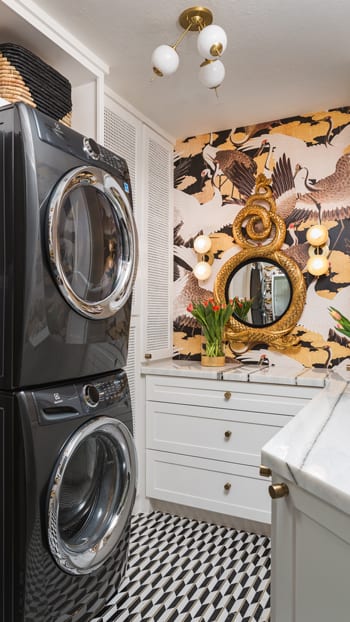

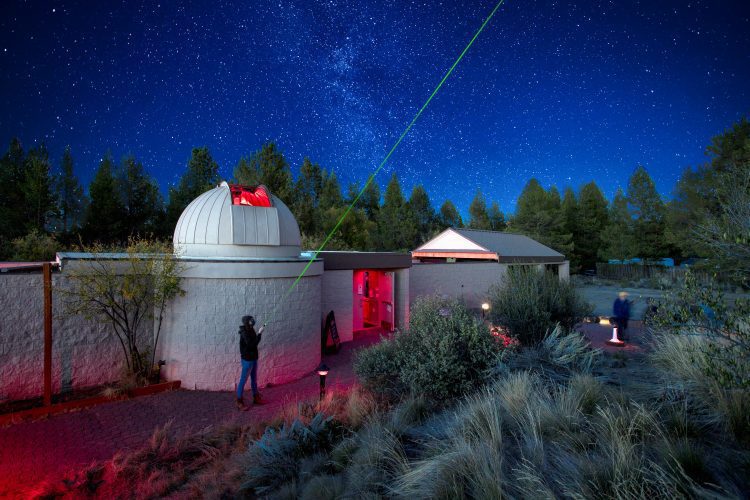
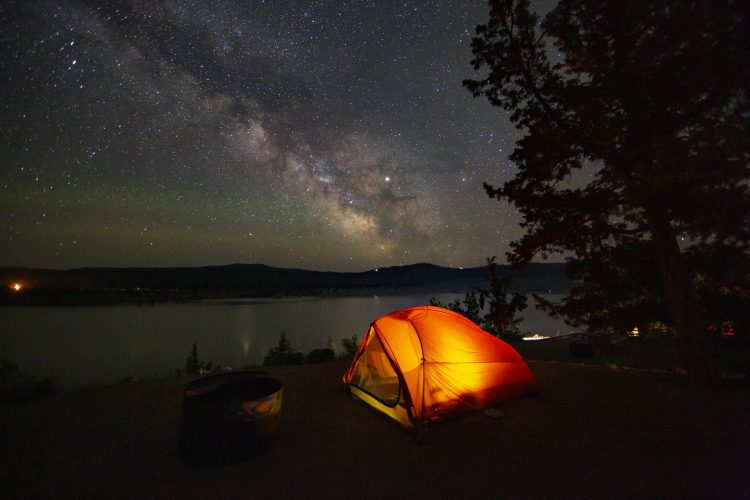
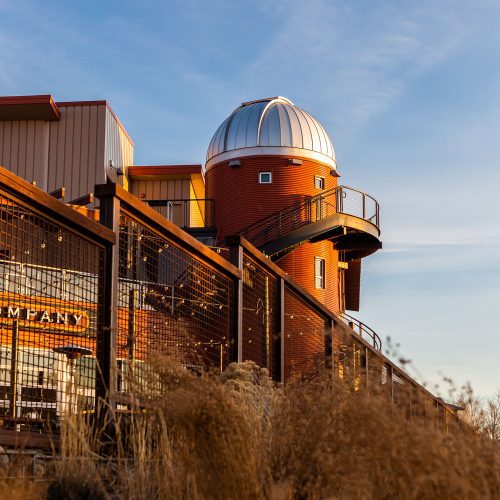

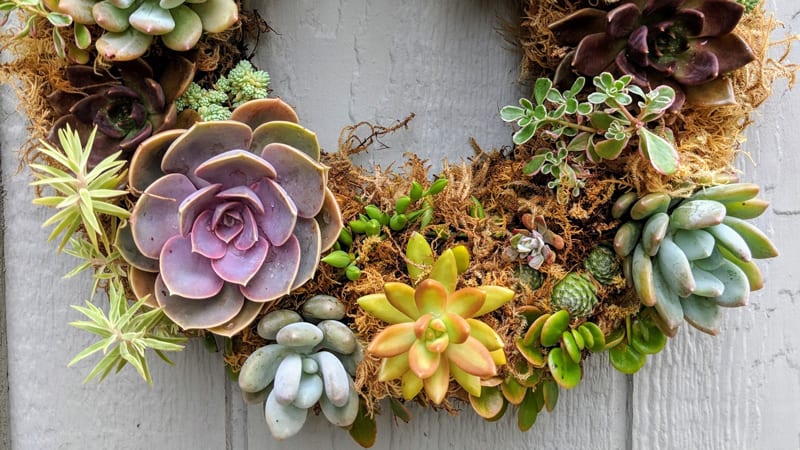
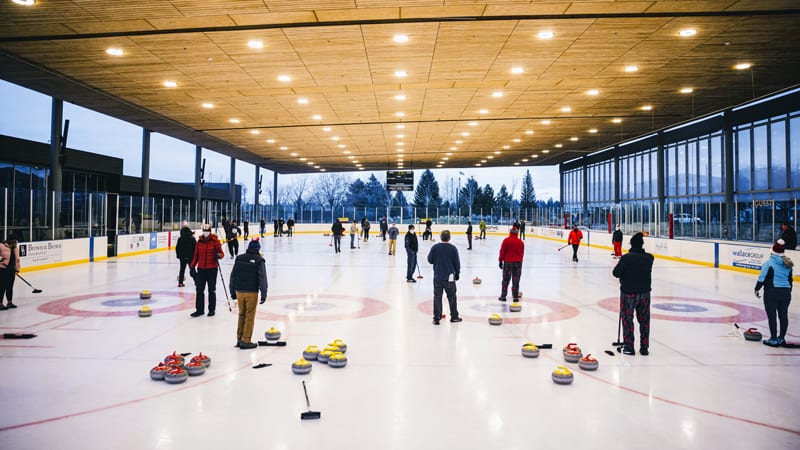


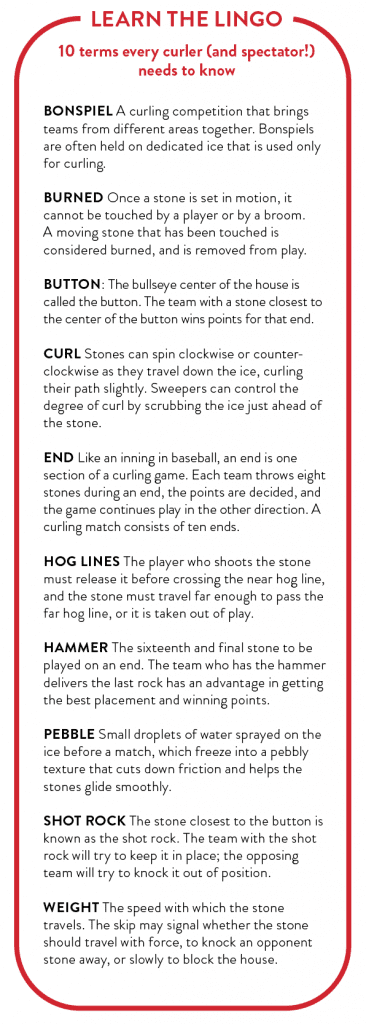 Lee credits the welcoming, laid-back atmosphere for the sport’s popularity in Bend. “Curling is not like most team sports because it’s new for almost everyone. Experienced players love to help, and people learn quickly that it’s just as fun as it looks,” Lee said.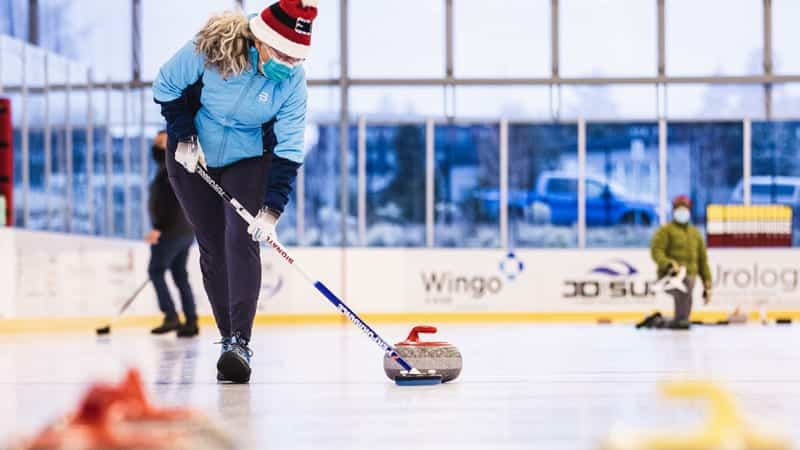
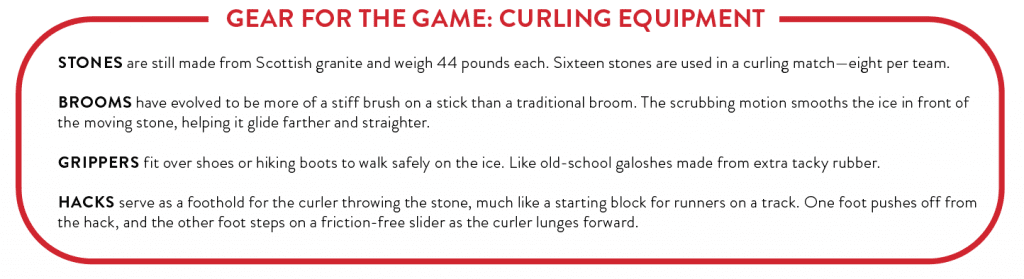
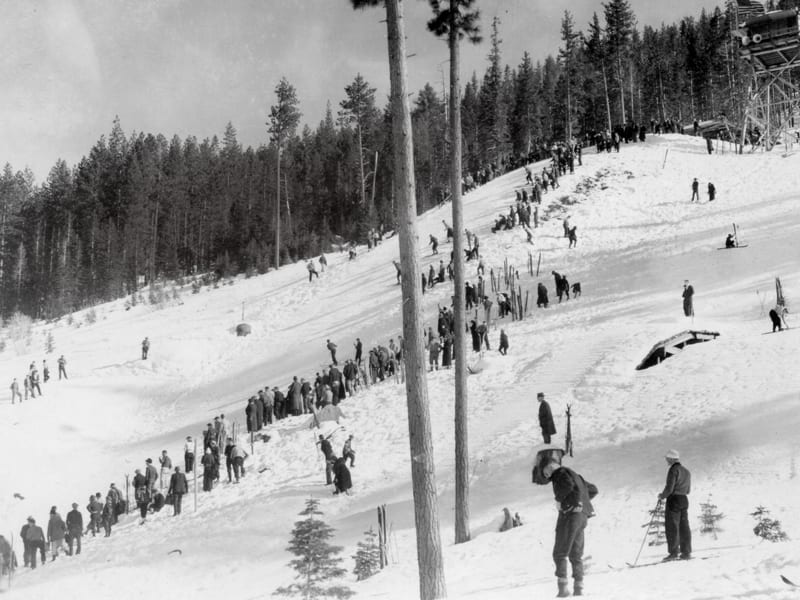
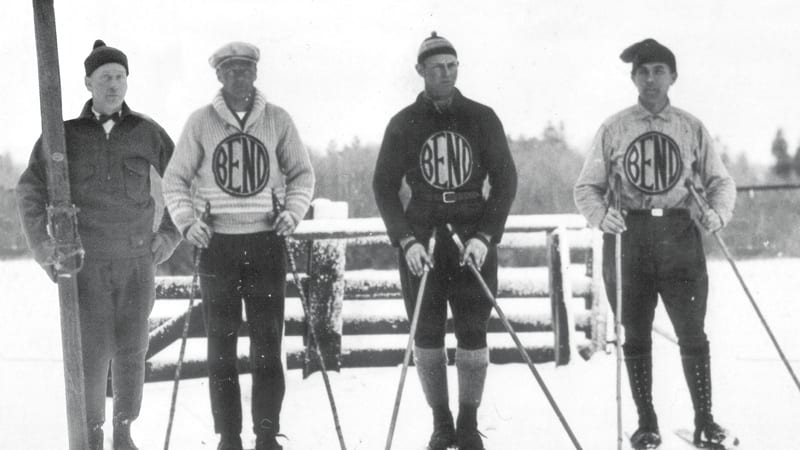
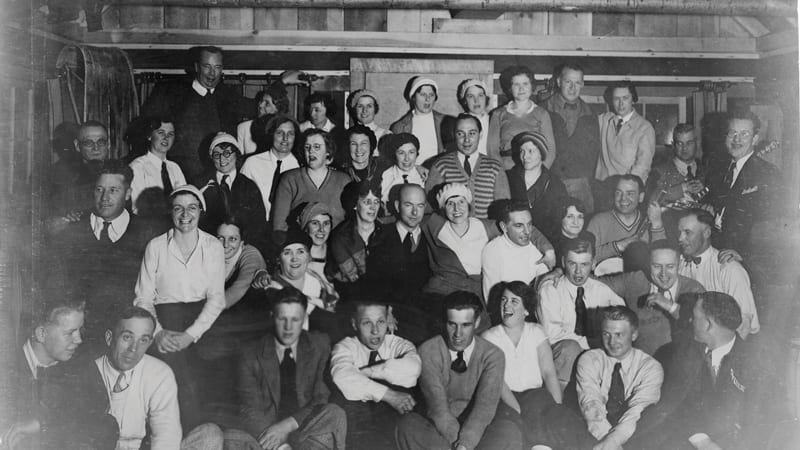
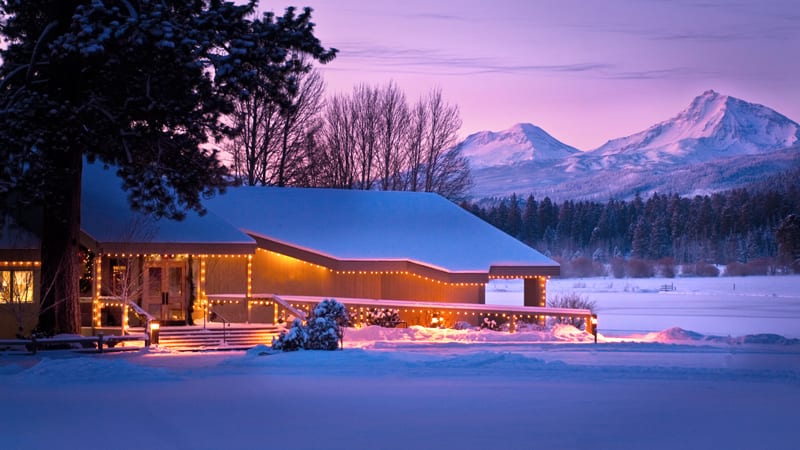
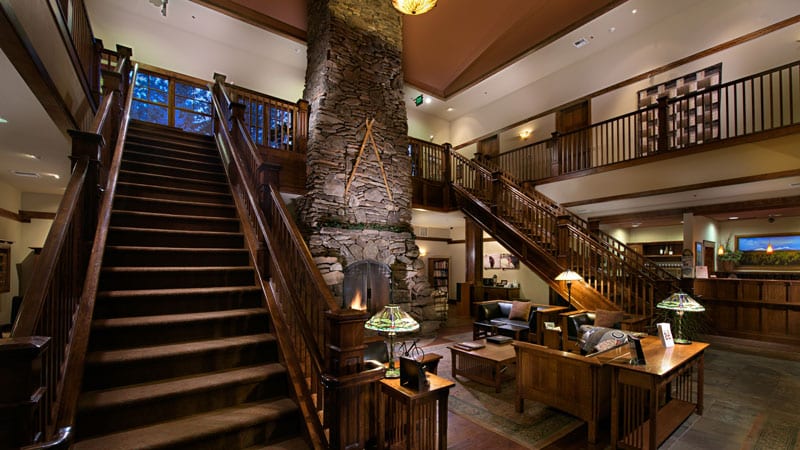
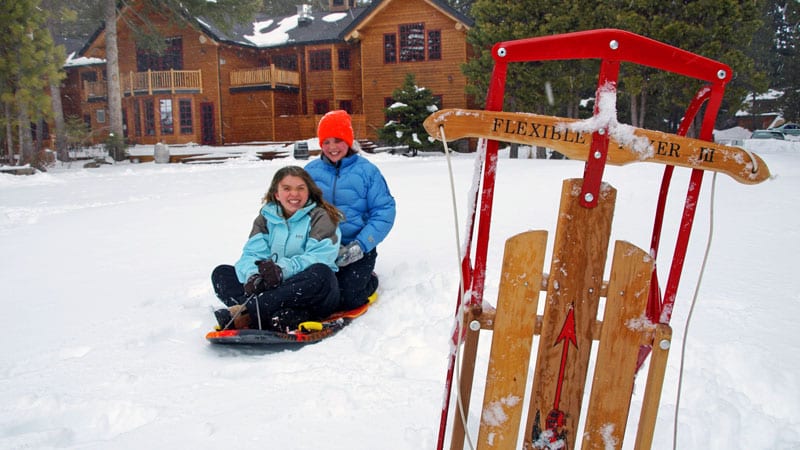
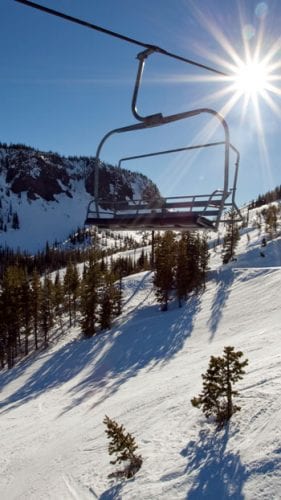
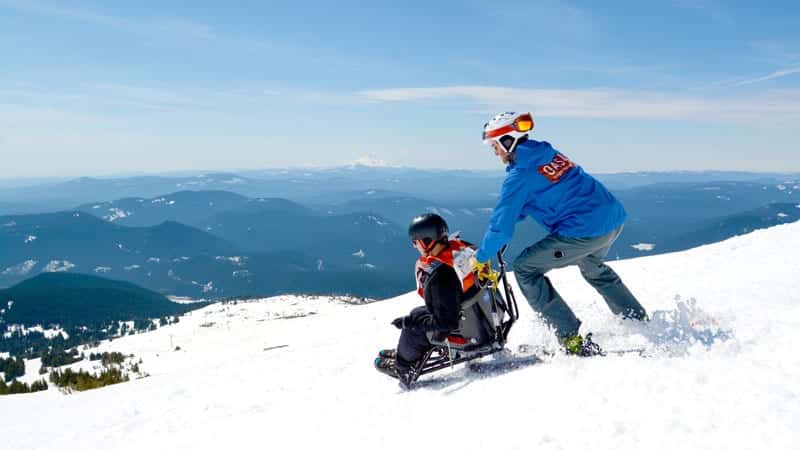
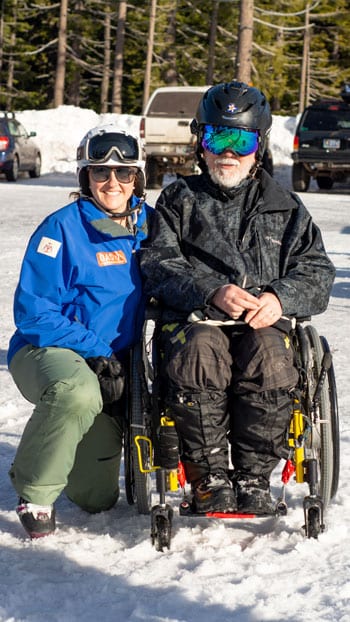
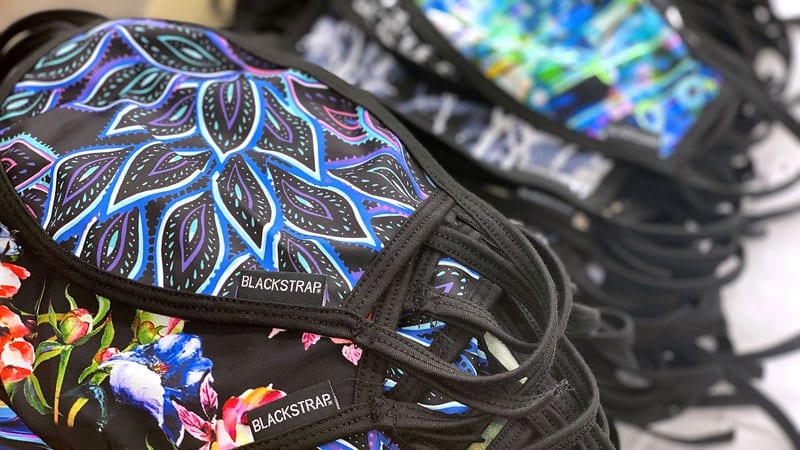
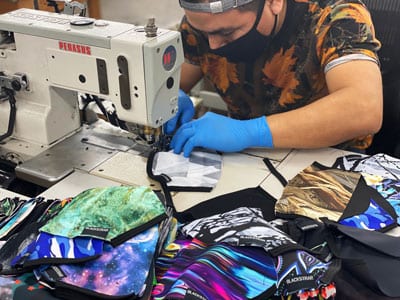
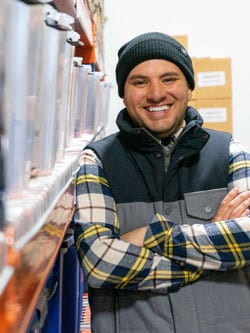
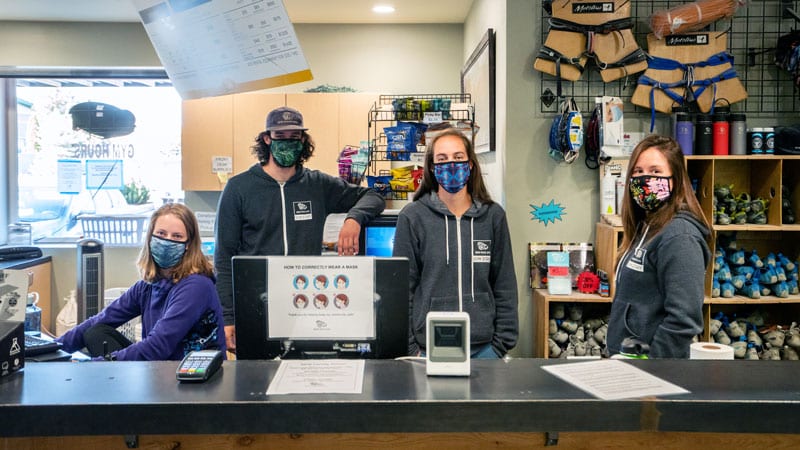
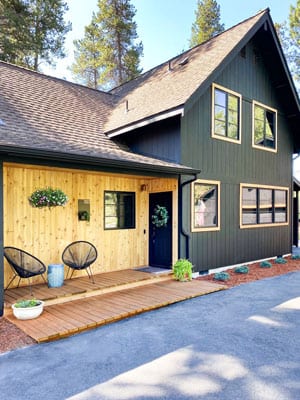
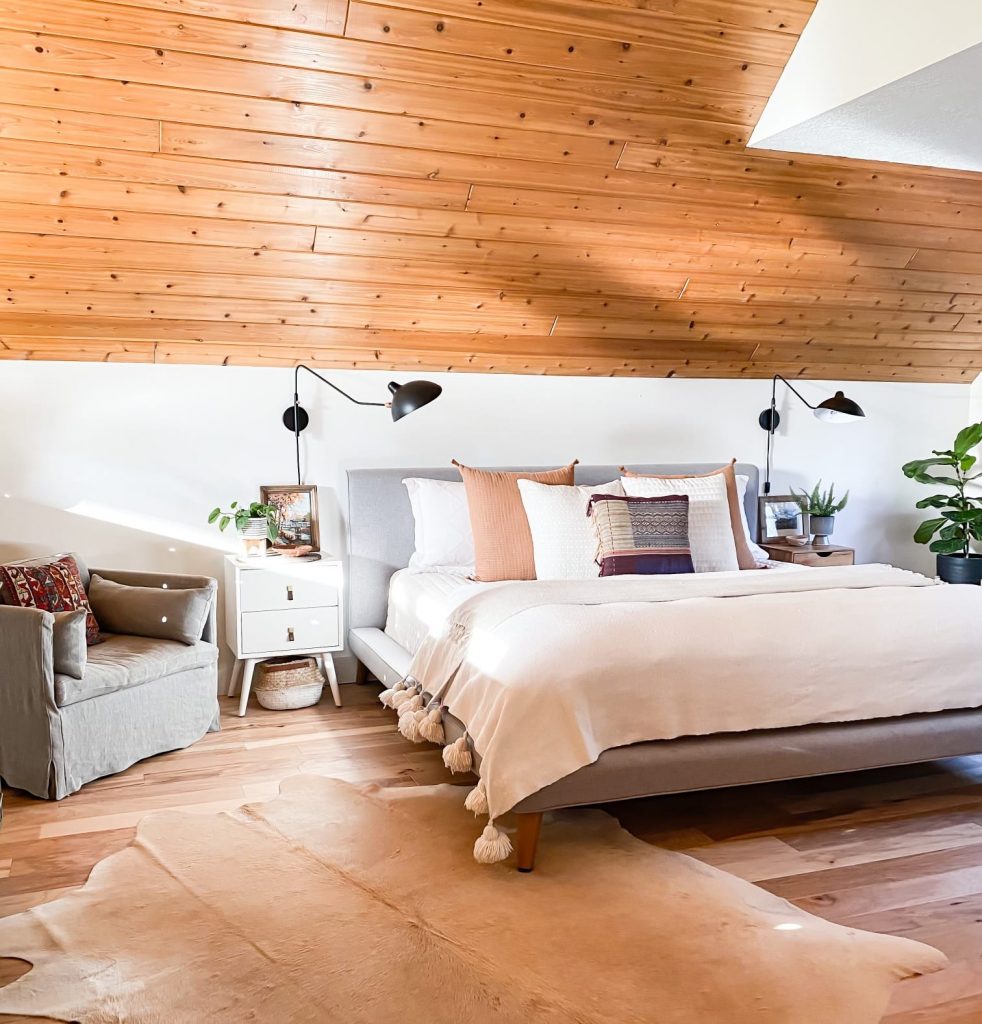
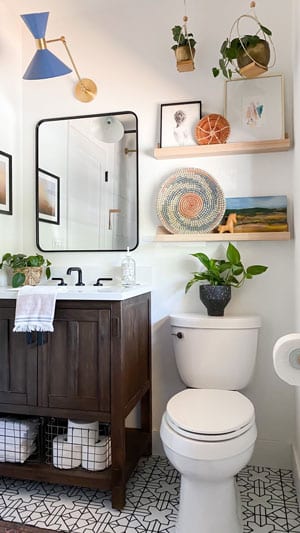
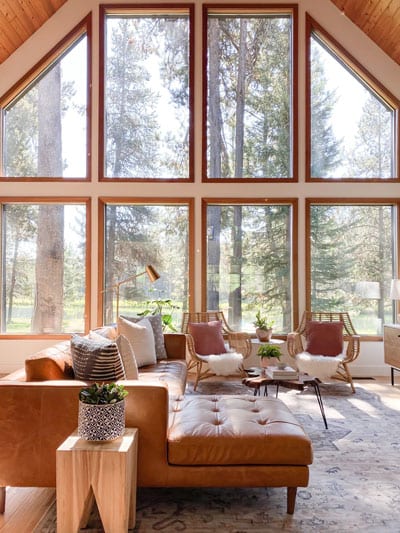

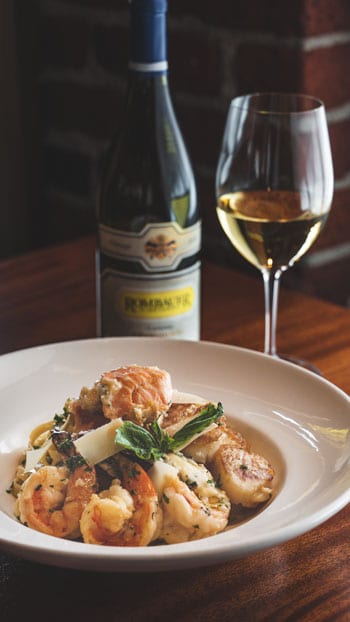


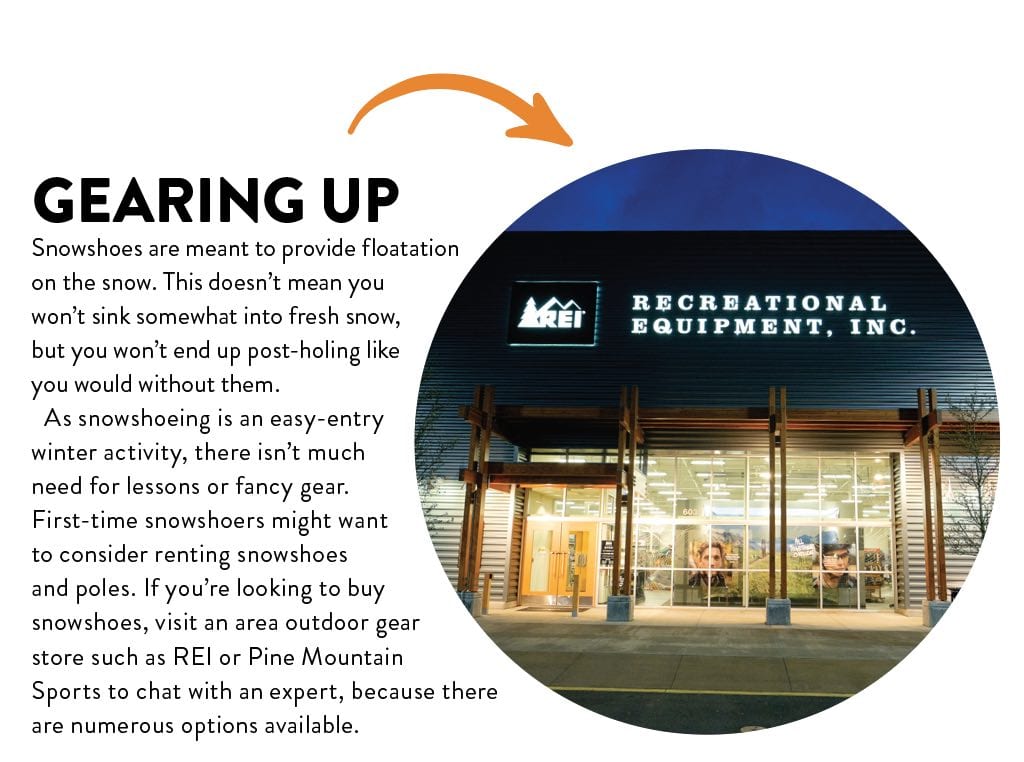
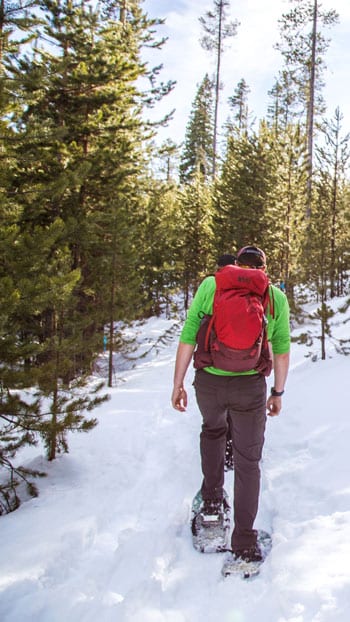
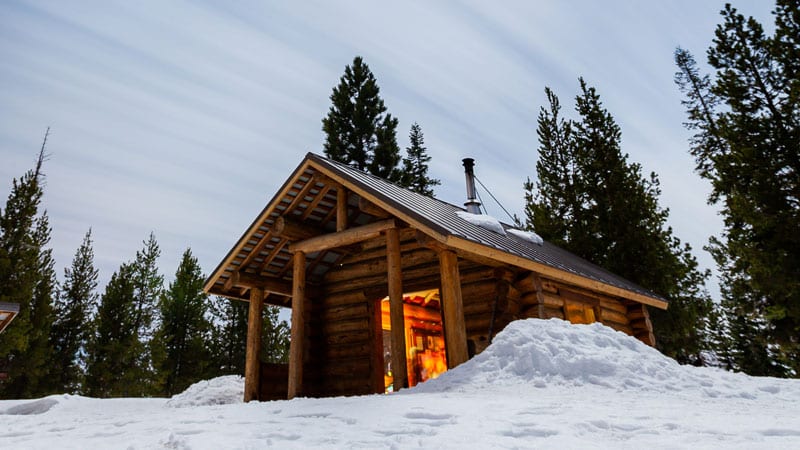

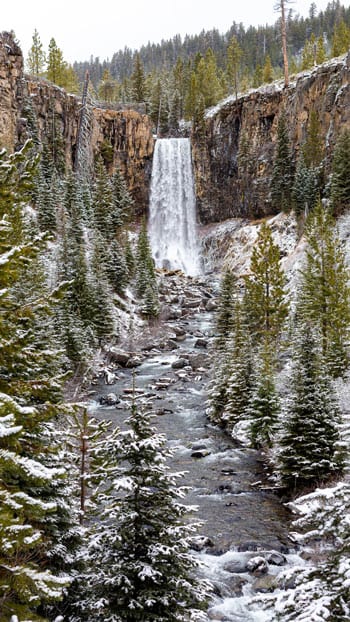
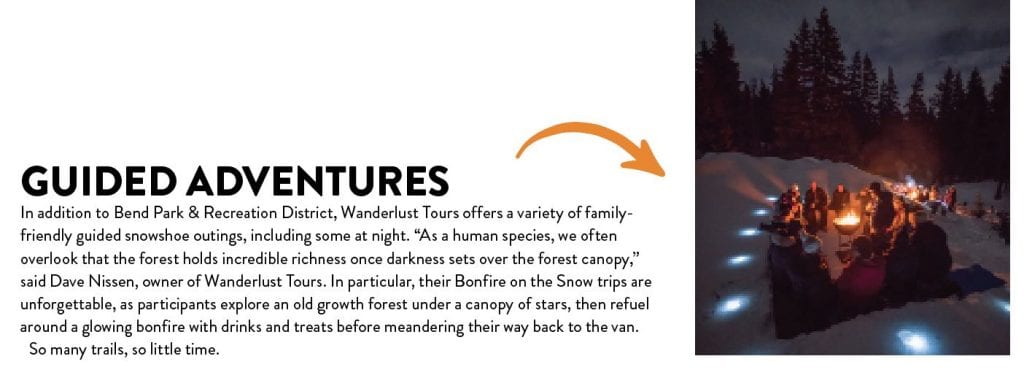


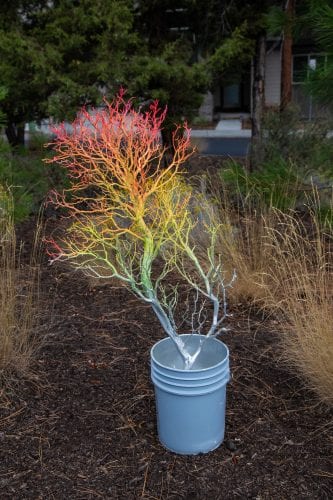
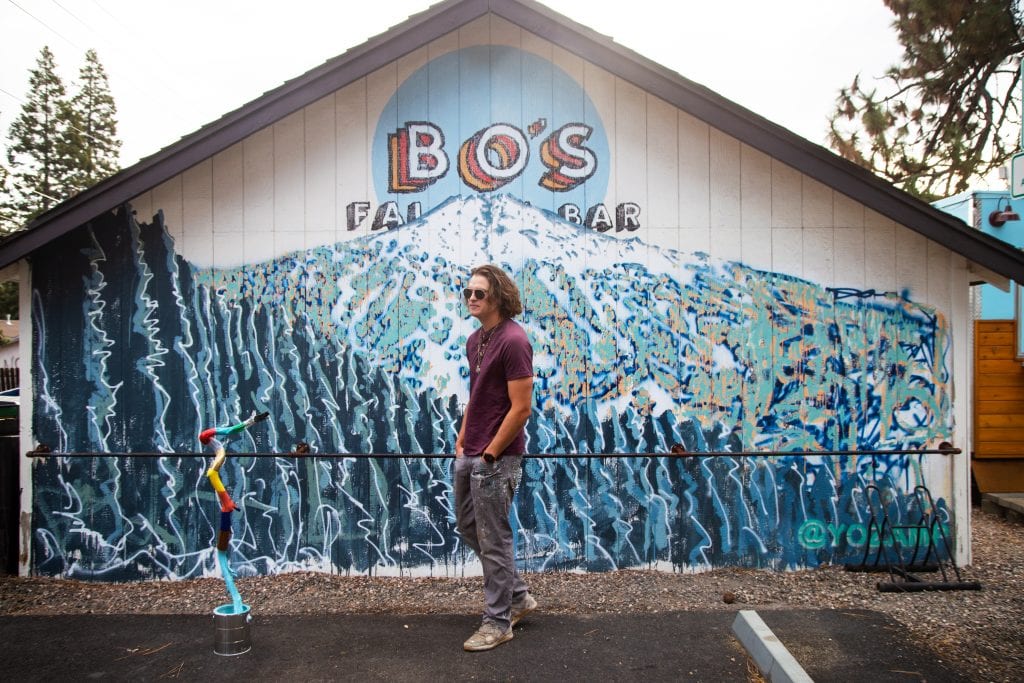
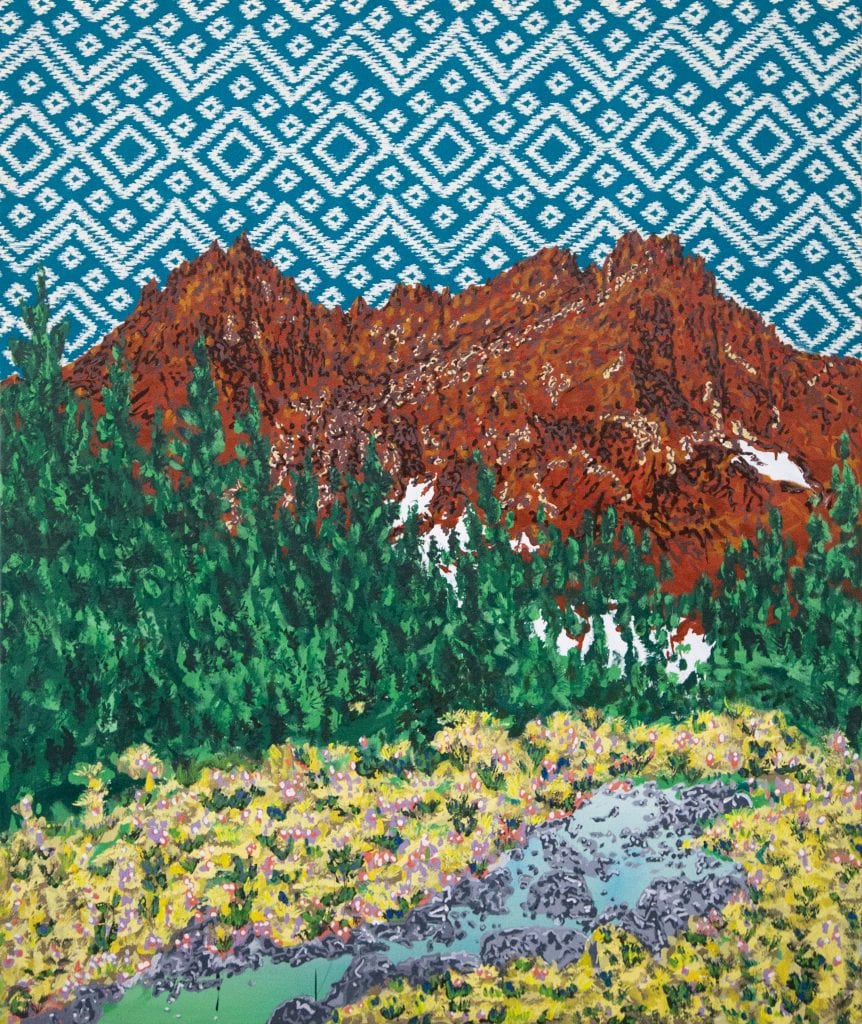
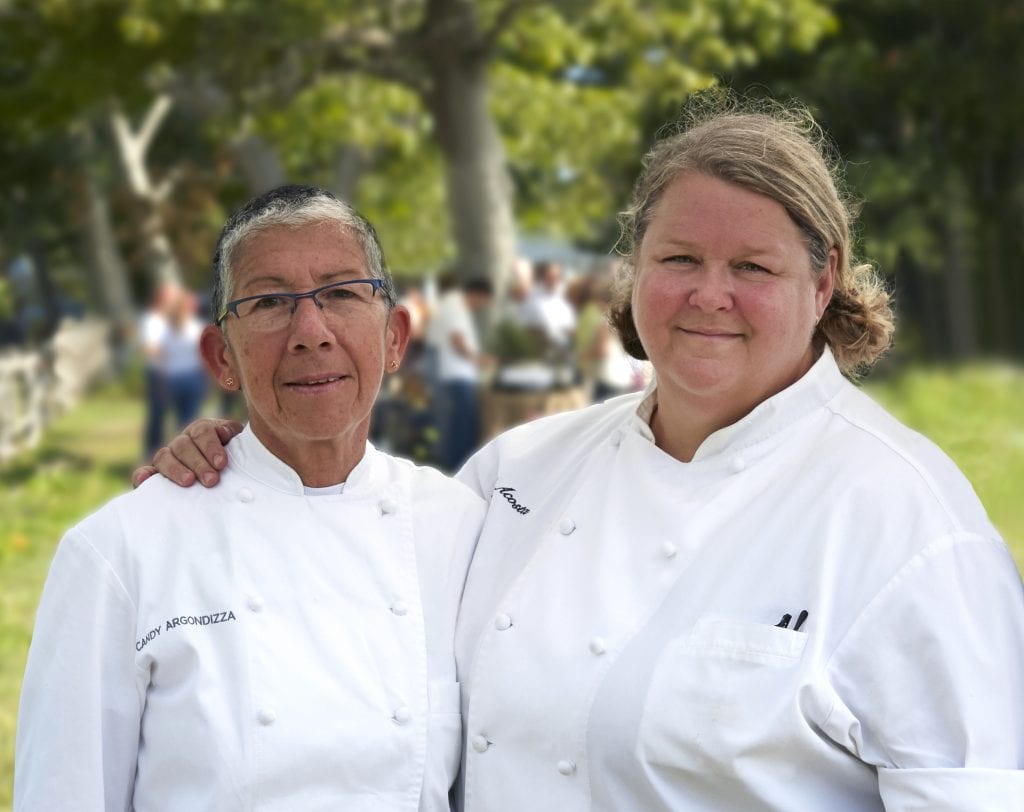

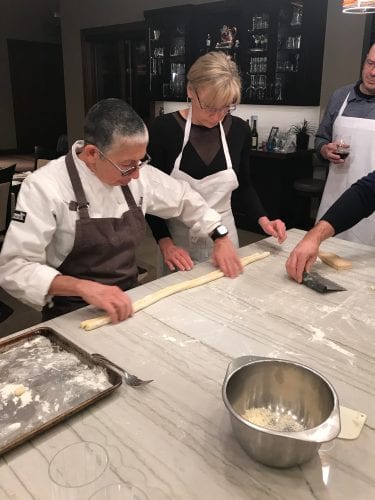
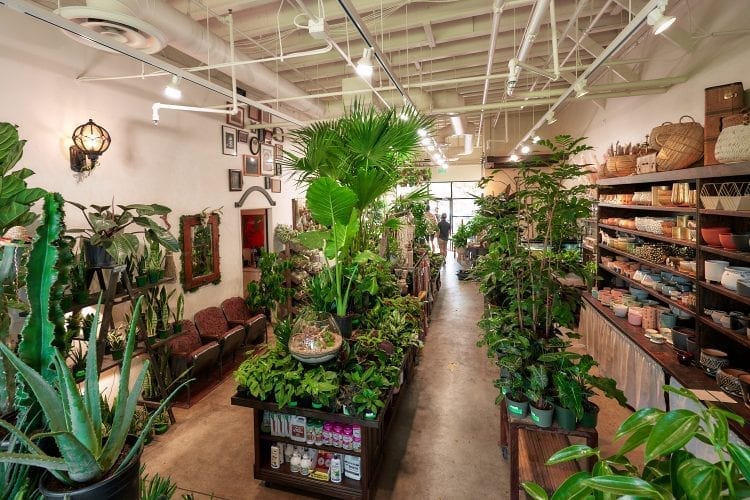
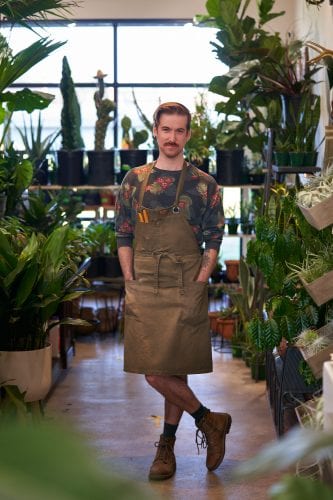
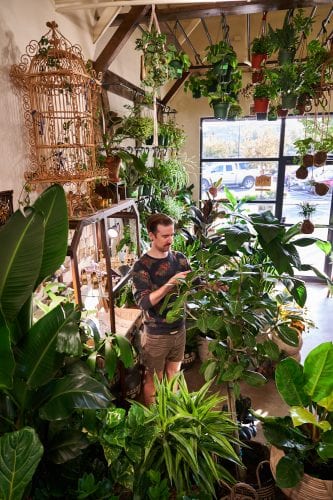
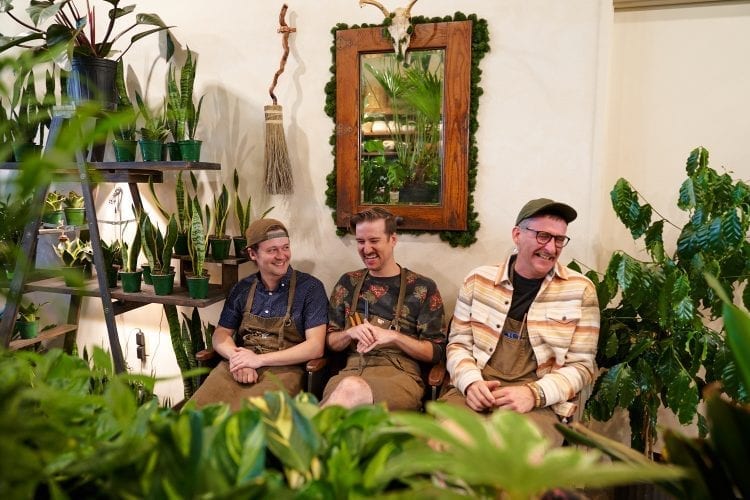

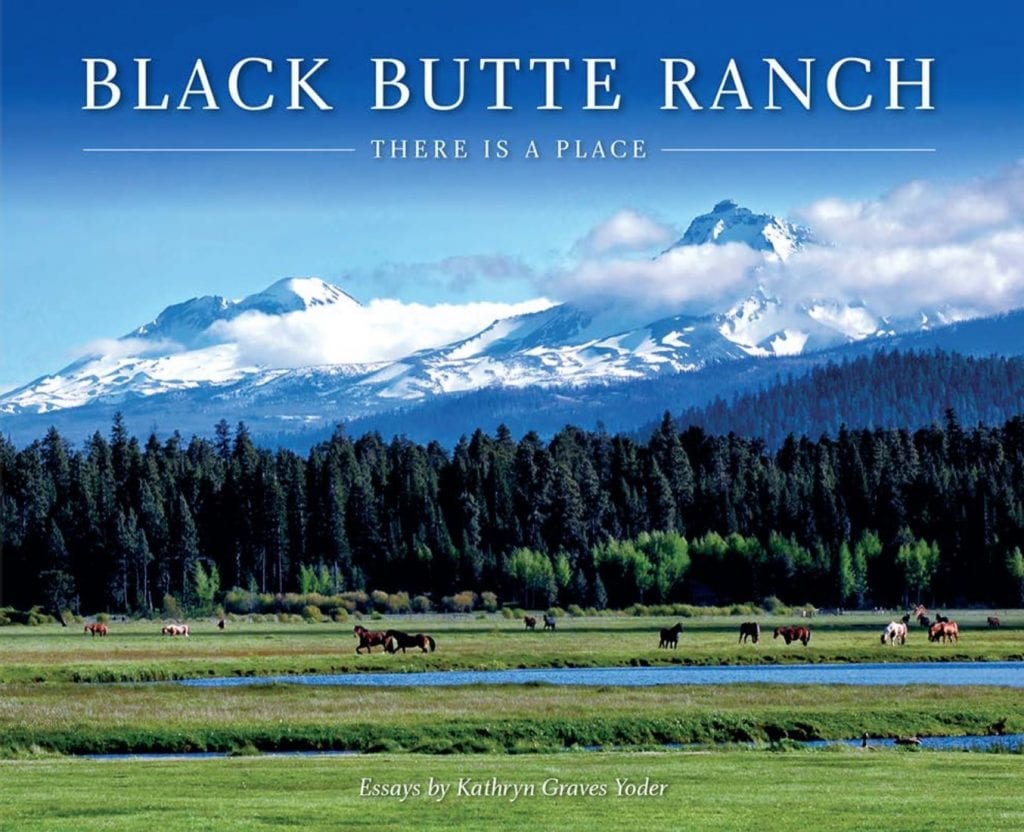
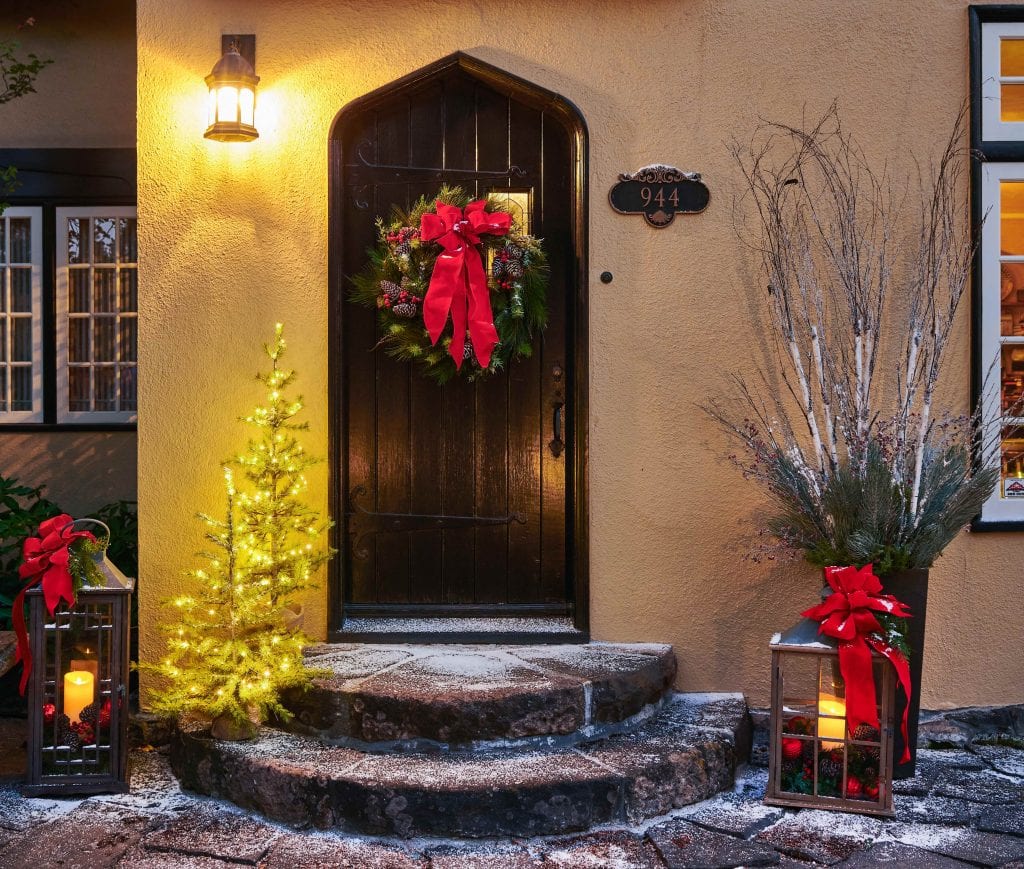






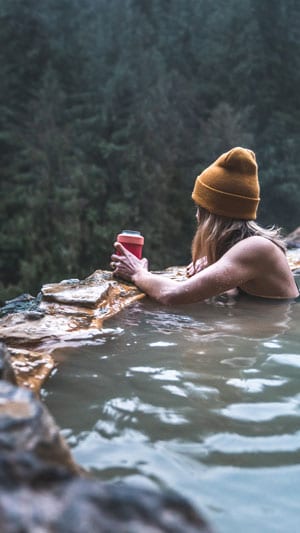
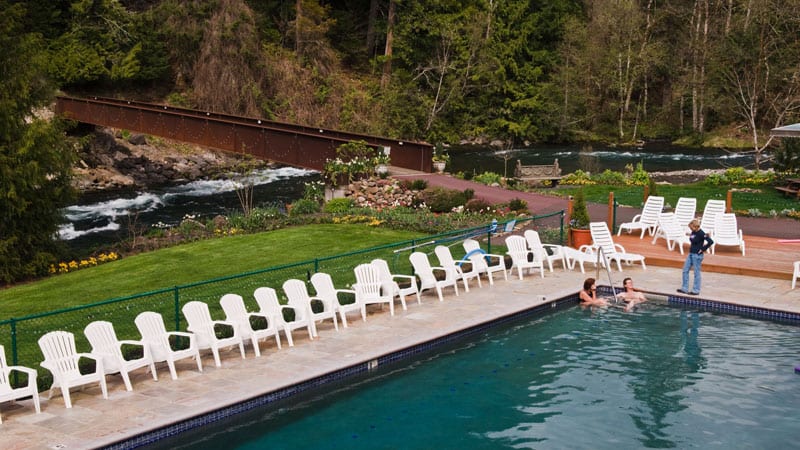
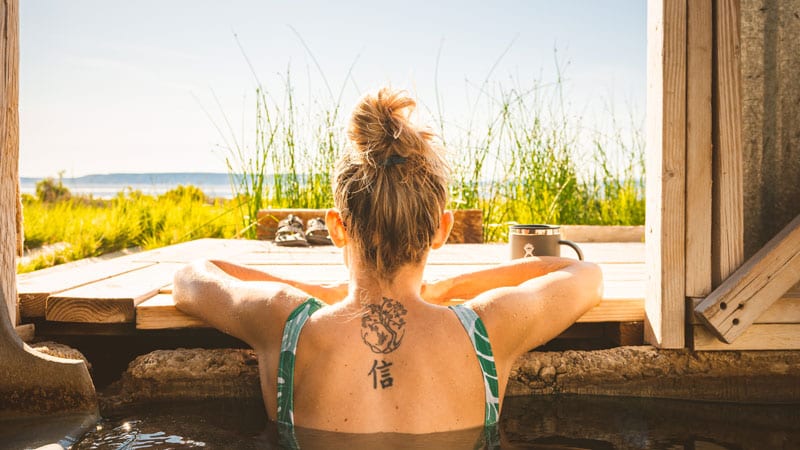
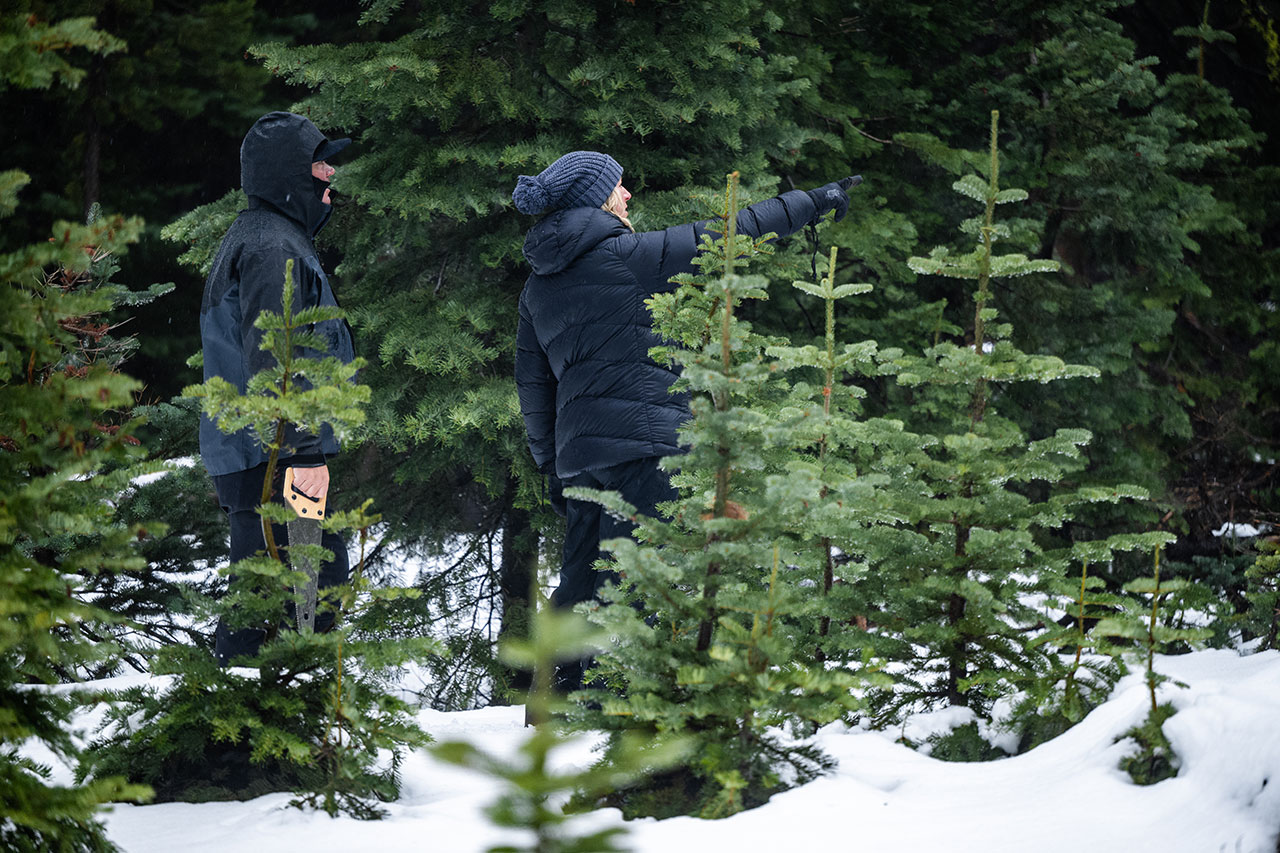

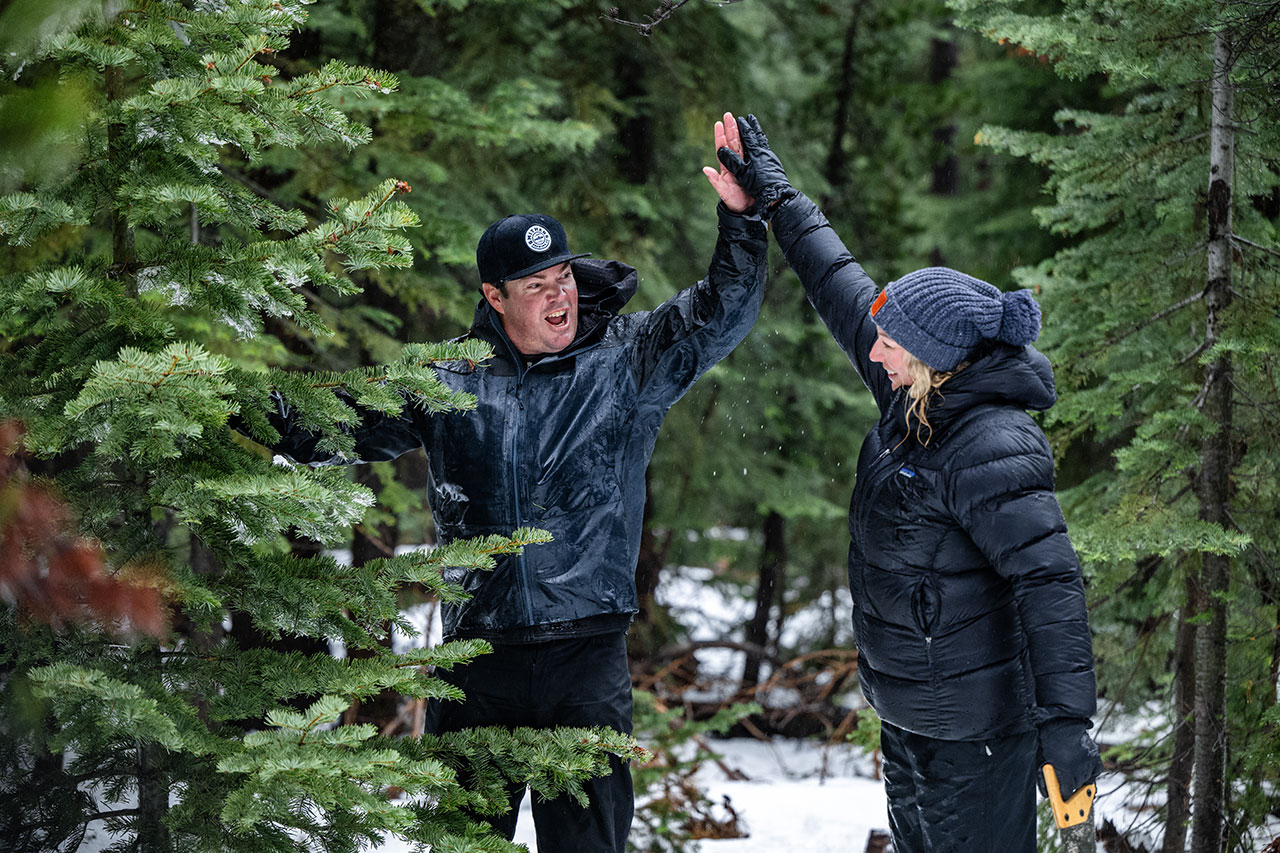















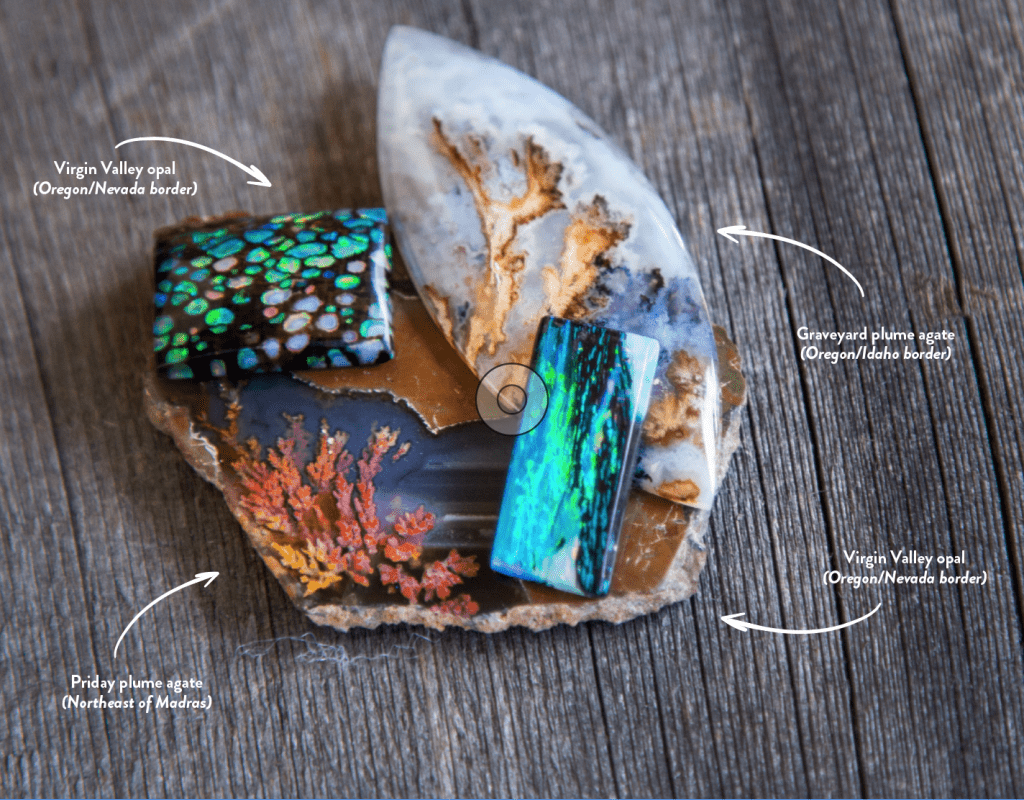


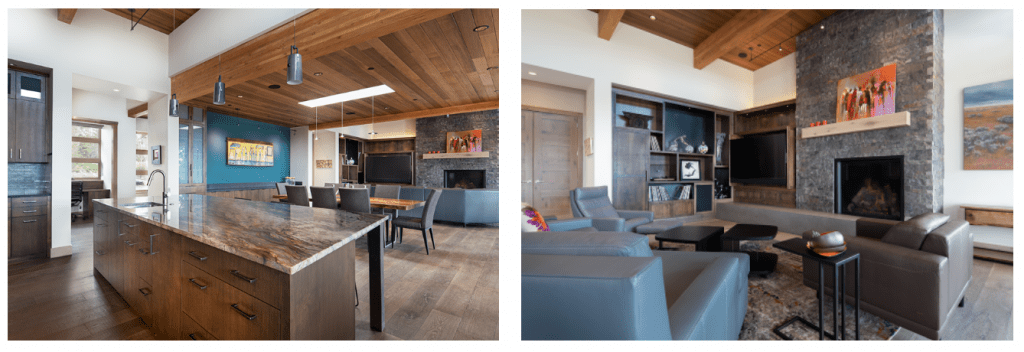

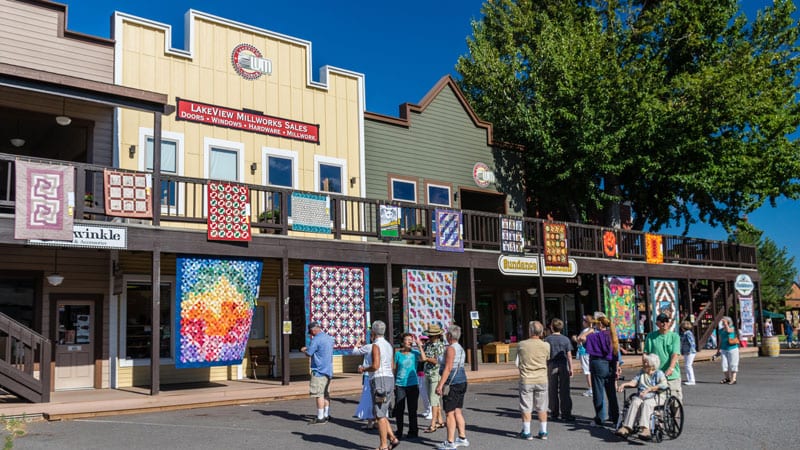
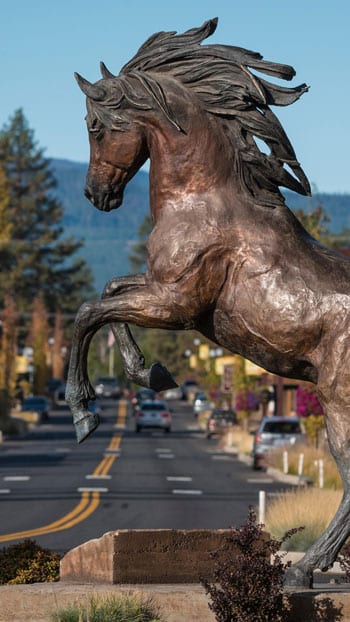
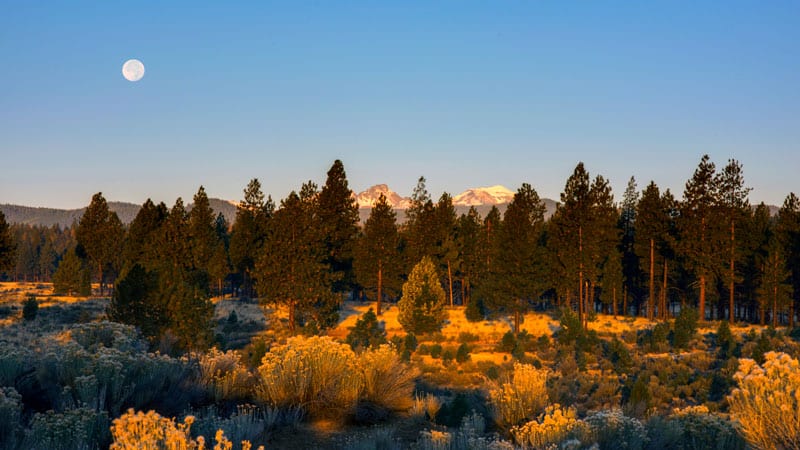

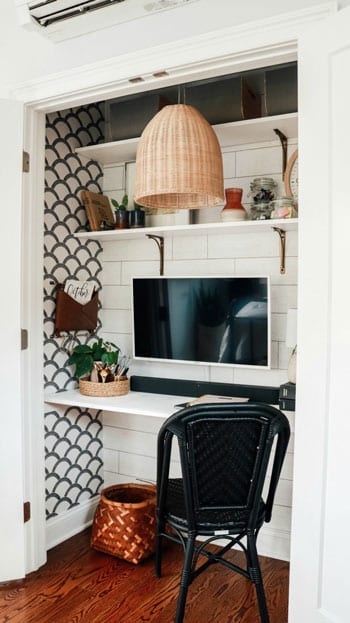
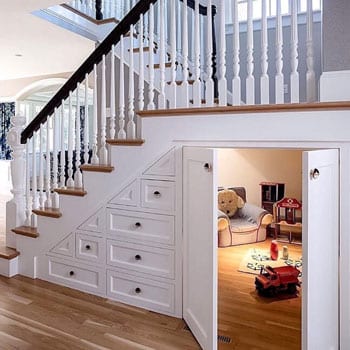
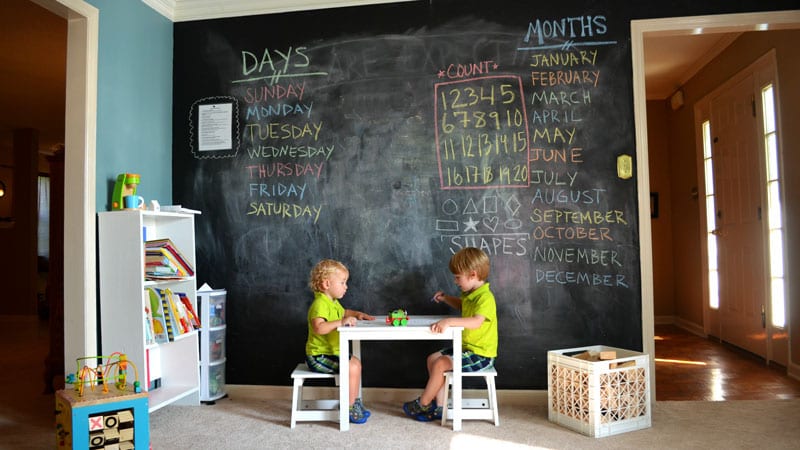

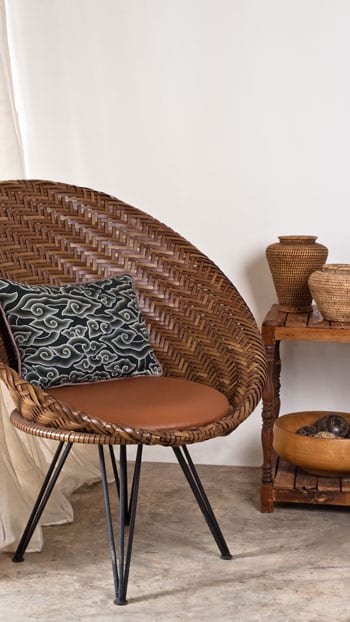



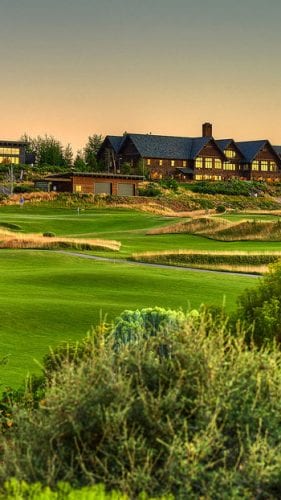
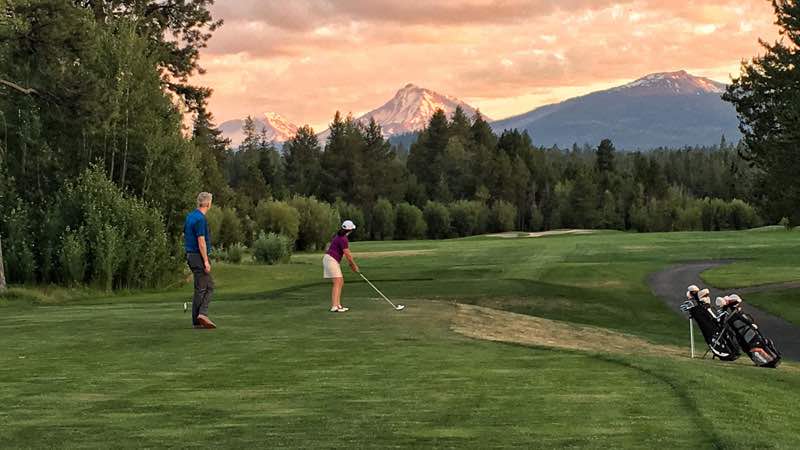
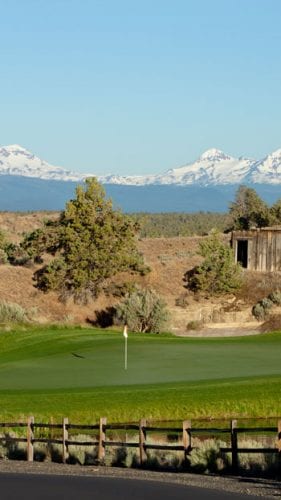
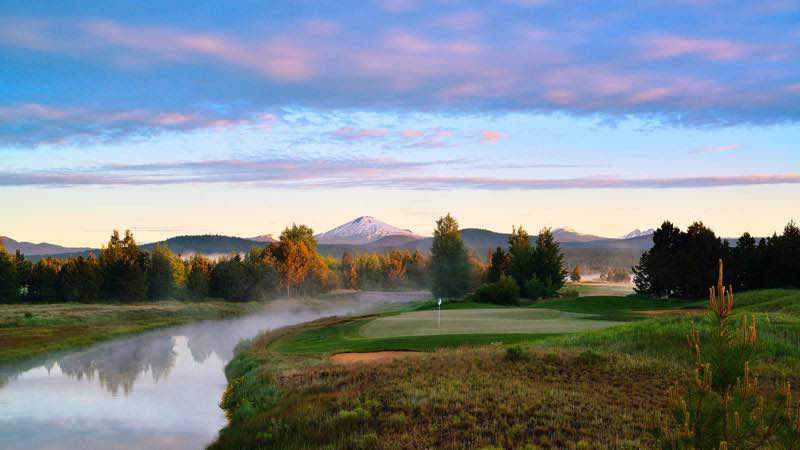

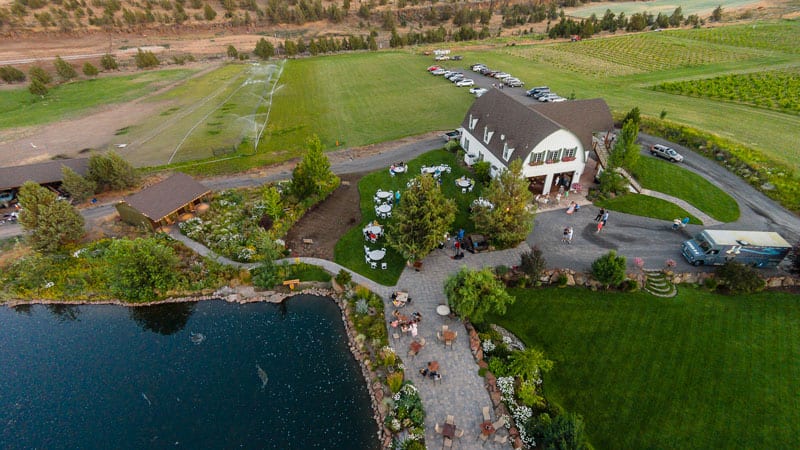
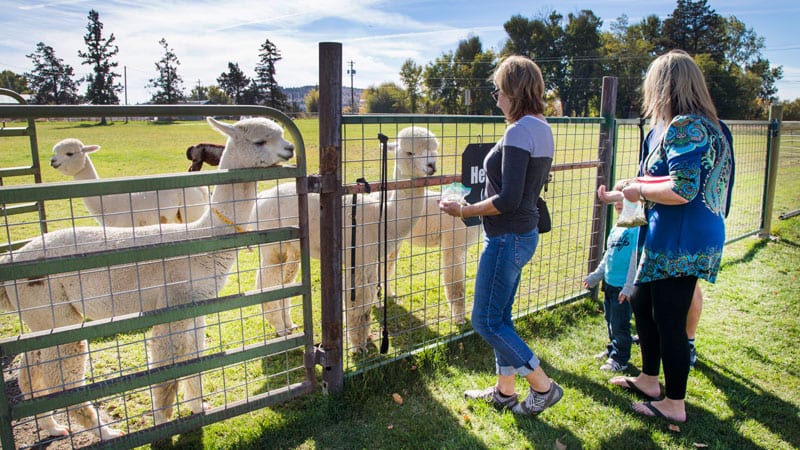
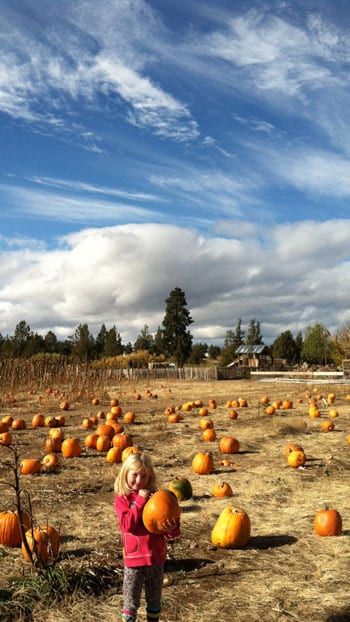





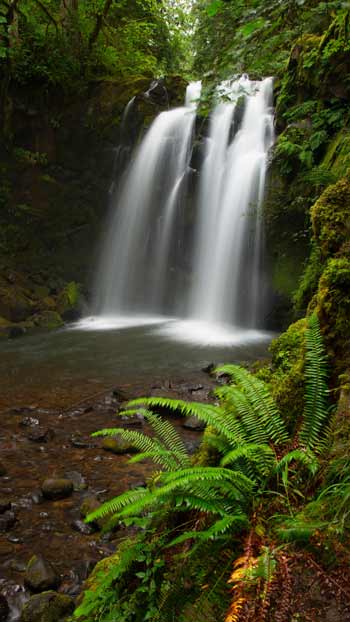
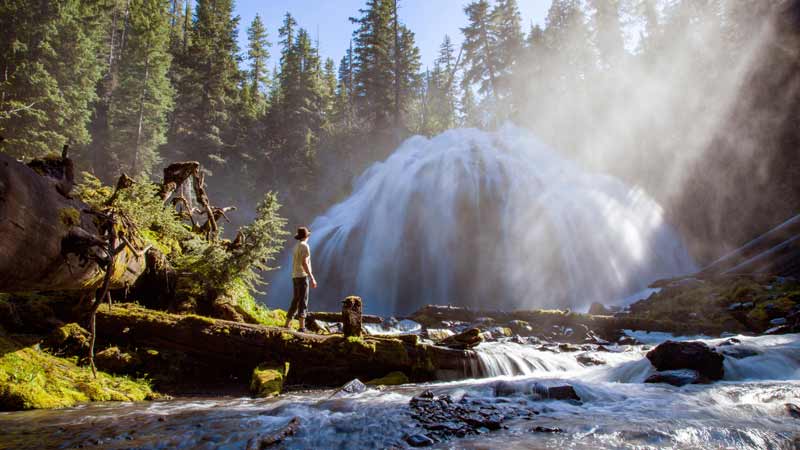
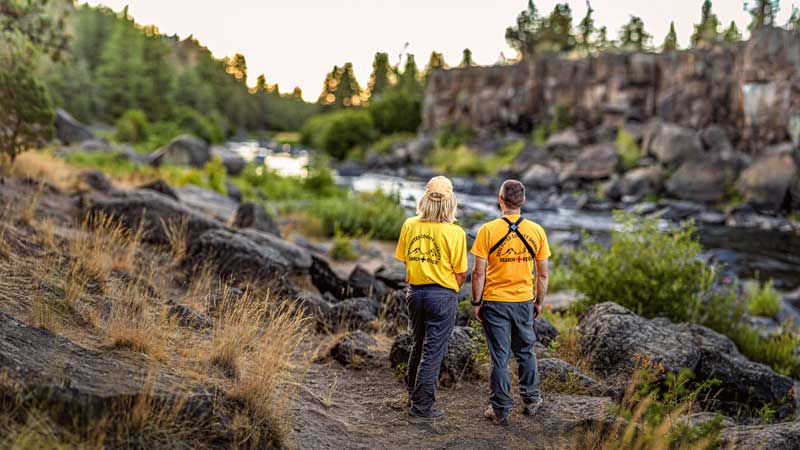
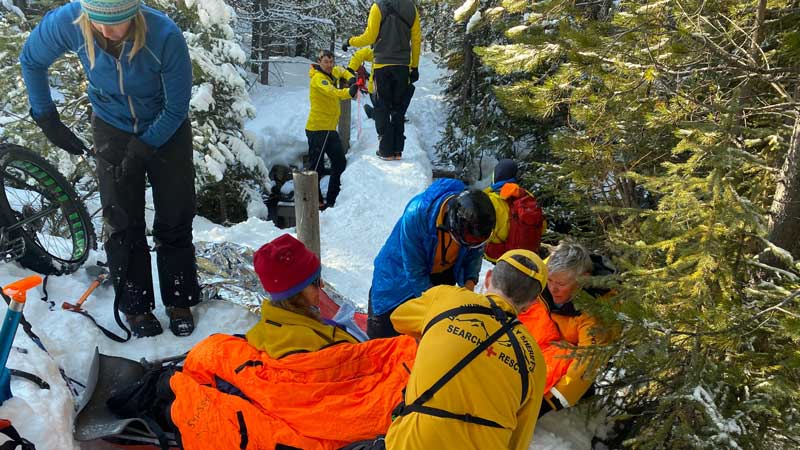
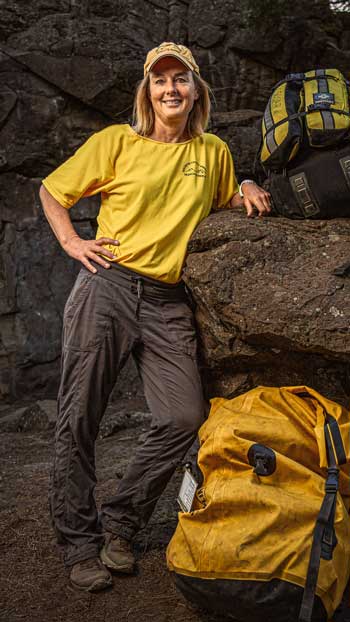
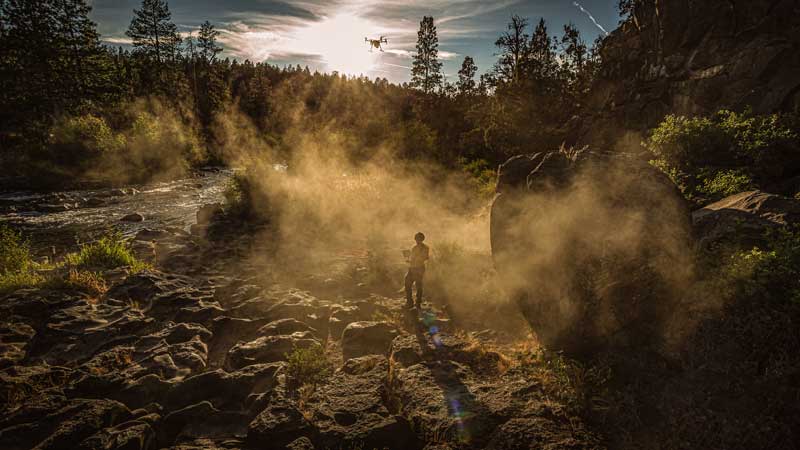
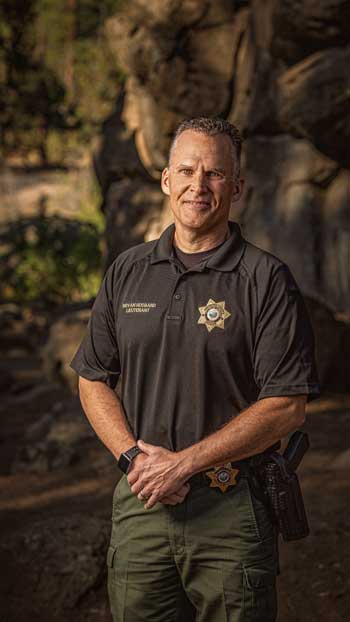
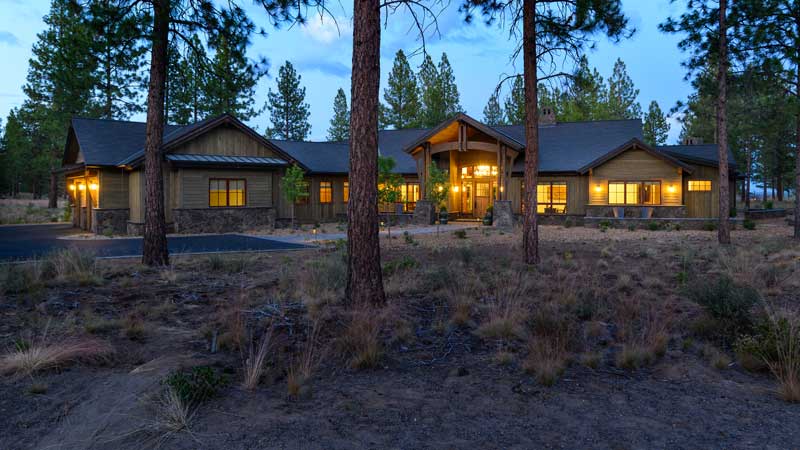
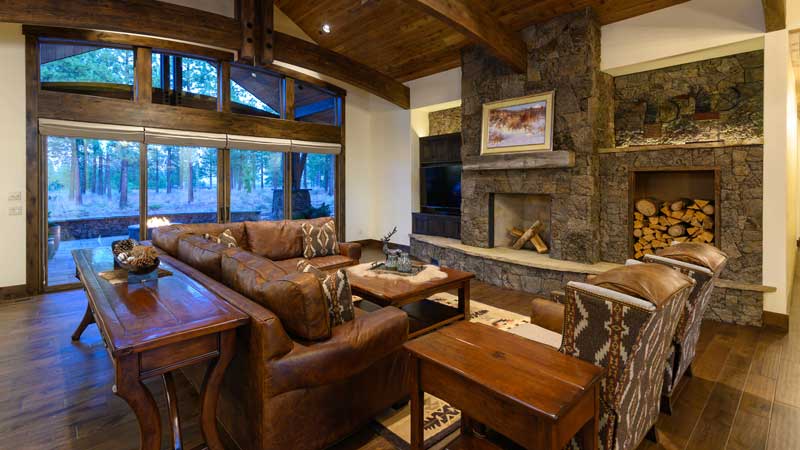
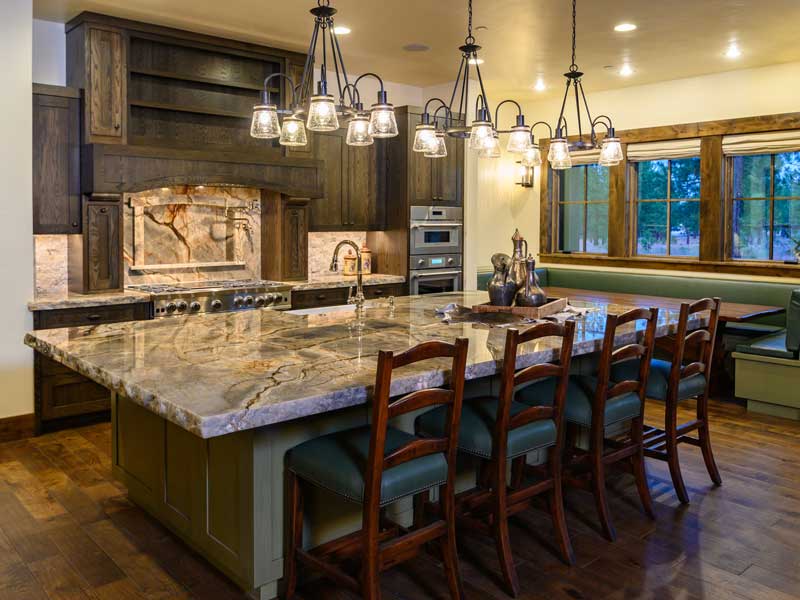
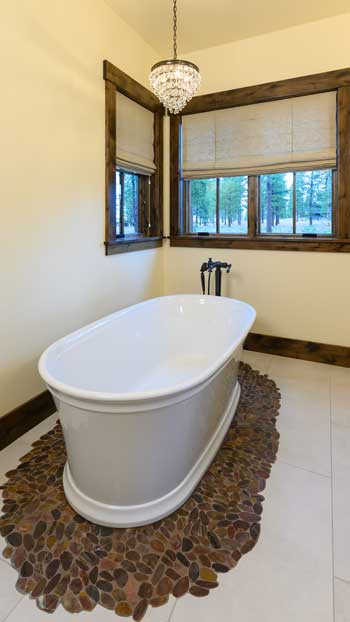
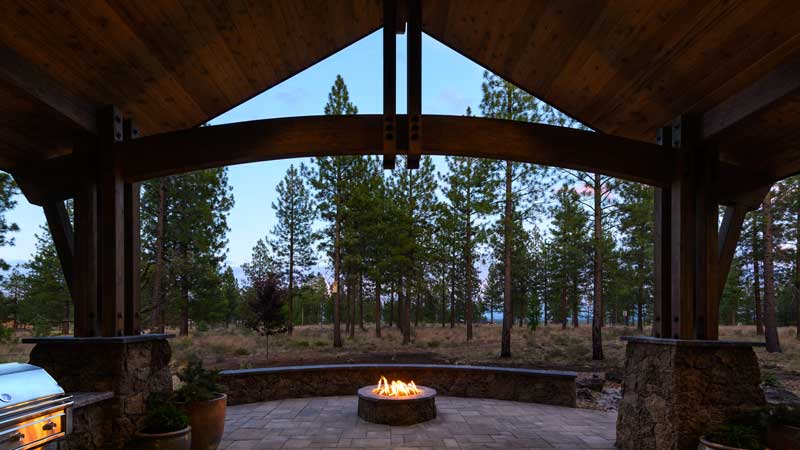
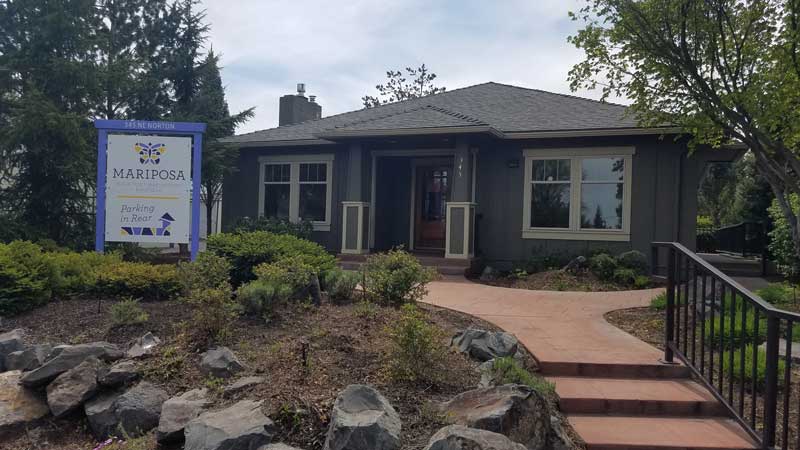
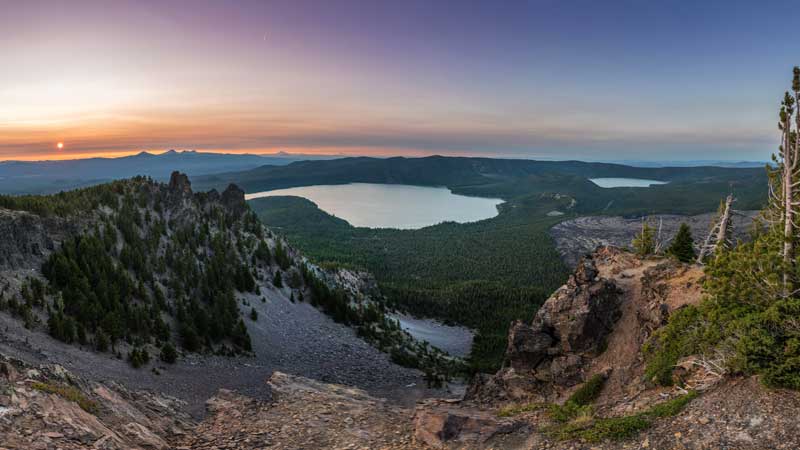
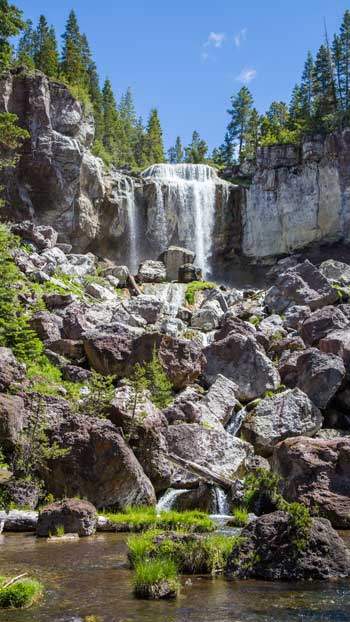
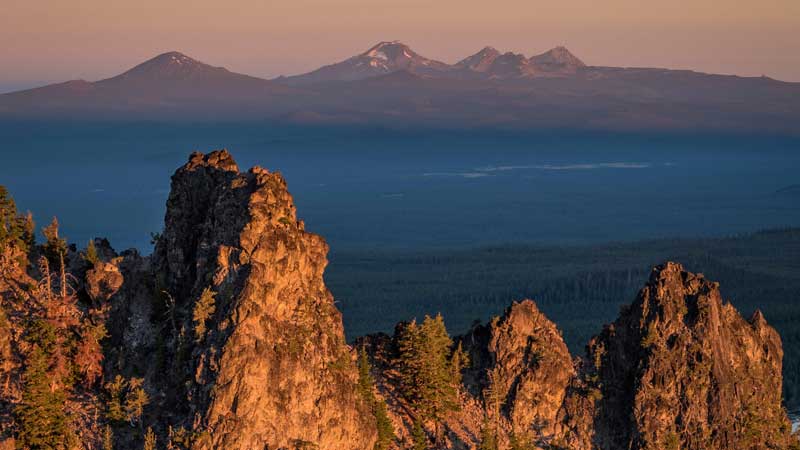

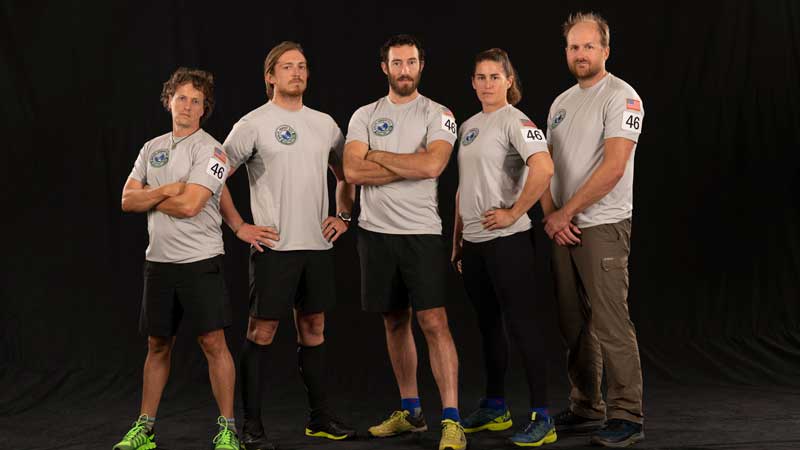

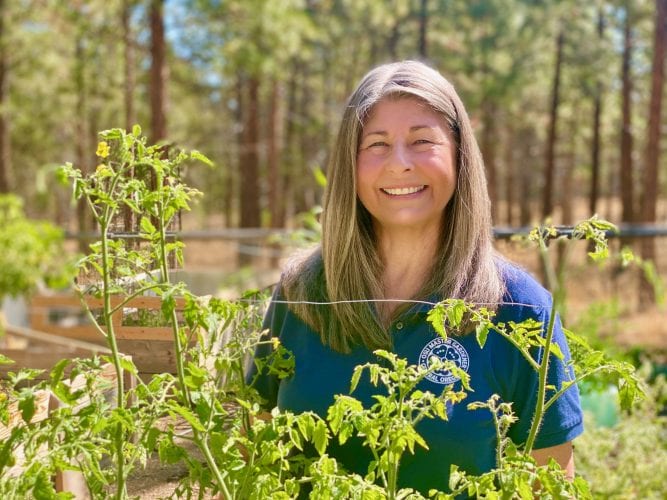
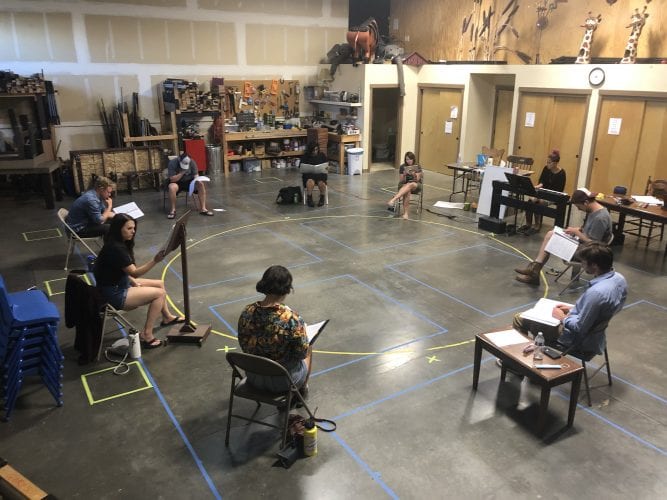

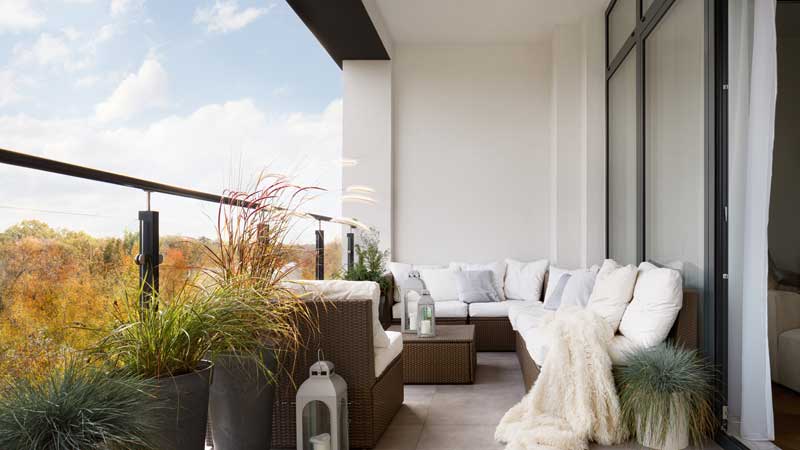

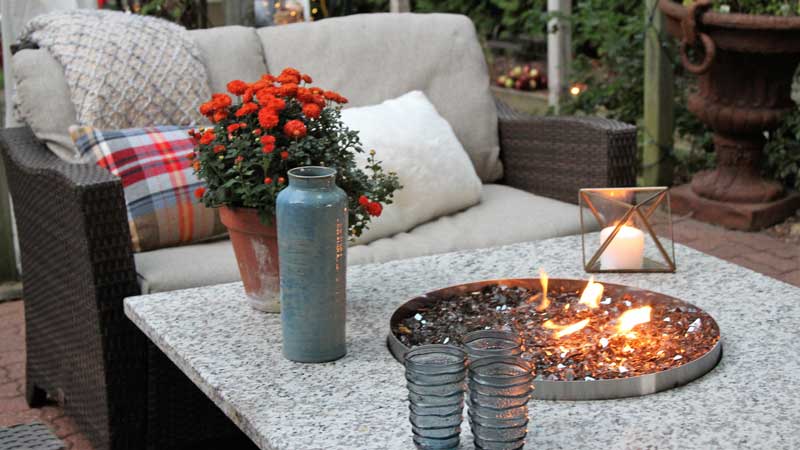


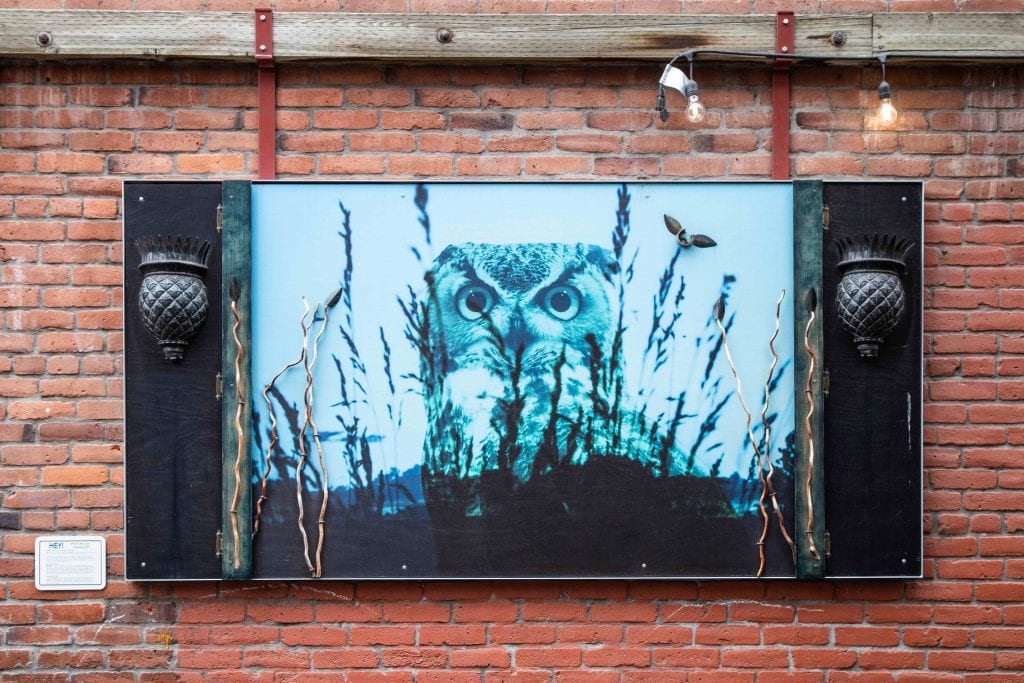
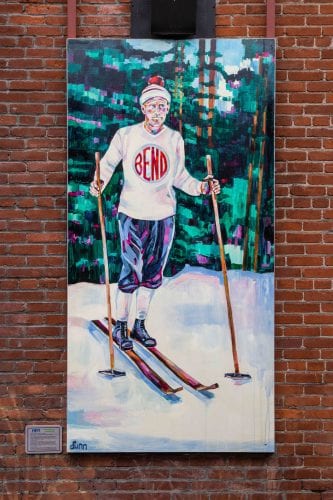

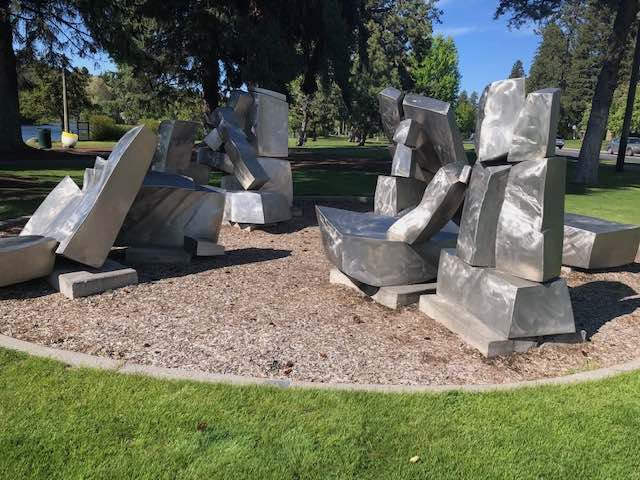
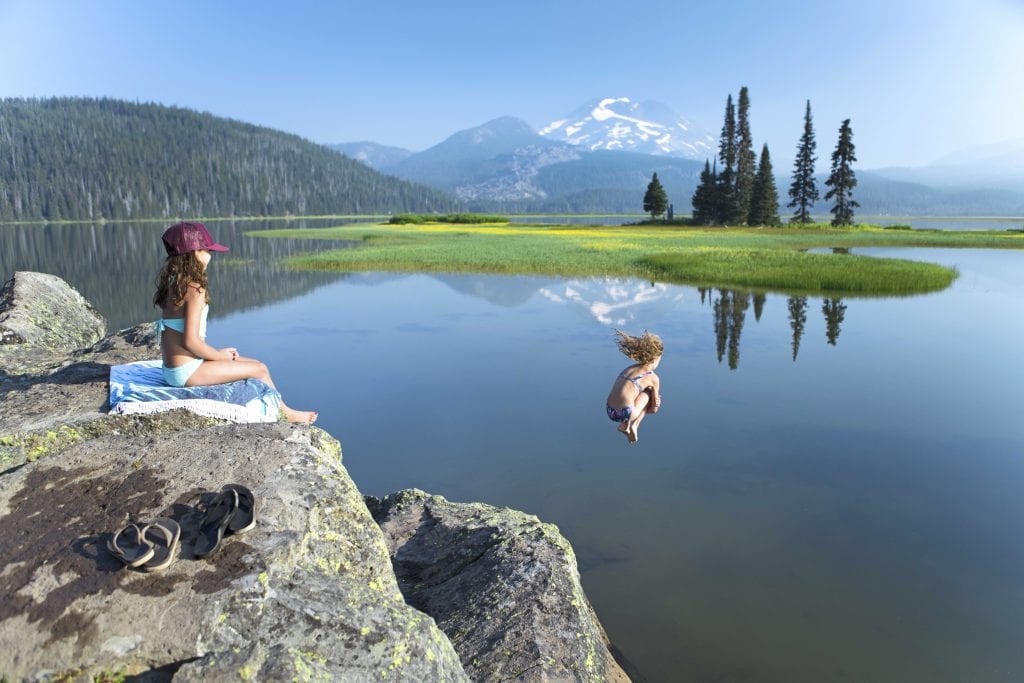

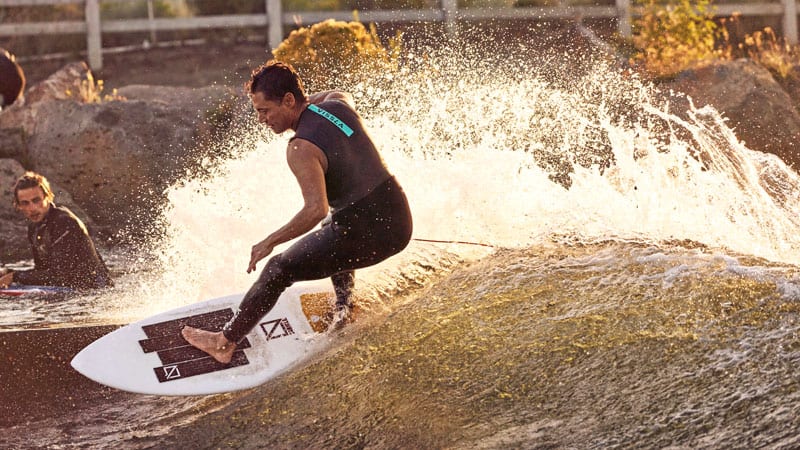
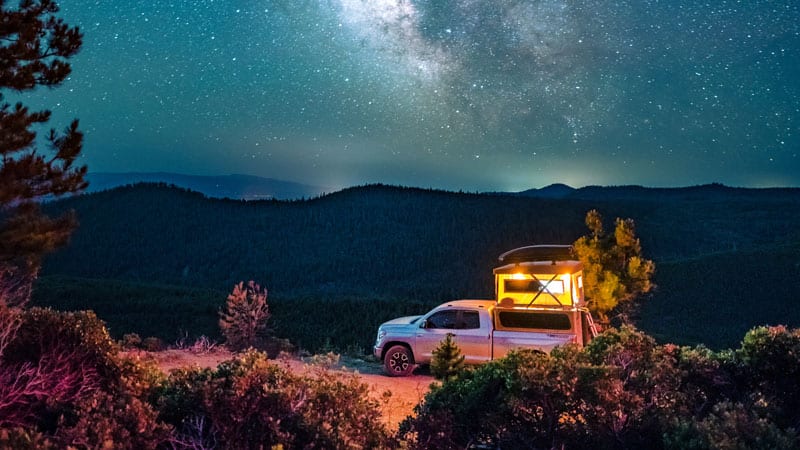
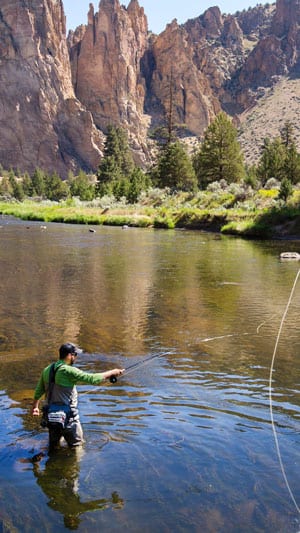

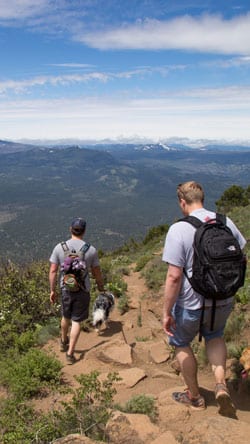

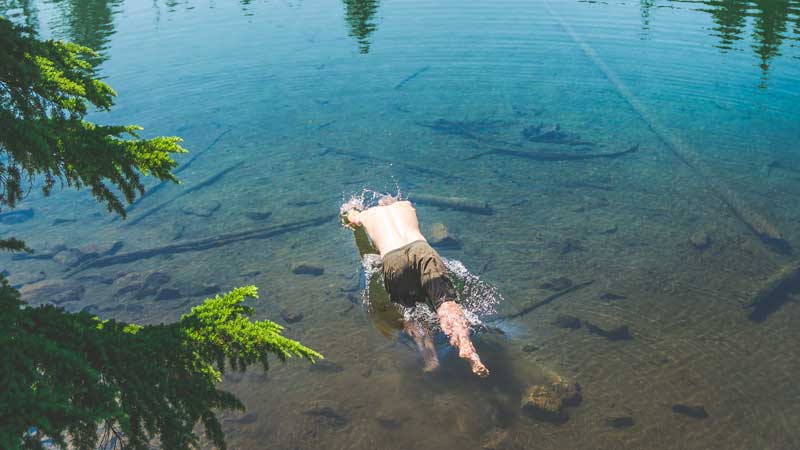
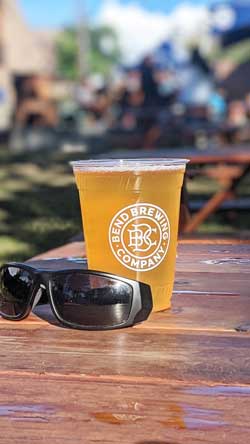
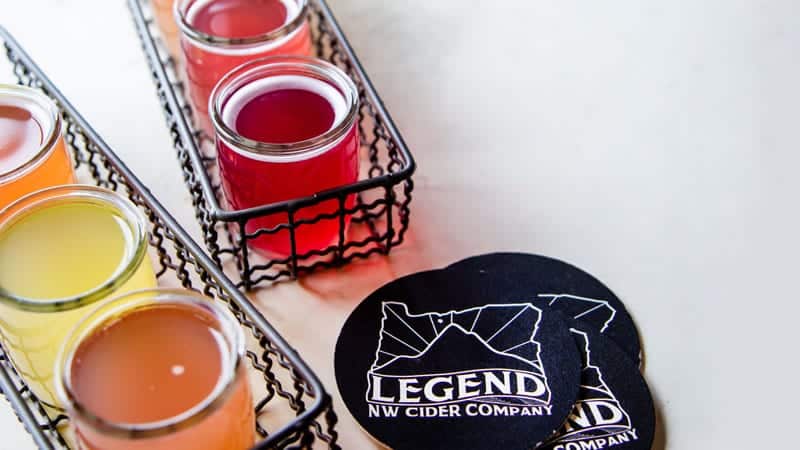
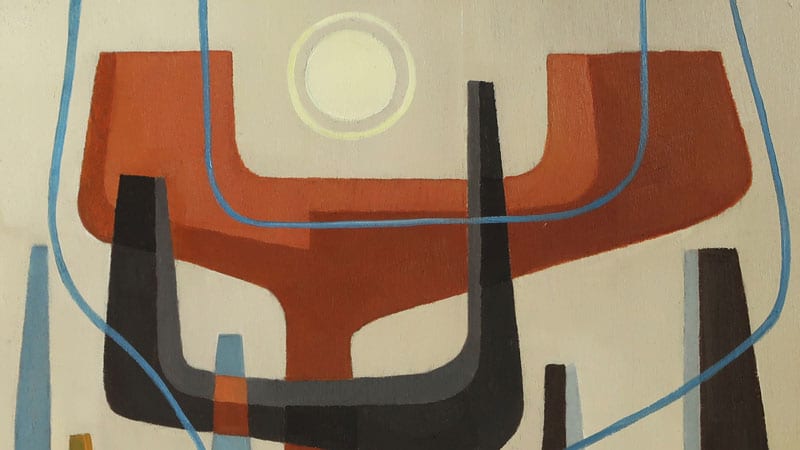
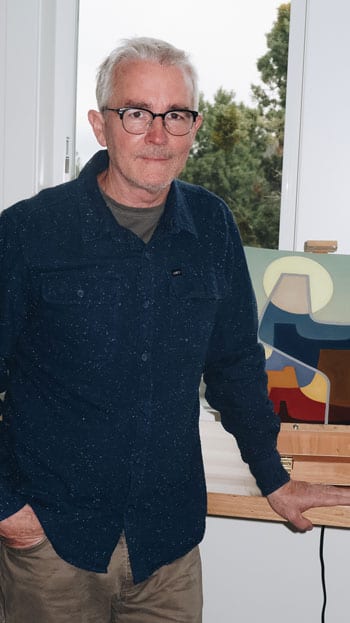


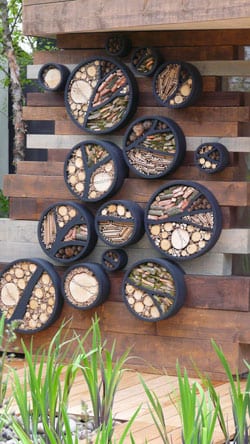







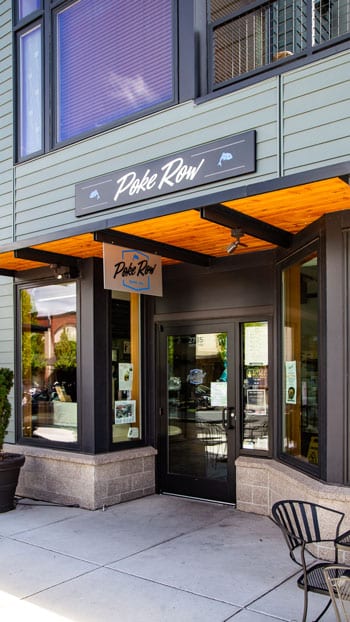


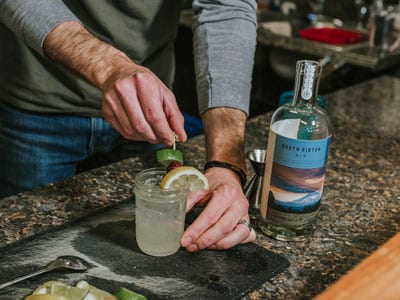
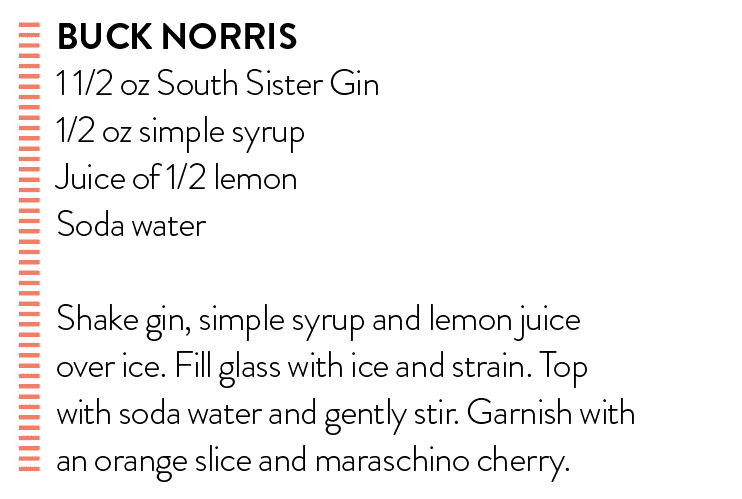

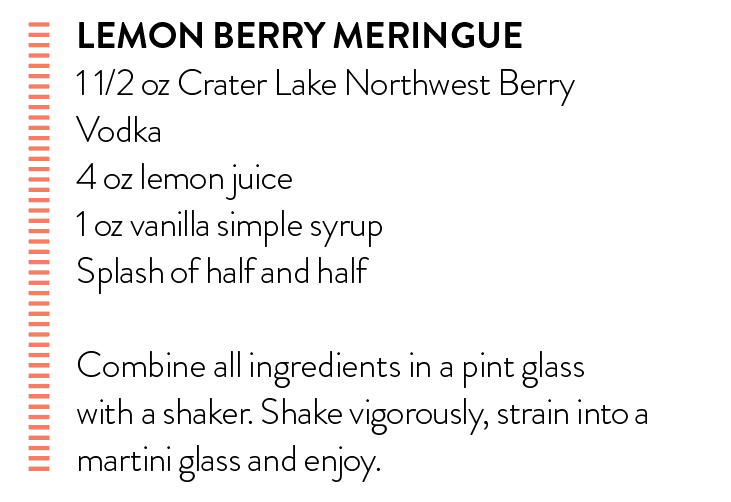
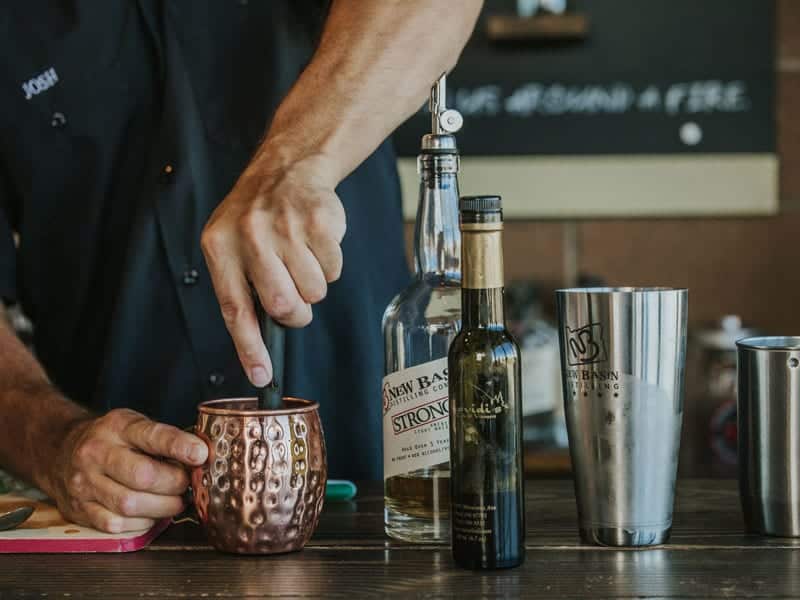
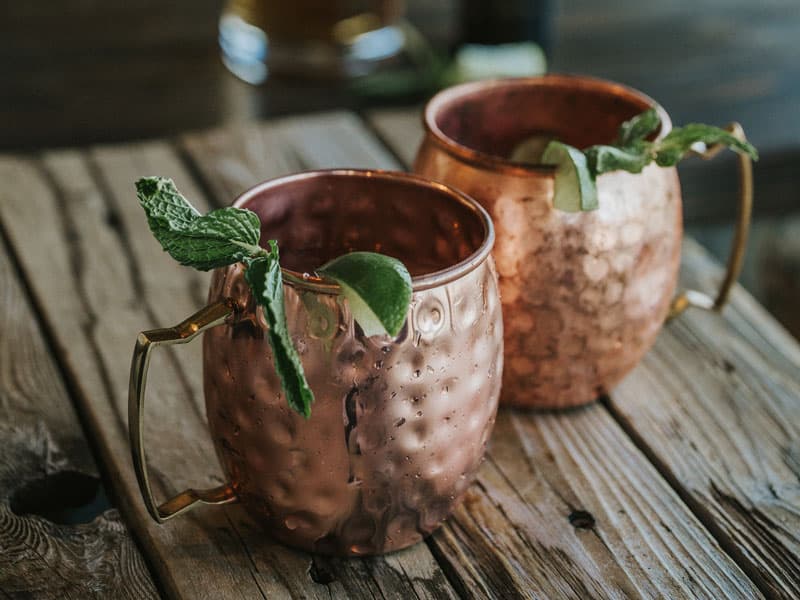
 On a chilly evening in 2012, Rick Molitor and four of his friends were gathered around a campfire with their drink of choice: a glass of whiskey. Together, they decided that they should turn their love for the dark liquor into a side hustle. The five Madras natives launched New Basin Distilling Company and bottled their first vodka, gin and whiskey in 2015.