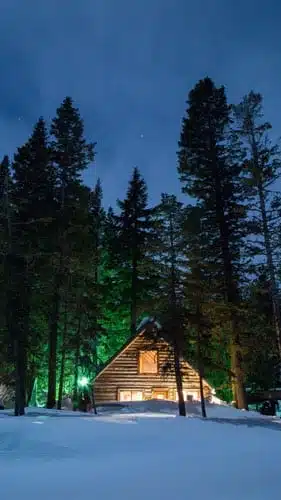
If the Big Bad Wolf came upon the Beth and David Lawrence’s house, he could huff and puff, but he’d never blow this house down. Its massive wood beams, lava rock fireplaces, stone columns and timber trusses convey a sense of strength and permanence.
The recently completed home hits the mark for a classic Northwest lodge style, from its soaring 20-foot cedar ceilings to its solid wood plank floors. Its builder, Chris Christianson of Sunrise Construction of Oregon, said lodge homes went by the wayside in the past decade with the rise in popularity of modern styles, but “the Northwest lodge style really coincides with the Central Oregon landscape and is a timeless design.”
The Lawrences moved to Bend in 2018 from Orange County where they’d planned to build a craftsman home to be near their children and grandchildren. “The kids said they didn’t know how long they’d be in California, so we decided to do something for ourselves,” Beth said. Thus began their search for a new place to call home.
The lava rock walls and fireplaces won Best Feature awards at the COBA Tour of Homes.
“We love the mountains and hate the heat, which eliminated Nevada, Arizona, Texas and the Southwest,” Beth said. “Our focus became Coeur d’Alene, Boise, a couple places in Colorado and Bend.”
David and Beth Lawrence
David said they had never been to Central Oregon before. “We got to Bend and were here a couple of days, and Beth asked me if I liked it. I told her I really did,” David recalled. “We decided we didn’t need to visit any place else.”
The Tree Farm outside Bend’s city limits on the west side appealed to them. It borders on the Deschutes National Forest and Shevlin Park. “We’ve always been outdoor forest-y people,” Beth said. They found a building lot in the forest and retained Joey Shaw of Homeland Design to render their vision.
“They didn’t come with a lot of preconceived ideas,” Shaw noted. “They wanted angles, a great room, a single-story house that sat well on the lot and a shape that gave them privacy.”
Building a Best of Show home in a pandemic
Converting plans into a lasting home would be builder Christianson’s job, albeit it a challenging one. His crew broke ground in September 2019 on the 4,600-square-foot home, and were working steadily toward completion for the July 2020 COBA Tour of Homes, when COVID-19 hit.
These three bronze bird sculptures by artist Dan Chen were selected just to fit these art nooks.
“We encountered numerous delays due to COVID and lost about three weeks of production in the spring,” Christianson said. A limit of ten contractors could be on the job site, and they had to observe stringent distancing and sanitation protocols. They also experienced delays in getting building materials and other items due to factory shutdowns across the country.
Nevertheless, the crew finished just in time for the COBA tour, ultimately winning numerous awards, including Best Feature for its lava rock walls and fireplaces, Best Kitchen, Best Master Suite and Best of Show in its category.
While the award-winning features are many, one design element stands out—consistency in everything from materials and warm earthy colors to large-scale structures like the exposed, arched beams that carry over from the entrance through the great room and out to the covered back patio. Countertops throughout the home are double-thick granite and quartzite with hand-honed drop-chisel edges.
Three natural stone fireplaces, one made of Oregon lava rock and two from Montana Mossy rock, create warmth and focal points in the master bedroom, living room and family media room. Sunrise Construction’s design team, including interior designer Dani Bearup, added a lava wall in the powder room and a lava rock wall between the kitchen and dining room.
At 7-by-12-feet, the granite kitchen island is a stunning and substantial design feature.
The kitchen is a cherished part of the home. The 7-by-12-foot island can seat eight humans or Goldilocks and three hungry bears. The kitchen also contains a built-in seating nook where Beth can enjoy her morning coffee. The wall behind the stove features a chiseled silver travertine with a granite inset niche that creates an elegant, Old World feel. There’s a butler’s pantry where the Lawrences can stash appliances out of sight and where David, who says he’s an ice snob, can have a special icemaker.
Some of the dwelling’s charm reveals itself in small details. The keystone, a favorite shape of Beth’s, was inserted into the rock walls above fireplaces, three art niches in the dining room and other “hidden” places. The builder used chains, nails, rocks and adze tools to “distress” the heavy beams. The long hallway leading to the master suite, mudroom and garage has tile between the wood planks and mitered square “Xs” at corners.
The master bath has a stand-alone bathtub for her, a urinal (not pictured) for him.
The master suite’s bathroom has a rarely seen fixture: a urinal, which is recessed into a wall. “For me, the urinal is kind of cool,” David said. There’s also a stand-alone bathtub set on mosaic tile with a chandelier overhead and a hand-forged bronze backsplash above the sinks and countertop.
Patios, fire and water features
“I love the outside of the house—its curved beams that soften the home’s straight angles, the way you can walk up the front steps and see straight out to the trees in back,” David said. “There are no ugly sides; the back and sides are as attractive as the front.”
Beth enjoys the five patios where she can follow the sun around the house or avoid it when the day heats up. The large covered back patio is a peaceful place to enjoy a gurgling low-to-the-ground water feature, a firepit and BBQ set into lava rock.
Coming from California where wildland fire poses a constant threat, the couple appreciates the Tree Farm’s Firewise Community codes, even though they had to remove thirty percent of the trees. The house also has interior fire sprinklers, a nonflammable roof, a fire moat around the structure and fire-resistant landscaping.
“The designers and builders—Joey, Chris and Dani—have made our vision come true,” David said. “It has been much more than just building out a set of plans. So much of what we love is a result of this team’s visions and their execution on those visions.”
The couple looks forward to hiking the many trails within a few yards of their home and observing wildlife as it crosses their property. And when the grandkids come for a visit and wander through the forest, they’ll warn them to run from the woodland creature with big ears, big eyes and big teeth, back to the sanctuary their grandparents built.
Resources: Designer: Joey Shaw, Homeland Design | Builder: Chris Christianson, Sunrise Construction of Oregon | Interior: Dani Bearup, Sunrise Construction of Oregon | Landscape: Becky Shaw, Homeland Design
Lori and Todd Sensenbach bought the Bend business Mariposa after selling Home Instead, a company that helped seniors in Central Oregon remain in their own homes as they aged. “It has always been important to us to combine what we do professionally as business owners with the ability to impact our community for the better,” Lori said. At Mariposa, a post-mastectomy boutique, they fit clients for prosthetics, wigs and compression products. Bend Magazine sat down with Lori and Todd to learn more about Mariposa’s post-mastectomy services.
What does prosthetic fitting mean and why is it necessary?
Technically, a prosthetic is a manufactured part of the body which replaces a person’s missing body part. Most often people think of limbs lost to some type of accident or injury. The prostheses we work with are breast prostheses for women who have had a mastectomy, which is a surgery removing part or all of one or both breasts. While the surgery alters a woman significantly in a physical way, the emotional effect is often as great or greater than the physical effect. Physically, women’s bodies are made to carry the weight of breasts. Removing that weight from the chest wall can cause posture issues that eventually become pain issues if not addressed. A breast prosthesis adds this weight back. Emotionally, breasts speak to reproductive capacity but are also an obvious part of a woman’s appearance. As much as we try not to worry about what other people think of our appearance, many women are still self-conscious, which is okay. By fitting someone with a breast prosthesis, hopefully we help them with that self-consciousness.
Where do your clients come from? How many people do you serve each year?
Most of our clients come from the three counties of Central Oregon, but also from John Day, Burns, Klamath Falls, etc. We see over a thousand people a year.
What is does an average day in your business look like?
We see a variety of people every day. Some for post-mastectomy fittings, some for wig fittings and others for compression products fittings. The common factor is that each person is experiencing some sort of health challenge that has led them to our door.
What is it like to work with a group of people who may be facing health challenges and the array of emotions that come with that?
It is incredibly rewarding. Our goal is to: “Be Love, See Life, and Shine Light.” If we can turn a negative emotion into a positive emotion, then we feel that we are being love. If we honor this person’s life in the brief time they are with us in our boutique, then we are seeing life. And if we can give them hope in their current health situation, then we are shining light. Each person we meet is so unique, and they are allowing us into a very intimate part of their life. We honor them where they are, physically and emotionally.
What sort of special considerations might we not know about that must be made for women in terms of appearance post-mastectomy?
For a Mastectomy Fitter, our primary goal is to create an appearance of both balance and symmetry. It can be easy with some women and difficult with others, mainly depending on their body type, but sometimes also because of the cancer and what the surgeon was challenged with to restore them to health. Our other goal is for the woman to be comfortable in the products we fit her in. I can think that she looks great, but if she is completely uncomfortable, she will not wear the products, obviously impacting her appearance. I cannot tell you how rewarding it is to finish a fitting and have a woman look at herself in the mirror and say, “I look like myself again,” usually with tears in her eyes.
Are your services expensive?
There is no fee for a fitting. And because of the Women’s Health and Cancer Rights Act of 1998, insurance plans are required to provide coverage for post-mastectomy products. Deductibles and co-insurance do apply, but most of the expense is typically covered by the plan. Prices for mastectomy bras are equivalent to non-mastectomy bras. Prices for silicon prostheses start at over $300 each. But again, the insurance plan covers most of this expense.
As for compression, we carry high-end brands that are more expensive than what you might find at a chain store. Compression can be difficult to put on, especially for people who have decreased strength or other challenges like arthritis. We try to pick products made of fabrics that will make it possible for the person to apply them. We also want the product to fit correctly, and we have found that the high-end products meet this requirement.
What else do you want us to know?
Medicare does not currently provide coverage for compression products. This is the most common challenge we deal with when people come into our boutique because so many of those who need compression are of Medicare age. Thankfully, there is proposed legislation, the Lymphedema Treatment Act, to change this. Medicare also will not provide coverage for custom breast prostheses. This is the only body part that they will not cover a custom product for. For some women we simply cannot achieve balance and symmetry with traditional off the shelf products. Again, there are proposed bills in both the U.S. House and the Senate to get this changed. We would love to see this passed, as I can think of specific patients who would have their lives changed by a custom prosthesis.
From the summit of Paulina Peak, nearly 8,000 feet above sea level, you can peer into the heart of the Newberry Caldera, home to the Big Obsidian Flow, East Lake and Paulina Lake. On a clear day, you can see iconic Cascade peaks, like Mount Bachelor and Mount Jefferson, in the distance. And if you squint, you can spy the sagebrush sea of the Fort Rock Basin to the south.
It’s one of the most remarkable views in all of Central Oregon. And in a region literally shaped by its volcanic past, the rocky peak atop Newberry Volcano offers a glimpse, not just of that surrounding beauty, but at a half-million years of explosive history.
The broader Newberry National Volcanic Monument celebrates its thirtieth anniversary this fall, so there’s never been a better time to get acquainted with its formation, evolution and geology—all of which continue to awe and inspire in equal measure.
The view from the top of Paulina Peak takes in the enormity of the crater, including East and Paulina lakes and the Big Obsidian Flow, with the Cascades in the distance. | Photo Kelly vanDellen / Alamy Stock Photo
It’s Bigger Than you Think
When most of us imagine Newberry Volcano, we instinctively see that rounded, shield-like shape rising above Bend to the south. (That shape is why it’s officially dubbed a shield volcano.) Maybe we picture the glistening Big Obsidian Flow in our mind’s eye. Or we focus on Paulina or East lakes, shimmering in the heart of the 4-by-5-mile-wide caldera at Newberry’s summit.
But as impressive as these features are, each is just one small part of a vast complex that unfolds across Central Oregon like a wrinkled blanket. In all, Newberry Volcano comprises 1,200 square miles—roughly the size of Rhode Island—making it the largest volcano, by volume, in the Cascade Range. Roughly 400 cinder cone volcanoes and vents cover Newberry’s pockmarked surface, and its lava flows have rerouted the Deschutes River, reached Lake Billy Chinook, and run under downtown Bend. Scott McBride, monument manager and recreation team leader for the Deschutes National Forest’s Bend-Fort Rock Ranger District, said, “Newberry tends to be so large, you can’t see it—because you’re on it.”
One good place for seeing that expanse comes from atop Lava Butte at the Lava Lands Visitor Center‚ a quick, 15-minute drive south of Bend. The cinder cone rises 500 feet above the visitor center, and a locator inside the working fire lookout atop Lava Butte helps identify the many peaks and natural features throughout the monument. Take a look around and see how Newberry sits at a peculiar place in the broader landscape of Central Oregon volcanoes. For another similar view, drive to the top of Paulina Peak, and peer into and around the caldera itself.
Paulina Falls, Newberry’s most magnificent water feature, is easily accessed. | photo alex jordan
Eruptions Shape Newberry’s History
Newberry is at the intersection of two volcanic features, according to Scott Burns, professor emeritus of engineering geology at Portland State University. The first, and most obvious, of the volcanic features is the Cascade Range. The second, and less well-known, is the High Lava Plains—a chain of volcanoes running east-west between Bend and Burns. At nearly 10 million years old, the oldest volcanic features along the High Lava Plains are in the Burns area—while the youngest, at less than a half-million years old, are what we know today as Newberry Volcano.
Roughly 400,000 years ago, a series of magma flows sent molten material miles in every direction and gave Newberry a rounded shape. That’s about when the first of Newberry’s many lava flows started oozing down its slopes, setting in motion a chain of events that, in a sense, continues even now.
Over the next 325,000 years, lava flows seeped toward Smith Rock, onto the modern-day Oregon Badlands Wilderness, as far west as Sunriver, and almost as far south as Fort Rock. And then about 75,000 years ago, a series of more violent eruptions started more or less hollowing out the onetime summit of Newberry. As lava flowed into the surrounding region, Newberry’s highest walls collapsed, leaving behind the bowl-shaped caldera visible from Paulina Peak.
Even as Newberry evolved into the volcano we recognize today, it remained active. Between the end of the last Ice Age (some 12,000 years ago) and the eruption of Mount Mazama (roughly 7,700 years ago), Newberry erupted a dozen or so times. Those events deposited lava flows both inside and outside the caldera—and the most recent of Newberry’s eruptions, which occurred 1,300 years ago, created the Big Obsidian Flow.
Today, a one-mile interpretive trail cuts through the pumice plain and piles of volcanic rock in the heart of the Big Obsidian Flow. The rocky path delivers wide-open views of the jagged, yet shimmering obsidian flow, along with background information on how it all happened. At Lava Lands Visitor Center, walk the paved trail through a jagged flow and see the lava close up. At the underground Lava River Cave, walk into the belly of a mile-long lava tube. At the 60-foot Paulina Falls, watch water tumble down the flanks of the volcano.
Photo Greg Vaughn / VWPics / Alamy Stock Photo
An Active Volcano Remains
Newberry remains a literal hotbed of geothermal activity; both Paulina and East lakes are home to bubbling hot springs, for instance. McBride said a push for Newberry to be recognized as a national monument or national park started as far back as the early 1900s; those calls went unheeded, and talk of possible development around that geothermal activity persisted into the 1980s. Faced with the threat of development, locals came together to advocate for protection—and Congress responded in November 1990, formally establishing the Newberry National Volcanic Monument.
Thirty years later, there are few better ways to understand the sheer size of the volcano than from on (or around) Paulina Lake and East Lake—both residing in the heart of the caldera. A seven-mile hiking trail forms a loop around the Paulina Lake shore, six campgrounds offer lakeside camping and both lakes are popular with boaters, kayakers, stand-up paddlers and anglers fishing for rainbow and brown trout.
And Paulina Peak, the highest point in the monument, stands over it all. Burns said the exhibition of natural features visible from Paulina Peak collide here like almost nowhere else on Earth. “It’s beautiful,” he said. “The diverse geological history, it just doesn’t happen, except in Oregon and a few places around the world.”
The weeks they’d spent training with outrigger canoes in the Old Mill District seemed to be paying off. It was September 2019, and Bendites Jason Magness, Stephen Thompson and Dan Staudigel, along with teammate Mel Coombes of Spokane, had cleared the jungle river and were now muscling their wooden boat into the South Pacific off Viti Levu, Fiji’s largest island. Bear Grylls, the British soldier and star of television shows like Running Wild, circled overhead in a helicopter watching them.
Bear Grylls, center, and Mark Burnett, right, pose with a very clean field of adventure racers in Fiji at the start of “the world’s toughest race,” the Eco Challenge.
“Veteran adventure racers Oregon’s Bend Racing are out to an early lead,” Grylls said into a headset as a cameraman filmed him. “Are they burning it out too early? Or can they keep it going? I don’t know.”
The answer to that is complicated, which makes for awesome reality television. These were the early moments in the remaking of Eco Challenge, a show that ran from 1995 to 2002 and put adventure racing on the map. The reboot nearly two decades later lands as a ten-part series that opened on Amazon Prime August 14. Then, like now, camera crews follow teams of four as they hike, bike and argue their way for hundreds of miles across the unforgiving, wild contours of the map with only a compass to point the way. “People think, Fiji, ah, it’s just a beautiful Pacific island,” Grylls told me back in Suva, the capital, before the race began. “But it’s got extreme mountains, extreme jungle, rivers, ocean and swamps.”
Magness and crew were part of a massive Hollywood production that included 330 athletes from thirty countries tackling what’s billed as “the world’s toughest race,” an 11-day sufferfest that traces a punishing 471-mile line across Viti Levu. Along the way they’d build rafts to float green rivers, mountain bike into chain-caking mud and punch their way through canyons filled with tumbling waterfalls. The reboot isn’t just “bigger and badder by a long shot,” as Grylls said. It also puts some of Bend’s most talented adventurers in the international limelight like never before.
Team Bend Racing from left to right: Jason Magness, Stephen Thompson, Darren Steinbach (assistant crew), Mel Coombes and Dan Staudigel.
Team captain Magness, who is 44 with a shock of curly hair, is no newcomer to the sport. He began adventure racing after watching the original Eco Challenge and got hooked on the physical and mental endurance, the unknowns and the teamwork needed to move toward a goal through gorgeous landscapes, efficiently. Magness met Staudigel while Magness was a high school physics teacher in San Diego, and the two would go on runs during lunch period to practice eating while moving. Eventually, Magness and his wife, Chelsea, who is also an elite adventure racer, moved to Bend’s Old Farm District so they could train year-round. Staudigel soon followed suit. “It worked pretty darn well,” Magness said, adding they’ve ranked as high as 7th on the world circuit.
Staudigel and the Magnesses form the core of Team Bend Racing, or Team Yogaslackers, as they’re often called, and when they’re not training or organizing their own races around Oregon, you can find them teaching yoga and acrobatics internationally or at Tula Movement Arts in NorthWest Crossing. When applications opened for the Eco Challenge, the team was almost a shoo-in given their competitive chops. Amazon gave each of the sixty-six teams selected $50,000 to get to Fiji and do the race. The winner would get $100,000. “You’d think there would be cameramen in your face asking you to go back and say something again, but that wasn’t the case at all,” Magness said. “When the race started, it was a race—an incredibly well-run race.”
The Eco Challenge is the latest mega-million-dollar gamble by legendary producer Mark Burnett, a former racer himself, who produced the original Eco Challenge before other hits like Survivor and The Apprentice. As with many of his shows, it’s the stories and backstories of perseverance that give the Eco Challenge its universal viewing appeal. Magness once had to be carried out of a 600-mile-long adventure race in Patagonia with a destroyed hip, which he had fixed through an experimental procedure in India. Not long after, he and Chelsea lost one of their unborn twins, a beautiful still-born boy they named Spirit B. Broken but not beaten, the team returned to Patagonia the next year to win that race, during which time Chelsea revealed she was pregnant again. Their youngest son, Revel Wilder, was born just three weeks before the Eco Challenge began, so Coombes subbed for Chelsea.
Team Bend Racing paddles a jungle stream at the start of the race.
People think, Fiji, ah, itís just a beautiful Pacific island, but itís got extreme mountains, extreme jungle, rivers, ocean and swamps.
Back in Fiji, things go south for Bend Racing fast. On assignment for Outside magazine, I watched as they maintained the lead paddling to a remote island. I met them again a few hours later on another island, Ovalau, where they marched off on a steamy jungle hike. There the team runs into trouble and suffers for days until Grylls gives them a pep talk that keeps them in the game. “He’s actually a really great guy,” Staudigel said.
Nearly a year after filming, back at my home in midtown, I met some of the team for a sneak peek viewing party of the first few episodes that Amazon sent me. We talked about what happened in the jungle that day, and what happens next. No one can say much. We all signed non-disclosure agreements, but the show is also fun and addicting, if not a bit hokey in spots, and I want no spoilers.
Even so, Magness offered some clues to how the series will unfold: “I think you’ll be seeing more of us.”
World’s Toughest Race: Eco-Challenge Fiji released with 10 episodes August 14 on Amazon Prime. Watch to see how the Bend team fared and who took home the prize!
Master Gardeners across the state were recognized in July for their volunteer efforts as part of the OSU Extension Master Gardener program’s annual awards. In Central Oregon, the “Master Gardener of the Year” award winner was Kathleen Geary of Bend.
When it comes to the awards, winners are recognized for their commitment, time and impact.
“They’re nominated by fellow Master Gardeners, and selected by their local chapter associations with input solicited with their local OSU Extension horticulturist and Master Gardener program coordinator,” said LeAnn Locher, OSU Master Gardener outreach program coordinator. “The awards for Master Gardener of the year recognizes an individual’s leadership, impact and support of the mission of the program: garden education,” Locher said. Statewide, the program had nearly 3,000 volunteers in Oregon last year, who together contributed more than 221,000 volunteer hours—valued at $5.6 million.
Geary said that she first earned her certification as a Master Gardener in 2015. “Since then, I actively participate in community-based projects that include recording for the KPOV radio segment, ‘Gardening: Get Good at It.’ that airs on the Tuesday morning program and The Point,” Geary said. Her favorite area of volunteer work is at plant clinics, where she helps people receive answers about their gardening questions.
Geary first started gardening at an early age when she used to tend to herbs, vegetables and flowers in her mother’s garden. “I grew to understand the growing cycle of plants, and was captivated by the importance of the bees and insects that pollinated the garden that produced my mother’s endless bounty,” Geary said. She became interested in gardening due to growing up in the era of the Silent Spring. Geary grew concerned about the environment, changing climates, food security and how to feed her family.
Geary is involved with the Central Oregon Master Gardener Association, where she acts as a volunteer, educating others about gardening. She also teaches gardening classes. Other OSU Master Gardener community programs she is involved in are Discovery Park Community Gardening and The Point. Geary said she’s been excited to see how gardening has played a role in helping the community with food security during the COVID-19 pandemic. “We are fortunate in Bend to have a community that cares for one another. Precarious times call for strength in numbers and gardeners have it all. We grow gardens of vegetables, fruits and flowers for ourselves, and we grow our gardens to share with others,” Geary said.
Outside of gardening, Geary enjoys hiking, kayaking, fly fishing and skiing. She also loves to entertain guests with cocktails and food and can be found in her library reading up on gardening. For more information on Central Oregon Master Gardeners, click here.
During a time when many theater productions have been stalled or cancelled, Bend’s Musical Impressions Studios has taken a unique approach that’s allowed the production of a musical with a local cast of performers. This will give the community a unique opportunity to enjoy not only one, but two performances.
Musical Impressions Studios is presenting a social distancing drive-in musical at 7:30 p.m. Friday, August 14. The musical, “Songs for a New World” will be performed live and on a stage in the parking lot at New Hope Church in Bend. This will be Bend’s first drive-in theater performance of its kind since the COVID-19 pandemic began impacting the area. Another showing will be followed on August 21 at the Les Schwab Amphitheater.
Co-director Craig Brauner notes the production will be the first theatrical performance on the stage at Les Schwab.
“We are ecstatic that our cast and team of local talent will have the opportunity to grace this landmark stage in our community with this special show,” Brauner said.
“Songs for a New World” is a musical written and composed by Jason Robert Brown, and there are no set characters, narratives or even an overall plot. SInce there is not a lot of dialogue in the musical, the songs and incorporated dances make up and tell the story.
The arts, as many theatre performers believe, have the powerful ability to connect and heal people. Brauner and co-director Angelina Anello-Dennee picked “Songs for a New World” because of its message of hope and its theme of connection in a time of disconnection.
“We recognize that our world and local community is in a time of unprecedented change and defining moment after defining moment. As creators and passionate community members, we believe a message of hope in the form of theatrical entertainment is worth gifting to our community,” Anello-Dennee and Brauner said.
When it comes to rehearsing before the big night, there have been many differences that have challenged the production of the musical. Actors and the creative team must wear masks, sanitize their hands before rehearsals and can only take off their masks if singing. A chair and microphone are given to each actor for only them to use, and the cast members keep six feet apart.
The biggest challenge for the team has come down to following social distancing guidelines. Brauner said theatre is intimate in that lovers typically physically embrace, and dance and other forms of contact take place.
“Whenever I find myself stuck, I refer to Jason Robert Brown’s advice to directors staging the show, saying it is ‘most powerful when the audience can feel and see those journeys take place,’” Brauner said. Both directors were shocked with how adding in the social distancing guidelines strengthened and deepened the story. Brauner credits the musical performers for bringing in that change.
Anello-Dennee and Brauner said that they are fortunate to have the opportunity to stage a production during COVID-19, while also getting the chance to show their appreciation through the musical for anyone that has supported them. The duo said they recognize that many artists and creators do not have this chance and are struggling with unemployment, not knowing if or when they will work again.
“With this in mind, the cast and creative team politely ask that those who love and support the arts continue doing so by supporting community artists, like us, and to consider a donation of any amount to the following artistic support funds: Oregon Cultural Trust, The Actors Fund and Americans for the Arts,” Brauner said.
Audience members planning to attend the drive-in show will be guided in their car to a parking spot when they arrive. They have the choice when the show starts on whether to roll down the windows or to listen to the show on the radio.The audience can bring lawn chairs but must follow social distancing guidelines.
For more information and to purchase tickets, click here.
When it comes to space, we don’t always have as much as we might like. Do you live in a tight housing development, condo, apartment or ADU and yearn for outdoor space of your own? Whether your dwelling includes a backyard, balcony, deck, patio or front porch, a few simple steps can transform your outdoor space into a well-loved, go-to place imprinted with your own DNA.
First ask yourself, what do you hope to achieve? A place for chilling? Entertaining guests or barbecues with the family? A play area for the kids?
Once you’ve established the purpose, you’ll want a plan. Decide whether you’ll need the help of a design professional or prefer a DIY approach by gathering ideas from sites on the internet like Houzz or Pinterest, going on home tours or seeing how others have created their own outdoor living space. You’ll discover that good design ideas are surprisingly similar whether your space is large or small. It’s a matter of scale.
Steal Ideas from the Indoors
One enduring idea is to replicate your favorite indoor room, whether it’s the living room, dining room or even the bedroom. Consider traffic patterns and arrange furniture on an outdoor area rug around a patio coffee table or facing a firepit or artwork. Or set up an eating bar with stools and a buffet for food and drinks, cutlery and serving platters. If your space is a covered porch, why not consider a futon for both sleeping and enjoying your morning coffee upon waking?
If your space doesn’t allow for a grouping of furniture, a bench or a couple of chairs and a small side table will suffice. Add a freestanding umbrella or hang a colorful sunshade overhead for protection against the elements. Other space-saving outdoor escapes include gazebos and leafy arbors.
In any arrangement, remember to incorporate lighting—candles, LED light strings, non-breakable lamps and even hardwired sconces and overhead fixtures. Think about storage for brooms, step ladders, garden tools and other things you’d like to have handy. Seek out furniture that can double as storage.
Plan for Mother Nature’s whims
The obvious difference between inside and outside living is weather. On Central Oregon’s high desert, think of your outdoor space in terms of three seasons. Spend time learning about durable materials for our climate. Wrought iron and aluminum are safe bets for tables, synthetic woven wicker for chairs. Teak and cedar are traditional choices for outdoor furniture but require more upkeep. One relative newcomer to the outdoor furniture scene is recycled plastic—look for Adirondack and smaller chairs in vibrant colors that never fade, are strong and last for decades with minimal care. For temperature swings, buy portable or overhead fans for hot weather and heat lamps for cooler days and nights.
Pleasure in the Details
Once your basics are in place, consider the many options for enhancing enjoyment.
Incorporate greenery
If you have ground space, even a small patch of lawn is a good choice for the kids and dogs, plus it keeps dust at bay and your outdoor space green. The downside is it requires upkeep.
If you have a blank wall or a place to add a screen, consider a vertical living wall. Here’s one place it’s worth the expense to hire a professional. Plants in a vertical garden should be selected with care—they need a water source but can become a favorite feature throughout the seasons.
Planter boxes and pots add a pop of color to Central Oregon’s earthy palette. Put them on wheels and place them out of the way in corners. Incorporate shrubs, trees, perennials and herb gardens as space allows.
Birds, bees, windchimes and gurgling water
Get hours of enjoyment from watching hummingbirds chase each other around a feeder or install a bird bath and watch them flick water off their feathers. When the wind blows, as it often does in Central Oregon, chimes create music for the soul. Plant a butterfly garden or perennials that attract big beautiful bumble bees.
One of the most calming aspects of your outdoor space can be a water feature. The types of features available for home gardens are nearly limitless, from waterfalls that spill over a permanent rock formation to a portable yet elegant ceramic fountain.
Find the fire
Firepits have become insanely popular—they create warmth, light and a place to gather. Portable firepits the size of a carry-on bag can cast a long glow over the tiniest space. A table-top firepit can double as an eating area. And don’t dismiss the possibility of a fireplace. You can find a custom or prefabricated version to fit a small space that will throw off living room-like warmth and atmosphere.
Remember the art
Enhance your retreat with art. Consider free-standing sculpture or wall art, traditional or abstract, in metal, glass or other materials. Let your imagination roll and infuse your private place with your own aesthetic.
With the housing world trending toward compact living and smaller homes, expand that space into the outdoors we all crave.
Matt Hand started his career in 1994 at BendBroadband, where he built COTV BendBroadband Channel 11. Ten years later, he established his own company, Hand in Hand Productions—the name stemming from his own surname as well as his skills at working hand in hand to help clients and organizations with their video production needs. Today, his company creates story videos, produces content, live-streams meetings and handles all things audio-visual. Here, Hand answers questions about the power of video, compelling storytelling and our pivoting tech-life during COVID-19.
Your Facebook page refers to you as a “card-carrying AV geek.” Tell us about your love of all things AV and how it came to be.
My third-grade teacher was the person I can credit with beginning this journey. We made a class film. Yes, it was film as it was shot on super 8 film. This process created a passion for visual storytelling and the way that audiovisual can combine to become a better way to tell stories. All through junior and high school I always knew that I loved working on videos and as time progressed, I just got more and more into it.
You’re a Bend native, right? What’s it been like to be in this town for so many years, and grow a business here?
While I am not a true native, I moved here when I was 3 and have lived here ever since. It has been truly interesting watching this town grow into a city. Advances in technology have allowed me to stay here in Bend and give back to the community I grew up in.
You’ve worked on some big deal events around town over the years, including TEDxBend, Bend Venture Conference, Bend Design, EDCO’s Pub Talk and EDCO’s Annual Lunch, to name a few. How do you handle the pressure?
Interesting question, really. I build great teams around me. I have been incredibly fortunate to find some very talented people in the community. I allow them to help me sort things out. My brain seems to be wired to continually strive for improvement which allows me to see my way out of some complex situations.
COVID-19 made AV capability suddenly crucial to a lot more people. Tell us what changed for you and your business during this time and how you responded.
I had been specializing a lot on story videos and on-location production. When the lockdowns started, I suddenly became unemployed. I had been working on a podcast with Broken Top Candle Company’s CEO and Founder Affton Coffelt. We decided to just start doing programming for businesses. In the process of building the shows she and I were working on, the doors opened up to more and more clients that needed high-production for virtual events. Affton pivoted her business and fortunately got busy—she occasionally still joins me. My biggest focus now is directing virtual events that engage people from around the nation and, for a couple of projects, from around the world. It is so enjoyable to be able to help provide better production in this time of chaos.
Behind the scenes at a live production
What do you love most about your work? What is your biggest challenge?
I love the stories that I get to tell and share through the interviews, events and videos I help create, manage and produce. The biggest challenge is the daily grind of constant improvement in technology and being able to offer our clients these improvements.
Got any good AV disaster stories?
No comment! Seriously, I have been pretty fortunate over the years. The projects I have learned the most from were those in which I pushed to do something bigger and ran out of time to make it as big as I wanted. However, failure is an event, not a person, as Zig Ziglar once said. We pick up the pieces and move on with a greater amount of knowledge.
Anything else you’d like us to know?
I launched the local interview podcast, “Show Up Central Oregon,” right at the start of the COVID-19 quarantine. I have been incredibly moved by all of the stories of compassion that have revealed themselves. It is such a privilege to be doing regular interviews with community and thought leaders including State Representative Cheri Helt, Business Oregon’s Tom Schnell, Mayor of Bend Sally Russell and Affton Coffelt from Broken Top Candle Company. I truly feel blessed to live in this community. You can find more information about Show Up Central Oregon atfacebook.com/showupcentraloregon.
This spring, COVID-19 shuttered downtown galleries. While many of these businesses are reopening this summer, the warm season is also the perfect time to appreciate just how very many pieces of art are around us outdoors every day. Grab a map from VisitBend and take a lap around downtown to experience the abundance of public, outdoor art.
The back alleys may be the most artistic part of downtown Bend. Or maybe they aren’t. If you don’t mind the view of the back side of businesses with recycling and trash cans lining the street, a treat awaits your eyes. Between Oregon and Franklin Avenues, art flourishes in the form of murals, weather-proof paintings and multimedia pieces.
Plaques tell about each piece in the the Tin Pan Alley Art Collection. Local photographer Carol Sternkopf presents a blue owl in a storybook page format. She pulls together photographic collage, vinyl, paint, twigs, wood, metal and salvaged home décor to engage viewers with, “What’s this owl up to, anyway?”
Bend pioneer and ski legend Emil Nordeen got a 21st century brushing by contemporary Bend artist Sheila Dunn, known for large vibrant portraits and figure paintings. Nordeen was a Swedish immigrant who moved to Bend in 1920 along with other Scandinavian mill workers. To commemorate his cross-country ski races between Fort Klamath and Crater Lake and other accomplishments, the Nordeen Shelter was named for him.
Experience two pieces in the covered walkway between Wall and Brooks Streets. A painting by Bend’s first creative laureate, Jason Graham, aka MOsley WOtta, explores “the four seasons in relation to the four directions in relation to the four core archetypes: warrior, teacher, healer, visionary.”
In contrast with the intensity of MOWO’s piece, Bend’s Sweet Pea Cole portrays a girl and dog frolicking in a landscape filled with bubbles. The girl in the painting is opening her pocket, “letting loose her innermost ideas and feelings…letting them mingle with the world around her,” the plaque states. This quirky piece is part of a large collection of Cole’s graphic design and illustration body of work.
At the east end of Minnesota Avenue is a fountain and the sculpture of two large bronze cranes, “Dancing for Flossie,” by Danae Bennett Miller, installed in 2003. With a home studio in Tumalo, she takes inspiration from farm animals and wildlife. Her bronze sculptures pepper the Central Oregon landscape in roundabouts and other public and private places.
Wander through the city’s iconic Drake Park where you’ll find a large, abstract sculpture on the south end near the take-out spot for river floaters. The 1991 stainless-steel sculpture, “Cascade Landscape,” by Portland artist Bruce West was originally installed at Kenwood School but roundabout construction required its removal and relocation to a new home. One local calls it “cocktail ice without scotch.”
Bend’s iconic and most photographed sculpture is probably “Art,” the nickname given the man seated on a bench staring into his empty wallet. The life-size cast-aluminum sculpture was created by Seattle artist Richard Beyer and placed at the corner of Wall Street and Franklin in 1982. He’s rarely alone. In addition to the ducks who keep him eternal company, Art loves posing with people who sit with him, stuff all manner of things into his wallet, wrap their arms around his shoulders or dress him in everything from Santa hats to lingerie.
Summer is always about packing in as much as possible. From sun up to sun down, adventure, fun, food and entertainment abound, and the test is to see how much you can do before fall. This year more than ever, we’re beyond ready to soak up every summer experience we can. Here’s our round up of some of the very best, tried-and-true, don’t-miss experiences to be had in Central Oregon during the sunny summer season.
photo pete alport, models Madison Funtanellas and Avery Snavely
Listen
Some said this would be the summer the music died. COVID-19 took a huge toll on the music and performance scene this spring, and it’s still true that this summer, we will not be lining up to get the perfect spot at Les Schwab Amphitheater for what once looked like a pretty awesome concert season.
But music, it turns out, is way too important to our hearts and souls to stay down long. Many local venues and musicians created music to share digitally throughout the spring, and many are beginning to dip their toes into delivering live music—safely, with social distancing, and adhering to state requirements—this summer.
Here are a few options that were popping up at press time to get you your music fix this summer.
River’s Place Taphouse and Food Cart Yard plans to host regular live music from its small outdoor stage a couple of times a week.
The Tower Theatre has considered many creative options, including a drive-up movie night or a local musician’s showcase. Watch the website.
Sisters Folk Festival debuted The Bandwagon, a flatbed trailer on which bands play for small socially distanced crowds, while touring neighborhoods. Stay tuned for more events like this.
Volcanic Theatre Pub opened their doors in early June after months of closure, with small events planned throughout the summer.
photo adam mckibben
Surf or Float
Build a surfing wave in the middle of town? Five years ago, Bend Parks and Rec said, sure, why not. Now the Bend Whitewater Park in McKay Park near the Colorado Bridge is the place to be on a hot summer day. The sandy beach or the footbridge are great places to watch the action (mind Parks and Rec guidance for social distancing). Surfers line up to hop on the wave, catching a ride for as long as they are able before splashing out into the current.
Maybe you’re one of those surfers—in that case, bring your board, your wetsuit, your patienceand your courage and get in line. For just a taste of the whitewater, rent or buy a floatie, follow the rules of the river and float your way from the Old Mill District to downtown. The mellower rolling rapid for floating courses right by the wave park, giving you a close-up view of the surfers of Bend.
photo austin white
Camp
A tried and true Oregon tradition, a summer without camping is like a campfire without s’mores. When some campgrounds reopened in late May, outdoor lovers rejoiced. Try these three camping spots for tent, RV or car-top tent camping this season.
Camp Sherman, a mere 45-minutes from Bend, is a reliably peaceful getaway for its old-timey feel and cell-service free airwaves. A series of small campgrounds run by the US Forest Service front the scenic Metolius River. Make reservations in advance and fish and relax under a canopy of trees.
La Pine State Park fronts the Deschutes River under ponderosa and lodgepole pine. Plenty of sites and small crowds make this place popular. Bring your mountain bike and hit one of the nearby trails.
Tumalo State Park is tucked under rimrock along the Deschutes River northwest of town. Plan ahead and score one of seven yurts onsite, or bring a tent or RV.
photo tyler roemer
Fish
Desert rivers were made for trout fishing. Tour these four awesome fishing rivers around Central Oregon and see how many trout you can catch this summer.
The Crooked River winds through a sagebrush desert under stunning rimrock between Prineville Reservoir and Prineville. Stay upstream towards the dam for the best luck at catching this river’s fine desert rainbows.
The Deschutes River is Central Oregon’s main attraction, and offers plenty of places to fish along its banks and in its waters. Choose a spot along Cascade Lakes Highway to try your fly, or head north to the lower Deschutes for lots of action. Between Trout Creek and Maupin you’ll find some big water and even bigger rainbow trout.
The Metolius River winds past Camp Sherman and is as beautiful as it is tricky to fish. Here you’ll find bull trout and some rainbow trout, as well as a narrow and brushy river with super clear, cold and flat water. The trout here are really great at hiding from you, so if you catch one, your bragging rights are well-earned.
The Fall River is one of the lesser known in the area, though it boasts a fish hatchery that makes its rainbow trout count plentiful. There are plenty of quiet, lovely places to cast your line here, under giant ponderosa pines.
Visit Central Oregon/Steve Heinrichs
Tour
Sometimes you just want to let someone else show you the sights and thrills. If that’s the case, there are plenty of tour operators ready to take the wheel and show off what Central Oregon has to offer.
Guides with Bend’s Wanderlust Tours offer guided hiking trips or can take you on the water somewhere new. Check out the Brews & Views canoe tour, where a naturalist will show you around a pristine mountain lake and you’ll get to sample brews from Cascade Lakes Brewing Company.
For a high desert rambling experience, book an ATV tour with Bend’s Outriders Northwest. Tour operators will guide as you drive through old lava flows and show you where to spot wildlife near Bend, Sunriver and the Newberry National Volcanic Monument.
For a tour with less adrenaline, The Bend Tour Company offers walking or open-air electric car tours of downtown and the Old Mill District, with guides full of knowledge about the city’s history, arts and culture—even a local will learn a thing or two they didn’t know before.
Also in town, several companies offer tours of the local brewery scene, including Cyclepub, which offers the fun experience of pedaling through town from one tasting to another.
photo alex jordan
Hike
For a short but steep hikewith a payoff of amazing 360-degree views of the Cascade Range, make the climb up Black Butte. Find the trailhead west of Sisters and power up the 1.9-mile trek to the summit, gaining 1,600 feet of elevation along the way. It’s not an easy hike, but it’s worth it. Travel through ponderosa pine and wildflowers and peer down to the golf courses of Black Butte Ranch below as you get higher, eventually arriving near the base of a fire lookout actively used today. Complete the full loop for a 3.6 mile hike.
For a hike on a trail along rushing waters, follow Century Drive out of town to the Meadow Camp picnic area, which is a good starting point for the Upper Deschutes River Trail. Take the full 8.5 mile trail to Benham Falls, or opt for just a section from Meadow Camp to Lava Island, Lava Island to Dillon Falls or Dillon Falls to Benham Falls for shorter hikes. All the options have lots of shade and parallel the river.
For great views within Bend, follow the road or trail that spirals around Pilot Butte. At the top, informational signs point out the mountains of the Cascade Range and all of Bend can be seen in the foreground. To the east, see the Paulinas and the Ochocos. Take a break on a bench and enjoy the breeze before heading back down to complete the 1.8 mile out-and-back hike.
photo tyler roemer
Ride
There’s a reason Bend is often named among the best mountain biking cities in the country, and hitting the trail should be a must on the summer to-do list. Grab a helmet, dust off your bike or pick up a rental and find a new trail to explore.
Set out on an all-day adventure riding from Paulina Peak down the Newberry Crater Rim Trail, through lava flows and thick forest. Or head out to Smith Rock State Park to power over hard-packed clay and sand and among towering rock formations.
Stay tame with a relatively flat trek along the Deschutes River Trail as it winds south out of Bend, or ride into the Phil’s Trail network, southwest of town, for endless combinations of riding on hundreds of miles of trails.
Go big with downhill biking at Mt. Bachelor Ski Area, where lifts will drop you at the top of about a dozen miles of trails to explore, including the resort’s new advanced jump line trail, Redline, a flowy track full of berm jumps, rollers and table tops under the Red Chair lift.
photo nate wyeth
Splash
When it’s hot it’s good and when it’s cold it’s…good. What’s summer without a dip in a chilly alpine lake? These five lakes are the best for swimming.
Elk Lake’s South Beach is a perennial Bend favorite, which means it can also be busy. Get there early and stake your claim on a little piece of beachfront paradise, Central Oregon style. The flatwater means paddling as well as swimming is easy here.
Suttle Lake’s beach hugs the lake all around its eastern end, offering a view down the length of this oblong-shaped body of water. Wade out quite a ways before it gets deep, or kick your inner tube out a little deeper.
South Twin Lake is great for kids. It’s shallow, warm and small. Rent a pedal boat and some life jackets and keep your offspring entertained and happy. Grab a burger at the restaurant after.
Scout Lake is another hidden gem that’s great for families. Also small and shallow, the kids can practically walk the whole thing later in the summer when the water gets low. Set them loose with a float ring and relax on shore.
Lake Billy Chinook holds the biggest water around, so here’s where you go to jump in and dive deep. This lake is known for motor boating, boat houses and leaping in for the biggest splash of the day.
Sip
Drinking craft beverages outdoors in Bend is a well-honed artform, and not all patios are created equal. Here are some of our favorite places for grabbing a drink outside.
West Bend’s GoodLife Brewing is tucked away in a small development off Fourteenth Street, but behind the tall fence is a huge yard, with ample room for food trucks, a fire pit with adirondack chairs, lawn games and space for spreading out with friends, kids, dogs and of course, with a good beer in your hand.
Enjoy beers and great food at 10 Barrel Brewing Co., a modestly-sized brewery on Galveston Avenue. In the summer, bartenders flip back and forth between serving the indoor bar and open bar window outside.
Bring your own blanket or plan to snag a picnic table on the lawn at Crux Fermentation Project, where you can sample a variety of brews, Crux cider or the latest barrel-aged varieties on tap. Order from the food trucks alongside the lawn, or from Crux’s own menu of sandwiches, pizza, salads or a pretzel.
Monkless Brewing offers tasty Belgian beer flights or specialty cocktails with a fun view. Grab a spot on the back patio, up above the Deschutes River near the Box Factory and Old Mill District. Peer over the balcony to see tubers prepare to splash down the rapids and enjoy tasty eats like bratwurst or a schnitzel sando.
Downtown’s Bend Brewing Co. pops up a tent outside in the summer for serving a few of their signature brews, or you can stop inside for the full selection. Claim a picnic table on the lawn for a big group, park yourself at the high top open seating along the building’s outside wall or be seated on the back patio for full restaurant service.
When Tyler and Adrianne Baumann started making cider in 2015, the husband-and-wife team was admittedly nervous about public reaction. After all, neither had made cider before—Tyler’s only industry experience came as a bartender—and both were intimidated by big-name competitors throughout the Pacific Northwest.
In a way, though, Adrianne Baumann said that outsider mindset gave them free rein to take a different approach. “We were looking at the cider market with a fresh perspective,” she said. “We didn’t go to school for this or come from a long line of brewers. We’re just looking at it with fresh eyes and creating something new.”
Clearly, the Baumanns are onto something. In August 2019, the co-owners of Legend Cider Company opened a taproom in La Pine—beating a brewery to the city, a rare occurrence in beer-crazy Central Oregon—and have since earned a loyal following for their tap list of balanced, yet fruity flavors.
Adrianne believes that acclaim reflects the cidery’s continued desire to do things differently. For instance: Legend uses beer yeast, rather than cider yeast, to create more complex flavors. “People can kind of pick up on it,” she said. “It has that more mellow finish.”
Legend also abstains from artificial sweeteners, flavors, or fruit concentrate—using only 100 percent fruit juice in a move that Adrianne said creates a cleaner, crisper, juicier finish. “A lot of people are surprised when they try our cider,” she said. “They take their first sip and say, ‘This tastes like juice.’ And that’s because it is juice.”
Those flavors show up in Legend’s lineup of fruit-forward beverages—like the PCT (Pineapple, Coconut, and Tiki) Punch, a tropical, piña colada-like cider, and the Columbia Gorge Grape cider. “That’s like a grape juice box, but all grown-up, and with all-natural ingredients,” Adrianne said. “People get the real grape taste and are like, ‘This is really good!’”
Legend Cider Company | 52670 US-97, La Pine | Legendcider.com
Bend’s artistic heft got weightier this year with the addition of John Bell to the community. The internationally renowned concept artist brings decades of experience in the movie industry, television, video games and advertising.
A chance encounter with a former colleague from DreamWorks eventually led him to leave his home in the Bay Area and relocate to Bend. “Last summer I was on LinkedIn and saw that she was working at Bend Studio,” he recalled. “I dropped her a line, asking if the studio was looking for concept artists.” She responded the next day, and by January, Bell was working at the Bend-based video game developer, a subsidiary of Sony Interactive Entertainment America.
Bell created concept art and storyboards for blockbuster movies like Jurassic Park, Star Trek IV, Back to the Future II, ANTZ and Oscar-winning Revenant, and for the likes of filmmakers George Lucas and Steven Spielberg. His body of work represents a prodigious cross section of Americana that spans a quarter century, including images of the Grinch, Starship Trooper and the hover boards from Back to the Future II, Fat Tire beer labels, Nike Airwalk shoes and logos for Hammer Motorcycles. He and other team members received the top award from the British Academy of Film and Television Arts and an Oscar nomination for special effects in Back to the Future II.
As a concept artist at Bend Studio, he’s part of a team that brings new video games to players worldwide. “I enjoy what I’m doing, but in my spare time, I like to focus more on my personal art,” he said. He hopes to stay at Bend Studio “as long as they’ll have me,” while building a portfolio of paintings in his spare time.
Photoshop in a painter’s shop?
Bell’s style of painting draws from his years as a concept artist while revealing a softer, more abstract side. Of his paintings, he said the older forms were more intricate and detailed, the newer ones more simplified.
The current pieces explore shape, texture and color with a mid-century modern aesthetic. The new paintings invite viewers into a landscape populated by cactus- and human-like shapes and orbs, or at least that’s the impression of some people. Others, including Bell, see car shapes and bones. “I leave it up to people to interpret their meaning,” he said.
Bell starts with a thumbnail sketch of forms within a square and then scans the drawing into a computer to begin color mockups on Photoshop. Once he’s satisfied with the color mockup, he transfers it onto a wood panel of either mahogany or birch by hand painting the surface with oil paint. “The natural wood as a background has a very graphic quality,” he said.
The individual pieces in the series he started last year, “Planet Life,” were small—10-by-10 inches—but have gotten larger over time. He has a 20-by-20-inch work on his easel now and has finished a line drawing for a 55-by-20-inch rectangular piece in the same series.
He draws inspiration from painters Ed Mell of Phoenix and the late Brazilian, Roberto Burle Marx. After reading a book about Mell’s art, Bell wrote him a fan letter. “Ed Mell calls me, and we talked for hours,” Bell recalled. According to both artists, they became friends, and Mell eventually invited Bell to send paintings to his gallery for a group show this past November.
“John has a very impressive resume, and a good design sense,” Mell said. “His pieces have a mid-century modern influence that caught on with the crowd. We sold all of them.” As a testament to his friend’s future in fine arts, he’s added some of Bell’s work to his own website.
A resident of Central Oregon for only a short while, Bell has yet to show his work in galleries or other exhibit venues. But given his reputation in the art world, we can expect to see more of his paintings around town. To see his work, go to johnbell.studio.
Each summer, many Central Oregonians plant and tend to butterfly gardens to attract beautiful butterflies to their yards. Yet there’s another backyard insect that, while often misunderstood, also can provide countless hours of entertainment in addition to helping pollinate plants.
These are the bees, which often receive a bad rap, because they can sting. But Oregon State University Assistant Professor Andony Melathopoulos, a bee pollination expert, said most bees are not at all aggressive. And, he said bees could really use a helping hand from backyard gardeners to help them survive.
Bee hotels lend themselves to design elements like these circular shapes layered with color and texture, adding decor to your home exterior or other outdoor structure.photo the online Garden Planner, GrowVeg.com
One way everyday gardeners can do their part is to create a hotel—that is, a bee hotel.
“We have at least 900 bee species in the Pacific Northwest, with about 500 species native to Oregon,” said Melathopoulos. “Honeybees, which live in hives, are just one species. But 90 percent of bees live in hotels, which can be structures as simple as hollowed out reeds, or holes in the ground or an old log.”
These bee hotel spaces are typically found in nature, but as mankind encroaches and builds on more wild lands, bees are being displaced. Many are exposed to viruses and parasites that can wipe out whole bee populations.
Melathopoulos says we need to care about the fate of bees, because all bees are vital as pollinators—one out of every three pieces of food we eat is dependent on these pollinators.
Building a bee hotel is simple and can be as easy as using scrap wood or getting some old branches and drilling hotels in them. “The reason the bees need little holes or ‘rooms,’ is because each egg the female lays will be put into a separate cavity and then sealed with mud, resin or leaves, depending on the type of bee,” explained Melathopoulos, who said the mother bee will die off before she sees her offspring. “The bee will emerge from the hotel room or this cocoon in about a month, and the cycle starts all over again. People will be astounded when they slow down and pay attention to these bees in their hotels.”
Bees aren’t too picky, and all sorts of different materials can be used to make a bee hotel. Try straw, hay, dead woods, dry sticks, bricks, roof tiles, clay drainage tubes, upside down plant pots and more.
In one bee hotel, backyard gardeners may find several varieties of bee species. The bees all get along, taking rooms that are vacant and going about their business. Melathopoulos does caution that after the bees hatch or emerge from their rooms, you may want to clean the rooms or start new hotel rooms because viruses and parasites left behind in the rooms might endanger the next generation of bees.
Worried about inviting bees to share your backyard? Don’t be, Melathopoulos said. He points to several examples of bee hotels on the Oregon State University campus, and stresses the bees are very docile and don’t swarm or sting visitors to campus.
Bee populations have been declining globally. The United Nations National Assembly declared May 20 as World Bee Day to raise awareness of how important bees are for the world’s food supply. By its estimation, bees and other pollinating insects have a global economic value of about $150 billion.
Interestingly, scientists have found the recent world-wide shutdown because of COVID-19 has resulted in a beneficial environmental impact for bees, including a reduction in air pollution and degradation on natural bee hotels and habitat. As the world begins opening up, bee conservationists, like Melathopoulos, say helping our bees survive will be critical.
Being a green thumb in the garden used to mean possessing a talent for cultivating plants, built through experience or natural aptitude. But in tech-savvy 2020, anyone can become a modern green thumb, aided by a variety of gadgets, apps and electronics to support your outdoor plots.
Worried you might forget to cover your plants during a late-season Central Oregon frost? There’s an app to prevent that. Not sure if your plants are being appropriately watered during a rainy summer in Bend? There’s a tool that can help you check. Want to know whether it was a deer or a rock chuck scurrying through the yard last night? There’s a garden camera for that.
While nothing can decisively replace your intuition or trusty copy of Farmers’ Almanac, there are dozens of high-tech gardening tools out there to help. Here are few we recommend for fine-tuning your green thumb.
PictureThis
Plant identification apps
While you can probably remember the names of most of the plants you have in your garden, plant identification smartphone apps like PictureThis and PlantSnap also can do this with a quick photograph. The apps can identify a beautiful flower you see in a neighbor’s yard, a plant at the park or foliage you see on an out of town vacation. And the apps are good for more than telling you the name of greenery. Snap photos of brown, dry or diseased leaves and the app automatically identifies what the problem is. Not sure how to care for some of your plant’s unique needs? Learn care tips, network with horticulture specialists and build your own collection of plants within the app.
PlantSnap
Eyes on the garden
While there’s no shortage of home security camera options out there today, garden-specific cameras can offer tools like night-vision to spy overnight visitors, activity alerts and time-lapse video to literally watch the garden grow. When choosing the camera that’s right for you, consider the best spot to position it—likely somewhere with a wide view of the garden—and then consider whether a camera that runs on WiFi or cellular data makes sense for the location. Once your options are narrowed down, pick a camera that fits into your budget and get recording. Most cameras use an app to connect to your phone, so you can view your garden from just about anywhere.
Sensing trouble
Ever wish your plants could just text you and tell you what they need to stay healthy? Well they can, sort of. Insert a smart plant sensor into the soil near a plant you want to hear from, and soon you’ll be getting digital alerts on your phone with suggestions about sunlight amounts, water moisture and more. For inside, a Parrot Pot has the same technology tucked under the soil, to help busy people with indoor plants.
Netatmo
Alert: Frost on the way
After a particularly balmy spring week in the high desert, frosty winter mornings might seem a distant memory. But just like that, you’re caught off guard by a sudden chilly night and your newly sprouted garden is in danger of being ruined—it happens to the best of us. But with the ColdSnap! app, users can receive alerts for upcoming temperature drops, so you’re never surprised and can protect your plants from the elements before the frost settles in. For more weather insights, a smart weather station like Netatmo can provide indoor and outdoor weather insights, including temperatures, humidity, air quality and barometric pressure.
Justin Chu was raised in a Bend restaurant family, but owning his own Central Oregon dining establishment wasn’t always in the plan. The owner of NorthWest Crossing’s 2-year-old poke restaurant Poke Row, Chu was born in Bend and graduated from Mountain View High School. His mother, Lilian Chu, co-owns downtown Bend’s renowned 5 Fusion & Sushi Bar, and she had another local Asian restaurant many years ago.
But Justin had gone his own way, settling in Los Angeles after college and launching his own company, an outdoor advertising firm called OutWerks. Still, perhaps the restaurant business was always waiting for Chu, even if he didn’t know he was waiting for it. “Poke Row was never planned,” he said. “It just came together as an opportunity.”
Owner Justin Chu
While the NorthWest Crossing residential and retail building Fremont Row was under construction three years ago, the developers approached Lilian Chu about opening a second 5 Fusion in the signature restaurant space. At the same time, Justin was considering a move back to Bend from Southern California. He and his wife had young twins, and were looking to be closer to his parents, in a more family-friendly community than Los Angeles.
Lilian wasn’t interested in a second 5 Fusion, but the query got the wheels turning for the Chu family. “We’d traveled to Hawaii a lot and had been introduced to true authentic poke,” recalled Justin. Poke means “to slice” in Hawaiian, and began hundreds of years ago as fishermen’s simple snack—take the cut-offs from your catch, season them, pop ‘em in your mouth. Modern poke is diced raw fish, usually ahi, sometimes octopus, flavored with a variety of sauces, tossed with toppings, sometimes served with rice.
On the Hawaiian islands, poke is easy to find. The average deli or grocery store will typically have several fresh varieties on hand. It was just a matter of time until the food trend hit the mainland. “Poke restaurants were starting to turn up in Los Angeles right before we moved back to Oregon. My wife and I love sushi, but going out for a full sushi meal can be an expensive prospect,” Chu said. “Poke is basically deconstructed sushi. It’s healthy and fresh, and gives you that sushi fix without the $100 price tag.”
Even though Poke Row and 5 Fusion are separate entities, Poke Row benefited greatly from the 5 Fusion team’s expertise. Chef Joe Kim and his cohorts masterminded the sauces, ingredients and recipes for Poke Row. By the time the business opened in August 2018 in a “small, simple space” in Fremont Row, the poke dishes were tried and true.
The menu allows for creativity, with the build-your-own-bowl as the most popular option. “We also offer signature bowls, created by the chefs.” Chu’s favorite of the signature bowls is the Tyler Bowl—spicy tuna, salmon, tuna, cucumber, edamame, carrots, mango, sweet onions, sesame soy, spicy mayo, seaweed salad, tobiko, ginger, furikake, fried onion and avocado. “It’s a nice balance of all the ingredients,” he said. Bowls come with greens, rice or both.
Hawaiian shave ice
The menu also offers miso soup, and, for dessert, the delicious treat of Hawaiian shave ice—soft serve ice cream topped with shaved ice and your choice of flavored syrup, including pineapple and coconut. Beer, wine, sake and kombucha are available in the casual space, which has a few tables inside and out, but does mainly take-out.
Two years into his own restaurant adventure, Chu has faced no shortage of challenges, from juggling life with twin 4-year-olds, continuing to run his advertising business and navigating the COVID-19 complications. “We stayed open for take-out through the spring,” he said. “I’m so appreciative of our customers. The great feedback they give us and their repeat business are the biggest rewards so far of Poke Row.”
“We’re considering a second location down the road,” Chu said. “My simple hope is to continue to serve the community.”
Craft: to make or manufacture with skill and careful attention to detail. When Deschutes Brewery launched in Bend over thirty years ago, it set a precedent for the more than thirty craft breweries that now reside in Central Oregon. But in recent years, distilleries have popped up across Bend and northern Deschutes County. From the abundance of western juniper to copious Cascade mountain water, the region possesses great characteristics for spirit distillation.
This spring, with many bars and restaurants closed, craft cocktail enthusiasts tapped into their inner mixologists, concocting at-home happy hour libations and late-night aperitifs. Liquor stores and distilleries offered curbside pickup, and in the case of Crater Lake Spirits, home drop-off delivery services. Many facilities produced hand sanitizer, so it’s not uncommon to receive a complimentary two-ounce bottle of sanitizing solution with a liquor purchase these days.
Whatever summer brings, we can continue to hone our at-home skills to prefect our favorite craft drink. Here are a few recipes to get you started.
Cascade Street Distillery
Siblings Katie and Nick Beasley started Cascade Street Distillery in 2015 in Sisters. The company, which is now owned by Wild Roots Spirits, makes award-winning products derived from pristine local ingredients such as Sisters water, Central Oregon juniper berries, high desert sage and ponderosa pine pods. The South Sister Gin is used for a cocktail that pays homage to Buck Norris, the 10-year-old buck infamous for his residence in Bend and Central Oregon over the years. What some may know as a Tom Collins is served at their downtown Sisters tasting room on Cascade Avenue.
Crater Lake Spirits
Crater Lake Spirits is a distilling pioneer of Bend. They launched in 1996 and relocated production to their now twenty-four-acre farm in Tumalo. There, find them roasting their own hatch chiles sourced from a single farm in New Mexico, to infuse their spicy Hatch Chile Vodka. Year-round, they source juniper berries from the Central Oregon high desert and Cascade mountain water for gin. Lava rock is used to filter all of their spirits, including the Hazelnut Espresso vodka made using Sisters Coffee (which is now available on most Alaska Airlines flights). Try this refreshing summertime cocktail.
New Basin Distilling Company
On a chilly evening in 2012, Rick Molitor and four of his friends were gathered around a campfire with their drink of choice: a glass of whiskey. Together, they decided that they should turn their love for the dark liquor into a side hustle. The five Madras natives launched New Basin Distilling Company and bottled their first vodka, gin and whiskey in 2015. Molitor co-owns and operates the business daily, sourcing grains from two of the co-owners who work full-time as farmers. Molitor made New Basin his full-time career in 2017 when the total solar eclipse brought heaps of visitors to Madras. Their Madras Mule is a huge hit amongst whiskey lovers and New Basin’s staff.
Oregon Spirit Distillers
Brad and Kathy Irwin founded Oregon Spirit Distillers in 2009. The brand was launched to distill American whiskey but has since expanded to include the production of gin, vodka and absinthe. During these expansions, they’ve grown their team from two to over twenty full-time employees, distributing products nationwide. Their unassuming distillery just east of downtown Bend offers “full service” spirit tastings, which include distillery tours mini cocktails and an authentic absinthe experience—all of which can be enjoyed on their outdoor patio when the weather permits.
It was a couple weeks before much of Central Oregon would shut down and days before toilet paper would become strangely in-demand. But talks of staying at home were looming, and Pastor Morgan Schmidt of First Presbyterian in Bend was brainstorming with other pastors about how to stay connected while staying home.
“We were discussing, how do we stay in touch, stay connected and keep caring for our community in the midst of whatever this was going to turn into,” Schmidt said.
At 35 and a female, Schmidt isn’t your typical pastor—she runs the teen group at First Presbyterian and hosts Tap, a Sunday evening church service with beer and kombucha. So it’s only fitting that Schmidt had a modern idea for staying connected during the pandemic—a Facebook group. It would be a digital bulletin board where people could seek out items and information, and others could reply and provide what was needed.
Within the first six hours after Schmidt created the group, named “Pandemic Partners-Bend,” it had grown to 3,000 members. “All I did was invite my friends, and they invited their friends,” she said. “A lot of it was kind of the timing of people who were panicking a little bit, and facing the unknown.”
Pastor Morgan Schmidt
The group became wildly popular overnight, with dozens of posts from residents seeking information, food and supplies and others looking to help. Someone nervous to leave the house was seeking lemons and honey. Another was offering up their unused meal kit. There were lots of trips to The Giving Plate, offers to go grocery shopping, and porch pickups and drop-offs of necessities. “The way the community responded was incredibly humbling,” Schmidt said.
The group grew to more than 11,000. Schmidt connected with local nonprofits to help ensure residents were finding the best resources, and brought on about fifteen other people to help moderate the conversations, no small task. A phone helpline was launched to take requests from people who weren’t able to use Facebook.
Soon, Schmidt was helping people in other communities start their own Pandemic Partners groups, with dozens of new chapters launching.
She watched as community members connected with people they may never have otherwise. “Someone from Awbrey Butte was taking propane to someone camping off the grid in China Hat,” Schmidt said. “Neighbors are seeing each other in different ways, as human beings.”
As the impacts of the pandemic lessen, Schmidt isn’t sure what the future of the group holds, but she hopes the kindness practiced will continue in the community. “There will only be a new normal, and we get to have a part in writing that story and deciding what the new normal looks like,” Schmidt said. “I think probably the energy will change, but I think there is always room for kindness.”
Warnings everywhere to wash hands. Fever monitoring. Quarantine. Events cancelled, theaters closed and a massive push for a vaccine. It may sound like the stuff of 2020, but it played out across America before, and not all that long ago. 1952 was the peak of the country’s polio epidemic, which resulted in decades of crippling and deaths for thousands.
Like coronavirus, the first major outbreak of polio in the U.S. struck in New York, in 1916. The scourge spread west, gripping the country with fear along its trajectory. Polio didn’t spare its wrath in Central Oregon, a small, tight-knit timber town with a fraction of the population it has today.
“We were like the entire country,” said Kelly Cannon-Miller, executive director of the Deschutes County Historical Society. “From 1915 to 1955, every summer was polio season. Every summer, parents were afraid. Boomers now in their 70s and 80s remember their parents checking them for fever, intestinal discomfort, any sign that their arm, leg or neck was not moving right.”
During polio season, health officials employed many of the same tactics as those used to flatten the curve of COVID-19. The two viruses also share the insidiousness of ability to spread by people who have no symptoms of the illness, but who carry and transmit it.
Panic around polio began in the late 1940s, as outbreaks in the United States grew, mainly targeting children, although perhaps the disease’s most famous victim was an adult, President Franklin Delano Roosevelt. The epidemic reached a crescendo in 1952, when about 58,000 contracted the disease and more than 3,000 died.
The race for a vaccine was on, led by the March of Dimes, which recruited millions of volunteers who collected dimes in cans and raised hundreds of millions of dollars for the cause. By 1954, with the grassroots movement funding the research of Dr. Jonas Salk, nearly two million school children participated in the vaccine’s field trial. Starting on April 26 of that year in Virginia, it was the largest medical experiment in history.
Polio plays out in Bend
Across the country a few weeks later, George Ray was celebrating Father’s Day in Bend with his wife, Shirley, and their 2-year-old daughter, Myrna. George, 27, had been promoted to a sales job at one of Bend’s major timber firms, Leonard Lundgren Lumber Company. He’d worked his way up from jobs in the woods and on the “green chain,” pulling boards out of the sawmill, and now had the chance to leverage his degree from Oregon State University.
The highly infectious virus polio could paralyze the lungs as well as the limbs. The iron lung, invented in the 1920s, was a mechanical respirator that helped polio sufferers to breath. Here, George Ray reclines in an iron lung in Portland in 1954.
Shirley told him to treat himself to some fishing with a buddy that Father’s Day, and that night they went to the drive-in to catch The Moon Is Blue, starring William Holden. The next day, George told Shirley he was feeling achy. By Tuesday it was worse. By Wednesday he was in St. Charles Hospital and quickly transferred to Portland, where doctors were more experienced in treating polio. Paralysis struck his legs, arms and respiratory system. Doctors slid him on a cot into an “iron lung,” a long metal tank respirator, the precursor of the modern ventilator.
By fall, Ray was able to breathe on his own and return to Bend. Undaunted by his paralyzed legs and left arm, he returned to work. His new sales job was done mostly by phone and he had enough strength in his right arm to use one. He couldn’t push himself in his wheelchair, but after reading a magazine article about the latest electric model, he eventually found one, said his daughter, Myrna Ray Klupenger, who now lives in Florence, Oregon.
George Ray at a family gathering in 1981, seven years before his death at the age of 61 from cancer.
Polio may have stolen her father’s mobility, but not his entrepreneurial skills or the dedication of friends—making possible his civic involvement and philanthropy which reverberates through the community to this day. One of those friends was Norbert “Blackie” Schaedler, a mechanic at the Lundgren mill.
“He designed Dad’s little red car,” Klupenger said. The electric, three-wheeled vehicle, inspired by a golf cart, was level to the curb so Ray could roll his wheelchair onto it. The steering wheel was like a boat tiller which he could operate single-handedly.
“It was amazing,” Klupenger said. “It was completely open to the weather—Mom would bundle him up. It had a strap kind of seat belt and he went off to work on his own. There was a seat in back for me and Mom. People all over town knew him and that little red car and he went to all the football, basketball and sporting events.”
Schaedler also devised a lift with straps that could carry his friend from his wheelchair to the family station wagon, his bed and bath. Ray became an independent lumber broker and partnered with another friend from the mill in opening a lumber yard. Shirley worked full time, managing The Pine Tavern restaurant, co-founded by her aunt, Maren Gribskov. “They decided to live on one income and save the rest, and Dad liked the stock market,” Klupenger said. “They were wise investors and not spendthrift.”
The Rays supported St. Charles Hospital and Shirley organized local fundraisers for the March of Dimes. After George died of pancreatic cancer in 1988 at age 61, Shirley continued supporting local nonprofits including the Central Oregon Community College Foundation, Cascade Culinary Institute and OSU-Cascades before she died in 2018 at age 91.
“Shirley Ray’s philanthropy is becoming legendary now, but they were very quiet about it,” said Cannon-Miller.
Cannon-Miller reflected on the era before vaccines eradicated so many diseases. “We have lost our use and practice of quarantine as a first line of defense,” she said. “Modern medicine has made that largely unnecessary for humans for several decades now. It’s harder for us to accept and understand what’s happening because we’re out of practice. We haven’t had to do this for a very, very, very long time.”
You remember them. The ponies that would wait anchored at the door of the grocery store to delight children. A spare quarter brought a land of imagination, a few moments locked in an unwinnable race with the neighboring child and pony. These halcyon throwbacks of childhood have all but disappeared, but long forgotten moments have a way of bubbling back to the surface in the most unexpected ways.
Last fall, local artist Shelli Walters was asked to use her beautiful collage talents to re-imagine one of those mechanical ponies, pulled from storage and unused for decades. Walters is the only artist from Central Oregon chosen to join a team from across the country to participate in the Pony Up Quarter Horse Project. When complete, a collection of thirty “quarter horses” will travel throughout the United States before they are auctioned as pieces of art. Proceeds from the project will support a nonprofit called Wade’s House, which provides a peaceful sanctuary on the Oregon Coast for free to grieving families who have lost children.
Walters had an instant connection to the project. Aside from a lifelong love of horses and nature, her family knows the loss of children. Two of her older sisters tragically passed away young. For Walters, there was no question about getting involved.
When her pony arrived, it was completely white, a blank slate waiting for a new story. The Grateful Dead song “Cassidy” came to Walters’ mind right away. Her older sister Rhonda was a huge fan, so the song’s musings about the cycle of life seemed to fit. The notion of how when something ends, something else begins, resonated. Walters noticed the copyright date on the bottom of the horse was the same year her sister was born, and on a whim, she added up the individual digits of the patent number to find that sum equaled the age Rhonda was when she had died.
“It felt like an invitation from the universe to play. I would layer thoughts, memories, experiences and part of myself in this piece to create something new while honoring my sisters,” Walters said.
Initially challenged by Cassidy’s plastic saddle, an unwanted tether to a former life, Walters decided to build up the pony’s body with paper mache. “I wondered how I could free her from this encumbrance,” Walters said. “I thought about how we must move on from the trappings of our past in order to find our true paths. How could Cassidy start fresh? The smooth new lines created by the paper mache set her out on her new life with a robust body to hold a big heart and an even bigger spirit.”
From that point on, Walters said, “working with Cassidy was like butter. The project flowed that easily.” Walters thought about all the children who had climbed on Cassidy’s back. All the adventures the pony had through those young and free imaginations. The new coat of Cassidy would be a storybook of these adventures—wild places to explore in the mind through mountains, rivers and untamed landscapes.
ìThe smooth new lines created by the paper mache set her out on her new life with a robust body to hold a big heart and an even bigger spirit.î
Walters describes her artistic process as getting into a flow state where she is no longer thinking, she is just doing. As she layers paint, torn pieces of sheet music, painted paper, handwriting and scraps of topographical map, organic shapes begin to form. After a while, Walters could clearly see the shape of a bird in flight amongst the layers of collage. This fit. The theme of being wild and free kept coming up, inspiring the addition of a whimsical bird perched on Cassidy’s back. Both animals are rooted in earthy browns and rusts, creamy whites and natural grays and blues. The color palette feels like an abstract nod to the patchy look of a painted pony.
Walters is exuberant about the final product. “I feel honored to have been given the delightful opportunity to create a new life for Cassidy,” she said. “I wanted to set her free, back into nature with a big heart and a joyful spirit. I love how the paper mache gave her a bold new shape and the arrival of her feathered friend means that she will never be alone.”
Cassidy, along with Walters’ other works of art, give the viewer an opportunity to look deeply into the image of a landscape or animal. Each person sees something a little different, drawing from their own memories and experiences. As her website describes, Walters’ pieces come from moments when she has been “awake with nature and tapped into its incredible spiritual energy and infinite beauty.”
To enjoy more of Walters’ art, stop by Tumalo Art Company and visit her online at shelliwaltersstudio.com.
To learn more about Wade’s House, see silverherongallery.com/programs.wadeshouse.cfm
As the COVID-19 pandemic continues, many people are staying close to home. Some might be feeling restless and wanting a sense of change. One thing Central Oregon has is unique rental homes or resorts people can try out for a close-to-home staycation. If you’re dreaming of getting out of the house and trying something different, here are four unique nightly rentals worth checking out.
DOME HOUSE
A unique experience that people can delight in is the dome house in Bend right off of Century Drive. It provides guests two bedrooms, one bathroom and a sofa bed. The house is near the Deschutes River Trail and the Old Mill, so guests can either go on a hike, bike, shop, eat and more. Noted for being peaceful since it sits on a private lot surrounded by trees. Denise Gorman, one of the hosts, highlighted the windows of the dome. “The view takes on a spherical aspect. The fact that it looks like it’s about to roll off the cliff is pretty cool also,” Gorman said. One thing that is cool about the dome is that the old entrance is underneath the dome. Guests have access to wifi, television, a kitchen, a fireplace and patio seating. Find more information here.
THE CAMP
Right in the heart of Bend’s midtown is a place where people can rent out vintage trailers for the night. Stay in a vintage trailer that suits your taste while enjoying the magnificent sight of Mount Bachelor and the Three Sisters. Owner Lucas Nelson, started The Camp in Bend after noticing the small selection of experiential lodging here. “We believed the people traveling to Bend would embrace it. We were right, they love it,” Nelson said. Guests can rent out vintage trailers which each have their own theme. Some features are beds, kitchens, TV’s, bathrooms and more. Guests can also reserve RV Pads which is when people can bring their own RV. Guests also have access to tables, BBQ grills and a fire pit. If people do not want to stay in the park for the day or night, take part in the activities or night life that Bend provides. Nelson said that amid the COVID-19 pandemic, Americans are buying RVs in an effort to travel local and have their own lodging unit. “The Camp has been super busy since the pandemic, because it provides separate and safe spaces where people don’t have to share,” Nelson said. For more information go to thecampbend.com.
THE SILVER BETTY
Hop into a 2017 Airstream Sport travel trailer named “The Silver Betty” and let your sense of adventure kick in. The trailer is a perfect opportunity for guests to travel and experience the beauty and many wonders of Oregon. Maximum number of guests are four. Prices start at $150 a night and additional prices if renters want to add any services that are optional, like bikes, paddle boards or a BBQ with a cooler. The Silver Betty comes with a fully stocked kitchen, a bathroom, bedding and entertainment. Find more information at bendairstreamadventures.com.
CRESCENT LAKE YURTS
Located next to Crescent Lake, the campground provides a unique experience with camping in yurts. Yurts are equipped with a bunk bed, futon, table, chairs and a wood stove. Be sure when renting a yurt to bring your own bedding, lighting (no electricity, here!) and food for the evening. In addition to the beautiful Crescent Lake, the area is forested and offers views of the Cascade Mountain Range and chances to spot deer, birds and fish. Plan a trip and have fun fishing, hiking, boating, swimming or biking. For those that want to explore, take off on some of the hundreds of miles of national forest trails in the area. Find more information at recreation.gov.
For twins Julie Hakala and Janet Powers, something just felt right about starting a business together after twenty-five years of living in different places. The duo had been working together from afar, both selling rustic barnwood for a Colorado company—Hakala out of a showroom in Tumalo and Powers back in the mountains of Colorado. Aspiring to do something different, the twins dreamed up their new venture, a company specializing in custom, interior accent walls made of finished woods and metal. “We wanted to do something local and bring something new to market,” Hakala said. After Powers made the move from Colorado to Bend last summer, they got to work in her garage dreaming up the products for accent walls at their new company, blended. “After months of experimenting, we have fifteen custom colors of wood planks and tiles with five colors of metal inserts and planks to create endless possibilities for custom designs,” Powers said.
Blended products are smooth, clean, custom-stained woods in colors like “Mt. Bachelor Frost’’ and “Deschutes River,” exclusively meant for inside spaces. The current colors are named after Central Oregon locales and come in a base shade or a metallic finish for a unique, subtle shine. Customers are invited to build their own accent wall in the blended showroom at 9th Street and Wilson Avenue in east Bend. They can play with two-foot planks of wood in a variety of colors, and two sizes of metal planks and inserts in brass, bronze, silver, black or pewter. Each item in the showroom has magnets attached, allowing for mixing and matching on large magnetic, DIY Design Walls. “We want to inspire people to get creative in a fun, comfortable environment,” Hakala said. This spring, the sisters started producing square and rectangle tiles, which also can be configured in a variety of arrangements to build a design. Every step of the blended wood finishing process is completed by the twins in their production facility attached to the showroom.For those who prefer a more rustic look, blended offers rough, naturally-aged wood planks locally sourced and finished off-site. Powers added, “It’s amazing how great the modern woods and metals look combined with the rustic woods. Everything we have in our showroom is meant to work together—that’s how we came up with the name ‘blended.’ Notice the bold letters in our logo spell Bend, as everything is made in Bend and we are proud of that.”
In addition to the hands-on studio, Hakala and Powers are also available for free design consultations, during which they visit a home or business and work with the client to design their dream wall or accent piece. The accent walls range in price from $7-10 per square foot, depending on the materials chosen. “It’s a great way to create art on your wall without a huge commitment,” Powers said. Once a design is selected, the materials are delivered to a customer’s home, or can be picked up from the showroom. Nationwide orders can be placed online and customers from other states can receive free virtual design consultations and free shipping.
Powers and Hakala have enjoyed the opportunity to work together on the new business, and said they’ve applied skills they learned as children, growing up working at their family’s hotel in Colorado. “We’ve really been influenced by our family,” Powers said, explaining that the twins are among five sisters, who all worked together when they were younger. “We learned about hard work, the value of family time, keeping life fun and the importance of making customer service a priority,” Hakala said. One sister, Sarah Lickfett, is selling for blended in the Reno, Nevada, region. The duo also draws inspiration from their faith, and displays this in the showroom with the letters “DV,” meaning Deo Volente, or “God willing,” in Latin.
Since starting blended metal and wood in the fall and opening their showroom in January, the duo said their typical customer base is a mix of architects, designers, builders and DIY-ers. To see a recent install at a location near the showroom, stop by the Luderman Crossing model home by Pahlisch Homes, and then visit Powers and Hakala to try a blend on the DIY design walls. The sisters are excited to grow their business here in Central Oregon and to assist new customers with unique designs of any size and for any budget. With lead times of only one to two weeks, customers can have finished projects by mid-summer.
blended metal and wood | blendedmetalandwood.com | 541-668-4708
As Bend continues its rapid growth and urban development collides with wild land, one neighborhood offers an example of how to do it right. The Tree Farm sits just outside of Bend’s city limits on the west side. Bordered by Shevlin Park and U.S. Forest Service land, the neighborhood is known for its stunning architecture and the kind of view that can stop a person in their tracks.
Bill Miller, of Miller Lumber, purchased the property in 1955. It was one of the first pieces of land to be logged in the area and remains a working tree farm today, although it hasn’t been logged since the 1990s.
“My father was an environmentalist before it was trendy to be an environmentalist,” said Bill’s son Charley Miller. “When he died in 2001, we continued to manage the Tree Farm the way our parents would have.”
Land use planning began in 2014 when the Millers partnered with Brooks Resources and West Bend Property Company. The 500-acre property was limited to fifty two-acre lots.
“Our family’s desire was to cluster the lots,” Miller said. “The idea was that the remainder of the land could be enjoyed by the rest of the community as well.” That’s why the public can still access the Shevlin Park trails and views of the property that the Miller family has loved for decades. “It’s turned out just how we envisioned thanks to the help of our partners.”
The development faced initial opposition by groups like Central Oregon LandWatch during the land use approval process. Concerns arose over safety and destruction over wildfire potential in the area, among other issues. The Bulletin wrote in a February 3, 2016 article that “Central Oregon LandWatch cited potential wildfire hazards and concerns about maintaining wildlife habitat in its prior opposition to the idea.” The neighborhood is also visible on the upper trails of Shevlin Park, a popular walking and biking area that had provided a secluded atmosphere from the city.
photo mike houska
What could have been an ugly battle instead turned into an important conversation about sustainable and ethical future development that is inevitable for Central Oregon.
“It worked out great actually, sitting down with Central Oregon LandWatch,” said Brooks Resources VP of Marketing Romy Mortenson. “We learned what their concerns were, and worked together to make a better plan than what we had originally.”
The Tree Farm was the first neighborhood development in Deschutes County to integrate guidelines from the National Fire Protection Association into the planning before any development took place, setting a precedent for inevitable future development and growth along Central Oregon’s wildland-urban interface.
“There was a huge demand and interest in that kind of a property,” said Linda Schmitz, a principal broker for Brooks Resources and the sales manager for the initial release of properties. “We reached out to the brokerage community and gave tours while the infrastructure phase of the project was still under construction.”
It’s not surprising that the gentle slope of sagebrush, wildflowers, evergreen trees, mountain vistas and Shevlin Park in the backyard drew enough interest to sell out the properties by October 2017.
The properties were initially sold between $370,000 to $907,000. Over the last year, only three homesites re-sold, with an average sales price of $591,250. There are currently eighteen completed homes, twelve under construction, and four designs in review, which all homes must go through to ensure continuity and meet the neighborhood’s guidelines. The 328 remaining acres of the Tree Farm were transferred to Bend Park & Recreation District to expand Shevlin Park in 2018.
Charley Miller now lives on one of the lots in a house designed by Neil Huston that was completed in the summer of 2019. Miller said that his family wanted the neighborhood to have a diversity of architecture, similar to the range of styles in houses in downtown Bend where they grew up. There are guidelines and a review team to ensure continuity, but already there are a range of styles from mid-century to craftsman to lodge.
The location—“you feel out of town, but you’re in town”—along with the park in the backyard and lack of light pollution have made it a great place to live.
Mortenson said that she doesn’t expect much turnover in the neighborhood. Of the eighteen completed homes, none have changed ownership—a sign of a healthy neighborhood and people willing to stake roots in the land.
When John and Heather Cashman launched their furniture and design company over a decade ago, for many years, it was just the two of them at the helm. Over time, their passion for helping clients create beautiful spaces with high quality furnishings grew stronger. Today, Bend Furniture and Design has grown to a team of seven that provides seasoned, personal interior design skills and quality, North American crafted furniture to an ever-growing list of clients.
The success of the business rests upon superior products alongside excellent service, including comprehensive interior design services. While furniture has long been the most visible part of Bend Furniture and Design, design services have always been an integral part of the approach. “Buying furniture is a big decision and a process which requires skill and attention to detail. We work with clients one-on-one to fully envision their spaces,” said Heather. The team uses computer aided design and story boards to help homeowners “see” the rooms of their home, with specific furniture in place. “Clients find these tools incredibly helpful with their decision making,” said John.
The design process begins by meeting with the client. “It is here, we discover their lifestyle, interests, and their vision,” said Heather. A questionnaire helps guide this: are they active; do they have kids or pets; do they love to entertain? Next comes a conceptual process that includes what Bend Furniture and Design likes to call a “story board.” “The story board is an inspiration board, and a study in color, textures and finishes. You can see the exact piece of furniture layered in with imagery of the finishes and fabrics of the space,” said Heather.
Once decisions are made, the client relationship doesn’t end. The furniture is shipped to Bend Furniture and Design’s warehouse, where their own professional delivery team inspects the products, ensuring that each piece will meet clients’ expectations. ‘White Glove Delivery’ and expert assistance placing every piece in its perfect spot is the final step.
“We offer individual service and attention, whether you’re looking for a single piece of furnitureor furnishing an entire home,” said Heather. Between them, the team of seven has decades of home furnishing experience. “We collaborate, as a team along with the client, because the more creative synergy there is, the better the outcome for the client.”
The lovely showroom on Galveston Avenue in Bend features all North American made furniture, including lines from several Oregon manufacturers. “The reward for sourcing this way is lasting quality and environmentally healthier and more sustainable furniture,” said Heather. Over the years, the Cashmans have developed relationships with some of the top furniture manufacturers in the United States, including Copeland, Charleston Forge and American Leather.
While high quality and top-notch service can be equated with expense, the Cashmans say they often hear from clients that they are pleasantly surprised at how affordable Bend Furniture and Design is. “We offer an array of pricing options and along with the advantages of buying local and receiving personalized service, it is an exceptional value,” said John.
Clients continue to seek out the Bend Furniture and Design team for personal, experienced advice when it comes to beautifying their homes. “More than ever, people are reinvesting in their homes,” said John. “They are focused on making their dwelling a comfortable and beautiful place of refuge.”
“We’re interior designers as well as furniture experts,” explained Heather. “Our passion is building lasting relationships and enduring interiors.”
Bend Furniture and Design | 1346 NW Galveston, Bend | bendfurnitureanddesign.com | 541-633-7250
Long before the ski lifts, the wave park and the mountain bike trails, Central Oregon’s rolling grass meadows and forest wilderness were home to cattle ranches. This region, with air fragrant with sage under pure blue skies, is a perfect setting for raising beef.
As we fire up our grills this season, we’ll want to bring local beef goodness, sizzling and juicy, straight to our plates. Take our advice—make a beeline (or go online) to local ranchers who toil year-round to deliver terroir to your palate.
We talked to a few local ranchers and beef purveyors about everything from how their practices affect the quality of their products, to the best cuts for grilling and direct-from-the range cooking tips.
Black Angus in Paulina
Blue Mountain Ranch
Just outside the tiny town of Paulina, where the deer and antelope graze, so do the red and black Angus cows of Sarah and Allen Teskey of Blue Mountain Ranch. Their herd roams about 100,000 acres, feasting on grass meadows in spring and forest wilderness all summer.
At “the Blue,” the Teskeys focus on using regenerative, holistic practices to improve the soil, and grow better grasses, which means superb-tasting beef. A Teskey family favorite is the tenderloin, including the cut-with-a-fork filet mignon. Another is the T-bone, with the bone imparting flavor that cowboys once called “prairie butter.”
Allen and Sarah Teskey on the ranch with their sons
“The best tip I can give for grilling is to not overcook the meat,” said Sarah Teskey. “I understand not everyone likes their steaks medium rare, but it is better to pull the meat off the grill and let it rest a little longer, which will allow it to continue to cook internally while keeping the juices intact, instead of leaving it on the heat. The meat will tend to dry out.”
For a quick and easy dish, her go-to is carne asada, for fajitas, salads and tacos. She marinates their thinly sliced skirt steak with a citrusy sauce, grills it for ten seconds on each side and it’s done.
“The boys (sons, Lucas, 15, and Todd, 12) enjoy the steak, but hands down they love the burger,” she said, adding that grass-fed beef tastes earthier than sweeter, grain-fed beef. “When I eat it, I feel healthy knowing where it comes from and where it was raised,” she said.
On 140 acres in Tumalo, a small herd of cows graze on grass and hay made nutrient-dense by the altitude, cold nights, strong sun and volcanic soil. With nary an ATV, drone, or corralling horse in sight, they live out their days in bucolic calm.
Renee and Brian Bouma
This is a main tenet of 2Sisters Ranch—to raise the full-blooded wagyu cows just as farmers do in Japan, where the breed originated. Low stress promotes wagyu’s off-the-chart marbling and rich flavor which is revered worldwide, said Renee Bouma, who owns the ranch with her family.
The most important thing to remember when grilling wagyu is to preserve that fat content, essential to its taste and tenderness, said Bouma. With the exception of their wagyu hot dogs, exposing their meat directly to flame could melt away that highly prized marbled fat. It’s possible to grill it quickly on high heat, though, turning it frequently, she said.
She suggests using a cast iron pan on the grill or cooking it sous vide (vacuum-sealed in a BPA-free bag in temperature-controlled water), then quickly searing it. “The biggest recommendation, whether it’s on the grill or in cast iron, is attentiveness,” she said. “Set a timer and flip it every thirty seconds to keep the juices in. A one-and-half-inch thick piece should take about eight minutes to be medium rare.”
Then savor the umami, what the Japanese call the fifth taste after sweet, sour, salty and bitter. The explosive, robust savoriness, Bouma said, is the hallmark of her beef, because it is certified, full blooded wagyu—not cross-bred.
Evan Moran has hit on a flavor trifecta: beer, booze and beef. The pharmacist-turned-rancher laces his pasture with local brewery byproducts such as barley and yeast and Bendistillery’s spent grains, giving his cows what he calls a “beer and whiskey finish.”
The sugars of his distinctly Bend concoction amp up the marbling and tenderness of the meat from his sixty cows that also graze on his thirty-acre pasture between Bend and Sisters. His method also matters, Moran said. His “extended finish,” of feeding the grains to the cows over nine months, rather than the standard grain finish of three months, helps the intramuscular fat, the marbling, develop. “You can tell there’s a big difference. I figured out it’s something you can’t really rush,” he said.
Amanda and Evan Moran – photo emily johnson
When it comes to grilling, he takes a simple, straightforward approach that lets the meat speak for itself. He favors a juicy ribeye, coated in extra virgin olive oil, and dredged in coarse ground salt and pepper or a dry rub, preferably one loaded with garlic, and quickly seared. “Meat absolutely has to have salt,” said Moran. “It just brings out the flavor.”
He takes the same approach with burgers, sprinkling a generous layer of salt on each side and letting them rest in that palate-pleasing, natural crystalline mineral for a half hour before setting them on a hot grill.
Available at Pioneer Ranch’s Tumalo store at 64702 Cook Ave., Primal Cuts, West Coast Provisions, Newport Market, Sunriver Country Store, Sunriver Marketplace and pioneerranch.com.
It’s hard to imagine a home more perfectly aligned with a family’s narrative than the Jayson and Megan Bowerman home located on the Deschutes River between the Bend Whitewater Park and Drake Park. The renovated residence blends a historic Craftsman bungalow with a contemporary addition for a home befitting their love of the river and the eclectic neighborhood of “Whiskey Flats” in the heart of Bend.
“I literally grew up in the bottom of a canoe,” said Bowerman, who was raised in Sunriver. “The Deschutes River has been my teacher my entire life, as well as my training grounds when I was a competitive whitewater kayaker as a young man.” As a member of the Bend Paddle Trail Alliance, he helped raise community support and funding to build the whitewater park before its completion in 2015.
Megan and Jayson met while Jayson was living near Tumalo, from which he felt “enslaved to my steering wheel while driving to Bend all the time.” Meg was living only blocks from where they currently reside, and Jayson realized that he had a “deep need” to be back in the heart of the community.
The couple bought the home in 2013, believed to have been built by Bend ski pioneer Nels Skjersaa in 1917. They loved the location and the structure’s historic roots, despite the dilapidated kitchen and the cottage’s small size (1,040 square feet). In 2016, with their first child on the way, they hired longtime friend and home designer, John Jordan, to envision a remodel that would preserve the original house as much as possible, while integrating a new two-story addition.
Jayson Bowerman/photo Jill Rosell
The Challenge Begins
Creating enough space for a growing family would hardly be a straightforward task since the footprint of the dwelling would be tightly constrained by the small lot size and a forty-foot riparian setback from the river’s steep, diagonal bank, as required by Bend city code.
The first major decision was what to do with a beloved detached “boathouse” near the water’s edge. In 2015, the boathouse had flooded, and Jordan suggested that if they demolished the structure, new design opportunities would open up. The Bowermans decided to tear it down.
The next big decision was what do with the century-old house—demolish it too, and start anew, or preserve the old? The structure wasn’t square to the property lines, it had been sitting on soggy, water-table soil and a new roof installed in the 1990s was underbuilt. The builder they chose, Dean Edleston of Monolithic Builders, faced many logistical challenges, including finding a drop site for materials and tools, parking for subcontractors and bringing crane to the site multiple times to supply the addition.
But the character, history and appearance of the home were important to the Bowermans, and consistent with the neighborhood, so they decided to build an addition that would straddle a second story over the original craftsman and create new space extending off the backside.
Jayson said they spent two years developing plans and let the architectural vocabulary of the early craftsman—from gables and molding to door styles—dictate overall design. To tie the two structures together, the design would match roof pitch, siding and windows and copy bracing and other features of the original home but in a larger, more contemporary format throughout the addition.
In 2018, with permits in hand, they demolished the master bedroom, kitchen and sunroom. They removed some of the original lath and plaster walls and parts of the hand-stacked foundation to incorporate structural steel framing to support the second story. “It was a big job,” Edleston said, adding that Bend Welding spent a couple days bolting the steel supports to the foundation.
The remodeled home would end up with 2,700 square feet of combined space encompassing four bedrooms, three-and-a-half baths, laundry and mud room, with river views from nearly every room, as well as two covered decks.
Exterior colors—aspen bark and red clay for trim and sage green for the body—create a seamless impression from front to back. “The plan was to make the new and old look like they’ve always been there,” Edleston said. “Kudos to John and Jayson who spent a lot of time on the initial designs.”
The final layout retained the front porch and front door, which lead to a “pick-n-parlor” music room. Jayson completed a luthier apprenticeship with Kim Breedlove in the mid-1990s and after fifteen years at Breedlove Guitar Co. went on to form Bowerman Guitars. Today he handcrafts custom guitars, mandolins and other string instruments for musicians worldwide.
The historic first floor also includes a guest bedroom, bath, mechanical room, and utility and laundry room. A hallway ushers guests out of the traditional bungalow into a contemporary craftsman structure with 21st century amenities and upgrades. The wood-beamed great room is cozy yet open. The panoramic four-panel glass (yes, glass) door opens wide to extend the living room outside to the covered deck in warm weather. A mudroom with lockers for each family member is conveniently accessed from the kitchen and leads to the garage and backyard. The second story, which overlaps part of the original structure, contains three bedrooms and a deck off the master.
Infusing Architecture with Personality
The Bowermans’ personal touch and stories permeate the remodel. The window, door, baseboard and box-beam trim came from reclaimed fir bleacher boards which Jayson found in Seattle and hauled back to Bend in a trailer during the “snowpocalypse” of 2018. “We spent days scraping miles of bubblegum off the wood,” Edleston said with a laugh. He estimates that they plugged about 1,500 bolt holes, but the result is trim that “looks historic and will age beautifully.”
The couple retained the original front door, including its skeleton key lock. And instead of ripping out the old fir floors, they stripped the fir and chose a compatible narrow-plank white oak for the new section.
“Those guys have really good taste,” Edleston said. The family searched out vintage fixtures for the old house, including a cast-iron enamel laundry sink from the historic Dalles Hotel, and rejuvenated the plaster walls with age-appropriate push button light switches.
The couple built the fireplace mantel and kitchen pantry shelving from a windfall maple salvaged from the farm of Bill and Barbara Bowerman, Jayson’s grandparents. The two decks are wide-plank Port Orford Cedar, a durable Oregon timber that Jayson says never splinters and remains soft to bare feet.
With the help of interior designer Kelly Warner, the couple chose slabs of quartzite that mimic the river. Edleston said it’s “the most beautiful quartzite I’ve seen in my life.” The kitchen also has a unique window cabinet through which the outside shines through.
The couple is grateful to its team of designers and builders who persisted through various challenges. “We have an addition that is both beautiful and functional while meeting our design goal of being a modern home which received its architectural bloodlines very clearly from the old mill house,” Jayson said.
In late 2019, the Bowerman family, which now includes their second child, moved into the home. They look forward to daily canoe paddles with their two young boys. And anyone who knows Jayson suspects it won’t be long before his kids are riding the waves with him.
Resources:
Designer: John Jordan, Evolution Home Design Builder: Dean Edleston, Monolithic Builders Interior: Kelly Warner, Kelly Warner Interior Design Landscape: Chris Hart-Henderson, Heart Springs Landscape Design
If Ellen Waterston had her way, the title of her new book would be “High Centered.” Like a truck stuck on a hardened mound of mud on a desert backroad, sometimes we must push ourselves back and forth on both sides of an issue to figure out how to move forward.
Photo by Marina Koslow
Waterston, an Oregon poet and author with a long history of writing about the high desert, likes a metaphor. But her publisher, University of Washington Press, decided on something more straightforward. Walking the High Desert: Encounters with Rural America on the Oregon Desert Trail was published June 17. The literary nonfiction book chronicles her journey on the 750-mile Oregon Desert Trail, documenting the people, places and issues that she encounters along the way.
This is Waterston’s seventh book and the most journalistic endeavor of her published titles. Her earlier books are memoirs or poetry collections. But land and place and the meaning of it all is a common theme throughout her writing. For Waterston, any person, especially a writer, cannot escape the nuances, details and meanings of where they plant roots. Of tackling this book, a travel memoir that also reckons with Oregon’s divided politics, she said, “It just wouldn’t go away. I just needed to do it.”
Waterston came from New England, then found ranching in the eastern part of the state. Now living in Bend, she works as an advocate for emerging writers, Oregon’s literary world and for Oregon’s public land. She started the Writing Ranch in 2000, a series of workshops in remote locations designed to pull out everyone’s inner writer. She was the executive director of PLAYA at Summer Lake and is an instructor with Fishtrap, a writing conference in Joseph, Oregon. She has an honorary Ph.D. in humane letters from Oregon State University Cascades, is a two-time WILLA Award Winner in Poetry and the winner of the Obsidian Prize in Poetry. She founded the literary nonprofit Nature of Words, and six years ago, founded the Waterston Desert Writing Prize.
She’s also supporter of the Oregon Natural Desert Association, although she doesn’t agree on all their points. But that connection drove her to the idea to hike the ODT and write about it. “In the simplest sense, I have a background as a rancher and a ‘townie,’” she said. “I am sensitive to both the perspective of those who live and work the land versus those who are more consumers and also environmental perspectives.”
For Waterston, the place that has shaped her the most, that has called her onto its trails and into its small towns and beside its people, is the Oregon east of the Cascades. “It’s the sequence of the places we live that make up the chapters in our biography of place,” writes Waterston in her newest book. “The high desert is, without question, my longest chapter.”
Readers of Oregon’s local history, advocates of the environment and high desert dwellers on the left and right side of the aisle will connect with this book. In Waterston’s classic voice that imparts her immense research while speaking to readers like a friend, Walking the High Desert is an important addition to Oregon’s literature about place. She paints rural life without patronizing it, and earnestly fights for preservation without sacrificing the realities of rural subsistence.
In the end, she may not have gotten the title she wanted, but she said that the book overall, “has been a wonderful experience for me as a writer.” Though, she still thinks it should have been called “High Centered.” “I think it’s apt because when we see things truly, it’s hard to take sides,” she said.
When Phil Geiger moved to Central Oregon in the late 1990s to snowboard, he held a few different jobs before signing on to be a driver for a small restaurant takeout delivery business. But before he even got comfortable in the new position, the company’s owner told Geiger he was behind on payments to restaurants and planned to declare bankruptcy.
In an effort to keep the business running, Geiger bought the company for $1 from the owner (who had initially acquired the business from a previous, original owner), agreeing to slowly pay the restaurants back if they would continue working with him. “I went to every restaurant we delivered for, and said that I would take on his debt,” Geiger said. All of the restaurants—about a dozen—agreed, and just like that, Bend TakeOut had a chance at survival, and success.
In those early days, Geiger was busy building the company’s first website on dial-up internet, uploading copies of menus from the restaurants they worked with. It was years before a company like GrubHub would make its way to Central Oregon and a decade before DoorDash was even conceived, so not everyone really got what Geiger’s company was all about.
“People didn’t understand what we were doing—they would think they were calling the restaurant, even though it was our number on the site,” he said.
Staff spent a lot of time on the phone, describing menu items to customers, placing orders and then using walkie talkies to relay directions to drivers. Drivers then used map books to navigate around town. Geiger remembers instructing his employees to “stand in a certain spot, and hold the radio above your head to get better reception.”
Angie Bove and Phil Geiger
To keep busy and continue growing their customer base, the company rarely said no to requests, even those that were a bit off the wall. “We’d never say no,” Geiger said. “I was just trying to keep drivers as busy as possible.”
Co-owner Angie Bove, who started with Bend TakeOut about ten years ago as a driver, said she remembers drivers stopping by the store to pick up extra things for customers on their way to deliver orders. Bove recalled one regular customer who loved ranch dressing and had requested it from a restaurant that was all out. “I remember the driver actually stopping at the store and getting a bottle of ranch for the customer,” Bove said.
Over the years, the company has grown to serve more restaurants around the region, and technology, including tablets for restaurants and an app for customers, has evolved to make the process of ordering and delivering simpler. The company also launched its takeout delivery service in Redmond. “We’ve been in town fifteen years now, and we have a big customer base,” said Bove, who worked her way up from a driver, to dispatcher, to account manager and part owner over the years.
Both Bove and Geiger agreed that when companies like GrubHub, DoorDash and UberEats started serving Central Oregon, they worried it might impact their business. But the company is local and does things a bit differently, Bove said. “We all have different models of business,” she said. “And we think there is enough delivery business for everyone.”
For one thing, Bend TakeOut works with a courier service to ensure someone is always on staff to deliver, unlike some of the apps that allow drivers to set their own schedules, risking having no one available on a busy night. Bend TakeOut also has a minimum order amount and sets delivery fees based on the distance between a restaurant and delivery address—an amount that goes directly to a driver.
This spring, business was busy, but different, at Bend TakeOut, as restaurants navigated the impacts of COVID-19. The company started working with new restaurants and receiving more individual orders, but less big office orders, Bove said. Today, the company works with about fifty restaurants, many of whom also work with other delivery services, offering customers more options.
And while that competition keeps the takeout delivery space more competitive in Central Oregon, the owners say what sets Bend TakeOut apart from its competitors is that the company is local. “We’ve lived in Bend for a long time, and we love it here,” Geiger said. “And if you have a problem, you can always pick up the phone and talk to someone.”
When most of us look to the night sky, we see pulsing planets and satellites skittering across the stars. If we’re lucky, we might catch a meteoroid burning up in the Earth’s atmosphere.
But when Bob Grossfeld looks into the night sky above Central Oregon, he sees multiple galaxies and millions of years into the past—literally. Grossfeld, observatory manager at the Sunriver Nature Center & Observatory, said the closest neighboring galaxy sits roughly 2.5 million light-years away from our Milky Way. So, when he peers into a telescope to spy the Andromeda Galaxy, Grossfeld sees what it looked like more than 2 million years ago (since that’s how long it took light to travel that distance). “If you think about it, you’re looking back in time every time you look through a telescope,” he said.
Here in Central Oregon, very little light pollution dampens the nighttime glow, and the Cascades break up most storms before they arrive in the region—leading to clearer skies with fewer clouds. Even better is that starry night skies are free for all to enjoy. All you have to do is step outside.
If you’d like to try stargazing this summer, here’s what to know for getting started—and what you might see on a given night. You’ll have millions of years’ worth of galactic wonders to keep you busy.
How to Get Started as an Amateur Astronomer
Photo by Austin White
Most telescopes—the kind you find at big-box stores—do some things well, but nothing well enough to justify the investment, according to Grossfeld. Instead, he recommends a decent pair of binoculars. “Usually, binoculars are more usable than the telescope would have been,” he said.
Grossfeld also suggests downloading a mobile app—Star Chart and Sky Guide, to name two—for basic details, such as stars, planets and constellations. The apps use augmented reality to identify visible features in the night sky—requiring only that users point their phone or tablet skyward to identify what they’re currently viewing.
For a deeper dive, Grossfeld recommends reading Astronomy Magazine for star charts and in-depth information about what you may see in a given week—such as satellites, comets, and more.
Where to Go Stargazing
The most important piece of equipment isn’t a telescope or binoculars; it’s the dark night sky, Grossfeld said. “You just need to be able to get away from city lights as much as possible,” he said. Nearby mountain highways and the endless high desert alike offer ample opportunities for easy, yet rewarding stargazing.
One idea is to visit the sno-parks surrounding Mount Bachelor—like Dutchman Sno-Park. You’re at a high enough elevation and far enough away from the city to enjoy dark night skies, he said, and the iconic peak makes a nice backdrop as the stars come out. East of Bend, try the Oregon Badlands Wilderness and small communities, such as Brothers. You’ll find almost no light pollution between Bend and Burns, leading to darker, more dramatic skies.
Asterisk Observatory at The Spot
Overnight stays and sky views at The Spot
Less than two years after toting her telescope to Smith Rock, Fallscheer opened the Asterisk Observatory at The Spot in March 2024.
A two-part experience begins with an overnight stay in what is known as The Spot—a brand-new guesthouse that’s open in spring, late summer and autumn; the three-bedroom home comes with a kitchen, hot tub and firepit. The Spot is open to groups who want to rent out the whole place, as well as solo travelers and smaller parties who’d like just one or two bedrooms, and who may share the house with other astronomy enthusiasts.
What can you see in Central Oregon’s starry night skies?
Dark skies over Central Oregon mean an embarrassment of astronomical riches for even first-time astronomers. For instance, nearly a dozen major meteor showers can be seen this summer—including the famous Perseid meteor shower, taking place between mid-July and mid-August.
Stargazers can also spy Jupiter and Saturn—which Grossfeld calls “the two best planets to look at in the sky.” Jupiter’s moons can be seen with a pair of binoculars, as can Saturn’s iconic rings. To the south, the Milky Way can be seen on moonless nights—specifically, the area of the Milky Way where new stars are formed.
Grossfeld said, “With a pair of binoculars, you can see most of the cool features in the center of the galaxy.
Central Oregon has many lakes, reservoirs and rivers for people to enjoy as temperatures begin to rise, and the summer heat sets in. These bodies of water offer many activities people can partake in, such as fishing. Fishing is a popular pastime in Central Oregon. Facing the difficult choice of where to drop a line this weekend? Here are four places for people to try out and fish near Bend.
Crane Prairie Reservoir
Noted as one of the top places in Central Oregon to fish by Oregon Department of Fish and Wildlife, the drive to Crane Prairie Reservoir is just under an hour, southwest of Bend and past Sunriver. One highlight of the reservoir is that as people fish, the beautiful Cascade Mountains overlook the water. The many birds are also an attraction, as noted by Dave Merrick, the manager of Fly & Field Outfitters in Bend. “The views from the lake are some of the most spectacular in the area and sharing your fishing spot on Crane with numerous bald eagles, osprey and cormorants is a daily treat. They can put on a great show,” Merrick said. Many species of fish that people might get the chance to catch at the Crane Prairie Reservoir are redband rainbow trout, hatchery rainbow trout, brook trout, largemouth bass and kokanee. Some of the best months to go fishing are June, July and August.
Wickiup Reservoir
Another fishing spot that people can enjoy is Wickiup Reservoir in La Pine which is about 24 minutes south of Crane Prairie Reservoir, or also about an hour drive from Bend. The largest of the Cascade Lakes, this reservoir was created in 1949 by the Deschutes River dam project. Some species people can catch at Wickiup Reservoir are kokanee, coho salmon, whitefish, chub, brown trout, rainbow trout and brook trout. If you have access to a boat, use the boat ramp by the Gull Point Campground and hit the water for a great day.
Lake Billy Chinook
Hop in the car and make the hour-plus drive north of Bend to Lake Billy Chinook, out by the Central Oregon cities of Culver and Madras. Formed by the Round Butte Dam, the lake is at the confluence of the Crooked, Deschutes and Metolius rivers and is open year round, with the exception of the Metolius River arm, which is open March through October and also requires a tribal angling permit. People can catch rainbow trout, brown trout, kokanee, bull trout and smallmouth trout, and this lake is actually the only place in Oregon where people can keep one of their bull trouts. It does have to be twenty-four inches in length though. If the arm of the Metolius River is intriguing, this river is best accessed from the town of Camp Sherman. Merrick said that the Metolius River is one of the most challenging fisheries in the area, and that the quality of the fish is world class. “The Metolius is one of the country’s largest spring ‘creeks’ and it’s cold and amazingly clear water can be mesmerizing,” Merrick said.
Prineville Reservoir
Prineville Reservoir, the longest drive of the four with about an hour and a half trip, is open year round. While the reservoir is known for ice fishing from December to February, it’s also a great place for fishing in the warmer months. Some of the fish people can expect to catch are rainbow trout, smallmouth bass, largemouth bass, black crappie and brown bullhead. One of the best times to fish for bass and crappie are from May to October. Many other activities at the reservoir that people can be entertained by are waterskiing, wakeboarding, paddle boarding, kayaking and much more.
All four locations require people to have a fishing license, and you’ll need a fishing rod, tackle and lures. For more information on licenses, restrictions, when to fish and more, go to myodfw.com.
Scenery, Sun and Sipping. The days are sunny and long, the scenery is beautiful and inviting and the wine is divine. Visitors to the Rogue Valley have long reveled in great weather and plenty of outdoor activities, with Medford as the basecamp for all the amazing getaways. The incredible wine scene is a newer pleasure, growing and thriving into a world-class destination in the last two decades.
But it turns out even the wine isn’t new to the region’s charms. While the Willamette Valley is often thought of as Oregon’s finest, and oldest, wine growing region, in fact the first wine grapes planted in Oregon were planted in the Rogue Valley. Peter Britt—one of the region’s first renowned pioneers who settled in Jacksonville and became the namesake of the Britt Festival—established a vineyard in the Applegate Valley in the 1850s. Named Valley View winery, the property languished with Britt’s death in 1906. In 1972, the Wisnovsky family revived the vineyard and re-established the winery.
Today, Valley View Winery is one of many dozen in the beautiful Rogue Valley. Named a top ten global wine destination by Forbes Magazine, the Rogue Valley has become a destination in its own right for the wine alone. Thousands of visitors a year spend a weekend to a full week exploring the vineyards, getting to know the winemakers and sipping on a wide variety of tasty wines from Viogniers to Cabernets.
So where to begin on your own wine tour of the Rogue Valley? Book a lodging in the Medford area as basecamp, and start exploring. Luckily the Rogue Valley has been designated with four separate wine trails to help guide your sipping and exploration journey.
KRISELLE CELLARS
The Upper Rogue Wine Trail covers four wineries in the uppermost waters of the Rogue, which descend from the flanks of Crater Lake. Here waters flow clear and fast, and the agricultural land is rich and lush, especially around the iconic Table Rocks. These volcanic mesas are rich in diverse flora and fauna. Take a hike here for great 360º views of the valley.
DANCIN Vineyards
The Jacksonville Wine Trail circles the oldest community in the region, as well as one of the oldest in the state. This charming gold rush era town is surrounded by 10 wineries, lovely tasting rooms and wines from Rhones and Bordeauxs to some of Oregon’s most sensational Pinot Noirs.
PASCHAL WINERY
The Bear Creek Wine Trail is nestled in the hills along the back roads of the Bear Creek Valley, the southernmost portion of the Rogue Valley AVA. Visit carefully tended vineyards and estate wineries in and around Medford, the heart of the valley.
Wooldridge Creek
The Applegate Wine Trail is the most remote of the four trails, winding through the steep mountains and valleys of this river valley, made famous by pioneers who settled here as an alternative to the Willamette Valley. As Sunset Magazine printed, this is “wine country the way it should be.”
The Rogue Valley is located in Southern Oregon along the I-5 corridor, just three hours south and west of Bend. The climate is warm and balmy, with mild winters. The terroir varies widely, ideal for growing a wide variety of wine grapes. Seventy different wine varietals are found here—a more diverse array of wines than found in most wine grape growing areas in the world.
Wooldridge Creek
At the same time, the region is still relatively undiscovered, which means it’s also authentically unpretentious. It’s not uncommon to find the winemaker or owners on site, ready to share their trade knowledge with visitors. Tasting rooms are staffed with knowledgeable, friendly locals who are as happy to share travel tips as they are tasting notes.
While you are touring wineries, it’s easy to enjoy Southern Oregon’s other charms to be found along the way, from farmers markets to u-pick flower farms to lavender fields. This region is a culinary dream, too, with farm to table restaurants and food trucks at every turn. Many restaurants have outdoor dining options, the perfect way to spend an evening enjoying the fresh evening air.
This summer, don’t miss the chance to take a trip to Medford and the Rogue Valley, where 6000 acres of vineyards are just the beginning of the charms awaiting you. Wine, dine and play the day away in one of Oregon’s most scenic, adventurous and fine-wine-producing regions.
In 2014, Melissa Gottlieb came to Bend from the east coast and found herself in a moving nightmare: the house she had rented was in foreclosure and four months in, she was forced to move her family yet again. After hearing similar horror stories from newcomers of rental waitlists and unexpected hassles, Gottlieb decided something had to change and founded Bend Relocation Services in 2017.
“When I moved here, I needed a best friend—somebody I could call,” she said. “For a city that has 100,000 people, there are so many choices for neighborhoods, schools and activities, which is fantastic for people who live here. For people who are coming here though, it’s incredibly overwhelming.”
Gottlieb began her business with a website; soon calls and referrals from local organizations started pouring in. Bend Relocation Services offers assistance with finding rental homes and corporate employee relocation as well as à la carte services tailored to a client’s needs. As “professional problems solvers,” Gottlieb said the company aims to help clients mitigate issues and navigate Central Oregon’s fast-paced market.
“Our objective is to find out ‘If you want to move here, what is getting in your way?’” she said. “If someone is coming from far away, they can only view what is available at that moment, and we are cheaper than a plane ticket.”
On the rental side, the company works with more than thirty regional property management companies and homeowners to narrow down rental listings and schedule video tours for home viewings. In addition to finding a house, customized services range from meeting moving vans and picking up pets to babyproofing houses and installing internet.
Having helped hundreds of families in the past three years, business continues to boom. In November, Bend Relocation Services partnered with the Bend Chamber of Commerce to launch a second site, movingtobend.com, that provides newcomers with detailed, up-to-date information about how to live, work, play and learn in Bend.
“We’ve seen fantastic public response to the site already,” said Garrett Jaenicke, Bend Chamber Director of Marketing and Member Services. “The old, physical relocation packets we used to hand out were really lacking in relevant content, so migration into the digital space was the right solution.”
For Gottlieb, the company’s success goes back to simply being there for people; she said she finds purpose helping others start a new life in the town she loves.
“I adore Bend, but I’m also very sympathetic to the struggles of getting here and it’s a privilege when clients let me into their lives,” she said. “It is important to me to give people the information they need so when they get here they can stop stressing and just start living.”
Bend Relocation Services | 541-668-5078 | bendrelocationservices.com
Shanna Koenig Camuso launched the whole food artisanal nut and seed company Gather Nuts in Bend in 2019. The Texas native and certified nutrition consultant came to Central Oregon with her husband six years ago from Colorado, seeking a milder climate that still offered the outdoor recreation they both loved. When she was in nutrition school, Koenig Camuso had started making “activated” nuts and seeds, which means soaking them to release nutrients and roasting at medium heat to preserve good fats, in her kitchen. Over time she got more creative, adding unique flavor profiles like maple cardamom and turmeric curry. Soon others were encouraging her to sell these delicious treats, and Gather Nuts was born.
Why nuts?
I wanted to create a whole food artisanal nut and seed company to support healthy eating on the go. Our lives are increasingly busier and eating well can be a challenge. Recent studies show that people are snacking more than they are sitting down for meals. Nuts and seeds are the perfect snack—easily transportable, filling and nourishing—and they’re nutritional powerhouses. High in fiber, healthy fats and protein, they keep you fueled throughout the day, while their vitamins and minerals support the body.
What led you to Bend and to this business?
Growing up, nuts were a staple food in my family, but I never truly understood their value until I was in nutrition school. I learned about the soaking process and the need to protect healthy fats from high temperatures. Nuts and seeds have barriers that protect them from natural threats in nature. If these barriers are not broken down through a soaking process, they can be difficult to digest and some of their nutrients remain locked away. I started to experiment with soaking and roasting at home. I’d open my spice drawer and imagine what would combine well—Turmeric Curry Cashews was my first flavor. I began sharing them with friends, who convinced me that I needed to sell them.
Tell us about the philosophies behind Gather Nuts.
Our mantra is People. Planet. Animals. We work in each of these areas to support healthy eating while minimizing our environmental footprint. Our goal is to not only provide snack options, but to encourage culinary creations with our products to add a quick and easy nutritional boost and added flavor. Some of our favorites: topping oatmeal or salad with our Maple Fennel Pumpkin Seeds, or sprinkling Chocolate Coffee Cashews over a scoop of vanilla ice cream. Every business decision revolves around how we can do the least amount of harm to the planet, from where we source our products to our packaging and efforts to reduce waste. Our nuts and seeds support plant-based eating, which has the potential to greatly reduce the effects of climate change. One of the leading causes of climate change is food: what we consume, the production of it, and its waste. One-fifth of greenhouse gas emissions are caused by meat production alone. Lastly, we offer an alternative to animal-based proteins that is more beneficial to your overall health.
What’s it like to run a business such as this from Bend?
Bend is a fantastic place to be an entrepreneur. You can really feel the hometown spirit here. People rally behind new brands and strong products. Retailers have been exceptionally open and embracing, especially because our products are a great fit for Central Oregon’s active lifestyle. I’ve found mentorship from the local organization Opportunity Knocks, which facilitates a monthly small group meeting of food companies like myself. There’s an increasing recognition that the food manufacturing industry is growing in Bend. People are making a concerted effort to ease some of the challenges food startups here face: high cost and low inventory of commercial kitchen space, lack of warehousing, distribution and co-packing.
Share some of your most significant challenges with us.
One of our biggest challenges is making an initial introduction of our nuts to the consumer. We often do tastings at First Friday Artwalk, Newport Market, farmers markets and various retailers. After falling for our flavor combinations, people connect with our brand and the health benefits of our process.
Where are your sales strongest?
Currently our retail sales at places like Newport Market, West Coast Provisions and Palate Coffee are strongest, but over the holidays, our ecommerce sales soared. People loved sneaking our nuts and seeds into stockings and giving them as hostess gifts.
How is Gather Nuts different from other purveyors?
Gather Nuts uses exclusively organic ingredients. We work with two wholesalers that are multiple certified in being organic and fair trade. Most commercial nuts are sourced from the least expensive places possible, with growing practices that aren’t sustainable. So, we begin with a higher quality nut. Then, how we process our nuts is different. Most companies roast their nuts at high temperatures which can damage the fats. This technique produces nuts as quickly as possible. We soak our nuts and seeds in saltwater for twenty-four hours and slow roast them at a low temperature, which takes longer but it’s the essence of why our products taste the way they do.
What are your goals with Gather Nuts?
We are an ambitious company with high growth expectations. We know the snack industry is growing rapidly, as is the consumer demand for plant-based products. We are positioning our company to grow alongside consumer demand.
The recent incidents of violence, death, racial discrimination and social injustice we’ve witnessed in our communities remind us we have a long way to go in achieving equality for all.
We stand with our black neighbors and friends and those who work for equality and truth. All around us are people working tirelessly to illuminate and eradicate injustice. We see you, we hear you. Now more than ever we need to listen and support one another. As individuals and organizations, we need to examine our roles in creating inclusivity, equality and change.
We can do more. We recognize the true leaders in our communities, the true change makers, not those who capitalize on chaos to hurt the community and local businesses. We encourage community and unity in the fight to end injustice and brutality.
May we all come together for change and healing, a rising tide of strength against injustice.
On a road trip weekend getaway to Medford, both the journey and the destination are the rewards.
Ready for a weekend getaway to a lush outdoor paradise full of adventure, with plenty of culinary, wine and cultural charms as well? Put Medford and the Rogue Valley at the top of your list. Plan your next summer escape to sunny Southern Oregon, where the all-day fun is only outpaced by the glorious scenery.
From Bend, Medford is a three hour and fifteen minute drive to the south and west. Drive south on Highway 97, taking in Lava Butte just a few miles south of Bend. This cinder cone is one of the first signs of the volcanism that will appear throughout the journey—there will be more! North of La Pine, note Paulina Peak rising to the east. The peak is the highest point in Newberry Crater, a collapsed volcano, and Oregon’s largest volcano by area. Save a trip to this crater for another time, as we have another even more impressive volcanic crater to visit on this journey, and continue south to the junction with Highway 138.
Traveling west on Highway 138, you’re surrounded by thick pine forest. The road steadily gains elevation as you approach the Cascade Range. Stop at the Mt. Theilsen viewpoint for incredible views of this stunning peak, which boasts a narrow pinnacle pointing towards the sky. Follow Highway 138 to Highway 230, which parallels the Rogue River, one of Oregon’s prettiest and most renowned rivers, which you’ll follow south all the way to Medford.
Halfway to Medford, turn off on Highway 62 to Oregon’s only National Park, Crater Lake. The 33-mile Rim Drive is not to be missed, circling this glimmering jewel of a turquoise blue lake. Here you’ll find your next lesson in volcanism. 7700 years ago, Mount Mazama exploded magnificently, in an eruption 42 times greater than that of Mount St. Helens in 1980. Rock and lava collapsed into the mountain’s center, creating a massive caldera in place of what had been a 12,000-foot peak. This caldera, or volcanic cauldron, filled with rain and snow over centuries to became Crater Lake. Have lunch at the historic Crater Lake Lodge, built in 1915, before continuing south on Highway 62.
The scenery just keeps on coming on this picturesque highway, which winds under a rich forest canopy. Stop in Union Creek to see the Rogue River Gorge and Natural Bridge, two scenic spots that are accessed by an easy walk on a good trail. Here the river courses through a narrow canyon, creating beautiful waterfalls and rapids. Also, nearby along this stretch of the river are Pearsony Falls, Mill Creek Falls and Barr Creek Falls. Back towards Bend is National Creek Falls, accessed by a half-mile hike through a lush forest—another worthy stop, perhaps on your return journey.
Before you leave Union Creek, visit Beckie’s Restaurant, tucked in a classic old log cabin and known for its pies. Next door is a little ice cream shop—if you aren’t full of pie, grab a cone and hit the road. This last stretch follows the Rogue River through the lower Rogue Valley, a lovely grassy plateau that supports agriculture and outdoor exploration.
You’ve arrived in Medford at last, and the fun is just beginning. This rich valley is home to dozens of farms and vineyards. Start with the Rogue Valley Farm Tour, a self-guided adventure to farms, restaurants and artisans around the entire valley. The purveyors on this route support sustainable practices and provide guests with amazing things to eat, drink and buy. You’ll have a tough time choosing your favorite destination on this route.
Along the way, you’ll also encounter many wineries and vineyards. RoxyAnn Winery, 2Hawks Vineyard and Winery and EdenVale Winery are just a few of Medford’s treasures, with tasting rooms open to the public in outstandingly scenic locales. Sip on a glass of sauvignon blanc or tempranillo with a view of rolling vineyards. Or make it a day and sign up for a wine tasting tour with your own designated driver.
Downtown Medford is a burgeoning urban center, with new restaurants, boutiques and shops opening all of the time. Make a stop at the Urban Cork to try a variety of local wines in a trendy modern space. Grab a farm to table meal at Common Block or Porter’s Depot. Breakfast at Over Easy is not to be missed—this popular downtown eatery does a most memorable brunch.
Ready for adventure? The Rogue River is legendary for water play. Take a jet boat tour, sign up for a whitewater rafting trip, try kayaking, stand up paddle boarding or just go for a swim. While you’re out exploring, catch a festival or some outdoor music. Or just take a Sunday drive and take in as much of this region as you can.
Have one more afternoon to fill with fun? Medford is home to many golf courses. Swing your clubs under incredible summer skies at Centennial Golf Club, Quail Point or Bear Creek courses. No matter your score, you’ll have fun in the sun. Then head back for Bend with the thrills and tastes of Southern Oregon lingering in your mind.
Please call or check online ahead of time for all intended destinations to learn the status of any COVID-19 limitations that might be in place at the time of your visit.
When it comes to skill, style and creating a niche in a genre, individuality is key for musicians.
Each artist, playing type, and creative ability resonates differently. And Butch Boswell has the ability to capture that individuality, creating one-of-a-kind masterpieces of instrumentation.
The Boswell Guitar workspace is tucked into a small shop near downtown Bend. The space reflects Boswell’s style of simplicity combined with historically rooted-techniques, and is vacant of tech and glamour you might find with the industry’s larger manufacturers. This is exactly how Boswell has intended it. “I build my guitars by hand, in small batches of two to three guitars at a time. I only use the finest materials I can find, and my search for those materials never stops. I take every possible unknown into consideration, and if it has the potential to make the guitar sound better, I’m going to use it,” Boswell said.
Boswell has been able to master his craft over the years, while sustaining his passion for the work. But working as a luthier, or guitar-maker, was not always his dream. In fact, Boswell recalls getting into guitars “almost accidentally.” When he first graduated high school, he immediately started his college career at Cal Poly University to pursue his then-passion of architectural engineering. But after college, he spent fifteen years repairing instruments with some of the nation’s best repair groups including Taylor Guitars and Rudy’s Music Soho, eventually turning from repair to building his first acoustic guitar. Boswell’s customers wanted a repairman who could also build guitars, so he got to work with his first design, and hasn’t looked back since. In 2015, he decided to move his operation to Bend, and local musicians have been benefitting ever since.
For Boswell, the guitar-build process starts with finding the best wood. “I am absolutely a wood junkie. I’m always thinking about wood, always looking for wood, always talking about wood,” Boswell said. “Old growth material is hands-down the best, and what I try to use exclusively, but it is getting harder and harder to come by.” Older woods like Brazilian Rosewood and Adirondack Spruce lend themselves well to Boswell’s work due to their stability, strength, lack of absorption-capacity, and in many cases, their beauty. After all of the measuring, cutting, sanding, staining and crafting of an instrument, his lofty goal of creating the, “absolute best guitar there is,” is finished with finite attention to the details that substantiate a true Boswell guitar.
Though he loves his current solo-act as guitar repairman and builder, Boswell has his sights set on future goals. Eventually, he wants to open a high-end repair and consignment shop, and grow a team of people to help accommodate the demand for his work. Often, he finds himself wanting to take on more work for his customers than time will allow, and having a trained team to expand his creative reach would bring value to his customer’s needs.
Boswell’s customers deliver many glowing reviews. “Butch is the epitome of a master luthier,” wrote Bend resident John Luce, in a Facebook review. “His guitars consistently possess that magic that only occasionally exists in other high-end instruments. His tireless attention to build quality, aesthetics, and most importantly the tonal properties of virtually every piece of wood result in what can only be described as the finest new flat top guitars attainable.”
A custom creation can inspire a musician to take their music further, according to Boswell. “Why would any two Boswell guitars be the same when every player is different?,” he said. “As a hand builder, that’s the luxury I have: to be able to craft each instrument specifically for each player. I want to provide a guitar that will inspire even the most discerning players, compliment their playing, and accompany them into new musical territory.”
Every good thriller series has an iconic lead. There’s James Patterson’s Alex Cross, Tom Clancy’s Jack Ryan and Kathy Reichs’ Temperance Brennan. Closer to home, Bend author Dave Edlund has crafted a series of thrillers around Peter Savage, an ordinary guy who finds himself in extraordinary life-or-death situations.
“He’s not a Bond character. He’s not Jason Bourne. He’s an ordinary guy,” said Edlund over the phone. “He doesn’t have all of these special training and strengths that you would see in most thriller heroes.”
Instead, Savage is a character filled with self-doubt who constantly second-guesses his actions. It’s what makes him a real and relatable character, and what has propelled Edlund into a successful second career as a novelist, judging by the fact that the Peter Savage novels have landed on the USA Today Bestsellers list.
It was Clive Cussler’s books that got Edlund obsessed with the thriller genre in his mid-twenties and also inspired his dive into writing just over a decade ago. He wrote the first Peter Savage novel, Crossing Savage, as a gift for his 9-year-old son, who had started reading Cussler’s novels at the time. Edlund was familiar with nonfiction writing, but had always harbored a fantasy to try his hand at his own thriller. “It’s just because I have an active imagination, and that can be applied to science or fiction,” Edlund said.
The crime and mystery publishing genre made $782 million in 2018, according to Statista, second behind romance. But penning the next lucrative thriller series isn’t Edlund’s main goal.
Writing bestselling novels is actually just a side job for Edlund. After graduating from University of Oregon and getting his PhD in chemistry, Edlund moved to Bend in 1987. He worked for Bend Research for nine years before starting his own venture. Since then he’s co-founded two companies. His latest is Element One, which develops technology related to hydrogen generation, or clean energy. “It’s very exciting to be involved in something where you’re doing good,” Edlund said.
He’s also contributed writing to science and technical books and is an inventor on hundreds of patents in the United States and abroad. He travels often for his work, and finds time to write his novels in airports, airplanes and hotels.
His science and technology background is evident throughout his novels, which are deeply researched and plotted with real life scientific and ethical dilemmas. It’s a conscious decision to not only have an interesting plot point, but also to inspire curiosity in his readers about the technological and scientific advancements that are at the forefront of his novels. “I’m not just aiming for entertainment,” Edlund said. “I hope that readers will take away some knowledge, some interesting or useful information.”
Edlund’s writing talent is in his storytelling. The Savage novels, published by Light Messages in North Carolina, move at a quick pace and make even expository paragraphs on genetic engineering fly by. The latest two novels in the series, Lethal Savage and Hunting Savage, are set in Central Oregon, and readers will enjoy recognizing familiar businesses and landmarks in the story. Edlund raised his two kids in Bend, and still lives here with his wife and three dogs.
With five Peter Savage novels published, Edlund is ready to move on to a new central character. He’s currently working on a new thriller series with Danya Biton, a female character from the Savage novels, as the lead. Watch for the new series and find the Peter Savage books at independent bookstores in Central Oregon and online.
How does a teenager end up living on the street? It could be too dangerous for them to stay at home, so they run away. Their family might be homeless and can no longer take care of them. Their parents may have kicked them out because of their sexual orientation.
Whatever the reason, Cascade Youth and Family Center meets homeless youth where they are—without judgement—and is the only nonprofit in Deschutes County that provides comprehensive services for runaway and homeless youth. CYFC opened in 1989 and is one of the many at-risk youth programs offered by J Bar J Youth Services.
If there is a crisis at home, families and kids can first call the center’s 24-hour hotline. Staff members provide crisis intervention, and emergency shelter is available to help kids stay off the street if they are in danger of running away. CYFC then provides mediation to help resolve conflict, strengthen relationships and keep the family together.
If kids do end up on the street, the center’s street outreach team lets them know about the LOFT—a group home on Bend’s west side where teens are welcome to a hot shower, a warm meal and access to services. The LOFT offers drop-in hours weekly for homeless youth in Central Oregon—no questions asked.
Teens can also move into the LOFT permanently for two years while they finish high school, are working or are looking for a job. It’s a stable home with a caring staff that helps kids get back on track.
When residents are ready to move out, they continue to be supported by their case manager as they transition to independent living.
Last year, CYFC provided emergency shelter for sixty-five homeless or runaway youth, 150 hours of family mediation, and the LOFT provided a home for forty-nine teens. Finally, 94 percent of the LOFT’s kids transitioned to a safe and stable living situation after the residency.
How you can help
Donate now. Go to cascadeyouthandfamilycenter.org for more information.
Follow CYFC on Facebook and Instagram. You’ll see the most pressing needs posted there.
Gift cards. The residents need everything from work boots to school supplies to winter coats.
While many entrepreneurs dream of one day opening a brick and mortar storefront to showcase their business and reach customers, the risks and cost of doing so can be a barrier for many.
Finding the right location can be a challenge, expensive, and a storefront is a commitment that typically comes with a long-term lease or mortgage. This leaves some local entrepreneurs thinking outside the box, beyond the typical storefront, instead hitting the streets in their trucks and trailers and setting up shop wherever makes sense. Their rents are low (sometimes free), they can make house calls for customers, and they’re nimble enough to adapt in the face of economic uncertainty. A mobile business may not work for every company, but these Central Oregon business owners are cruising along.
Head Over Wheels
Hair stylist Jyliana Renstrom was looking for something with a little more independence than renting a chair in a barbershop, but with a little less overhead than operating her own Main Street salon. And flipping through photos online one day, she came across a converted Airstream trailer that sparked an idea. “I wanted to take a leap of faith, and so I did this,” said Renstrom, a Bend native.
After a client connected her with someone selling an empty 1947 trailer made of World War II airplane parts, she set out to make her dream a reality. Renstrom opened Head Over Wheels in April 2017, and within eighteen months she was booked solid. After testing out a few locations, including at Spoken Moto and Podski’s, Head Over Wheels found its current home at The Camp, 305 NE Burnside Avenue in Bend.
Inside the salon are two styling chairs and one washing station, as well as a seating area, shelves for products and ample sunshine from the trailers wide front windows. “Everything inside is really thought out,” Renstrom said.
She said her costs for rent and to operate the shop add up to a little more than renting a station at a salon, but are much less than if Renstrom wanted to open a typical brick and mortar business herself. Going mobile means Renstrom gets to focus on being a stylist rather than being bogged down by the responsibilities of operating the business. Overall, it’s a decision Renstrom is happy with. “It’s cool how my community and my clients have come together in different ways and supported me in this journey,” Renstrom said.
The best part of getting your hair done in a shiny “hairstream?” Checking out your reflection in the chrome after you step out the front door.
Visit the trailer
Sneak a peak of Head Over Wheels at The Camp, 305 NE Burnside Ave.
Find the latest info and book an appointment by visiting headoverwheelshairco.com.
Central Oregon Knife Sharpening
When Arlan Mendell got his first knife and sharpener from his grandfather at age 12, he could never have imagined decades later he’d be running his own mobile knife sharpening business in Central Oregon. While he carried the knife and used it throughout his life, and taught his own sons to sharpen their knives, it was nothing more than a hobby until 2016, when the previous owners of Central Oregon Knife Sharpening were selling their business.
Five years later, Arlan Mendell runs the mobile shop with his son, Peter, traveling to businesses throughout the week for sharpenings and setting up in front of grocery stores to pick up business from the public. Though he can sharpen too, Peter Mendell mostly handles administrative tasks and interacts with customers, while his dad does the majority of the knife work. “I’m the horsepower and he takes care of the finer details,” Arlan Mendell said. Shop dog Lily, a very fluffy Corgi, handles the summer sunbathing and occupying children who tag along to drop off or pick up knives.
The Mendells get a lot of their work from restaurants, school districts and other businesses using knives and scissors, like dog groomers and hair stylists. Being mobile means limiting the time their customers spend away from their equipment, and the mobile sharpening shop has all the tools a permanent location would. “Just because we’re mobile doesn’t mean we lack in quality,” Arlan Mendell said.
The remainder of the company’s business comes from Central Oregon residents with regular kitchen knives. They can be dropped off and sharpened in as little as twenty to forty minutes, which works out to a shopping trip or a couple errands.
The Mendells said there are pros and cons to being on the go, but they like the freedom to travel around, including making visits to Madras, Prineville, Sunriver and La Pine, in addition to Redmond and Bend. Because they’re constantly mobile, there’s no rent to pay, keeping overhead costs low. “It’s a double-edged sword,” Peter Mendell said with a laugh. “Having a brick and mortar store, people know where you are…but on the flipside, we have flexibility.”
Find the truck
Check cosharpening.com for updates about the truck’s location.
Central Oregon Knife Sharpening’s regular stops: 11 a.m. to 3 p.m. Tuesdays at Newport Market in Bend | 11 a.m. to 3 p.m. Wednesdays at Whole Foods Market in Bend |Occasional Saturdays at Taco Salsa in Bend | Second Friday of each month at Ace Hardware in Sisters
Tumblewood Beverage Bar
The Tumbleweed isn’t your typical bar, and not just because it’s on wheels. Owner Kindra Hayward set out to create a mobile saloon that is classy and sophisticated, while also maintaining its western charm. The result is a converted horse trailer, with four beer taps, an espresso machine and everything needed to serve up signature cocktails for a wedding or special event.
“I knew I wanted the western flair, while staying classy and true to who I am,” said Hayward, who lives in Prineville with her husband and three children, ages 7, 4 and 1. The idea first came to Hayward about four years ago, but as a busy stay-at-home mom and with the family’s new house under construction, opening the mobile bar kept getting put off. With some help from friends with skills in carpentry and metal fabrication, the Tumbleweed was finally completed last summer. “I wanted to prove to myself that I could do this,” Hayward said.
In August, Hayward worked her first wedding, dishing out specialty cocktails along with another server. She said the Tumbleweed’s niche is that it serves two to three specific cocktails for each event, not a full bar, meaning the bride and groom can choose some signature drinks for the night. This can include wine, beer, kombucha, coffee or cocktails.
Hayward said the low overhead of starting a mobile business means it’s accessible to more people, as long as they’re willing to work hard. Growing primarily by word of mouth and some social media, Hayward said the business is slowly gaining popularity and she’s booked numerous weddings for the upcoming season. “I’m super grateful, and in disbelief that I had this vision and I’ve seen it through,” Hayward said. “I’m so blessed with all the support.”
Book the bar
Visit tumbleweedbeveragebar.com to schedule the Tumbleweed for a future event
Fancy Pups
When Taylor Prichard started Fancy Pups Mobile Grooming in California three years ago, she transitioned from working at a grooming shop with a storefront location, and some of her furry customers came with her. “Because of the fact that I started my mobile business in kind of the same area, I was able to see an immediate difference in the dogs,” Prichard said. Dogs that were overwhelmed in a busy grooming office with other dogs, blow dryers, clippers and ringing phones were suddenly more at ease.
A year later, her family moved to Redmond, and she worked to restart the mobile grooming shop here. For new customers, Prichard meets with dog and owner inside their home to fill out paperwork and discuss grooming needs before heading out to the trailer, which has warm running water heated by propane and a generator for power. Typical appointments last an hour, but could be more or less depending on the dog’s size and type of grooming. “The dogs will run out and meet me and jump right in the trailer,” she said. Prichard said the one-on-one attention the dogs receive is less stressful for dogs and faster overall.
While Prichard loves the flexibility of being mobile, traveling mostly between Bend, Redmond and Prineville, one challenge is the weather. She starts later in the mornings in the winter to avoid icy roads and sometimes tells clients she will be late if its snowy. She’s also aware of the temperature to make sure her trailer’s pipes don’t freeze.
Two years into running the business in Central Oregon, Prichard said that despite being one of many groomers in town, including other mobile groomers, she’s found a strong customer base.
“This is a super dog friendly area, so it really took off here,” she said. “There are plenty of dogs to go around.”
Schedule a grooming
Visit fancypupsmobilegrooming.com to schedule an appointment
Wildflower Mobile Boutique
After a life-altering concussion from a car accident in 2019, Tara Parsons was looking to take her career in a new direction, away from computers and the hustle and bustle of her previous jobs.
Parsons was a customer of Bend’s first mobile women’s fashion boutique, and thought maybe a small mobile business would work as her next career. When she stopped into Wildflower Mobile Boutique to chat with then-owner Mariah Young about her idea, fate stepped in. Young had decided two days prior she was going to sell the shop and Parsons, of course, was interested. Three weeks later it was a done deal. “She had done an amazing job with such a great vision,” Parsons said of Young. “The truck has such a good reputation in town.” Parsons has since taken the helm at Wildflower, and continues to stock boho-style women’s clothing, as well as locally made jewelry and beanies. “I try to have a huge variety,” she said.
The typical home base for the boutique is at Spoken Moto, though Parsons will scoot over to downtown during First Friday, set up in front of the new Kevista Coffee on Century Drive and hit the road for occasional events and fundraisers. The truck can also be booked at no charge for a ladies night or other events, by request. “Being mobile is so great, I can just pick up and go,” Parsons said. “I can plug in with an extension cord and be ready.”
With minimal costs to operate, Parsons said she feels the business is flexible and “recession proof.” Are there any downsides? Parsons said it took a little trial and error to get the converted Frito-Lay truck to stay level, a necessity to keep the doors closed and the shop warm in the winter. And, Parsons said, “She is a bit of beast to drive.”
Find the boutique
The Wildflower Mobile Boutique’s most recent home was parked at Spoken Moto, 310 SW Industrial Way, Bend
Use the Track the Truck page at wildflowerfashiontruck.com to confirm its location | Email wildflowerfashiontruck@gmail.com to arrange a visit from the truck for events
So you wanna rock climb? Easy. First, you identify a problem, send it, and boom—problem solved! Uh, what!? Ok, let’s back up… For the uninitiated, climbing can be a pretty intimidating sport. It’s filled with specific terminology and slang, specialized gear, multiple disciplines, and let’s be frank—in a town like Bend, Oregon, a mere stone’s throw from Smith Rock State Park—it’s also filled with a lot of bad ass climbers. Yup, intimidating indeed.
Photo by Adam McKibben
However, once you make that leap (or Dyno: a leaping move in which the climber lunges to the next hold, momentarily leaving the rock), climbing can be a truly rewarding sport for both the body and the mind.
Photo courtesy of Smith Rock Climbing School
A Zen Workout with Friends
Climbing is an incredible workout—both physical and mental. There’s strategy involved in determining the best route, figuring out the right handholds, manipulating your body and keeping your mind sharp while exerting energy up a rock wall. You develop strength in the core, legs and arms, dexterity, and muscles in places you never knew you had muscles (finger muscles, people!)
It’s a sport that’s best done with friends, and in a town like Bend, a great way to make new ones. Chris Wright, longtime Bend resident and accomplished climber and certified guide, said the climbing community here is warm and welcoming. “Central Oregon is filled with a lot of highly talented climbers yet it’s a very supportive environment,” he said. “People just want to help people, and it’s never a contest. Whether it’s a 5.5 [beginner route] or a 5.14 [expert], people are supportive, inclusive and encouraging. It really bucks the trend of how climbing can be sometimes.”
Sounds Great, Now Where do I Begin?
You’ve got the motivation, the gusto and are determined to make a go of climbing. So where to begin? The indoors is a great spot to start. Learning at a climbing gym immediately eliminates the weather factor and provides a safe environment in which to learn. In Central Oregon, the Bend Rock Gym (BRG as the locals call it) offers programs and classes for both youth and adults, and you’re guaranteed to have a knowledgeable climber or friendly staff member nearby to answer any questions and help get you started.
“Our goal is to support the Central Oregon climbing community, from beginners to elite,” said Rich Breuner, Director of Operations at the Bend Rock Gym. “We do everything in our power to ensure that people leave with the best possible experience and go away loving the sport as much as all of us that work here.”
Depending on the individual, Breuner said there are many ways into climbing. Two of the most popular are bouldering (a style of climbing closer to the ground without the use of rope) and top roping using auto-belay systems (which allow you to climb vertical walls securely without a partner). “Bouldering lets you feel the more dynamic movements and has more athletic moves while top roping and auto-belays let you feel more sequential moves and get you higher off the ground. We typically start people on auto-belays as it’s a great way to get to know the movements of climbing in a comprehensive way.”
At press time, BRG was closed per COVID-19 precautions. See the website for details before you visit.
Into the Great Outdoors
You’re feeling comfortable at the gym, the staff knows you by name, you have the lingo down, and you’ve even sent that boulder problem you’ve been working on for weeks. You think you’re ready to venture outside. But where? And more importantly, how?
First things first, grab a buddy. Or better yet, two. Climbing can be a very safe sport, but unless you’re Alex Honnold of free-solo-climbing fame, it’s not one that can easily—or safely—be done solo.
With a friend nearby to spot you, and a crashpad below in case of a fall, try your hand again at bouldering—this time on real rocks. Central Oregon Bouldering, a 2017 guidebook by Jason Chinchen, is a great resource to bouldering in the area and includes all the hot spots right outside of town that locals have been hitting for years. Bend is fortunate to have a number of options within a few minutes’ drive, including one beginner friendly spot just off the Deschutes River near the Meadow Camp trailhead.
“Smith remains a mecca for climbers the world over,” said Wright, who’s been guiding at the park for years. “It has something for everyone and often all within a stone’s throw of each other. You can go out with someone who can barely belay and someone who’s trying to crush and have two great routes for both, all within a thirty second walk.”
According to Watts’ 2010 guidebook, Rock Climbing Smith Rock State Park, there are over 1,800 routes at the park and surrounding areas—many set by Watts himself. With so many routes, however, it’s best to start at Smith with knowledgeable guiding services. Smith Rock Climbing School, Chockstone Climbing Guides and Now! Climbing Guides are among the most well-known, and She Moves Mountains is a great option for women looking for female guides and mentors. (Oregon State parks were closed at press time per COVID-19 precautions; check online for current access information.)
Lizzy VanPatten, owner and founder of She Moves Mountains, said guiding services help climbers navigate to the best places for their abilities. “It’s tough to find the best routes if you’re unfamiliar with an area, and especially if you’re new to the sport,” she said. “Guiding companies not only find the appropriate routes for your abilities, but also provide details like where the shade will be during a hot summer day, or the sun on a cold winter day.”
Additionally, VanPatten commented that guiding services help meet climbers where they’re at with their skill level. “Our goal is to cultivate an experience that leaves the client feeling empowered,” she said. “No matter gender, body type or experience, we believe that all people belong in climbing.”
photo adam mckibben
Gear Up
Wow, gear overload! Yes, climbing has a lot of gear, and yes, it can be expensive, but fear not, you can start small. In fact, it’s recommended. Chris Wright recommends starting with rentals at the gym until you’re both knowledge about the gear, and comfortable using it. “Start small with climbing shoes and a chalkbag,” he said. “You can always rely on quality gear through guides, and then start to accumulate your own over time as you get more into the sport.”
The Essentials
CLIMBING SHOES for a beginner, climbing shoes can feel a little strange (and tight—yikes!) so it’s a good idea to rent them to start, try a few different ones to get a feel for them, and then consider purchasing at a local retail shop like Mountain Supply or REI once you’re comfortable and confident in what you like.
CHALK & CHALKBAG
GUIDEBOOKS
Level up
HELMET a must once you start venturing outside
HARNESS a great item to rent before purchasing your own
CRASHPAD for bouldering
ROPE, QUICKDRAWS and a BELAY DEVICE for longer routes
Breaking Down the Discliplines
AID CLIMBING using gear to ascend a section of rock; often used to bypass difficult sections of a route that cannot be free climbed.
BOULDERING a form of climbing typically close to the ground and without the use of a rope; minimal in nature.
FREE CLIMBING using your hands and feet to ascend natural features on a rock.
FREE SOLOINGa form of free climbing without using protection. In short, mega consequences if you fall so best not be a hero (or statistic).
LEAD CLIMBING a more advanced style of climbing that requires the climber to protect themselves on the way up with a rope secured from below.
SPORT CLIMBING rock climbing using pre-placed protection such as bolts along the route, usually involving difficult or dynamic moves that allow you to push your free climbing skills.
TRADITIONAL CLIMBING rock climbing where removable protection is placed by the lead climber and removed by the second (or last) climber. Also called “trad” climbing.
TOP-ROPING a low-consequence form of climbing where the climber is secured using a rope attached to the top of the pitch, ensuring falls (if they happen) are short distances.
Making the Grades
Climbing routes are graded on a system ranging from 5.0 to 5.15c, easiest to hardest. Typically, beginner routes range from 5.0 to 5.9, while intermediate routes range from 5.10a to 5.11d, advanced 5.12a to 5.13d, and pro 5.14a to 5.15c. Central Oregon offers opportunities for all skill levels from beginner to a 5.14d at Smith Rock State Park.
When students in a new outdoor products class at Oregon State University-Cascades were asked last fall to brainstorm a new product to design, Daniel Rogers suggested heated flyrod grips. An outdoor enthusiast who enjoys flyfishing on Central Oregon rivers and lakes, Rogers, 20, explained that while you can’t wear gloves fishing because of the technical maneuvering required, chilly temps can still make your hands cold.
The class liked Rogers’ idea, and began studying each phase of product development to learn what it would take to make the concept a reality. “We worked on sketches, a materials list, costs, suppliers and charted it out on Excel,” Rogers said. “Now I’m thinking start to finish about things.”
The students weren’t actually manufacturing the flyrod grips, but instead were learning the steps involved in product development as part of the first introductory class for the university’s new outdoor products degree program. The degree, which students can officially declare beginning this fall, is a project four years in the making, launched with a $250,000 gift from Bend-based insulated water bottle company HydroFlask in 2016. More than thirty outdoor products companies from Central Oregon and elsewhere, including Black Diamond, Patagonia, SmartWool and others, offered input as the program was developed.
HydroFlask’s donation helped the school hire outdoor products expert Geoff Raynak to lead the program. “When this position came up, it was just sort of perfect,” said Raynak, who spent twenty years in the industry, including engineering bicycles and more recently at Bend-based Ruffwear, which creates outdoor products for dogs.
Students attend outdoor sports expo Outdoor Retailer in Denver
Raynak said the unique degree program was developed because there is a need among outdoor products businesses for employees with a broad understanding of the industry, including its history, the design and manufacturing of products, engineering and marketing, all factors that come into play for a business. “This program didn’t come out of thin air,” Raynak said. “It came out of the industry looking for well-rounded future employees. They want students who have an idea of the scope and history of the industry, an understanding of the entire process, a respect and understanding of what it means to be stewards of the land and the experiential sense.”
For student Will Kramer, 21, switching from majoring in engineering to instead pursuing outdoor products has given him a sense of how he might turn his engineering skills into a career. “I can more clearly see my future,” said Kramer, who took Raynak’s fall outdoor products class, which focused on water products, and the winter term class, focused on winter products.
In January, the class headed to Outdoor Retailer in Denver, Colorado, where students were able to meet up with outdoor clothing and equipment manufacturer DaKine, as well as browse the hundreds of other booths showcasing companies within the outdoor products industry, collecting business cards and leaving their heads spinning with ideas for the future.
While the program is still in its infancy, it has the potential to grow quickly. Raynak said he’s responding to a three to five inquiries a week from prospective students. Part of the appeal for students is the fact that it’s located in Bend, a place where more than 100 outdoor brands call home, and where outdoor adventure is close by. “Employees or students can do cone runs at Mount Bachelor before work, or go run the river at lunch,” Raynak said.
Raynak said he’s talking with many of those local outdoor product companies about ideas to integrate with the program, through things like internships and projects, as well as bringing in outdoor experts to speak to classes. The hope is that once students graduate, they consider working for some of the same companies or developing a new product here in Central Oregon. Raynak said, “A poster child of success would indeed be someone who graduates from the program and is an entrepreneur here in Central Oregon, in the outdoor industry.”
Today, the Deschutes National Forest’s natural landscape is known for awesome beauty and plenty of recreational opportunity. But once upon a time, the forest was home to a few select families. Seasonal forest guards spent their summers in guard stations, helping rangers protect the district’s resources, often in remote locations down unpaved roads and miles from ranger stations in Bend, Sisters and Crescent. Forest guards’ families often lived there with them. Some kids grew up at guard stations, and came away from those years with great stories to tell.
Dick and Dave Robins at Paulina Lake Guard Station
In the summer of 1942, John P. Robins, his wife Helen and their young sons Dick and Dave arrived at the Paulina Lake Guard Station, just as the Civilian Conservation Corps, finished building it. District Ranger Henry Tonseth had hired Robins, a former Sisters High School principal then teaching algebra in California, as his summer forest guard in the Newberry Caldera. Robins had previous experience as a Deschutes National Forest guard and fire lookout. He’d be at Paulina Lake Guard Station for seventeen summers, and Dick and Dave would grow up there, tagging along with their parents and eventually helping their father with his work.
Dave recalled helping pack supplies to Paulina Peak Lookout on burros when just a little guy. “My job with the burros was to apply an electric shock from a battery operated [livestock prod] whenever the burros stopped walking to get them going again,” he said.
Once, when Robins and his sons were working at the start of the trail up Paulina Peak, the boys spotted a mother bear and cub. When the bear began moving toward them, the boys jumped in the truck and—taking normal precautions—locked the doors. This left their dad outside the truck. He yelled to the boys, they unlocked a door, he jumped in, and all were safe.
Dick and Dave grew up and eventually left Paulina Lake Guard Station for college and careers. But they always returned for visits to Deschutes National Forest—specifically to a cabin their mom and dad had built on a Metolius River summer home tract.
The refurbished Paulina Lake Guard Station now serves as a Newberry National Volcanic Monument summer visitor information station. Stop in on your next visit to this national monument within the Deschutes National Forest to see where Dick and Dave grew up.
Paulina Lake Guard Station
Frances Wynkoop at Elk Lake Guard Station
Dick and Dave were “old hands” at Paulina Lake Guard Station when, 30 miles to the northwest, 6-year-old Frances Wynkoop arrived at Elk Lake Guard Station in June, 1947 for the first of two summers there. Her dad, Clifford Wynkoop, a teacher in Sherwood, Oregon, was assigned as forest guard there.
Fran recalls that her mother, Marjorie, who’d grown up in New York City, cried all the last 35-mile dirt road stretch from Bend to Elk Lake, wondering where her husband was taking her and their child. But when she looked out the cabin’s window the next morning, she exclaimed “I never want to leave!”
On the northwest side of the lake, just north of Elk Lake Resort and surrounded by summer homes and campgrounds, the 1929 Elk Lake Guard Station was then the hub of a major recreation area. There, both Forest Guard Wynkoop and his wife greeted forest visitors, issued campfire permits and provided information and assistance.
Young Fran pitched right in around the station—where she helped with chores and trained a chipmunk she named Whiskey—and in the field when her dad collected campground garbage in his own 1930 Model A Ford pickup.
Fran had a lot in common with the Robins boys. Her parents also built a summer home on the Metolius River not far from the Robins’ summer home. Fran spent her teenage summers there and remembers fondly the accordion duets she and Black Butte fire lookout Paul Strebel played at the Camp Sherman dances.
Last occupied by a Forest Service recreation technician in the mid-1990s, the historic Elk Lake Guard Station was restored by Forest Service personnel and Passport in Time program volunteers between 1998 and 2001. The historic station was reopened as a visitor information center and historic site in 2001, welcoming thousands of Cascade Lakes National Scenic Byway visitors every summer since.
Forest Guard Frances Wynkoop and visitors at the Elk Lake Guard Station in the late 1940s.
Each stationtells a story
Other historic guard stations along Deschutes National Forest roads have similar stories and offer enjoyable visitor experiences. Built by the CCC in the mid-1930s at the headwaters of the river for which it is named, Fall River Guard Station has been restored and available as a recreation rental cabin for more than a decade.
Historic Deschutes Bridge Guard Station, along the Cascade Lakes National Scenic Byway on the Deschutes River about three miles south of its Little Lava Lake headwaters, was recentlyrestored and is scheduled to be available as a recreation rental soon. Behind this CCC-built cabin, an old log structure of the first Deschutes Bridge Guard Station compound remains.
Further south, in the Crescent Ranger District, historic Crescent Lake Guard Station has been a recreation rental for several years. And, to the north in the Sisters Ranger District, the restored Suttle Lake Guard Station is a rental property of The Lodge at Suttle Lake.
The drive down the soft, red dirt road toward the House on Metolius property is quiet and still, and your regular GPS might struggle to bring you there. But following the step-by-step directions from the general manager, it was easy to find the Tamarack Cabin, a two-bedroom cottage overlooking the Metolius River and one of a handful of lodging options on the property.
A friend and I arrived within about ten minutes of each other on a Friday afternoon, her after a two-hour drive from Eugene and myself after a 45-minute drive north from Bend. We settled into our rooms inside a newly finished rental, the smell of fresh-cut lumber still lingering when we opened the front door.
The family-owned House on Metolius property is rich with history, used as a fishing retreat from the early 1900s, and popular with visitors from Seattle, Portland and San Francisco. One such visitor was John Zehntbauer, a founder of Jantzen, the swimwear company known for its iconic diving girl logo. Zehntbauer purchased a portion of the property in 1929 as a summer retreat for his family. Meanwhile, another corner of the property was developed into a lodge, called House on Metolius, operated by Eleanor Bechen, a co-founder of downtown Bend’s Pine Tavern. By the 1970s, Eleanor’s House on Metolius was merged with the rest of the property, and today it all remains with the Lundgren family, descendants of Zehntbauer.
Kept in the family for decades, the Lundgrens opened up the estate to public gatherings and rentals in 2010, offering up their 10,000-square-foot, eight-bedroom, eight-bath “Main House” and four other cabins on the property as rentals, including “Eleanor’s Cabin,” the original House on Metolius structure. The cabins are spread out on a hillside overlooking the winding Metolius River, a big open meadow and groves of willow trees. From most areas of the 200-acre property, the focal point is a snow-capped Mount Jefferson perched above the crystal blue Metolius.
“People will come out here for their peace and quiet all year-round,” said Rachel Gonzalez, general manager for House on Metolius. “It’s a very private experience and it feels like a world away.”
In 2019, the family finished construction on two additional two-bedroom cabins, Tamarack and Manzanita, expanding the lodging portfolio to seven rentals across the estate. The newer cabins offer a modern but traditional feel, with stainless steel counters and open shelving paired with wood-trimmed walls and black and white photos of people enjoying the property over the years. Two window seats are the perfect nooks to cozy up with Pendleton blankets for reading or sipping coffee and looking out at the river.
Together with the main house, the cabins provide ample lodging for a company retreat, family reunion or wedding. They’re also available for nightly bookings via Airbnb or the House on Metolius website. “It’s a place where everybody can be together,” Gonzalez said.
After settling into our space, we headed out for a walk around the property, blazing our own trail across the meadow, toward the west. There are over 100 natural springs on the property, Gonzalez said, with many trickling into the Metolius River. We found the smallest cabin on the land, Power House, a studio apartment above a riverside hydro-electric plant, used to power the property from the 1930s until 1950, when Central Oregon Co-Op brought power to rural parts of the state. The studio, once occupied by the plant operator, was renovated as a guest cabin in the 1990s.
Each cabin on the property has its own kitchen and dining area, and small outdoor grill, ready for guests to cook up whatever they desire. If cooking doesn’t sound relaxing, guests can venture to nearby Black Butte Ranch, Suttle Lodge or Lake Creek Lodge for dining, or pick up a deli sandwich or Mexican food a few miles down the road in Camp Sherman. The Camp Sherman Store is also full of fly-fishing gear, souvenir trinkets and a good selection of snacks and drinks.
After packing up from our one-night getaway at House on Metolius, my friend and I stopped by Camp Sherman, which was buzzing with visitors on an unseasonably warm early spring day. We parked near the store and set out for a quick stroll along the river trail. It turned into a two-mile walk along the shady, flat, path, winding past campsites and family cabins and offering views of ducks, geese and fish flopping in and out of the babbling river—the perfect end to a peaceful weekend getaway on the Metolius River.
Staying home saved lives, so that’s what we did. We stayed six feet apart. We sewed masks. We created things. We cared for one another. We made the best of it, and kept hope alive in our hearts. Bend Magazine reached out to the community to submit photos of life during #stayhome. Here are some of our favorites of the many photos we received from you, the greater Bend community. Together, we are Central Oregon Strong.
Tiles might be one of the most fun home design surfaces to consider. Tiles come in all shapes and sizes, as many colors as you could ever imagine, and textures to add depth and visual accents to even the smallest, most simple room. In fact, when it comes to tile style, your biggest challenge might be deciding which of so many choices you want to make your own. Here, we consider a few options for your next remodel or new build.
Accenttiles
Add a random pop of color or texture to an otherwise clean, white tile surface for a bright, playful look in your kitchen.
Mix it up
Can’t decide if you want circles, rectangles, squares or octagons? Take a few different geometric shapes and textures and go wild with your home decor project.
Metal accents
Adding brass, stainless and even mirrored acccents to natural tiles is a hot trend this season. Match your fixtures or not—now is the time to play with design.
Monochromatic patterns
This tile pattern from Walker Zanger is on trend with 70s-inspired patterns and distinct colorways. Each tile is adorned in kaleidoscopic shapes, sharp lines and rounded corners, in a trio of earth tones.
Long shot lefty and Sisters local Seth Brown got his call up to the majors late last August. Not long after, he made his first play for the Oakland A’s, dropping a base hit down the left field line and picking up his first career RBI (run batted in) as part of a 19-4 win against the Kansas City Royals. You could say that things were off to a great start. “Congratulations, Seth Brown!” hollered the announcer to the nation. “Triple-A’s or big leagues—it doesn’t matter, bat still works!’’
NBC Sports’ Ben Ross calls Brown’s 2019 batting stats a historic start—Brown was the first player in Oakland A’s history to collect ten hits in the first five games of his career.
Brown, a first baseman and outfielder, hails from Klamath Falls and Medford. He graduated from Medford High School, went on to play college ball for Linn-Benton Community College in Albany, Oregon, and later for Lewis-Clark State College in Lewiston, Idaho, where he earned a degree in law enforcement.
In 2015, the Oakland A’s brought Brown into the minors fold late in the nineteenth round of the draft. Brown said he got the call up while having a normal day around the house with his family. “I remember Jim Coffman, the scout, said, hey, you’re going to be an Oakland A, we gotta get you a pair of white cleats!”
Seth and his wife Brittaney Brown
Slow and steady, Brown worked his way up the minors ladder, starting at the AZL Athletics, and moving through seasons with the Vermont Lake Monster, Stockton Ports, Midland RockHounds, Toros Del Este (Dominican Winter League) and finally, the Las Vegas Aviators, from which he was ultimately called up to the big leagues.
Alex Hall of the A’s Prospect Watch calls 2016 Brown’s breakout year, likely due to the thirty homers he hit, compared to single digits the year prior. Brown said the key was to quiet his mind. “Minors is a long road and you’re grinding and it’s not for everyone. Long days, bus travel, standing in lines at fast food restaurants late night after games. It wears on the body and mind. Eventually I learned how to work as hard as I could every day but also have fun.”
Finding that balance helped Brown finally achieve what he’d long dreamed of. “When I got the call to the big league,” he said, “I was hitting in the cages that day, it was pretty unexpected. It was my manager’s birthday and he had gotten the best present that day, he got to tell me I was going to the big leagues. I tried to hold it together. I called my dad first. All I could say was, ‘I did it.’ It’s a moment that I will never forget—I had accomplished my dream.”
Some have called Brown a late bloomer, as he didn’t make the minors until 23 and is a major’s rookie at 27. However, his 2019 stats speak for themselves. In 112 games, he boasted a .297 batting average with thirty-seven home runs and 104 RBIs. ‘Sleeper agent’ or ‘ace up the sleeve’ seem better suited metaphors.
Don’t be surprised to see Brown and his wife Brittaney, a Sisters schoolteacher and baseball coach, giving pointers to local kids, sandlot-style, this off-season. “For kids looking to set high goals, don’t ever let someone tell you you can’t do something,” Brown said. “Any goal can be yours if you’re willing to put in the work…and say thank you to everybody who supports and roots for you.”
2020 Major League Baseball & COVID-19
In response to ongoing pandemic precautions, Major League Baseball has suspended all operations to include the remainder of Spring Training games and to delay the start of the 2020 regular season. The decision came in accordance with guidelines from the Centers for Disease Control and Prevention, the thirty clubs and the MLB Players Association. “The clubs remain committed to playing as many games as possible when the season begins. We will continue to monitor ongoing events and undertake the precautions and best practices recommended by public health experts, and urge all baseball fans to follow suit,” said the MLB in a news release.
Art by Dominique Kongsli on display at Wild Oregon Foods
From the wave sets where she surfed in Southern California to the high desert of Central Oregon where she moved to three years ago, painter Dominique Kongsli draws inspiration from the world around her. As a newbie in the desert, at first, she didn’t know how to approach the landscape which was “so vastly different than my former coastal domain.” But a collection of her recent work at Wild Oregon Foods (in the Bend Factory Outlet Stores) reveals the transition to aspen trees and manzanita, mountains, high lakes and owls.
The exhibit, “Forest Feast,” presents abstract paintings that fuse human and animal elements, such as eyes and antlers, with tree bark in strong patterns and colors. “My work tells stories of walks in the forest, of how the forests are alive, and have character,” she said. “They are sacred and that’s why I infuse gold leaf in my paintings—gold leaf was traditionally used to show the presence of God and the divine.”
The show also contains abstractions of familiar Central Oregon places, such as Mount Bachelor or Crescent Lake. “They contain an essence which points to the connections between spirit and earth, and are a joyful celebration of beauty,” she said.
The paintings are both whimsical and graphic, the latter pulling from her background as a freelance graphic designer. She has a fine art degree from Pepperdine University and a master’s in fine art from Claremont Graduate University and teaches graphic design at Central Oregon Community College.
“My message is that the world around us is alive, and that we need to take better care of it so that its beauty and resources last for future generations,” she said. “I want to create a consciousness of our footprint on the earth.”
The “Forest Feast” show will be on display through August or go to domkofineart.com to see more of her work.
Rhythm In Unison, Ginny Harding
Rimrock Gallery
April, May & June
Rimrock Gallery has begun a “2nd Saturday Event” from 1 to 4 p.m. in Prineville which kicks off each month’s lineup of artists and activities.
From April 11 to May 6, the gallery will feature two award-winning landscape artists from California—Willo Balfrey and Jim McVicker—as well as Colorado sculptor Mark Lundeen, who will unveil a bronze golfer, the last one available from a 100-edition casting.
From May 9 to June 10, see the paintings of Steven Homsher of Colorado and Craig Zuger of Oregon. Homsher portrays farm and animal scenes, while Zuger focuses on the natural beauty of places such as the Owyhee River Canyon and Steens Mountain. Sculptures by George and Cammie Lundeen from Colorado round out the show.
From June 13 to July 8, a Western-themed show of rodeo, horse and wildlife art will be displayed. Artists include Ginny Harding of Washington, Meagan Blessing of Montana and J. Broderick of Oregon. Harding’s pencil renderings are based on thirty years of traveling the national rodeo and race circuits.
Peterson/Roth Gallery
May
Revelation Mountain, Scott Switzer
The spring exhibition that opens May 1 features paintings by Glenn Ness and Scott Switzer. Ness captures everyday scenes with sharp realistic images and contrasting light and shadow. He paints both rural and cityscapes, often telling the story of inhabited places, sometimes invoking the presence of people without incorporating them in the paintings.
Switzer’s work is full of abstraction and symbolism of nature, people and the animals. He has written that his paintings “capture the essence of nature and how I identify with my subjects. I fall into the land dreaming rather than wanting to conquer it.” The works are colorful and expressive of everything from animals to ski slopes to humans holding things.
Peterson/Roth Gallery represents a wide array of contemporary artists and is open seven days a week.
At Liberty
Chief Bundle, Ka’ila Farrell-Smith
May & June
Paintings by Ka’ila Farrell-Smith, a contemporary Klamath Modoc artist from Modoc Point, Oregon, convey themes of Western colonization on indigenous cultures. Her show, “A Lie Nation, Alienation,” will be at At Liberty in downtown Bend in May and June. The recent work was influenced by the music of A Tribe Called Red and the poetry and lyrics of the late John Trudell in the track, “A Lie Nation.”
Using indigenous art practices, she harvests wild pigments like charcoal from burned forest floors or clay from the landscape and mixes them with acrylic gel medium to create earth pigments. But she also takes found objects and uses them as stencils with aerosol paint to reflect street art and graffiti.
Her work is widely collected and exhibited in such places as the Jordan Schnitzer Museum of Art, the Portland Art Museum, the Tacoma Art Museum, the Missoula Art Museum and the Medici Fortress in Cortona, Italy. She received an MFA in painting from the Pacific Northwest College of Art and an MFA in contemporary art practices at Portland State University. At Liberty is open from 11 a.m. to 6 p.m., Wednesday through Saturday.
Spending time with Eric Close is like hanging out with a friend. You can swap hiking stories, share intel on restaurant openings, discuss your favorite movies from last year’s BendFilm Festival and talk about the pros and cons of keeping junipers as part of your landscape. He lives modestly on acreage just outside of Bend with his wife, Keri, two dogs and three horses.
Close’s regular-guy attitude masks a career that has brought him fame and recognition. He’s worked with the likes of Clint Eastwood, Bradley Cooper and even the former Duchess of Sussex, Meghan Markle, who Close hired for one of her first acting jobs. His best friend of twenty-eight years, Dr. Robert Lum, a radiation oncologist in Ventura, California, said, “Eric’s a celebrity but he does not view himself as more than anybody else. He’s a regular person.”
That perception is echoed among those who know him. When he’s out in Central Oregon, people may approach him and say things like, “You look familiar,” or “Sorry to bother you but aren’t you the guy on ‘Nashville?’” “It doesn’t bother me at all,” he said. “Everybody is really friendly and genuinely excited to meet an actor from one of their favorite shows. I try never to ignore anybody or miss an opportunity to engage with my fans.”
An actor’s life
The Close family’s migration to Central Oregon started with the ABC drama, “McKenna,” filmed in Bend in 1994. Close rode the train from Los Angeles to Chemult and rented a home in Tumalo to be on location with costars Chad Everett and Jennifer Love Hewitt. “The show was kind of like “Fantasy Island” set in the mountains,” he said. “We filmed all over Central Oregon featuring many of its stunning locations.” The show conveyed upbeat stories about a family of wilderness outfitters helping people overcome life’s difficulties through challenging adventures in the outdoors.
Despite being cancelled after six months, “McKenna” proved pivotal to Close’s life, career and future connection to Bend. During filming, Close proposed to Keri in the scenic meadow at Todd Lake. He told his future bride that “if we ever have two nickels to rub together, I’d love to have a little cabin in Bend.” Next to San Diego where he was raised, he added, there was no place he loved more than Bend.
After “McKenna,” Close returned to Los Angeles where his career took off, landing roles on TV series like “Sisters,” “Dark Skies,” “The Magnificent Seven,” “Now and Again,” and Steven Spielberg’s miniseries, “Taken,” for which he was nominated for two Saturn Awards for best actor.
But it was the crime drama “Without a Trace,” in which he played FBI agent Martin Fitzgerald, that put Close in front of millions of viewers. The CBS program aired on prime time from 2002 to 2009 and was nominated for Outstanding Performance by an Ensemble in a Drama Series award by the Screen Actors Guild. After the series ended, Close landed memorable guest appearances on long-running TV shows, such as “Criminal Minds,” “Law & Order: Special Victims Unit” and the hit legal drama, “Suits.”
And then came ABC’s “Nashville,” a musical drama which ran for six seasons. Close starred as Mayor Teddy Conrad, husband to country music superstar Rayna Jaymes, played by Connie Britton. The series was filmed in Nashville, requiring Close to be there for three years while his wife remained in Los Angeles with their two daughters. He jokes that because he traveled frequently between the two cities, the Southwest Airline crews would greet him with, “It’s the mayor of Southwest!”
Close has also acted in movies, most notably American Sniper released in 2014 in which he played DIA Agent Snead opposite Bradley Cooper.
Coming home to Central Oregon
In 2004, Eric and Keri began looking for property in Bend. Their friend, Troy Meeder, cofounder of Crystal Peaks Youth Ranch (for which Close serves on the board), connected them with a neighbor who was thinking of selling.
“Troy put together a fishing trip on the Deschutes River, and while we were on the river, the neighbor and I struck up a conversation about the house. He told me what he wanted. I told him what I could pay,” Close recalled. Before the trip was over, they’d agreed on a price and sealed it with a handshake. Thirty days later, Eric and Keri were owners of a home on five acres in Tumalo.
For the next twelve years, the Closes continued to reside in Southern California where Eric could be near Hollywood and work. But they returned to Bend and their property as often as possible. Preparing to become empty nesters, the couple began to wonder where they wanted to spend the next phase of their lives. Could they make Bend their permanent home and still allow Eric to maintain a successful career in entertainment? “There were always tears when we’d leave Bend. We loved it so much,” Keri recalled.
Around 2010, Eric began to work everywhere but in Los Angeles. So, in 2017, the Closes decided to make the move. Their daughters were about to head to college. It seemed like a good time to be where they loved the healthy lifestyle, could spend more time outdoors and support the community.
Vacation-turned-family home
In the early years of property ownership, the Closes made a few changes to what they fondly refer to as “Getaway Ranch.”
“Friends and extended family have come here over the years to get some much-needed R&R from their busy lives,” said Keri. “But it needed a little TLC. Once we made it our permanent home, we updated it and made it our own.”
For the past two-and-a-half years, the couple has been remodeling and expanding the original footprint. They added a detached three-bay garage, incorporated a front entry and completely renovated the kitchen and media room. Keri designed the kitchen around her love of cooking and entertaining, “with a little help from Pinterest,” she joked.
They purposely retained the home’s rustic nature. “We want people to kick back, relax and enjoy the view,” Eric said. One of his favorite spots is the jacuzzi on the cedar deck with views of the Cascades spanning from Mount Bachelor to Mount Jefferson and their horses grazing in the paddock below. “It’s a wonderful place to be, very peaceful and calming,” he said.
One thing they discovered about the property was the existence of a few buried trash heaps left by a family who lived in the area in the 19th century. “I bought a metal detector and would go treasure hunting with our kids,” Eric said. “We started finding things like skeleton keys and children’s toys. The girls called it the treasure museum.”
The next episode
The couple is producing a film based on Crystal Peaks Youth Ranch cofounder Kim Meeder’s best-selling novel, Hope Rising: Stories from the Ranch. Keri wrote the script, and Eric will direct the movie in and around Bend. “One of my goals is to make movies and TV content right here in Oregon. It’s so beautiful and diverse,” he said. Both Closes look forward to the annual BendFilm Festival for which Eric has served as a juror in past years.
In addition to serving on the board of Crystal Peaks, Eric’s career has allowed the couple to become more involved in local and global charities. While filming a public service announcement for CBS Cares in South Africa, the couple learned about the Africa Foundation which helps people in rural communities by providing health clinics, schools and clean water. Since getting involved with the foundation, Keri joined the board and the couple has raised enough funds to build two preschools and an Orphans and Vulnerable Children Center in South Africa. Part of the support comes from net profits on the sale of Keri’s handmade jewelry sold online (prescreative.com).
For fun and exercise, the Closes take full advantage of Central Oregon’s trails, rivers, mountains and golf courses as often as possible. They like to take their horses for long rides in nearby federal lands or go camping at Big Lake.
Eric pursues his passion for golf on numerous courses around the area and had the rare privilege, even among celebrities, of playing in the AT&T Pebble Beach Pro-Am golf tournament. “My best friend Robert was my caddy for eight of the ten years I played,” he recalled. “In 2015, I finally made the cut to play in the final round on Sunday. Making the cut is the coveted prize for the amateurs and you get an umbrella that says, ‘I Made the Cut,’” he laughed. “It was awesome standing on the 18th green with friends Jim Nantz, Nick Faldo and Clint Eastwood.”
So, if you see someone who looks familiar fly fishing on the Deschutes or Metolius Rivers, sipping a microbrew at The Bite in Tumalo or drinking coffee at Loony Bean of Bend, it might just be the celebrity among us. Feel free to say hello.
Bend might be known for having the highest number of micro-breweries per capita in the nation, but distillers across Central Oregon are gaining traction. The demand for craft cocktails has led to a creative mélange of spirits and components by local mixologists. This spring, try one of these delicious concoctions.
Cascade Distillery
Best Bloody
Not for the faint of heart: Cascade Distillery infuses forty pounds of slow-smoked jalapeños in each batch of their Chipotle Vodka, resulting in a smoky vodka with a punch of heat. Their “Best Bloody” features the Double Gold Medal Award-winning spirit, perfectly concocted with Worcestershire, tomato juice, lime, salt and pepper. The Sisters-based distillery garnishes their smoky-forward cocktail with olives from neighboring Sisters Olive & Nut Co.—mild and nutty, with a firm texture.
Stihl Whiskey Bar
Ruby Rose ⇧
Rosemary and grapefruit are like soul sisters—there isn’t a combination in which these two don’t showcase the sweet, aromatic, bitter notes of whatever is being served. Stihl Whiskey Bar further supports these anecdotal findings with the Ruby Rose. Behind the red curtains at the downtown speakeasy, rosemary-infused gin, fresh grapefruit and agave are served over a big ice cube in this vigorously refreshing intoxicant.
New Basin Distilling Company & Navidi
Margarita
Vinegar and spirits are not a newfound combination, yet they’re gracing themselves on menus more often than before. New Basin Distilling Company in Madras has collaborated with Navidi’s Olive Oils & Vinegars to create The Mercantile & Spirit House, which specializes in low-glycemic balsamic cocktails. Using farm-to-table liquors—like their Stagger Gin, Strong American Whiskey and First Cut Vodka—and just a few splashes of club soda, patrons can choose their mixer from one (or more) of Navidi’s impressive flavored vinegars. For a springtime refresher, try the “margarita” made with gin, club soda and key-lime white balsamic vinegar.
Bos Taurus
Oaxacan Mule ⇧
Mezcal is making its way to signature cocktail menus across the United States. In 2018, consumption rose nearly 33 percent from previous years. Bos Taurus’ Oaxacan Mule pairs Del Maguey Vida mezcal with freshly-squeezed grapefruit juice lime, and ginger beer made in-house by lead bartender, Max Gellman. Poured into a traditional copper Moscow mule, the libation is served with a lime wedge rolled in Tajín and Hawaiian volcanic black sea salt.
Crater Lake Spirits
⇦ Rye Oh My
Crater Lake Spirits’ newest release, Rock & Rye, offers a ready-to-serve blend of Rye whiskey, dark cherry, blood orange and bitters, but they’re taking it to the next level. The Rye Oh My combines Rock & Rye with Ablis CBD sparkling lemon water, grapefruit and fresh lemon. Keep an eye out for this specialty cocktail making its way onto the seasonal cocktails list early this spring at the downtown tasting room and the Tumalo distillery.
Many Central Oregonians are proud of our last-in-the-world VHS video store, like the idea of a rounded silver travel trailer tucked in the driveway for weekend escapes and probably have a vintage cruiser bike around somewhere.
Though, for most of us, retro styles don’t often come inside (except occasionally into our closets), and they would rarely come near our kitchens—rooms we’d rather fill with the newest tools and gadgets meant to make cooking easier.
But the latest trend in kitchen design involves a throwback to the glossy, brightly colored retro appliances of our parents’ and grandparents’ generations. Some are new, inspired pieces and others are truly antique restorations. And depending on appliance, budget and look, going retro doesn’t necessarily mean compromising modern technology or function.
So move over stainless steel, there’s a new way to make a statement in the kitchen. Intrigued? Consider these three options when pursuing your kitchen’s retro resurgence:
photo Marina Storm, designer chad esslinger design
Retro inspired
As part of the retro kitchen appliance revival, a growing number of companies are debuting lines of fridges, stoves and other appliances with bright colors, curvy angles, chrome trim and classic hinge handles.
Italian appliance brand Smeg has been around for more than seventy years, and launched its first line of 1950s-style refrigerators in the late 1990s. In 2014, the company added additional products in the 50s style, including toasters and kettles.
Another company specializing in everything retro for kitchens is Big Chill, which offers up ovens, dishwashers, fridges and more in colors like Beach Blue, Buttercup Yellow, Pink Lemonade and 197 others.
The appliances are energy efficient and state-of-the-art, but if you’re still on the fence, try a dishwasher panel to give your existing appliance a colorful facelift, without the full commitment.
DIY restoration
If retro-inspired appliances don’t feel like the real deal, a DIY restoration project might. Find your tribe of vintage appliance enthusiasts online, at an antique shop or at an appliance store that offers restored pieces.
The internet is home to many others seeking or selling vintage appliances poised for a second life in a new kitchen. And don’t be afraid to search online for answers to specific upgrades or fixes. There are vintage appliance restoration forums with someone who might have an answer.
Restored and ready to use
Dreaming that someone else will find, restore and then sell a vintage appliance ready for its new life in your kitchen? It might remain a dream. Because of the knowledge, time and money that goes into restoration, most are kept by their owners. However, some retailers advertise newly restored pieces available for purchase. Check appliance stores, online classifieds and newspapers and you may get lucky.
Go Little
A bit apprehensive about switching out your built-in filtered water dispenser for something that reminds you of a childhood visit to grandma’s house? Ease into the world of retro appliances with something small, for your kitchen’s tabletop. In addition to Smeg’s sleek juicers, toasters and espresso machines and Big Chill’s microwaves, nearly every major appliance company is squeezing into the vintage market with their take on a retro mini fridge. Find them in colors like Bold Red, Silver Moonbeam and Mint Green, and take them for a spin on your kitchen counter.
When Francis Senger started Mission Building in Bend in 2008, he was focused on completing the historic renovation of a home downtown. During the recession, he continued to take on historic remodeling projects and added some small commercial jobs. Before long, the business had found its niche in Central Oregon, as a company focused on bringing the custom renovation approach to all projects.
Senger said he’s taken what he’s learned from multi-faceted custom projects, including historic remodels, and used the same sensibility with every job—building trust with clients, maintaining good relationships and taking a genuine interest in delivering a finished project everyone is proud of. “We bring that custom sensibility to commercial work, too,” Senger said. “In a sense, everything becomes custom. Certainly every client’s needs are custom, regardless of the level of finish.”
Ida’s Cupcake Cafe in Redmond
Inside one of Mission Building’s latest renovation projects in Redmond, custom elements shine through to highlight the history of the space. Once a bar with an attic on Sixth Street, Mission Building worked with the property’s new owner to transform it into two upstairs apartments and a fresh new commercial space downstairs for Ida’s Cupcake Café, a popular bakery. The new design is fresh and modern, with a nod to the building’s origins, repurposing original wood as shelves and benches, incorporating exposed steel beams and adding new brick walls throughout. It all comes together in a way Senger describes, with a smile, as “modern-historic-industrial.”
Mission Building’s custom work can also be found in downtown Bend, where the company renovated the historic E.M. Thompson Building. The 1915 structure and former home of Ranch Records was gutted and reimagined for Lark Mountain Modern, a home decor and design store on Wall Street, along with an upstairs space leased by the Tower Theatre Foundation.
Observing a building’s history and getting creative to incorporate it back into the finished design is what Senger and his team do best. This can be seen firsthand at the company’s new headquarters on Alden Avenue in Bend. The old Franz Bakery distribution center had collapsing structural elements, a failed roof, and other needs, but Senger thought restoring it would be right up his alley. After a new roof, new beams and footings, new garage doors, and a redesigned office interior, Mission Building has a new place to call home. “We took almost two years on this project,” said Senger, whose team worked on the new office between other jobs. “The client’s needs always come first.”
A steel banister leads downstairs to the company conference room, where modern and industrial styles meld together.
Today the space almost seems brand new, unless you consider the finer details—like exposed wood beams and original concrete and maple floors. Large glass windows were added throughout to create an open, bright space and the company’s signature industrial meets modern with a touch of history vibe is present throughout. Inside a modern entryway is the company conference room, which includes a table made from a handful of shined up two-by-fours on their side lit up by state-of-the-art hanging LED lights.“I really like the look of slick modern elements against the rustic industrial backdrop of a warehouse,” said Senger, who was careful not to design the space as too “industrial.” He hopes the office will reflect the company’s style, as a business that can do anything—from medical offices and storage facilities to restaurants and residential, and of course any project with a little history behind it.
Senger said Mission Building is projected to do double the business in 2020 that it did last year, and exponentially more than a decade ago. But he’s careful to point out the growth is organic and purposeful, ensuring each project gets the time and attention it needs to be a success for the clients involved.
Francis Senger’s office at the new Mission Building headquarters on Alden Avenue in Bend.
Today Mission Building has about twenty employees, and each is focused on how they play a role in building strong relationships with clients. “You’ve got to care about the client’s project as much as they do,” Senger said. “We don’t seek jobs, we seek relationships, I don’t really know any other way to do it.”
Mission Building | 479 NE Alden, Bend | 541-550-2747 | missionbuilding.com
Downtown Bend’s Mockingbird Gallery is celebrating its 30th anniversary in 2020. Surviving and thriving for thirty years is no small feat for an art gallery, especially in a modest-sized mountain town. “Art galleries come and go,” said owner Jim Peterson. “It’s something to be said that we are still here, still part of Bend and this amazing community after three decades. It’s something to celebrate, and that’s what we’re going to do—celebrate.”
This July, plan to attend Mockingbird Gallery’s 30th Anniversary exhibit, which will include works from the gallery’s representative 48 artists, plus new works from five guest artists. The exhibit opens July 3, with an artist reception planned for July 11. “The public is invited to come by, browse the work and enjoy the beauty,” said Peterson. The 53 works of art will be made available for sale by ‘purchase through draw’; hopeful buyers place bid forms in a box near the work, and at the end of a show, the winning purchaser is drawn from the box. “Purchase by draw is a different format, a fun and unique way to celebrate.”
Nathalie and Jim Peterson
Peterson and his wife Nathalie bought Mockingbird Gallery in 2007, from original owner Pamela Claflin. Jim got his start in the art gallery business in Scottsdale, Arizona, where at the age of 20, he became the shipping and receiving clerk for a fine arts gallery. He stayed on for twenty years. “I learned the business there, but after a while, we were ready to move on from Scottsdale,” he said. After a few trips to Bend, the couple took a “leap of faith” and bought Mockingbird Gallery—only to fall into a “rough beginning,” as shortly thereafter, the recession hit Central Oregon and the rest of the country hard.
“Ours is a story of survival,” said Peterson. “We learned a lot about how to run a business and came out even stronger. Within two years we were back on firm footing.” Since, Mockingbird has grown and evolved to be a cornerstone of downtown and a true gem for art collectors from Bend, Central Oregon and beyond. “We have a strong tourist base, and Portland is a big part of our success,” said Jim, who frequently crosses the mountains to help clients hang works of art in their homes.
At the end of the day, Nathalie and Jim Peterson’s philosophy is to promote art across all spectrums. “Our goal is to not only sell art, but to provide the community with a great cultural experience,” explained Peterson. “Coming into an art gallery should be a departure from reality, a bit of good medicine.”
Check the Mockingbird Gallery website for the latest information about viewing this summer’s exhibits.
Spring unfurls slowly in Central Oregon, leaving many of us hungry for fresh greenery—both for our senses and our dinner plates. Fortunately, cultivating an indoor garden can satisfy those cravings all year long. Today’s indoor gardens are more than a few scattered houseplants. They are creative design elements that merge aesthetics with health, and blend culinary delights into interior design.
photo next gen farming
nature, relocated
With a growing season that barely stretches from summer solstice to fall equinox, Bend’s climate challenges traditional gardeners. Moving the garden indoors solves that problem, without requiring much real estate. Vertical wall gardens, kitchen tower systems or clusters of beautiful potted plants allow gardeners to maintain the best light and growing conditions, no matter the season. If the allure of year-round fresh veggies and greens isn’t enough, bringing the garden inside has additional benefits.
Indoor gardens are like nature, relocated. Just as a walk in the woods boosts mood and mental health, living among indoor plants lowers stress and increases creativity. Those organic colors and textures complement the clean lines of modern décor, but that pop of lushness adds more than visual interest. According to NASA, indoor plants scrub chemicals from the air as they process carbon dioxide into oxygen. Aloe, ivy, lilies and snake plants boost air quality and remove toxins that off-gas from carpets and building materials.
Indoor gardens for foodies
Foodie gardeners begin with their favorite herbs: chives, cilantro, basil and oregano all grow well indoors. Every kitchen garden should include microgreens, too—sprouts of kale, arugula or spinach with their first true leaves. Microgreens add an intense bite of flavor and a punch of nutrients to salads and sandwiches. Harvest them early, or let leafy greens mature and snip full leaves as needed. Deeper pots can hold baby carrots, radishes and beets while their feathery tops add dimension to the garden.
In northern latitudes, even the sunniest windowsill won’t provide enough light for indoor edibles, which need fourteen to sixteen hours of sunlight. Fluorescent and LED grow bulbs provide full-spectrum light without the heat of incandescent bulbs; the ballasts and cords tuck into garden shelving or tower systems for a tidier look. Complete growing systems range from small countertop options to vertical towers with pockets for dozens of plants. Some systems use a growing medium for soil; others go totally dirt-free and feed the plants with nutrient rich water.
Living walls: The ultimate indoor garden
Succulents, bromeliads, aromatic ground covers and reindeer moss … oh my! Vertical gardens bring life to empty walls and transform bland spaces. In rooms with limited window views, a living wall serves as a natural oasis. Home office wall gardens not only inspire productivity, they muffle distracting sound from the rest of the house. Hung over the bath, the plants create a relaxing mood (and they benefit from the extra humidity).
A wide variety of frames and modular containers can be configured to fit spaces small or large. Many DIYers start with wooden pallets, a water-resistant backing and plastic pockets for individual plants. Some plant arrangements create undulating waves of color, others are freeform clusters with occasional blooms of lavender or thyme. There are no rules. In fact, not all wall gardens are living—a frame of dried mosses and interesting twigs becomes a work of organic art that requires no maintenance at all.
By starting indoor gardens in spring, nature lovers can have living walls and herb towers well established and thriving by autumn. A little planning and cultivating now makes the shift from outdoor to indoor gardening a seamless transition, guaranteeing a dose of green when we need it most.
From Terrebonne over the phone, Matt Lissignoli said, “I’m sitting here looking at Smith Rock right now.” Not a bad view for a home and office.
Lissignoli and his wife Kendra have owned Smith Rock Ranch in Terrebonne for almost twenty years. They relocated to the small rural town after living in Powell Butte and working in Culver for five years. Looking for a better climate for their farm and a town where they could find a community, they landed in Terrebonne.
“Terrebonne was about as far north as you can go to still draw people from Bend,” said Lissignoli, “and about as far south as you can go to still have a long growing season.”
Terrebonne is split by Highway 97, which draws a lot of traffic for their ranch, particularly in the fall with their corn maze and pumpkin patch. The location means they are close enough to Redmond for access to everyday needs, but far enough away to have a property with ample space. The view of Smith Rock doesn’t hurt either.
“This property gave us a place where we could have our entire farm, and live here and run a business,” Lissignoli said.
In the more densely populated Bend and Redmond, those types of properties are few and far between. But outlying towns like Terrebonne offer those who seek a more rural lifestyle, close-knit communities and unobstructed view of the high desert landscapes a place to plant roots.
Growing Business
Terrebonne, French for “good earth,” is an unincorporated community between Redmond and Madras. With around 500 residential properties, Terrebonne is small but growing. Its population, based on the last census, was close to 1,200 people, although that number has undoubtedly increased alongside Central Oregon’s population boom. As home prices in Bend and Redmond skyrocket, homebuyers are looking to Terrebonne for more space and affordability.
Business is growing in Terrebonne as well. Early this year, the Thriftway was purchased by Rudy’s Market, Inc., the employee-owned company that runs Newport Market in Bend and Oliver Lemon’s in Sisters. CEO Lauren Johnson said the revamped grocery store, now called Oliver Lemon’s as well, was welcomed with open arms by the Terrebonne community.
“What a great group of people,” Johnson said. “We couldn’t be happier to be here.”
With the purchase, the local grocery chain now has three stores and 160 employees. In Terrebonne, they rehired all the previous employees as well as the owner. In addition to stocking essential grocery supplies, they are also bringing in more products from other Central Oregon companies, including Sparrow Bakery, Village Baker and Bonta gelato.
With population and tourism booming, purchasing the store was an easy decision for the company.
“We saw it as a tremendous opportunity. We’re just taking what was already a good store and making it a really great store,” Johnson said. “We view ourselves as a neighborhood market first and foremost.”
Other local businesses in Terrebonne include Crescent Moon Ranch, a popular alpaca ranch, Base Camp Pizza, Terrebonne Depot, Sun Spot Drive In, Redpoint Climber’s Supply and more. For those that make Terrebonne their permanent home, as well as those who come to visit, the area offers a small town lifestyle with all the amenities that come with living in Central Oregon.
Residents are just minutes away from one of the most popular state parks in Oregon, Smith Rock. Because of the moderate climate, the hiking and climbing destination is open year-round. Other outdoor recreation includes fishing the Crooked River and swimming in nearby Lake Billy Chinook.
Real Estate
The median home price in Terrebonne sits in the mid-$300,000s, according to Zillow, with home values rising steadily over the past decade. Whether buyers are looking for a single-family home or a large property with opportunities for farming or ranching, Terrebonne offers a wealth of options. For families considering a move to the area, Terrebonne has an elementary school in town, and middle and high schoolers attend the Redmond School District.
Above all, it’s the community that continues to draw newcomers and keep residents in Terrebonne.
“It’s not fast paced. You’re close to everything but not in the city. I’ve got great neighbors,” Lissignoli said. “It’s just a beautiful little spot in here.”
Working to meet the unique fiscal and lifestyle needs of current and future Bend residents, Pahlisch Homes is breaking ground on its largest Bend community to date: Petrosa, Latin for “rocky ground,” is planned as a 177-acre mixed used community in northeast Bend. Bound by Butler Market and Deschutes Market roads and a to-be-built extension of Yeoman Road, the new community will be developed over the course of the next ten-plus years.
Providing housing to middle-income households is one of the great incentives for the project. Low inventory levels and a booming Bend population have resulted in a “missing middle” to the housing supply with few homes that are affordable to middle-income households. Petrosa, however, will have approximately forty percent of its homes priced below the median price of homes at the time of construction.
“The entire team at Pahlisch is focused on creating quality homes for every stage of life,” said Dan Pahlisch, owner and president. “Whether you are getting your first apartment or buying your forever home, Petrosa is designed to accommodate the housing needs of a wide range of Bend residents.”
Made up of various architectural styles, the multiple types of housing will include single-family homes and cottages and townhomes for a total of approximately 1,100 residences. The community will also have an apartment complex, Solis at Petrosa, in the northwest corner of the property.
In addition to housing, Petrosa will offer the private amenities that are a well-known and enjoyed feature of many Pahlisch developments, in this case a pool, clubhouse, bike trails, and more than twenty-two acres of open space and a 5.3-acre park are planned at the community’s center. With the residents of the future community in mind, ten acres have been put aside for a new elementary school.
To further bolster the development’s walkability appeal, the design calls for a commercial area in its southwest corner that could accommodate a grocery store and other retail businesses. The site would not only serve the immediate community but also other northeast Bend residents and the users of Pine Nursery Park complex, which is just across Deschutes Market Road.
We are striving to create places that celebrate what we love most about Central Oregon.
Petrosa lies within Bend’s urban growth boundary expansion and is part of the city’s twenty-year growth plan in northeast Bend. To ensure adequate infrastructure for the community and the surrounding area, three new roundabouts will be built to provide access and Yeoman Road will be extended eastward to cross Deschutes Market Road and connect with Butler Market Road. The first housing phase to be completed will be the apartments, which are planned to be ready for occupation in mid-2021.
A long-time contributor to Central Oregon’s housing market, Pahlisch was established in 1983 in the Willamette Valley and moved its base of operations to Central Oregon in 2003. From its Bend headquarters, it now builds homes and communities not only in Central Oregon, but in the Willamette Valley and southeastern and southwestern Washington and has offices in Portland and Kennewick. The company, however, remains deeply committed to Central Oregon and the area’s ethos of community, and has supported the Youth Choir of Central Oregon, The Center Foundation, Habitat for Humanity, the Boys and Girls Club and many other organizations.
While Petrosa is the company’s largest master planned community in Bend, it has been heavily involved in Butternut Creek and Rosedale Parks, two similar projects, which are in the south Hillsboro expansion.
“We couldn’t be more proud of our plans for Petrosa,” Pahlisch said. “A community like this will bring much needed services to the northeast edge of the urban growth boundary expansion and we are striving to create places that celebrate what we love most about Central Oregon. Open spaces, parks, trails and community amenities such as a pool and clubhouse allow room for families and community members to come together.”
Thinking of refreshing and updating your shower or tub? Maybe you’re even considering an entire bath redo, in which case you’ll want to think about how the shower and tub, or the combination of both, integrate with the style and function of the entire bathroom. So, let’s take a wide-angle perspective on bathroom trends and then sharpen our focus on bathing fixtures.
Today’s bathrooms are trending toward minimalism, with lots of glass, natural materials and open space. Bright colors and vibrant tile patterns may be okay for small spaces or as a wow statement, but larger spaces are returning to classic white—a favorite among millennials—and neutral accents, such as black matte or gunmetal for mirror and window frames and plumbing fixtures.
With that backdrop, let’s turn our attention to what’s popular in tub and shower design, along with potential drawbacks.
A Resurgence of the tub
Remember the clawfoot bathtub at your grandparents? It’s back. The Modern Bathroom website says, “what was originally marketed as a glorified horse trough (adding legs turned it into a tub) eventually became regarded as a must-have luxury item for the wealthiest homes in America.”
Clawfoots and modern versions of freestanding tubs are turning up in master baths (and even bedrooms) as a spa-like feature or for a touch of class. Choices range from industrial cube shapes to oval and round and everything from all black or all white to sizzling colors. When considering a standalone tub, be aware that it may require floor reinforcements, and the high sides can make it difficult for bathers to get in and out.
Built-in tubs have moved away from yesterday’s oversized, jetted versions to ones that can be customized for your space and bathroom décor. Maybe you’d prefer to design your own built-in soaking tub with mood lighting or to overlook a garden. Perhaps you’d like easy access for the kids’ bedtime splash or an older adult who lives with you. Incorporate a ledge for shampoo, candles and a glass of bubbly water or wine.
No threshold, no shower curtains
Bathroom design du jour is sleek and open. Showers no longer hide in a closed space between the wall and curtain or a sliding door with hard-to-clean tracks. Instead, look for doorless showers with no threshold and a partial wall often made of glass to keep water from splashing out. Drains have also gone minimalist, with showers that slope toward a grate or linear drain near the wall, thus eliminating the central drain and its visual distraction.
Large-scale tile for floors and walls is a favorite choice and simplifies cleaning and reduces cracks in grout. Marble is making a comeback—its natural swirls and patterns create visual interest in tones of black, white and gray.
But the open, walk-in shower has its critics. Bob Vila, TV home improvement guru, cautions people that a shower barrier “keeps warmth and the humidity inside the shower enclosure and keeps cold drafts from entering while you lather up. In a doorless shower, you may feel cold despite the heat of the water.”
The ubiquitous tub-shower combo
In America’s post WWII construction boom, track homes and the ever-popular ranch style popped up everywhere. Built for a growing middle class, they almost always included a stock tub and shower fixture. This venerable workhorse of the bathroom is still going strong, but homeowners can refresh or remodel an existing one by changing up a few things. Replace the curtain with a half or three-quarter wall of glass or other bathroom-compatible material. Take out the old chrome faucets and install a multifunction fixture—maybe a waterfall or rain shower head and a hand-held wand. Cover a wall with tile or marble.
In the end, what you choose to do in your bathroom, well, should stay in your bathroom. Consider the trends, but pick the one that will last for you.
Keep the stress out of remodeling by employing good planning and the right team.
Most of us dream of changing something about our home, whether it be a major transformation or just a small project. When the time is right to dive in, there are a few things you can do to prepare yourself and make sure the process comes off as stress-free as possible. Save yourself some headaches and mishaps by adhering to these tried-and-true remodeling tips.
Set the Budget
While it’s easier said than done, begin by setting up a realistic budget and trying to stick with it. According to remodelingcalculator.com, the national average remodeling costs are $17,625 for a kitchen remodel, $11,362 for a bathroom remodel and $61,120 for an addition. Get a quote from at least one contractor and consider adding another 10 to 20 percent above the quoted cost for the unexpected, which can range from electrical rewiring that’s been inexplicably chewed up by some rodent, to wood rot and mold. Give yourself that extra cushion in your budget.
Hire a Good Designer
When working with your designer, be mindful of your priorities; the nice-to-have, versus the must-have items. Yes, you may dream big, but be prepared to be realistic and flexible with your design. Whether you choose an architect or a home designer, a good one will help you decide what is reasonable within your budget.
Also, a good designer usually knows all the city and county codes by heart, which is extremely important with issues like height limits, or how many extra bathrooms you can add onto a house. Many cities change codes frequently, so what may be allowed one year, could completely change the next. An experienced designer will also know what the neighborhood homeowner’s association will allow in your particular area. He or she can also help you choose and order fixtures and finishes well in advance of when they will be needed, avoiding delays down the line.
Findthe Right Contractor
It might sound obvious: get the best contractor in your area for remodeling. But this important step takes some leg work. Find a contractor with years of experience, who’s licensed and bonded and has a good portfolio, and who is happy to give you references from their past, and recent, clients. Do call the references—all of them.
Your contractor will be responsible for getting your building permits, which will be displayed on the front of the house. He or she should provide you with a program of works, or schedule, so you know what to expect throughout the remodeling project, such as when electrical power may be turned off in the house or when water will be shut down. This schedule should also include the deadline date of when it is projected to be completed (though remodels are notorious for going over time).
Always keep the lines of communication open with your contractor. For the next few months, you will see each other almost daily, and if something is not done correctly, it will be your contractor who needs to make it right with his sub-contractors. If your contractor signs off on work not done well, you will have no recourse with the sub-contractor. All the more reason to make sure you trust your contractor and to touch base with him or her often.
Timing is Everything
In Central Oregon, late spring and summer are your best seasons for remodeling. With a steady stream of workers coming in and out of the house, a winter remodel may mean a lot of snow being tracked in, along with heat leaving the house with doors open. However, do keep in mind that in our area, spring and summer are the most popular time to remodel, so finding a contractor who can fit you into their schedule may be difficult. The key is to give yourself plenty of time to plan for and execute the remodel. If you’re lucky, schedule a vacation so that you are away during some of the work.
Be Flexible
Even when you have done all the planning you can, always expect the unexpected and delayed deadlines. Products ordered well in advance may come in damaged and need to be reordered. Weather, illness and all of the other challenges that life presents may rear their heads. Being flexible means you may have to compromise, especially if your budget is being stretched.
Be a Thoughtful Neighbor
Unless you live on acres in the middle of nowhere, your remodel will affect other people. When you make plans for demolition, make sure your workers aren’t jack hammering at the crack of dawn. Odds are, big trucks will be in front of your home from time to time, so let your neighbors know what’s going on, and what your tentative date for completion may be.
At the end of the day, there probably is no such thing as a stress-free remodeling project. But there are ways to mitigate some of the problems up front, and keep perspective when challenges arise. Remember, even when a project looks like it’s going sideways, know that the finished product will make you a happy homeowner in the end.
This project is now closed. Thank you to all who participated!
Gorgeous example by @misslisphoto on Instagram
A “community call” to submit your photos showing Central Oregon through your eyes. We are looking for images that represent a day in the life during this time of #stayhome. Let’s keep it positive!
It’s a spring like no other in Central Oregon, but we know our readers are getting creative and making the best of staying safe and close to home. That’s why we’re launching the “Through Our Eyes” photo campaign to gather snapshots of life in Central Oregon right now. Send us your photos of how you’re spending your day, learning new things, whether it’s baking bread for the first time, enjoying a neighborhood dance party (socially distant, of course), trying a new kid-friendly activity or finding some fresh air outdoors—we want to see what you see! Use this form to submit your photos and if we select yours for publication, you’ll receive a $25 gift certificate to the local business of your choice, as our way of saying thanks for helping us capture Central Oregon, through your eyes.
Apricity, an obscure word from the 1600s, means the warmth of the sun in winter. While the term never quite caught on, an electronics company in Bend with that name seems to be doing so.
Gabe Ayers had worked as an energy research engineer at the Massachusetts Institute of Technology Lincoln Laboratory for five years before he went out on his own, continuing to work on some of his pre-existing defense contracts. He founded Apricity in 2015 in Jackson Hole, Wyo., moved to Bend in 2017, and got a desk at BendTECH, the entrepreneurial coworking hub. “I saw there was a tech community—a landing pad,” he said.
The company develops embedded circuit boards, firmware, accompanying software, plastics and enclosures for electronics. Now with eighteen employees and a 4,000-square-foot space in NorthWest Crossing, the company is poised for more success.
Ayers anticipates the staff will grow to twenty-five employees by the end of the year. Even so, he stresses that the company doesn’t focus on growth in the way of a traditional startup.
“We have no external investment; we have no debt,” he said. “We’ll grow as we continue to increase our client base, but there’s no speculative growth.” That allows them to remain nimble and adjust the engineering team on projects without being top-heavy with project managers. The team is working on twenty to thirty projects at any given time and completes them in a fraction of the time as competitors, he said.
For example, creating an electronics product typically takes nine to twelve months, from inception to hitting the market. Apricity did one in ten weeks last summer, from the first phone call to finish — the plastics, circuit board design, firmware and cloud code, plus securing safety certification and Federal Communications Commission approval.
“We have strong business partnerships with people in the industry, and we haven’t been around that long, but we move fast, do good work, and everyone that works with us is happy and comes back,” he said.
Every bend in the Owyhee River hides something new and enchanting. On this stretch of remote river near the Oregon/Idaho border, canyon walls of black basalt and red rhyolite rise up to 2,000 feet before giving way to wide-open, sagebrush-covered badlands. From the water, paddlers can spy 14 million years of geologic history in towering rock formations, etched petroglyphs and bubbling hot springs.
And much of that scenery looks just as it has for thousands, if not millions, of years.
The 280-mile Owyhee River spans three states, originating in northeastern Nevada, and cuts through the heart of the 2.5-million-acre Owyhee Canyonlands—one of the most remote, inaccessible regions in the country. And with only three paved roads crisscrossing the region, your best bet for exploring this wild expanse is from the seat of a raft or kayak on the Owyhee River.
Even with the drive—at least four hours from Bend—getting on the water is easier than you think. Follow our journey through the Owyhee and plan a trip of your own.
Millennia by the Mile
Hunter-gathers roamed the Owyhee as many as 10,000 years ago, and petroglyph carvings—still visible today—indicate that Native Americans hunted and lived in the region for centuries.
More recently, a group of North West Company fur trappers became the first non-Native people to enter the Owyhee in the winter of 1818-1819; three Hawaiian members of the party left to explore but never returned, and the river was named for the trio (using the Polynesian pronunciation of “Hawaii”).
The first white settlers arrived in the 1860s to establish cattle ranches on the vast rangeland, and Basque sheepherders followed suit in the 1870s. More than 150 years later, ranching remains an economic driver and way of life in the region.
Wild on the Water
With a little know-how and planning, the Owyhee River is accessible to paddlers of all abilities. The high season for paddling is generally March to June—but check with the Bureau of Land Management office in Vale before heading out. Water levels and temperatures can fluctuate wildly, and heavy rain can render some roads impassable. And note that all paddlers must fill out a free self-registration form at each of the approved put-in sites before launching.
Paddlers generally put in along one of two stretches of river: the Lower Owyhee River and the Middle Owyhee River, both offering wildly different experiences.
The most common put-in site along the Lower Owyhee is near the hamlet of Rome, roughly four hours southeast of Bend. Trips along this stretch navigate Class II to Class III+ rapids through Sweetwater Canyon and the wide-open Chalk Basin before arriving at Birch Creek or Leslie Gulch.
Most paddlers on the Middle Owyhee, meanwhile, launch at Three Forks—a nearly six-hour trek from Bend—and take out at Rome. Experienced rafters enjoy the fast-moving, more technical Class IV and Class V rapids along this less-traveled stretch, which hosts some of the most dramatic canyons and red-rock formations in the whole Owyhee River basin.
The Owyhee Experience
Experienced paddlers can tackle the river’s rapids alone. Others choose from several outfitters that make the journey easy by providing multi-day trips that include shuttle services, meal preparation, campsite setup and teardown, and recommendations for smooth navigation.
At the end of each river day, unwind with a soak in hot springs along the Lower Owyhee, hike to nearby rock formations, spy wildlife (from raptors to California bighorn sheep), or gaze upon the stars glinting down from some of the continent’s darkest skies.
Take a little of the Owyhee’s beauty and serenity home with you, until next time.
The road winds through the forest beneath the lofty green canopy of hundred-foot ponderosas. The one-lane bridge over the creek is like a threshold into another world. Then you spot The Suttle Lodge, its massive timbers and national parkitecture fitting the environs perfectly.
photo aj meeker
At the hefty front doors, the giant carved wood slabs depict the lake, mountains, deer, a life-size swooping eagle and a Native American dancer, all created by artist J. Chester “Skip” Armstrong. Armstrong has said his goal was “to reawaken your soul to the primal energy and life force of earth-based imagery.”
The mile-and-a-half long Suttle Lake laps at the shore as you make way to your base, where you can get cozy, start unwinding and embark on a weekend adventure—this time, a culinary one.
Here in the middle of the forest this spring at The Suttle Lodge and Boathouse, some of America’s best chefs are swooping in like the eagle on the front door, each making the journey to create a multi-course dinner inspired by the surroundings.
Earlier this year, Chef Ben Sukle arrived from Providence, Rhode Island, where his restaurant, birch, was named one of the fifty best new restaurants in America by Bon Appétit in 2016. At a handful of long, rustic tables around the fireplace, locals joined guests from around Oregon and the country, sipping cava (a sparkling wine from Spain) while vinyl spun on a vintage record-player console. Each course, served family-style, enhanced the conviviality.
“Restaurants have such an easy platform to reach people,” Sukle said. “They aren’t just about keeping people from starving, they are cultural meeting places, integral to the community and dinners like this reinforce that.”
We passed platters of roasted Hama Hama oysters with cream, dill and pork fat and discovered we also shared a mutual friend with others at the table. Next came the Painted Hills beef tartar with umami-heightening mushrooms foraged by Sukle’s aunt and uncle who traveled from Coos Bay, and had nurtured Sukle’s interest in food as a boy.
When the Dungeness crab salad with preserved, sweet habanada pepper and ginger dressing made the rounds, I was certain I’d met another woman at the table before. After the steelhead salmon with Portuguese, spicy-sweet piri piri sauce and winter greens, we realized she was my dentist. Dessert, Portuguese egg tarts, citrus punctuating the sweet, creamy custard, were en route, so guests took a few minutes out on the deck, watching the moonlight reflect on the lake.
Strolling the path to their cabins, guests vowed to make another reservation soon. They weren’t alone. It had been Sukle’s first trip to Central Oregon, but he intended to return. “You come out here and feel these endorphin rushes from these giant trees,” he said. “I want to come back.”
photo emily triggs
Stay and Play
The Suttle Lodge offers eleven lodge rooms, a few lakeside cabins with kitchens and bathrooms, and a handful of rustic cabins. The lodge and the Boathouse restaurant are your source for food and amenities.
The lake is central to the experience here, no matter the season. Stroll, hike, mountain bike or ski around the mostly flat, three-and-a-half-mile trail around the lake, formed by a glacier 25,000 years ago. Kokanee (tasty land-locked salmon) may be biting as early as March.
At the nearby Hoodoo Ski Area, grab free-heel skis for a day of lessons, stories and Nordic culture, March 9, or check out Spring Fling pond skimming, April 11.
In 1904, a handful of citizens who lived in the not-quite-yet-incorporated community of Bend were craving greater access to news from all around the nation. They formed “The Bend Magazine Club,” a subscription club that allowed members to read a multitude of national magazines by borrowing them from one another. With this initial modest idea of sharing resources for the greater good, Central Oregon’s first lending library was born.
The idea quickly grew to include books donated from citizens or borrowed from the State Library, explained current Deschutes Public Library Director, Todd Dunkelberg. But what the library didn’t have, was, well, a “library.” Without a specific location to house books and magazines, patrons would meet wherever they could to make their exchanges, usually in various public spaces. “We did not have permanent homes for our libraries, relying on various store owners to lend us space to operate,” said Dunkelberg.
Deschutes Public Library was officially formed in 1920, bringing together independent, informal library systems both in Bend and Redmond. But it wasn’t until nearly twenty years later that a permanent structure was built, at the cost of $27,000. The Bend Library—today in use as the library administration building in downtown Bend—opened in 1939 as the region’s official library.
From there, the library only continued to grow. “By 1970, we had permanent facilities in La Pine, Sisters, Redmond and Bend, and a bookmobile service that traveled to the outskirts of the county,” said Dunkelberg. The bookmobiles brought the library to all sorts of people who may not otherwise have access to its resources, including those at the local lumber mills and living in rugged logging camps. Plenty of citizens traveled long distances to visit the library itself, too. It wasn’t unusual to see dedicated patrons ride up to the library on their horses, having come from the region’s most rural areas, said Communication and Development Manager Chantal Strobel, who’s worked at the library for 26 years.
Even back in those early decades, the library made available more than just books, Dunkelberg added. “Customers had the ability to check-out hardware and tools from our tool library collection.”
Despite the variety of services offered and the popularity with patrons at the county’s libraries, Dunkelberg says there were dark days in Deschutes Public Library’s history in 1998, when the organization faced permanent closure because of lack of funds. After a few months of closure, the library secured a small, but reliable tax district base, voted in by the people of the county that same year.Contributions from private donors, coupled with fundraising efforts by the non-profit Friends of the Deschutes Public Library, keep the library running.
Still, surviving a centennial is no easy feat for modern libraries, amidst the vast changing technologies and ever threatening budget cuts. To stay relevant, our library had to become more than just a place to borrow books, it had to become the heart and soul of our community. Those old enough to remember searching for books alphabetically in card catalogues housed in long wooden drawers or when librarians had to hand stamp the due date on the front page of a book, know how transformational the changes have been.
In 1920, the founders could never have imagined the kind of resources the six branches of the library would offer. Today’s Deschutes Public Library provides hardback and softcover books, audio books and downloadable electronic books. Patrons can also use computers, borrow movies, check out music of every genre, and attend a plethora of free cultural programs and speakers. The library partners with more than 180 agencies to help expand outreach, everything from working with the AARP and United Way to help senior citizens with their taxes and finances, to helping patrons with resume writing and interviewing skills through The Opportunity Foundation.
“Community librarians visit senior centers, day care centers, schools, low-income apartment buildings, and several other community areas that may not have access to library buildings or the technology to access information,” said Strobel. “We have partnered with ‘Thrive’ to bring social service assistance into our libraries to support people with basic living needs and access to affordable housing, food and other support systems.”
“What has not changed is the importance of being the vital infrastructure that helps bind our community together,” said Dunkelberg. “We remain one of the few spaces in our community where people can gather to converse, learn, work, play, connect and read without cost.”
“I would argue that libraries are more relevant today than in the past as we are immersed in this daunting Information Age. We are information stewards for the public,” said Strobel.
One hundred years ago, when Deschutes Public Library opened its doors, it allowed anyone who entered an opportunity for knowledge and empowerment. Anyone, no matter their color, employment level or financial situation, could enter the library and travel anywhere their imaginations took them, or learn as much as they could about any given subject. In that respect, the library hasn’t aged at all.
Sue and Larry Marceaux vividly remember the first collection of the Bend Food Project back in 2015.
The couple had heard about the Ashland Food Project—which has residents place a reusable green bag of non-perishable foods outside their front door every couple months for donation to people in need—and dreamed of bringing a similar program to Bend. They spent months planning the launch of the new organization, recruited a dozen friends to help collect food and identified a local food bank, The Giving Plate, to work with.
When the coordinators joined together on a drizzly day in October at The Giving Plate, the Marceauxs were stunned to see the results—2,572 pounds of food gathered through the first collection of the Bend Food Project. “We were so excited,” said Sue Marceaux.
Fast forward to 2020 and the organization will soon celebrate its fifth anniversary. The bi-monthly collections have continued and as of January the nonprofit has gathered, organized and donated more than 400,000 pounds of food to The Giving Plate, which then distributes it in Central Oregon. The original twelve volunteers have multiplied to 133 neighborhood coordinators and the local donor base has exploded to 2,500 residents setting out their green bags on collection days. The project makes it easy for volunteers to get involved. Anyone interested in participating in the bi-monthly donation can sign up to receive a green donation bag at bendfoodproject.com. Those interested in collecting from others can also sign up on the site. “We’ve been able to grow primarily by word of mouth,” Sue Marceaux said.
While the project continues to grow, so has the number of people in need. For longtime Bend Food Project volunteer Arlene Stafford, that was demonstrated before her eyes during a collection day early on. As volunteers hustled to unload and organize food outside The Giving Plate, a woman coming to pick up groceries from the organization mistook the commotion for something else, and thought the food was being taken away, rather than being delivered. “She had tears in her eyes. She was so frightened that it was going to go away,” said Stafford, who explained the food was just arriving, but found herself tearing up too. “I realized the desperation people feel when they’re food challenged.”
The Marceauxs said many factors play a role in the growing need in Central Oregon, including the lack of affordable housing and the high cost of childcare and healthcare. When a person is struggling to meet those needs, food can often fall to the bottom of the list. Larry Marceaux said, “I think it’s a real eye opener for people, how great the need is here.”
Architect Pauline Lyders landed the job of her lifetime—designing the dream home for her family. “We succeeded in creating something unique to us but very livable,” she said of the renovated pole barn that she and her husband, David Neidorf, along with their two daughters, moved into last year. “There’s nothing precious about the materials we used—it is just what it needs to be,” she said of the elegant, modern-minimalist dwelling.
The couple moved to Bend from Los Angeles in 2011, and bought the barn, situated on ten acres off the Old Bend Redmond Highway, in 2016. Instead of seeing a plain structure amid the junipers, they imagined a living space integrated into the environment. Neidorf credits his wife for achieving their goal, but she sought his input throughout the process. “Truth is, David was my client,” she said.
The third partner in the conversation was Jason Duckowitz of Contour Design Build. “It was really important to Pauline to have a builder with an appreciation and understanding of design and who was part of the project from the beginning,” he said. “The three of us had a nice back and forth. I’d sometimes tell Pauline that a design might not work from a construction perspective, but she’d hold onto a concept, and she was usually right.”
The two-story layout is conventional in some ways, with a large, open room on the main floor incorporating the living, dining and kitchen areas and master suite with a private patio. The upstairs has kids’ rooms, an office, studio/guest bedroom, lounge and a deck. But creative flourishes abound in the 3,900-square-foot home, making it unique to the Lyders-Neidorf family.
Pauline, Stella, Adin and David
When Neidorf heads to his office, he gets there from the master bedroom up a winding staircase. This unique and private entrance is for him alone—a place from which he runs his own property management company, Full House Consulting, Inc. He loves the office with its large north-facing window overlooking another beloved feature—an outdoor hot tub accessed either from the bedroom or directly through a sliding LaCantina door in the master shower.
An open aesthetic blends the living and dining areas on the main floor.
Duckowitz says it’s the first time in twenty years of building homes that he’s seen a sliding door in a bathroom. “It was important to Pauline to maintain an indoor-outdoor connection, both visually and physically to the space outside. The door through the shower was the simplest way to achieve that,” he said.
Without an attic, Lyders was free to design the second-story rooms with a combination of sloping roof and 10-by-10-foot cutouts or dormers, allowing for insertion of 10-foot-wide windows in each room. “When you sit in one of the upstairs rooms and look out those full-height windows, you feel like you’re outside,” Duckowitz said.
The couple’s daughters, Adin, 15, and Stella, 9, have bedrooms the envy of any child. “I tell my daughters they have the nicest rooms any kid ever had,” Neidorf said. Each is expansive, providing space for a queen bed, sofa, desk and areas for projects, games and music. Their mother also incorporated perhaps their favorite feature—a sleeping loft up a vertical staircase (Adin’s ladder is tucked in her closet). A small “sky” window in Stella’s room looks down into the living room and “gives her a sense of comfort and connection to be able to see us,” Lyders said.
The kitchen, dining and living rooms are spacious, with two of the barn’s original trusses exposed to honor the structure’s history. A series of tall windows faces the outdoors on two sides. Along the living room wall, a lichen-green recess houses the TV; another lichen-colored recess next to the dining room is for a bar and espresso machine. The bright green color matches the lichen that grows on junipers. A recess with neutral white vertical tile in the kitchen is for the range, oven and hood. A 14-foot, Caesarstone island divides the kitchen from the dining room where the family enjoys meals at the long antique baker’s worktable. The wool dining chairs are the color of blue juniper berries.
Large portraits of the daughters hang high on a wall and “make the room,” according to Neidorf. He commissioned Xander Berkeley, a well-known character actor and friend of Neidorf’s when he worked in film and TV, to paint the girls.
One of the family’s favorite spots is a covered deck off the second floor looking east over a pristine desert landscape. “It’s a place to meditate,” Lyders said. “Downstairs is about moving and engaging with each other. Up here it’s about witnessing nature.” The spiral stairs from the deck match the green-gold moss growing on rimrock. “It’s an escape hatch for my teen,” Lyders joked.
The pole barn’s exterior gable shape remains largely unchanged, although the new design lengthened the structure by 36 feet to include the garage and deck addition. “The easiest way to stay true to the structure and create a covered walkway from the parking lot to the main entrance was to follow the pitch of the existing roofline to the ground,” Duckowitz explained. “It tells a story of what the house was built from and draws you to the entrance.” With another nod to nature-inspired colors, the dark brown cedar siding was chosen to blend with the bark of juniper.
The creative collaboration between builder, architect and “client” resulted in a family home unique to its inhabitants while honoring its placement in the environment. “I live in my dream house that my incredibly talented and beautiful wife created,” Neidorf said.
Resources:
Building: Jason Duckowitz Architecture & Interior: Pauline Lyders
Not all hats are created equal. That’s something you learn the first time you walk into Gene Baldwin’s hat studio outside Sisters.
Inside the narrow shop is everything Baldwin needs to create his handcrafted masterpieces, which range from more traditional cowboy and cowgirl hats to Gus crowns, cattleman hats, oversized fedoras or just about any combination of hat crown, body and brim a customer dreams up. Each hat Baldwin creates is unique to the style, needs and head measurements of its future owner.
“This will fit his head and his head only,” said Baldwin, showing off one of his latest pieces, a custom hat that’s just between the typical sizes you might see on the shelf at a western apparel store.
Though Baldwin takes great pride in his work as a milliner, or hat-maker, and seems at home in the studio—it wasn’t always his calling. Baldwin spent his career in Portland as a funeral director and then later raised Arabian show horses. “I like to do things that are different,” Baldwin said. It was only in the early 2000s, after retiring from Portland to Sisters with his wife, that Baldwin turned to hat making.
After taking up a new hobby of selling Serratelli cowboy hats, a friend asked whether Baldwin had considered making hats himself. It wasn’t long before he’d purchased, restored and in some cases modernized the needed equipment, including antiques dating back to the 1880s. One shelf of his studio is filled with curved wooden blocks, used to represent various head sizes at the beginning of the process. Baldwin stretches and shapes his material over the hat blocks using lots of steam. A plater is used to curve the brim into a ninety-degree angle and an antique crown iron smooths the top of the hat as it spins.
He has quite a measuring technique that he uses, so that it is truly your hat.
More than fifteen years after taking on his new hobby, Baldwin has earned a reputation for his custom hat making, and gained customers from around the world, mostly through word of mouth. “I’m busy,” he said, pointing to stacks of new orders around his studio. “There are times I’m getting two new orders a day.”
Baldwin estimates he’s one of thirty-five or forty custom hat-makers in the United States, though not everyone holds themselves to the same standards as Baldwin. The quality European hare and beaver Baldwin uses to form his hats mean they last longer, retain their shape better and stand up to the weather longer than more commonly produced wool hats or those with a blend of wool and some fur.
“They’re wonderful hats,” said John James, a friend and customer of Baldwin’s who together with his wife owns four Baldwin hats. “He has quite a measuring technique that he uses, so that it’s truly your hat.”
The hats aren’t priced for everyone—they start at $365—but for the cost, you’re getting personal fittings and a commitment from Baldwin to make a quality custom hat, the old-fashioned way. Old-fashioned values are important to Baldwin, who on his website shares a list of tips for proper hat etiquette (men, tip your hat when meeting a lady) and promises when it comes to hat making, he’ll take the time to do things right the first time. “He’s a good guy—if he gives his word he keeps it,” James said.
The hats earned Baldwin recognition many times, including top honors at the Art of the Cowboy Makers Contest for the five years he entered. The contest recognizes contemporary makers of traditional cowboy wear, including boots, saddles and of course, hats.
For Baldwin, it’s about more than hat-making, and he’s quick to share the stories behind each hat. Like the hat Baldwin was wearing this winter—sporting a silver and leatherwork band. The silver was melted down from a former customer’s wedding plates, gifted to Baldwin in hopes he could breathe new life into the material. The owner of the plates had recently lost his wife, and was so touched by the repurposing of the silver he wrote Baldwin a heartfelt email of gratitude. Baldwin carries a printout of the note in his wallet wherever he goes to illustrate the personal connections behind his work.
“It’s not just hat-making,” Baldwin said. “You can really touch people with the things you can do.”
When Whitney Nye begins a painting, she never knows where her muse will take her. “I don’t start out with an idea,” she said. Instead, she follows the creative impulse wherever it leads her.
This instinctual style of painting has resulted in a large body of abstract and sometimes rhythmic paintings exhibited in galleries and museums across the United States. Her work is also found in many private and public collections, including the Jordan Schnitzer Museum, Eugene; Vanderbilt Medical Center, Nashville; Swedish Hospital, Seattle; and Oregon Health & Science University, Portland.
Photo Sherri Diteman Kaven
Nye’s mother and maternal grandmother were early DIY adopters, teaching her resourcefulness and fostering the idea that “if you need something, you can make it,” she said. Both women sewed their own and their children’s clothes. Textiles and fabric design was baked into the young Nye’s genes. When she headed to college at the University of Oregon in the 1980s, she “couldn’t stay out of the department’s textile weaving and dying areas,” she recalled.
A textile teacher at UO surprised her with a summer scholarship at Penland School in North Carolina, an international hub for craft education and creativity. After graduation from UO, Nye returned to the Penland School for a two-year fellowship where she could work in any medium. While there, she built a kiln, learned metalworking and woodworking and said she “dabbled in it all.” The experience was formative and she built relationships with other artists, as well as giving her familiarity with numerous materials she’d one day apply to her art.
In 1993, the Oregon College of Art and Craft in Portland offered her a residency, and she was soon working out of studio space in the Pearl District where artists were flocking. Some of her early work included large-scale installation art, sculptures and mixed media pieces incorporating her grandmother’s buttons, sewing patterns and ephemera. But her mother, Juanita Nye, an artist who studied with Portland sculptor Mel Katz, encouraged her daughter to try painting, a medium she had yet to explore.
Martha Lee, owner of Portland’s Russo Lee Gallery which has represented Nye since the early 2000s said, “Whitney has done sculpture and mixed-media-based work but has primarily been painting for the past several years, always with a level of abstraction using pattern and repetition.”
“She’s got an amazing sense of color,” Lee added. “A lot of people respond to her color, and although her work is abstract, there are many references to the natural world. Many of our clients are seasoned gallery goers, and Whitney’s work has something they can grab onto and recognize and put their own experience to.”
Draw Lots | oil on canvas | 69 x 62 inches | photo aaron johanson
She’s currently participating in a group show, “A New State of Matter,” at the Grand Rapids Art Museum, featuring artists who incorporate glass in their work. She has an upcoming exhibit in August and September at the Newport Visual Arts Center at Nye Beach. She’s curious about whether she’s related to the “Nye” of Nye Beach and will work with the local historical society to find out.
After many years of living and creating art in Portland, Nye returned to Bend in 2018 where she’d spent much of her youth. She has a small studio but her approach to painting almost demands a large space where she can staple as many as five unstretched canvases to the wall or spread them on the floor. “I like to be physical, close up and far away from a piece, using a variety of tools to add or take away textures and layers,” she said.
“When I’m working, I’m in the piece and lose track of time. It’s a reactionary experience. I make a mark and another mark and can get obsessive in the process, and I have to know when to get off the train,” she said, adding that she stays true to what’s interesting to her. “If a painting isn’t authentic, I’ll abandon it.”
Whitney Nye’s work will be on display at Bend Magazine’s offices in March and April, and featured each month in conjunction with downtown’s First Friday Art Walk.
To see more of her work, go to whitneynye.com, Instagram @whitneynye or russoleegallery.com
I read No Option But North, a new memoir and political nonfiction book from first-time Bend author Kelsey Freeman, days after finishing the controversial new novel American Dirt. Both books tackle the perilous migration journey from Mexico and Central America to the United States, but only one has stuck with me.
Fiction can have its own truth, but the gut-punch of Freeman’s research and interviews, conducted during her time as a Fulbright scholar in Central Mexico in 2016, is impossible to ignore. These stories don’t have the same ribbon-tied ending as fiction, and interwoven between are important cultural and political context as well as Freeman’s own history and complicated feelings about her privilege. The result is a book that makes the reader feel present for these stories. Freeman is a captivating writer, and some of her observations—describing one migrant she interviewed as “tired enough to seem boneless”—show the depth of her raw talent and how acutely and compassionately she saw the migrants she interviewed for her book.
She wrote that she purposely avoids “the sort of immersion journalism that pretends that observing the migration phenomenon doesn’t affect it,” and carefully dissects the culture and politics that surrounds the narratives. It all belies her age; Freeman is just 26 and graduated from Bowdoin College in 2016. She had previously studied abroad in Mexico and worked on a research project in the Yucatan Peninsula.
Her research and writing is also influenced by her grandmother, who she dedicates the book to. Her grandmother was a German Jew who migrated to Italy and then America in the 20th century. She would tell Freeman stories from her experiences often, and Freeman found similarities in her research and interviews in Mexico. “It connects in ways that I feel intimately,” Freeman said in an interview over the phone.
Freeman confronts her own privilege head-on throughout the book. Within the first few pages, she parses through why she would be allowed a visa to study indigenous rights while the people she was talking to weren’t allowed visas to visit their families in the United States. “This privilege was a bitter, viscous taste in my mouth,” she writes at the end of her book.
“The essential goal and premise of my book was not to ignore the power dynamics at play, but to name them,” Freeman told me. “I think we do nothing by pretending those dynamics aren’t there.”
The reader can feel Freeman’s anger simmering beneath the surface of her writing. This blend of activism and journalism is vital to this story and makes it powerful. “I don’t aim to keep my own views out,” Freeman said. “What I’m trying to do with the book is connect structural inadequacies and injustices with lived realities and stories. When you’re talking about all that, it’s impossible not to be political.”
The book also contains black and white images of migrants who were passing through the migration center in Central Oregon. Taken by photojournalist (and Freeman’s sister) Tess Freeman, the images are powerful additions to the book, but Freeman’s writing and observations could stand on their own and be effective without them.
Today, Freeman works in the Office of Diversity and Inclusion at Central Oregon Community College in Bend. She plans to keep writing about migration and other social and political issues while she continues working in Central Oregon.
No Option But North: The migrant world and the perilous path across the border will release April 14 from IG Publishing. Find it at independent bookstores like Roundabout Books in Bend and online at IndieBound and Amazon. Freeman will be at Roundabout Books for an author event Friday, May 15.
In 2011, serial entrepreneur Paul Hodge was about to retire in his mid-30s. He’d sold his interest in a renewable energy business in New York, but he and his wife hail from Washington, and were looking to the West.
photos courtesy laird superfood
They moved to a 132-acre ranch along Whychus Creek near Sisters, to raise their three children and grow all their own organic food. That winter, in Kauai, a surfing buddy introduced him to world renowned big-wave surfer, Laird Hamilton. Hamilton, behind innovations such as standup paddle boarding, wanted to meet Hodge because he had a new idea.
It was the Golf Board, a motorized skateboard/golf cart. Hodge, although not a golf fan, helped develop it at his ranch and successfully launched it. Along the way, he and Hamilton got to be friends.
“He’d invite me to coffee before surfing, and he’d be putting all this stuff in my coffee, and I’d be out surfing and realize my energy level wouldn’t last just an hour and a half, but five hours,” said Hodge, 46. Hamilton educated him about fuel-efficient, medium-chain triglycerides in coconut and the benefits of trace minerals in things such as calcified red marine sea algae from Iceland. Hodge found Hamilton’s nutritional philosophies intriguing, so he did a bit of research.
“I said, ‘I think the world needs this, and it’s a great opportunity now to build a company based on your name,’” Hodge said. In 2015, they launched Laird Superfood, starting with powdered, plant-based, dairy-free creamers. Since then, the “rocket ship ride” has brought the Sisters company to about 110 employees, with a plan to employ 500 in the next two to five years.
photos courtesy laird superfood
Crazy Growth, Sisters Style
They expect to continue adding workers and build a 30,000-square-foot warehouse this year, Hodge said. Now Sisters’ third-largest employer, when they reach 500, they’d rank nearly in Central Oregon’s top ten, ahead of Deschutes Brewery, according to Economic Development for Central Oregon.
The speedy trajectory from startup to global company is significant, said Caprielle Lewis, Sisters Area Director of Economic Development for Central Oregon. “In just a few short years, they’ve created a sustainable, stable base of family-wage jobs that pay above the average Sisters wage,” she said.
All aspects, from research and development to product testing, packaging, sales, marketing and management are done in about 24,500 square feet of space in two buildings in the eight-acre former Clear Pine Business Park, which Laird Superfood owns. Small food businesses typically outsource manufacturing and packaging, but instead the company invested in the property and its own production facility to have better quality control, Hodge said.
Typically, startups (including Hodge’s dozen others), hire to meet demand, but this time, the company built a strong executive team first. “This positioned us for the crazy growth we’re seeing,” he said, plus a less stressful workplace offers time to enjoy Central Oregon’s lifestyle perks.
Hodge and Hamilton at the Laird Superfood ribbon cutting, Photo JONATHAN REYNOLDS
Riding Corporate Waves
The company took in $32 million in a private funding round that included the global shared workspace company WeWork. It had seemed the perfect fit—superfoods, from creamers to Hydrate coconut waters—would be fueling tens of thousands of entrepreneurs renting WeWork spaces. After that company’s IPO plan failed last year, though, the Sisters company bought back the shares. They’re seeking another strategic partner, and targeting the “corporate warrior.”
Meanwhile, innovation keeps flowing. In January, they launched a line of plant-based, liquid creamers with nutrient-dense mushrooms. The refrigerated liquid market is ten times larger than powdered beverages, and the company will introduce healthy snacks this year too, Hodge said. Products are carried in thousands of stores, from Whole Foods to Costco, while 60 percent of sales is online.
“We’re not just building a coffee creamer or hydration company, we’re building the Laird brand, the next large, trusted food brand,” Hodge said. “The goal is to be like a Kraft or one of these legacy brands. These larger companies are losing trust from the consumer, and we’re looking to bring clean ingredients back, build a brand that’s trusted, and continue to roll out these products across multiple categories. It’s really endless.”
On a hot summer afternoon just weeks before the Deschutes County Fair, Carey Silbaugh’s front yard in Bend was hopping—literally—with a dozen rabbits of various colors and sizes, along with the young women who raised them. It’s the June meeting of the Bunny Brigade, a 4-H club devoted to raising rabbits.
Like many teenage girls, they giggle and tease each other as they chat. But their conversation is far from typical. The discussion ranges from the differences between breeds like a Holland Lop and a Netherland Dwarf, to signs that a rabbit is sick. One of the older teens examines the eyes and ears of a friend’s rabbit, who seems sluggish. “Add a little Gatorade to his water,” she advises, “and feed him some pinecones.” In a world where many teens focus on social media and digital lives, animal husbandry is an unusual interest. But for the young women of the Bunny Brigade, raising rabbits is serious business.
The Bunny Brigade is one of several 4-H clubs working with rabbits in Central Oregon. The group has about a dozen members, aged 13 to 19. At monthly meetings with their team leader Silbaugh, they dive deep into rabbit care, anatomy, breeding and health. They also learn the business side of raising animals, and prepare to show their best rabbits in competitions. Along the way, they gain confidence, resilience and problem-solving skills, and create a community of mentors and friends grounded in a real, unplugged world.
Head, Heart, Hands and Health: 4-H Youth Development
Over 870 kids and teens are involved in 4-H groups across Deschutes County, according to Candi Bothum, 4-H Educator. “It’s not just about animals—we have clubs for every interest imaginable,” Bothum said. Whether it’s hiking, photography or animals, the clubs share a few core elements: developing knowledge in one key area, keeping a record book of goals and achievements, and participating in competitions like the county fair. All 4-H activities are open to girls and boys ages 9 to 19; younger kids can join the Clover Buds groups, which don’t include competitive events.
Most kids stay involved in their group for several years, explained Bothum, and 4-H becomes a strong influence in their lives. “College professors tell me they can recognize the 4-H kids in the class by their sense of responsibility and their time management,” she said.
The clubs are part of the Oregon State University Extension Service. Land-grant universities like OSU share the mission of providing community education throughout their states, with gardening and nutrition classes for adults and a wide range of 4-H activities for youth. Since its inception over 100 years ago, 4-H has grown into the largest youth development program outside of public schools.
For kids interested in animals, rabbits have an advantage over larger animals. Sheep, goats and cows require a barn and pasture, but bunnies don’t need a lot of space. As Silbough explained, rabbits offer a way for any kid to participate. “You don’t have to live on a ranch to do this. One of our kids keeps her rabbit in her bedroom,” she said.
Raising rabbits, building resilience
Destiny Beamer joined 4-H at age 7. Now 19, she’s moved on from 4-H but continues to breed and show her rabbits at a professional level, in additional to studying at Cascade Culinary Institute. Last summer, she participated in her twelfth and final county fair, and reminisced about the influence the 4-H rabbit groups had in her life.
“There were a few years in high school that were pretty difficult. My mom had a car crash, I got really sick and I had to change schools a lot. The one stable constant in my life was working with the rabbits and other 4-H projects,” Beamer said. “The friends I’ve met in this community are like an extended family to me,” she added, “and they inspired me to help teach the kids just starting out.”
Because of an undiagnosed learning disability, Beamer had trouble reading during elementary school. Her desire to gain expertise drove her to keep working through rabbit books, and she taught herself to read years before she learned she is dyslexic. “I learned to speak clearly too, by watching the older kids when they presented to the judges. I did what they did—calm down, slow down and speak up,” she said. Most of all, she explained, she learned to problem-solve when answers weren’t obvious, and figure out how to make things work—a skill that applies to all parts of her life.
Bunny business through the seasons
The winter months allow time for the Bunny Brigade to take stock of their successes at the previous August’s fair and start planning for the next year. Each member updates their record books, where they list community service events, budget expenses and income from their rabbits, and lay out their goals for the next season. The record books document years of work and achievement, and track the cashflow for each project to the penny.
By spring, team members evaluate their rabbits with an eye toward the county fair competition. They must decide which to show, which to breed and which to take to market. Selling rabbits at the county fair auction is an important source of income—the rabbits often sell for $130 per pound. Natali Gerdes, 17, clarifies that raising rabbits is not the same as having cuddly pets. “You look at it differently when you breed them as market rabbits. We look for specific qualities, and choose the rabbits to breed for that purpose,” she said. At the 2019 Deschutes County Fair, Gerdes received scholarship funds to grow her business with more rabbits, and was recognized with the Small Animal Sportsmanship Award for helping newer club members.
By early summer, the Bunny Brigade meetings focus on preparing for the county fair, where the girls will show their rabbits in hopes of a ribbon or a sale. They line up behind a table, settling their rabbits on carpet squares as Silbaugh plays the role of judge, quizzing them on rabbit anatomy and health. They demonstrate how to check the hocks (the heel of the paw pad, which can easily become infected), check for mites (blow gently on the fur to expose the skin) and check for malocclusion (pull back the lips to verify the teeth line up).
Once the fair begins, Silbaugh has high expectations for the Bunny Brigade. But she’s watching for teamwork and effort, not wins or losses. The Bunny Brigade policy is to be the last to leave the barn each day, staying to help and clean until all teams have finished. “I don’t care what color ribbon any of us take home. The fair is a chance for our whole team to shine,” Silbaugh said.
Her granddaughter, Cheyenne Silbaugh, echoes that viewpoint. As a Bunny Brigade member for several years, she’s won dozens of ribbons, yet is more eager to show her record book as a way to share her successes. As she explained, “The fair is a competition, and getting a ribbon is a reward for your work, but really we are more like a big family. We have fun with the competition, but we all help each other—that’s what it’s all about.”
Last fall, Southern Oregon’s Rogue Creamery took the top prize at the World Cheese Awards with its Rogue River Blue. Since, cheese lovers around the globe have had their curiosity piqued about Oregon, home of the world’s best cheese. The Rogue River Blue itself is sold out for now, but here are more amazing Oregon cheeses to grace your cheese board this winter season.
Face Rock Creamery’s Vampire Slayer Cheddar
The Vampire Slayer Curds from Bandon’s Face Rock Creamery took first place in the national cheese competition in North America. Packed with loads of garlic in a base of classic aged cheddar, this cheese packs a garlicy punch strong enough to keep the vampires at bay.
Willamette Valley Cheese Co.’s Boerenkaas Gouda
Boerenkaas (or farmhouse cheese) is a Dutch-style cheese, handmade from raw milk. Located just north of Salem, Willamette Valley Cheese Co. makes this golden-rined, creamy textured, very approachable cheese with a complex flavor of fruit, milk and flowers.
Rogue Creamery’s Oregonzola Blue
Located in Central Point, Rogue Creamery makes only organic, artisan blue and cheddar cheeses. The Oregonzola has a smooth and yielding paste and distinct blue veins of Gorgonzola with flavors reminiscent of fruit, sweet cream and tanginess. As are all Rogue cheeses, the Oregonzola is cave aged for at least six months.
La Mariposa Creamery’s Chubut
This creamery in Lowell was founded by an Argentine whose father was a cheesemaker in their homecountry. The Chubut is a Welsh-style cow’s milk cheese that’s mild and nutty, with a firm texture.
Rogue Creamery’s Crater Lake Blue
Another Rogue Creamery stand-out. The blue veins of the Crater Lake Blue mirror the clouds reflected in Crater Lake, while the cheese itself reveals a complex, silky paste with flavors of sweet buttery cream, and a layered, pleasant fruity finish.
Tillamook Creamery’s Smoked Black Pepper Cheddar
Tillamook is one of Oregon’s oldest creameries, dating back to a dairy farmer association founded in 1909. A recent line of artisanal cheeses from this coastal cheese producer includes this smoked black pepper cheddar. Enjoy each hickory smoked, peppercorn infused bite of this cow’s milk cheddar.
Choosing the right mudroom setup can bring some order to a dog’s life. A dog, like a Subaru Outback with a CVT tent on top and mountain bike rack on the back, is part of the Central Oregon lifestyle.
Almost half of Central Oregonians own a dog, and with dozens of dog parks, off leash hiking areas and breweries that allow your pup to sit next to you while you have a beer, the high desert is one of the dog-friendlier places to live.
At home, mixing style and function with the realities of owning a dog can be tricky. Bringing some order to a home’s entrances and exits can alleviate some of the mess that dogs track in and keep the rest of your home cleaner. Here are a few ideas for creating a space that has both style and function.
start with storage
A multi-functional space like a mudroom offers a great template to keeping your dog’s supplies contained. Investing in a built-in setup that can house a washer and dryer along with extra shelf and cabinet storage that is easily reachable when you first get home or when you walk out the door can make a space infinitely more usable. There are even ways to create built-in beds or kennels to leave your dog at home in a comfortable space that’s all their own. Create easily reachable spaces for items you need every day like dog food, harnesses and leashes, treats and poop bags.
consider the paws
Lucky for those of us that live in the high desert, mud isn’t a big issue throughout the year, but flooring is still an important consideration. Large ceramic tiles are durable and offer a high-end feel. A more affordable alternative is vinyl flooring that resembles wood or tile. Found at large chains and local flooring retailers, there are hundreds of styles to choose from that can match your home’s aesthetic and look real, for a fraction of the cost and much easier to care for—and can be scratch-resistant. Increase the life of your flooring by placing mats at the door and in front of high-trafficked areas to catch any excess dirt, snow or mud.
bath time
One of the best features to incorporate into a mudroom is a bath or shower for your dog. While something like a tiled, built-in, elevated shower and tub combo would be ideal, there are standalone sinks that can function just as well, including those that are elevated and those that sit on the ground so your dog can walk right in after a muddy adventure outside.
We can’t forget about tech when we talk about the look and feel of a home. Our favorite gadgets help transform our spaces to function more smoothly, which is why the best tech is both fun to play with and makes our lives easier. Whether you’re looking for something to bring your home further up to speed, or simply want to treat yourself to a new tech tool, we’ve got a few ideas to get you well on your way.
← Lenovo Smart Clock with Google Assistant $80
Calling all sleepyheads, this smart alarm clock just may be your morning rise-and-shine solution. The Lenovo Smart Clock may help to get at the root of your sleep issues by reminding you to reduce smartphone screen-time at night. Plus, it can control any smart features in your home from your lights to your espresso machine, play music, and keep you on schedule for meetings and to-dos. The soft-touch gray cloth exterior blends in well with any style.
Sonos 5.1 Home Theater Surround Set $1,650 →
When you’re having friends over to watch the big game or indulging in a movie night, you want a system you love, and can easily use. This set delivers on both, offering quality sound carried through just four pieces—a Sonos Beam, Sonos Sub, and two wireless speakers, making set-up easy. Once plugged in and ready to go, the system responds to voice command, your remote, the Sonos app and Apple AirPlay 2.
← Google Nest Hello $229
Google Nest Hello is a smart doorbell that offers both convenience and peace of mind. It provides 24/7 streaming and continuous video recording, video coverage that’s wide and tall to give you a fuller picture of your doorstep and HDR video that shows sharp details even when it’s extra bright or dark out. Google Nest can also be personalized to you and your home to recognize familiar faces and play prerecorded messages when you can’t answer the door.
Sensate Faucet with Kohler Konnect $919 →
This smart faucet is like having another hand in the kitchen. With voice-activated technology, the faucet can connect to Amazon Alexa, Google Assistant or Siri to follow voice commands. You can ask your faucet to turn on or off, dispense measured amounts of water, fill to presets such as your coffee pot and even check your water usage. You can also use the faucet’s sensor to turn on, hands-free. But aside from the smart features, the faucet itself is a great fixture, allowing you to choose from two steam settings and four chic finishes.
← KitchenAid Smart Display: Coming soon
In the cold winter months, many of us spend a lot more time in the kitchen, which is why we welcome a gadget that makes cooking easier and more fun. Whirlpool’s new KitchenAid Smart Display is a water-resistant, ten-inch standing screen meant for your countertop. Messy hands in the midst of cooking? The KitchenAid Smart Display takes Google Assistant voice commands. You can ask it to play a YouTube recipe video, call your mom for help with your turkey or pull up recipes from Yummly, another Whirlpool brand. The only thing we don’t like about it is that it hasn’t reached consumers yet—but the display is expected to be released by early 2020.
Dyson Pure Hot + Cool $500 →
A combination heater and fan that purifies the air, the Dyson Pure Hot + Cool is a three-for-one tech find. The Dyson 360° Glass HEPA filter removes allergens and pollutants you can’t see from the air, while keeping your home cozy or cooling it down. Its design also allows it to circulate purified air, instead of only purifying the air around the fan.
Backyard forests are behind the latest trends in interior decorating. Designers from all over the globe gathered recently at the largest furniture and decor industry trade show in the world, High Point Market in North Carolina.
Taking cues from Mother Nature, these contemporary interior design leaders pointed to our mountains, rivers and forests for nature inspired designs for the coming seasons. Coastal environments aren’t to be left out either. Right now, designers are wild about anything natural, whether derived from a branch, a rock or a seashell.
The trend boils down to bringing the outdoors, indoors. Looking to natural materials means living more simply, and finding sustainable, organic, and environmentally friendly approaches to decorating and living in our spaces. Getting back to nature in one’s own home allows the homeowner to relax and feel peace and tranquility.
Even more upsides to using natural materials: eco-friendly materials found in nature really never go out of fashion. Natural materials are typically longer lasting and hold up better than man-made items, as well. Choosing natural materials almost always means a reduction in off-gassing of toxic chemical compounds that can pollute the air you breathe within your home.
Natural Touch
The warmth of wood and rocks gives a home a warm and cozy feel. In Central Oregon, we see many homes already with a natural stone accent wall or hearth, along with a rough-hewn exposed beam, which gives an earthy and comforting feel. Bringing in a river rock wall or a brick feature wall will add texture to any home. Also trending are wood paneled walls, and entire ceilings made of reclaimed barnwood. For a more minimalistic and Zen design, eco-friendly materials like bamboo and linen for interiors will create a similar atmosphere.
At the High Point Market this year, rattan, cane and wicker furnishings were the rage, coupled with rooms filled with tropical leaf print wallpaper or Audubon-like prints of colorful birds. The look of these natural materials is a historical glance back to British Colonialists in Africa and India, when nature played a significant role in design, and furniture was made with what was on hand in the region.
As the colonialists found then, it’s still true today that natural textures of rattan and wicker pieces pair well with vibrant colors coming from floral or botanical prints of that area, and so designers are bringing back that look once again, in various motifs. While the color wheel may surround the earthy taupe, tan and camel hues, pops of vibrant color from nature are also an inspiration; greens, saffron red, cinnamon and persimmon orange will warm up the space and add personality to any room.
Décor from the Earth
Anything nature inspired is on trend this year, from mirrors framed with seashells, sticks or rocks to seashell light fixtures. It’s as if Madison Avenue designers came to Bend and borrowed some of our ideas, because interior décor such as taxidermy and antlers are being installed in client’s homes, to give homeowners that rustic, down home appeal. Another hot trend are stones. Cut polished stones are placed as décor: think thundereggs, granite and marble.
Organic materials are popular for flooring, whether it’s hardwood floors, or rock slabs, or even sisal and jute floor coverings. To fit this design aesthetic, window treatments should be made with organic materials as well, such as bamboo blinds, linen shades, and cotton or silk drapes.
Because designers and homeowners seem to be embracing new environmental consciousness with green natural materials, the push to natural décor may not be an actual trend, but a movement that is here to stay. As they say, nature never goes out of style.
Hint! House plants are probably the easiest solution to bring the outdoor world into the home. By increasing the number of plants and flowers in your home, you also allow the plants to do what they do naturally: clean the air.
It was 1970. Bend’s population was just over 13,000 and St. Charles Medical Center’s current location wouldn’t open for another five years.
But the then-small upstart Brooks Resources had the foresight to predict the town’s growth, and took a bet on developing a hill west of downtown Bend called Awbrey Butte. Now fifty years later, that bet has more than paid off.
“We always viewed Bend as a desirable place,” said Brooks Resources chairman Mike Hollern. “We thought Awbrey Butte was a good investment, and it in fact turned out to be.”
Today, there are close to 800 homesites on the butte that sits about 500 feet in elevation above Bend’s west side. Developed with attention to how each site could have ample space and privacy as well as fantastic views of the surrounding region, Awbrey Butte has attracted homeowners who are looking for all the perks of living near the hustle and bustle of Bend without being squeezed into urban-sized lots.
It took almost two decades for Brooks Resources to develop the butte. But in the 1990s, once water service was delivered and roads were carved into the hill, with the intention that they blend into the landscape, Awbrey Butte took off as one of the most desirable places to be in Bend.
There are a wide range of homes on Awbrey Butte, named for the pioneer Marshall Awbrey who lived in the area during the late eighteenth and early nineteenth centuries. Buyers can choose from mid-century modern homes to classic Northwest craftsman—though there is continuity among the homes, driven by the homeowners’ association guidelines for building, including outdoor paint colors that match the surrounding landscape in order to better blend into the hill.
North Rim is the newest neighborhood on the butte. The private community has 121 one-acre homesite with a collection of custom-built homes. Other exclusive amenities include a lodge and park available to homeowners and guests as well as private tennis court. Awbrey Butte’s two public parks include Sylvan Park and Summit Park, with tennis courts and ample green space to play. A small business park sits on the butte’s north side, as well.
Kristi Kaufman, a real estate broker at Coldwell Banker Bain with two decades of experience in the area, said that homes on Awbrey Butte have seen an appreciation in value that is following the trends of the region. Buyers can expect to spend between $700,000 and $1.5 million for a home on the butte. “There is a wide range of homes that work for retirees who are downsizing, as well as 7,000-square-foot homes for large families,” she said.
Photo Courtesy Awbrey Glen Golf Club
The large lots, location in Bend and quality of homes continue to draw more buyers to Awbrey Butte, said Kaufman. “It’s a huge draw for people wanting to be on the west side for access, but who want a little bit bigger lots,” she said. “Awbrey Butte gives a little more space, more elbow room. The homes are larger than what you would find in west Bend, and value seems to be pretty good.”
Jason Epple and his wife Trisha built their home on Awbrey Butte in 1998, selecting the lot for its privacy as well as space for a long driveway and yard for their future family. Today, they’ve raised four kids in the house and have built long-term friendships with their neighbors.
“It’s a place where there aren’t busy streets or cars driving fast,” he said. “Our kids grew up playing in the cul-de-sac and the yard. The most important thing for us is the neighborhood community we’ve had over the years. That’s what makes it for us.”
They also appreciate life on Awbrey Butte because of its location in town and how it’s become a retreat from the ever-growing construction and traffic. “Bend has been expanding and growing outward, and it helps me appreciate the butte even more. We drive down the butte and it’s busy with a lot more traffic and people,” he said. “It’s really nice to drive up on the butte and have a quiet neighborhood.”
With kids in college, Epple has considered a move from Awbrey Butte, but they haven’t been able to find a place that matches everything they have in the neighborhood, including close access to trails, popular west side amenities and attractions, and of course, their neighbors.
“My wife and I would love to build a new house, now that life and circumstances have changed, but I don’t know where we would go,” he said. “I don’t think that there’s a place where we would go in Bend to be happier.”
When I heard about the winemaker’s dinner at 5 Fusion & Sushi Bar, I was a little giddy. As a Sonoma County native, I was thrilled to spend the evening pairing a prix fixe dinner with wine from Sonoma’s neighboring wine region. Beringer Brothers, a well-known name across the Napa and Sonoma valleys, showcased some of their library and vintage wines strategically chosen by 5 Fusion’s artisan chef, Joe Kim, who achieved level one sommelier status last year.
Kim, a three-time James Beard Foundation award nominee, curated each course as 40 guests gathered together with winemaker, Mark Beringer. Don’t presume nepotism, just yet. Beringer’s family actually sold the winery to Treasury Wine Estates over 40 years ago, long before the young Beringer was in the wine game. After spending over 20 years building a resume in winemaking, he applied for a job with Beringer Brothers “as a joke.” Fast-forward three years, and he’s now the head winemaker for Beringer Brother’s–making him one of eight winemakers ever at the winery that his great-great-grandfather founded in Saint Helena 140 years ago.
I was pleased to start the evening with some bubbles of rosé, as I don’t see many sparkling rosé wines by the glass or by the bottle offered in Central Oregon. Chef Kim paired five Beringer wines, two of which were named number-one wine of the year by Wine Spectator, with a tapas course, three dinner plates, and dessert.
I typically don’t gravitate towards Chardonnay–in fact, I avoid the varietal–but the first two courses were paired each with the butter white wine. Let me just say, it’s humbling when I am pleasantly proven wrong. Both Chardonnay wines were almost devoid of the buttery and oaky qualities that are less than agreeable with my palate. Chef Kim paired the first Chardonnay with a Japanese striped bass Crudo served over the most savory and decadent lobster velouté I’ve ever experienced (a velouté is similar to a bechamel sauce).
We ate our way through seared scallops and a ramen fettuccine served with a slightly sweet and spicy braised duck ragu. The wagyu beef and dijon fingerling potatoes plate was undoubtedly the star course of the evening. We bid adieu to our feast over a cigar-smoked chocolate mousse and a dark chocolate semifreddo. I imagined that the smoked mousse would emulate the dessert-equivalent of a Mezcal tequila. Still, it was best enjoyed in small doses with bites of the basil-infused semifreddo as a reprieve from its smokiness.
Lillian Chu, owner of 5 Fusion, is looking forward to hosting more winemakers dinners early next year. She has been facilitating similar events for the past ten years, which raised over $400 thousand for organizations such as the KIDS Center and Ronald McDonald House of Bend. All of the Beringer wines that were served at this event are available for purchase at the Good Drop Wine Shoppe.
[rl_gallery id=”18878″]
Disclosure: This event is the first for-profit winemaker’s dinner hosted by 5 Fusion.
Bend home builder leads the way in taking green practices, homeowners’ visions to heart.
When it comes to building a custom home, you want someone you can count on from start to finish. You need an expert guide who is going to stick with you.
That’s exactly how Dennis Szigeti, owner of Leader Builders, approaches his work in Central Oregon. Leader Builders is a boutique builder, specializing in high-end residential construction. At 65, Szigeti has been in the business for forty years—somewhat of a rarity in a line of work that includes long hours, daunting projects and big asks.
“As we say, we’re custom building your dreams,” Szigeti said.
After building in Hawaii for sixteen years, Szigeti moved back to Bend in 1995 and opened Leader Builders in 1997. The length of time Szigeti has spent in the industry is in line with his general approach to his work—going the extra mile.
Szigeti runs the business with his son, Ryder, who is project manager. The father-son team is supported by a couple of employees who, all together, build some of the most magnificent custom homes in Central Oregon.
But as in every aspect of Szigeti and his team’s work, they don’t stop there. They build these jaw-dropping homes using green building practices as a partner of Earth Advantage and the Energy Trust of Oregon. Leader Builders even earned a Green Home of the Year Award in 2018.
“A lot of it’s in practice,” Szigeti said. “We do a lot of recycling way above and beyond what would be the norm throughout the course of the build.”
And they’ve been known to use recycled materials where they will make a statement, such as building a ceiling out of reclaimed wood.
It’s the visionary aspect of the work that has drawn Szigeti in for so many decades. He loves getting to hear people’s ideas for different rooms and areas, and bringing together the various elements they’re looking for into one, cohesive home.
“I’m very passionate about the creative element and then building something people will love and enjoy for many, many years,” Szigeti said. “I look at it as the legacy I’m leaving behind.”
Making someone’s vision of a home a reality comes with plenty of challenges, which Szigeti thrives on. Even if it takes the Leader Builders team staining twenty samples to get the right look for a wood beam, they’re willing to do it—and have.
Whether it’s ensuring someone is on site for the build each day or doing walk-throughs with the homebuilder, Szigeti prides himself on being a builder who’s always willing to lend an ear.
“You’ve got to show up,” Szigeti said. It’s how he’s ended up crafting homes that are gorgeous to anyone yet personal to the homeowner. “We don’t pigeonhole ourselves into one category,” Szigeti said. “Northwest contemporary and mid-century modern are our two strongest styles, but we’ve done everything.”
Take for example, the home Szigeti recently built in Bend’s Tree Farm neighborhood. With a standing seam metal roof and Asian influenced architecture inside and out, the home perfectly suits its owners’ Japanese heritage.
The front gate to the residence stands tall with four wood pillars, clean lines and dark accents for a look that Szigeti calls “PNW meets pagoda,” which his team designed. In the living room, stained black panels encase the fireplace above the mantel, providing the perfectly contrasted backdrop for the homeowner’s white wedding kimono.
Adding a unique material to walls to create a standout scene in an unexpected place is a skill of Leader Builders. In a recent build at Tetherow, the team placed a steel panel in the living area above the entertainment center for a surprising texture that adds depth and texture to the space.
In every one of Leader Builders’ projects, it’s these custom details that make the home unique. From carefully chosen finishes and painstakingly placed lighting to upcycled materials and artfully laid tile—placed by Szigeti’s daughter—every detail is accounted for in Szigeti’s homes, and then some.
Nathan Good Architects tailor home design solutions to each client for stunning, award-winning results.
The view from the Deschutes River to the Live Edge residence in Central Oregon. Photo by Rick Keating.
Imagine offering an object, an abstract idea, or perhaps a photograph of a lone sand dune to an architect and saying, “This is the design inspiration for my home.” Now imagine your personal style being seamlessly integrated into a stunning home design that honors its environment and goes on to win accolades for its green sensibilities and architectural innovation. Let’s take it a step further: your new home produces more energy than it consumes, and supports your aspirations for health and wellness.
Oregon architect Nathan Good can imagine all of this, because that’s what his firm does. “We once had a client tell us her inspiration for her home was a synthesis between the hemline of a flamenco dancer’s skirt and the interior of a nautilus shell,” recalls Good. “We had another client who wanted us to design a home that could withstand sustained winds of 150 mph, a forest fire or marauding bands of thieves. She wanted it to be off the grid, energy-independent, with a safe room where she could live up to two weeks without needing anything from the outside.”
An aerial view of the Live Edge home reveals the river below. Photo by Rick Keating.
How does this happen? How do you bring a sand dune, a skirt hem or the desire to age-in-place in a future-proof home to fruition? “Well,” says Good, who was one of the first in the United States to become a LEED-accredited professional, “We tailor our architectural solutions to our client, rather than plugging them into a preset aesthetic. All of our projects express our passion for daylighting, views, exemplary indoor air quality, and environmental responsibility.”
Another hallmark is also clear after perusing their portfolio: their ability to incorporate opposing ideals into their work, resulting in a smaller space imparting a sense of spaciousness, or casual luxury with precise attention to detail. “We had a lovely couple who wanted to build a unique home along the Oregon Coast,” remembers Good. “They were committed to utilizing all of the wood from a eighty-year-old barn that had been on their family’s property for generations. Everything was carefully dismantled because it was important to them that we infuse elements of their family history in every aspect of the home. They wanted it designed and built to last for many generations as a legacy project.”
Clerestory ribbon windows and a live edge dining table bring natural light and materials into the great room of the Live Edge residence. Photo by Rick Keating.
Nathan Good and his group of three other architects and an interior designer are known for their highly collaborative methods, involving all project stakeholders in a thorough, thoughtful design process. Their initial site assessments include analyzing views, rainfall, prevailing winds, annual temperatures and the path of the sun across the site through the seasons. They welcome input from their project’s clients and other team members, including interior designers, contractors, suppliers and energy consultants, resulting in the creation of a distinguished custom home.
Although Nathan Good Architects is headquartered in Salem, they have recently opened an office in Bend. Their custom home designs can be found throughout the western United States, Mexico and Hawaii. Demand for their services has resulted in a wide range of unique custom homes that span the spectrum from a modest fishing cottage overlooking the Deschutes River in Maupin to a 36,000-square-foot estate south of Denver, Colorado. “We’ve been designing custom homes in the Bend area for over ten years,” says Good. “Like many others, we see Bend as a haven for those who love the outdoors and feel a deep connection to the environment.” It’s no surprise, then, that when asked about some of their favorite projects, their designs in the Bend area quickly top the list. Central Oregon has been an opportunity for Nathan Good Architects to showcase their wide range of abilities, from multi-million-dollar residences to more modest cabins and retreats.
The home designed by Nathan Good Architects in response to their clients photograph of a sand dune. Photo by Rick Keating.
One home that captures the look and feel of Bend’s natural and cultural spirit is the Live Edge residence near Tumalo. The modern blufftop beauty is a LEED Platinum-Certified residence and was named GreenBuilder Magazine’s “Luxury Green Home of the Year” for 2018. Overlooking the Deschutes River from its rocky perch surrounded by ancient juniper and other indigenous plants, Live Edge complements the high desert landscape as if it took root among the sage and rocky outcroppings. The owners requested that the natural setting be preserved as much as possible, resulting in the home being designed to flow around ancient junipers and unaltered rock formations.
Still scratching your head over how a sand dune inspires a home? A signature project designed by NGA is still garnering recognition years after its completion in 2005 for its groundbreaking biophilic design. One national publication hailed it as “ingenious” for its functionality and beauty with a curved vegetative roof that reflects the client’s photograph of a graceful line defining the top of a wind-blown sand dune.
From left to right: Architect Forrest Good, Interior Designer Emily Doerfler, Architect Nathan Good, Architect Lydia Peters, Architect John Carriere, Business Operations Manager Meghan Laro.
2Sisters Ranch Wagyu is giving away their 2SR Butcher Box worth $450!
The giveaway includes:
The 2SR Butcher Box contains approximately 10 lbs of 100% Wagyu, which will fit easily into a household freezer. This box contains 2 New York steaks, 2 London Broil, 1 Flank steak, 2 Cross Rib steaks, and 4 packages of Carne Asada.
2Sisters Ranch Wagyu is a family owned and operated ranch in Tumalo, Oregon that raises 100% Fullblood Wagyu.
Their cattle are pasture raised in the fresh air and sunshine of Central Oregon, and are grass fed from nutrient-rich local hay, which produces an unparalleled umami flavor in the beef. On their family owned and operated ranch, they value the methods of traditional farming that prioritize the health and wellness of their animals. They believe the best beef comes from animals that are well cared for, and they work hard to provide you the highest quality meat directly from their pastures to your plate.
‘和牛’ Wagyu: ‘Wa’ means Japanese and ‘gyu’ means cow
2Sisters Ranch’s passion is raising the highest quality Wagyu beef with 100% pure Japanese genetics. Their herd was founded directly from the prominent Tajima and Kedaka lines, known for producing the highest amounts of marbling, tenderness, and exquisite flavor. They allow their cattle to grow naturally in order to maximize the superior meat qualities intrinsic to the Wagyu breed.
Bred from pure Japanese genetics
What does it mean to say pure Japanese genetics? In the 1970’s the first importation of Wagyu bulls occurred and over the next 20 years there were only a few more importations, totaling less than 200 Wagyu. In 1997 Japan declared Wagyu a National Treasure and ever since then there has been an export ban on any live animals or genetics. Fullblood Wagyu that are DNA certified by the American Wagyu Association can prove 100% of their lineage traces to the original importations from Japan. Fullblood Wagyu have never had any US cattle lines bred into them…only pure Japanese genetics similar to the Kobe beef being raised in Japan today. Read more here.
Grass Fed
Grass fed beef has been found to have healthier ratios of omega-3 to omega-6 fatty acids than grain fed beef. It also often contains higher levels of anti-oxidants like vitamin A and E. Factory meat typically contains unhealthy fatty acids, includes hormones, antibiotics, and other biotoxins.
Healthy Fat
Highly marbled Wagyu beef have higher proportions of monounsaturated fatty acid (MUFA) due to higher concentrations of oleic acid. Wagyu beef has the lowest cholesterol of all meats, even lower than fish or chicken.
Bend Chamber taking the lead on an initiative aimed at tackling the region’s childcare shortage.
If you asked Bend residents about the city’s top problem, you’d probably hear things like traffic congestion, affordable housing and wages. But if you asked that same question to parents of young children, you’d probably hear about the lack of affordable, quality childcare in town. It’s not just a problem for parents.
The lack of childcare is pushing employees out of the workforce at an alarming rate as parents of young children, particularly mothers, opt to remain home rather than return to the workplace because of the childcare shortage. According to a survey conducted last year by the Bend Chamber of Commerce, it’s also creating problems for employees who remain at work but are less productive because they are distracted by childcare-related issues, The survey confirmed what the business community knew instinctively: that the lack of childcare is an issue of concern for employers as well as employees.
It’s not just a Bend problem. Cities around Central Oregon are strapped for childcare, said Bend Chamber CEO Katy Brooks. In places like Madras, there are sometimes only one or two providers to cover the entire community, Brooks said.
“We have a society where both parents are working, or you’re a single person working with kids. This is a nationwide issue. We have not built the infrastructure by which we have an affordable, high-quality way to take care of our children,” Brooks said.
Brooks said the issue hit the chamber’s radar in 2018 when it was developing a series of discussions and programs around its “year of the woman” theme. One thing that kept coming up was how a lack of childcare options, especially for mothers of infant children, was keeping them out of the workforce.
“Only one out of three kids under the age of five are in childcare. What we don’t know is how many of them are just folks who have decided to stay home, but we do know there are waitlists for infants, especially under one years old, of at least one year,” Brooks said.
This past fall, the chamber decided to get proactive about the childcare crisis. It hired a “Childcare Accelerator,” a new position in the organization to provide more options for parents in the short term while developing a new model for childcare in the region through a partnership with Oregon State University and Central Oregon Community College.
The position is funded in part by contributions from local businesses who have a vested interest in alleviating the childcare shortage. For now, the job will be housed at the Bend Chamber under the umbrella of its BendNext program, the chamber’s non-profit workforce development program. The goal, however, is to work with partners like OSU and COCC to create an independent umbrella organization dedicated to taking on the childcare issue. OSU Cascades has already set aside land for a pilot childcare program that, if successful, could be replicated across the region.
“Our challenge is going to be [getting] some early wins and starting to add some slots now while we work on some of these bigger pilot ideas” Brooks said.
What They’re Saying
Megan Norris, Childcare Accelerator
A former teacher and a mother of two, Norris will work with businesses and other community partners to entice some of the region’s existing providers to expand capacity by opening new childcare centers. She has extensive experience in the intersection of public policy and private enterprise and has developed solar projects, mixed-use neighborhoods and worked with the California Sierra Club. Solving the childcare problem will require her to draw upon all that experience, she said.
So far, she has been encouraged by the initial conversation with potential partners. “The community coming together around this has been amazing. I think everyone realizes the need and is just embracing it and wanting to help,” she said.
Wellness center’s approach emphasizes access and affordability.
Photo by Alex Jordan
Standing in a relaxed, yet tall stance, eight people raise their arms to shoulder height, graceful and ethereal as long-legged, long-necked cranes. As if moving through honey, striving for quality of movement, they take unforced, diagonal steps, shifting their weight, back to front. In a ponderous, powerful, plié of sorts, they take on the wide stance of the bear, heavy, with hidden agility. Traversing the room like playful monkeys, they extend upturned palms from under their chins, as if offering fruit.
In this qigong class, a dozen students, ranging in age from 20s to 60s, follow the lead of instructor Mark Montgomery. He founded Bend Community Healing in 2014, which now operates out of a small office/healing center off Century Drive on Bend’s west side. He offers meditation classes and acupuncture, community-style, in which a group receives the treatment simultaneously, provided on a sliding scale. Each person pays what they can, $20 to $50, no questions asked, and a $15 intake fee at the first visit.
Montgomery, who has studied with master acupuncturists and qigong instructors throughout the U.S. and in China, has long supported the community acupuncture model, believing that it doesn’t have to be expensive. In a stressful, conflict-filled world, we need spaces where strangers can turn off their phones and rest side-by-side, healing together in comfy recliners in a large room, amid soft, therapeutic background music. Community itself is a potent healing force, he said, and the way to popularize acupuncture’s effectiveness—from calming the mind to helping treat injury and disease—is to make it readily available.
Healing, energy-enhancing, calming practices such as meditation and qigong are free and easy to learn, Montgomery said. Qigong (pronounced chee gung) combines the Chinese words qi (life force or vital energy) and gong (cultivation or skill). The gentle movements, breathing techniques, and mental concentration are aimed at circulating, strengthening and purifying the qi.
“What’s frustrating for me is that most of the people who come in have things going on that are the result of never having been taught to tune in to, and feel and tend to their own energy, and for me, living in the 21st century, it is a non-negotiable,” said Montgomery. “We have to learn to bring our awareness of ourselves in the world into alignment… There’s a way that we can actually tune in and feel not just structure, but energy, and the more we can hone awareness, that ability to attune, the more we can start to take care of ourselves in a much more profound way.”
Ryan Redmond said he joined the qigong class six months ago to build on his experience in a similar practice, tai chi. Qigong has taught him how to stay in tune with his mental and physical energy in a distracting world. The 41-year-old said he respects Montgomery’s commitment to his clients, the sliding scale and welcoming space, in which clients share not just “rainbows and unicorns” but also their struggles. “People in class are experiencing genuine community,” he said.
Sophie Bijjani and Florian Pappafava discovered Bend Community Healing while visiting from Quebec and considering moving to Bend. Bijjani, 25, said she appreciated the time at the beginning of the qigong class for people to tap into their feelings and to focus on an intention throughout.
“It quiets the mind and gives an opportunity to focus on your body, and not just on what you have to do, what’s next, what’s best for your career or your kids,” she said.
Pappafava, 32, said, the class creates an inviting space for exploring your own energy. “I get something through living the movement rather than just doing it mechanically; it was nourishing to think and just live the movement. You are present.”
These eagerly anticipated releases belong on your bookshelf in 2020.
1 American Dirt by Jeanine Cummins American Dirt is already being called the next great American novel. The novel follows a middle-class family from Acapulco, Mexico as they flee north to the United States, hoping to escape the wrath of a brutal drug cartel. I haven’t read any of Cummins’ earlier work, but with raving blurbs from authors like Kristin Hannah, Stephen King and Julia Alvarez, this novel is definitely on my to-read list.
2 Weather by Jenny Offil Jenny Offil’s novel Dept. of Speculation was noted as one of the best books of its year by the New York Times and has been passed around as a quiet favorite in the literary world. Her newest novel Weather follows a librarian who agrees to answer letters written to an old mentor who is too busy to answer her own fan mail.
3 The Glass Hotel by Emily St. John Mandel When people ask me what book they should read next, Emily St. John Mandel’s Station Eleven is my first recommendation. That means that The Glass Hotel has large shoes to fill. Still, I have high hopes for Mandel’s latest novel that involves Ponzi schemes and mysterious disappearances at sea. Like Station Eleven, I have a feeling that this most recent novel will be one of those hard to summarize, yet must-read books.
4 All Adults Here by Emma Straub In addition to owning and running Books Are Magic, a popular bookstore in Brooklyn, novelist Emma Straub manages to write contemporary novels to great acclaim. Her next work, All Adults Here, is a family-centered epic that is already garnering great reviews.
5 My Dark Vanessa by Kate Elizabeth Russell Fifteen-year-old Vanessa’s affair with her teacher is a source of strength and confidence, until a former student shares a secret. Vanessa is not the only one to gather her teacher’s affection. Now she must reconcile her memory with the knowledge that she has been manipulated. Russell’s debut novel examines the power of memory, identity, and our willful need for self-deception.
6 Dreyer’s English by Benjamin Dreyer OK, it’s more of manual than a novel and it was technically released in 2019, but… if you’ve argued over a semicolon, debated the validity of the Oxford comma, or taken issue with a split infinitive, this offering from Random House’s copy chief is a must-have. Dreyer puts style and personality back into the tired world of style guides, adding humor and anecdotes designed to both entertain and educate.
A mid-winter meditation on Central Oregon’s second mountain.
Photo by Austin White
By late morning the parking lot was still empty, which seems unfathomable now when you think of Dutchman Flat. It was early January 2005. That was the year I fell in love with Tumalo. That was the year I learned how a bad winter could still be great.
Alone, I set out on the two-mile skin to the top of the 7,779-foot volcano in a ritual that would not change over the next 15 years. Hard breathing would soften into a steady chuff set to a mohair metronome swaying over snow. The cold air hitting hot lungs gradually lost its bite. With each stride, the curtain of spruce pulled back to reveal the pink folds of Mount Bachelor to the southwest. In the backcountry, the winding up of gravity is just as pleasurable as the release.
A place of easy access and easy reward is bound to tease out our natures, too. We players want what we want and will tribe up to get it. Two legs, four legs, blue smoke, pedal strokes: we stride, ride, spin and slide up and around those flanks in a microcosm of everything that makes Bend great. The peak may sit in the shadow of one of the nation’s largest ski resorts but Tumalo is a destination in its own right. We’ve mostly figured out how to tolerate, maybe even how to share.
I got to the top that day just as I’d do hundreds of more times over the years. The windswept ridge of storm-punished pines feels impressive every time. The backside bowl howled steep and tempting but the snowpack that year would prove be the shallowest in sixty years. No matter. I stripped skins, locked heels and came down the thousand feet.
Frank Zappa once said you can’t be a real country without a beer and an airline. I don’t think you can be a real mountain town without a Tumalo. It’s the season’s great equalizer, where what goes in is what comes out, and the you that’s up there is always better than the you that began.
America’s leader in online cannabis ordering set to expand in Bend
Ross Lipson (left) with brother and co-founder Zach
When Ross Lipson went off to Michigan State University in 2005, on his first day in the dorm, he got inundated with take-out food menus. Knowing there was a better way to connect restaurants and customers, he dropped out of college in the first week of school to launch one of the first online restaurant-ordering sites in the U.S. capable of aggregating offerings from multiple eateries. He replicated that with GrubCanada, the country’s first such service, which became a household name and the hub for online ordering.
After selling it in 2011, Lipson, an avid snowboarder, moved to Bend in 2012. His timing was fortuitous. When Oregon voters legalized cannabis for recreational use in 2014, Lipson saw an opportunity. He founded Dutchie (pronounced doo-chey) an online marketplace where consumers can place pickup or delivery orders from local cannabis shops. With hundreds of participating dispensaries across the nation, Dutchie is dominating the space and expanding locally. We talked with Lipson recently about the endeavor and his plans for its growth.
Tell us a bit about launching Dutchie in Bend in mid-2017.
Shops were starting up, as we all remember, on every corner—lines out the door. Everyone was very excited. I was personally excited. I enjoy consuming, the culture, the people, I see the opportunity. I’m in Bend, in Oregon, one of the first markets to go legal for rec[reation], and so I have this early exposure to this emerging industry, cannabis. I’m in line that first day of legalization, and my light bulb is going off in my head, screaming at me, saying ‘You need to apply the online ordering concept, everything you know, to the cannabis space.’ I called my brother (Zach Lipson), who’s my co-founder and chief product officer here. He was living in Chicago, he’s a tech startup guy, and serendipitously, he was going through an acquisition at the same time. I called him with my idea and he said, “It’s a no-brainer, you have to do it, and I’m in.”
How much is the company growing?
We launched here in Bend in mid-2017 with just one dispensary and now, two-and-a-half years later, we’re in twenty-two states, we’re in more than 500 dispensaries, we have forty-five employees, growing quick. We just signed a lease for a 13,000-square-foot building with room for 130 employees. We’re moving in November 2020, so we’re really aggressively recruiting. We are recruiting software engineers, product specialists—cannabis connoisseurs, customer support, sales, account management. Those are the buckets for thirty job openings.
Tell us about your funding and sales.
We’ve raised $18 million in funding. The lead on our first round was Casa Verde Capital, which is [backed by] Snoop Dog, and Gron Ventures led our last round, our Series A in September. We’re the leader in the nation in online ordering for cannabis —transacted more sales in cannabis than anyone in the nation last year. We’re right now annualized at doing $185 million in GMV, gross merchandise value—transacted sales. (The amount of sales made by dispensaries using Dutchie online ordering.) We work with many multi-state operators like Mission and ZenLeaf and the largest dispensary in the world, NuWu, in Vegas, and the closest recreational dispensary to New York City, Theory Wellness, which averages a two-hour line all day in Great Barrington, Massachusetts, on the border of New York State. Order volume like you’ve never seen—over 1,000 transactions per day.
Who are your main competitors and how are you distinct?
Leafly and Weedmaps are our two main competitors, however, we’re very focused on online ordering. That’s all we do, whereas they do many things. They’re first and foremost product review, and a dispensary guide of listings in your area. They just recently launched online ordering.
What have been the biggest challenges so far?
I am so optimistic; I see the challenges as positive. In the cannabis space there are these rules and regulations that wear you down. Those are the reasons why the big players aren’t in—the barriers to entry—I love those problems. It all comes down to the mindset.
Take a look around the heart of Bend, and it’s hard to miss Alexander Drake’s handiwork. Drake arrived in Bend more than 100 years ago, but his fingerprints are all over this town, even if you don’t know where to look.
Drake laid out the town’s street grid, opened the first sawmill, developed the first canal system, and built the infrastructure to bring electricity to his town. And he did it all in just a little over a decade. About the time it would take today to get the permits for any single piece of the public works project.
Before Alexander and Florence Drake arrived, Bend was a rural outpost of just twenty-one souls at the turn of the nineteenth century. The Drakes had a vision of something grander.
“Alexander Drake came from money,” said Lisa Lee, historian with the Central Oregon Irrigation District (COID). “The elder Drake was involved in the railroad business and also served as a senator to the Minnesota senate.”
Alexander Drake
The Drake family fortunes took a hit in the latter part of the 1890s, in part thanks to two economic downturns and the railroad stock crash in 1894. The Drakes looked west to the frontier and saw opportunity. They left St. Paul, Minnesota for Portland, before finally settling in, what was then, Farewell Bend.
At the time of the Drakes’ arrival, Farewell Bend was barely a dot on the map. Engineer Levi Wiest helped Drake survey and map the irrigation canals for the federal government. In an interview with The Bend Bulletin on October 20, 1933, Wiest remembers a desolate place.
“There was only a little log schoolhouse in what is now Drake Park, a caved-in log cabin […] on the riverbank, and the Griggs deserted log cabin.”
Drake came to Bend to take advantage of the Carey Act of 1894. The Act gave investors a way to acquire public land if they could bring it under irrigation. With plenty of water on hand, Central Oregon was ripe for development.
In his book, Frontier Publisher, Jim Crowell writes, “Drake, even before leaving for the Far West, was familiar with the great economic potential of Central Oregon, especially its water resources, and soon after his arrival, he purchased land of his own.”
Entrepreneurial pioneers were already lining up to irrigate the desert land of Central Oregon. Charles Hutchinson formed the Oregon Irrigation Company in 1892. He had already filed a claim under the Carey Act but was looking to expand the footprint.
What happened next is murky, according to Lee. Hutchinson and Drake met at an irrigation conference in Spokane. Hutchinson was looking for capital to continue the expansion of his irrigation business.
“Hutchinson told Drake there were opportunities in Central Oregon and wanted Drake to join him as a business partner,” said Lee.
Only four months after arriving in Bend, Drake founded the Pilot Butte Development Company (PBDC). Days before the two “partners” were set to file the Carey Act paperwork, Drake cut Hutchinson out and filed the necessary documents as the sole owner of PBDC.
The Bend Company Mill built by Drake’s development company in 1903. The mill burnt in August 1915.
Drake received a state contract to sell the land and water rights and spent most of the next three years developing detailed survey maps for the future irrigation canals. But soon Drake was onto the next project. He sold his interests to Oregon Irrigation Company for $10,000 in 1904. (The equivalent of about $290,000 today.)
Building at the corner of Wall and Franklin streets, built by Drake
Drake’s vision for Bend did not end with plans to water the desert. Having helped spur an influx of settlers, Drake knew the growing town would need electricity, a commodity already enjoyed in large cities but scarcely found in rural areas. He founded the Deschutes, Water, Light and Power Company in 1909. He constructed a dam and powerhouse on the Deschutes at what is today Newport Avenue. While Drake sold his interest in the project before the lights came on in Bend, the work was a success. On November 2, 1910, the first electricity crackled through wires running from the powerhouse to business in downtown Bend, and 375 lights blinked on in the darkness.
A 1910 cover of Putnam’s Magazine features Drake’s log home and three “heritage trees” that are still growing in Drake Park.
As the father of Bend, Drake is credited with laying out one of the most picturesque townsites in Oregon, although that honor may go to his wife. In 1910, Drake hired a young civil engineer, Robert Gould, to start platting the townsite. Gould was assisted by Elmer Ward, who came to Bend the same year.
“Mrs. Drake loved every one of the cow trails on which these streets are located today,” said Ward in an interview with KBND’s Kessler Cannon in 1953. “She insisted that we locate the streets of Bend along those contours that formed the cow trails of those days. And we followed instructions. And that’s why we have the winding streets.”
The Drakes left Bend in 1911 for Pasadena, California—the same year that railroad tycoon JJ Hill hammered the last stake in the Oregon Trunk Railroad. The arrival of the rail line set off a second population boom and the construction of two massive sawmills that would transform Bend into a booming mill town for years to come. Drake wasn’t here to see the transformation, but he’d laid the groundwork for the town’s next phase of growth.
Drake died in his adopted hometown of Pasadena in 1934. The Bend Bulletin featured his obituary on the editorial page on October 12, 1934. The writer noted, “Had Mr. & Mrs. Drake chosen some other part of the west for their home, Bend might have remained Farewell Bend […] It was Mr. Drake who organized the Pilot Butte Development company, platted the Bend townsite and interested eastern capitalists in a community which, at the turn of the century, was merely a rangeland frontier.”
It seems fitting that the town’s crown jewel, the thirteen-acre Drake Park, bears his name. More evidence of fingerprints that time and memory may never erase.
One of the first things Donald Yatomi does upon entering his home studio is to flip over a ten or fifteen-minute hourglass. It’s the amount of time he can reliably devote to painting, given his responsibilities as a father of four teenagers and his job as a full-time visual designer for Sony video games.
Photo by Joe Kline
“We’re always happy to get one of his paintings because we know he is so busy,” said Tracy Knish, an art consultant with Peterson/Roth Gallery in Bend.
But Yatomi’s short stints in the studio have built a body of contemporary realism that depicts scenes not typically associated with fine art. Rather than mountains or meadows, Yatomi turns his eye and his brush to “the industrial mundane, the urbanized deserts and the metropolis serenity,” he said. “My challenge is to find the uncelebrated things in life – trailer parks, laundromats, the homeless. I’m not interested in capturing the romance of life.”
“I know I’m not a good painter, and I don’t want accolades as someone who handles the craft well,” he said.
Despite this self-effacement, Yatomi offers new insight on every day and often overlooked situations and objects. A typical Yatomi scene might center on idle passengers awaiting a flight, the lone patron sitting at a diner, salt and pepper shakers, or shimmering cocktails and beer cans. He turns everyday machines, such as cars, motorcycles and even washing machines, into statements of time and place.
Yatomi’s canvases have a rough-hewn quality of paint laid down helter-skelter. The result is a vibrancy of color and movement achieved with brushes, palette knives, spatulas, caulking guns and brayers. His handmade cabinet holds the implements as well as oil paint, which sometimes ends up on the carpet, evidence of a painter in a hurry. The studio also includes a mirror where he can view a piece in reverse. “When you flip over a painting, you can see composition mistakes,” he said.
He draws inspiration from American artist Chuck Close whose large-scale paintings of faces appear from a distance to be photo realism but upon closer inspection, “expose blemishes, stubbles, hair and pimples,” Yatomi said. “These are things we don’t like to look at when we get close to a person’s face. That’s what I like to paint, things that aren’t good to look at, the unromantic scenes of life.”
Yatomi calls himself a Realist after an art movement that took off in the mid-19th century. And while his subjects are real enough, his works have the soul of an Impressionist. Yatomi said he is drawn the Realists’ approach that avoided romanticizing subjects. “Before then, classical artists painted bourgeoise and the elite,” he explained. “Realists began painting the poor, farmers, people on long train rides, slaves and the unromantic. I want to capture places people don’t want to look at. My realism celebrates things we take for granted. My challenge is to look at subjects that aren’t on gallery walls and put my own twist on them.”
The Japanese-born artist graduated from the University of Hawaii in Honolulu with a BFA in painting, and then attended the prestigious Art Center of Design in Pasadena, completing a BFA in illustration with distinction in 1996. After college, he lived in Los Angeles and entered the entertainment design field, working in video and film. He also painted and wondered how he could feel so lonely. His canvases then and today evoke these mundane and lonely urban landscapes.
“I want to capture places people don’t want to see. My realism celebrates things we take for granted.”
While living in Southern California, he met his wife, Leslie, a Corvallis native. They lived in LA for a while and then spent several years in Salt Lake City. Sony Interactive Entertainment eventually moved the couple to Bend in 2006. An artist herself, Leslie wanders into the studio during our interview and the pair begins an easy banter about the urinal painting he’s working on.
Leslie: “It’s too personal.”
Donald: “That’s it! That’s the point.”
Donald: “One of our favorite things to do on a road trip is stop by a dive bar. I really want to be the guy who paints urinals.”
Leslie: “It borders on the line between humor and disgust.”
Donald: “A transgender man in Utah bought one of the urinal paintings. Until he transitioned, urinals were inaccessible. He bought the painting because that’s the space he always wanted to be at.”
The urinals were part of works he recently shipped to an art gallery in Utah. He says the gallery was initially surprised but when his show opened, all the urinal paintings sold. Despite his success, Yatomi says he’s indifferent about whether a painting sells, which gives him freedom to follow his own impulses.
Photo by Joe Kline
Donald Yatomi’s work will be on display at Bend Magazine’s offices during February, beginning with a kick-off event on Friday, Feb. 7 in conjunction with the monthly downtown Art Walk. To see more of his work, visit Peterson/Roth Gallery or go to his website, donaldyatomi.com. Better yet, follow the prolific Yatomi on Instagram @donald_yatomi_fineart
Our Readers Weigh in on the best in dining, drinks, entertainment and more. Total votes:26,326
One of the greatest challenges in conducting a reader’s poll is determining what categories to include and just how far to drill down into our research. Details matter, we know that. And we appreciate it. So it’s difficult for us to, say, ask our readers for their favorite craft brewery (Crux, it turns out) without asking them to tell us who brews the best double IPA or winter seasonal. We want to know the answers to all of these questions. Alas, there’s issues of time, space and reader fatigue. So we stuck to the big overarching questions, like Best Breakfast (McKay Cottage), content to let readers argue amongst themselves as to who has the best Eggs Benedict. We removed a few categories that didn’t get traction last year and added more opportunities for you to weigh on categories like business, retail fashion and community events. In all, more than a thousand readers took the time to share their insights and opinions. In the results, we found a few surprises and witnessed some extremely close races. Most of all, we were reminded of the wealth of amazing experiences that are available to residents and visitors, thanks in part to the many small business owners who pour so much passion into their products and services. The next time you find yourself in one of these establishments, please congratulate them on their achievement. It’s no small feat, given the competition.
Category with Most Votes Cast
Best Breakfast (McKay Cottage) Closest Race
Best Wine List (Portello Wine cafe) Largest Winning Margin
Pole Pedal Paddle (Best Community Sports Event) Largest Vote Getter
El Sancho (Best Taco)
Reggie Strom pulled out the family camcorder recently and got nostalgic. Strom is only 12, but he was watching an old recording of himself as a baby, barely over a year old, busy in the kitchen, pouring water back and forth among more than a dozen bowls, wielding an unplugged mixer to achieve artistic culinary perfection.
By the time he reached middle school last year, Strom’s skills were on par with his childhood imaginings. He’s whipped up wedding cakes, crafted European-style pastries and constructed the kind of elaborate desserts you might see at the Bellagio, all for the benefit of neighbors, friends and family in Bend.
Now, the rest of the world will get to see Strom put his skills to the test starting in January, the kickoff of the Food Network’s latest season of Kids Baking Championship. As one of a new batch of ten bakers age ten to thirteen, he’ll vie for a $25,000 prize by competing in challenges that test the contestants baking skills and originality. The competition, in which contestants strive for excellence in each throw-down or face being booted off the dessert island, is seemingly as difficult as just getting on the show.
Reggie’s journey began two years ago, when his parents, Julie Cavanaugh and Greg Strom, gave him for his birthday a class in making macarons at The Kindred Creative Kitchen. It was there, with owner Michele Morris, that Reggie, who previously was happy simply baking sugar cookies and other treats with his grandmother, Karin Cavanaugh, blossomed as a pastry chef.
“We just hit it off,” said Strom, 12. He took a few more classes.
Morris recognized his precision and organization, skills integral to the craft. “He always wanted to try new things and was happy to take my advice and feedback,” said Morris, who has worked at Michelin-star-rated restaurants in Las Vegas and taught baking and pastry at Cascade Culinary Institute. “He likes to completely submerge himself in it. I saw that spark in his eye.”
She suggested he investigate the Food Network show.
Strom submitted a short video and was asked to interview for the show via Skype. Casting asked him to provide a longer, fifteen-minute video of him at home, baking various confections.
Each time he’d progressed to the next interview stage, he’d be asked to submit more photos of his work. “It’s Monday and they’d ask for forty pictures of forty different desserts you’ve made,” he said. “It’s absolutely insane.”
Without a portfolio of everything he’d made in the recent past, they scrambled to meet each new deadline. They looked back for things he’d made with his grandmother. His mom ran to the store for ingredients and thought up new items for him to make. When they needed to show a video depicting his skill at piping frosting, they grabbed one of his cakes out of the garbage. “I cut a circle out of it, put it on a plate and piped onto it,” Strom said.
His mom even let him skip a day at Pacific Crest Middle School because he needed to make eight more things by the next day. By the time he’d submitted upwards of 150 photos, he made it to the final round of interviews with producers.
Every day for weeks he’d ask his mom if she’d heard a response. Nearly a month later, in mid-2018, he learned that he didn’t make it on the show. He was heartbroken.
“I wasn’t even talking about it,” Cavanaugh said.
His mother gave him a deadline of February 14, 2019 to decide if he wanted to try again, so that he’d have ample time to prepare. The deadline passed, but in early March, Strom said he was ready. In the interim, they kept taking photos of his work.
Strom went through the whole submission process again. When his parents learned he was selected for the show, they took him out to dinner to celebrate.
Strom was ecstatic but had to conceal his thrill. The show requires absolute secrecy about what transpires on the series, with suspense building through each episode that ends revealing which contestant is eliminated, a la Project Runway. To prepare, he took private classes with Morris, taking his skills to the next level, learning how to make French, multi-layered, mousse-filled entremet, toffee and work with chocolate.
When he missed the last week of school to tape the show in Los Angeles, he told friends he and his mom were just taking advantage of getting cheap tickets (not untrue, considering the production flew them there and provided their hotel accommodations).
The experience, from classes to competing on the show, has been transformative.
“Watching your kid find that thing that he loves so much is pretty cool,” said Cavanaugh, adding that she and her husband are sports junkies who know nothing about baking. “The whole show, from casting on, it felt like they believed in your kid more than any other kid on the planet. And the way they handled the kids, it’s emotionally intense for that age, and the producers were amazing, so kind, and so thoughtful.
That’s all they can say about the show, though, until it airs in January.
What happens when a book club writes a story of its own
“You’re going to want to sit down for this,” the subject line of the email read. Kathleen, my dear friend from book club, had just been diagnosed with stage 3B lung cancer. Numbly, I sat down, trying to make sense of this. Kathleen, who is so healthy, never smoked, regular exerciser, mother of two young boys.
We didn’t start our book club as a support group or as a social safety net, but when Kathleen came to us with her diagnosis, there was no question that’s what it would be.
It’s been thirteen years since Erin and I started our book club. Over the years, the group has become more than a reading circle. Our book club has witnessed the most significant moments in our adult lives. Cancer didn’t kill our book club. Nor have marriages, divorces, children and careers. Our book club is alive and well, just like Kathleen, who is surviving her cancer scare, teaching us all a lesson in strength and courage along the way.
We’re not alone. By some estimates, five million Americans take part in a book club. There are dozens of book clubs in Bend and many more options to participate online. Deschutes County Public Library even offers a book club start-up kit.
Our book club started like most others. My friend Erin and I each invited a few people. We decided to read Elizabeth Gilbert’s Eat Pray Love and see what happened.
That evening, we lived and traveled through Liz Gilbert’s story. We learned about the Dolce Vita in Italy, struggled with Gilbert during her ten days of silence in an Indian ashram, and followed her journey to become a whole person with Ketut in Bali. The sense of discovery of one’s self seemed to fit with a group of women getting to know ourselves and each other.
There are seven of us who gather now. Some of the original book clubbers have drifted off, and others joined in their place. This group of seven—we’re not going anywhere.
Amy is an artist. I am always blown away by her creativity and sense of adventure. Erin is an estate planning attorney with a wild, free spirit and steadying wisdom. Markay is a paralegal and explorer. Newly remarried, she and her husband are trying their hand at being Airbnb hosts. Andrea is just magic and cannot be defined by her job. She works in marketing, has a wicked sense of humor and a thoroughly contagious laugh. Donna is an acupuncturist and Chinese doctor by trade, as well as a gardener, and a multi-year Burning Man reveler. Kathleen is a physical therapist with a permanent twinkle in her big brown eyes and the heart of a lion. And then there’s me, Marisa, a photographer and communications director and now, I guess, a writer. Some of us are mothers, and some are not.
Our book club meets every six weeks or so—a decision we made early on to allow professional women with busy lives to have time to finish the book.
We don’t all make it to the end of every book, but most of us do. We choose our books spontaneously and in no particular order. Some of us love the feel of a printed book in our hands. Others cruise through the audio versions while folding innumerable loads of laundry. E-readers, library books, and dog-eared borrowed copies all make up our reading sources. No matter what the format, we all get pulled in by the beckoning world of the storyteller.
In a time when loneliness and isolation seem to be on the rise despite so many online “connections,” meeting in person with our book club provides a real community that has fostered lasting friendships and created a story of our own.
I remember sitting on Erin’s bed with her just days after her daughter Quinn was born, marveling at impossibly tiny fingers and toes. We listened with compassion as Markay voiced her disappointment in love and we all wished desperately for her to meet someone who deserved her. We were spellbound when Amy shared the discovery of a baby sister in a graveyard about whom no one ever spoke. We kept Andrea company after a fall left her with a severe concussion and housebound for a month. We all shrieked with surprise when Donna came back married from a trip to Cuba. And when I dodged hosting book club year after year because of my crippling anxiety, no one objected.
Thirteen years ago, eight strangers started a book club because it sounded like fun. Before we knew it, we had evolved into lifelong friends. Together we’ve been through births and deaths, traumatic injuries and life-threatening illnesses, divorces and remarriages. Today we are sisters, joined at the heart and soul, and bound together through the pages of our own story.
For most boaters, kayaking is a summer sport. For the one percent, the best time to paddle is when the kids go back to school, the crowds subside, and old man winter begins to stir. With Jack Frost as our co-pilot, let’s pull on our dry suits and explore what paddlers around here affectionately refer to as the “second season.”
First Street Rapids on the Deschutes River
Type: Slalom
Difficulty: Summer – Class II; Winter – Class I
Levels: Spring fed, dam controlled
Length: 100+ yards
Commitment: Low
The only form of kayaking to qualify as an Olympic sport, slalom boating was developed by European skiers who transitioned from snow to water after ski season. Like downhill skiing, the sport revolves around timed runs through a predetermined course. In this case, it’s a series of hanging downstream and upstream gates.
Slalom boaters are known as rabble-rousing members of the kayaking community. They are also some of the most knowledgeable paddlers. In Bend, 71-year-old Bert Hinkley, a former Olympic coach and boater, leads the slalom covey that also comprises former Olympians, coaches and intermediate to beginner boaters.
While slalom boating was born in the Alps during spring, it’s a winter tradition around here due to weather and river flows. “What’s amazing, is in Bend, we have a mild enough climate to ski and boat on the same day,” Hinkley said.
Riverhouse on the Deschutes River: Sawyer Park to Tumalo State Park
Type:Freestyle
Difficulty:Winter – Class IV
Levels:Spring fed, dam controlled
Length: 4.6 miles
Commitment: High
Just downstream of First Street Rapids begins the so-called “Riverhouse” section. It’s a churning stretch of boulder-strewn runs and narrow whitewater chutes that attracts the region’s renegade freestyle boaters.
Will Howerton started his kayak career on Idaho’s Payette River, classic big water and a bucket list river for many Western kayakers. Still, he enjoys the Riverhouse run’s technical creeking charm. “The walled-in canyon section promotes a remote feeling, which is therapeutic for me,” Howerton said. He compares this paddle to the upstream summer run at Meadow Camp, Bend’s other backyard section of Class IV river. “Meadow Camp is a bit more difficult but has (the river) trail next to it, so it lacks the remote feel a bit,” Howerton said.
With four “named” Class IV rapids (The Wright Stuff, Flumes of Doom, Trex and Oger), the Riverhouse Run provides predictable risks and rewards, said Howerton.
Things can get even more interesting when dam releases upstream of Bend create surges that quickly push water levels from around 500-700 cubic feet per second (cfs) to 2,000 cfs. This typically happens in the fall or winter when irrigation district’s need to create room for spring runoff in upstream reservoirs. (A similar event happens during spring on the Crooked River when strategic releases create a short-lived section of Class III-IV water in the Crooked River Gorge below Smith Rock State Park).
If you are wondering just how cold it gets on the water, well let’s just say there’s a reason the crowds are gone.“I remember when, at the end of [one] paddle, my friends couldn’t get their frozen life jackets off. Sometimes you have to get in your truck and warm up before you can remove gear.”
Outsiders may wonder why anyone would paddle with ice on the water and frost on the ground. For many boaters, the misery is part of the challenge, plus there’s bragging rights on the line.
“In whitewater, your weaknesses come out,” said Howerton.
No matter the season, paddling challenges your body and mind.
“How well can you deal with fear? How well can you focus? How well are you prepared and organized?
“You will find out very fast what the answers are,” he said.
Metolius River: Gorge Campground to Wizard Falls
Type:Freestyle
Difficulty:Year-round Class III
Levels:Spring fed
Length:Two miles
Commitment:Medium
Easily offering Central Oregon’s chilliest splashes, the Metolius River springs from the earth with purpose, beckoning boaters and anglers under an umbrella of pine trees in a bassinet of basalt.
Artist and athlete Christina McKeown has been paddling for two decades and said there is nothing quite like the Metolius in a winter snow fall, when it’s akin to“paddling in a snow globe.” Picturesque encounters like limbo-ing under bridges, drinking from riverside springs and grabbing a sneaky, tightly wound tributary creek line make for one-of-a-kind paddle experience, particularly when it’s snowing.
The two Class III rapids in the gorge section are rhythmic, but rather short lived. Although bigger drops can be exciting, there’s a certain playfulness to the Metolius. The river seems to escort boaters into each rapid, pacing out the frequency like a metronome. By the time a paddler reaches the crux of the run, there’s a sense of rhythm to the task. Most other Class III’s on the run are avoidable. (Note: Beware the rogue, river-wide snags and lost fishing tackle dangling like holiday tinsel from the streamside brush.)
“Absolutely magical,” said McKeown, who’s kayaked on rivers around the world. “The Metolius is one of my favorite winter runs in the Central Oregon area, and the rapids themselves will keep you on your toes.”
North Umpqua River: Horseshoe Bend to Gravel Bin
Type: Freestyle
Difficulty: Class III – IV
Levels: Spring-fed
Length: Seven miles
Commitment: Medium – High
Lushly painted in velvet green and moss, the North Umpqua rumbles down the western slope of the Cascades, charging toward the Pacific Ocean. The fabled river’s abundant salmon and steelhead drew the likes of Ernest Hemingway and Zane Gray, but it has plenty to offer paddlers. There is scenery aplenty despite an adjacent highway. The Umpqua beckoned sisters Isabel and Violet Rodhouse, a pair of accomplished young boaters from Bend, who finish each other’s sentences when describing the ambiance of the Wild and Scenic North Umpqua. The duo paddles year-round but appreciates the appeal of winter solitude on the water. How to deal with freezing water and rain or snow? Simple. Don’t dwell on it.
“If you’re cold, just try not to think about it. If you think about it, it’ll make you more cold. I taught myself that skiing,” said Violet, 11, as older sister Isabel, 14, nodded in agreement.
The Rodhouse family started to paddling together four years ago, frequenting the North Umpqua. Father and national parks ecologist Tom Rodhouse said the landscape is part of the appeal. “There’s more diverse flora than we’re accustomed to in the high desert landscape,” he said. That includes madrone, oak and a conifer mix, a confluence of the Southern California Mediterranean chaparral and coastal vegetation. He adds that it’s fun to paddle through different geology, as well, including rounded boulders that contrast with Central Oregon’s sharp young, monochromatic lava rock. That’s right, Toto; we’re not in Kansas anymore.
With multiple jaunty, terrace-to-pool drops, Horseshoe Bend to Gravel Bin contains one Class IV rapid, Pinball and several must-make moves on Class III rapids that occur with regularity each mile. The Rodhouse crew agreed that Pinball is easier to navigate at winter water levels. The fun begins just above this rapid with a difficult Class II-III “pour-over” feature. At Pinball, boaters should start right of center and bounce spryly to the left. The rapid finishes with a chute and a center boulder at the tail, best passed on the left. Navigating the twists and turns, the Rodhouses didn’t miss a beat. When Violet flipped her boat, she caught a combat roll—no problem. All in a day’s play.
An explosion of coworking spaces has created a wealth of options for Bend’s flexible workforce. Before coworking became the coolest thing to do in Bend since opening a craft brewery, it had to go through another stage where it wasn’t so glamorous. And it wasn’t so long ago.
The Haven
Kelly Kearsley, a freelance writer and start-up cheerleader, was one of the early adopters. She and her husband, Justin, who was developing a start-up company, joined up with a group of software engineers who had rented office space off Greenwood Avenue.
“It wasn’t ‘cool’,” she laughs. “I mean, it was like a closet, and there were cubicles… But it was rad, because, back then, Bend was just dipping a toe into the tech industry, and this was a space where a lot of people were having meetups.”
Software engineer James Gentes was the ad hoc organizer of the group, buying pizza, and managing the space in his free time.
“It kind of grew organically. And we all shared one big lease and figured it out,” Kearsley said. Within a few short years the group had a new home on Emkay Drive and had adopted a non-profit model to foster the remote work and start-up culture emerging in Bend.
“We started thinking we could create a much bigger coworking community,” said Kearsley, who now serves as BendTECH’s board chair.
They didn’t know how right they were.
BendTECH – photo Jill Rosell
A movement afoot
Fast forward to 2019, when at least three new coworking spaces opened in Bend, two of them just a few blocks apart in the NorthWest Crossing neighborhood. Another was set to debut before the end of the year inside the SCP Redmond Hotel in downtown Redmond.
By a way of a loose count, the combined capacity of Bend’s coworking spaces sits at about sixty-seven private offices (some of which can accommodate multiple workers), 140 dedicated desks, and roughly 300 “flex memberships,” which allow members to drop in as needed.
At full capacity, that’s a workforce of more than 500 individuals. If it were a business, it would rank among the Bend’s top 10 private employers, bigger than Les Schwab and Deschutes Brewery in terms of personnel.
This trend isn’t surprising to Damon Runberg, Regional Economist for the Oregon Employment Department. “Bend is bringing in [remote] workers and small business owners who value our slower pace, high quality of life, and relative affordability,”he explains.
But what many of these “remote workers” discover, after working from their home office—or kitchen table—for a few months, is that working from home day after day isn’t always the dream gig it’s made out to be.
“Working from home sounds great, especially when you moved to Bend and you’re excited about being able to take that conference call in your yoga pants, and you can make that ‘slipper commute’ and not have to drive anywhere,” says Carrie Douglass, co-founder of The Haven coworking space on Bend’s near west side, off Colorado Avenue. “But six months into it, you’re thinking, ‘My toddler’s bothering me or walking in on conference calls,’ or ‘My dog’s barking when the truck drives by.’ After craving that flexibility, now you’re realizing that working from home every day might not be all that great.”
It’s for this reason that Douglass and her husband, Scott, founded The Haven. Beautifully designed and decorated to replicate a “residential feel,” with huge windows and sweeping views of the Deschutes River below, The Haven’s members are a mix of remote workers—part of a larger company’s distributed workforce—and self-employed professionals or freelancers, a breakdown that reflects both corporate America’s embrace of remote work and the rise of the entrepreneurial “gig economy.”
“I think companies have figured out that, as the workforce has changed, employees want more flexibility,” said Douglass. “Part of that includes being able to work remotely, and technology has allowed for that to happen.”
The Haven offers multiple “membership types,” from private offices starting at $875 a month, to dedicated desks in an open office setting for $449 a month, to multiple types of flex memberships, and even “day passes” for $40 each. Each of Bend’s coworking spaces operates using a similar membership system.
The Collective NWX, for example, deliberately features a selection of different workspaces that cater to different professional needs and budgets.
“We know that some people love to work in their house, but they just need a few hours to get out of their jammies and socialize with other people. So, we built a community drop-in space where you can come work for a couple of hours or meet a client in a location that’s not a Starbucks,” said Sara Odendahl, Owner and Managing Partner. “We also know some people might not want to work at home but don’t have a physical office elsewhere, so we created six private offices and twelve dedicated desks where members can work every single day.”
The Wilds
Creating community
Avoiding distraction isn’t the only challenge facing remote workers trying to make a go of it at home. Remote work can also be isolating.
“People are yearning for connection,” said Will Blount, president of dog outdoor accessory company Ruffwear and founder of another new coworking space in town, Embark.
He thinks this innate desire is one of the biggest drivers of the coworking boom. “Technology has allowed us to work from anywhere, and it’s allowed us to be connected with people anywhere. But at the same time, I think we’re really feeling disconnected. To physically sit in a room with someone and get to look at them, that’s something that you can’t experience over Skype or some other digital tool. There’s a real sense of communication that happens in the presence of other humans. And I think that our society is deeply yearning for that experience.”
Amanda Krantz, the executive director of BendTECH, said that the shared desire for community that leads professionals to become coworkers also sometimes leads to unexpected professional collaborations and partnerships.
“Many of our members initially just want a sense of community, a place where everybody else is also working,” she agrees. “But even if they didn’t come here trying to network, we’ve seen a lot of members meet people or find likeminded groups, and they go off and start companies together or hire someone away from what they were doing.”
Kelly Thiel, cofounder of The Wilds, a coworking space focused on creative professionals, said that the managers of Bend’s coworking spaces collaborate to help new members find the ideal space for their work.
“Each of Bend’s coworking spaces has its own flavor, so there’s a space for everyone,” she says. “Our flavor is more creative. The Haven has a certain flavor, and Embark and BendTECH each have their own feel.”
In the case of Embark, the coworking concept evolved from what used to be Ruffwear’s product warehouse in Bend’s NorthWest Crossing neighborhood. Though it welcomes members from numerous different types of businesses, its focus is in on the outdoor industry.
“What we’re creating here is a container where people who share a common goal can come together and learn and grow from each other,” says Blount. “We designed the place specifically to create these intersections where people from different backgrounds and companies are going to run into each other and spark a conversation about their passions. And, hopefully, a rising tide lifts all ships.”
More than an office
There may be a secondary benefit to a strong coworking culture in Bend, said The Haven’s Scott Douglass. Coworking has the chance to engage people not just creatively, but also civically.
“When you look over history, people tend to be connected to their community through their children’s school, their church and their place of work. Well, fewer and fewer people go to church, you’re only connected to a school if you have a school-aged kids, and now we’ve got this huge segment of 12 or 13 percent of people in Bend who aren’t connected to a local place-based employer. So how are people growing roots in a community and finding out how to be connected, finding out about volunteer opportunities and civic opportunities?”
Douglass said coworking spaces like the Haven can help fill that void by providing an environment where members of a disparate workforce can help each other connect to the community at large and promote civic engagement, like volunteering.
“If you’re at home Monday through Friday, head down, working by yourself, and then on evenings and weekends you’re accessing all of the wonderful resources we have in Bend—the river, the trails, the mountains—you’re really not fully participating in the broader community. And that doesn’t bode well when it comes to a city maintaining that sense of place,” he said.
Bend is a great community not just because of the proximity of the mountains or the urban trails, but rather because generations of citizens have invested their time and talents into building our parks, our schools and our social infrastructure.
“As our city grows, and as more and more talented people move to Bend, it’s important to ensure that their talents are contributing to our community overall,” Douglass said.
After downsizing into a 1,180-square foot home, Kathi and Tom Denton have no regrets, although Kathi misses a walk-in closet, and Tom parks his car on the street because the single-car garage functions as their primary storage space. The residence is about half the size of their last home, but the couple says its location in NorthWest Crossing’s Farmstead 12 development and the thoughtful layout has made the transition smooth.
“This location is perfect,” said Kathi. “We can walk to Portello Wine Café or Discovery Park, meet our neighbors at the firepit or snip herbs from a small raised garden bed.” It’s also close to hiking and biking trails and Shevlin Park, where Tom goes to practice tenkara, a Japanese fly-fishing technique.
Farmhouse 12 is one of several small-scale cottage developments in the popular and growing Northwest Bend neighborhood that prides itself on sustainable building practices, where every home is required to be Earth Advantage certified. Eric Meloling Construction teamed up with Greg Welch Construction to form Farmstead 12 LLC, which recently finished its last dwelling.
“Our intent is to make small homes livable and not feel like a small home,” Meloling said. The project features farm-style cottages arrayed around a parklike setting with a common area and a small barn with picnic tables and a fire pit where residents can gather.
The philosophy of downsizing corresponds with a housing-market trend toward smaller, more affordable homes. A recent story in the Washington Post cites data from the National Association of Home Builders that shows the average size of new houses fell for the third straight year in 2018. (Data for 2019 is not yet available.)
The Dentons bought their residence less than two years ago after Kathi completed treatment for breast cancer, and they found themselves regarding their lives differently. “Life is short, and the new house gave us a fresh start,” she said. “I don’t think about having cancer all the time.”
The two have been married twenty-three years and feel strongly about reducing their environmental impact. Moving into a smaller, more energy-efficient home is a big step toward that goal. They’ve never had kids, although they parent two cats, Gus and Deud. The couple explored the idea of small-scale living and became obsessed with tiny-home TV shows but ultimately decided that 400 square feet of living space wasn’t for them.
Instead, they ended up with a home that relies on a “reverse living” design that features a kitchen and master bedroom on the second level. It may seem novel, but it’s a case of form following function.
The Dentons’ home is squeezed into a narrow lot that required their designer, the late Charlotte Van Valkenburg, to create a two-story home that captured views, sunlight and access to Farmstead 12’s common outdoor areas. “It’s the genius of the designer who is able to see a piece of dirt and imagine what is not there now, but will be there someday,” Meloling said.
By necessity, the ground-level had to include the garage, which currently sports a T@B teardrop camp trailer as a fun sleeping place for visiting nieces and nephews. Tom added tall storage cabinets for shoes and coats that they don’t have space for in their bedroom. Sports equipment hangs on racks from the ceiling, and plastic bins store everything from photo albums to holiday decorations.
Visitors enter the cottage on the first floor, where a sliding barn door opens into a den that functions as a guest bedroom, TV room and office. A guest bath with a soaking tub, a laundry room and a converted coat closet for the cats complete the first-level layout.
But it’s the upstairs “reverse living” where the magic happens. A narrow staircase opens into a large, vaulted and contiguous space for the kitchen, dining and living rooms. One comfy chair and a sofa face the natural-gas fireplace and TV. The room is filled with plants (plastic because Kathi says she doesn’t have a green thumb), a large dining table with bench seating, an island and well-appointed kitchen with high-end appliances and hardwood floors. A deck off the living room is where the Dentons go to enjoy coffee with the sunrise or fresh air in the evening.
At the opposite end is the master suite with the bath, and one shared sink that they say is just fine. The bedroom has a view of Mount Bachelor and is large enough to accommodate a king-size bed and two nightstands, as well as a small nook with a view of Awbrey Butte. To add texture and character to the room, Tom built a floor-to-ceiling herringbone pattern on the wall behind the bed made of pre-cut barn wood.
When the Dentons moved into the residence, they left most of their previous furnishings behind and instead selected much of the cottage’s décor based on functionality, style and artistic preferences. “Living small forces you to choose the things that make you happy,” Tom said. “This fits our needs.”
Editor’s note: Designer Charlotte Van Valkenburg was killed along with her cousin in an automobile collision with a drunken driver in British Columbia this past summer. Bend Magazine featured Van Valkenburg previously for her work as a mentor and coach of the Summit High robotics team.
Nab a direct flight to sunny San Diego for a warming winter getaway.
I pushed my toes into the warm sand of Coronado Beach, the Pacific Ocean lapping waves to shore in the near distance. A rented red beach umbrella cast shade over our temporary parcel of beach real estate in front of the Hotel Del Coronado. A cooler at our feet held a picnic for later, a magazine lay forgotten by my side, and the operative word was “lazy” as we kicked back in wooden folding lounge chairs and basked in the balmy air of San Diego’s Coronado Island.
Come late winter in Central Oregon, it’s not uncommon for cabin fever to take hold. Too many days of shoveling snow in dense layers of clothing and maneuvering cars down icy streets can just plain wear a person out. A warm-weather vacation is the logical cure. Several direct flights depart the Bend/Redmond airport to arrive in just a matter of hours in decidedly warmer climes, including San Diego.
My husband and I were treating ourselves to three nights at the historic, iconic Hotel Del Coronado. Opened in 1888, the Del (as it’s affectionately known) was the largest resort hotel in the world at the time of its construction. Built entirely from wood, this majestic structure has survived its many decades when so many others of its ilk have succumbed to fire, rot, or the bulldozer. Just another reason to appreciate this stunning property. Victorian in design, the hotel is painted in white with striking red peaked roofs. Equal parts history and luxury are all around. We rode the creaky, antique elevator—complete with a human elevator operator—to our modest but lovely room, before choosing the Babcock and Story Bar for a post-flight lunch with a view of the sea.
The sprawling grounds are elegantly landscaped, and there are plenty of places to tuck in and relax around the property. Several pools, a variety of bars and restaurants and a central courtyard vary the experience for the Del guests. But if the ocean is near, you can be sure that is where I will be. The wide, flat beach of Coronado Island is popular for walking, surfing and lounging, and overlooks the Pacific with a view of Point Loma to the north. With the proverbial “nowhere to go and all day to get there,” my husband and I napped, sipped and snacked away the afternoon in the sunshine, not missing the winter weather of home one bit.
Balboa Park
Attraction Trifecta
Traveling with the family? San Diego will fit the bill. Several years ago, I took a not-quite-as-romantic San Diego trip with my parents and my young children. That visit revolved around the theme park trifecta of the San Diego Zoo, Lego Land and SeaWorld. At 100 acres, the San Diego Zoo is one of the largest in the world and is as immaculately landscaped as it is an ideal place to see many animals from around the world, including the giant panda. On par with the zoo, SeaWorld is one of the biggest and best aquariums and aquatic attractions in the world. Book seats at the live animal shows, including Orca Encounter and Sea Lions Live. Note: They aren’t kidding when they warn the audience they’ll get wet in the “splash zone.” Legoland will thrill the kids for the rides, and the adults might find they geek out on the large sculptures throughout the park, truly made entirely from Legos.
Balboa Park
The 1915 Panama-California Exposition was cause for the construction of this expansive park, now registered as a Historic Landmark, which includes gardens, seventeen museums and cultural institutions, restaurants and shopping. If you’re with kids, visit the historic carousel and the Natural History Museum. On your own, take a self-guided tour of the diverse architecture found throughout the park, including the Spanish Renaissance-style structure Casa De Balboa and the Balboa Park Botanical Building, which features more than 2,000 plants from orchids to cycads.
Mission Beach
About as classic Southern-California-lifestyle as it gets, the three-mile stretch of Mission Beach is excellent for strolling, people watching and sunbathing. While the spot is popular with surfers, the waves are mellow enough at shoreline to encourage kids (and maybe adults too) to splash in the ocean. Belmont Park anchors the central stretch of the beach, and is an East-coast style seaside amusement park not to be missed, with a historic roller coaster and street performances.
Old Town San Diego
Old Town San Diego
Even the largest American cities started small at some point, and Old Town San Diego is the historic heart of the city and the place to see the heavily Spanish- and Mexican-mission influenced beginnings of the city’s first settlement. Museums and historic sites are dotted across these blocks, as are contemporary restaurants, shops and hotels. Don’t miss the 160-year-old Whaley House Museum (which is possibly haunted) and the Casa de Estudillo, an authentic adobe home restored with vintage furnishings to demonstrate life 150-plus years ago.
Cabrillo National Monument
In view from Coronado Beach is Loma Point and the Cabrillo National Monument, the first place a European explorer set foot on the West Coast. He was Juan Rodriguez Cabrillo, the year was 1542, and the monument that exists here today is named after him. A hilltop statue commemorates Cabrillo, and is also the point from which visitors take in amazing views of San Diego and the sea, and in the right season, migrating whales. Walk to the historic Old Point Loma Lighthouse, restored to its 1880s appearance.
Weather Report
When it comes to weather, San Diego can offer a welcome respite from Central Oregon’s freezing mid-winter temps. However, despite its numerous beaches, San Diego is not the tropics. The proximity of the ocean and San Diego’s unique geography result in a Mediterranean climate. In January and February, daytime highs average in the mid to upper 60s. But you may encounter cooler weather. Smart travelers will plan a vacation with activities suited to a host of weather conditions.
Let’s Be Direct
While air travelers have long been able to reach San Diego from Central Oregon, a new direct flight from Redmond takes the layover out of the equation. The route was announced in August 2019, one of more than a dozen new direct routes on the West Coast provided by Alaska Airlines. Other direct flights from Redmond include non-stop service to Los Angeles and San Francisco.
If the walls inside the cabins of Paulina Lake Lodge could talk, they would tell a story a hundred years in the making. It’s a tale of pioneers and preservationists who created and maintained this unlikely recreational outpost and continue to do so today.
Known to many Central Oregonians as a popular summer resort, Paulina Lake Lodge is a spectacular Pacific Northwest destination that takes on a new personality after the first snow arrives. Come winter, it’s basecamp for a devout snowmobile community, as well as backcountry skiers and those seeking a cozy winter escape.
On the heels of an epic late winter snowstorm, we visited the lodge to explore this Central Oregon gem. We found not only an epic volcanic wilderness to explore, but also a retreat of rustic comfort and small luxuries, including hot showers and warm meals.
A Short History of Central Oregon’s Mightiest Caldera
Six hundred thousand years ago, the first volcanic activity began to rumble beneath what is now Newberry Volcanic National Monument. Explosions of molten lava shaped the land in the ensuing millennia. Approximately thirteen hundred years ago, it all went quiet, frozen in time, forming a mesmerizing crater with two crystal clear lakes. The larger of the two is Paulina Lake, which takes its name from a legendary Paiute warrior and chief.
The seventeen-square-mile caldera is the crown jewel of the Newberry Monument, which was dedicated in 1990 and included the adjacent Lava Cast Forest, Lava Butte and Lava River Cave. Each feature tells part of the story of the massive shield volcano that covers more than 1,600 square miles.
The twin lakes are a draw for swimmers and paddlers as well as anglers (Paulina Lake holds trophy-sized brown trout and once yielded the state record fish). There are also ample hiking opportunities, horseback riding, and mountain biking trails and even a natural waterslide on Paulina Creek.
For many visitors, the season ends when the gate swings shut on the access road in late fall. For others, the transition to the winter season opens a whole new world of possibilities. We counted ourselves among the latter.
The Long Journey Inward
Our weekend getaway started at Ten Mile Sno-Park, which marks the end of the road for vehicle traffic and the beginning of a three-mile trek to the lodge, which is usually done using Nordic skis or snowshoes. Our reward: a feast of prime rib and Atlantic cod served with a hearty ale next to a crackling fire at the Paulina Lake Lodge.
At 3 p.m., we clipped into our skis, grabbed our bags, checked the map, and headed into the woods. The gentle uphill ski to the lodge offers views and nature stops, including the roaring Paulina Falls. The tracks lead skiers through a snow-covered wilderness. Alas, our expedition was beset by a broken ski binding that led to a somewhat arduous boot trek over the final mile and a half.
Undaunted, we arrived at the lodge’s restaurant and lounge just before dusk. Thanks to a recent storm, snowdrifts reached almost to the rooftops of the low-slung buildings and cabins. Smoke drifted reassuringly from the chimneys beckoning our band of weary travelers.
Despite its popularity with snowmobilers, the lodge was relatively quiet for our late-season visit. I found my group in the corner, beers in hand, and a cold one waiting for me right when I sat down. We soon met our generous hosts, Todd and Karen Brown.
The couple has operated Paulina Lake Lodge for more than twenty-five years. That’s thanks to their great hospitality and the resort’s long-standing role as an outpost for riders exploring the hundreds of miles of backcountry snowmobile trails around Newberry Volcano.
Quirky keepsakes occupy the lodge’s nooks and crannies alongside historical and contemporary photos of resort life. There’s a shrine of sorts to Todd, AKA the “King of Paulina,” complete with an old photo of Todd adorned with a crown.
“You know, we’ve been up here since ’93,” Karen said. “Our kids grew up on this lake. We’ve watched a lot of our guests grow up and start families. Being up here, on this monument, it probably holds our fondest memories.”
A Winter Wonderland
This winter, the lodge celebrates ninety years of operations, and not a whole lot has changed since those early days. You still won’t get a reliable cell signal, and you shouldn’t need one. Getting away from technology is part of the attraction here. There are fourteen cabins, ranging from the large “grand” cabins that accommodate up to ten people to the more modest one and two-bed “standard” cabins. Each cabin is outfitted with a kitchenette, renovated bathrooms, wood-burning fireplace, and is steps away from the main lodge.
Our home for the night was the Bluebird cabin, one of four so-called “classic” cabins that can accommodate large-ish groups of eight or more. After a hearty dinner, we shuffled back to our cabin to play cards and share stories. With plenty of wood to stoke fire, we slipped into cozy pajamas, and cracked open a bottle wine to warm our bellies. We eventually found our way to a bed of soft, homey linens. With a crackling fire to serenade, we drifted into a well-earned sleep.
Morning breaks with a chill at 6,300-feet elevation, and nothing is getting done before a cup of coffee. Several of us slipped out early and snapped on skis to watch dawn arrive over the snow-covered crater rim. Others opted to enjoy another hour of shut eye, pulling warm blankets tight against the cold outside. Eventually, we clipped into our skis and kicked over to the restaurant for a proper mug of morning brew. Alas, our short stay was almost over. After a quick breakfast, we hitched a ride with Karen on the resort’s snowcat, which shuttles guests back and forth from Ten Mile Sno-Park.
Just before we lost sight of the lodge, I glanced back and glimpsed Todd and his granddaughter on their snow machines zipping between the cabins. She followed him, staying right in his tracks. I wondered if I could make it here all winter, a mile high, enduring storm after storm, maintaining a 90-year-old property against the power of Mother Nature and the march of Father Time.
Luckily, I don’t have to. I know that the lights will be on the next time I visit. I also know that the cozy beds will be turned down, and the prime rib will be served up thick. I guess you don’t have to be a king to live like one at Paulina Lake Lodge—no matter what the season.
Some of us wouldn’t dare trade out our family’s heirloom holiday decor for something new and flashy. Grandma’s ornaments, auntie’s crystal and mother’s china are what make the holidays the holidays. But others crave a fresh, clean and new look to spruce up the winter season. For those intrepid decorators, we offer these contemporary solutions to tired old traditions.
Monochromatic Accesories ⇾
Ditch your relative’s complicated nativity for strikingly unusual accents that still speak to the warmth of the holiday season, and carry over easily into the new year.
⇽ One Accent Color
Choose light monochromatic shades like white, gold and silver, and contrast them with bold splashes of red or green accents for a modern take on your tree.
Natural Elements ⇾
Bring the outdoors in during the chilly days of winter with elements of nature like pinecones, branches and tiny accent boughs.
⇽ Winter White
White is clean, classy and contemporary. Choose the most basic color for linens, candles and china for a simple but striking look this season.
Light it Up ⇾
Rather than the multicolored tree lights of Christmases past, string a multitude of single shade lights for illuminated appeal.
Nowhere epitomizes Bend’s transformation from a sleepy lumber town to a world-class destination like the Old Mill District.
Once home to two of the largest ponderosa pine sawmill operations on the planet, the Old Mill District now showcases more than 55 restaurants, shops, art galleries and boutique fitness studios nestled alongside the Deschutes River.
Tumalo Creek Kayak & Canoe – 2 full rental days. Rentals can be applied to your choice of a tube, kayak, paddleboard, canoe, or tandem kayak. Value up to $240
Naked Winery – 2 complimentary wine tastings and a $50 gift certificate
Enter for a chance to win a unique Oregon wine country experience!
The prize includes a night in one of two winery guest suites with luxurious accommodations, warm hospitality and breathtaking vineyard views. The Estate Tasting Room features a cozy setting with elegant fireplaces, an expansive patio and an impressive 65-foot lookout tower showcasing incredible views of the valley and Mary’s Peak. During the day, take a VIP private tour of the winery! Subject to availability.
About Willamette Valley Vineyards
Founded in 1983 by Oregon native Jim Bernau, with the dream of creating world-class Pinot Noir, Willamette Valley Vineyards has grown from a bold idea into one of the region’s leading wineries, earning the title “One of America’s Great Pinot Noir Producers” from Wine Enthusiast Magazine. All of the vineyards have been certified sustainable through LIVE (Low Impact Viticulture and Enology) and Salmon-Safe programs.
Prize must be redeemed by 6/30/2020. Winner must be at least 21 by the redemption date. Prize does not include $150 wine credit normally offered with a paid suite stay.
The contest begins on November 1 at 12:00 a.m. and ends on November 17 at 11:59 p.m. For the complete list of rules, visit our contest policy page.
For a town that seems to have a little bit of everything, Bend is a virtual desert when it comes to murals, those vibrant urban canvases that seem to be everywhere in most cities.
Photo Alex Jordan
Doug Robertson wants to change that. An artist and the founder of the nonprofit organization for the High Desert Mural Festival (HDMF), Robertson has been rallying artists and public art supporters to change a long-standing city policy that effectively banned murals.
“There were basically zero murals in Bend, so we needed to start [the conversation] there,” Robertson said.
Prior to 2015, murals were prohibited under the city’s restrictive sign code. Robertson got the city to take a small step forward in 2016 by lifting the ban in the so-called Makers District, a swath of industrial and retail business just east of the railroad tracks north of Greenwood and south of Olney avenues.
The response to the murals within the pilot project area was overwhelmingly positive, said Robertson. Business owners, like Lisa Johnson of Cascade Heating, appreciated the way murals act as a deterrent for graffiti while making an artistic statement. Johnson commissioned Robertson, to paint the “Blue Cowboy” mural on the west-facing wall of the building, which can be seen from the Bend Parkway.
Photo Alex Jordan
The liquid-blue mural started as a sketch and grew into a two-story canvas that features silhouettes of two cowboys donning Josie Wales-style hats and floating in a kaleidoscope background of color.
Despite the success of the program it wasn’t clear if the mural policy would be relaxed in other areas of the city. But in January the city got a request, that made them reconsider the mural policy as it related to the entire city.
Pine Ridge and Elk Meadow elementary schools proposed a joint mural project to paint a retaining wall near an adjacent canal. Teachers and administrators pitched the project as a way to promote the arts among students while also being proactive about preventing vandalism and graffiti. However, because the proposed mural would be visible from nearby Brookswood Avenue, the project was prohibited under the sign code and was blocked by the city. Pine Ridge Assistant Principal Ned Myers, who also serves as board president for the High Desert Mural Festival, asked the council to revisit the code.
“We basically leveraged 200 fifth graders by pitching it as, ‘You’re restricting their educational opportunities,’” said Robertson.
So how do you say no to 200 children? Well, you don’t.
The city acquiesced. After reviewing and revising some of its sign policies, the city council voted unanimously this past spring to permit murals on nonresidential properties throughout Bend with a few exceptions. According to the findings from the public hearing, the council found that murals could “tell a community’s stories… increase appreciation for the arts and artists and increase overall attractiveness of the space.”
The 5th grade classes from Pine Ridge and Elk Meadow schools hope to complete their mural project in spring of 2020, but the policy change has opened the door for other projects as well. Over the summer, Central Oregon LandWatch, a nonprofit advocating for sustainable planning and healthier communities, partnered with local artist Kaycee Anseth to re-imagine the pedestrian crossing at the Franklin Avenue underpass as a safe, welcoming, and vibrant public space. Her work can be seen in the walkway linking Bend’s downtown to the emerging Central District west of Third Street.
Artist Kaycee Anseth working on the Franklin Avenue underpass mural; Photo Aaron Gifford
For Robertson and the High Desert Mural Festival, the real work of raising the visibility of public arts in Bend is just beginning. “We’re hoping to get as many murals up as possible and then build on that,” he said.
How a handful of citizens saved the High Desert from becoming another American news desert. (Pictured left to right: Bill Smith, Amy Tykeson, Louis Capozzi, Mike Hollern, Todd Taylor)
Amid cardboard moving boxes in her new office at The Bulletin, Publisher Heidi Wright takes a book from the sparsely filled shelves. It’s Saving Community Journalism: The Path to Profitability, by Penelope Muse Abernathy. The veteran media executive’s distillation of cutting-edge research and analysis reveals how newspapers can transform and find long-term profitability in the digital age. Wright’s notes, handwritten in fine-tipped black marker, fill the margins of the acclaimed study on shedding legacy costs, building a vibrant, multi-platform community and identifying new revenue streams.
Tucked inside the hardcover’s jacket were Wright’s talking points for potential investors — strategies outlining how her employer, EO Media Group, could rescue Central Oregon’s struggling daily newspaper, which had spent the past several years fending off creditors. By mid-2019, The Bulletin was facing the prospect of a court-administered sale to the highest bidder as part of a prolonged bankruptcy proceeding. It was the most uncertain time in the history of the paper thatstarted in a log cabin near the Deschutes River 116 years ago. It had survived two World Wars, the Great Depression and the 2009 Wall Street collapse. Now it was on the auction block.
With a July 29 deadline approaching, two companies emerged as suitors, Tennessee-based Adams Publishing Group and Rhode Island Suburban Newspapers. A winning bid by either would mean that new owners with no other ties to the area would make editorial and business decisions. If either followed the playbook used by other corporate chains, Bend could expect a reduction in news-gathering resources and other cost-cutting measures aimed at boosting the paper’s bottom line while eroding its reporting.
But over the course of four days last summer, seven community leaders and two local foundations intervened with the hope of preserving the paper’s commitment to reliable, local journalism. They found a partner in Wright and EO Media, a family-owned newspaper company with more than 100 years of publishing experience in Oregon. They pooled about $1 million toward EO Media Group’s winning, $3.6 million bid for The Bulletin and the weekly Redmond Spokesman.
For those following the bankruptcy and sale, it wasn’t immediately clear who had stepped in to help EO Media with its winning bid. But in the days and weeks after the sale, a list of names began to emerge. It read like a who’s who of Bend business and philanthropy: The Tykeson Foundation, the Hollern family, the Taylors, Bill Smith, and others. Each of them made a different contribution, but they all shared one thing in common: a belief that a strong, locally controlled paper was critical to the political and intellectual health of a community that they love.
“People truly want to know, to be educated about issues, whether it’s the school bonds or healthcare, and I don’t know you’re going to get that from a non-local news source,” said Todd Taylor, who, with his wife, Lorri, runs Taylor Northwest construction and development.
The Search for a Suitor
To understand The Bulletin’s unlikely sale to a relatively small, Oregon family-run publishing company, you need to know how problems get solved in Bend. They get solved when conversations among friends inspire action. They get solved the same way they did, fifty years ago when parks official Vince Genna got tired of asking of his bosses at the city for more ballfields and instead asked his construction buddies to help him start building them. The result was a parks’ building boom.
This time, though, there was more at stake than a baseball diamond. The Bulletin is perhaps the primary news source in the tri-county area and one of the few outlets covering everything from sports’ scores to school bonds, to bills in the state capital.
As news broke that distant corporate entities might buy The Bulletin, it sparked conversations among community leaders. Louis Capozzi, a Bend resident and member of the Bend 2030 community visioning organization, was one of the first to contemplate a community-based solution. Capozzi, who also teaches in the Strategic Communication master’s program at the University of Oregon School of Journalism and Communication in Portland, asked the dean, his longtime friend Juan-Carlos Molleda, about media businesses in the state that might want to buy The Bulletin with help from the community.
“He introduced me to nine in the state, and I couldn’t get a bite,” Capozzi said. “They either thought it was a bad investment or they had no resources, so I got a little discouraged.”
When Capozzi heard Oregon Public Broadcasting report a new potential bidder, EO Media in Salem, he called Wright.
“It was extremely uplifting,” he said. Wright pointed him to Saving Community Journalism. “I saw the quote on the flap from Dr. (Ron) Heifetz, at Harvard’s Kennedy School of Government that describes a good newspaper as ‘an anchor’ because it ‘reminds a community every day of its collective identity, the stake we have in one another and the lessons of our history.’ And I thought, well that’s singing my tune.’”
Capozzi introduced Wright to Mike Hollern, Brooks Resources chairman, who helped oversee the transformation of the Brooks Scanlon sawmill into the land development company Brooks Resources. Hollern’s vision is woven throughout the community, from education and economic development to transportation and cultural resources.
Mobilizing the Troops
Hollern said he wasn’t expecting much to come of his meeting with Wright. “But, I ended up being very impressed with her background, the whole Forrester family, the Aldriches, (EO Media owners) going back a hundred years, and what they’ve done in Oregon,” he said. “To me, it was so clearly a desirable outcome for The Bulletin to be in their hands. They’d arranged a loan from their longtime bank for the basic purchase,” said Hollern.
What they didn’t know is if it would be enough to secure the winning bid at auction.
He told them he’d like to help with that. Kirk Schueler, Brooks Resources president and CEO, quickly contacted fellow trustees of The Bend Foundation, which is funded in part by Brooks Resources. It was created in 1947 to assist injured loggers and mill workers, and to award scholarships to industry workers.
The foundation typically gives grants to local social services, arts, culture and education nonprofits, and invests in traditional equity and debt markets. Its loan to EO Media was a rare foray into social investing, which considers both financial return and positive societal benefits, said Schueler.
“It’s unconventional, but the scale was appropriate, not a vast amount,” he said. “They may not pay it all back, but there’s the expectation that they will.”
Another investor, former BendBroadband CEO Amy Tykeson, said she wanted to prevent what happened to The Register-Guard in Eugene, which lost much of its local news coverage after it was acquired by New Media/GateHouse. The company is one of the large investment groups aggressively seizing newspapers at bargain rates in small and mid-sized markets across the nation.
Next to join the party was Jay Bowerman, son of Nike co-founder and University of Oregon track legend Bill Bowerman. His participation was symbolic and significant.
“He’s a very quiet, private guy, so I was surprised,” Hollern said. “But he and (Bowerman’s wife) Teresa are also very good citizens.”
Bowerman, an independent field biologist who led the Sunriver Nature Center & Observatory for two decades, seems more comfortable doing amphibian ecology research, wiring frogs with tiny radios at 7,000 feet on Broken Top, than being quoted in news articles. “But I’ve always maintained a personal commitment to be honest with members of the media,” Bowerman said, adding that the open flow of accurate information benefits the community.
The Right Fit
Bowerman had met Capozzi at an OPB event in Bend last year and had kept in touch on issues of interest. When he’d heard from Capozzi about the support for EO Media, Bowerman met with Wright and some of her team. “I came away with the sense that this was something that needed to be done,” said Bowerman.
He cited the Oregon roots of the Forresters, the family that owns EO Media Group. There was also a personal connection. Mike Forrester, former editor of the East Oregonian, ran track at the University of Oregon under his father. Bowerman quoted Charles Samuel Jackson, who bought the East Oregonian in Pendleton in 1882, and led it to become a respected, influential daily before it became a cornerstone of EO Media. Jackson said, “Print the truth. Fight for the right. People like a fighting newspaper.”
The tone is similar to that of Robert W. Chandler, the gruff, philanthropic owner and editor of The Bulletin. He was considered one of the nation’s most prominent small-town newspaper leaders. After buying the paper in 1953, he gradually expanded his newspaper holdings. By the time he died in 1996, he’d founded Western Communications, which had 300 employees among seven newspapers, five in Oregon, and two in California.
Throughout the latter half of Chandler’s tenure, Bill Smith was helping shape Central Oregon’s evolution from timber outpost to outdoor mecca with Brooks Resources and development projects such as the Old Mill District. Having known the Chandlers for nearly five decades, he heard about EO Media going up against far-flung bidders and was the first equity investor.
“I think I’m going to make money, but… it was the local paper, that’s why I did it. Bend is Bend because we have a lot of [great] things here, including the luxury of having a local newspaper with local reporting,” said Smith. Having local news is only a luxury if it’s credible. To that end, all of the investors agreed they’ll have no editorial control.
Keep Investing
Observers say that whatever happens in the future, it’s significant that community members took a stand here for their local paper.
Abernathy, who has written three follow-up reports expanding on her research in “Saving Community Journalism,” has spent the last decade documenting the shifting news landscape. That work includes evaluating the threat of “news deserts,” rural or urban communities with limited “credible, comprehensive news and information that feeds democracy at the grassroots level.” Her team at the University of North Carolina’s Center for Innovation and Sustainability in Local Media has collected, researched and analyzed more than a decade of data about the state of U.S. newspapers and monitors it with a database of more than 9,000 of them. Their 2018 report, “The Expanding News Desert,” delves deeper into the implications for communities at risk of losing their primary source of credible news.
Abernathy could think of only two other such instances where a community stepped in to save a paper, once in Virginia in 2016 and in Santa Rosa, Calif. in 2012.
Investors noted that along with its storied history in Oregon, EO Media has journalistic resources and partnerships across the state. That includes a wealth of innovative strategies for digital engagement and senior management committed to being active in the community. The outlook for the bottom line is brighter, too. EO Media won’t bear the burden of Western Communications’ roughly $30 million in debt associated with the Chandler Avenue building.
Though rightly concerned about liabilities, investors were also keen to hear about opportunities. They listened to Wright’s vision for navigating strategies in the digital age while leveraging partnerships to produce news that feeds democracy at the state and local levels. Profitability hinges on measuring how audiences engage with the content and each other, said Wright, who’s looking at how digital subscriptions and membership models might best serve their audience.
For example, multi-tiered membership could have a community activist or community supporter level, which would allow you to convene online meetings and conversations around community topics. “I think that would fit well for Bend because Bend is so passionate,” said Wright, who lived here from 2014 to 2017 when she was chief financial officer for The Bulletin’s parent company, Western Communications.
Despite The Bulletin’s struggles, there is plenty to build upon, Wright said. EO Media’s paid print and digital circulation, including The Bulletin and Spokesman is about 66,000 and has more than two million web page views per month, she said. Oregon Capital Insider, a weekly newsletter, launched in 2014 with Pamplin Media in the face of declining statehouse coverage across the U.S., has nearly 100,000 opt-in subscribers. EO Media, including Central Oregon Media Group, the holding company for The Bulletin and Spokesman, has seventeen daily, weekly, bi-weekly and monthly publications across the state and one on the southern Washington coast.
Abernathy said the investors’ move is an important first step. To grow, owners need to invest in the business and news operations to attract digital advertisers and readers. This long-term strategy requires owners to have faith in the future, the paper’s mission, and endurance in the face of inevitable monthly and yearly financial fluctuations.
“One thing that’s historically true with media companies and acquisitions is that they fail if they do not … invest to transform the business,” she said. “You really need the capital. Transformation is never a [smooth] process. You’ve got to know when to push on and when to pull the plug, and not live on the razor-thin edge of available capital.”
It appears the investors may have the wherewithal for the long game. Smith didn’t flinch. “I’ll hold up my hand again and invest again,” he said. “I put in some money with the expectation that I would not put in any more, and I hope the enterprise works, but if I misjudged that they’d go in and turn it around, I’m not going to orphan the initial investment because they did not deliver.”
Though challenges remain, Wright is confident that there is a place for newspapers in America, no matter what form they take, and a home for The Bulletin in Bend.
“We reach a lot of people, and still we keep talking about the death of newspapers, and it’s like we have more audience than anyone, and I think we can grow it still,” said Wright.
Editor’s Note: This article was published by Bend Magazine in November 2019.
Portraying the essential nature of treasured places.
Photo Amelia Jacobs
Julie Blackman’s landscapes conjure scenes of familiar places visited—national parks or stretches of open highways glimpsed through a car window. A highway arcs into the sunset. The John Day Fossil Beds throw off glowing orange and blue hues. The large sensuous boulders of Joshua Tree National Park evocate female forms. Orderly rows of Willamette Valley vineyards crest a hill beneath biscuit-shaped clouds.
“I look at shape and form in organic ways, almost like human bodies,” Blackman said of her abstracted landscapes. Blackman strips her subjects to their essential form, portraying them as living, breathing entities. Most of her paintings, done in either pastels or oil, have sharp horizontal contours, bright colors and clean, uncluttered views of the natural world.
“There’s a peacefulness of landscapes that don’t include houses, people and animals,” she said.
Landscapes are more than a muse. They were also a salve against severe depression that she experienced in her teens and early twenties. At the time, treatment for depression was in its infancy, but she recovered and says that, “observing the landscape still brings me an inner peace as it did then. My own sort of treatment.”
Blackman’s process is slow and deliberate, producing most of her work in a studio, although she does some plein air painting.Photos and sketches of places she’s visited inspire the process that involves brushing many layers of thin glazes onto the canvas to build depth and luminosity.
Blackman grew up near St. Louis, Missouri and showed an early interest in the arts. When she was twelve, her grandfather, a musician and painter, gave her a set of oil paints. The aspiring artist went on to earn a bachelor’s degree in painting from the University of Wisconsin-Milwaukee. Blackman eventually ended up in Portland where she exhibited her paintings in the late 1970s. She took a “long break” to raise a family and work in Portland Public Schools as a special education teacher, but never lost her interest in artistic expression.
She picked up the brush again in 2005, which overlapped with her teaching job until 2009 when she retired from the school district and started painting full time. From 2008 to 2012, she participated in Portland Open Studios, a program that provides the community with the opportunity to tour and interact with local artists in their studios.
It was during one of the open studios that Bend resident Keith Levesque met Blackman and was drawn to her paintings. “I like the composition, colors and how I feel when I look at Julie’s work,” Levesque said. He and his wife have three Blackman paintings, including two they commissioned for their home. “When I look at a painting in my living room ten times a day and it relaxes me, that’s very valuable to me.”
In 2013, Blackman moved to Bend where her daughter Whitney Keatman, co-owner of Sparrow Bakery, lived. The artist initially worked from home but found she wasn’t as productive outside a studio.
“The first couple of years were kind of a struggle. I’m not as disciplined at home,” she said.
Blackman found structure and a place to mingle with other artists at Bright Place Gallery in 2017, an east side artist collective. The gallery is tucked toward the back of the 9th Street Village in southeast Bend. Blackman’s space is long and narrow with windows that let in natural light and an open aisle for gallery visitors to meander and see work in progress. Outside the gallery, you’ll find her work at the occasional show. For example, this past summer she displayed her paintings at Art in the High Desert in the Old Mill District, a showcase of some of the best artists and crafts-workers in the nation.
To see her work and meet the artist, visit the Bright Place Gallery, noon to 9 p.m. Fridays and Saturdays, or go to her website, julieblackmanart.com



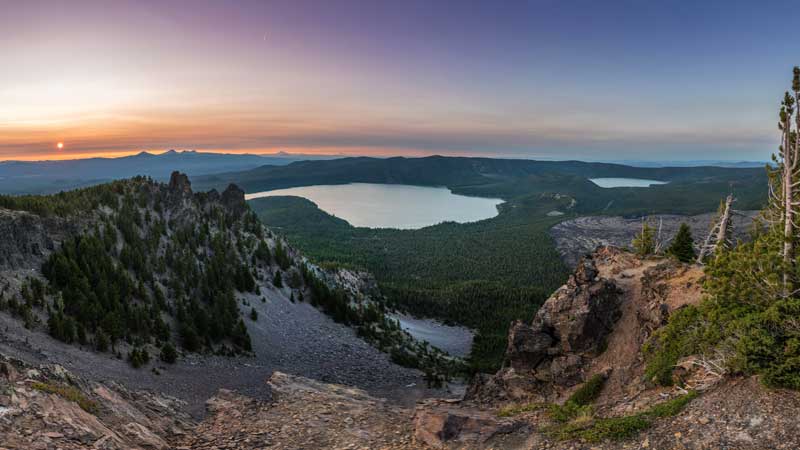
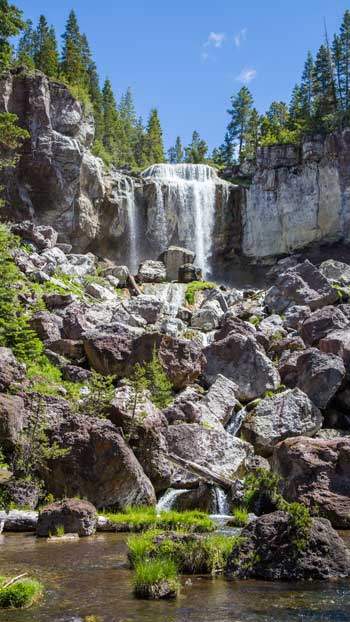





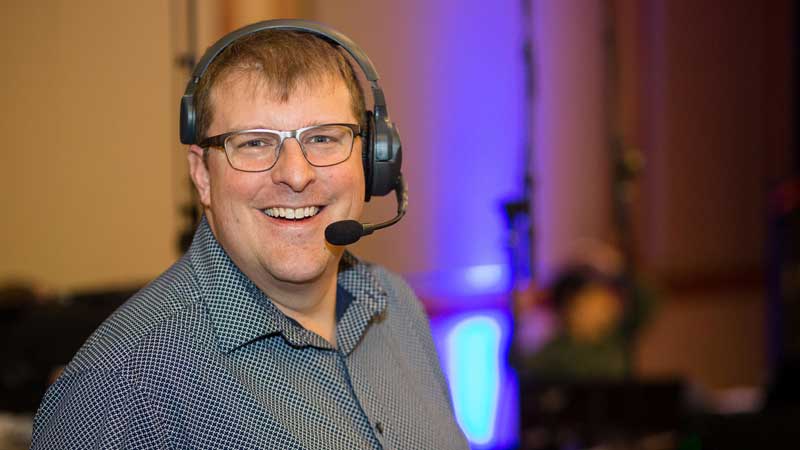


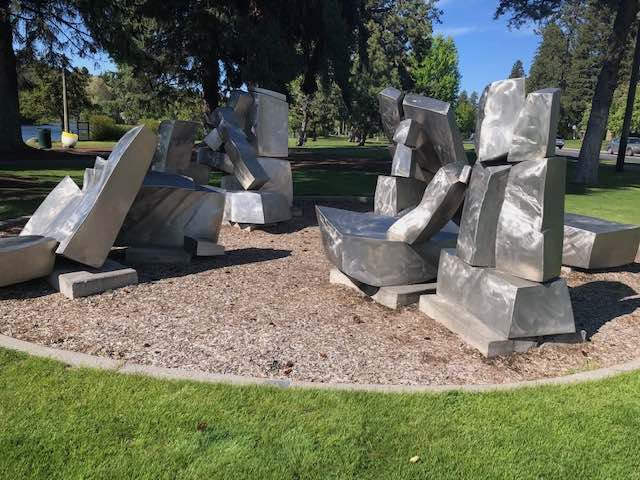



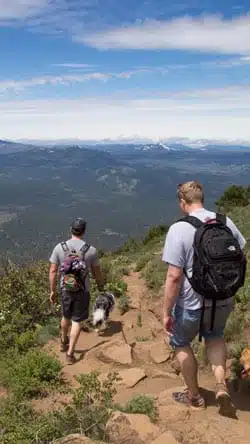


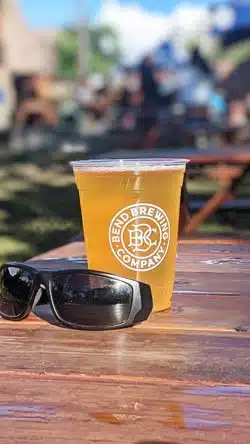


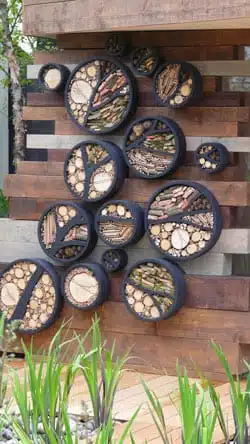




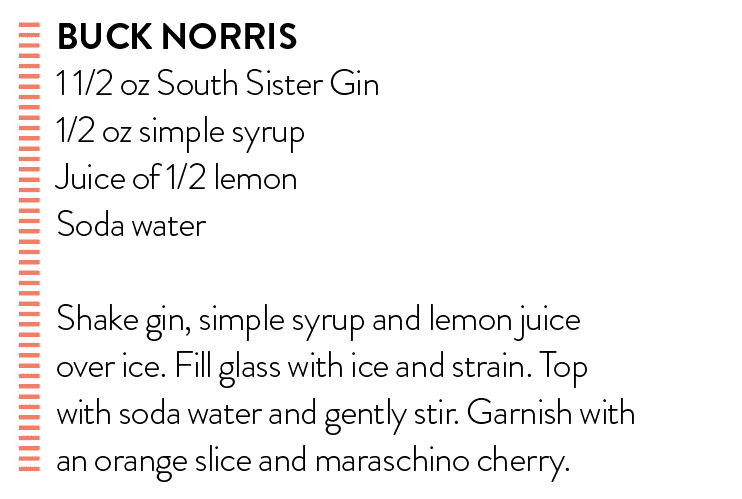


 On a chilly evening in 2012, Rick Molitor and four of his friends were gathered around a campfire with their drink of choice: a glass of whiskey. Together, they decided that they should turn their love for the dark liquor into a side hustle. The five Madras natives launched New Basin Distilling Company and bottled their first vodka, gin and whiskey in 2015.
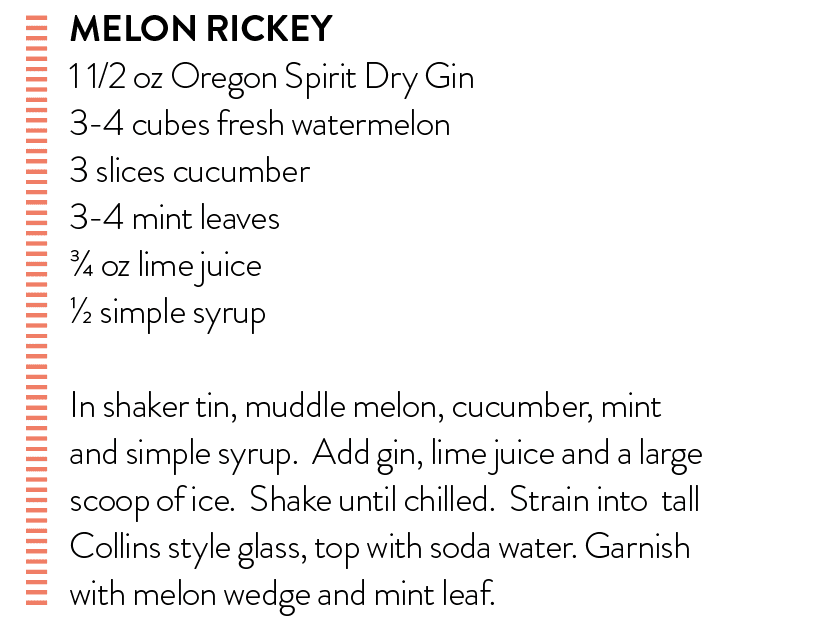


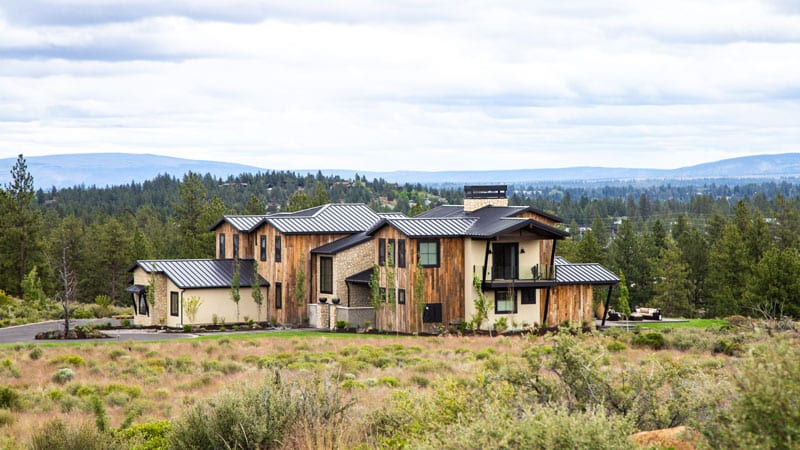




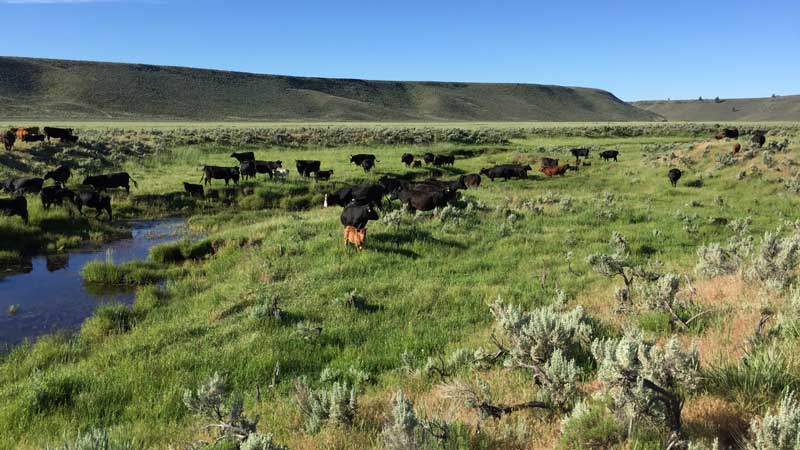


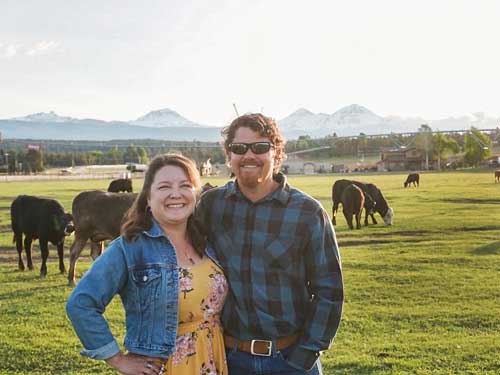

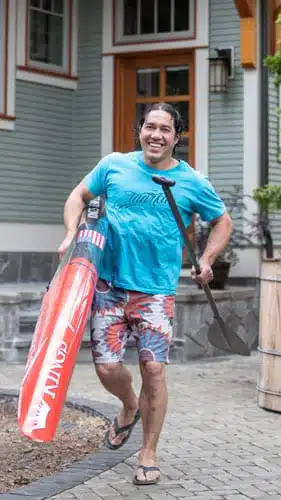






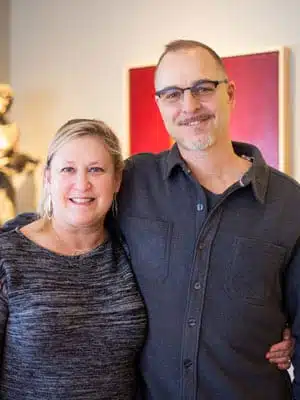





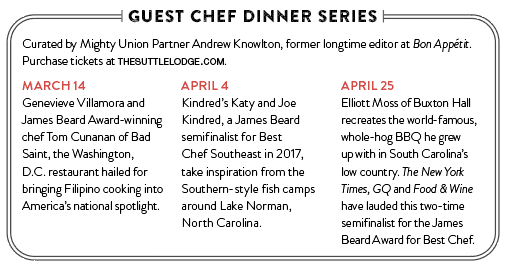


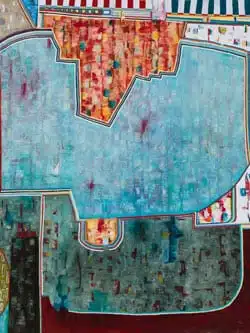


 Sonos 5.1 Home Theater Surround Set